Social & External
The people behind it
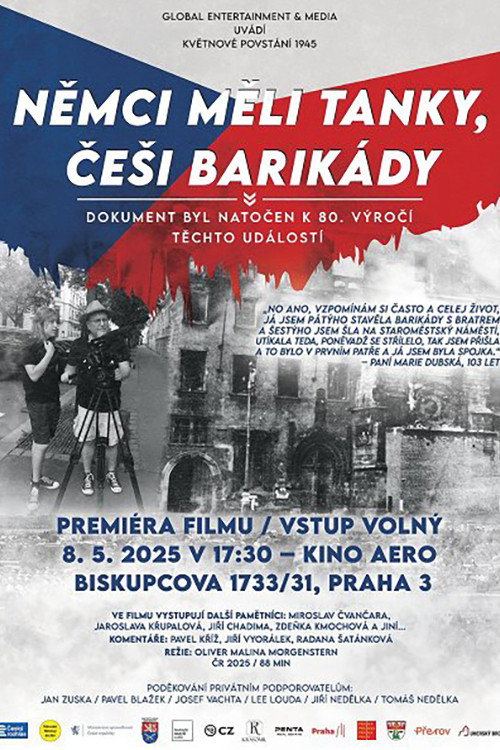
Pavel Kříž
Narrator (voice)
Jiří Vyorálek
Radana Šatánková
The role of African American soldiers during the World War II Allied invasion of Normandy.
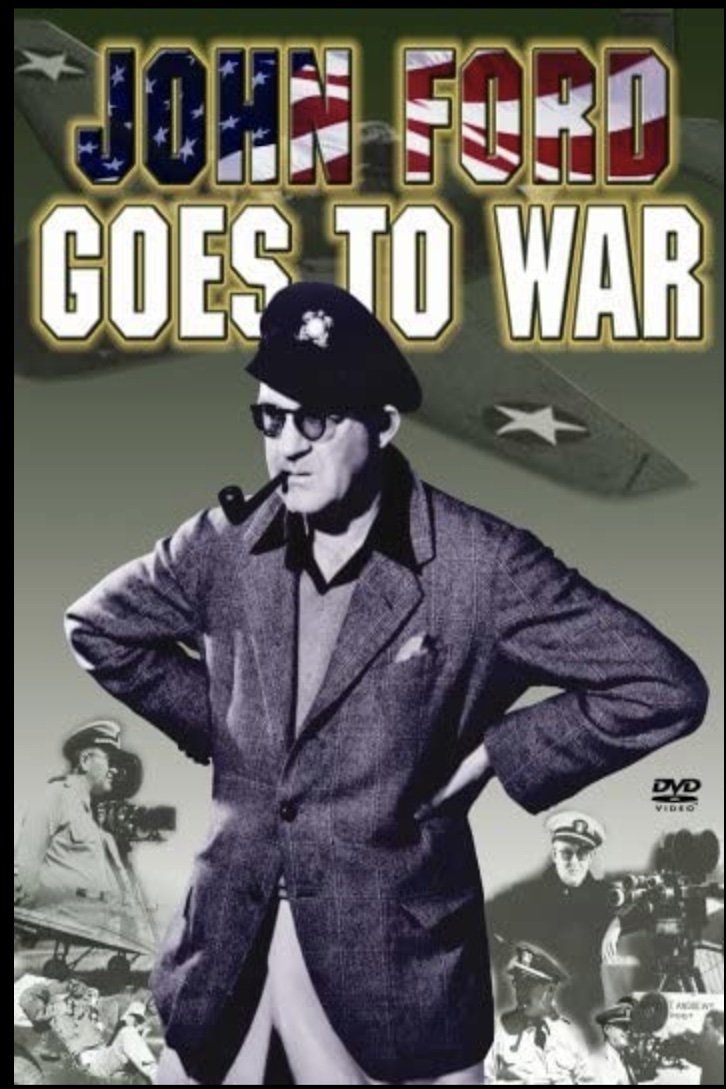
When World War II broke out, John Ford, in his forties, commissioned in the Naval Reserve, was put in charge of the Field Photographic Unit by Bill Donavan, director of the soon-to-be-OSS. During the war, Field Photo made at least 87 documentaries, many with Ford's signature attention to heroism and loss, and many from the point of view of the fighting soldier and sailor. Talking heads discuss Ford's life and personality, the ways that the war gave him fulfillment, and the ways that his war films embodied the same values and conflicts that his Hollywood films did. Among the films profiled are "Battle of Midway," "Torpedo Squadron," "Sexual Hygiene," and "December 7."
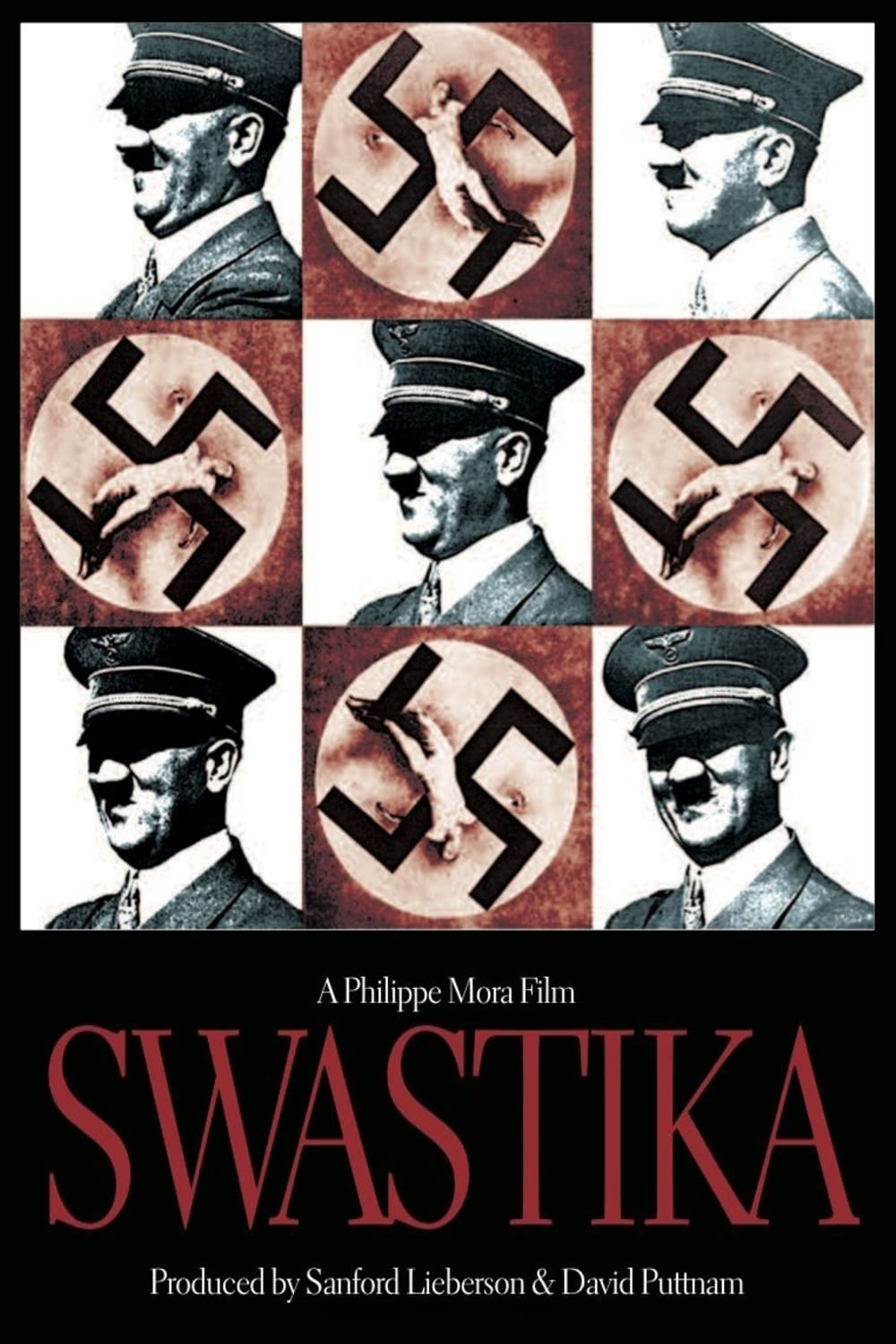
Comprised of footage shot during the Nazi regime, including propaganda, newsreels, broadcasts and even some of Eva Braun's colorized personal home movies, we explore the way in which the Third Reich infiltrated the lives of the German population, from 1933 to 1945.
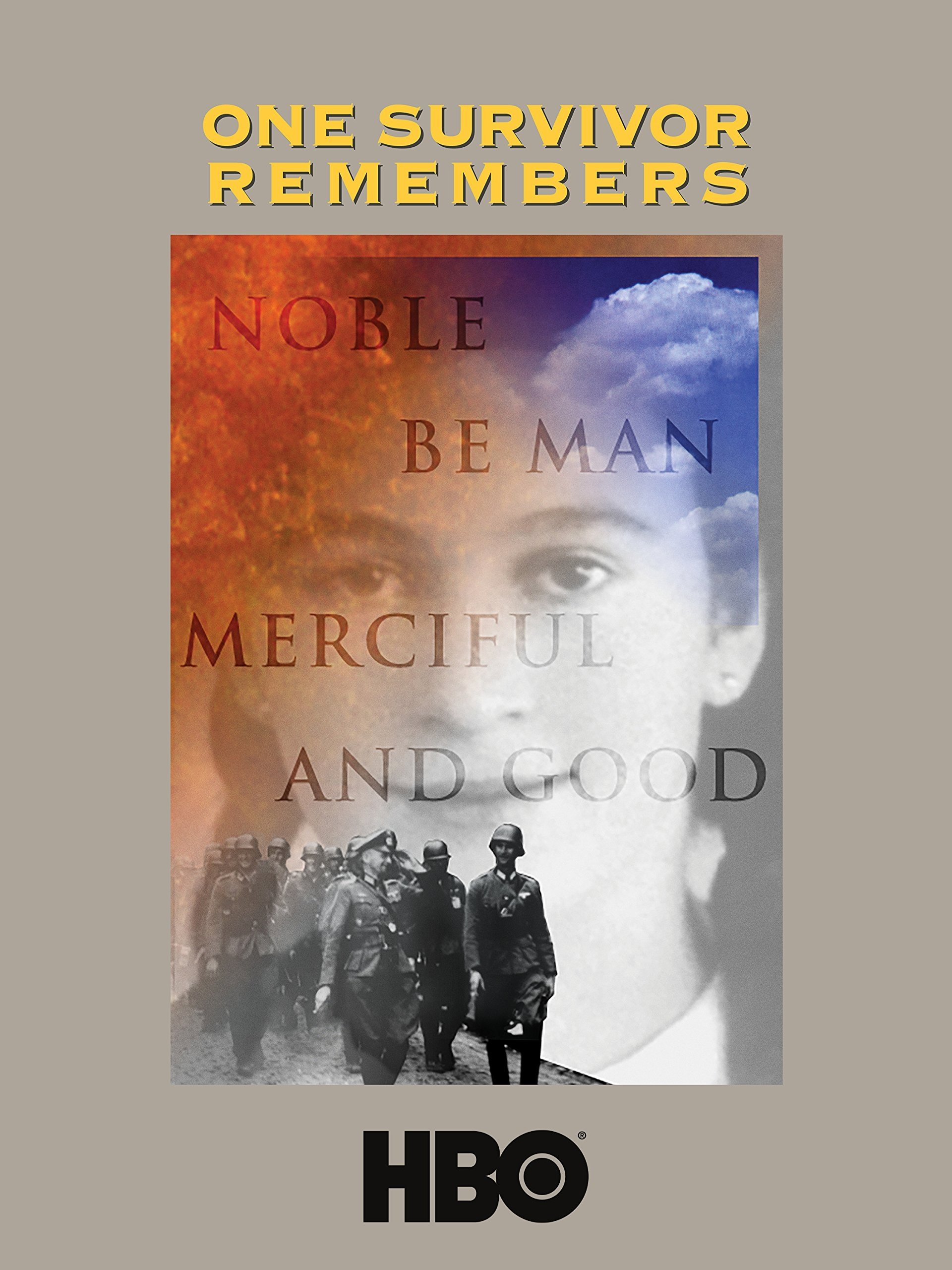
Co-produced by the U.S. Holocaust Memorial Museum Research Institute, this Academy Award-winning documentary relates the harrowing story of Gerda Weissmann Klein and her journey of survival and remembering both before and after the war.
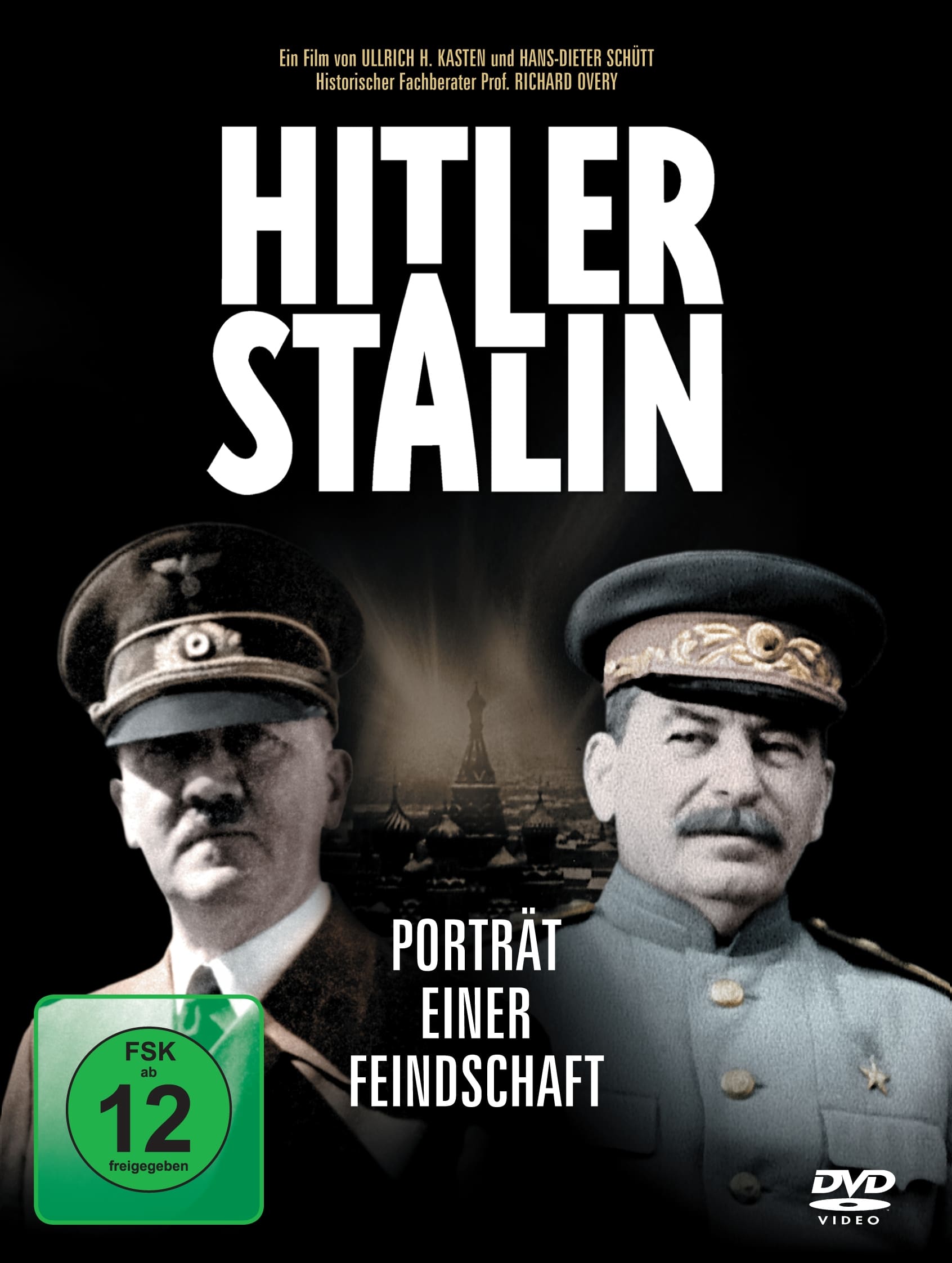
A double portrait of two dictators who were thousands of miles apart but were constantly fixated on each other.
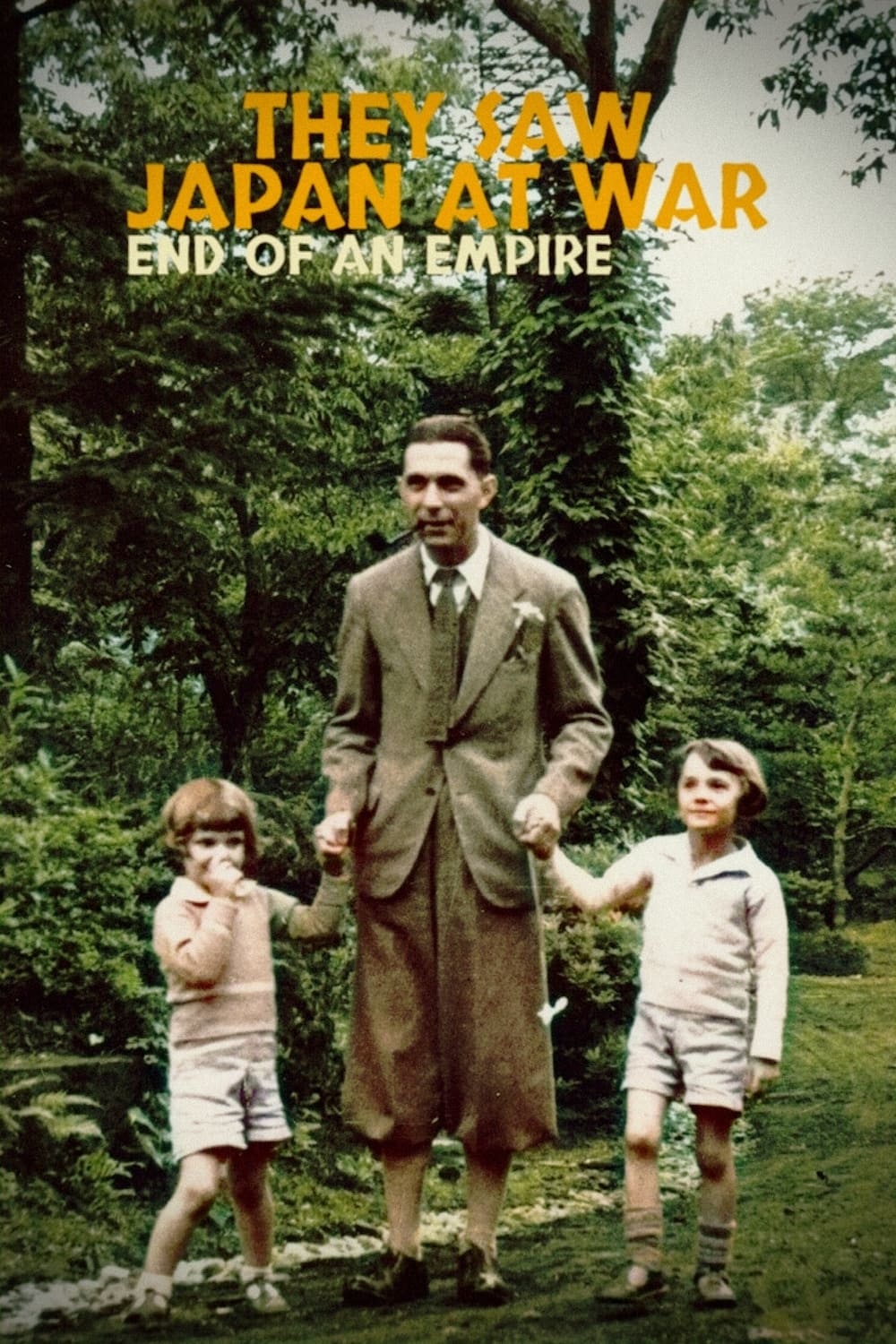
The story of a Franco-Belgian family living in Japan from 1927 to 1947, a time of prosperity and fortune, but also of political turbulence and war.
Reveals an alternate history of the post-war world. This is a version of history where, in contrast to what we are all told, fascist ideology prevailed. The story of Klaus Barbie, Nazi torturer, American spy, tool of repressive right-wing regimes, is symbolic of the real relationship that the "Western" governments had with fascism and makes us see the world as it is today - and the politicians that inhabit it - in a different way.
Miany, 84, is increasingly losing her words. In front of her granddaughter's camera, she recounts a childhood memory from 1939. Between memory and forgetting, a story on the edge of time.
A visit to the famed aircraft carrier USS Midway and interviews with men who served aboard it bring the exciting story of the vessel to life in this dramatic documentary. In service for 47 years, the Midway saw heavy action during the Vietnam War, and its hair-raising missions to rescue downed pilots were legendary. After Vietnam, the Midway, now berthed in San Diego, participated in numerous operations, including the Gulf War.
The Front Show is a series of World War II era German military training films shown to German soldiers before being shipped off to the Eastern Front. They were directed by the veteran propagandist Fritz Hippler, best known for Der Ewige Jude.
A 15 minute documentary utilizing archival Super 8 film footage and original animation about a father fulfilling his dream of reconnecting his 5 small children to the steps of his own father when he fought for the Canadian military in WW2 through a trip to Europe in 1973.
An epic family saga told by the women around the famous architect Ludwig Mies van der Rohe.
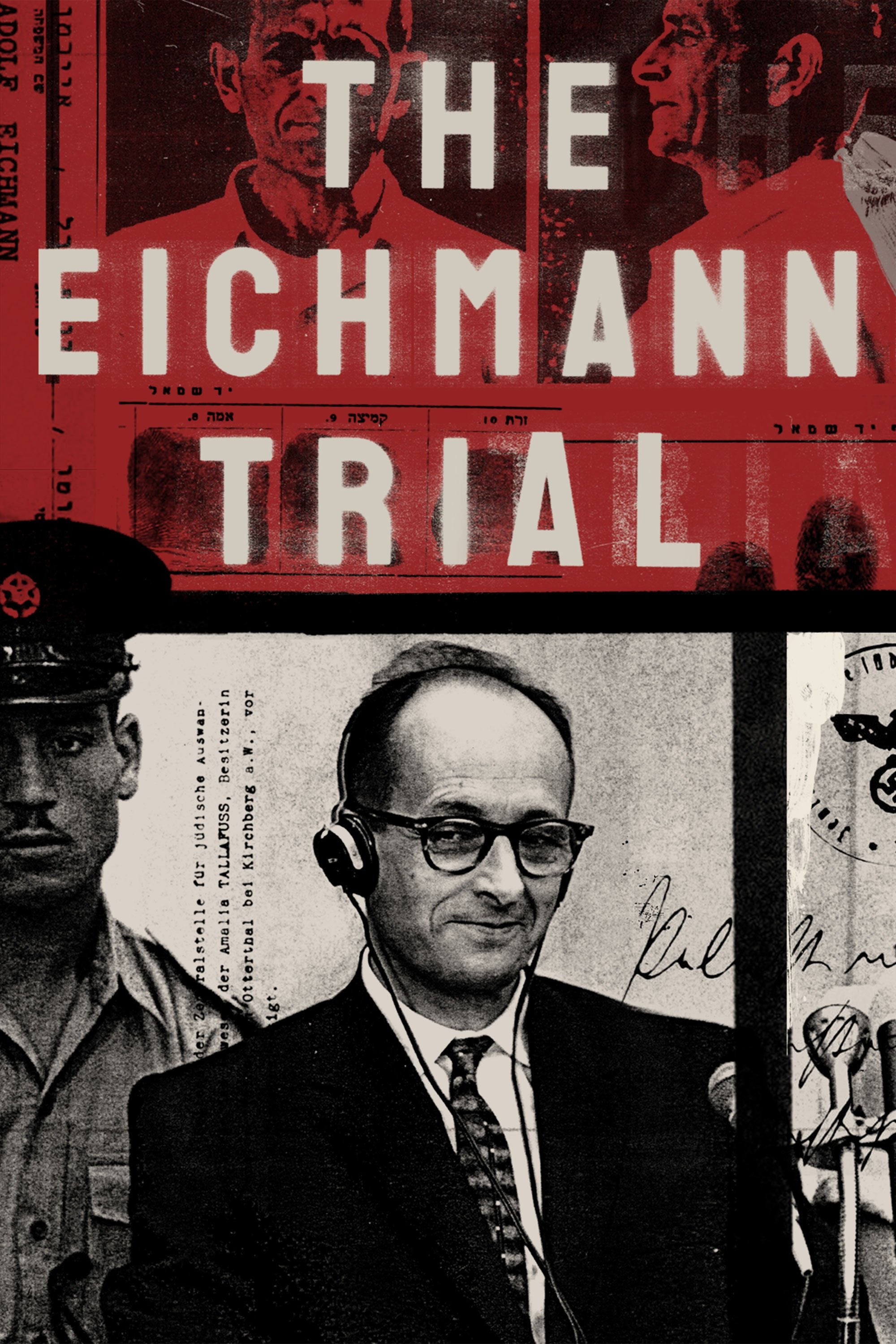
In 1961, history was on trial... in a trial that made history. Just 15 years after the end of WWII, the Holocaust had been largely forgotten. That changed with the capture of Adolf Eichmann, a former Nazi officer hiding in Argentina. Through rarely-seen archival footage, The Eichmann Trial documents one of the most shocking trials ever recorded, and the birth of Holocaust awareness and education.
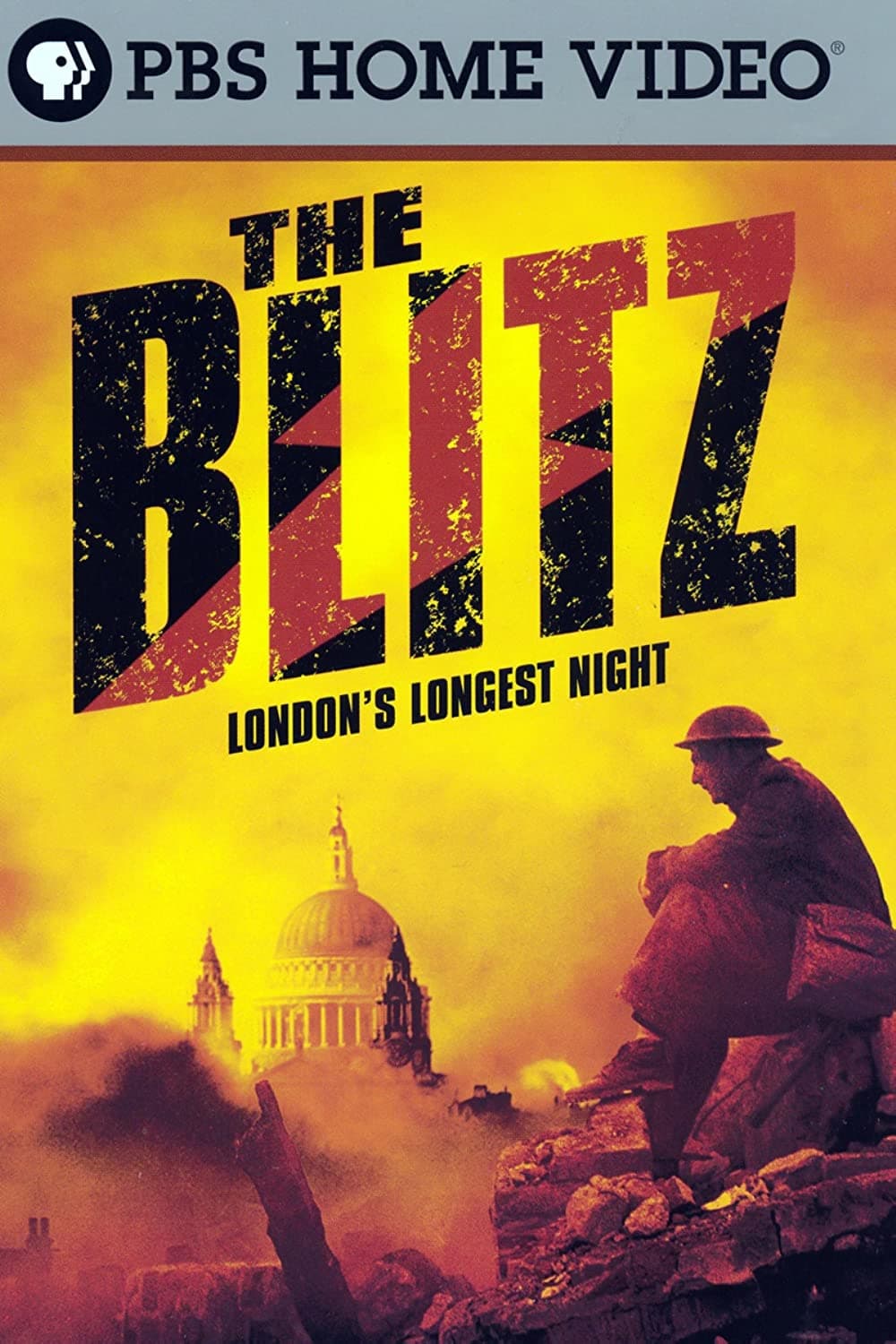
Details the German bombing of London the night of the 29th of December, in 1940.
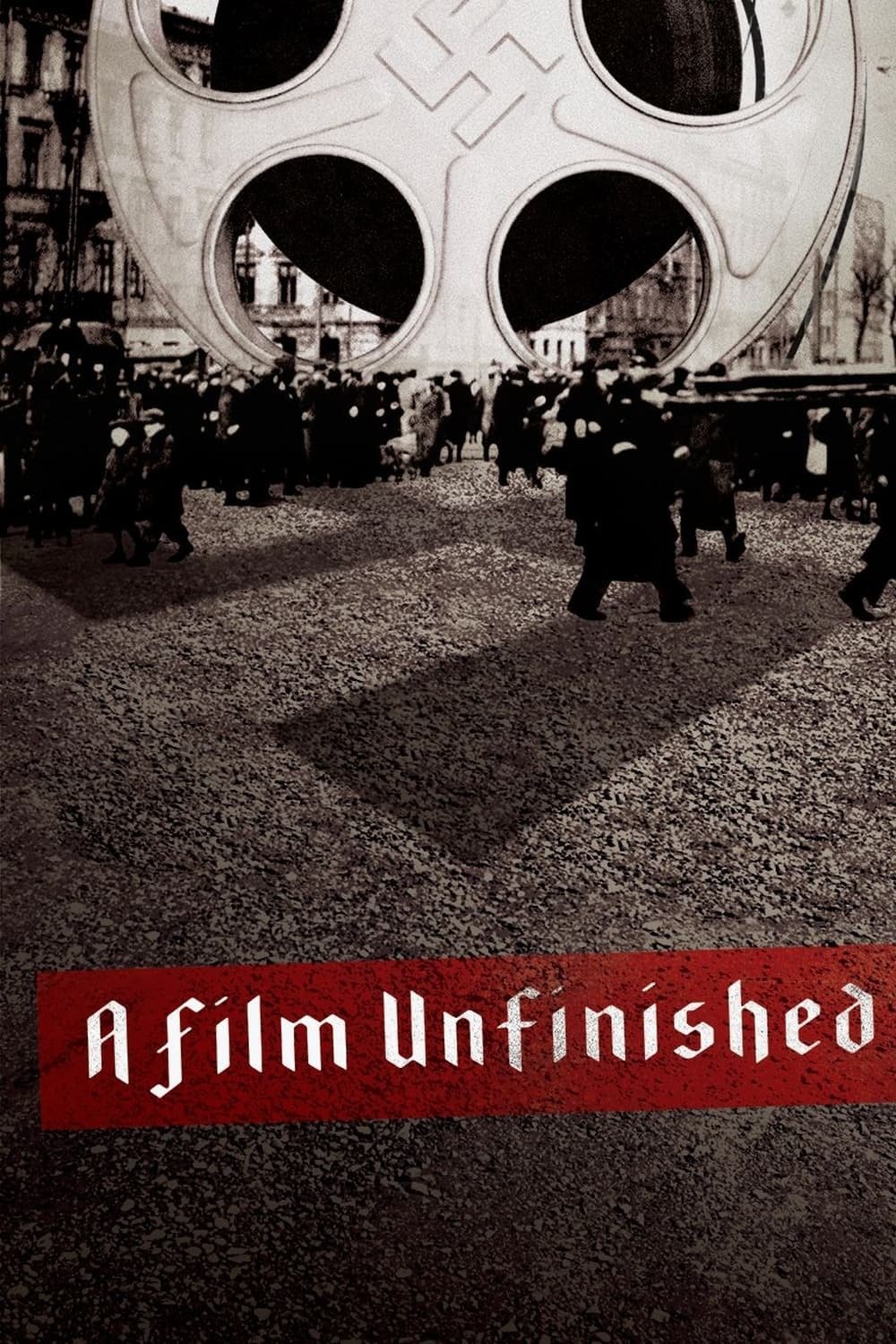
Yael Hersonski's powerful documentary achieves a remarkable feat through its penetrating look at another film-the now-infamous Nazi-produced film about the Warsaw Ghetto. Discovered after the war, the unfinished work, with no soundtrack, quickly became a resource for historians seeking an authentic record, despite its elaborate propagandistic construction. The later discovery of a long-missing reel complicated earlier readings, showing the manipulations of camera crews in these "everyday" scenes. Well-heeled Jews attending elegant dinners and theatricals (while callously stepping over the dead bodies of compatriots) now appeared as unwilling, but complicit, actors, alternately fearful and in denial of their looming fate.
The documentary recounts the world's first nuclear attack and examines the alarming repercussions. Covering a three-week period from the Trinity test to the atomic bombing of Hiroshima, the program chronicles America's political gamble and the planning for the momentous event. Archival film, dramatizations, and special effects feature what occurred aboard the Enola Gay (the aircraft that dropped the bomb) and inside the exploding bomb.
Featuring never-before-seen film footage of Adolf Hitler and the Nazi regime, The Architecture of Doom captures the inner workings of the Third Reich and illuminates the Nazi aesthetic in art, architecture and popular culture. From Nazi party rallies to the final days inside Hitler's bunker, this sensational film shows how Adolf Hitler rose from being a failed artist to creating a world of ponderous kitsch and horrifying terror. Hitler worshipped ancient Rome and Greece, and dreamed of a new Golden Age of classical art and monumental architecture, populated by beautiful, patriotic Aryans. Degenerated artists and inferior races had no place in his lurid fantasy. As this riveting film shows, the Nazis went from banning the art of modernists like Picasso to forced euthanasia of the retarded and sick, and finally to the persecution of homosexuals and the extermination of the Jews.
Documentary on the life of Cornelia Fort, who was present at Pearl Harbor on December 7, 1941, became Women Airforce Service Pilot, and was the first American female pilot to die on active duty in WWII.
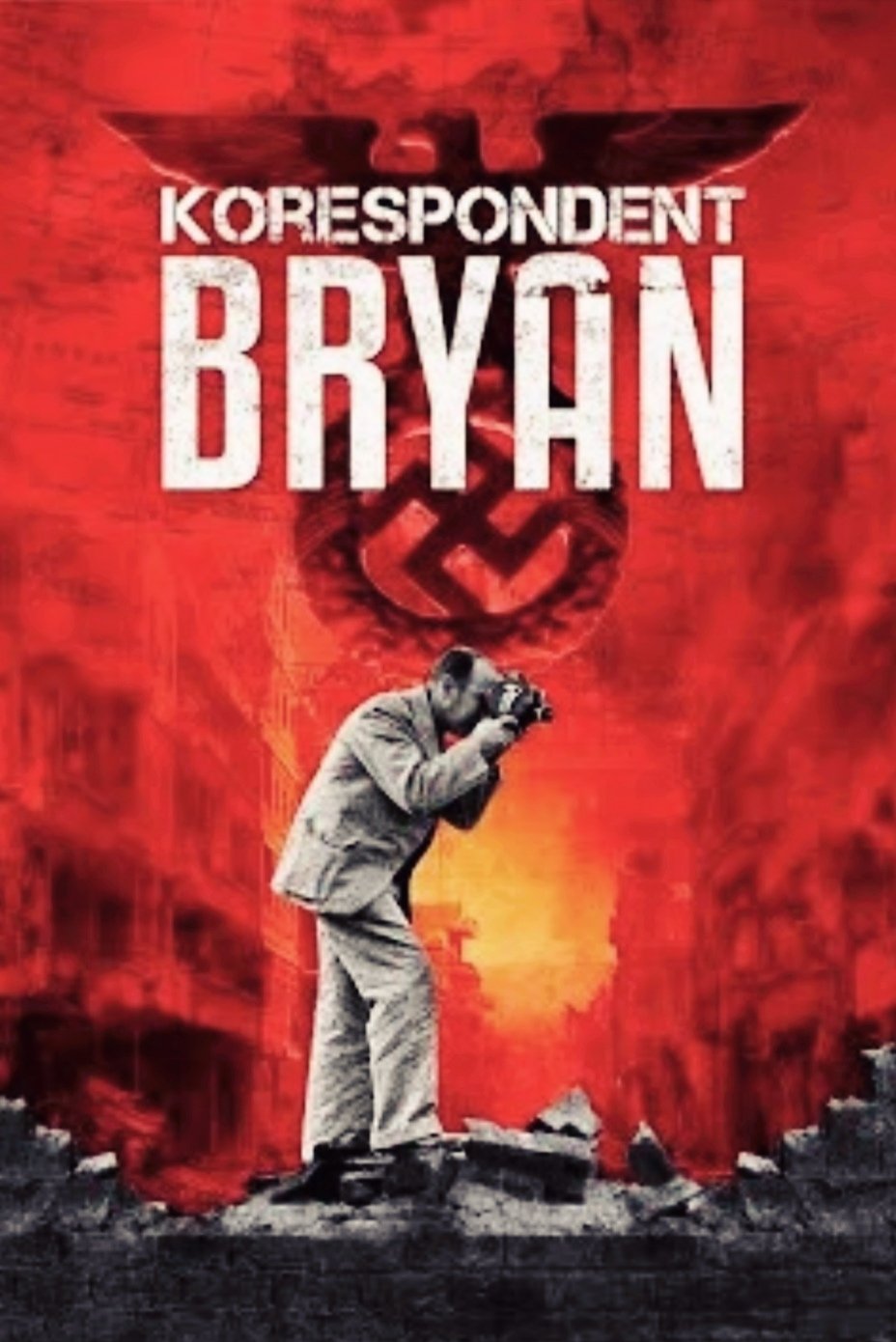
The film is based solely on footage shot in Warsaw in 1939 by Julien Hequembourg Bryan. This American filmmaker and photographer documented life in Poland, the Soviet Union and Nazi Germany between 1935 and 1939. Following the outbreak of the Second World War, he arrived in Warsaw, where he shot a number of films documenting the city under siege, and is said to be the only foreign correspondent in the Polish capital at the time. Bryan also took the first colour photographs of wartime Warsaw.
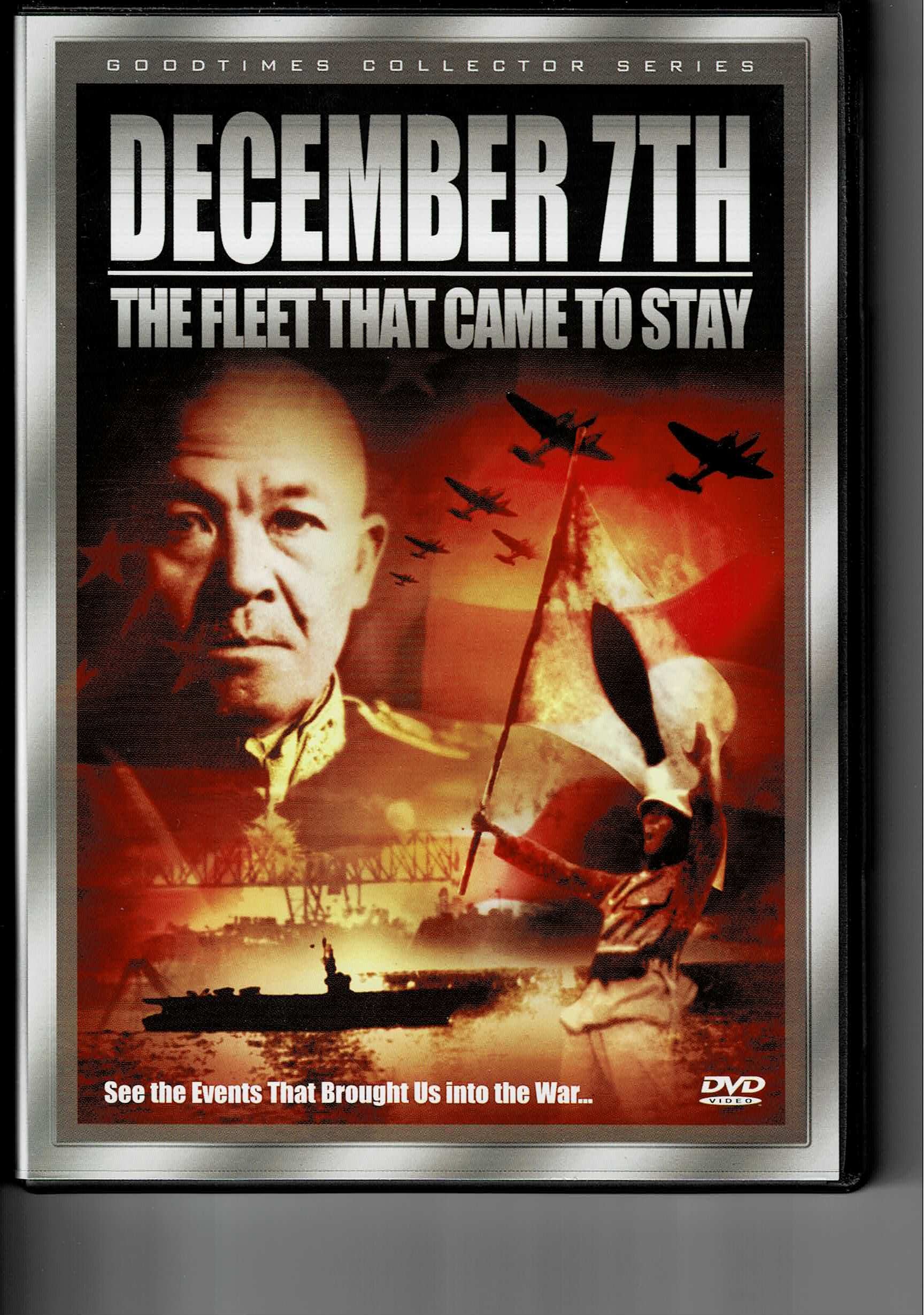
Brigadier General Stanley M. Ulanoff, a widely decorated military historian who served with the Counterintelligence Corps in Europe during World War II, introduces this gripping documentary film. At 7:55 AM on Sunday, December 7th, 1941, which FDR called "a date which will live in infamy," the Japanese began an air attack that devastated the Pacific fleet and took the lives of 2,343 servicemen. Lt. Cmdr. John Ford skillfully blends historic action with studio shots in this Oscar-winning look at the day's events. Also included is The Fleet That Came to Stay, concerning the invasion of Okinawa.
When Allied forces liberated the Nazi concentration camps in 1944-45, their terrible discoveries were recorded by army and newsreel cameramen, revealing for the first time the full horror of what had happened. Making use of British, Soviet and American footage, the Ministry of Information’s Sidney Bernstein (later founder of Granada Television) aimed to create a documentary that would provide lasting, undeniable evidence of the Nazis’ unspeakable crimes. He commissioned a wealth of British talent, including editor Stewart McAllister, writer and future cabinet minister Richard Crossman – and, as treatment advisor, his friend Alfred Hitchcock. Yet, despite initial support from the British and US Governments, the film was shelved, and only now, 70 years on, has it been restored and completed by Imperial War Museums under its original title "German Concentration Camps Factual Survey".
A string of threatening emails escalates into a revenge plot involving a newly married US marshal and his ex-girlfriend.
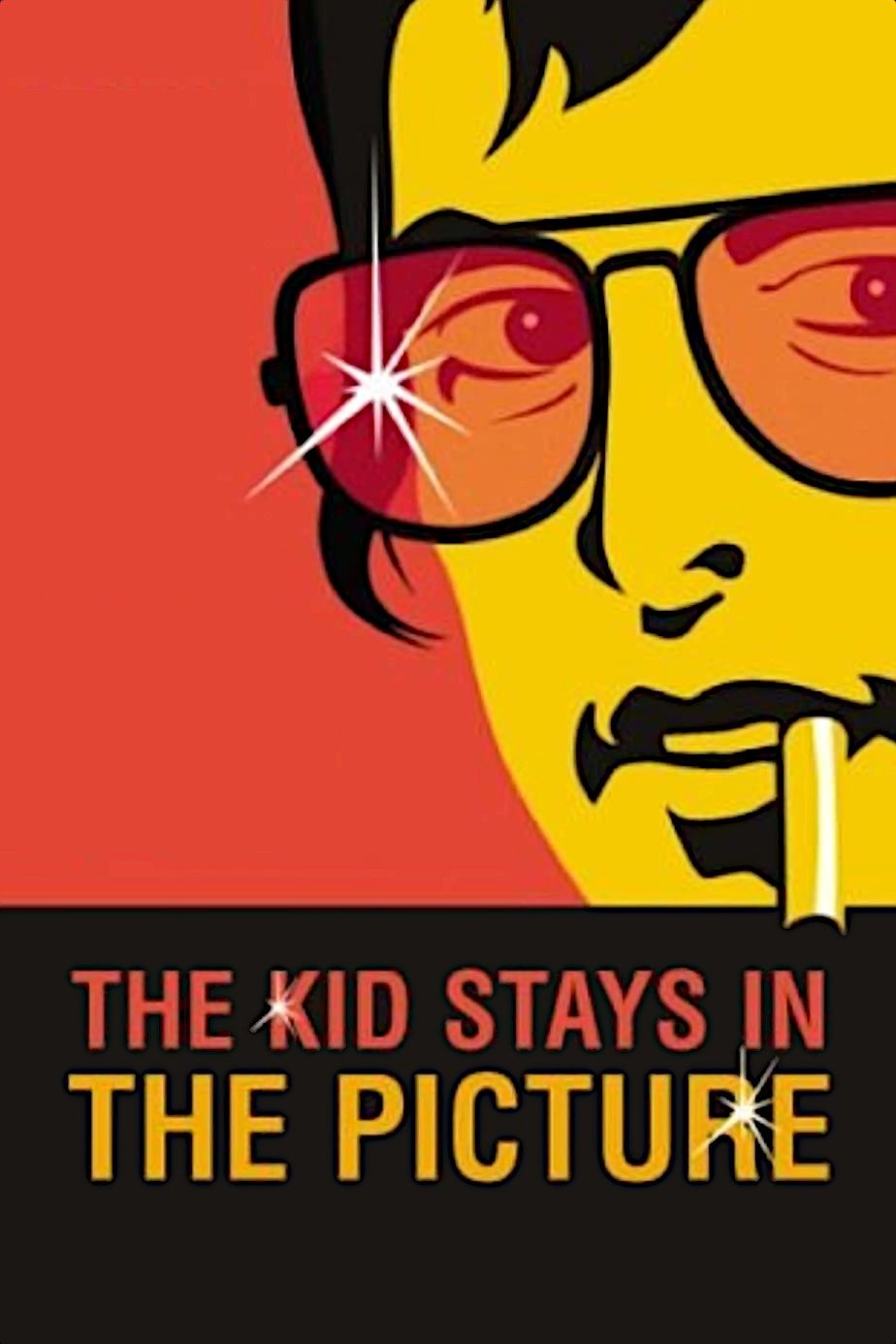
Documentary about legendary Paramount producer Robert Evans, based on his famous 1994 autobiography.
Drawn from a never before seen cache of personal footage spanning decades, this is an intimate portrait of the Sri Lankan artist and musician who continues to shatter conventions.
Ten of Muhammad Ali's former rivals pay tribute to the three-time world heavyweight champion.
An in-depth look at the rapid rise and dramatic fall of New York Governor Eliot Spitzer.
A wide-ranging, definitive look at Hawk’s life and iconic career, and his relationship with the sport with which he’s been synonymous for decades, featuring unprecedented access, never-before-seen footage, and interviews with Hawk and prominent figures in the sport including Stacy Peralta, Rodney Mullen, Mike McGill, Lance Mountain, Steve Caballero, Neil Blender, Andy MacDonald, Duane Peters, Sean Mortimer, and Christian Hosoi.
A subjective documentary that explores various theories about hidden meanings in Stanley Kubrick's classic film The Shining. Five very different points of view are illuminated through voice over, film clips, animation and dramatic reenactments.
A love letter from a young mother to her daughter, the film tells the story of Waad al-Kateab’s life through five years of the uprising in Aleppo, Syria as she falls in love, gets married and gives birth to Sama, all while cataclysmic conflict rises around her. Her camera captures incredible stories of loss, laughter and survival as Waad wrestles with an impossible choice– whether or not to flee the city to protect her daughter’s life, when leaving means abandoning the struggle for freedom for which she has already sacrificed so much.
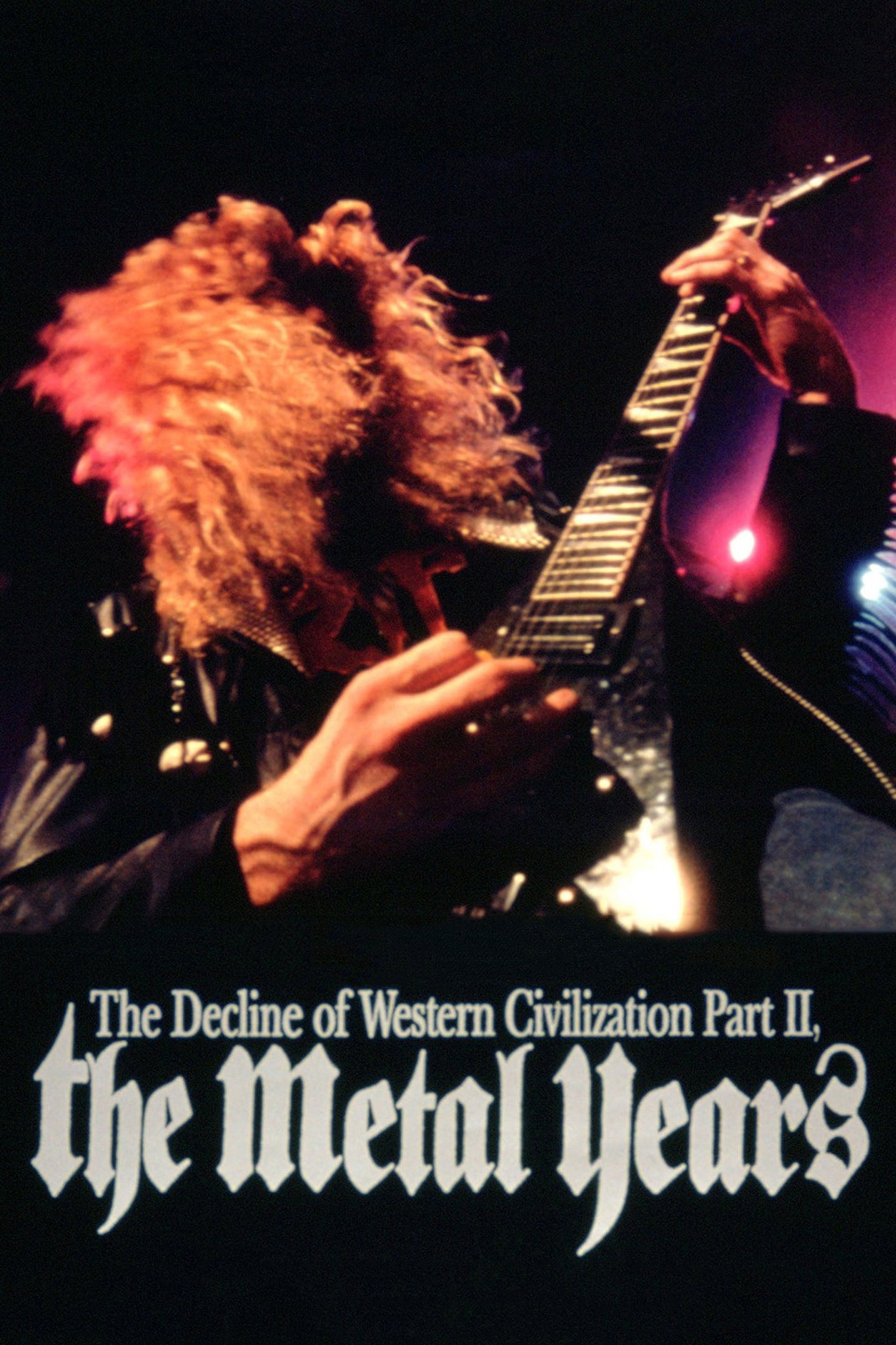
An exploration of the heavy metal scene in Los Angeles, with particular emphasis on glam metal. It features concert footage and interviews of legendary heavy metal and hard rock bands and artists such as Aerosmith, Alice Cooper, Kiss, Megadeth, Motörhead, Ozzy Osbourne and W.A.S.P..
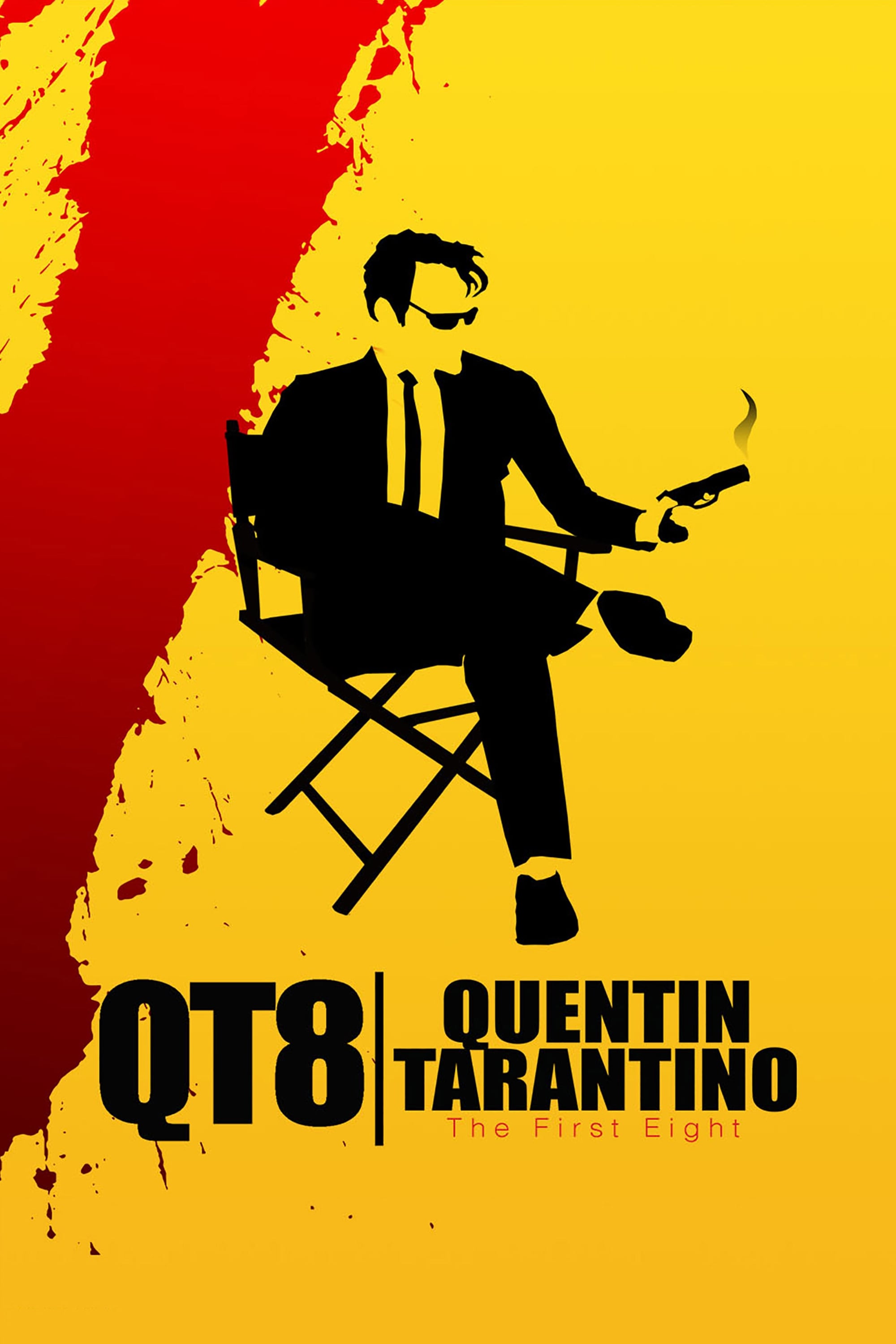
A detailed account of the life and artistic career of legendary filmmaker Quentin Tarantino, from his early days as a video club manager to the scandalous fall in disgrace of producer Harvey Weinstein. A story about how to shoot eight great movies and become an icon of modern pop culture.
In 1972, a seemingly typical shoestring budget pornographic film was made in a Florida hotel: "Deep Throat," starring Linda Lovelace. This film would surpass the wildest expectation of everyone involved to become one of the most successful independent films of all time. It caught the public imagination which met the spirit of the times, even as the self-appointed guardians of public morality struggled to suppress it, and created, for a brief moment, a possible future where sexuality in film had a bold artistic potential. This film covers the story of the making of this controversial film, its stunning success, its hysterical opposition along with its dark side of mob influence and allegations of the on set mistreatment of the film's star.
The courtroom and publicity battles between the superstar wrestler and the notorious website explode in a sensational trial all about the limits of the First Amendment and the new no holds barred nature of celebrity life in an internet dominated society.
The most famous murder scene in movie history comprises 78 camera settings and 52 cuts: the shower scene in Alfred Hitchcock's Psycho. 78/52 tells the story of the man behind the curtain and his greatest obsession.
A look behind the curtain of Washington politics following three "renegade" Republican Congressmen as they bring libertarian and conservative zeal to champion the President’s call to “drain the swamp.”
Through interviews with both victims and instigators, Nanfu Wang, a first-time mother, breaks open decades of silence on a vast, unprecedented social experiment that shaped — and destroyed — countless lives in China.
An investigation of "disaster capitalism", based on Naomi Klein's proposition that neo-liberal capitalism feeds on natural disasters, war and terror to establish its dominance.
The story of Robert Pilatus and Fabrice Morvan, who became fast friends during their youth in Germany. With Rob coming from a broken home and Fabrice having left an abusive household, they shared a similar upbringing, as well as a future goal: to become famous superstars. In a few short years, their dreams came true. Rob and Fab, better known as Milli Vanilli, became the world's most popular pop duo in 1990 and won the GRAMMY for Best New Artist. However, their ascension to success came with a devastating price that ultimately led to their infamous undoing.
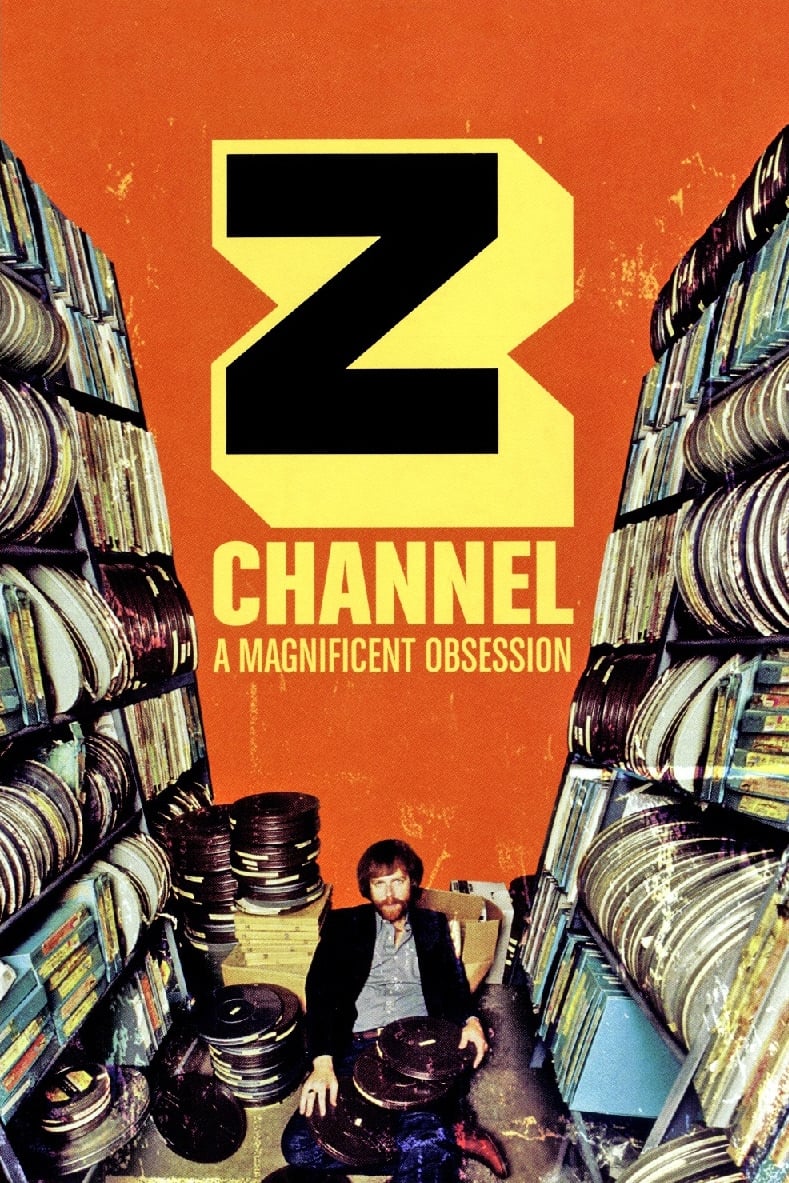
A documentary on the Z Channel, one of the first pay cable stations in the US, and its programming chief, Jerry Harvey. Debuting in 1974, the LA-based channel's eclectic slate of movies became a prime example of the untapped power of cable television.
The definitive portrait of one of sport's most inspirational, influential figures - whose legacy lives on far beyond the football field.