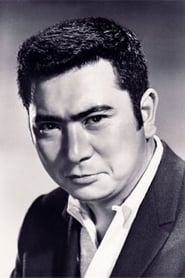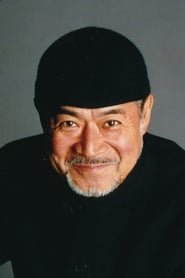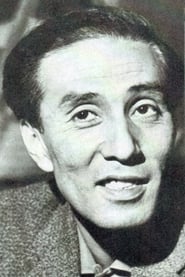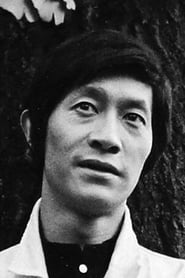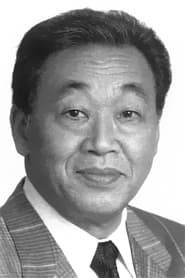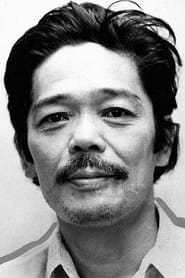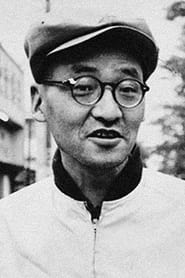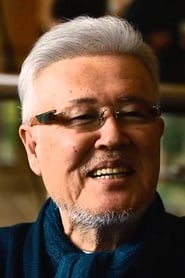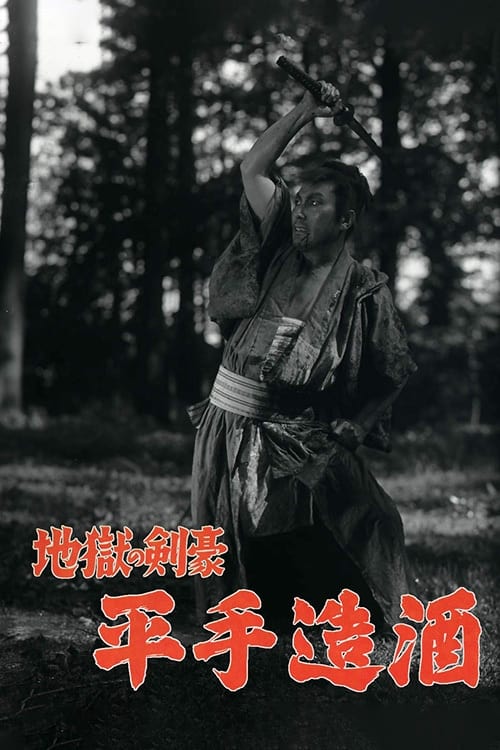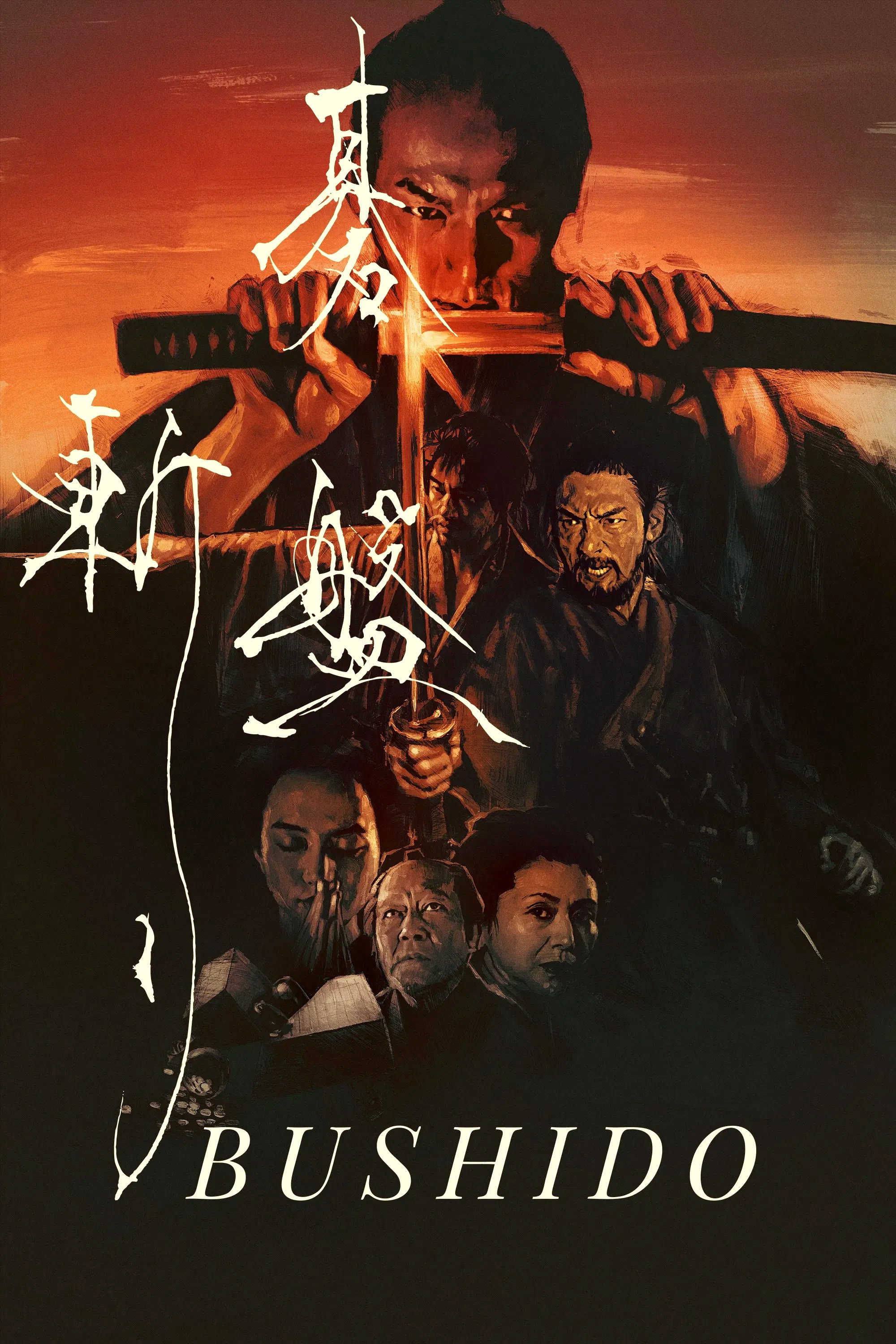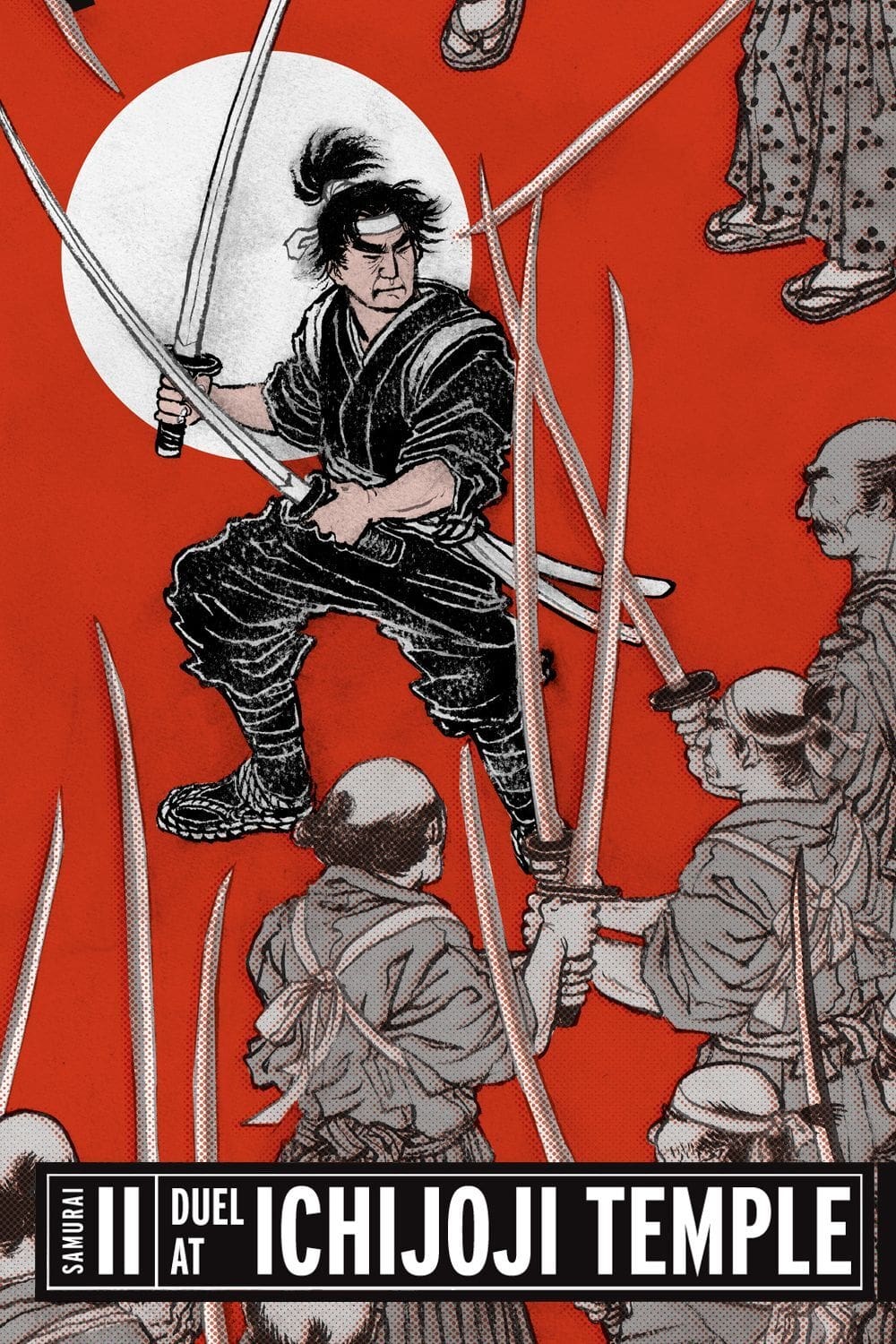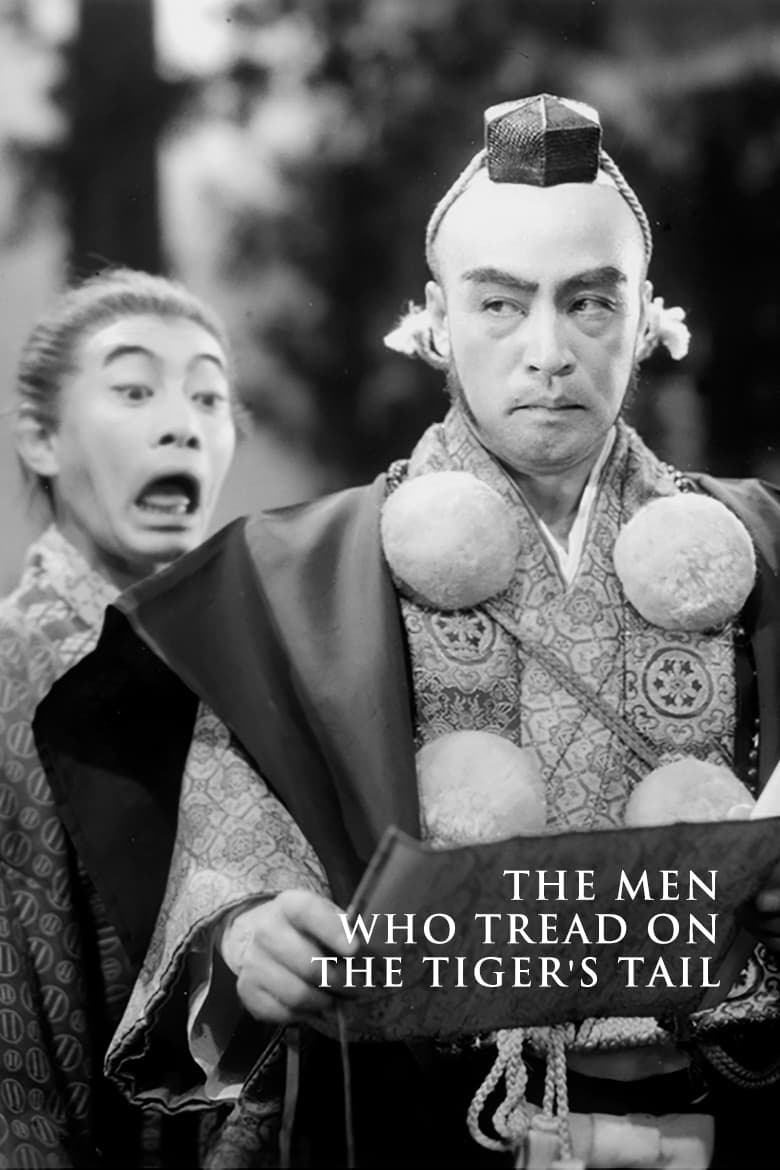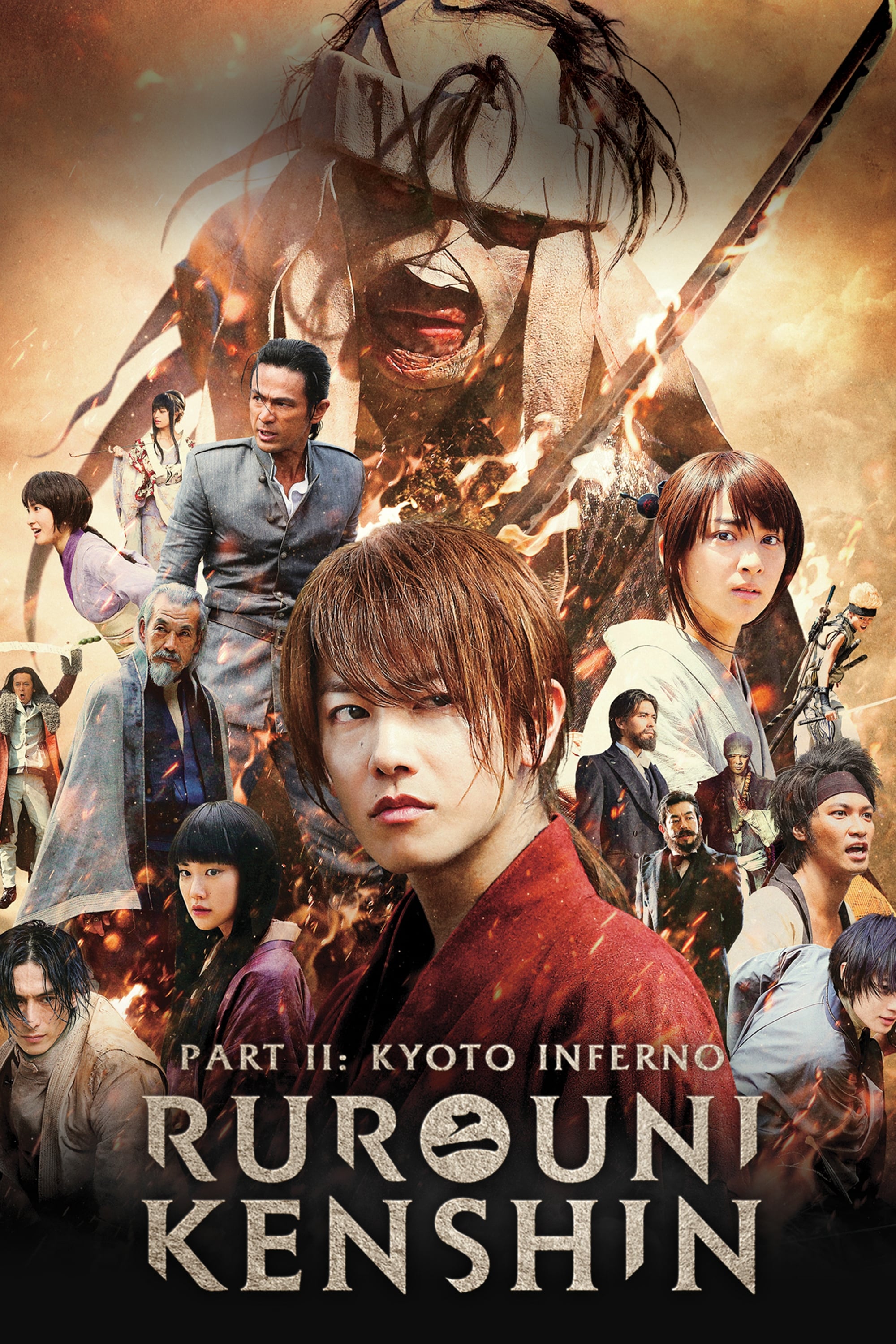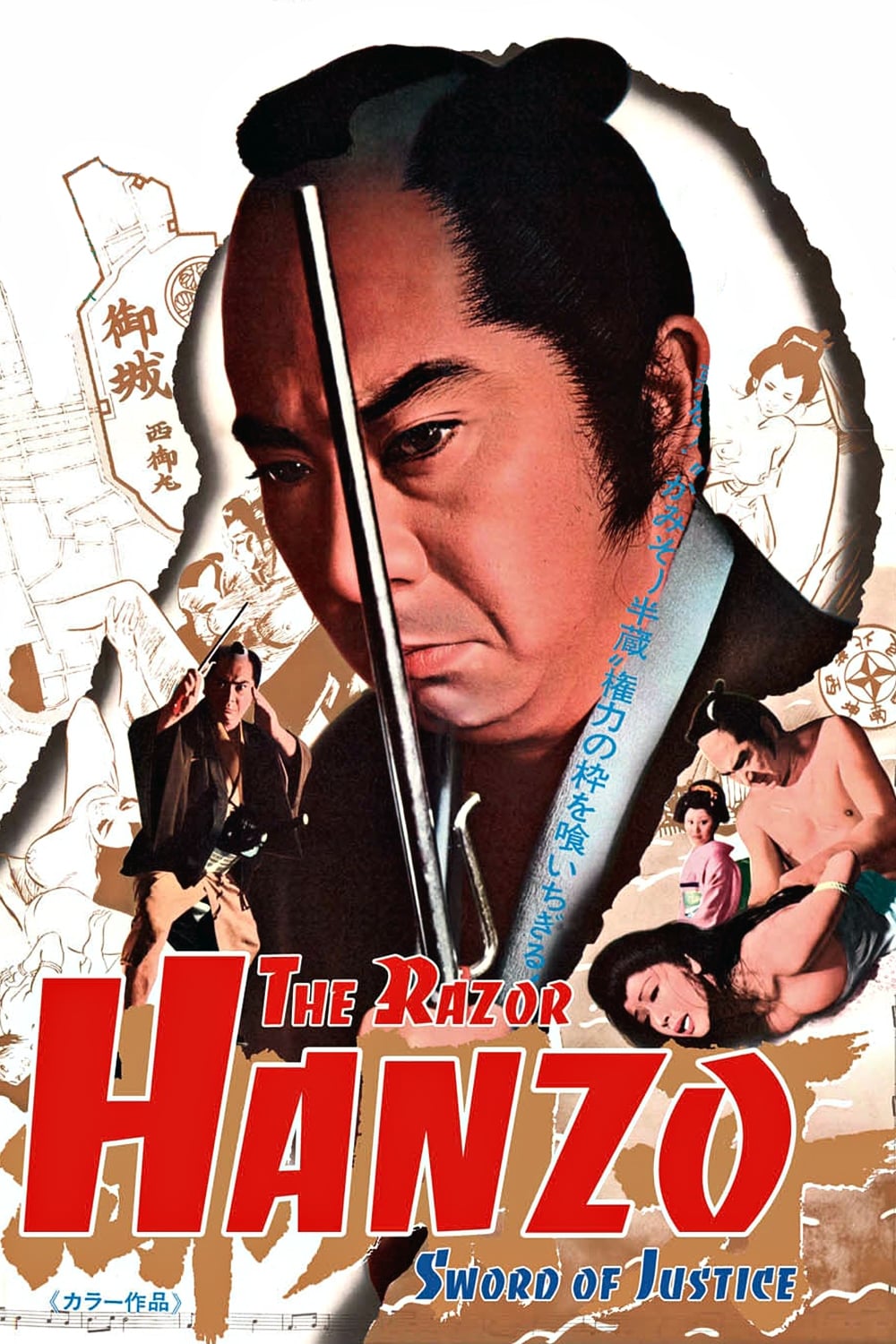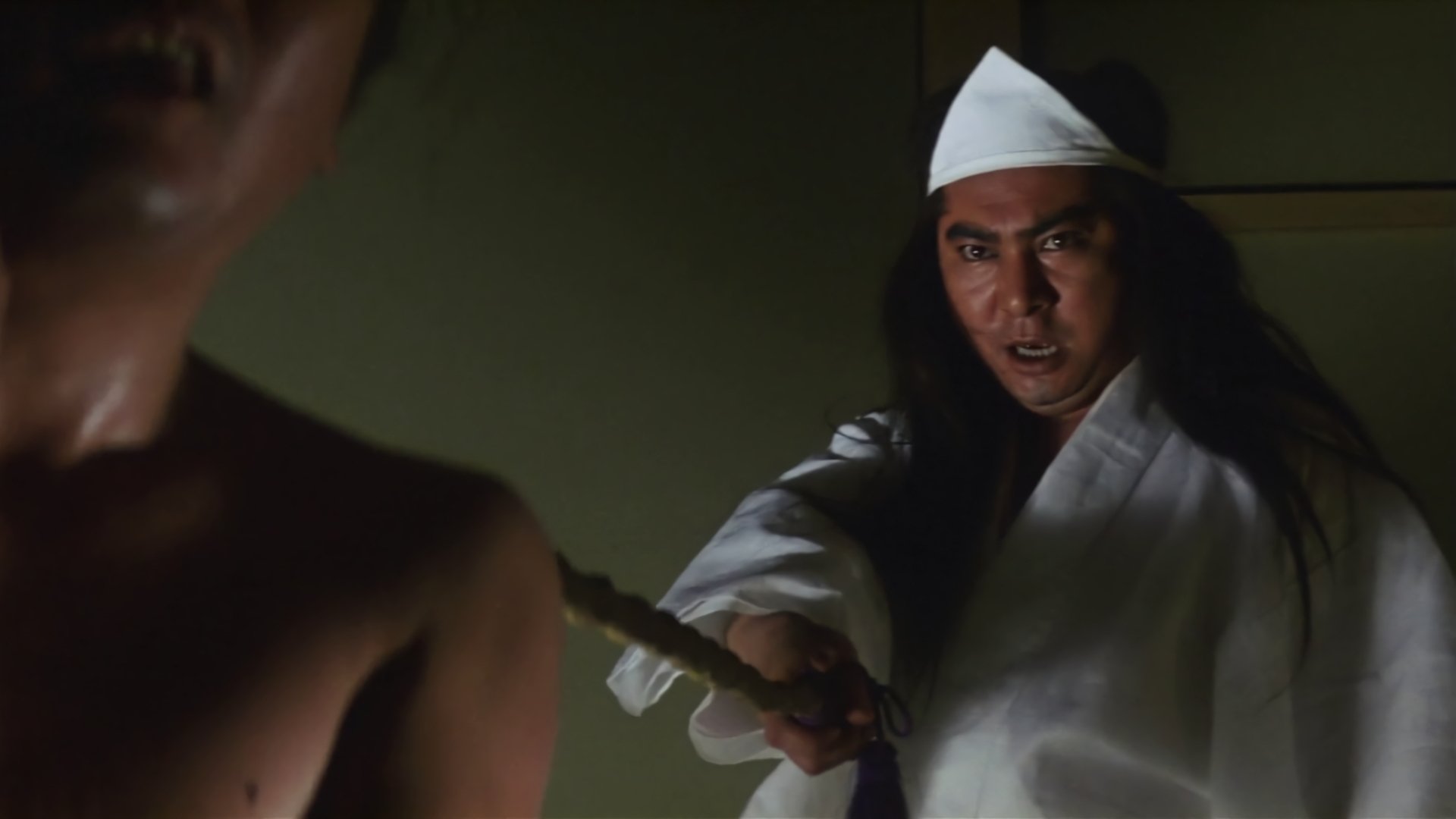

Against the backdrop of the Edo treasury devaluing currency and driving many into poverty, Hanzo Itami enforces the law without regard to status. He shows inadequate respect to the treasurer, who wants him dead.
Social & External
The people behind it
Shintarō Katsu
Hanzo 'The Razor' Itami
Toshio Kurosawa
Junai Mikoshiba
Kō Nishimura
Magobei "Snake" Onishi
Kei Satō
Shobei Hamajima
Kazuko Inano
Keizo Kanie
Shin Kishida
Hōsei Komatsu
Daigo Kusano
Keiko Aikawa
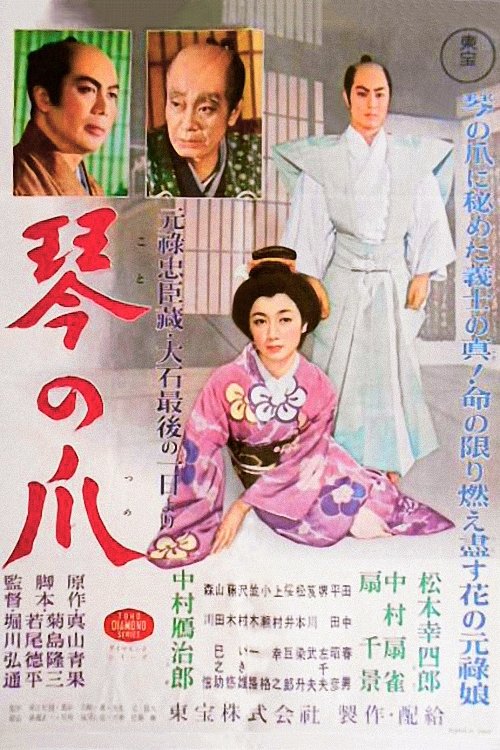
One rainy night in the Edo period, Kotono (a geisha) confronts samurais who killed her father. The samurais attack her one after another, but she fights hard against samurais with her sword. Kotono tries to chase the samurais who scramble to escape. Yet now three ninjas stand up against her. Kotono drops her sword by their wave of assaults. Can she beat them?
Ogami Itto battles a group of female ninja in the employ of the Yagyu clan and must eliminate a traitor who plans to sell his clan's secrets to the Shogunate.
Japan blossomed into its Renaissance at approximately the same time as Europe. Unlike the West, it flourished not through conquest and exploration, but by fierce and defiant isolation. And the man at the heart of this empire was Tokugawa Ieyasu, a warlord who ruled with absolute control. This period is explored through myriad voices-- the Shogun, the Samurai, the Geisha, the poet, the peasant and the Westerner who glimpsed into this secret world.
Kondo Isami, the “Devil” commander of the Shinsengumi was one of Japan’s greatest national heroes and a peerless swordsman who devoted his life to protecting the shogun and fighting on the side of the Tokugawa. This tells the story of the Shinsengumi starting at the moment of their greatest triumph through the final battles as the Tokugawa shogunate was brought down.
A poor peasant, after years of scraping, becomes a rich and powerful Osaka merchant. Mizoguchi Kenji's final project; he died before completing it and directing duties turned over to Yoshimura Kozaburo.
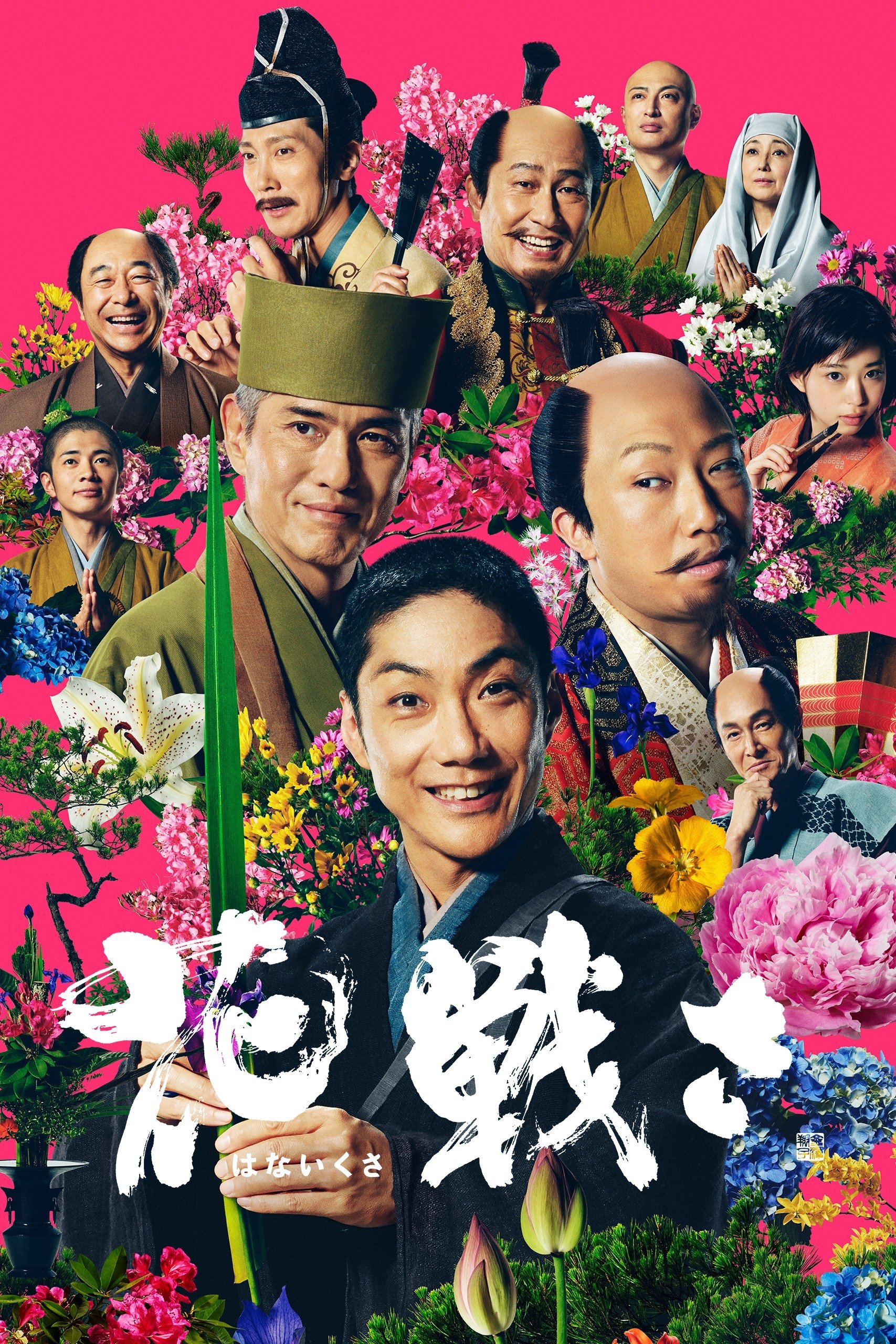
Sen no Rikyu (Ebizo Ichikawa) is the son of a fish shop owner. Sen no Rikyu then studies tea and eventually becomes one of the primary influences upon the Japanese tea ceremony. With his elegant esthetics, Sen no Rikyu is favored by the most powerful man in Japan Toyotomi Hideyoshi (Nao Omori) and becomes one of his closest advisors. Due to conflicts, Toyotomi Hideyoshi then orders Sen no Rikyu to commit seppuku (suicide). Director Mitsutoshi Tanaka's adaptation of Kenichi Yamamoto's award-winning novel of the same name received the Best Artistic Contribution Award at the 37th Montréal World Film Festival, the Best Director Award at the 2014 Osaka Cinema Festival, the 30th Fumiko Yamaji Cultural Award and the 37th Japan Academy Film Prize in nine categories, including Best Art Direction, Excellent Film and Excellent Actor.
Even though Gennosuke and Oboro are from rival ninja villages, they are secretly in love. At an annual conference with the Lord, it is dictated that a competition--a fight to the death--will take place between the five best shinobi from each village. Gennosuke and Oboro's love is made even more impossible when they each got picked as the leader of the five to represent their respective villages.
A daughter is constantly overshadowed by her famous father, but she is determined to make her own mark in the world.
Having put down his sword and given up the will to fight, the masterless samurai Iemon lives in solitude while being haunted by his violent enigmatic past...
Writer Jippensha Ikku hears Tsutaya Juzaburo, a wholesaler of picture books, mutter on his deathbed, "Where has Sharaku gone?" He begins to figure out the true identity of Sharaku, who disappeared after about 150 portraits of actors he created came out.
A compilation film of the Thorny Arc, episodes 43–46 in the second season, featuring additional footage. The movie is a part of the "Gintama 20th Anniversary Project."
A warrior-in-training and his bumbling friends go in pursuit of a stolen sword.
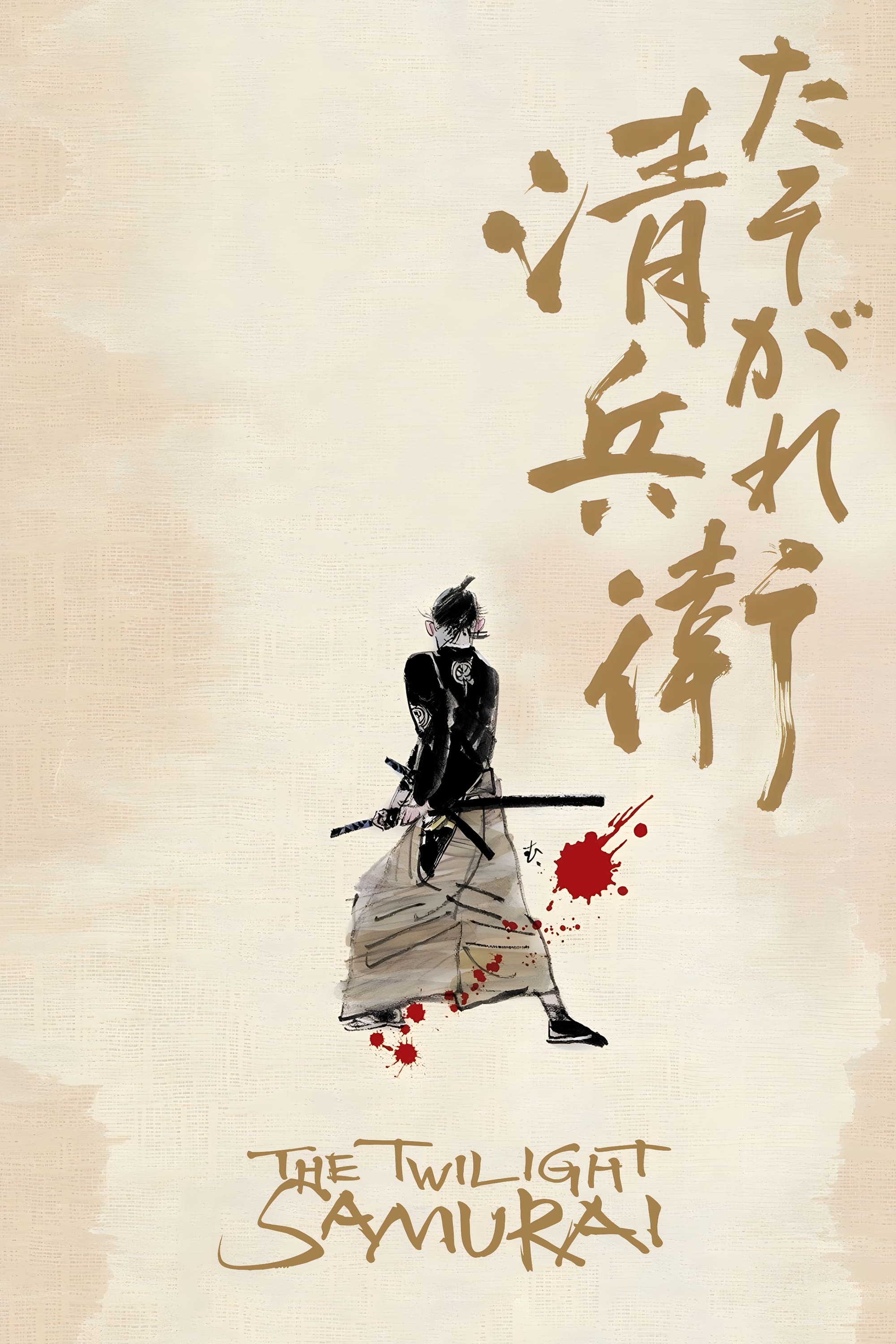
Kanichiro Yoshimura is a Samurai and Family man who can no longer support his wife and children on the the low pay he receives from his small town clan, he is forced by the love for his family to leave for the city in search of higher pay to support them.
Young swordsman, Tsukigata Hanpeita, longs for the day when rival clans cease their struggles for power and put an end to meaningless feudal wars. When he is appointed to oversee the Choshu Clan, he takes it upon himself to work towards the peace that he has dreamed about. With his affectionate personality and compassion for life, Hanpeita’s popularity grows among the people, making him a threat to those thirsty for conflict and power. A betrayal by those closest to him leaves Hanpeita caught in a trap that could ultimately cost him his life.
During the latter days of the Tokugawa Era, the tensions rise between the 'royalists' and those struggling to uphold the Shogunate. The most modern 'Gatling Gun' has been stolen from its warehouse in Edo Castle by burglars targeting the very Shogun himself.
This is a standalone movie, based on the long-running television series about Shogun Yoshimune. When the very foundation of the government is shaken by a counter-feiting scandal, Shogun Tokugawa Yoshimune must take to the road as an itinerant ronin in order to find out who's behind the conspiracy. Meanwhile, a woman acting as an avenging angel begins assassin-ating the suspects in the case, causing Yoshimune to not only find his original quarry, but to help her get her revenge against those corrupt individuals that had murdered her family when she was only a child. Matsudaira Ken shines in his most famous role, the 'Roughneck' Shogun who travels the country seeking to stomp out evil and corruption.
Down-on-his-luck veteran Tsugumo Hanshirō enters the courtyard of the prosperous House of Iyi. Unemployed, and with no family, he hopes to find a place to commit seppuku—and a worthy second to deliver the coup de grâce in his suicide ritual. The senior counselor for the Iyi clan questions the ronin’s resolve and integrity, suspecting Hanshirō of seeking charity rather than an honorable end. What follows is a pair of interlocking stories which lay bare the difference between honor and respect, and promises to examine the legendary foundations of the Samurai code.
Afro Samurai avenged his father and found a life of peace. But the legendary master is forced back into the game by a beautiful and deadly woman from his past. The sparks of violence dropped along Afro’s bloody path now burn out of control – and nowhere are the flames of hatred more intense than in the eyes of Sio.
In 16th century Japan, peasants Genjuro and Tobei sell their earthenware pots to a group of soldiers in a nearby village, in defiance of a local sage's warning against seeking to profit from warfare. Genjuro's pursuit of both riches and the mysterious Lady Wakasa, as well as Tobei's desire to become a samurai, run the risk of destroying both themselves and their wives, Miyagi and Ohama.
Struggling to elevate himself from his low caste in 17th century Japan, Miyamoto trains to become a mighty samurai warrior.
A fugitive lord and his six retainers disguise themselves as monks to bluff their way through a hostile checkpoint.
In 1879, Kenshin and his allies face their strongest enemy yet: his former brother-in-law Enishi Yukishiro and his minions, who've vowed their revenge.
After their lord is tricked into committing ritual suicide, forty-seven samurai warriors await the chance to avenge their master and reclaim their honor.
Official Shogunate executioner Ogami Itto has been framed for disloyalty to the Shogunate by the Yagyu clan, against whom he now is waging a one-man war, along with his infant son, Daigoro.
Kakunoshin, renowned for his skills with a sword and in the game of go, embodies the samurai code. Falsely accused of a theft, he is forced to become a lowly ronin. Years later, when a case of missing gold pulls him into a new web of intrigue, Kakunoshin uncovers the truth behind his downfall. With the real culprit exposed, the go board flips, and a hellstorm of righteous vengeance follows.
Kenshin has settled into his new life with Kaoru and his other friends when he is approached with a request from the Meiji government. Makoto Shishio, a former assassin like Kenshin, was betrayed, set on fire and left for dead. He survived, and is now in Kyoto, plotting with his gathered warriors to overthrow the new government. Against Kaoru's wishes, Kenshin reluctantly agrees to go to Kyoto and help keep his country from falling back into civil war.
A bravado period action film set at the end of Japan's feudal era in which a group of unemployed samurai are enlisted to bring down a sadistic lord and prevent him from ascending to the throne and plunging the country into a war-torn future.
A ronin desperately seeks a way out of financial straits; he allies with the Tosa clan under the ruthless leader Takechi, who quickly takes advantage.
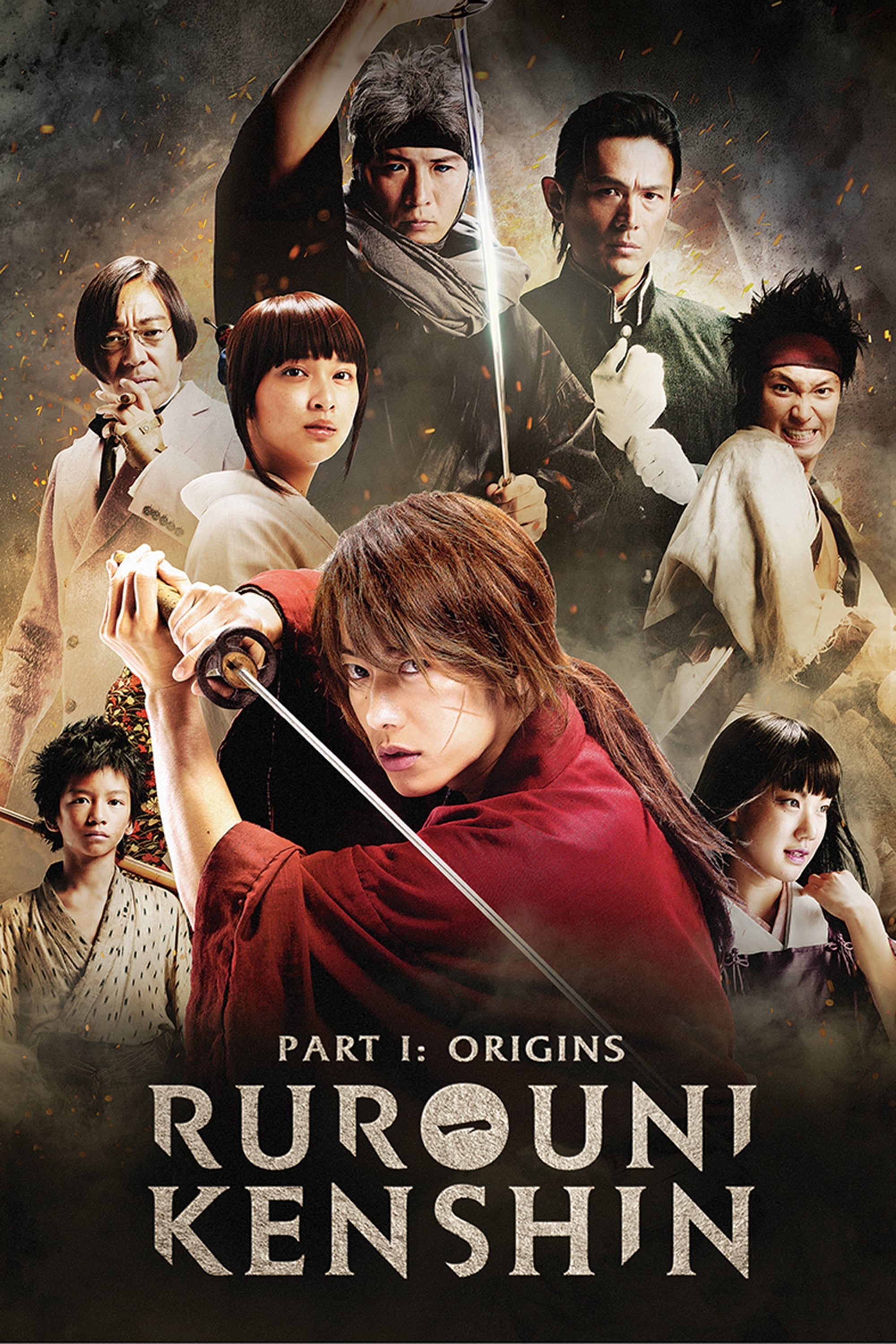
In 1868, after the Bakumatsu war ends, the ex-assassin Kenshin Himura traverses Japan with an inverted sword, to defend the needy without killing.
With most of his family already dead at Ogami Itto's hands, Retsudo launches one final plot to destroy him, and when that fails, unleashes the fury of every remaining member of the Yagyu clan.
After years on the road establishing his reputation as Japan's greatest fencer, Takezo returns to Kyoto. Otsu waits for him, yet he has come not for her but to challenge the leader of the region's finest school of fencing. To prove his valor and skill, he walks deliberately into ambushes set up by the school's followers.
Akira Kurosawa's lauded feudal epic presents the tale of a petty thief who is recruited to impersonate Shingen, an aging warlord, in order to avoid attacks by competing clans. When Shingen dies, his generals reluctantly agree to have the impostor take over as the powerful ruler. He soon begins to appreciate life as Shingen, but his commitment to the role is tested when he must lead his troops into battle against the forces of a rival warlord.
Ryunosuke, a gifted swordsman plying his trade during the turbulent final days of Shogunate rule, has no moral code and kills without remorse. It’s a way of life that leads to madness.
Fearless Edo-period police inspector Hanzo Itami, nicknamed The Razor, has developed his own unique way of extracting information for his inquiries. His first adventure sees him investigating his superior officer's mistress, whom he suspects of having ties with a reputed criminal on the loose.
When feudal lord Itakura Katsuakira decides to prepare his samurai troops for the onslaught of modernization by having them compete in a marathon, his independent-minded daughter Yuki secretly joins the race.
Blind traveler Zatoichi is a master swordsman and a masseur with a fondness for gambling on dice games. When he arrives in a village torn apart by warring gangs, he sets out to protect the townspeople.
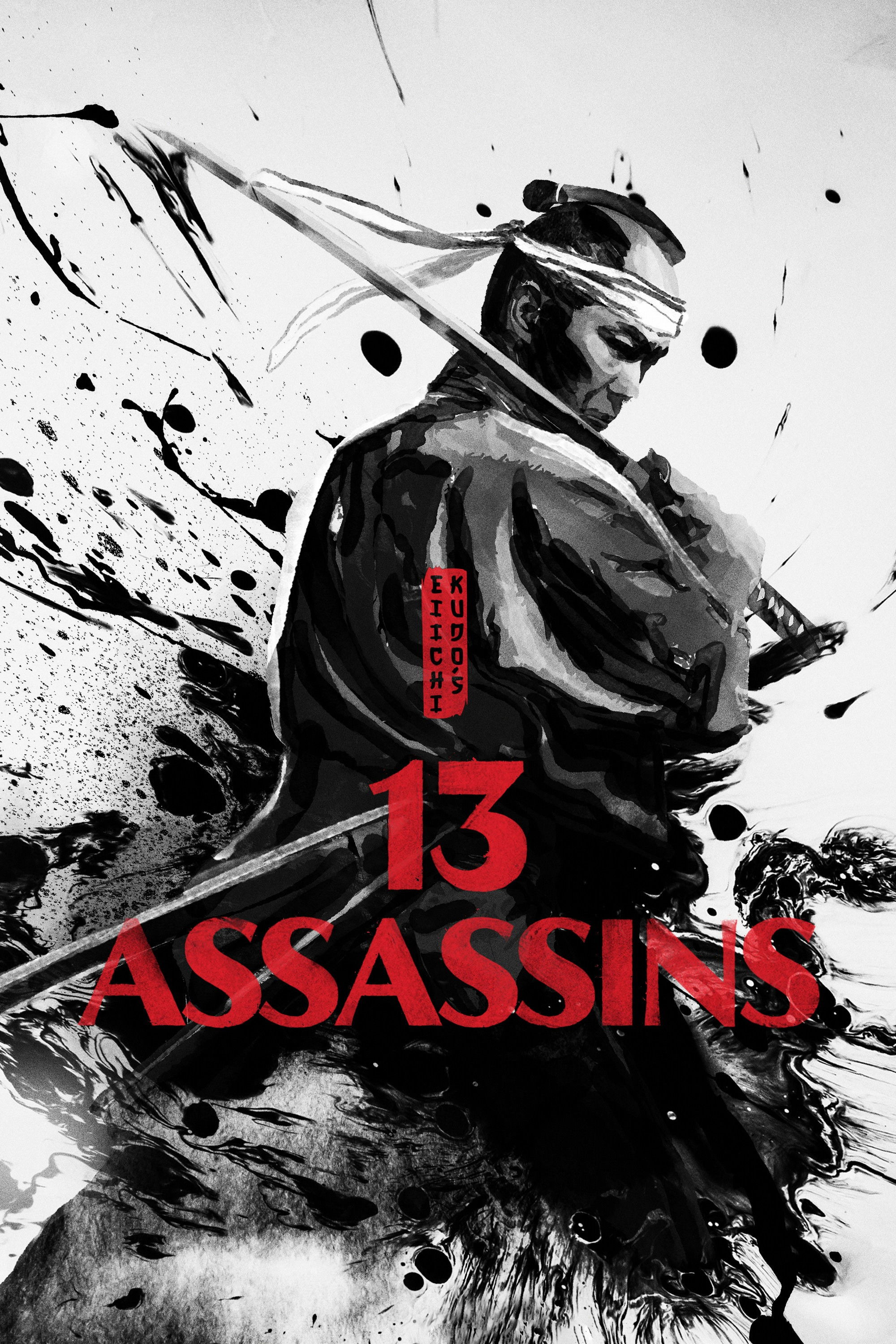
A sadistic Daimyo (feudal lord) rapes a woman and murders both her and her husband, but even when one of his own vassals commits suicide to bring attention to the crime, the matter is quickly hushed up. Not only will there be no punishment, but because the Daimyo is the Shogun's younger brother, he will soon be appointed to a high political position from which he could wreak even more havoc. Convinced that the fate of the Shogunate hangs in the balance, a plot is hatched to assassinate the Daimyo. The two most brilliant strategic minds of their generation find themselves pitted against each other; one is tasked to defend a man he despises, and has a small army at his disposal. The other is given a suicide mission, and has 12 brave men. They are the 13 Assassins.
Kai—an outcast—joins Oishi, the leader of 47 outcast samurai. Together they seek vengeance upon the treacherous overlord who killed their master and banished their kind. To restore honour to their homeland, the warriors embark upon a quest that challenges them with a series of trials that would destroy ordinary warriors.