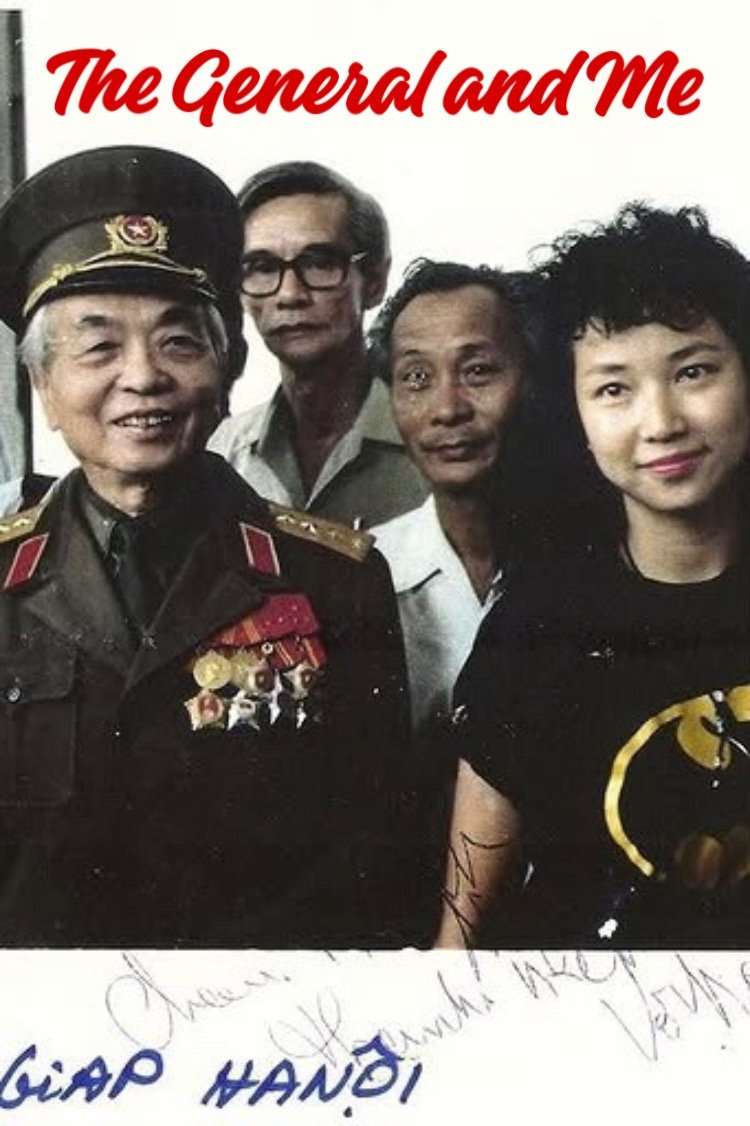
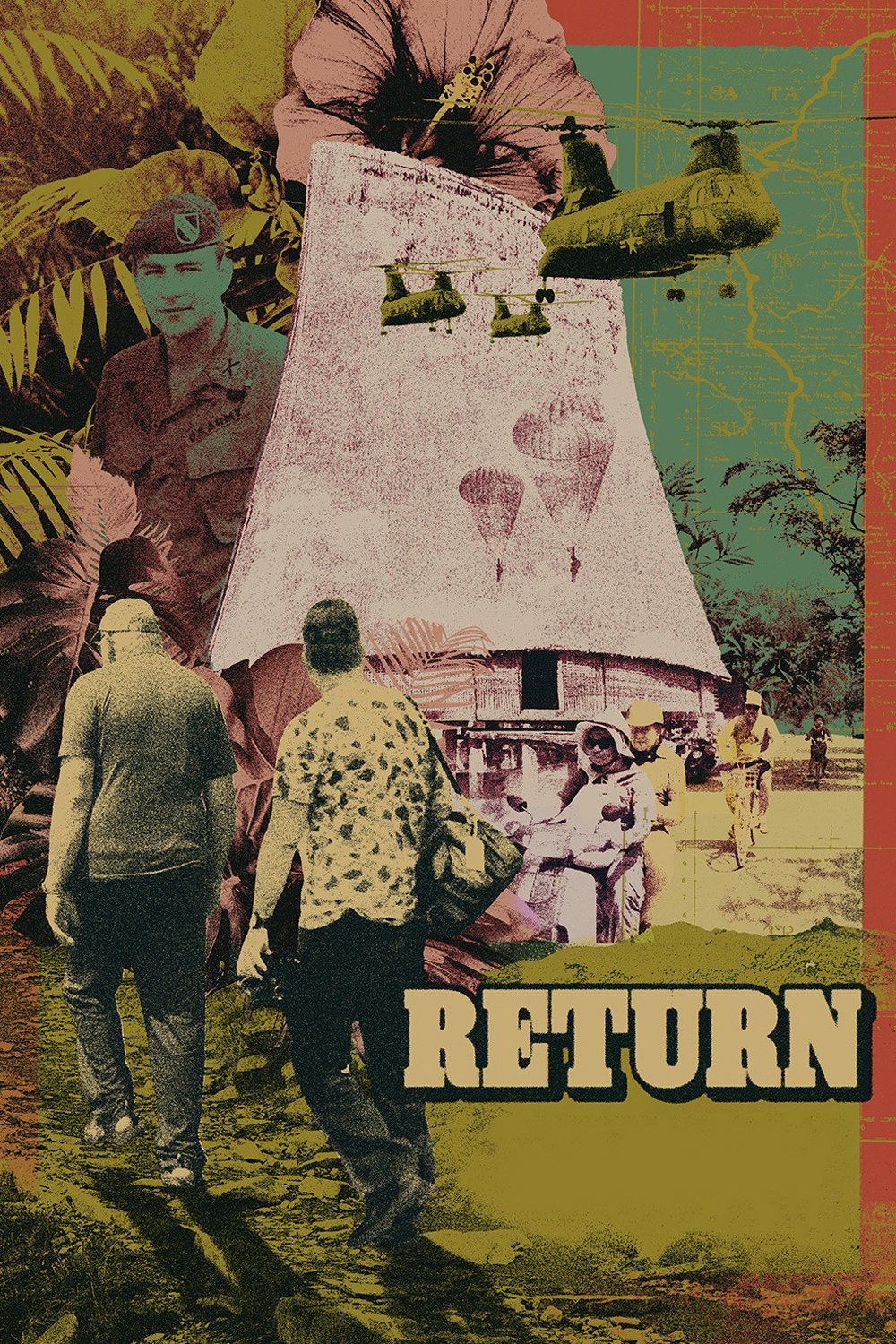
A German Documentary about the “village of friendship” that was created by American Veteran George Mizo to help the Vietnamese kids suffering from the Vietnam War.
Social & External
Filmed and edited entirely in isolation, Living in Fear is an educational and inspiring documentary directed by myself, Stephanie Castelete-Tyrrell, a disabled filmmaker as I capture the fears and struggles disabled people faced before the government implemented the lockdown on the 23rd March 2020. Thousands of people with disabilities were left in the dark and had to make the call weeks before to lockdown as it was inevitable that we would die if we caught the virus. Food was impossible to access because we couldn't go out or get delivery slots, and even if we did panic buyers made it impossible to get the items we desperately needed. We were truly isolated, unable to have family and friends visit. Having carers coming in and out of the house was risky and many disabled people felt that having basic care was putting their lives at risk.
A docu-comedy about three neo-hippies from Berlin who move to a farm in Poland to be closer to nature. They meditate, practice acroyoga and shower in the garden. The villagers consider them complete eccentrics.
In March of 2008, 250 veterans and active duty soldiers marked the fifth anniversary of the invasion of Iraq by gathering in Washington, DC to testify from their own experience about the nature of the occupations of Afghanistan and Iraq. Inspired by the 1971 Winter Soldier Investigation held by the Vietnam Veterans Against the War, they too sought to express their opposition to those wars with their first-hand accounts, bearing witness with voices not generally heard. Our documentary is a portrait of three participants. If follows their lives for 6 weeks leading to the even and afterward; an active duty female soldier, a 9 year National Guard Veteran, and a 3 tour former Marine. This is their story.
Using obscure archival footage, animated illustrations and interviews, this film tells the story of the Vietnam War from the perspective of five Vietcong veterans: a soldier, an officer, an informant, a guerilla, a My Lai survivor, and the leader of the Long Hair army.
In 1970, a group of Vietnam veterans set out on a long march. They want to confront the local population with the shocking injustices that have been going on in Vietnam for years.
In search of the lucrative matsutake mushroom, two former soldiers discover the means to gradually heal their wounds of war. Roger, a self-described 'fall-down drunk' and sniper in Vietnam, and Kouy, a Cambodian refugee who fought the Khmer Rouge, bonded in the bustling tent-city known as Mushroom Camp, which pops up each autumn in the Oregon woods. Their friendship became an adoptive family; according to a Cambodian custom, if you lose your family like Kouy, you must rebuilt it anew. Now, however, this new family could be lost. Roger's health is declining and trauma flashbacks rack his mind; Kouy gently aids his family before the snow falls and the hunting season ends, signaling his time to leave.
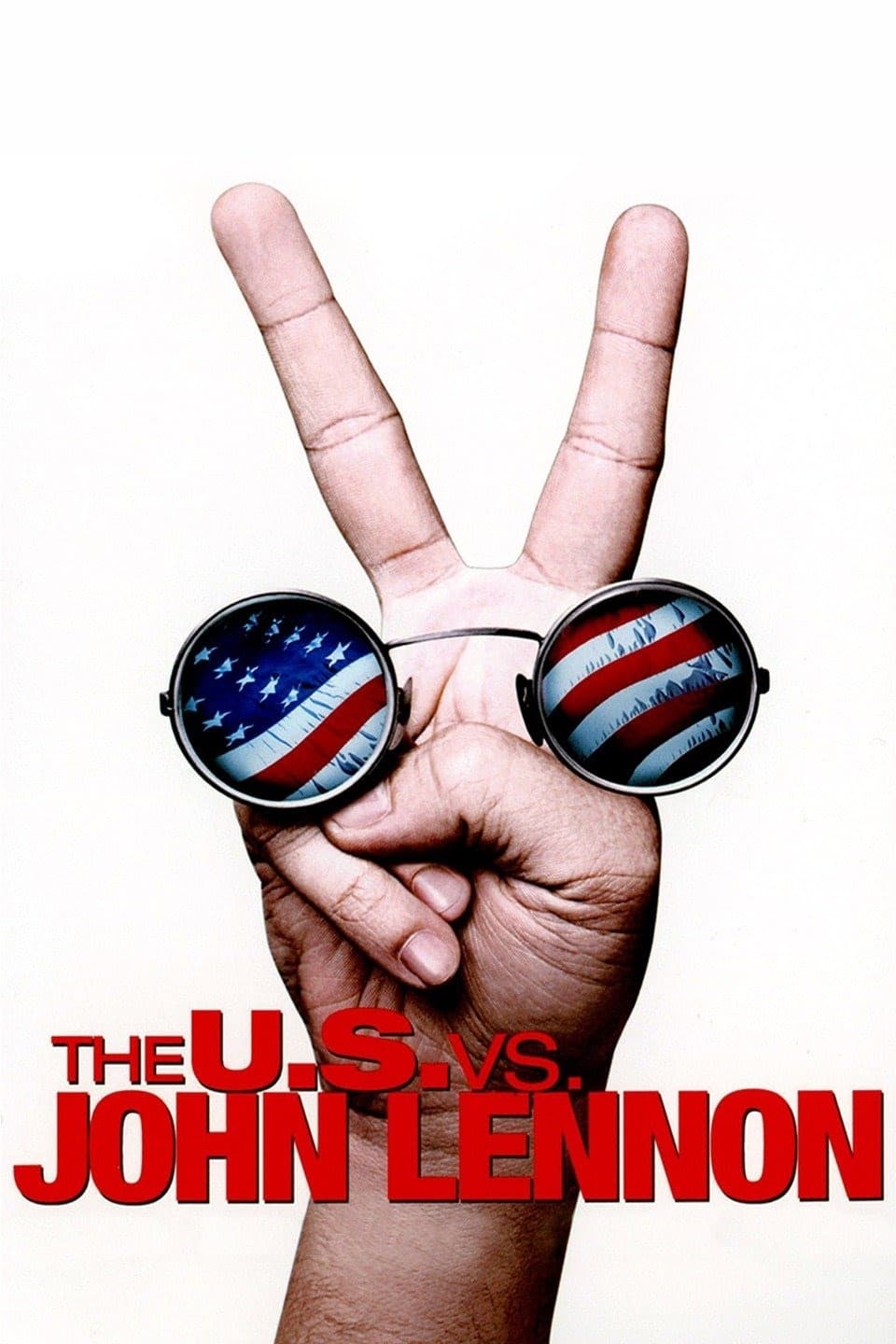
Archival footage, animation and music are used to look back at the eight anti-war protesters who were put on trial following the 1968 Democratic National Convention.
Blood Road follows the journey of ultra-endurance mountain bike athlete Rebecca Rusch and her Vietnamese riding partner, Huyen Nguyen, as they pedal 1,200 miles along the infamous Ho Chi Minh Trail through the dense jungles of Vietnam, Laos, and Cambodia. Their goal: to reach the site where Rebecca’s father, a U.S. Air Force pilot, was shot down in Laos more than 40 years earlier.
"The Boy Of The Fish" follows Noon, a young boy living in a Syrian refugee camp, who finds solace and a sense of freedom in a whale-shaped doll he names "Bahr." Set against the challenging realities of camp life, Noon’s journey is both a story of resilience and a testament to the boundless imagination of childhood. Through vivid symbolism and a unique soundscape, the film explores themes of loss, hope, and the longing for freedom amidst confinement. Shot entirely on an iPhone due to restrictions in the conflict zone, the film combines raw authenticity with poetic depth to capture the emotional landscape of a young soul navigating adversity.
Belarusian vlogger and young farmer Semyon, who is a deeply religious man, always loving to philosophize in relation to democracy, admire his mother and share this with the whole world. For five years now, he has been living in a village with two little sons and raise sheep. It would seem that a harmonious existence in the wilderness can not hinder anything...
2006 was one of the deadliest Everest seasons on record. Experienced mountaineer Lincoln Hall was invited to join an expedition as a high altitude cameraman. It was his second attempt to summit the mountain, having turned back just short 22 years earlier. Shortly after reaching the summit, Hall began to behave irrationally, suffering from lack of oxygen. Aided by his loyal Sherpas for over 9 hours, he eventually collapsed and they declared him dead. His family were informed and the news hit headlines. But something happened that night that science cannot explain. The next morning Lincoln Hall was found alive by approaching climbers and his dramatic rescue began. Never before has a man been declared dead so high on Everest and survived. This is the remarkable true story of Lincoln Hall’s extraordinary journey back from beyond.
This film from Bill Moyers is the first documentary to focus exclusively on people formerly detained in New York City’s notorious Rikers Island Jail. They tell their compelling stories direct to the camera, revealing the violent arc of the Rikers experience – from the trauma of entry to extortion and control by inmates, to oppressive corrections officers, violence and solitary confinement.
The free, almost naive view from the perspective of a child puts the "68ers" in a new, illuminating light in the anniversary year 2008. The film is a provocative reckoning with the ideological upbringing that seemed so progressive and yet was suffocated by the children's desire to finally grow up. With an ironic eye and a feuilletonistic style, author Richard David Precht and Cologne documentary film director André Schäfer trace a childhood in the West German provinces - and place the major events of those years in completely different, smaller and very private contexts.
In April 1975 -- despite a ceasefire agreement -- the North Vietnamese communists took Saigon and the world by surprise, mounting an offensive that ousted the South Vietnamese government. This enlightening documentary recounts the last two years of America's military engagement in the country and the U.S. role in Saigon's fall. Interviews with former National Security Adviser Henry Kissinger and North Vietnamese officers provide context.
My Flesh and Blood is a 2003 documentary film by Jonathan Karsh chronicling a year in the life of the Tom family. The Tom family is notable as the mother, Susan, adopted eleven children, most of whom had serious disabilities or diseases. The film itself is notable for handling the sensitive subject matter in an unsentimental way that is more uplifting than one might expect.
An American story. Traces the career of Joe Louis (1914-1981) within the context of American racial consciousness: his difficulty getting big fights early in his career, the pride of African-Americans in his prowess, the shift of White sentiment toward Louis as Hitler came to power, Louis's patriotism during World War II, and the hounding of Louis by the IRS for the following 15 years. In his last years, he's a casino greeter, a drug user, and the occasional object of scorn for young Turks like Muhammad Ali. Appreciative comment comes from boxing scholars, Louis's son Joe Jr., friends, and icons like Maya Angelou, Dick Gregory, and Bill Cosby.
From Gaza’s Jabaliya refugee camp, to the University of Toronto and the Supreme Court of Israel, I Shall Not Hate follows the uncharted path of Dr. Izzeldin Abuelaish, The first Palestinian doctor that worked in an Israeli hospital delivering babies, whose ethos of forgiveness and reconciliation is put to the ultimate test when an Israeli tank bombs his house, killing his three daughters. Against all odds, he turns his tragedy into a global campaign to eradicate hate.
The love story of successful businessman Alexei and young doctor Dimitri unfolds against the backdrop of Russia’s escalating anti-LGBTQ laws and the invasion of Ukraine. Meeting in secret during COVID lockdowns, the couple faces criminalization, police raids, and the looming threat of being sent to the front line. Their fight for freedom takes them across three continents in a desperate bid to live authentically and without fear. First-person testimony is blended with striking animation and dramatic reenactments.
Standup comedian Fred Le hears the stories of a diverse range of young overseas-born Vietnamese who made their way back to the land that their parents left following the end of the Vietnam War. The Empathizer explores identity and the impact of trauma among Việt Kiều who grew up a generation removed from tragic events of the past.
On May 8, 1970, construction workers violently clashed with students demonstrating against the Vietnam War in lower Manhattan. The workmen, who came to be known as “hardhats,” were at the cutting edge of a new kind of class war. With the war in Vietnam raging on, it was the sons of the working class who were doing most of the fighting. Workmen saw the protesting students as privileged “draft dodgers” disparaging the country and those who fought for it. On the other side, many student activists saw the workers as pawns, unwilling to see the changes that America needed. Hard Hat Riot tells the story of a struggling metropolis, a flailing president, a divided people, and a bloody juncture when the nation violently diverged ― culminating in a new political and cultural landscape that radically redefined American politics and foreshadowed the future.
Many times during his presidency, Lyndon B. Johnson said that ultimate victory in the Vietnam War depended upon the U.S. military winning the "hearts and minds" of the Vietnamese people. Filmmaker Peter Davis uses Johnson's phrase in an ironic context in this anti-war documentary, filmed and released while the Vietnam War was still under way, juxtaposing interviews with military figures like U.S. Army Chief of Staff William C. Westmoreland with shocking scenes of violence and brutality.
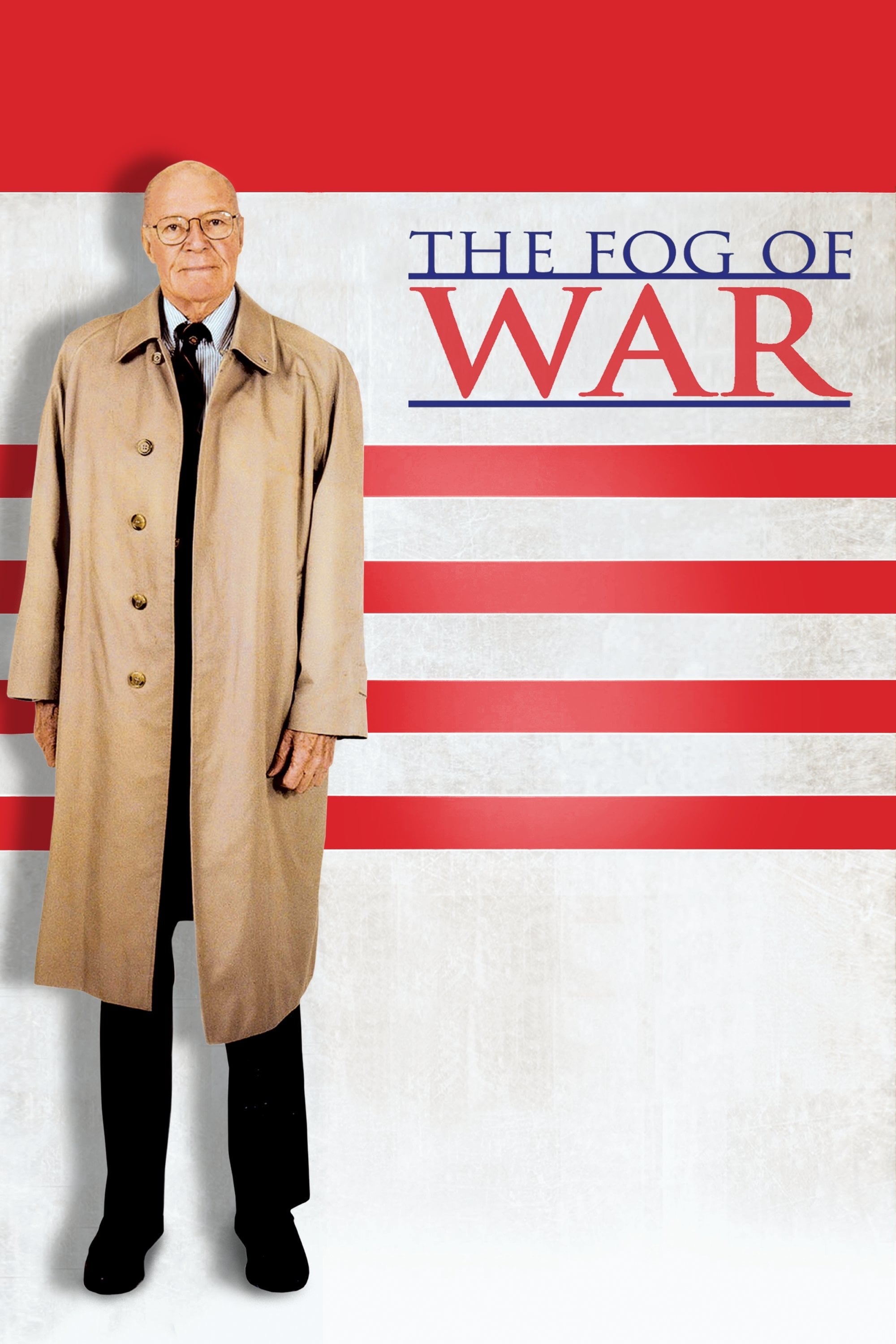
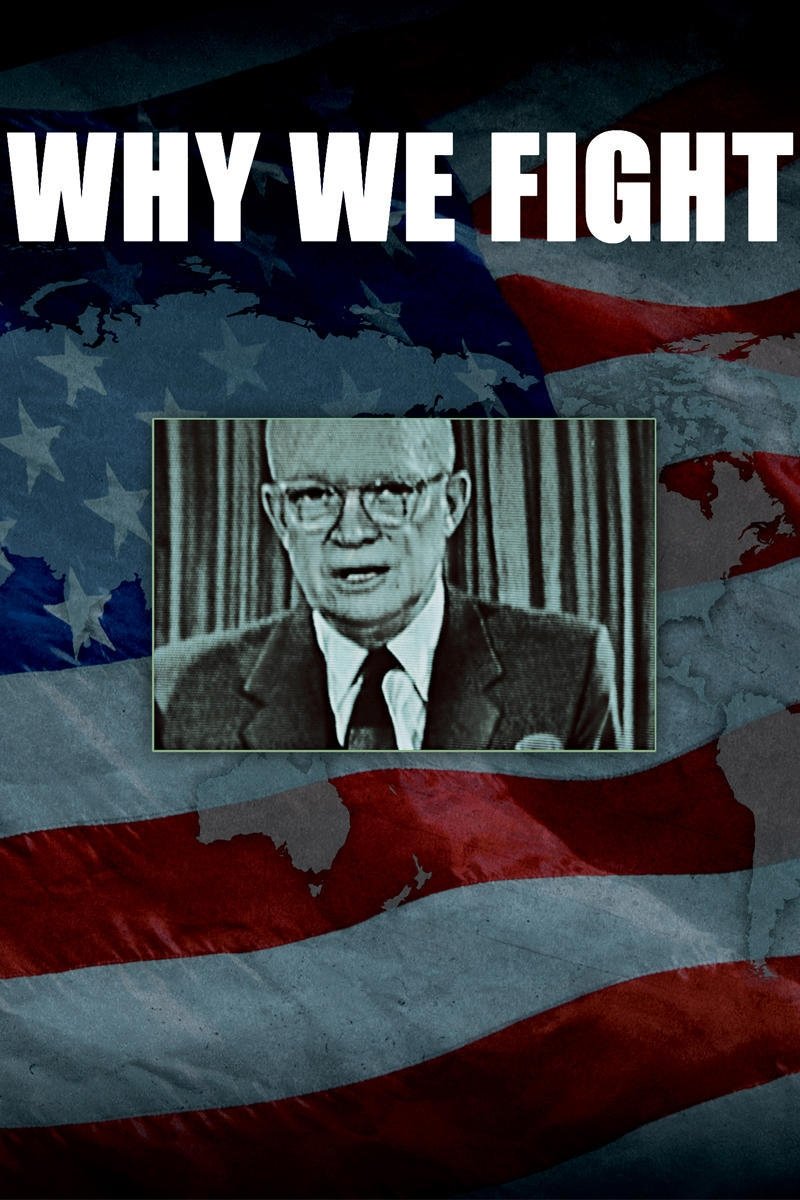
Is American foreign policy dominated by the idea of military supremacy? Has the military become too important in American life? Jarecki's shrewd and intelligent polemic would seem to give an affirmative answer to each of these questions.
During the chaotic final weeks of the Vietnam War, the North Vietnamese Army closes in on Saigon as the panicked South Vietnamese people desperately attempt to escape. On the ground, American soldiers and diplomats confront a moral quandary: whether to obey White House orders to evacuate only U.S. citizens.
Deep beneath the surface in the Syrian province of Ghouta, a group of female doctors have established an underground field hospital. Under the supervision of paediatrician Dr. Amani and her staff of doctors and nurses, hope is restored for some of the thousands of children and civilian victims of the ruthless Syrian civil war.
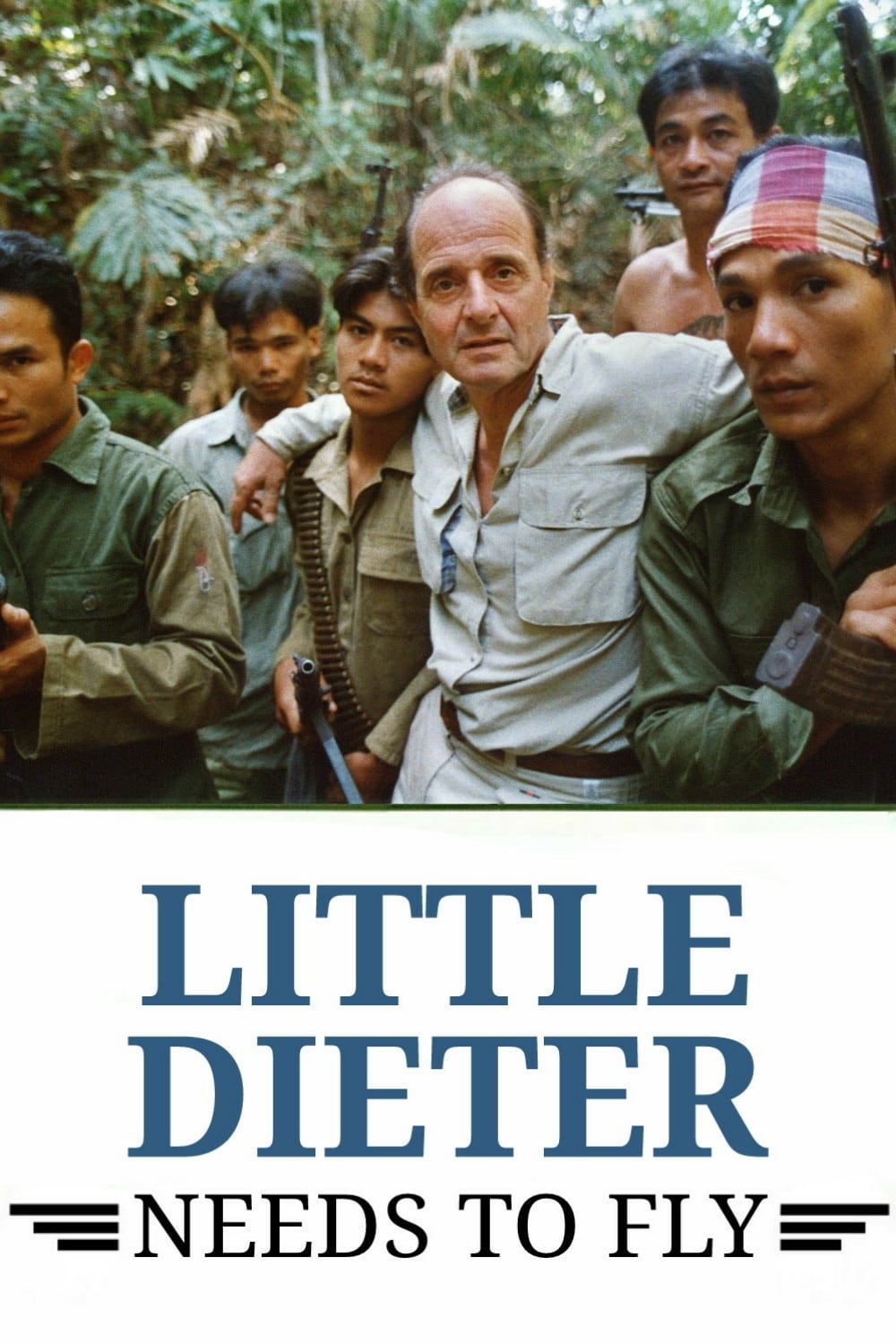
Three decades after German-American pilot Dieter Dengler was shot down over Laos, he returns to the places where he was held prisoner during the early years of the Vietnam War. Accompanied by director Werner Herzog, Dengler describes in unusually candid detail his captivity, the friendships he made, and his daring escape. Not willing to stop there, Herzog even persuades his subject to re-enact certain tortures, with the help of some willing local villagers.
The Official Golden Harvest tribute to the Master of the Martial Arts Film, Bruce Lee.
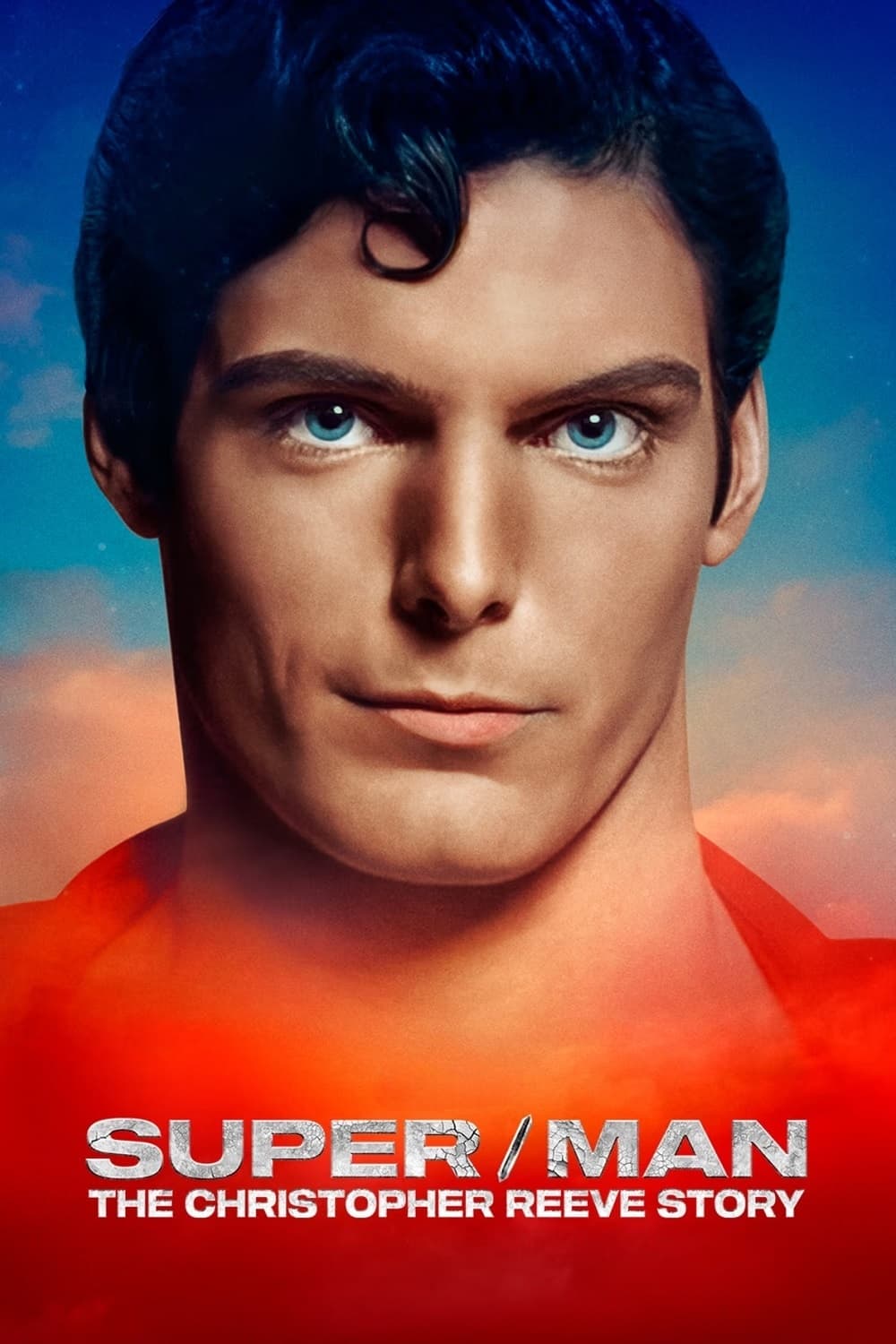
Christopher Reeve portrayed the Man of Steel in four Superman films and played dozens of other roles that displayed his talent and range as an actor, before being injured in a near-fatal horse-riding accident in 1995 that left him paralyzed from the neck down. After becoming a quadriplegic, he became a charismatic leader and activist in the quest to find a cure for spinal cord injuries, as well as a passionate advocate for disability rights and care.
Down the road from Woodstock in the early 1970s, a revolution blossomed in a ramshackle summer camp for disabled teenagers, transforming their young lives and igniting a landmark movement.
Over seven decades, actor and activist George Takei journeyed from a World War II internment camp to the helm of the Starship Enterprise, and then to the daily news feeds of five million Facebook fans. Join George and his husband, Brad, on a wacky and profound trek for life, liberty, and love.
THE SPIRIT MOLECULE weaves an account of Dr. Rick Strassman's groundbreaking DMT research through a multifaceted approach to this intriguing hallucinogen found in the human brain and hundreds of plants, including the sacred Amazonian brew, ayahuasca. Utilizing interviews with a variety of experts to explain their thoughts and experiences with DMT, and ayahuasca, within their respective fields, and discussions with Strassman’s research volunteers, brings to life the awesome effects of this compound, and introduces us to far-reaching theories regarding its role in human consciousness.
Dick Proenneke retired at age 50 in 1967 and decided to build his own cabin in the wilderness at the base of the Aleutian Peninsula, in what is now Lake Clark National Park. Using color footage he shot himself, Proenneke traces how he came to this remote area, selected a homestead site and built his log cabin completely by himself. The documentary covers his first year in-country, showing his day-to-day activities and the passing of the seasons as he sought to scratch out a living alone in the wilderness.
A glimpse into the raw and simple power of nature through encounters with farm animals: the eponymous Gunda, a mother pig; two cows, and a one-legged chicken.
A documentary on the expletive's origin, why it offends some people so deeply, and what can be gained from its use.
Going beyond the occasional news clip from Burma, the acclaimed filmmaker, Anders Østergaard, brings us close to the video journalists who deliver the footage. Though risking torture and life in jail, courageous young citizens of Burma live the essence of journalism as they insist on keeping up the flow of news from their closed country.
With unprecedented access, this documentary follows the extraordinary journey of “Raqqa is Being Slaughtered Silently”—a group of anonymous citizen journalists who banded together after their homeland was overtaken by ISIS—as they risk their lives to stand up against one of the greatest evils in the world today.
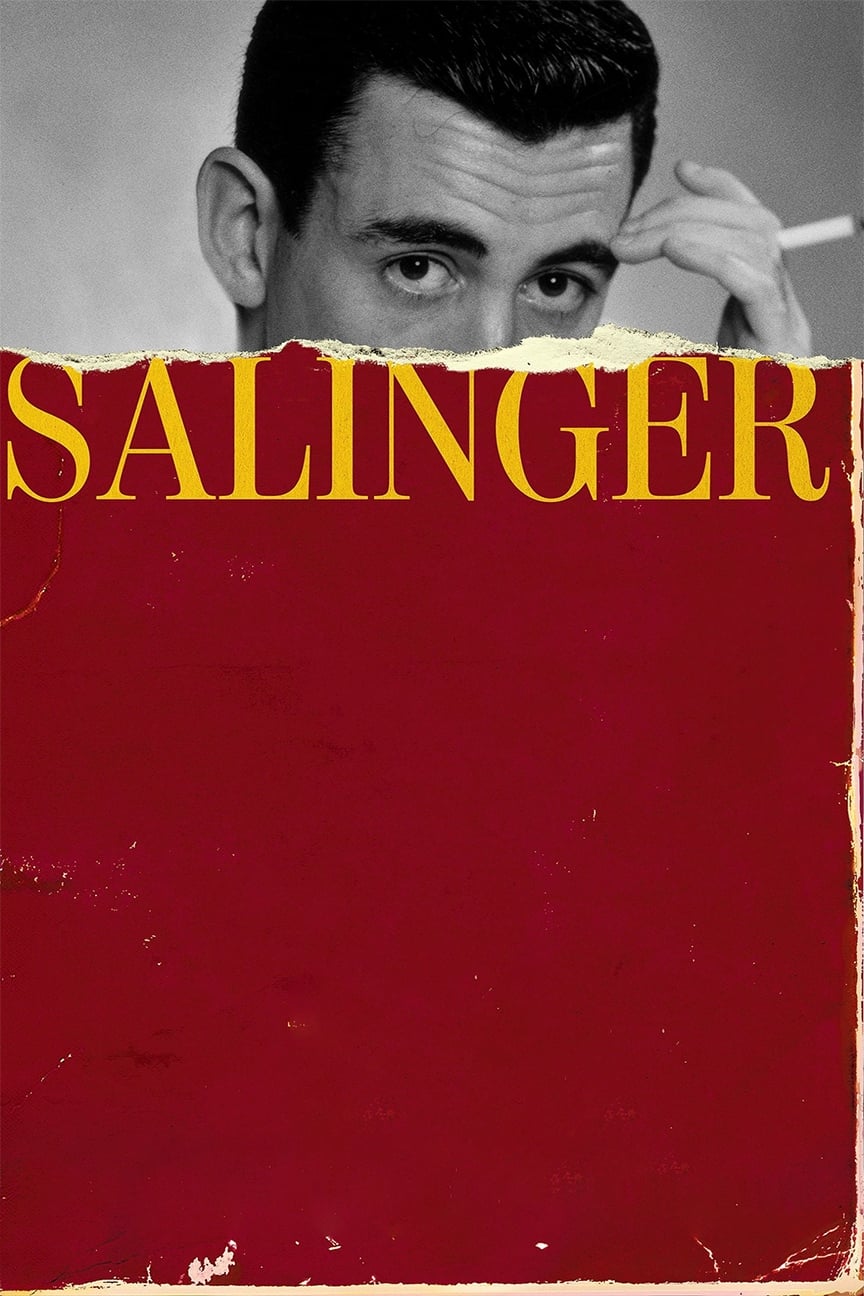
An in-depth investigation into the private world of the American writer J. D. Salinger (1919-2010), who lived most of his life behind the impenetrable wall of a self-imposed seclusion: how his dramatic experiences during World War II influenced his life and work, his relationships with very young women, his obsessive writing methods, his many literary secrets.
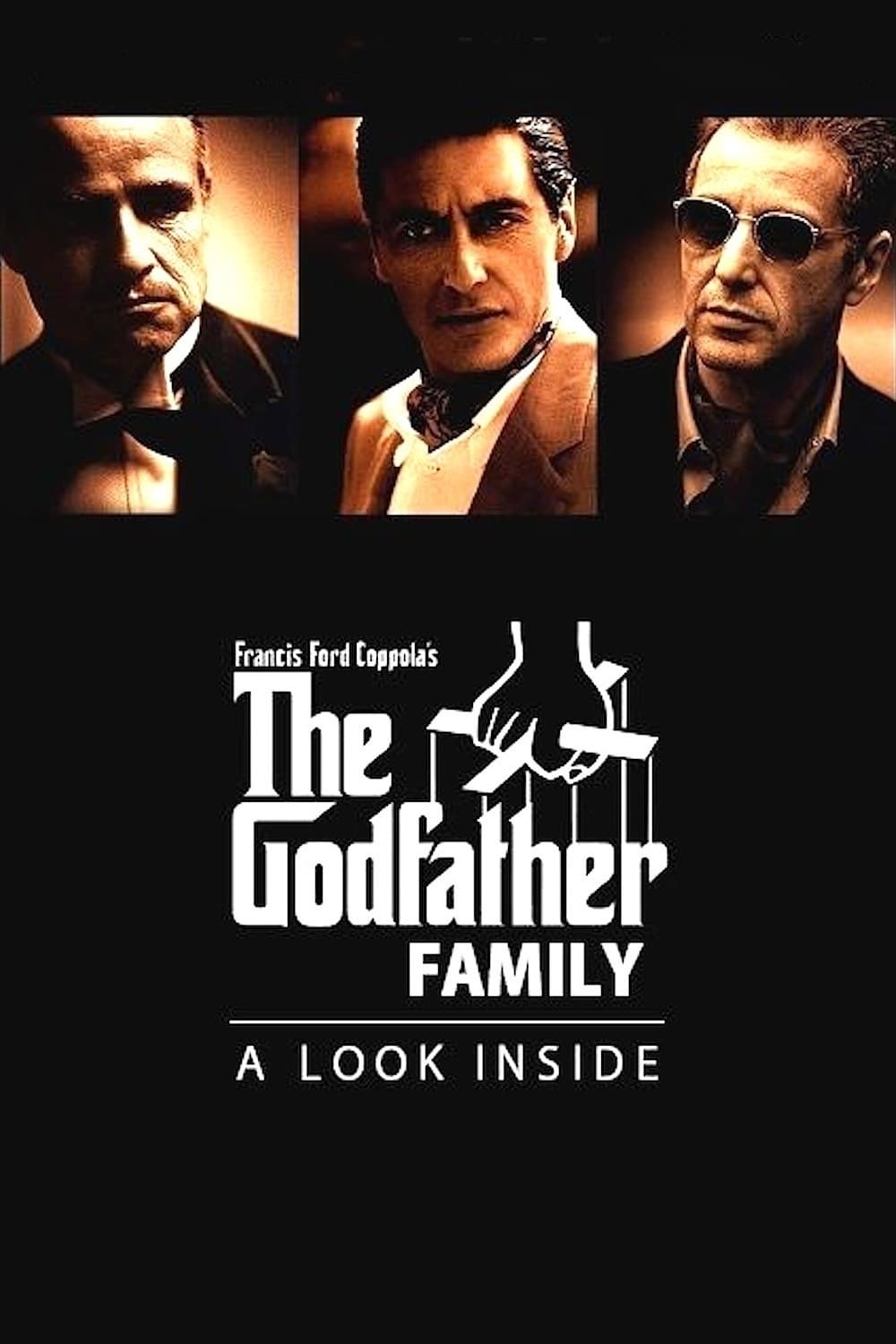
A documentary on the making of the three Godfather films, with interviews and recollections from the film makers and cast. This feature also includes the original screen tests of some of the actors for "The Godfather" film, and some candid moments on the set of "The Godfather: Part III."
The extraordinary story of how Hollywood changed World War II – and how World War II changed Hollywood, through the interwoven experiences of five legendary filmmakers who went to war to serve their country and bring the truth to the American people: John Ford, William Wyler, John Huston, Frank Capra, and George Stevens. Based on Mark Harris’ best-selling book, “Five Came Back: A Story of Hollywood and the Second World War.”
Iverson is the ultimate legacy of NBA legend Allen Iverson, who rose from a childhood of crushing poverty in Hampton, Virginia, to become an 11-time NBA All-Star and universally recognized icon of his sport. Off the court, his audacious rejection of conservative NBA convention and unapologetic embrace of hip hop culture sent shockwaves throughout the league and influenced an entire generation. Told largely in Iverson's own words, the film charts the career highs and lows of one of the most distinctive and accomplished figures the sport of basketball has ever seen.
In 1999, Internet entrepreneur Josh Harris recruits dozens of young men and women who agree to live in underground apartments for weeks at a time while their every movement is broadcast online. Soon, Harris and his girlfriend embark on their own subterranean adventure, with cameras streaming live footage of their meals, arguments, bedroom activities, and bathroom habits. This documentary explores the role of technology in our lives, as it charts the fragile nature of dot-com economy.