21 years after the collapse of the Communist regime, Albania experiences democracy with it's many contradictions. An exclusive insider perspective given by three young protagonists.
Social & External
The people behind it
Bora Baboci
Livio Marsico
Rubin Beqo
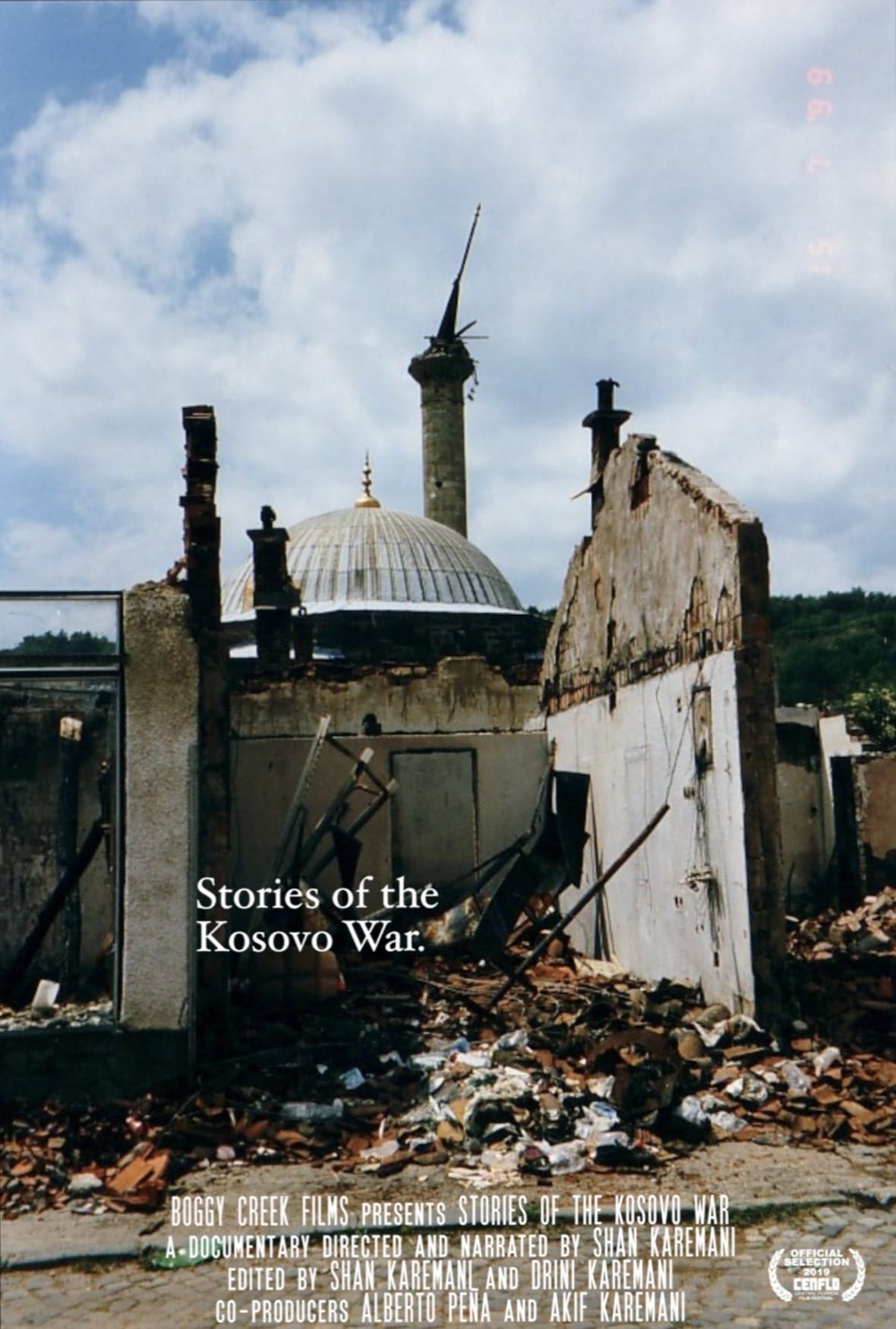
A documentary unraveling the untold stories and brutal experiences of the Kosovo War in the late 1990s.
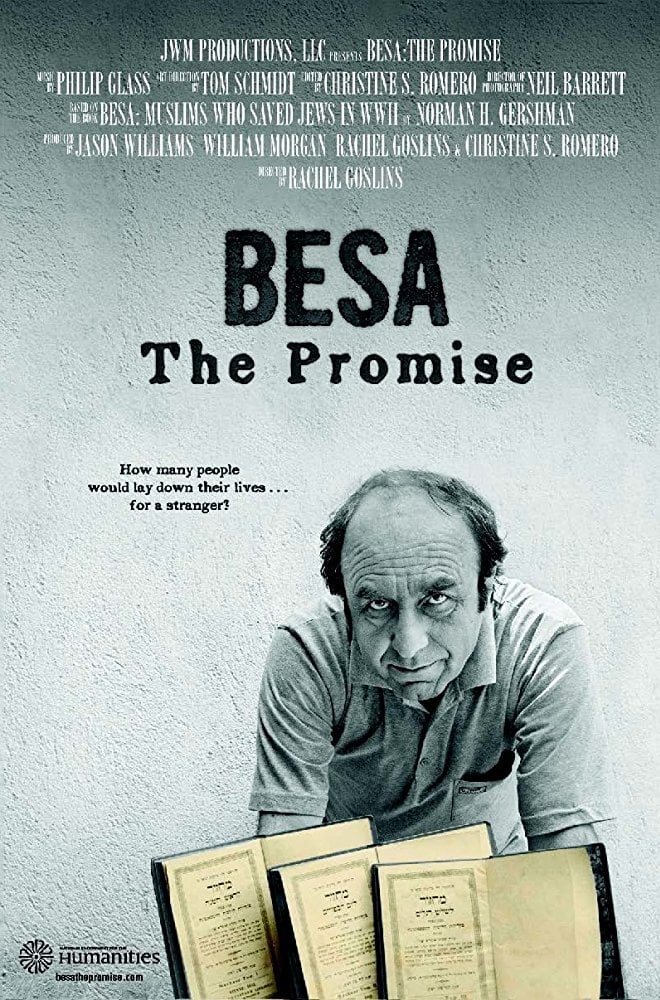
A documentary exploring how Albanians, including many Muslims, helped and sheltered Jewish refugees during WWII at their own risk, and trying to help the son of an Albanian baker that housed a Jewish family for a year return some Hebrew books that the family had to leave behind.
A documentary that investigates the complexity of a nation, Albania, through the narration of the convoluted history of its monuments. What happens to the statues when they are destroyed, what are they replaced with and where do their marble shreds end up? What happens to their expensive bronze? And again: what do the sculptors who made these statues think of these destructions, what is their opinion. And today? Which statues are being destroyed in Albania today?
Follows rural GP Dr Ylli Hasani who risked imprisonment in totalitarian Albania by listening to the BBC World Service to keep up to date with world events, especially English football.
Children get ready to start the first grade. They start learning the first letters.
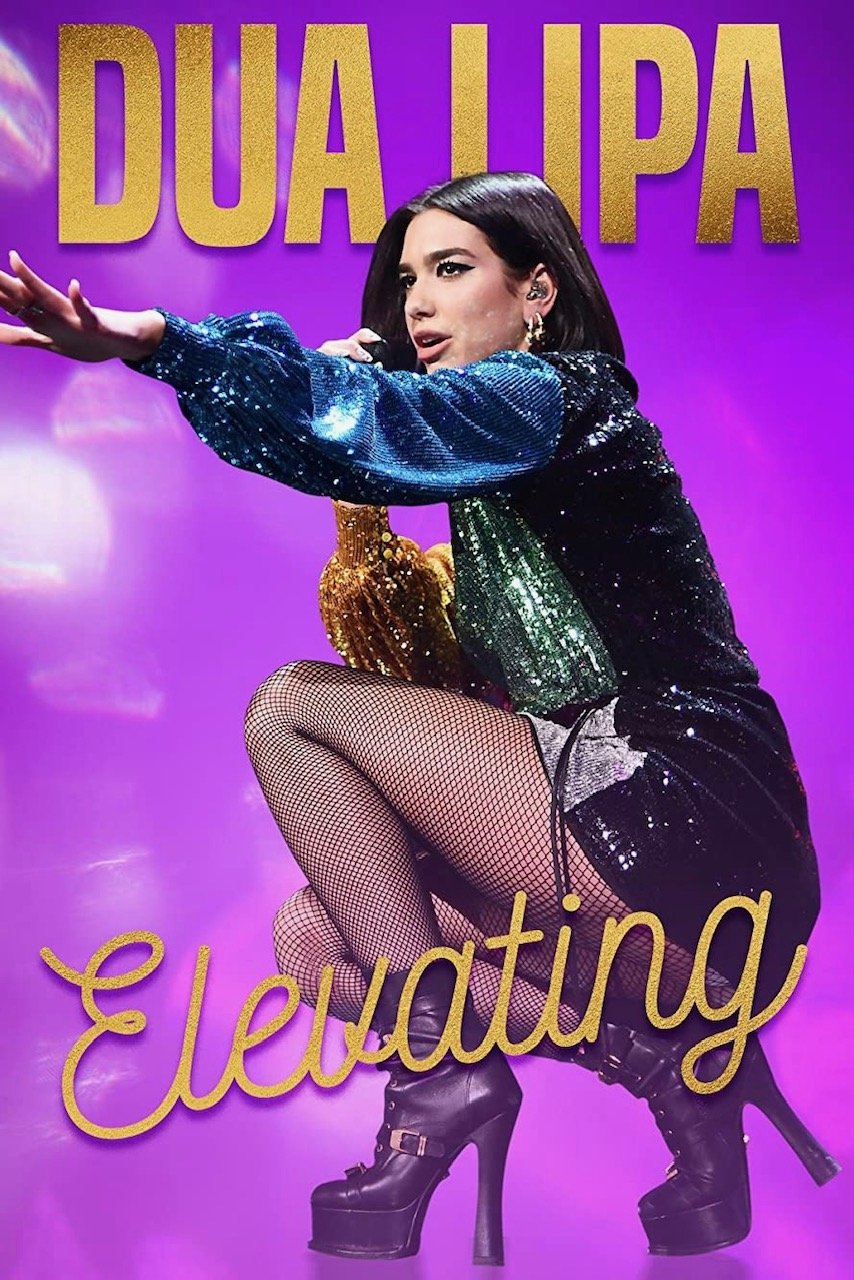
One of the most recognizable voices in all of modern day music, Dua Lipa quickly rose to fame. Her catchy tunes and sultry vocals make her music appeal to a global audience.
Documentary about Congres VI of the Women's Union.
The story of Viktor Stratoberdha (1921-1991) mirrors many of Albania’s tragedies. Stradoberdha’s humorous, buoyant style led him to be one of the country’s most promising filmmakers. But after being denounced in 1956, he was expelled from the Kinostudio and sent into internal exile. In 1967, Stratoberdha directed a local theater play in which the economic five year plan was placed in a coffin. He was then jailed for the next two decades. Urime Shokë Studentë! is one of the surviving documentaries of Viktor Stratoberdha’s all too short career.
Made by the highly influential Russian cameraman Roman Karmen, this documentary vividly features Albanian life immediately after the communists came to power in 1944. The film is especially memorable since it’s missing much of the heavy socialist realism that marked Albanian doc making. Shortly after he completed the film, Karmen set off for Berlin to shoot the Soviet victory over Nazi Germany.
Eliza Dushku takes on her homeland of Albania.
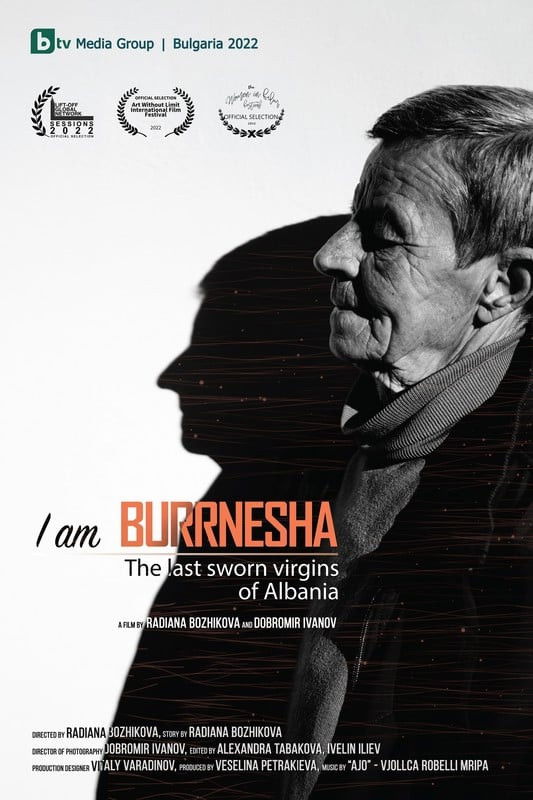
Patriarchal times in northern Albania gave birth to a phenomenon - the replacement of the man at the head of the household by a woman. These are masculine times, in which the woman is only tasked with taking care of the household and raising the children. But, locked in these social roles, girls emerge, ready to abandon their female identity and follow the path of honor. They want to be respected women with the power of a man, not for themselves, but for others. They give up marriage and sexual relations. They choose to live as men. The fall of the regime opened the country to the modern world, but neither communism nor the emerging democracy succeeded in changing the age-old traditions in the isolated mountainous regions of Albania. In the Cursed Mountains, to the north, the last sworn virgins in Europe today live a man`s life.
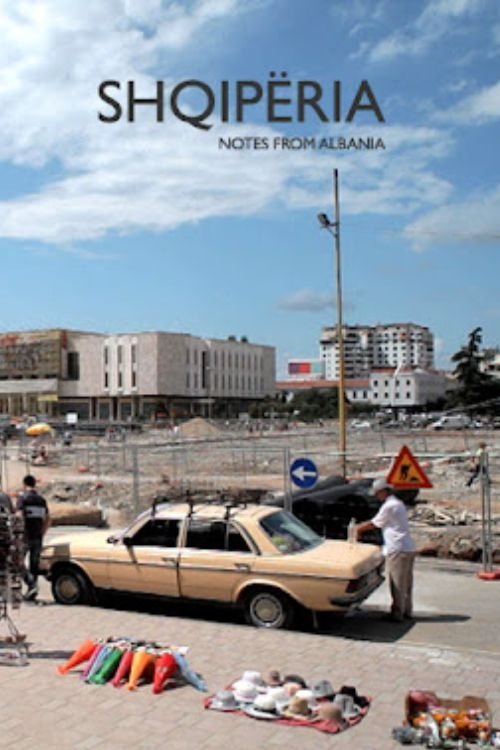
Mad dictators, trigger-happy mobs, archaic blood feuds - this pretty much sums up what Western Europeans know about Albania. But reality in this long forgotten Balkan country is much more complex and multilayered. SHQIPERIA - NOTES FROM ALBANIA offers a flow of stories from and about Albania, displaying the country in its true diversity, unspeculatively illuminating its conflicts and discovering this blank spot on the map of Europe in all its contradictions.
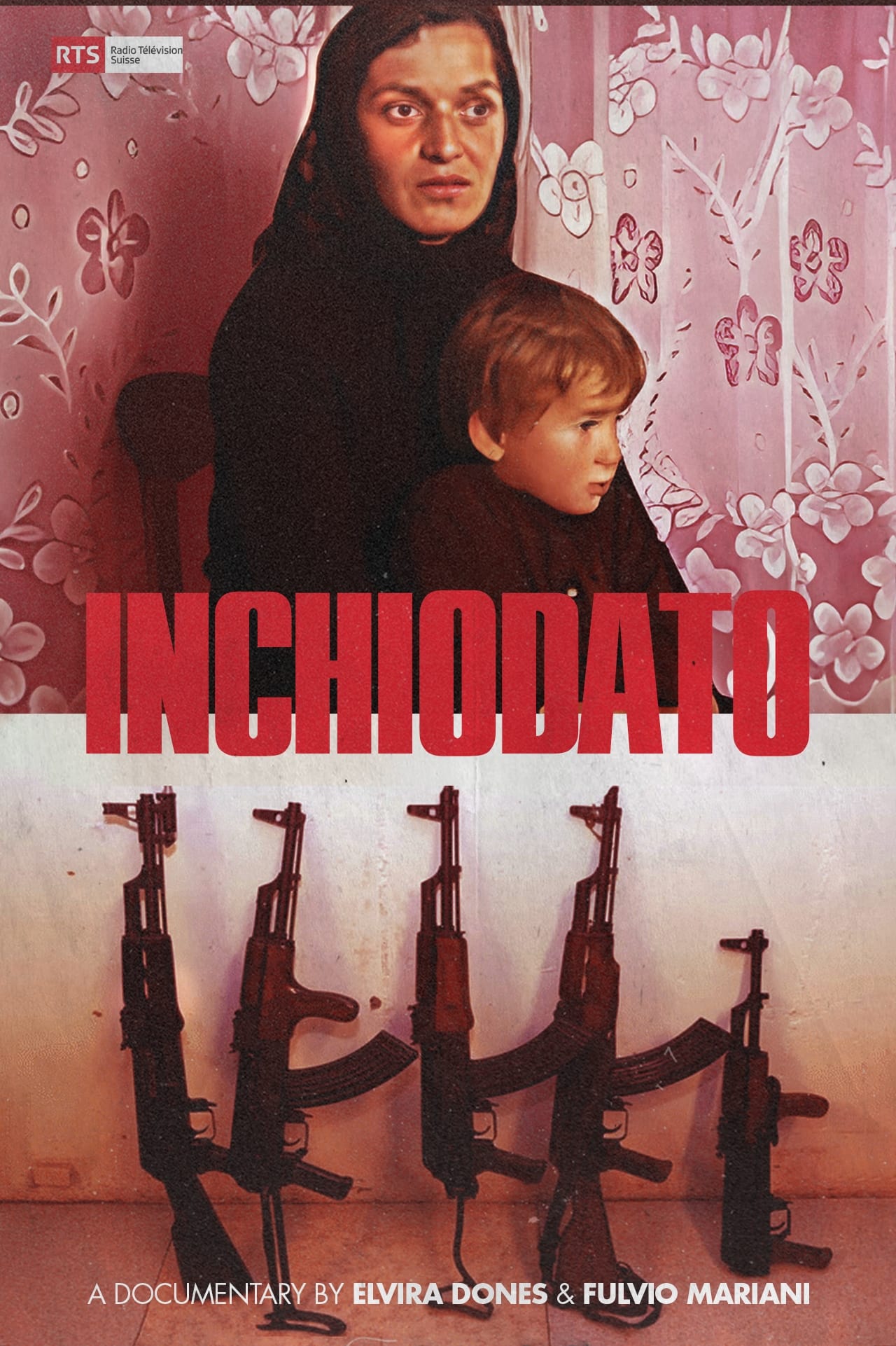
A dramatic depiction of honor, family feuds and thousand-year-old traditions. In Albania, the tradition of avenging an injustice according to the motto "an eye for an eye, a tooth for a tooth" still lives on. This has led to people being trapped in their homes for fear of being murdered due to a family feud.
Albania is the country in Europe that Europe probably knows the least about. Underdeveloped yesterday, Marxist today, breaking with the Kremlin, in friendship with Red China, we hardly know more. For journalists, the country of Enver Hoxha is one of the most closed 'hunting' territories in the world.
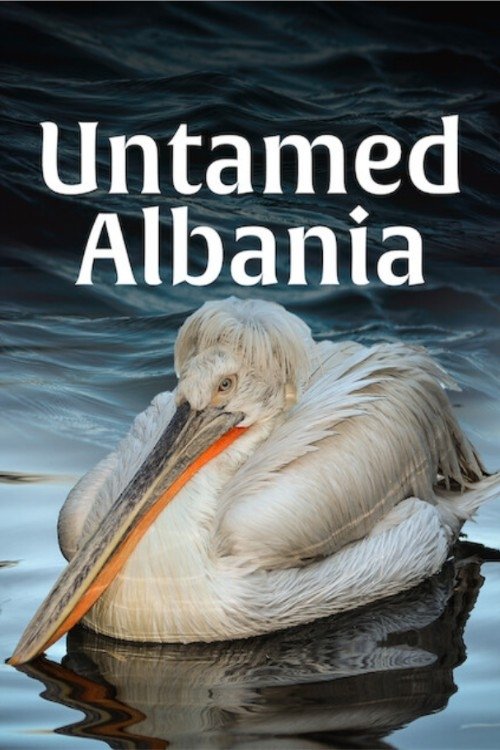
Albania in the southeast of Europe – situated between Greece, Macedonia, Kosovo and Montenegro – hosts an astonishingly diverse landscape. Harmonic coastal areas lead to harsh karst landscapes. Snow-covered mountain regions, wild canyons, waterfalls, deep-blue lakes and untouched rivers are perfect conditions for an immensely rich flora and fauna. Decades of war preserved wide areas of the country from industrial exploitation, so the natural environment is still untouched.
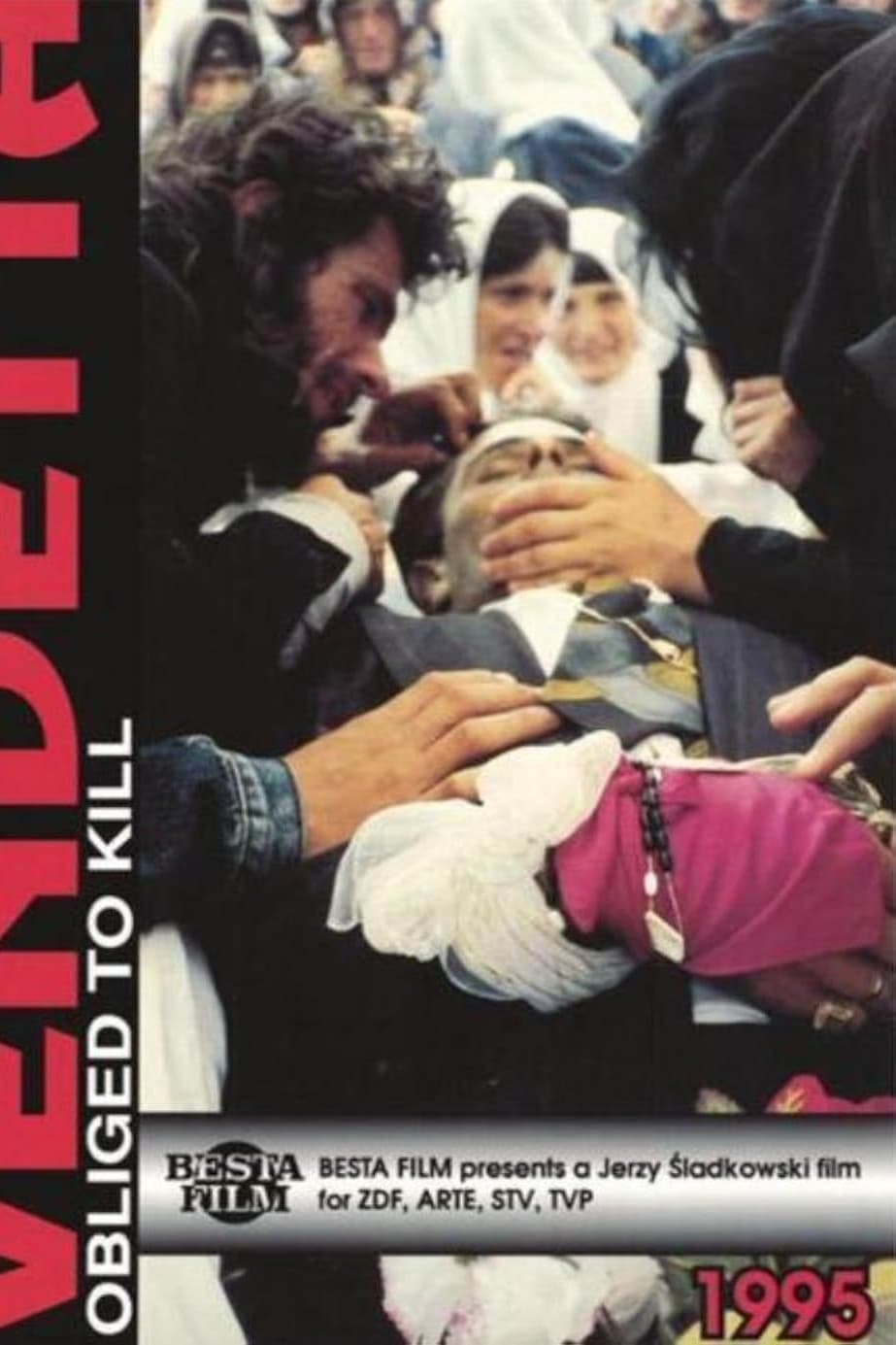
In northern Albania, ancestral customs still exist, governing the laws of vendetta between families. Sometimes, for generations, an old feud has pitted two clans against each other, condemning them to take turns murdering a member of the opposing family. This blood code, known as the Kanoun, has painful consequences for many Albanians, who are condemned to live in seclusion to avoid being killed.
Within beauty lurks danger: at least that is what Albanian communist censors thought. Which is probably why this lavishly shot and seemingly innocuous tribute to the Albanian landscape – where we see pretty, fashionable young people marvel at historic towns over the Adagio for Strings, among other Western music – was shelved and never seen again until today.
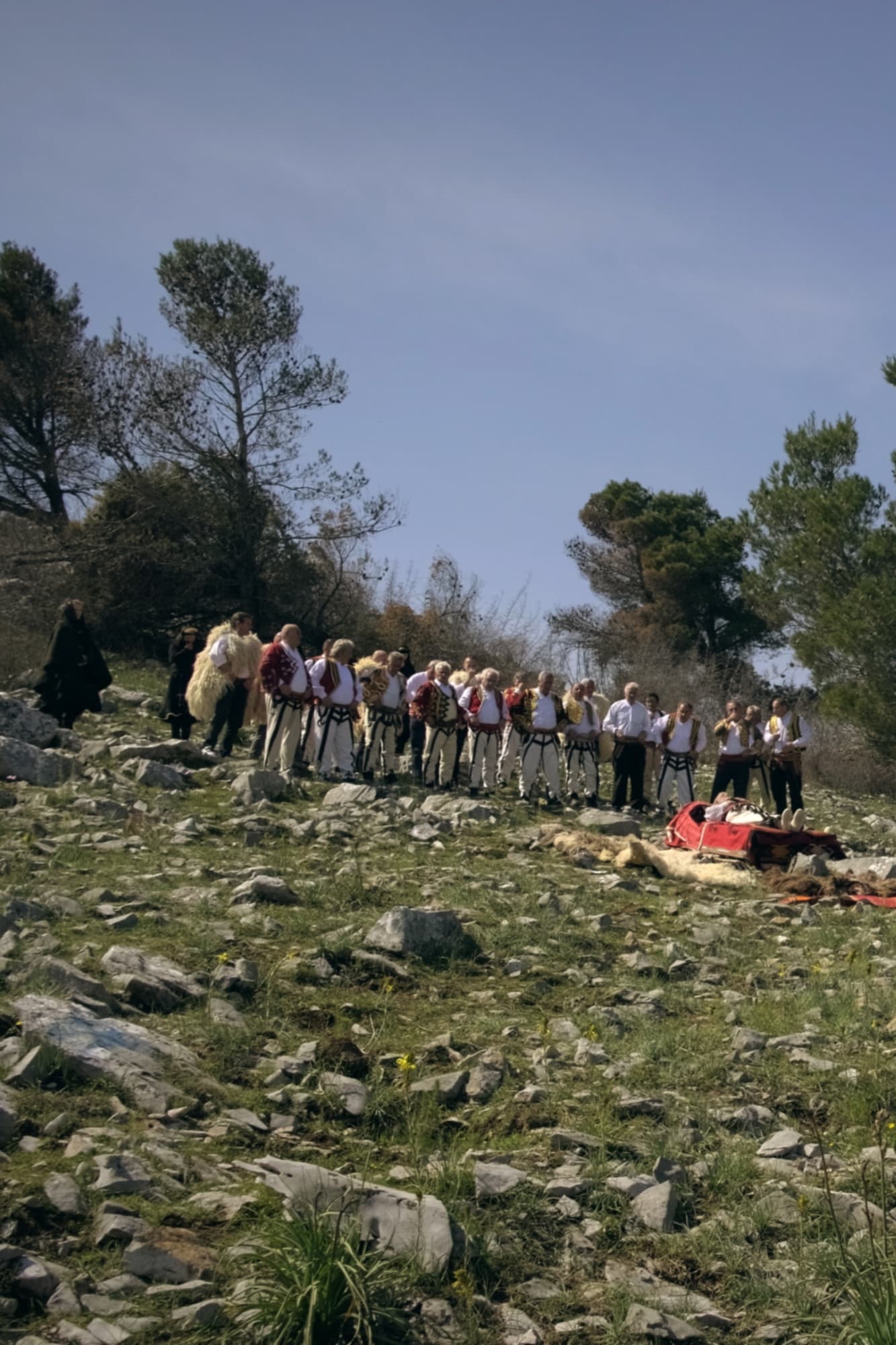
“Gjama” is a rarely practiced mourning ritual that was performed by Albanian men throughout the centuries. By shouting specific phrases and acting out a strict choreography, it is a way of paying respect to the deceased but also overcoming grief and pain over the loss of a loved one. Through the documentation of the re-enactment of the ritual, Zgjim Elshani seeks to recover fragments of the practice in the communities where this form of collective grieving is still a way of overcoming loss. By doing so, the project intends to rethink collective grieving and what it means to publicly display emotions in a male-headed society.
In an intimate and joyful story of love in the face of loss, celebrated poets Andrea Gibson and Megan Falley find strength—and unexpected hilarity—in what might be their final year together.
Daniel Craig candidly reflects on his 15 year adventure as James Bond. Including never-before-seen archival footage from Casino Royale to the upcoming 25th film No Time To Die, Craig shares his personal memories in conversation with 007 producers, Michael G Wilson and Barbara Broccoli.
Through deeply personal interviews with her siblings and an examination of the photographs, letters, and belongings left behind, Mariska assembles a new portrait of her mother Jayne Mansfield, an extraordinary and complex woman.
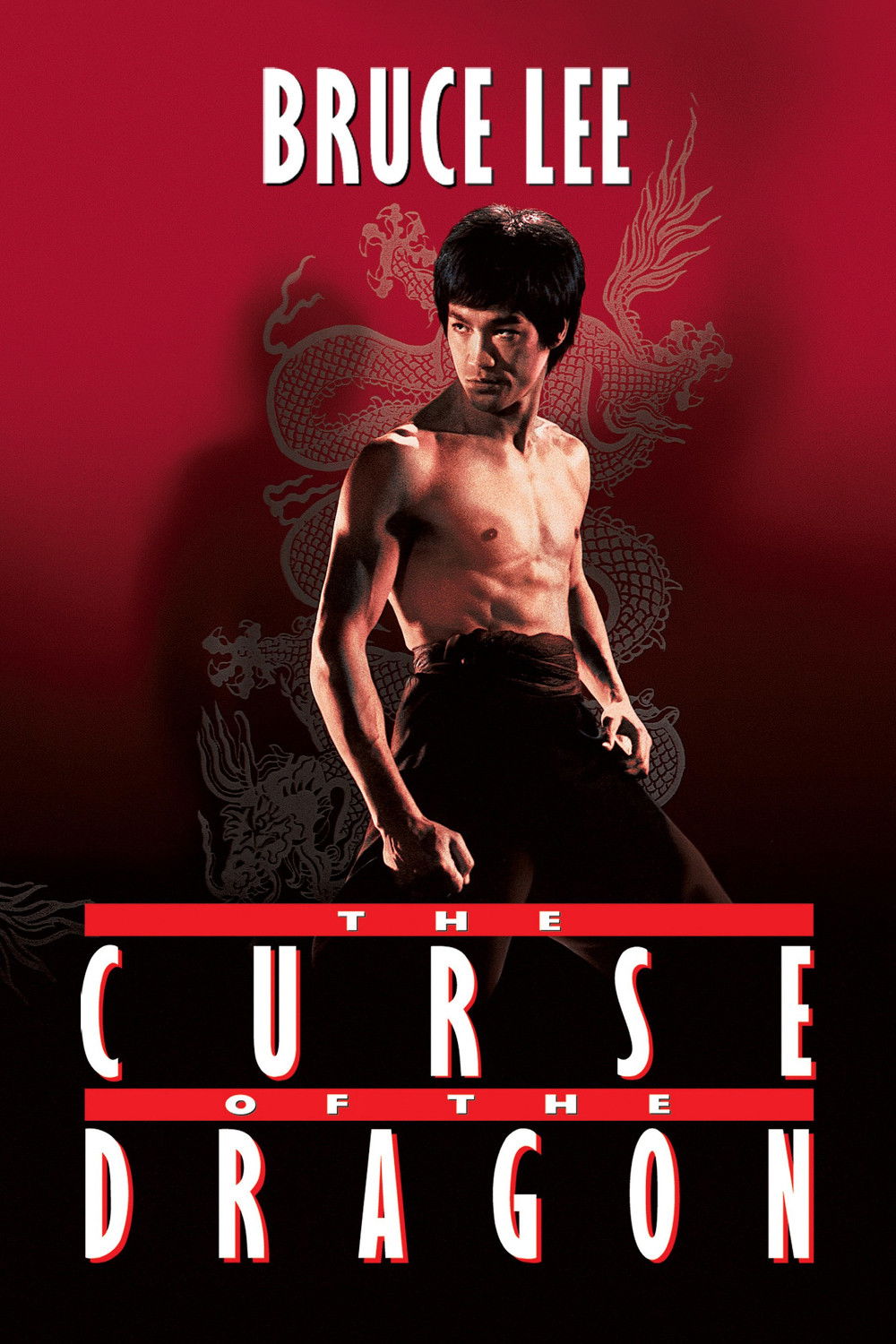
A 1993 documentary film about Bruce Lee. The film includes interviews from some of his fellow students and opponents who worked alongside him in his movies.
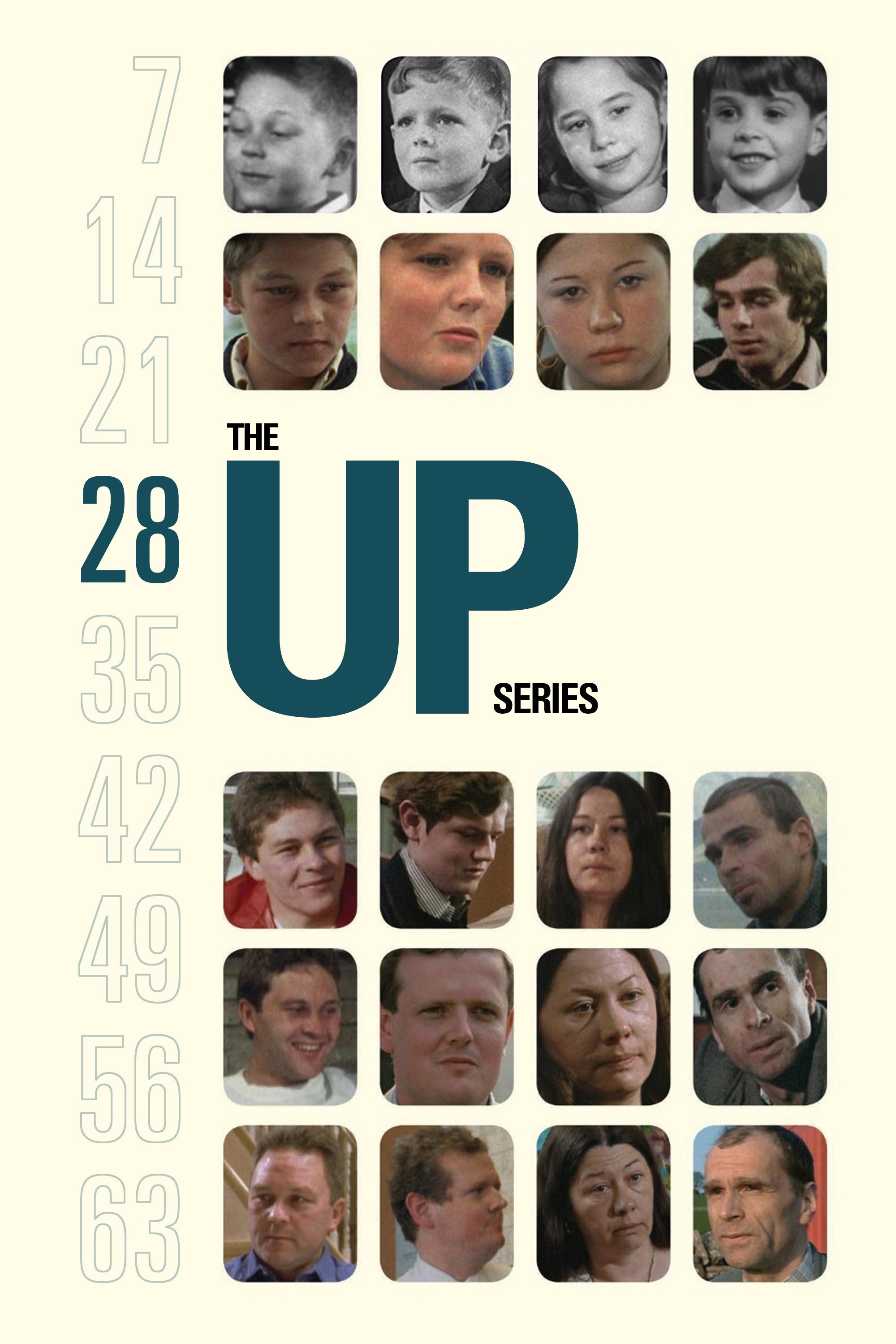
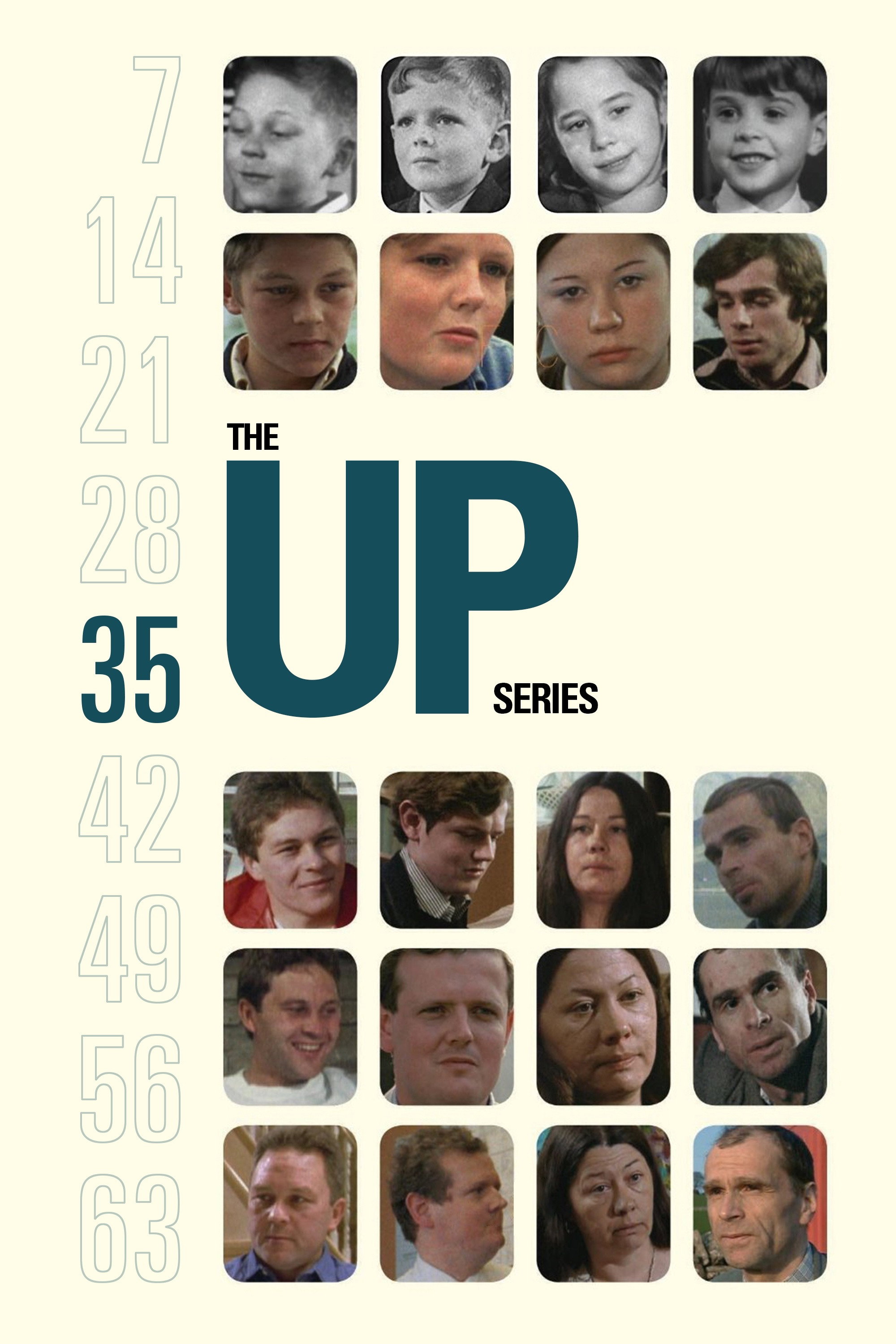
Just two years away from turning 30, participants in Michael Apted's documentary series are facing serious questions of identity and purpose, wondering whether they've found their place in the world.
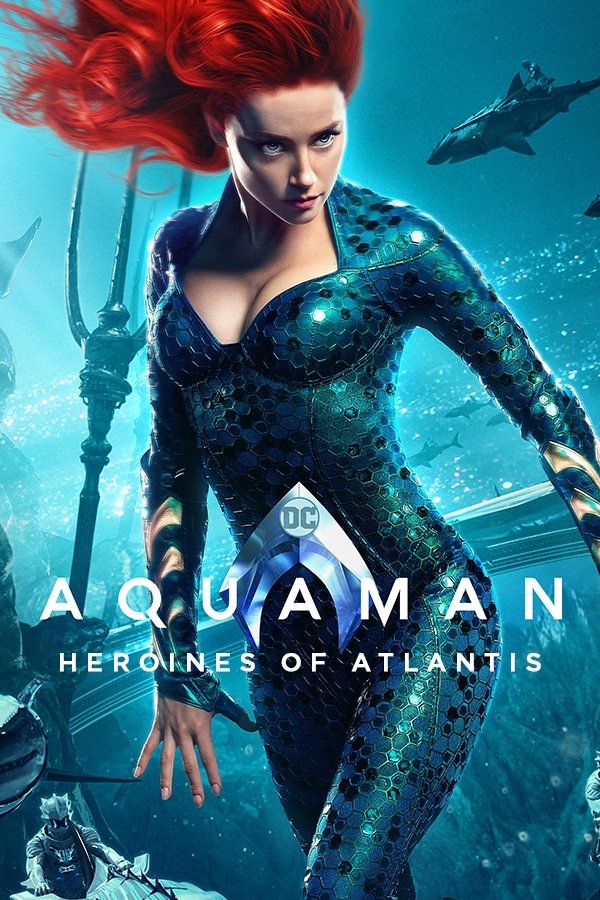
Amber Heard and Nicole Kidman discuss their characters Mera and Atlanna.
Director Michael Apted revisits the same group of British-born adults after a 7 year wait. The subjects are interviewed as to the changes that have occurred in their lives during the last seven years.
A string of threatening emails escalates into a revenge plot involving a newly married US marshal and his ex-girlfriend.
The life and career of one of comedy's most inimitable modern voices, Mr. Gilbert Gottfried.
Ranjit, a farmer in India, takes on the fight of his life when he demands justice for his 13-year-old daughter, the victim of a brutal gang rape. His decision to support his daughter is virtually unheard of, and his journey unprecedented.
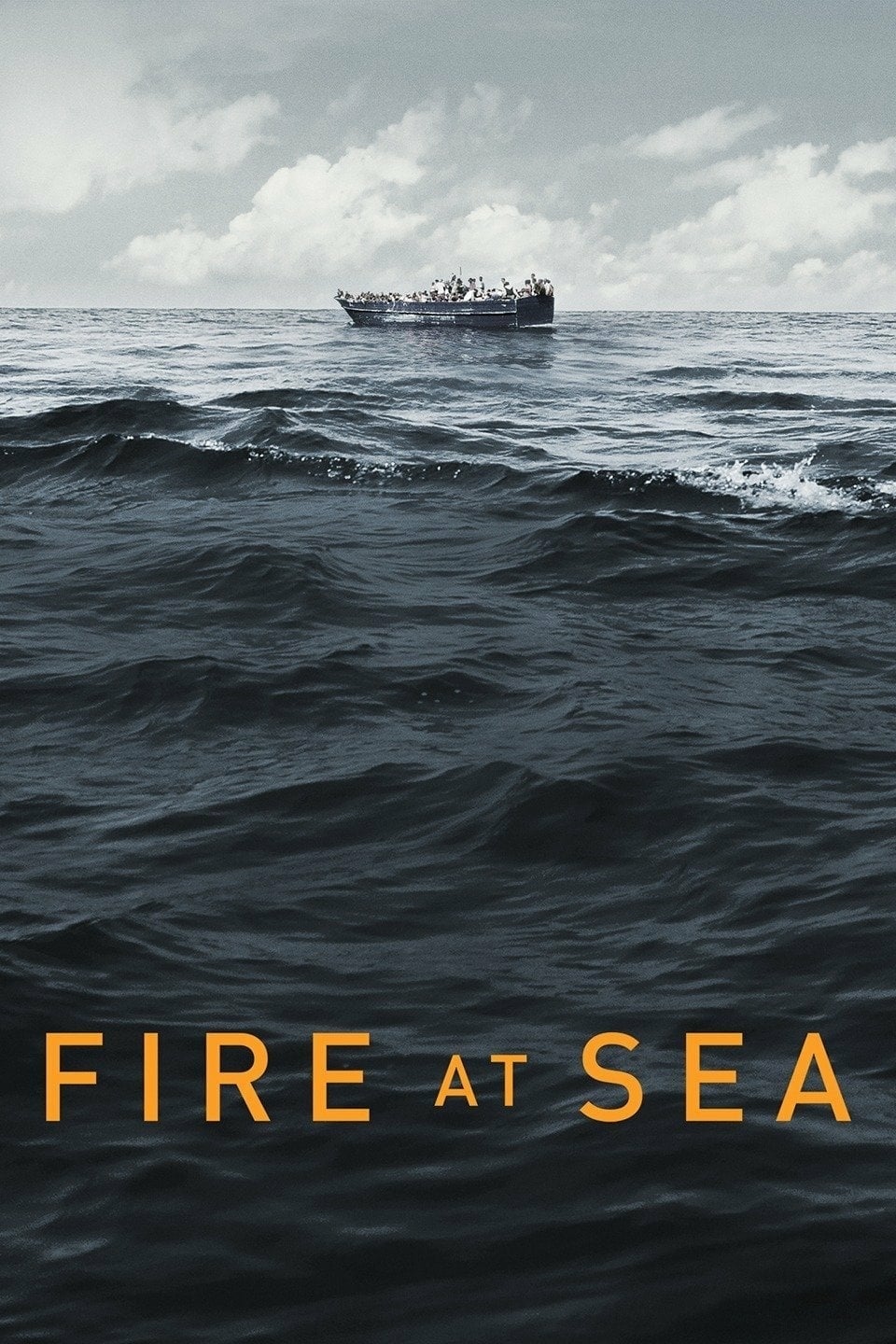
Capturing life on the Italian island of Lampedusa, a frontline in the European migrant crisis.
The life and career of an actor, artist, and icon. His own journey through his own camera.
A documentary on the expletive's origin, why it offends some people so deeply, and what can be gained from its use.
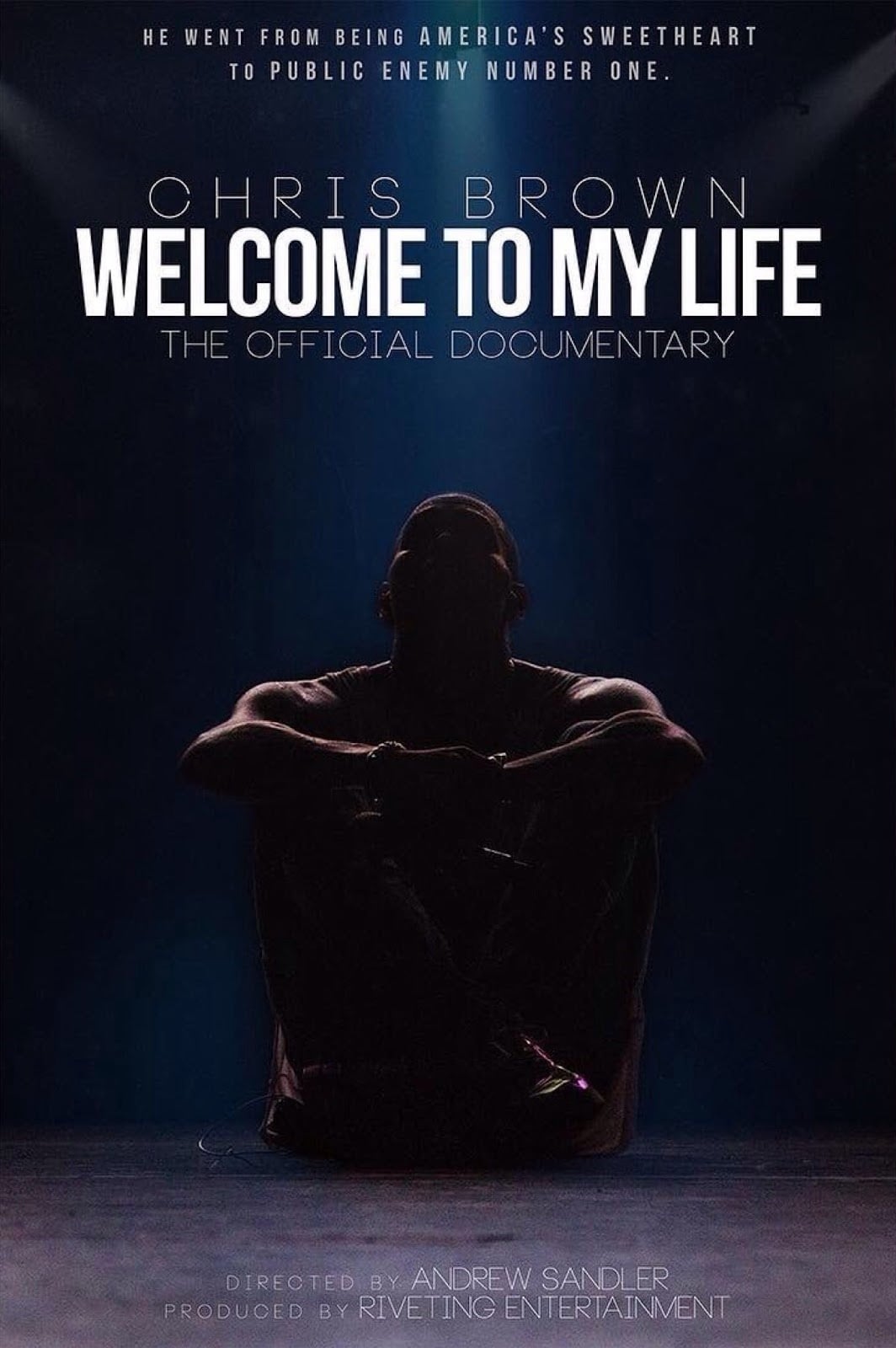
This compelling Documentary moves beyond the spotlight and past the attention-grabbing headlines to give pop superstar Chris Brown a chance to tell his own story. New interviews with the international phenomenon reveal long-awaited answers about his passion for making music, his tumultuous and much publicized relationships, and the pitfalls of coming of age in the public eye. Also included is new concert footage, behind-the-scenes access, and special interviews from Usher, Jennifer Lopez, DJ Khaled, Mike Tyson, Jamie Foxx and others.
A detailing of the rise to prominence and global sporting superstardom of six supremely talented young Manchester United football players (David Beckham, Nicky Butt, Ryan Giggs, Paul Scholes, Phil and Gary Neville). The film covers the period 1992-1999, culminating in Manchester United's European Cup triumph.
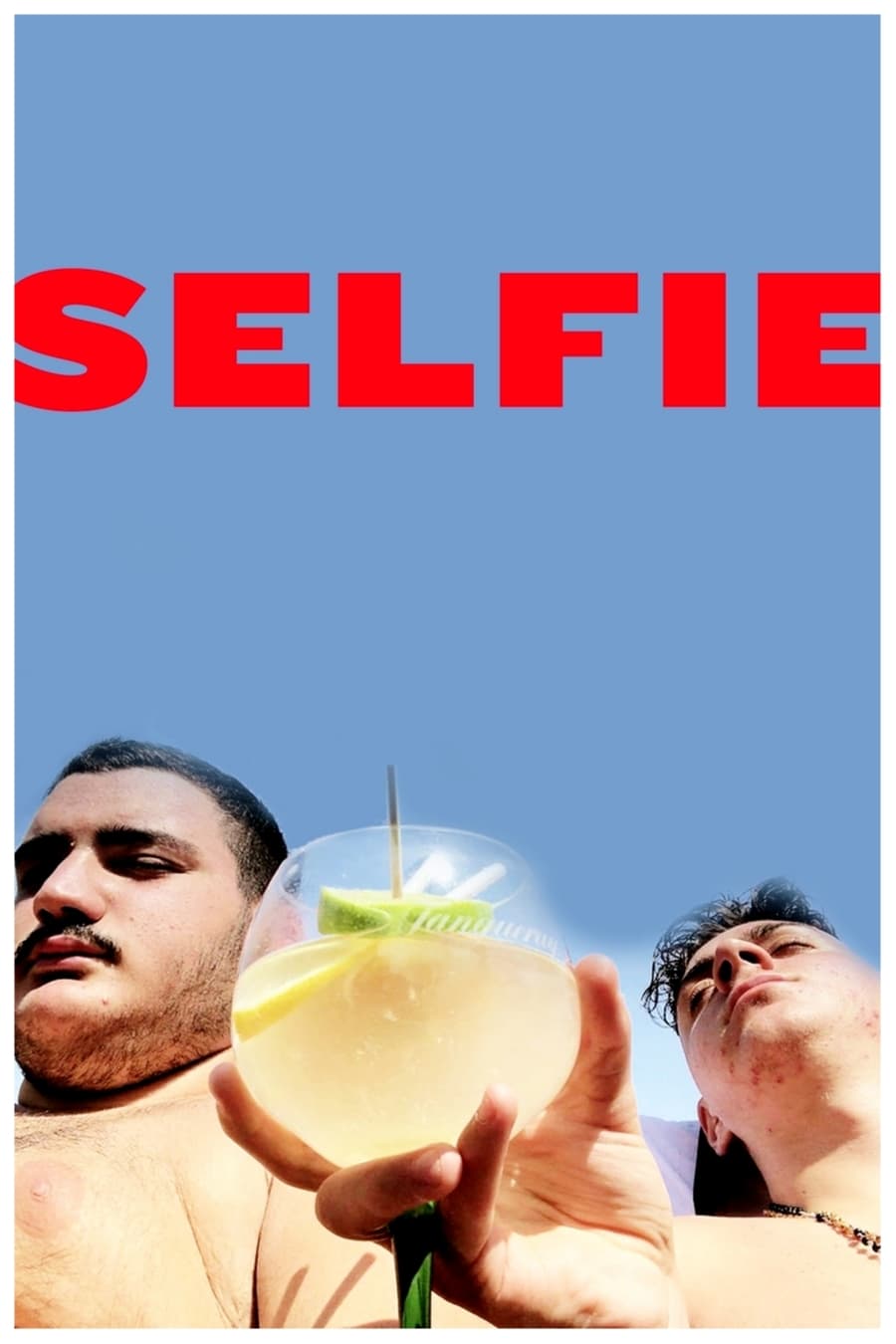
Naples, Trajan's district. Initially it was intended for the inhabitants of the shantytowns on the seafront of Naples, who were homeless after the war. But it soon became a kind of ghetto. Alessandro and Pietro are two teenagers who film with an iPhone to tell their difficult neighborhood, their daily life, the friendship that binds them.
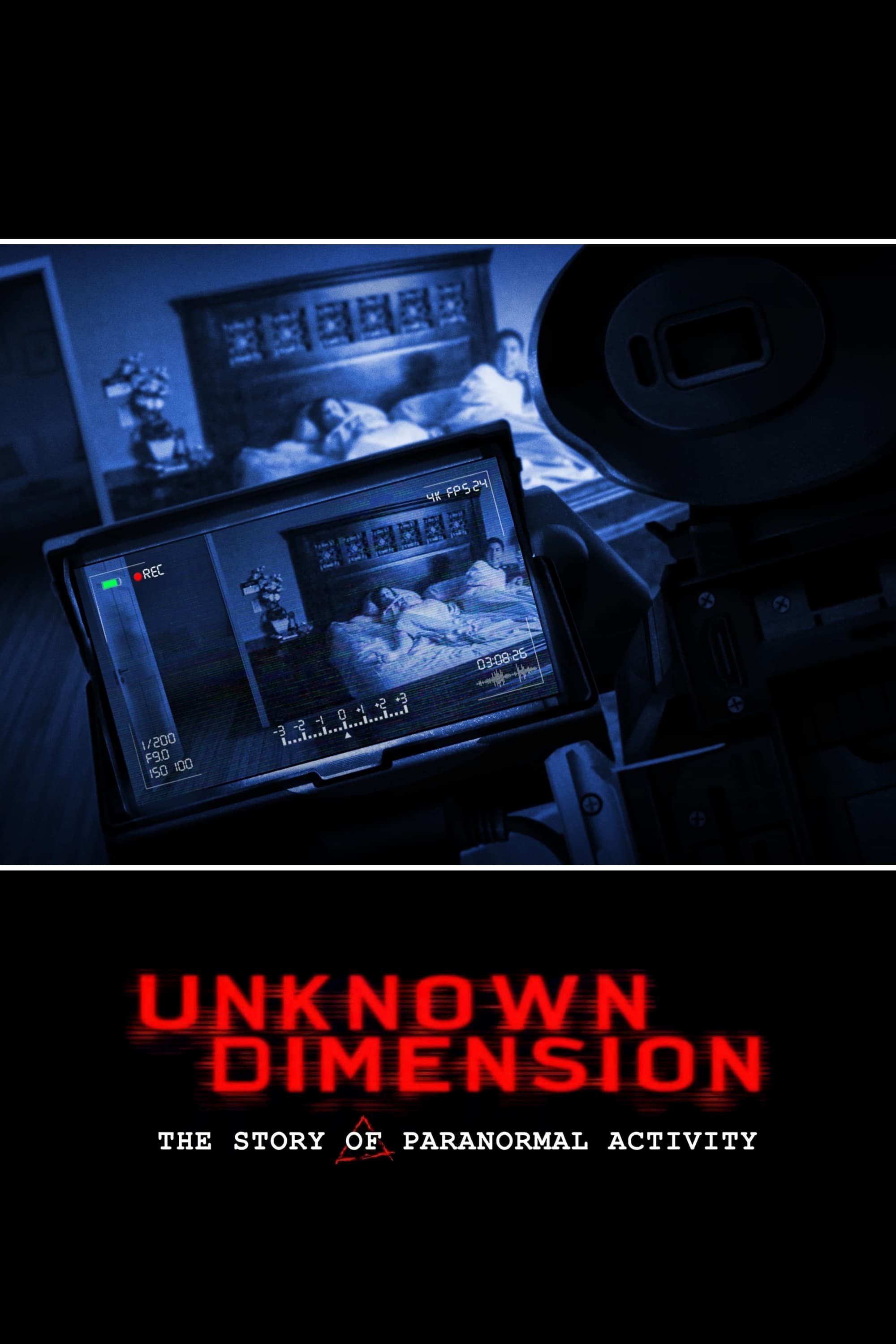
A deep dive into the making of the Paranormal Activity films with first time ever interviews with cast and crew, never-before-seen footage from the movies, and a preview of the seventh installment in the franchise.
An inside look at one of the most anticipated movie sequels ever with James Cameron and cast.
A documentary about the life and films of director John Ford.