Social & External
The people behind it
Michael Praed
himself
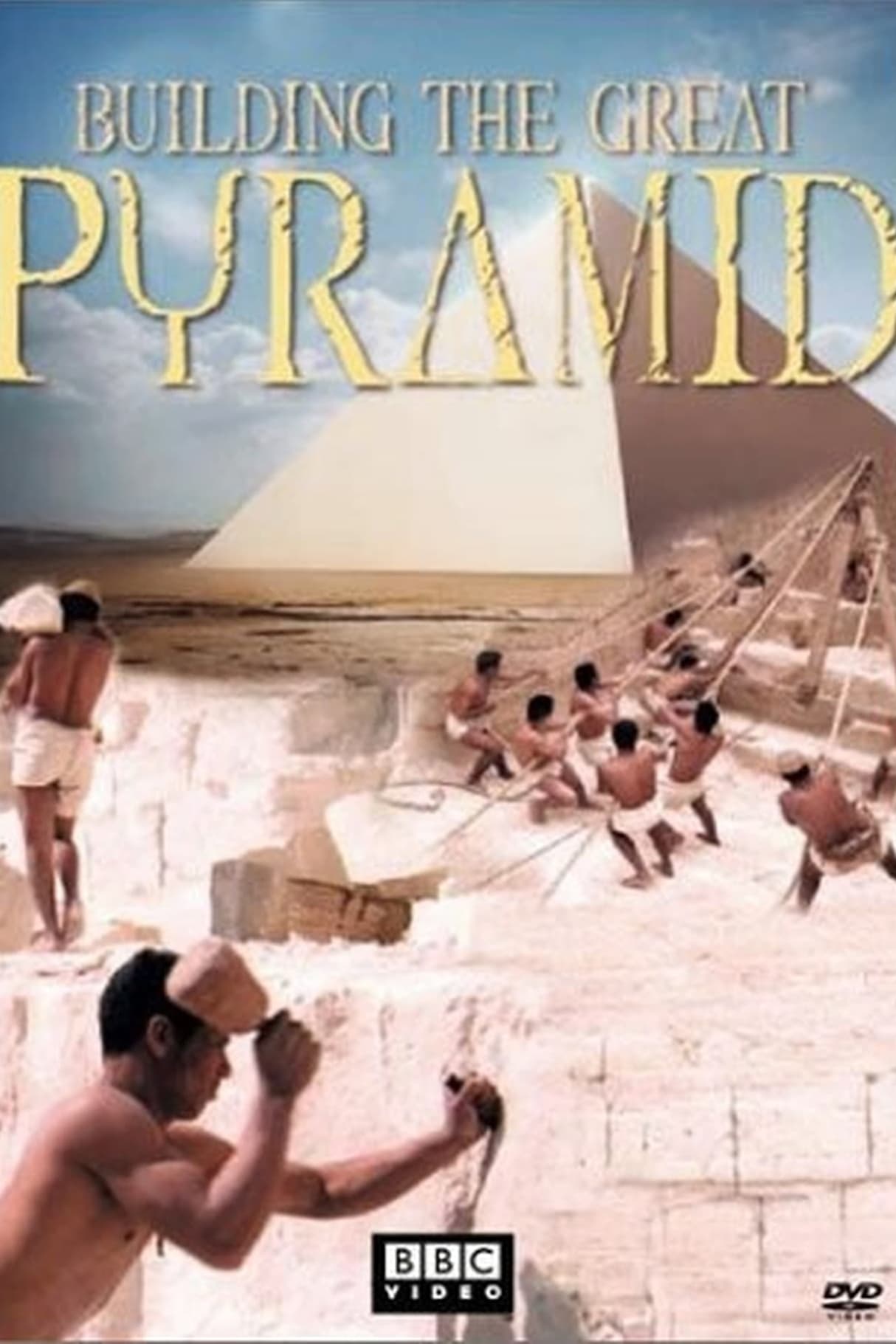
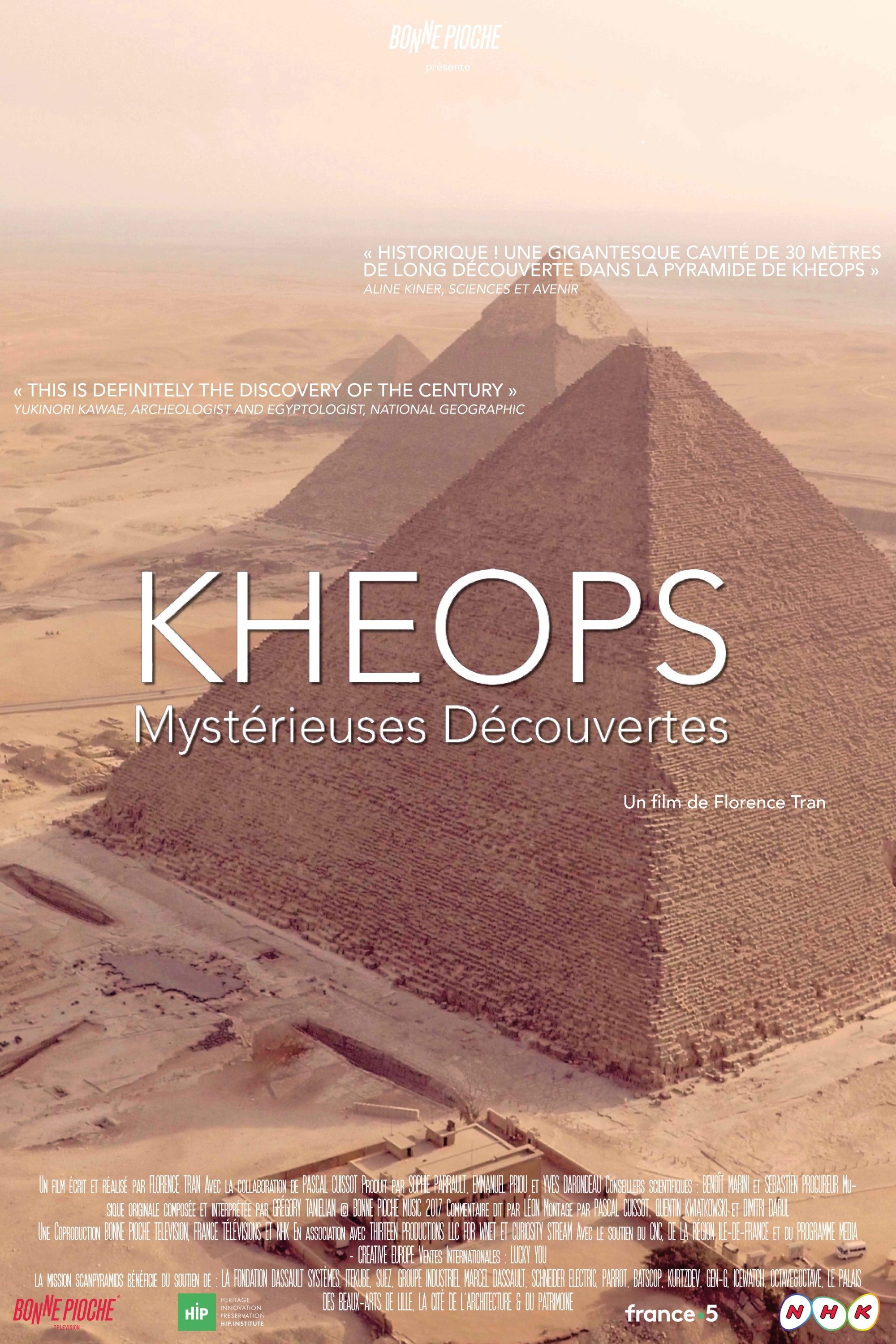
Of the Seven Wonders of the Ancient World, the Pyramid is the only one to survive. Many believe that even with our 21st-century technology, we could not build anything like it today. Based on the most up-to-date research and the latest archaeological discoveries, here is how the Pyramid came to be.
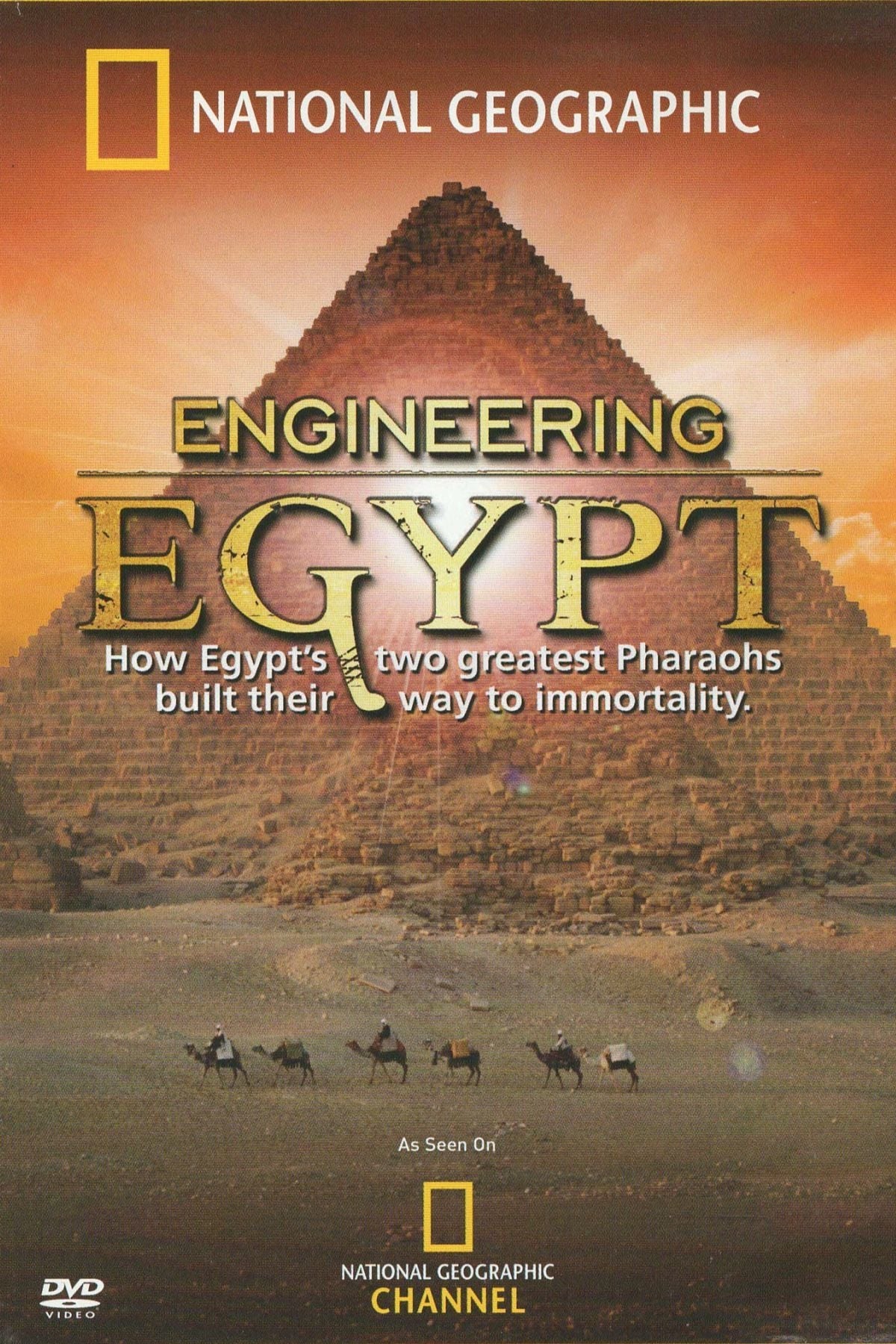
Egypt's two greatest Pharaohs, Khufu and Ramesses II, built their way to immortality through architectural marvels including the temples of Abu Simbel and the Great Pyramid of Giza
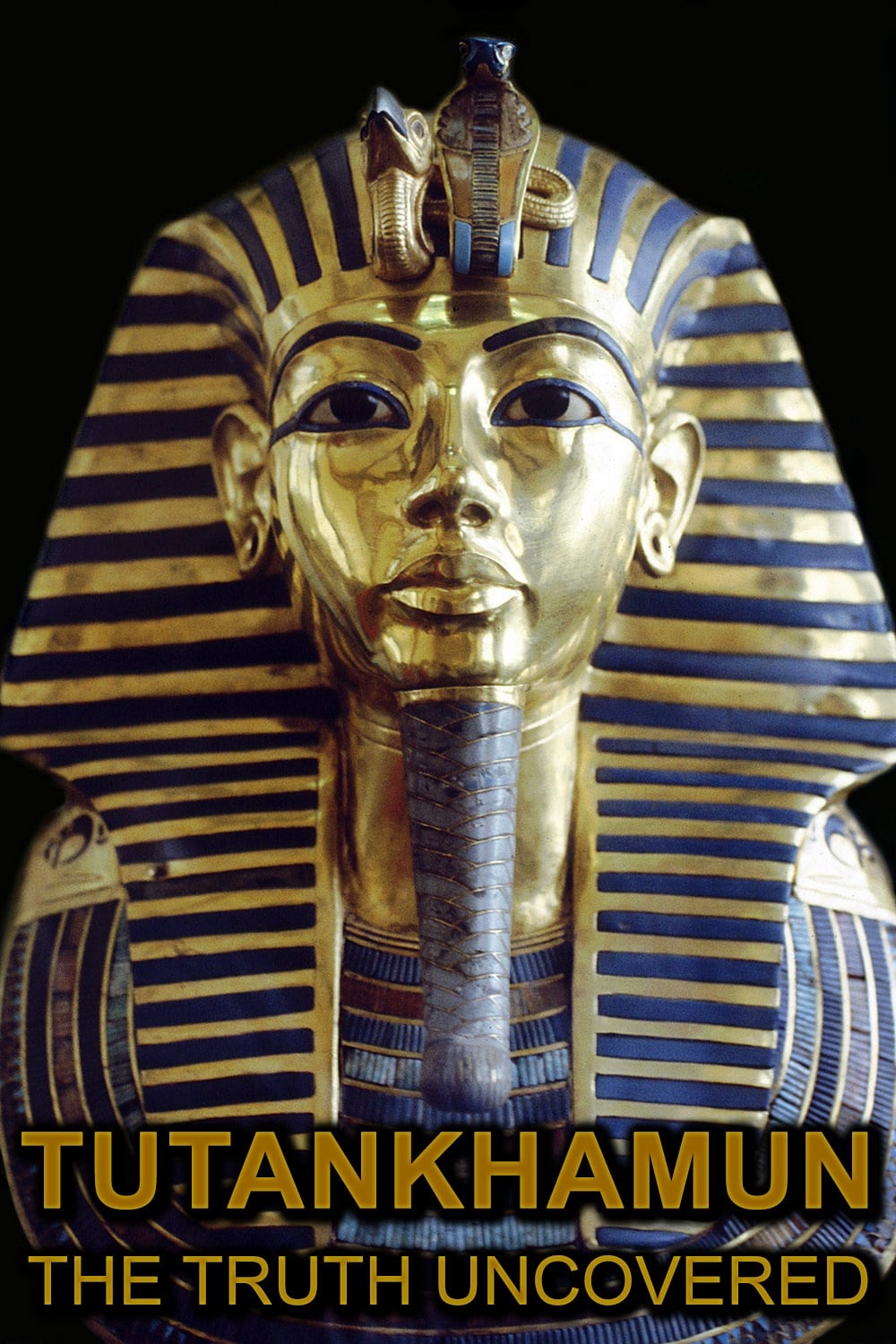
What killed King Tutankhamun? Ever since his spectacular tomb was discovered, the boy king has been the most famous pharaoh of all ancient Egypt. But his mysterious death, at just 19 years old, has never been explained. In this BBC One special, presenter Dallas Campbell reveals new scientific research and carries out unique experiments to get to the truth. For the first time, a virtual autopsy of Tut's mummified body reveals astonishing secrets about the pharaoh. Using CT scan data, the programme creates the first ever full size, scientifically accurate image of the real Tutankhamun. Brand new DNA analysis uncovers a shocking secret about Tut's family background, and the genetic trail of clues leads to a radical and revolutionary new theory to explain Tut's sudden and unexpected death. This is an epic detective story that uncovers the extraordinary truth of the boy behind the golden mask.
By decoding ancient hieroglyphic texts, Jean-François Champollion gave voice to an enigmatic civilization, but behind his legendary feat is a mysterious brother who made it possible. The recent discovery of correspondence between Jean-François Champollion and his brother Jacques-Joseph now allows us to fully understand how a young, self-taught genius was able to make one of the most important discoveries of the 19th century. Without the ingenuity and unfailing support of his older brother, Jean-François would never have succeeded in solving this enigma, which had international repercussions. With animated sequences of their private correspondence, and with the help of archives and expert analysis, this film revisits this unique scientific, human and intellectual adventure to celebrate the bicentenary of the decoding of hieroglyphics.
Zahi Hawass, an Egyptian archaeologist, has been excavating the ancient necropolis of Saqqara, south of Cairo, for several decades. He hopes to discover the tomb of Imhotep, the architect of humanity’s first pyramid: Djoser’s Step Pyramid. Together with his team, he will unearth fabulous tombs and uncover the secrets of Egyptian mummies.
Egypt is home to one of the world's earliest civilizations, with its earliest settlements in northern Africa dating to 17000 BC. Ancient Egypt was a powerful, influential, and expansionist empire that grew from the Nile River Valley to include much of the eastern Mediterranean. The civilization brought many inventions and advancements, including agriculture, art, architecture, astronomy, mathematics, medicine, religion, writing, and so much more.
Move over, King Tut: There's a new pharaoh on the scene. A team of top archaeologists and forensics experts revisits the story of Hatshepsut, the woman who snatched the throne dressed as a man and declared herself ruler. Despite her long and prosperous reign, her record was all but eradicated from Egyptian history in a mystery that has long puzzled scholars. But with the latest research effort captured in this program, history is about to change.
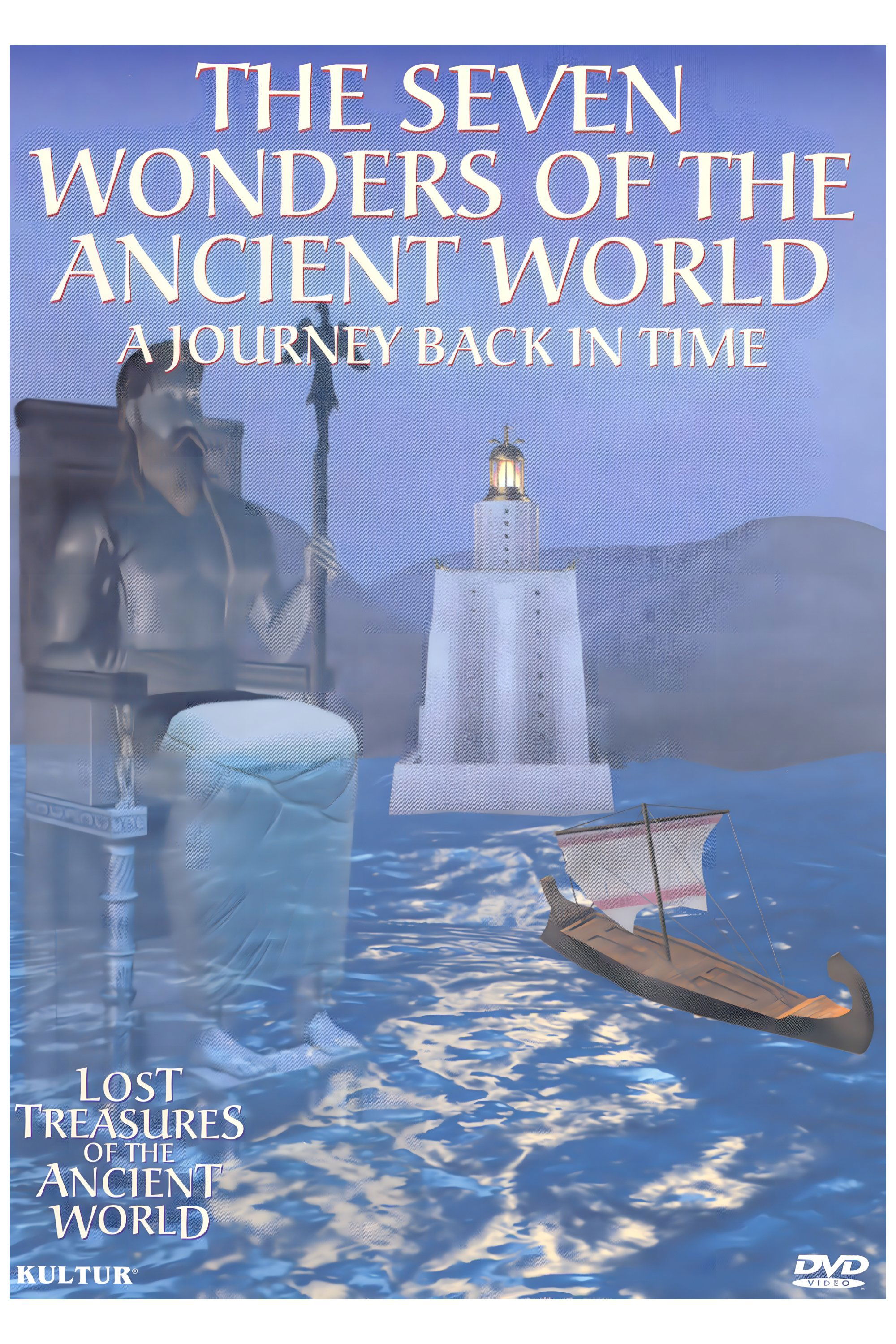
This program presents the stories of the works of architecture regarded by the Greeks and Romans as the most extraordinary structures of antiquity: the Hanging Gardens of Babylon, The Statute Of Zeus, the Temple of Artemis, the Mausoleum of Halicarnassus, the Pharos of Alexandria and the Pyramids of Egypt and more.
Around 800 BC, Kush, a little-known subject state of Egypt, rose up and conquered the Egyptians, enthroned its own Pharaohs, and ruled over the empire of King Tut for nearly 100 years. This unlikely chapter of history has been buried by the Egyptians and belittled by early archaeologists, who refused to believe that dark skinned Africans could have risen so high. But now, in the heart of Sudan, archeologists Geoff Emberling and Tim Kendall are bringing the truth about the Black Pharaohs to life.
Examines the history of the African kings from Kush who conquered Egypt and ruled over it for 1500 years through an exhibition at the Louvre.
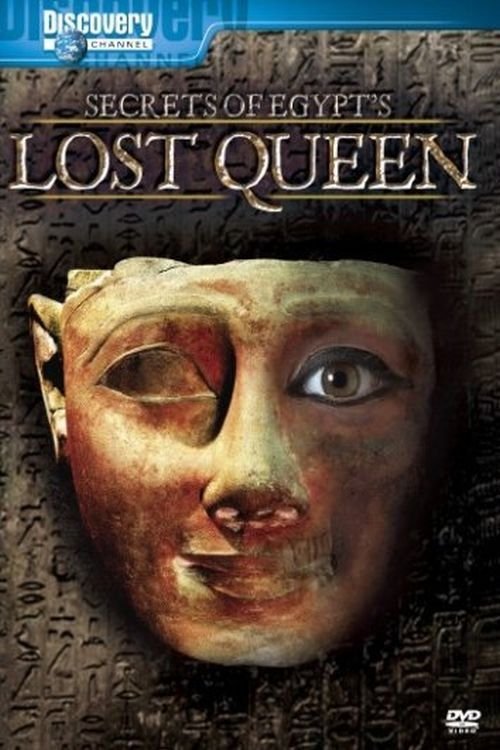
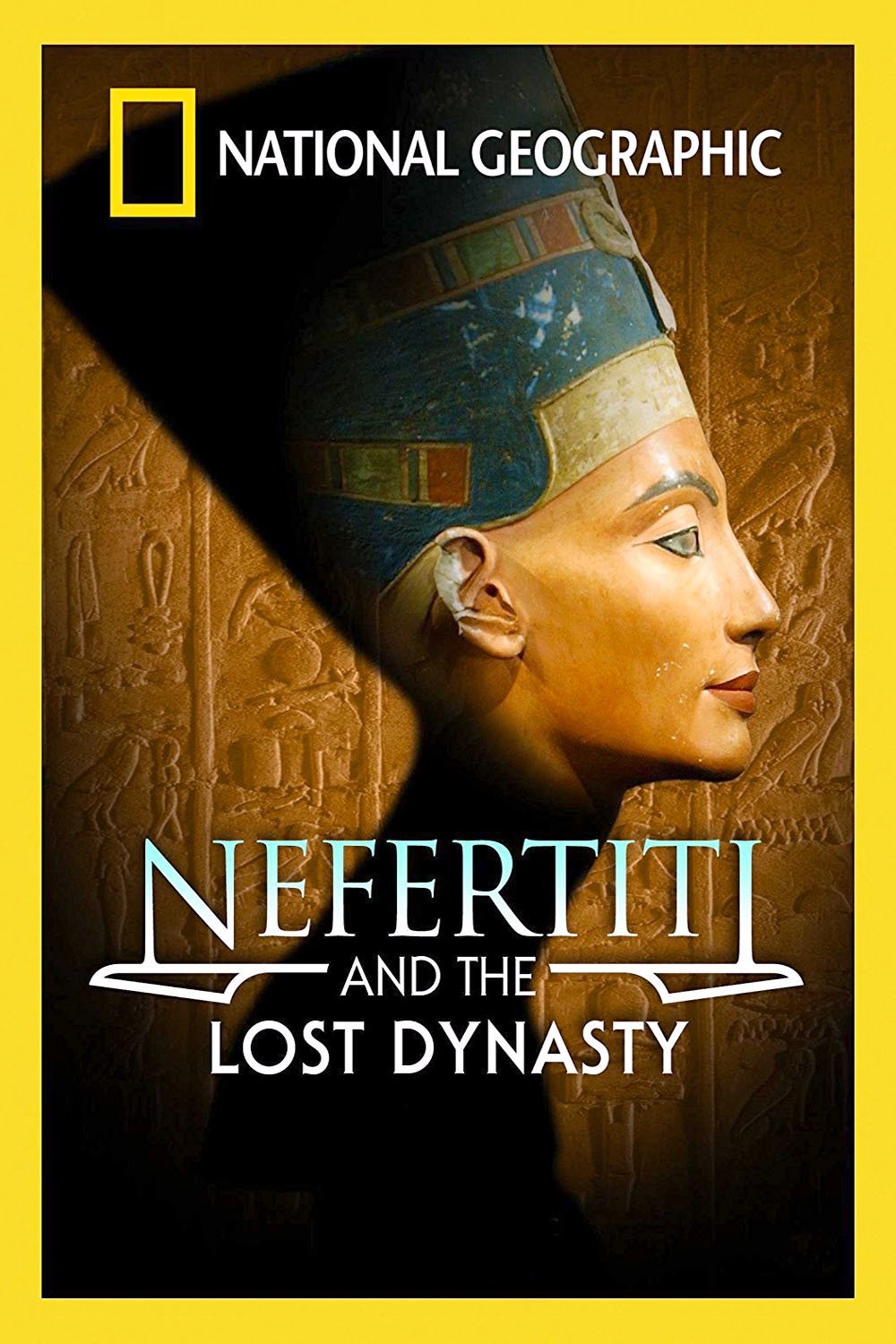
It is one of Egypt's enduring mysteries. What happened to Nefertiti and her husband, Akhenaten - the radical king, and likely father of King Tut? In a dark and mysterious tomb located in the Valley of the Kings, there is a small chamber with two mummies without sarcophagi or wrappings. At times, both have been identified as Queen Nefertiti by scholars, filmmakers and historians. But the evidence has been circumstantial at best.
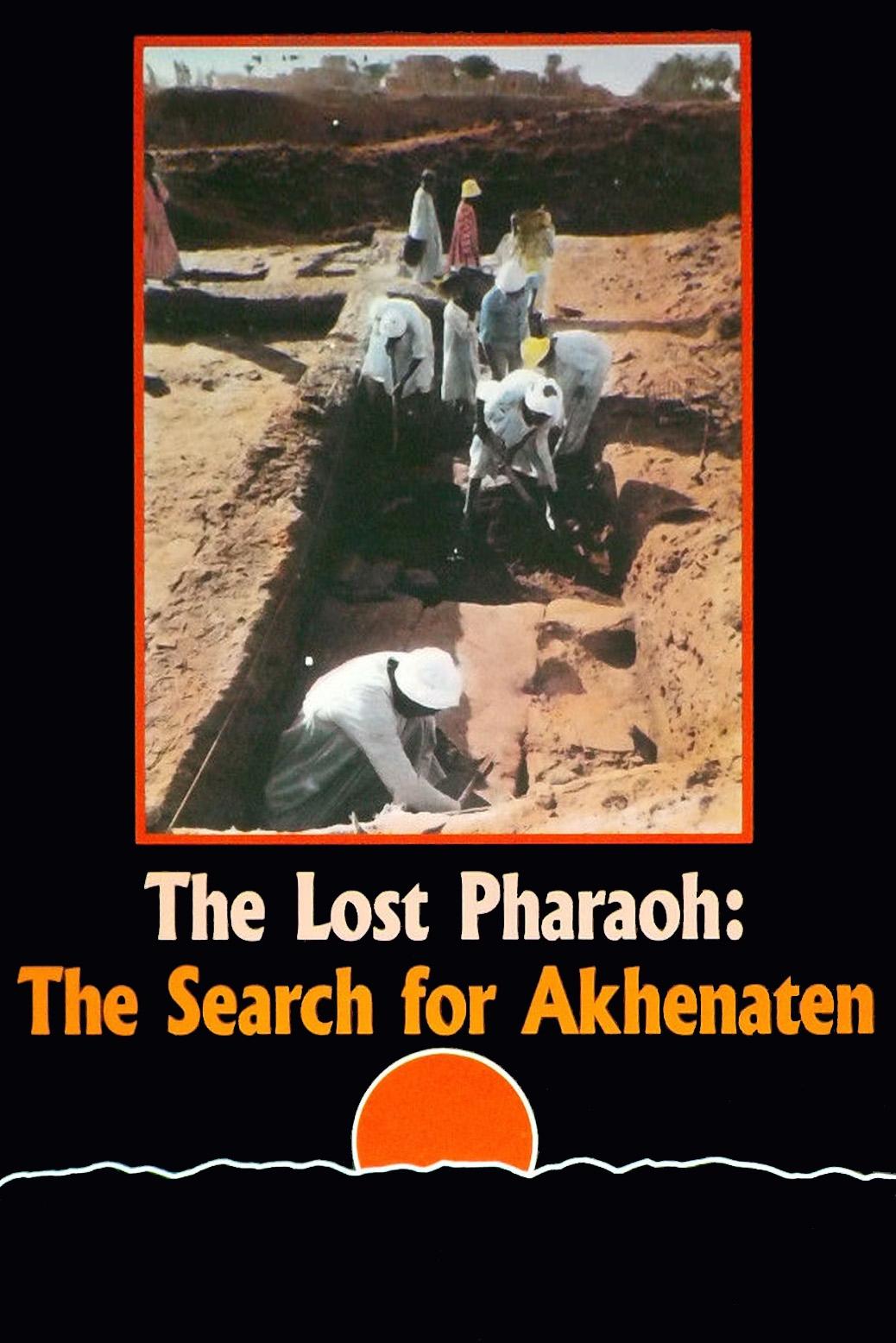
Ancient pharaoh Akhenaten was almost lost to history. Canadian archaeologist Donald Redford, who uncovered the foundation of one of the pharaoh’s many temples, attempts to finally piece together this great Egyptian ruler’s enigmatic story.
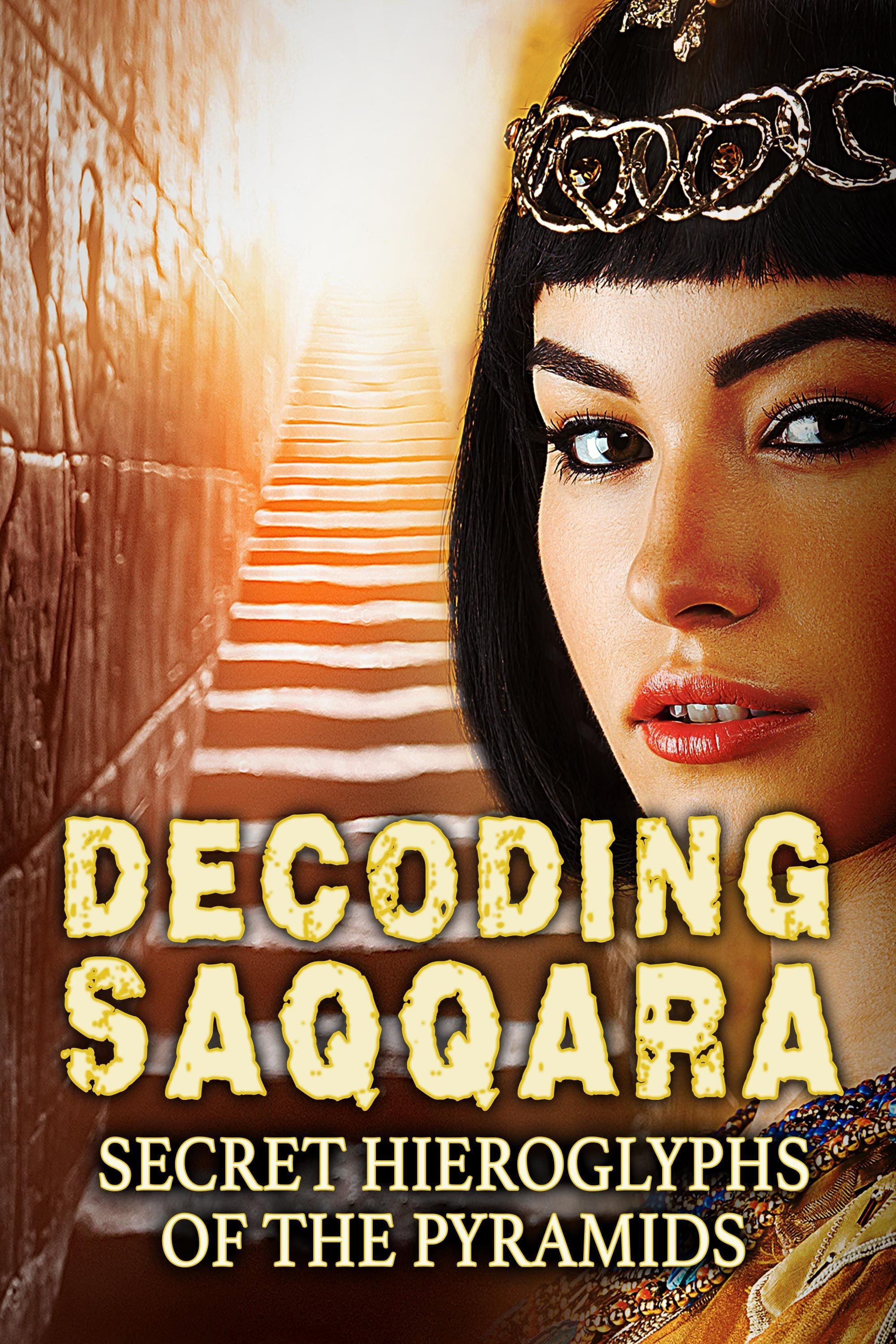
With Its Myriad Of Mysteries Ancient Egypt Continues To Work Its Spell. The Necropolis Of Saqqara Roughly 30 Kilometers From Cairo Holds One Of Egypt's Most Fascinating Treasures The Pyramid Of Pharaoh Pepi Ii. Few Know Of It As It Is Closed To The Public Yet It Holds The Vastest Collection Of Texts Of All Currently Known Pyramids. For The First Time In 90 Years Teams From The International Archeological Mission In Saqqara Open And Decipher This Wondrous Tomb. How Did The Egyptians Build The Pyramids? Their Walls Are Covered In Hieroglyphs But What Story Do They Tell? How To Crack The Mystery Of Texts That Are Over Four Thousand Years Old? Using Technological Innovations Such As Photogrammetry Endoscopes Hyperspectral Imaging And Ultrahigh Resolution Photography This Documentary Alternates Live Scenes With Staged Interviews To Plunge Us Into Saqqara's History And Offer New Insights Into The Pharaohs' Tombs.
Around 3,000 BC, the first territorial state in history was created with the unification of Upper and Lower Egypt. The empire on the Nile was to exist for 3,000 years. The current section focuses on religion, temple economy and the cult of the dead and examines the reigns of Akhenaten and Ramses II. The culture of Ancient Egypt is characterized by religion, temple economy and the cult of the dead. Two pharaohs play an important role in this context: Akhenaten and Ramses II. When Akhenaten ascended the throne around 1,350 BC, religious customs in Egypt had hardly changed for almost 2,000 years. The influential priesthood was organized hierarchically and the rituals were set out in fixed rituals. The temples are not only the spiritual but also the economic centers of the country.
Egyptian archaeologists dig into history, discovering tombs and artifacts over 4,000 years old as they search for a buried pyramid in this documentary.
The life and career of an actor, artist, and icon. His own journey through his own camera.
This documentary focuses on the actors and their journey over two summers to create the remake to the original IT, by Stephen King. The documentary originally released as bonus material, bundled with IT: Chapter Two.
Follow the evolution of the 'Halloween' movies over the past twenty-five years. It examines why the films are so popular and revisits many of the original locations used in the films - seeing the effects on the local community. For the first time, cast, crew, critics and fans join together in the ultimate 'Halloween' retrospective.
Musician and performance artist Laurie Anderson reflects on the deaths of her husband Lou Reed, her mother and her beloved dog.
A deep dive into the making of the Paranormal Activity films with first time ever interviews with cast and crew, never-before-seen footage from the movies, and a preview of the seventh installment in the franchise.
An impressionistic portrait of the iconic actor Harry Dean Stanton comprised of intimate moments, film clips from some of his 250 films and his renditions of American folk songs.
The film follows adventurer Jeff Johnson as he retraces the epic 1968 journey of his heroes Yvon Chouinard and Doug Tompkins to Patagonia.
Al Pacino's deeply-felt rumination on Shakespeare's significance and relevance to the modern world through interviews and an in-depth analysis of "Richard III."
Using the book 'Fragments', which collects Marilyn Monroe's poems, notes and letters, and with participation from the Arthur Miller and Truman Capote estates who have contributed more material, each of the actresses will embody the legend at various stages in her life.
With mesmerizing footage and time lapses of animators at work, this behind-the-scenes special captures the artistry of a unique tale years in the making.
A documentary about how a dominant cultural and demographic institution both sustains their traditional activities and adapts to the digital revolution.
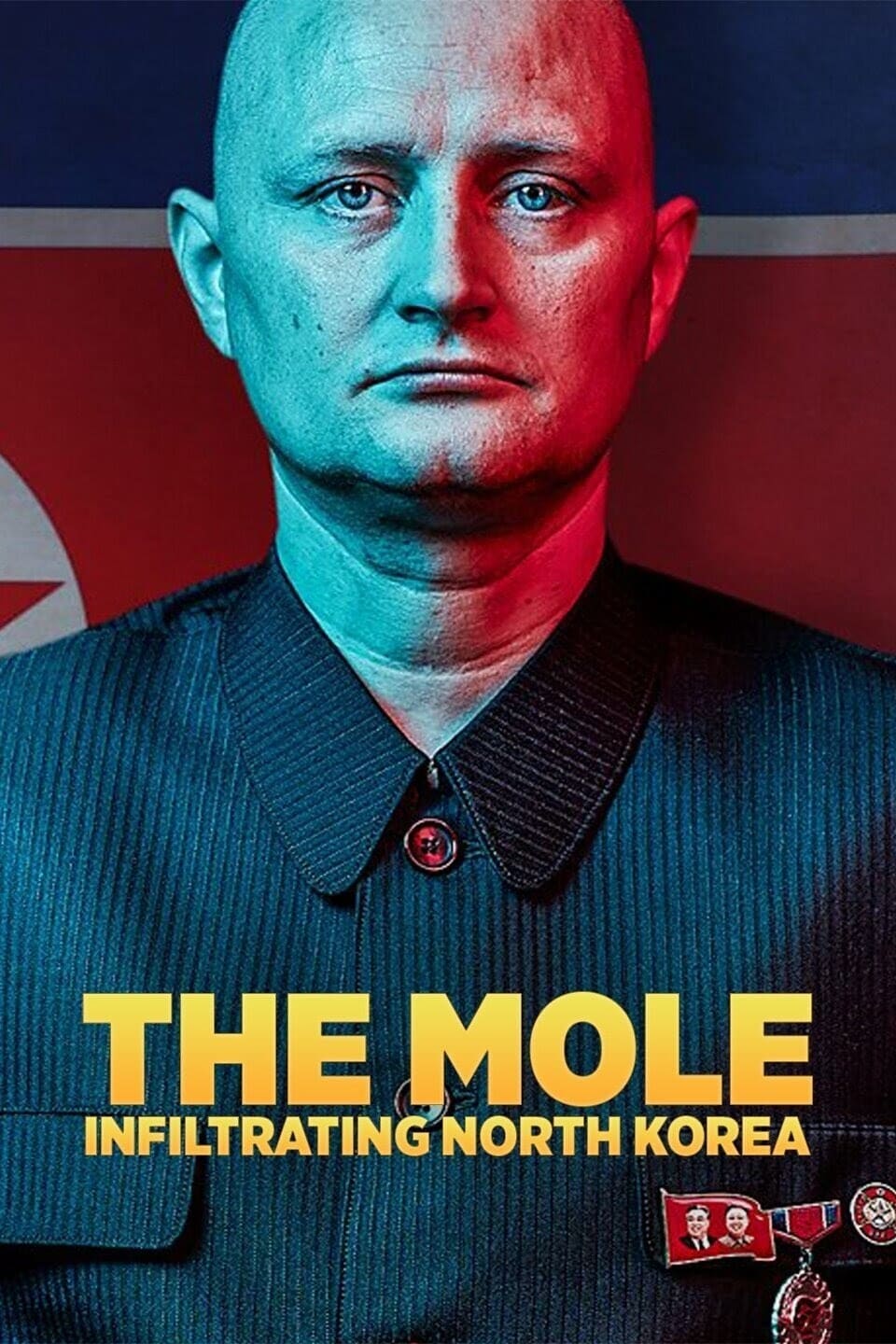
A real-life undercover thriller about two ordinary men who embark on an outrageously dangerous ten-year mission to penetrate the world's most secretive and brutal dictatorship: North Korea.
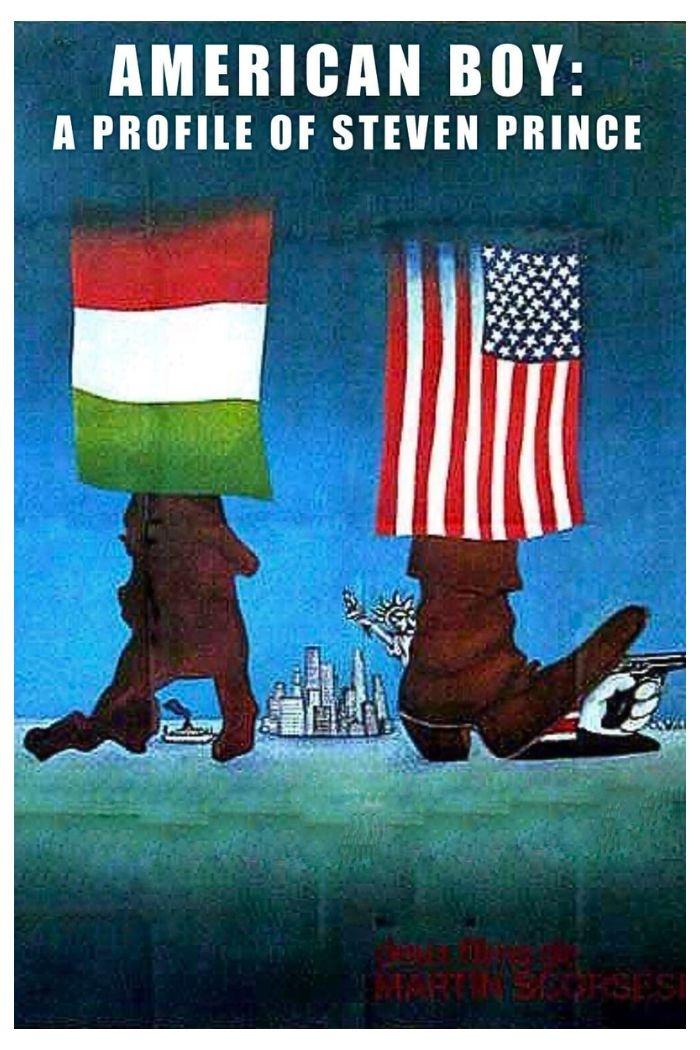
Martin Scorsese spends an evening with larger-than-life raconteur Steven Prince—a former drug addict, road manager for Neil Diamond, and actor—as he recounts stories from his colorful life.
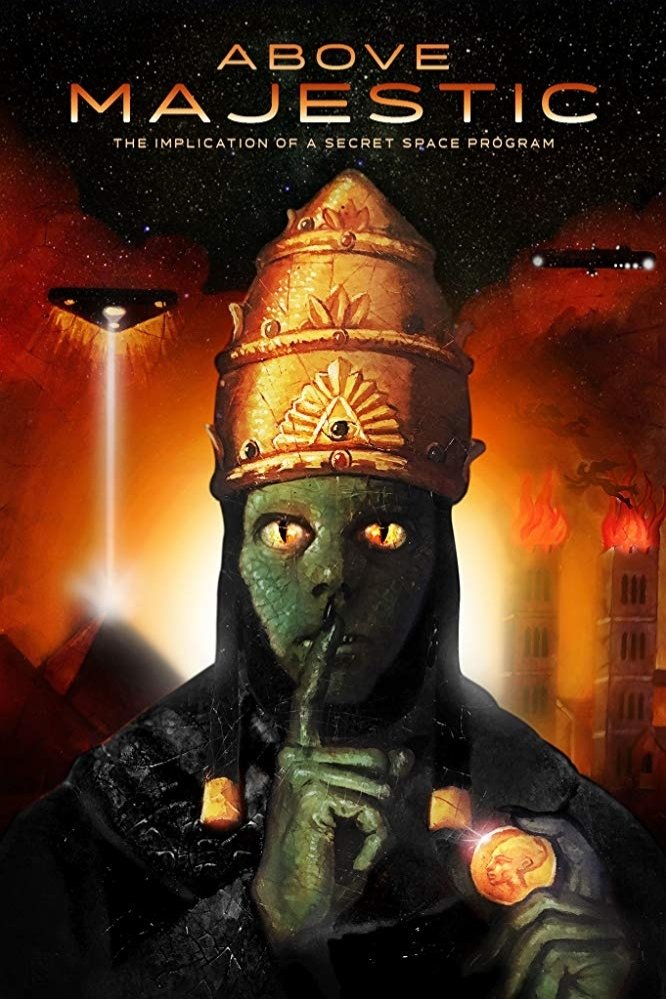
A look at the origins, history and conspiracies behind the "Majestic 12", a clandestine group of military and corporate figureheads charged with reverse-engineering extraterrestrial technology.
A documentary detailing the epic Rogues' Gallery of DC Comics from The Joker and Lex Luthor, Sinestro, Darkseid and more, this documentary will explore the Super Villains of DC Comics.
Take a virtual vacation to some of the Star Wars films' most iconic and beloved locations like Hoth, Tatooine, and Sorgan, as this charming series whisks you off for fly-through tours of the Galaxy Far, Far Away.
The life of Mr. Spock, as well as that of Leonard Nimoy, the actor who played him for almost fifty years, written and directed by his son: Adam.
A documentary chronicling Queen and Lambert's incredible journey since they first shared the stage together on "American Idol" in 2009.
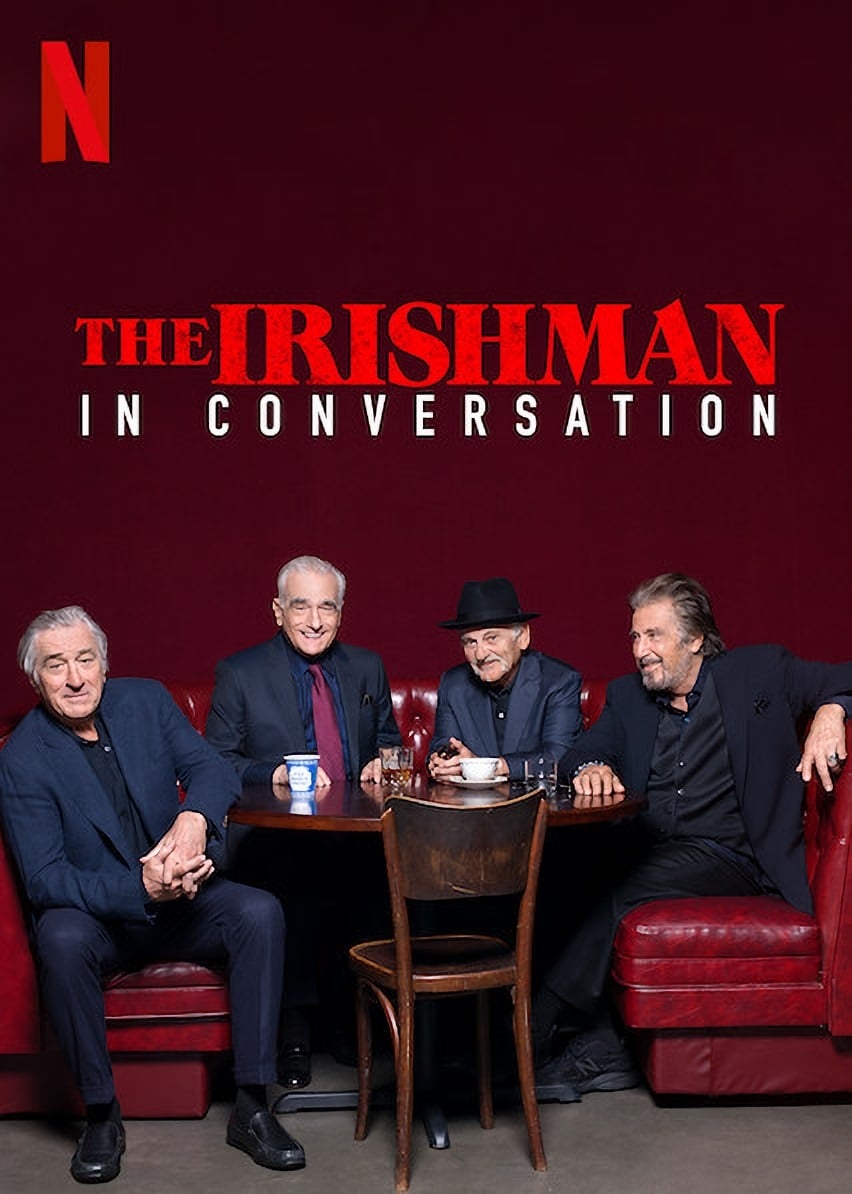
Martin Scorsese, Robert De Niro, Joe Pesci, and Al Pacino in conversation about The Irishman.