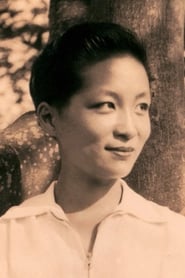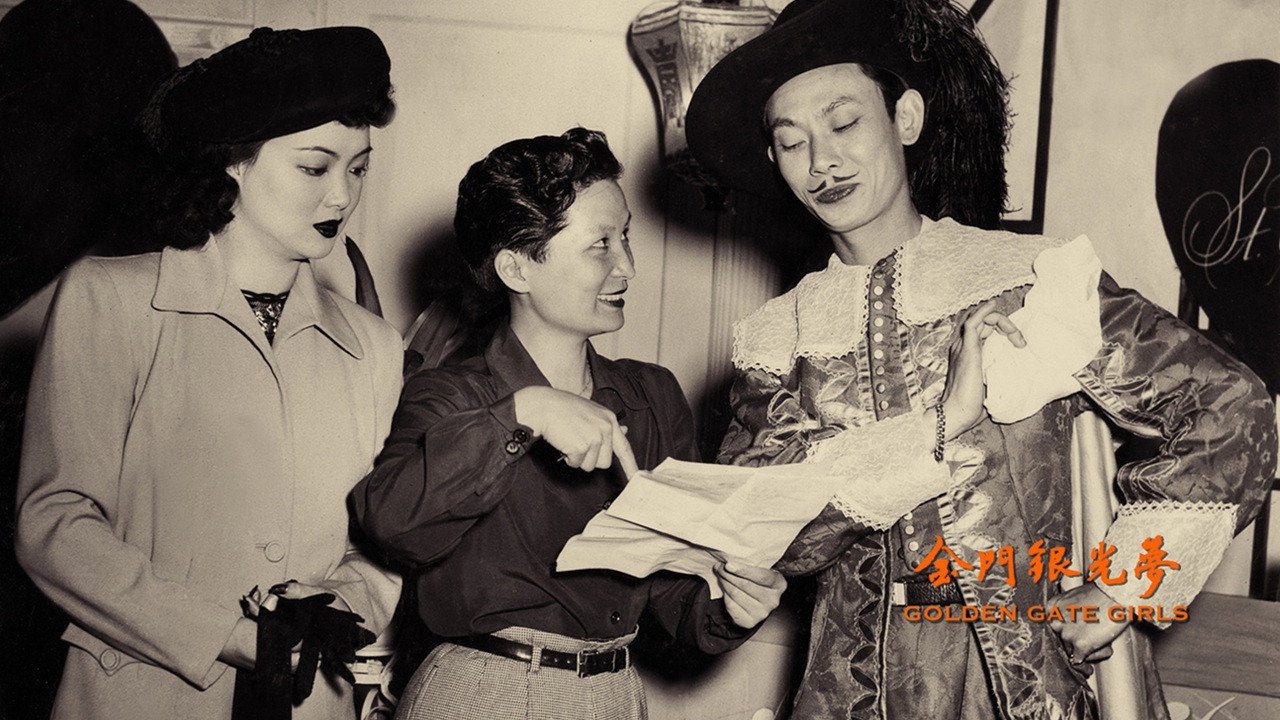
The film traces the life and times of Esther Eng, a San Francisco native known as Hong Kong’s first “directress.” She directed 10 Cantonese talkies.
Social & External
The people behind it
Stephanie Han
Narrator
Siu Yin-Fei
Self
Law Kar
Esther Eng
Herself (archive footage)
Anna May Wong
Self (archive footage)
In 1947, two years after the end of the Second World War, Film Journal No. 1 was released in Sarajevo. Fifty years later, after the collapse of the Communist bloc, this newsreel was lost in the confusion of the fighting in Yugoslavia. In Journal No. 1 Hito Steyerl attempts to find out how the footage got lost and what was on this document from the Sutjeska studio. In the simultaneous projection of Journal No. 1 the ‘unattainability of an historical zero hour of the national identity’ takes concrete form: The lost newsreel reports on a literacy campaign as well as Muslim women confidently removing their headscarves. We listen however to eyewitnesses trying to recapture the lost content and we see the artist Arman Kulasic making a number of drawings that resemble the story-boards for the lost film. What appears to be moments of great change remain limited by subjective and uncertain memory. The film was premiered at documenta 12.
Documentary filmmaker Amy Berg investigates the life of 30-year pedophile Father Oliver O'Grady and exposes the corruption inside the Catholic Church that allowed him to abuse countless children. Victims' stories and a disturbing interview with O'Grady offer a view into the troubled mind of the spiritual leader who moved from parish to parish gaining trust ... all the while betraying so many.
A pioneering film from Tunisia, Fatma 75 is the first non-fiction film by a Tunisian woman, a feminist essay film, and the first in a series of powerful films about strong female figures in the country. The film was made in the UN International Women's Year 1975, and has long been recognised as one of the most important films from North Africa, but has never officially been seen before due to censorship.
This fascinating political look at a little-known chapter in women's history tells the story of "Jane", the Chicago-based women's health group who performed nearly 12,000 safe illegal abortions between 1969 and 1973 with no formal medical training. As Jane members describe finding feminism and clients describe finding Jane, archival footage and recreations mingle to depict how the repression of the early sixties and social movements of the late sixties influenced this unique group. Both vital knowledge and meditation on the process of empowerment, Jane: An Abortion Service showcases the importance of preserving women's knowledge in the face of revisionist history. JANE: AN ABORTION SERVICE was funded by the Independent Television Service (ITVS) with funds provided by the Corporation for Public Broadcasting.
As America's first international woman concert pianist, renowned lecturer, author, music critic, famous conductor's wife and champion for equal rights for women in music, Olga Samaroff was at the center of a musical life that to this day embodies the imprint of her artistry and achievements. Her life story also portrays an era in our American cultural heritage that has largely been underserved in the documentary film genre. Texas-born Olga Samaroff a.k.a. Lucy Hickenlooper lived at a time when music was dominated by men and Old World prejudices----and she emerged as a leader among many. Against tremendous odds she rose from complete obscurity to be the most successful American woman concert pianist of the early 20th Century.
As a sci-fi obsessed woman living in near isolation, Beverly Glenn-Copeland wrote and self-released Keyboard Fantasies in Huntsville, Ontario back in 1986. Recorded in an Atari-powered home-studio, the cassette featured seven tracks of a curious folk-electronica hybrid, a sound realized far before its time. Three decades on, the musician – now Glenn Copeland – began to receive emails from people across the world, thanking him for the music they’d recently discovered.
"Selma," as in Alabama, the place where segregation in the South was at its worst, leading to a march that ended in violence, forcing a famous statement by President Lyndon B. Johnson that ultimately led to the signing of the Voting Rights Act.
A documentary on seniors at a high school in a small Indiana town and their various cliques.
When her mother remarries and her newly blended family moves to Canada, a 9-year-old Tunisia girl's life takes a profound turn as she struggles to find her place and maintain her Muslim identity in a new land.
What images do we associate with abortion and why? Where do these images and the emotional scripts in our head come from? How do they influence women who (want to) have an abortion, how do they shape the general discussion? Franzis Kabisch’s personal desktop documentary investigates these questions with great precision, clarity and humour (yes, humour, too!).
A cheerful documentary about the daily life of a community of Franciscan sisters. “Hasta mañana, si Dios quiere” (See you tomorrow, God willing) is a film born from the desire to understand that mysterious feminine universe that gives up its life and leaves behind family, home, lovers, disobedience, and physical love.
A short documentary following the launch of the first trial to use Coca-Cola's crates and distribution know-how to deliver life-saving anti-diarrhea kits in Zambia.
After five years studying in Paris, Arash has not adjusted to life there and has decided to return to Iran to live. Hoping to change his mind, his two friends Hossein and Ashkan convince him to take a last trip through France.
For First Nations communities, the headdress bears significant meaning. It's a powerful symbol of hard-earned leadership and responsibility. As filmmaker JJ Neepin prepares to wear her grandfather's headdress for a photo shoot she reflects on lessons learned and the thoughtless ways in which the tradition has been misappropriated.
Chuck Close, an astounding portrait of one of the world's leading contemporary painters, was one of two parting gifts (her second is a film on Louise Bourgeois) from Marion Cajori, a filmmaker who died recently, and before her time. With editing completed by filmmaker Ken Kobland, Chuck Close lives the life and work of a man who has reinvented portraiture. Close photographs his subjects, blows up the image to gigantic proportions, divides it into a detailed grid and then uses a complex set of colors and patterning to reconstruct each face.
“La Zerda and the songs of oblivion” (1982) is one of only two films made by the Algerian novelist Assia Djebar, with “La Nouba des femmes du mont Chenoua” (1977). Powerful poetic essay based on archives, in which Assia Djebar – in collaboration with the poet Malek Alloula and the composer Ahmed Essyad – deconstructs the French colonial propaganda of the Pathé-Gaumont newsreels from 1912 to 1942, to reveal the signs of revolt among the subjugated North African population. Through the reassembly of these propaganda images, Djebar recovers the history of the Zerda ceremonies, suggesting that the power and mysticism of this tradition were obliterated and erased by the predatory voyeurism of the colonial gaze. This very gaze is thus subverted and a hidden tradition of resistance and struggle is revealed, against any exoticizing and orientalist temptation.
During the ill-fated Hungarian revolution of 1956, Karcsi Szabo, star player on the water polo team, is torn between his love for a revolutionary student and his training for the Melbourne Olympics.
In 1928, Lady Heath became the first person to fly solo from Cape Town to London. Eighty-five years later, Tracey Curtis-Taylor set out in a vintage biplane to fly that adventure again. Following Tracey as she retraces the journey, The Aviatrix is more than just a film about the rapture of flying – it’s a story about living life on your own terms and having the courage and determination to realise your greatest dreams.
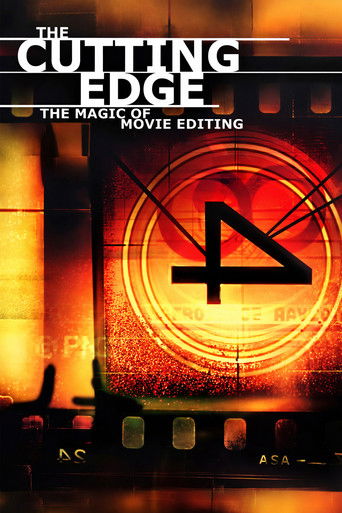
Documentary about the art of film editing. Clips are shown from many groundbreaking films with innovative editing styles.
This documentary chronicles Johnny Cash's 1970 visit to the White House, where Cash's emerging liberal ideals clashed with Richard Nixon's policies.
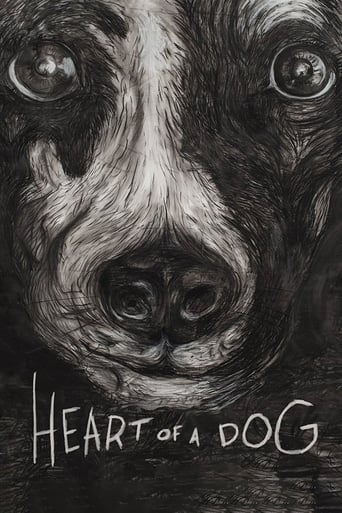
Lyrical and powerfully personal essay film that reflects on the deaths of her husband Lou Reed, her mother, her beloved dog, and such diverse subjects as family memories, surveillance, and Buddhist teachings.
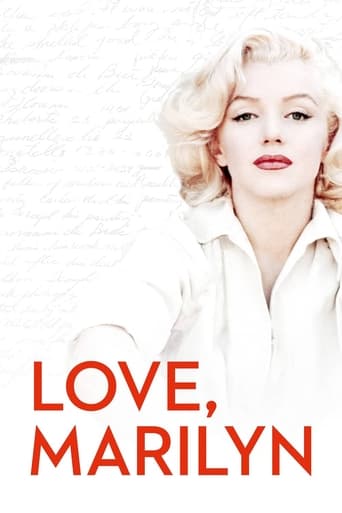
Using the book 'Fragments', which collects Marilyn Monroe's poems, notes and letters, and with participation from the Arthur Miller and Truman Capote estates who have contributed more material, each of the actresses will embody the legend at various stages in her life.
As a visually radical memoir, CAMERAPERSON draws on the remarkable footage that filmmaker Kirsten Johnson has shot and reframes it in ways that illuminate moments and situations that have personally affected her. What emerges is an elegant meditation on the relationship between truth and the camera frame, as Johnson transforms scenes that have been presented on Festival screens as one kind of truth into another kind of story—one about personal journey, craft, and direct human connection.
Diaries, audiotapes, videotapes and testimonials from friends and colleagues offer insight into the life and career of Gilda Radner -- the beloved comic and actress who became an icon on Saturday Night Live.
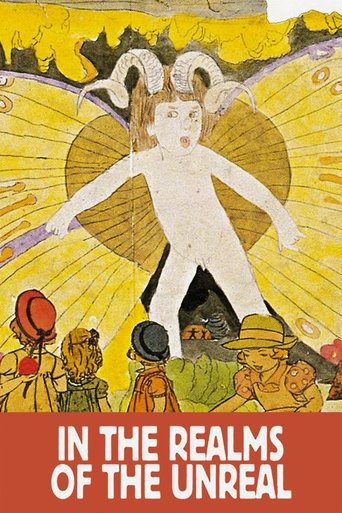
In the Realms of the Unreal is a documentary about the reclusive Chicago-based artist Henry Darger. Henry Darger was so reclusive that when he died his neighbors were surprised to find a 15,145-page manuscript along with hundreds of paintings depicting The Story of the Vivian Girls, in What is Known as the Realms of the Unreal, of the Glodeco-Angelinnian War Storm, Cased by the Child Slave Rebellion.
The epic life story of Alice Guy-Blaché (1873–1968), a French screenwriter, director and producer, true pioneer of cinema, the first person who made a narrative fiction film; author of hundreds of movies, but banished from history books. Ignored and forgotten. At last remembered.
Global superstar Jennifer Lopez reflects on her multifaceted career and the pressure of life in the spotlight in this intimate documentary.
An investigative look and analysis of gender disparity in Hollywood, featuring accounts from well-known actors, executives and artists in the Industry.
The evolution of the depiction of the various Native American peoples in cinema, from the silent era to the present day: how their image on the screen has changed the way to understand their history and culture.
Brilliant, long in-the-works story of the life and art of the world's greatest comedian and the cinema's first genius, Charlie Chaplin. Produced, written and directed by renowned film critic Richard Schickel.
The history of cinematic sound, told by legendary sound designers and visionary filmmakers.
Justice Ruth Bader Ginsburg now 84, and still inspired by the lawyers who defended free speech during the Red Scare, Ginsburg refuses to relinquish her passionate duty, steadily fighting for equal rights for all citizens under the law. Through intimate interviews and unprecedented access to Ginsburg’s life outside the court, RBG tells the electric story of Ginsburg’s consuming love affairs with both the Constitution and her beloved husband Marty—and of a life’s work that led her to become an icon of justice in the highest court in the land.
In 1977, a book of photographs captured an awakening - women shedding the cultural restrictions of their childhoods and embracing their full humanity. This documentary revisits those photos, those women and those times and takes aim at our culture today that alarmingly shows the need for continued change.
When a feminist filmmaker sets out to document the mysterious and polarizing world of the Men’s Rights Movement, she begins to question her own beliefs. Chronicling Cassie Jaye’s journey exploring an alternate perspective on gender equality, power and privilege.
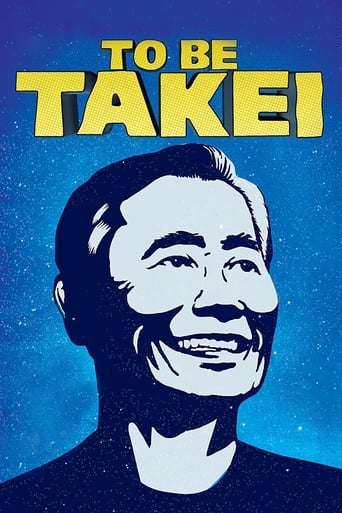
Over seven decades, actor and activist George Takei journeyed from a World War II internment camp to the helm of the Starship Enterprise, and then to the daily news feeds of five million Facebook fans. Join George and his husband, Brad, on a wacky and profound trek for life, liberty, and love.
14-year-old Laura Dekker sets out on a two-year voyage in pursuit of her dream to become the youngest person ever to sail around the world alone.
Home movies, photographs, and recited poetry illustrate the life of Tupac Shakur, one of the most beloved, revolutionary, and volatile hip-hop MCs of all time.
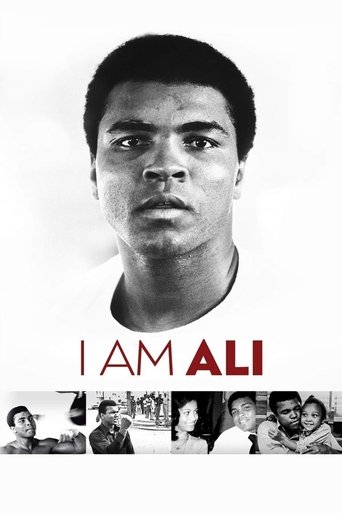
Unprecedented access to Muhammad Ali's personal archive of "audio journals" as well as interviews and testimonials from his inner circle of family and friends are used to tell the legend's life story.