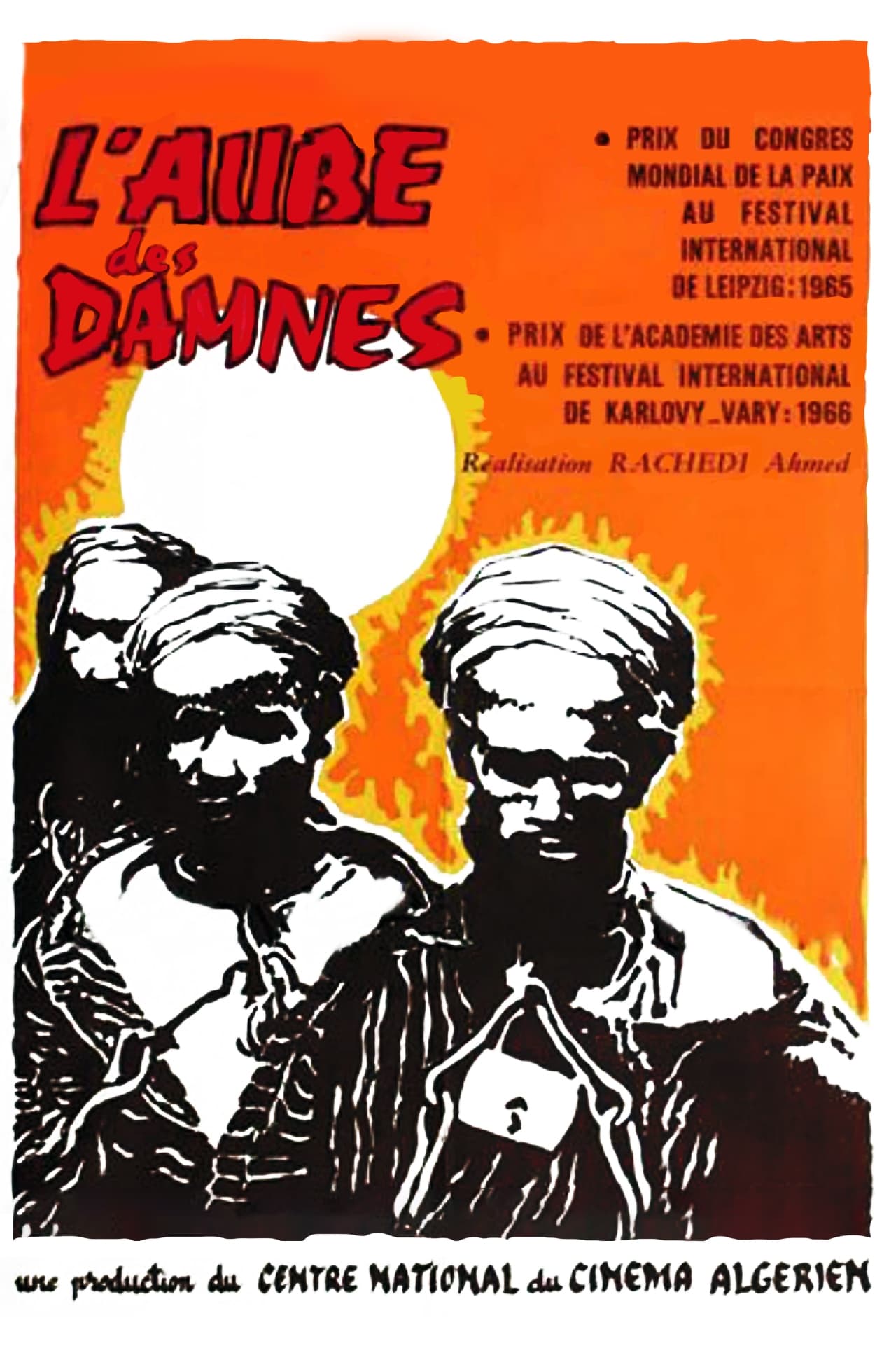
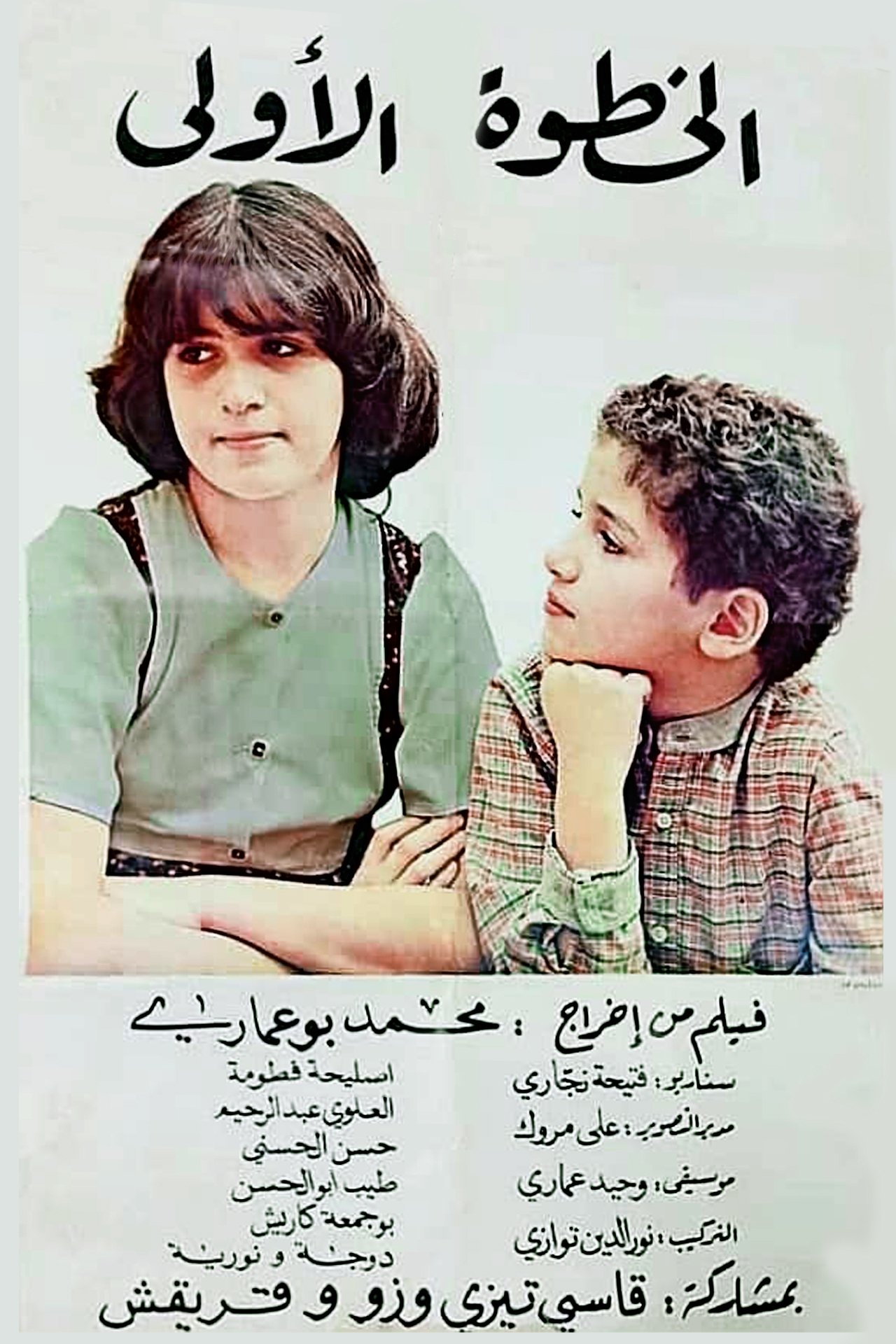
A modern couple seeks to find marital happiness in a context where Algerian society is taking the “first step” towards female emancipation. A woman becomes president of a popular municipal assembly. Will she find happiness ?

Social & External
The people behind it
Fettouma Ousliha-Bouamari
Ahmed Kadri (Krikèche)
Hassan El-Hassani
Kaci Tizi Ouzou
Boudjemaâ Karèche
Abderrahim Laloui
Tayeb Abou El Hassan
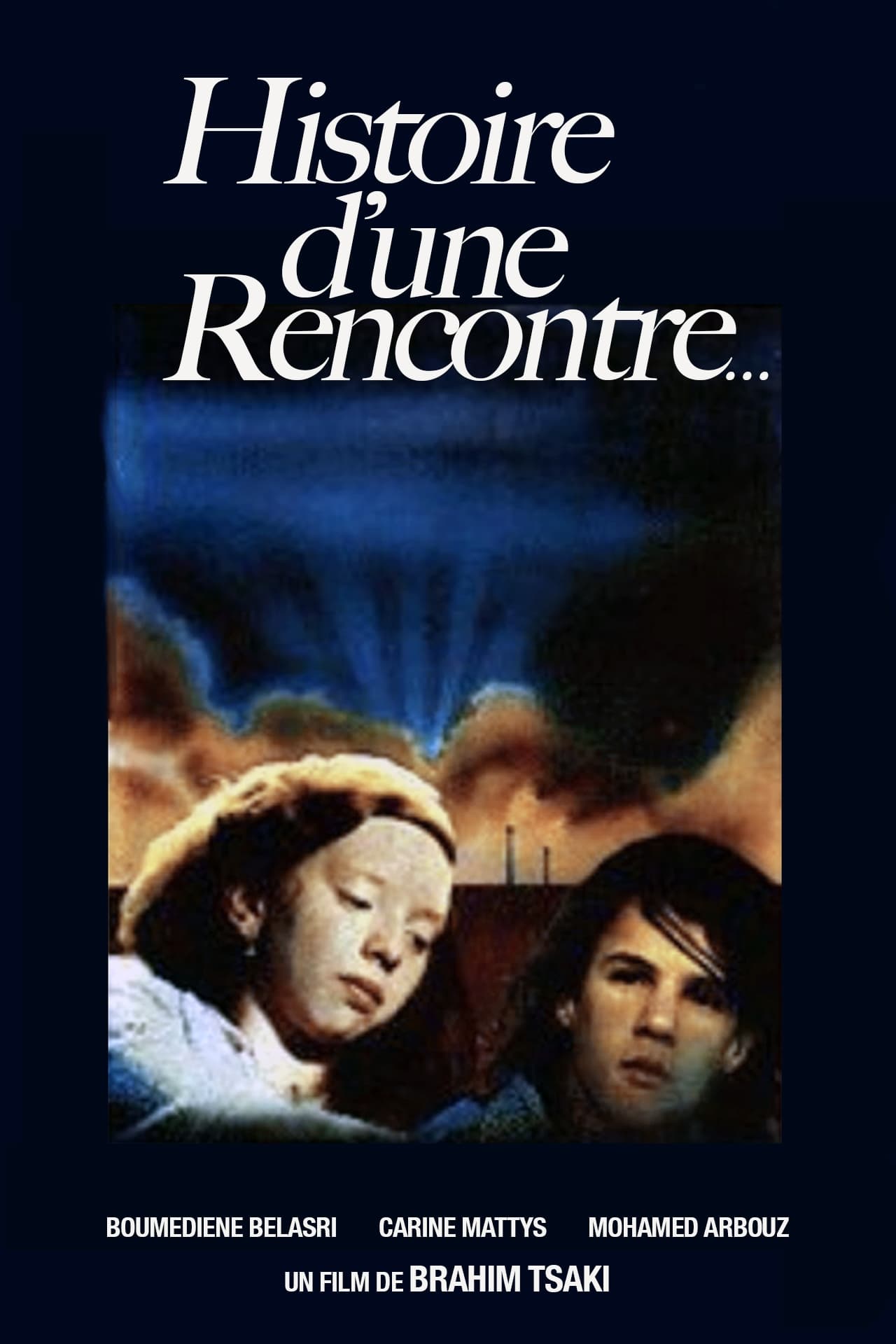
Two deaf and dumb children. She is the daughter of an American Oil engineer. He is the son of an Algerian farmer. They meet and manage to communicate, transcending all the cultural barriers that separate them.
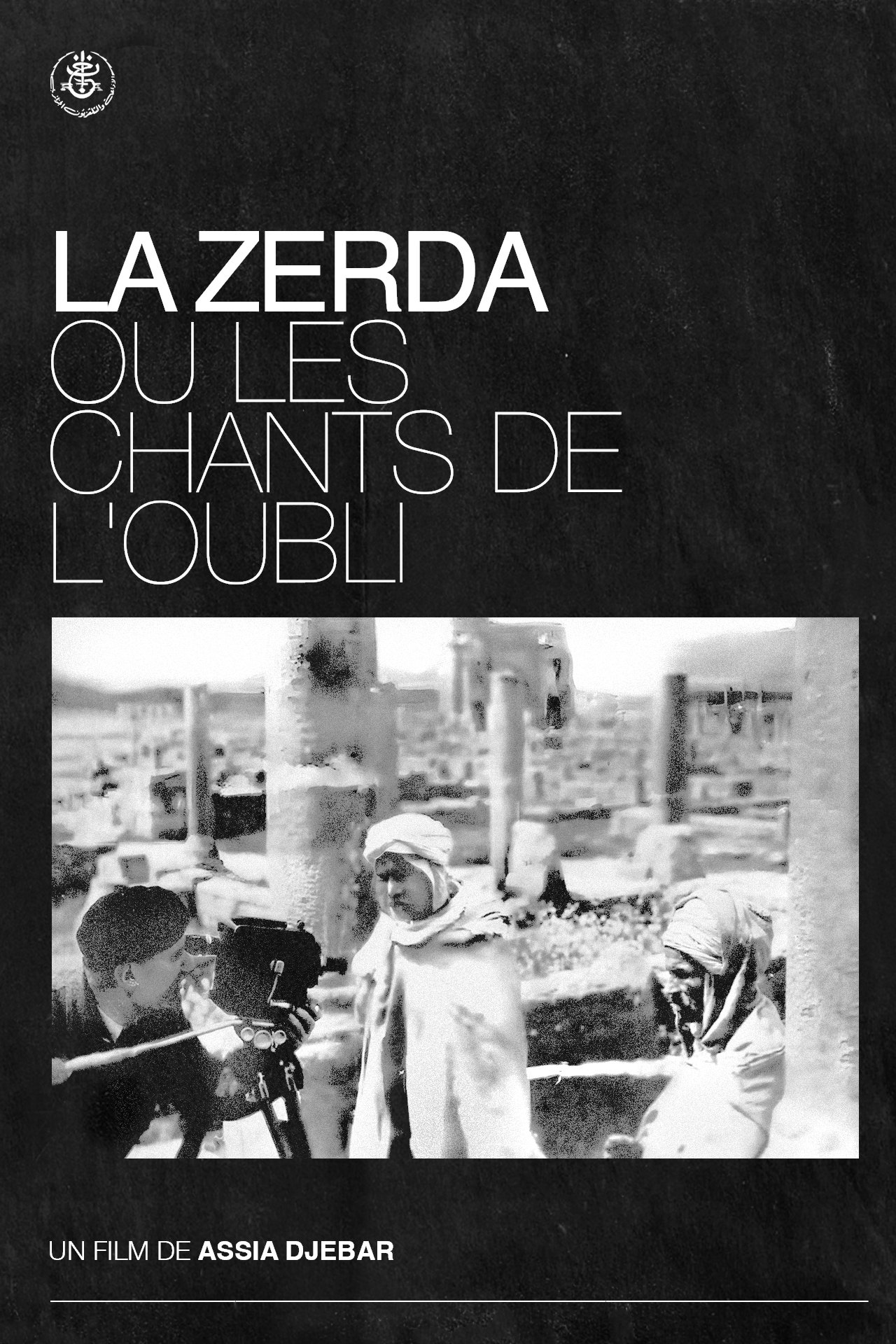
“La Zerda and the songs of oblivion” (1982) is one of only two films made by the Algerian novelist Assia Djebar, with “La Nouba des femmes du mont Chenoua” (1977). Powerful poetic essay based on archives, in which Assia Djebar – in collaboration with the poet Malek Alloula and the composer Ahmed Essyad – deconstructs the French colonial propaganda of the Pathé-Gaumont newsreels from 1912 to 1942, to reveal the signs of revolt among the subjugated North African population. Through the reassembly of these propaganda images, Djebar recovers the history of the Zerda ceremonies, suggesting that the power and mysticism of this tradition were obliterated and erased by the predatory voyeurism of the colonial gaze. This very gaze is thus subverted and a hidden tradition of resistance and struggle is revealed, against any exoticizing and orientalist temptation.
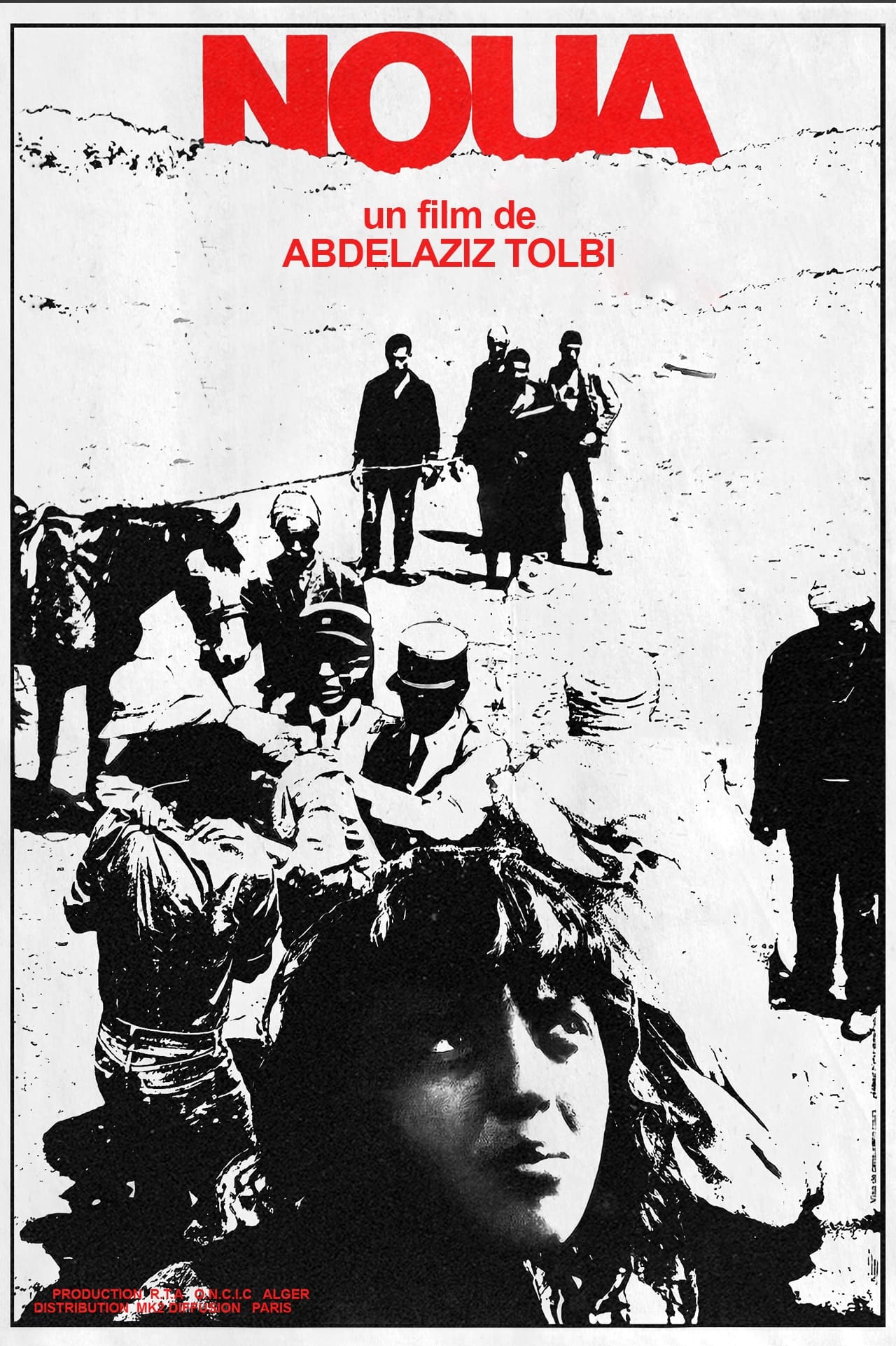
In Algeria in 1954, in a village in the Aurès region, poverty reigns over peasants enslaved by colonial administrators and Algerian landowners. Noua, in love with the son of a peasant dispossessed of his land, must be sold to a wealthy landowner.
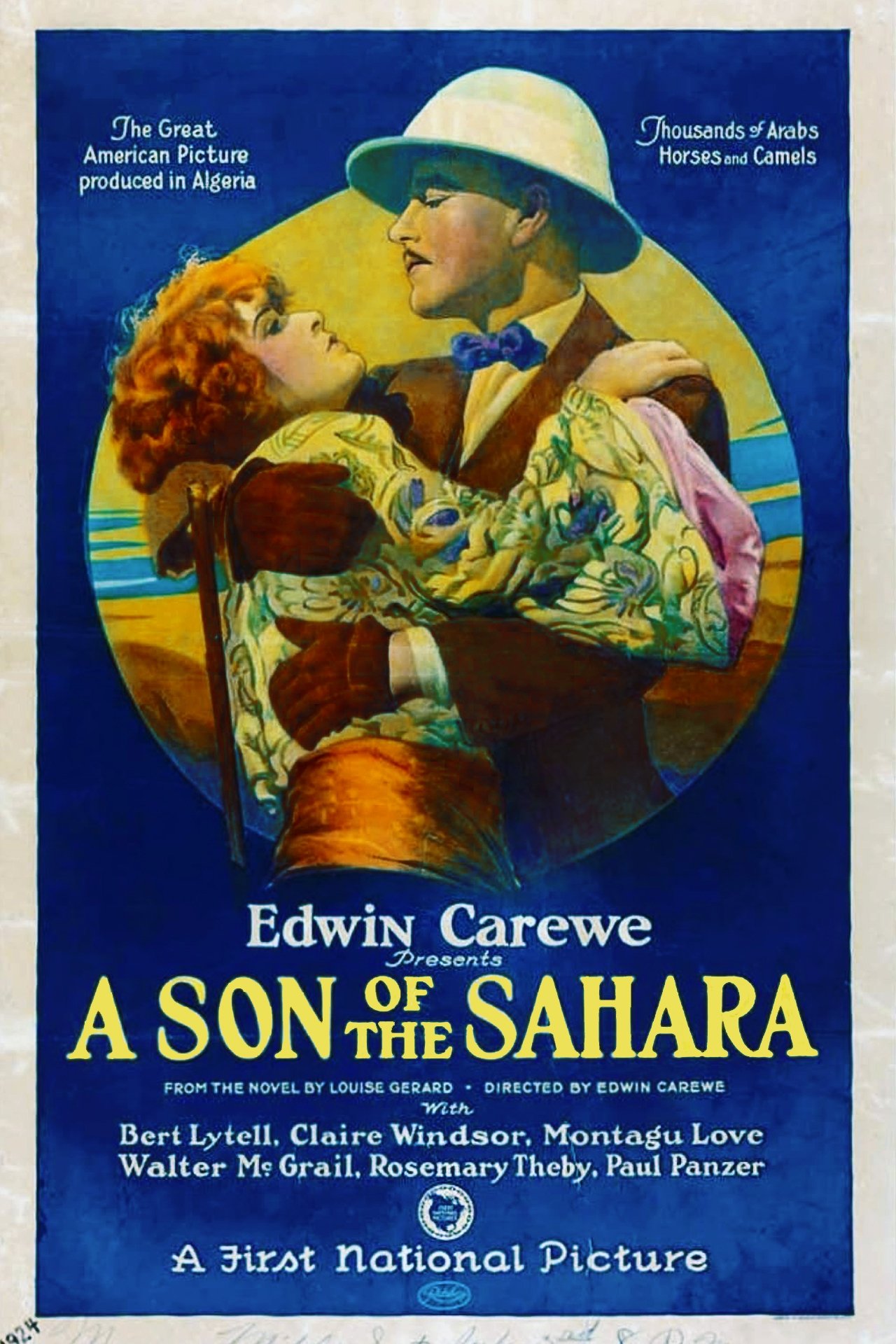
As a boy, Raoul is reared by an Arab tribe in Algerian Sahara. Years later, as a refined Europeanized gentleman, he falls in love with Barbara, an officer's daughter, who rejects him when she discovers his background. Affecting a raid, he captures her and then secretly buys her at a slave auction. When she is rescued by French troops, however, his ancestry is established and they find happiness together.
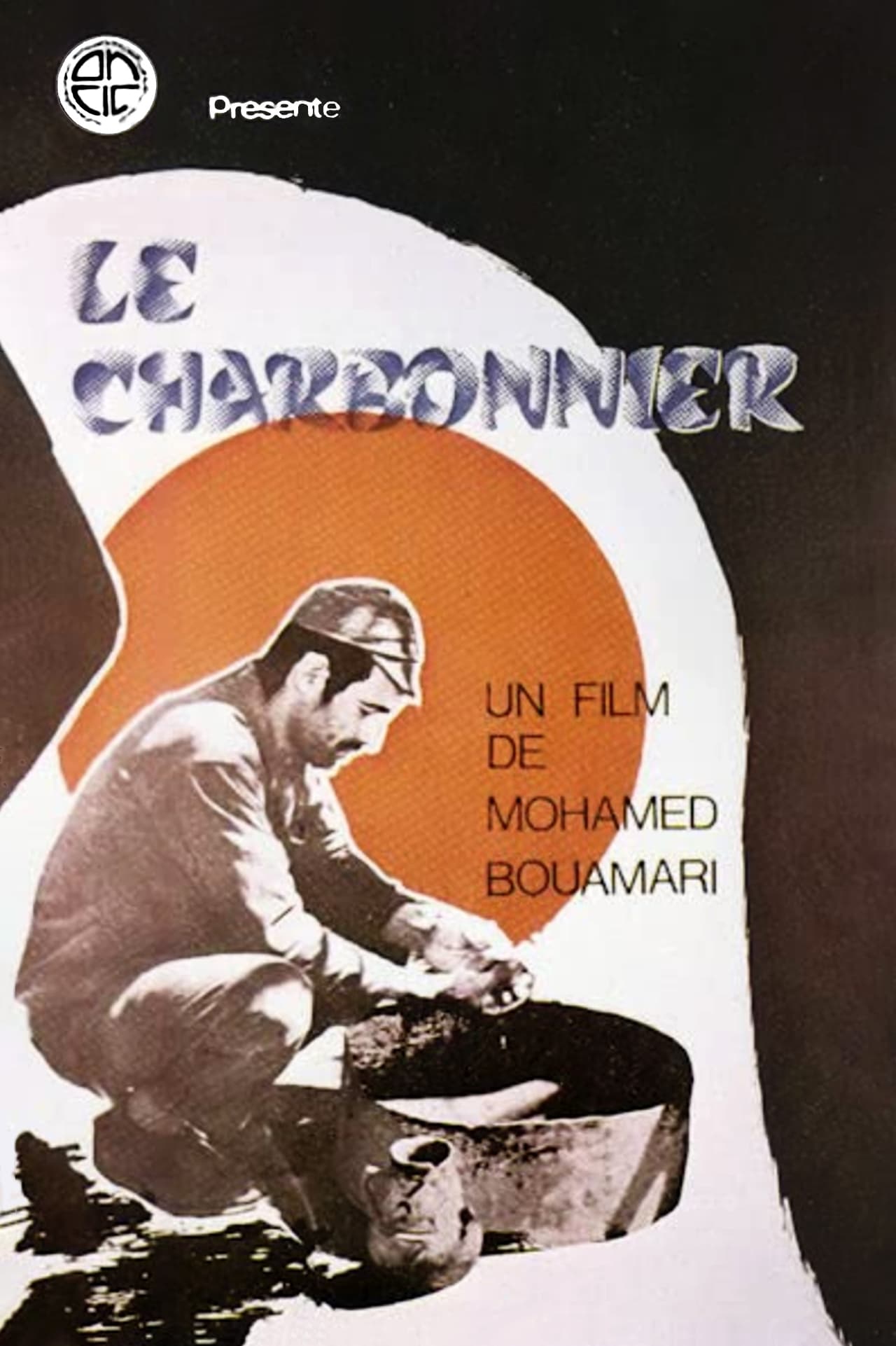
Film describes the miserable existence of a charcoal-burner who is barely able to feed his family. His search for work in town ends in failure and he is forced to return to his village.
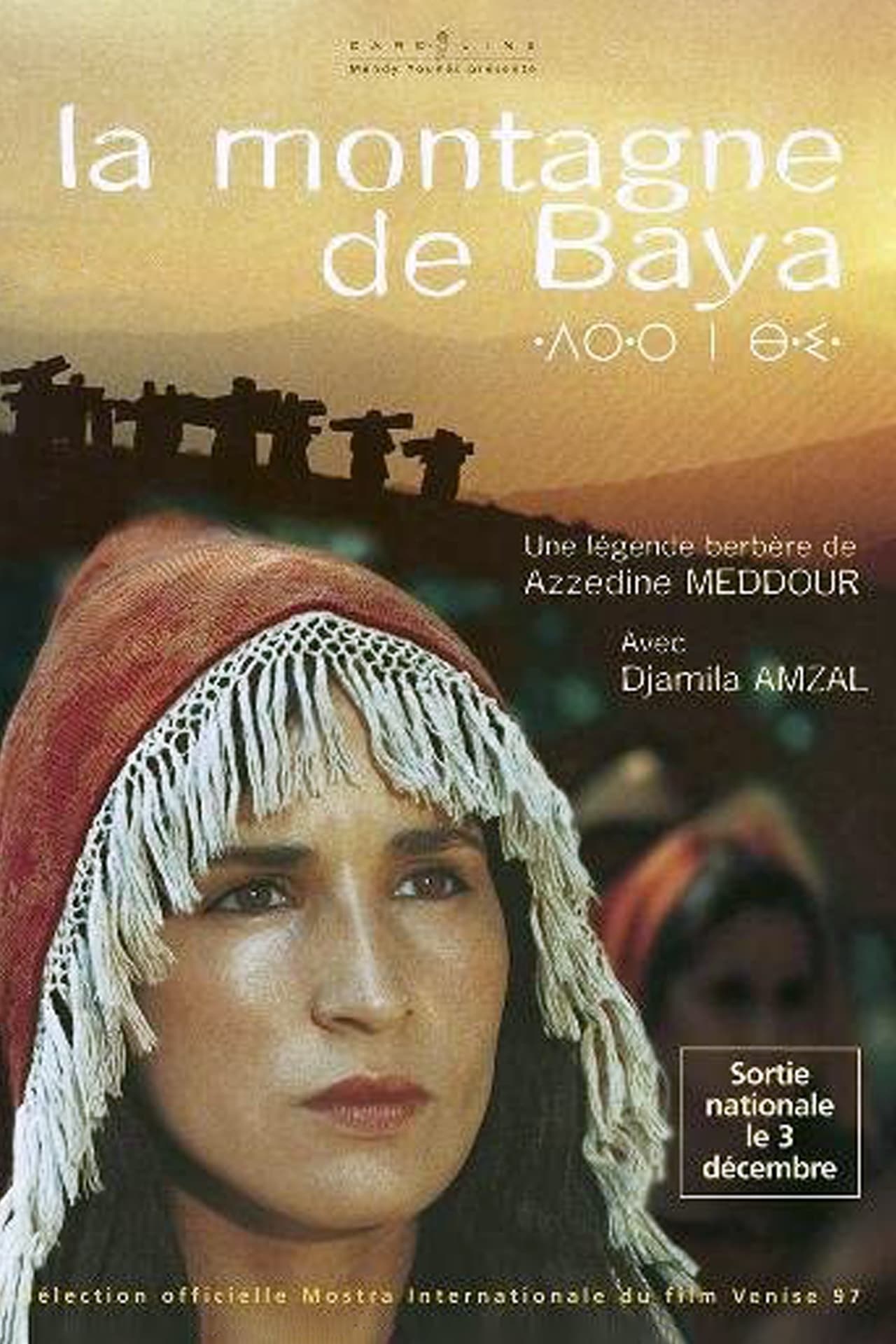
A legend that begins with the magic words: "Once upon a time." Once upon a time, there was a little girl nicknamed Mimezrane for her beauty and especially for her beautiful braids. She was beautiful but had strangely sad eyes. She was orphaned at a very young age. Her boyfriend and confidant was Hennouche, a mischievous little boy with big black eyes. They lived together a carefree childhood. Time passed. They grew up. Hennouche became a goat herder with a melodious voice; Mimezrane, for her part, became a washerwoman and, on occasion, a water carrier. Both accepted their fate without ever complaining. Yet, even in her poverty, Mimezrane was the most beautiful of all.
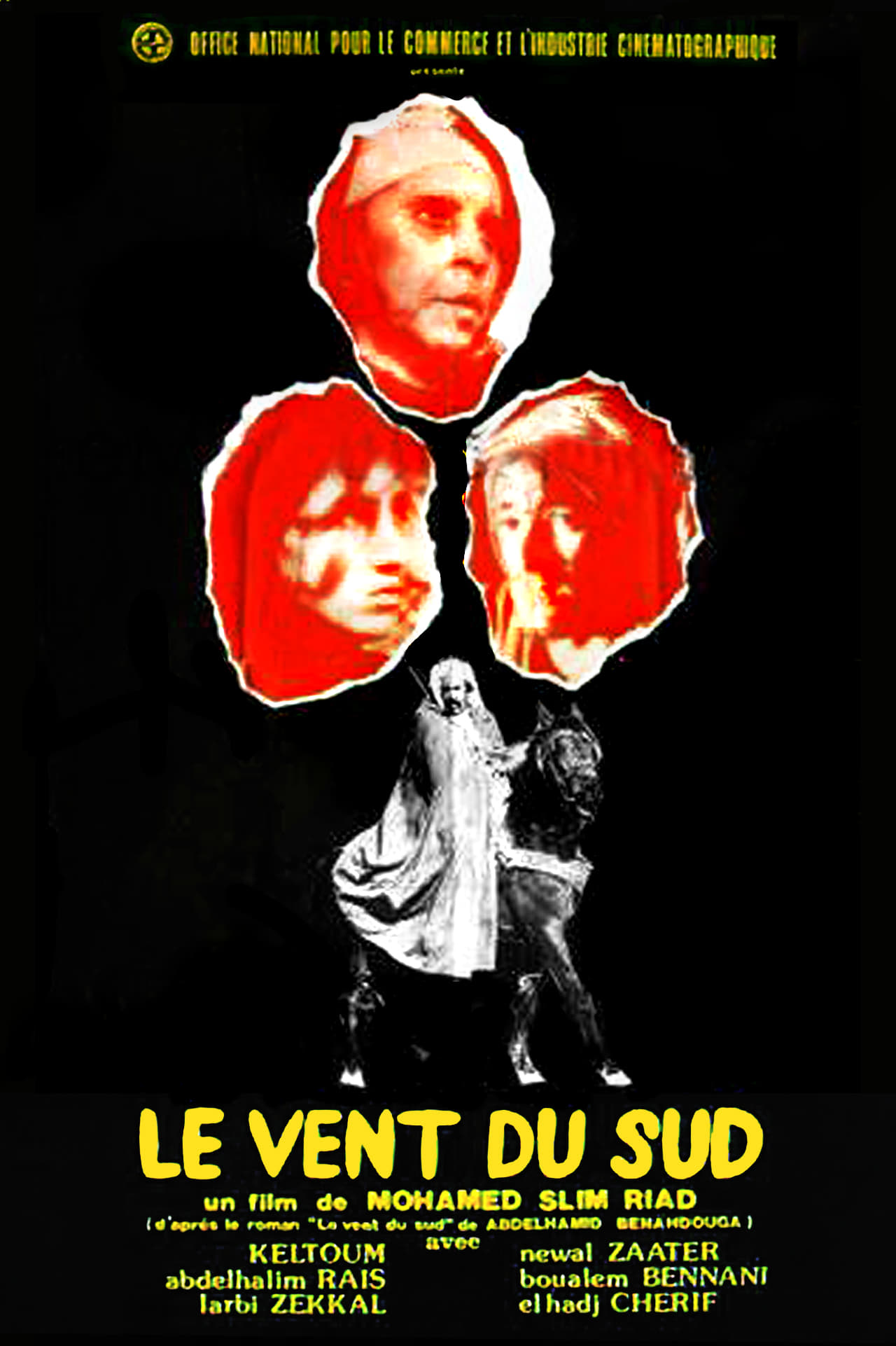
Néfissa, a student in Algiers, returns to her village in the south in the summer. Her father wants her to marry the mayor but she wants to continue her studies. Confronting her father and the opinion of the villagers who do not understand her, she decides to flee to Algiers. The shepherd Rabah discovering her wounded and lost in the mountains, has her treated by her mother. In contact with Nefissa, Rabat becomes aware of his exploited condition and discovers the possibilities offered to him by the cooperatives of the agrarian revolution. The two young people will go through the decisive stage together which will allow them to escape obscurantism and exploitation. Based on the novel "Le vent du sud" by Abdelhamid Benahouga
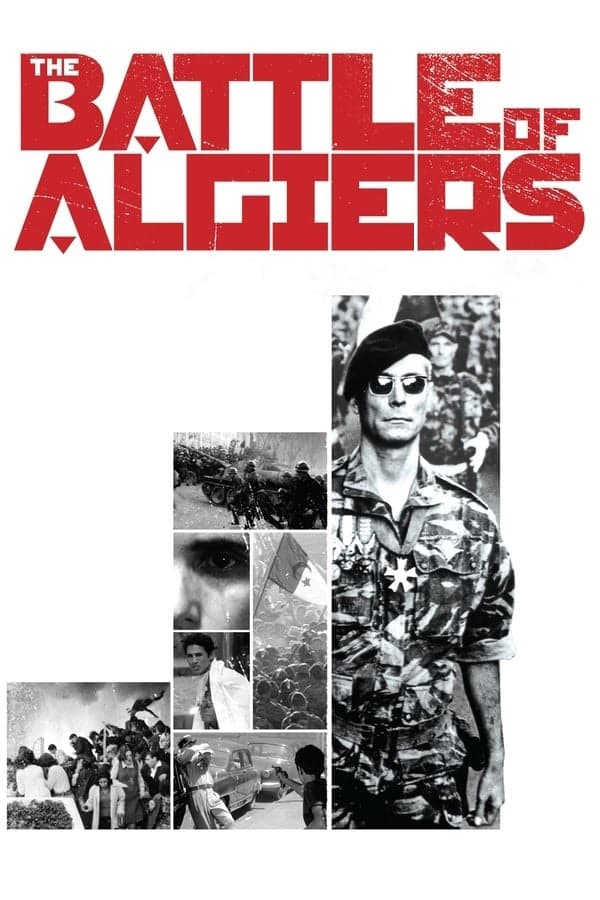
Paratrooper commander Colonel Mathieu, a former French Resistance fighter during World War II, is sent to Algeria to reinforce efforts to squelch the uprisings of the Algerian War. There he faces Ali la Pointe, a former petty criminal who, as the leader of the Algerian Front de Liberation Nationale, directs terror strategies against the colonial French government occupation. As each side resorts to ever-increasing brutality, no violent act is too unthinkable.
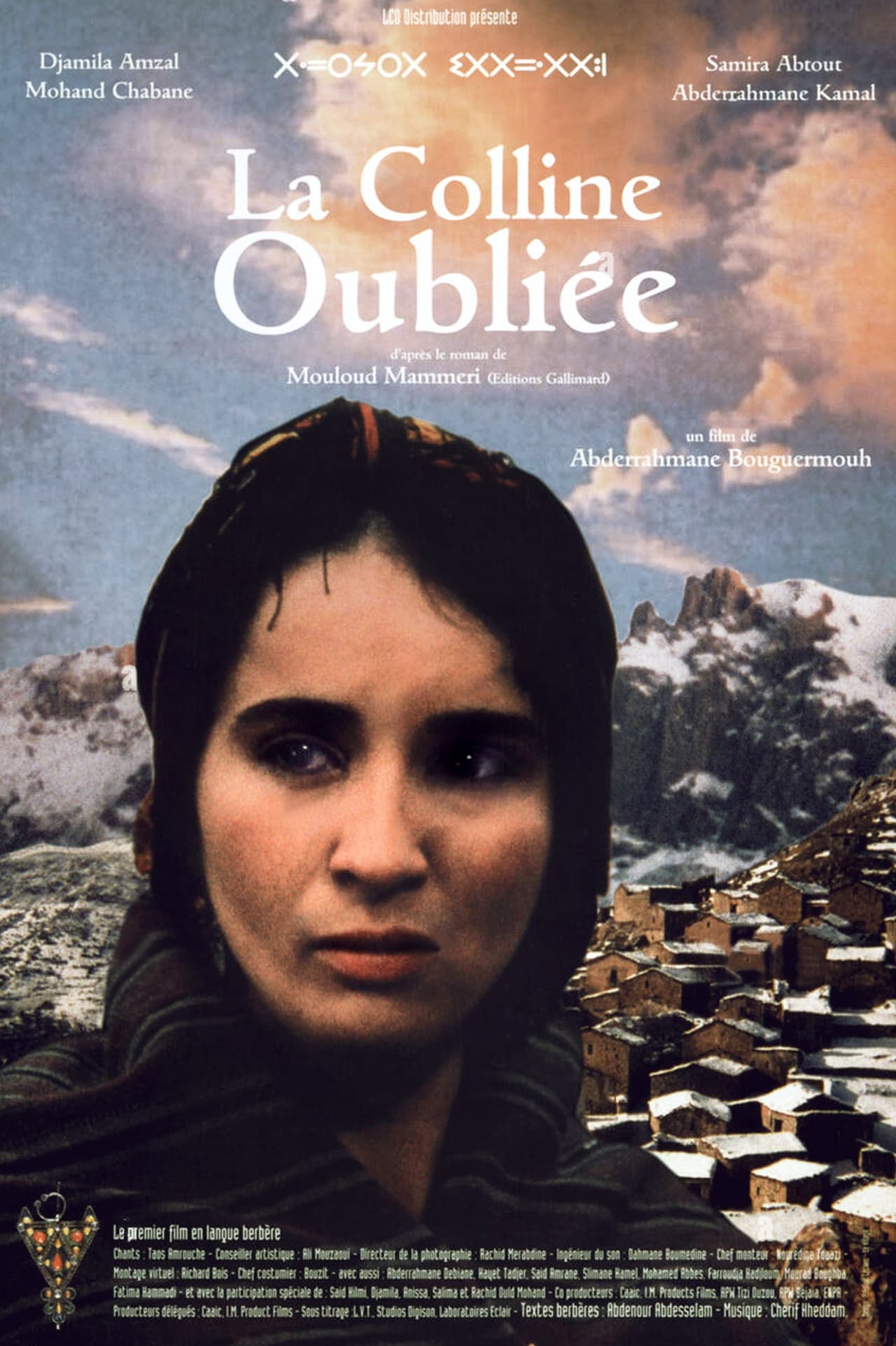
At the outbreak of the Second World War, two friends, Mokrane and Menach, abruptly interrupt their studies and return to their remote native Kabylian village of Tagsa. While waiting to be drafted into the French Army they have time to woo. Mokrane falls for beautiful Aazi and soon marries her only to find out that she can bear no child. Menach, on his part, is stongly attracted to Davda, but the latter is already married to a rich merchant...Happiness does not seem to be in store for the two former students...
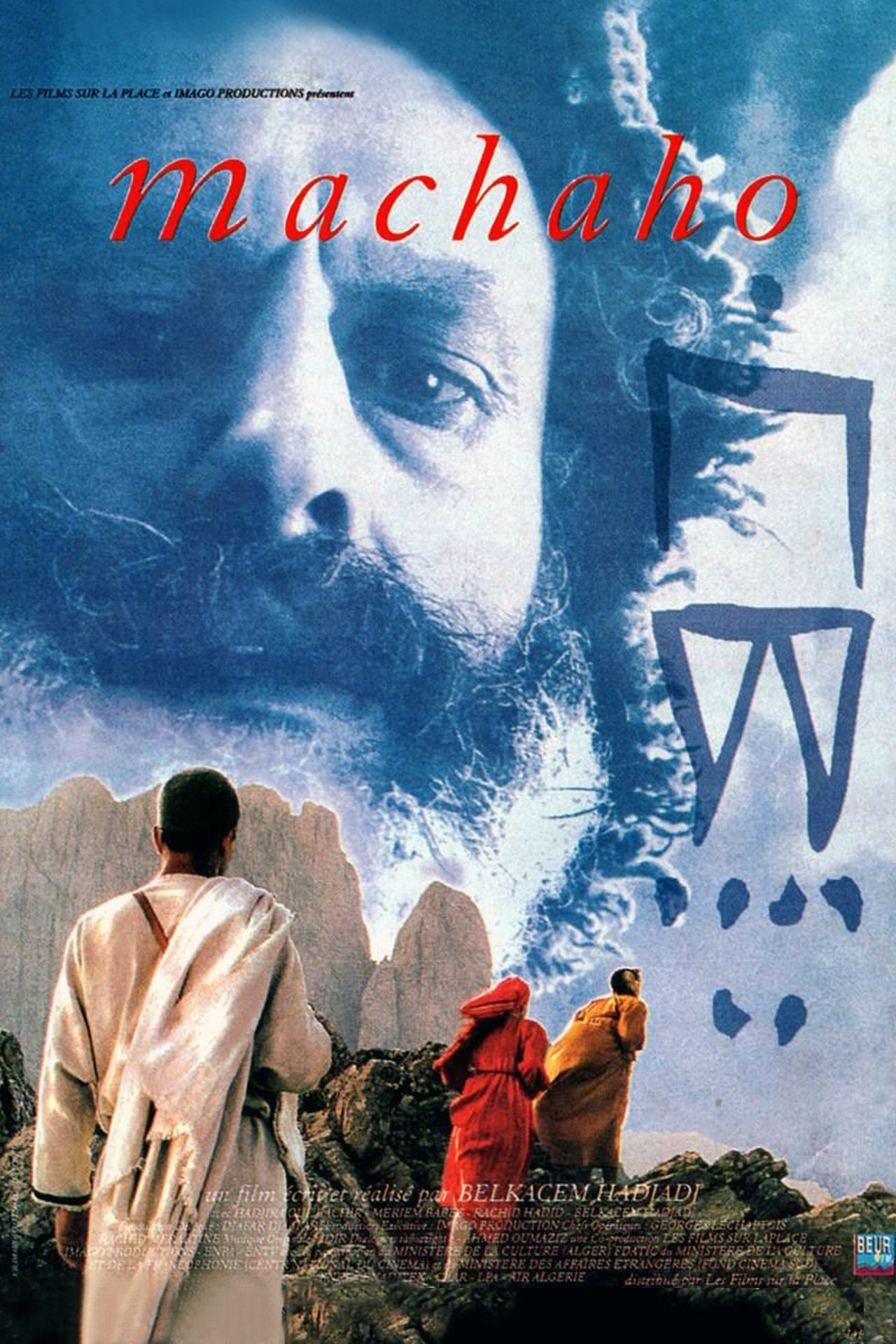
Set in the 1800s among the Berbers of North Africa, this 1997 Algerian feature concerns a noble widow who receives a customary purse of gold coins from the enemy tribe that murdered her husband; the gift puts her in conflict with her kinsmen, who want the money to buy back land taken by the enemy in cahoots with French colonials.
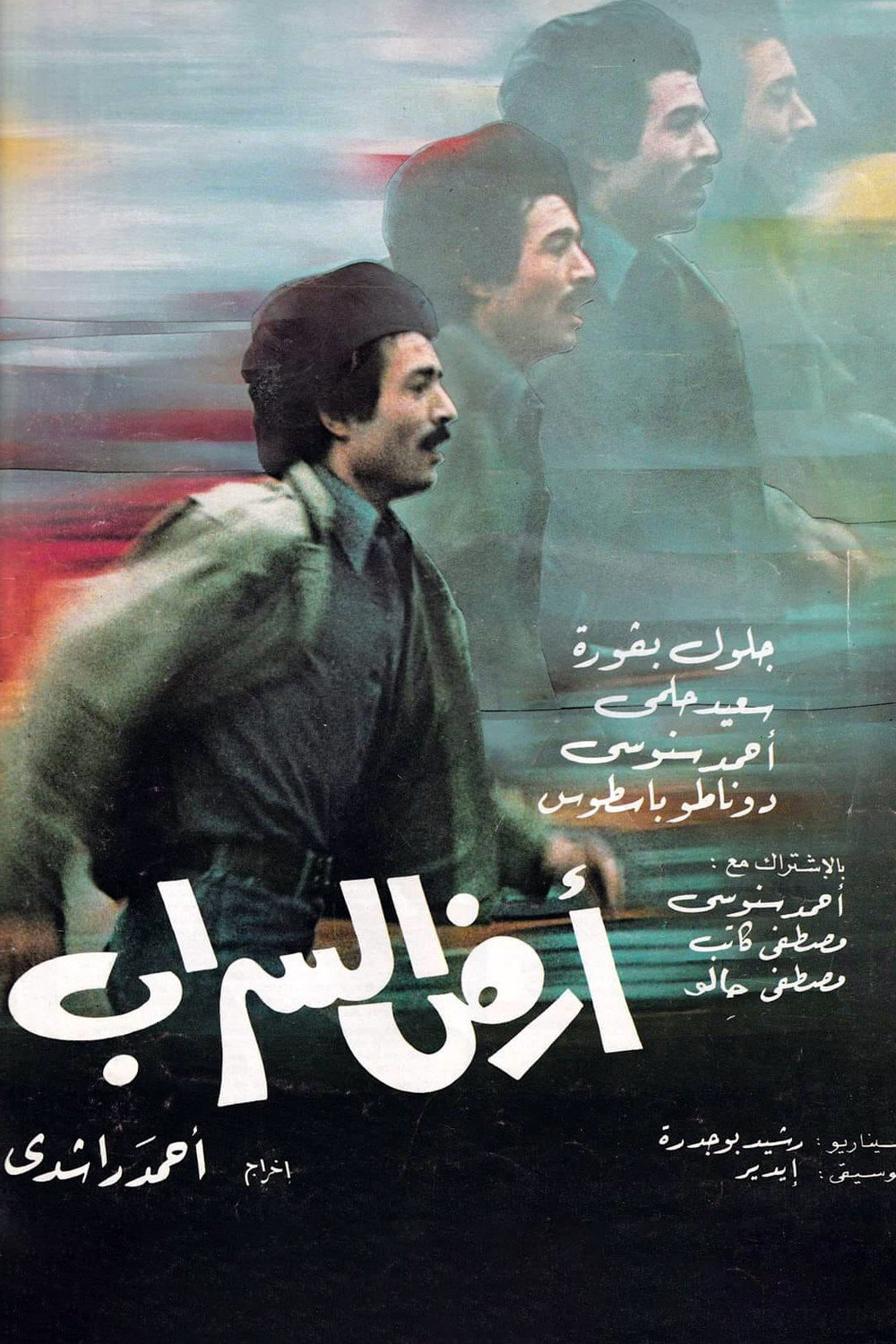
In Kabylie, rude mountain region in the north of Algeria. Arezki finds the young Larbi exhausted, buried under the snow. He takes him in and nurses him until he's recovered. The host seduces Arezki's daughter. She is pregnant. This is an unsupportable shame to the father of the female sinner. Arezki claims vengeance. He leaves his house and takes the oath not to come back before having killed Larbi who betrayed him under his own roof.
This excellent feature-length documentary - the story of the imperialist colonization of Africa - is a film about death. Its most shocking sequences derive from the captured French film archives in Algeria containing - unbelievably - masses of French-shot documentary footage of their tortures, massacres and executions of Algerians. The real death of children, passers-by, resistance fighters, one after the other, becomes unbearable. Rather than be blatant propaganda, the film convinces entirely by its visual evidence, constituting an object lesson for revolutionary cinema.
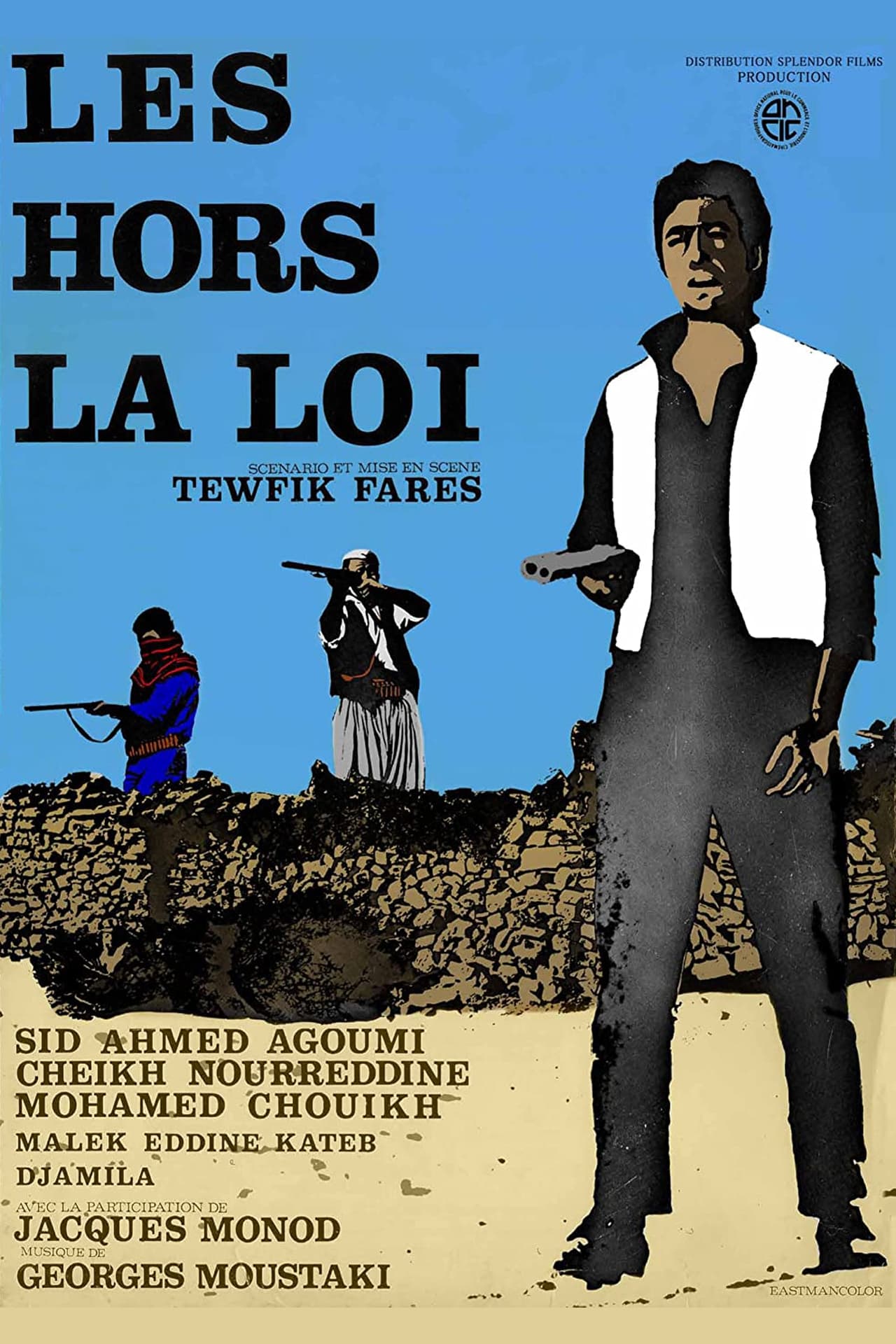
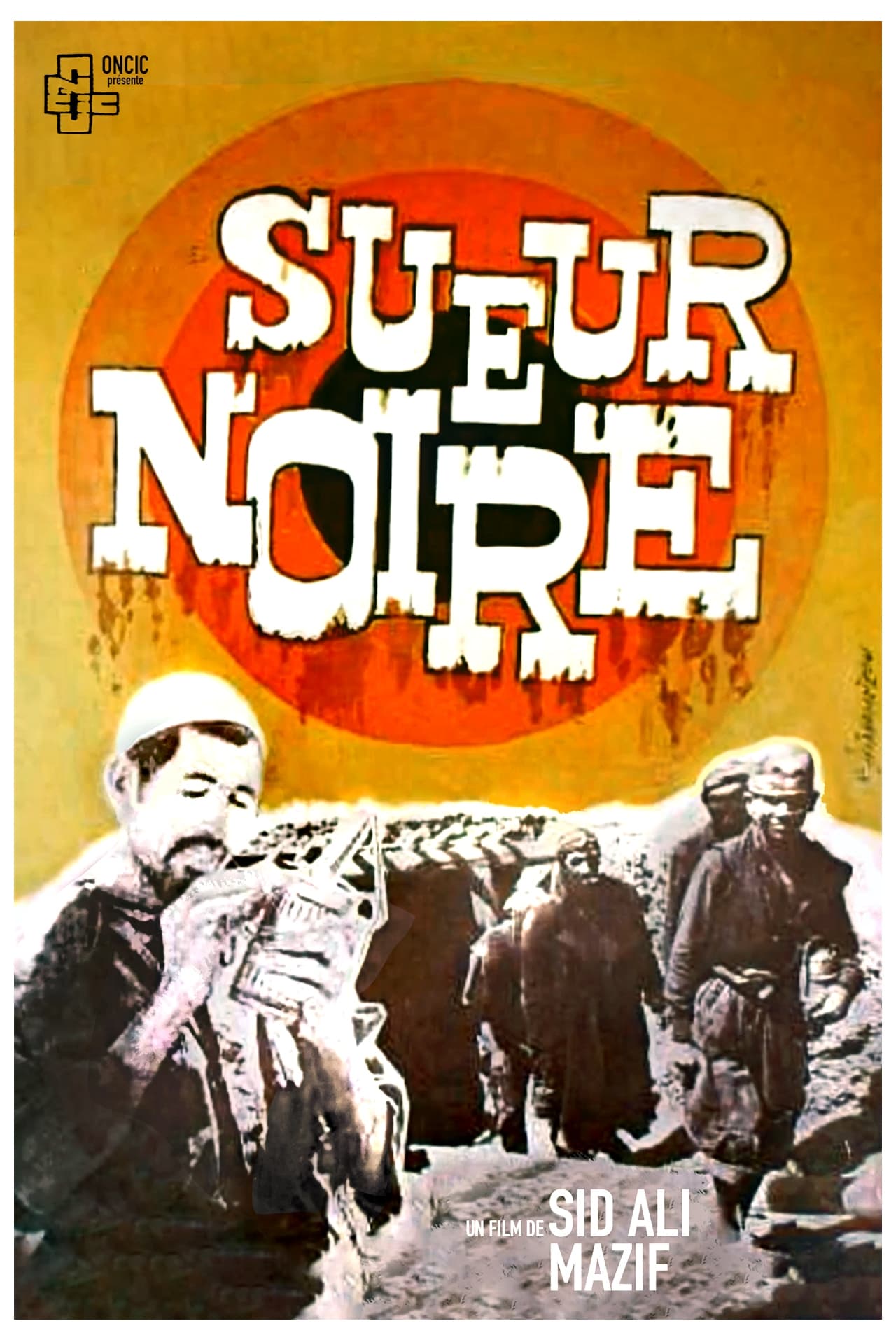
In prison in colonial Algeria, shortly after the end of the Second World War, three indigenous cellmates make out. Once free, they attack the authority represented by the triad of the boss, the gendarme and the administrator. “Living the colonial condition,” confided Tewfik Farès, “is something! It’s not sociologically or historically speaking. It’s life. And I think that’s all there in it. [...] For a hundred and thirty years, we wait. We hold back. We push back. We hope. At the same time, on different occasions, there are skirmishes, unrest.
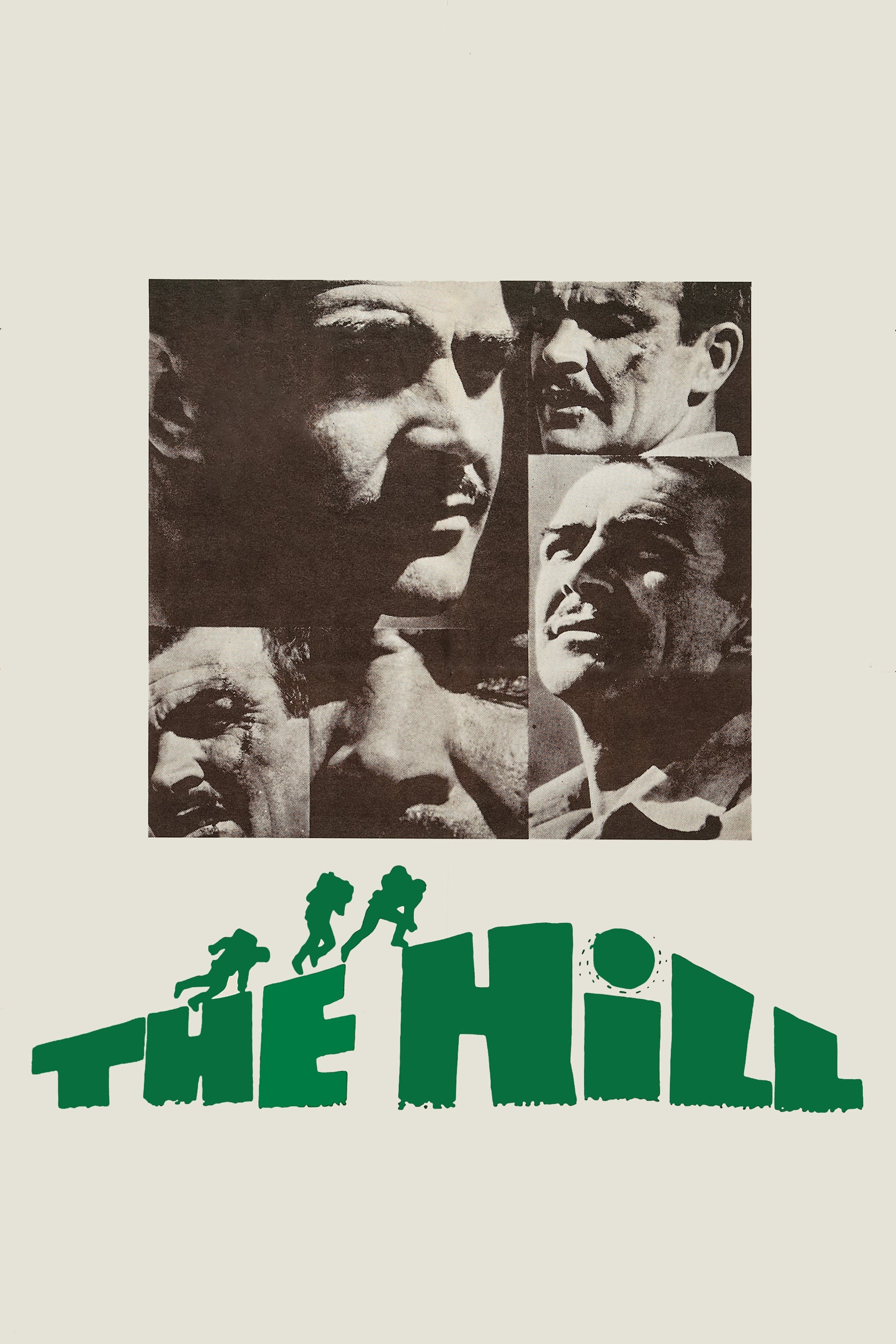
North Africa, World War II. British soldiers on the brink of collapse push beyond endurance to struggle up a brutal incline. It's not a military objective. It's The Hill, a manmade instrument of torture, a tower of sand seared by a white-hot sun. And the troops' tormentors are not the enemy, but their own comrades-at-arms.
Directed by Kamal Dehane
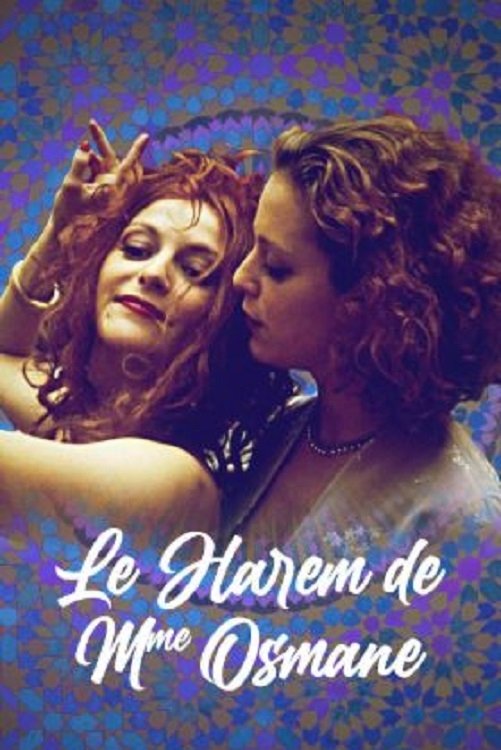
In Algiers in 1993, while the civil war is starting, Mrs Osmane's tenants have to endure her bad temper. Her husband left her and the fear to lose her respectability haunt her. The former member of the Resistance during the Independence War persists in controlling the slightest moves of the households rather than struggle against her own frustrations. Learning her daughter is in love, the possibility of finding herself alone will push her to the limit: The symbolical Mrs Osmane "harem" is about to collapse.
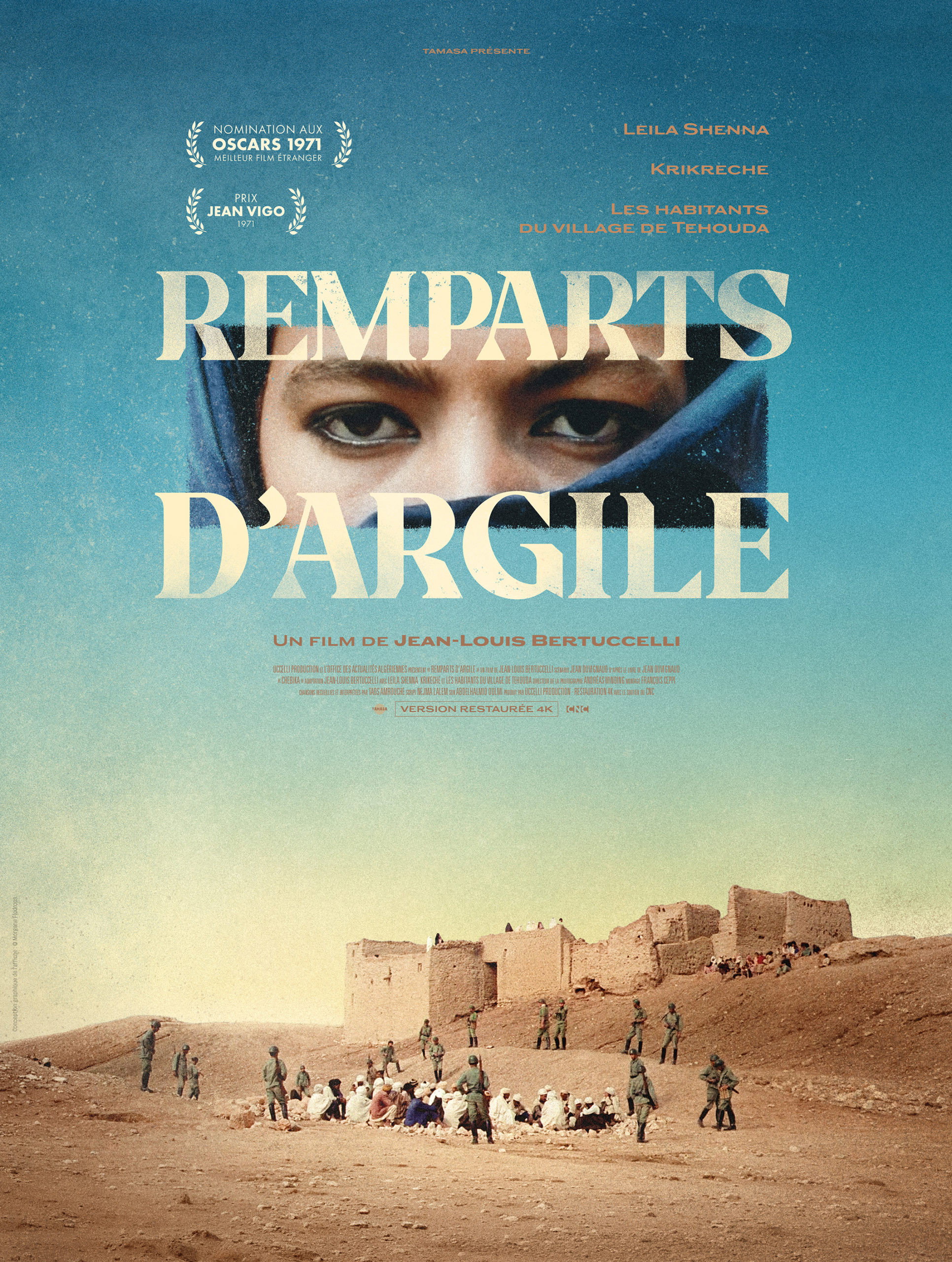
In a village on the edge of the Sahara, Rima, a 19-year-old orphan, dreams of learning, of discovering, of living free while the men of the salt mine go on strike. The authorities react by sending the army, Rima decides to help the strikers by trapping the soldiers. Co-produced with the Office des Actualités Algériens and shot in the region of Téhouda, 50 kilometers from Biskra, this Franco-Algerian film is fully part of the cinematographic heritage of both shores of the Mediterranean. Bertuccelli adopts the technique of cinema verite, with non-professional actors from the village itself, giving the film a striking documentary texture and a rare force of authenticity. Carried by the moving interpretation of Leila Shenna in the role of Rima, the actor Krikèche and lulled by the music of Taos Amrouche, the film questions female emancipation, social resistance and the relationship with the territory.
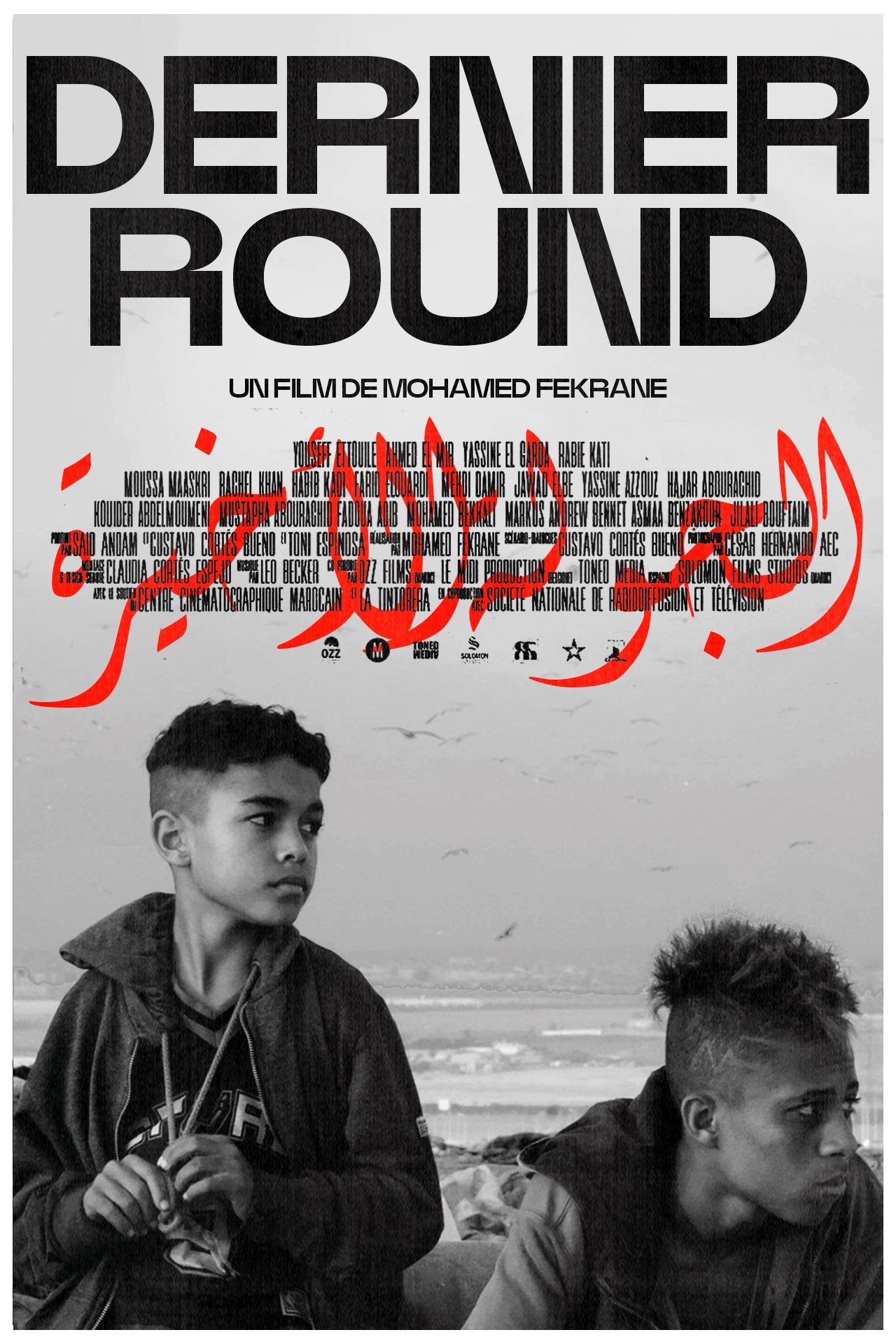
Rachid is a young man who survives in Morroco boxing in clandestine fights in order to save enough money with which to pay a smuggler, and be able to cross the Strait of Gibraltar with his two friends.
During French colonization, a young Algerian boy is expelled from the French high school where he is able to study thanks to his father's position in the village. For his father, whose dream is to see his son climb the social ladder, this is a disaster, and the young man decides to go to work in the mines. A general strike that is severely repressed makes him aware of the class struggle, and he joins the resistance against discrimination and colonial oppression.
In the 1980s, barely 18 years after Algeria's independence, Algerian immigration to France massively fueled the construction industry, responding to a demand for hard, undervalued labor. Behind the idea of "selective immigration," these men were recruited primarily for their bras and their knock-kneed hands, shaped by construction sites. Invisible yet essential, they built roads, buildings, and infrastructure, often at the cost of precarious conditions. Ali, an Algerian crane operator in France, philosophically accepts the harassment faced by immigrants like himself on construction sites and in daily life. He hopes to escape his situation with the money he wins in the lottery, and from the top of his crane, he allows himself to dream, observing the world through binoculars. One day, the jackpot falls...
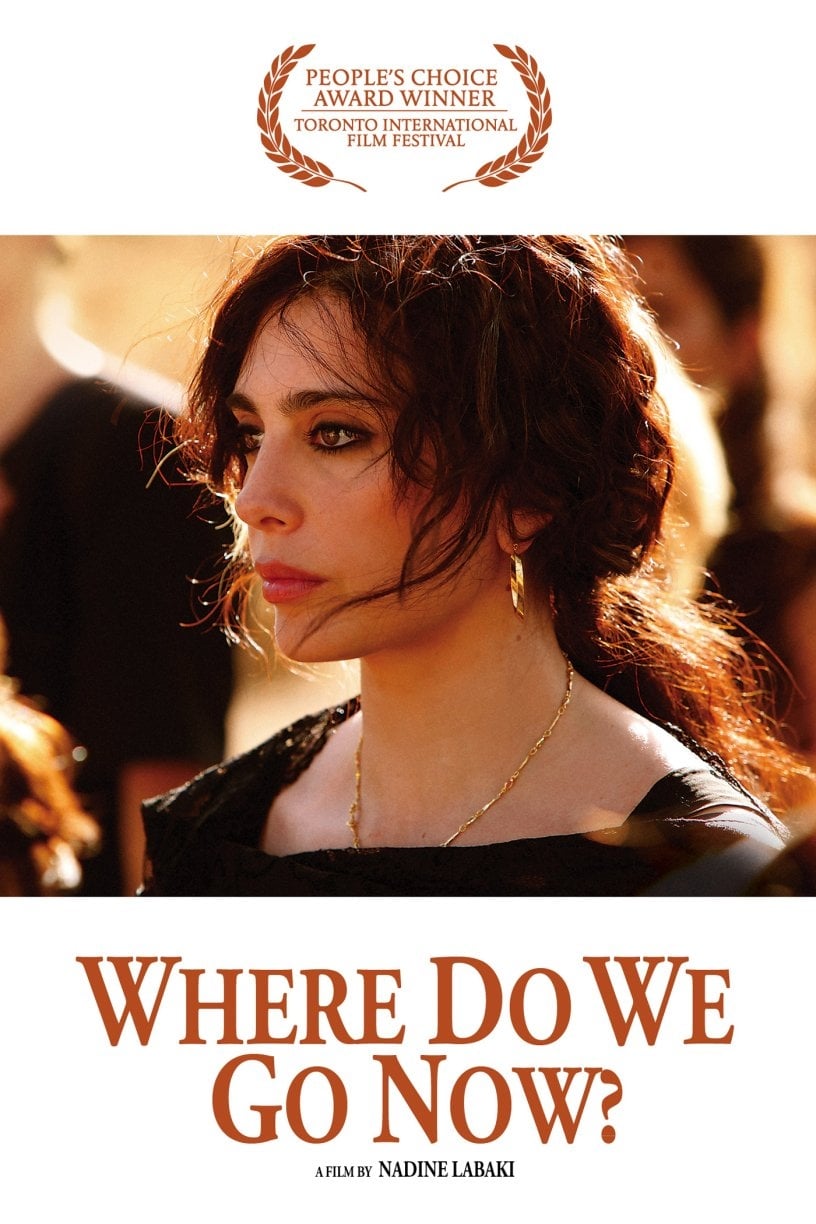
In a remote, isolated Lebanese village surrounded by land mines, Muslims and Christians live together in peace. As civil strife starts to engulf the country around them, the women in the village try, by various means and to varying success, to keep their men in the dark by sabotaging the village radio, and then destroying the village TV.
A widowed professor living in Paris develops a special relationship with a younger French woman.
An American couple drift toward emptiness in postwar North Africa.
On an empty road in the middle of the night, Shula stumbles across the body of her uncle. As funeral proceedings begin around them, she and her cousins bring to light the buried secrets of their middle-class Zambian family.
Jamie Fitzpatrick and Nona Alberts are two women from opposites sides of the social and economic track, but they have one thing in common: a mission to fix their community's broken school and ensure a bright future for their children. The two women refuse to let any obstacles stand in their way as they battle a bureaucracy that's hopelessly mired in traditional thinking, and they seek to re-energize a faculty that has lost its passion for teaching.
An overlooked pencil-pusher catches her husband in bed with another woman, the shock of which causes him to die of a heart attack. So she buries his body and takes advantage of the growing celebrity status that comes from having a missing husband. But she quickly finds herself in over her head, dodging cops and criminals, all while trying to keep the truth from her sister, a local news anchor who’s desperate for a story.
MMA legend Patton James, now a commercial fisherman, is pulled back into the cage when his brother is in danger. Reuniting with his old coach Sammy, he commits to one final fight in one championship against the brutal champion Xavier Grau.
Nina Geld's passion and talent have made her a rising star in the comedy scene, but she's an emotional mess offstage. When a new professional opportunity coincides with a romantic one, she is forced to confront her own deeply troubled past.
Based in a London suburb Mahmud Nasir lives with his wife, Saamiya, and two children, Rashid and Nabi. His son plans to marry Uzma, the step-daughter of Egyptian-born Arshad Al-Masri, a so-called 'Hate Cleric' from Waziristan, Pakistan. Mahmud, who is not exactly a devout Muslim, he drinks alcohol, and does not pray five times, but does agree that he will appease Arshad, without whose approval the marriage cannot take place. Shortly thereafter Mahmud, while going over his recently deceased mother's documents, will find out that he was adopted, his birth parents were Jewish, and his name is actually Solly Shimshillewitz.
A music journalist accompanies her father, a charmingly stubborn Holocaust survivor, on a journey to his homeland. While she's eager to make sense of her family's past, her dad has an agenda of his own.
In a sleepy Louisiana parish, a group of lifelong friends stage a rather unorthodox intervention to help a young playwright unravel the truth about her complicated mother and let go of her painful past.
A group of suburban teenagers try to support each other through the difficult task of becoming adults.
Iranian female judokas Leila and her coach Maryam, travel to the Judo World Championship, intent on bringing home Iran’s first gold medal. Midway through the Judo World Championships, they receive an ultimatum from the Islamic Republic ordering Leila to fake an injury and lose, or she will be branded a traitor of the state. With her own and her family’s freedom at stake, Leila is faced with an impossible choice: comply with the Iranian regime as her coach Maryam implores her to do, or fight on, for the gold.
A young filmmaker in 1960s Paris juggles directing a cheesy sci-fi debacle, directing his own personal art film, coping with his crumbling relationship with his girlfriend, and a new-found infatuation with the sci-fi film's starlet.
A recently retired man embarks on a journey to his estranged daughter's wedding, only to discover more about himself and life than he ever expected.
Adapted from the bestselling novel by Madeleine St John, Ladies in Black is an alluring and tender-hearted comedy drama about the lives of a group of department store employees in 1959 Sydney.
A society woman believes her husband is having an affair, a misconception which may have dire personal consequences for all involved.
A divorced writer from the Midwest returns to her hometown to reconnect with an old flame, who's now married with a family.
In the anarchic town of Seaside, nowhere near the sea, puppeteers Judy and Punch are trying to resurrect their marionette show. The show is a hit due to Judy's superior puppeteering but Punch's driving ambition and penchant for whisky lead to an inevitable tragedy that Judy must avenge.
A wheelchair-bound singer and her best friend embark on a roadtrip to Memphis.