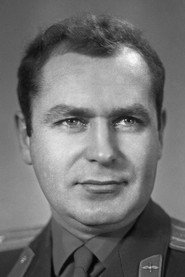
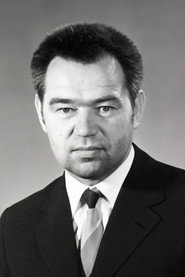
A documentary charting the rigors of the Russian space program, where the symbol of national pride would justify the most demanding training conditions.
Social & External
The people behind it
Gherman Titov
Self
Константин Петрович Феоктистов
Georgiy Grechko
Виталий Михайлович Жолобов
Влади́мир Алексе́евич Соловьёв
Алекса́ндр Ива́нович Лаве́йкин
Валерий Владимирович Поляков
Wiera Pacajewa
Oleg Gazenko
Anatolij Grigoriew
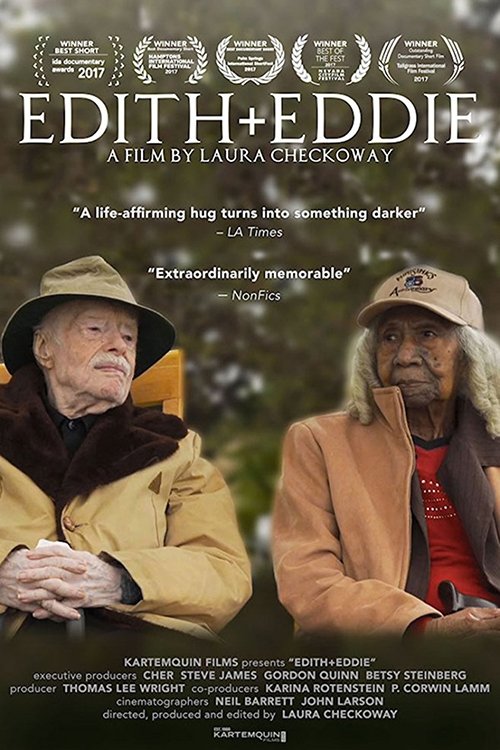
Edith and Eddie, ages 96 and 95, are America's oldest interracial newlyweds. Their unusual and idyllic love story is threatened by a family feud that triggers a devastating abuse of the legal guardianship system.
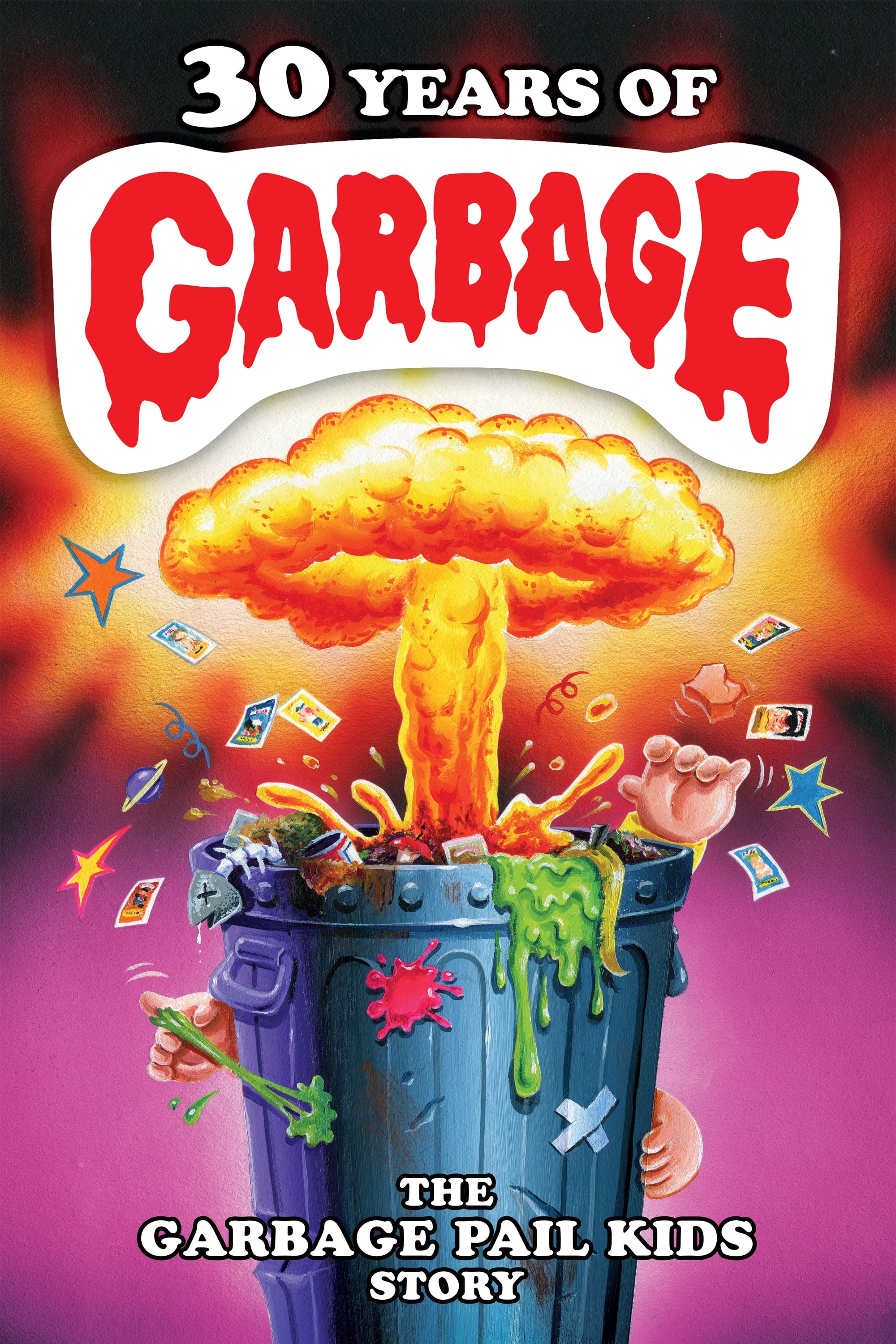
The Garbage Pail Kids are 30 years old. Celebrate their gross-out greatness with artist interviews, superfan collections, and more.
Documentary about Bob and Kathy Burns, the goodwill ambassadors of science fiction film fandom.
A documentary about how Republican forces lost to Franco in the Spanish Civil War.
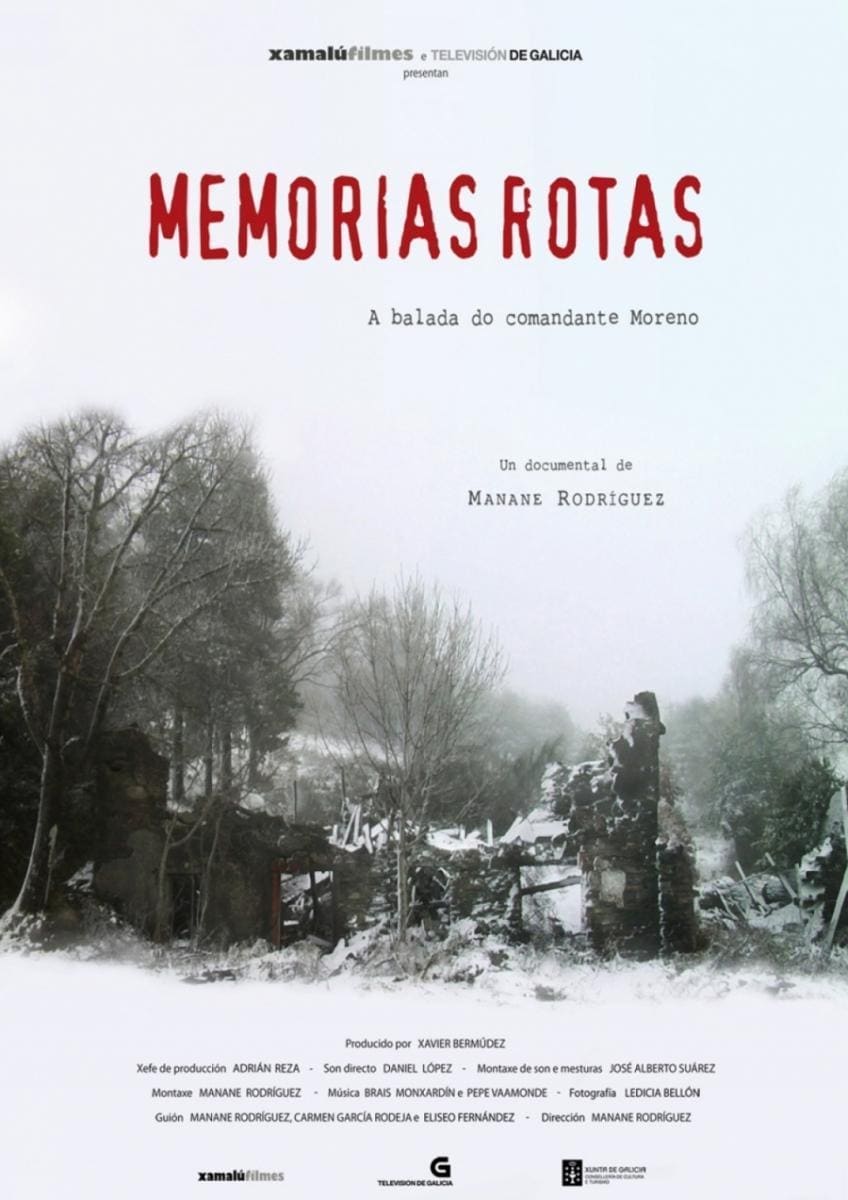
An audiovisual chronicle of the Spanish Civil War in Galicia. Memorias Rotas centers on a group of republican fighters leaded by Commander José Moreno. The group disappears as they fail trying to escape by sea in the border between Galicia and Asturias and nobody ever knows about them.
Dialogue-free short detailing the daily tasks of a man and his wife.
Stylized with dramatic interiors and a distorted frame rate, this early documentary miniature from Szulkin depicts six sequences of solitary, repetitious labor.
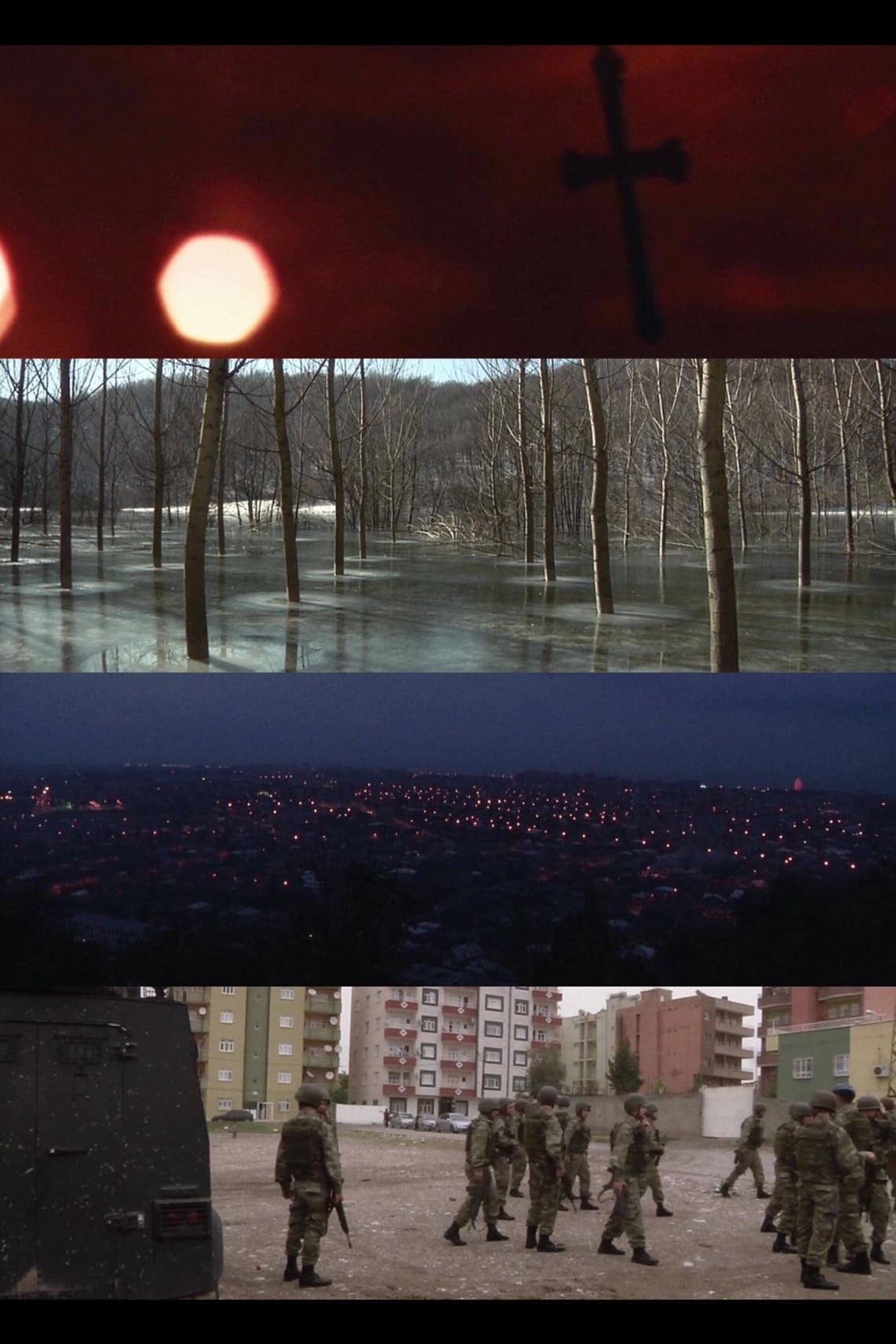
1+8 is a film about Turkey’s unique position between West and East and her relationship to her eight very distinct and diverse neighbors. 1+8 is filmed close up on border towns of Turkey with Greece, Bulgaria, Georgia, Armenia, Nakhchivan/Azerbaijan, Iran, Iraq, Syria and the Kurds who are scattered amongst the many without a homeland, exploring what connects and separates the people on both sides. The film showcases through intimate portraits, personal accounts and cinematographic tropes, Turkey’s eight borderlands revealing the political and cultural dynamics of life on those frontiers. The contemplation of all eight neighboring countries reveals the complexity and importance of Turkey’s geo-political position between West and East, Europe and Asia, the European Union and the Middle East.
Documentary about the VW Beetle and its origins.
For longer than the United States has been an independent nation, there has been a Marine Corps. They consider themselves the very best America has to offer. Embodying fierce patriotism, extraordinary courage, and innovative weapons, they are a force. This documentary focuses on their training and examines what it means to be a Marine.
The remarkable spirit of tap dancers and their history provides a joyous backdrop for intimate portraits of hoofers Sandman Sims, Chuck Green, and Bunny Briggs.
When a feature film is made about them seven years after their break-up, Benjie Nycum visits his ex-boyfriend Michael Glatze and finally tries to get answers about his bewildering shift from gay activist to ex-gay evangelical.
A look back at the life and career of Japanese guitarist hide, who died under questionable circumstances in 1998.
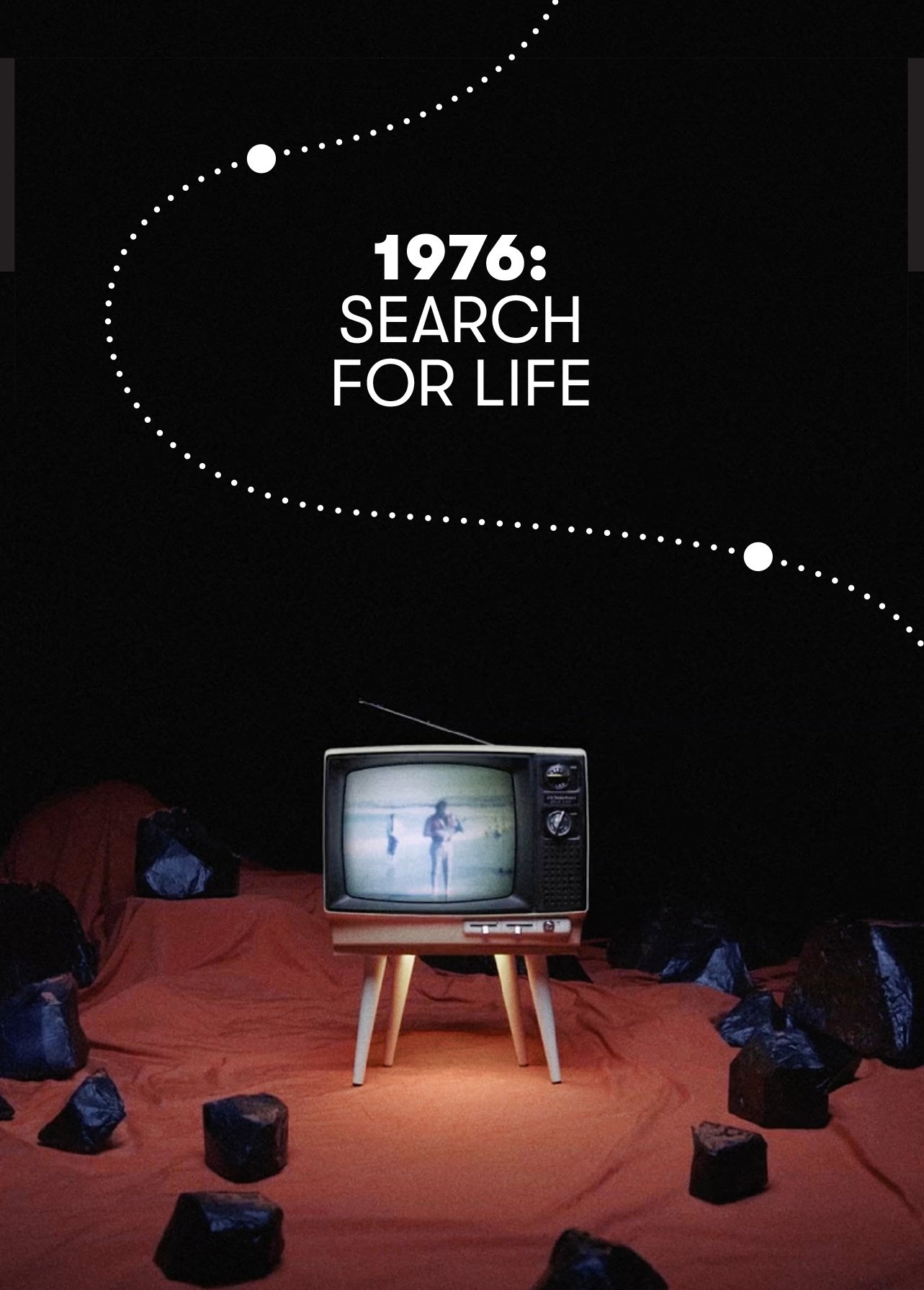
A new father takes his wife and daughter on a journey to his mother’s birthplace in Scotland. It is 1976 – the year in which NASA’s Viking 1 and 2 space probes land on the surface of Mars. They send images of an only vaguely explored area from a great distance, enabling a first look into the history of an alien planet. Like the NASA scientists, the small family are hoping that their journey will give them insights into the past, an understanding of the present situation and perhaps even the chance to anticipate the future.
The eagerly anticipated wait is over, after 5 years since the release of her last album, Adele is back! Fans have applauded her return, by breaking the record for most viewed video in a single day, reaching an astounding 28.7M views in the first 24 hours. The British singer has knocked Taylor Swift off the record, previously holding most viewed video in a single day for her Bad Blood video which reached 20 million views. “Hello” has now been viewed nearly 89 million times on Vevo alone since the day of its release, and has already topped the iTunes charts in 85 countries. The success of this debut single has blown everyone away and the rest of her album will most likely follow suit. Through her own words, video and live performance this documentary takes an incredible look at the life and times of this truly amazing young artist.
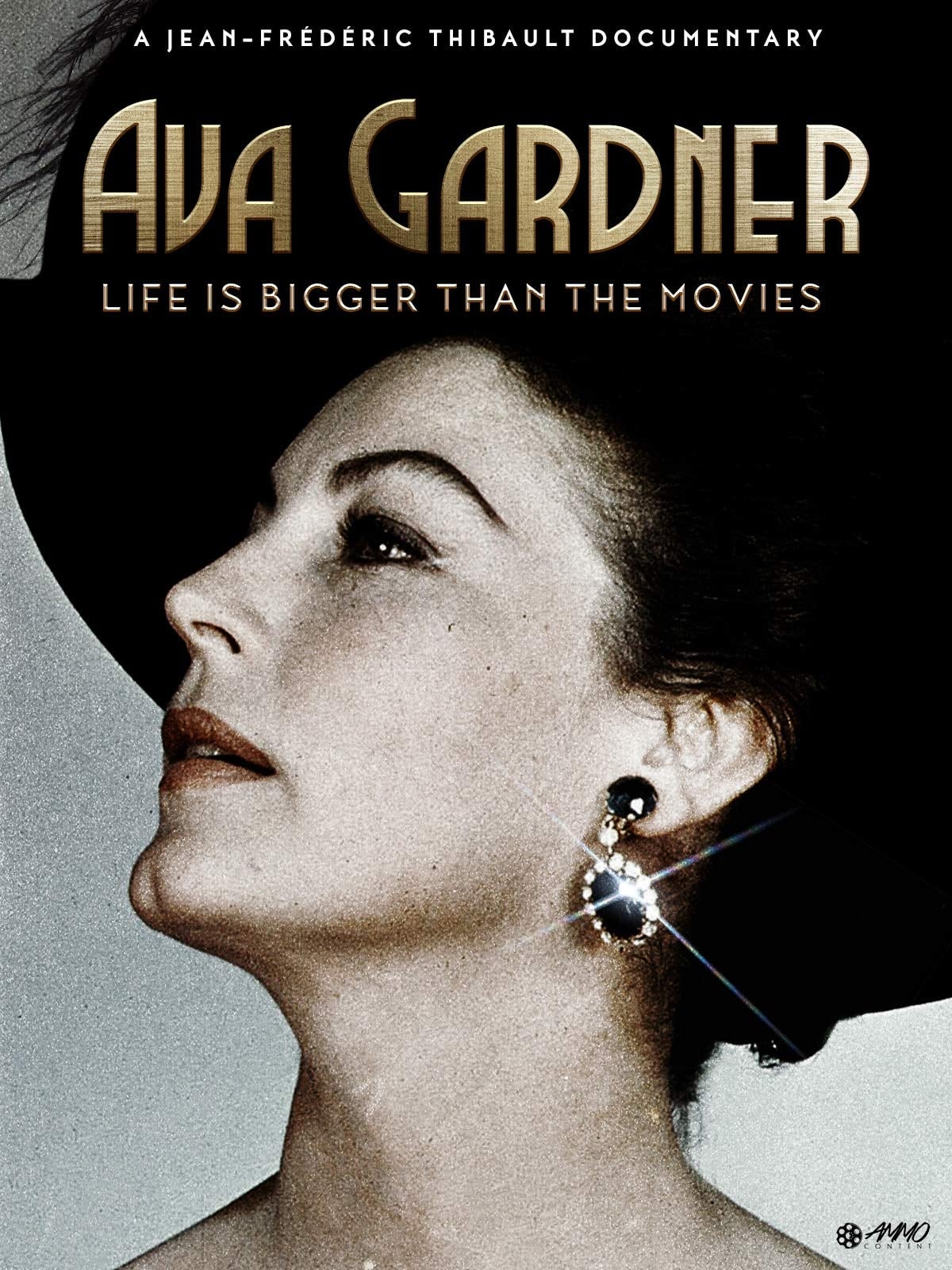
A barefoot contessa, a screwed-up princess, an exquisite drunk, a bawdy aristocrat, a nightmare for puritanical America and the moguls of Metro-Goldwyn-Mayer, Ava Gardner never stopped loving those she loved. She turned women green and made men sweat. And rejected with all her force the bulwark of normality.
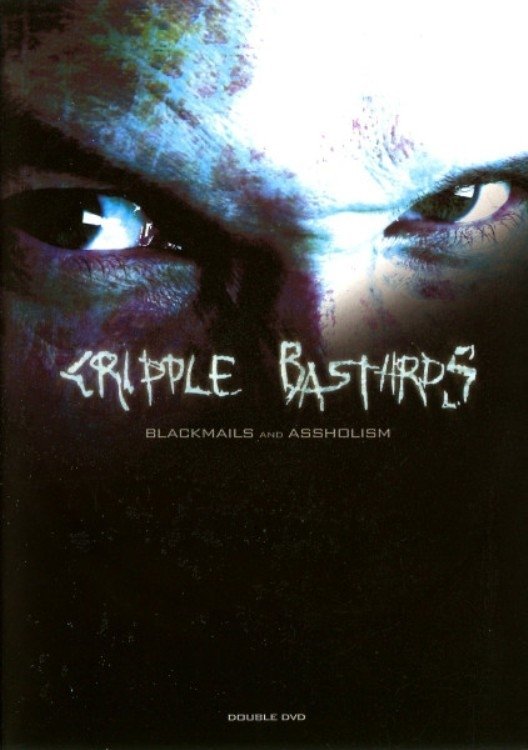
A documentary about Cripple Bastards' history from 1988 to 2007 with interviews to the former members and a lot of rare, restored VHS footage showing the Bastards at their very beginning and riding thru the basic features that consolidated the band’s style and negative fame in the last decade. Interviews with the current members, a history of CB related to the many tours and festivals, reports and tips on each album and a huge part explaining/showing in detail how the band’s controversy and “assholism” has born and widespread all over the years.
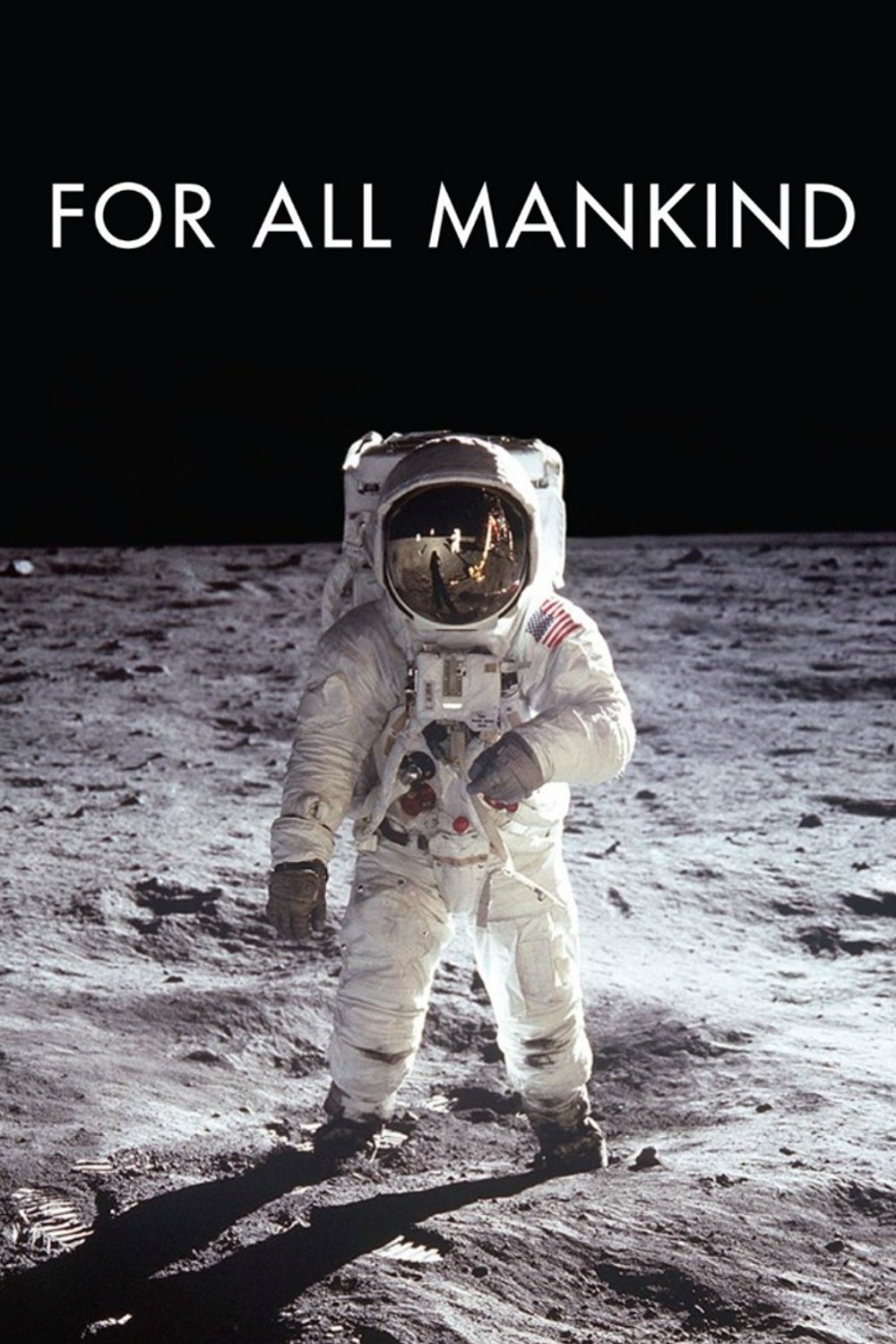
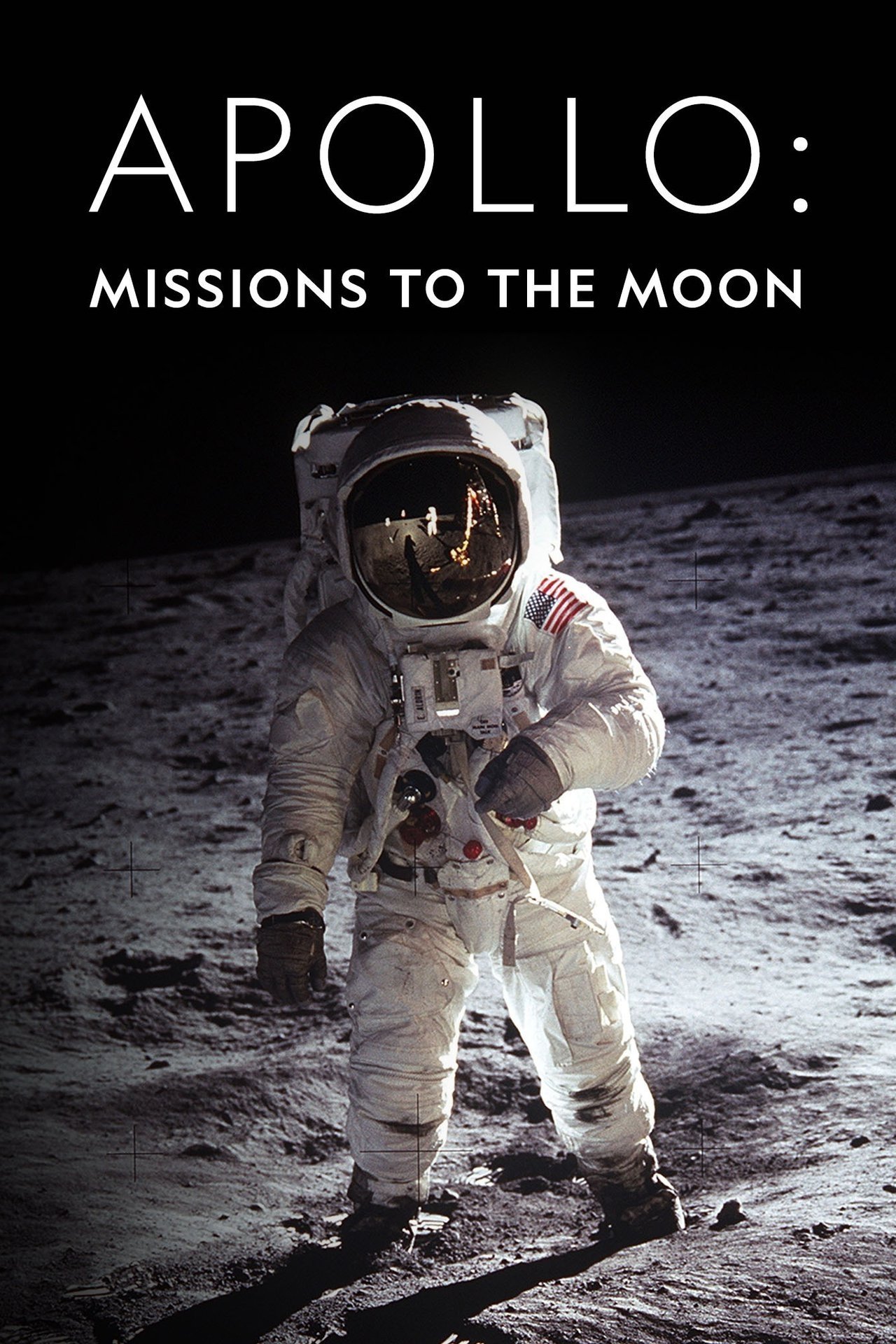
A testament to NASA's Apollo program of the 1960s and '70s. Composed of actual NASA footage of the missions and astronaut interviews, the documentary offers the viewpoint of the individuals who braved the remarkable journey to the moon and back.
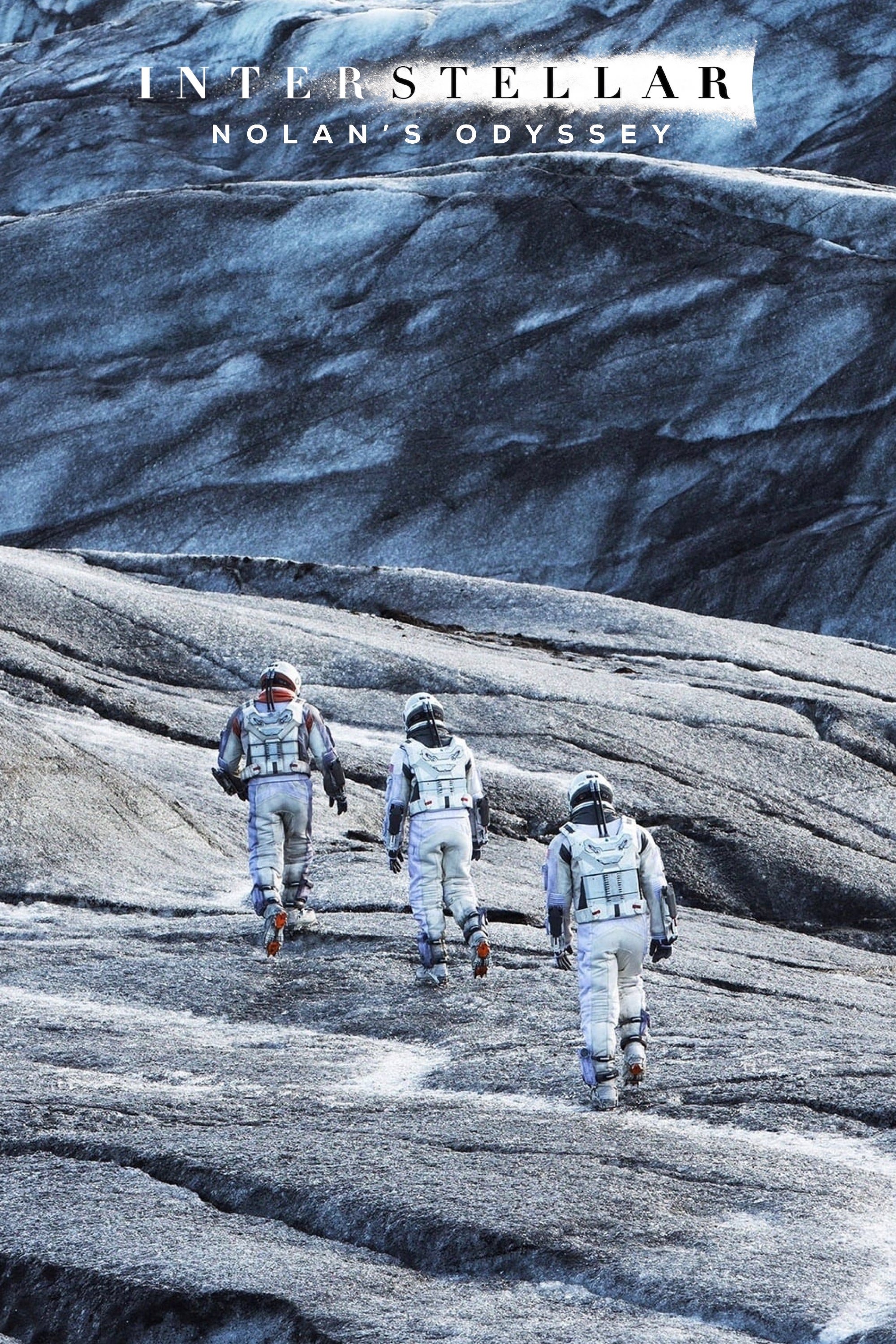
A look behind the lens of Christopher Nolan's space epic.
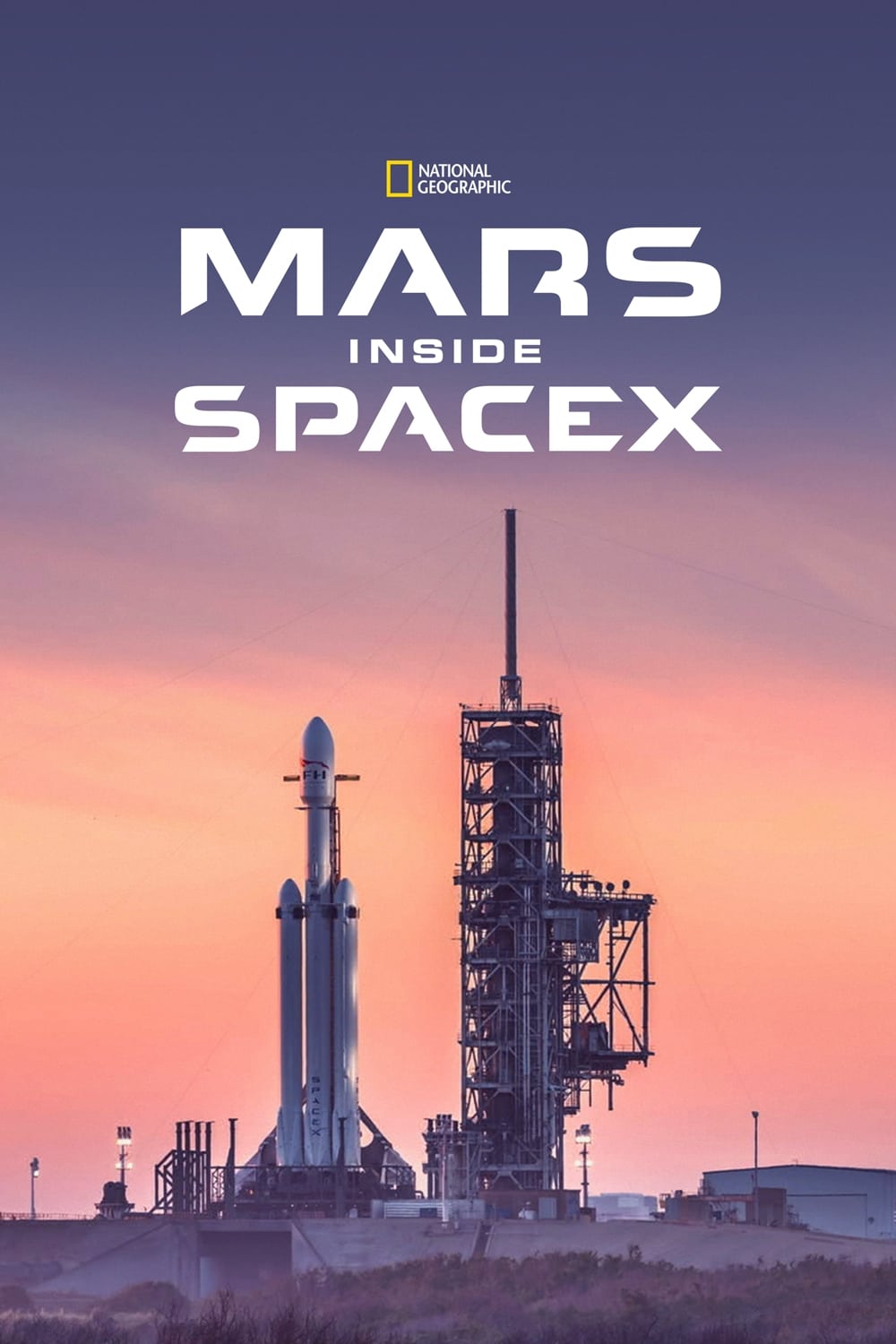
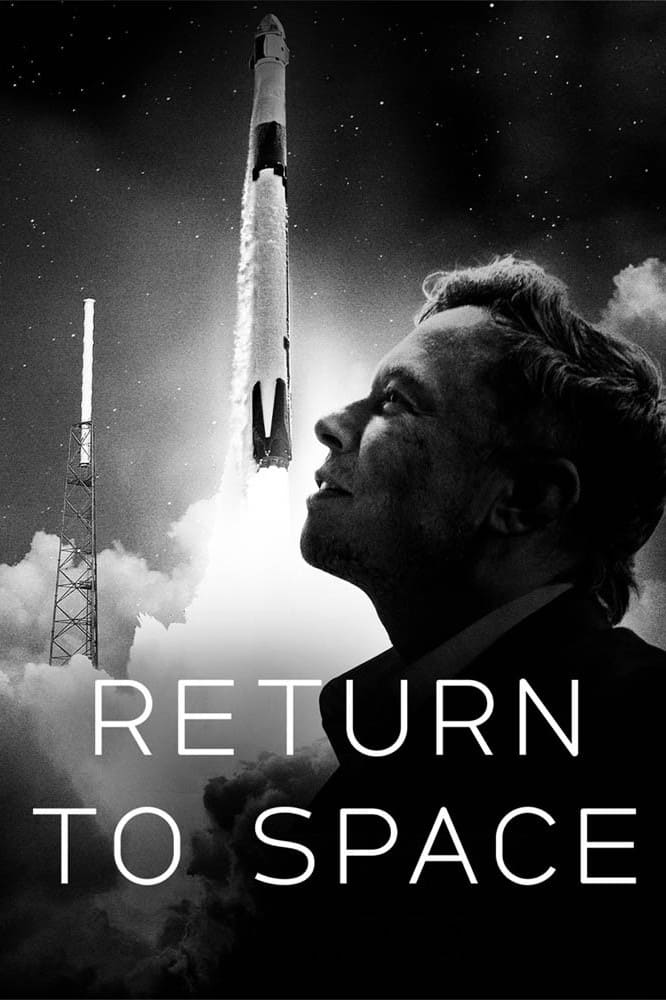
The inside story of SpaceX's plan to get humanity to Mars, providing an unprecedented glimpse into one of the world's most revolutionary companies. A behind-the-scenes journey with Elon Musk and his engineers as they persevere amidst both disheartening setbacks and huge triumphs to advance the space industry faster than we ever thought possible.
The inspirational rise of SpaceX as well as Elon Musk's two-decade effort to resurrect America’s space travel ambitions.
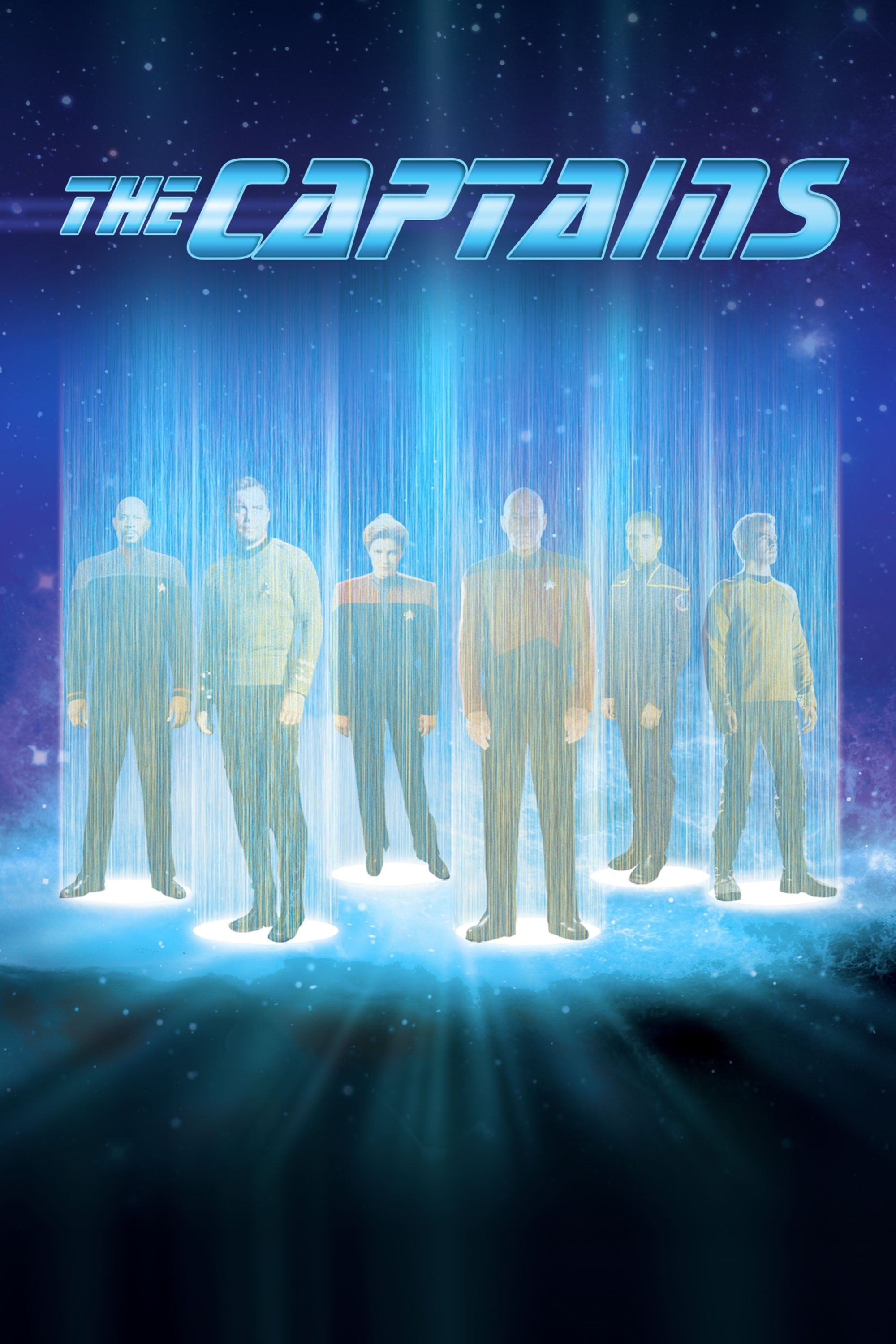
The Captains is a feature-length documentary film written and directed by William Shatner. The film follows Shatner as he interviews the other actors who have portrayed starship captains in the Star Trek franchise.
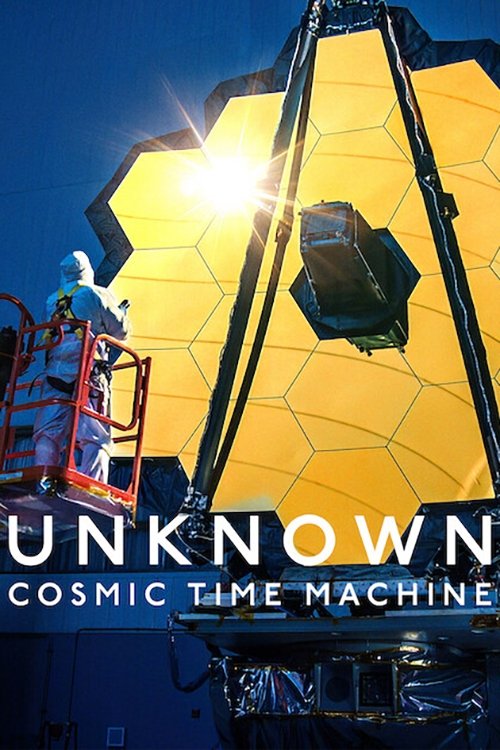
The James Webb Telescope stirs imaginations with vivid photos of distant galaxies. This documentary tracks its historic journey from inception to launch.
Aspiring teenage astronauts reveal that a journey to Mars is closer than you think.
He's devoted his career to uncovering stories the powerful want buried. From My Lai to Abu Ghraib, dig into the life's work of journalist Seymour Hersh.
National Geographic's riveting effort recounts all 12 crewed missions using only archival footage, photos and audio.
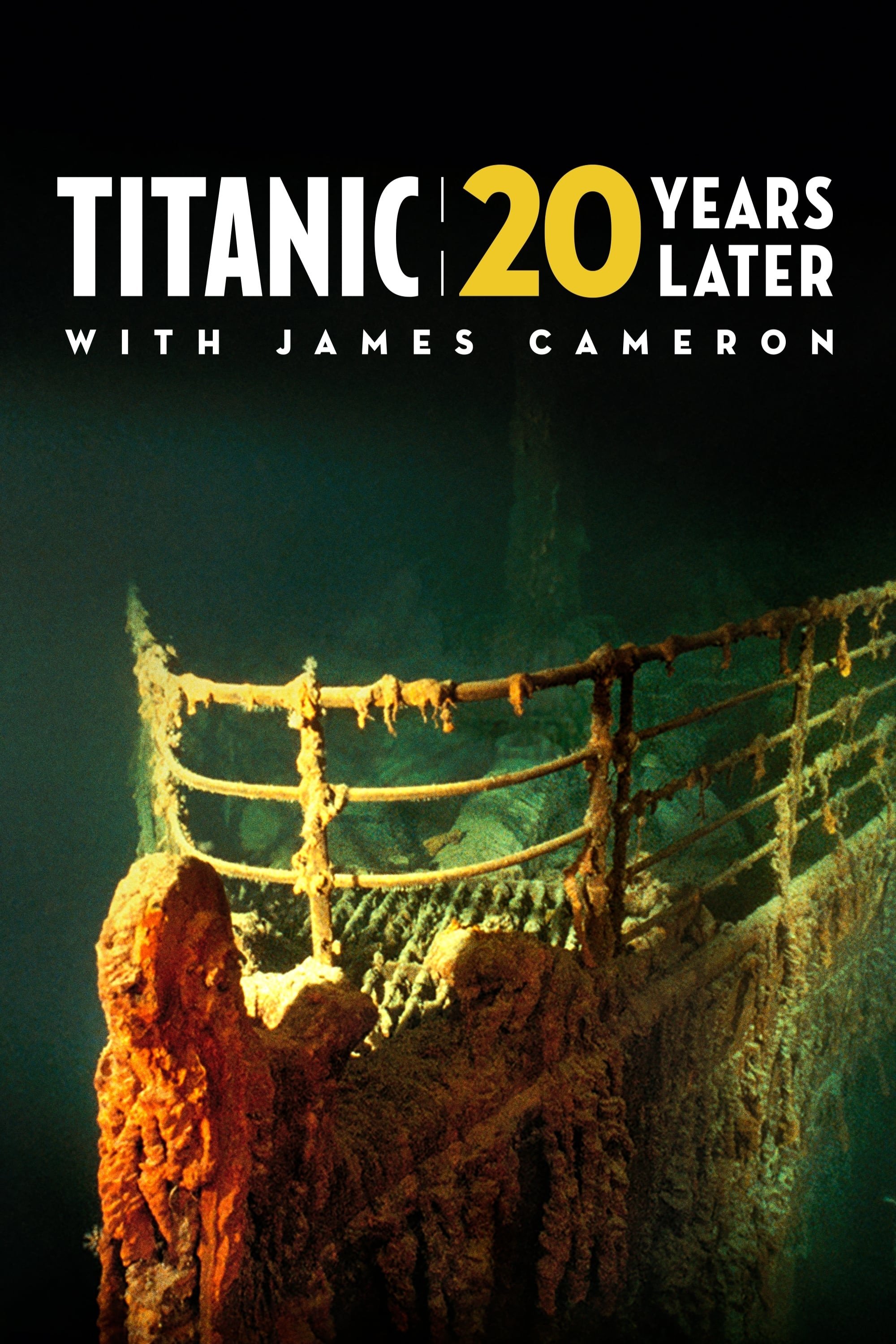
For the 20th anniversary of "Titanic," James Cameron reopens the file on the disaster.
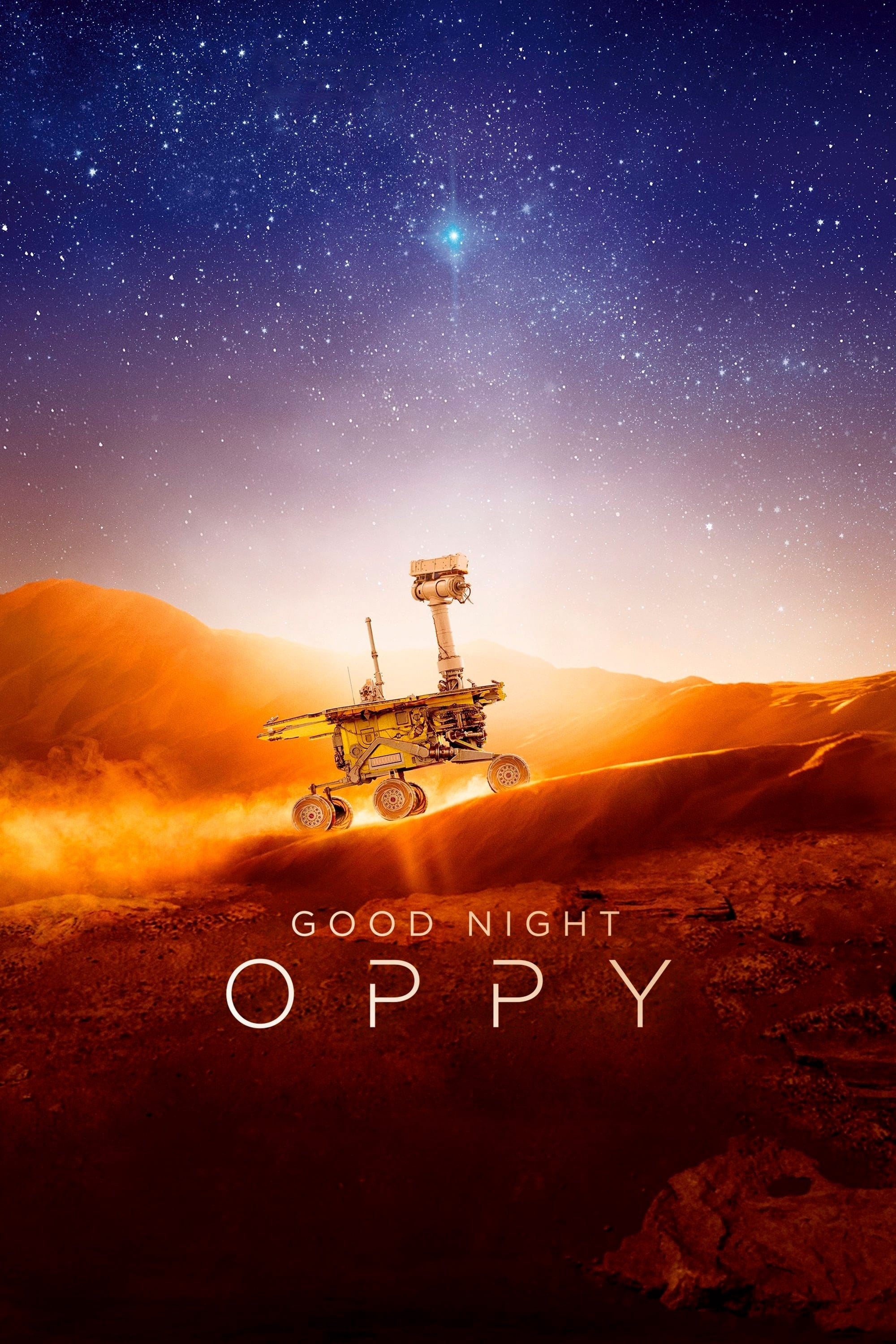
The inspirational true story of Opportunity, a rover that was sent to Mars for a 90-day mission but ended up surviving for 15 years. Follow Opportunity’s groundbreaking journey on Mars and the remarkable bond forged between a robot and her humans millions of miles away.
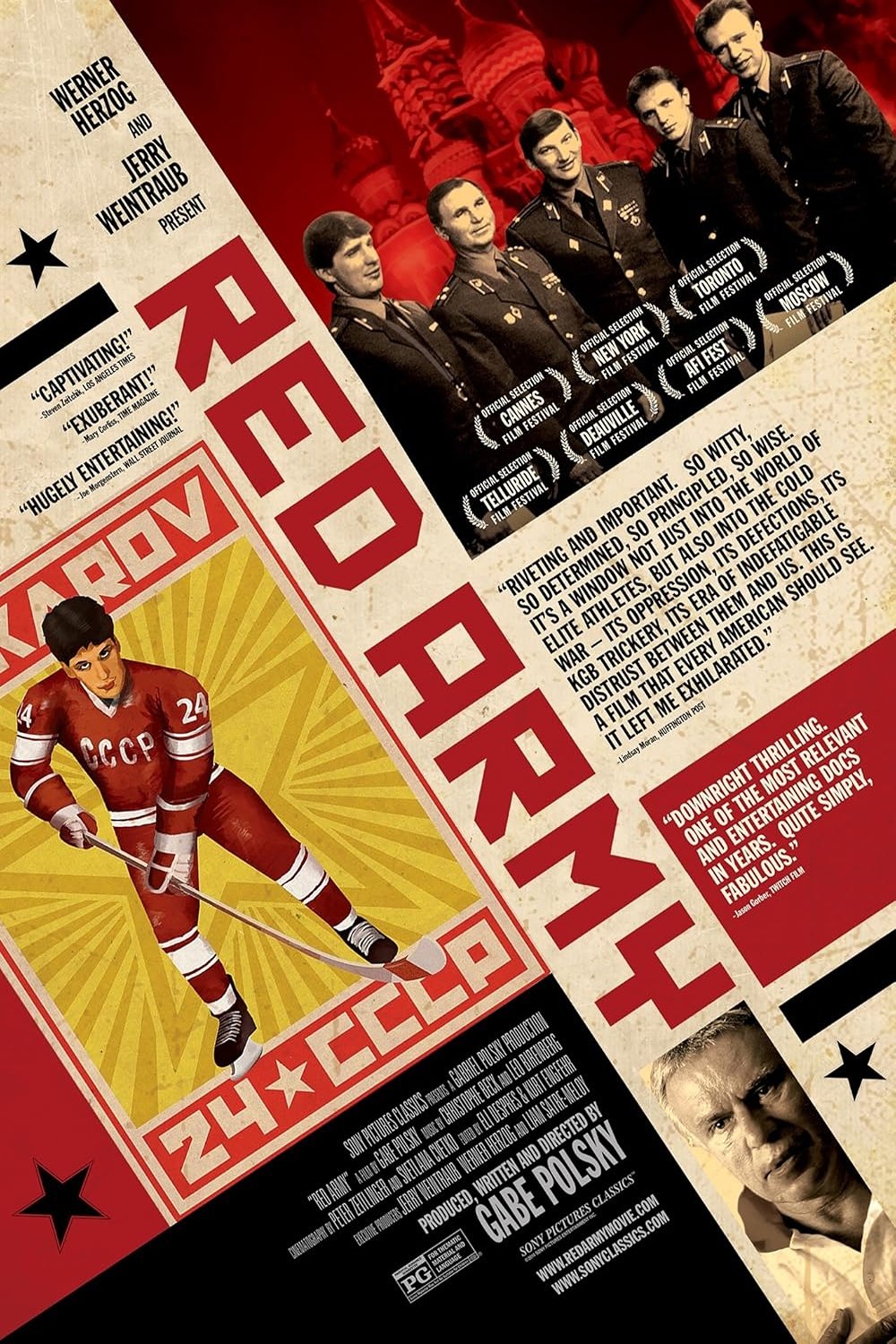
A documentary highlighting the Soviet Union's legendary and enigmatic hockey training culture and world-dominating team through the eyes of the team's Captain Slava Fetisov, following his shift from hockey star and celebrated national hero to political enemy.
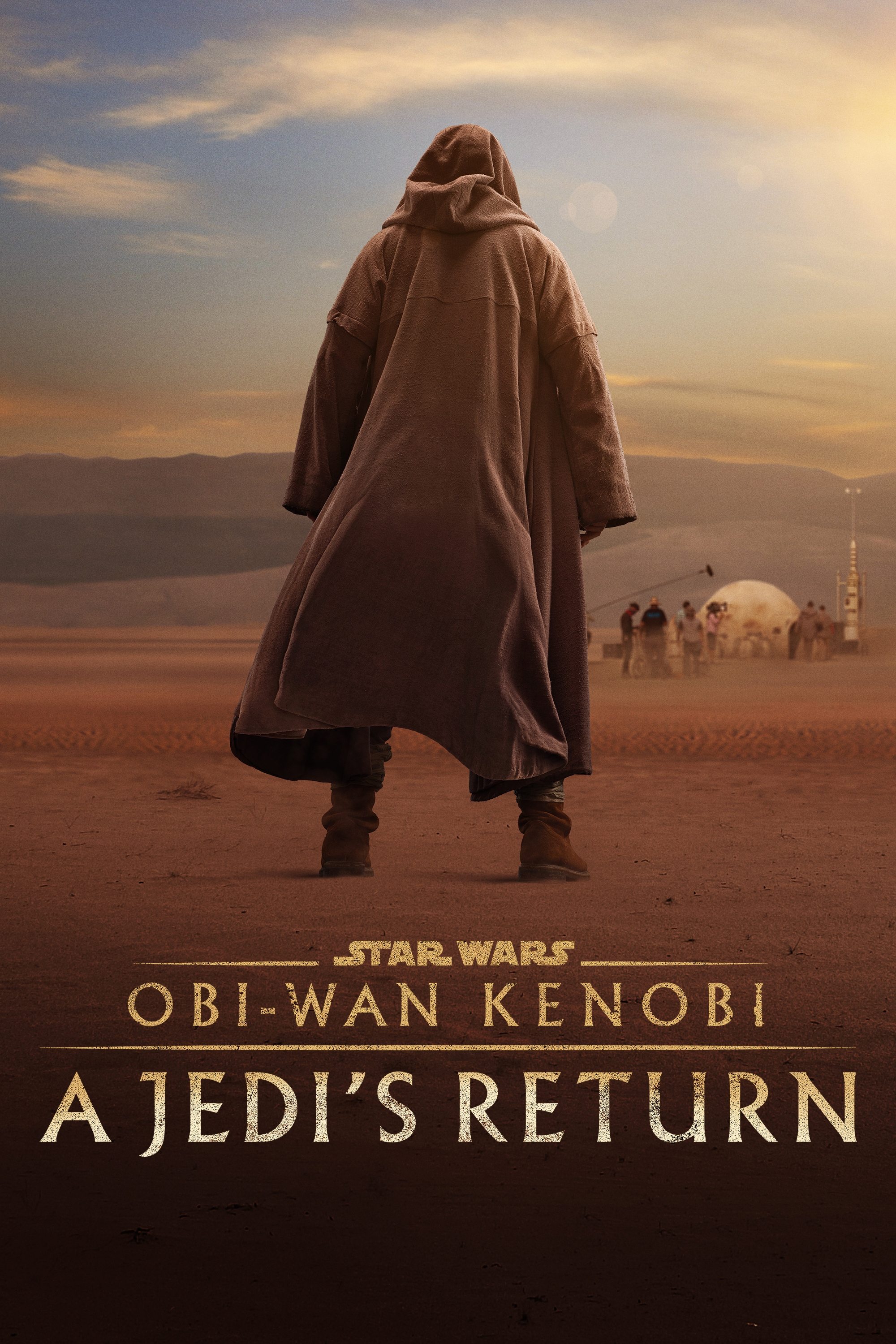
This special explores the return of Obi-Wan Kenobi and Anakin Skywalker to the screen, as well as Ewan McGregor and Hayden Christensen to their classic roles. Director Deborah Chow leads the cast and crew as they create new heroes and villains that live alongside new incarnations of beloved Star Wars characters, and an epic story that dramatically bridges the saga films.
The captivating tales of the people and events behind one of humanity's greatest achievements in exploration: NASA's Voyager mission.
A documentary exploring the legacy of Star Trek: Deep Space Nine, the reasons it went from the black sheep of Star Trek to a beloved mainstay of the franchise, and a brainstorm with the original writers on what a theoretical eighth season of the show could look like.
An IMAX 3D camera chronicles the effort of 7 astronauts aboard the Space Shuttle Atlantis to repair the Hubble Space Telescope.
Canadian acting legend William Shatner takes viewers inside the creation of Star Trek: The Next Generation, the bold attempt in 1986 to recreate the success of the original television series, in which Shatner played Captain James T. Kirk.
A comedic, brutally honest documentary following self-destructive TV writer Dan Harmon as he takes his live podcast on a national tour.
A breathtaking portrait of Earth from space, providing a unique perspective and increased understanding of our planet and galaxy as never seen before. Made in cooperation with the National Aeronautics and Space Administration (NASA), the film features stunning footage of our magnificent blue planet — and the effects humanity has had on it over time — captured by the astronauts aboard the International Space Station (ISS).
The story lives forever in this feature-length documentary that charts the making of Star Wars: The Rise of Skywalker.
The elite pilots of the Air Force Thunderbirds display exceptional skill, trust and courage during a high-stakes training season.