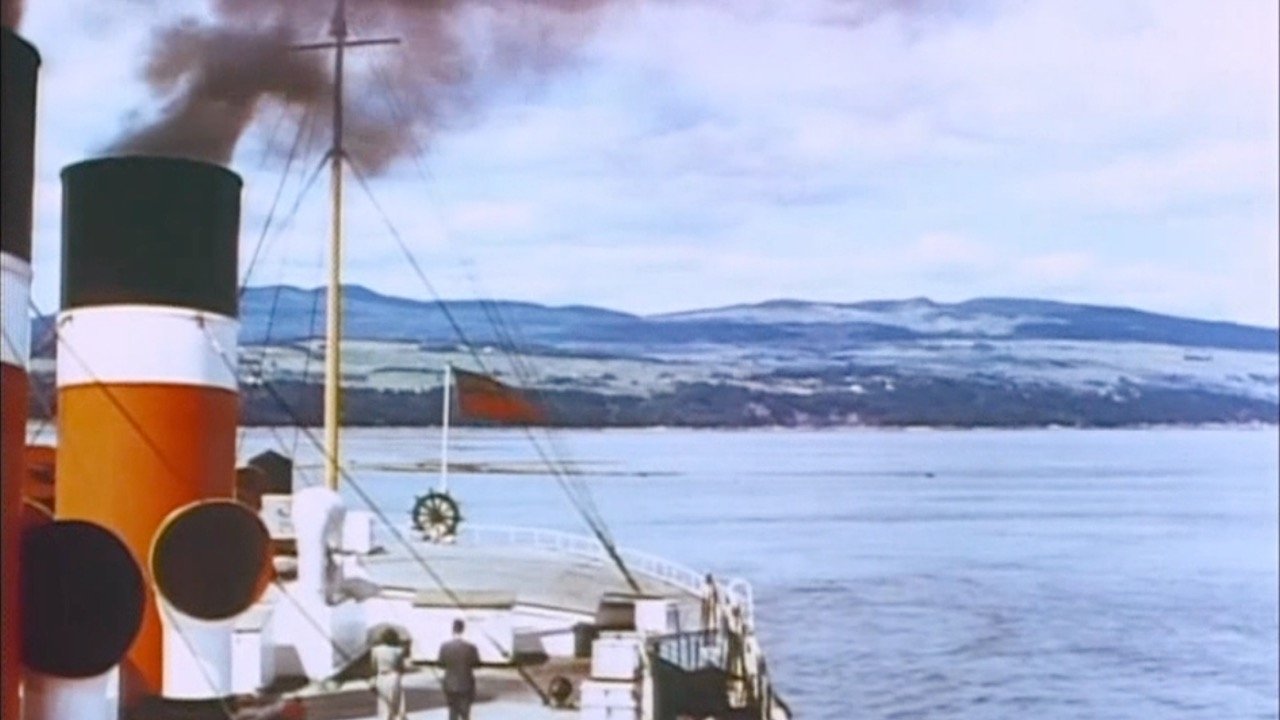
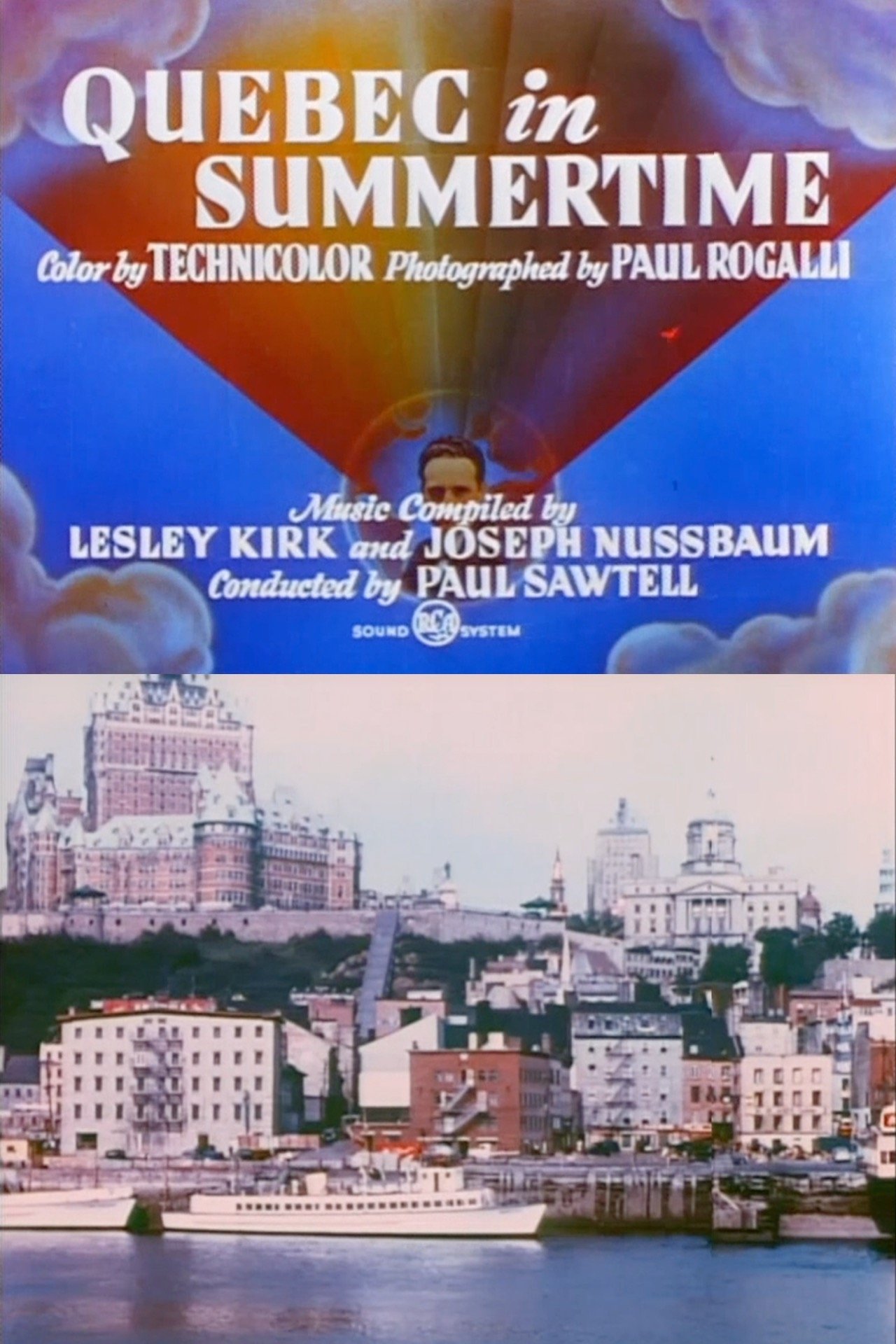
This Traveltalk series short takes the viewer to Quebec, the city that was called the "New France".
Social & External
The people behind it
James A. FitzPatrick
Narrator (voice)
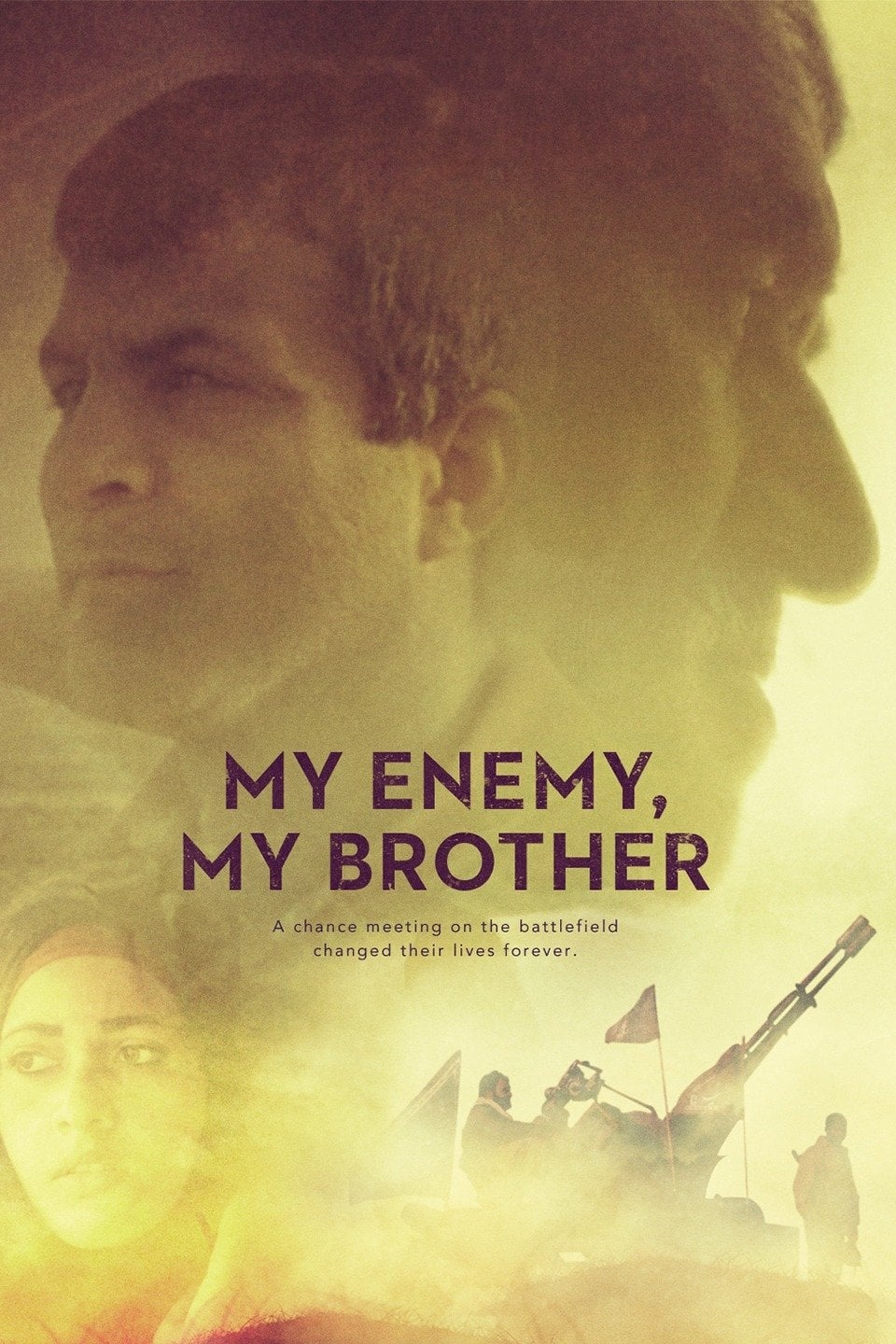
The eight-year Iran-Iraq War was one of the most brutal conflicts to devastate the region in the 20th century. Zahed was 13 years old when he enrolled in the Iranian army. Najah was 18 when he was conscripted into the Iraqi army, and he fought against Zahed in the Battle of Khorramshahr. Fast forward 25 years, a chance encounter in Vancouver between these two former enemies turns into a deep and mutually supportive friendship. Expanded from the 2015 short film by the same name.
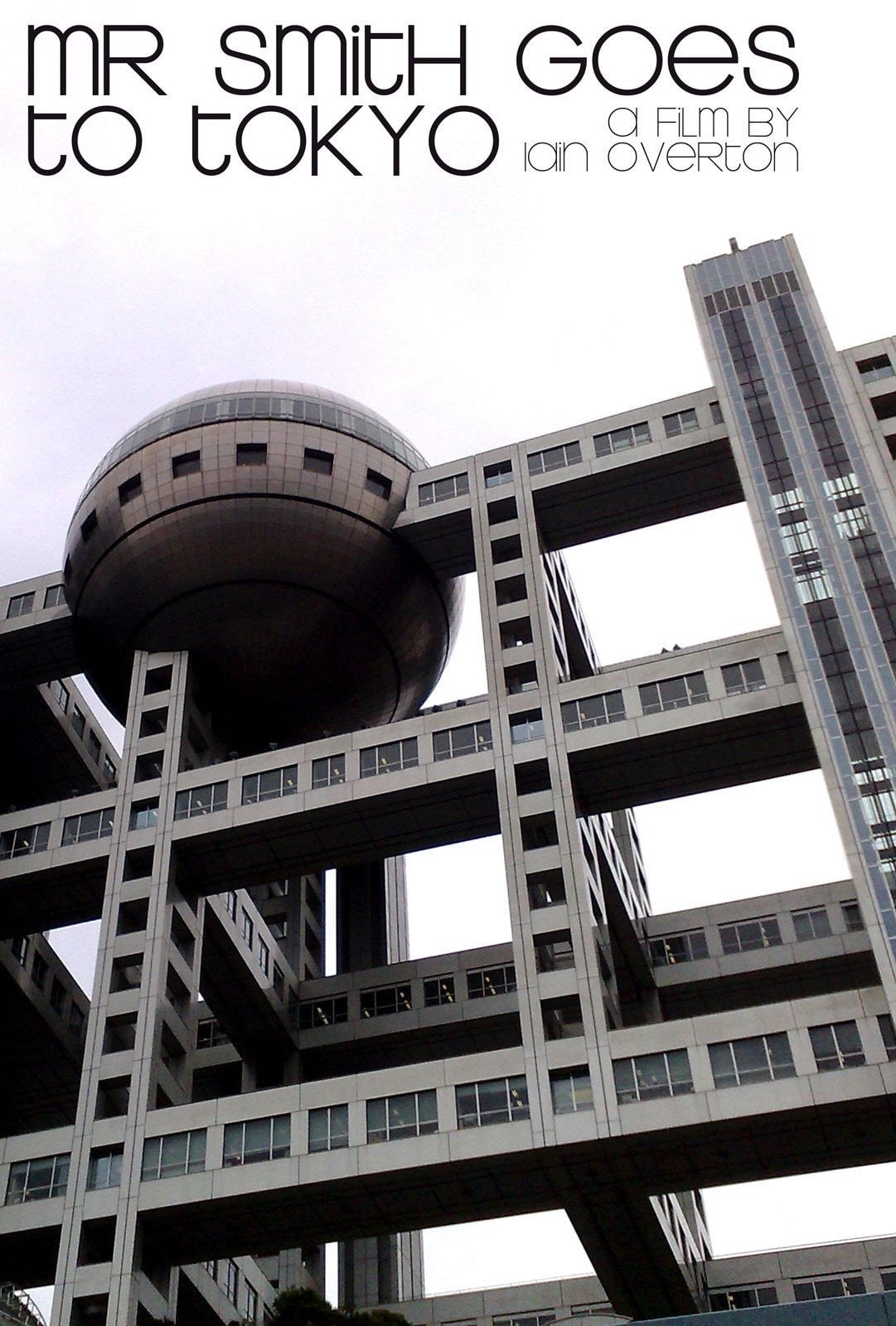
When Tomoko finds some messages for a 'Mr Smith' on a lost mobile phone, she finds herself on an 'Alice in Wonderland' journey through Tokyo's boulevards and back alleys. From the tyranny of symmetry in soaring office blocks - to buildings that look like space-ships, this creative documentary shows us the city's soul.
An intimate look into Demers family's experience raising children while dealing with the societal stigmas around disabilities and the consequences of Alberta's forgotten experiment in eugenics.
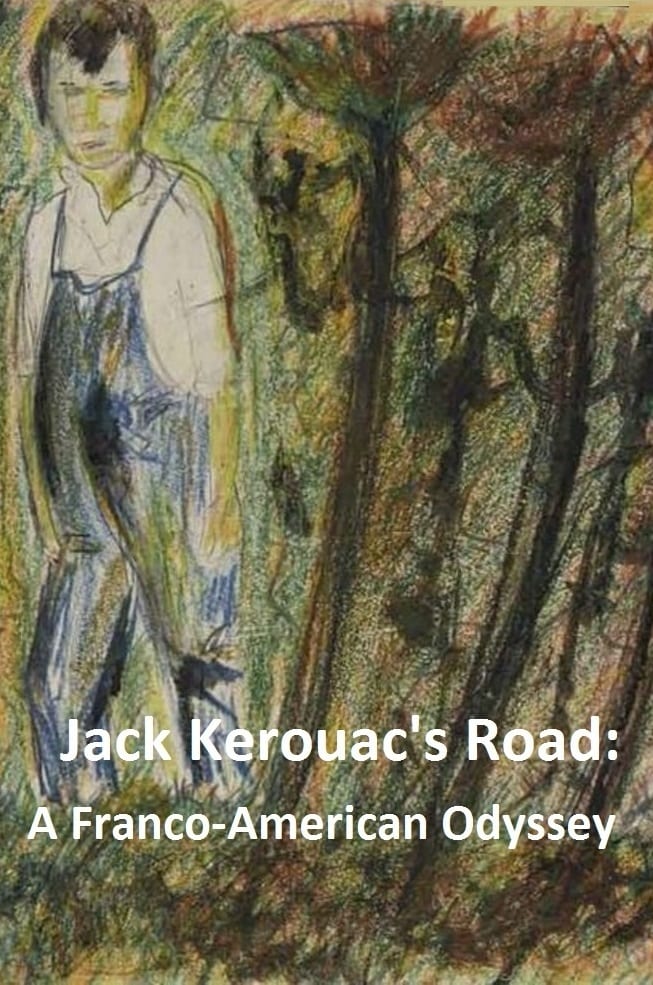
Part documentary, part drama, this film presents the life and work of Jack Kerouac, an American writer with Québec roots who became one of the most important spokesmen for his generation. Intercut with archival footage, photographs and interviews, this film takes apart the heroic myth and even returns to the childhood of the author whose life and work contributed greatly to the cultural, sexual and social revolution of the 1960s.
A Circle-Vision 360 degree film capturing the sites, sounds, and people of Canada.
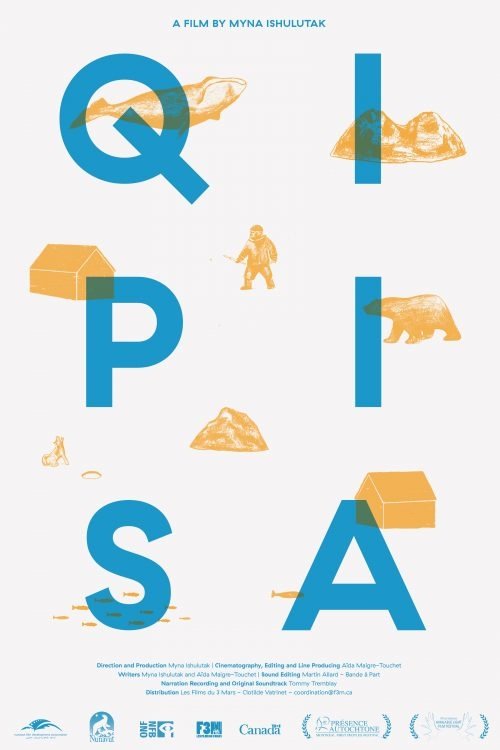
The director goes back to her roots in Pangnirtung, amongst her family and community. It leads her to another journey: to Qipisa, the outpost camp from where they were uprooted.
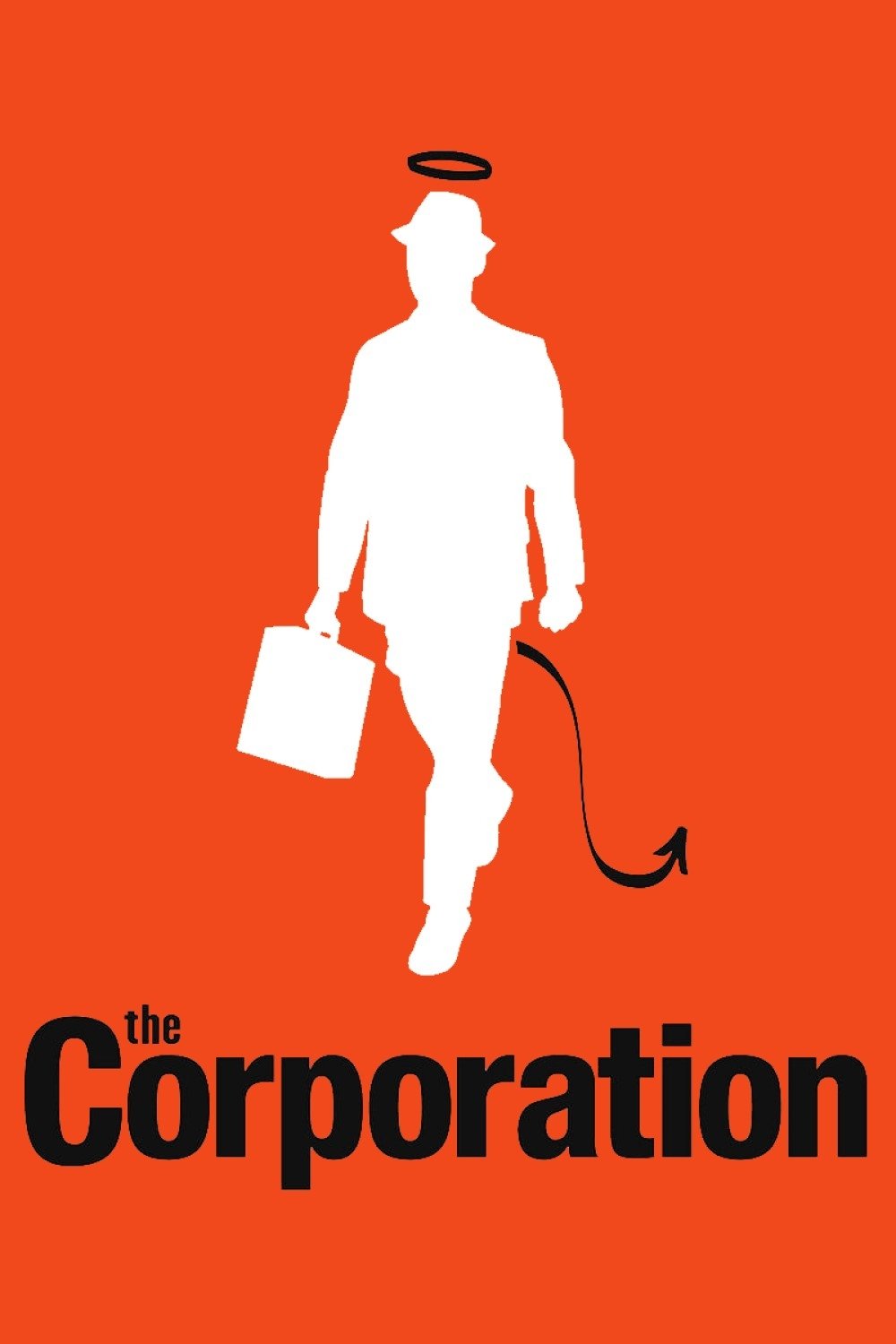
Since the late 18th century American legal decision that the business corporation organizational model is legally a person, it has become a dominant economic, political and social force around the globe. This film takes an in-depth psychological examination of the organization model through various case studies. What the study illustrates is that in the its behaviour, this type of "person" typically acts like a dangerously destructive psychopath without conscience. Furthermore, we see the profound threat this psychopath has for our world and our future, but also how the people with courage, intelligence and determination can do to stop it.
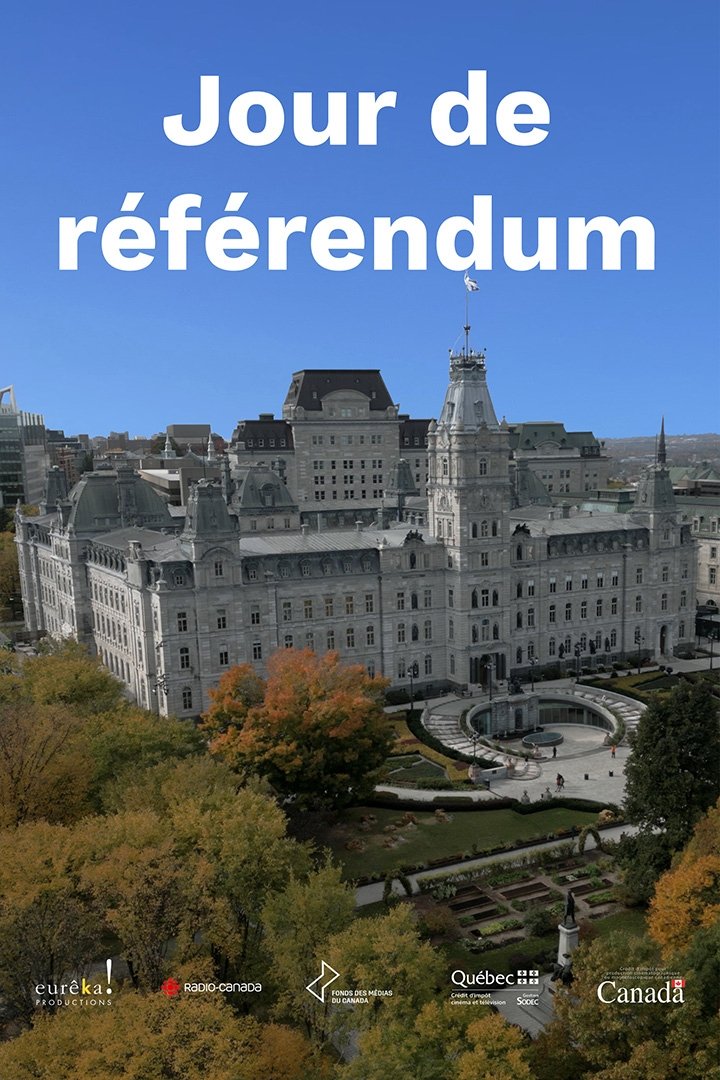
On the morning of October 30, 1995, tension was palpable throughout Quebec. On this Referendum Day, 15 years after René Lévesque chanted "À la prochaine fois!", would the people of Quebec say yes or no to their independence?
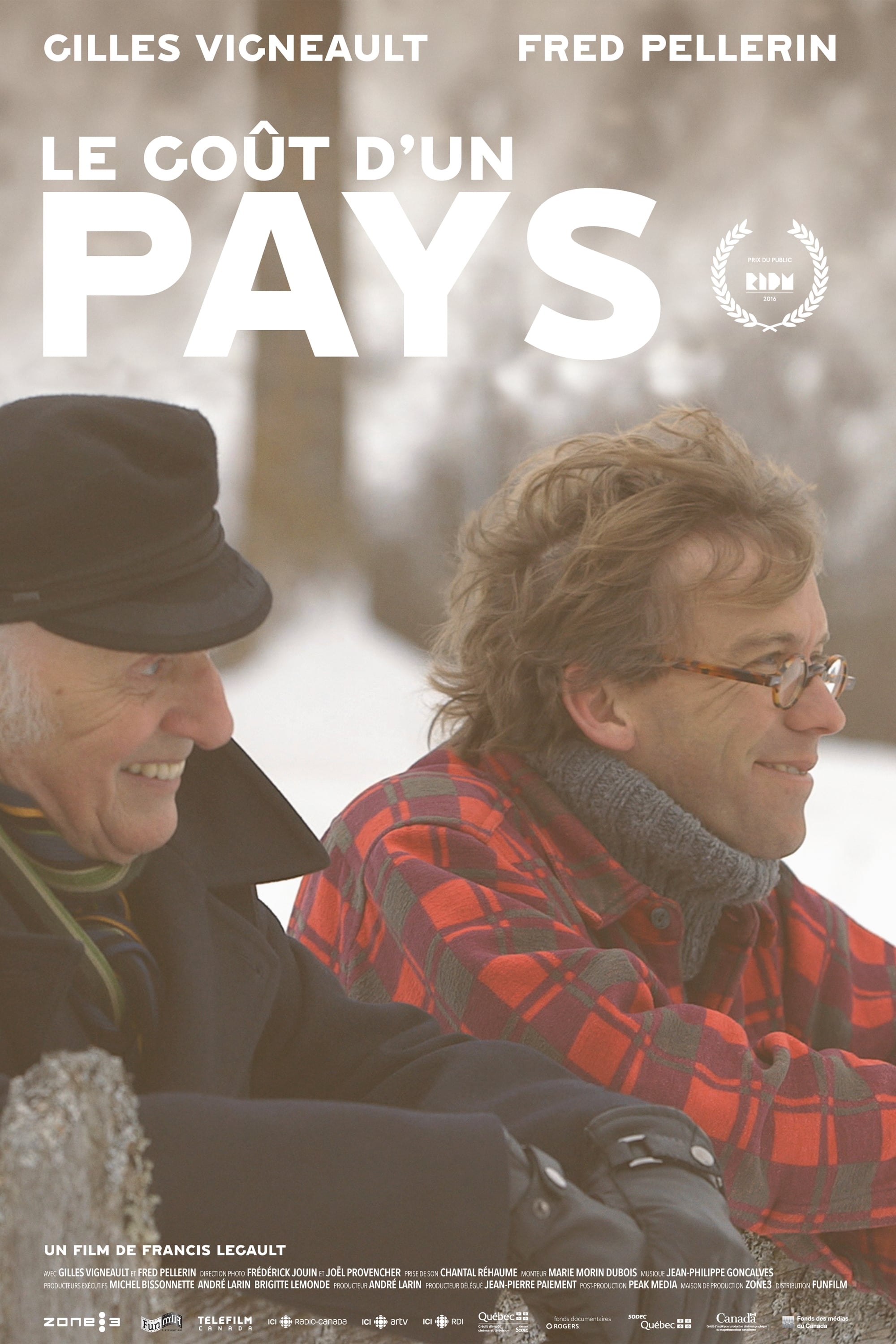
Focused on an inspiring and touching dialogue between Gilles Vigneault and Fred Pellerin, the documentary tells the story of Quebec by digging deep into an ancestral tradition etched into our cultural DNA: the production of maple syrup.
A 1962 West German documentary film directed by Hermann Leitner and Rudolf Nussgruber.
In the last week of May, the whole of India prays for the onset of the monsoon. Without its life-giving rains, the nation would become a land of dry wells and deserts. Writer Alexander Frater awaits the 'burst' at the southernmost tip of India, then travels with it on its dramatic journey north, witnessing the monsoon's towering influence on every aspect of Indian life.
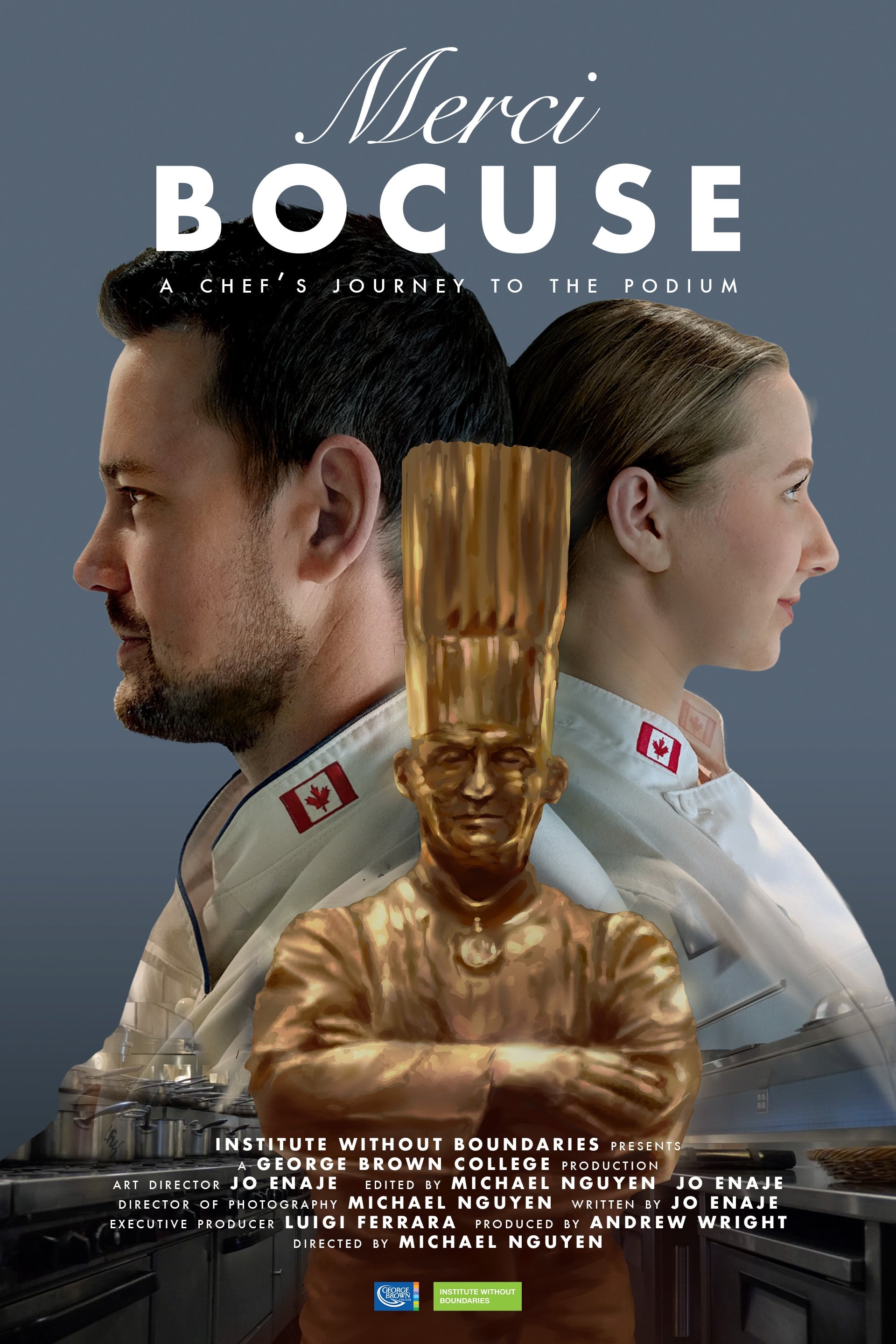
A young and ambitious team of chefs face the life-changing challenges of competing in the world's most prestigious culinary competition.
Revisiting her film set photos, director Léa Pool reflects on her prolific career. The filmmaker left Switzerland at the age of 25 to settle in Quebec and embark on a surprising career. She reinvents herself from film to film, exploring themes that deeply resonate with her: identity, exile, maternal absence, transitional spaces... In both documentary and fiction, she has directed 20 feature films that feature strong female characters and contemporary issues. Somewhere between a masterclass and an intimate conversation, this documentary invites Léa to share her cinematic journey in front of the camera.
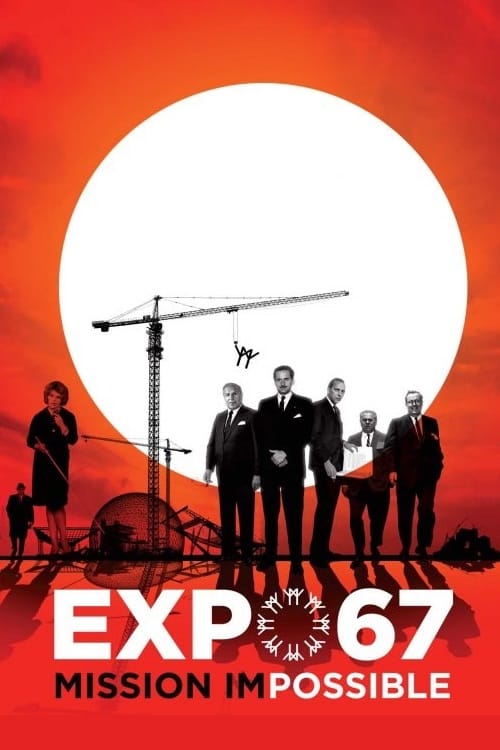
This documentary let us to relive the challenge of the men behind the 1967 Universal Exposition in Montréal, Canada. By searching trough 80,000 archival documents at the national Archives, they managed to bring light on one of the biggest logistical and political challenges that were faced by organizers during the "Révolution Tranquille" in the Québec sixties. Includes the accounts of the Chief of Advertising Yves Jasmin, and businessman Philippe de Gaspé Beaubien.
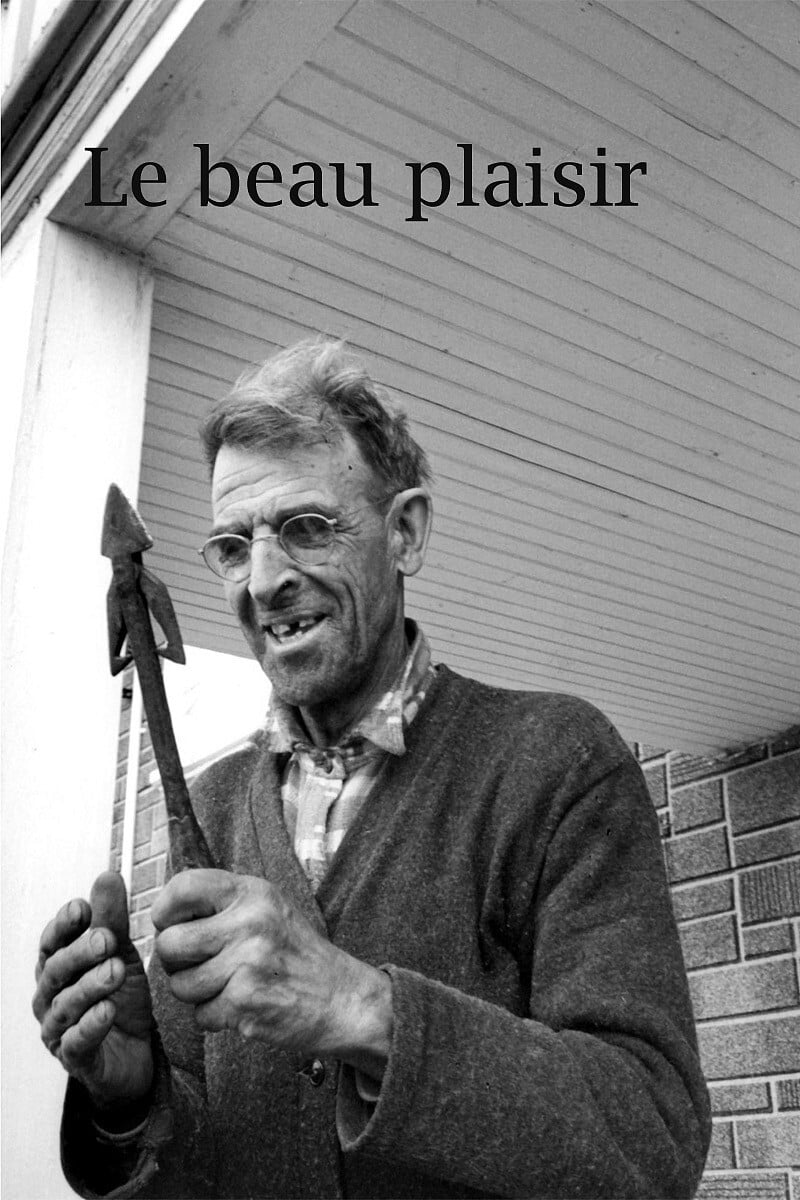
From the lower St. Lawrence, a picture of whale hunting that looks more like a round-up, with a corral, whale-boys and all. In 1534, when he stopped at the island he named l'Île-aux-Coudres, Jacques Cartier saw how the Indians captured the little white beluga whales by setting a fence of saplings into off-shore mud. In the film, the islanders show that the old method still works, thanks to the trusting 'sea-pigs,' the same old tide, and a little magic.
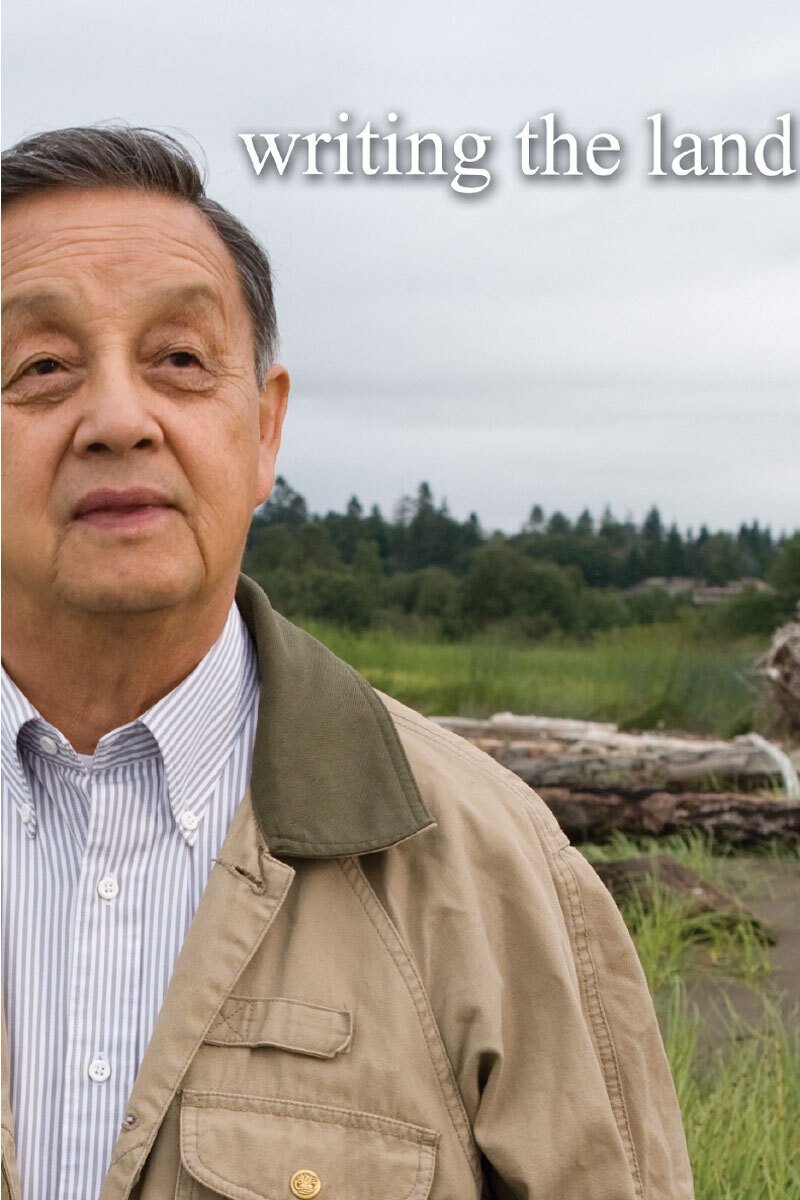
In this short documentary, a Musqueam elder rediscovers his Native language and traditions in the city of Vancouver, in the vicinity of which the Musqueam people have lived for thousands of years. Writing the Land captures the ever-changing nature of a modern city - the glass and steel towers cut against the sky, grass, trees and a sudden flash of birds in flight and the enduring power of language to shape perception and create memory.
Michel is the charismatic subject of this documentary about following your sex drive. Sharing unique life experiences with great verve, an aging lothario strikes an honest and simply unforgettable pose.
A promotional video produced by the Alberta government in 1975, "The time of the tar sands", featuring Gordon Pinsent. credit: Archives of Alberta.
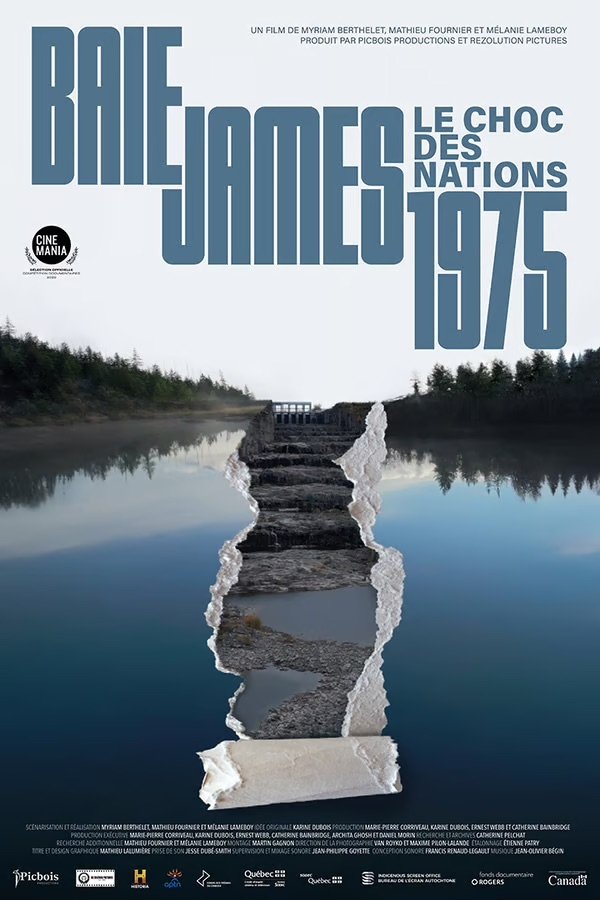
A dive into the origins of two revolutions: the rapid expansion of Hydro-Québec with the construction of the La Grande hydroelectric power plant, a project championed by Premier Robert Bourassa, and the awakening of Indigenous nations. A clash of civilizations where two worldviews collide. Quebec, buoyed by the momentum of the Quiet Revolution, takes control of its destiny. Meanwhile, in the North, young Inuit and Cree rise up for the first time to protect what is most precious to them: their land and their culture. At the heart of the conflict is the James Bay construction site, the largest of its kind in North America.
In the Realms of the Unreal is a documentary about the reclusive Chicago-based artist Henry Darger. Henry Darger was so reclusive that when he died his neighbors were surprised to find a 15,145-page manuscript along with hundreds of paintings depicting The Story of the Vivian Girls, in What is Known as the Realms of the Unreal, of the Glodeco-Angelinnian War Storm, Cased by the Child Slave Rebellion.
Alexander McQueen's rags-to-riches story is a modern-day fairy tale, laced with the gothic. Mirroring the savage beauty, boldness and vivacity of his design, this documentary is an intimate revelation of McQueen's own world, both tortured and inspired, which celebrates a radical and mesmerizing genius of profound influence.
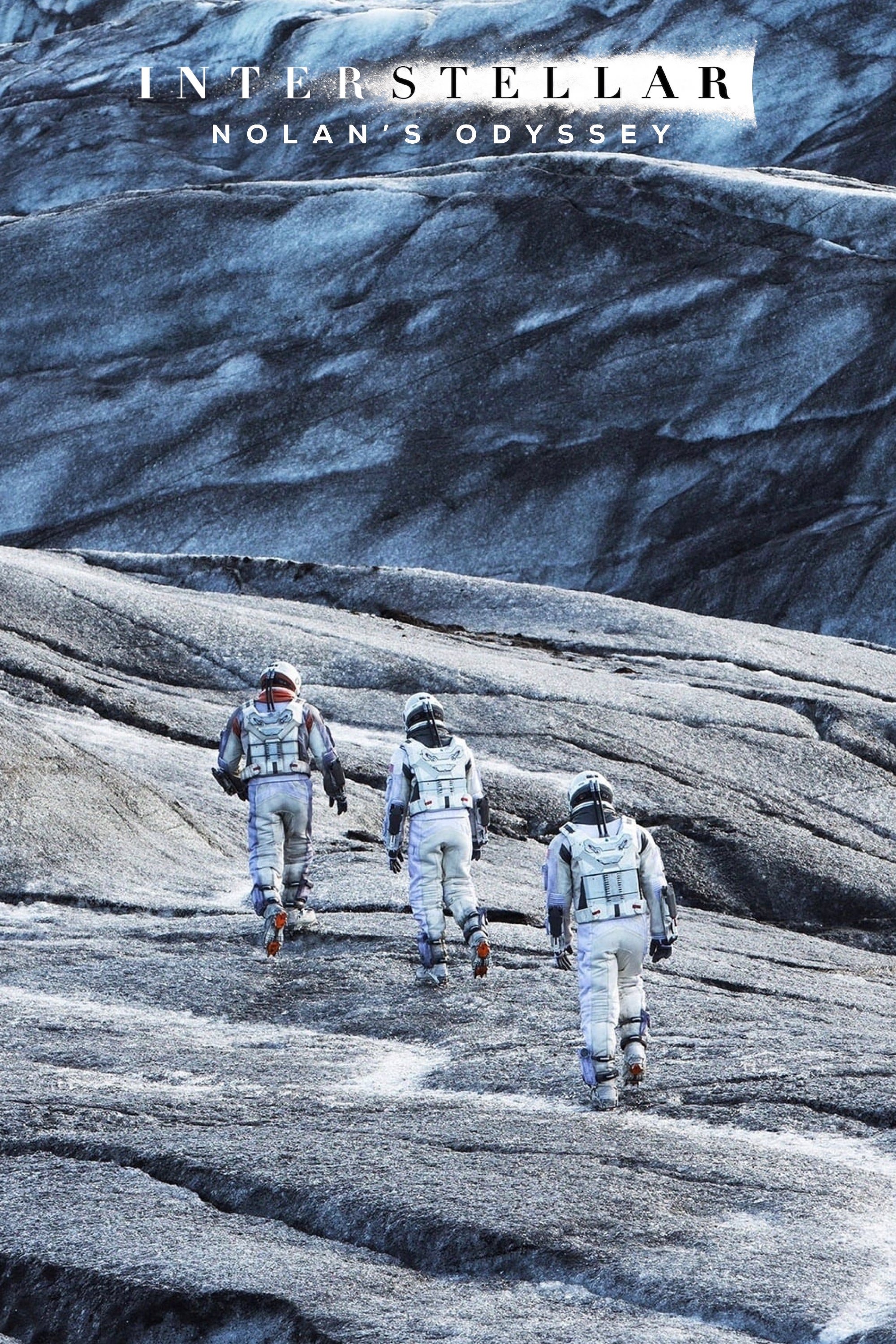
A look behind the lens of Christopher Nolan's space epic.
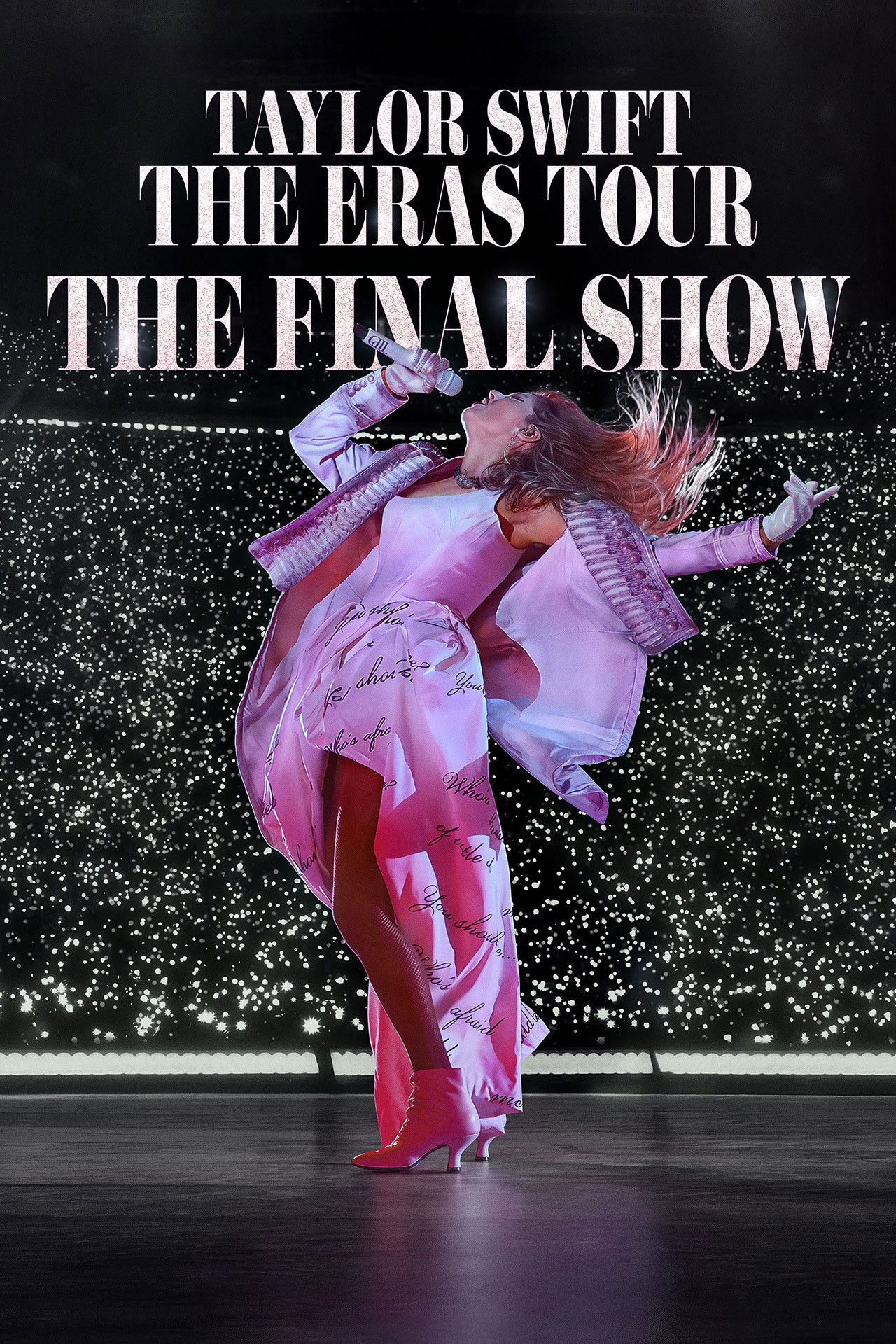
Filmed at the end of the tour in Vancouver, B.C., with the entire Tortured Poets Department set.
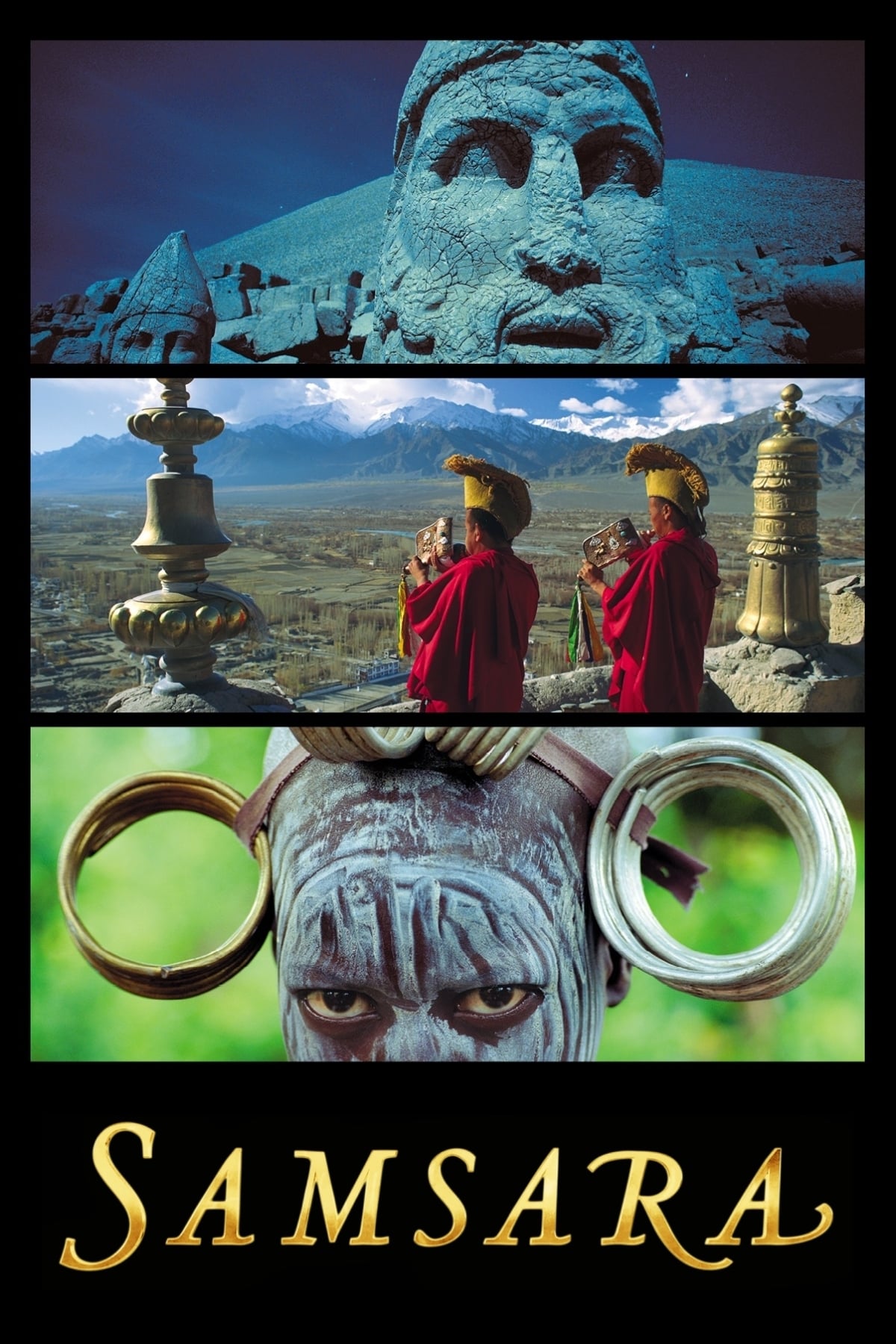
Filmed over nearly five years in twenty-five countries on five continents, and shot on seventy-millimetre film, Samsara transports us to the varied worlds of sacred grounds, disaster zones, industrial complexes, and natural wonders.
Those who knew iconic funnyman John Candy best share his story, in their own words, through never-before-seen archival footage, imagery, and interviews.
The film follows adventurer Jeff Johnson as he retraces the epic 1968 journey of his heroes Yvon Chouinard and Doug Tompkins to Patagonia.
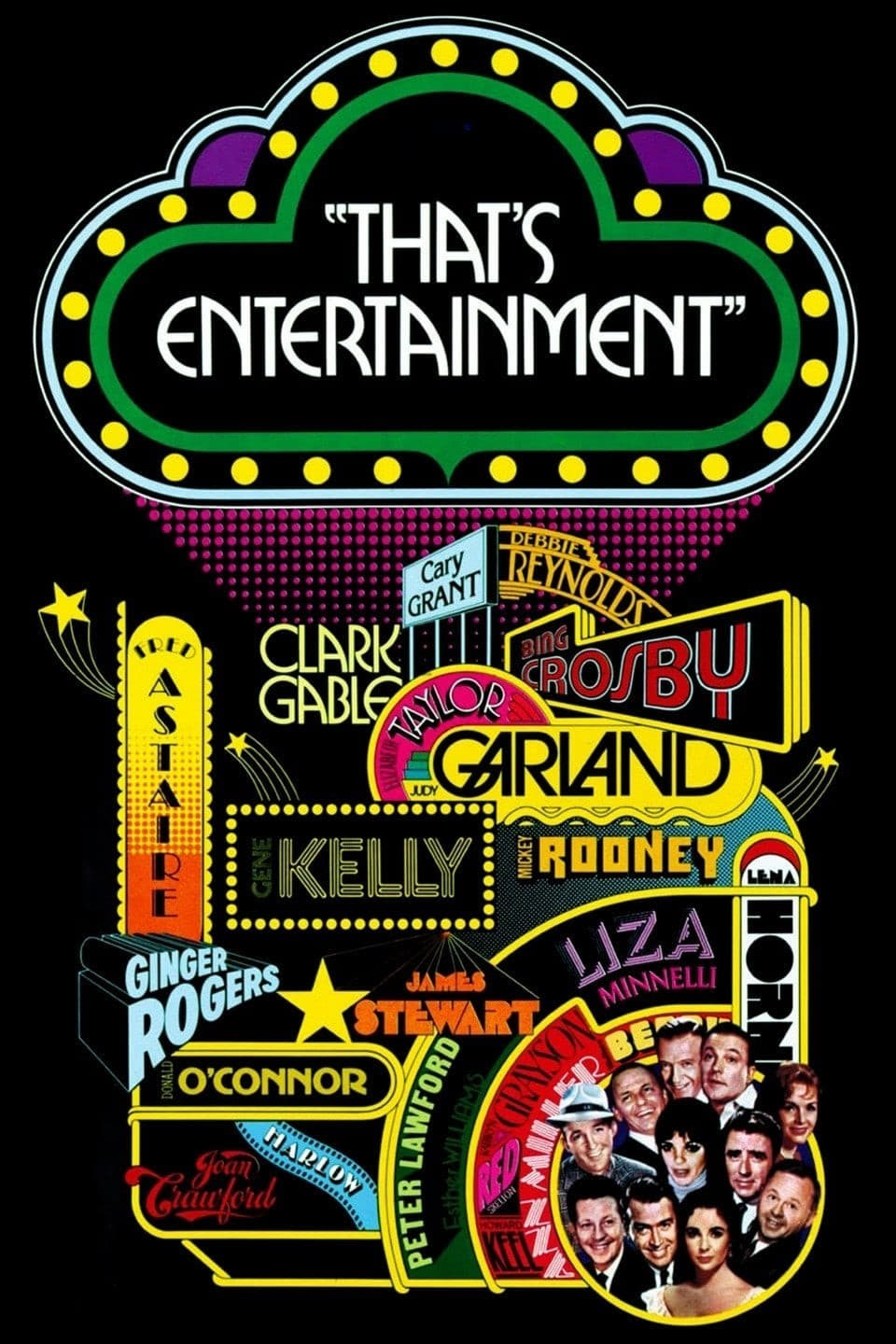
Various MGM stars from yesterday present their favorite musical moments from the studio's 50 year history.
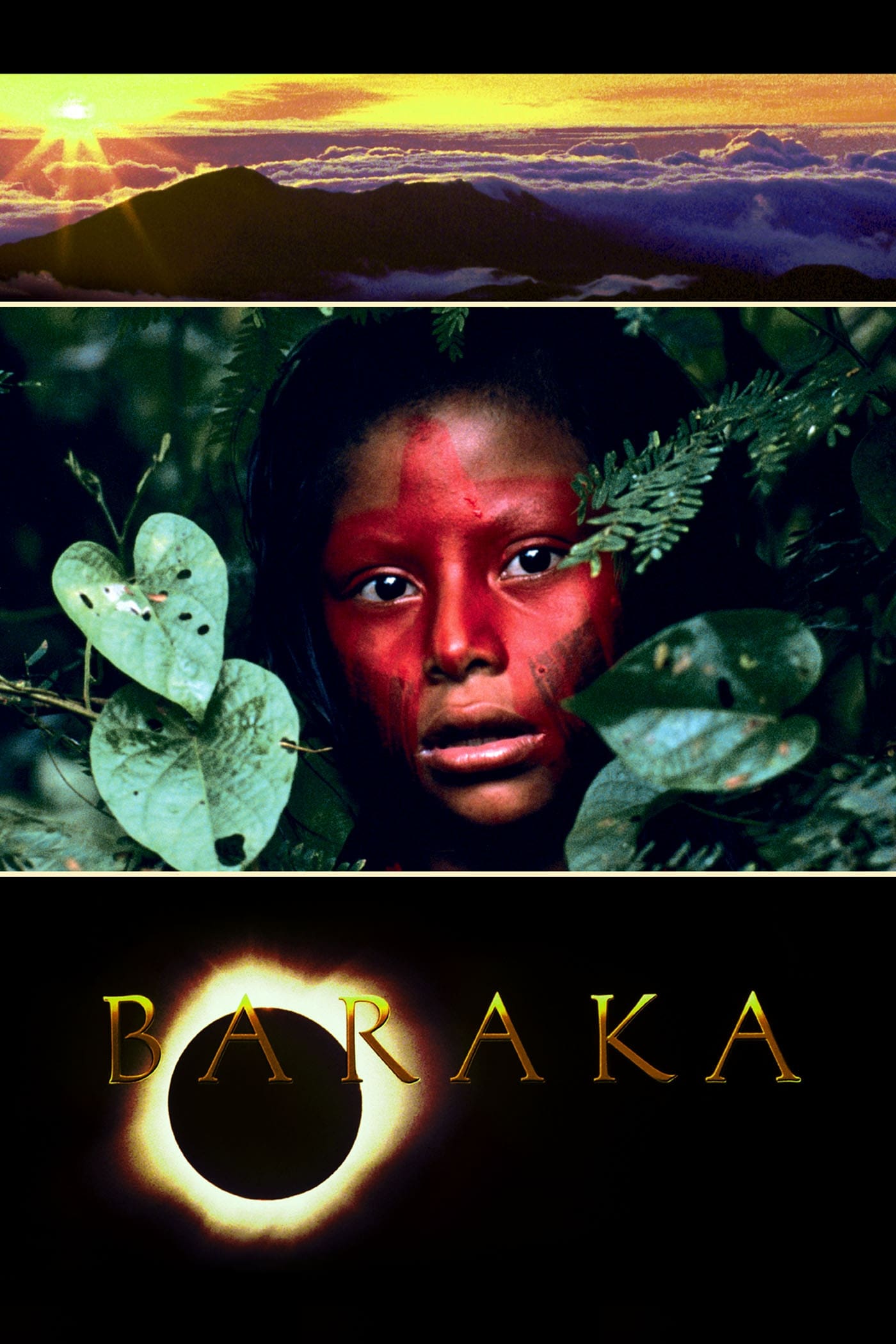
A paralysingly beautiful documentary with a global vision—an odyssey through landscape and time—that attempts to capture the essence of life.
Through deeply personal interviews with her siblings and an examination of the photographs, letters, and belongings left behind, Mariska assembles a new portrait of her mother Jayne Mansfield, an extraordinary and complex woman.
An inside look at one of the most anticipated movie sequels ever with James Cameron and cast.
A documentary about the life and films of director John Ford.
Interviews with leading authors, philosophers and scientists, with an in-depth discussion of the Law of Attraction. The audience is shown how they can learn and use 'The Secret' in their everyday lives.
SEDUCED AND ABANDONED combines acting legend Alec Baldwin with director James Toback as they lead us on a troublesome and often hilarious journey of raising financing for their next feature film. Moving from director to financier to star actor, the two players provide us with a unique look behind the curtain at the world's biggest and most glamourous film festival, shining a light on the bitter-sweet relationship filmmakers have with Cannes and the film business. Featuring insights from directors Martin Scorsese, 'Bernando Bertolucci' and Roman Polanski; actors Ryan Gosling and Jessica Chastain and a host of film distribution luminaries.
"One Direction: This Is Us" is a captivating and intimate all-access look at life on the road for the global music phenomenon. Weaved with stunning live concert footage, this inspiring feature film tells the remarkable story of Niall, Zayn, Liam, Harry and Louis' meteoric rise to fame, from their humble hometown beginnings and competing on the X-Factor, to conquering the world and performing at London’s famed O2 Arena. Hear it from the boys themselves and see through their own eyes what it's really like to be One Direction.
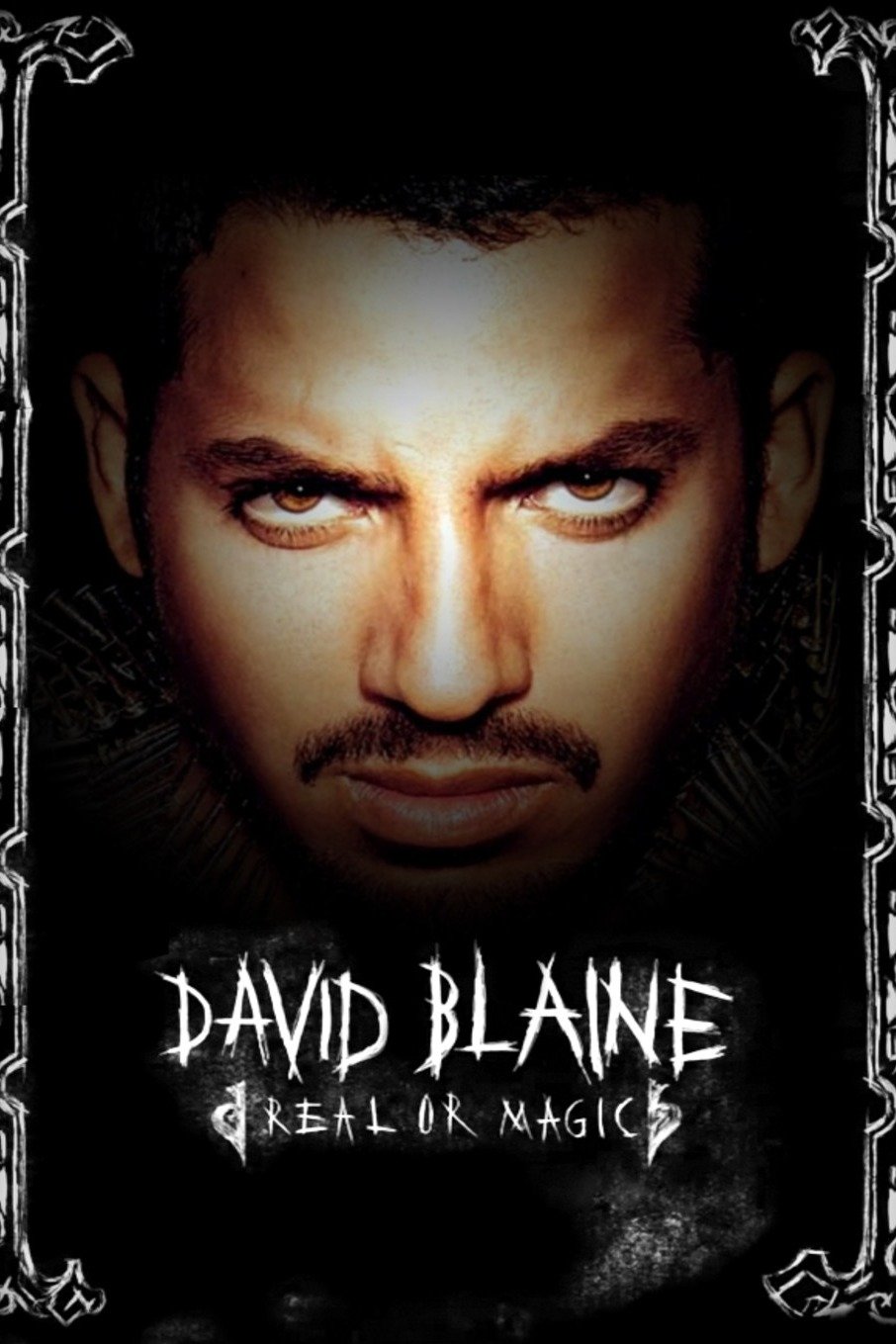
David Blaine's signature brand of street magic mystifies the most recognisable celebrities in the world, such as Jamie Foxx, Bryan Cranston, Aaron Paul, Ricky Gervais, Katy Perry, Woody Allen, and Robert DeNiro, to name a few. He goes to the homes of Kanye West and Harrison Ford, Will Smith and Olivia Wilde. He pays a visit to Stephen Hawking at his office in Cambridge University. Blaine also travels the world, astonishing people from all walks of life with never-before seen, inconceivable magic.
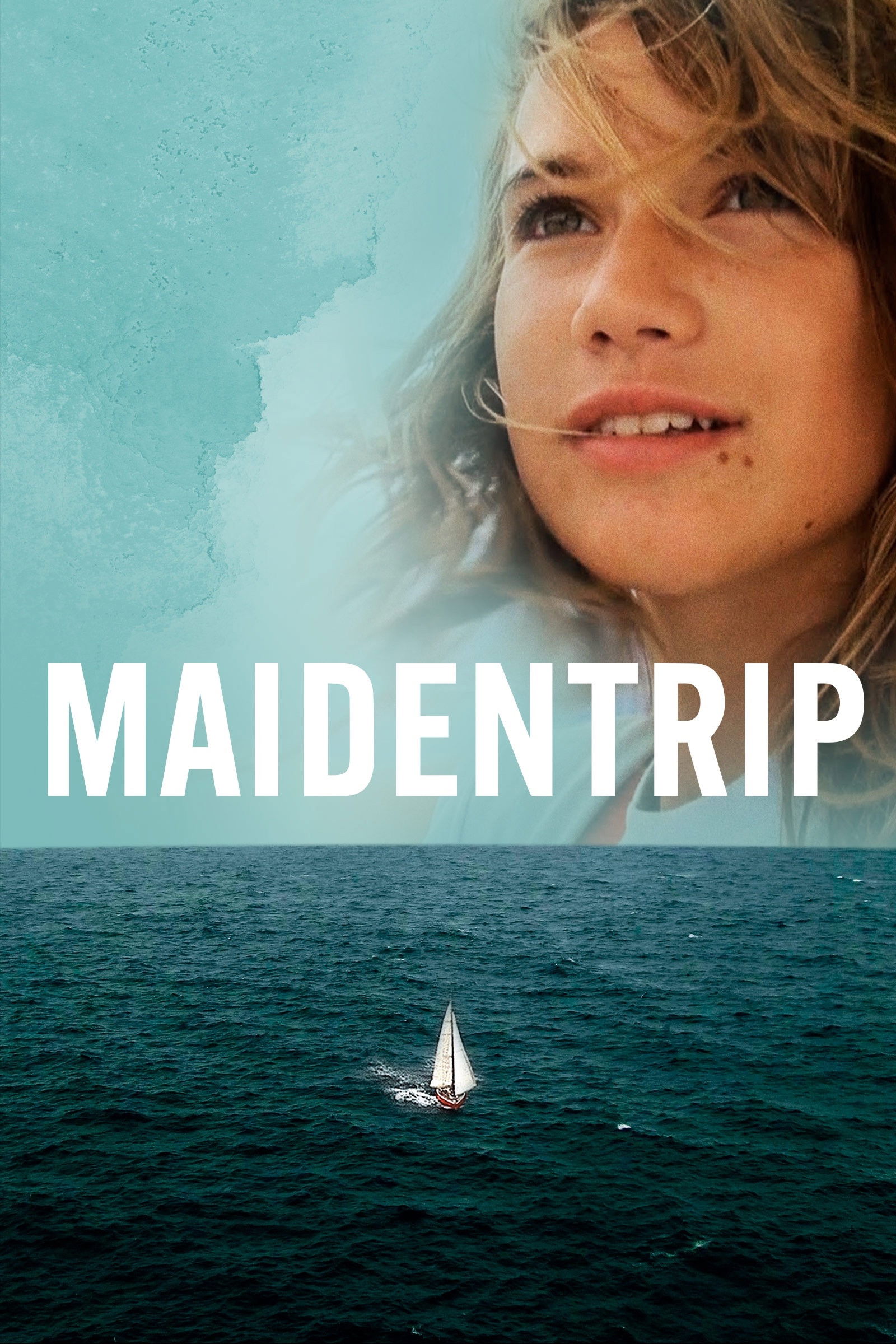
14-year-old Laura Dekker sets out on a two-year voyage in pursuit of her dream to become the youngest person ever to sail around the world alone.
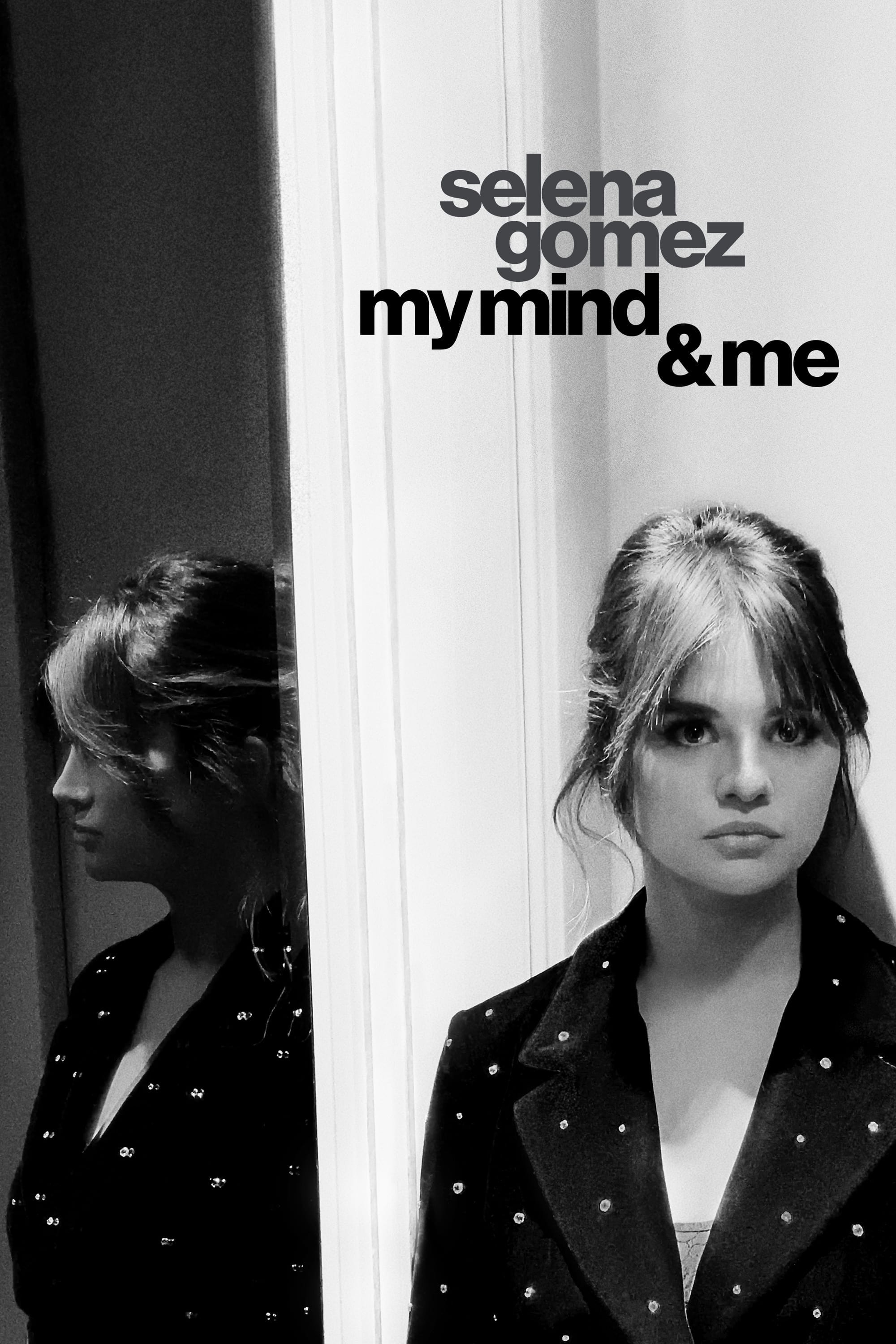
After years in the limelight, Selena Gomez achieves unimaginable stardom. But just as she reaches a new peak, an unexpected turn pulls her into darkness. This uniquely raw and intimate documentary spans her six-year journey into a new light.
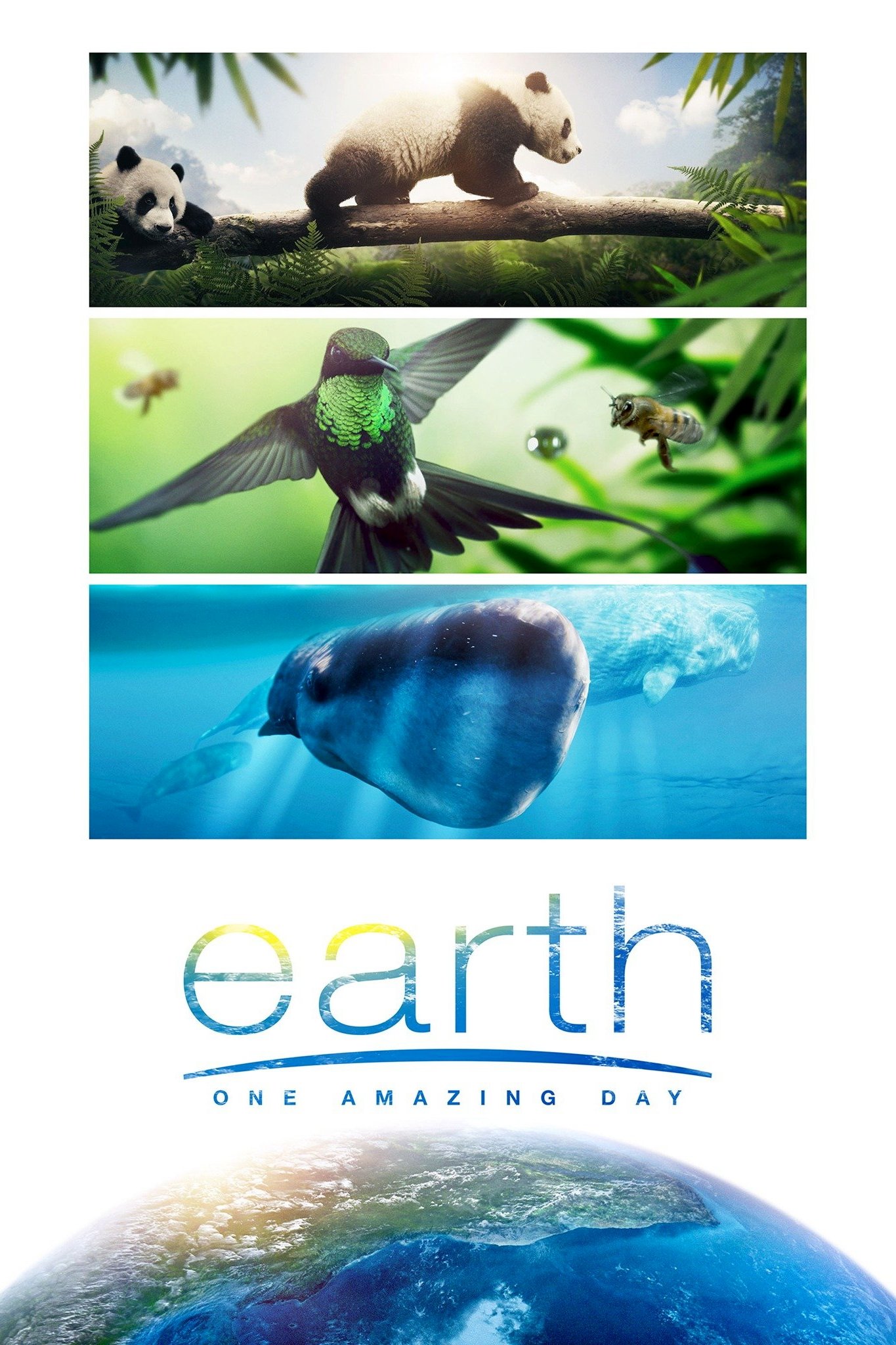
An astonishing journey revealing the awesome power of the natural world. Over the course of one single day, we track the sun from the highest mountains to the remotest islands to exotic jungles.
Join the likes of Jeremy Renner, Hailee Steinfeld, Florence Pugh, and Vincent D’Onofrio as they reveal how Marvel Studios’ “Hawkeye” was conceived and created. Witness firsthand what it took to pull off the show’s pulse-pounding action set pieces, and discover how iconic characters from the pages of Marvel Comics such as Kate Bishop were adapted and brought to life for the six-episode series.