"1976"
TianAnMen sqaure documentary. About the Chinese goverment actions taken against its protestors in 1976.
Social & External
The true story of the seven weeks that changed China forever. On June 4, 1989, pro-democracy demonstrations were violently and bloodily repressed. Thousands of people died, but the basis for China's future was definitely planted.
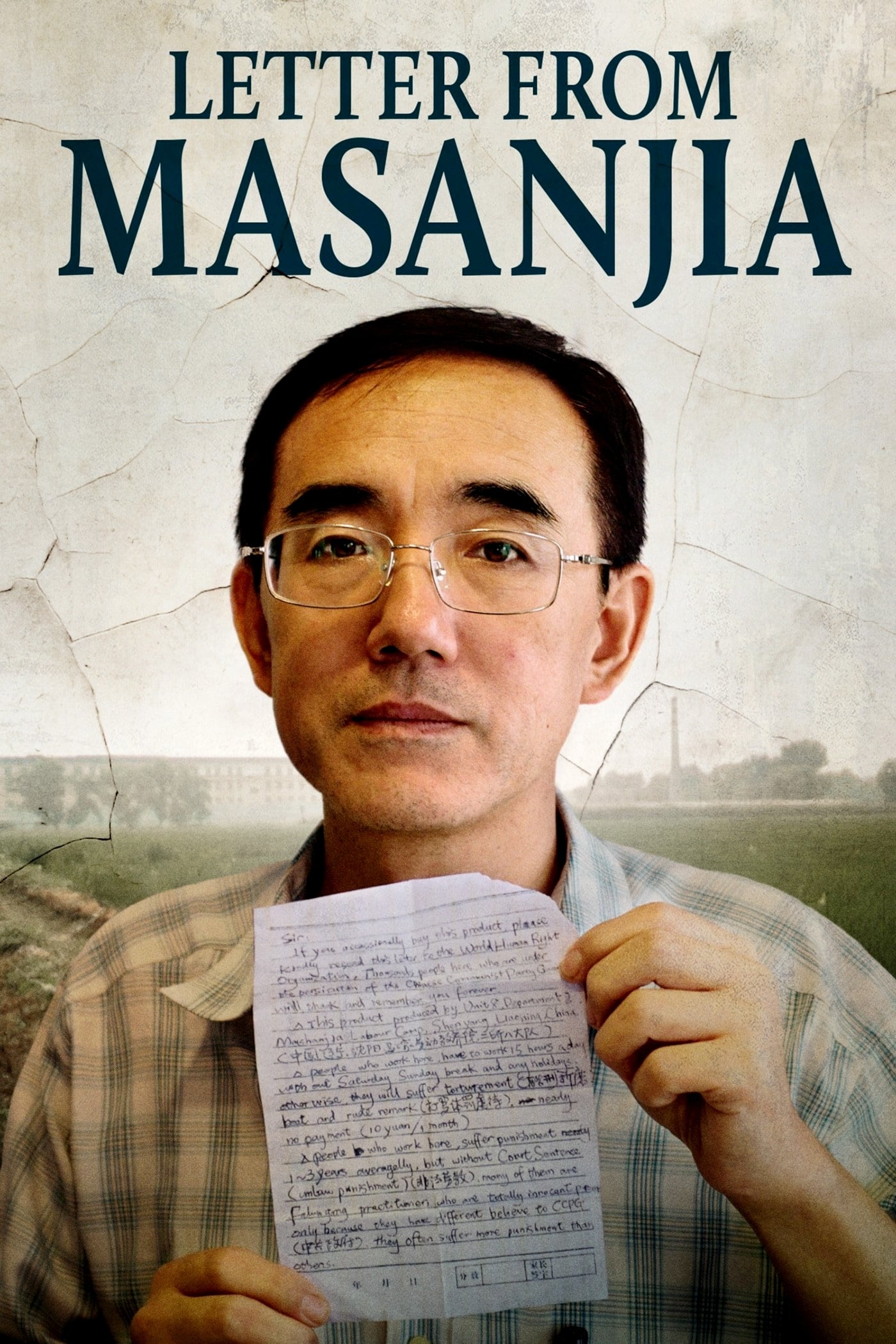
Damascus, Oregon, United States. Julie Keith finds a baffling message hidden in a pack of decorative items, a desperate plea for help, written by someone imprisoned in a Chinese labor camp called Masanjia…
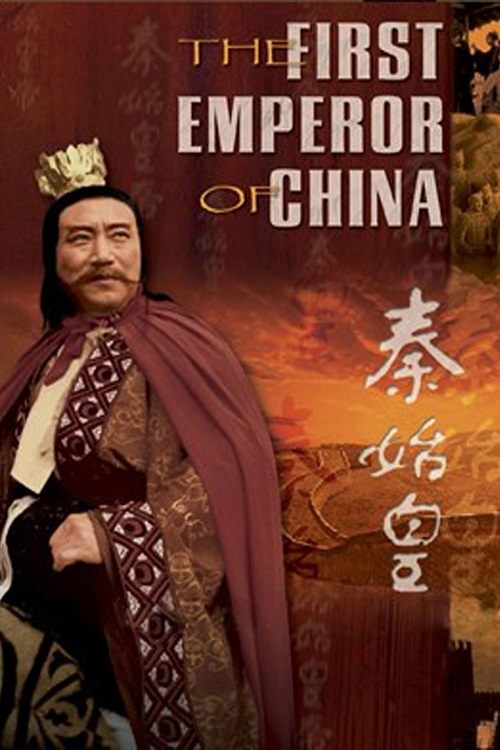
Docu-drama profiling Ying Sheng, the first Emperor of China. Charting the life of the man who unified China, this documentary begins with the future Emperor's rise to power after the death of his father, becoming King of Qin at the age of thirteen. Mostly told through the use of re-enactments, the story continues to the present day and the discovery of the Emperor's tomb and terracotta army in 1974.
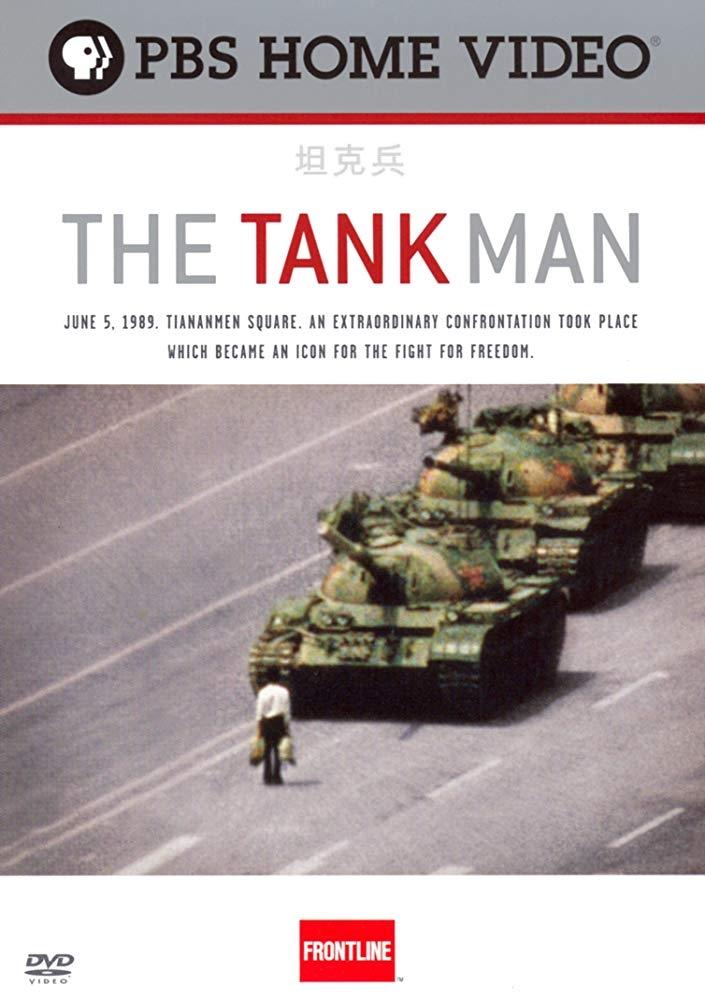
On June 5, 1989, one day after Chinese troops expelled thousands of demonstrators from Tiananmen Square in Beijing, a solitary, unarmed protester stood his ground before a column of tanks advancing down the Avenue of Eternal Peace. Captured by Western photographers watching nearby, this extraordinary confrontation became an icon of the fight for freedom around the world. FRONTLINE investigates the mystery of the tank man — his identity, his fate, and his significance for the Chinese leadership.
The story focus on Caridad and Georgina, who had learned the art of Cantonese Opera in Havana as a young age and performed as divas for over a decade before their lives were changed by Fidel Castro's revolution.
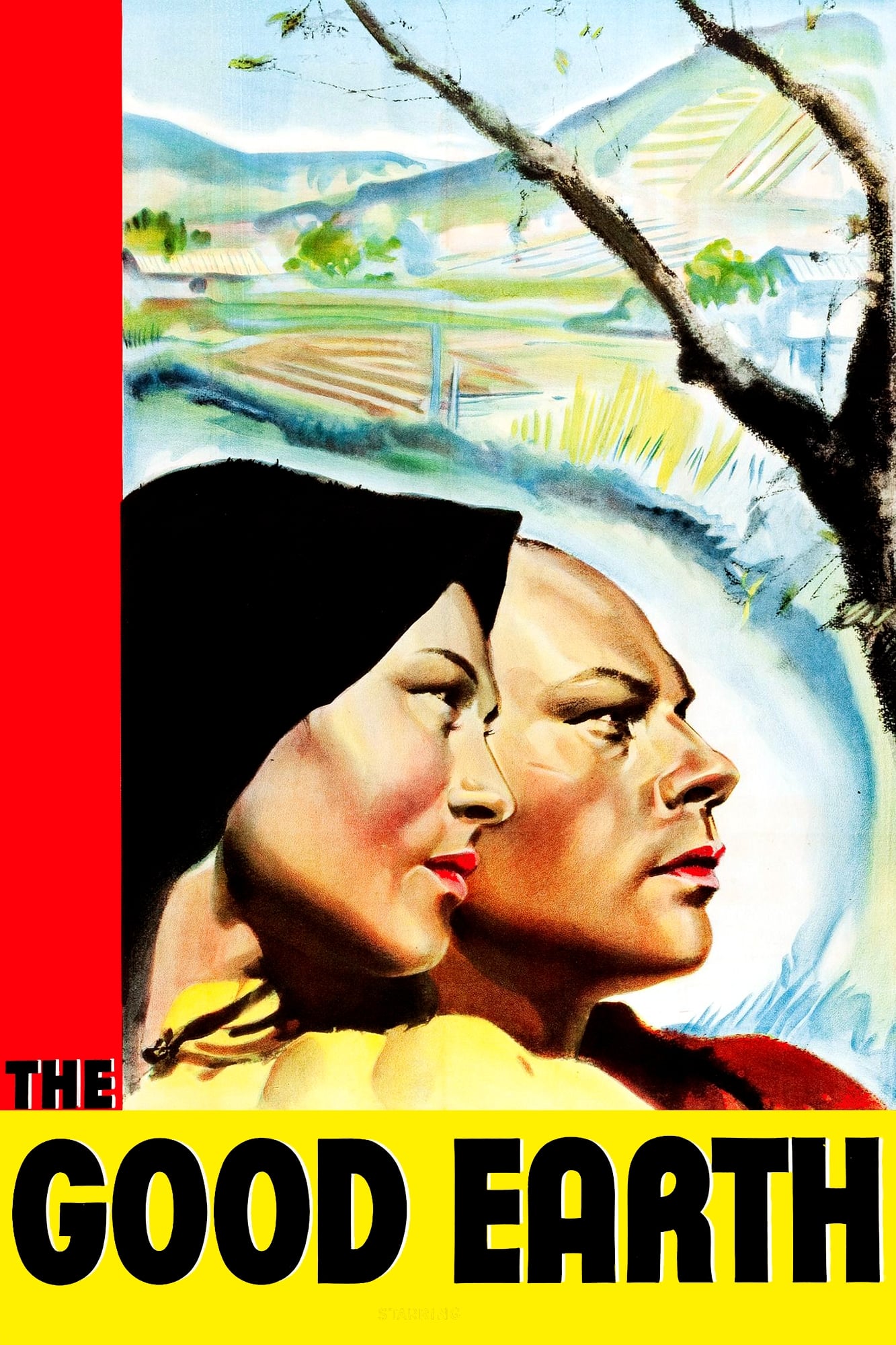
China, during the rule of the Qing Dynasty. The arranged marriage between Wang Lung, a humble farmer, and O-Lan, a domestic slave, will endure the many hardships of life over the years; but the temptations of a fragile prosperity will endanger their love and the survival of their entire family.
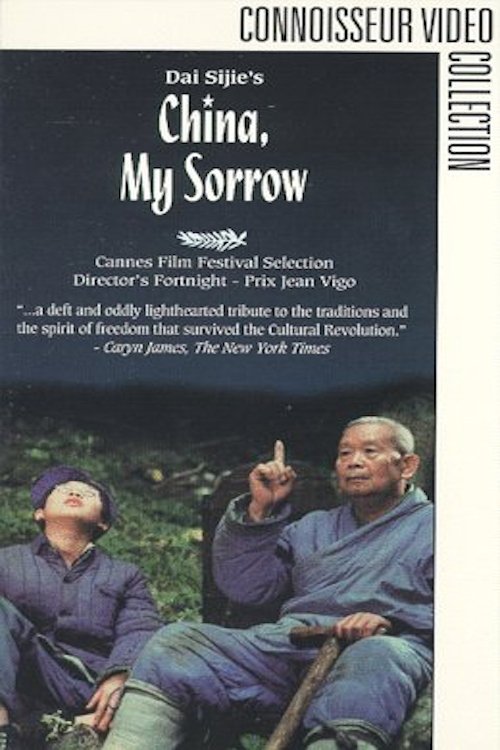
In August 1966, the Cultural Revolution in full swing, 13-year-old Tian Ben is arrested for playing a pop record; he's sent to a remote mountain camp in Niu-Peng. There he's called "Four Eyes" and, with about 16 other older boys and men, he's made to carry muck up a mountainside, make bricks, saw logs, and sing daily to Chairman Mao of his faults. There's camaraderie among the five youths, especially with a young pickpocket named Baimao, and Tian is also drawn to a silent monk who cares for him when he falls ill and the others expect him to die. The camp is remote, so there are no fences or walls. Tian longs to escape.
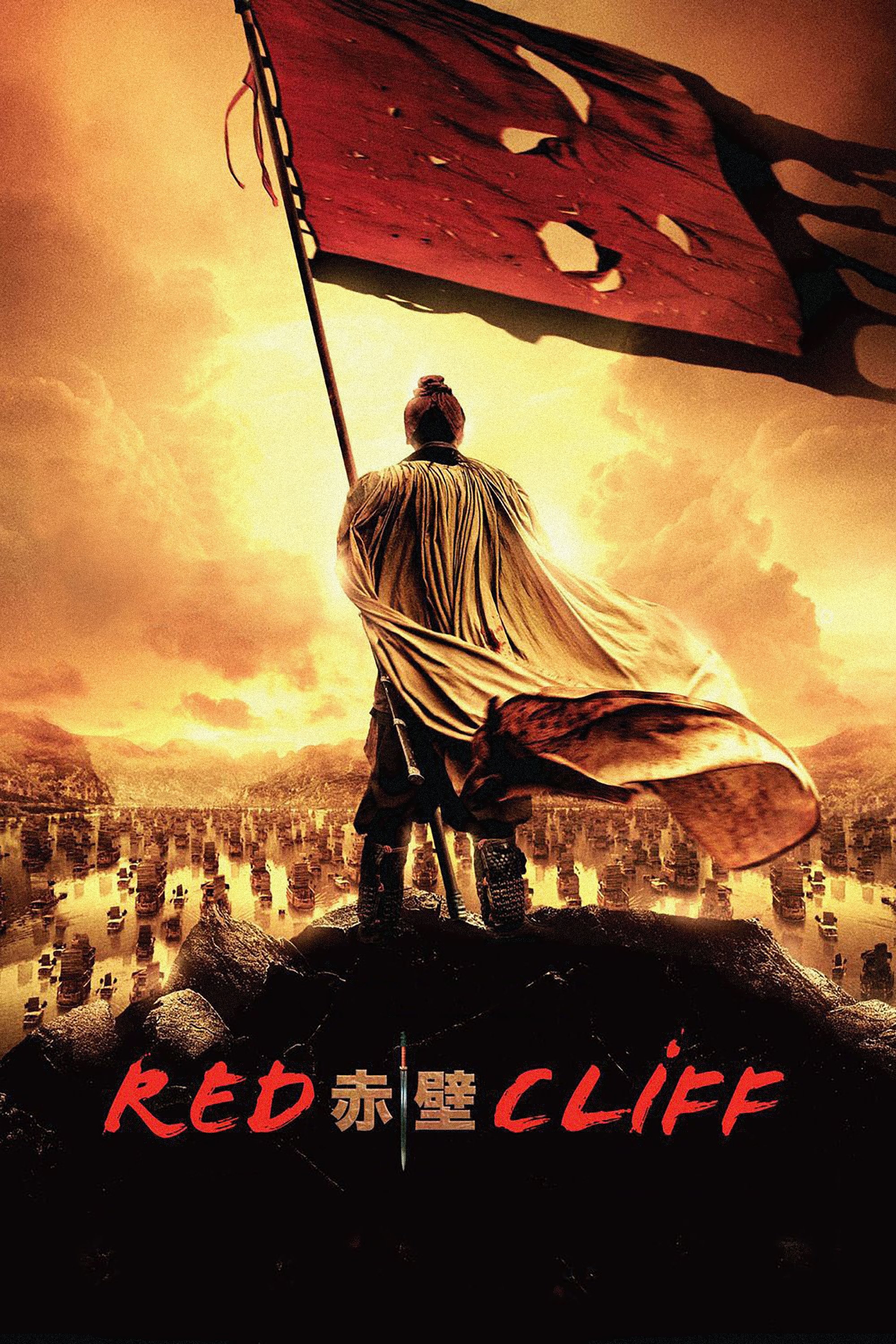
In 208 A.D., in the final days of the Han Dynasty, shrewd Prime Minster Cao convinced the fickle Emperor Han the only way to unite all of China was to declare war on the kingdoms of Xu in the west and East Wu in the south. Thus began a military campaign of unprecedented scale. Left with no other hope for survival, the kingdoms of Xu and East Wu formed an unlikely alliance.
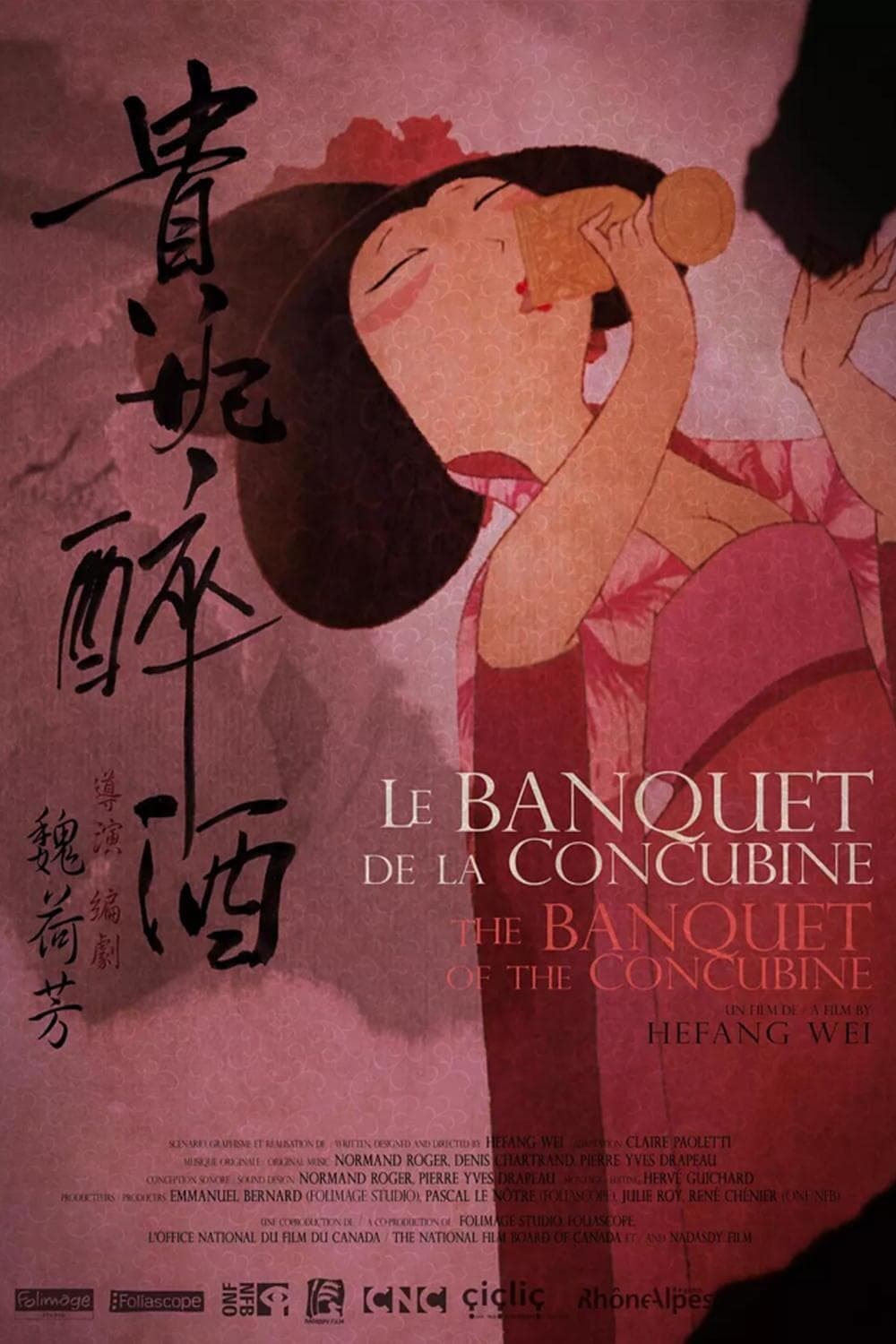
Delicately flirting with eroticism, the animated film The Banquet of the Concubine, by young Chinese director Hefang Wei, recounts one of the most famous love stories of Imperial China. In this tale of bitter jealousy, nothing can sweeten the heart of an abandoned mistress, not even the luscious lychee.
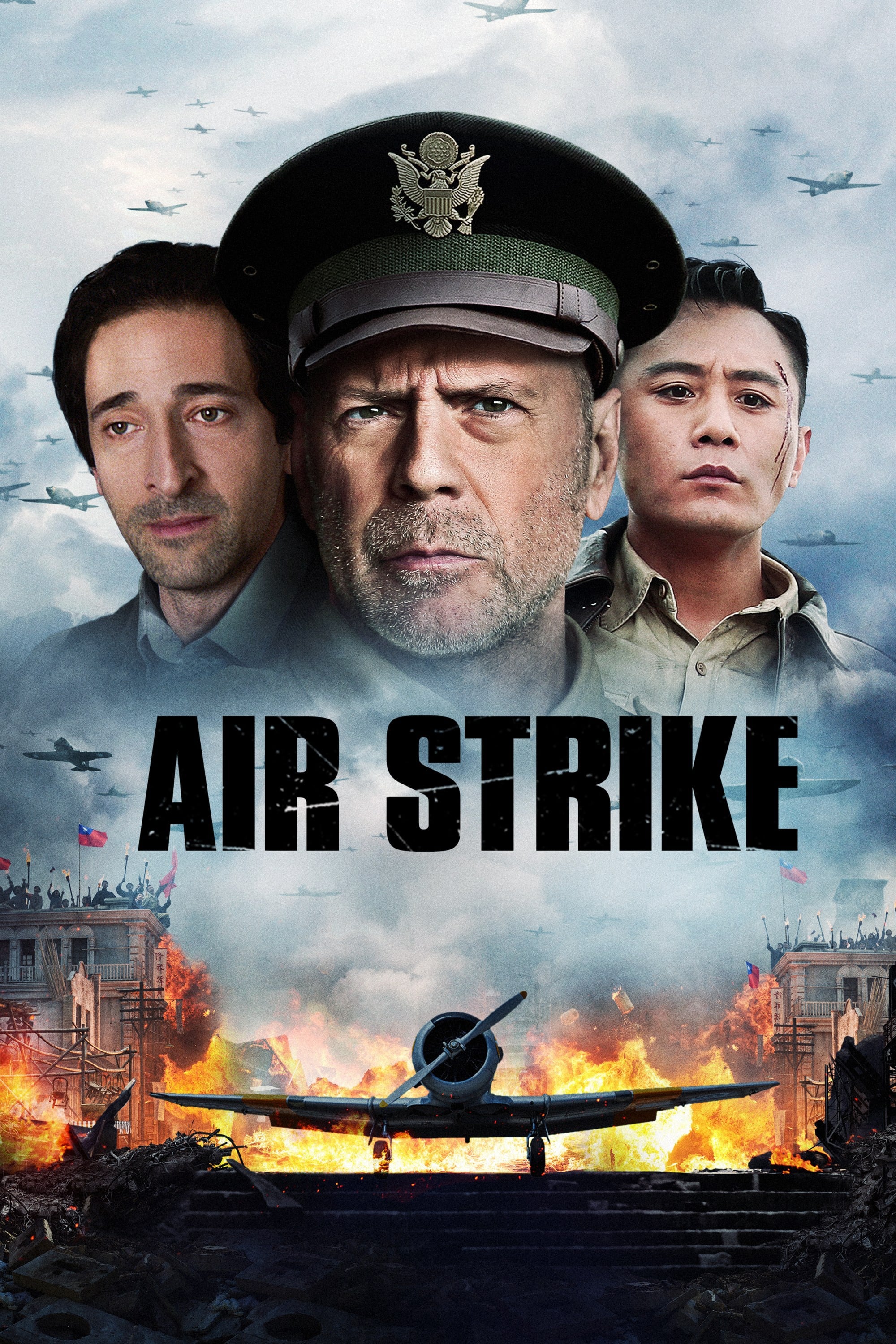
An American pilot is sent to a Chinese province to teach a crew of would-be pilots how to fly war planes against the Japanese during World War II.
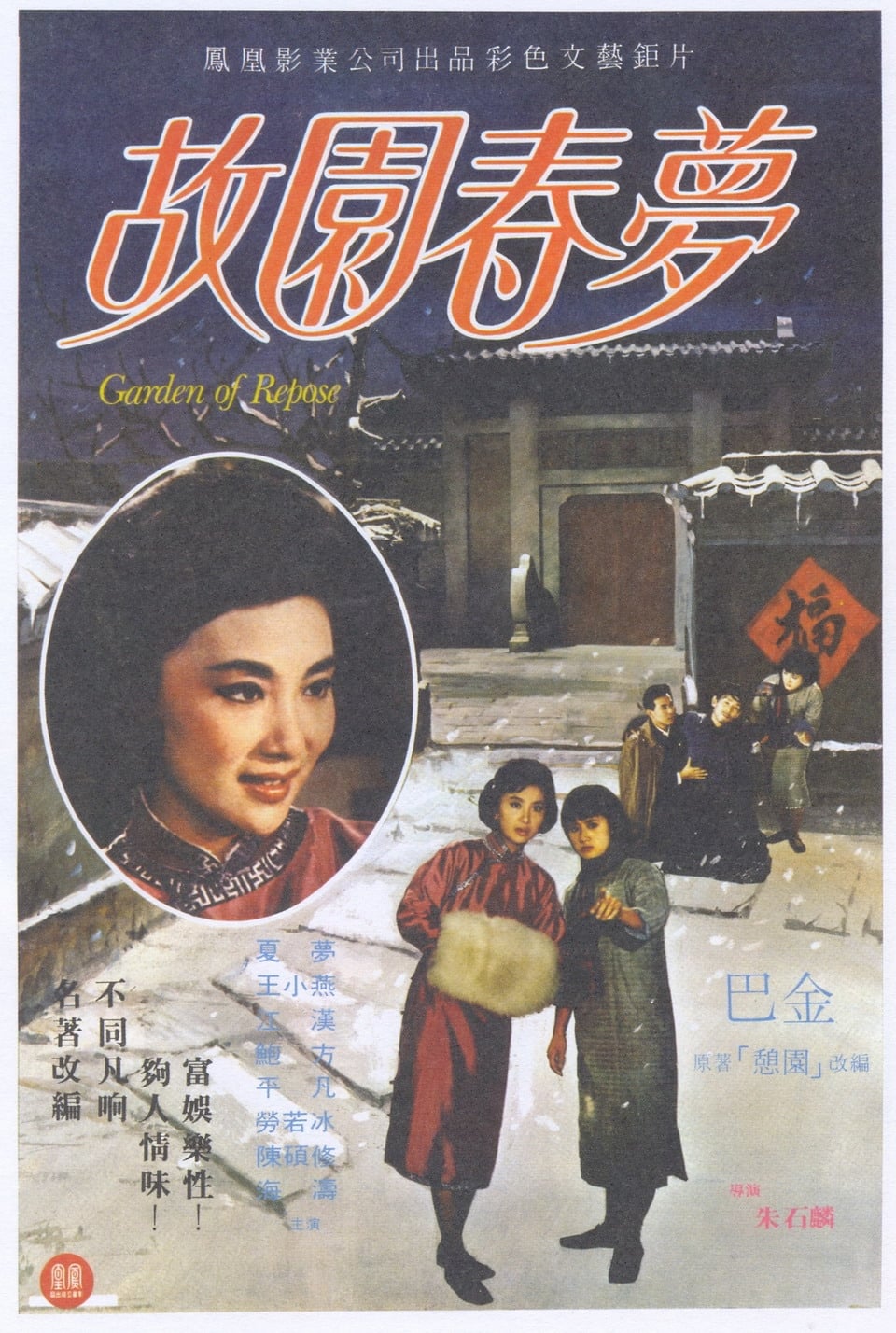
Yang Mengchi is a spoiled, rich do-nothing whose habit of smoking opium has cost him his entire fortune and the family mansion, the Garden of Repose, now due to be sold to Yao Guodong. Fearing that Yao's spoiled and unruly son Siaofu will follow in Yang's footsteps, Yao's stepwife Wan Zhaohua tries to instil discipline in the child but her efforts are undermined by the child's indulging and protective father and grandmother. Unable to reform himself despite his own son's chastisement, Yang leaves home to lead a reclusive life in a destitute temple, only helped out by his filial daughter Han'er. The poverty-stricken Yang is drafted into the army and tragedy ensues.
An early lost swordplay film from Hong Kong. It centered on Wu Lai-Chu as a swordswoman fighting evil.
World War II: a cholera epidemic ravages the streets of Beijing. A crack team of Chinese intelligence agents kidnap a Japanese general and biochemist who may hold the antidote.
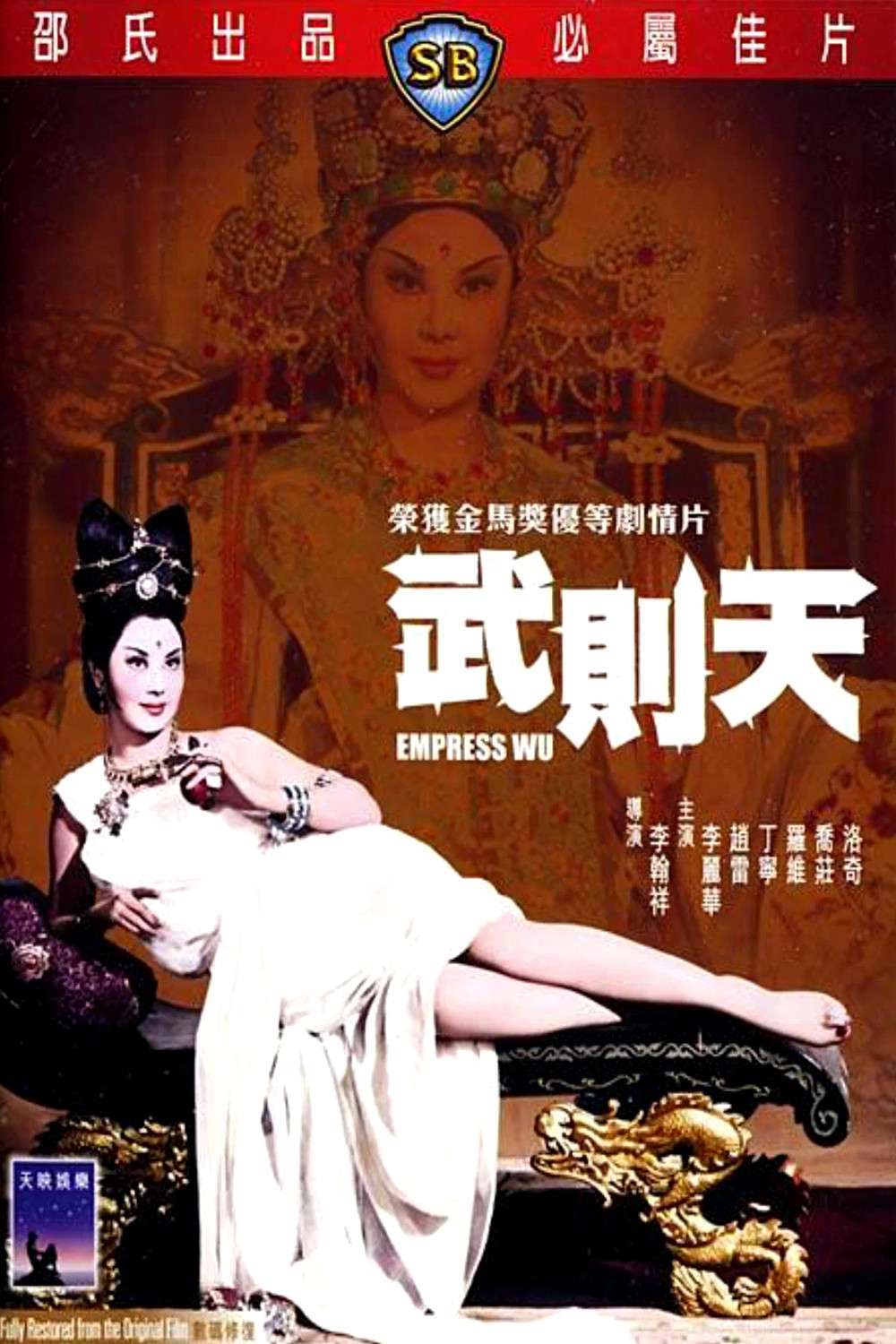
The renowned Li Li Hua plays Wu Ze Tian, the most famous woman in China's four thousand year history.
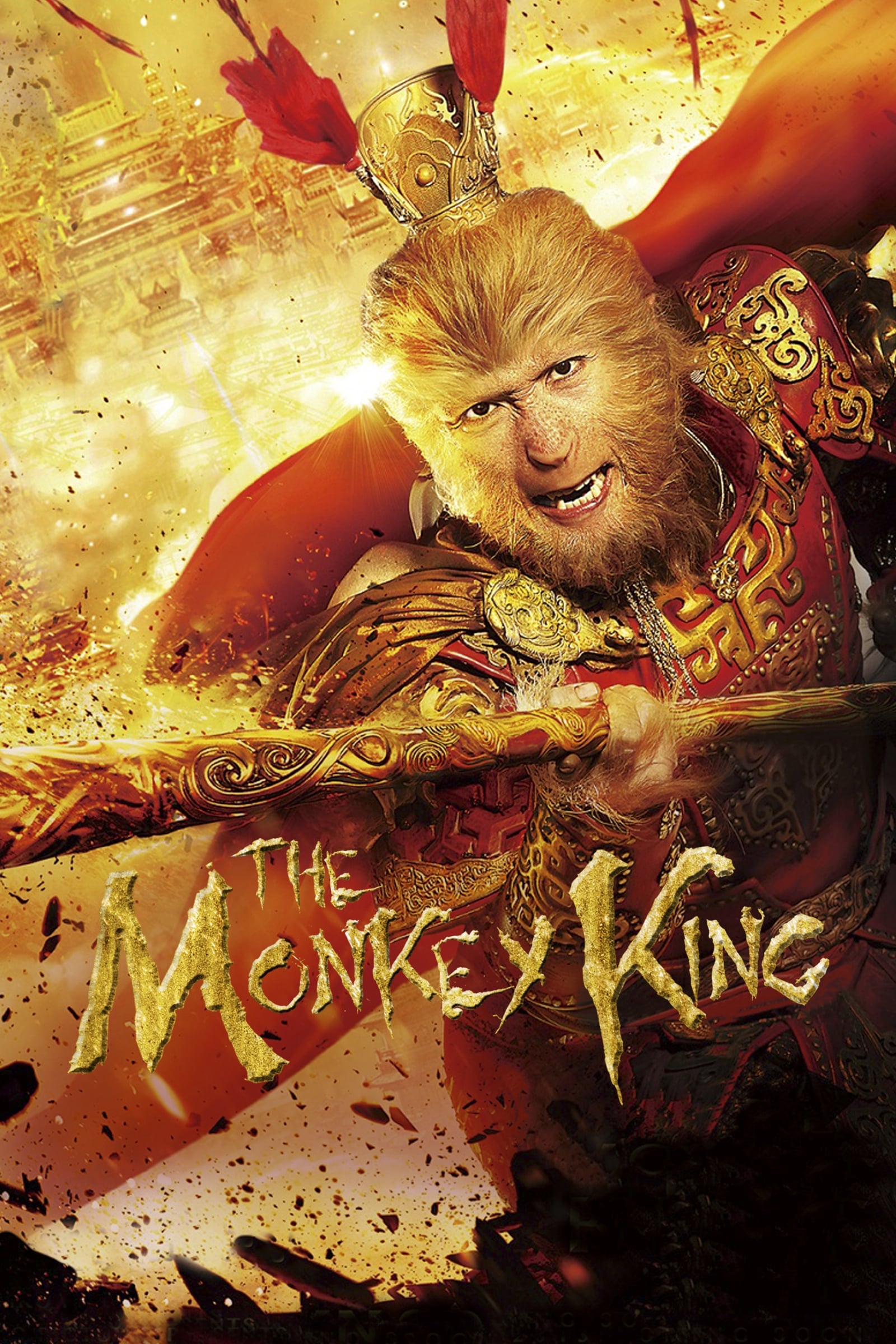
Sun Wukong is a monkey born from a heavenly stone who acquires supernatural powers. After rebelling against heaven and being imprisoned under a mountain for 500 years, he later accompanies the monk Xuanzang on a journey to India. Thus, according to legend, Buddhism is brought to ancient China.
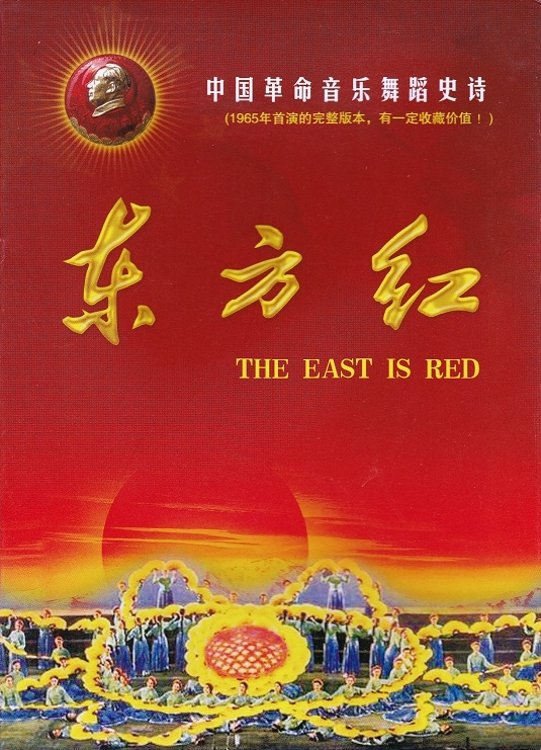
Pre-Cultural Revolution propaganda at its most lavish, this model opera depicts the history and evolution of the Communist Party of China under Mao Zedong from its founding in July 1921 to the establishment of "New China" in 1949. Detailed in the musical are several key events in CPC history such as the Northern Expedition, the KMT-led Shanghai massacre of 1927, the Nanchang Uprising and formation of the People's Liberation Army, the Long March and the founding of the PRC on October 1, 1949.
Throughout the Islamic world, each year hundreds of women are shot, stabbed, strangled or burned to death by male relatives because they are thought to have “dishonoured” their families. They may have lost their virginity, refused an arranged marriage or left an abusive husband. Even if a woman is raped or merely the victim of gossip, she must pay the price. Crimes of Honour documents the terrible reality of femicide – the belief that a girl’s body is the property of the family, and any suggestion of sexual impropriety must be cleansed with her blood. We meet women in hiding from their families, a brother who describes his reasons for killing the sister he loved, and a handful of women who have committed themselves to the protection of young women in danger of losing their lives.
A personal look at Black Republicans and the lack of a Two-Party Political System in Urban America.
A film dedicated to Australia and travel around it.
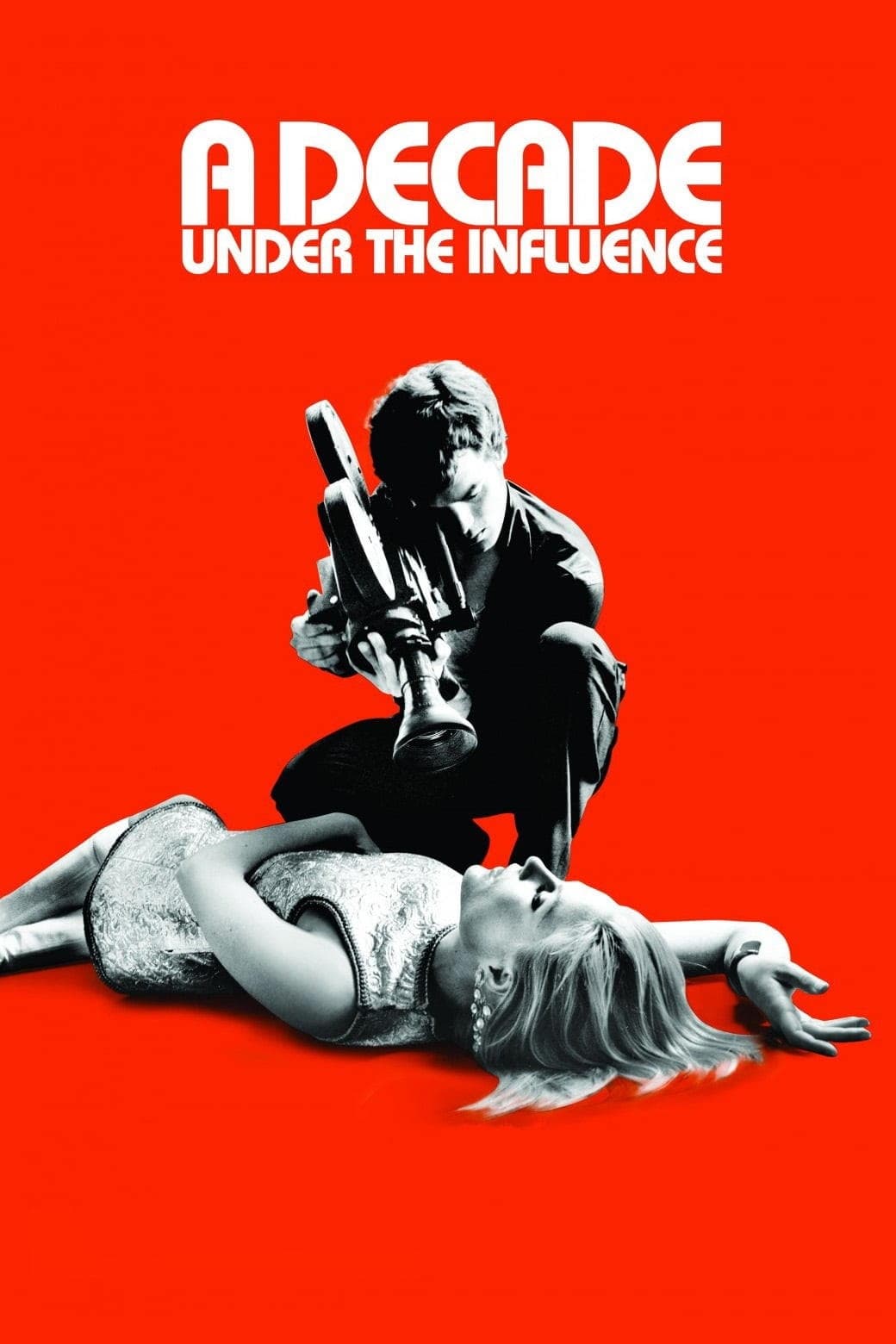
A documentary examining the decade of the 1970s as a turning point in American cinema. Some of today's best filmmakers interview the influential directors of that time.
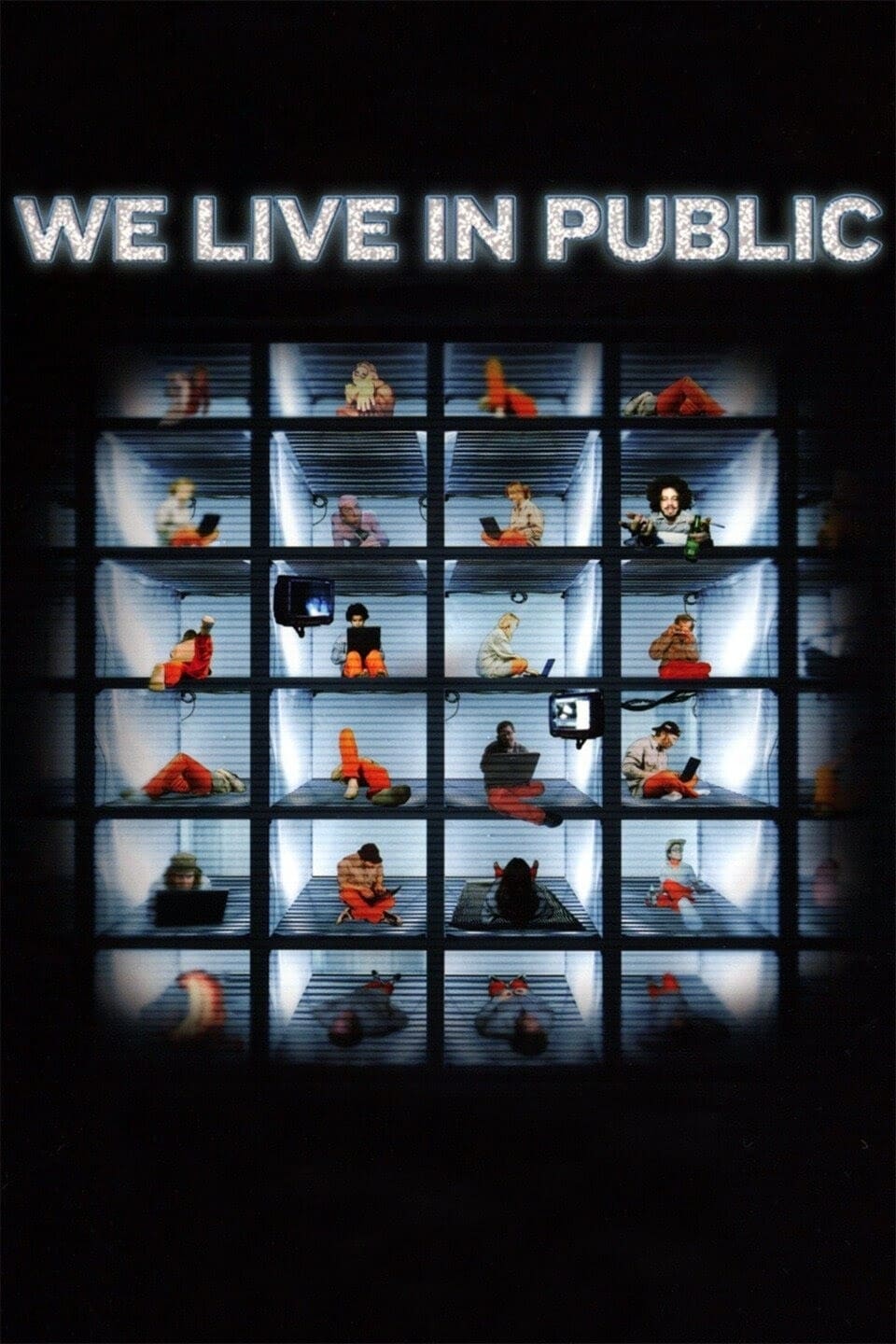
A visual montage portrait of our contemporary world dominated by globalized technology and violence.
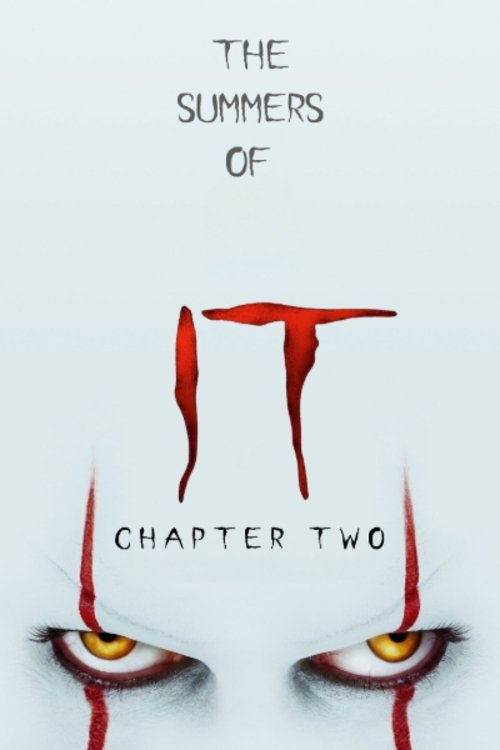
This documentary focuses on the actors and their journey over two summers to create the remake to the original IT, by Stephen King. The documentary originally released as bonus material, bundled with IT: Chapter Two.
A detailing of the rise to prominence and global sporting superstardom of six supremely talented young Manchester United football players (David Beckham, Nicky Butt, Ryan Giggs, Paul Scholes, Phil and Gary Neville). The film covers the period 1992-1999, culminating in Manchester United's European Cup triumph.
A documentary that explores the downloading revolution; the kids that created it, the bands and the businesses that were affected by it, and its impact on the world at large.
An inside look at one of the most anticipated movie sequels ever with James Cameron and cast.
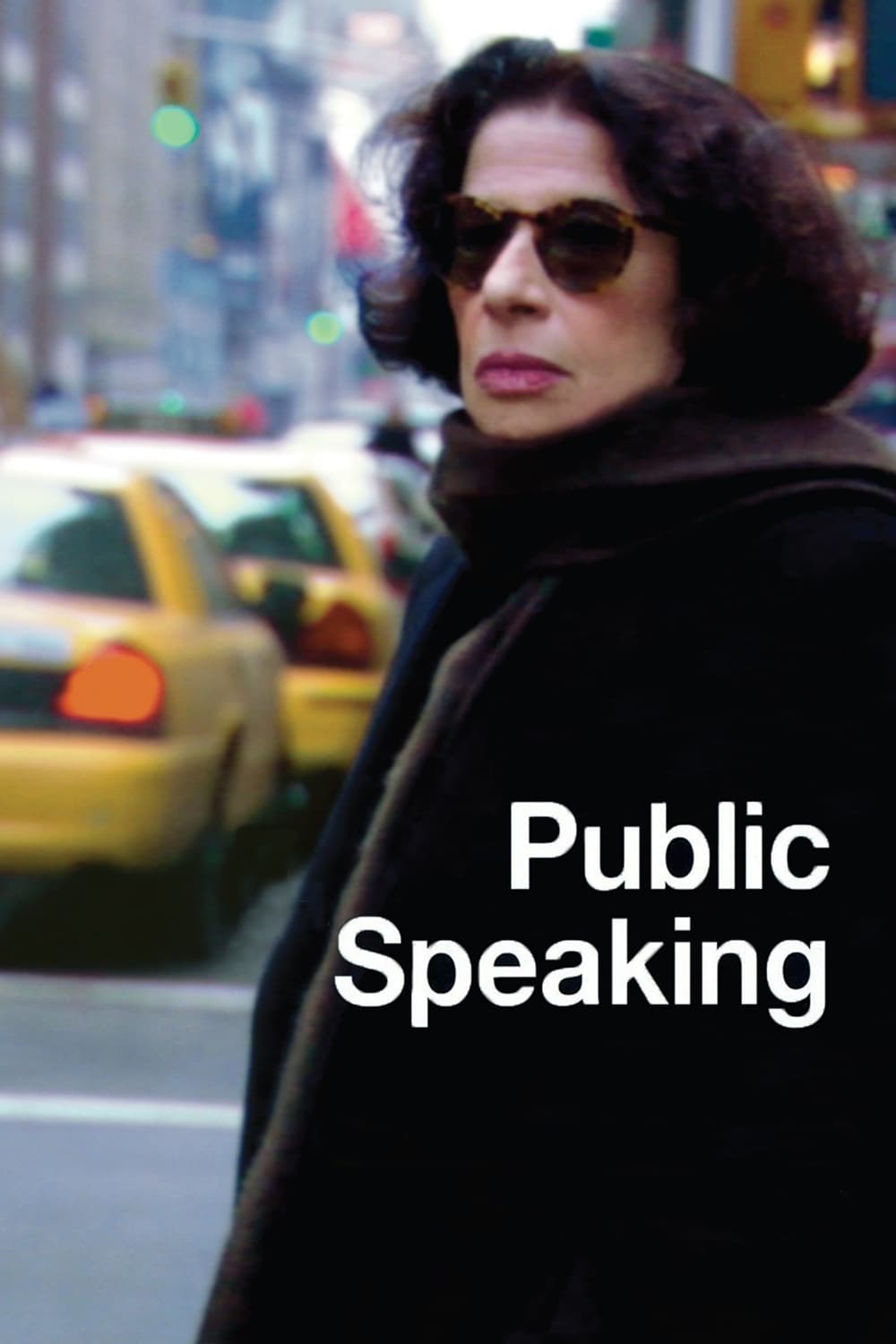
Martin Scorsese’s portrait of writer and social commentator Fran Lebowitz, celebrated for her sharp wit and observations on modern life. Filmed at New York’s Waverly Inn and intercut with archival footage and interviews, the documentary captures Lebowitz’s distinctive worldview through her spontaneous monologues and public appearances.
From the heights of her modeling fame to her tragic death, this documentary reveals Anna Nicole Smith through the eyes of the people closest to her.
A documentary on the expletive's origin, why it offends some people so deeply, and what can be gained from its use.
A documentary about the life and films of director John Ford.
A documentary on the making of the three Godfather films, with interviews and recollections from the film makers and cast. This feature also includes the original screen tests of some of the actors for "The Godfather" film, and some candid moments on the set of "The Godfather: Part III."
A documentary focused on plastic pollution in the world's oceans.
When Allied forces liberated the Nazi concentration camps in 1944-45, their terrible discoveries were recorded by army and newsreel cameramen, revealing for the first time the full horror of what had happened. Making use of British, Soviet and American footage, the Ministry of Information’s Sidney Bernstein (later founder of Granada Television) aimed to create a documentary that would provide lasting, undeniable evidence of the Nazis’ unspeakable crimes. He commissioned a wealth of British talent, including editor Stewart McAllister, writer and future cabinet minister Richard Crossman – and, as treatment advisor, his friend Alfred Hitchcock. Yet, despite initial support from the British and US Governments, the film was shelved, and only now, 70 years on, has it been restored and completed by Imperial War Museums under its original title "German Concentration Camps Factual Survey".
Through deeply personal interviews with her siblings and an examination of the photographs, letters, and belongings left behind, Mariska assembles a new portrait of her mother Jayne Mansfield, an extraordinary and complex woman.
The remarkable story of The Weather Underground, radical activists of the 1970s, and of radical politics at its best and most disastrous.
After years in the limelight, Selena Gomez achieves unimaginable stardom. But just as she reaches a new peak, an unexpected turn pulls her into darkness. This uniquely raw and intimate documentary spans her six-year journey into a new light.
A documentary on legendary movie-poster artist Drew Struzan.
Martin Scorsese's documentary intertwines footage from The Band's incredible farewell tour with probing backstage interviews and featured performances by Eric Clapton, Bob Dylan, Joni Mitchell, Van Morrison, and other rock legends.
The definitive 3½-hour documentary about the troubled creation and enduring legacy of the science fiction classic 'Blade Runner', culled from 80 interviews and hours of never-before-seen outtakes and lost footage.
A documentary about the making of David Fincher's 2008 film THE CURIOUS CASE OF BENJAMIN BUTTON. Virtually every element in the evolution of the Fincher's film is documented here, from the project's attachment to numerous other directors during the 1990s, to its shoot in 2006 and 2007 in New Orleans, to its complex, CGI-intensive postproduction process.