
The story focus on Caridad and Georgina, who had learned the art of Cantonese Opera in Havana as a young age and performed as divas for over a decade before their lives were changed by Fidel Castro's revolution.

Social & External
The people behind it
Caridad Amaran
Herself
Georgina Wong Guitierrez
Franco Yuen
Himself
Siu Yin-Fei
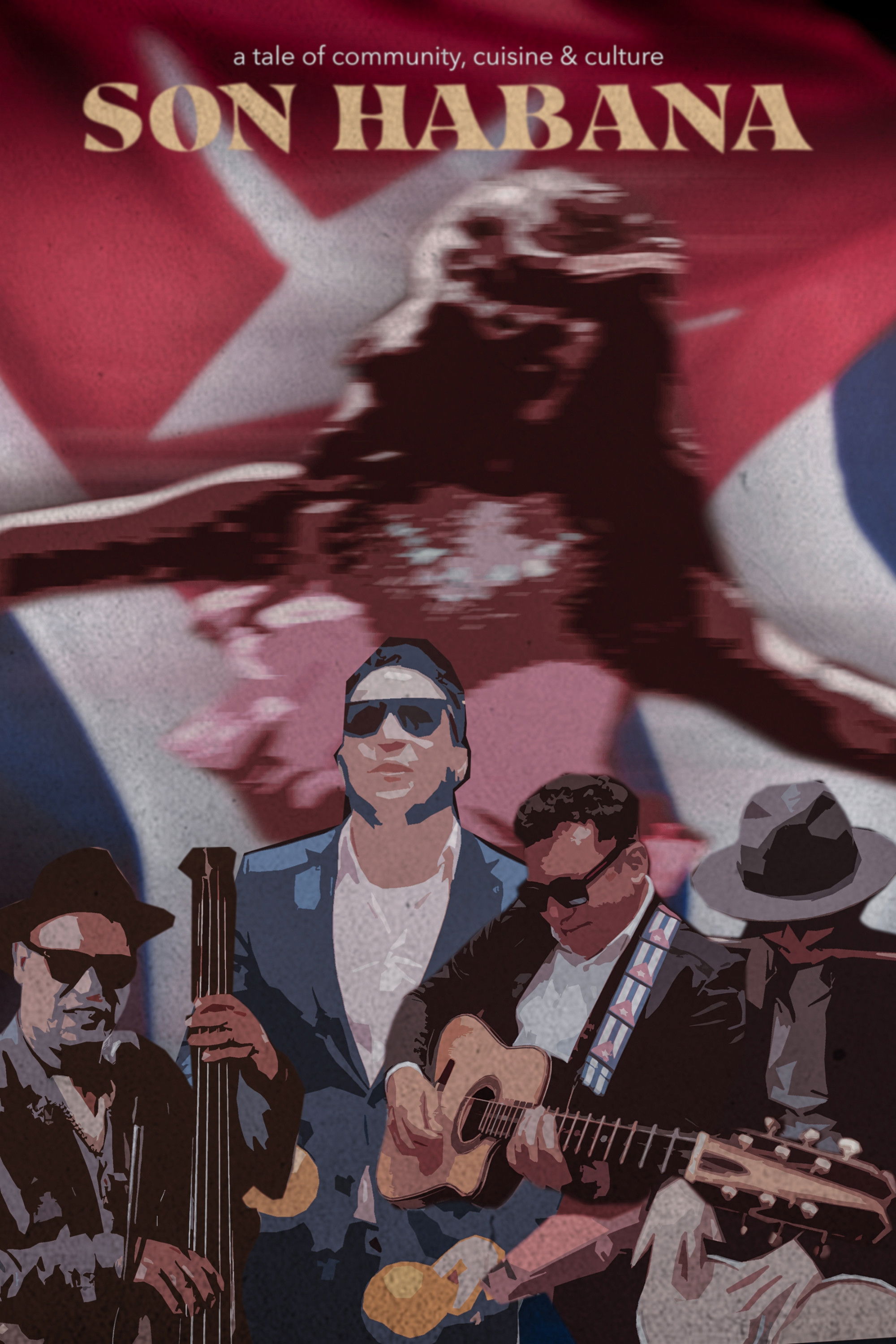
When the world shut down, a Cuban band in Los Angeles turned up on a stage at a Cuban-Latin American restaurant. Their music became a beacon light in the dark. Their music helped reconnect people. "The Music that Saved a Community" Culture. Community. Cuisine. This is Son Habana.
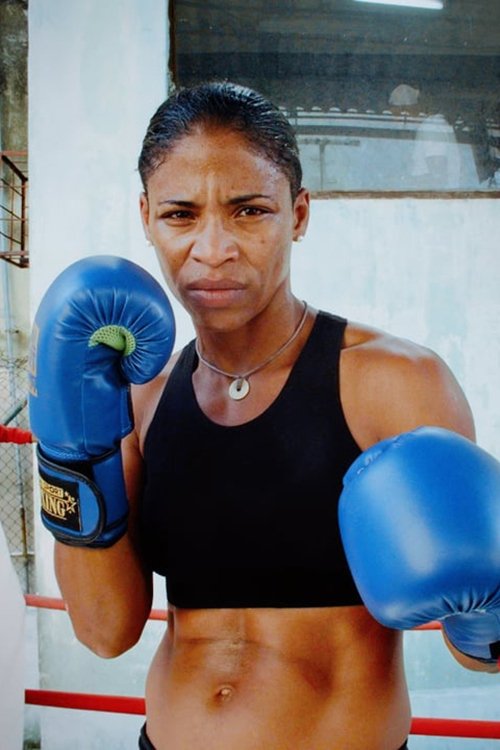
The short film captures the tireless battle of Namibia Flores Rodriguez, the only known female boxer in the Caribbean nation. Training at Havana’s Rafael Trejo arena in defiance of the ban, the athlete undertakes the same unrelenting regime as her male counterparts—running the same circuits, lifting the same truck tires—but without the hope that she might one day represent her country.
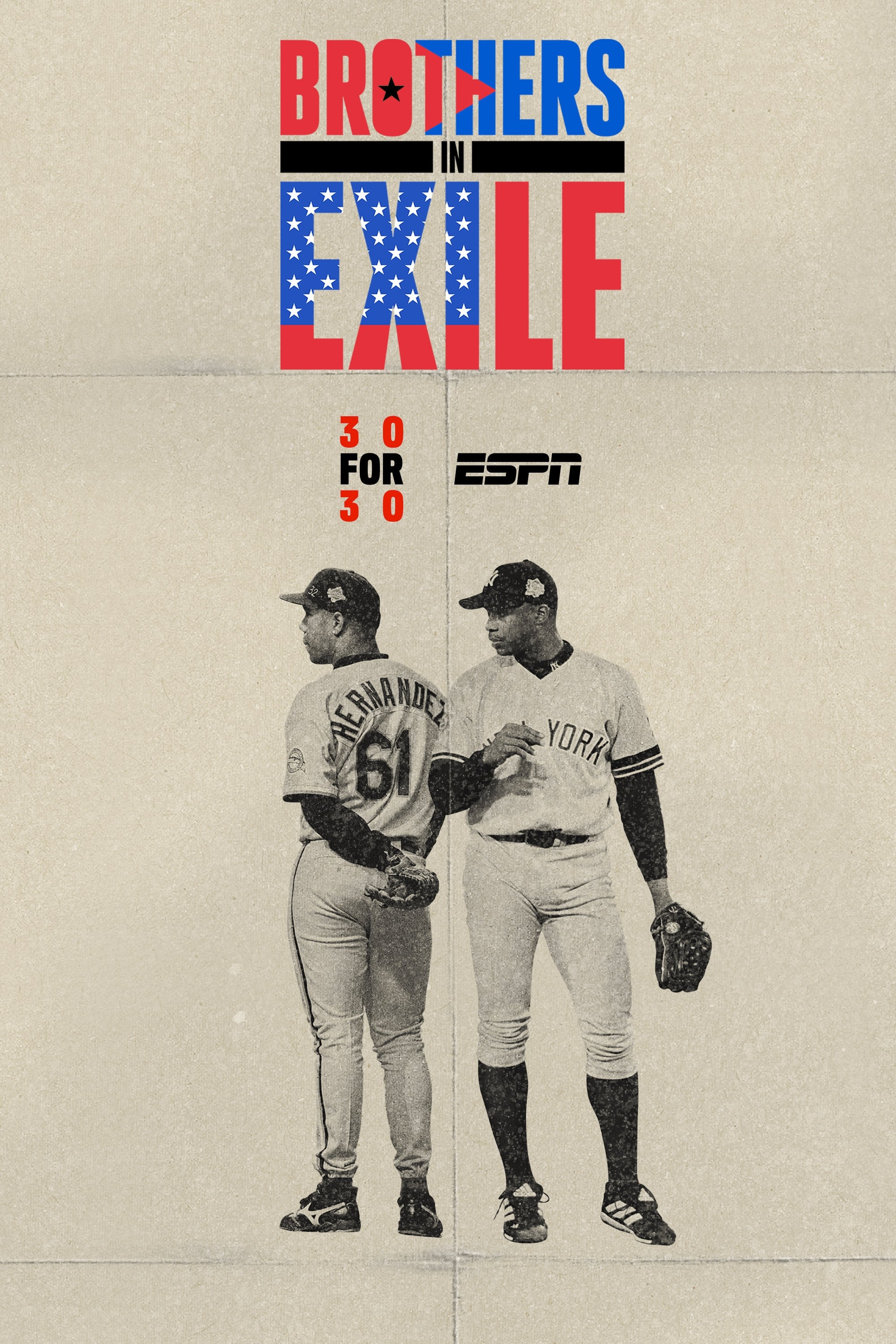
Major League Baseball has been transformed by the influx of Cuban players such as Aroldis Chapman, Yasiel Puig and Jose Abreu. But a special debt of gratitude is owed to two half-brothers, whose courage two decades ago paved the way for their stardom. "Brothers in Exile" tells the incredible story of Livan and Orlando "El Duque" Hernandez, who risked their lives to get off the island.
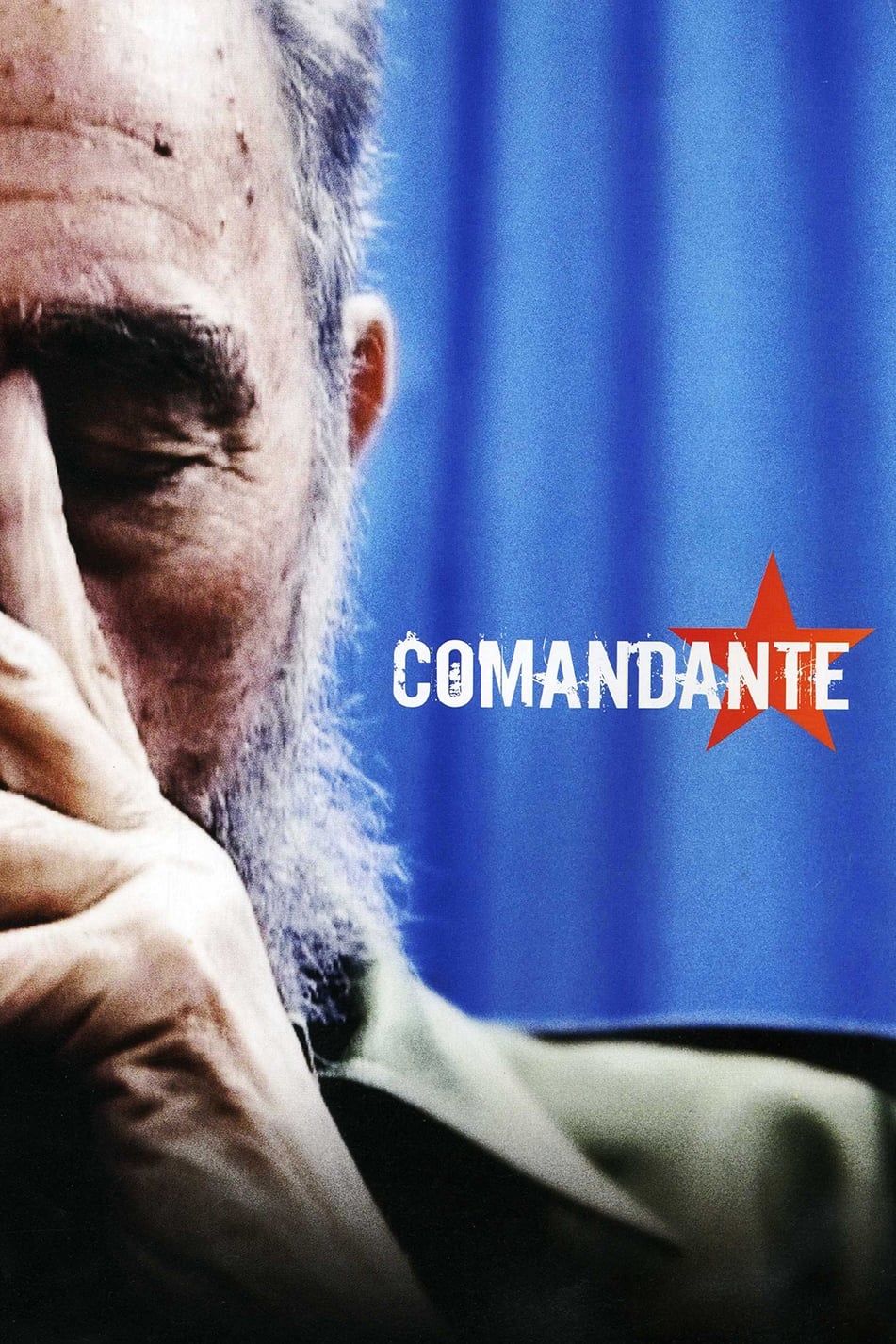
Documentary about Fidel Castro, covering 40 years of Cuban Revolution. Rare Fidel Castro footage: he appears swimming with a bodyguard, visiting his childhood home and school, playing with his friend Nelson Mandela, meeting kid Elián Gonzalez, and celebrating his birthday with the Buena Vista Social Club group.
"Gold of Cuba" is a documentary by Argentine filmmaker Alejandro Saderman that shows the development of Cuba through the promotion of its main industry: sugar. From the discovery of America to the figure of Reinaldo Castro, National Hero of Labor as a sugarcane cutter, the film discusses the introduction of mechanical harvesters, including the African slave labor that would later be replaced, with the abolition of slavery, by Chinese sugarcane cutters.
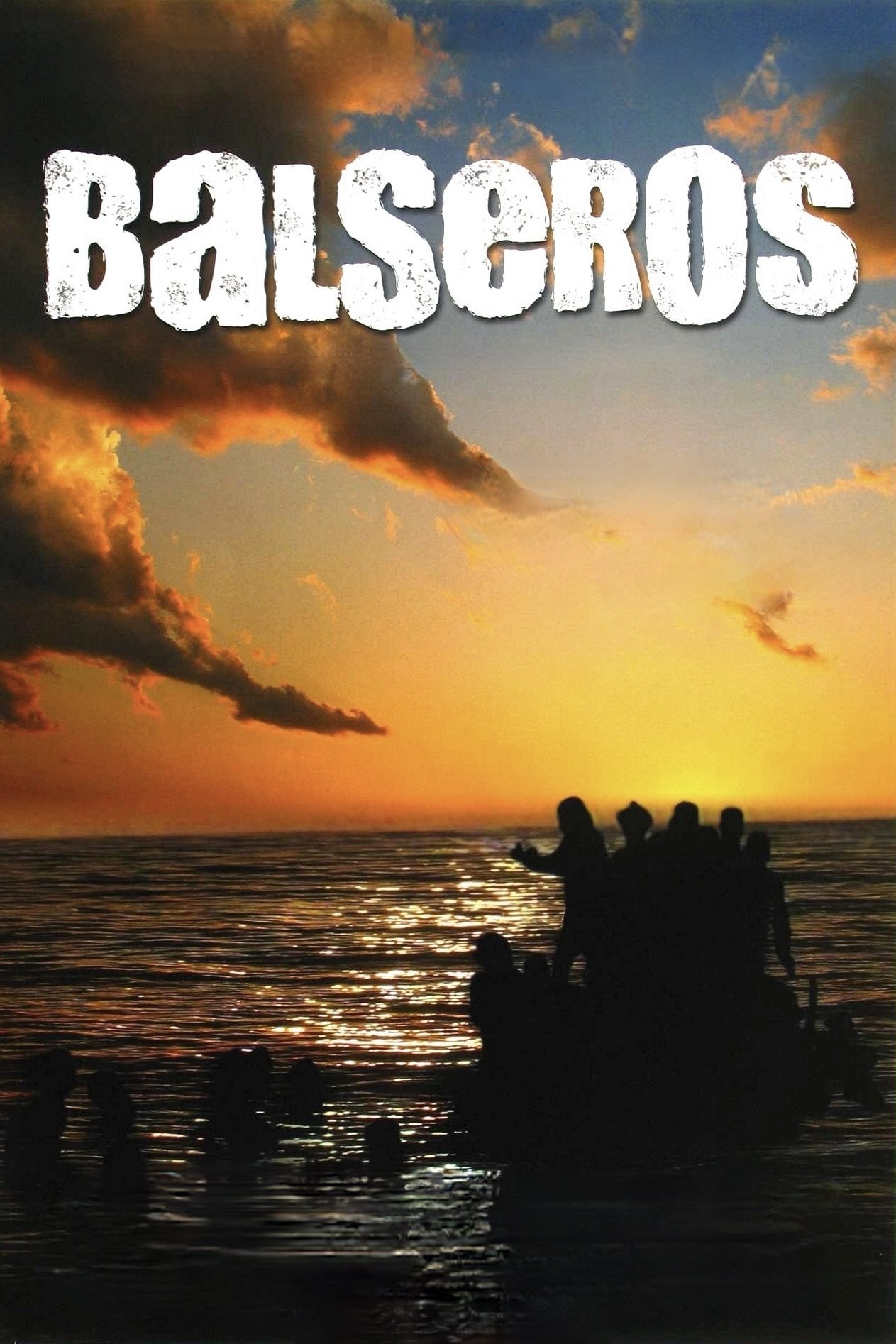
In the summer of 1994, a team of public television reporters filmed and interviewed seven Cubans a few days before their risky venture of setting out to sea in homemade rafts to reach the coast of the United States. Six made it far enough to be picked up at sea by the U.S. Coast Guard. When these balseros (rafters) were finally allowed to go to the United States, the film crew went with them to a string of several cities. Seven years later, the film crew visits them again, to discover that their destiny has been in the United States. Theirs is a true story about some of the authentic survivors of our times, the human adventure of people who are shipwrecked between two worlds.
Unedited film of rural shore Havana, Cuba. Footage includes scenes of the old stone buildings and lighthouse along the ocean, mountain landscapes, people fishing and boating. Shot by Metro Movie Club member Ed Diller.
A "Chinese" father reflects on the changing relationship of China and US during his trip to Beijing to retrieve his 3-year-old "American" daughter who has been stranded because of the recent "decoupling" of the two countries. Born in China and living in the American Midwest, filmmaker Yinan Wang attempts to unpack his own experience of how a transnational migrant family deals with the distress caused by identity, nationalism, and geopolitics.
After ten years living as an expat in the United States, Asori Soto decides to return to his homeland of Cuba to search for the missing flavors of his childhood. This is a journey to discover culinary traditions long thought lost due to the hardship that Cuba survived after the collapse of the Soviet Union.
When the Soviet Union collapsed in 1990, Cuba's economy went into a tailspin. With imports of oil cut by more than half – and food by 80 percent – people were desperate. This film tells of the hardships and struggles as well as the community and creativity of the Cuban people during this difficult time.
Documentary about emigration between the Canary Islands and Cuba during the late 19th century and early 20th century.
Over the past hundred years, dramatic social upheavals have taken place in the name of Karl Marx's theories. In Western Europe, the student movement of 1968 and the Eurocommunists were inspired. And in recent times, the thinker has experienced a renaissance.
This revealing portrait of Cuba follows the lives of Fidel Castro and three Cuban families affected by his policies over the last four decades.
In a culture where cremation is unusual, cemeteries fill up rapidly. In Latin America and in some other places, to solve the problem, remains are frequently exhumed. In Cuba, two year after interment. Relatives are invited to observe the little ritual. The music of the film is drawn from requiems from different periods. Twelve pieces by seven different composers are quoted. Together, they make up a traditional requiem, although only a few passages from the "dies irae" have been included, and other sections are slightly abbreviated.
An American lesbian in Cuba explores gender through dance and film, blending personal experiences and cultural symbols with music and Revolutionary cinema and questions how lesbians fit into Cuban cinema.
This film is a portrait of unique cultural space for Spirits, Gods and People. While permanent theatres are commonly built in most cosmopolitan modern cities, Hong Kong preserves a unique theatrical architecture, a Chinese tradition that has lasted more than a century - Bamboo Theatre.
A ship of athletes training on the rough seas becomes a symbol of Castro’s Cuba, the games projected on the backdrop of political struggle. This is the story of a ship and of a sports delegation whom the enemy tried to stop from participating in the Tenth Central American and Caribbean Games.
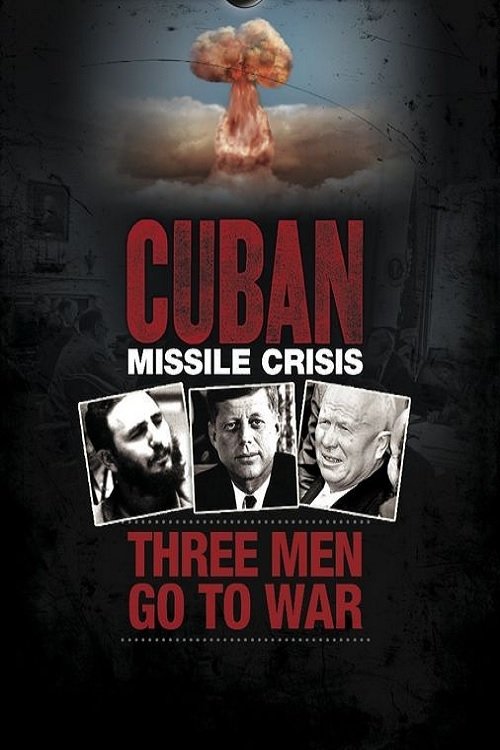
Explore the inside story of the Cuban Missile Crisis in October 1962, when the world teetered on the brink of nuclear holocaust. In the first major feature documentary on the subject, the film brings to life the three central characters - Kennedy, Castro and Khrushchev - and explores how the world's most powerful men fell into an abyss of their own making and outlines the courage and luck it took to climb out again.
Documentary recounting the story of the Cuban Revolution and its impact on the young people of Cuba.
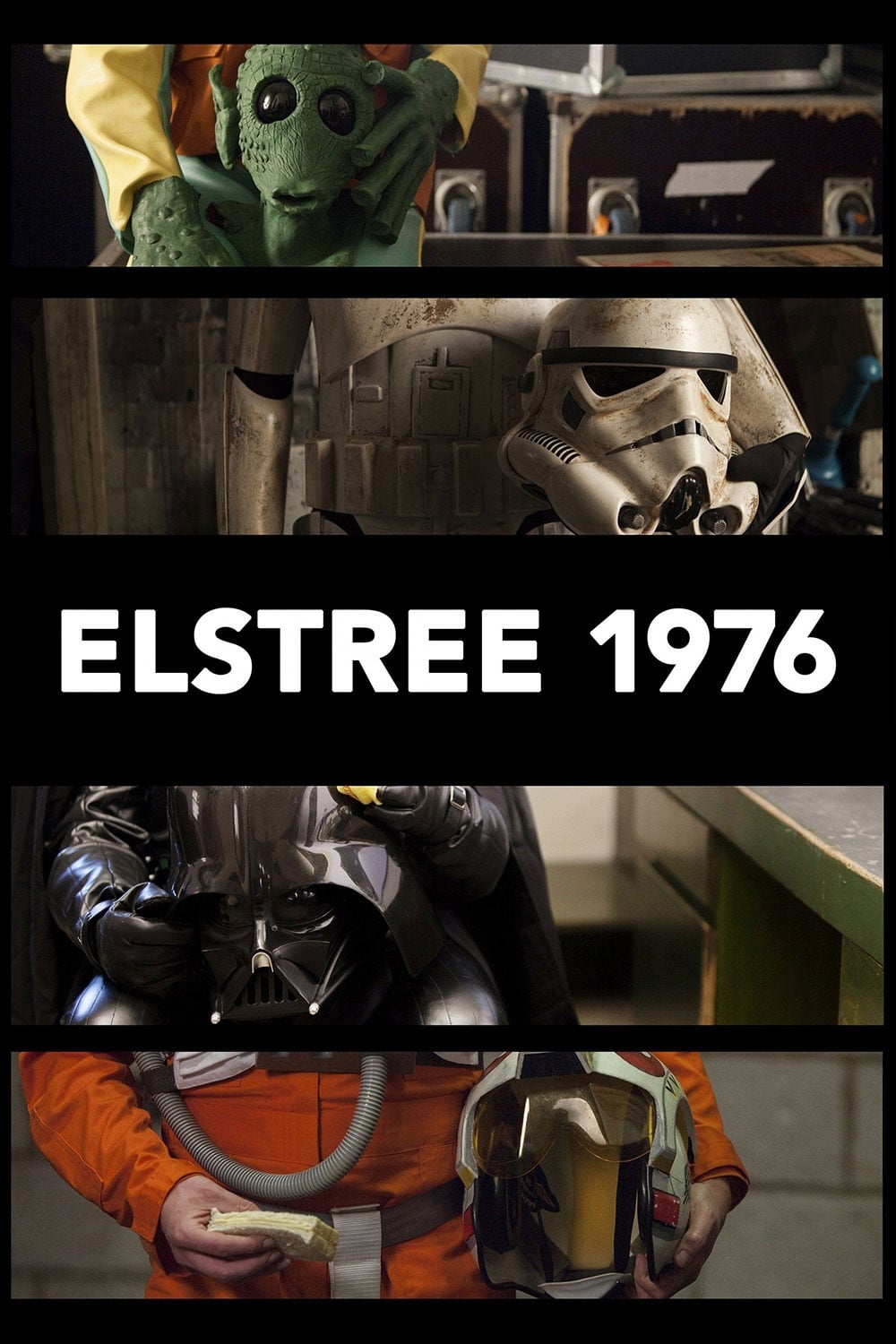
A documentary about ten very different lives connected by having appeared onscreen wearing masks or helmets in Star Wars.
Oliver Stone spends three days filming with Fidel Castro in Cuba, discussing an array of subjects with the president such as his rise to power, fellow revolutionary Che Guevara, the Cuban Missile crisis, and the present state of the country.
In this fascinating Oscar-nominated documentary, American guitarist Ry Cooder brings together a group of legendary Cuban folk musicians (some in their 90s) to record a Grammy-winning CD in their native city of Havana. The result is a spectacular compilation of concert footage from the group's gigs in Amsterdam and New York City's famed Carnegie Hall, with director Wim Wenders capturing not only the music -- but also the musicians' life stories.
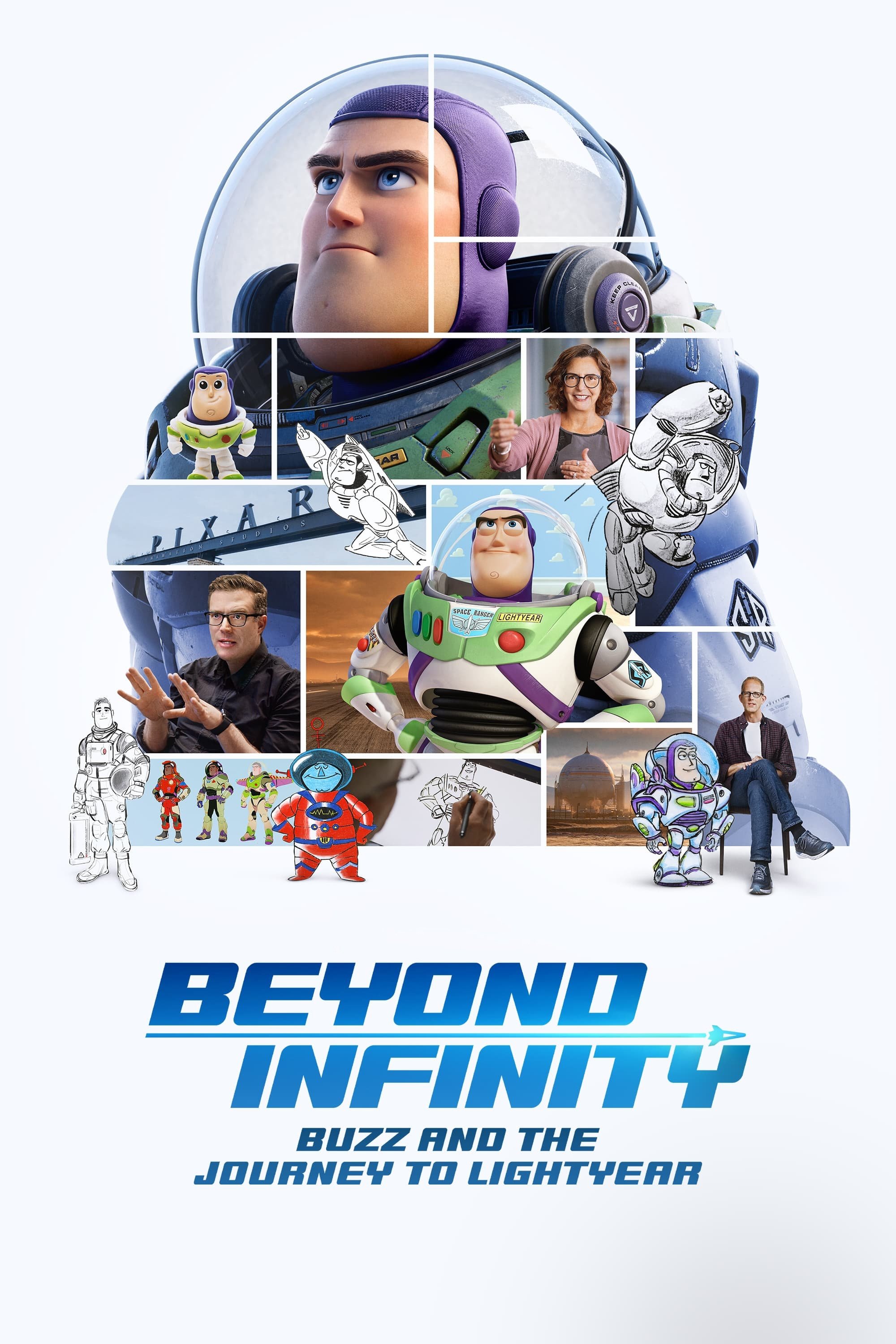
Explore the evolution of Buzz Lightyear from toy to human in the making of Pixar’s Lightyear. Dive into the origin and cultural impact of everyone’s favorite Space Ranger, the art of designing a new “human Buzz,” and the challenges faced by the Lightyear crew along the way.
An inside look at the making of the movie Star Wars: Episode VII - The Force Awakens (2015), featuring footage and exclusive interviews with the actors and filmmakers.
Denise Crosby takes a first look at the huge fans of "Star Trek" from around America and how the series has affected and shaped their lives.
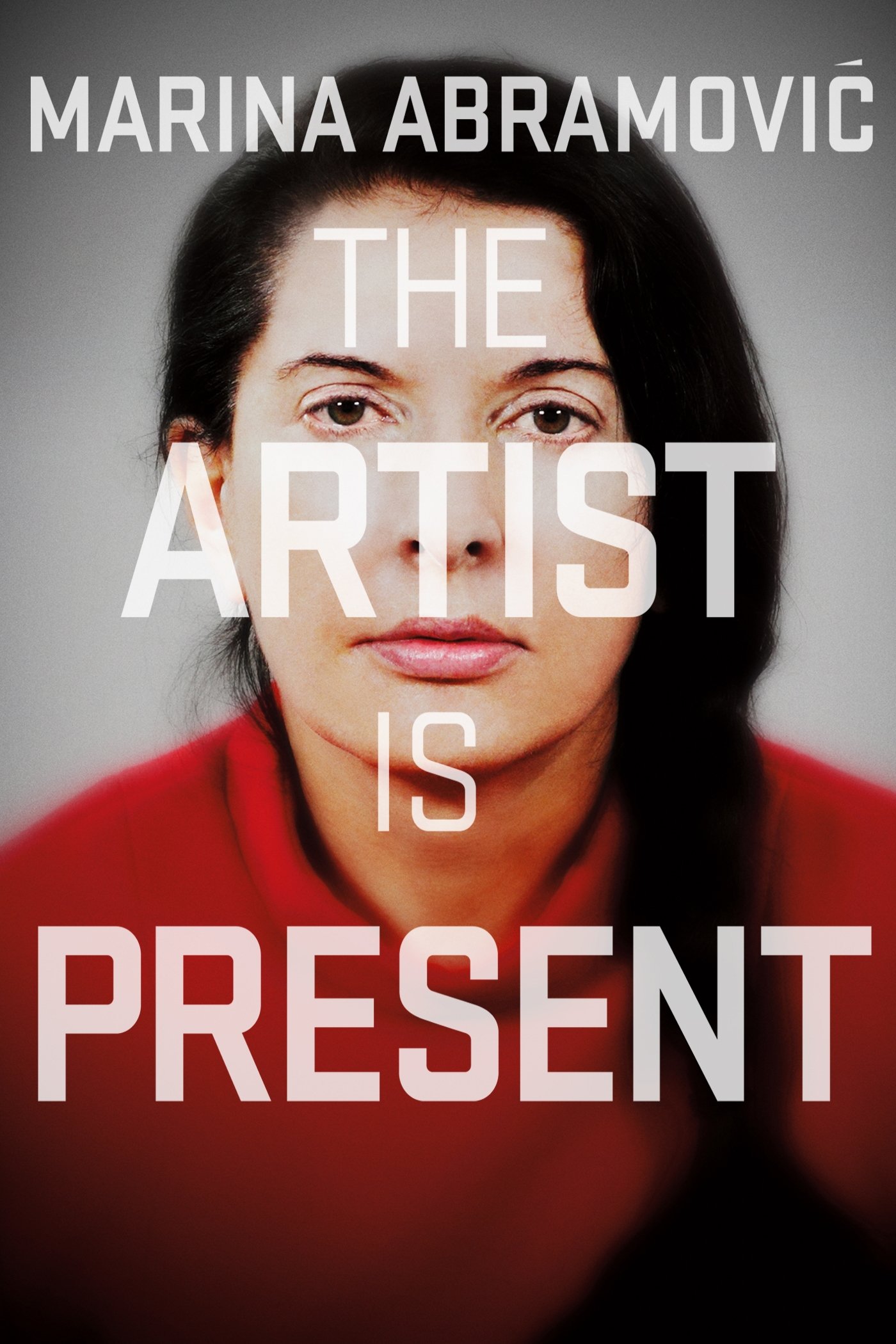
Performance artist Marina Abramovic prepares for a major retrospective of her work at the Museum of Modern Art in New York.
Photographer Estevan Oriol and artist Mister Cartoon turned their Chicano roots into gritty art, impacting street culture, hip hop and beyond.
The Official Golden Harvest tribute to the Master of the Martial Arts Film, Bruce Lee.
Al Pacino's deeply-felt rumination on Shakespeare's significance and relevance to the modern world through interviews and an in-depth analysis of "Richard III."
A documentary about how a dominant cultural and demographic institution both sustains their traditional activities and adapts to the digital revolution.
The Captains is a feature-length documentary film written and directed by William Shatner. The film follows Shatner as he interviews the other actors who have portrayed starship captains in the Star Trek franchise.
In an intimate and joyful story of love in the face of loss, celebrated poets Andrea Gibson and Megan Falley find strength—and unexpected hilarity—in what might be their final year together.
Hollywood veteran Bing Russell creates the only independent baseball team in the country—alarming the baseball establishment and sparking the meteoric rise of the 1970s Portland Mavericks.
Oprah Winfrey talks with the exonerated men once known as the Central Park Five, plus the cast and producers who tell their story in "When They See Us."
Through deeply personal interviews with her siblings and an examination of the photographs, letters, and belongings left behind, Mariska assembles a new portrait of her mother Jayne Mansfield, an extraordinary and complex woman.
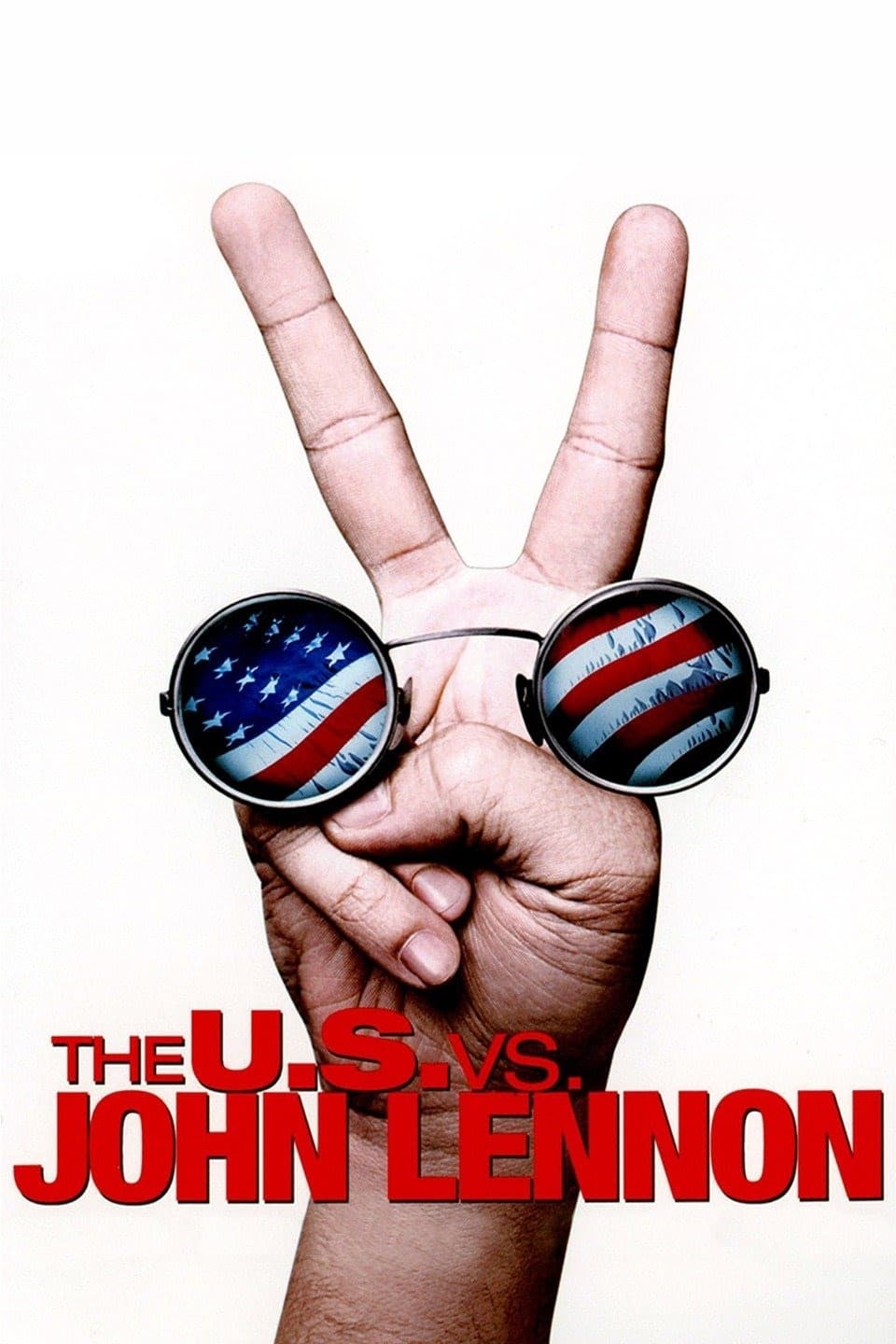
A documentary on the life of John Lennon, with a focus on the time in his life when he transformed from a musician into an antiwar activist.

Alexander McQueen's rags-to-riches story is a modern-day fairy tale, laced with the gothic. Mirroring the savage beauty, boldness and vivacity of his design, this documentary is an intimate revelation of McQueen's own world, both tortured and inspired, which celebrates a radical and mesmerizing genius of profound influence.
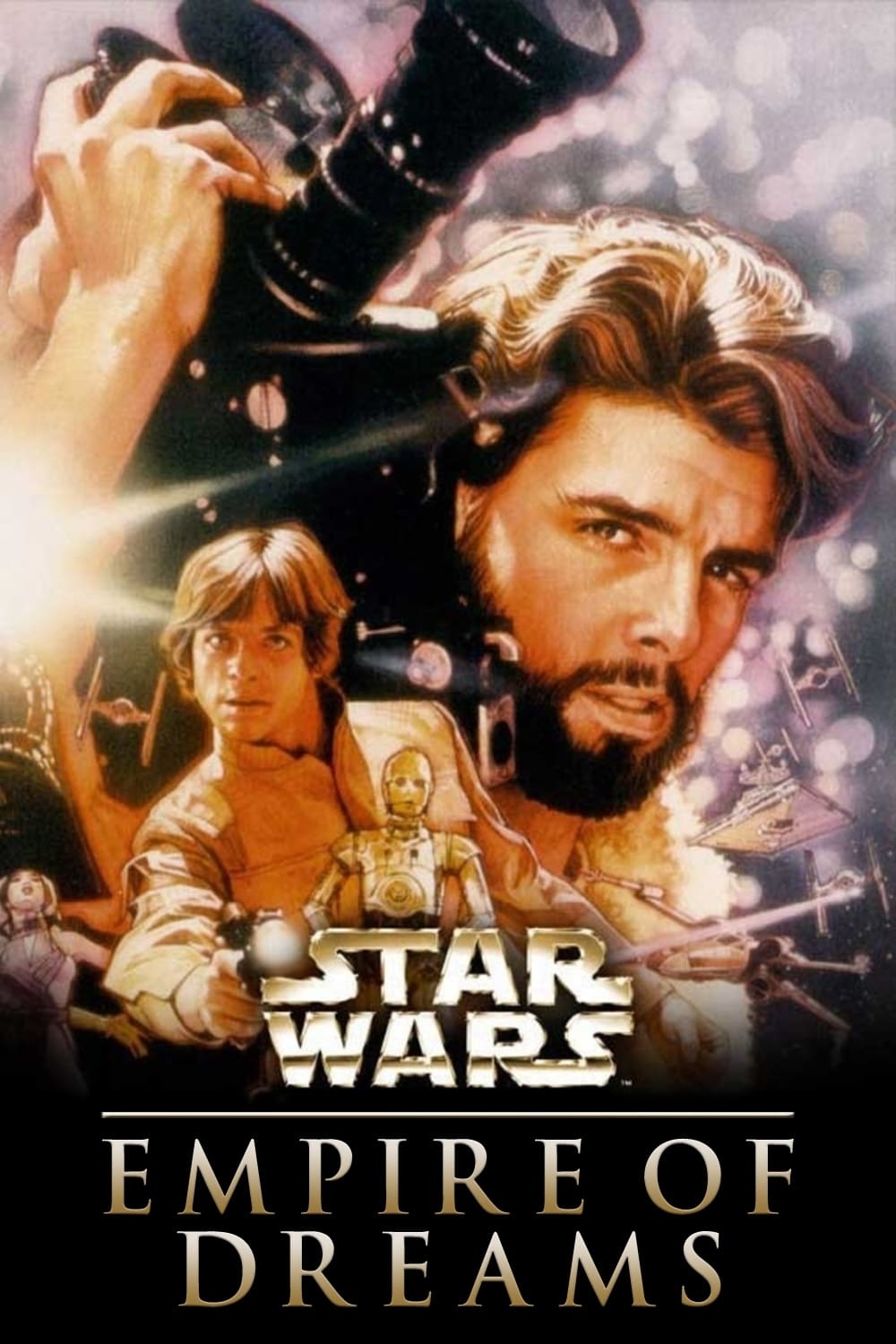
From the earliest versions of the script to the blockbuster debuts, explore the creation of the Star Wars Trilogy.
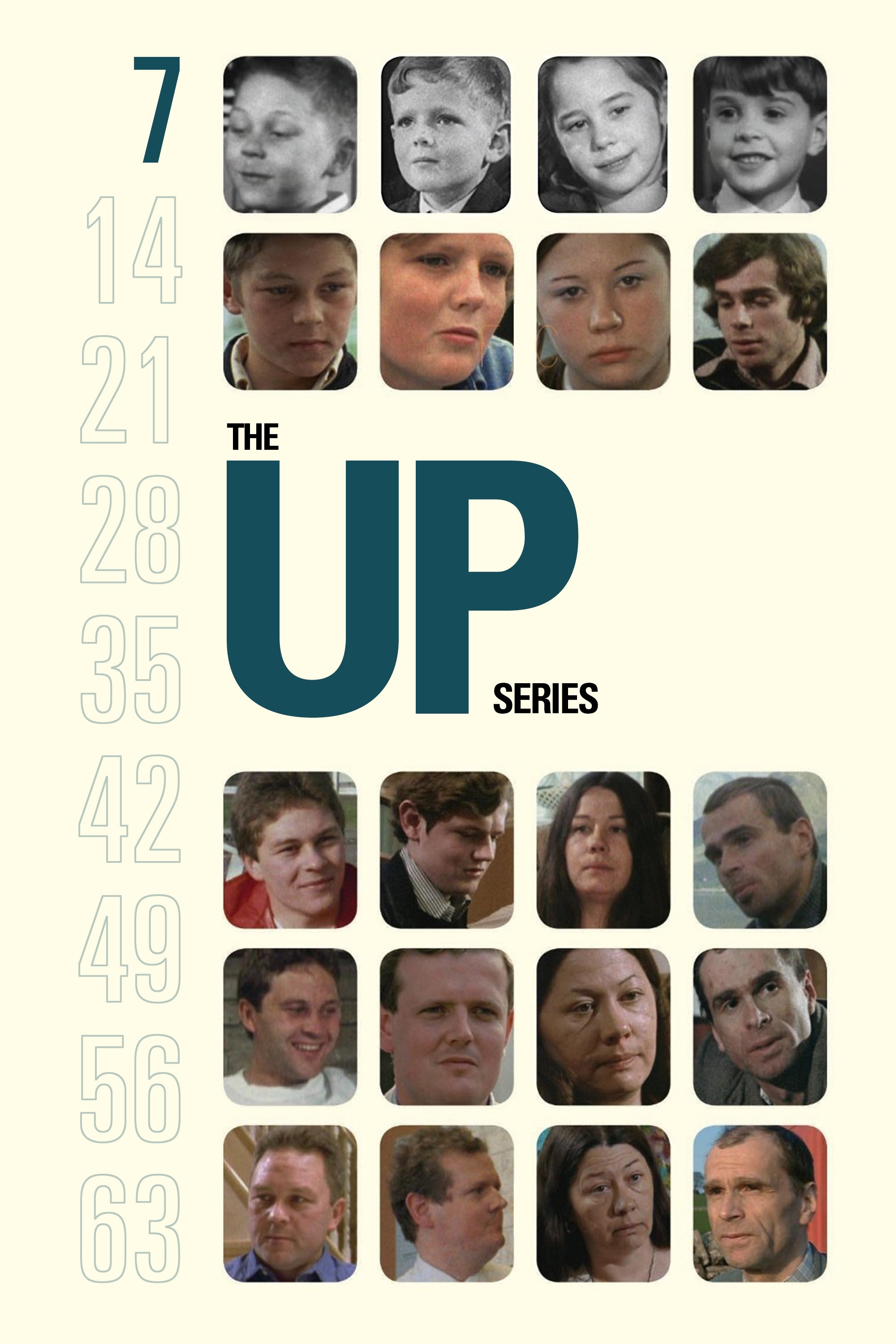
A group of British children aged 7 from widely ranging backgrounds are interviewed about a range of subjects. The filmmakers plan to re-interview them at 7 year intervals to track how their lives and attitudes change as they age.