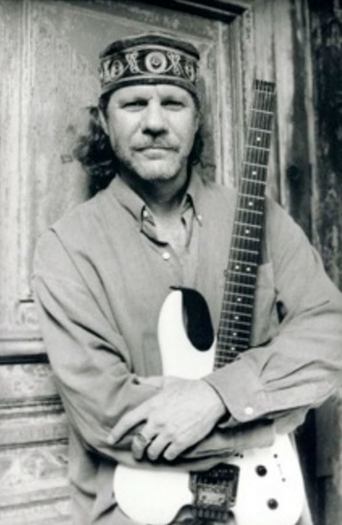
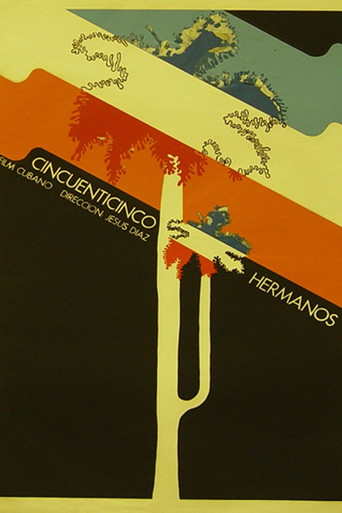
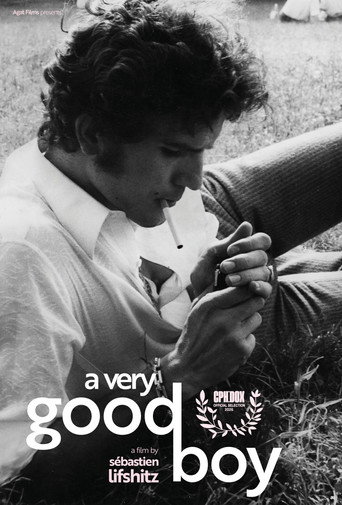
Extremely rare Cuban documentary reveals rockers that find liberty by injecting themselves with the HIV virus, at a time when this was almost synonymous with a death sentence.
Social & External
A recording of a play about the intangible impacts AIDS has on a community. This is a moving, beautifully photographed combination of theater and documentary that captures the incredible excitement of live theater and intensifies the power of the play's message.
Explores the lives of Sara, Gigi and Giovanna, three Latino transvestites who for years have lived on the streets of Manhattan supporting their drug addictions through prostitution. They made their temporary home inside broken garbage trucks that the Sanitation Department keeps next to the salt deposits used in the winter to melt the snow. The three friends share the place known as "The Salt Mines".
Ricardo was once Sara, a homeless HIV positive transvestite, living in the underbelly of Manhattan. Today he is a churchgoing, married man, "saved" by a Dallas ministry. He has renounced his homosexuality, but is his conversion complete? Susana Aiken and Carlos Aparicio offer an intimate look at Ricardo's transformation.
Outraged by the controversial January, 1988 article in Cosmopolitan magazine, the women in the AIDS Coalition to Unleash Power, (Act Up, New York), organized the first AIDS demonstration focused on women. Doctors, Liars and Women:AIDS Activists Say No To Cosmo not only documents the efforts of the Women's Committee to organize this protest, it also serves as a how-to-guide for direct action.
A documentary film about AIDS and one unconventional woman's efforts to educate her small, Southern community. DiAna DiAna is a local hairdresser who transformed her beauty parlor into a center for AIDS and safe sex information.
Stiff Sheets indicts public health officials and politicians for the lack of adequate and humane care for people with AIDS in Los Angeles, this time documenting a mock fashion show staged by ACT UP activists.
A look at the ACT UP movement from its inception to the present day.
Five gay Black men who are HIV-positive discuss how they are battling the double stigmas surrounding their infection and homosexuality.
A look at the rampant HIV epidemic rate in Swaziland.
Tsai interrupted his pre-production for The River to make this pioneering documentary for Taiwan's nascent AIDS-awareness campaign. Ignoring instructions to 'play down the gay angle', he centres the film on his own very candid conversations with two HIV+ young men. Sadly the identities of the interviewees have to be concealed, and so the freewheeling camerawork focuses most often on Tsai himself; but the sense of rapport between the director and his 'new friends' is palpable and very moving, even to Western viewers already only too familiar with these issues.
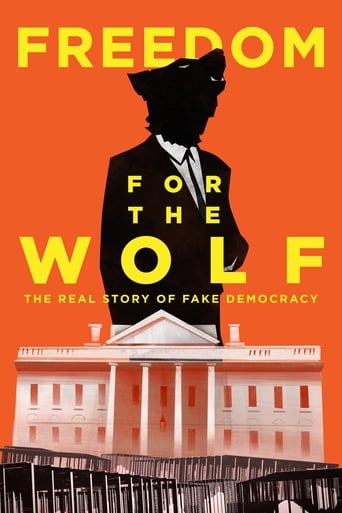
The Real Story of Fake Democracy. Filmed over three years in five countries, FREEDOM FOR THE WOLF is an epic investigation into the new regime of illiberal democracy. From the young students of Hong Kong, to a rapper in post-Arab Spring Tunisia and the viral comedians of Bollywood, we discover how people from every corner of the globe are fighting the same struggle. They are fighting against elected leaders who trample on human rights, minorities, and their political opponents.
With no choice, César faced leaving his family behind, quitting his job and joining the Army. In an unprecedented chain of events he became the first conscientious objector in Galicia (Spain) to be put in prison. Now, nearly thirty years later, Two Years, Four Months, A Day takes a look at what made him do it.
Starting as a documentary on the sexually liberated culture of late-Sixties Denmark, Sexual Freedom in Denmark winds up incorporating major elements of the marriage manual form and even manages to squeeze in a montage of beaver loops and erotic art. All narrated with earnest pronouncements concerning the social and psychological benefits of sexual liberation, the movie, is a kind of mondo film dotted with occasional glimpses of actual sex.
Repainting Cuba takes a critical look at communist Cuba, where both the facades and the aging regime were given a coating of colorful paint in connection with the 50 year anniversary of the revolution. Two young Cubans under house arrest talk about being imprisoned for dealing with foreign tourists in a society where gossip and backstabbing is endemic, and where the heavy varnish can’t conceal the cracks.
In 1992, an independent South African puppetry group, the African Research and Educational Puppetry Program, were invited by OXFAM (Canada) to bring their highly successful educational program 'Puppets Against Aids' to tour rural and regional Canada for twelve weeks. This is the one-hour documentary that was produced from their Canadian Tour.
A documentary about the corrupt health care system in The United States who's main goal is to make profit even if it means losing people’s lives. "The more people you deny health insurance the more money we make" is the business model for health care providers in America.
The Kafkaesque world of Cuba under Castro's rule is brought to light in this reconstruction of the 1989 trial and execution of General Arnaldo Ochoa Sanchez, the highest-ranking general and hero of the revolution, and commander of the Angolan and Ethiopian campaigns.
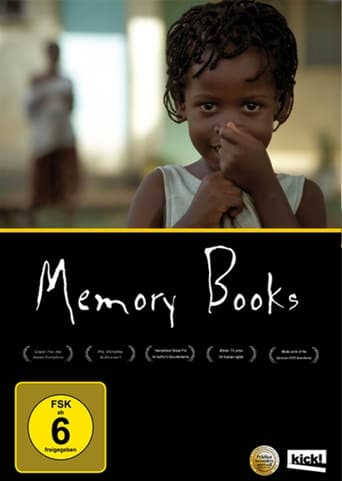
In Uganda, AIDS-infected mothers have begun writing what they call Memory Books for their children. Aware of the illness, it is a way for the family to come to terms with the inevitable death that it faces. Hopelessness and desperation are confronted through the collaborative effort of remembering and recording, a process that inspires unexpected strength and even solace in the face of death.
The ruin pub phenomenon in Budapest jolted the city to life like an explosion in the early 2000s. The capital, which had flourished and buzzed with culture at the turn of the century, was levelled in an instant by the Second World War. The people living here had to start from scratch, and through perseverance and determination, the city once again began to thrive—only to slide toward decline once more. Budapest exists within this cycle, and the ruin pub is part of it, encapsulating a sense of permanence built from the ruins of Eastern Europe.