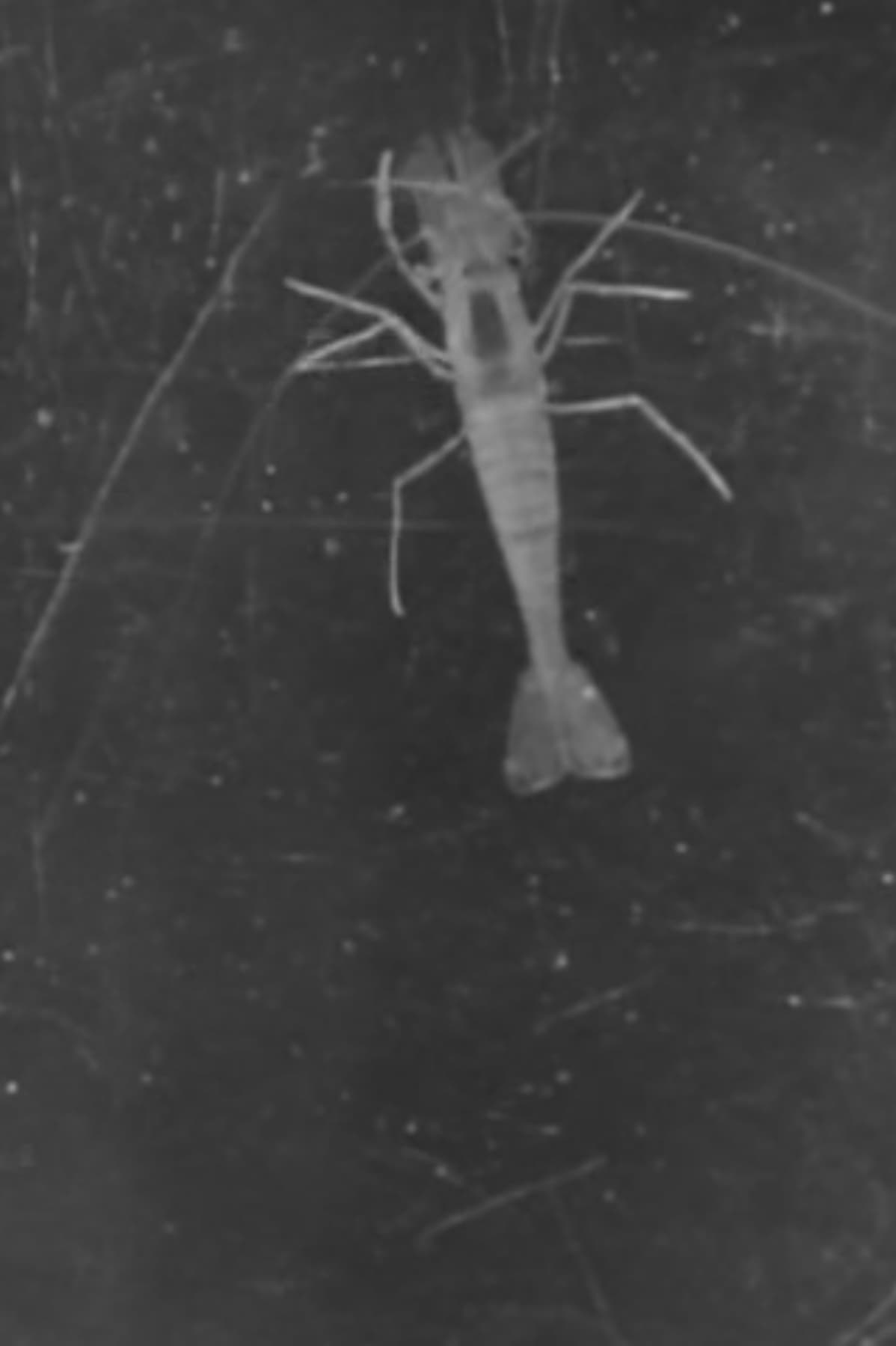
Jean Painlevé is interested here, with the help of Eli Lotar, in crabs and shrimps. He is particularly interested in detailing their anatomy and observing their mating and fighting behavior.
Social & External
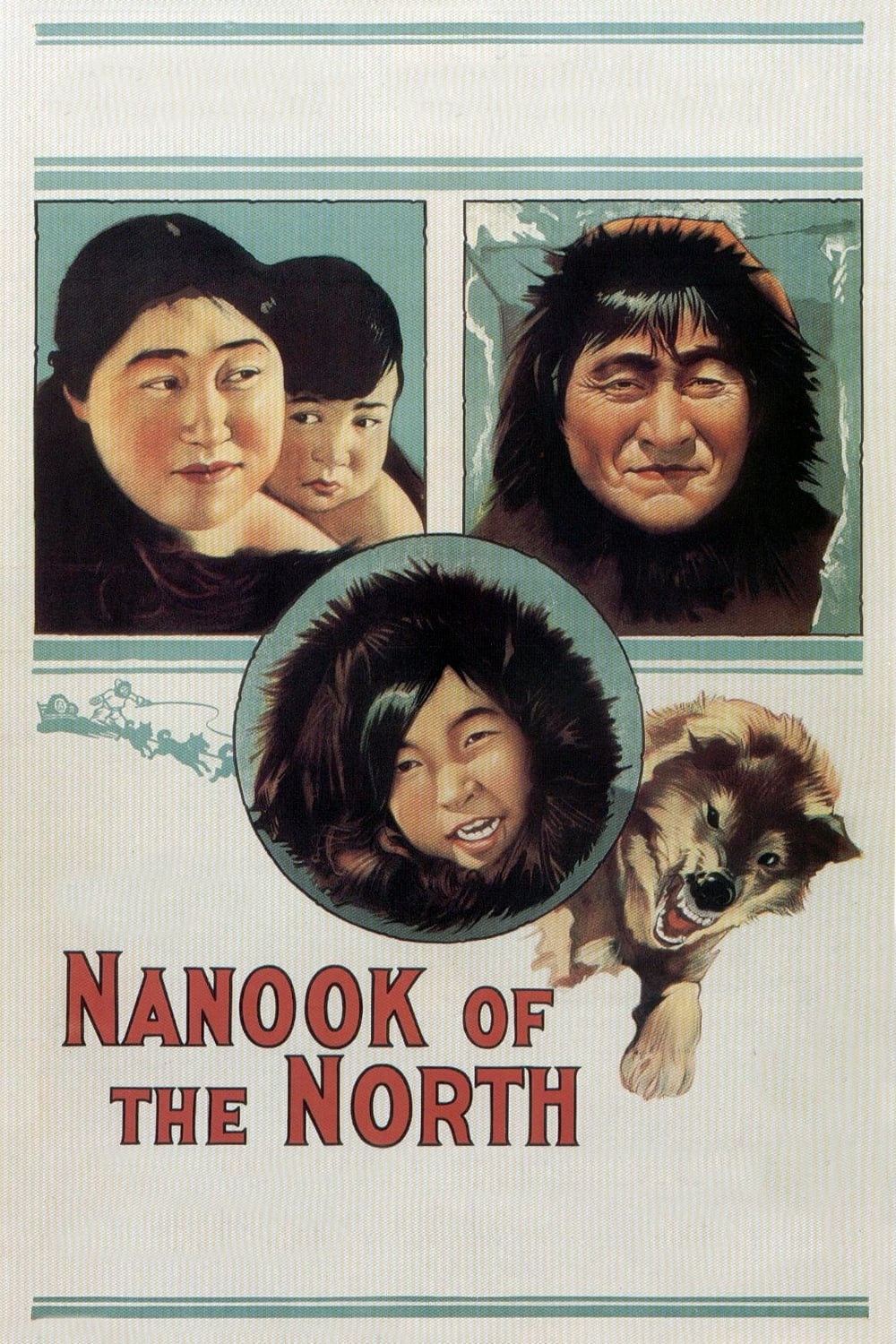
This pioneering documentary film depicts the lives of the indigenous Inuit people of Canada's northern Quebec region. Although the production contains some fictional elements, it vividly shows how its resourceful subjects survive in such a harsh climate, revealing how they construct their igloo homes and find food by hunting and fishing. The film also captures the beautiful, if unforgiving, frozen landscape of the Great White North, far removed from conventional civilization.
A day in the city of Berlin, which experienced an industrial boom in the 1920s, and still provides an insight into the living and working conditions at that time. Germany had just recovered a little from the worst consequences of the First World War, the great economic crisis was still a few years away and Hitler was not yet an issue at the time.
The Dangers of the Fly is an educational film made by Ernesto Gunche and Eduardo Martínez de la Pera, also responsible for Gaucho Nobility (1915), the biggest blockbuster of Argentinean silent cinema. De la Pera was a talented photographer, always willing to try new gadgets and techniques. This film experiments with microphotography in the style of Jean Comandon's films for Pathé and it is part of a series which included a film about mosquitoes and paludism and another one about cancer, which are considered lost. Flies were a popular subject of silent films and there are more than a dozen titles featuring them in the teens and early twenties.
"All sounds travel in waves much the same as ripples in water." Educational film produced by Bray Studios New York, which was the dominant animation studio based in the United States in the years surrounding World War I.
A documentary about the cultural effect of film censorship, focusing on the tumultuous times of the teens and early 1920s in America.
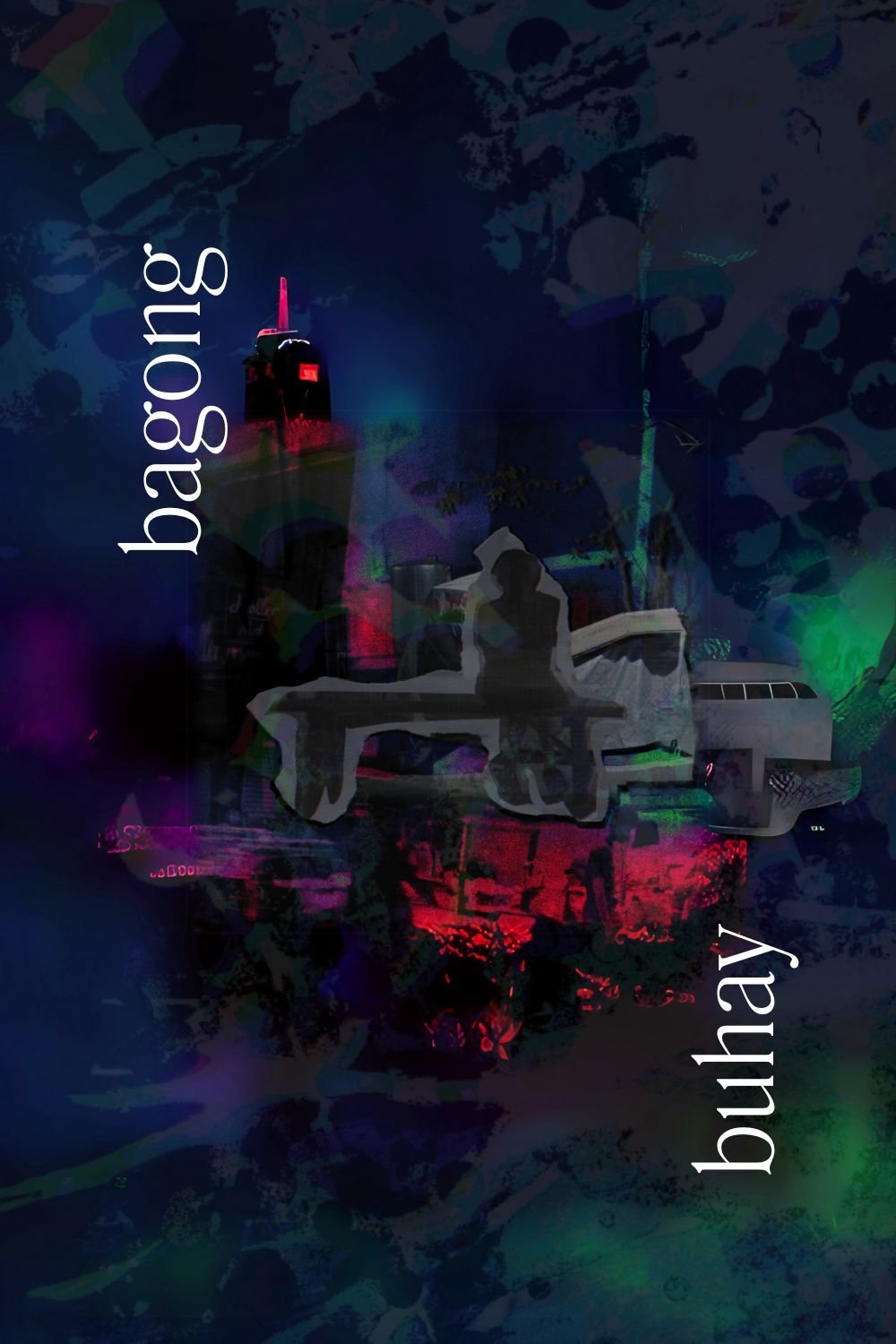
"Bagong Buhay" is a short experimental film that dispels the common belief that packing up and moving to a new place will magically improve one's quality of life. The film challenges this presumption by portraying two contrasting ways of life through objects and locations, encouraging viewers to think critically about the complexities of what makes a better life. In the Philippines, it's believed that relocating to a new area will bring about positive changes in one's existence. True satisfaction is a complex and multifaceted notion, and "Bagong Buhay" encourages us to ponder that relocating to a new place is not a surefire way to attain it.
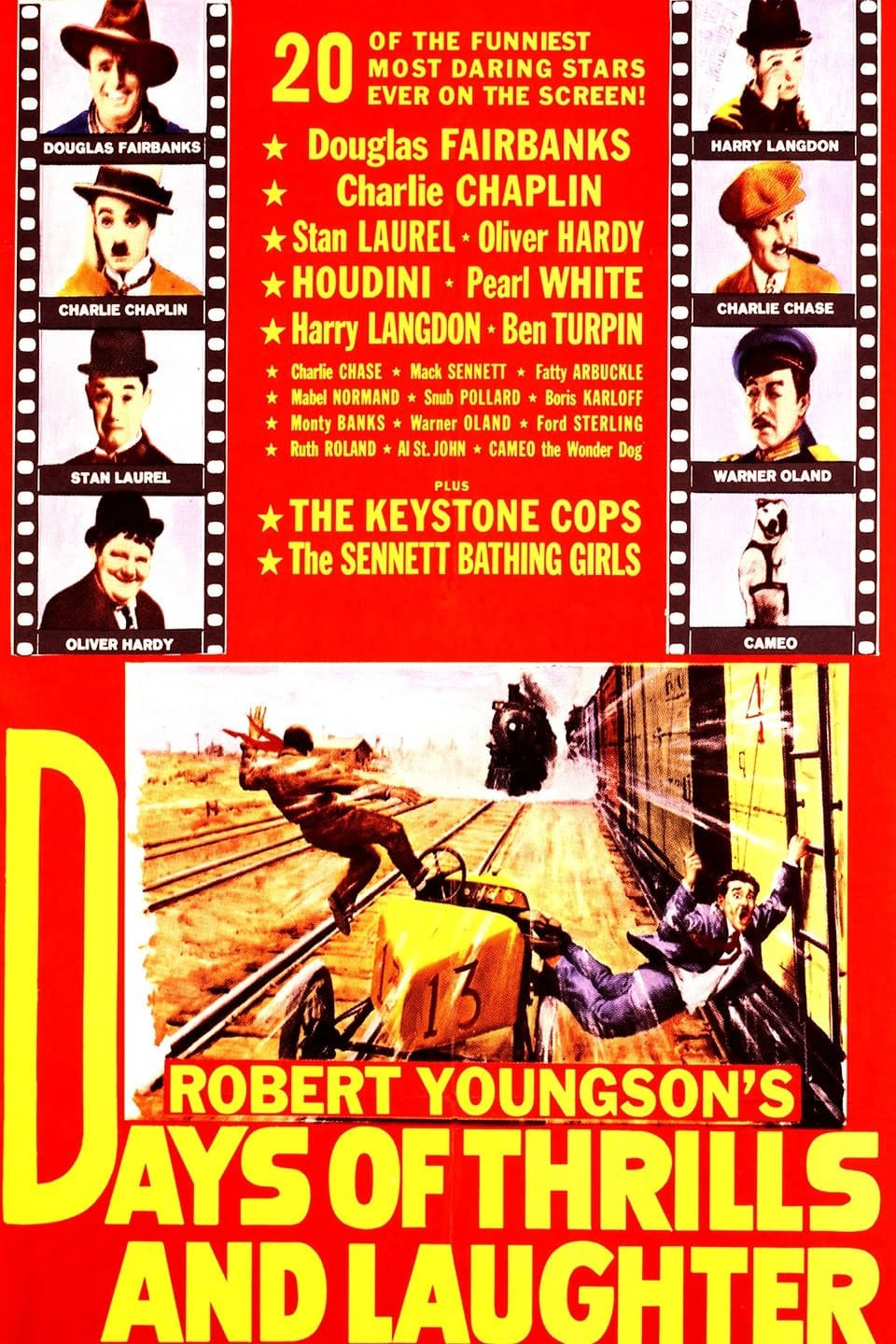
An appreciative, uncritical look at silent film comedies and thrillers from early in the century through the 1920s.
A method soldier boys have for amusing themselves in their leisure moments. New comrades are frequently initiated by the old-fashioned sport of tossing in a blanket. The newly arrived recruit, who is the victim of their sport, enjoys himself, perhaps, less than the other participants.
Short documentary on a central african tribe called 'The Chillouks'.
Between 1950 and 1955, Henri Langlois tried to produce, on behalf of the Cinémathèque française, several films devoted to great artists, with their cooperation, by entrusting them with virgin film stock. Wrote Langlois on the unfinished project, epic in scope: "We had the idea of asking poets, painters, scholars, writers and even repressed filmmakers [...] to make films in 16mm, with the means at hand, without taking into account any commercial concern or censorship." What precious little came of the project was eight minutes of film from Matisse and twenty-some from Marc Chagall, released at a later date.
A short, early documentary work showing insects exhibiting extreme strength and agility.
Finland’s first nature documentary. The filmmakers’ expedition leads them all the way to the Åland Islands and the Karelian Isthmus.
The first woman to appear in front of an Edison motion picture camera and possibly the first woman to appear in a motion picture within the United States. In the film, Carmencita is recorded going through a routine she had been performing at Koster & Bial's in New York since February 1890.
A film by Louis Aimé Augustin Le Prince, shot in late October 1888, showing pedestrians and carriages crossing Leeds Bridge.
On a market day in Kernascleden, two Breton women exchange their hair for a few coins. The hair becomes hairpieces. Last scene, an elegant Parisian removes her hat and exposes her generous wig skillfully coiffed.
Lucien Bull was a pioneer in chronophotography. Chronophotography is defined as "a set of photographs of a moving object, taken for the purpose of recording and exhibiting successive phases of motion."
It is a dramatic film, with its colossal explosion and smouldering remains. Within seconds of the chimney's collapse, crowds swarm in to inspect the site; issues of the crowd's health and safety are clearly not a concern, as people smile, wave and salute the camera.
Footage of the expedition leaving Antarctica from New Zealand shot by government cameraman James McDonald. His excellency Admiral Sir Wilmot Hawksworth Fawkes, Commander-in-Chief of the Royal Navy's Australian Station, visits and inspects the "Nimrod."
This documentary shows how the Berliner workers lived in 1930. The director Slatan Dudow shows through images: a) the workers leaving the factory; b) the raise of the rents; c) the "unpleasant" guest, meaning the justice officer that brings the eviction notice; d) the fight of classes of the houses of capitalists and working classes; e) the parks of the working class; f) the houses of the working class, origin of the tuberculosis and the victims; g) the playground of the working class; h) the swimming pool for the working class, ironically called the "Baltic Sea" of the working class; i) the effects of humidity of basement where a family lives, with one member deaf; j) one working class family having dinner while the capitalist baths his dog; k) the eviction notice received from an unemployed family and their eviction.
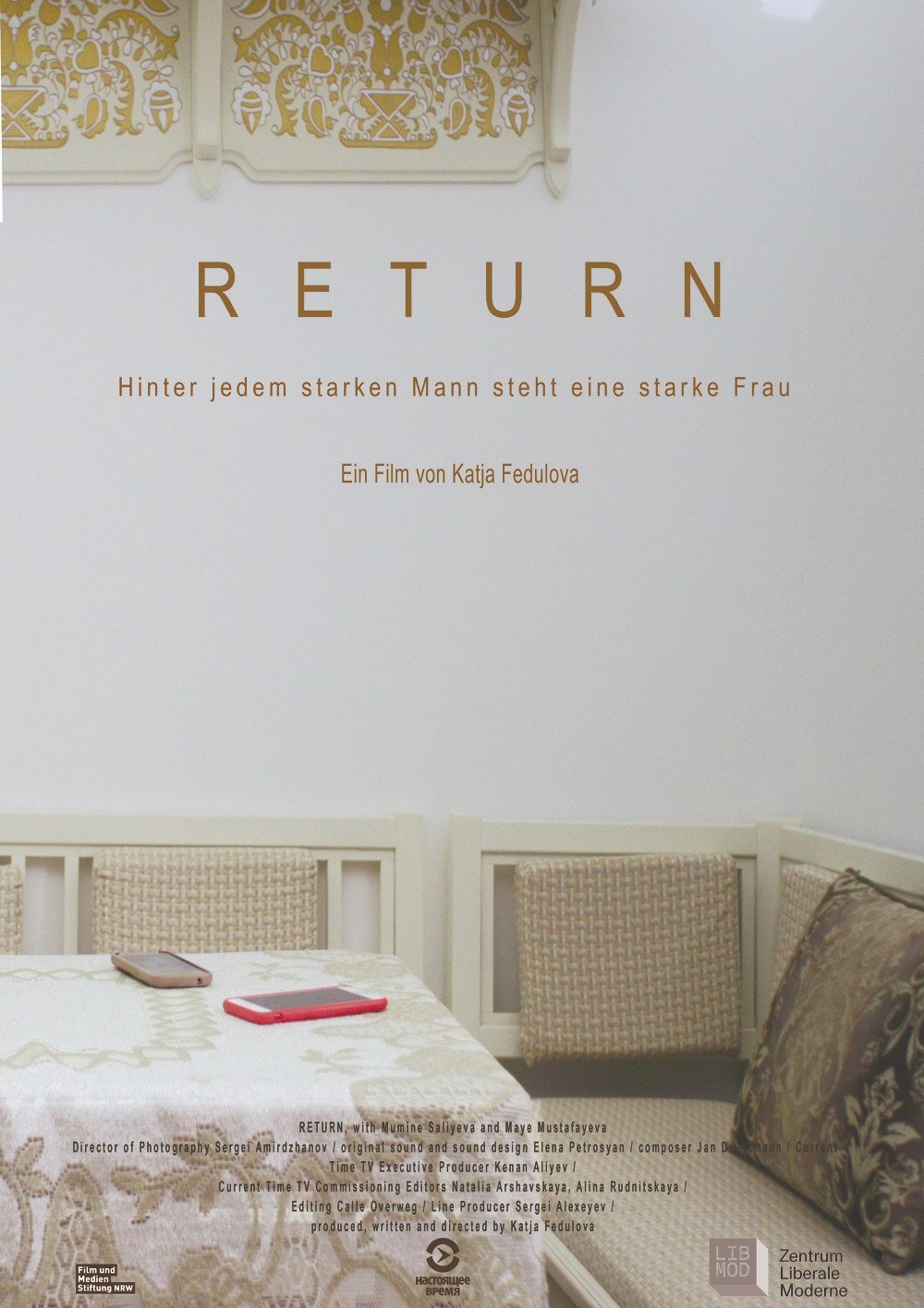
"Behind every strong man is a strong woman!", Mumine shouts as her husband is arrested. She has 4 children, she's in her mid-30s, and she's the wife of a Crimean Tatar political prisoner. Muslim Crimean Tatars have been oppressed for a long time. They were deported under Stalin, allowed to return under Gorbachev, and since the occupation of Crimea in 2014 under Putin, they are being persecuted again. "Return" is a portrait of Mumine and Maye, two strong women struggling with the consequences of oppression. Their traditional understanding of their role as women does not stand in the way of their dedication. They possess strength, beauty and dignity. Only in their most intimate moments, they are overwhelmed by desperate helplessness.
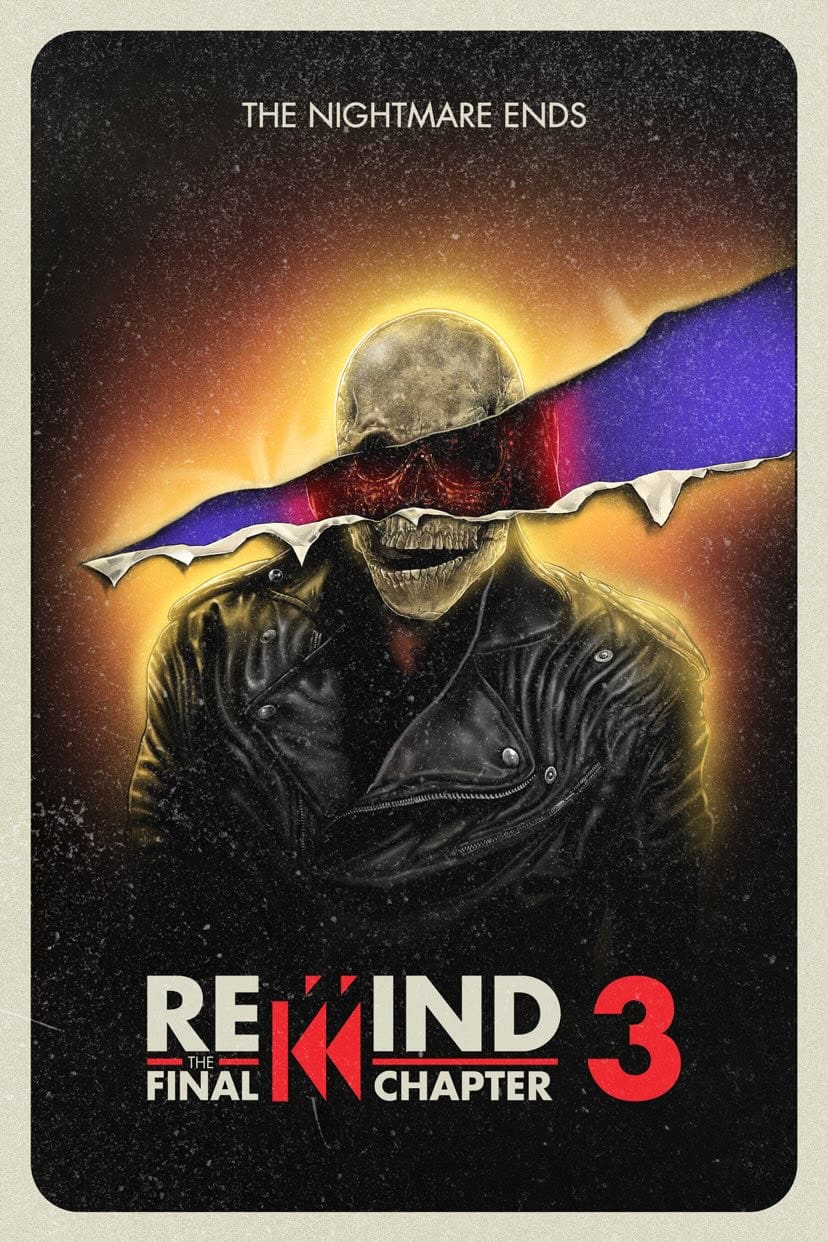
An unfortunate highschooler finds an ancient book that summons Allentown's deadliest maniacs back from the dead.
Eyüp decides to cross mount Ararat looking for his aunt in Yerevan after following a madman's words. His aunt has also been expecting someone to come from behind this mount for many years. Eyüp cannot be sure about the woman he finds behind the blue door, whether it is his aunt or not because they can't understand each other.
Six vignettes pit an assortment of characters against each other in everyday situations.
Three friends who live in Resende, in the interior of Rio de Janeiro, and plan a trip in Babette's Beetle convertible to celebrate their 15 years of friendship and attend the closing show of the tour of a great pop star, who studied with them as a teenager. and today he is the most famous young singer in Brazil.
A womanizing lawyer follows his wife and son to a trip to Egypt in a last-ditch effort to make up for his infidelities. Also travelling to Egypt is a bumbling police chief who's desperate to keep his rebellious daughter from becoming a showgirl. The two meet during a Nile cruise. Calamity ensues.
The Red Mountain Tribe hangs out in my backyard. "Lipton's lovely home movie PEOPLE, in its affection for valuable inconsequential gestures, indicates in the course of its three minutes why there has to be a continuing alternative to the commercial cinema." – Roger Greenspun, The New York Times
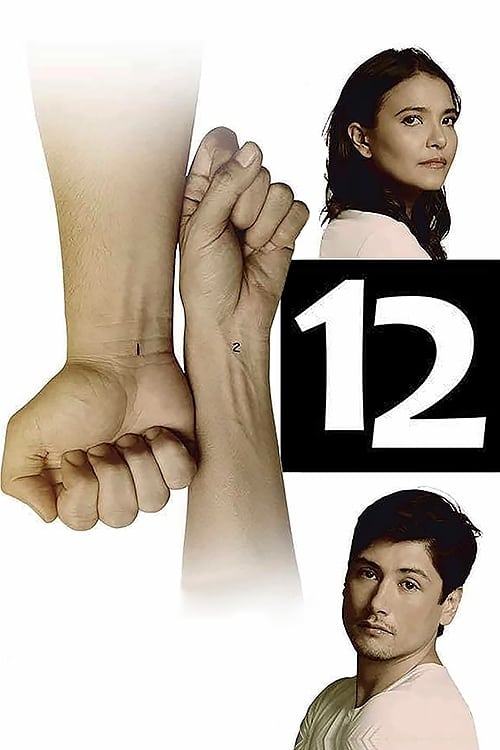
Anton and Erika started out as friends for five years and got into a romantic relationship for seven years. Anton is a commercial director while Erika is a former band member and becomes his stay-at-home partner. The day finally comes when he asks her to marry him.
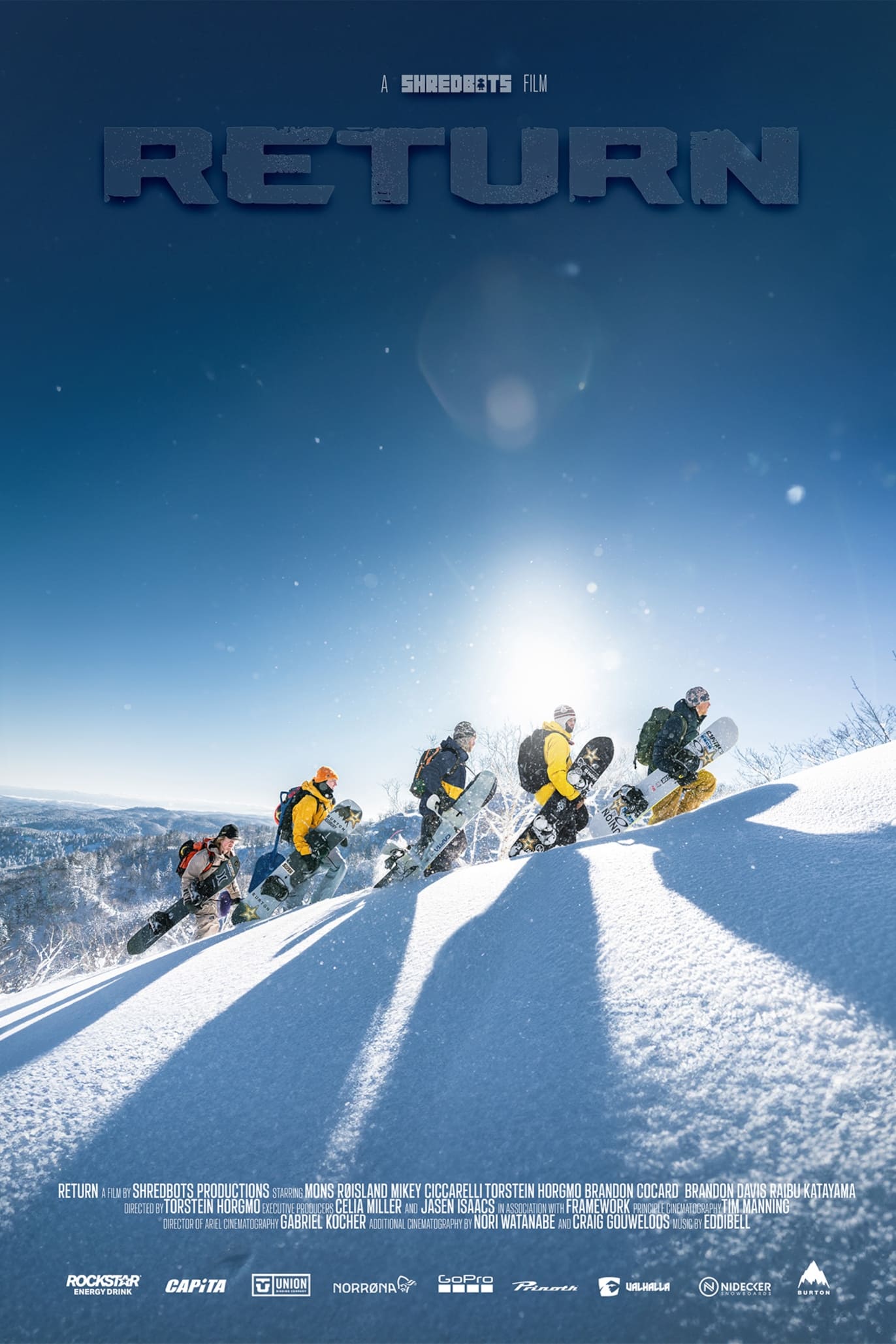
‘RETURN’ follows Torstein Horgmo, Mikey Ciccarelli, Mons Røisland, Brandon Cocard, Brandon Davis, and Raibu Katayama as they push the boundaries of what can be accomplished snowboarding when innovative minds join forces.
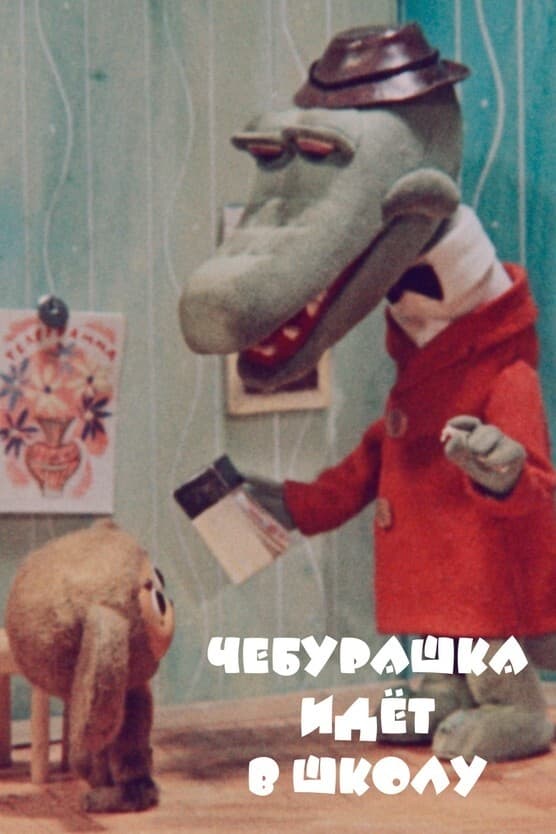
Fourth animation about Gena and Cheburashka. Gena finds out that Cheburashka is unable to read. Luckily, the next day is September 1, the first day of school, and Gena decides to take Cheburashka to school so he can learn. After failing to buy a school uniform, they go to the school anyway, only to find it is closed for repair. Shapoklyak uses Lariska the Rat to stimulate the workers to repair the school quickly. As the school also doesn't have enough teachers, Gena and Shapoklyak volunteer to be teachers.
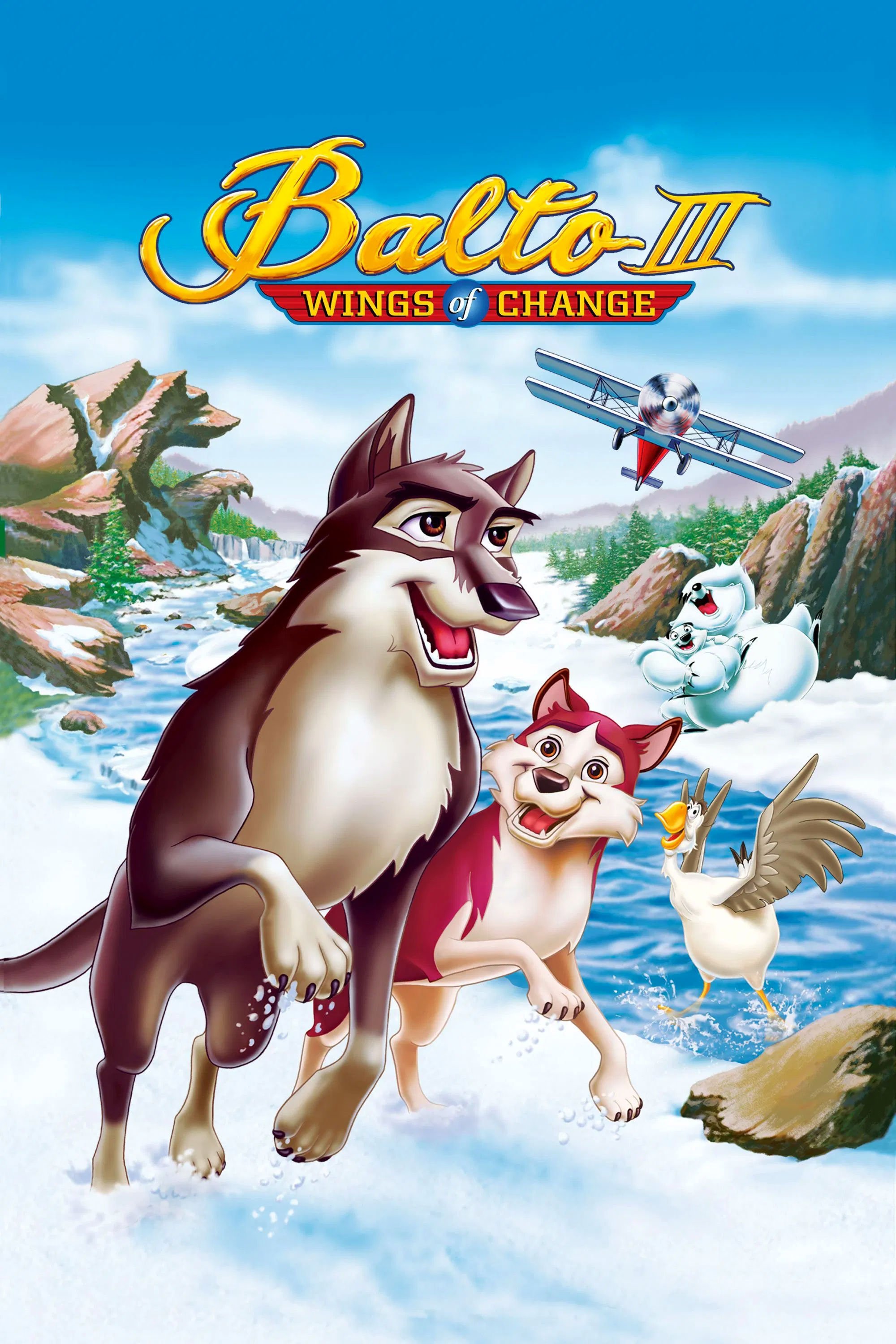
Balto and the other sled dogs are feeling dejected because the mail that used to be delivered by dogsled is now being delivered by airplanes. But when a mail plane crashes in the mountains, the dogs come to the rescue.
After reading an article about hypnotic regression, a woman whose maternal grandfather died when she was only three years old contacts the hypnotic subject named in the article believing that he is the reincarnation of her grandfather, and hoping that she can learn the truth about how he died.
Laura Price is a successful San Francisco lawyer on the cusp of promotion – a far cry from her childhood growing up on a tropical island with best friends Chip and Gem. When the firm’s biggest client – Chip’s grandfather – asks Laura to travel to the island and deliver a contract to make Chip his heir, she leaves behind her practice and fiancé Owen to convince her childhood friend to sign a contract that will make him a billionaire.
A young college student is given a disturbing ultimatum when a dark secret from his past is resurrected.
Christian Slater is a stranger who comes to a small town. The local citizens think he's up to no good. After bothering him for a while, he blurts out in frustration, that he is there to kill himself.
PEOPLE is a new collaboration of riders and filmers from Mack Dawg Productions. Directed by Pierre Minhondo and Justin Eeles. This newly formed collective combines the talents, attitude, and fun-loving folks from such films as kidsKNOW’s “Burning Bridges,” and Neoproto’s “Some Kinda Life”. Learn, watch, and follow these PEOPLE as they show you real snowboarding in their own form. From our cities to yours, look forward to watching: Jon Kooley, Justin Hebbel, Nima Jalali, Jordan Mendenhall, Curtis Woodman, Mitch Nelson, Bryan Fox, Etienne Gilbert, Robbie Sell, Stephen Duke, Pat McCarthy, Shaun McKay, Josh Mills, Marius Otterstad, Jussi Tarvainen, and Ryan Thompson. -Released August 2006.
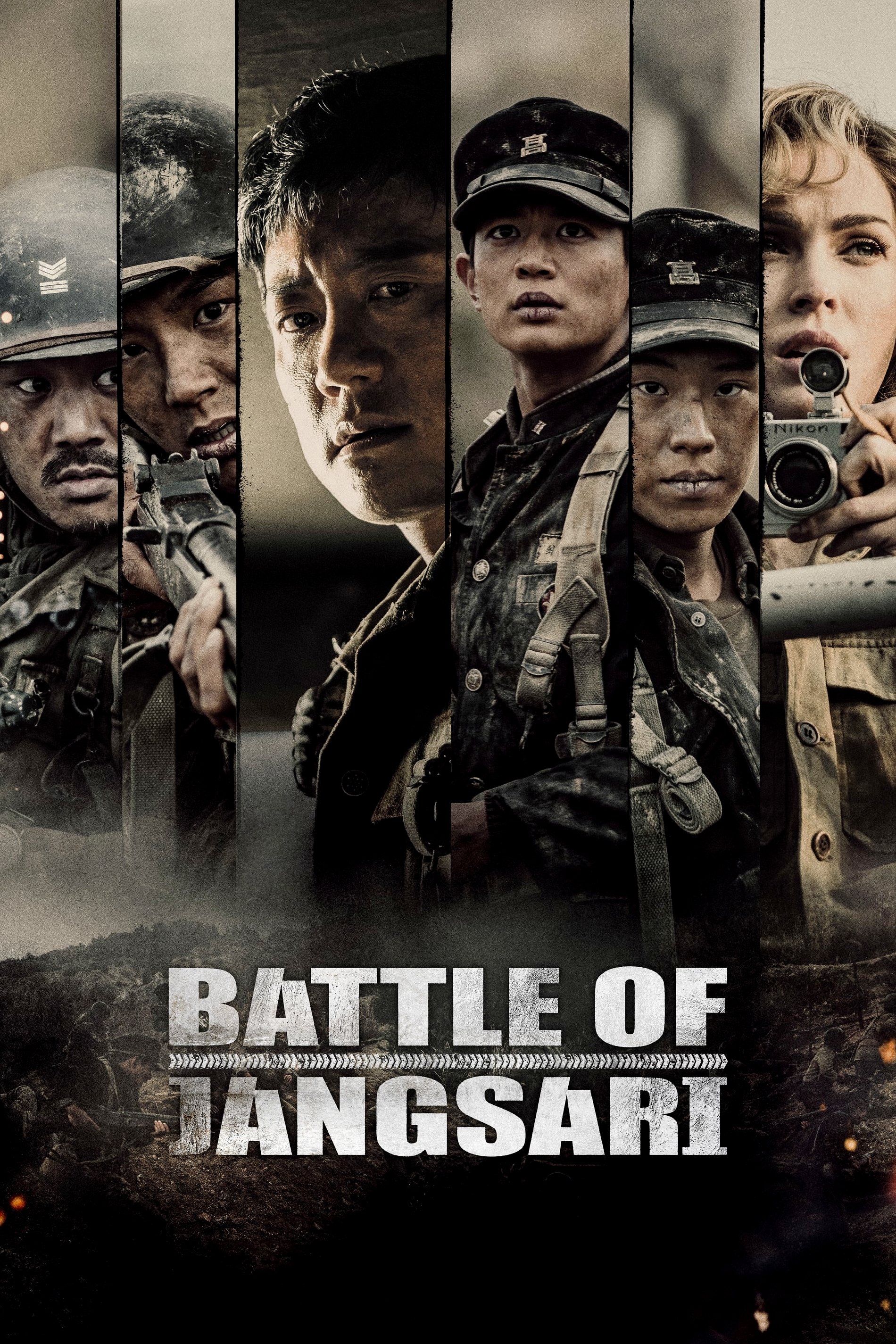
Korean War, September 1950. In order to fight the enemy forces based in the South of the peninsula, General MacArthur orders the start of the Incheon Landing Operation, deploying diversionary attacks in other locations. Without real military forces to spare, 772 very young Korean student soldiers, barely trained, are sent to Jangsari Beach, where they will face a heroic fate and discover the value of friendship. (A sequel to Operation Chromite, released in 2016.)