Social & External
Unknown Role
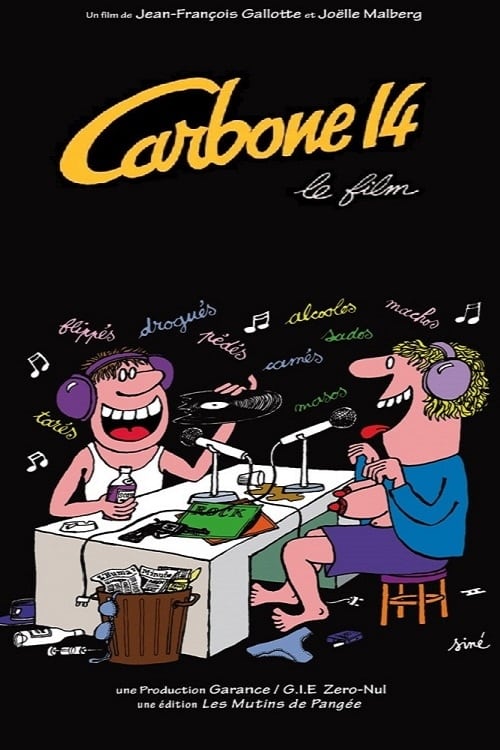
Supernana, David Grossexe, Simone Cuisse d'Acier, Jean-Yves Lafesse occupy during three nights of summer 82, with their guests, Radio Carbone locals, one of those numerous « free radio » created in France at this period.
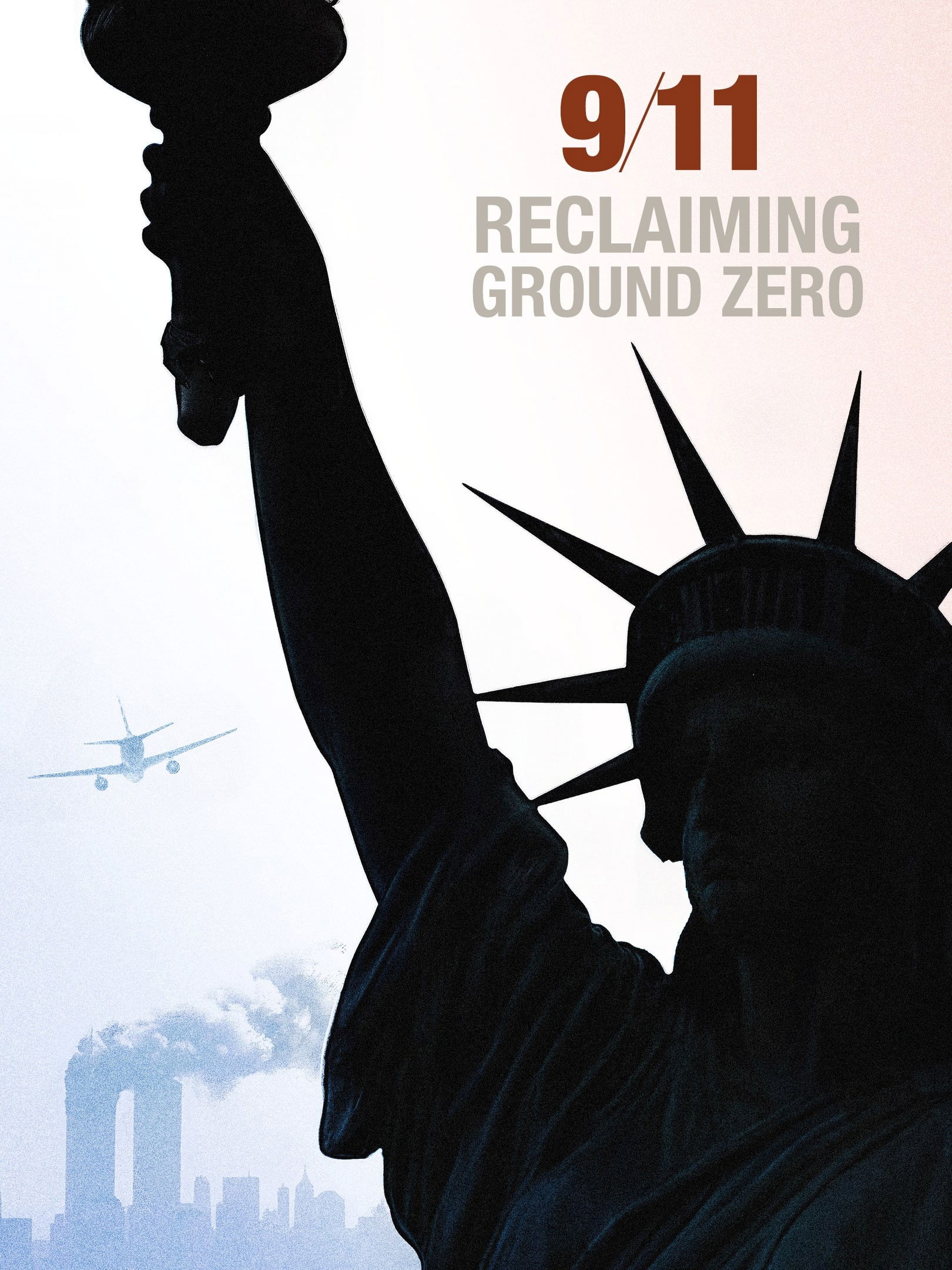
After the 9/11 attacks, after the smoke was gone, after the rubble cleared away, New Yorkers had a city to rebuild. In response to fast-tracked redevelopment plans, more than 5,000 people gathered in the largest town hall in American history. They came to vote on the city’s six proposals for rebuilding Ground Zero. But instead, the people rejected the top down approach and successfully charted a new path forward. Their work determined what is at Ground Zero today. And their story is an example of what democracy can look like.
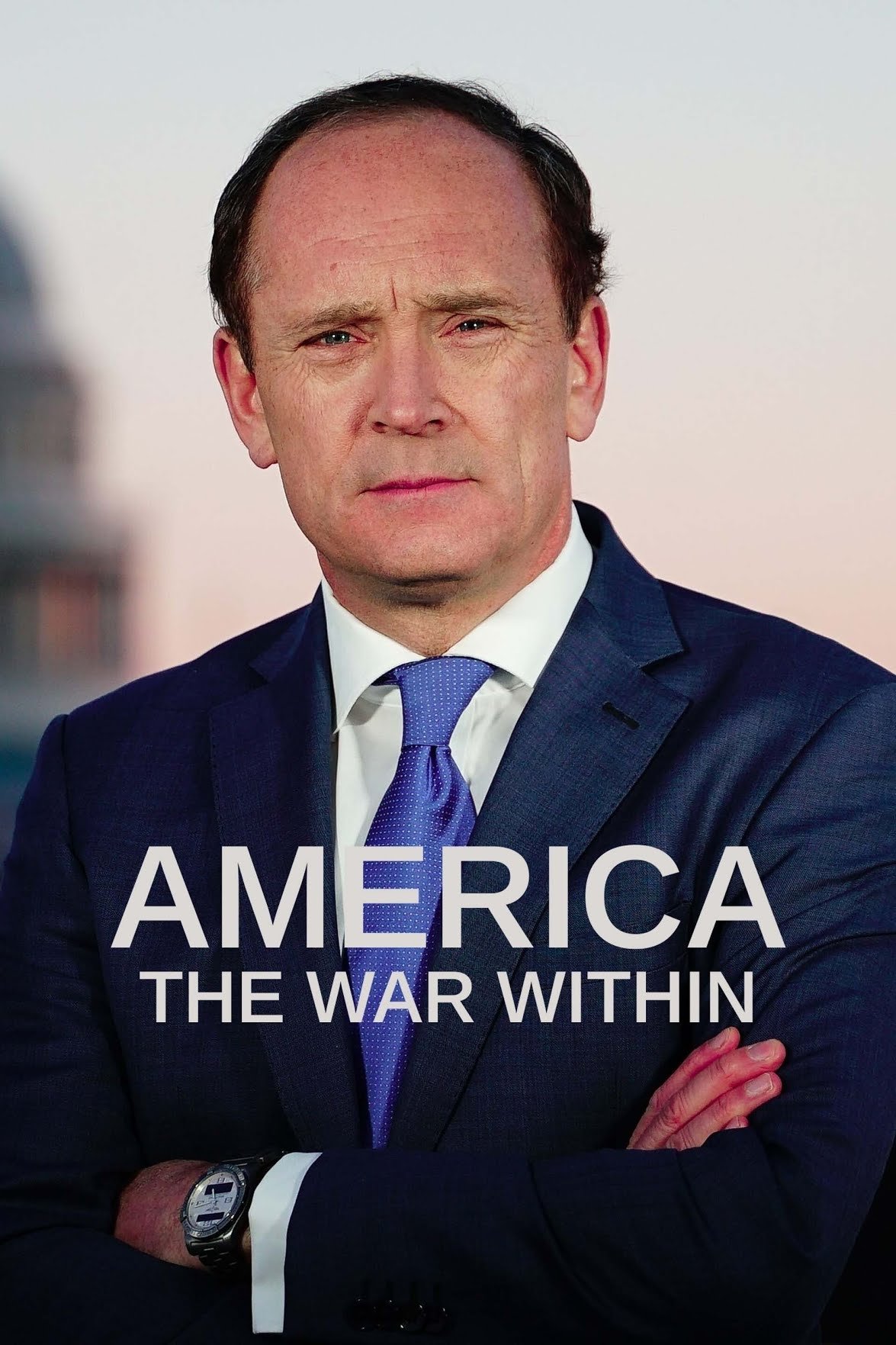
Is America's political system crumbling? ITV's Robert Moore explores the widespread fears for its sanctity.
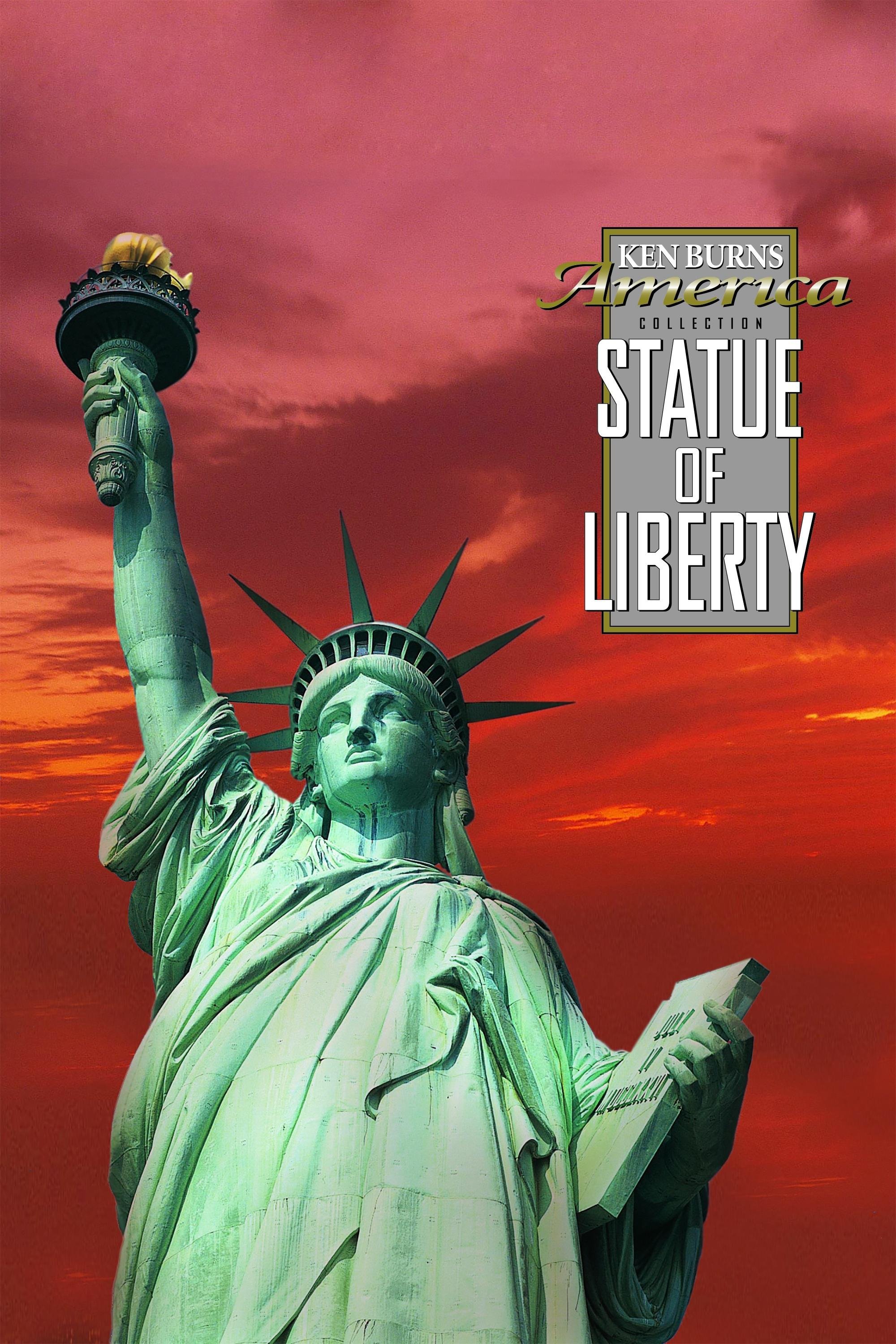
For more than 100 years, the Statue of Liberty has been a symbol of hope and refuge for generations of immigrants. In this lyrical, compelling and provocative portrait of the statue, Ken Burns explores both the history of America’s premier symbol and the meaning of liberty itself. Featuring rare archival photographs, paintings and drawings, readings from actual diaries, letters and newspapers of the day, the fascinating story of this universally admired monument is told. In interviews with Americans from all walks of life, including former New York governor Mario Cuomo, the late congresswoman Barbara Jordan and the late writers James Baldwin and Jerzy Kosinski, The Statue of Liberty examines the nature of liberty and the significance of the statue to American life. Nominated for both the Academy Award ® and the Emmy Award ®, The Statue of Liberty received the prestigious CINE Golden Eagle, the Christopher Award and the Blue Ribbon at the American Film Festival.
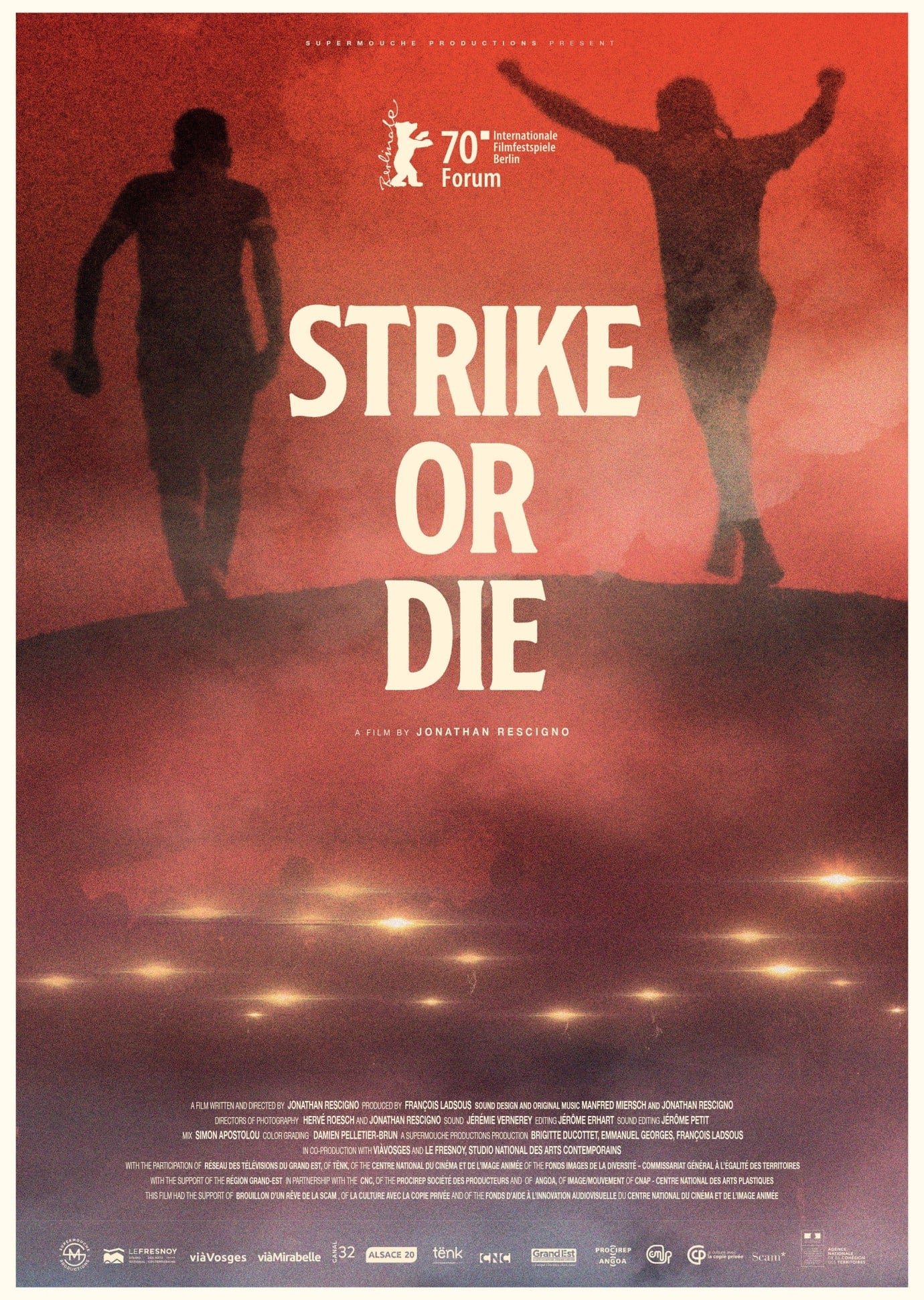
In October 1995, Forbach witnessed one of the most violent strikes in the history of contemporary France. A thousand or so miners took to the streets for a merciless struggle against a reform in their rights. Twenty years after the mines shut down, people’s will to fight is still alive, just hidden away somewhere.
Moscow, Russia, December 2016. Edward Snowden, Larry Lessig and Birgitta Jónsdóttir meet for the first time in a secret place. Apparently, Russia is interfering in the US presidential elections while it mourns the death of its ambassador to Turkey. Snowden carefully chooses his interviews, so nobody really knows something about him. As the world prepares for Christmas, they gather to discuss the only issue that matters, their common struggle: how to save democracy.
Following a national crisis, the citizens of Iceland rallied together to collectively write the first ever crowdsourced constitution. A deeply touching account of an eclectic group of individuals reinventing democracy through the rewriting of the nation's constitution, proving that Iceland is not a broken country but instead an intricate web of concerns, ideas, and ultimately creative solutions.
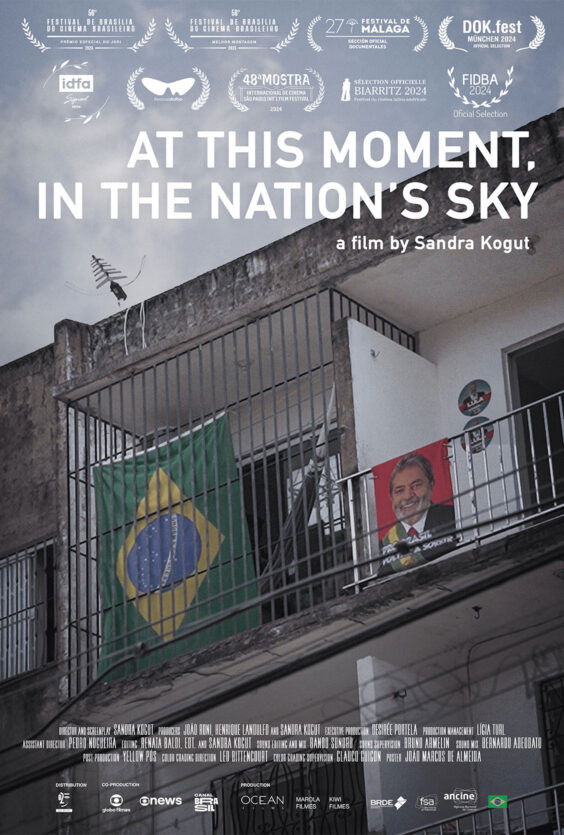
The documentary closely follows the turbulent months of the electoral period that culminated in the invasion of the National Congress, the Planalto Palace and the STF on January 8, 2023.
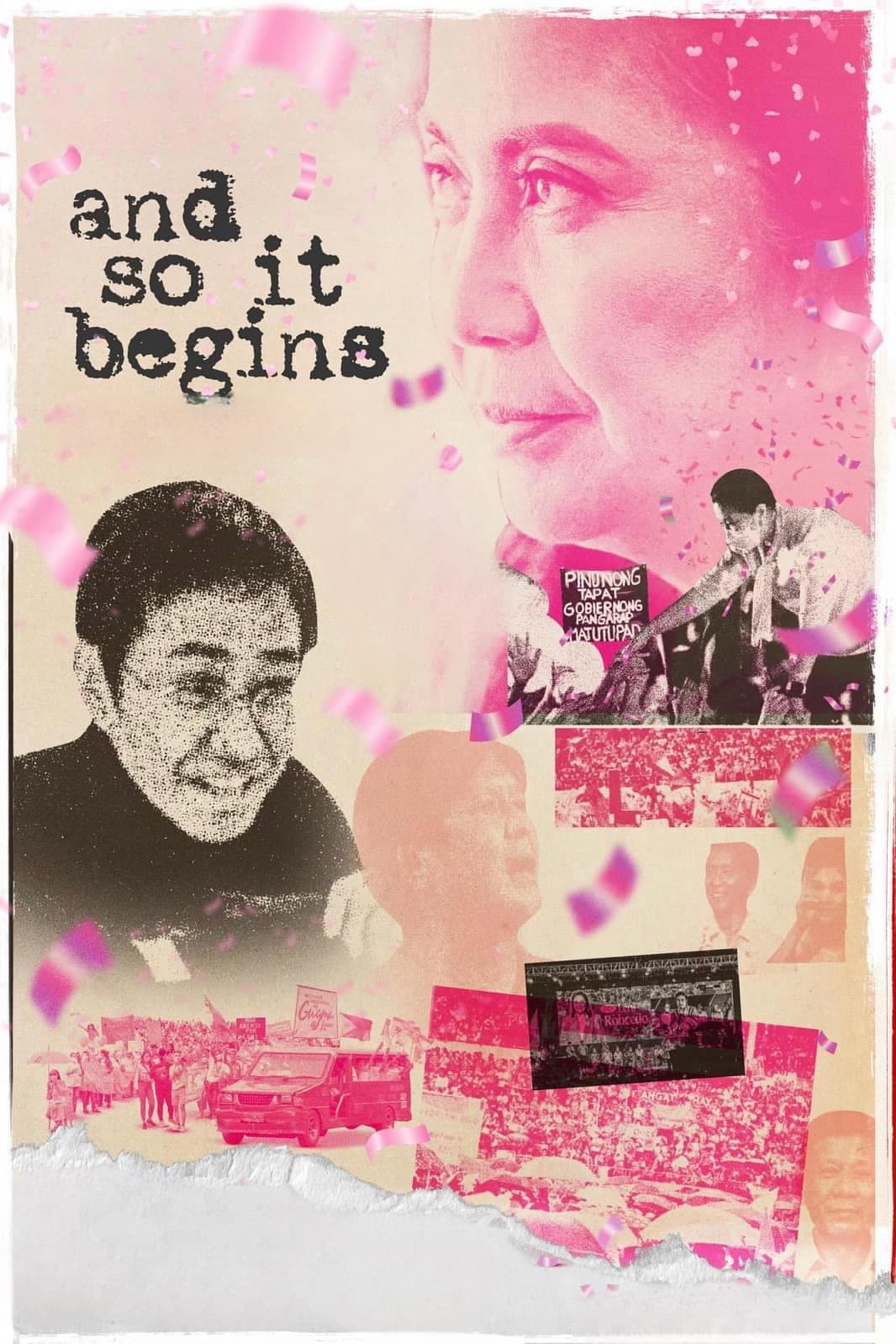
Amidst the traditional pomp and circumstance of Filipino elections, a quirky people’s movement rises to defend the nation against deepening threats to truth and democracy. In a collective act of joy as a form of resistance, hope flickers against the backdrop of increasing autocracy.
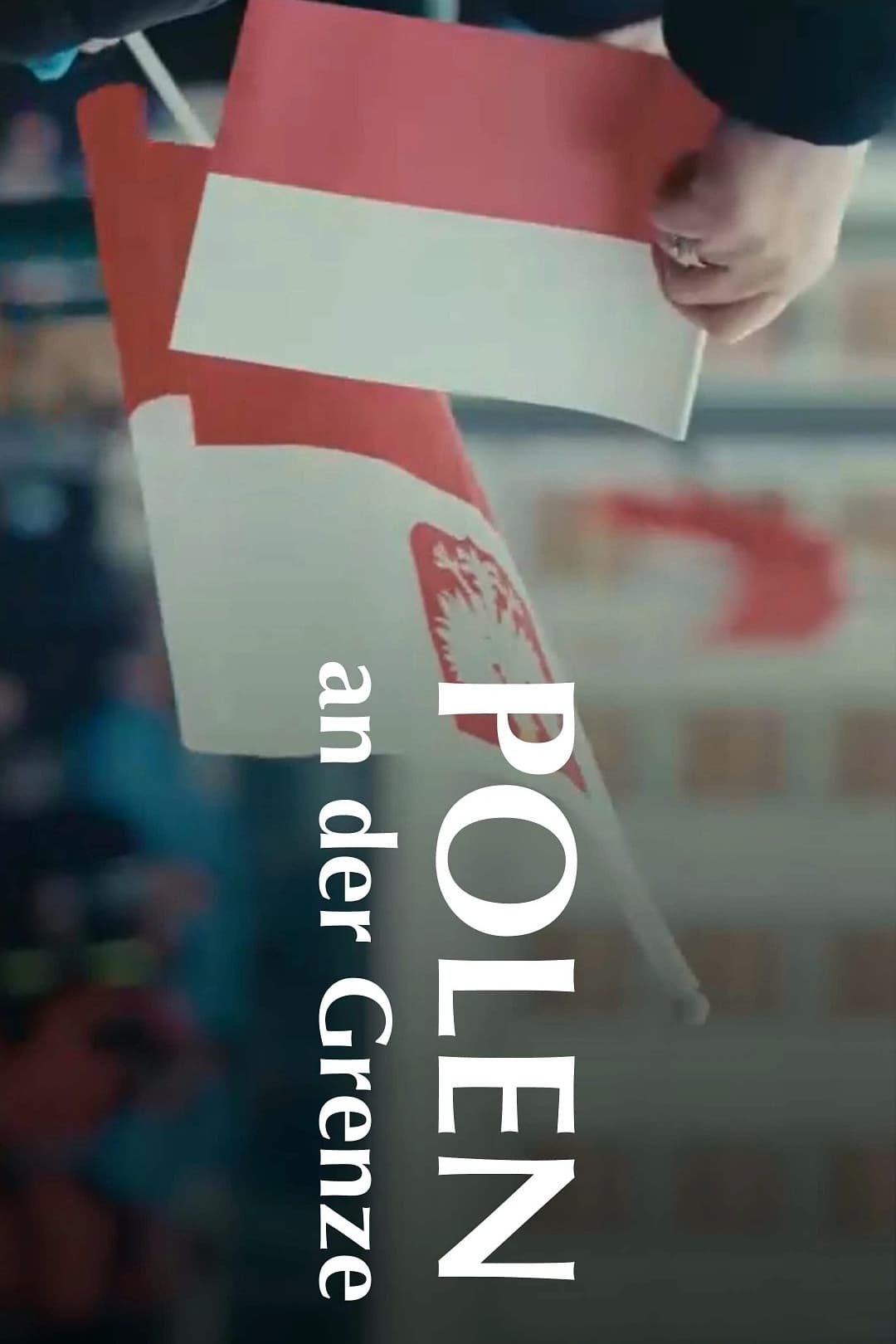
In the run-up to parliamentary elections in mid-October, Polish filmmaker Marcin Wierzchowski travelled across his country to gauge the atmosphere in a society that is more divided than ever.
The film is a controversy on democracy. Is our society really democratic? Can everyone be part of it? Or is the act of being part in democracy dependent to the access on technology, progression or any resources of information, as philosophers like Paul Virilio or Jean Baudrillard already claimed?
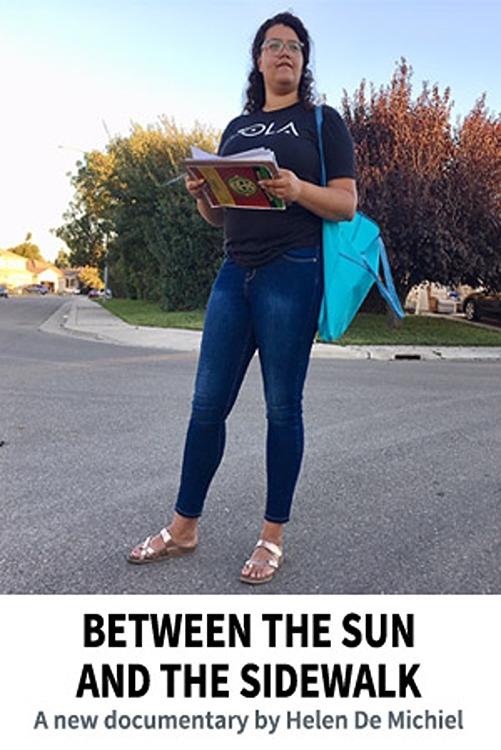
Christian Garcia, a fiercely dedicated Latino political organizer, leads a team of young people mobilizing their community for a soda tax. Tested during their fight for the right to vote, the young recruits dare to beat back the goliath soda industry and ignite a youth-powered movement for health equity and justice.
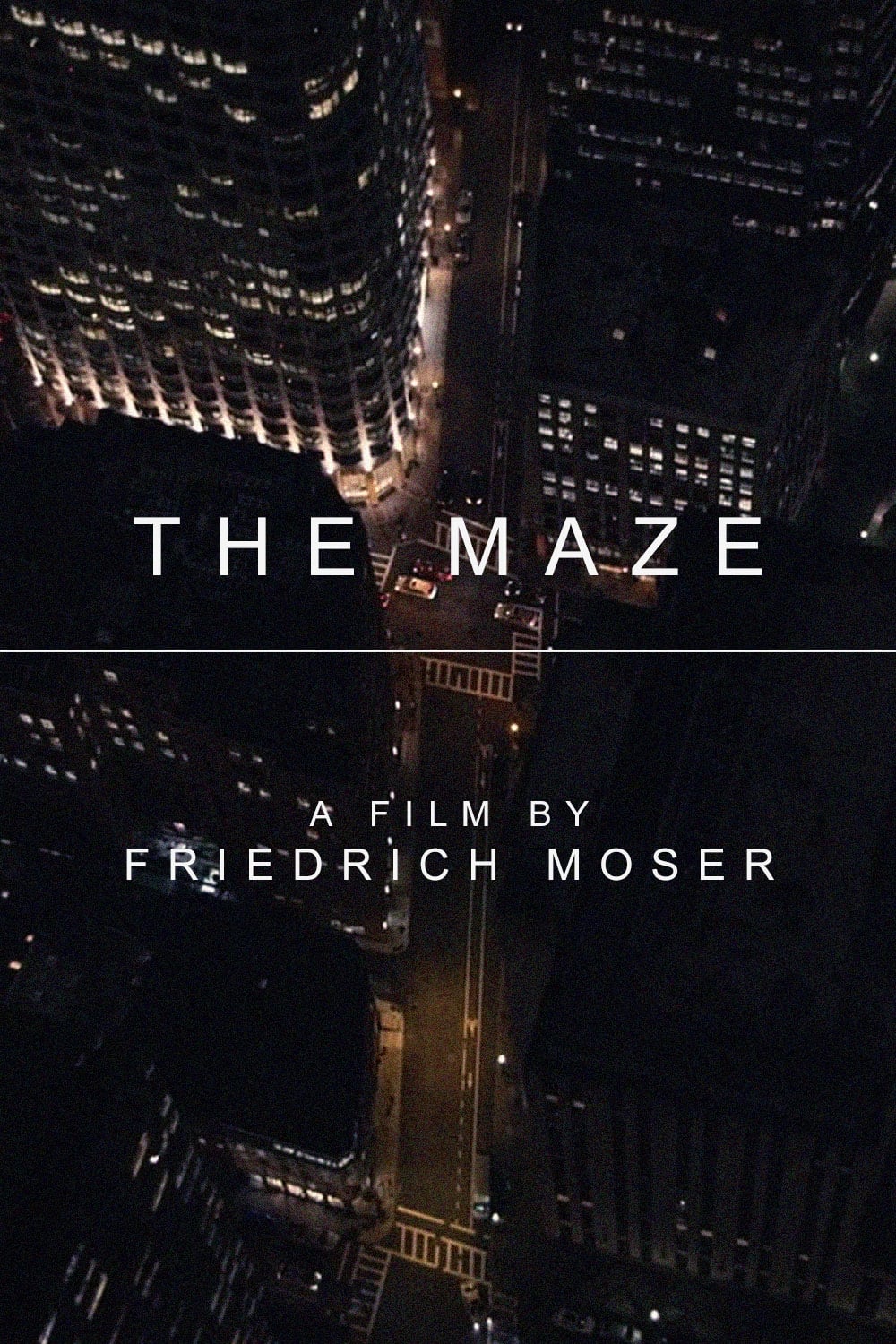
THE MAZE dissects the terror-attacks since Paris Bataclan in November 2015 and looks for common patterns. Why was intelligence failing? And why keep our governments pushing for more of the same? A road movie into surveillance reforms, power, money and cover-ups. A search for a way out of this maze - with a glimpse of hope on the horizon.
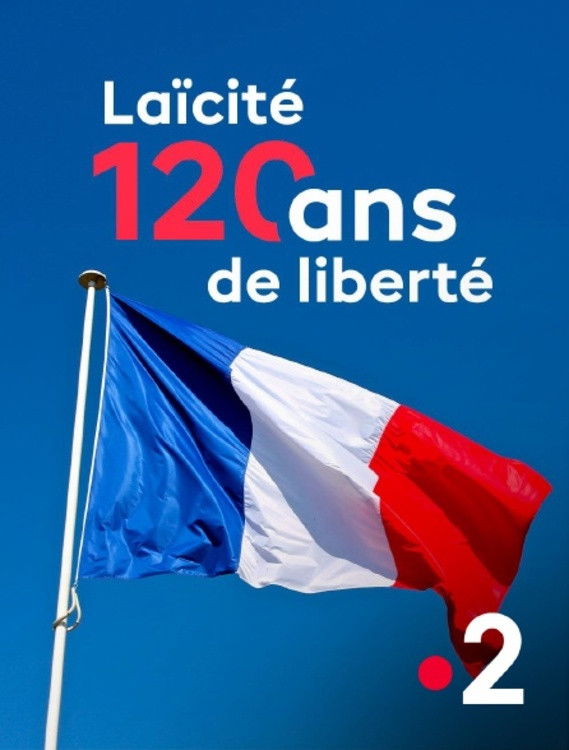
The 1905 law proclaiming the separation of church and state is 120 years old. This law affirms freedom of conscience and religious freedom. It is considered the founding text of secularism. Secularism is the subject of endless controversy and debate.
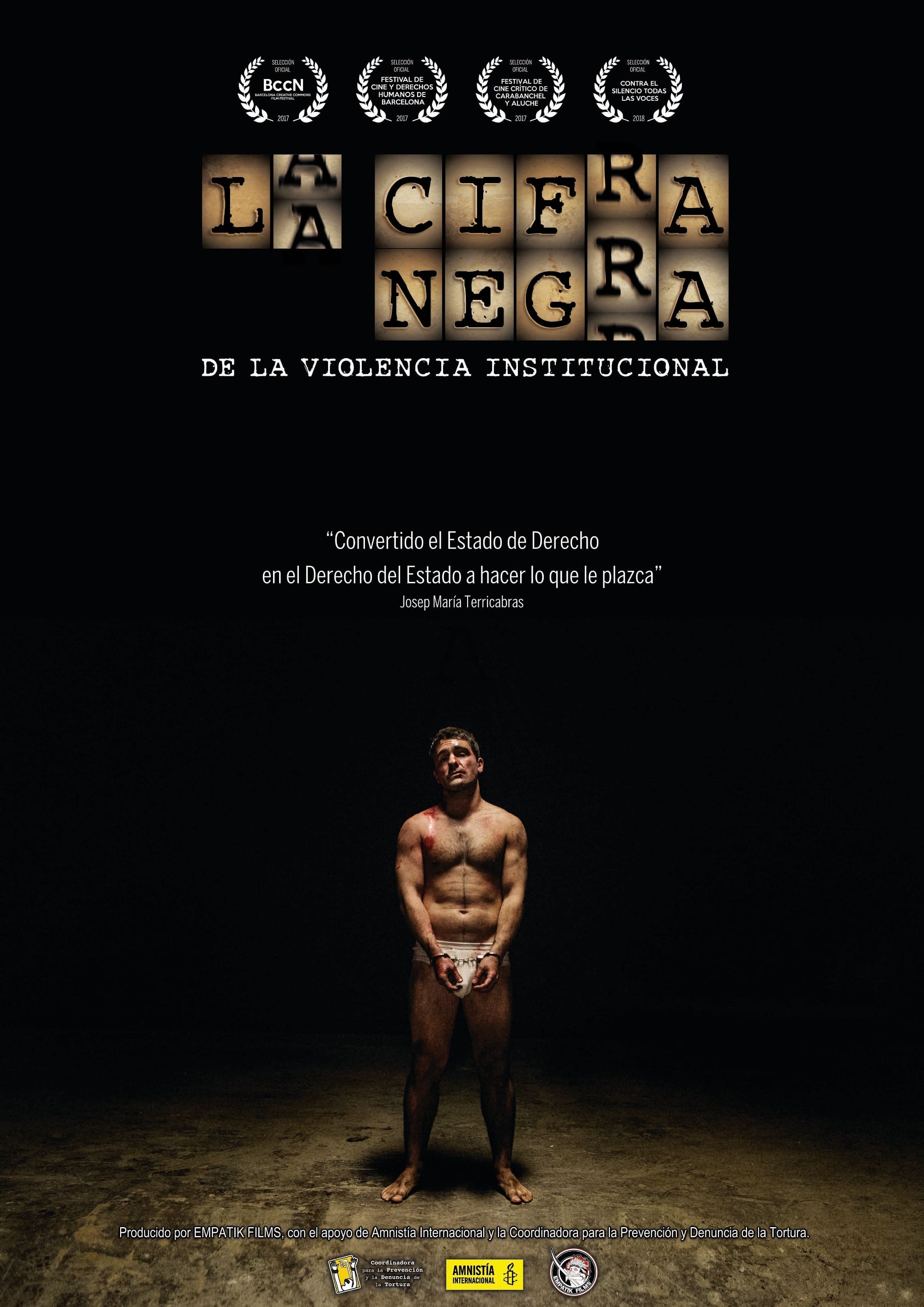
The most crude and atrocious institutional violence of the Spanish State hides behind a true dark figure, an abyss into which this documentary peers through 30 firsthand accounts.
"What Donald Trump’s win means for abortion, immigration, foreign policy, and more. "Donald Trump, the 45th president of the United States, will also be its 47th president. After voting him out of office in 2020, American voters changed their minds, opting for a return to his policies and his politics. "But the second Trump presidency will look very little like the first. His policies have evolved, his circumstances have changed, and he will be returning to office with a much more focused plan than the one he entered with eight years ago. "In this video, we ask six Vox reporters what we should expect from Trump’s second term, on topics from foreign policy to abortion" (Vox).
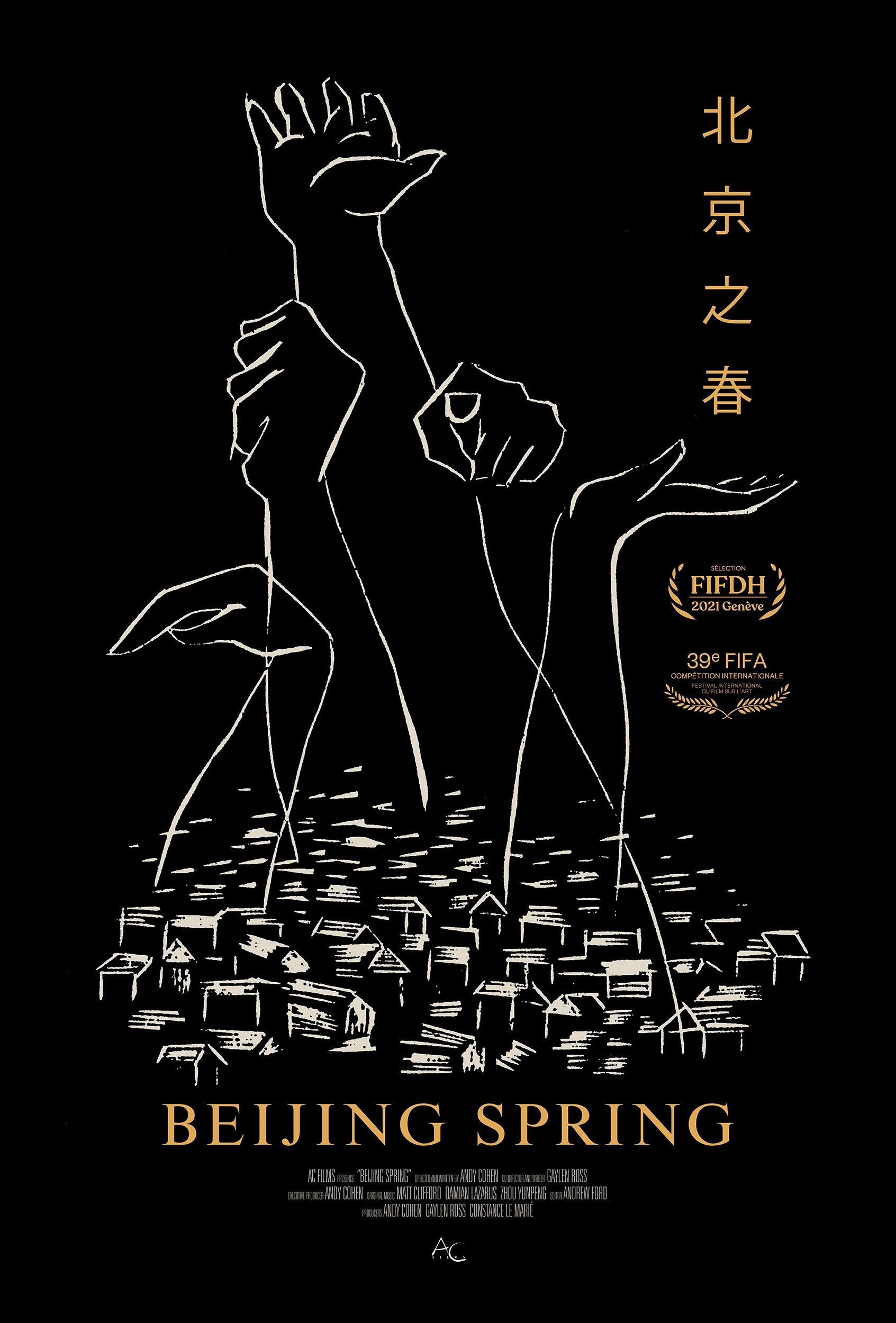
The documentary film of the brief window of artistic freedom and democracy movement 1978 - 1982 following China's brutal cultural revolution.
Al Pacino's deeply-felt rumination on Shakespeare's significance and relevance to the modern world through interviews and an in-depth analysis of "Richard III."
Bruce Conner’s most celebrated film for a reason: it takes historical moments that were replayed over and over on television—chilling repetition of Kennedy assassination coverage—and repurposes them into a meditation on how the media tries to exert authority and apply a sense of order to the anarchic. And though it may sound perverse to say so, the film is also—not incidentally—a thrill to watch. -- The A.V. Club
This searing investigative work shadows a group of activists risking unimaginable peril to confront the ongoing anti-LGBTQ program raging in the repressive and closed Russian republic. Unfettered access and a remarkable approach to protecting anonymity exposes this under-reported atrocity–and an extraordinary group of people confronting evil.
Behind-the-scenes documentary about how Lionel Messi succeeded in lifting the World Cup – the only trophy to have eluded him in an incredible career.
A primetime special with performances from the superstar including Adele’s first new material in six years plus her chart-topping hits. The special will also feature an exclusive interview with Adele by Oprah Winfrey from her rose garden, in Adele’s first televised wide-ranging conversation.
A night of drunken chaos rocks a quiet Dutch town in this shocking documentary about a teen's birthday invite that accidentally went viral on Facebook.
Through deeply personal interviews with her siblings and an examination of the photographs, letters, and belongings left behind, Mariska assembles a new portrait of her mother Jayne Mansfield, an extraordinary and complex woman.
A documentary examining the decade of the 1970s as a turning point in American cinema. Some of today's best filmmakers interview the influential directors of that time.
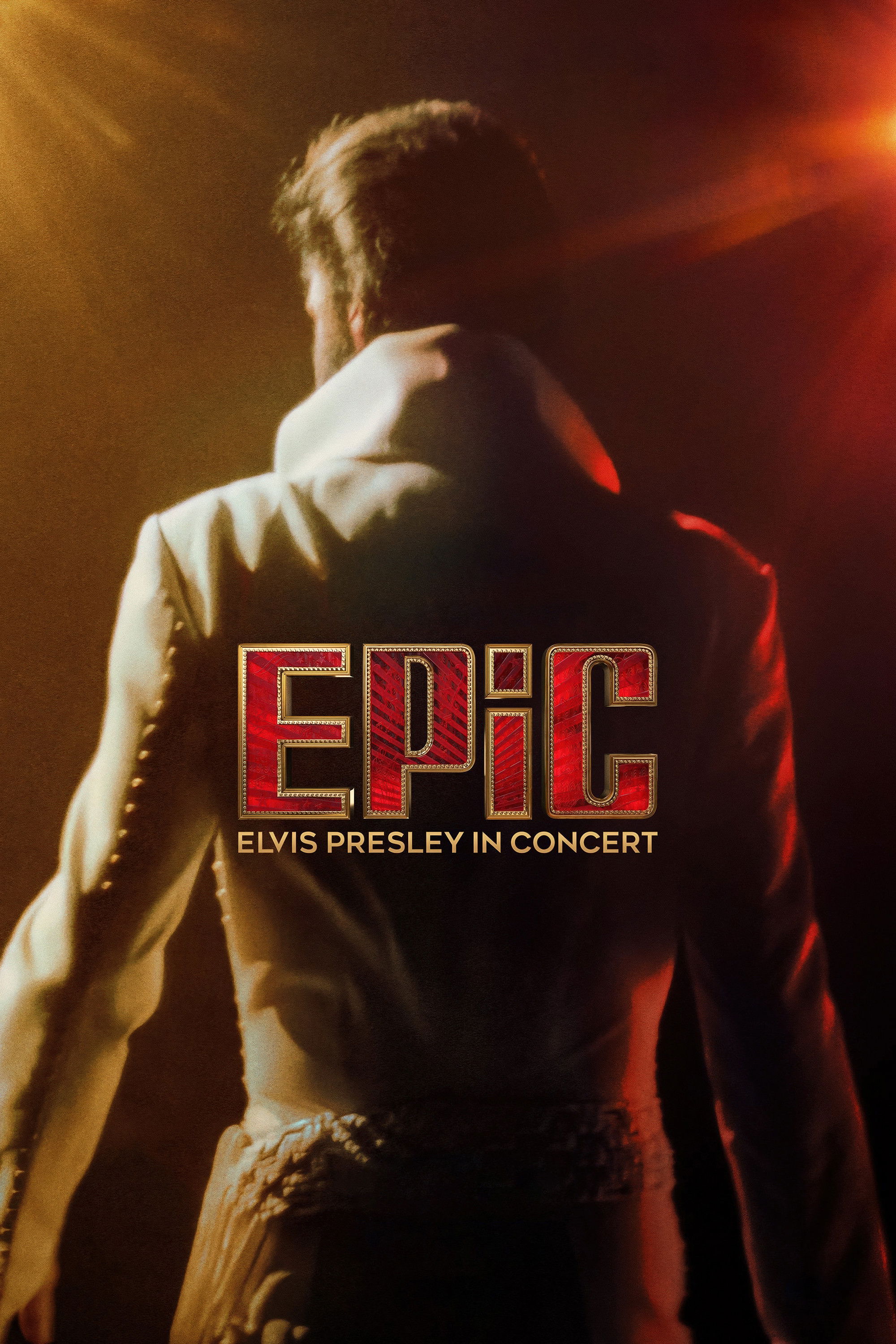
Long-lost footage from Elvis Presley's legendary Las Vegas residency in the 1970s woven together with rare 16mm footage from Elvis on Tour, and 8mm from the Graceland archive, plus recordings of Elvis telling "his side of the story" rediscovered during Baz Luhrmann's research for his 2022 film, Elvis.
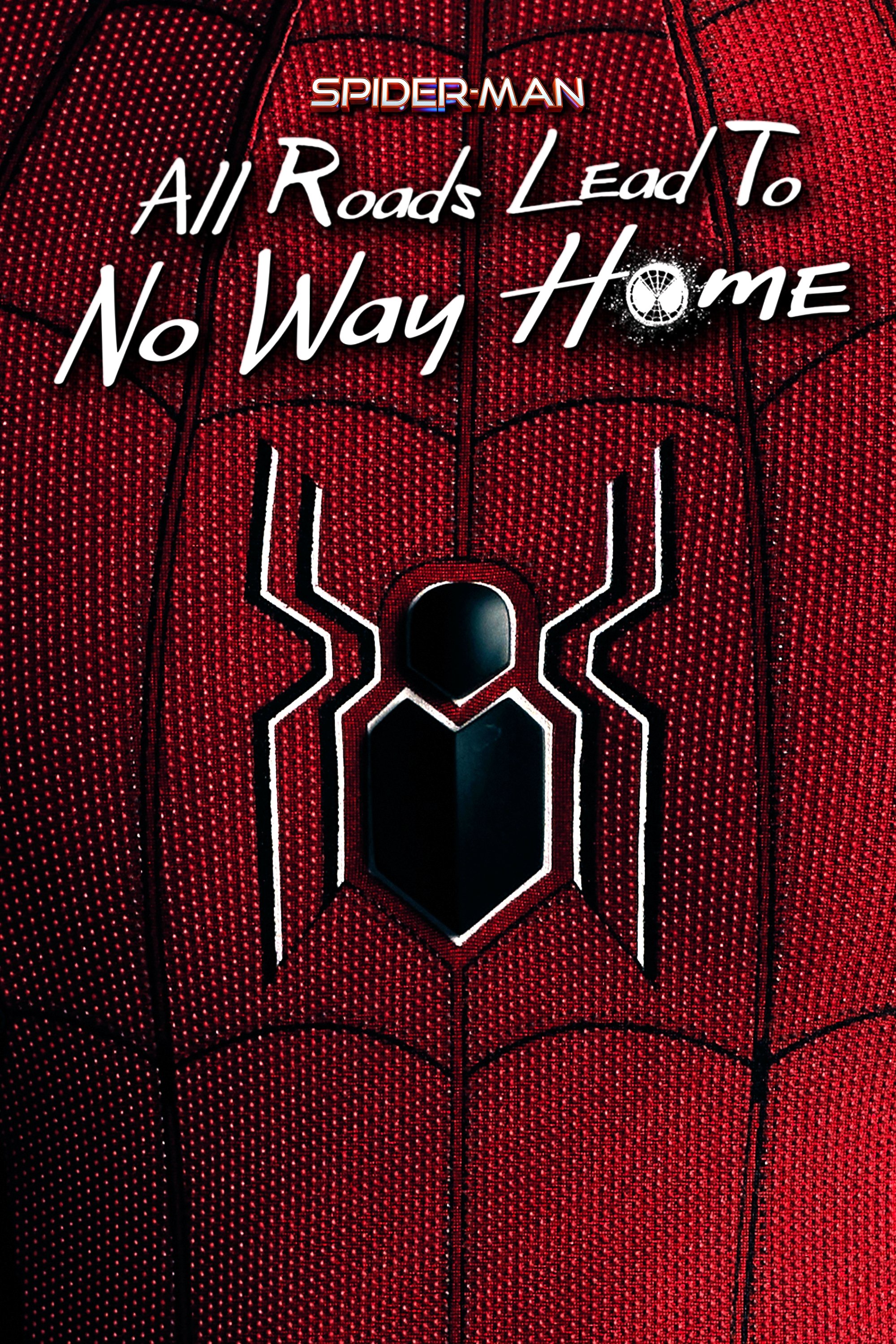
JB Smoove and Martin Starr host a celebration of 20 years of "Spider-Man" movies, from the Sam Raimi trilogy to Marc Webb's movies and the trio from Jon Watts.
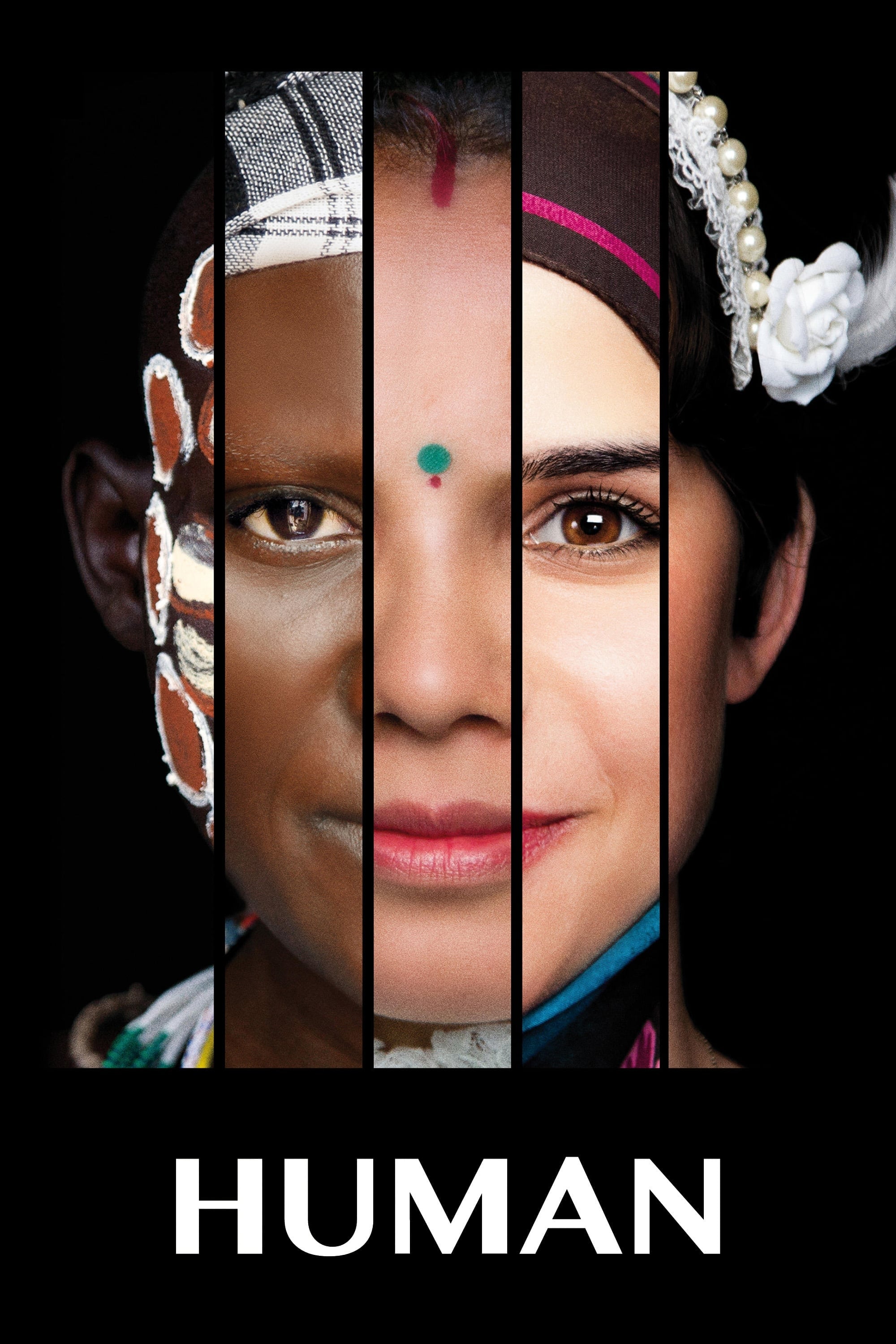
A collection of stories about and images of our world, offering an immersion to the core of what it means to be human. Through these stories full of love and happiness, as well as hatred and violence, it brings us face to face with the Other, making us reflect on our lives. From stories of everyday experiences to accounts of the most unbelievable lives, these poignant encounters share a rare sincerity and underline who we are – our darker side, but also what is most noble in us, and what is universal. Our Earth is shown at its most sublime through never-before-seen aerial images accompanied by soaring music, resulting in an ode to the beauty of the world, providing a moment to draw breath and for introspection. This film is a politically engaged work which allows us to embrace the human condition and to reflect on the meaning of our existence.
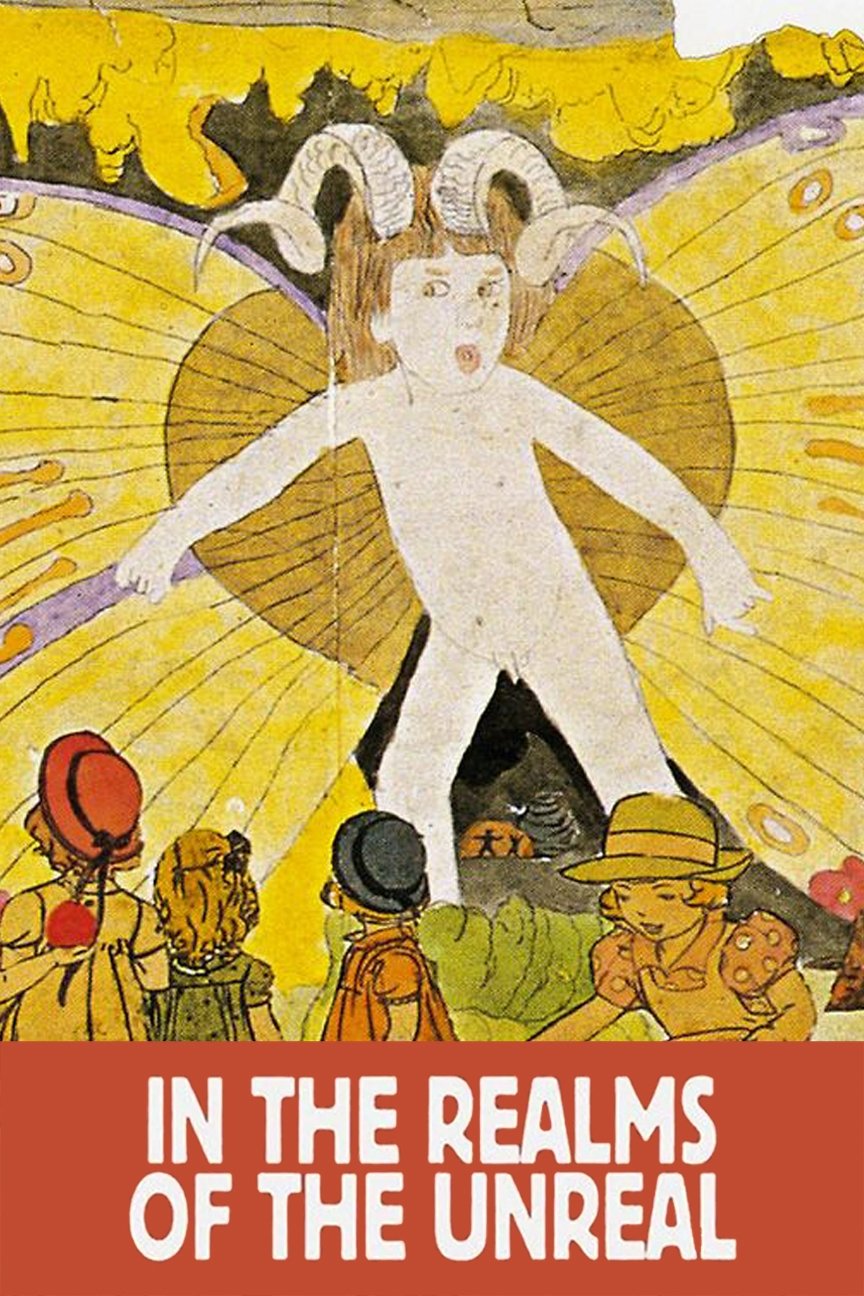
In the Realms of the Unreal is a documentary about the reclusive Chicago-based artist Henry Darger. Henry Darger was so reclusive that when he died his neighbors were surprised to find a 15,145-page manuscript along with hundreds of paintings depicting The Story of the Vivian Girls, in What is Known as the Realms of the Unreal, of the Glodeco-Angelinnian War Storm, Cased by the Child Slave Rebellion.
The life and career of an actor, artist, and icon. His own journey through his own camera.
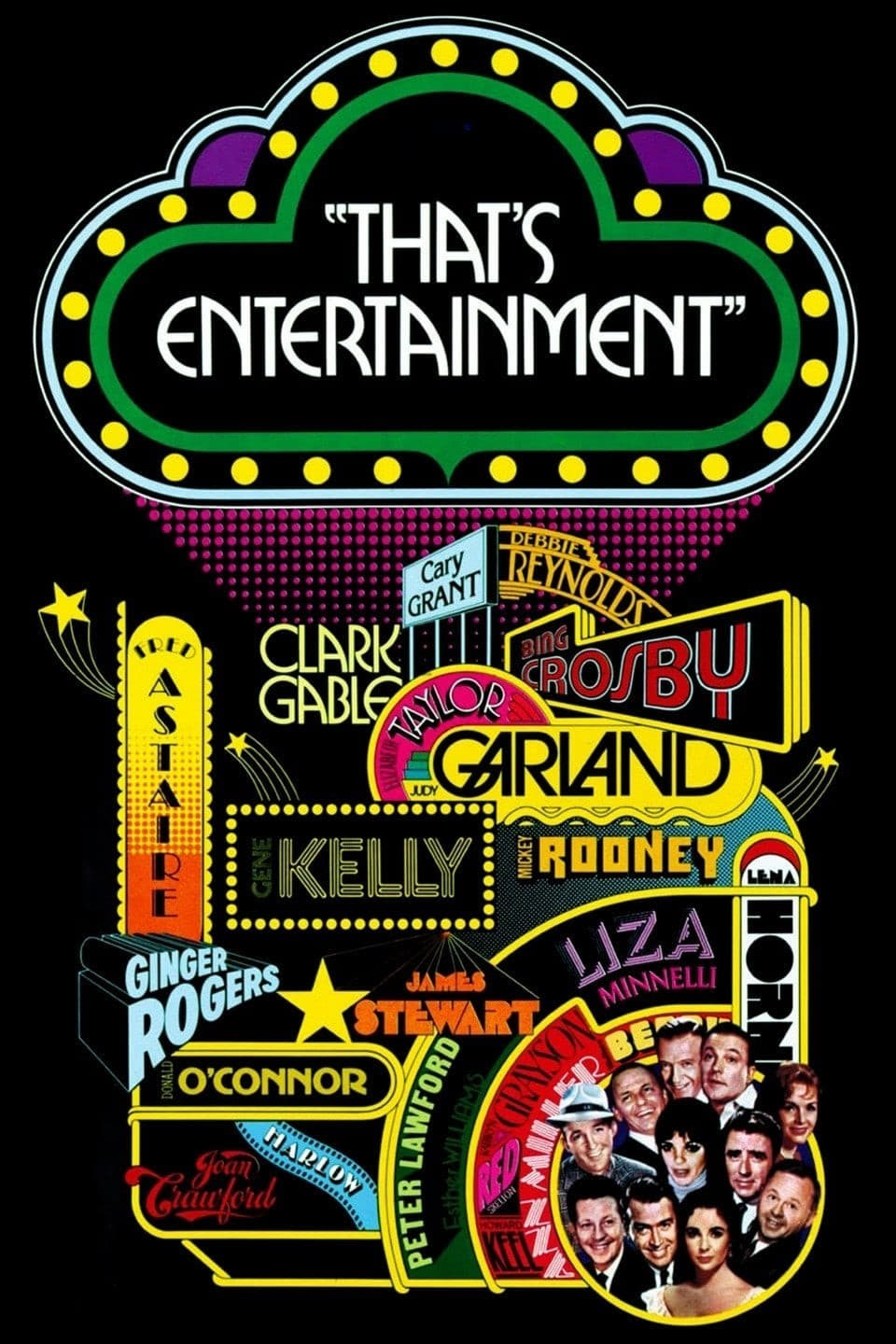
Various MGM stars from yesterday present their favorite musical moments from the studio's 50 year history.
The life of Mr. Spock, as well as that of Leonard Nimoy, the actor who played him for almost fifty years, written and directed by his son: Adam.
Alexander McQueen's rags-to-riches story is a modern-day fairy tale, laced with the gothic. Mirroring the savage beauty, boldness and vivacity of his design, this documentary is an intimate revelation of McQueen's own world, both tortured and inspired, which celebrates a radical and mesmerizing genius of profound influence.
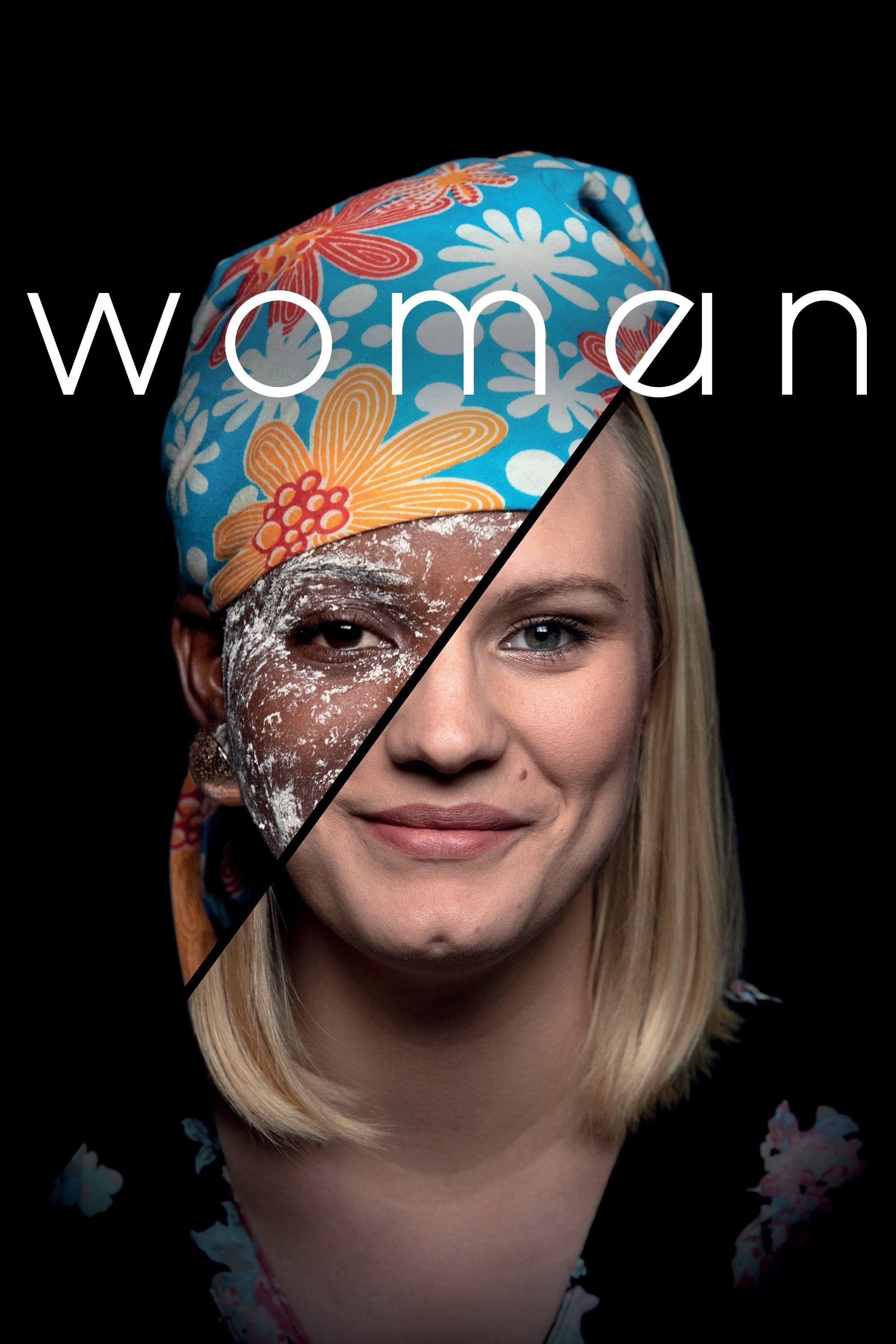
The film is based on interviews with 2,000 women from 50 countries, and covers the status of women all over the world. The topics covered include forced marriages, sexual assault, female genital mutilation, acid attacks, motherhood, sexuality, menstruation, education and the professional success of women.
An inside look at one of the most anticipated movie sequels ever with James Cameron and cast.
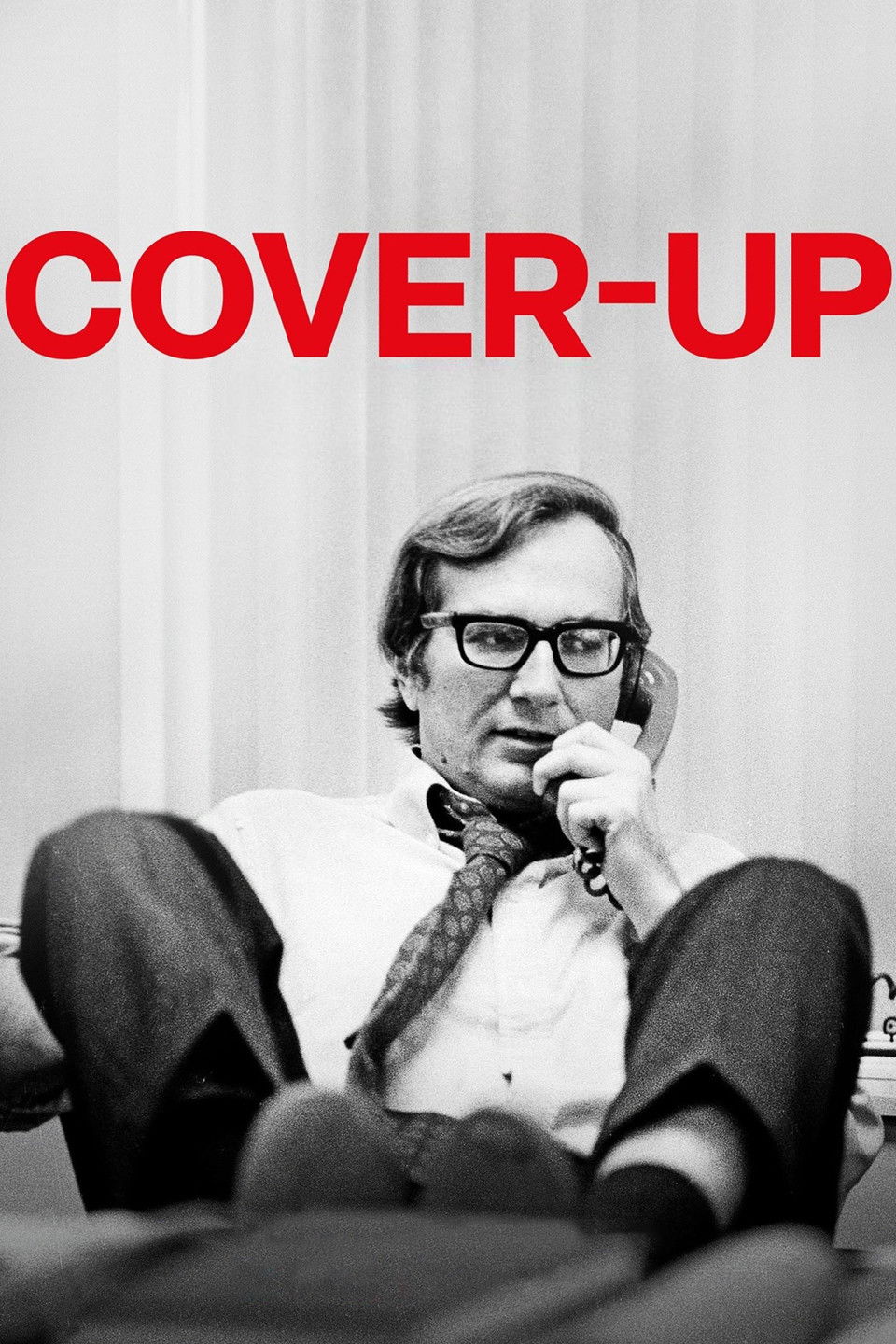
He's devoted his career to uncovering stories the powerful want buried. From My Lai to Abu Ghraib, dig into the life's work of journalist Seymour Hersh.
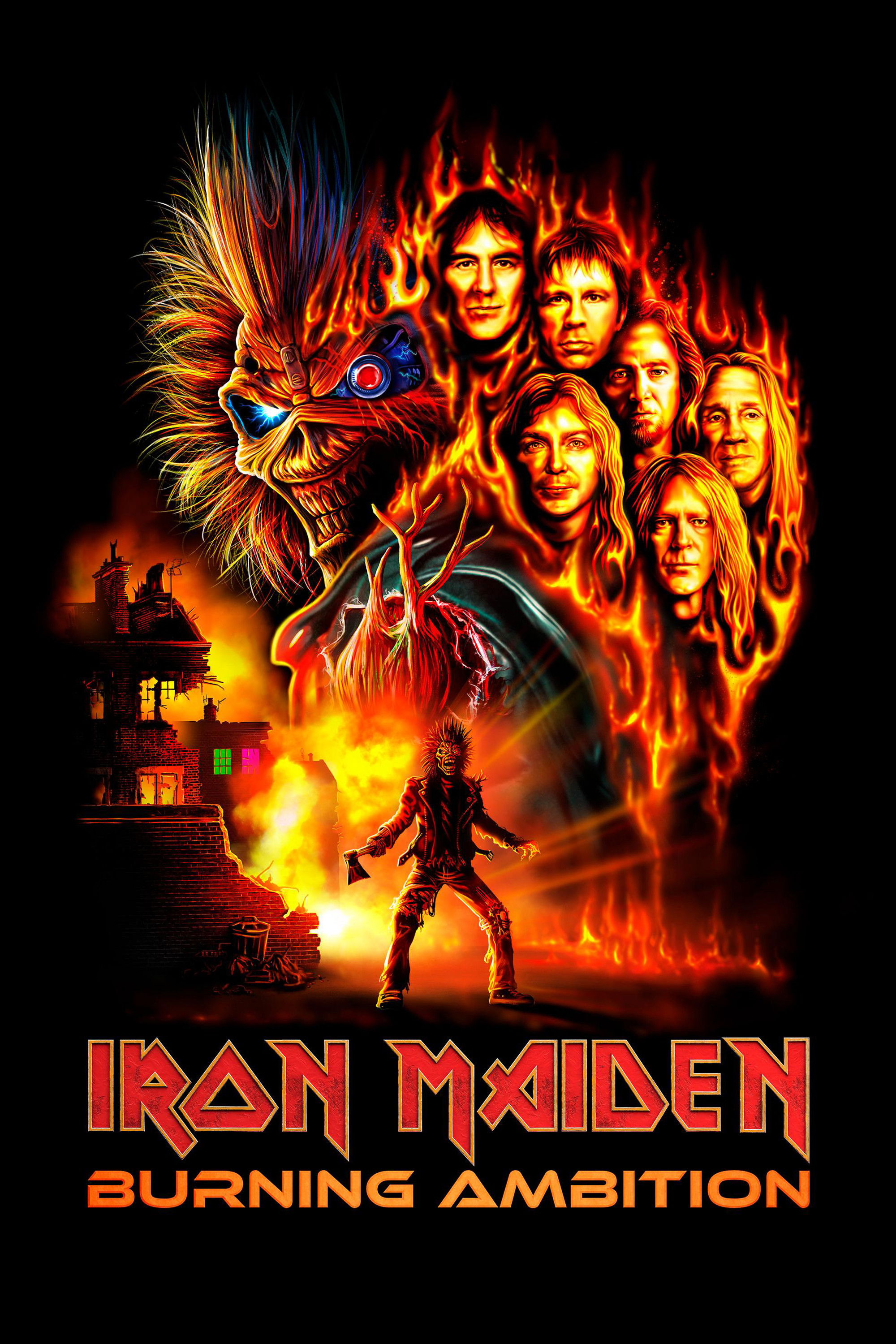
With unprecedented access to the official archives and intimate recollections from the band, both current and past, Iron Maiden: Burning Ambition invites fans to experience one of the most iconic journeys in music history. Spanning five decades, this electrifying documentary charts the band’s rise from the pubs of East London to the world’s biggest stadiums. Featuring exclusive interviews with band members and contributors such as Javier Bardem, Lars Ulrich and Chuck D, as well as all-new animated sequences of the band's legendary mascot, Eddie, the film offers a rare and intimate look at Iron Maiden’s uncompromising vision and unwavering connection with their truly global army of fans.