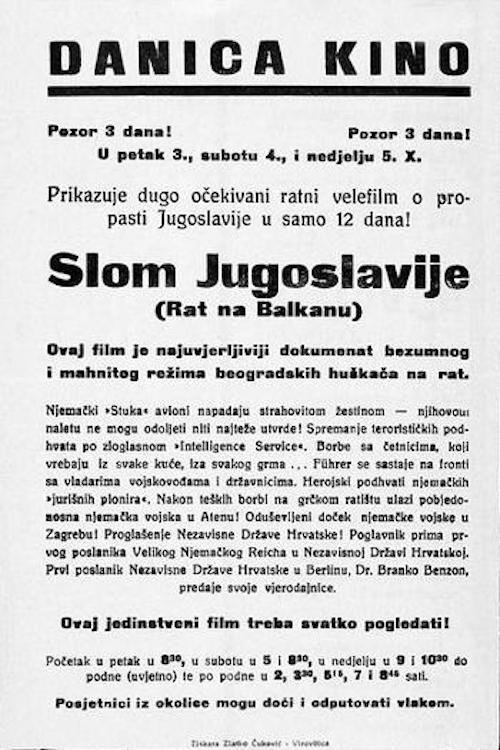
German war documentary about Yugoslavia from 1941.
Social & External
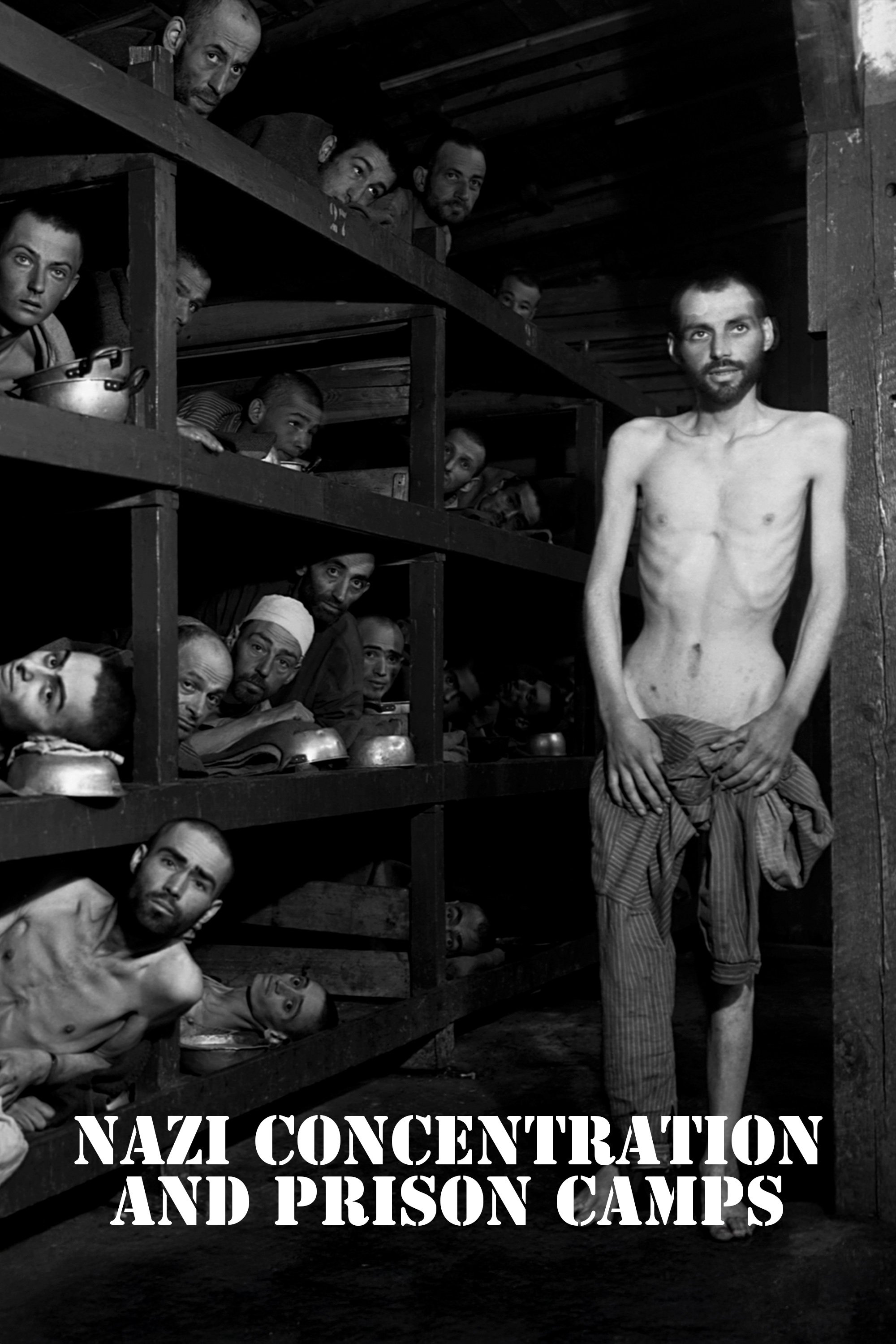
When Allied forces liberated the Nazi concentration camps in 1944-45, their terrible discoveries were recorded by army and newsreel cameramen, revealing for the first time the full horror of what had happened. Making use of British, Soviet and American footage, the Ministry of Information’s Sidney Bernstein (later founder of Granada Television) aimed to create a documentary that would provide lasting, undeniable evidence of the Nazis’ unspeakable crimes. He commissioned a wealth of British talent, including editor Stewart McAllister, writer and future cabinet minister Richard Crossman – and, as treatment advisor, his friend Alfred Hitchcock. Yet, despite initial support from the British and US Governments, the film was shelved, and only now, 70 years on, has it been restored and completed by Imperial War Museums under its original title "German Concentration Camps Factual Survey".
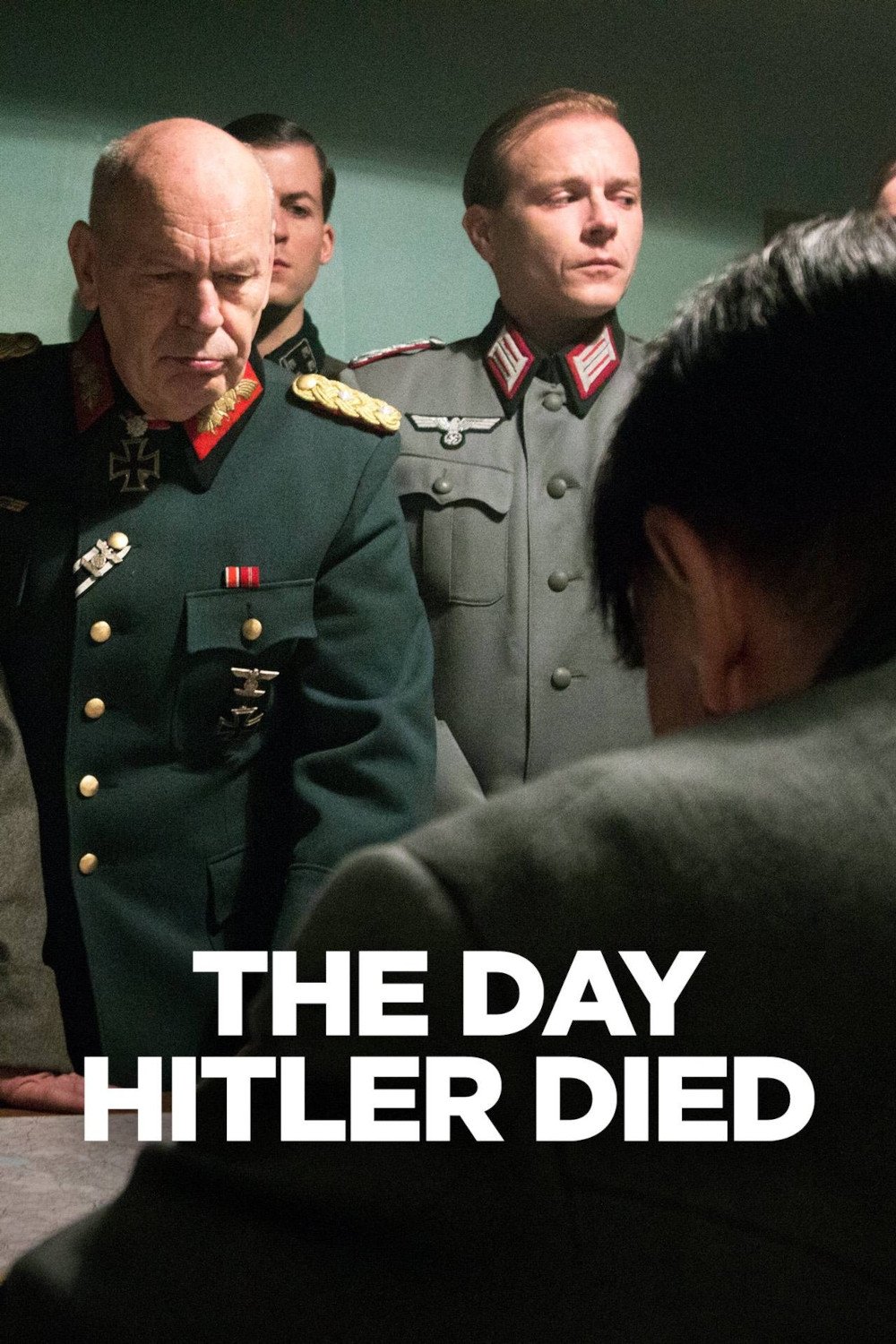
The story of Hitler’s final hours told by people who were there. This special features exclusive forgotten interviews, believed lost for 65 years, with members of Hitler’s inner circle who were trapped with him in his bunker as the Russians fought to take Berlin. These unique interviews from figures such as the leader of the Hitler Youth Artur Axmann and Hitler’s secretary Traudl Junge, have never before been seen outside Germany. Using rarely seen archive footage and dramatic reconstruction, this special tells the story of Adolf Hitler’s final days in his Berlin bunker.
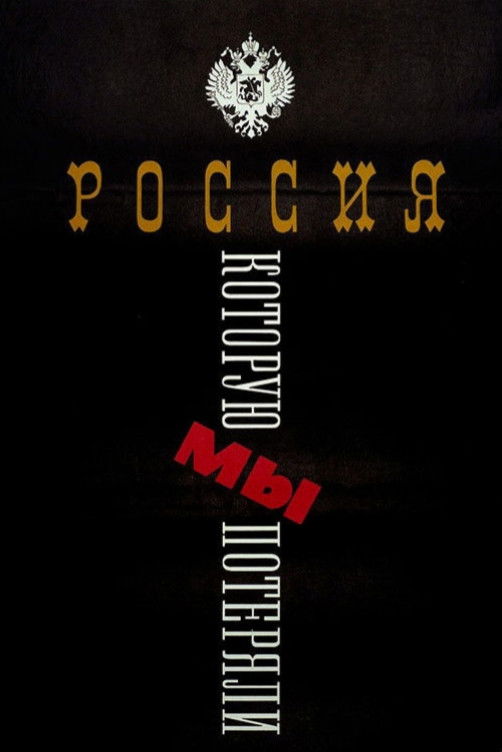
The sequel of feature-publicistic film «You Can’t Live Like That». Showing the countrymen charmless and sometimes scaring life picture of once great power with pain and anger, the author tries to uncover the reason of the country’s and nation’s tragedy.
This powerful and thought provoking film chronicles the compelling events in the Pacific Theater of WWII, from the bombing of Pearl Harbor in 1941 to the American occupation of Japan in 1945. It depicts the strength and courage of America's youth, while examining how these men and women dealt with being thrust into this brutal war. The film includes interviews with war veterans, both American and Japanese, from all branches of the military. It features testimony from medics, nurses, dog handlers, as well as Japanese-Americans who were imprisoned at internment camps in the United States. The film also includes a first hand account of the tragic impact of the atomic bomb on Japanese citizens. Among the veterans who appear is Zenji Abe, a Japanese veteran who flew the mission to bomb Pearl Harbor, and retired General Paul Tibbets who flew the mission to bomb Hiroshima.
This WW2 documentary centers on the crew of the American B-17 Flying Fortress Memphis Belle as it prepares to execute a strategic bombing raid on Nazi submarine pens in Wilhelmshaven, Germany.
The biggest trial of Nazi war crimes ever: 360 witnesses in 183 days of trial - a stunning and gripping portrayal of the most terrible massacre in history.
The secret Nazi death camp at Sobibor was created solely for the mass extermination of Jews. But on the 14th October 1943, in one of the biggest and most successful prison revolts of WWII, the inmates fought back.
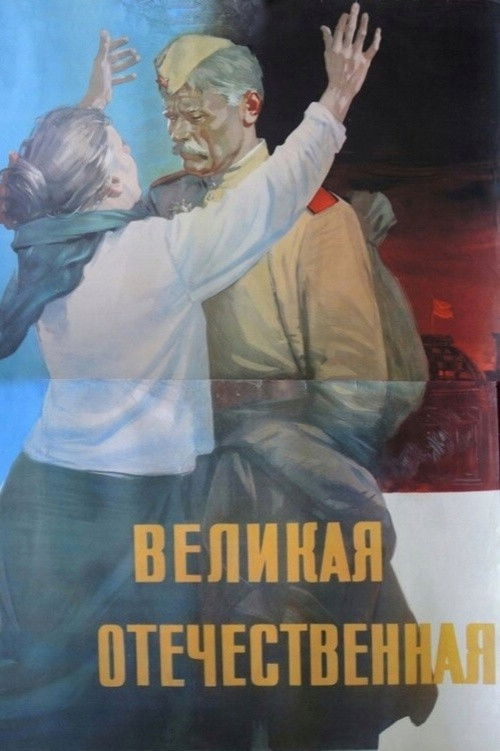
This communist history film recalls the heroism of Soviet soldiers fighting the Nazis in World War II. Forty of the 236 cameramen used for the feature were killed during their mission filming the Red Army.
Dover made over: this quirky and pointed public information film reveals how the heavily-bombed and shelled Kent town was being replanned after the war. The filmmakers cleverly and entertainintly capture our attention by opening on travelogue cliches that they quickly undercut. It's not white cliffs and rolling hills they want to tell us about. It's present-day Dover - remaking itself in the crisp freshness of a postwar spring.
For twelve years he stood as America's 32nd President, a man who overcame the ravages of polio to pull America through the Great Depression and WWII. From his legendary Fireside Chats to his sweeping New Deal, Franklin Delano Roosevelt revolutionized the American way of life. FDR: A Presidency Revealed examines one of history's most compelling figures. Inspired by his cousin Teddy Roosevelt, Franklin D. Roosevelt rose to the nation's highest office during the depths of one of its darkest periods. A man of few words, he brought a nation together through his revolutionary Fireside Chats. He introduced vast reforms like Social Security and work relief for the unemployed. At the same time, his administration hid a dark underbelly teeming with covert maneuvers, spy rings, and powerful enemies.
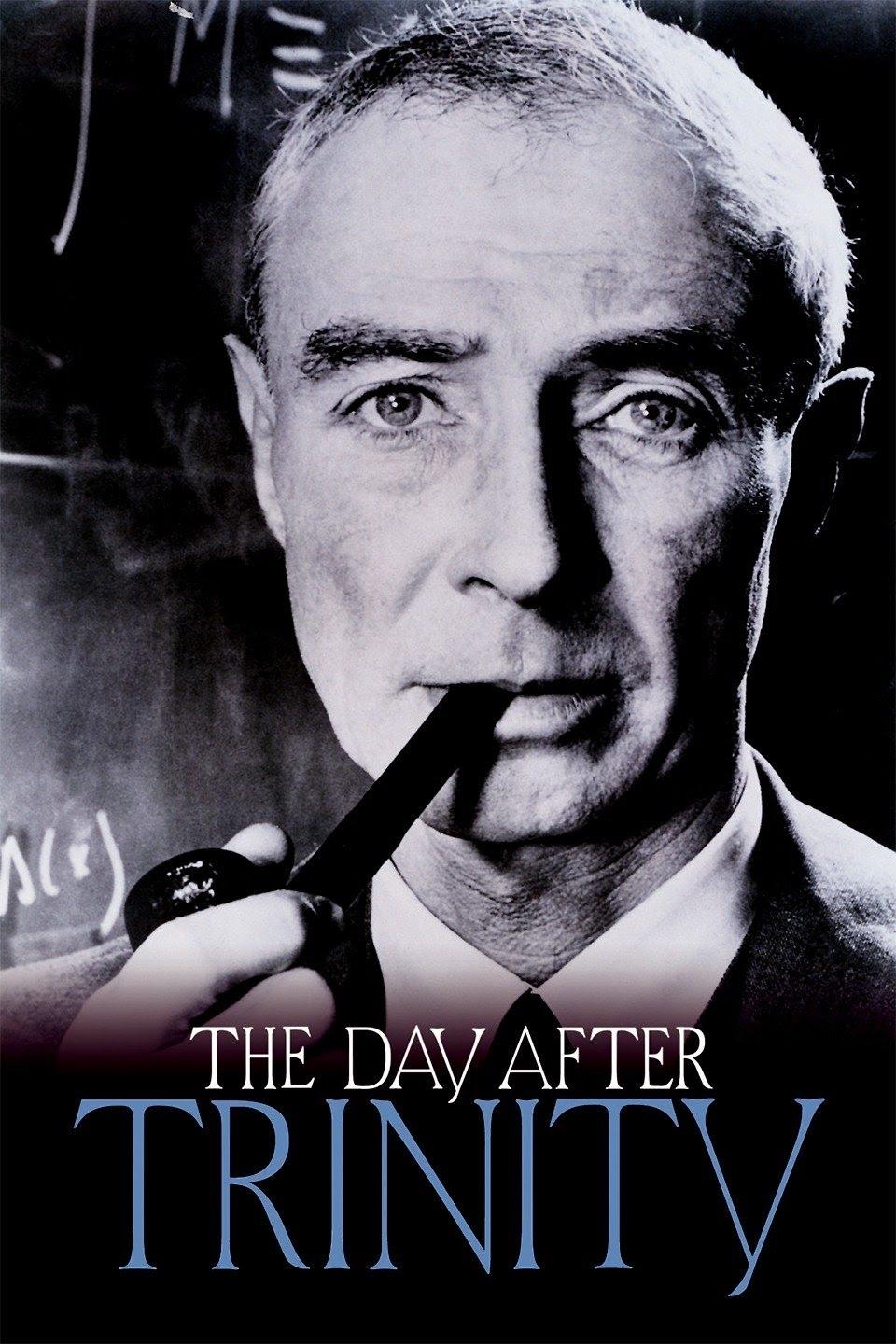
Through interviews with Manhattan Project scientists and newly declassified archival footage, this documentary examines the life of physicist J. Robert Oppenheimer and his leadership of the Manhattan Project. The film traces the development and testing of the first atomic bomb and follows Oppenheimer’s later opposition to nuclear proliferation during the early years of the Cold War.
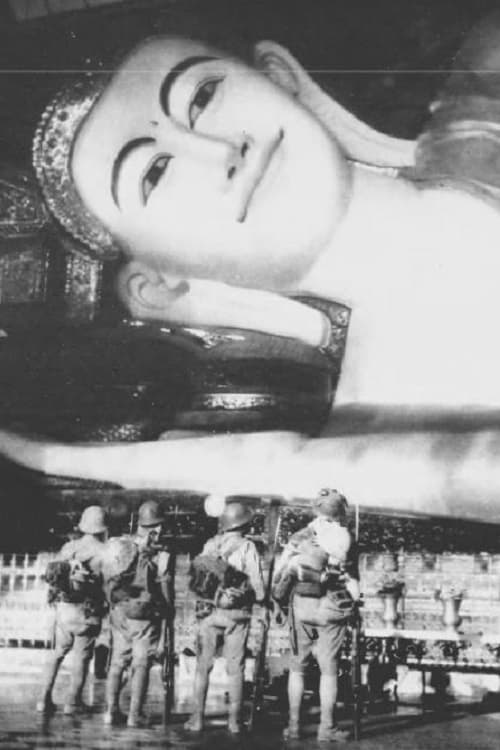
This film records the Japanese military's efforts to capture the Burma Road,one of the major supply lines to China, from the British beginning in December 1941. The film ends with the fall of Mandalay in May 1942.
Documentary to mark the WI's centenary. Lucy Worsley goes beyond the stereotypes of jam and Jerusalem to reveal the surprisingly radical side of this Great British institution.
Short WW II documentary
A keen chronicle of the unlikely rise to power of Adolf Hitler (1889-1945) and a dissection of the Third Reich (1933-1945), but also an analysis of mass psychology and how the desperate crowd can be deceived and shepherded to the slaughterhouse.
Steven Okazaki presents a deeply moving look at the painful legacy of the first -- and hopefully last -- uses of nuclear weapons in war. Featuring interviews with fourteen atomic bomb survivors - many who have never spoken publicly before - and four Americans intimately involved in the bombings, White Light/Black Rain provides a detailed exploration of the bombings and their aftermath.
Live footage from concentration camps after the liberation, and the complex transport and lodging of masses of prisoners of war and other deported people back to their home countries, at the end of World War II. A 45min 35mm print also exists (shown at Cinémathèque française in 2023).
"Letters from Europe" brings to light the words of men and women who gave their lives resisting the Nazi and fascist conquest from 1939 to '45 across the European continent. The moving goodbyes penned by a few of those sentenced to death are sometimes true spiritual testaments that explore the meaning of civic responsibility, human existence, fraternity, and life and death. Their words, which the film mingles with footage of the present day, can perhaps restore meaning to a humanist ideal and to the ever-changing idea of a united Europe.
Prelude to War was the first film of Frank Capra's Why We Fight propaganda film series, commissioned by the Pentagon and George C. Marshall. It was made to convince American troops of the necessity of combating the Axis Powers during World War II. This film examines the differences between democratic and fascist states.
This documentary movie is about the battle of San Pietro, a small village in Italy. Over 1,100 US soldiers were killed while trying to take this location, that blocked the way for the Allied forces from the Germans. Preserved by the Academy Film Archive in 2005.
Produced and presented as evidence at the Nuremberg war crimes trial of Hermann Göring and twenty other Nazi leaders, this film consists primarily of dead and surviving prisoners and of facilities used to kill and torture during the World War II.
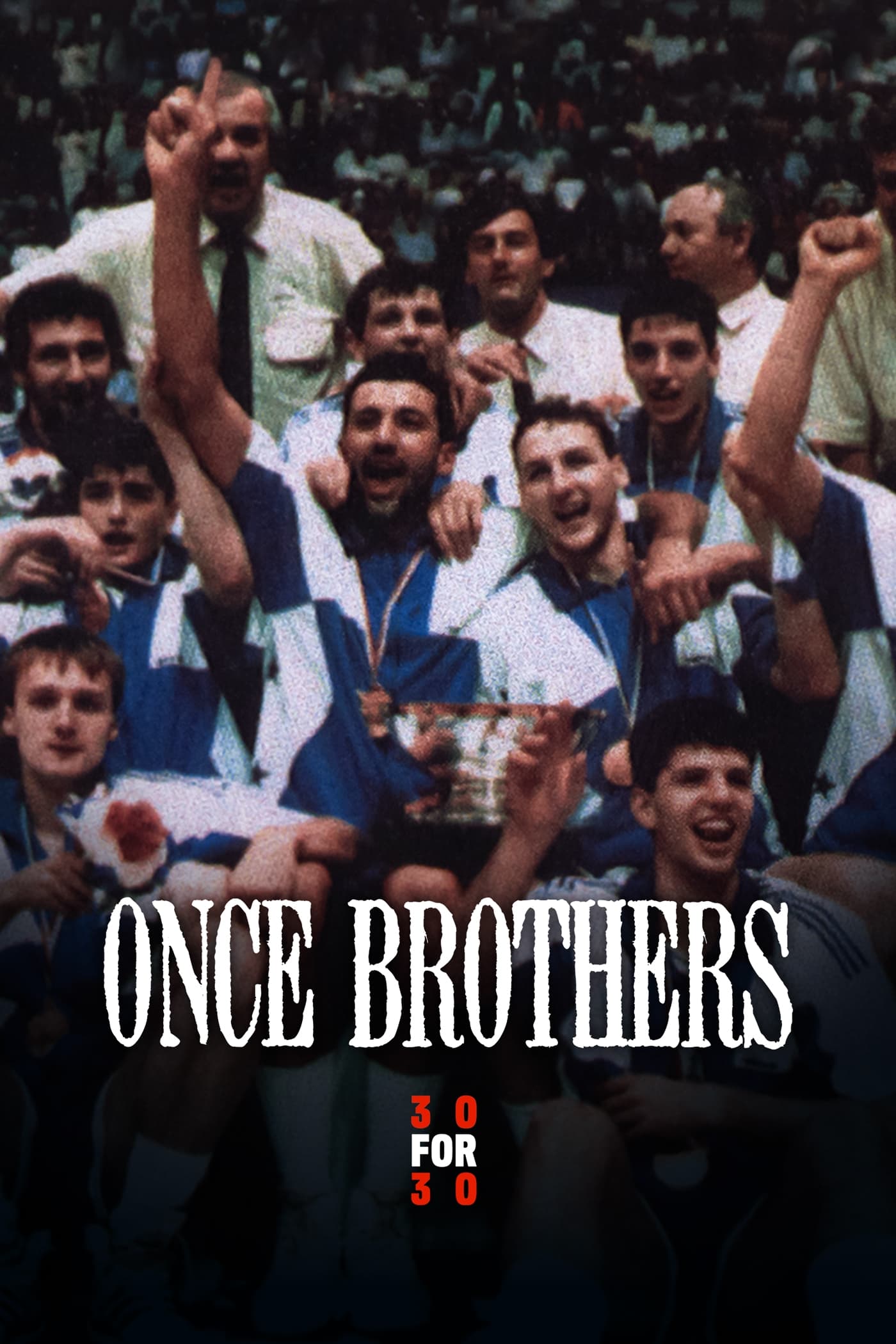
Drazen Petrovic and Vlade Divac were two friends who grew up together sharing the common bond of basketball. Together, they lifted the Yugoslavian National team to unimaginable heights. After conquering Europe, they both went to USA where they became the first two foreign players to attain NBA stardom. But with the fall of the Soviet Union on Christmas Day 1991, Yugoslavia split up. A war broke out between Petrovic's Croatia and Divac's Serbia. Long buried ethnic tensions surfaced. And these two men, once brothers, were now on opposite sides of a deadly civil war. As Petrovic and Divac continued to face each other on the basketball courts of the NBA, no words passed between the two. Then, on the fateful night of June 7, 1993, Drazen Petrovic was killed in an auto accident. This film will tell the gripping tale of these men, how circumstances beyond their control tore them apart, and whether Divac has ever come to terms with the death of a friend before they had a chance to reconcile.
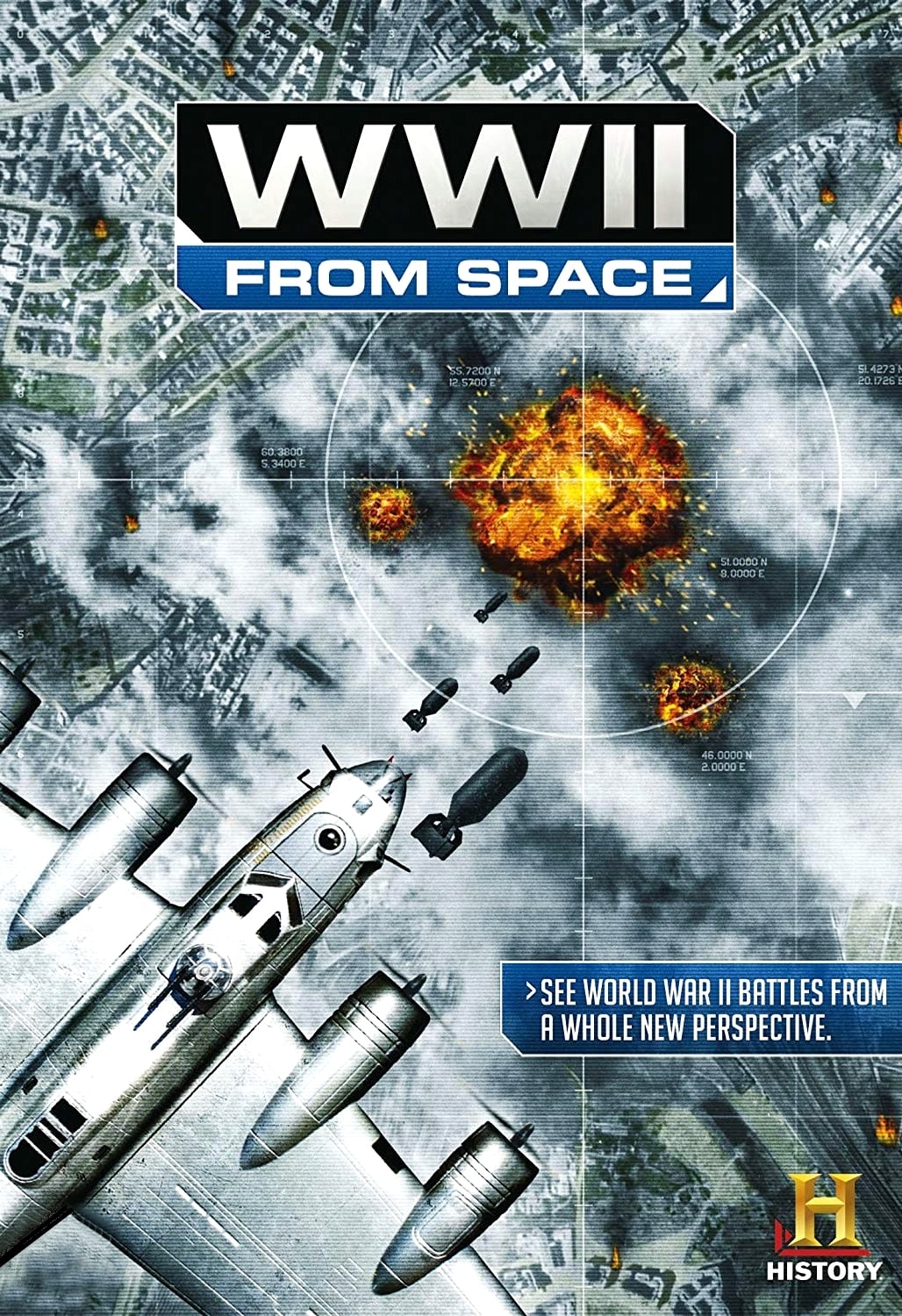
WWII from Space delivers World War II in a way you've never experienced it before. This HISTORY special uses an all-seeing CGI eye that offers a satellite view of the conflict, allowing you to experience it in a way that puts key events and tipping points in a global perspective. By re-creating groundbreaking moments that could never have been captured on camera, and by illustrating the importance of simultaneity and the hidden effects of crucial incidents, HISTORY presents the war's monumental moments in a never-before-seen context. And with new information brought to the forefront, you'll better understand how a nation ranked 19th in the world's militaries in 1939 emerged six years later as the planet's only atomic superpower.
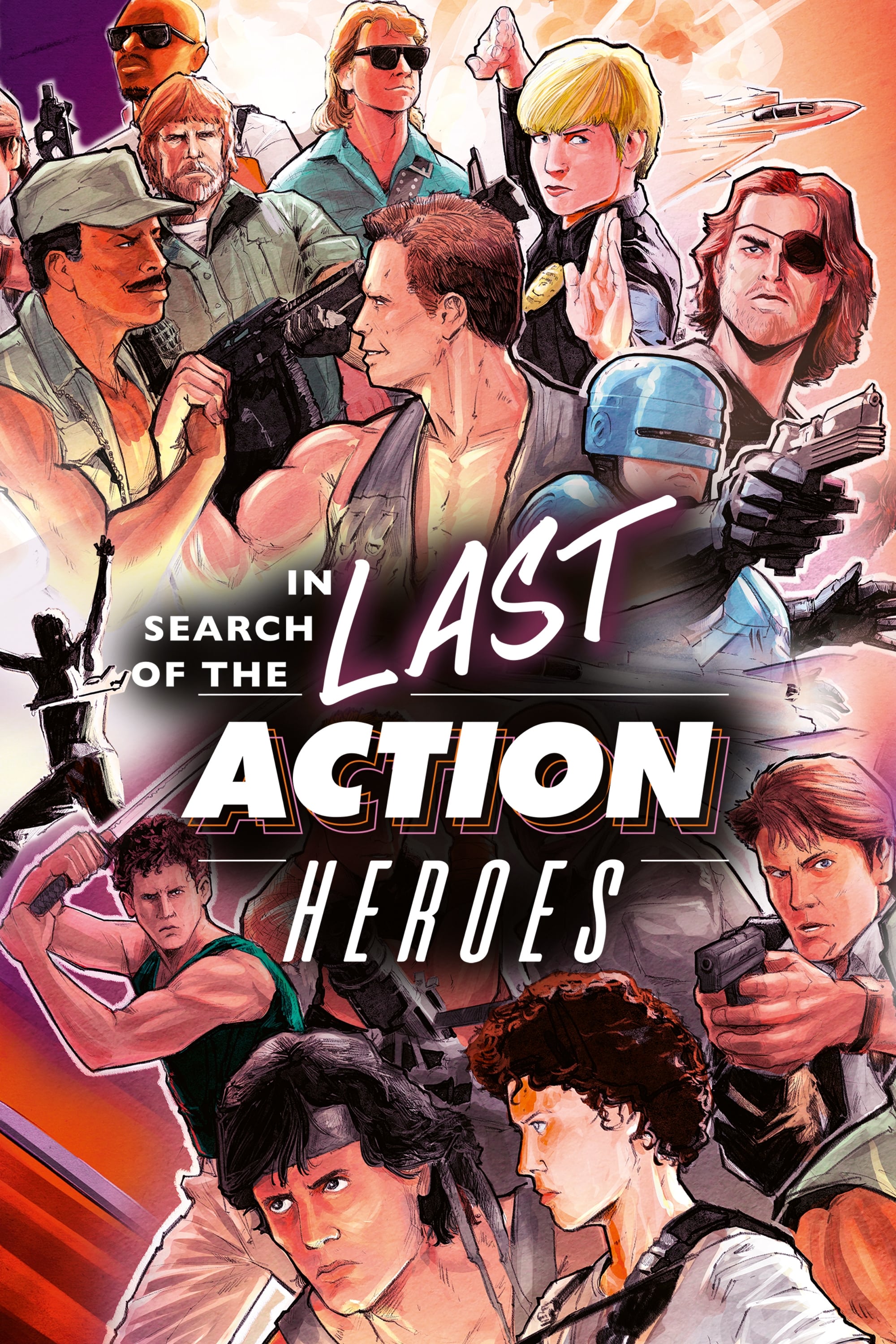
The most comprehensive retrospective of the '80s action film genre ever made.
A visual montage portrait of our contemporary world dominated by globalized technology and violence.
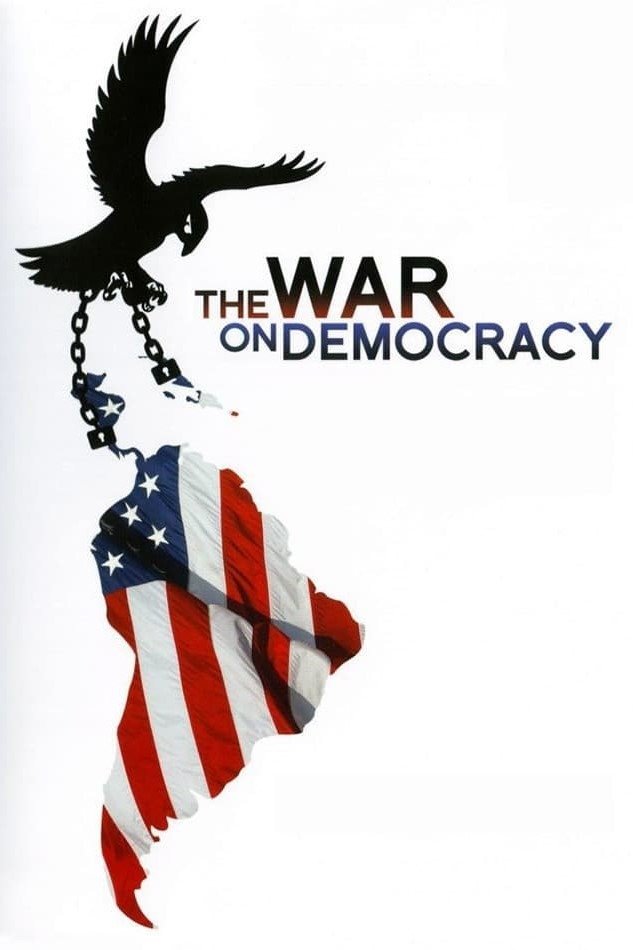
Set both in Latin America and the United States, the film explores the historic and current relationship of Washington with countries such as Venezuela, Bolivia and Chile. Pilger says that the film "...tells a universal story... analysing and revealing, through vivid testimony, the story of great power behind its venerable myths. It allows us to understand the true nature of the so-called "war on terror". According to Pilger, the film’s message is that the greed and power of empire is not invincible and that people power is always the "seed beneath the snow".
The history of cinematic sound, told by legendary sound designers and visionary filmmakers.
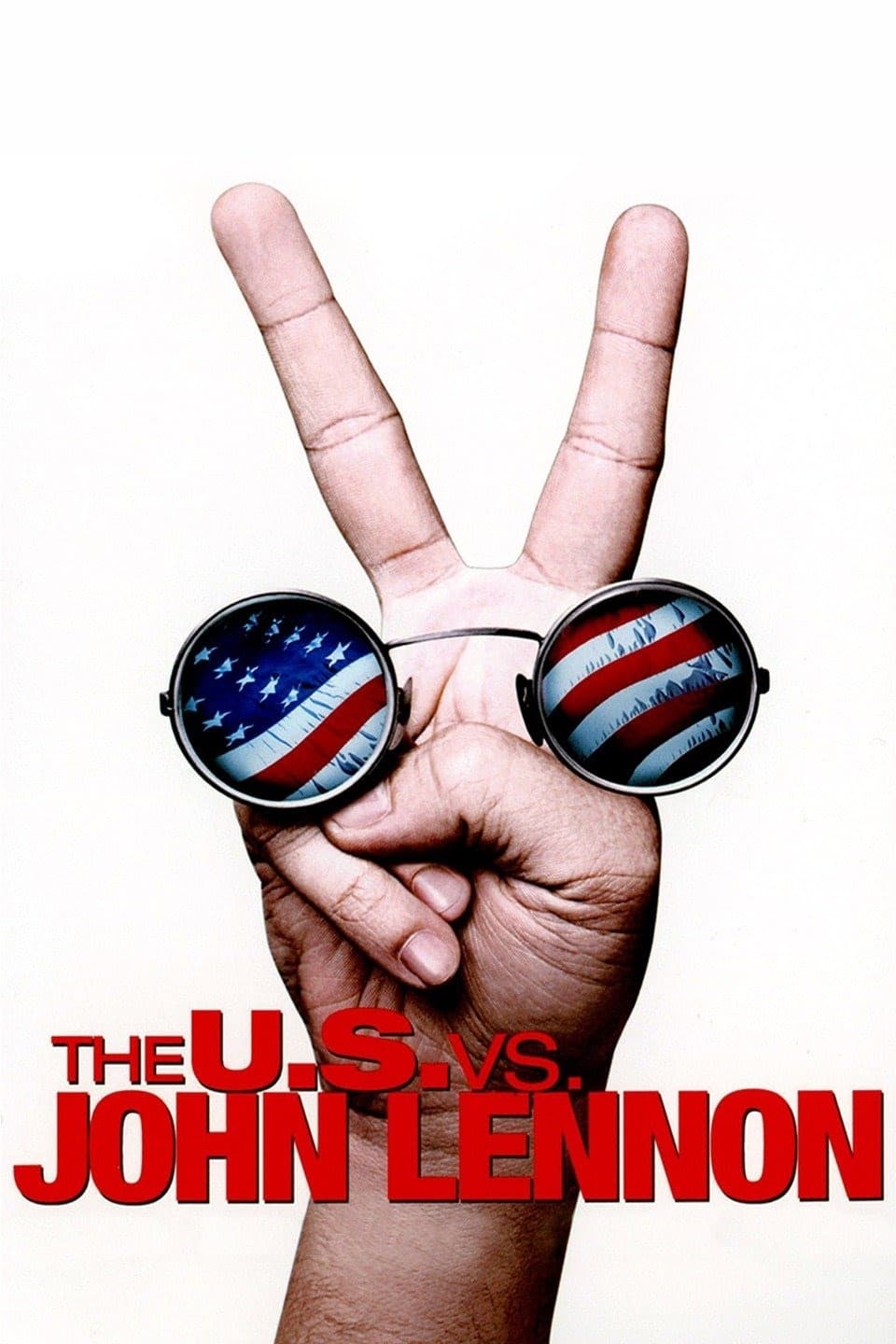
A documentary on the life of John Lennon, with a focus on the time in his life when he transformed from a musician into an antiwar activist.
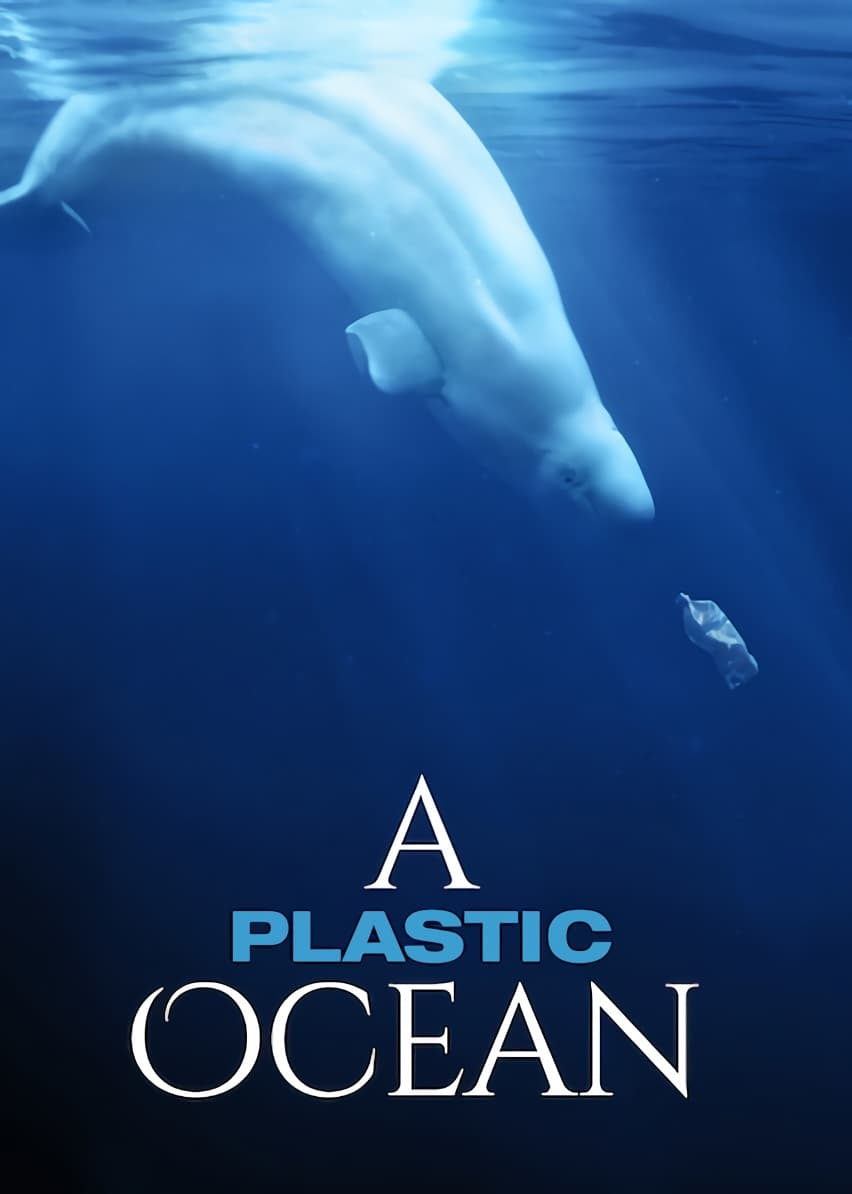
A documentary focused on plastic pollution in the world's oceans.
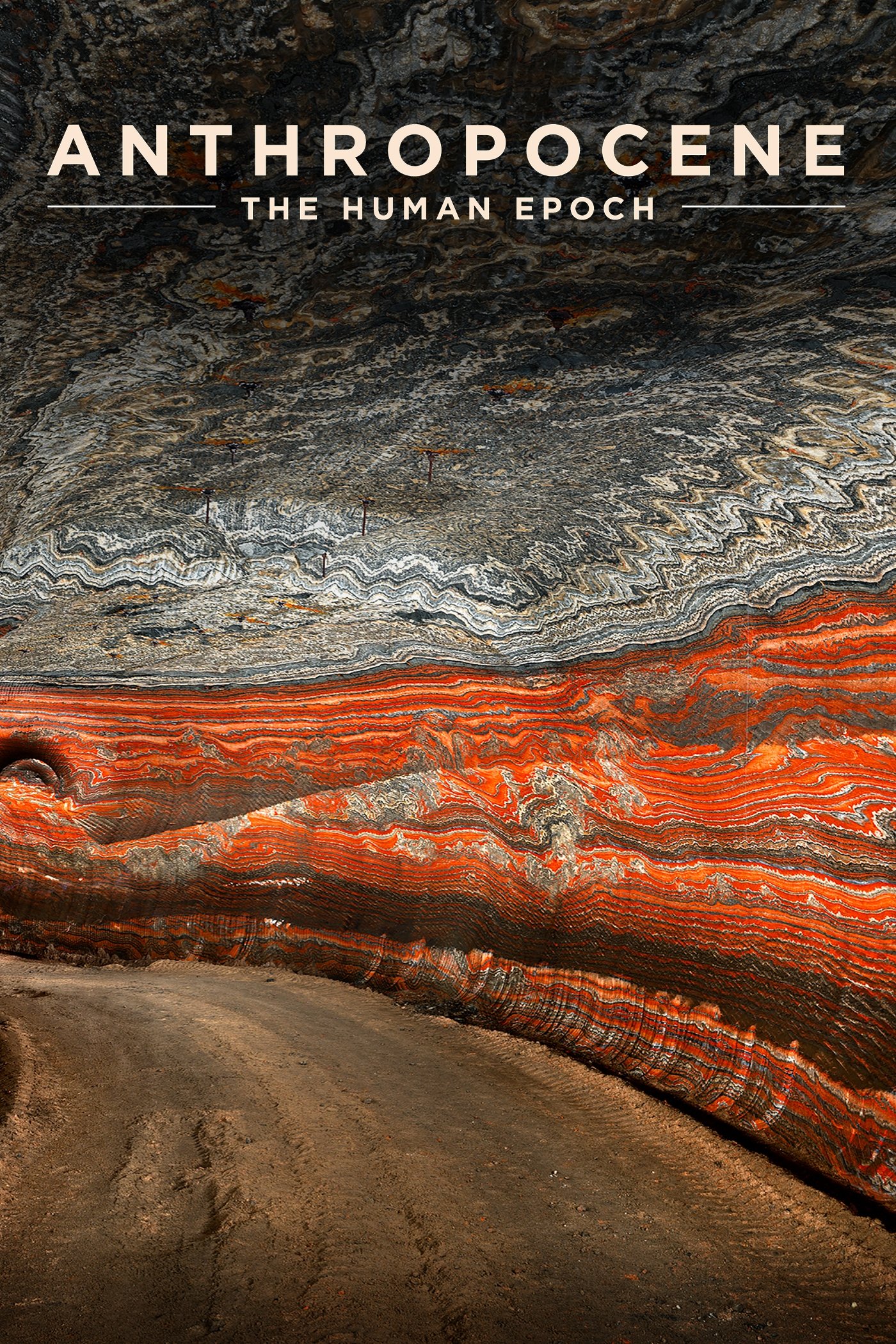
Documentary on psychedelic potash mines, expansive concrete seawalls, mammoth industrial machines, and other examples of humanity’s massive, destructive reengineering of the planet.
With unprecedented access, this documentary follows the extraordinary journey of “Raqqa is Being Slaughtered Silently”—a group of anonymous citizen journalists who banded together after their homeland was overtaken by ISIS—as they risk their lives to stand up against one of the greatest evils in the world today.
Through deeply personal interviews with her siblings and an examination of the photographs, letters, and belongings left behind, Mariska assembles a new portrait of her mother Jayne Mansfield, an extraordinary and complex woman.
This documentary examines the 1999 London bombings that targeted Black, Bangladeshi and gay communities, and the race to find the far-right perpetrator. He terrorized a city, seeking to ignite a race war but justice was served by those who wouldn't let his hate win.
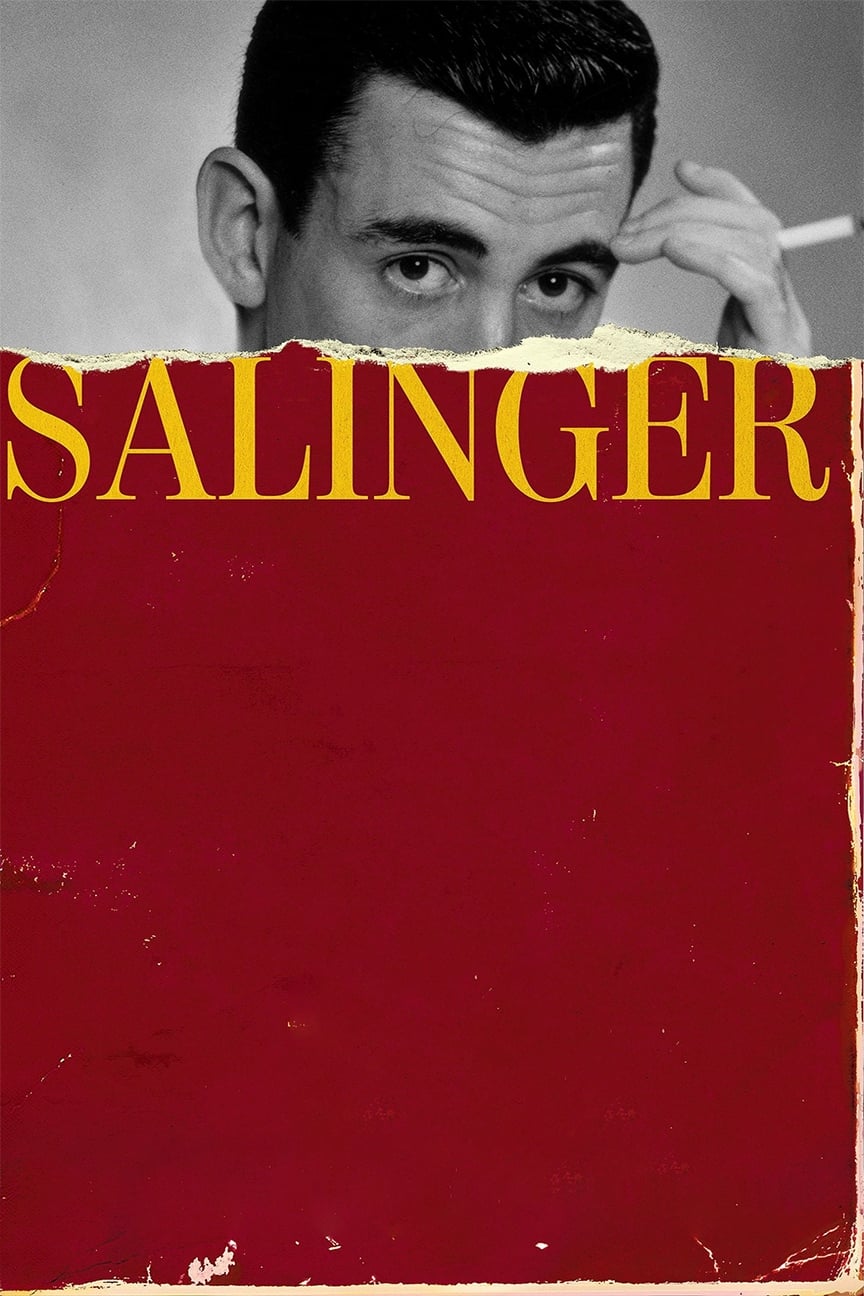
An in-depth investigation into the private world of the American writer J. D. Salinger (1919-2010), who lived most of his life behind the impenetrable wall of a self-imposed seclusion: how his dramatic experiences during World War II influenced his life and work, his relationships with very young women, his obsessive writing methods, his many literary secrets.
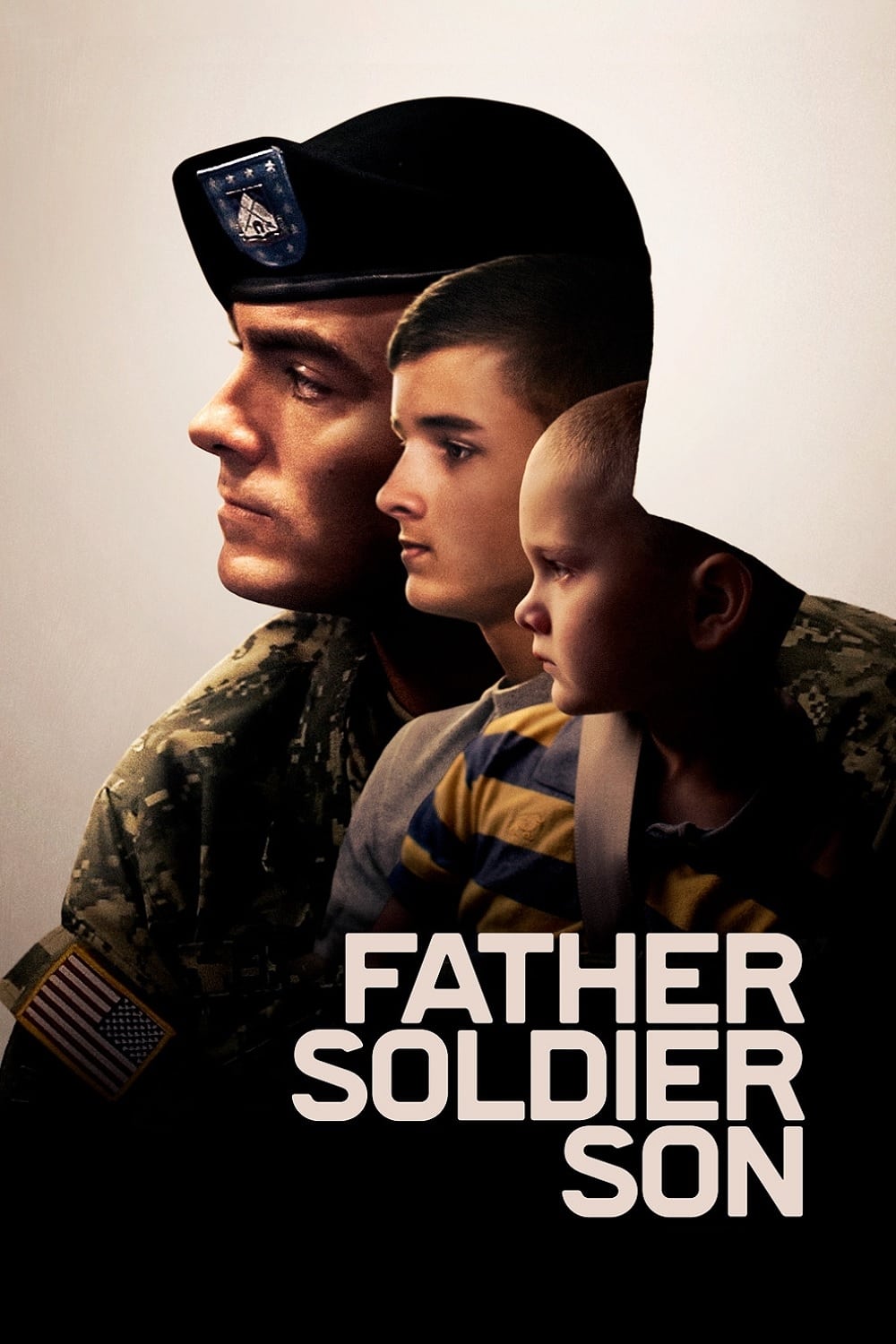
When Sgt. First Class Brian Eisch is critically wounded in Afghanistan, it sets him and his sons on a journey of love, loss, redemption and legacy.
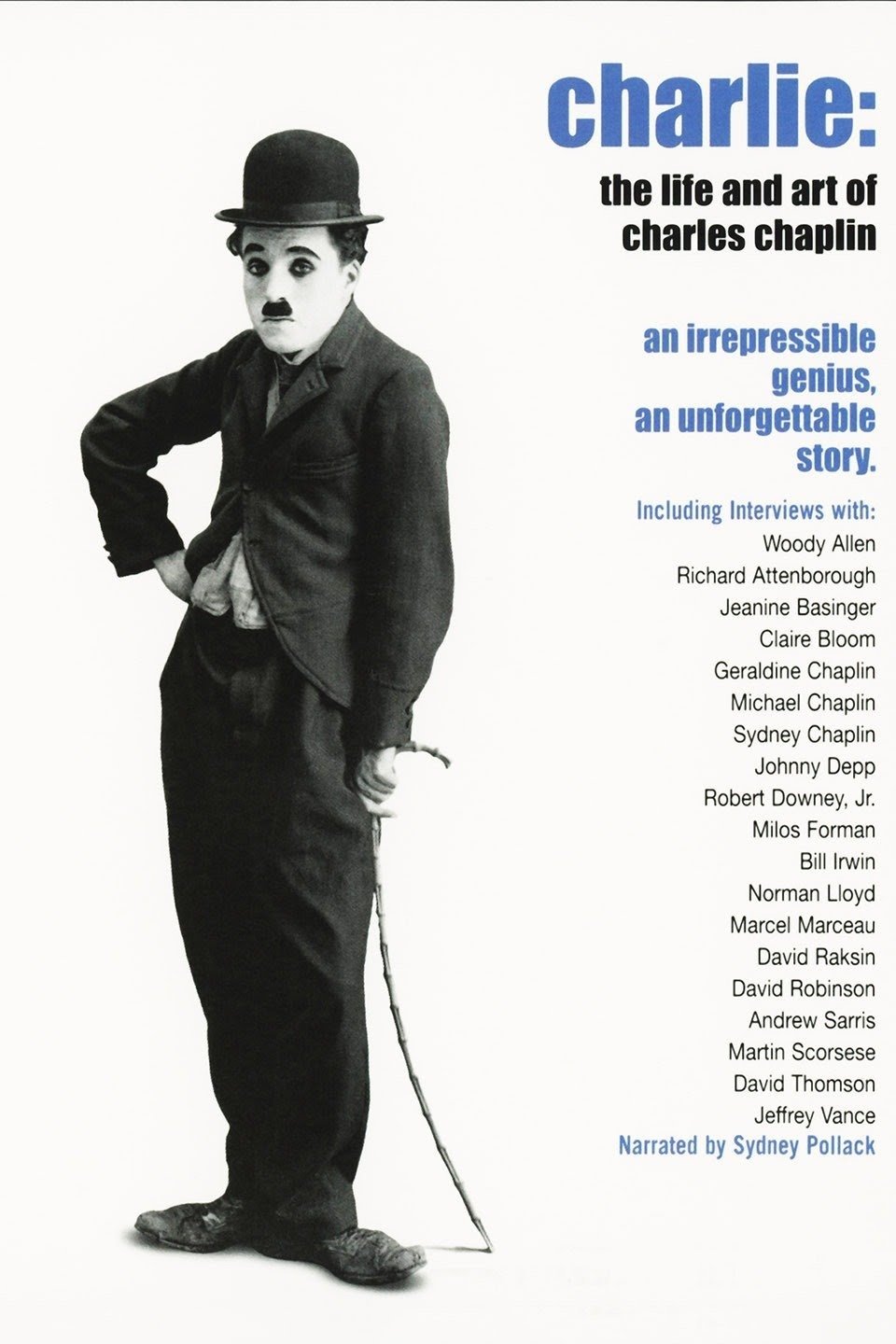
Brilliant, long in-the-works story of the life and art of the world's greatest comedian and the cinema's first genius, Charlie Chaplin. Produced, written and directed by renowned film critic Richard Schickel.