Social & External
The people behind it
Warsaw's Central Railway Station. 'Someone has fallen asleep, someone's waiting for somebody else. Maybe they'll come, maybe they won't. The film is about people looking for something.
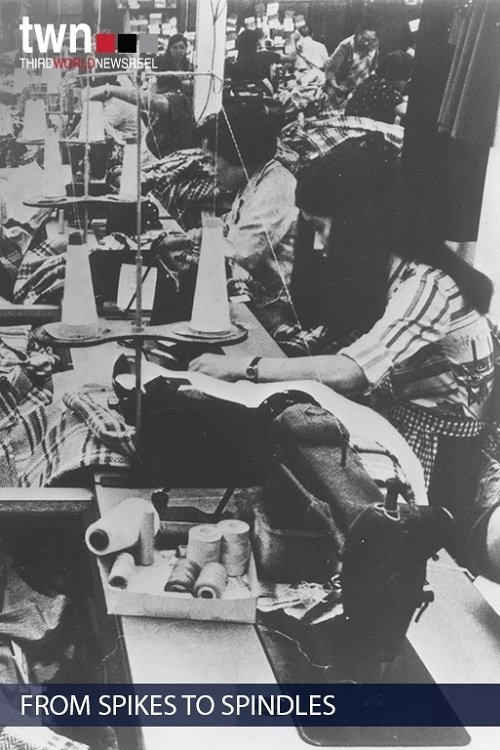
This raw, gutsy portrait of New York's Chinatown captures the early days of an emerging consciousness in the community. We see a Chinatown rarely depicted, a vibrant community whose young and old join forces to protest police brutality and hostile real estate developers. With bold strokes, it paints an overview of the community and its history, from the early laborers driving spikes into the transcontinental railroad to the garment workers of today.
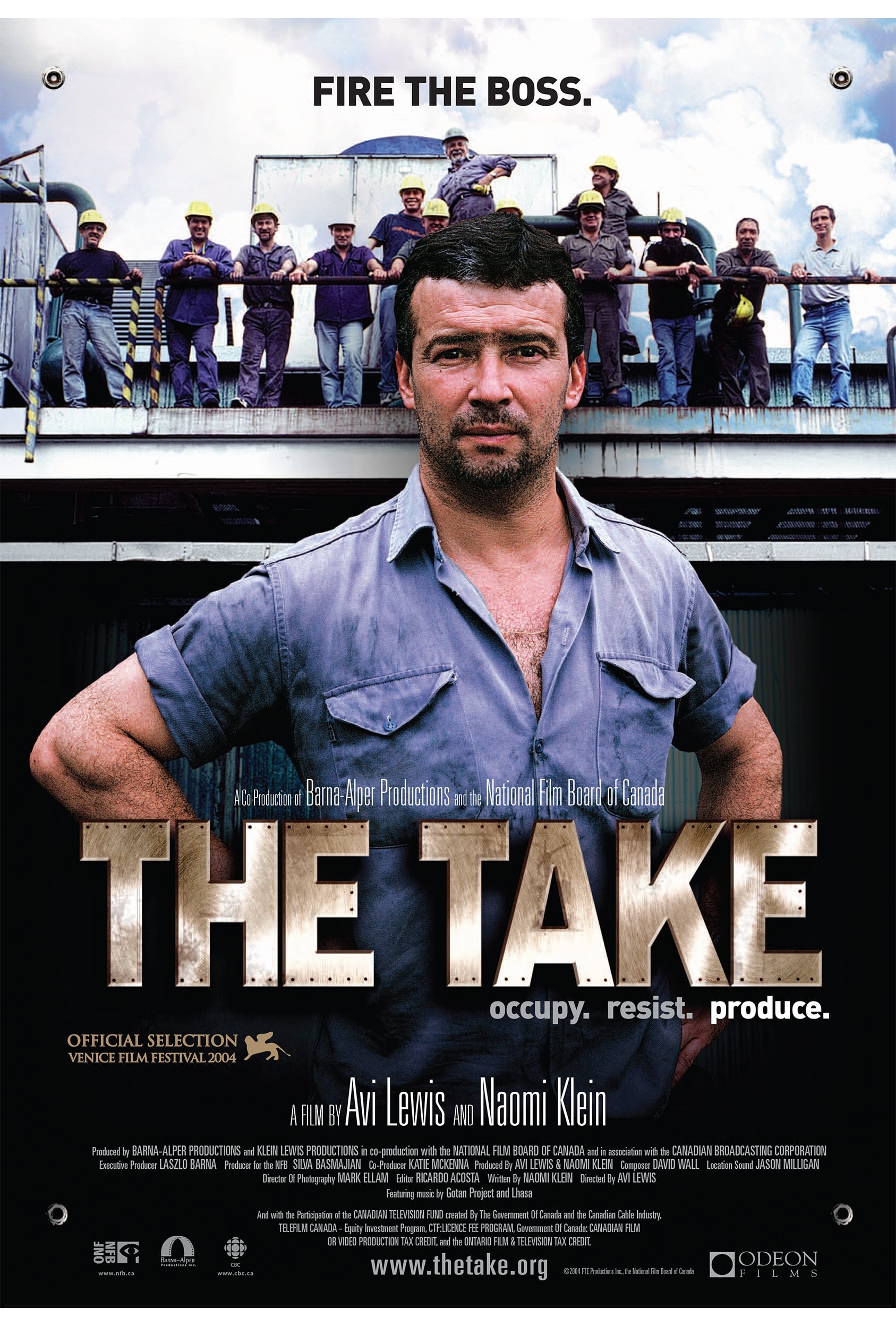
In suburban Buenos Aires, thirty unemployed ceramics workers walk into their idle factory, roll out sleeping mats and refuse to leave. All they want is to re-start the silent machines. But this simple act - the take - has the power to turn the globalization debate on its head. Armed only with slingshots and an abiding faith in shop-floor democracy, the workers face off against the bosses, bankers and a whole system that sees their beloved factories as nothing more than scrap metal for sale.
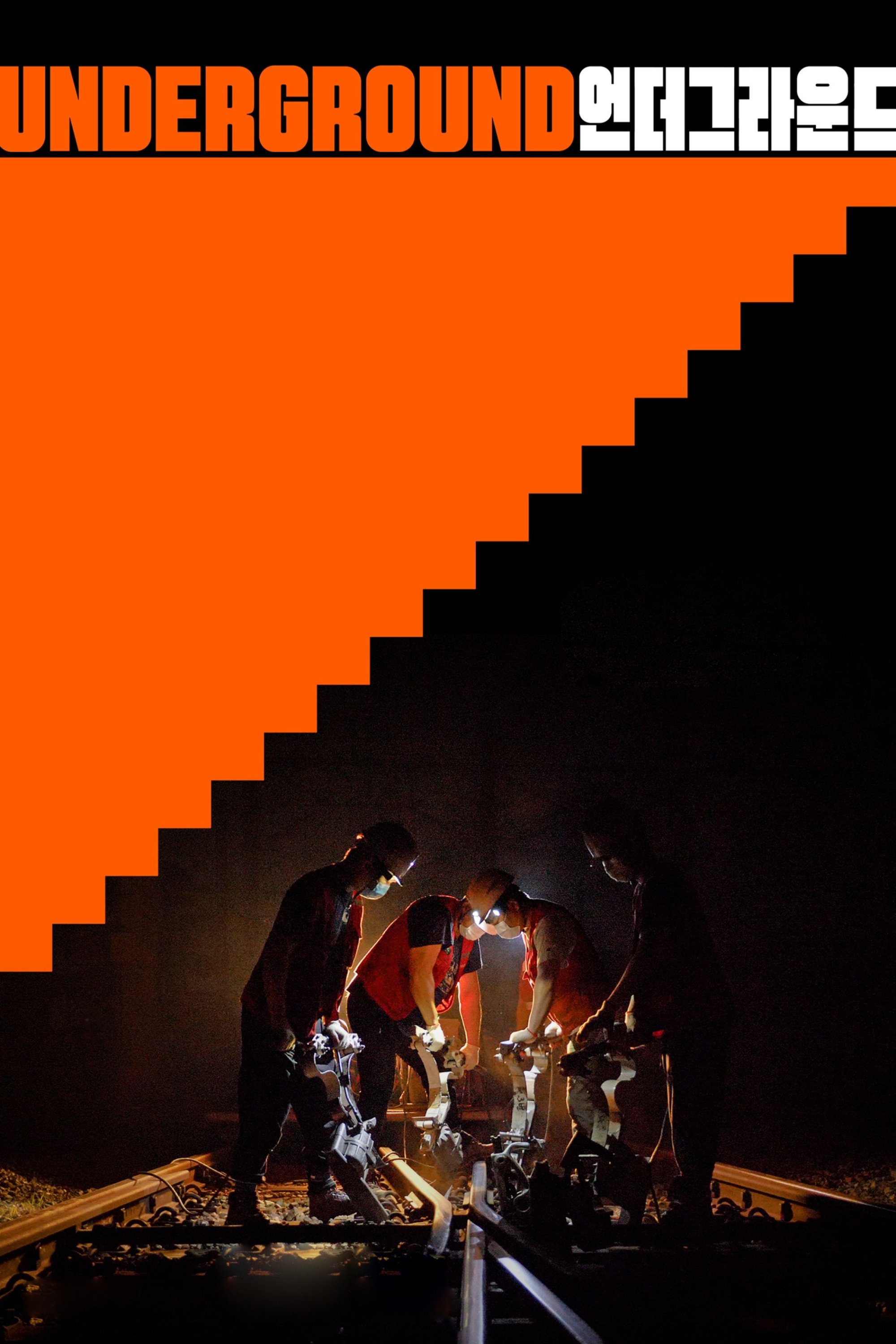
Numerous people are on subway trains running up and down the city center endlessly. There are people who run this decent space “underground”. Under the noisy world today, we approach them to see what life is like underground.
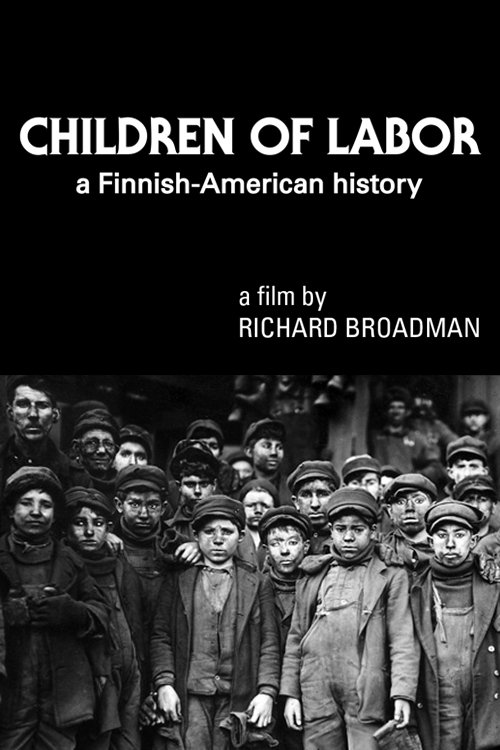
How Finnish immigrants came into contact — and conflict — with industrial America. Three generations of Finnish-Americans recount how they coped with harsh realities by creating their own institutions: churches, temperance halls, socialist halls, and cooperatives.
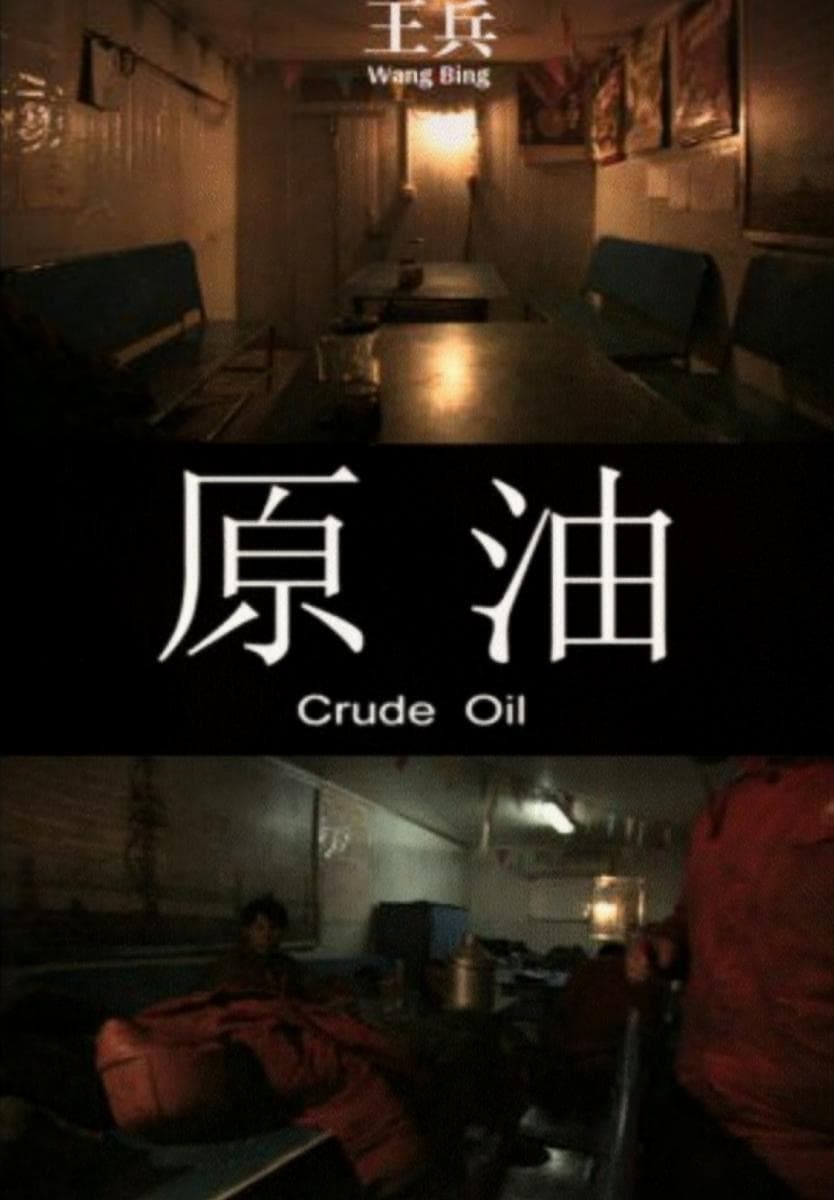
Filmed in the Inner Mongolian portion of the Gobi Desert, this film follows a group of oil field workers as they go about their daily routine.
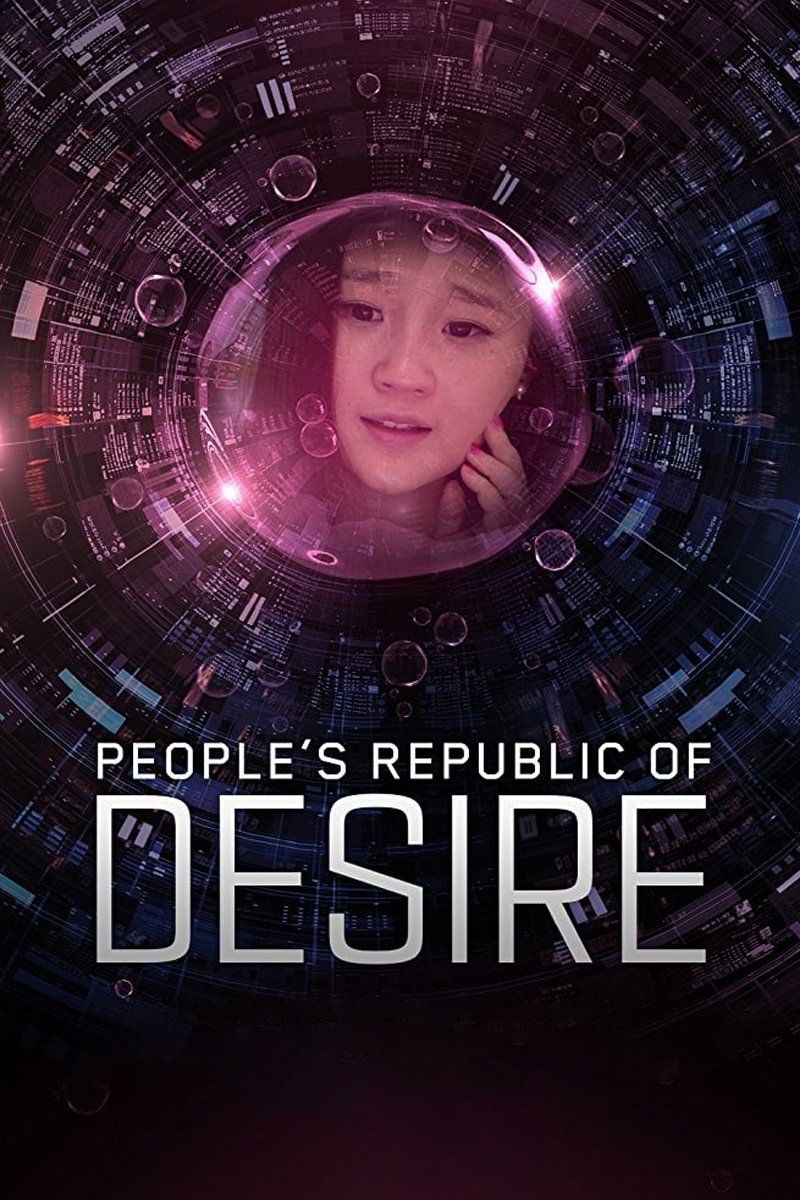
In China’s popular live-streaming showrooms, three millennials – a karaoke singer, a migrant worker and a rags-to-riches comedian – seek fame, fortune and human connection, ultimately finding the same promises and perils online as in their real lives.
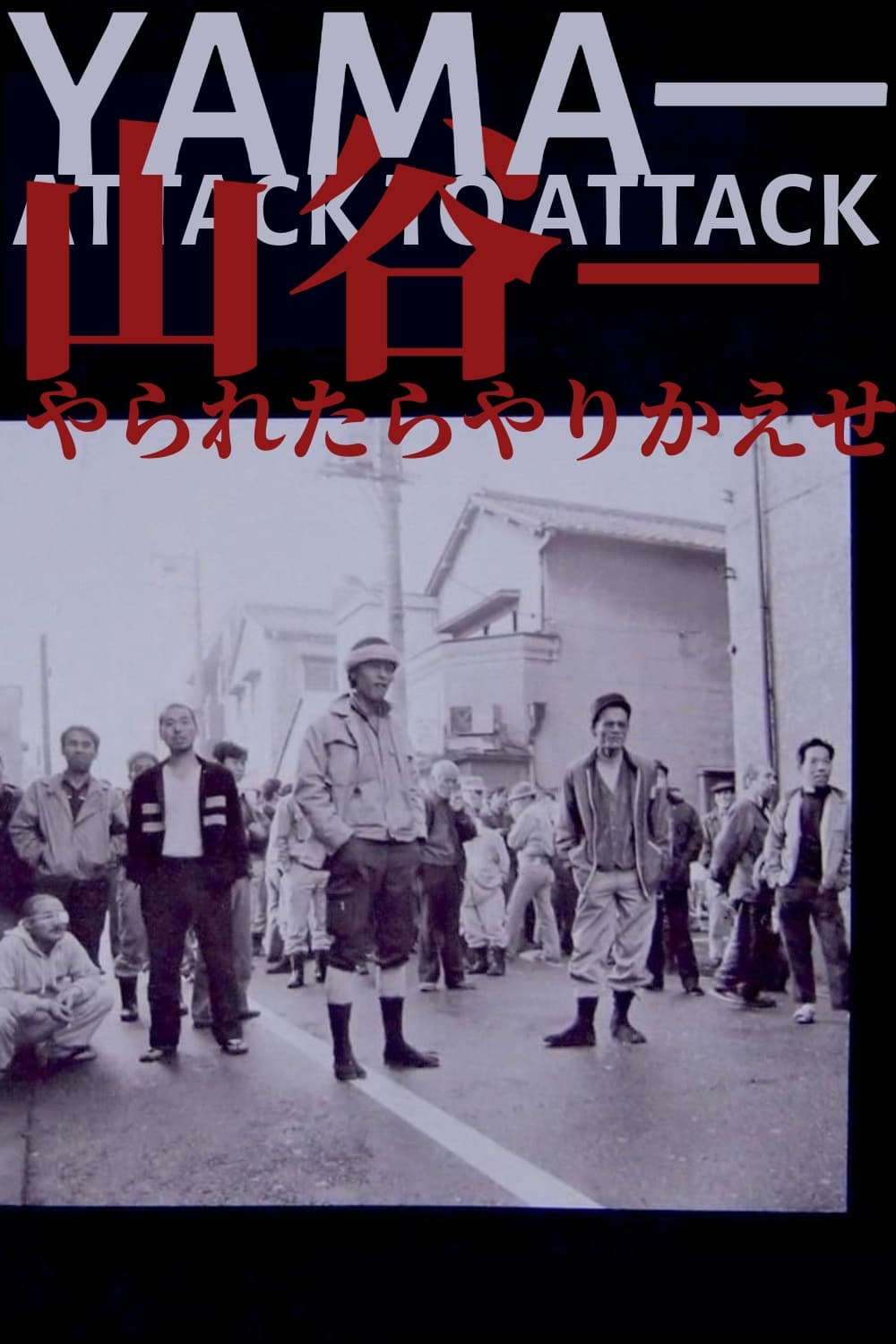
This extraordinary documentary is an unflinching record of the workers’ struggle during Japan’s economic rebirth in the 1980s, centered on Tokyo’s Sanya “yoseba”—a slum community dating from the 19th century where day laborers lived in terrible conditions while they sought work.
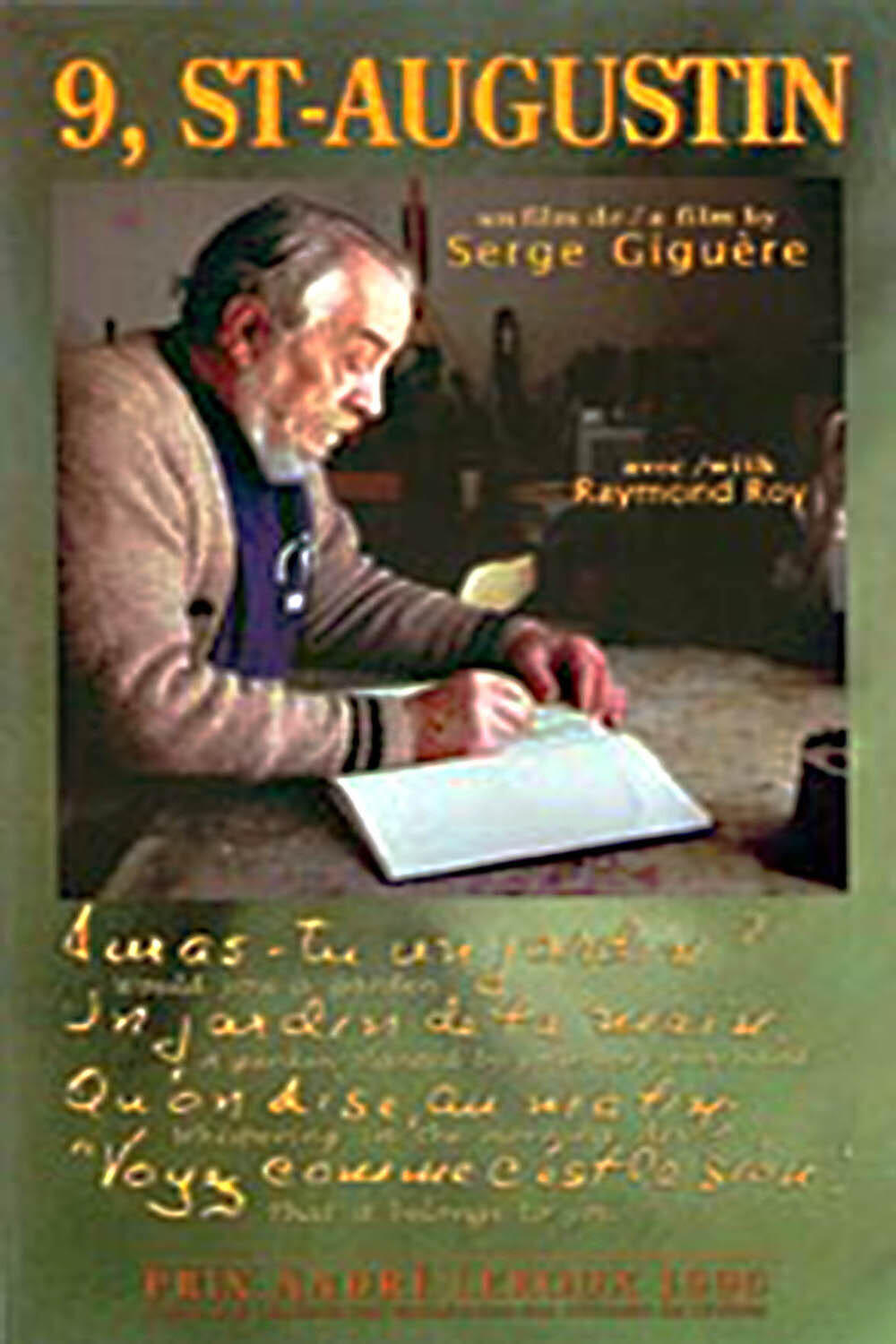
Raymond Roy is a 64-year-old idealist, an energetic social activist ready to give everything he has to those living on the edge: the alienated, impoverished and exploited members of society. Raymond is also a priest, doing what he has wanted to do ever since he was a teenager. Filmmaker Serge Giguère paints an intimate portrait of a man who has spent 30 years fighting for an alternative vision of life in his community. The film is a blend of cinema vérité and social history that provides a view of the man and his work from without and within, from the poetry of his personal diary laced with doubts and self-criticism, to the many achievements of the community groups he helped. Filming over several years, Giguère gives us a sense of the changes in values and attitudes of those who run our society, along with the role of the community groups who provide solutions, inspiration and a sense of renewal.
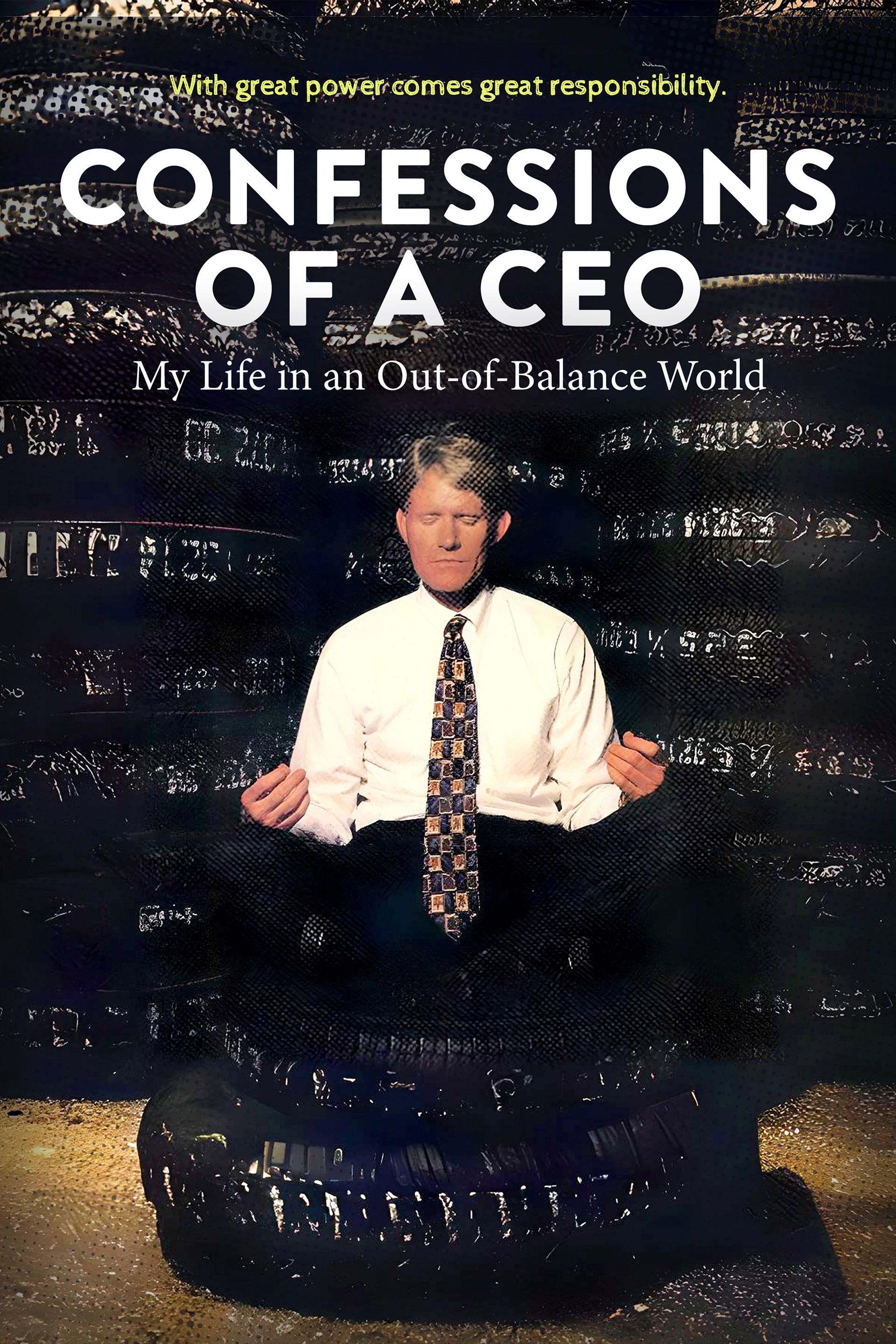
A bare-knuckled critique of corporate America told through the powerful true story of a toxic CEO who evolves from a profits-over-people, philandering executive to an unorthodox leader, populist messenger, and mentor to American influencers. It’s a story of growth, redemption and the impact of self-awareness on leadership and life.
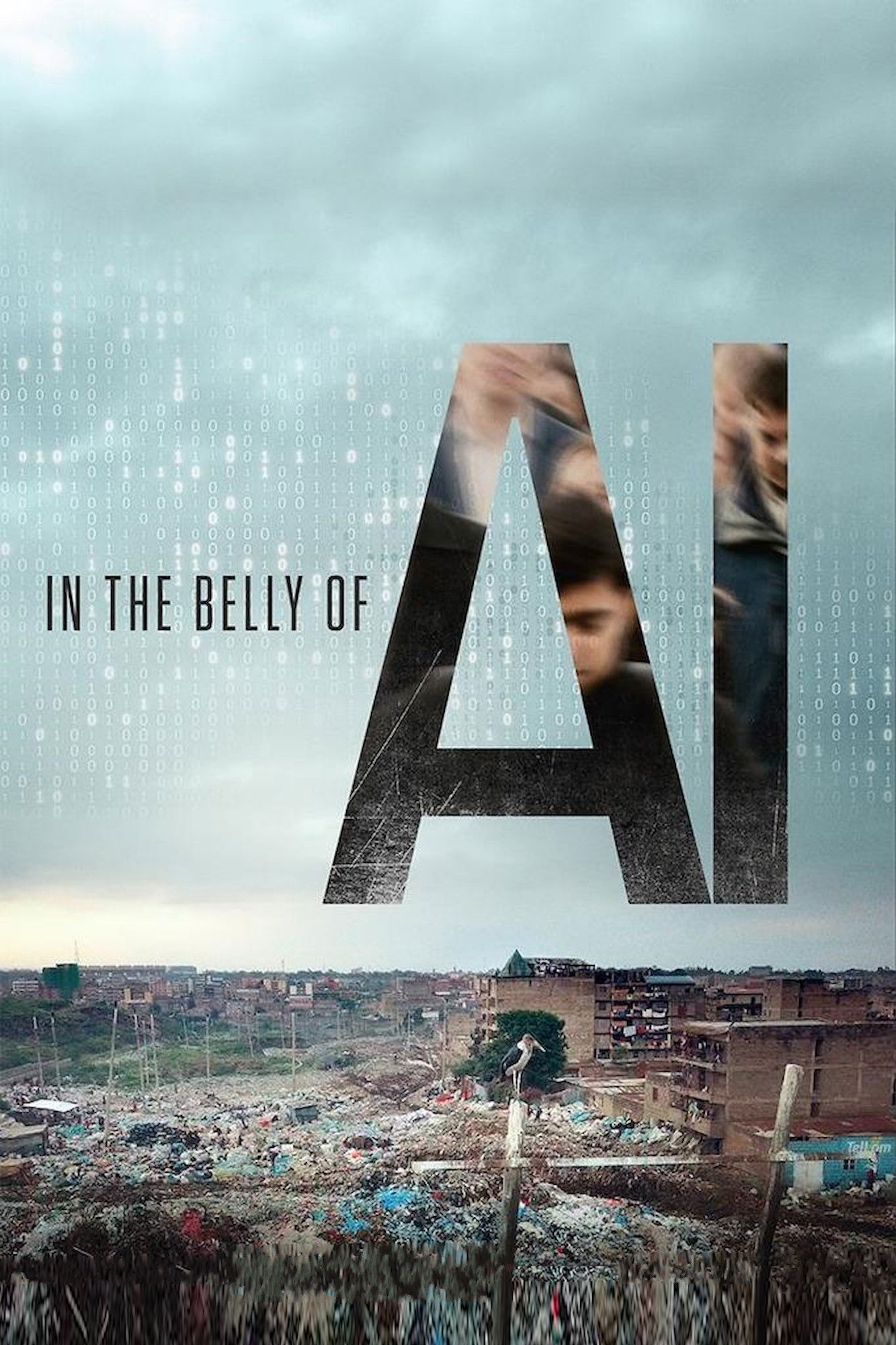
Magical, autonomous, all-powerful… Artificial intelligences feed our dreams as well as our nightmares. But while tech giants promise the advent of a new humanity, the reality of their production remains totally hidden. While data centers are concreting landscapes and drying up rivers, millions of workers around the world are preparing the billions of data that will feed the voracious algorithms of Big Tech, at the cost of their mental and emotional health. They are hidden in the belly of AI. Could they be the collateral damage of the ideology of “Longtermism” that has been brewing in Silicon Valley for several years?
What happens when subcontracted precarious workers turn into podcast DJ. Subcontracted precarious workers at the SK Broadband, Inc. began a podcast titled ‘Workers Have Changed!’ to broadcast the story about their strike for job security. The podcast studio becomes a theater of their life as they share their stories - daily hardshipsof subcontracted labor, coping with rude customers, and their futures and dreams.
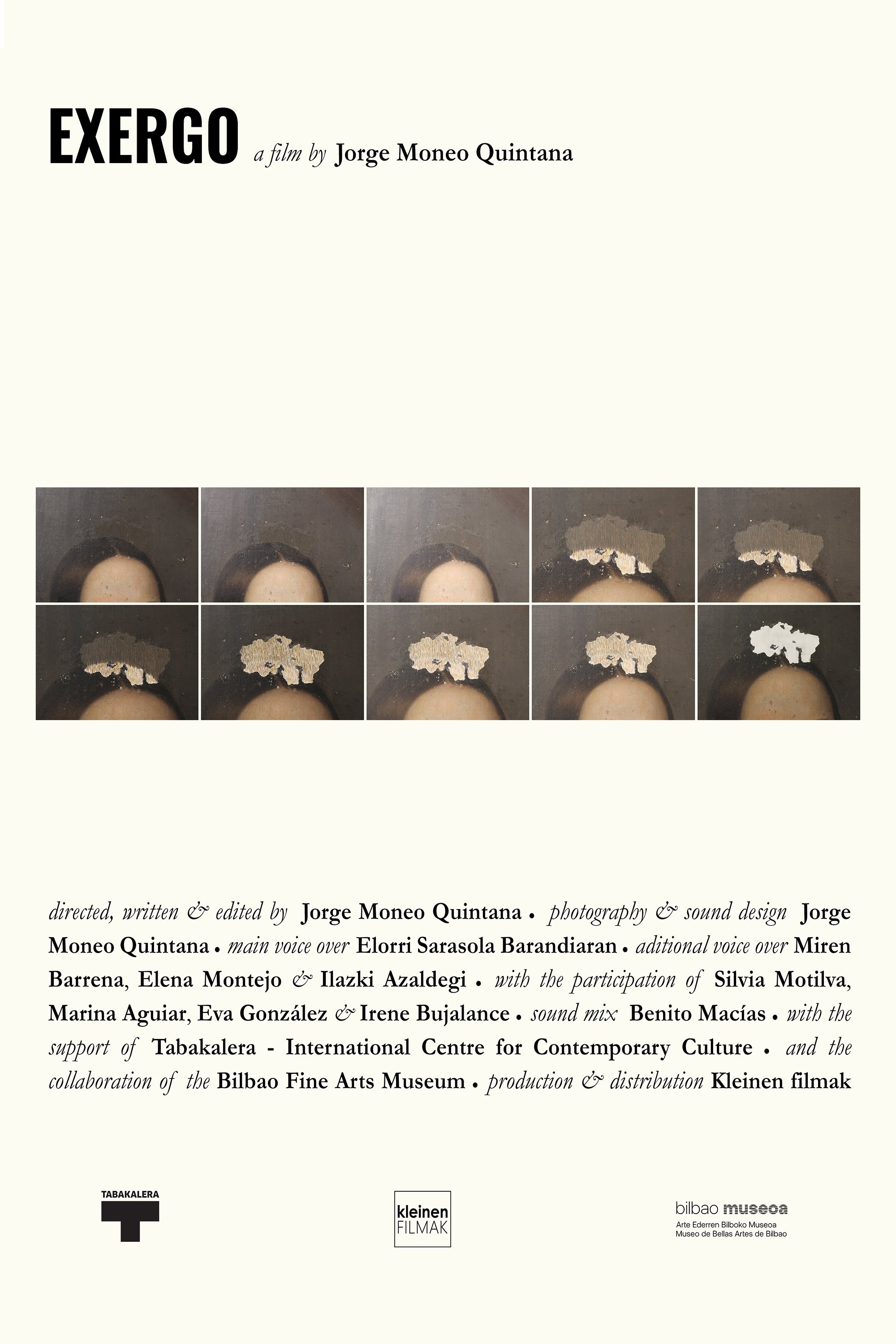
Departing from peripheral details of some paintings of the Bilbao Fine Arts Museum, a female narrator unravels several stories related to the economic, social and psychological conditions of past and current artists.
Through a collage of spaces and times, the interventions and interferences of nature and human beings in the south of Brazil reveals themselves... or try to hide.
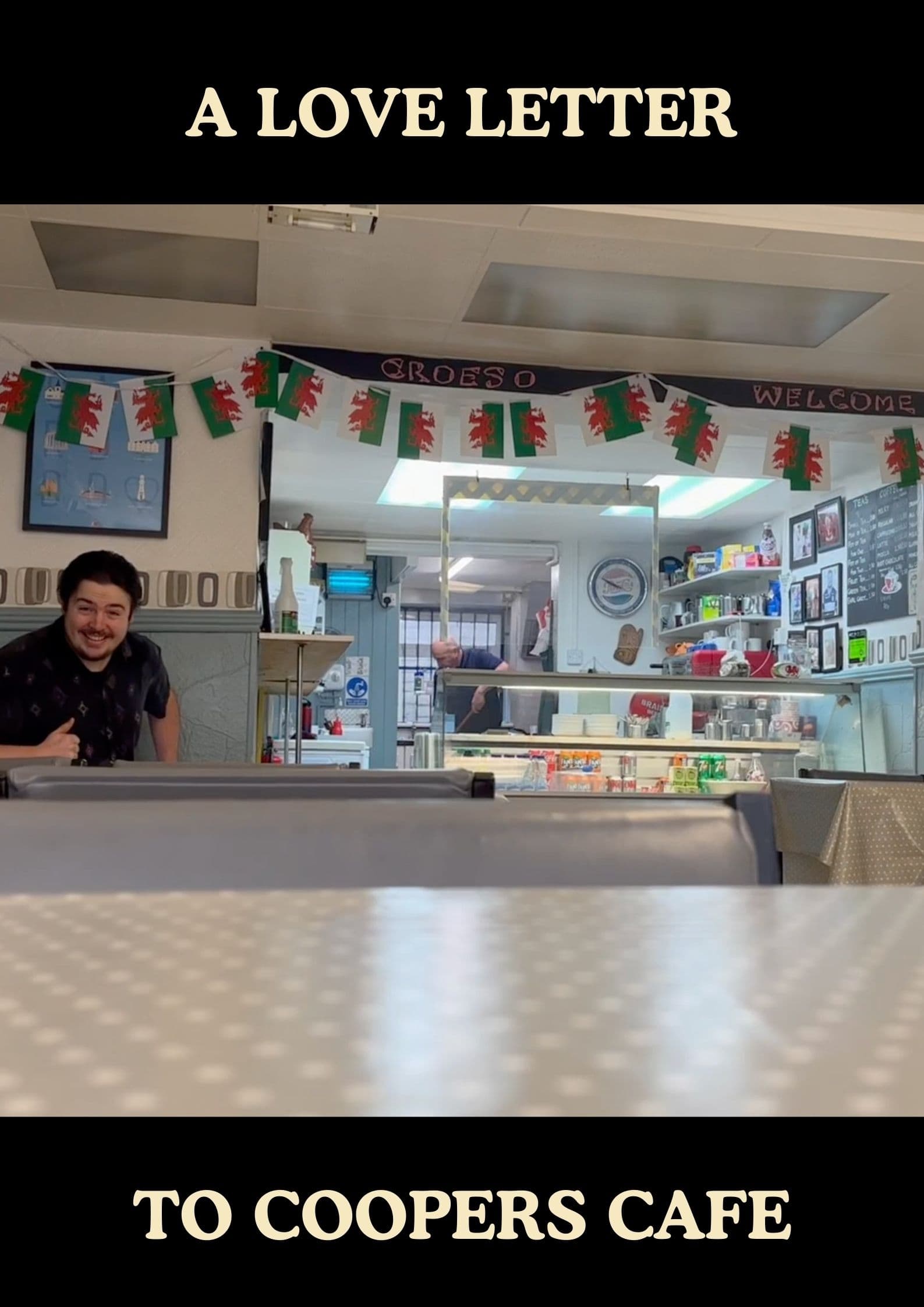
During the summer of 2023, my father decided to hang up the boots and walk away from the family business of 25 years. This is my love letter to the cafe in which my family and I have worked, encapsulating the good vibes and cheery nature the business held for a quarter of a century.
A documentary telling the story of the 1983 Solidarity strike in “British Columbia,” a key point in the introduction of neoliberal economic policy in the province.
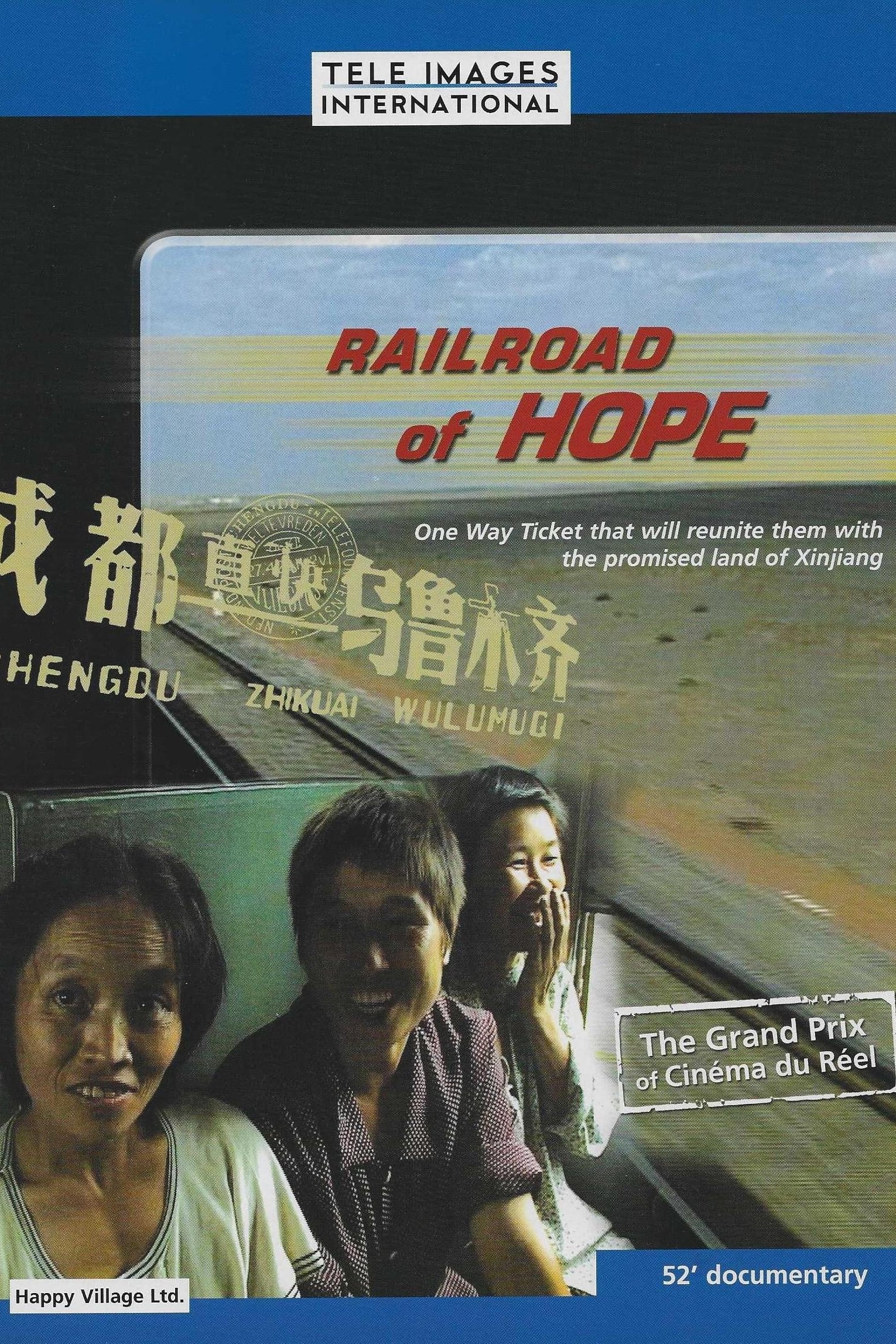
Railroad of Hope consists of interviews and footage collected over three days by Ning Ying of migrant agricultural workers traveling from Sichuan in China's interior, to the Xinjiang Autonomous Region, China's northwest frontier.[1] Through informal interviews aboard the cramped rail cars, Ning Ying explores the hopes and dreams of the workers, many of whom have never left their homes before.
The drastic economic development in South Korea once surprised the rest of the world. However, behind of it was an oppression the marginalized female laborers had to endure. The film invites us to the lives of the working class women engaged in the textile industry of the 1960s, all the way through the stories of flight attendants, cashiers, and non-regular workers of today. As we encounter the vista of female factory workers in Cambodia that poignantly resembles the labor history of Korea, the form of labor changes its appearance but the essence of the bread-and-butter question remains still.
In an intimate and joyful story of love in the face of loss, celebrated poets Andrea Gibson and Megan Falley find strength—and unexpected hilarity—in what might be their final year together.
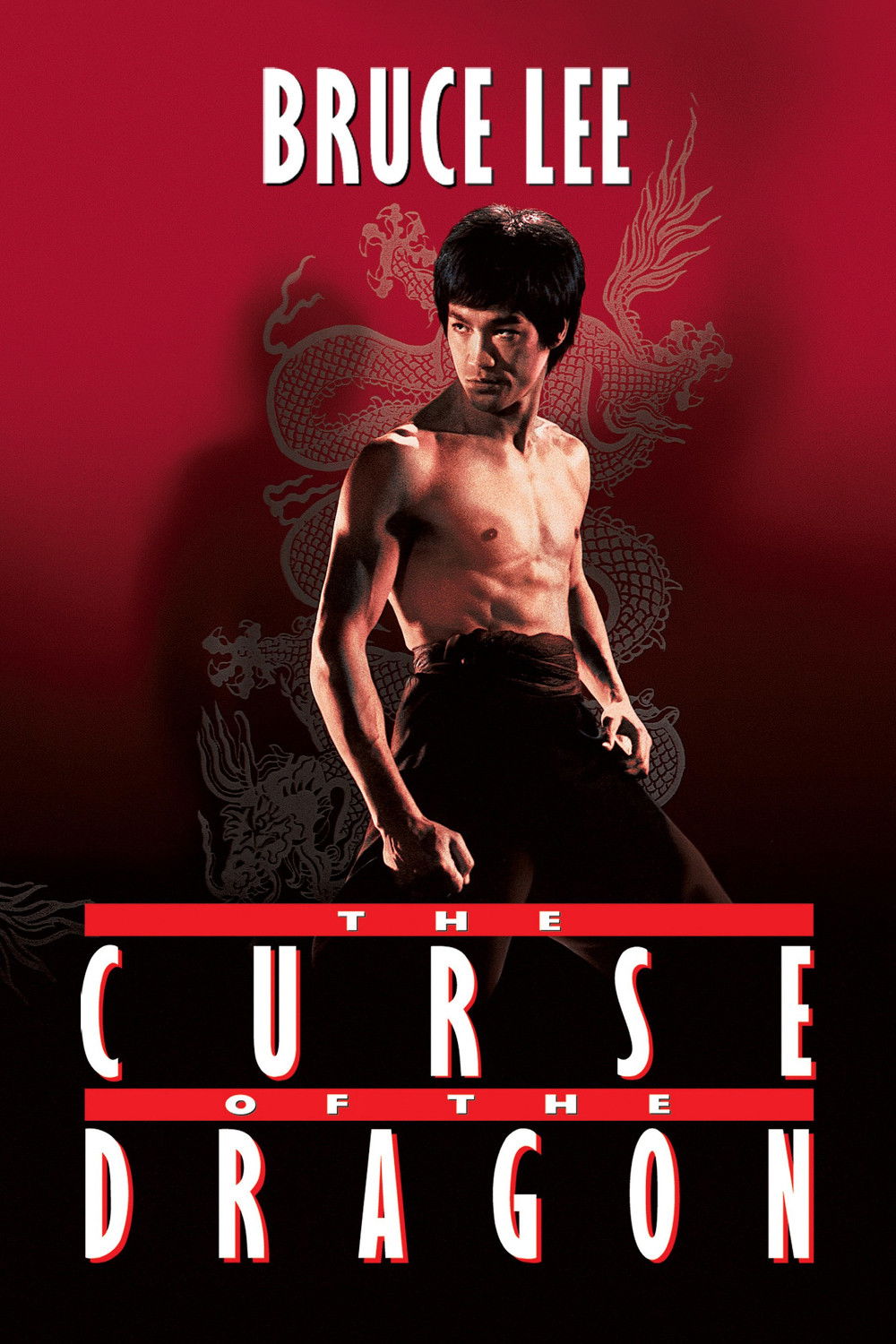
A 1993 documentary film about Bruce Lee. The film includes interviews from some of his fellow students and opponents who worked alongside him in his movies.
The film is based on interviews with 2,000 women from 50 countries, and covers the status of women all over the world. The topics covered include forced marriages, sexual assault, female genital mutilation, acid attacks, motherhood, sexuality, menstruation, education and the professional success of women.
A documentary chronicling Queen and Lambert's incredible journey since they first shared the stage together on "American Idol" in 2009.
“Showrunners” is the first ever feature length documentary film to explore the fascinating world of US television showrunners and the creative forces aligned around them. These are the people responsible for creating, writing and overseeing every element of production on one of the United State’s biggest exports – television drama and comedy series. Often described as the most complex job in the entertainment business, a showrunner is the chief writer / producer on a TV series and, in most instances, the show’s creator. Battling daily between art and commerce, showrunners manage every aspect of a TV show’s development and production: creative, financial and logistical.
The life of Mr. Spock, as well as that of Leonard Nimoy, the actor who played him for almost fifty years, written and directed by his son: Adam.
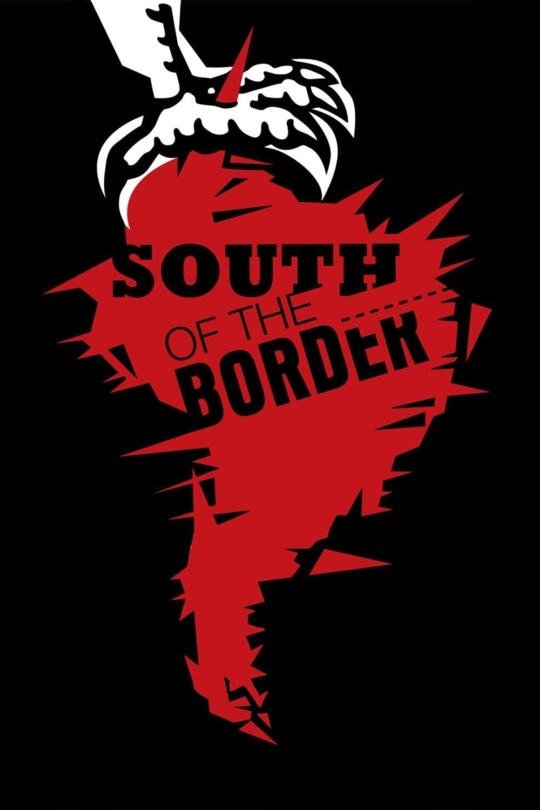
A road trip across five countries to explore the social and political movements as well as the mainstream media's misperception of South America while interviewing seven of its elected presidents.
Through deeply personal interviews with her siblings and an examination of the photographs, letters, and belongings left behind, Mariska assembles a new portrait of her mother Jayne Mansfield, an extraordinary and complex woman.
Ranjit, a farmer in India, takes on the fight of his life when he demands justice for his 13-year-old daughter, the victim of a brutal gang rape. His decision to support his daughter is virtually unheard of, and his journey unprecedented.
Musician and performance artist Laurie Anderson reflects on the deaths of her husband Lou Reed, her mother and her beloved dog.
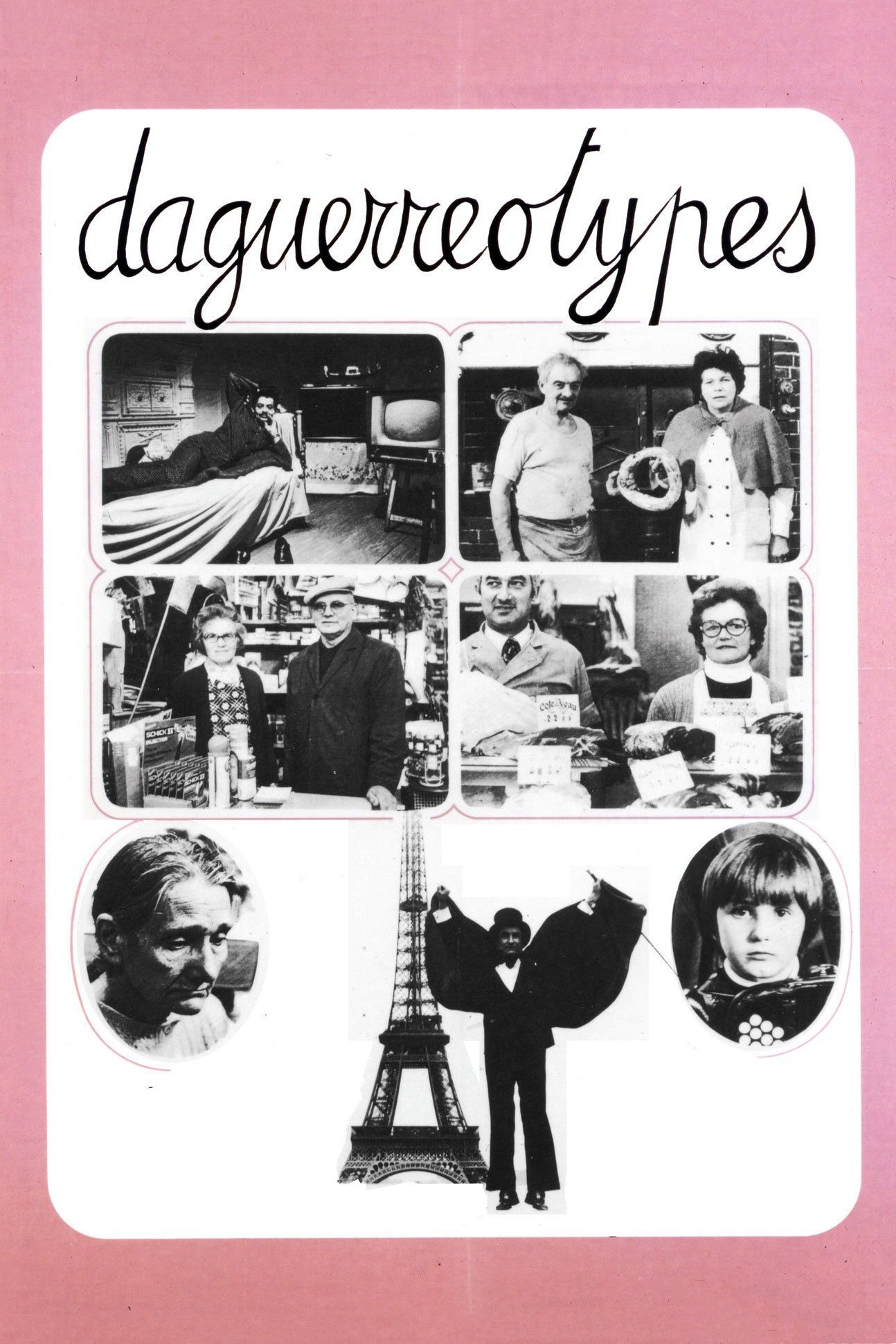
An intimate portrait of the small shops and shopkeepers of the Rue Daguerre in Paris, a picturesque street that has been the filmmaker’s home for more than 50 years.
SEDUCED AND ABANDONED combines acting legend Alec Baldwin with director James Toback as they lead us on a troublesome and often hilarious journey of raising financing for their next feature film. Moving from director to financier to star actor, the two players provide us with a unique look behind the curtain at the world's biggest and most glamourous film festival, shining a light on the bitter-sweet relationship filmmakers have with Cannes and the film business. Featuring insights from directors Martin Scorsese, 'Bernando Bertolucci' and Roman Polanski; actors Ryan Gosling and Jessica Chastain and a host of film distribution luminaries.
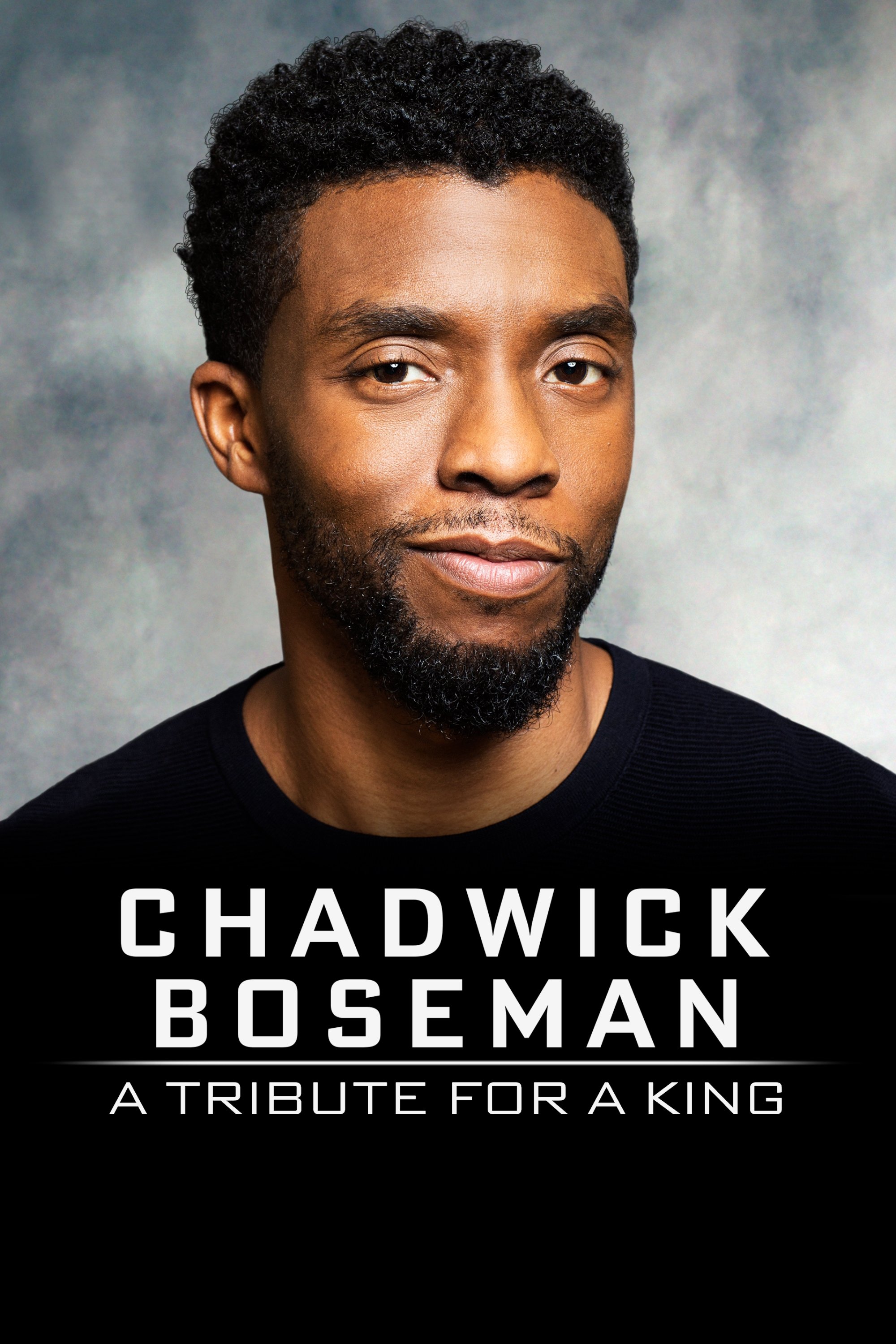
A tribute to Chadwick Boseman, celebrating his life and legacy.
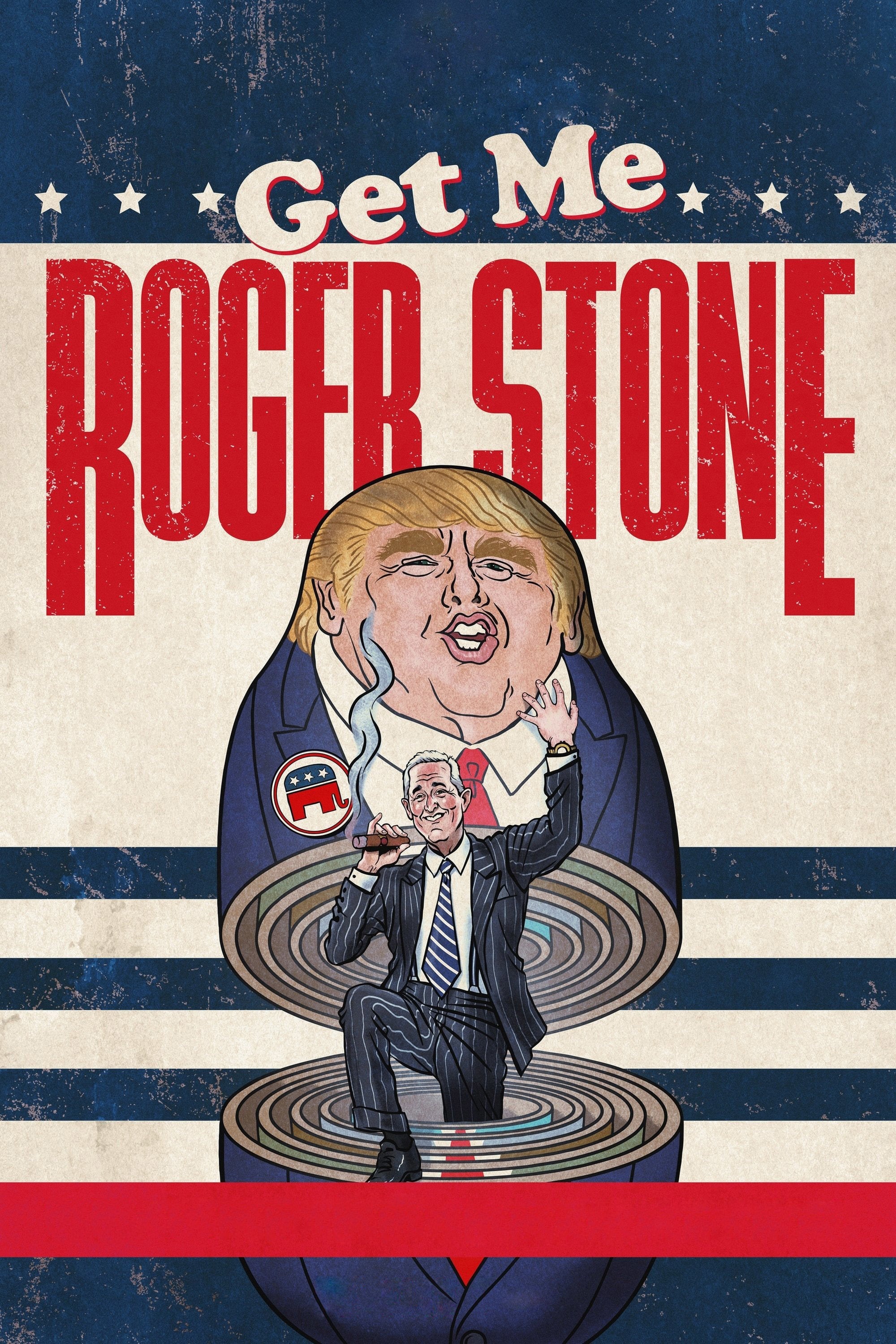
From his days of testifying at the Watergate hearings to advising recent presidential candidate Donald Trump, Roger Stone has long offended people on both sides of the political fence as a force in conservative America. Outspoken author, pundit, ahead of his time election strategist, this is his story.
Over 35 years after Bob Lazar's revelations, this documentary exposes secrets of a facility the government still denies. Featuring Lazar's testimony, recreations, and new evidence, it reopens a case that continues to spark global curiosity
A documentary chronicling Vogue editor-in-chief Anna Wintour's preparations for the 2007 fall-fashion issue.
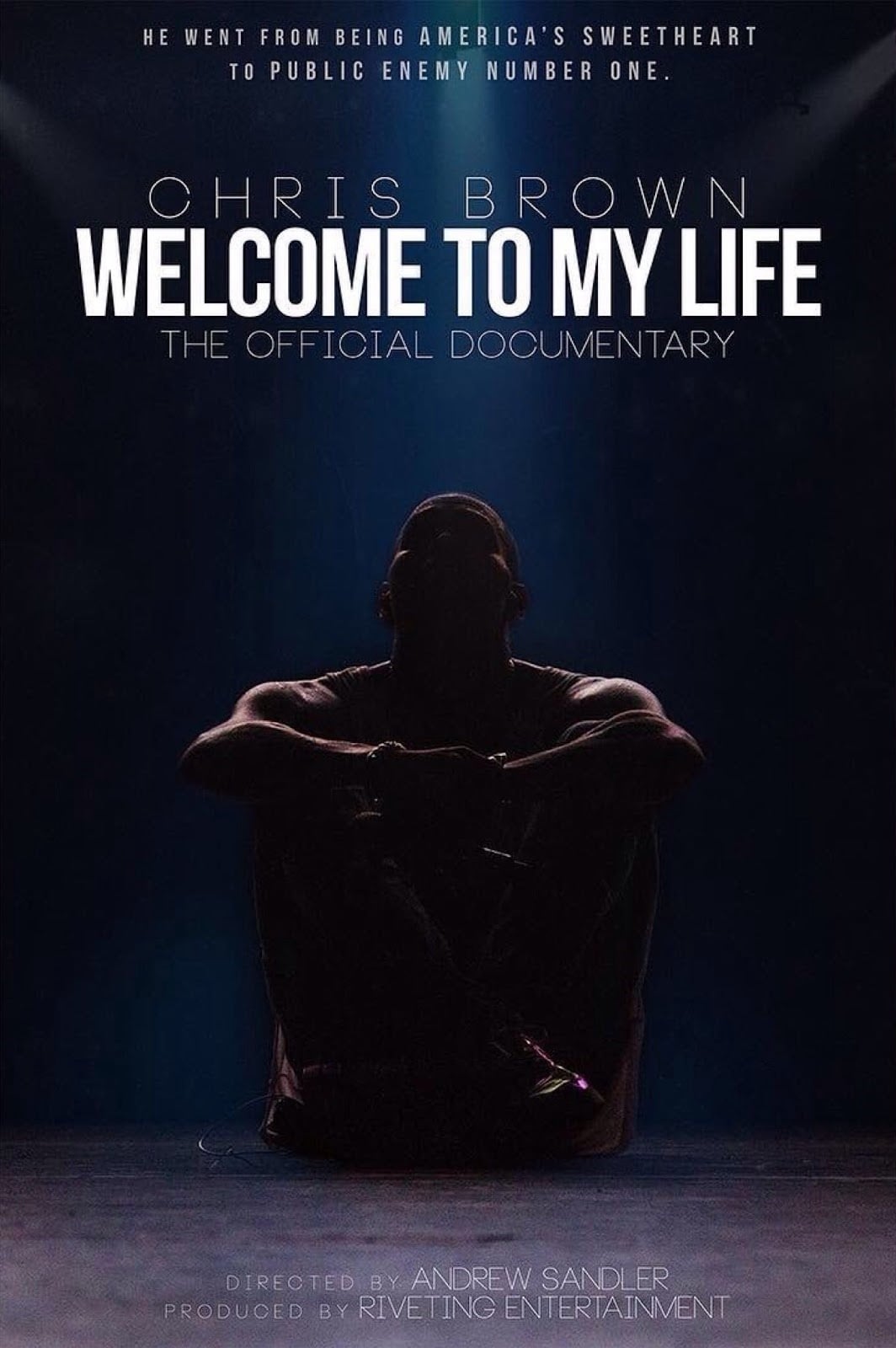
This compelling Documentary moves beyond the spotlight and past the attention-grabbing headlines to give pop superstar Chris Brown a chance to tell his own story. New interviews with the international phenomenon reveal long-awaited answers about his passion for making music, his tumultuous and much publicized relationships, and the pitfalls of coming of age in the public eye. Also included is new concert footage, behind-the-scenes access, and special interviews from Usher, Jennifer Lopez, DJ Khaled, Mike Tyson, Jamie Foxx and others.
A string of threatening emails escalates into a revenge plot involving a newly married US marshal and his ex-girlfriend.
A non-narrated documentary following the lovesome lives of four infants from birth to their first birthday. The babies featured are two from rural areas: Ponijao from Opuwo, Namibia, and Bayar from Bayanchandmani, Mongolia, as well as two from urban areas: Mari from Tokyo, Japan, and Hattie from San Francisco, USA.
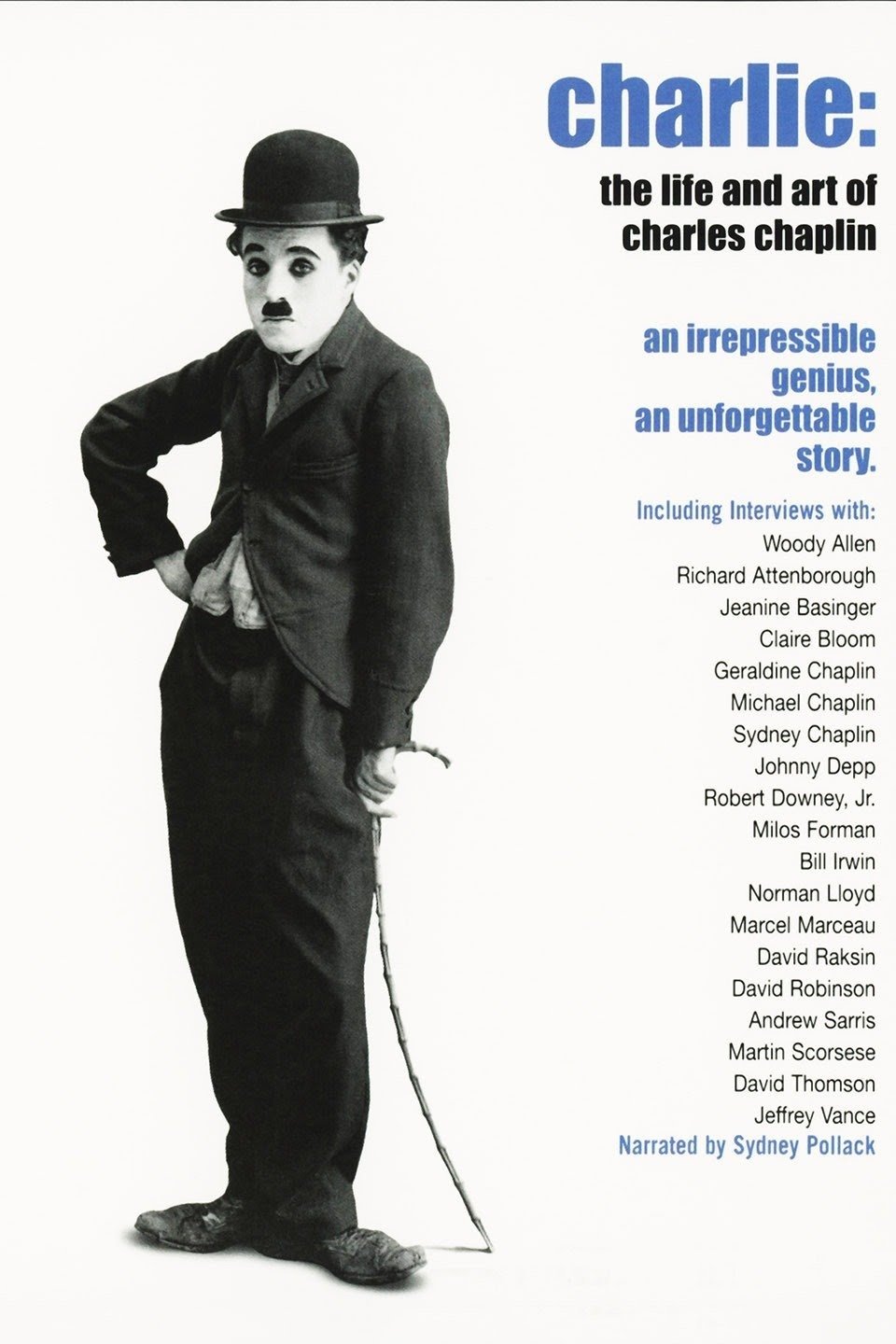
Brilliant, long in-the-works story of the life and art of the world's greatest comedian and the cinema's first genius, Charlie Chaplin. Produced, written and directed by renowned film critic Richard Schickel.