Martyrs of the Inquisition
Social & External
The people behind it
Fernand Rivers
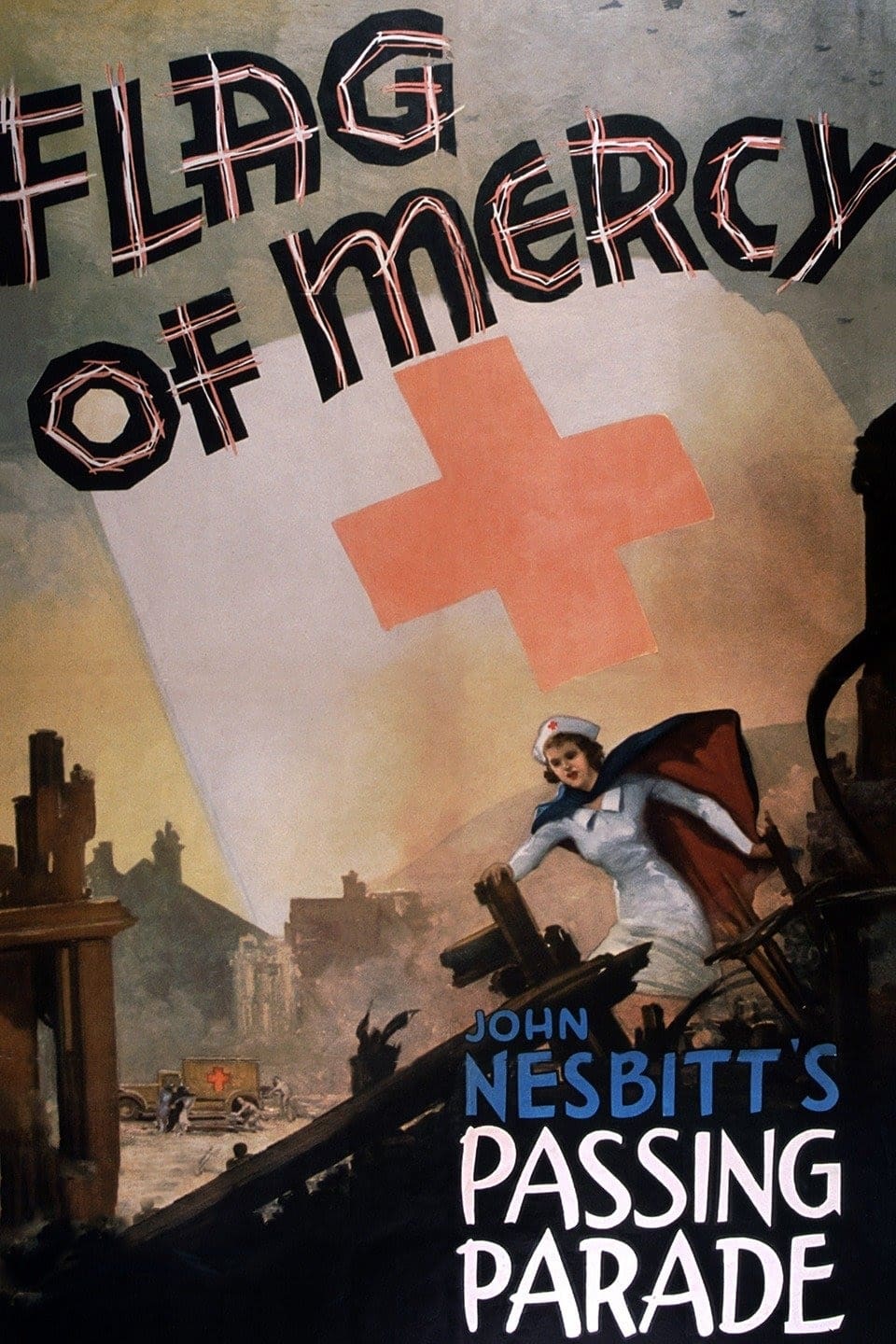
The 1939 dramatic short "Angel of Mercy," about Red Cross founder Clara Barton, is reedited to relate the story to America's involvement in World War II. Edited from Angel of Mercy (1939)
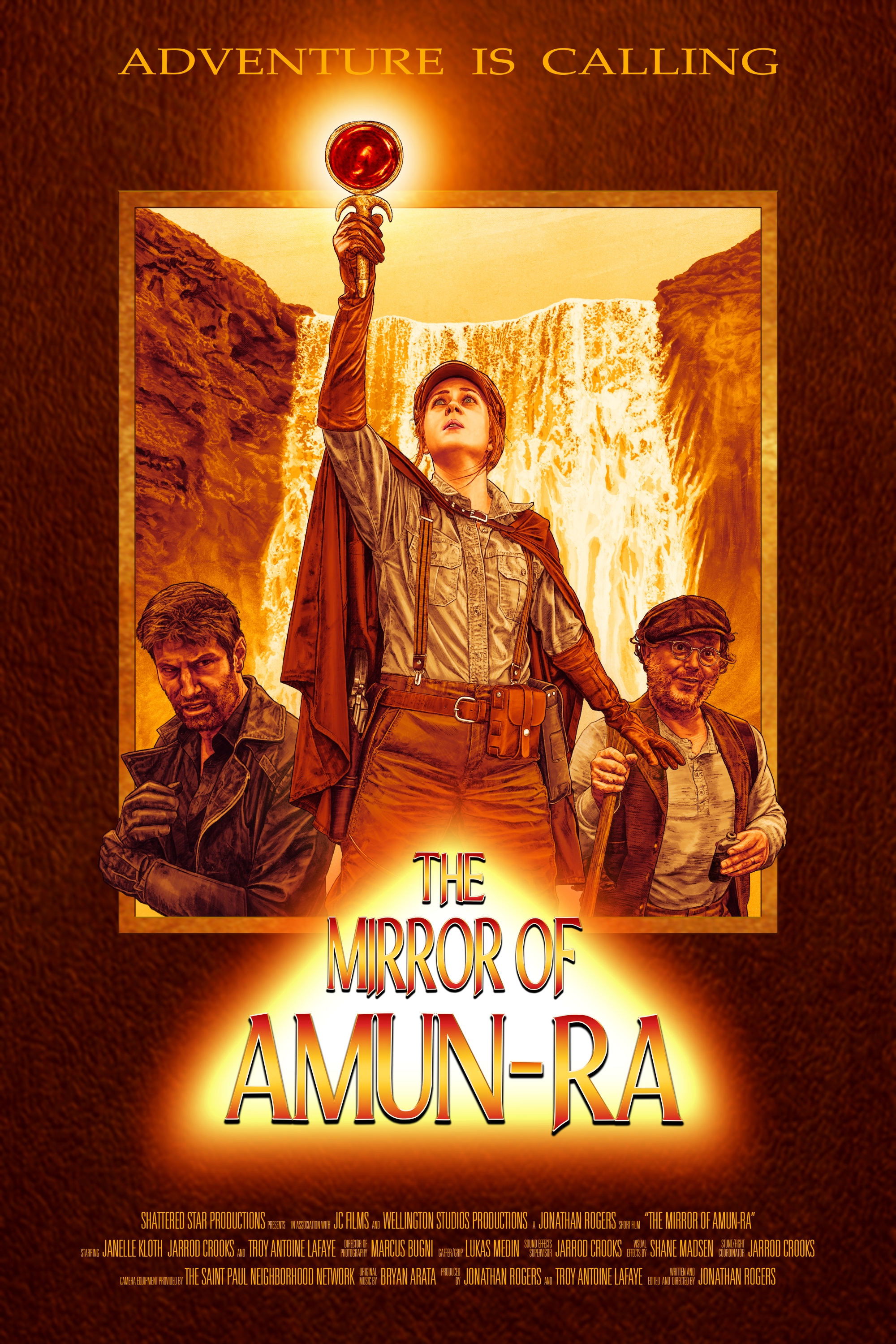
In the year 1930, novice archaeologist Cleopatra Pryce embarks on a quest to find a legendary Ancient Egyptian mirror, and will not only encounter a dangerous rival, but also make a discovery that changes her fate forever.
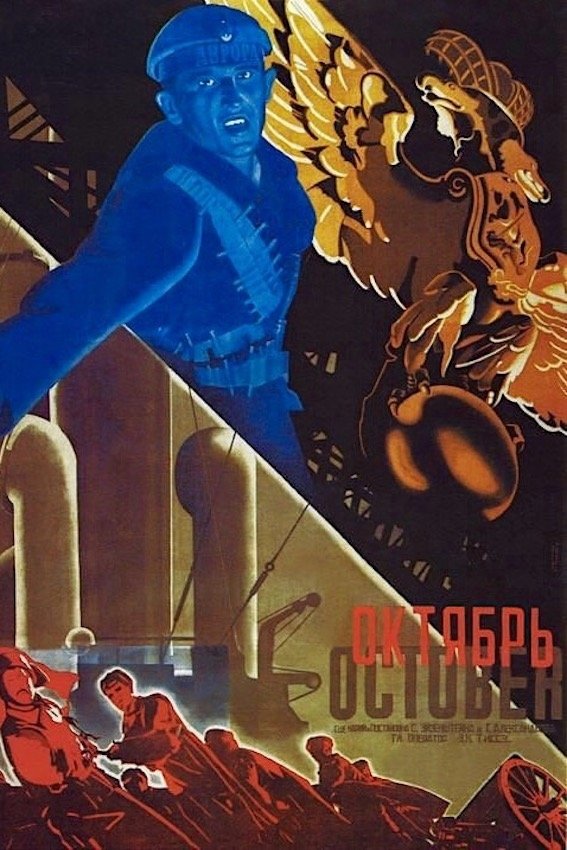
Sergei M. Eisenstein's docu-drama about the 1917 October Revolution in Russia. Made ten years after the events and edited in Eisenstein's 'Soviet Montage' style, it re-enacts in celebratory terms several key scenes from the revolution.
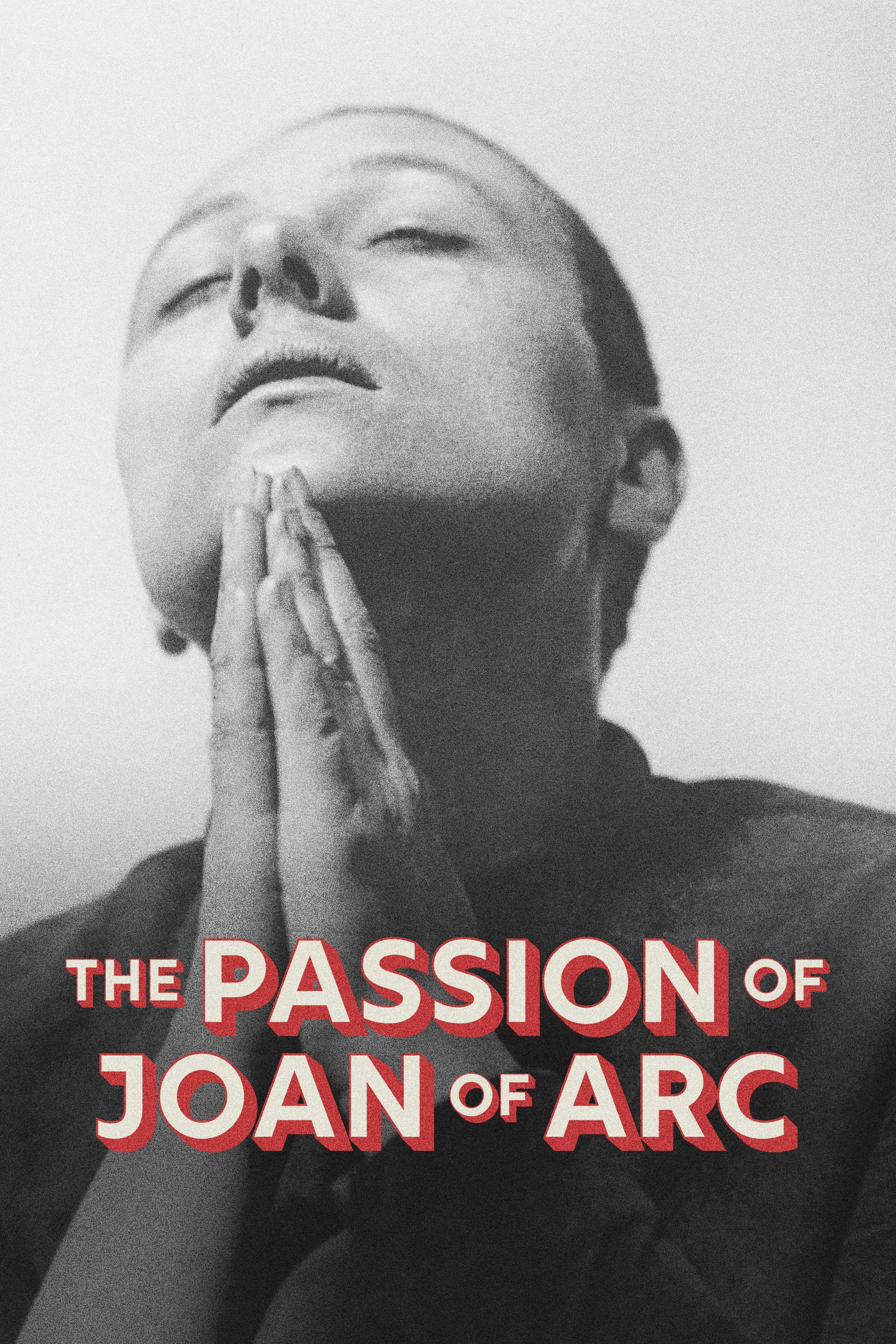
A classic of the silent age, this film tells the story of the doomed but ultimately canonized 15th-century teenage warrior. On trial for claiming she'd spoken to God, Jeanne d'Arc is subjected to inhumane treatment and scare tactics at the hands of church court officials. Initially bullied into changing her story, Jeanne eventually opts for what she sees as the truth. Her punishment, a famously brutal execution, earns her perpetual martyrdom.
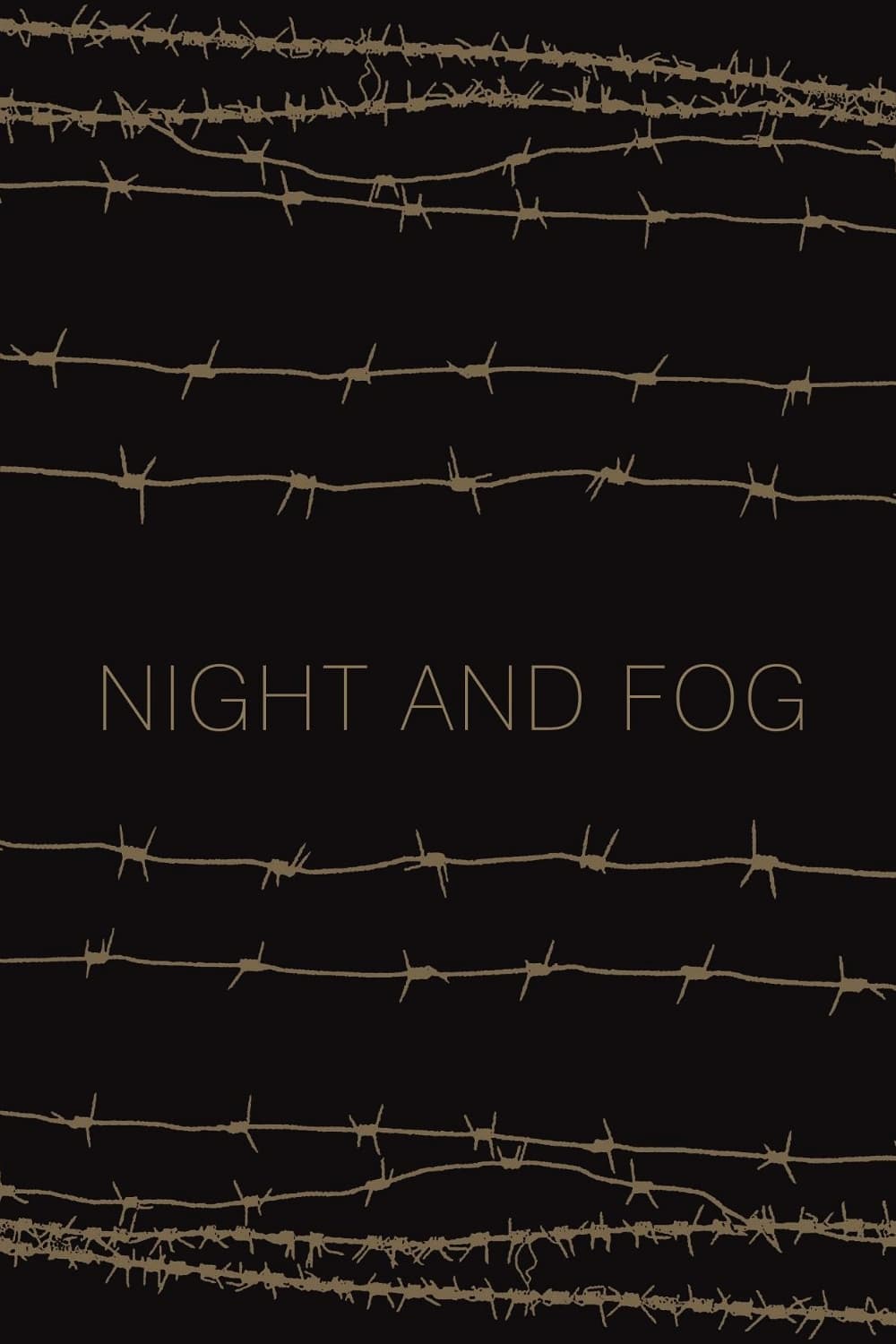
Filmmaker Alain Resnais documents the atrocities behind the walls of Hitler's concentration camps.
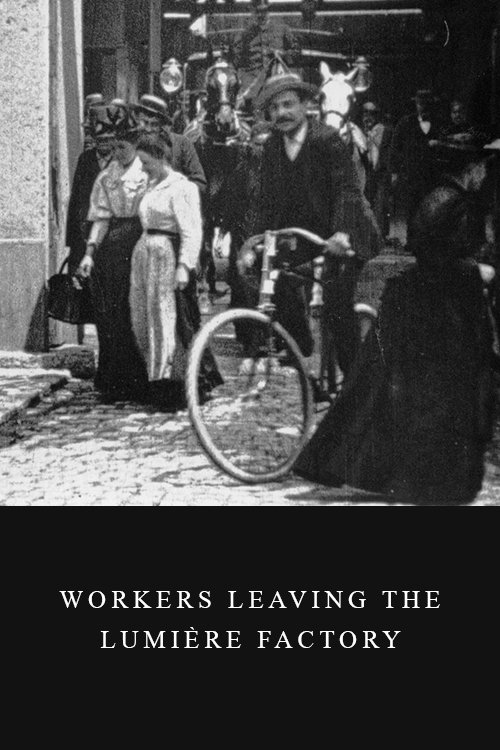
Working men and women leave through the main gate of the Lumière factory in Lyon, France. Filmed on 22 March 1895, it is often referred to as the first real motion picture ever made, although Louis Le Prince's 1888 Roundhay Garden Scene pre-dated it by seven years. Three separate versions of this film exist, which differ from one another in numerous ways. The first version features a carriage drawn by one horse, while in the second version the carriage is drawn by two horses, and there is no carriage at all in the third version. The clothing style is also different between the three versions, demonstrating the different seasons in which each was filmed. This film was made in the 35 mm format with an aspect ratio of 1.33:1, and at a speed of 16 frames per second. At that rate, the 17 meters of film length provided a duration of 46 seconds, holding a total of 800 frames.
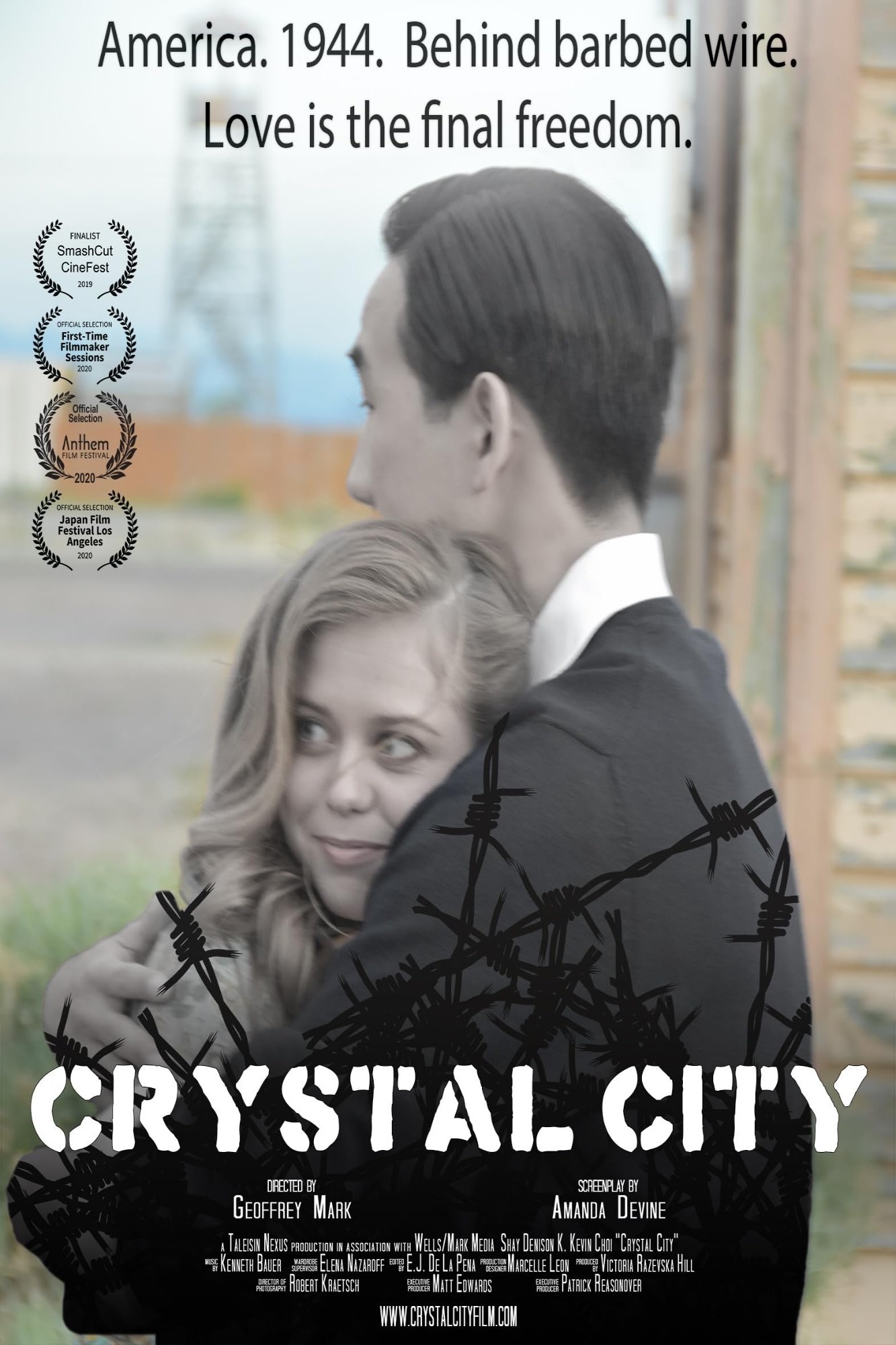
The story of a burgeoning young love between a German American girl and a young Japanese American boy in a US WWII internment camp who may soon see themselves shipped out of the only country they've ever known and forever kept apart.
During WW2 a boy tries to save himself and his baby sister from a German soldier.
King Edward I has launched a full invasion of Scotland. His next move is a siege of the Urquhart Castle, by Loch Ness. Scottish Governor Alexander De Forbes must defend the castle from the invaders. But the commotion of war will come to a halt when a slumbering ancient power is disturbed: the Loch Ness Monster.
Like many people of his generation, Ali has decided to run away from the hardships of war. Along his way, he meets a strange person in a bus station: an encounter that will change his perspective.
Two families, abolitionist Northerners the Stonemans and Southern landowners the Camerons, intertwine. When Confederate colonel Ben Cameron is captured in battle, nurse Elsie Stoneman petitions for his pardon. In Reconstruction-era South Carolina, Cameron founds the Ku Klux Klan, battling Elsie's congressman father and his African-American protégé, Silas Lynch.
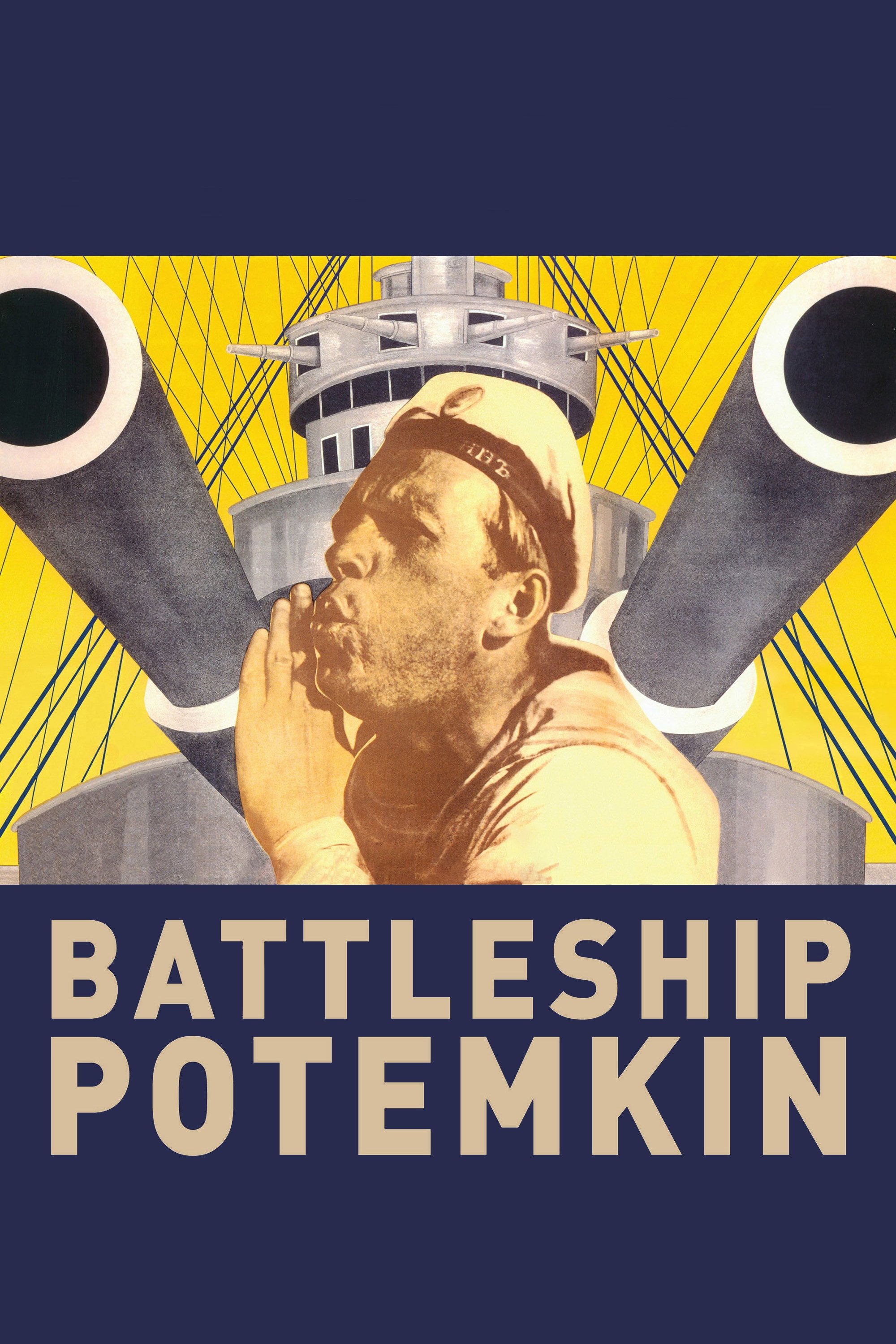
A dramatized account of a great Russian naval mutiny and a resultant public demonstration, showing support, which brought on a police massacre.
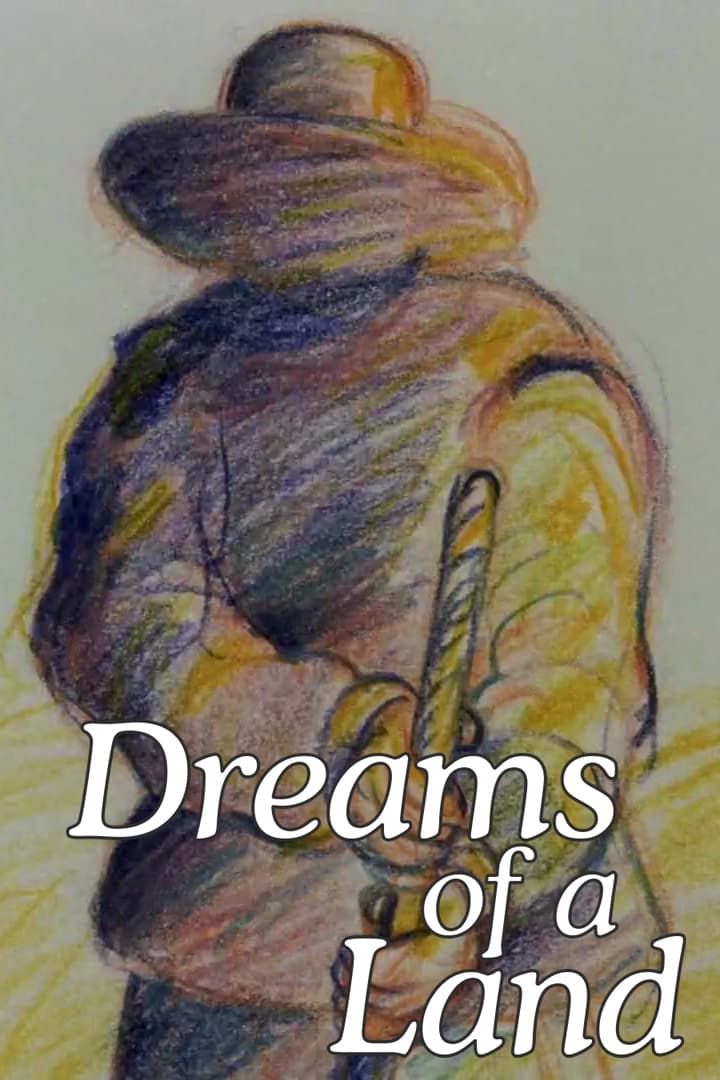
This beautiful short, commissioned by UCLan’s Creative Innovation Zone, is an intricate hand-drawn journey through the life of a local activist, George Dewhurst. An ordinary working man from Blackburn, George was charged with High Treason, shortly after The Peterloo Massacre in August 1819, for speaking at a gathering of workers in Burnley. Narrated by one of George's descendants, 8-year-old Monty Speed, this beautiful animated montage depicts events in George's life in the year 1819, following a quest by descendants to uncover his grave and raise awareness of his story.
Film historians, and survivors from the nearly 30-year struggle to bring sound to motion pictures take the audience from the early failed attempts by scientists and inventors, to the triumph of the talkies.
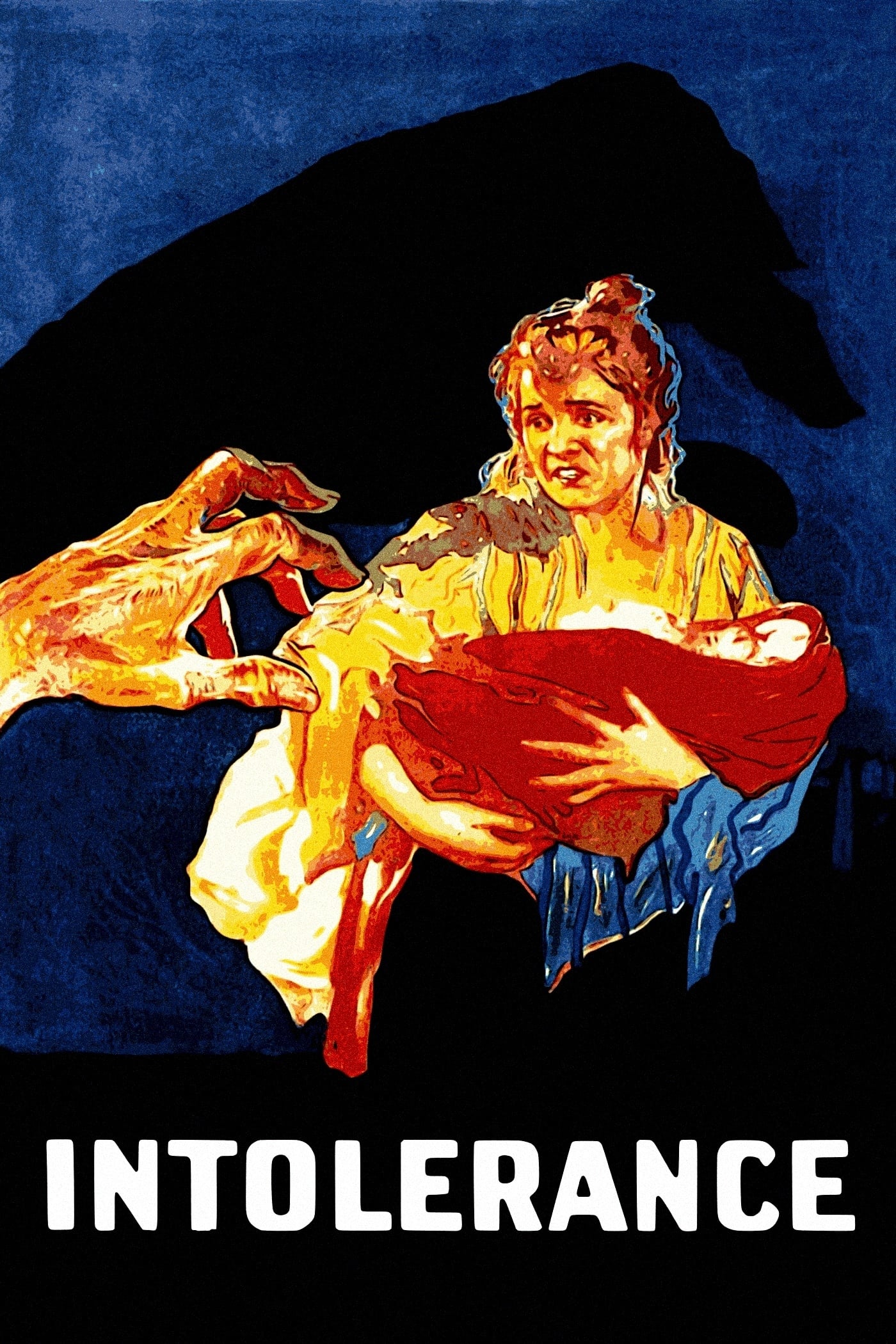
The story of a poor young woman, separated by prejudice from her husband and baby, is interwoven with tales of intolerance from throughout history.
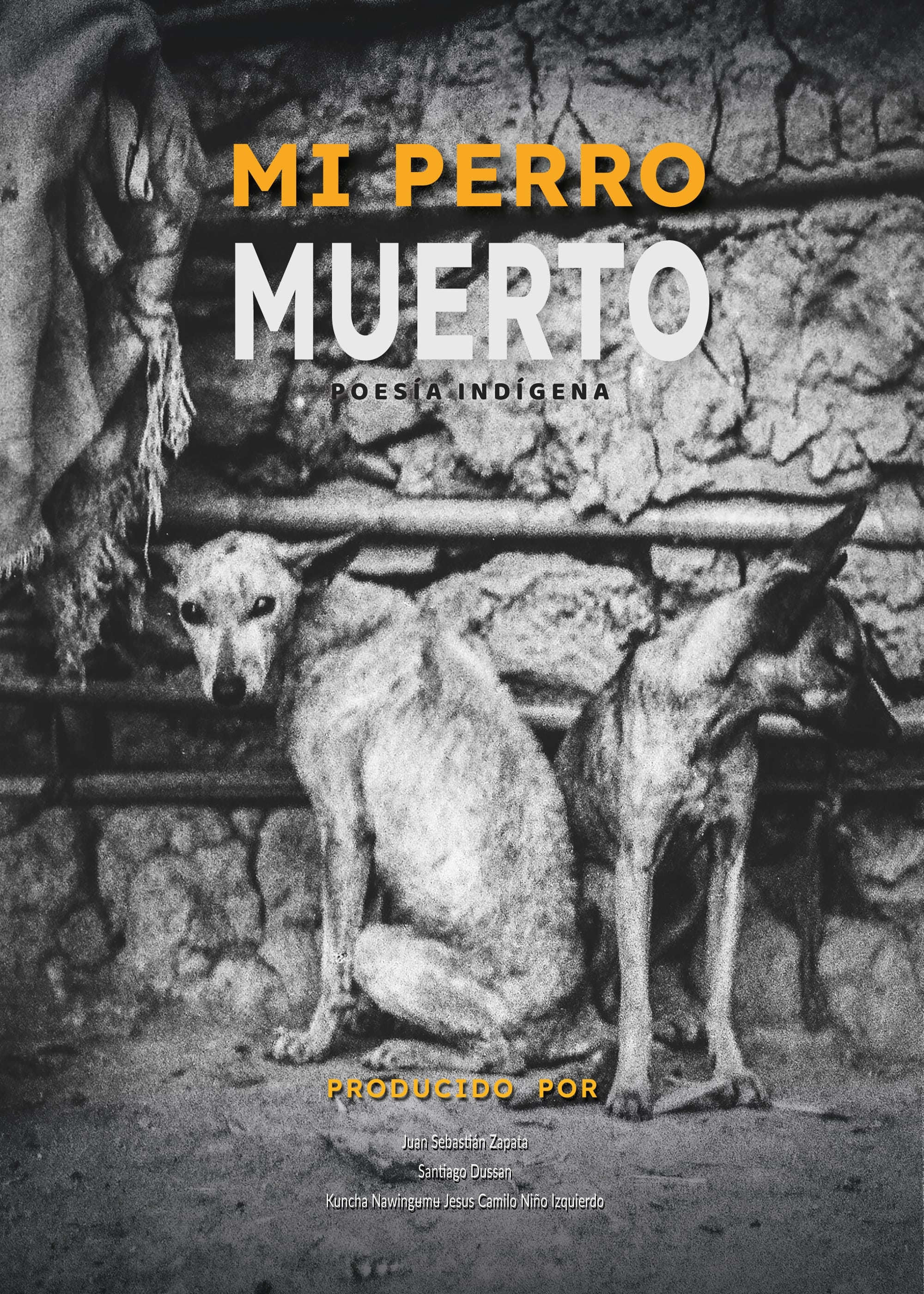
Photo poetry of Bunchanawingʉmʉ Jesús Camilo Niño Izquierdo' piece of lost feelings in the Arhuaco Indigenous Reservation, northern Colombia.
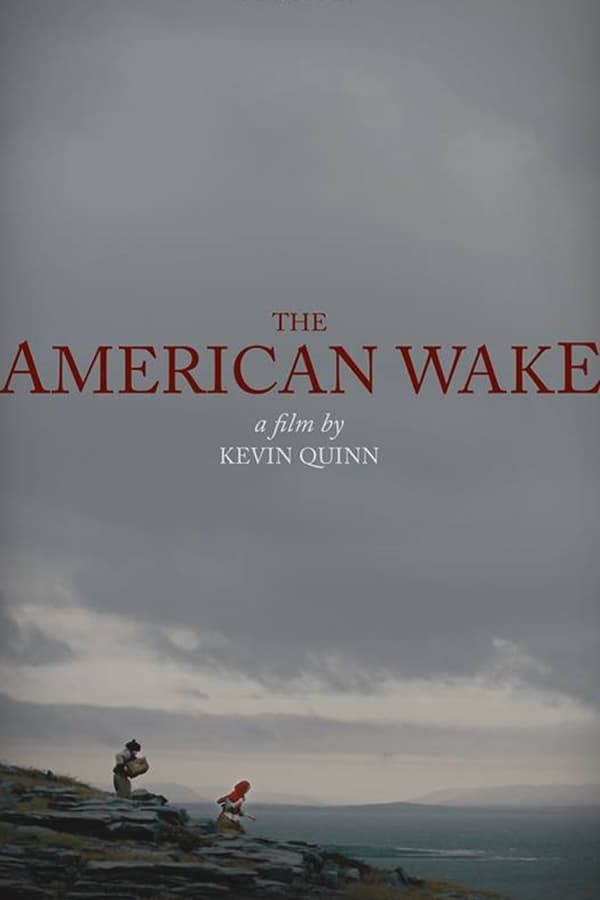
A seventeen year old girl who has lived all her life on an island off the coast of Ireland is faced with the choice to remain there or emigrate to America.
The story of Samuel de Champlain's futile search for a passage to China in North America and his later founding of Quebec.
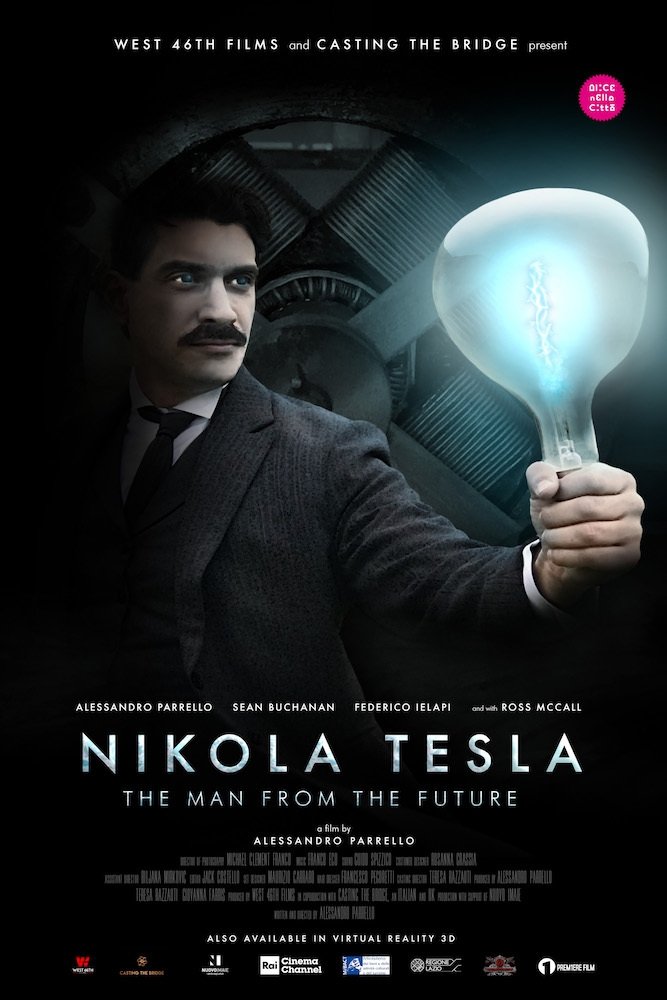
New York, May 16, 1888. Visionary Serbian inventor Nikola Tesla is about to introduce an innovative AC asynchronous motor. Before the demonstration, wealthy businessman George Westinghouse meets Tesla privately to get him to sell him his patent and go into business with him. Tesla declines the offer but during the demonstration something happens that will change the world forever.
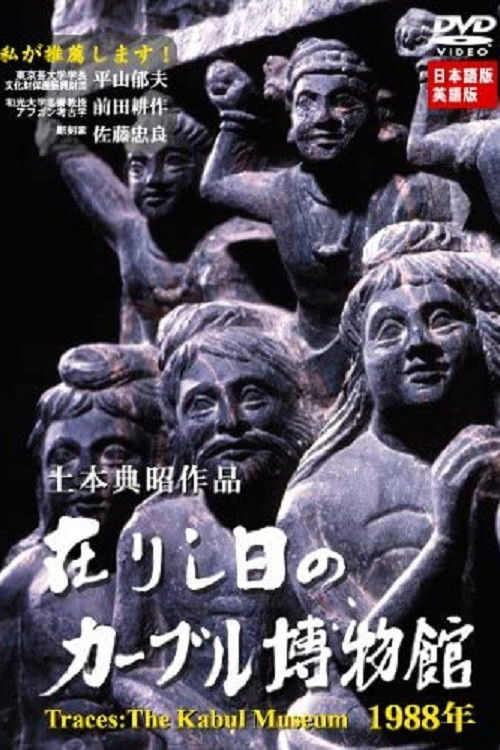
The Kabul National Museum, once known as the "face of Afghanistan," was destroyed in 1993. We filmed the most important cultural treasures of the still-intact museum in 1988: ancient Greco-Roman art and antiquitied of Hellenistic civilization, as well as Buddhist sculpture that was said to have mythology--the art of Gandhara, Bamiyan, and Shotorak among them. After the fall of the Democratic Republic of Afghanistan in 1992, some seventy percent of the contents of the museum was destroyed, stolen, or smuggled overseas to Japan and other countries. The movement to return these items is also touched upon. The footage in this video represents that only film documentation of the Kabul Museum ever made.
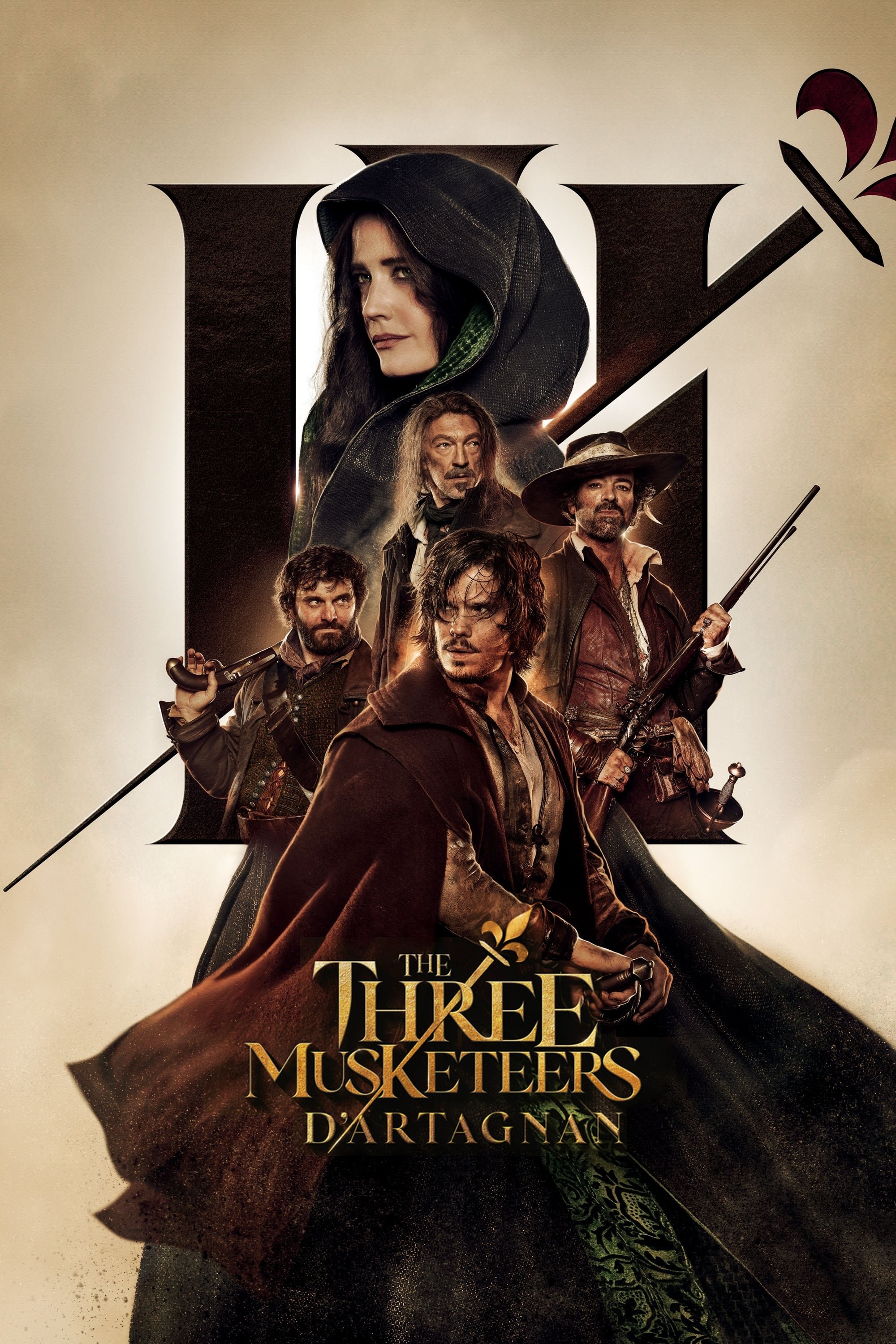
D'Artagnan, a spirited young Gascon, is left for dead after trying to save a noblewoman from being kidnapped. Once in Paris, he tries by all means to find his attackers, unaware that his quest will lead him to the very heart of a war where the future of France is at stake. Aided by King's Musketeers Athos, Porthos and Aramis, he faces the machinations of villainous Cardinal Richelieu and Milady de Winter, while falling in love with Constance, the Queen's confidante.
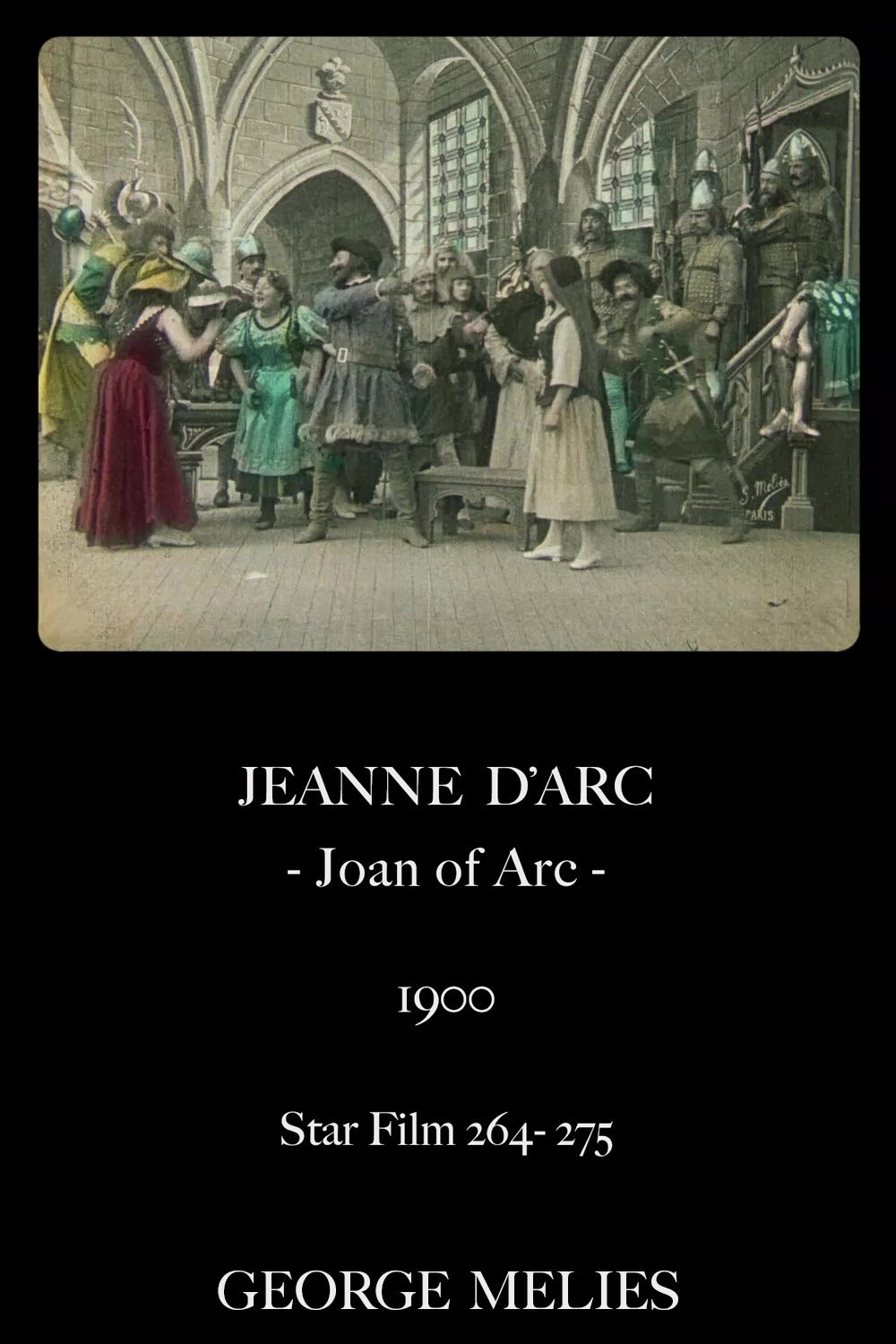
A divinely inspired peasant woman becomes an army captain for France and then is martyred after she is captured.
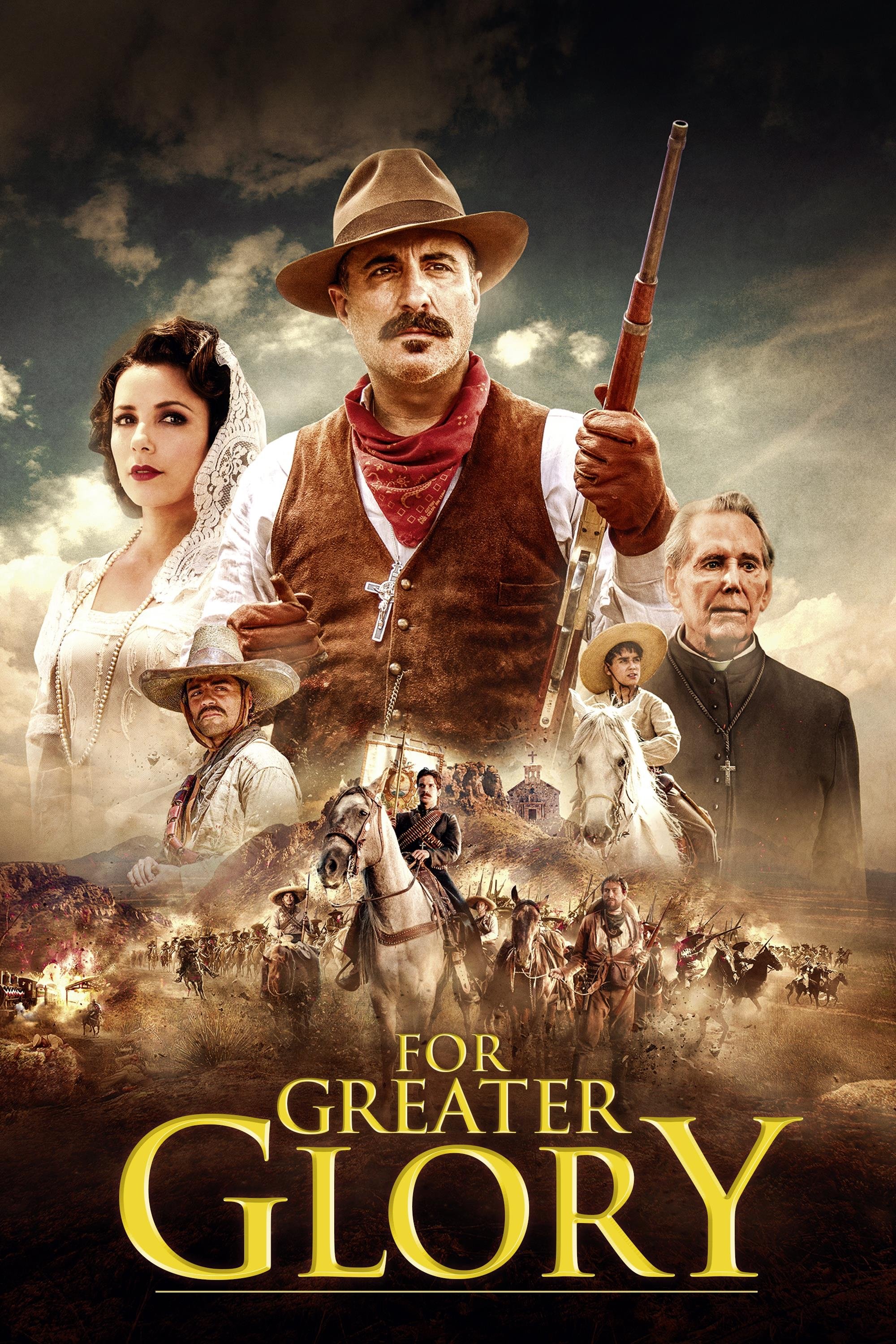
A chronicle of the Cristeros War (1926-1929), which was touched off by a rebellion against the Mexican government's attempt to secularize the country.
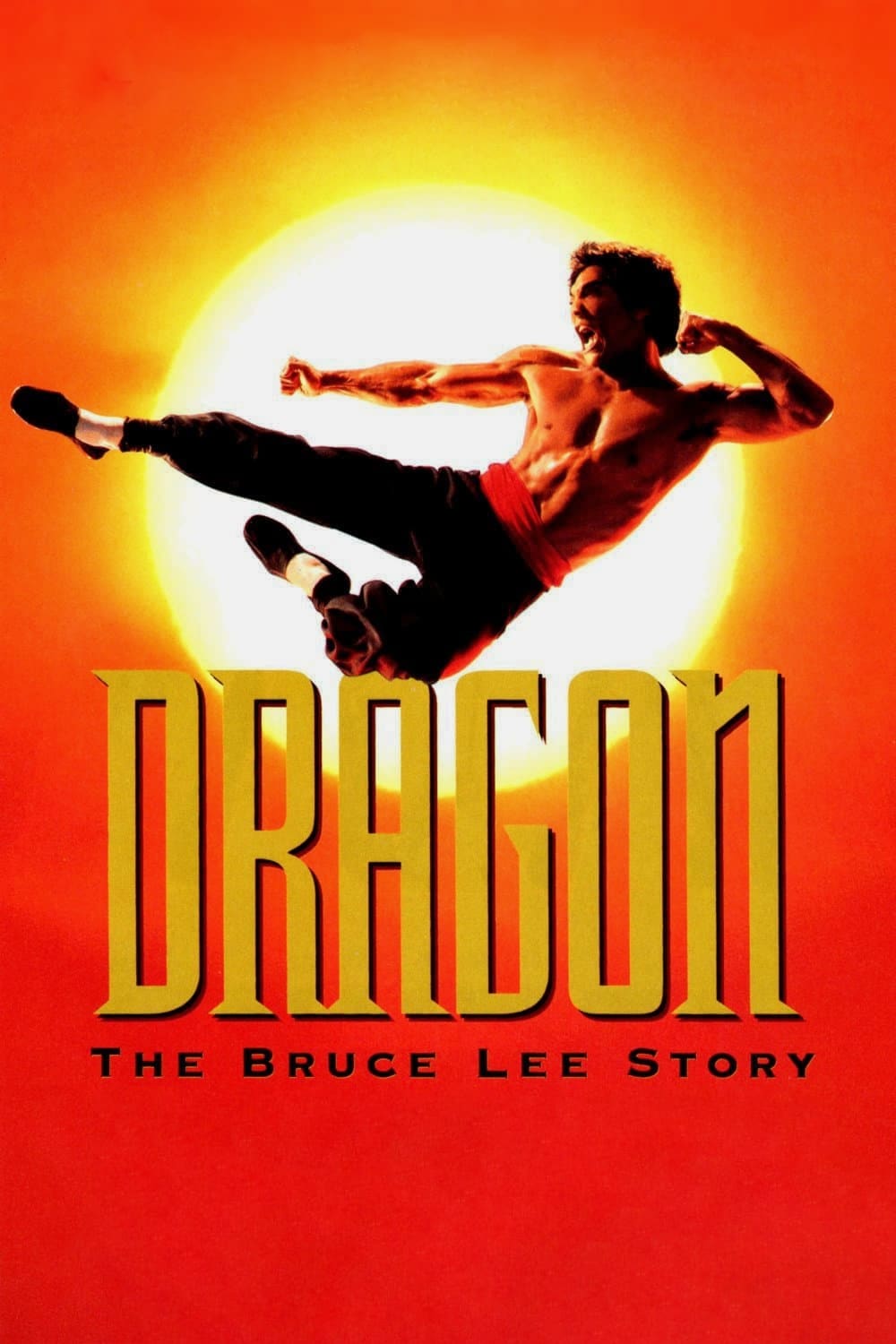
This film is a glimpse into the life, love and the unconquerable spirit of the legendary Bruce Lee. From a childhood of rigorous martial arts training, Lee realizes his dream of opening his own kung-fu school in America. Before long, he is discovered by a Hollywood producer and begins a meteoric rise to fame and an all too short reign as one the most charismatic action heroes in cinema history.
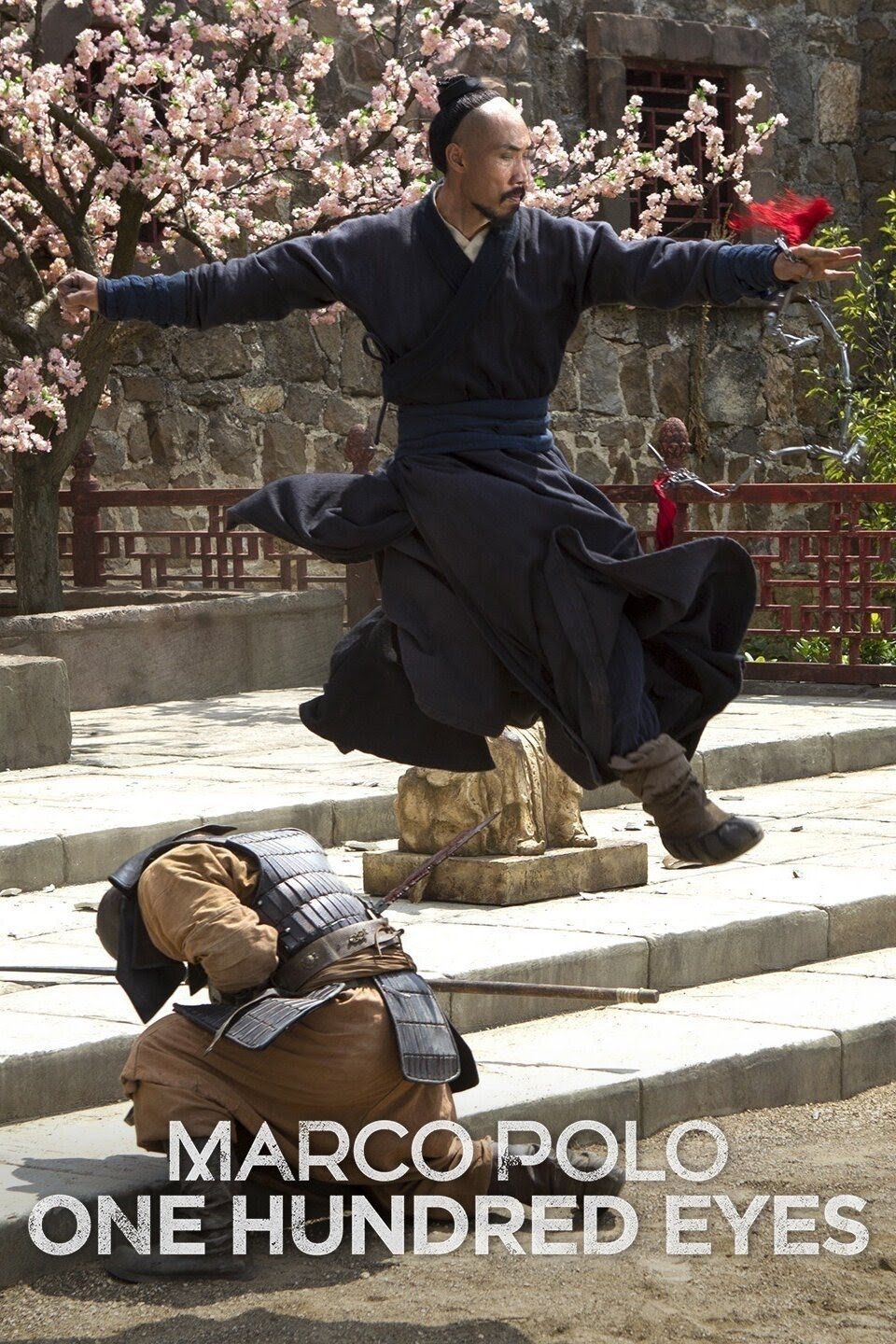
A defiant warrior-monk arrives at Kublai Khan's court in chains and soon earns his tragic nickname in this 30-minute origin story.
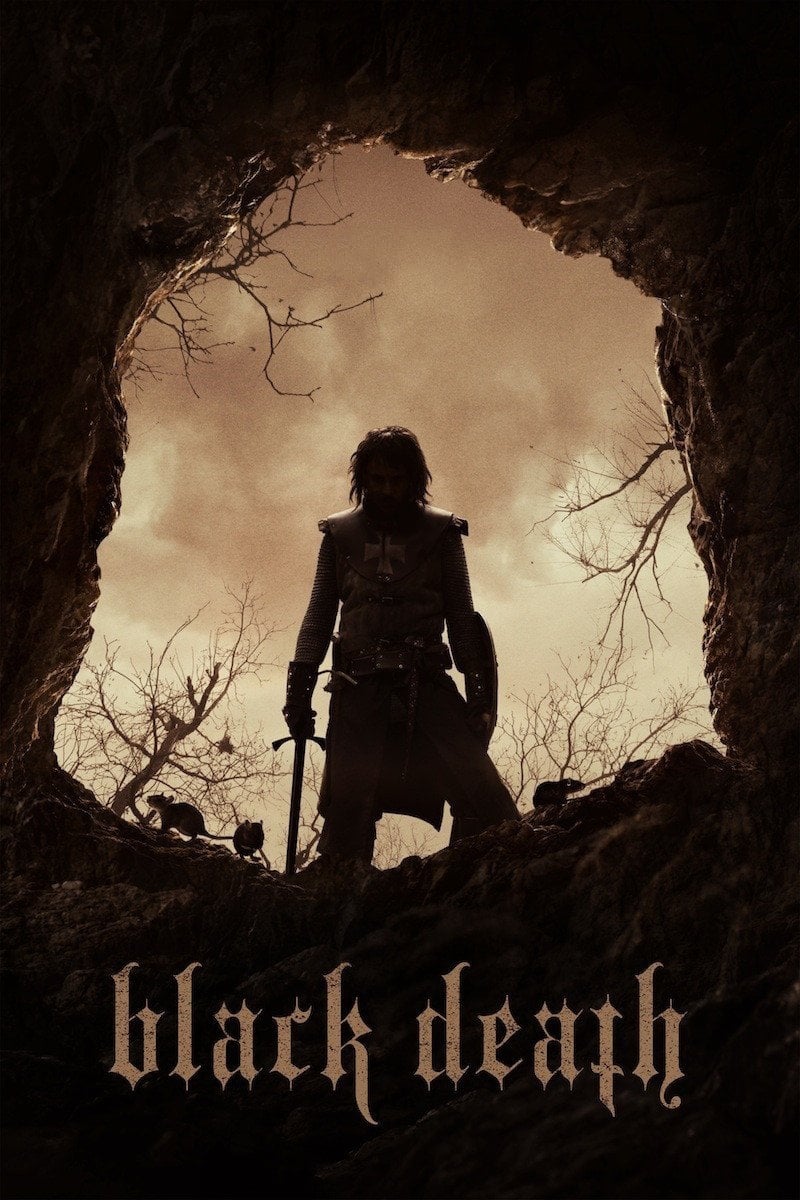
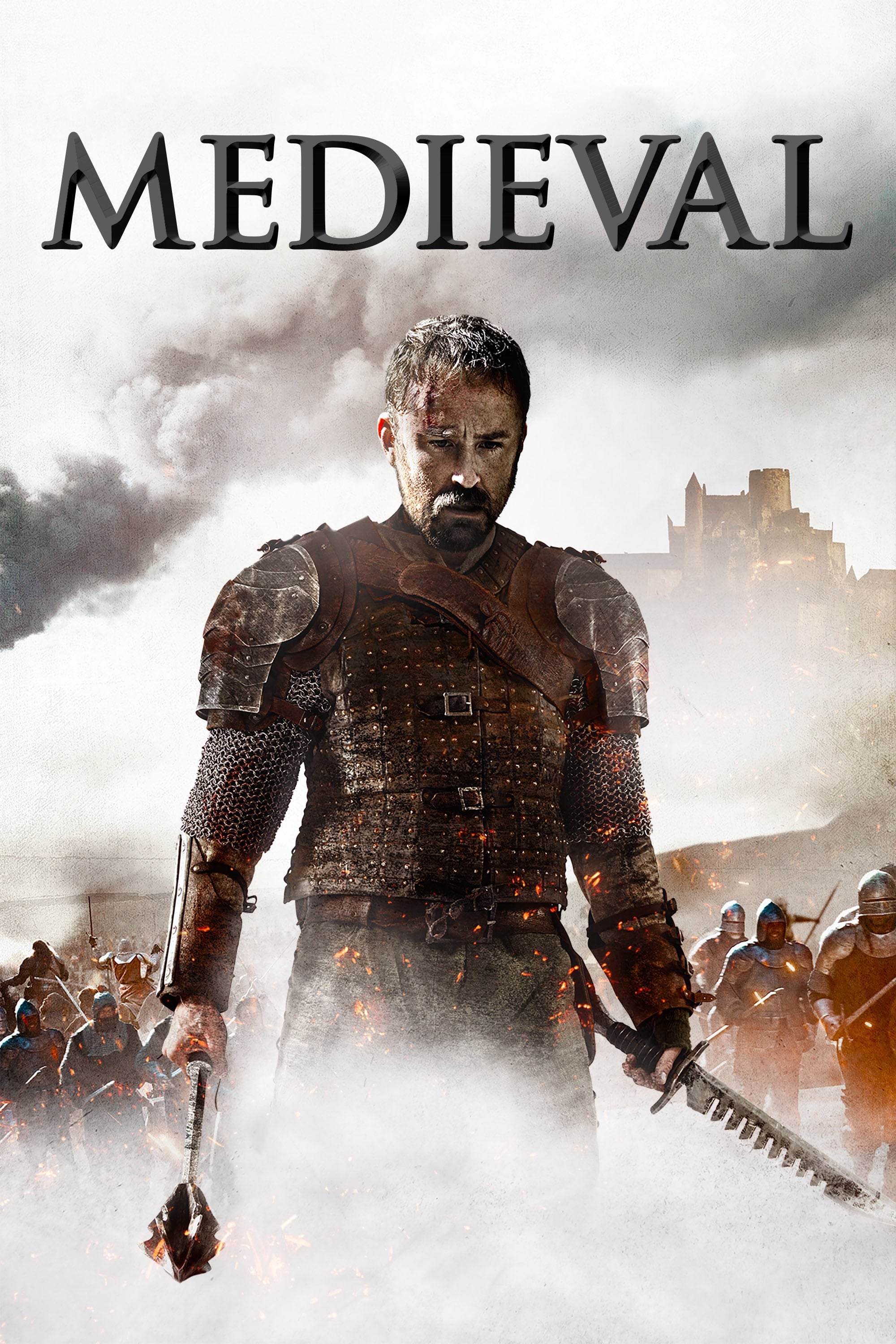
As the plague decimates medieval Europe, rumours circulate of a village immune from the plague. There is talk of a necromancer who leads the village and is able to raise the dead. A fearsome knight joined by a cohort of soldiers and a young monk are charged by the church to investigate. Their journey is filled with danger, but it's upon entering the village that their true horror begins.
A young man is plunged into a life of subterfuge, deceit and mistaken identity in pursuit of a femme fatale whose heart is never quite within his grasp.
Epic account of the thief Barabbas, who was pardoned for his crimes and spared crucifixion when Pilate offered the Israelites a choice to pardon Barabbas or Jesus. Struggling with his spirituality, Barabbas goes through many ordeals leading him to the gladiatorial arena, where he tries to win his freedom and confront his inner demons, ultimately becoming a follower of the man who was crucified in his place.
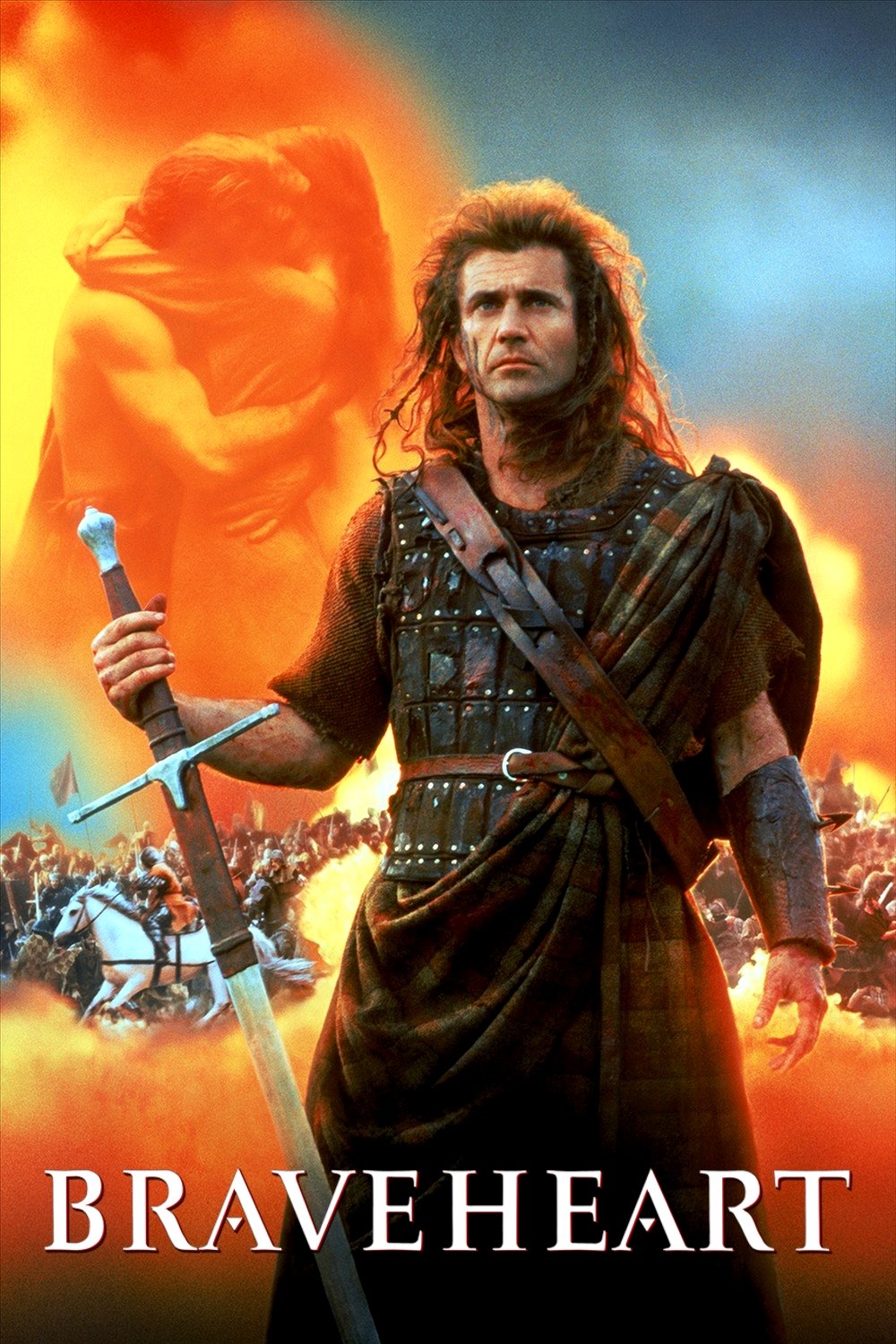
Enraged at the slaughter of Murron, his new bride and childhood love, Scottish warrior William Wallace slays a platoon of the local English lord's soldiers. This leads the village to revolt and, eventually, the entire country to rise up against English rule.
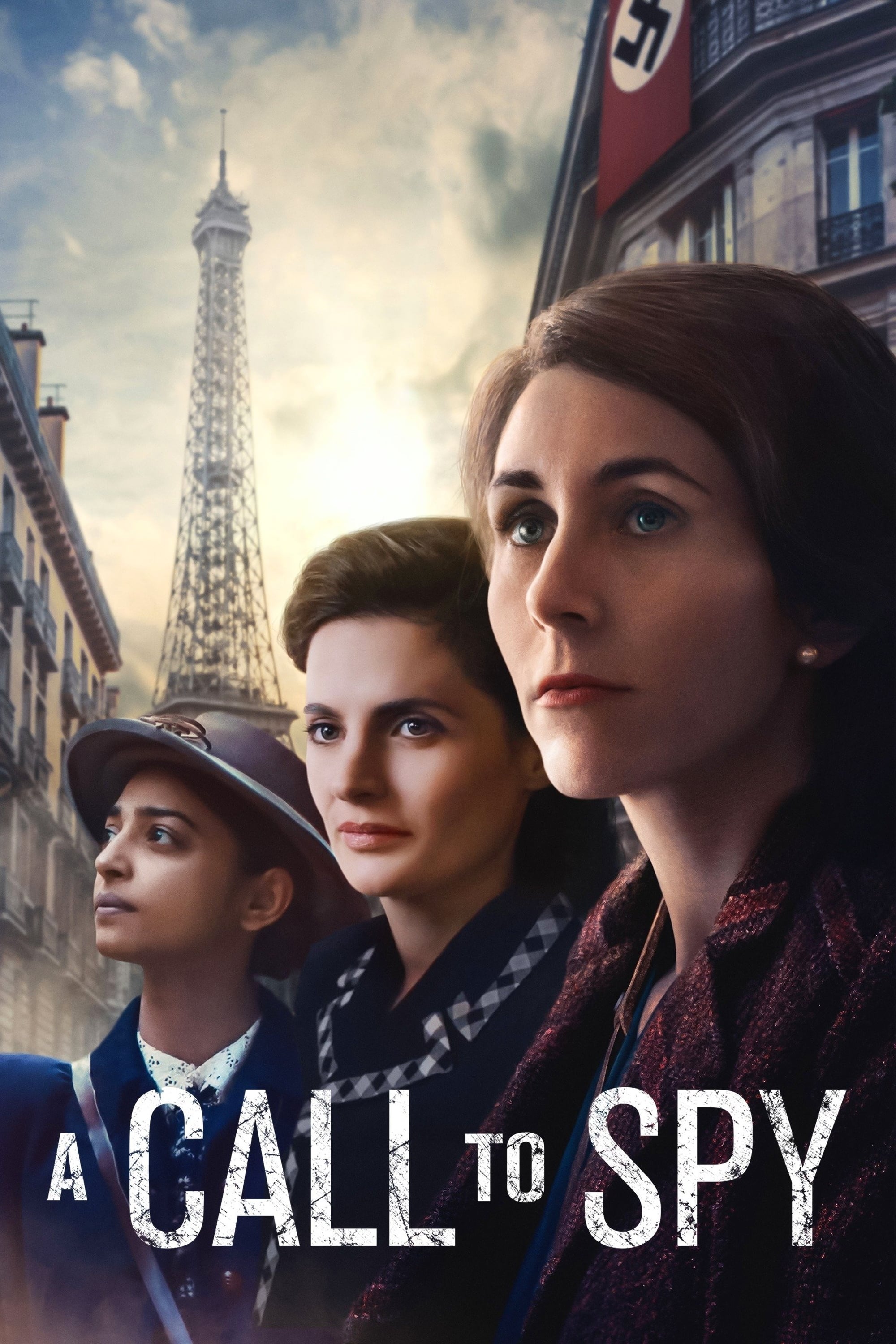
The story of Vera Atkins, a crafty spy recruiter, and two of the first women she selects for Churchill's "secret army": Virginia Hall, a daring American undaunted by a disability and Noor Inayat Khan, a pacifist. These civilian women form an unlikely sisterhood while entangled in dangerous missions to turn the tide of the war.
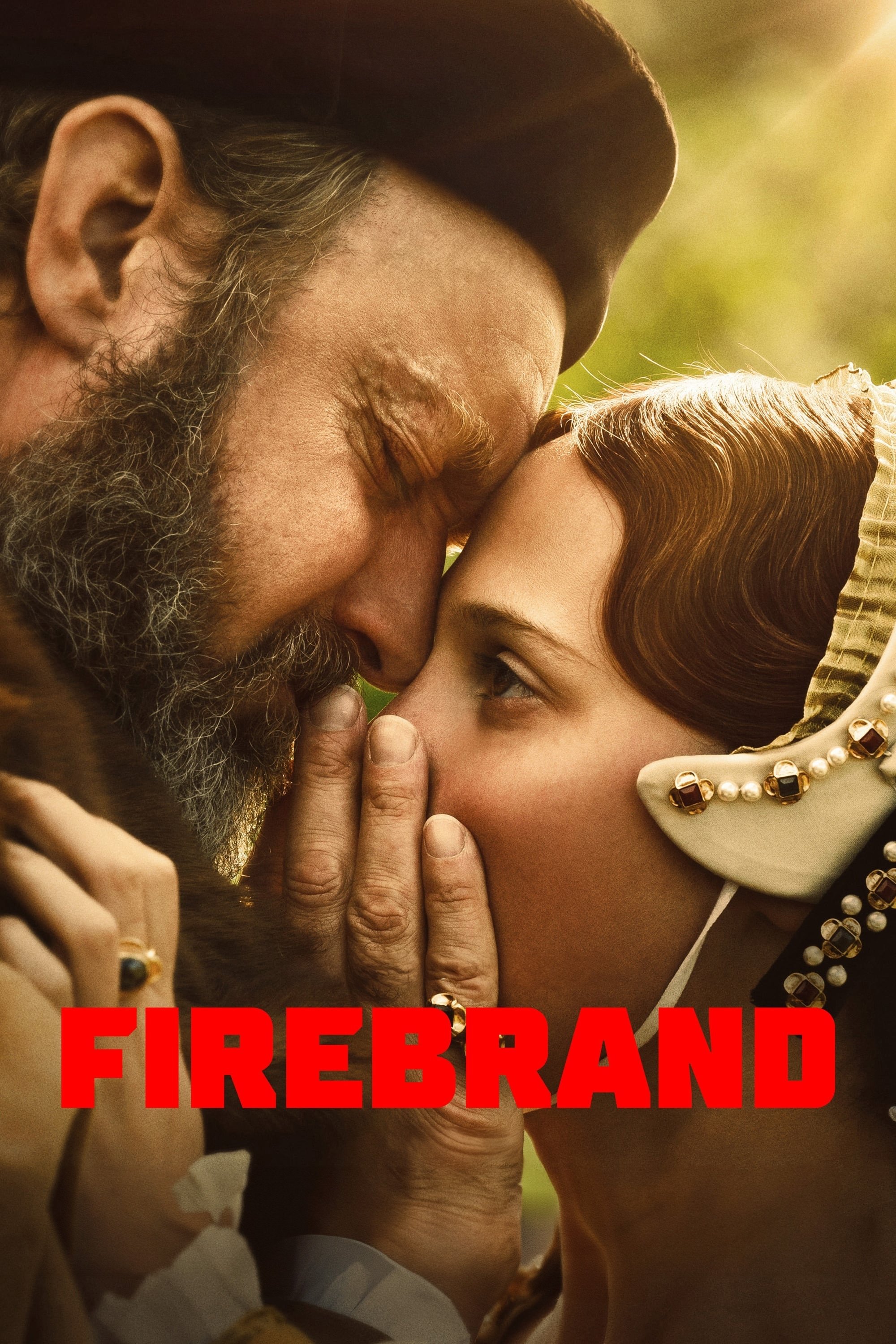
Katherine Parr, the sixth wife of King Henry VIII, is named regent while the tyrant battles abroad. When the king returns, increasingly ill and paranoid, Katherine finds herself fighting for her own survival.
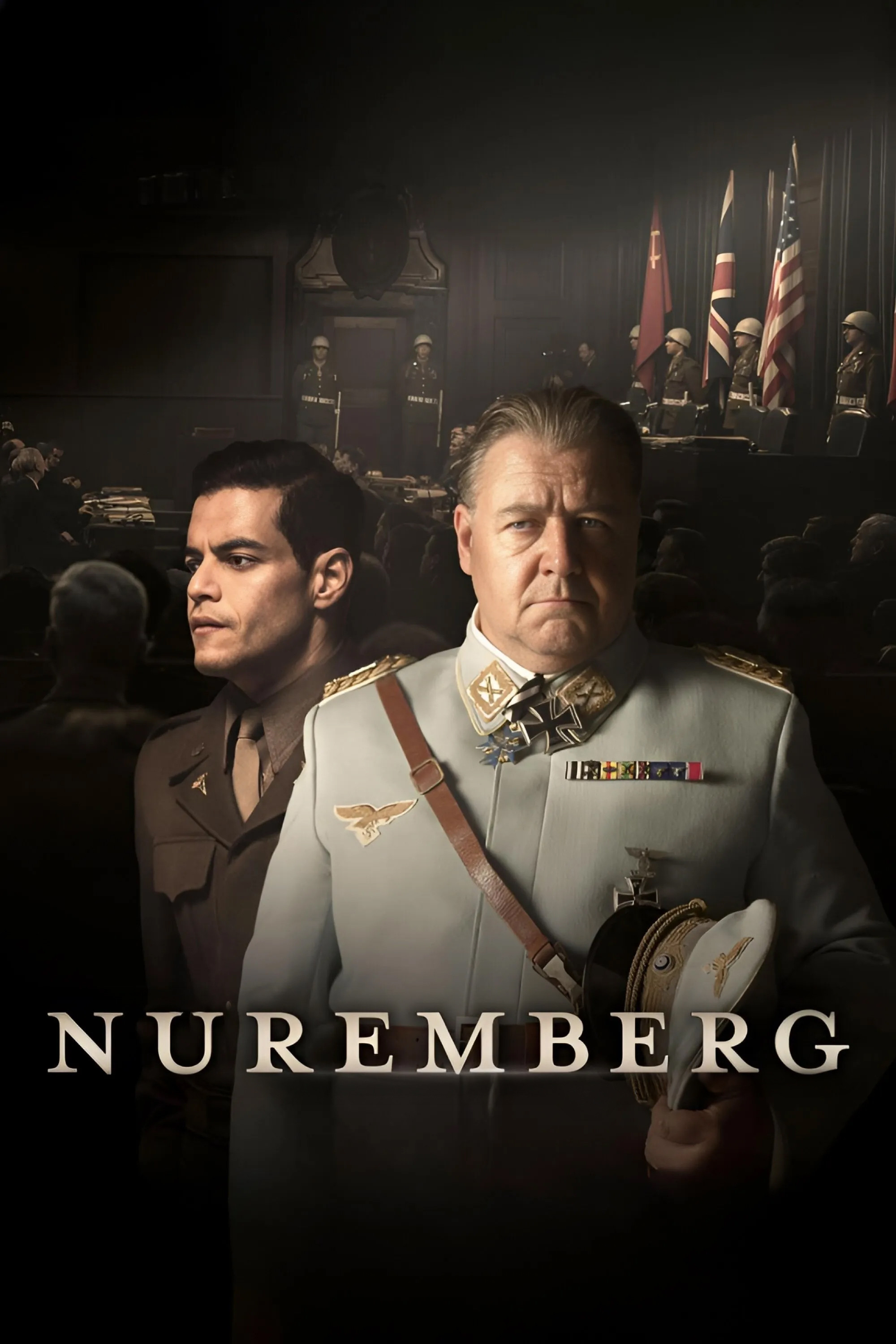
In postwar Germany, an American psychiatrist must determine whether Nazi prisoners are fit to go on trial for war crimes, and finds himself in a complex battle of intellect and ethics with Hermann Göring, Hitler's right-hand man.
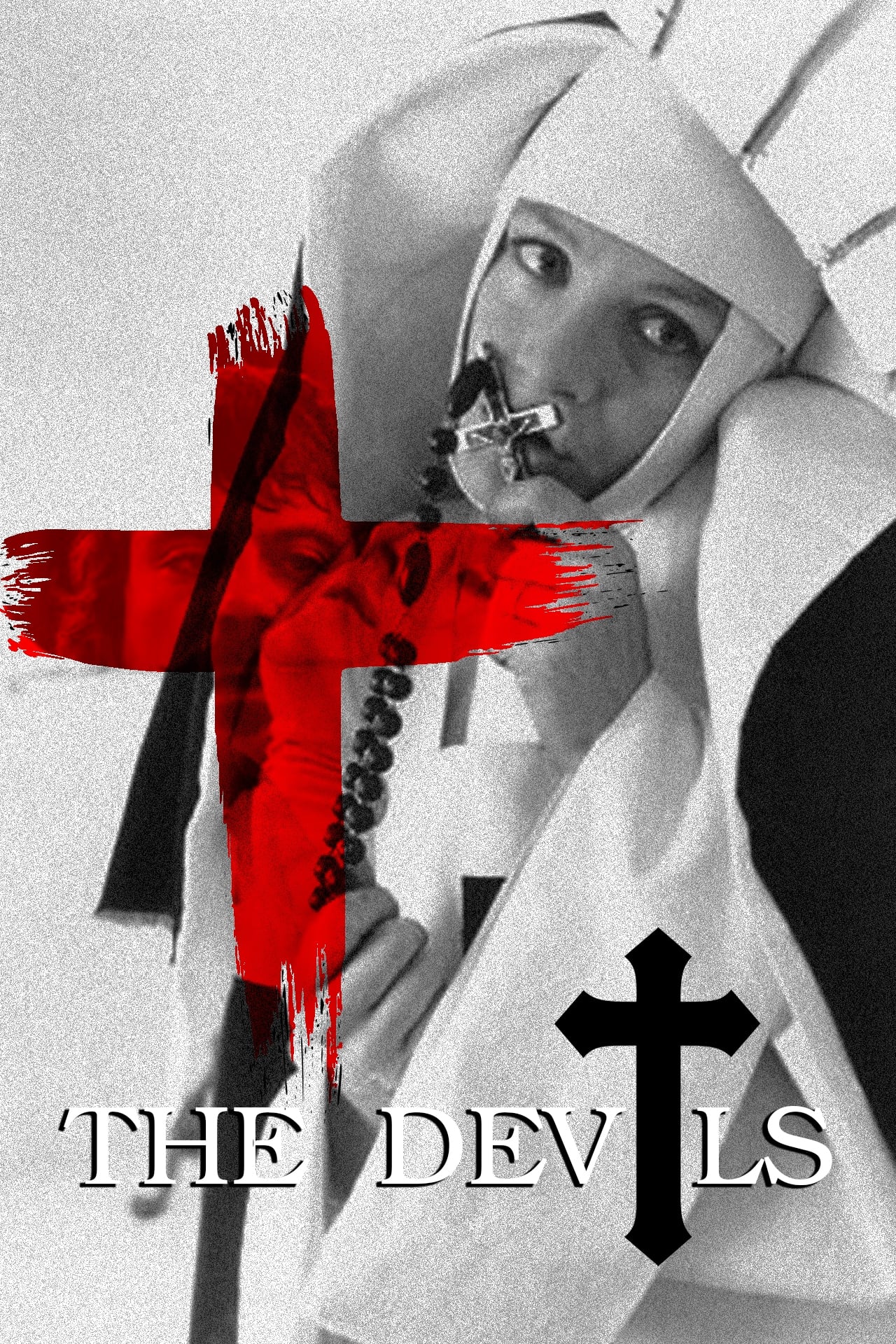
In 1634 France, charismatic Father Urbain Grandier becomes the target of a sexually obsessed nun’s witchcraft accusations, which corrupt church and state officials are all too happy to exploit.
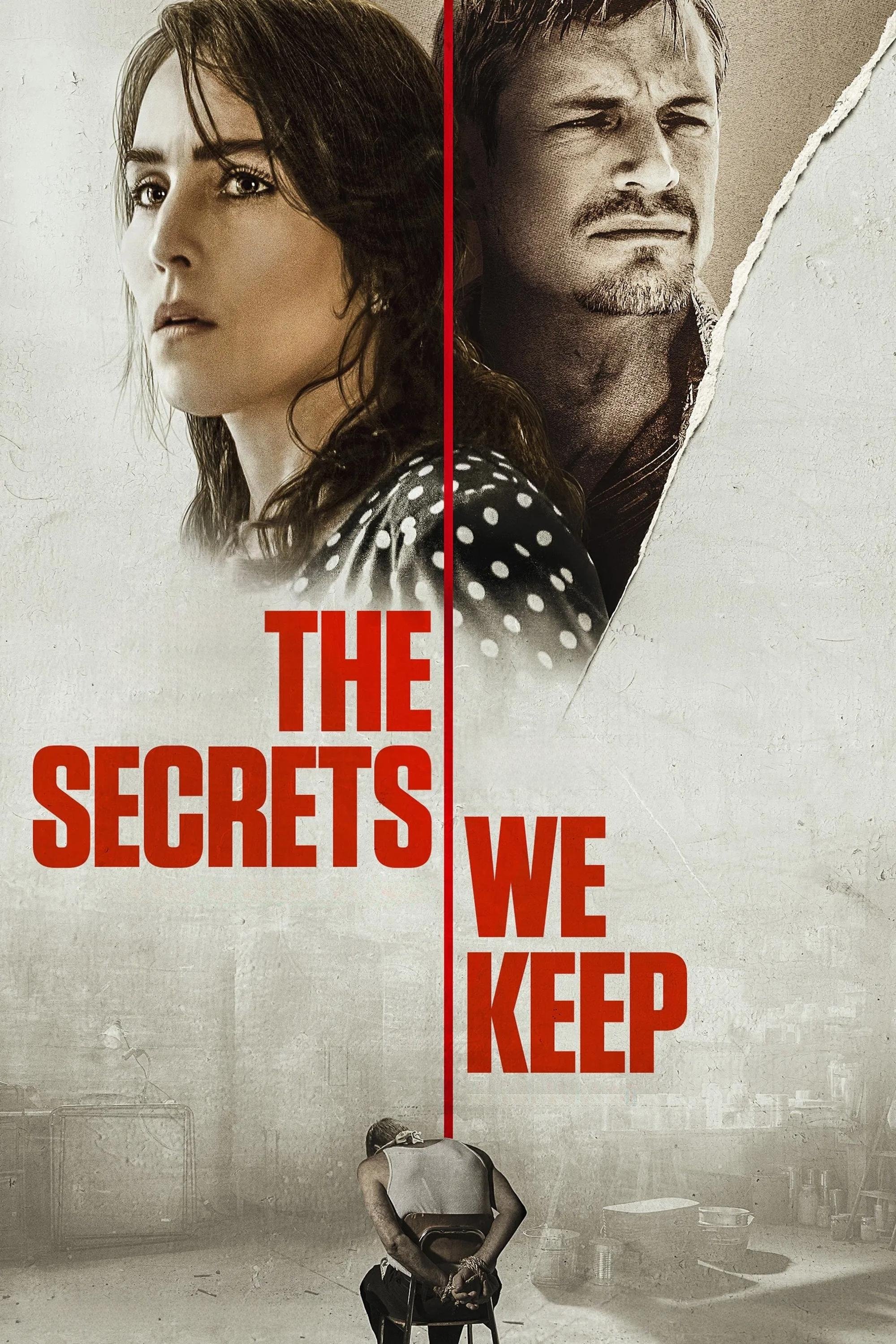
In post-World War II America, a woman, rebuilding her life in the suburbs with her husband, kidnaps her neighbor and seeks vengeance for the heinous war crimes she believes he committed against her.
The story of fifteenth century Czech icon and warlord, Jan Zizka, who defeated armies of the Teutonic Order and the Holy Roman Empire.
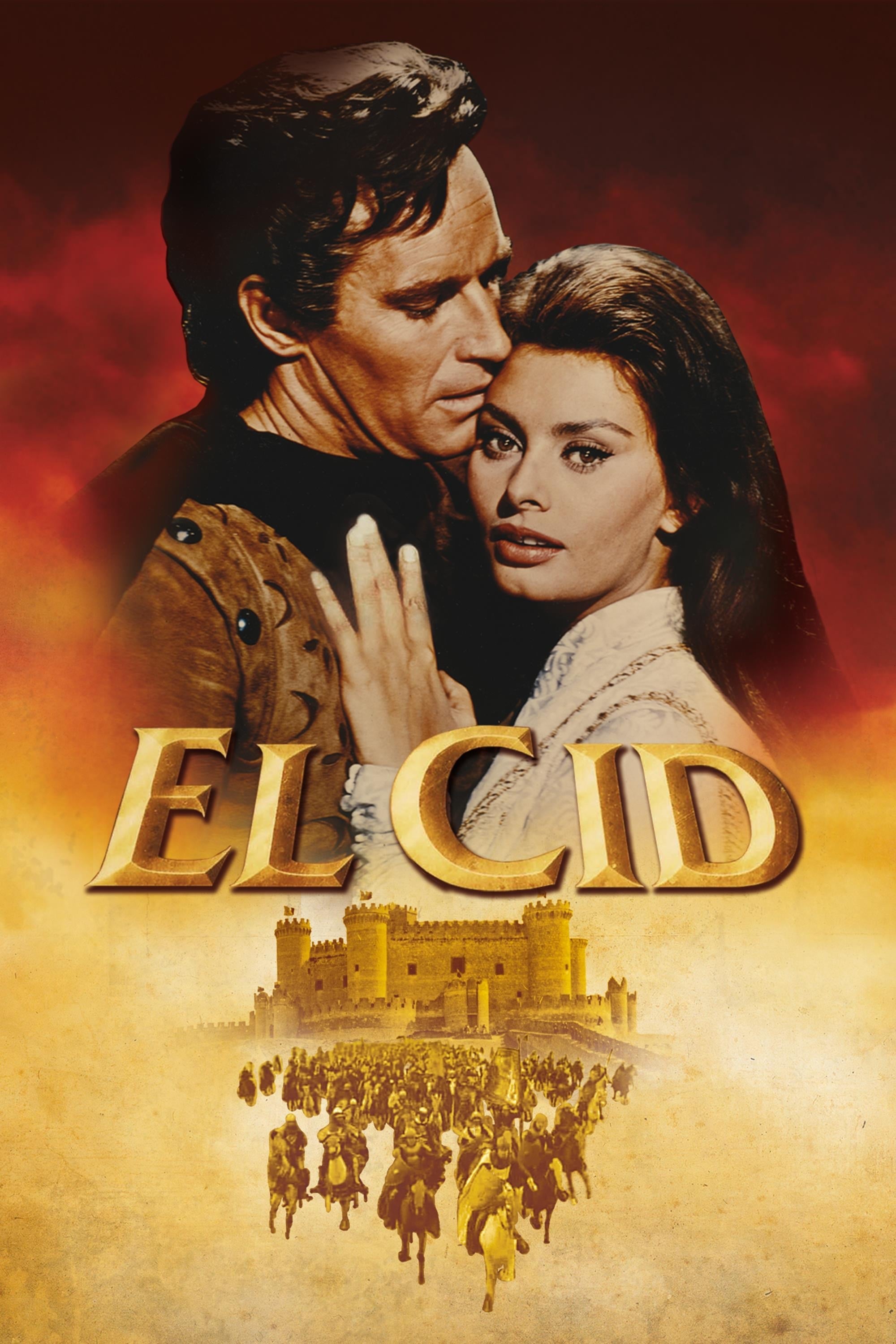
Epic film of the legendary Spanish hero, Rodrigo Diaz ("El Cid" to his followers), who, without compromising his strict sense of honour, still succeeds in taking the initiative and driving the Moors from Spain.
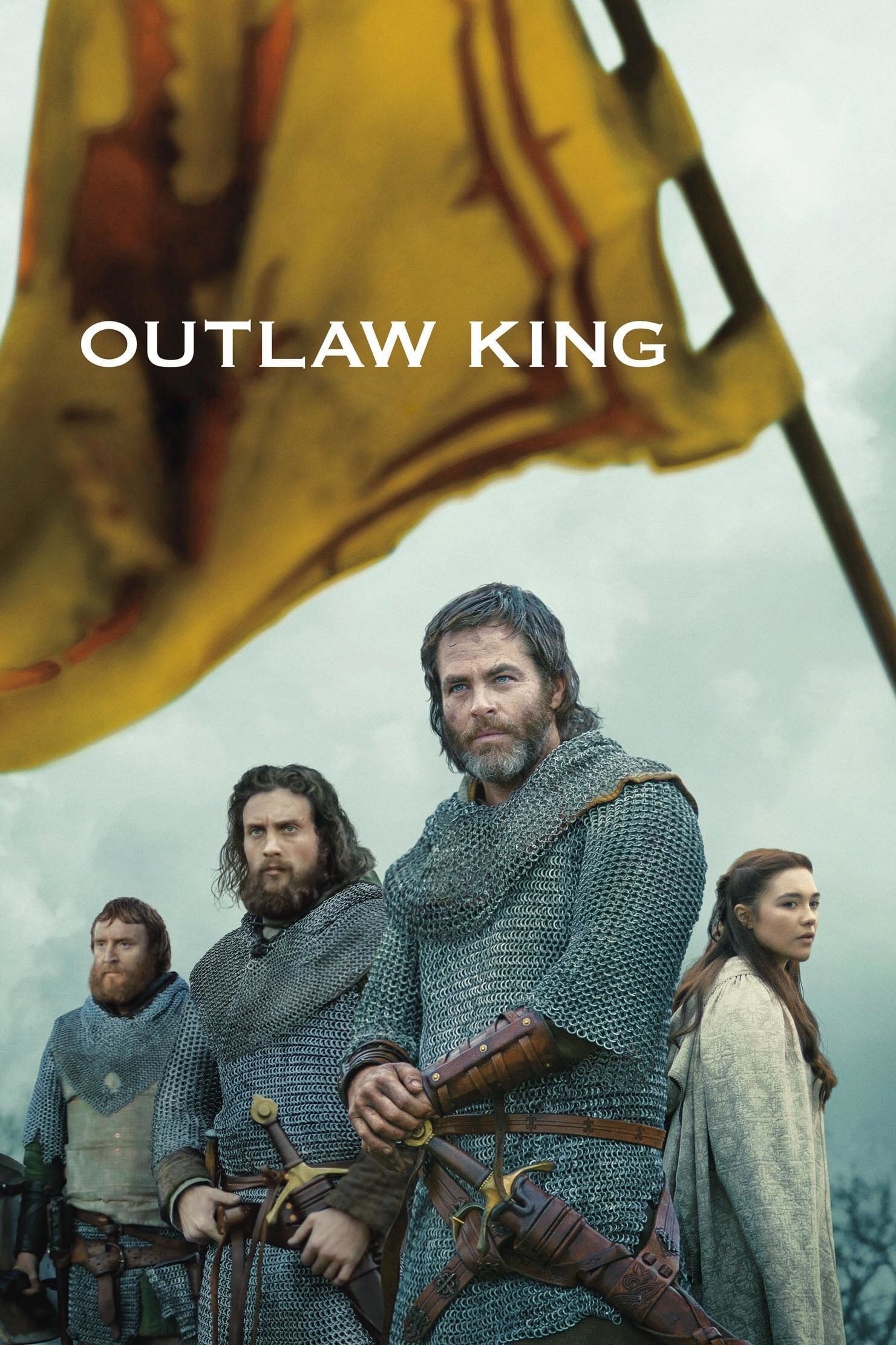
Forced into exile by the English after being crowned King of Scotland, legendary warrior Robert the Bruce fights to reclaim the throne.
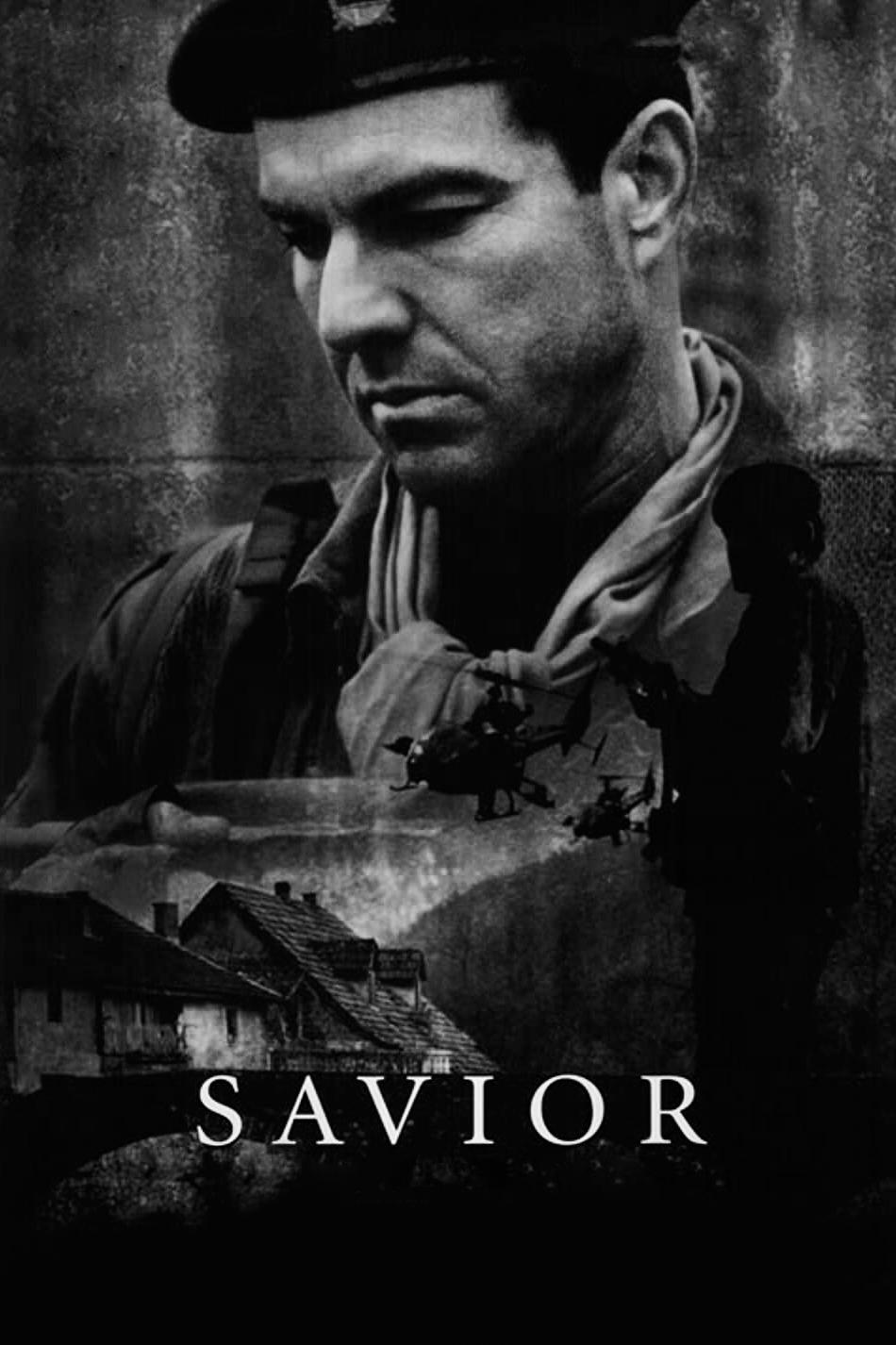
A hardened mercenary in the Foreign Legion begins to find his own humanity when confronted with atrocities during the fighting in Bosnia.
A WWII veteran escapes his care home in Northern Ireland and embarks on an arduous but inspirational journey to France to attend the 75th anniversary of the D-Day landings, finding the courage to face the ghosts of his past.