Production for the Seaboard Railroad company outlining their railroad activities in the 1940s and heading into the 1950s
Social & External
The people behind it
On July 31st, 2011 The Massachusetts Bay Railroad Enthusiasts chartered a special excursion on the Conway Scenic Railroad. The trip covered the CSRR Crawford Notch line (EX Maine Central "Mountain Division") from North Conway to the New Hampshire Central interchange in Hazens (Whitefield, NH). This rare mileage excursion featured track not used by the regular passenger trains by the CSRR! The star of the day was CSRR's steam locomotive #7470.
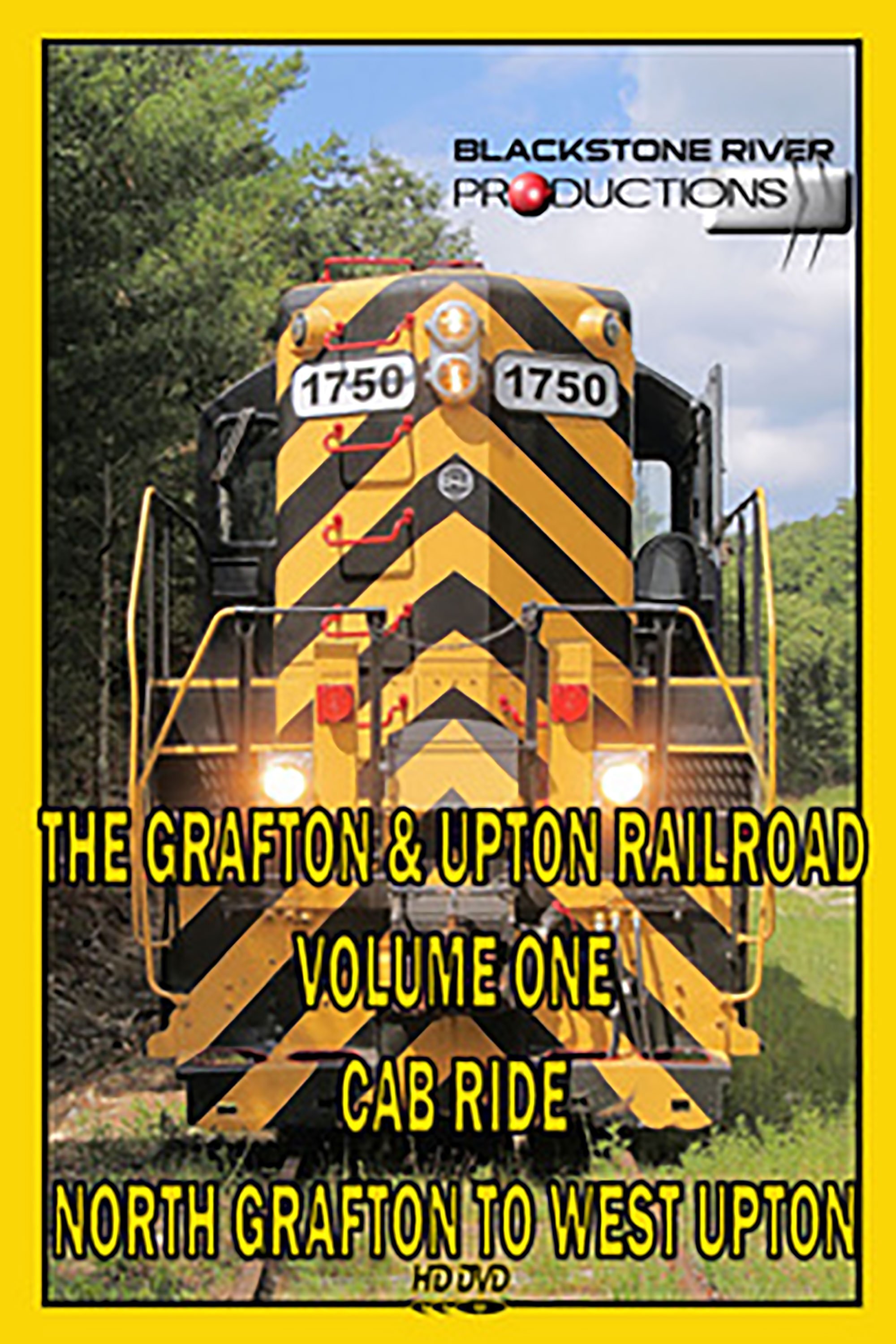
We travel along with the crew of the Grafton & Upton railroad for a day, and capture all the action from the cab and the ground! We travel from the headquarters and yard in North Grafton to the yard in West Upton a distance of 7 miles. Our train is powered by GP-9R #1750 EX Bay Colony EXX Pennsylvania Railroad. We see some of the scenic points along the line from the cab as we travel through the central New England landscape! As the crew in the locomotive captures all the action, a crew trackside captures all the action on it's way to West Upton Yard!
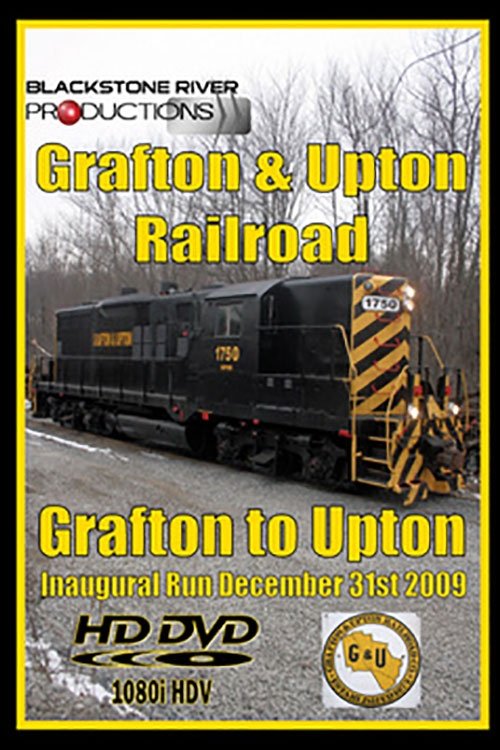
On December 31st, 2009 The Grafton & Upton made their first trip from North Grafton to West Upton yard since February 2004. This also marks the first trip under the new management. The G&U has done an extensive overhaul on the 7 1/2 mile line from the CSX interchange in North Grafton to the yard in West Upton. Blackstone River Productions was there to capture this historic event! We capture GP9-R #1750 on her first trip to West Upton Yard on New Years Eve day 2009! We capture it in the yard in North Grafton, Downtown Grafton, West Upton yard and many more scenic locations!
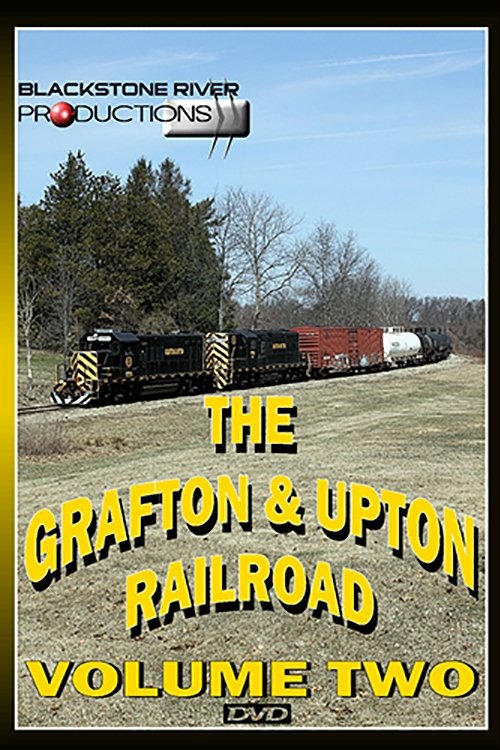
In volume two, we take a look at the Grafton & Upton railroad's Caboose Extra ("Santa Train") on December 18th, 2010. Then during the Spring of 2011 we spend a day with G&U's newest locomotive, GP9R #1751 for a trip from North Grafton yard to West Upton yard and return. We see the crew of 3 put the day's train together in North Grafton and then chase it to West Upton yard. In West Upton we capture the crew switching out the Trans-loading facility and making the train up for the return trip to North Grafton. We then chase the train back to North Grafton yard! Non stop action on the G&U with #1751 & GP9R #1750!
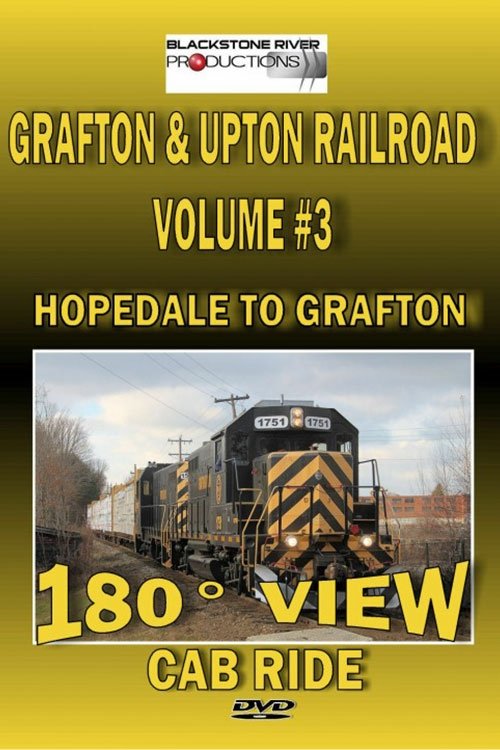
In this 2 DVD set, we take a unique perspective look at the Grafton & Upton Railroad! We mounted a Pro 180° HDV camera to the hood of G&U GP9-R #1751 and travel from Hopedale yard to the yard in North Grafton. We travel over the recently reopened section from the newly rebuilt Hopedale yard through the scenic woodlands to West Upton yard. From the West Upton yard we travel through more scenic woodlands and scenic fields as we traverse the grades to Grafton Center and descend to the yard in North Grafton and CSX interchange.
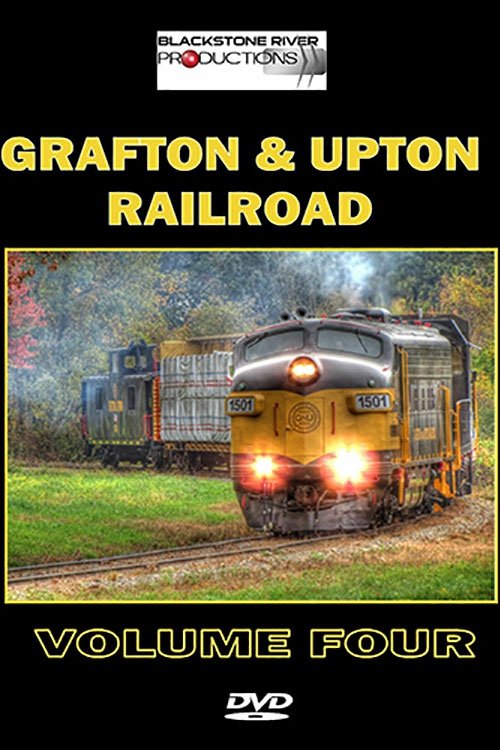
In this two DVD set, we capture action from the ever growing Grafton & Upton Railroad. Located in Central Massachusetts, the G&U operates from the CSX interchange in North Grafton to the currant end of operations in Hopedale. A total of 16 miles. During the Fall of 2013, the G&U operated a special Photo Freight to welcome in their latest locomotive! EMD F7A #1501. This classic hood unit performed run by's with a freight consist and the G&U lone caboose. We captured the action from North Grafton Yard to Hopedale and return. The 1501 put on a fantastic show for the small crowd! Next up we capture action from the past couple of years, as the G&U grew in size! We captured the dirt train, regular operations and action in the yards in Hopedale and North Grafton! Also we captured the 2012 "Caboose Extra" with the 1501 still in the New York Central inspired paint scheme. We captured all of G&U's active power, including the seldom seen CF7 #1500!
The latest expansion for the G&U is the acquisition of the Milford Running track, that G&U now has operating rights from Franklin Forge to Milford. The G&U also rebuilt their mainline from Hopedale to Milford. We hop aboard a G&U MP15AC #1160 for a cab ride from Hopedale yard to Milford yard, then we reverse direction and head to Franklin. We then take the head end again and capture the Franklin to Milford on the Milford Running track (Leased from CSX / MBTA) Then we capture action from the ground as we chase the Hopedale to Milford and the Milford Running track! We also capture Foreign power of the G&U and MBTA detour trains!
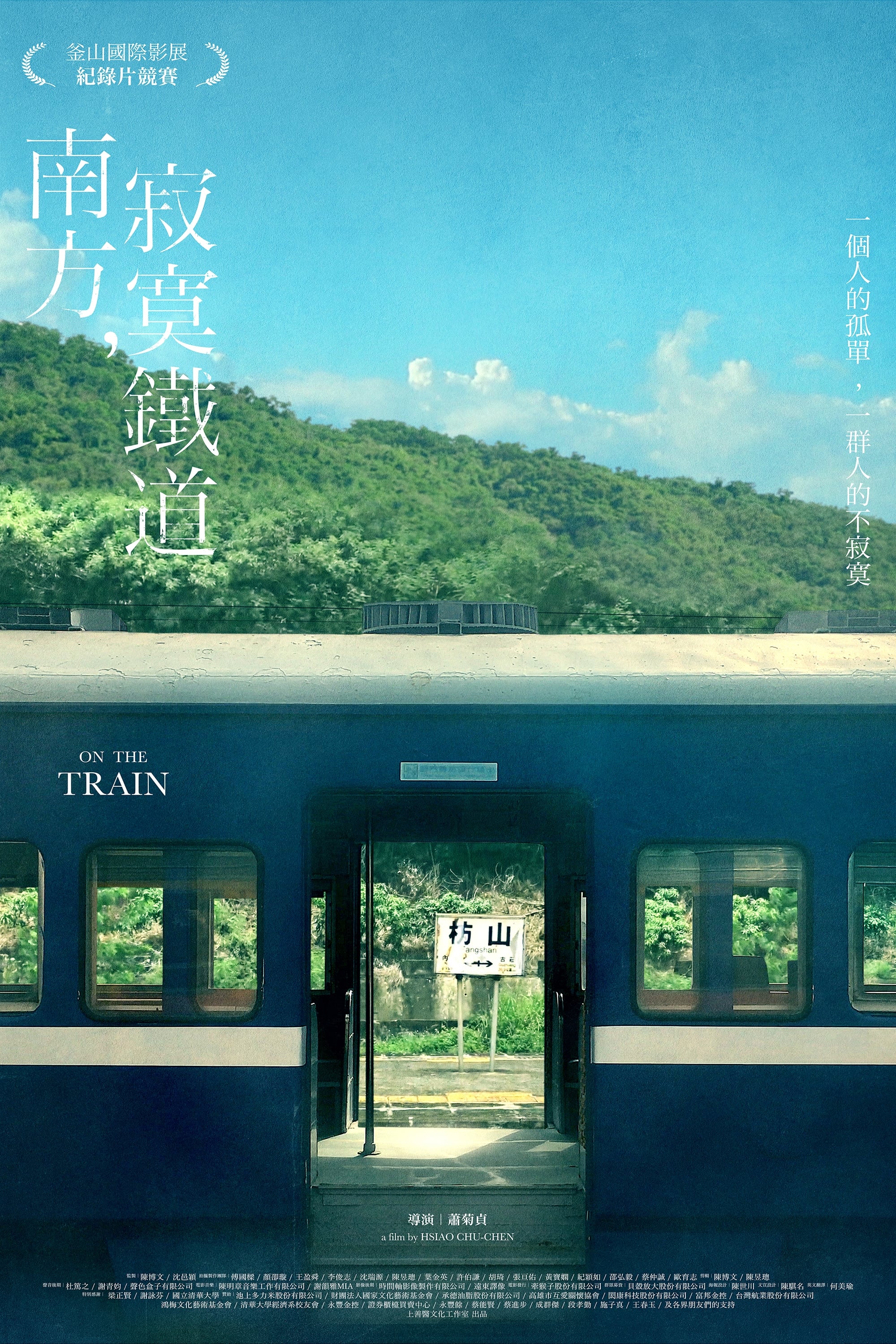
On the Train captures from the birth to the last moment of the railway, 98.2 kilometers long and opened in 1992, crossing southern Taiwan.
Documentary about the German railroad system and it's trains
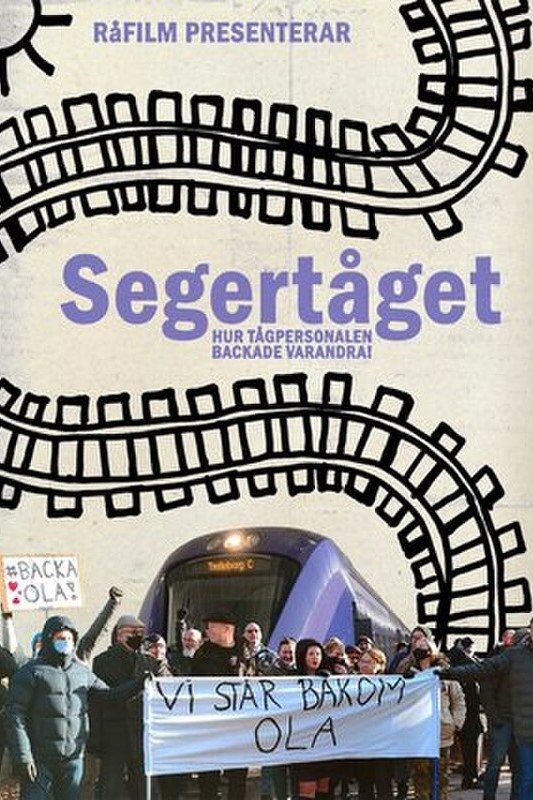
On the purple trains that run through the rapeseed fields of Skåne, anger is growing. The train company is planning yet another cutback. But this time the train staff are ready to back each other! For decades, companies have competed to win lucrative public procurement contracts to run Sweden’s railways. This competition has led to the deteriorating work conditions for employees, as companies seek to establish a competitive advantage over one another. The short documentary, Segertåget (“Victory Train”), follows train drivers and train conductors who, between work shifts and the online meetings of the pandemic, organize themselves in a fight for justice and better working conditions. A story of perseverance and solidarity in a time of constant deterioration.
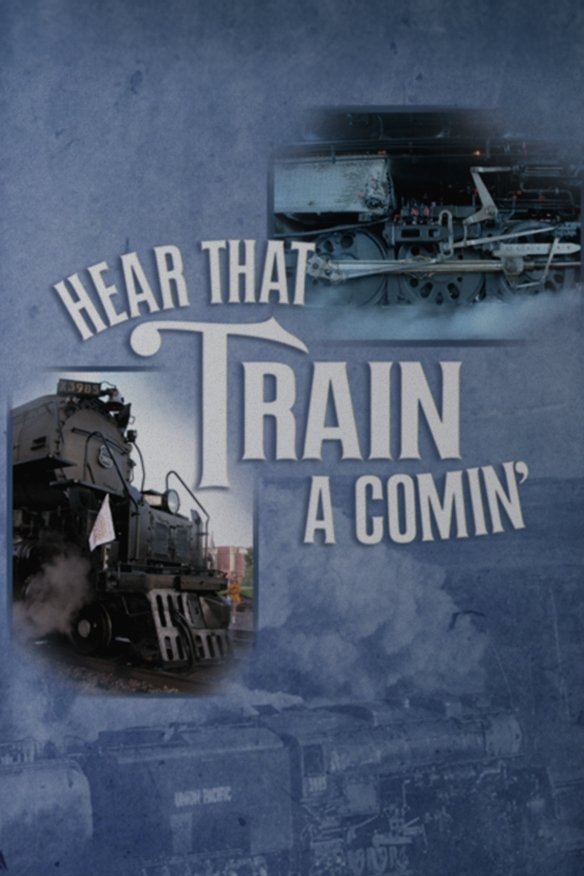
Meet the crew of the Union Pacific Challenger No. 3985, the largest and most powerful steam engine in the world. This colorful documentary is a behind-the-scenes look at the conductors, engineers and mechanics who keep this fickle train running, an engaging history of steam power, and a scenic tour the Great Plains -- from Cheyenne, Wyo., through Denver and across Nebraska to the Omaha headquarters of the Union Pacific.
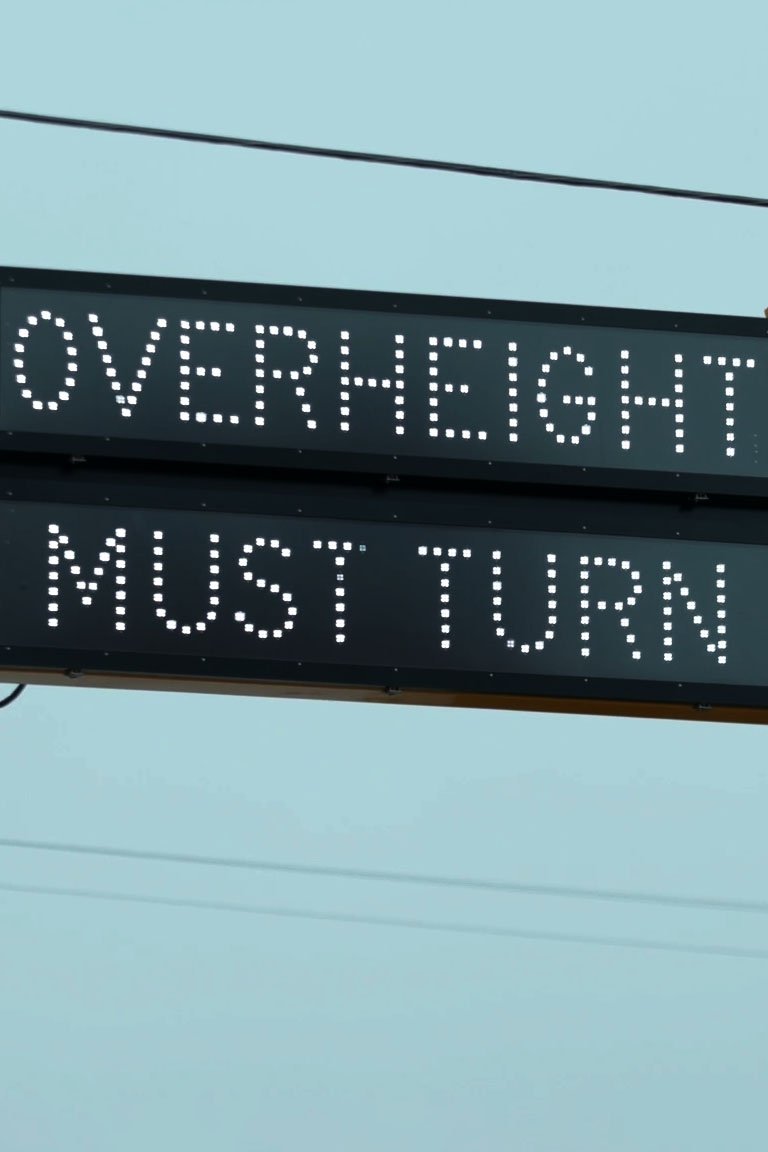
For the past ten years, Jürgen Henn has filmed over-height trucks crashing into the 11foot8 train bridge affectionately nicknamed the "Can Opener." In that time, millions have viewed the crashes online. Regional, national, and international news organizations have dined out on the story and the goofy crash reels. But why do motorists continue to crash despite the many warnings, sensors, and signs? And what is it about these crashes that holds our attention? In this piece, we look for the humanity in human error.
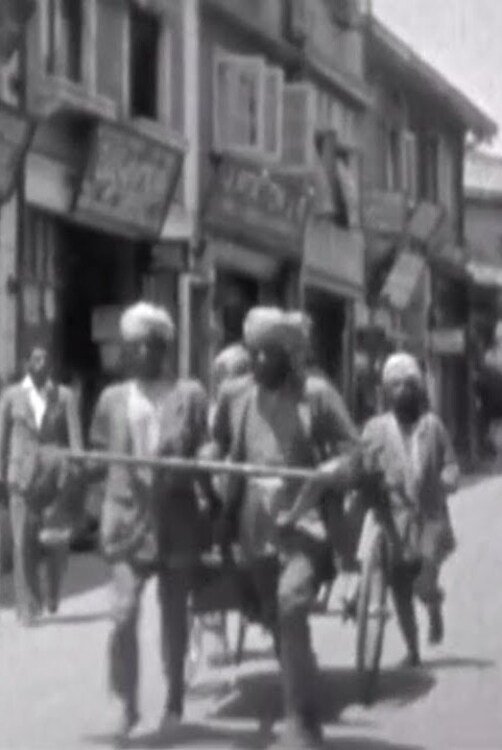
An intimate insight into the servant culture and lifestyle of the Viceroy of India and family, as they visit Simla (Shimla) and Lahore.
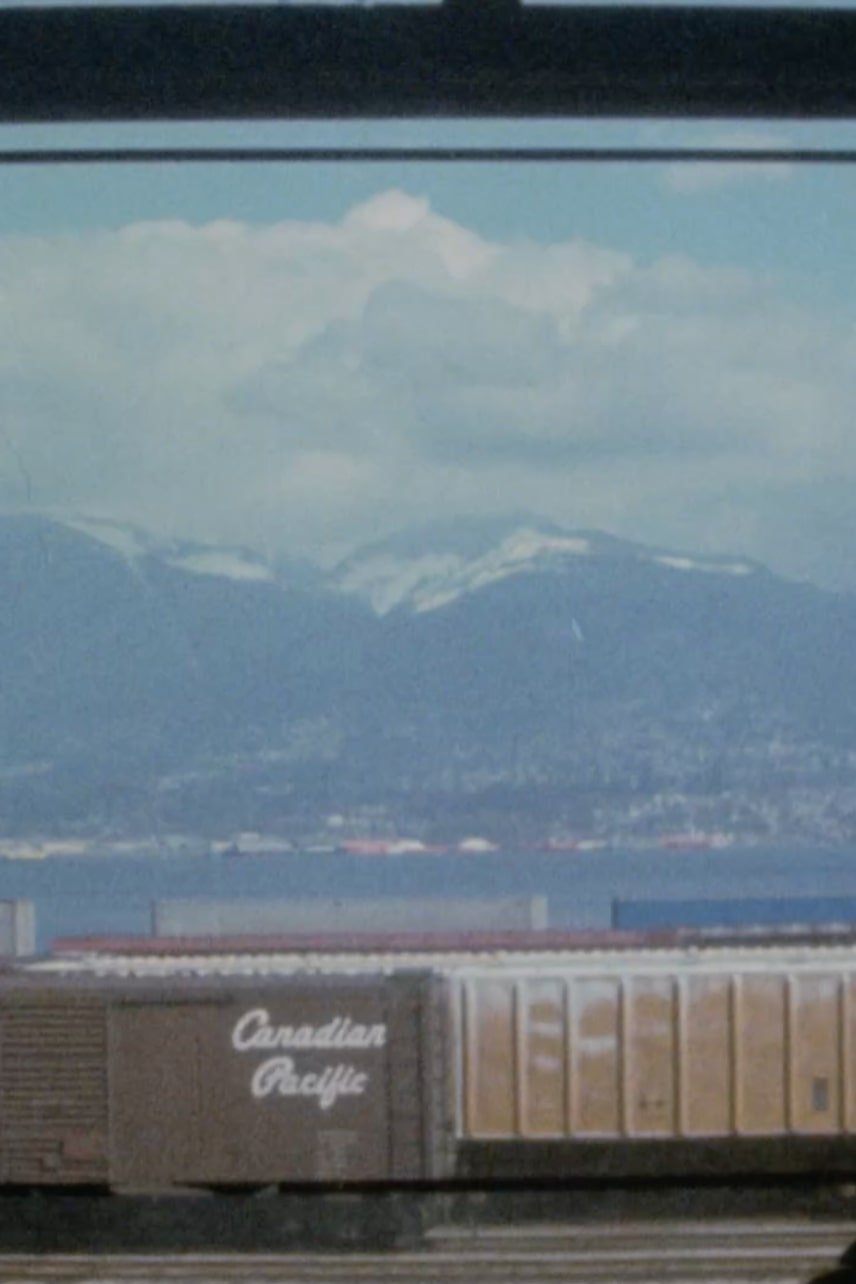
Canadian Pacific I is made up of a series of slowly dissolved shots done from the same framing over several months. The camera frames a window with a railway yard in the foreground, a bay in the space behind it, and misty mountains in the extreme distance. Trains occasionally pass by in the foreground. Huge ships move across the bay. Blue mists hover over the mountain heads.
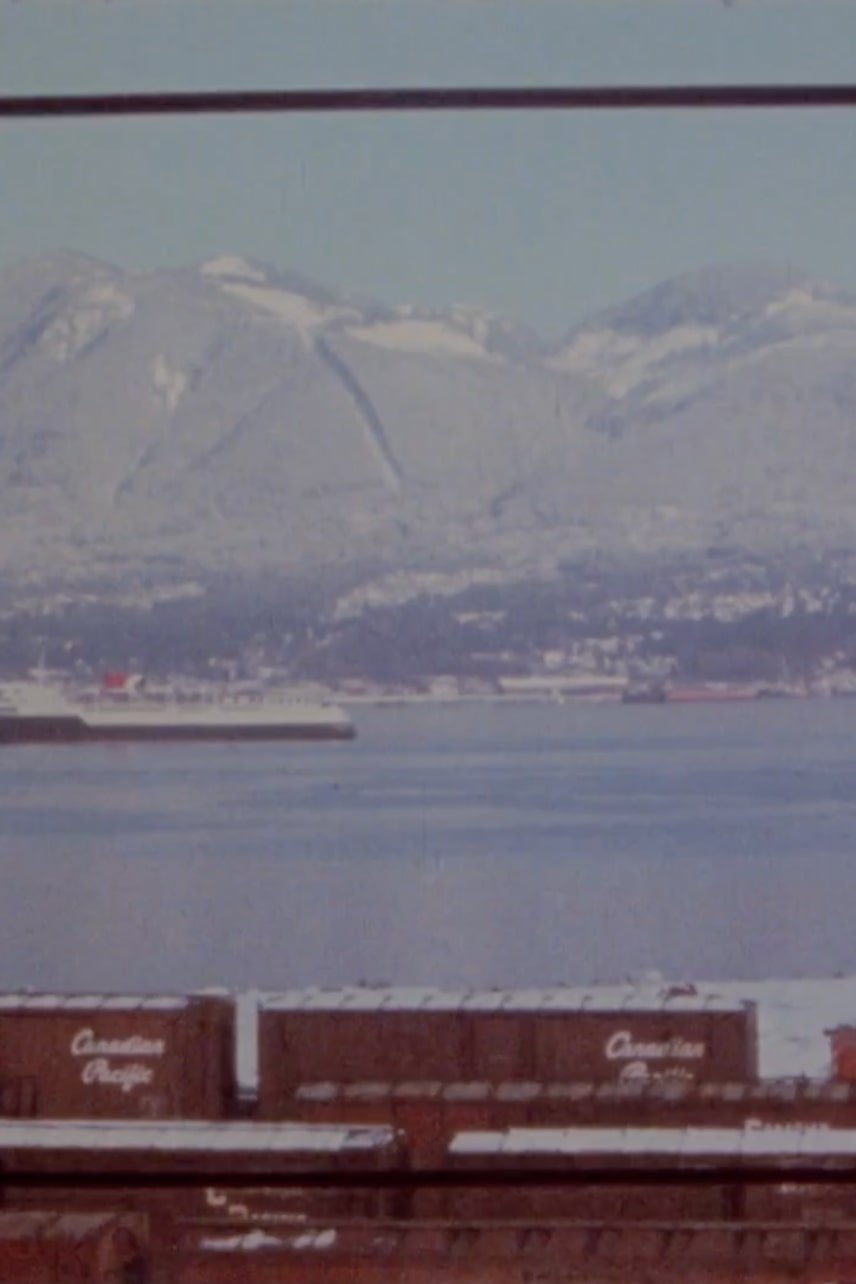
Canadian Pacific II is designed as a companion piece to Canadian Pacific I. Shot from a window two storeys higher and in the building adjacent to the artists’s studio of the previous year, one enters into a dream state… an involvement with a vocabulary of seeing and feeling by subtle transitions of the passage of time
America's Railroad℠ marks 40 years of service with this exclusive look inside the company. From the making and building of Amtrak to its plans for the future, this is the definitive story.
This documentary takes a look at Class I railroads – BNSF Railway, Canadian National, Canadian Pacific, and Union Pacific, short lines, Amtrak, commuter lines, and railway preservation in the “Land of 10,000 Lakes.”
In this documentary, Chicago, America’s Railroad Capital, you’ll discover how the third largest U.S. city became the nation’s most important hub, serving six of North America’s largest railroads. Along with its robust commuter system, more rail traffic passes through Chicago than any other city in America.
Through deeply personal interviews with her siblings and an examination of the photographs, letters, and belongings left behind, Mariska assembles a new portrait of her mother Jayne Mansfield, an extraordinary and complex woman.
Using the book 'Fragments', which collects Marilyn Monroe's poems, notes and letters, and with participation from the Arthur Miller and Truman Capote estates who have contributed more material, each of the actresses will embody the legend at various stages in her life.
The life of Mr. Spock, as well as that of Leonard Nimoy, the actor who played him for almost fifty years, written and directed by his son: Adam.
The cast of “High School Musical: The Musical: The Series” delivers an abundance of feel-good holiday cheer as they perform their favorite Christmas, Hanukkah and New Year’s songs and share their fondest holiday memories.
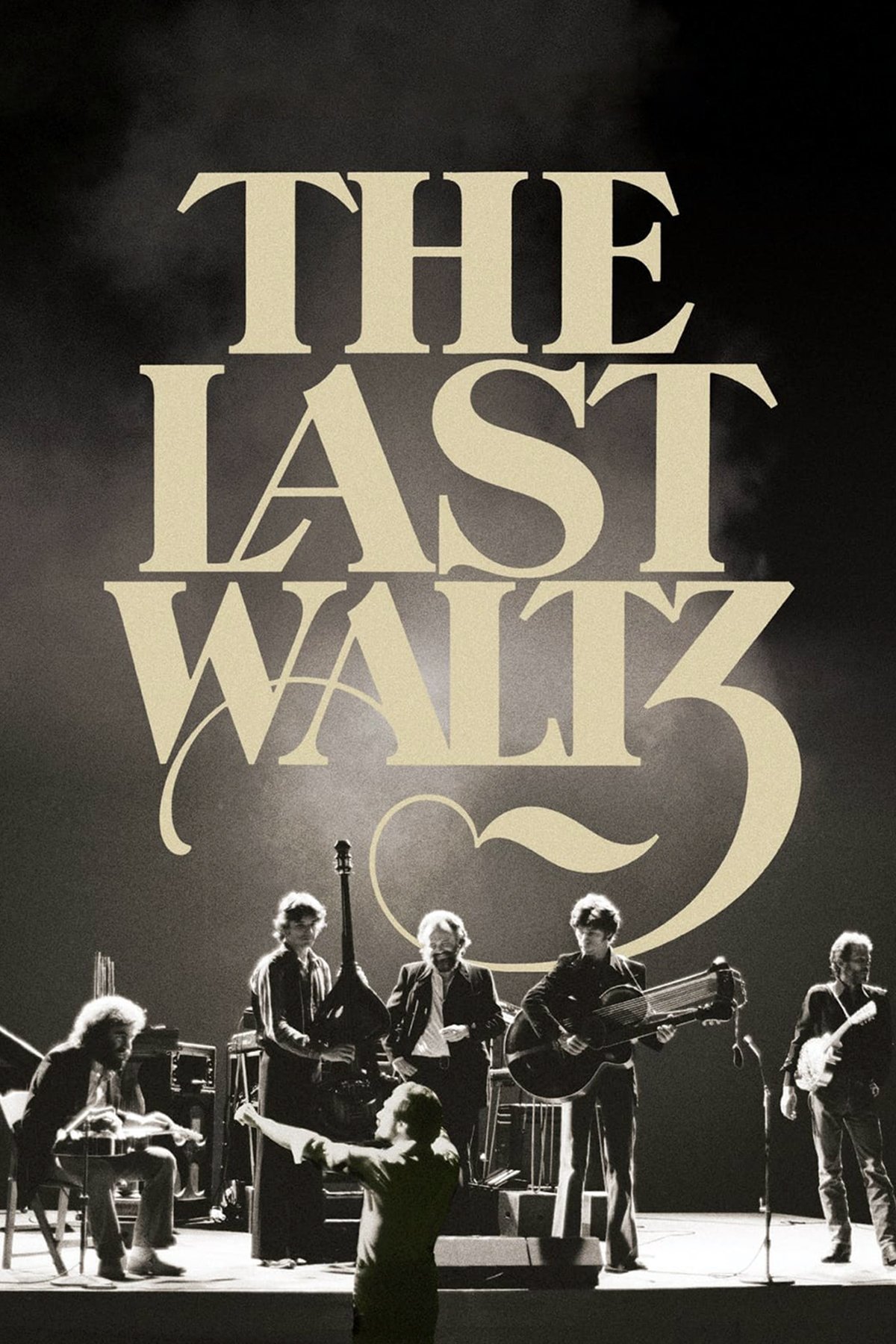
Martin Scorsese's documentary intertwines footage from The Band's incredible farewell tour with probing backstage interviews and featured performances by Eric Clapton, Bob Dylan, Joni Mitchell, Van Morrison, and other rock legends.
Al Pacino's deeply-felt rumination on Shakespeare's significance and relevance to the modern world through interviews and an in-depth analysis of "Richard III."
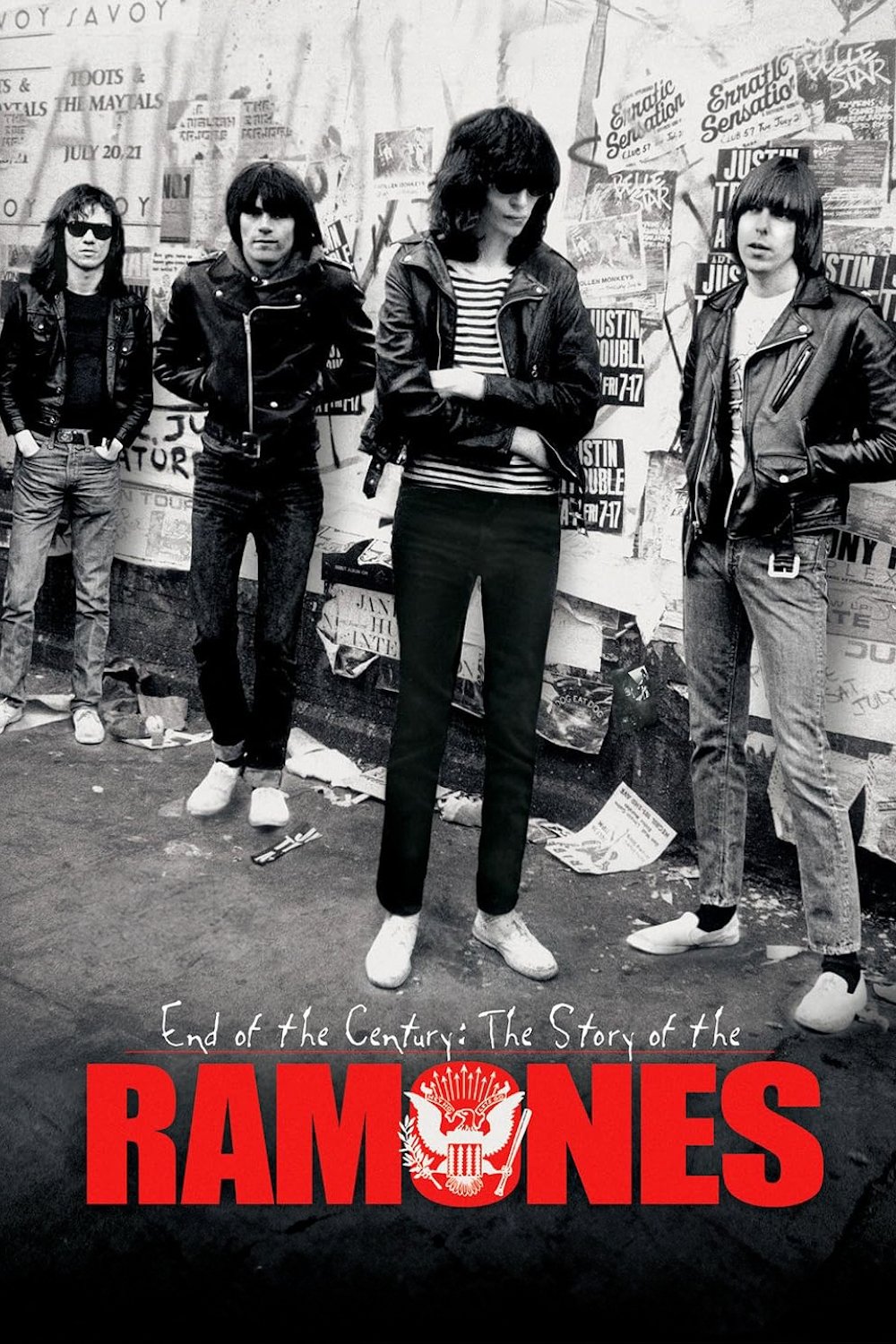
A years-in-the-making documentary on the legendary punk band the Ramones. Through a mixture of archival footage, archival and new interviews with all members of the band's various lineups, and new interviews with a number of their contemporaries, the film traces the peaks and valleys the band experienced over the course of its 20-plus year career before disbanding in 1995.
Explore the evolution of Buzz Lightyear from toy to human in the making of Pixar’s Lightyear. Dive into the origin and cultural impact of everyone’s favorite Space Ranger, the art of designing a new “human Buzz,” and the challenges faced by the Lightyear crew along the way.
A look at the origins, history and conspiracies behind the "Majestic 12", a clandestine group of military and corporate figureheads charged with reverse-engineering extraterrestrial technology.
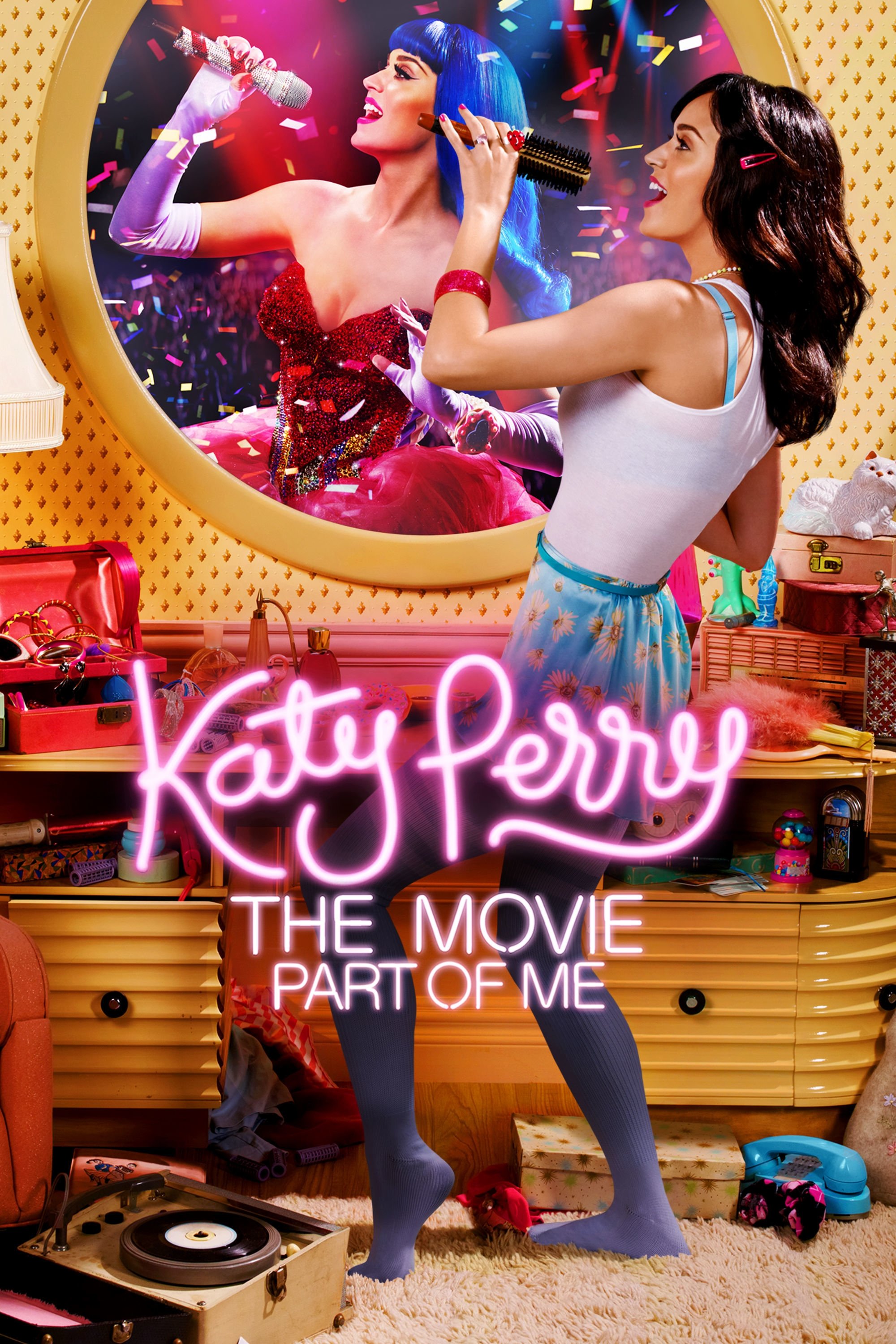
Giving fans unprecedented access to the real life of the music sensation, Katy Perry: Part of Me exposes the hard work, dedication and phenomenal talent of a girl who remained true to herself and her vision in order to achieve her dreams. Featuring rare behind-the-scenes interviews, personal moments between Katy and her friends, and all-access footage of rehearsals, choreography, Katy’s signature style and more, Katy Perry: Part of Me reveals the singer’s unwavering belief that if you can be yourself, then you can be anything.
The life and career of an actor, artist, and icon. His own journey through his own camera.
Musician and performance artist Laurie Anderson reflects on the deaths of her husband Lou Reed, her mother and her beloved dog.
BBC Arena's documentary on the Dames of British Theatre and film featuring Maggie Smith, Eileen Atkins, Judi Dench and Joan Plowright on screen together for the first time as they reminisce over a long summer weekend in a house Joan once shared with Sir Laurence Olivier.
A documentary detailing the epic Rogues' Gallery of DC Comics from The Joker and Lex Luthor, Sinestro, Darkseid and more, this documentary will explore the Super Villains of DC Comics.
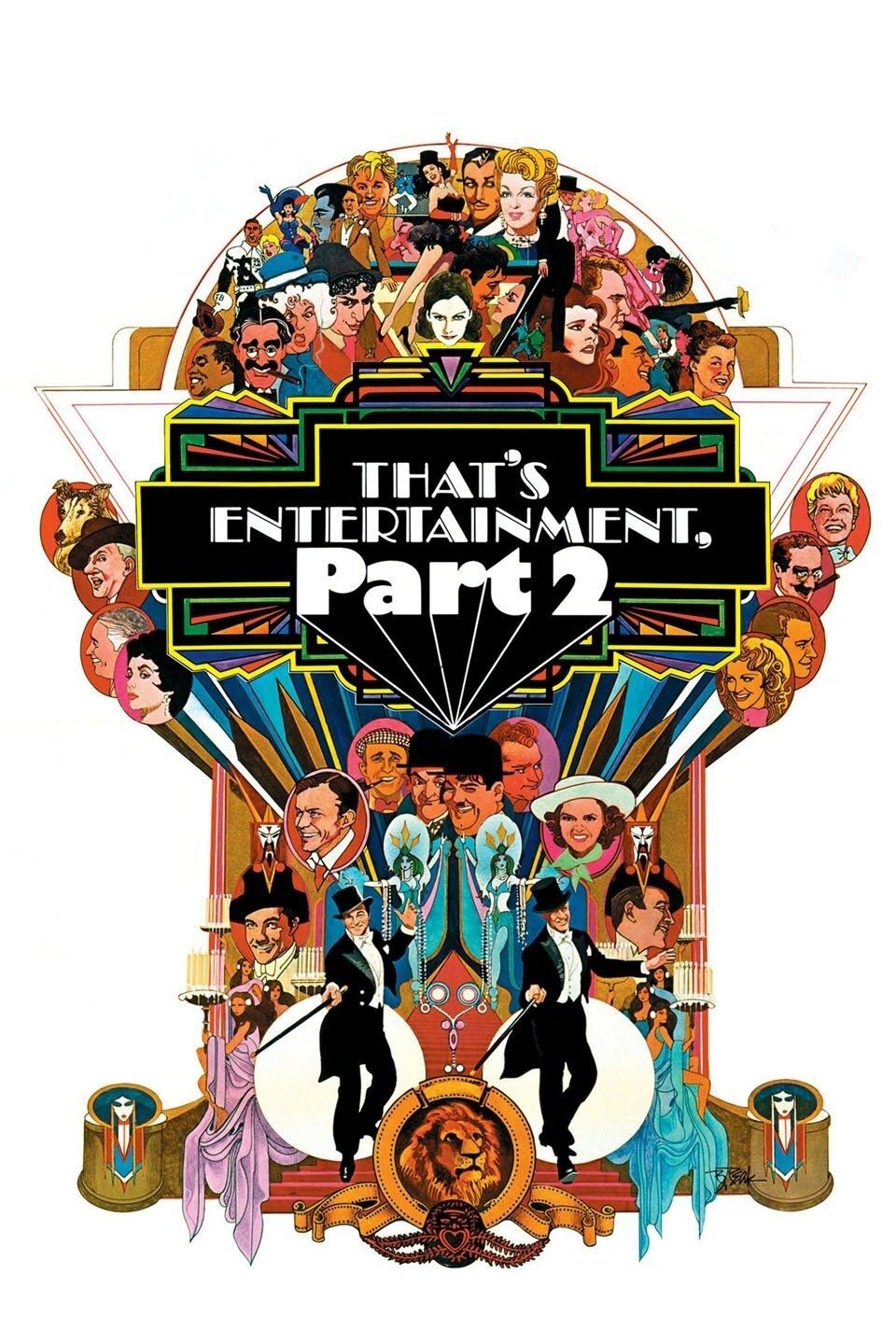
Gene Kelly and Fred Astaire present more golden moments from the MGM film library, this time including comedy and drama as well as classic musical numbers.
This documentary focuses on the actors and their journey over two summers to create the remake to the original IT, by Stephen King. The documentary originally released as bonus material, bundled with IT: Chapter Two.
Daniel Craig candidly reflects on his 15 year adventure as James Bond. Including never-before-seen archival footage from Casino Royale to the upcoming 25th film No Time To Die, Craig shares his personal memories in conversation with 007 producers, Michael G Wilson and Barbara Broccoli.
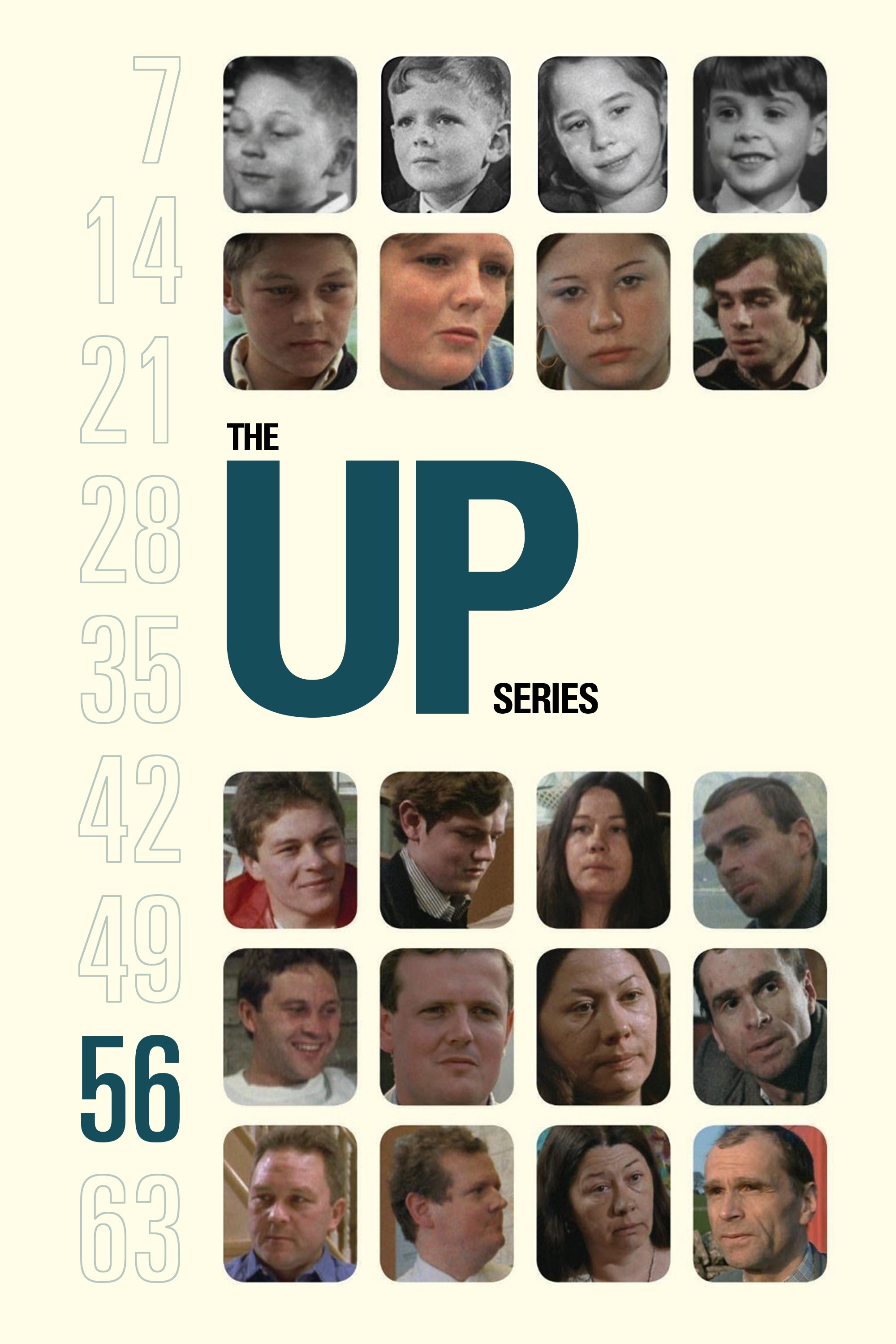
When a cross-section of seven-year-olds were interviewed for 7 Up in 1964 it was immediately evident that their social backgrounds influenced their attitudes towards life. While the upper class children were confident and self-assured, those from middle and working class backgrounds were resigned to a challenging life of hard work. This premise was put to the test every seven years when the same group were interviewed about the progression of their lives. 49 years in the making, the changes that occurred to the original 14 make for fascinating television and are in many ways the stories of all our lives. From success and disappointment, marriage and childbirth, to poverty and illness, nearly every facet of life has been captured on film. Now, at the age of 56, the group are once more brought together and, with the benefit of hindsight, assess whether their lives have been ruled by circumstance or self-determination.
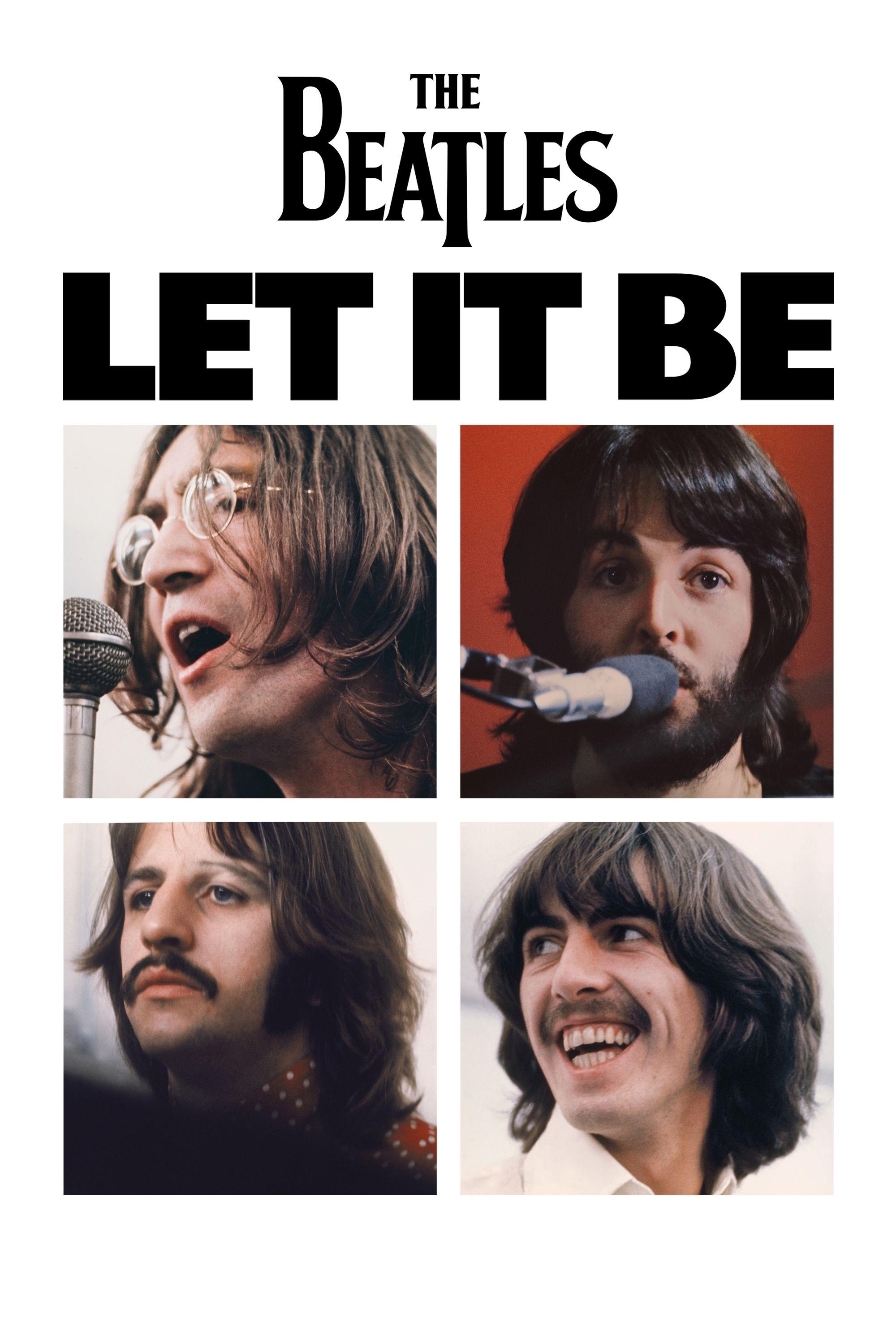
A documentary chronicling the Beatles' rehearsal sessions in January 1969 for their proposed "back to basics" album, "Get Back," later re-envisioned and released as "Let It Be."
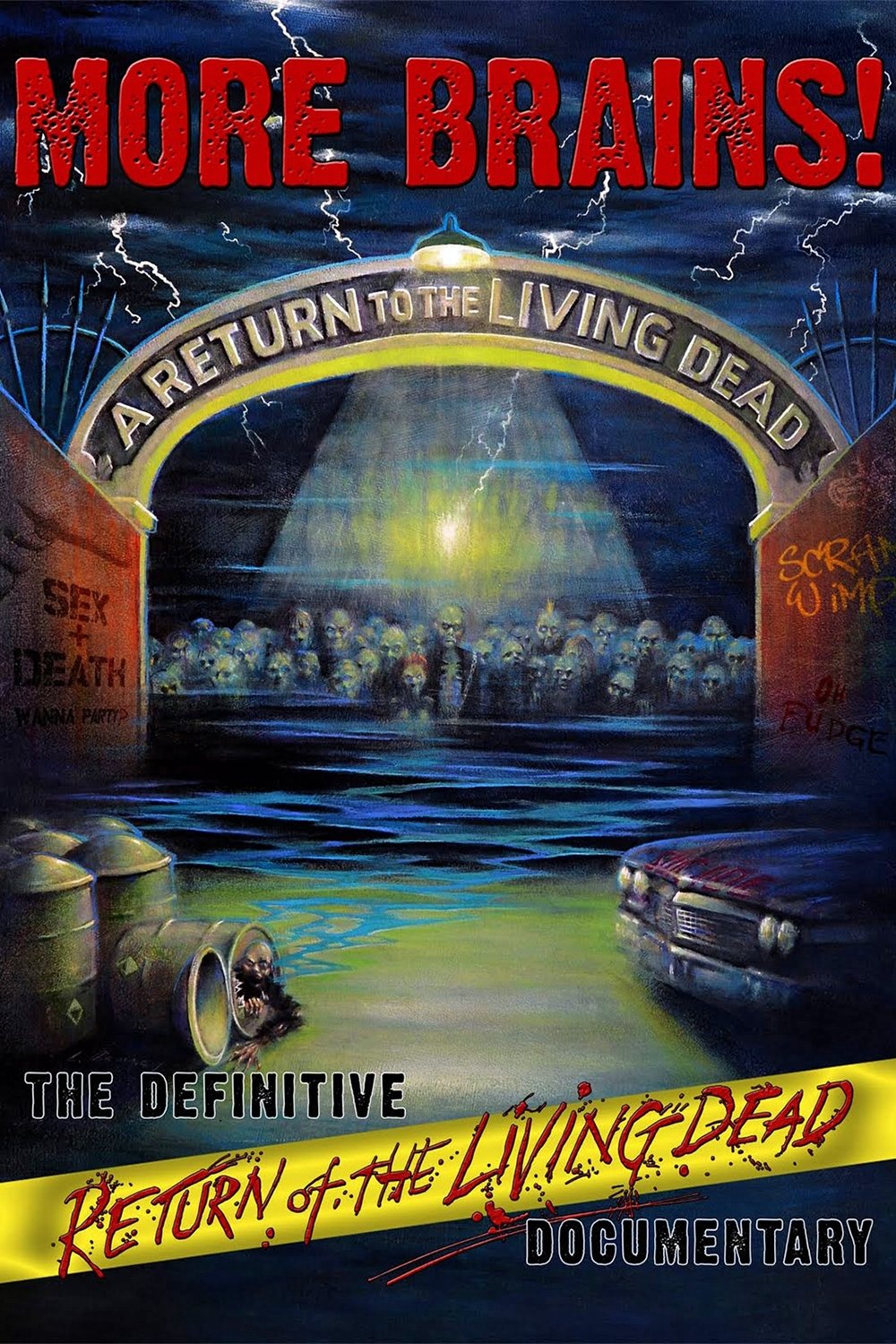
Retrospective documentary about the making of the horror cult classic "The Return of the Living Dead."