Social & External
The people behind it
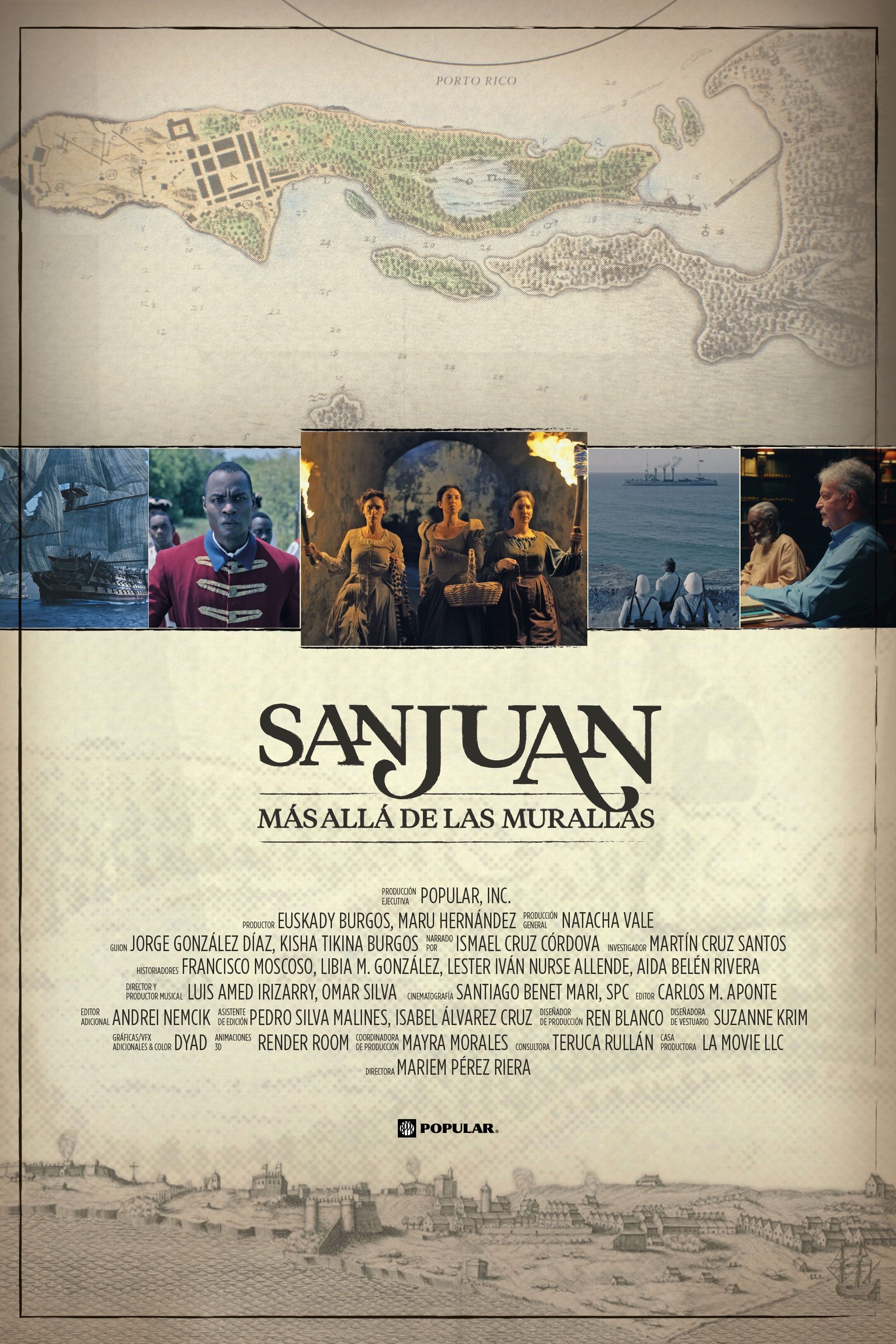
Explore the 500-year history of the city of San Juan, from the move from Caparra to the different invasions during these centuries. It also looks at how different situations and people were key to what is now the capital of Puerto Rico. This documentary presents, through the recreation of key situations, archival material, and accounts of historians and researchers, decisive moments that influenced what is now the capital.
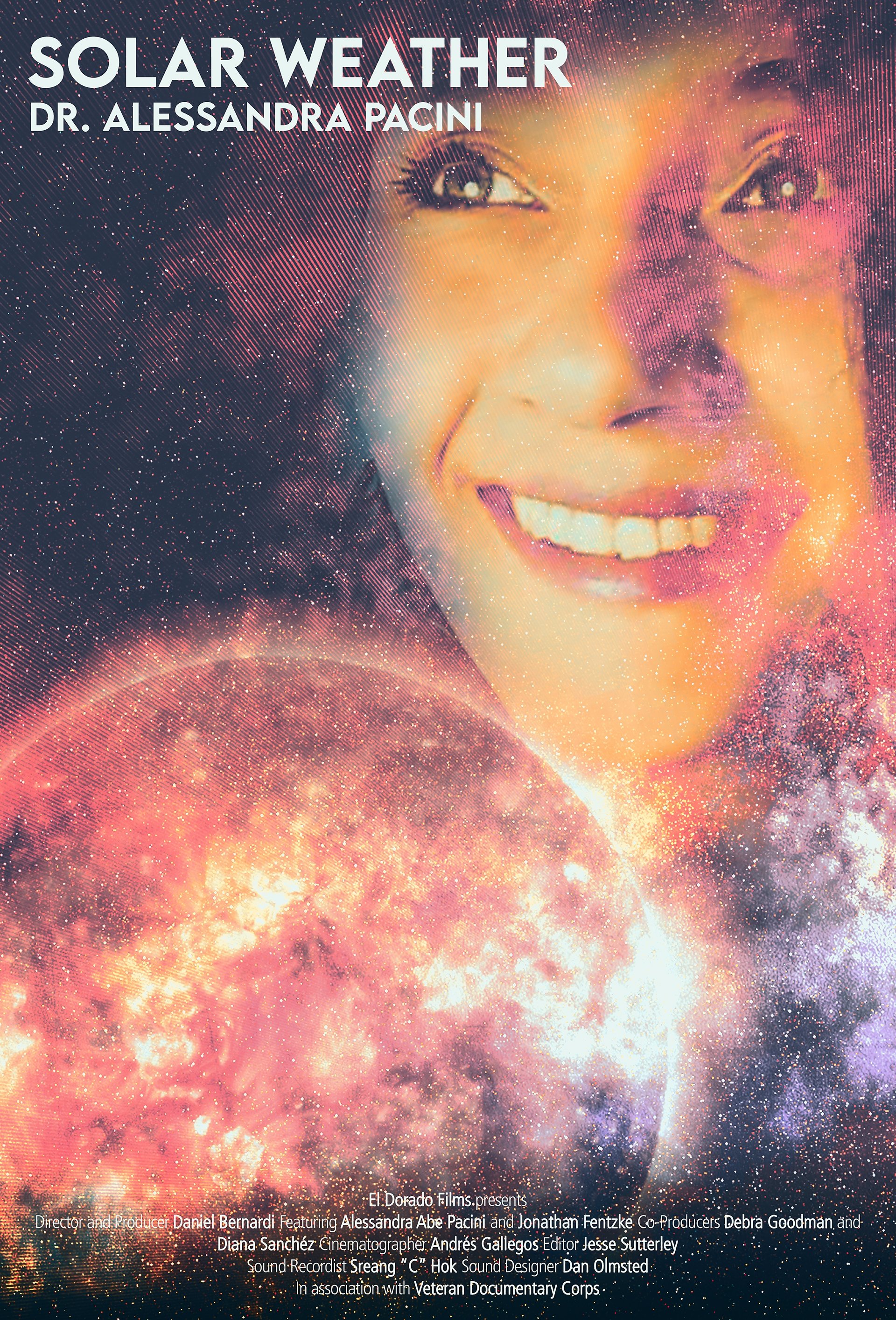
Alessandra Pacini, solar physicist and mother of two, has dedicated her life to researching our sun and its relation to the rest of our solar system. Traveling across the globe with her family, from Finland to Puerto Rico, Alessandra is on a mission to discover the great mysteries of our solar system.
At Arecibo Observatory in Puerto Rico, Eliana Nossa studies the ionosphere. This short films tells the story of Columbian researcher Eliana Nossa as she explains her study of the ever-changing universe, Arecibo's technology and data, and her role as a woman among her male colleagues. She studies the ionospheric irregularities that impact terrestrial communication.
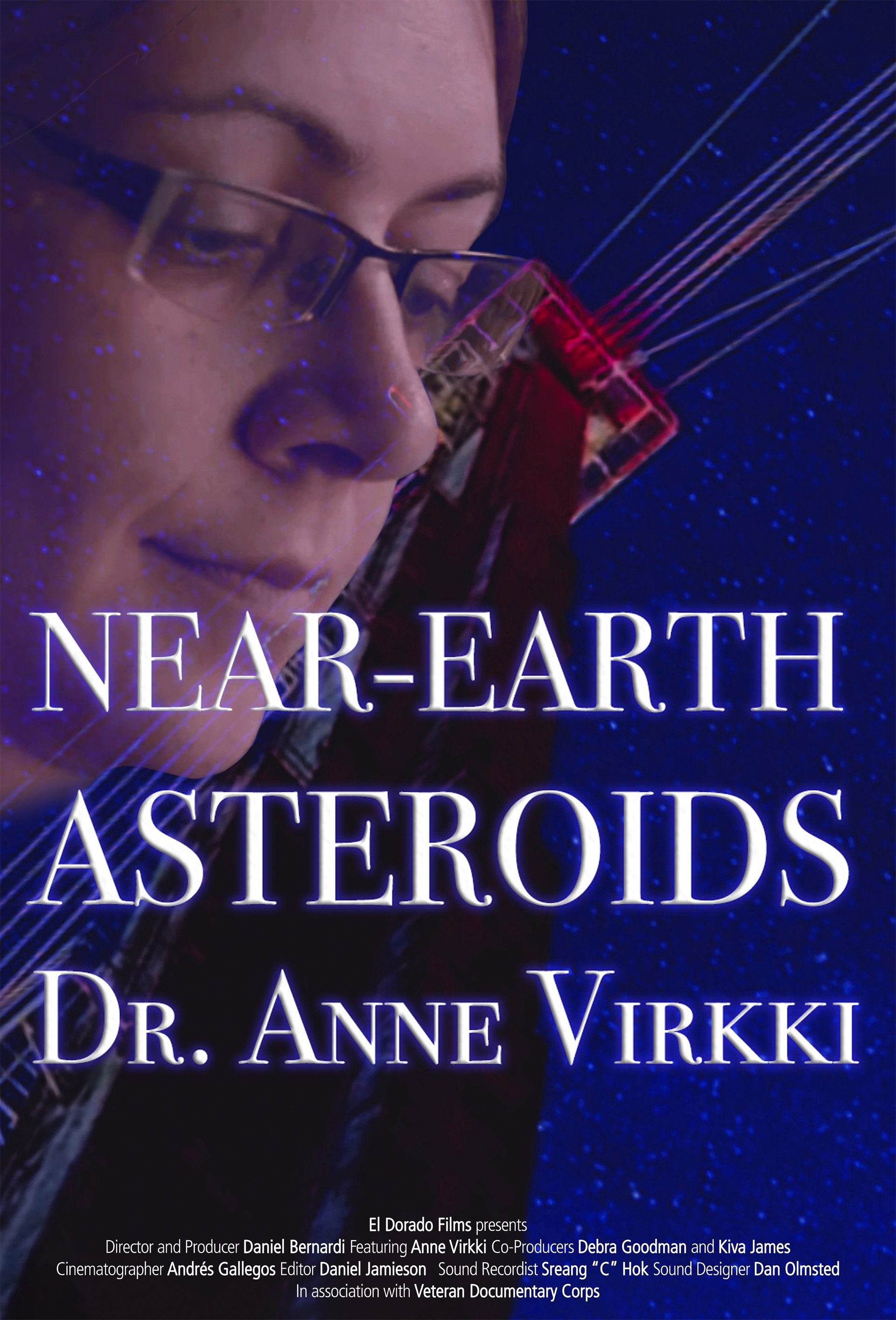
At Arecibo Observatory in Puerto Rico, “Near Earth Asteroids: Dr. Anne Virkki” tells the story of Research Scientist Anne Virkki and her ongoing studies on asteroids and their threat to humanity. Originally from Finland, Anne Virkki shares her experience in education as well as her studies on asteroids, including her work hunting and tracking asteroids headed for Earth.
Guillermo Gómez Álvarez explores the identity politics of Puerto Rico via archival footage from various sources that clash with nine original songs from local independent musicians and a thematic analysis from a psychoanalyst and a historian. From the juxtaposition the absurd becomes coherent and the coherent becomes absurd as Puerto Rican identity is defined and rejected almost simultaneously.
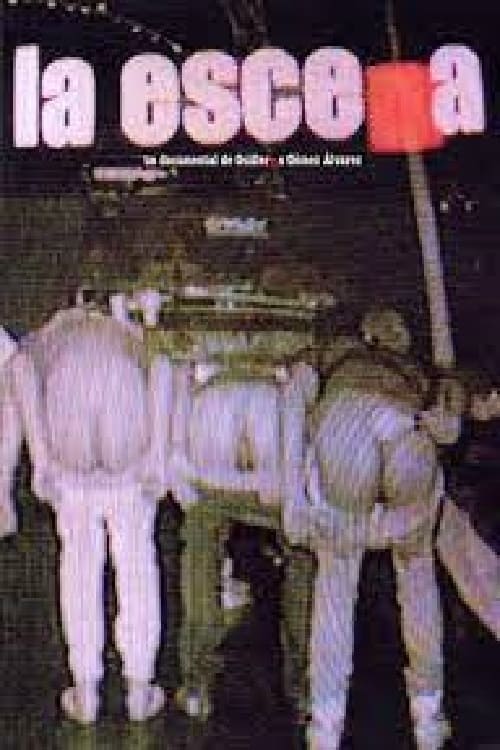
What is "la escena" (the scene) and what is its importance, if any? Guillermo Gómez Álvarez tries to answer these questions with candid interviews from musicians and fans of the vibrant and, many times controversial, punk music scene in Puerto Rico. The decadence, rage, drugs, alcohol, politics, and social aspects are showcased in this documentary that tells an important part of the history of the great dysfunctional family that is "el punk boricua".
David Attenborough tells the revealing story of this Caribbean island's exotic but vulnerable wildlife. A team of conservation champions are making it their mission to save the most precious species. We see how Puerto Rican parrots, manatees and turtles are now making a comeback.
A reflection Puerto Rican’s initial reaction to the aftermath of hurricane Maria captured through interviews filmed two months into the chaos and footage gathered from people’s phones, cameras, and any form of recording.
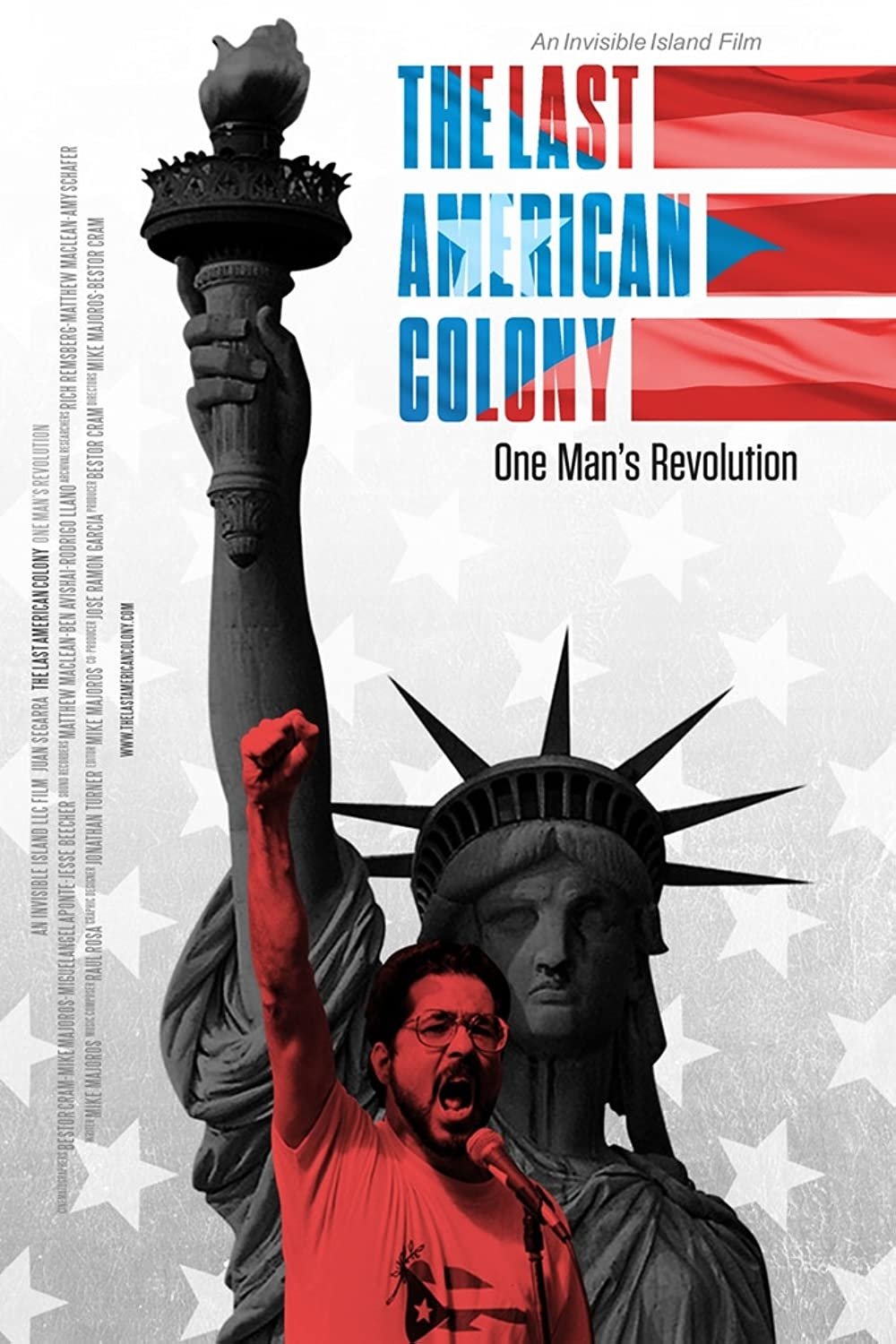
Puerto Rico, the last relic of colonization in the western hemisphere, has been a dependent territory of the USA since 1917. Los Macheteros and one of its leaders Juan Segarra have been fighting for its full independence for many decades.
A night in the life of a cab driver in San Juan, Puerto Rico.
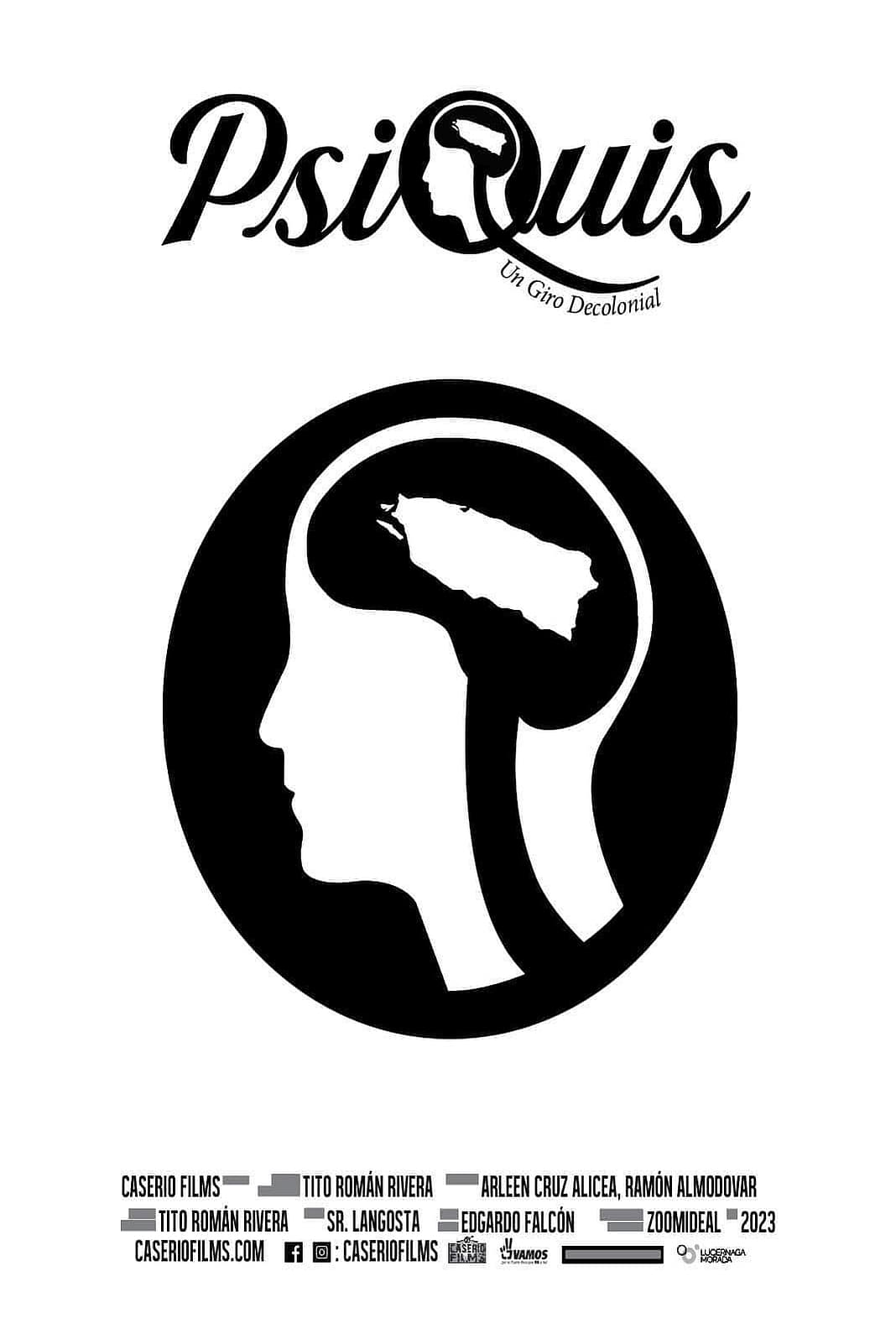
PsiQuis: Un Giro Decolonial is a documentary that presents and discusses the psychological impact that colonialism has had on the Puerto Rican people. The director analyzes the traumas generated in Puerto Rican society by that colonial experience.
Explore the Forts of Old San Juan, Puerto Rico, including San Juan National Historic Site. Discover the uncommonly beautiful shores of San Juan and see spanish military architecture at its finest, including Forts San Cristóbal, San Felipe del Morro and San Juan de la Cruz, as well as the walls of Old San Juan. These are the largest and oldest Spanish fortifications in the New World.
After a run-in with local thugs, aspiring Harlem rapper Rob flees to a place and father he never knew, and finds his salvation in Reggaeton, a spicy blend of hip-hop, reggae and Latin beats. Puerto Rico, the spiritual home of Reggaeton, inspires Rob and his step-brother Javi to pursue their dream of becoming Reggaeton stars. Together with a dancer named C.C., they learn what it means to stay true to themselves and each other, while overcoming obstacles in love, greed and pride, all culminating in an explosive performance at New York’s Puerto Rican Day Parade.
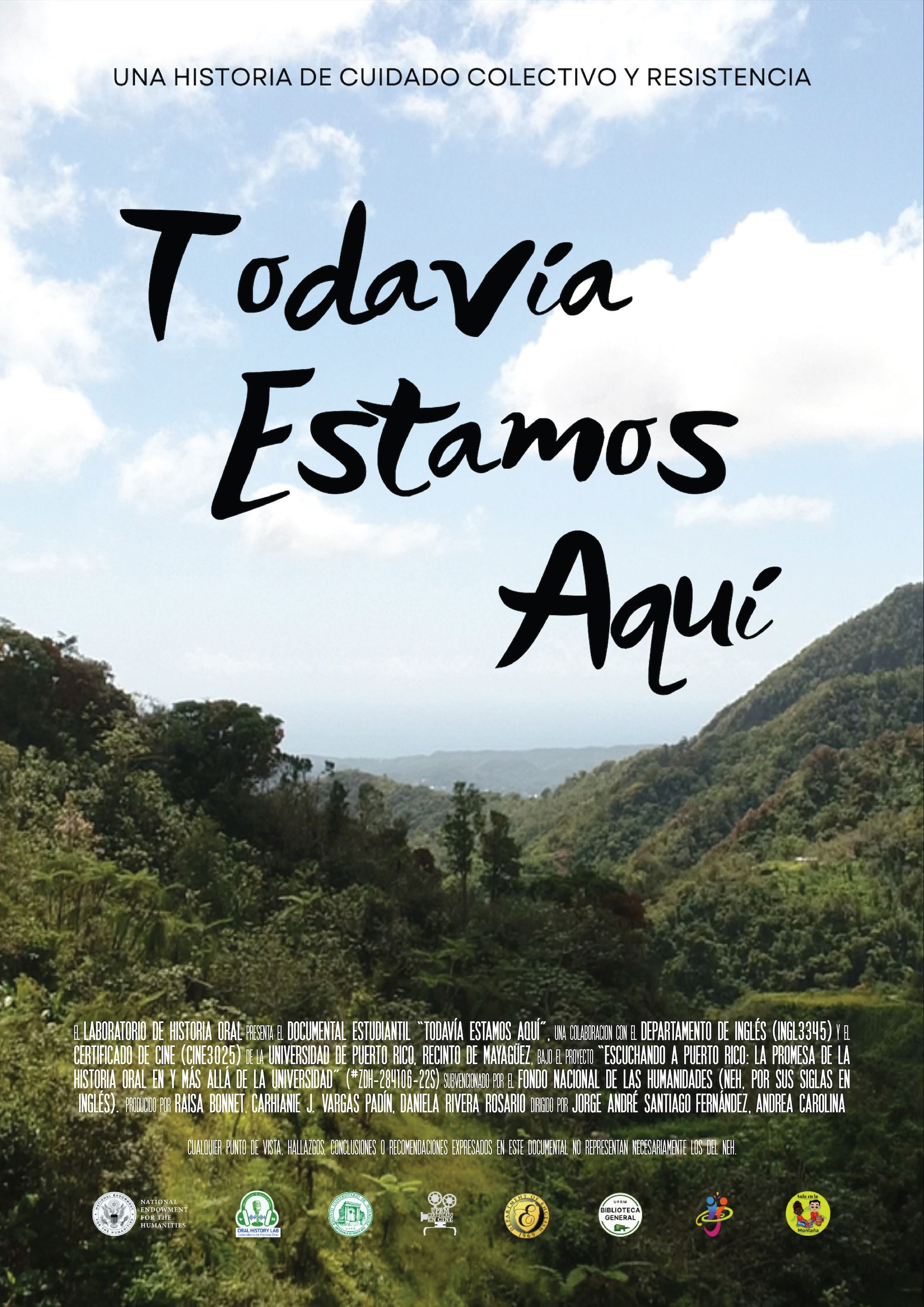
We Are Still Here is a student-made documentary from the University of Puerto Rico, Mayagüez campus (UPRM) about the lives and experiences of the Peñolanos from Barrio Rucio and adjacent communities who have resisted generations of adversities due to their geographical location and at the hands of the Puerto Rican government. Centered on resistance and collective care among communities, this inaugural documentary produced by the Oral History Lab at UPRM and funded by the National Endowment for the Humanities showcases how community work by projects like Aula en la Montaña and organizations like Impacto Juventud GC Inc. demonstrate that strength lies in union and that true healing occurs through mutual accompaniment between community and volunteers.
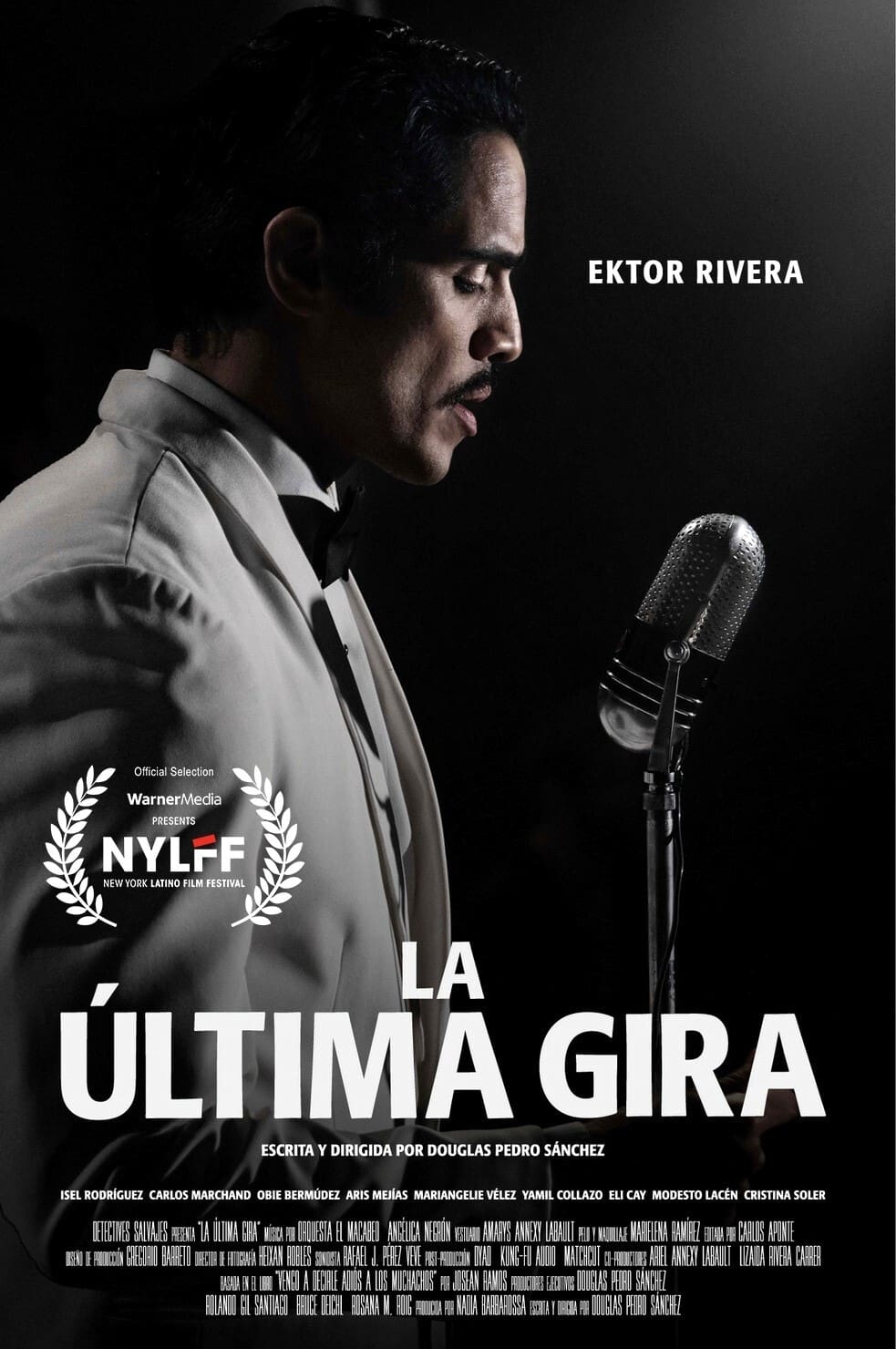
Legendary singer Daniel Santos lives in Ocala, Florida, and prepares his biography with Secre, a young journalist. The memory of past glories makes him embark on one more adventure: a tour of South American countries where he was known as “El Jefe” (The Chief) and where he expects to be yet again acclaimed and applauded.
Hurricane María abated, the news crews packed up and left Puerto Rico, and the interest of the international community turned elsewhere. What happened next?
Artificial intelligence is taking on different roles in the filmmaking space. The questions we must ask ourselves are: what are the pros and cons of this advancement? How can we work with it, and what power do we have as human beings in the face of this technology?
Benedicto, is a retired police officer who has dedicated more than 30 years of his life, helping young drug addicts and homeless people in the rural town of Corozal, Puerto Rico. His story takes place day by day in a little humble house in the death road of the municipal cemetery of Corozal, a rural municipality of Puerto Rico with a high population of young homeless people, alcoholism and drug addicts. The door of Benedictus little house on the death road to the cemetery is the deviation between life and death for these young people in need.
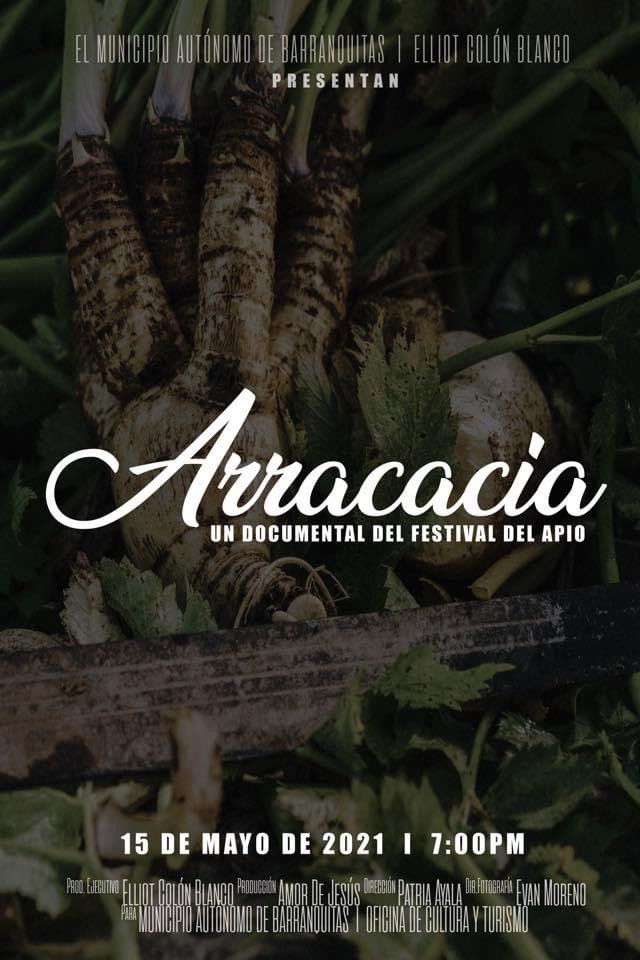
Made for the Celery Festival in Barranquitas, Puerto Rico, this documentary presents the entire history of Celery and its importance in the town of Barranquitas, as well as the evolution of the most important Agro-Cultural Festival in Puerto Rico.
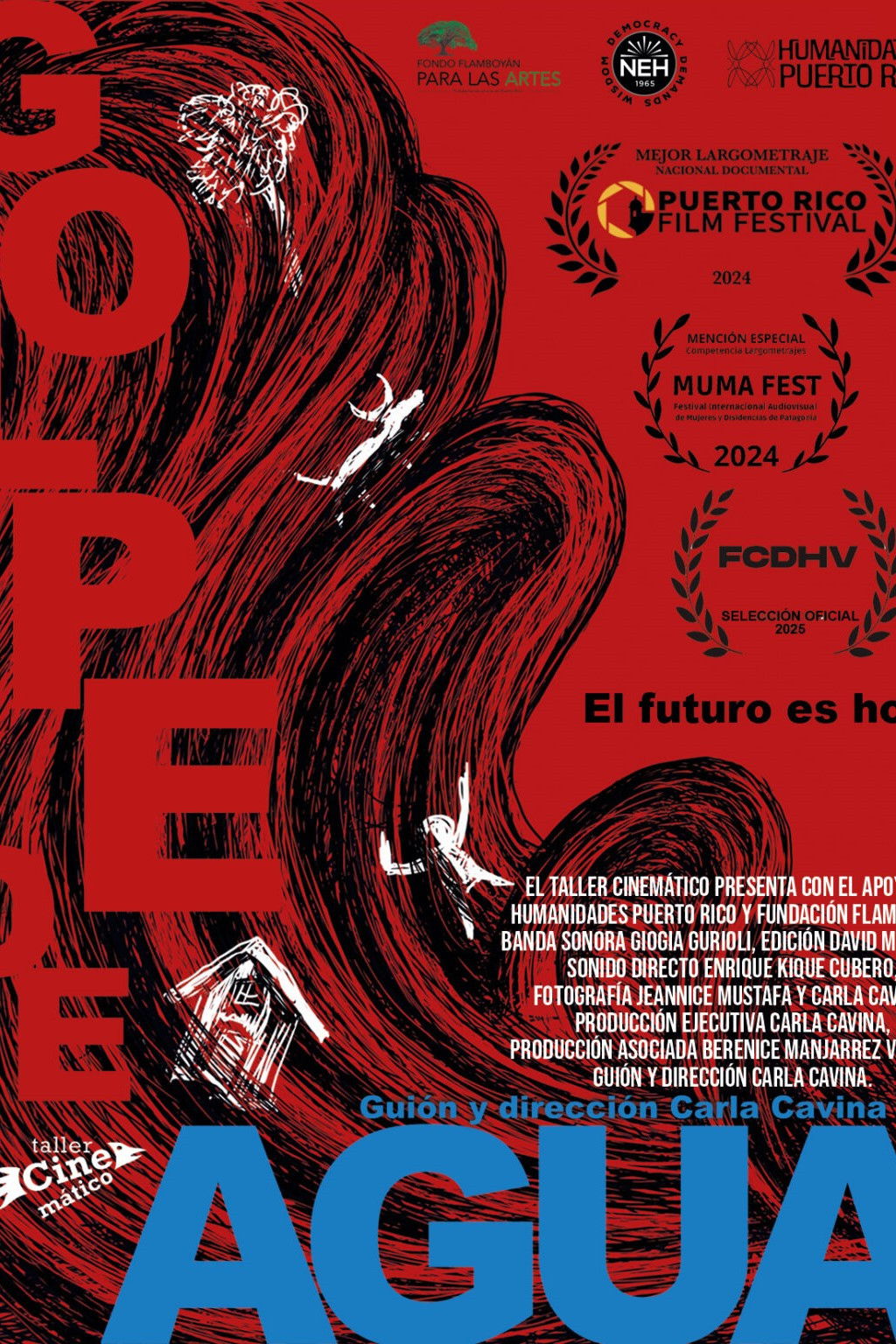
A documentary that reflects on the vision of 'progress' that governments cling to in times of climate change, focusing on the personal and collective experience lived in Puerto Rico after Hurricane Maria struck the island in 2017.
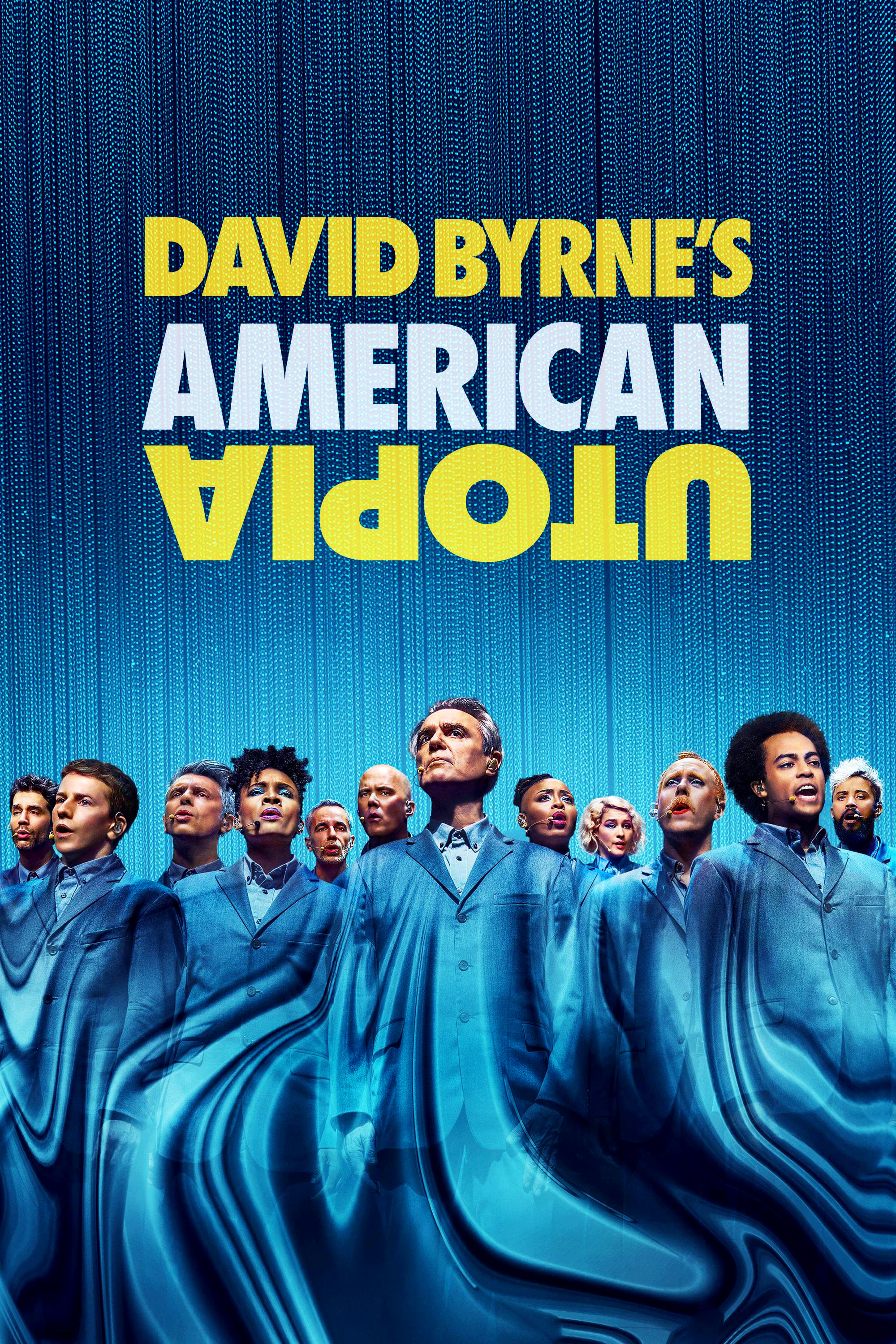
A filmed version of David Byrne's Broadway show, a unifying musical celebration that inspires audiences to connect to each other and to the global community.
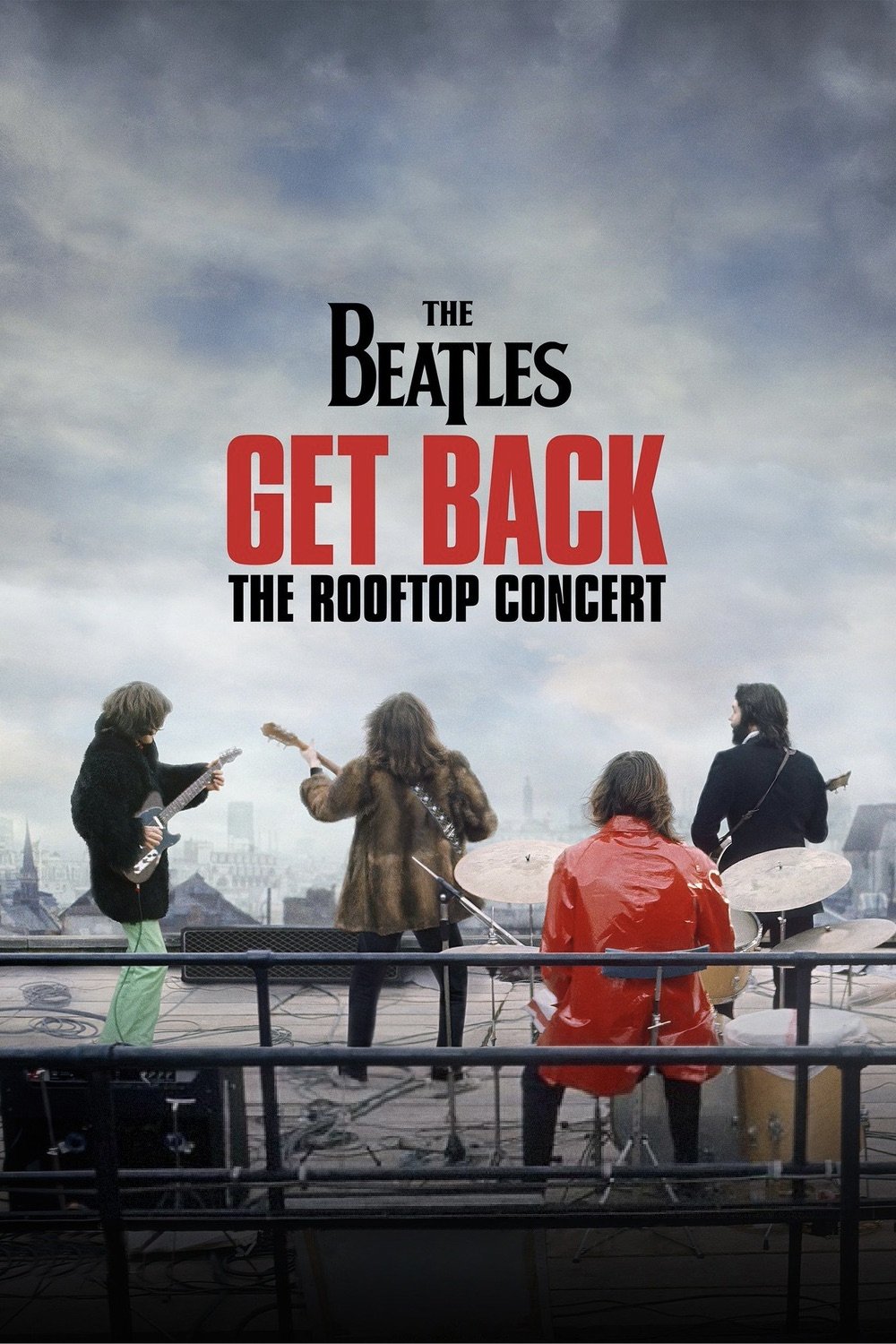
On the 30th of January, 1969, the Beatles performed an unannounced concert from the rooftop of their Apple Corps headquarters at Savile Row, within central London's office and fashion district. Experience the final and unforgettable iconic performance of The Beatles in a special 60-minute presentation, digitally remastered into the image and sound quality of IMAX DMR technology.
Dua Lipa's kaleidoscopic rocket fuelled journey through time, space, mirrorballs, roller discos, bucket hats, belting beats, throbbing basslines and an absolute slam dunk of the best of times in global club culture throughout the decades.
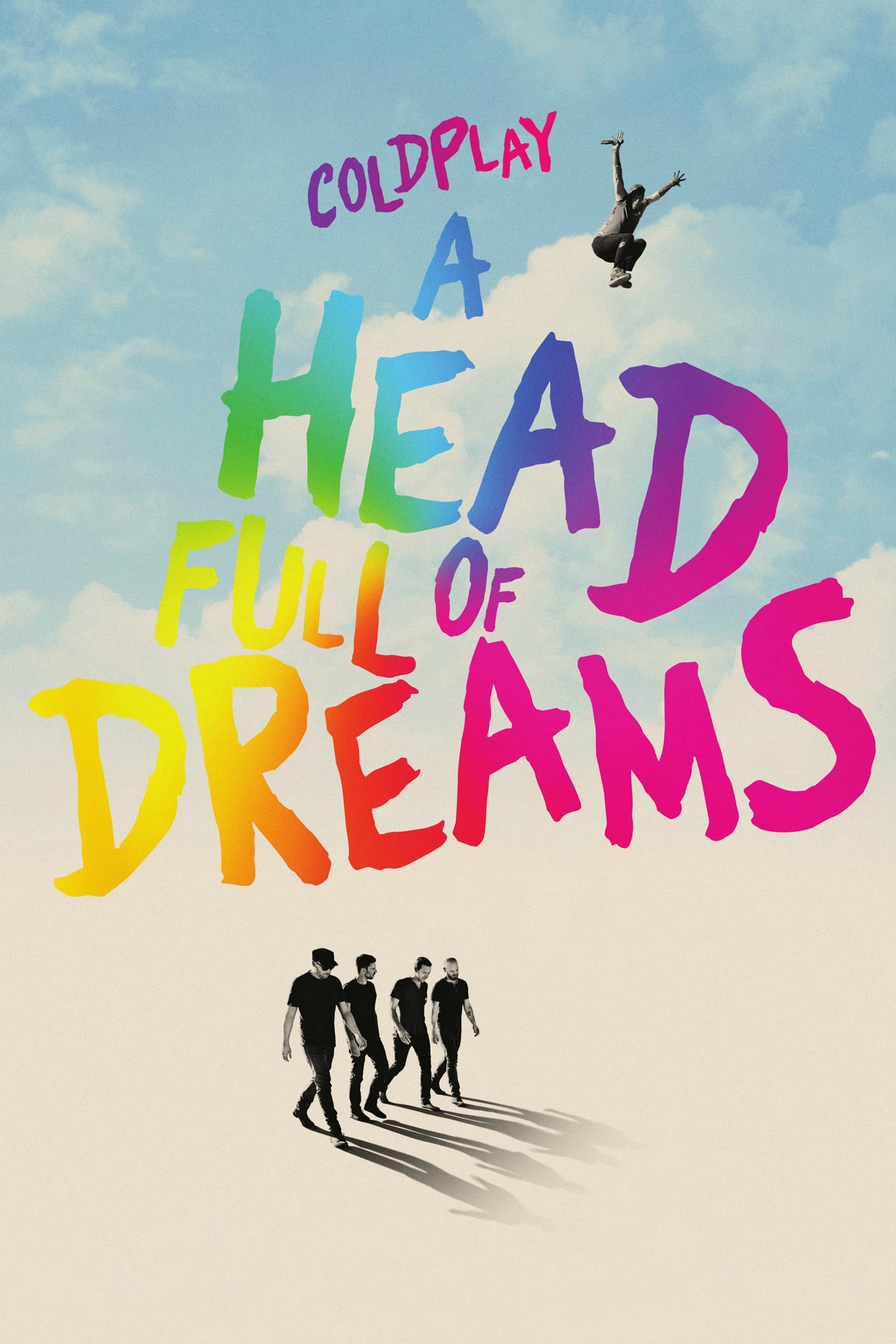
An in-depth and intimate portrait of Coldplay's spectacular rise from the backrooms of Camden pubs to selling out stadiums across the planet. At the heart of the story is the band's unshakeable brotherhood which has endured through many highs and lows.
Where We Are: Live from San Siro Stadium features the entire 23 track concert filmed at San Siro Stadium in Milan in June 2014, as well as 24 minutes of bonus content including backstage footage of One Direction and their crew.
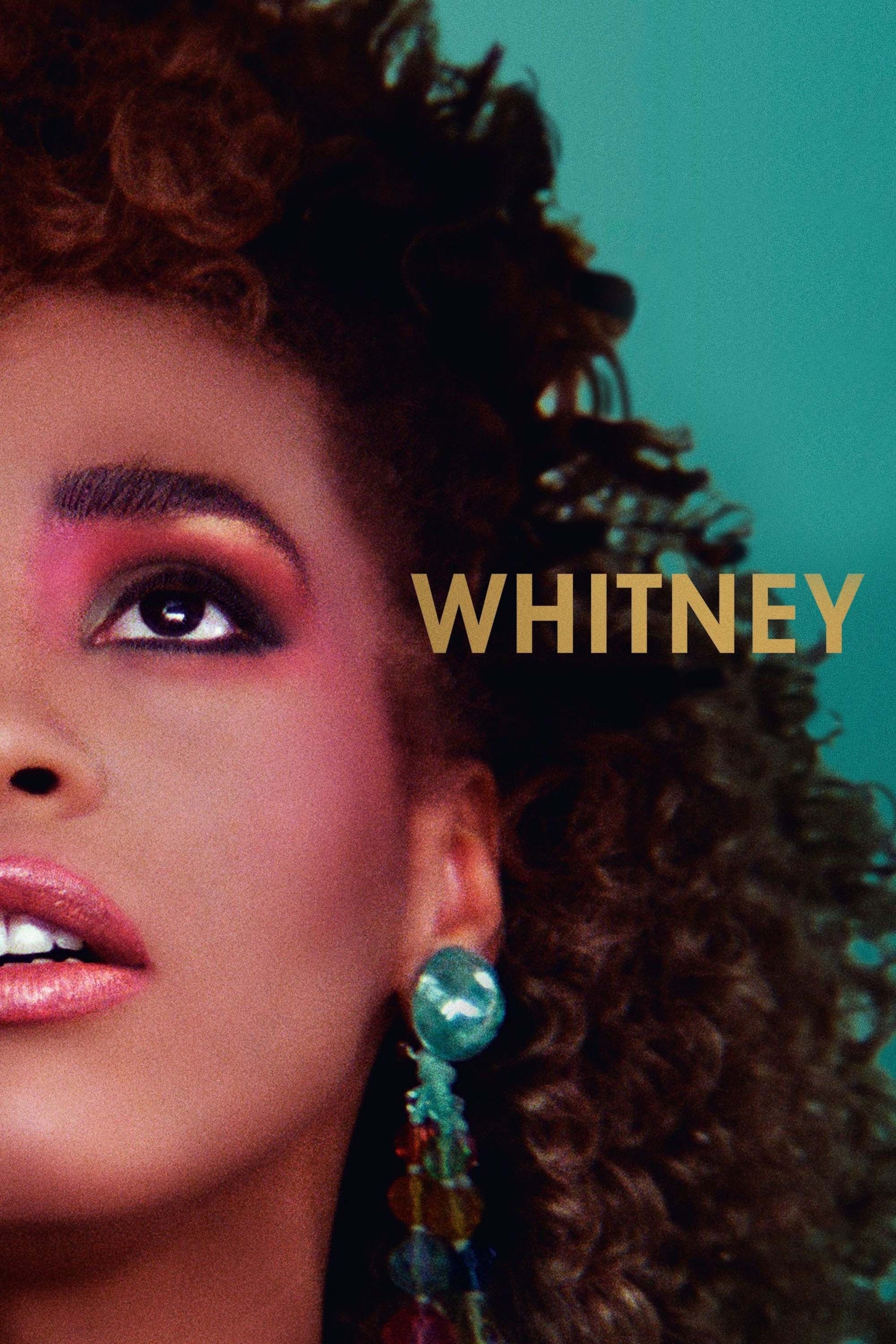
Examines the life and career of singer Whitney Houston. Features never-before-seen archival footage, exclusive recordings, rare performances and interviews with the people who knew her best.
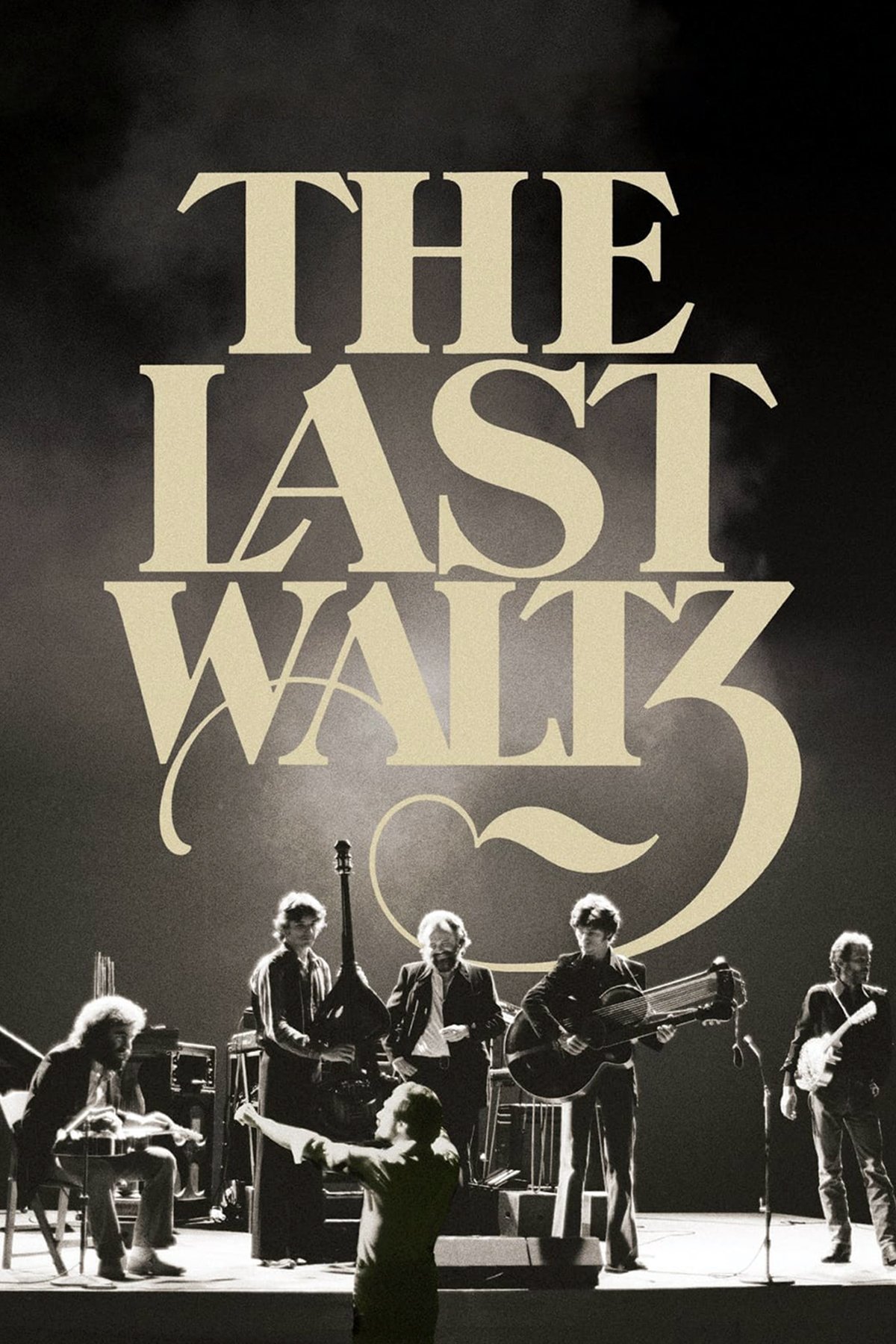
Martin Scorsese's documentary intertwines footage from The Band's incredible farewell tour with probing backstage interviews and featured performances by Eric Clapton, Bob Dylan, Joni Mitchell, Van Morrison, and other rock legends.
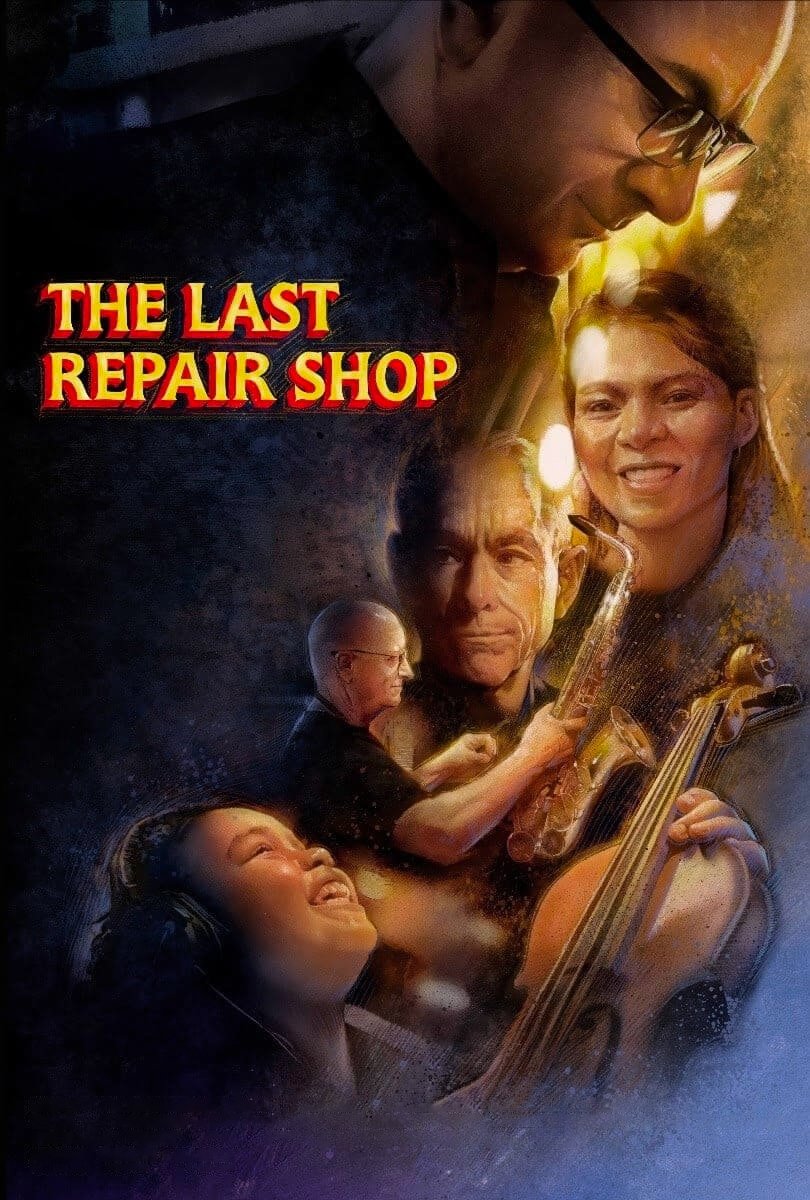
In a warehouse in the heart of Los Angeles, a dwindling handful of devoted craftspeople maintain more than 80,000 student musical instruments, the largest remaining workshop in America of its kind. Meet four unforgettable characters whose broken-and-repaired lives have been dedicated to bringing so much more than music to the schoolchildren of this city.
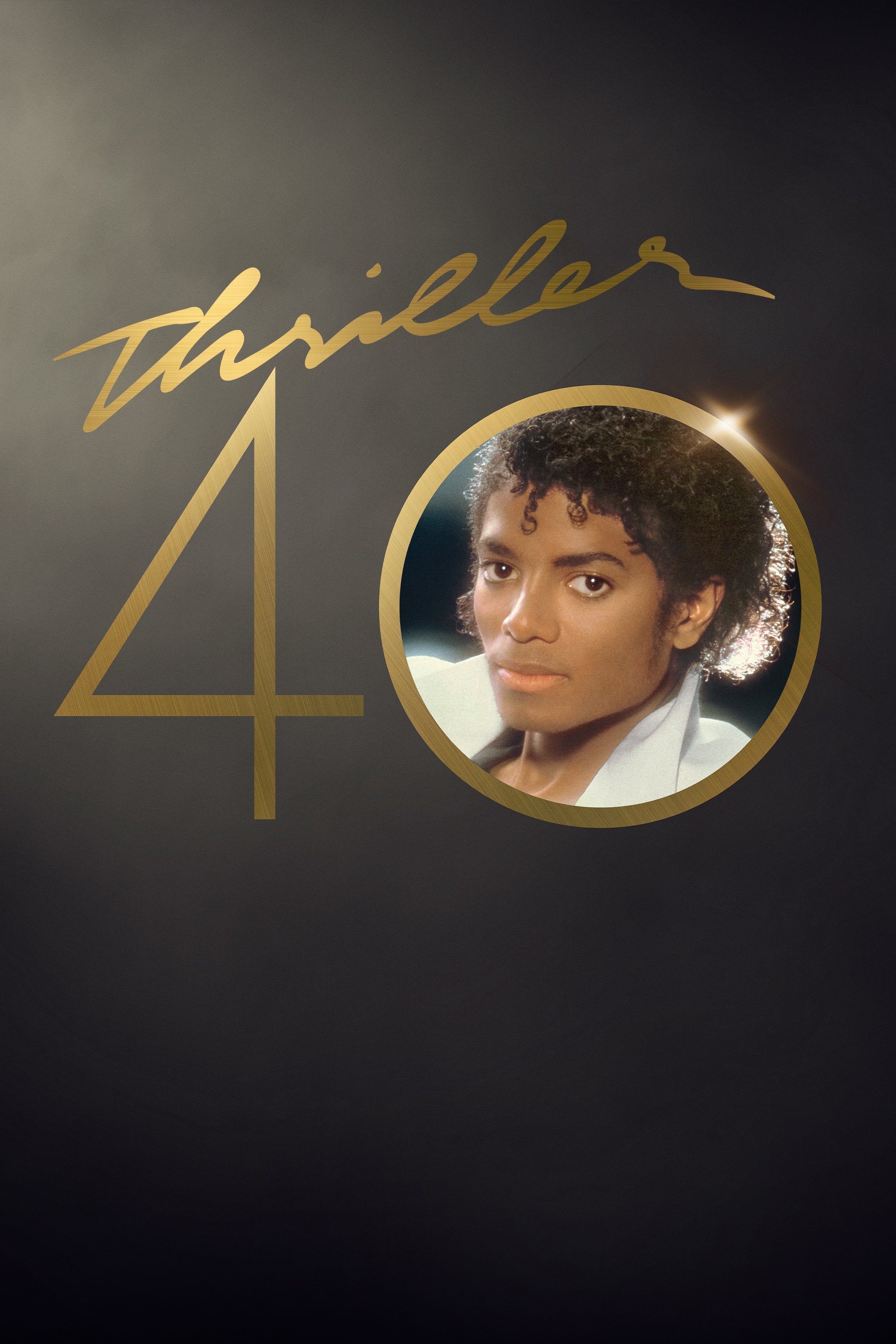
Forty years after the release of Michael Jackson’s ‘Thriller,’ the best-selling album of all-time, director Nelson George takes fans back in time to the making of a pop masterpiece, featuring never-before-seen footage and candid interviews.
A personal and intimate look into Demi Lovato's life as not only a regular 25 year old, but also one of the biggest pop stars in the world.
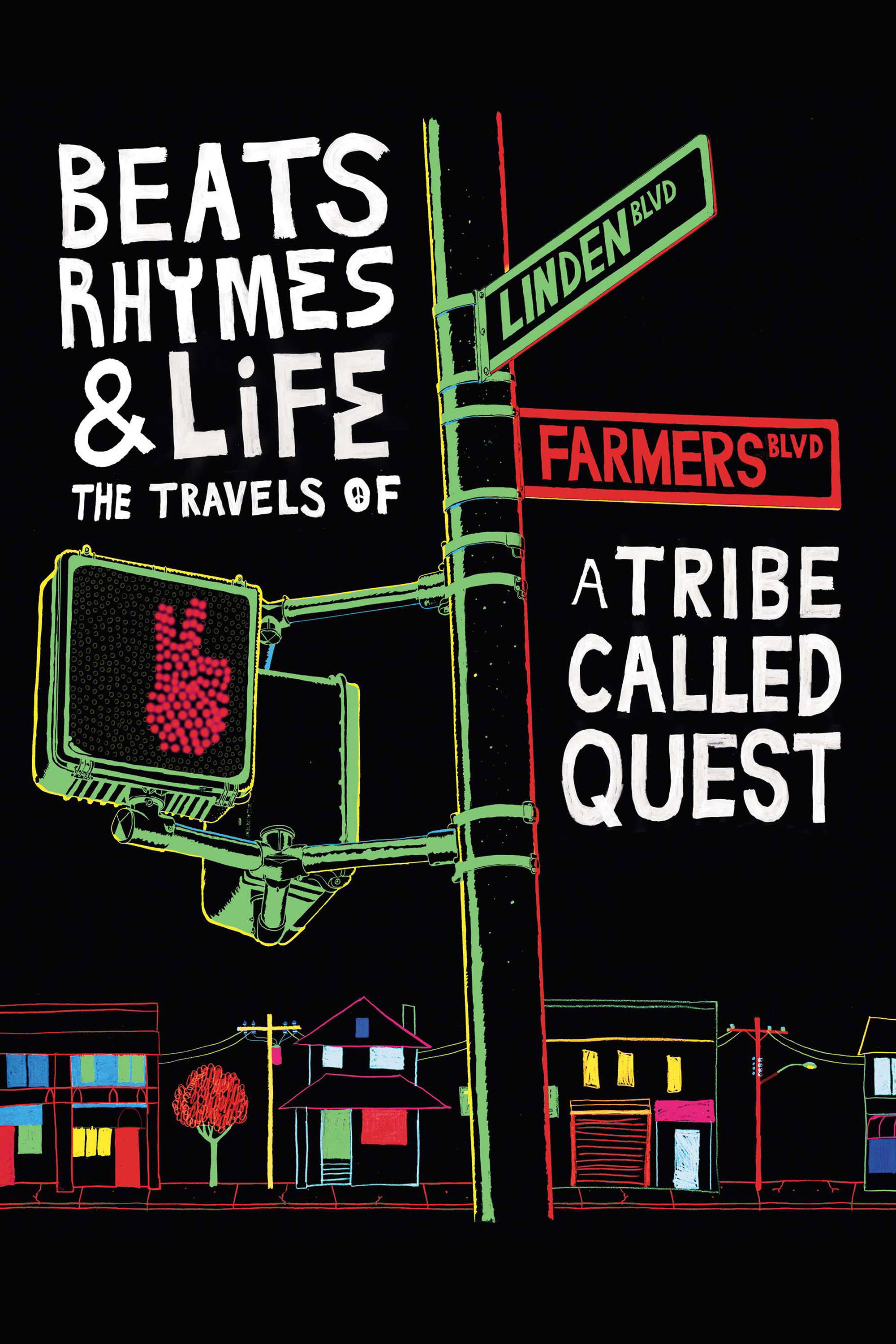
Having forged a 20-year run as one of the most innovative and influential hip hop bands of all time, the Queens NY collective known as 'A Tribe Called Quest' have kept a generation hungry for more of their groundbreaking music since their much publicized breakup in 1998. Michael Rapaport documents the inner workings and behind the scenes drama that follows the band to this day. He explores what's next for, what many claim, are the pioneers of alternative rap.
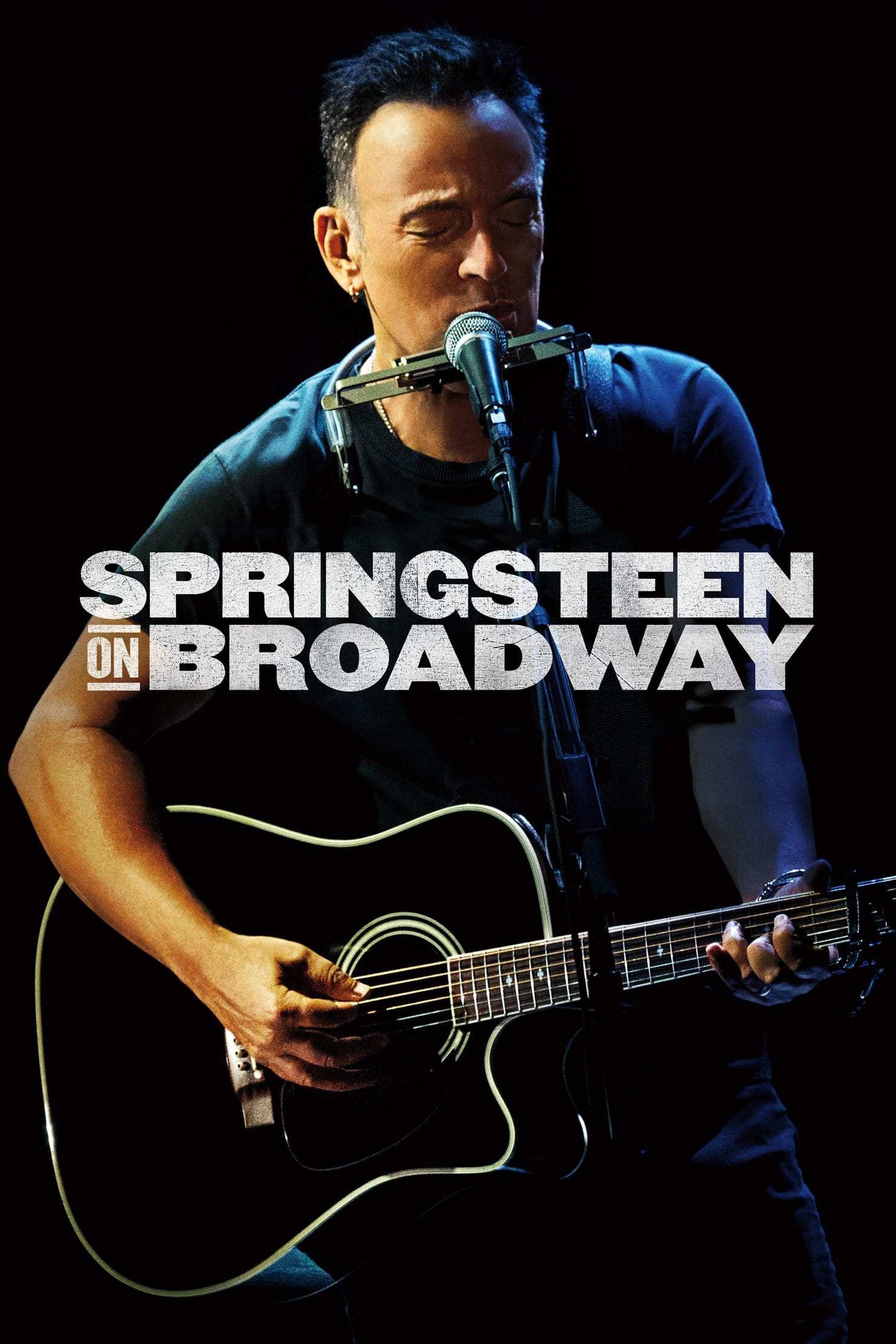
Bruce Springsteen shares personal stories from his life and acoustic versions of some of his best-known songs in an intimate one-man show.
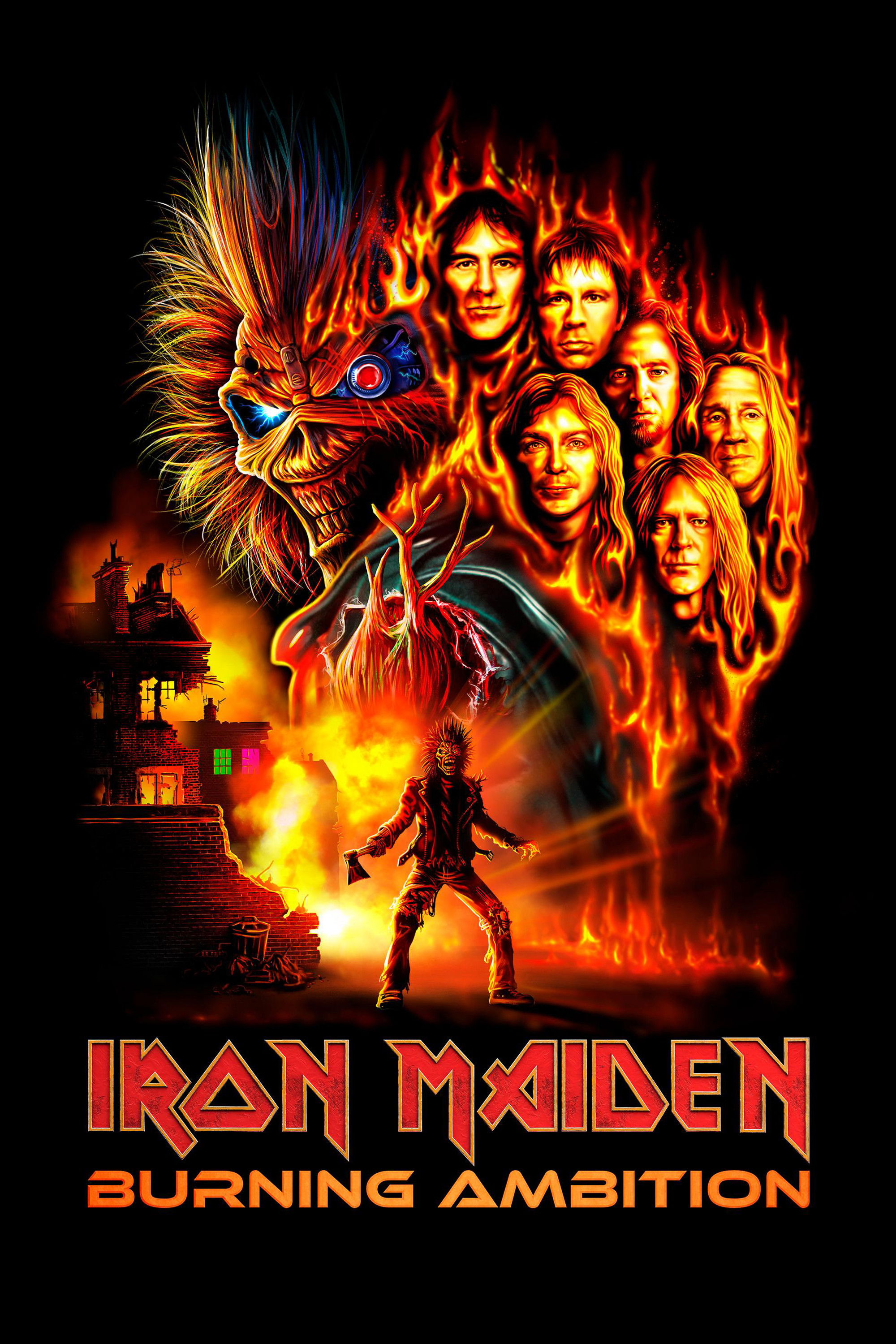
With unprecedented access to the official archives and intimate recollections from the band, both current and past, Iron Maiden: Burning Ambition invites fans to experience one of the most iconic journeys in music history. Spanning five decades, this electrifying documentary charts the band’s rise from the pubs of East London to the world’s biggest stadiums. Featuring exclusive interviews with band members and contributors such as Javier Bardem, Lars Ulrich and Chuck D, as well as all-new animated sequences of the band's legendary mascot, Eddie, the film offers a rare and intimate look at Iron Maiden’s uncompromising vision and unwavering connection with their truly global army of fans.
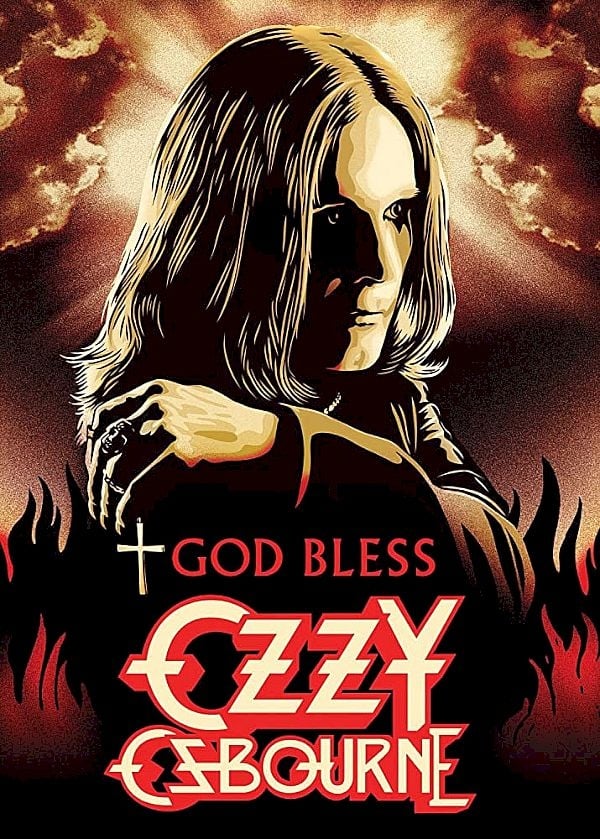
Featuring never before seen footage uncovered from the archives and interviews with Paul McCartney, Tommy Lee and others, God Bless Ozzy Osbourne is the first documentary to take viewers inside the complex mind of rock's great icon.
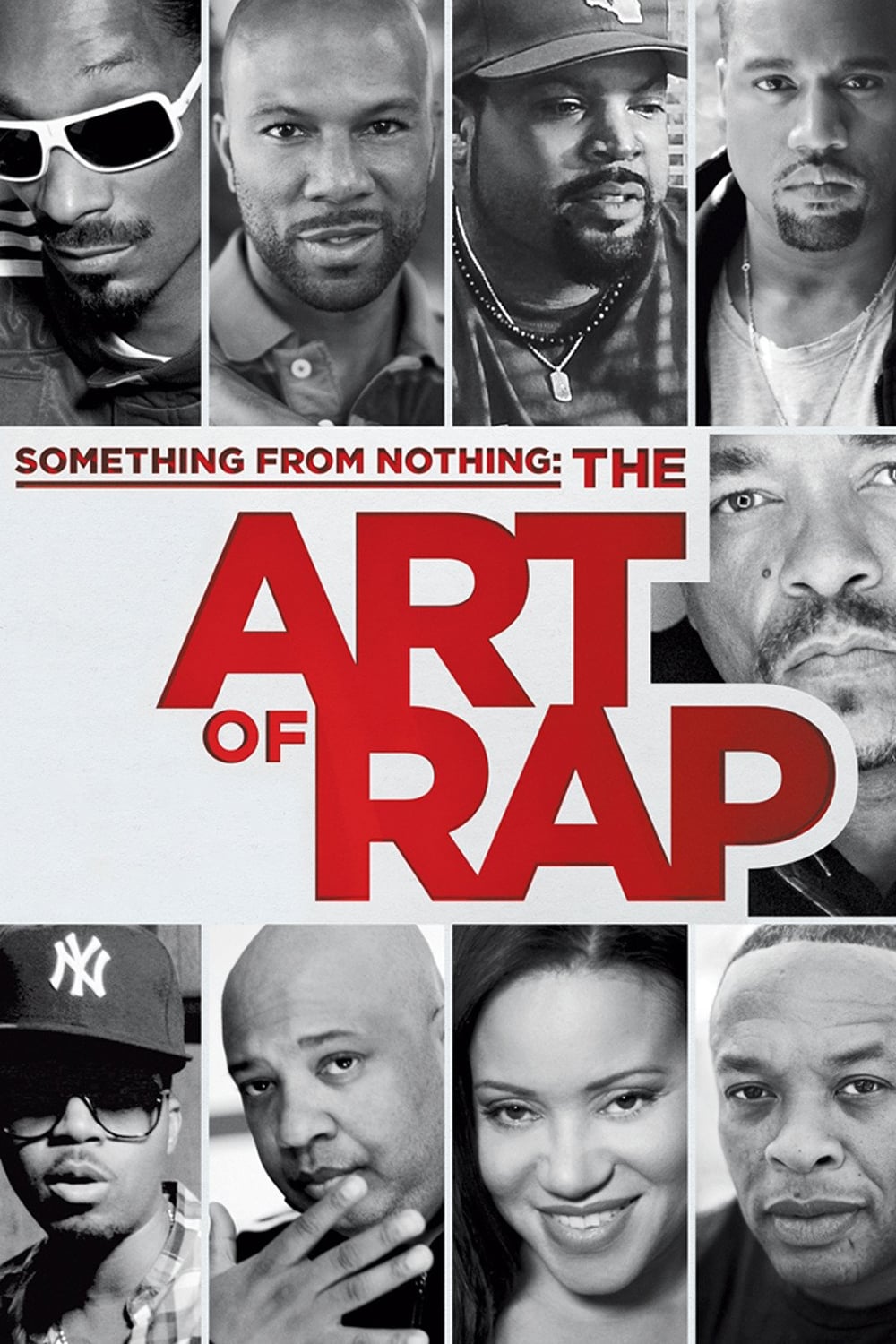
SOMETHING FROM NOTHING: THE ART OF RAP is a feature length performance documentary about the runaway juggernaut that is Rap music. At the wheel of this unstoppable beast is the film's director and interviewer Ice-T. Taking us on a deeply personal journey Ice-T uncovers how this music of the street has grown to dominate the world. Along the way Ice-T meets a whole spectrum of Hip-Hop talent, from founders, to new faces, to the global superstars like Eminem, Dr Dre, Snoop Dogg and Kanye West. He exposes the roots and history of Rap and then, through meeting many of its most famous protagonists, studies the living mechanism of the music to reveal 'The Art Of Rap'. This extraordinary film features unique performances from the entire cast, without resorting to archive material, to build a fresh and surprising take on the phenomenon that is Rap.
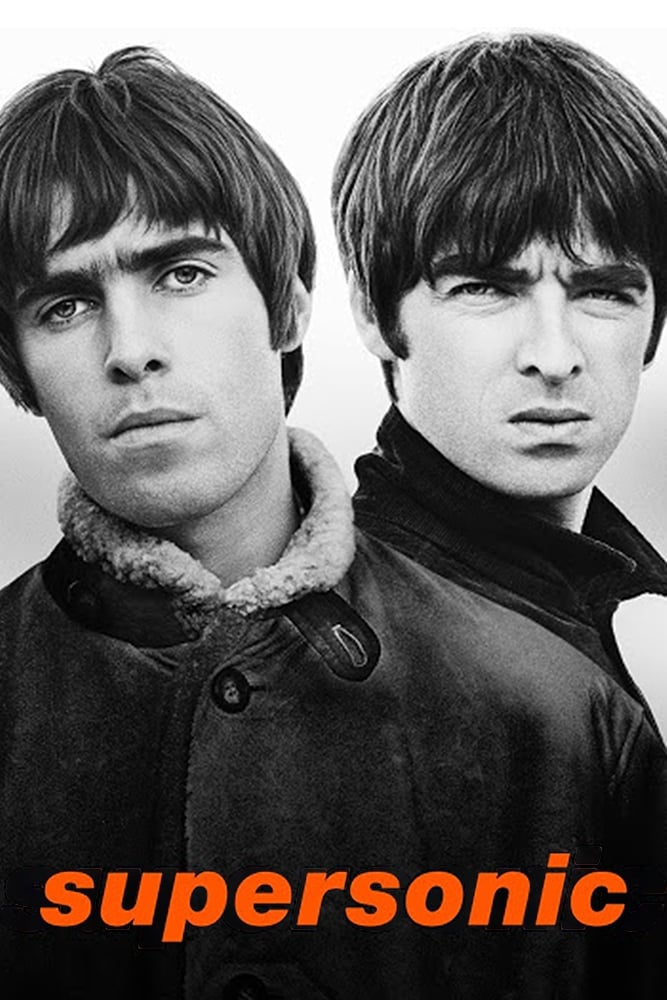
Supersonic charts the meteoric rise of Oasis from the council estates of Manchester to some of the biggest concerts of all time in just three short years. This palpable, raw and moving film shines a light on one of the most genre and generation-defining British bands that has ever existed and features candid new interviews with Noel and Liam Gallagher, their mother, and members of the band and road crew.
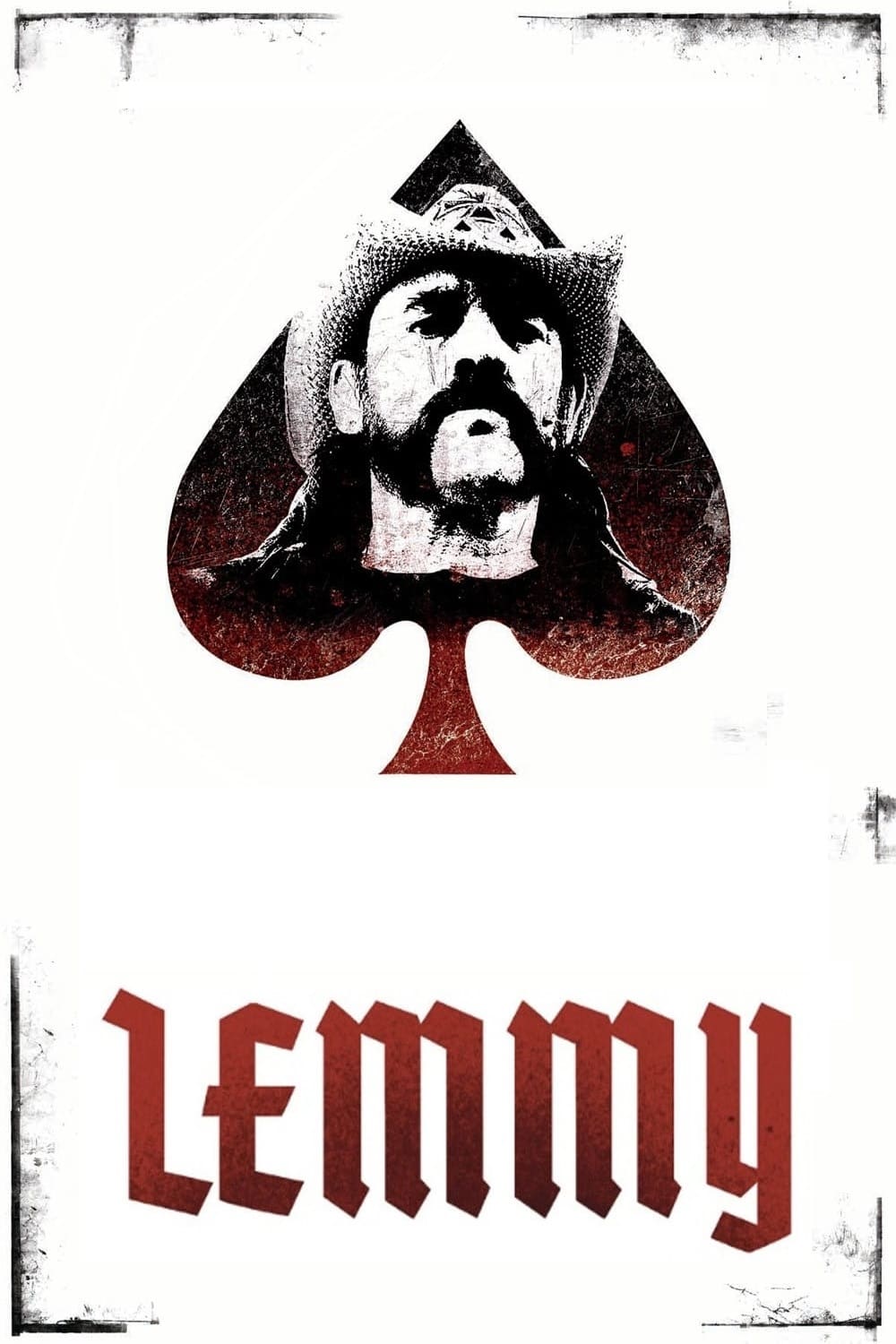
Over four decades, Motorhead frontman Lemmy Kilmister has registered an immeasurable impact on music history. Nearly 65, he remains the living embodiment of the rock and roll lifestyle, and this feature-length documentary tells his story, one of a hard-living rock icon who continues to enjoy the life of a man half his age.
An inside look at one of the most anticipated movie sequels ever with James Cameron and cast.
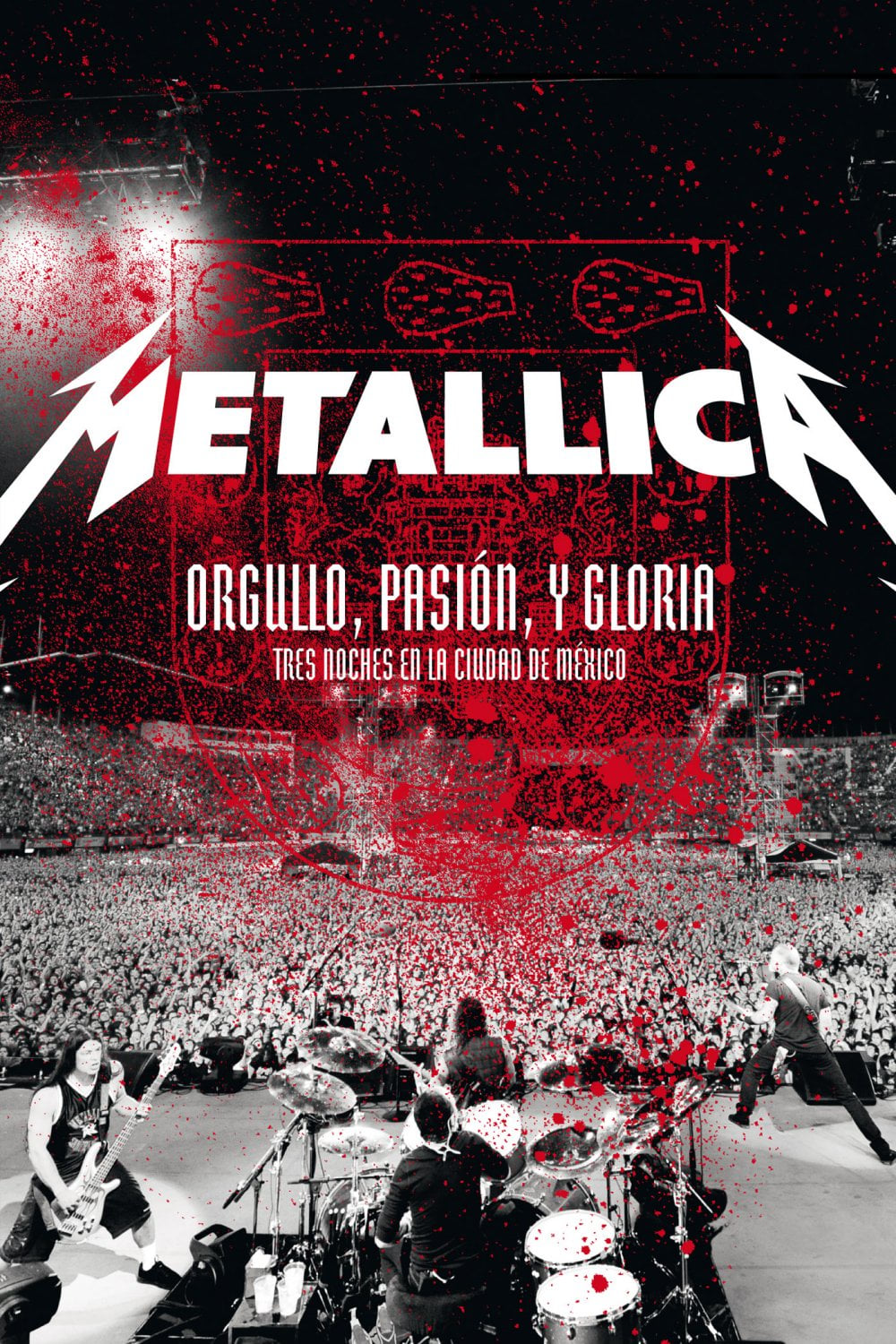
In June of this year we were fortunate enough to return to Mexico City for three sold out shows at Foro Sol Stadium and with 155,000 of you there over the three nights, we knew it would be extra special. So we asked our friend Wayne Isham to join us with a film crew and the results of that crazy, magical, most memorable long weekend are shown here on this single disc pressing.
Through concert performances and interviews, this film offers us a comprehensive look at the British pioneer rock group, The Who. It captures their zany craziness and outrageous antics from the initial formation of the group in 1964 to 1978. It notably features the band's last performance with long-term drummer Keith Moon, filmed at Shepperton Studios in May 1978, three months before his death.