Social & External
The people behind it
Alfred Jahn
Himself
A German Documentary about the “village of friendship” that was created by American Veteran George Mizo to help the Vietnamese kids suffering from the Vietnam War.
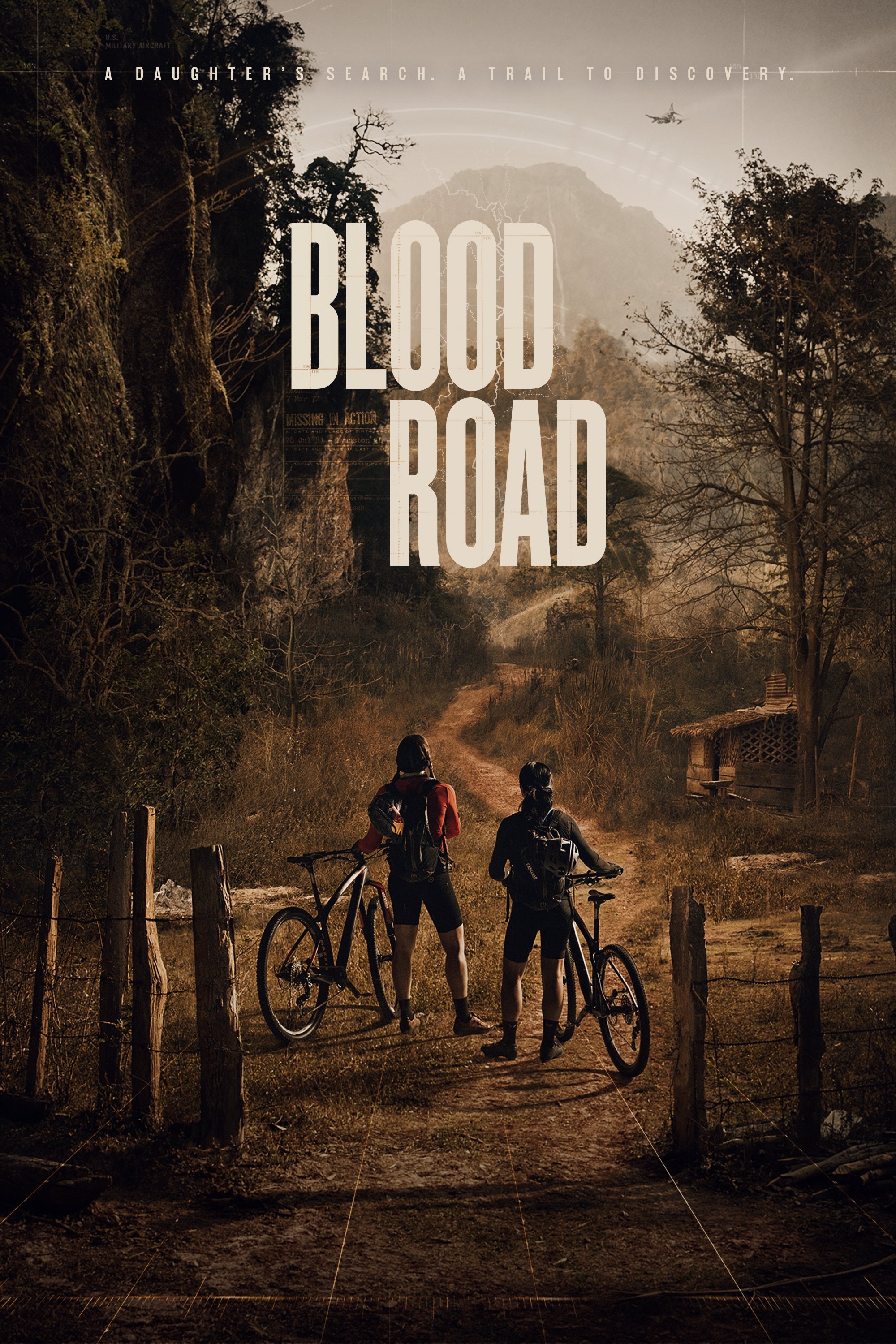
Blood Road follows the journey of ultra-endurance mountain bike athlete Rebecca Rusch and her Vietnamese riding partner, Huyen Nguyen, as they pedal 1,200 miles along the infamous Ho Chi Minh Trail through the dense jungles of Vietnam, Laos, and Cambodia. Their goal: to reach the site where Rebecca’s father, a U.S. Air Force pilot, was shot down in Laos more than 40 years earlier.
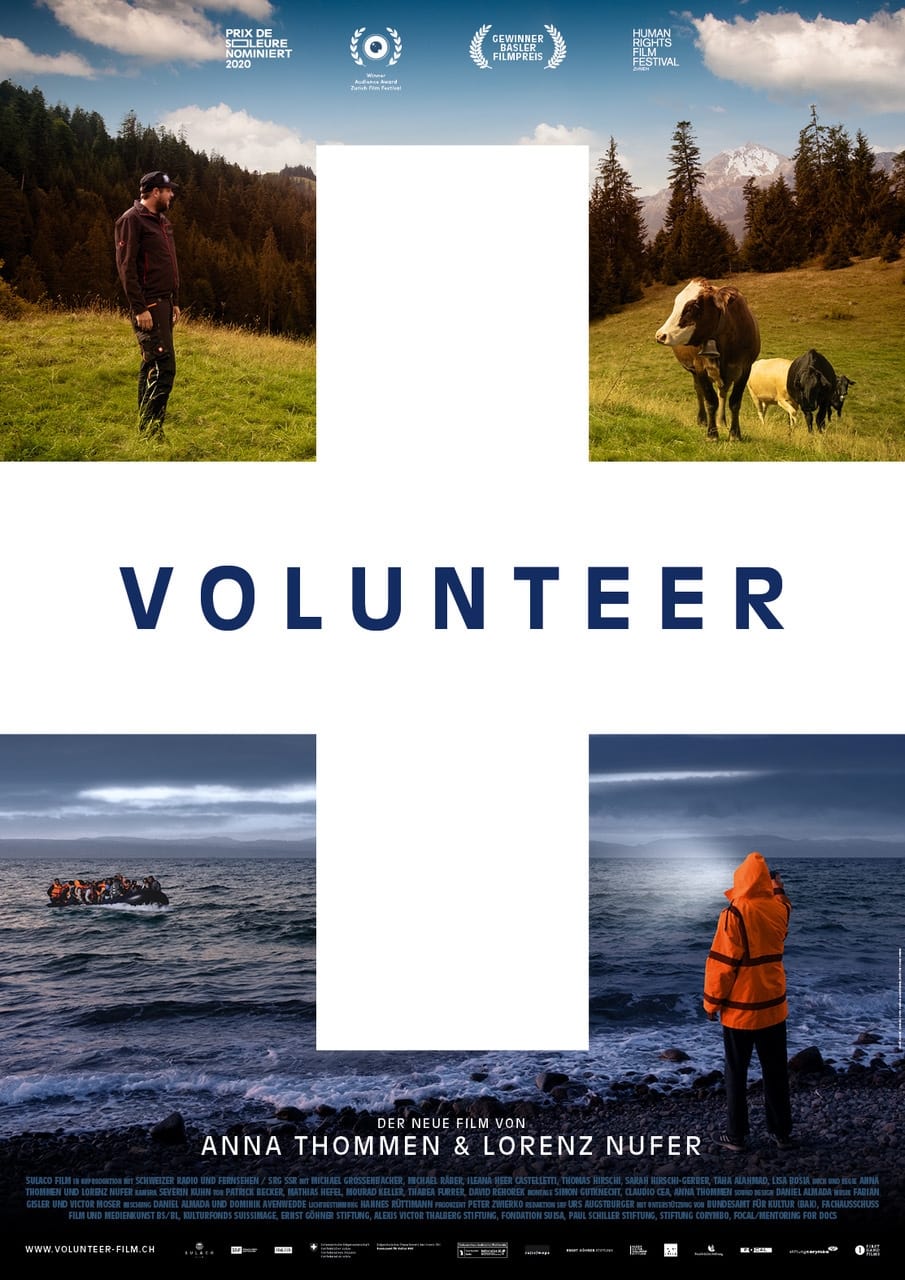
A film about the unprecedented Swiss grassroots movement of regular citizens who rise to aid thousands of refugees stranded at the European borders. In rich and safe Switzerland people from all backgrounds leave their regular life behind to support people in need. There is a Swiss farmer and his wife who keep cows in the Swiss Alps, a former commander of the Swiss Army, an elder rich lady residing at the lakeside, and a successful comedian and entertainer. These unexperienced volunteers take on an adventure that will change their lives forever.
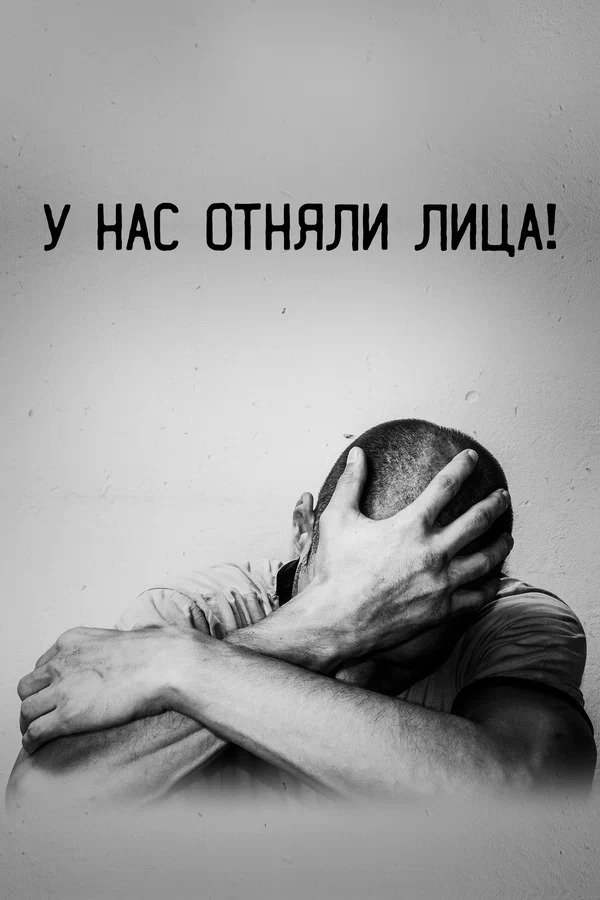
The film tells the story of modern slavery from the perspective of the only Russian organization carrying out mass rescue missions both within the country and abroad.
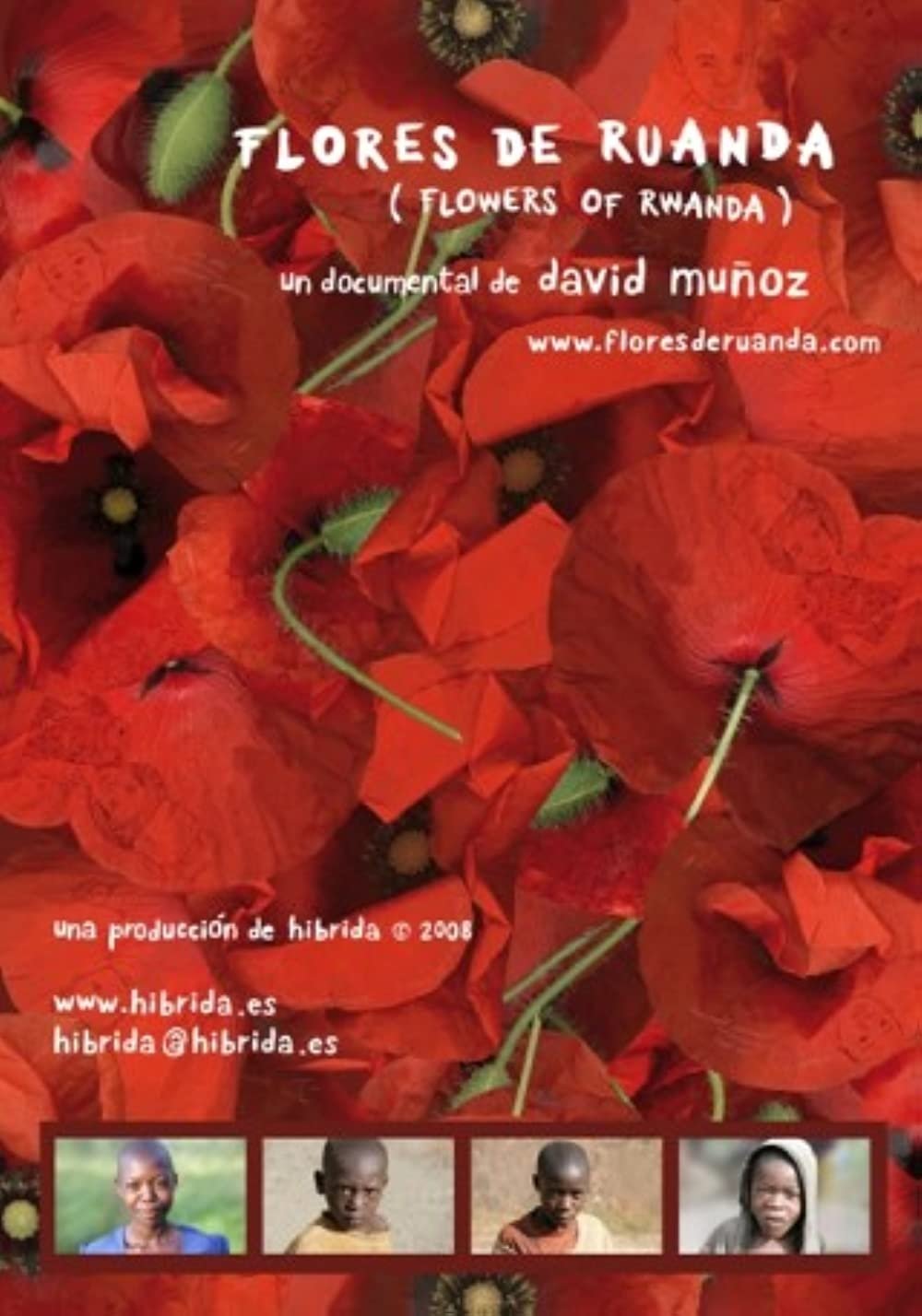
Rwanda. 14 years after the genocide that took the lives of more than 800,000 people. What situation is the country in now? What feelings reign in the hearts of the victims? Can victims and executioners coexist? What value does education have in a society that has experienced genocide? Can it happen again? Who should act when a genocide is taking place? Do we have any responsibility as individuals?
Each day, men from various parts of Asia make a stop in Ho Chi Minh City (Saigon) where they embark on their search for a perfect match. Using verité footage and interviews, Match Made offers a glimpse into the intricate network of the buying and selling of women as brides from villages around Saigon.
More than 15 years after leaving the country, Eugène Murangwa, the former goalkeeper of the most popular club in Rwanda and national team, returns to his native land to pass on the values of a sport which saved him in 1994 to the young people of an association that he created with former football players. Illustrated with previously unseen archives, the film throws a new light on the history of Rwanda through football, a sport which served the “civilizing” mission of the colonizer, allowed the Hutu Power to mobilize the youth and helped the reconstruction of the country after the genocide.
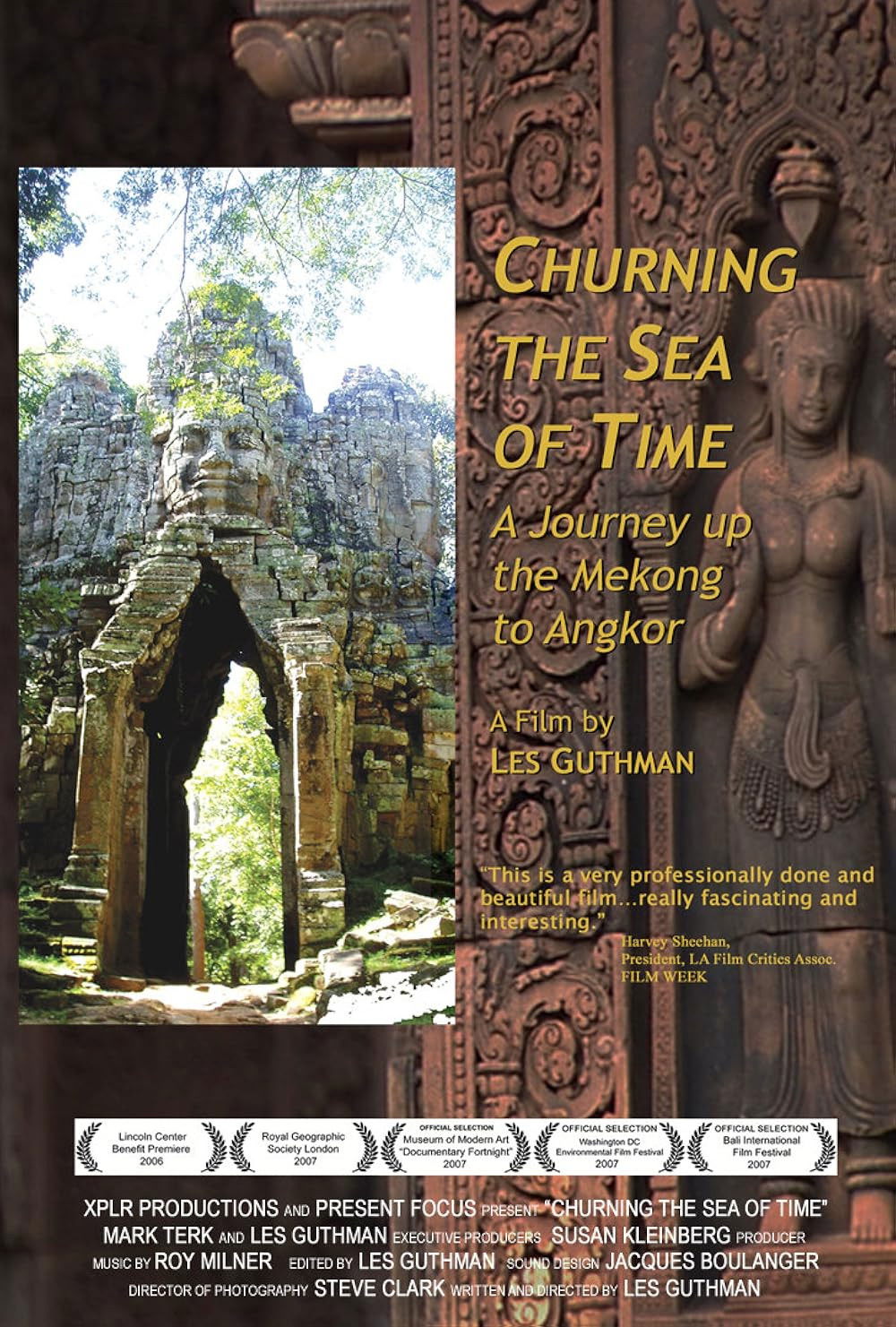
One of the mythic journeys of our time, through the exquisite, complicated, surprising terrain of Vietnam and Cambodia to the great ruins at Angkor - the magnificent Khmer temples being painstakingly restored deep in the Cambodian jungle. It is a high definition odyssey up a river far distanced in time from the corridor into the heart of darkness portrayed in Francis Coppola's "Apocalypse Now." In Angkor, the World Monuments Fund's John Stubbs and John Sanday describe their 15-year restoration of one of the jewels of a city called "the eighth wonder of the world." As we go inside the 12th Century temple complex of Preah Khan, along with the other major sites of Angkor Wat, Bayon and Banteay Srei, we learn that the story of their work in Angkor is not only a story of the rebirth of Angkor after the horrors of the Khmer Rouge Era, but it also is a story of the rebirth of Cambodia.
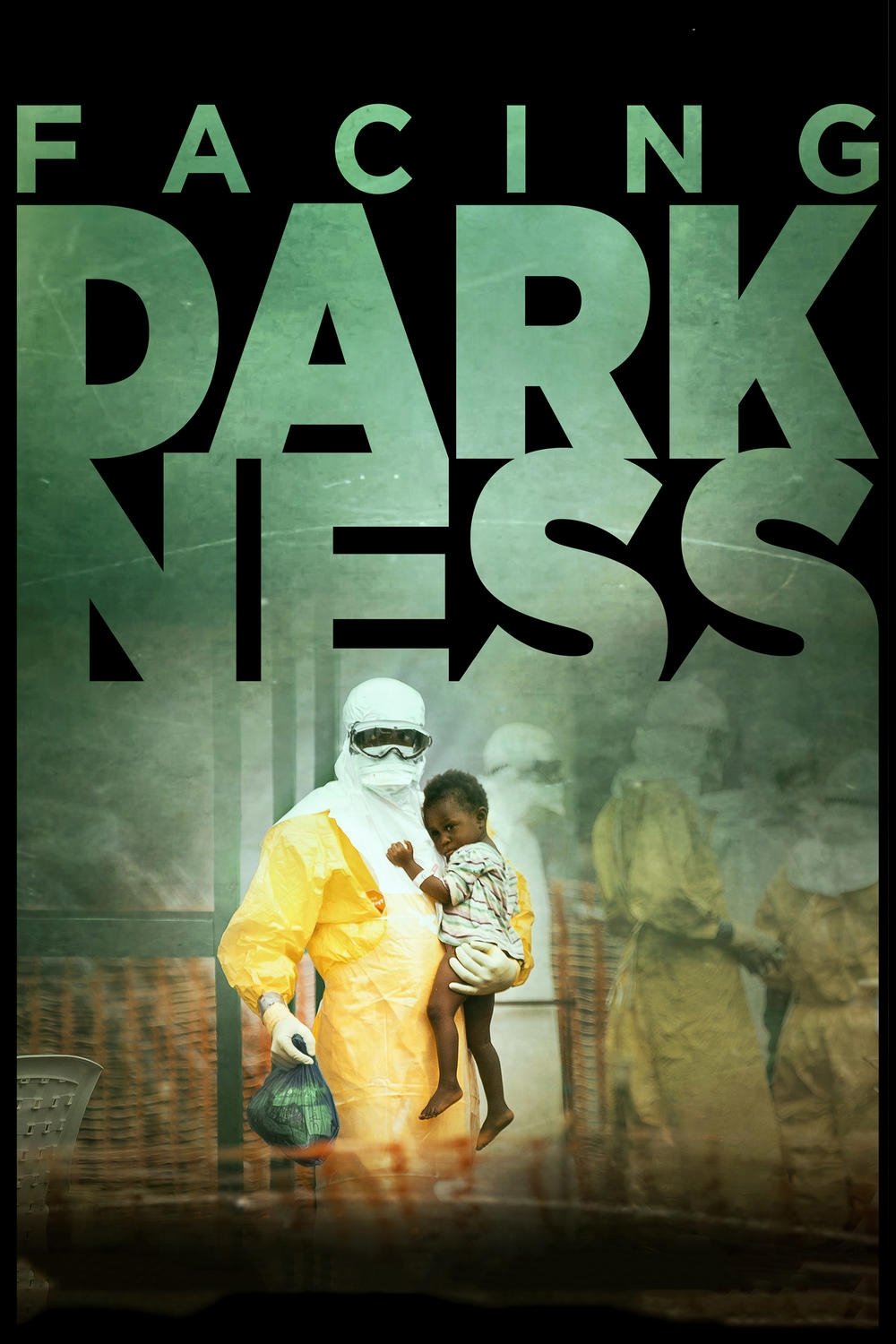
A Christian relief organization is met with the challenge of fighting the Ebola epidemic in west Africa, through this enormous challenge their faith grew.
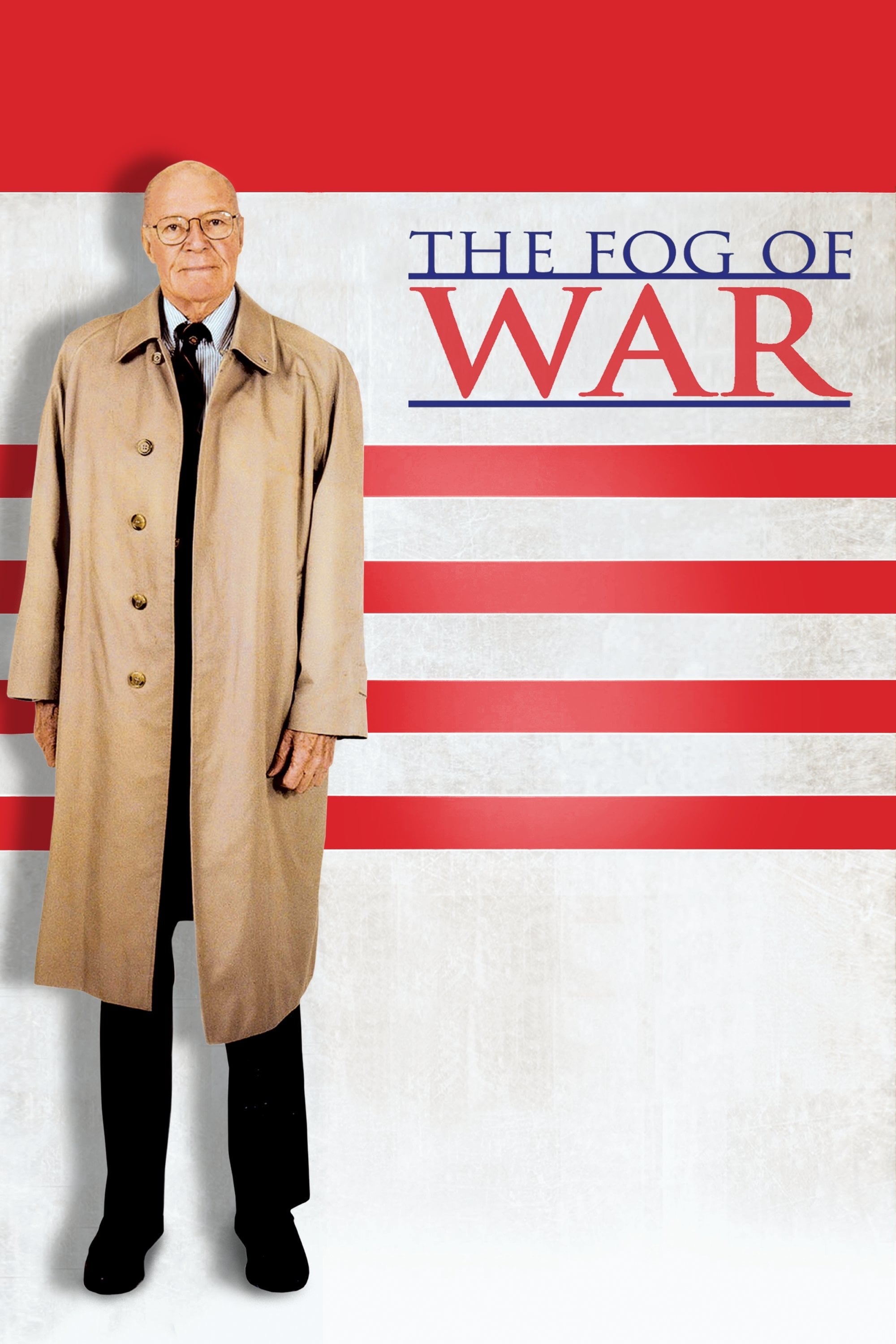
Using archival footage, cabinet conversation recordings, and an interview of the 85-year-old Robert McNamara, The Fog of War depicts his life, from working as a WWII whiz-kid military officer, to being the Ford Motor Company's president, to managing the Vietnam War as defense secretary for presidents Kennedy and Johnson.
When three heroic American doctors — Palestinian, Jewish, and Zoroastrian — enter Gaza to save lives in the middle of a genocide, they find themselves caught between medicine and politics, risking everything to expose the truth.
A portrait of a Vietnamese-Canadian family opening up a restaurant and cocktail bar in Calgary's Chinatown, amid the COVID-19 pandemic.
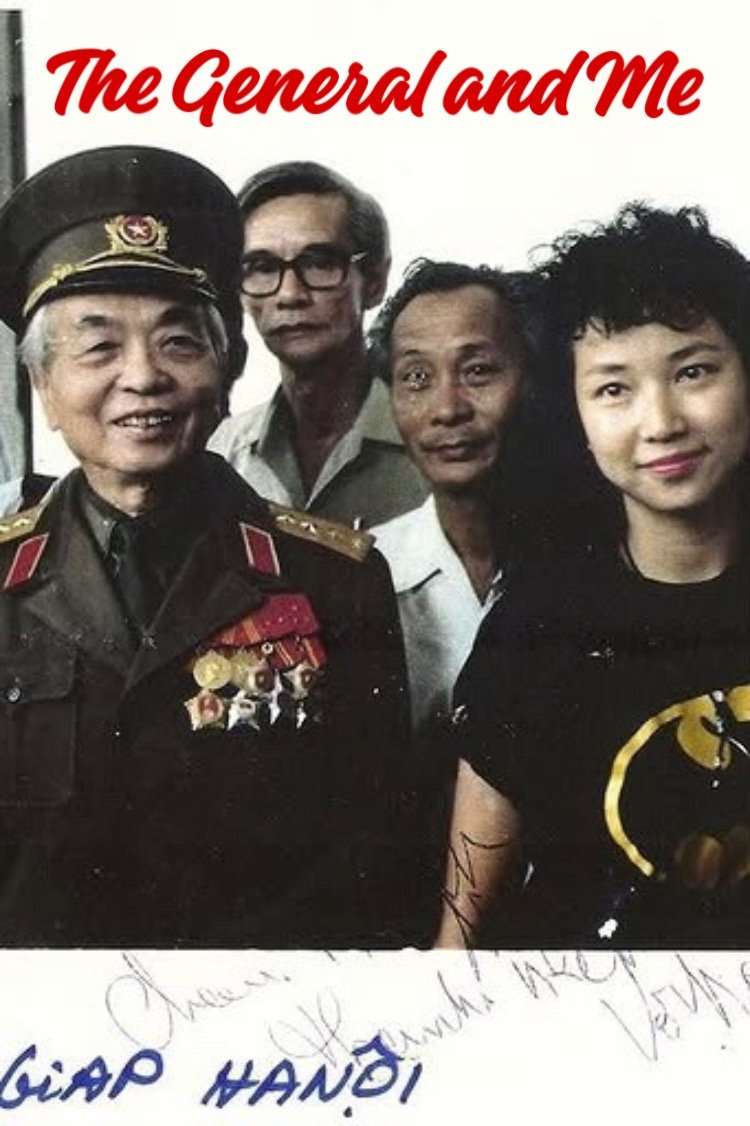
Over the period of 25 years the director met General Võ Nguyên Giáp, a legendary hero of Vietnam’s independence wars, a number of times. She was the first American who entered the home of the “Red Napoleon”. The fruit of this friendship is a film, personal and politically involved at the same time. Travelling across the country and talking to important figures as well as ordinary people, the director finds out more about her roots and offers the audience a unique perspective on Vietnam’s present and past.
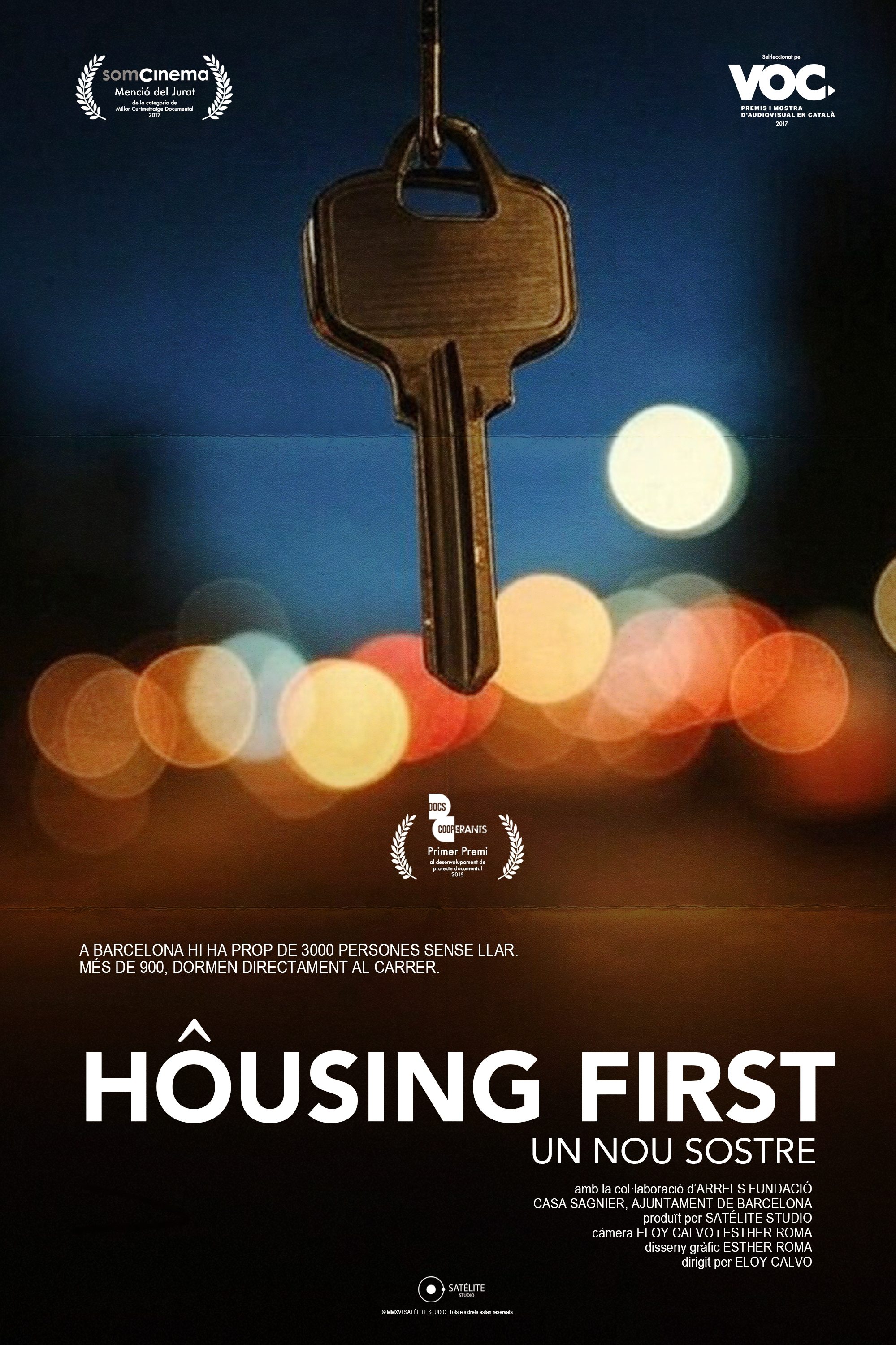
Arrels Fundació's experience with housing first in the city of Barcelona, a policy that offers permanent housing to homeless people. The documentary features both professionals and volunteers from Arrels, as well as people like Lluís, Pedro, or Manuel, who already have their own homes.
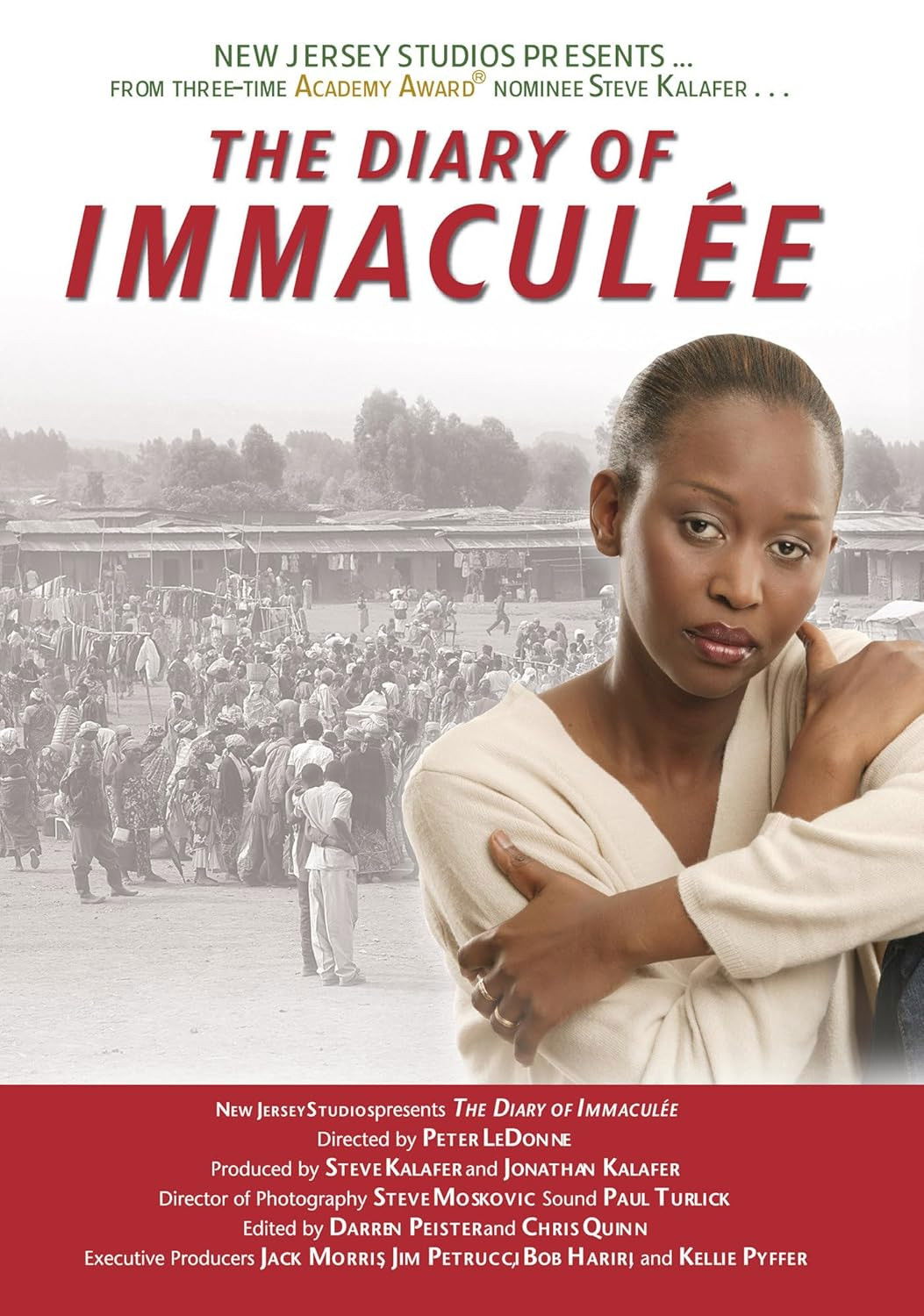
Peter LeDonne and Steve Kalafer chronicle the extraordinary life of Immaculée Ilibagiza, a young African woman who escaped genocide in Rwanda and ultimately found refuge in the United States. Seeking shelter with an Episcopalian minister, Immaculée hid from her attackers inside a bathroom for three long months but stayed centered through prayer and faith.
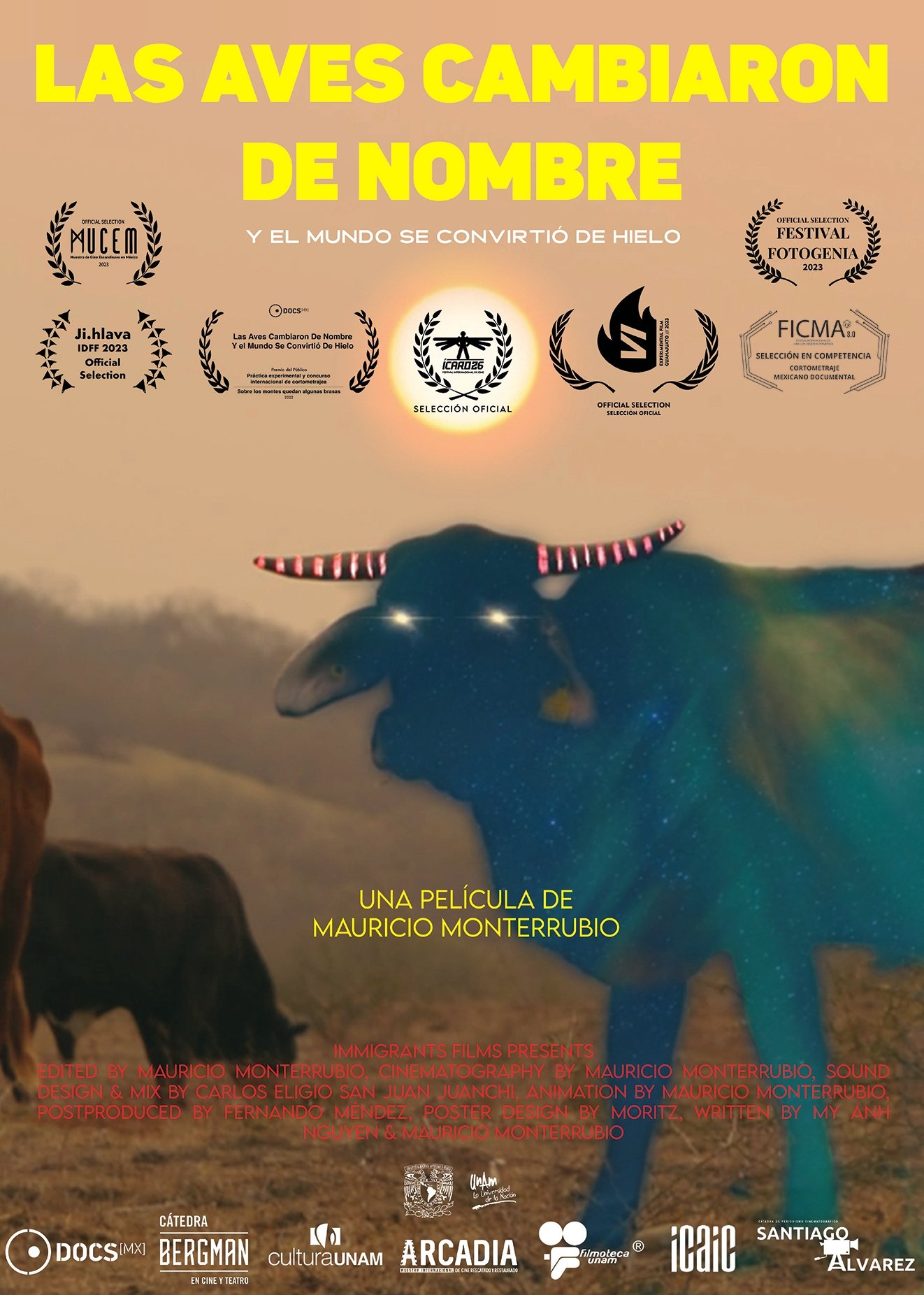
Migrant families experience violence, but they also keep beautiful memories when they arrive in new lands. Fantastic and intimate stories, recalled from childhood, travel across time and space, magically intermingling with the help of the four elements and breaking the boundaries of cinema.
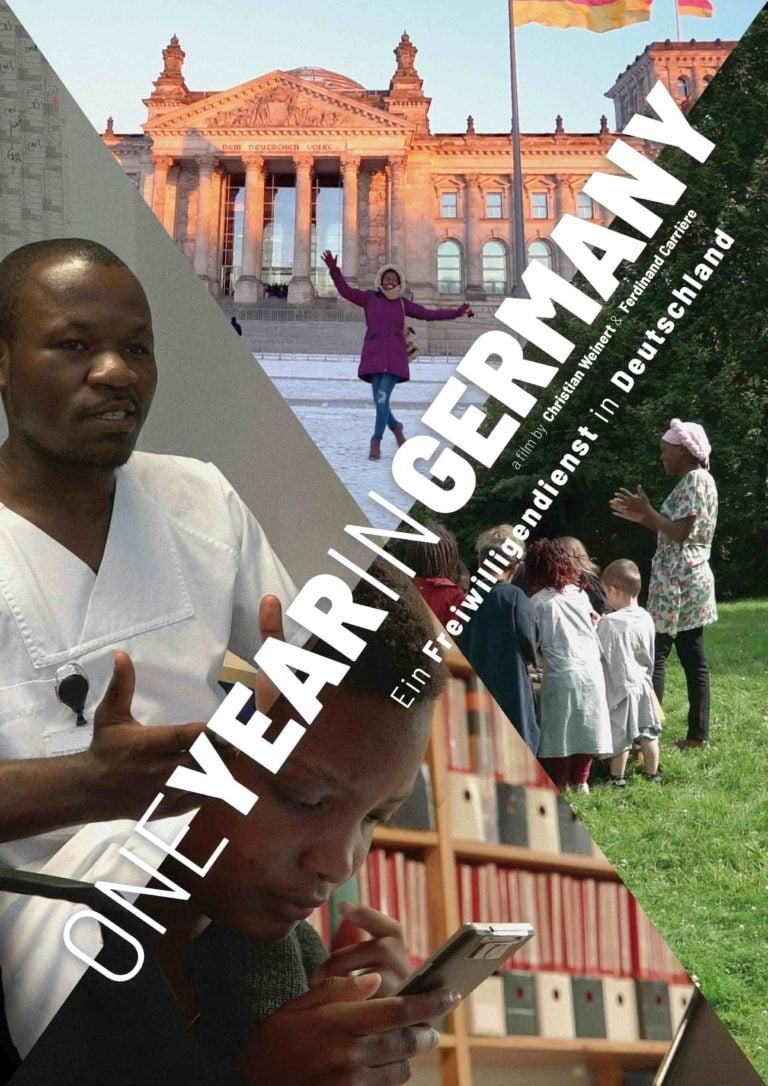
Four young people from Tanzania and Cameroon complete a year of weltwärts voluntary service in Germany. For each of them, it is their first visit in Europe. The film follows the volunteers throughout their year of service, it expresses different expectations, enthusiasm, goals and challenges. The volunteers describe subjectively their personal experiences as well as their view of Germany. The documentary is a thoughtful and exciting vision of the exchange program seen by four young people.
Coexist tells the emotional stories of women who survived the Rwandan genocide in 1994. They continue to cope with the loss of their families as the killers who created this trauma return from jail back to the villages where they once lived. Faced with these perpetrators on a daily basis, the victims must decide whether they can forgive them or not. Their decisions are unfathomable to many, and speak to a humanity that has survived the worst violence imaginable.
A string of threatening emails escalates into a revenge plot involving a newly married US marshal and his ex-girlfriend.
Rihanna invites you to a high energy and visually stunning experience where you can watch and shop her latest lingerie line. Hear from Rihanna, those closest to her, and go behind-the-scenes of the Savage X Fenty brand as you sit front row to see top artists and models featuring Travis Scott, Rosalia, Bad Bunny, Lizzo, Cara Delevingne, Miguel, Bella Hadid, Normani, Willow Smith and many more.
This revealing documentary honors the legendary Sidney Poitier—iconic actor, filmmaker, and civil rights activist. Featuring interviews with Denzel Washington, Spike Lee, Halle Berry, and more.
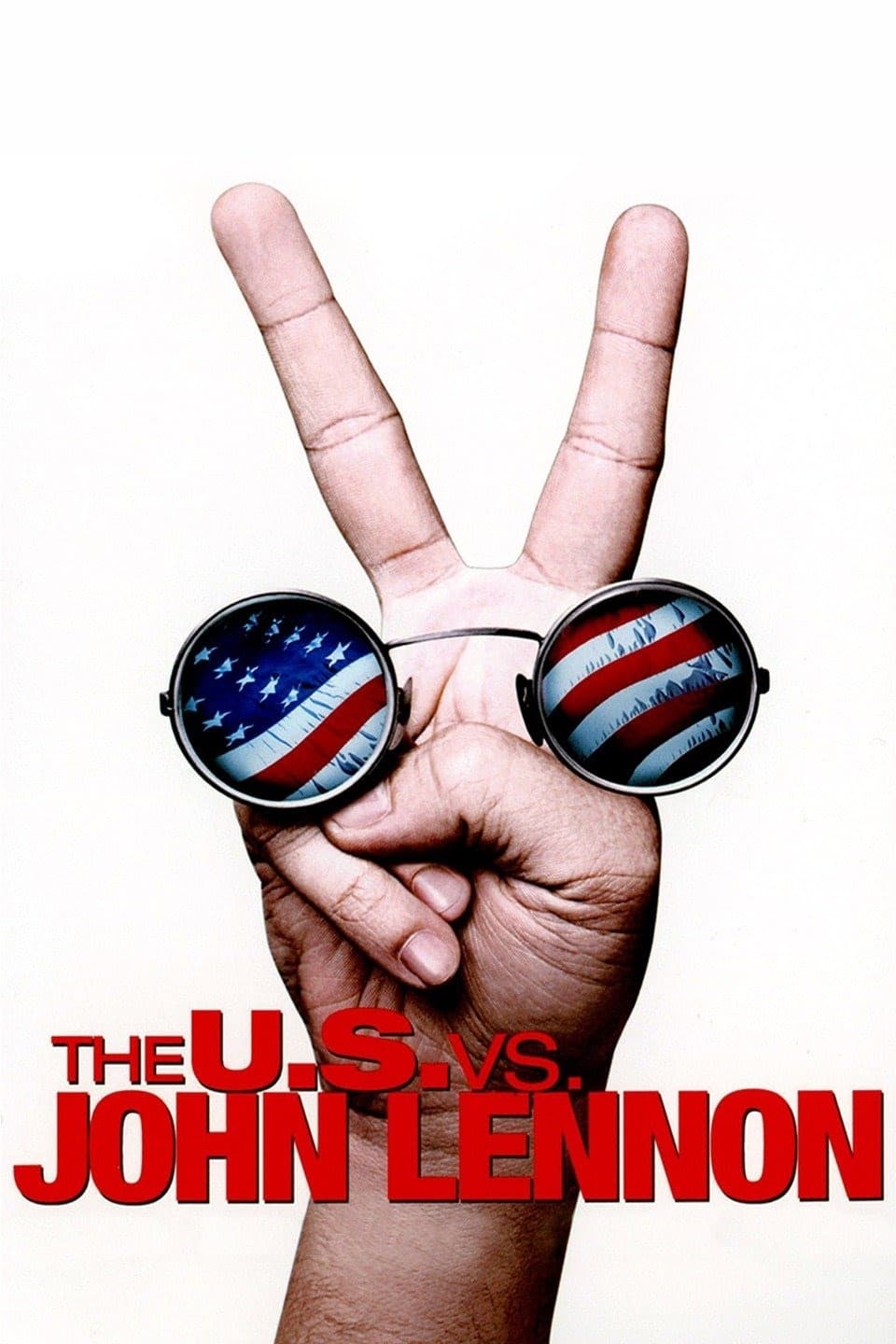
A documentary on the life of John Lennon, with a focus on the time in his life when he transformed from a musician into an antiwar activist.
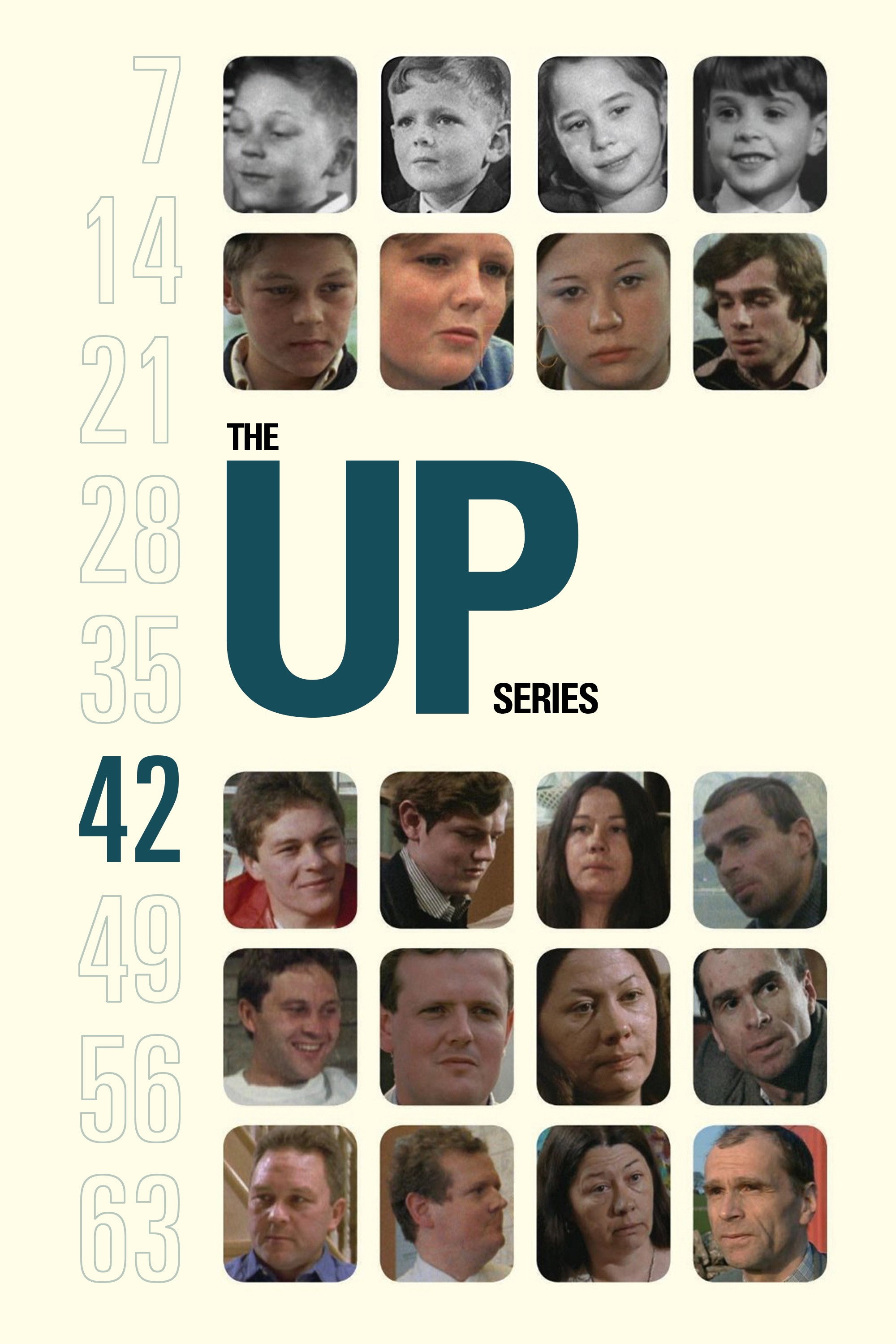
Director Michael Apted revisits the same group of British-born adults after a 7 year wait. The subjects are interviewed as to the changes that have occurred in their lives during the last seven years.
In an intimate and joyful story of love in the face of loss, celebrated poets Andrea Gibson and Megan Falley find strength—and unexpected hilarity—in what might be their final year together.
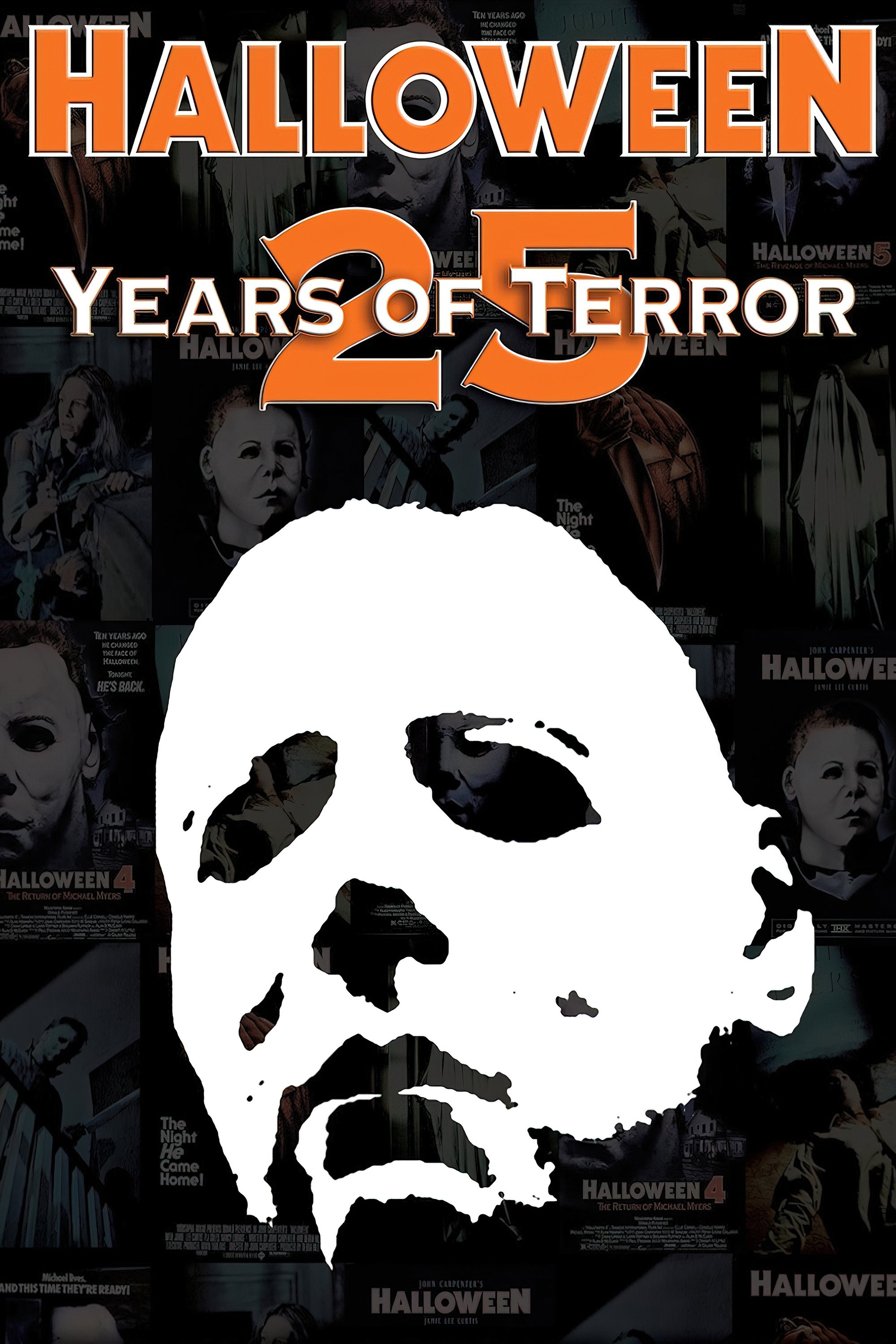
Follow the evolution of the 'Halloween' movies over the past twenty-five years. It examines why the films are so popular and revisits many of the original locations used in the films - seeing the effects on the local community. For the first time, cast, crew, critics and fans join together in the ultimate 'Halloween' retrospective.
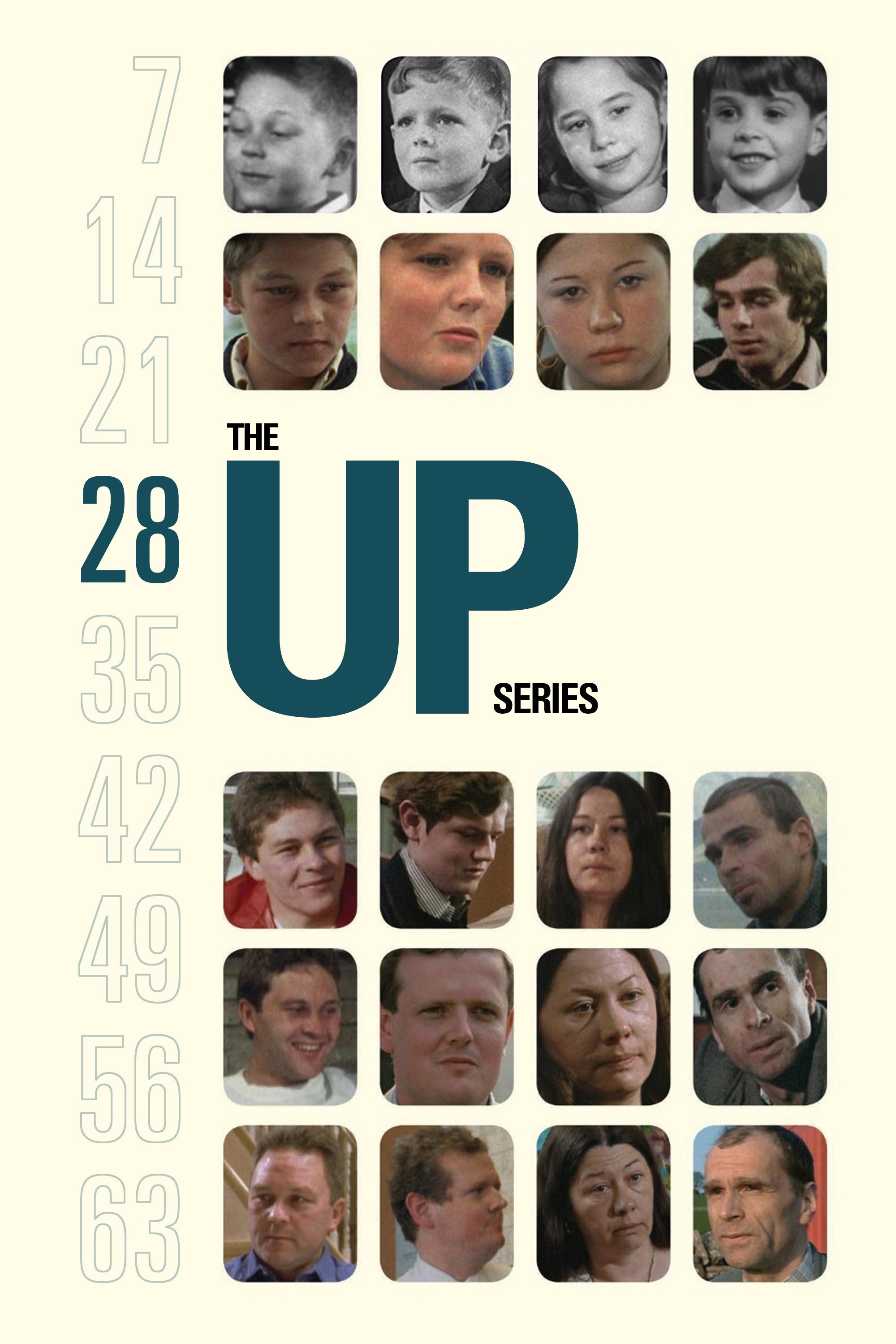
Just two years away from turning 30, participants in Michael Apted's documentary series are facing serious questions of identity and purpose, wondering whether they've found their place in the world.
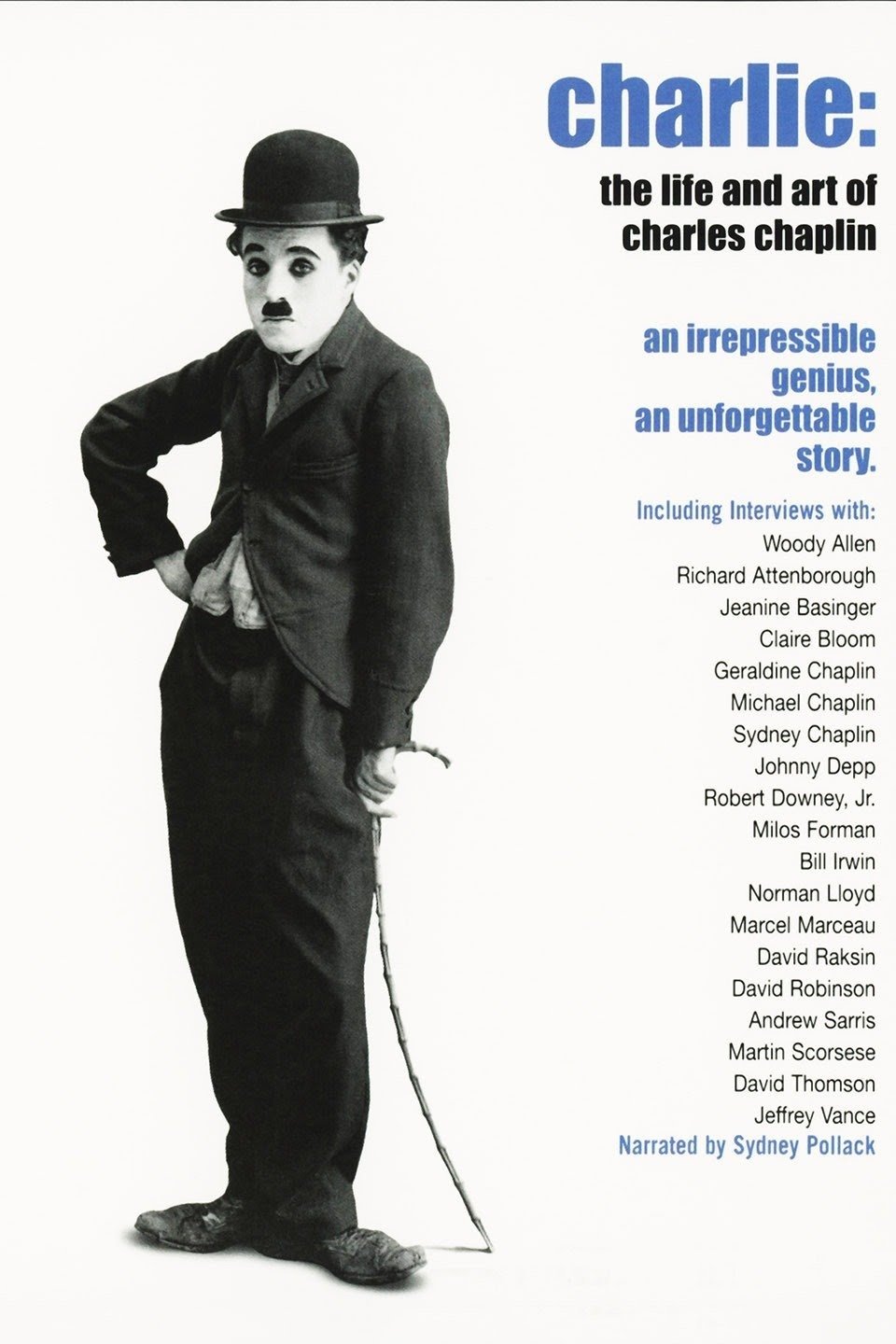
Brilliant, long in-the-works story of the life and art of the world's greatest comedian and the cinema's first genius, Charlie Chaplin. Produced, written and directed by renowned film critic Richard Schickel.
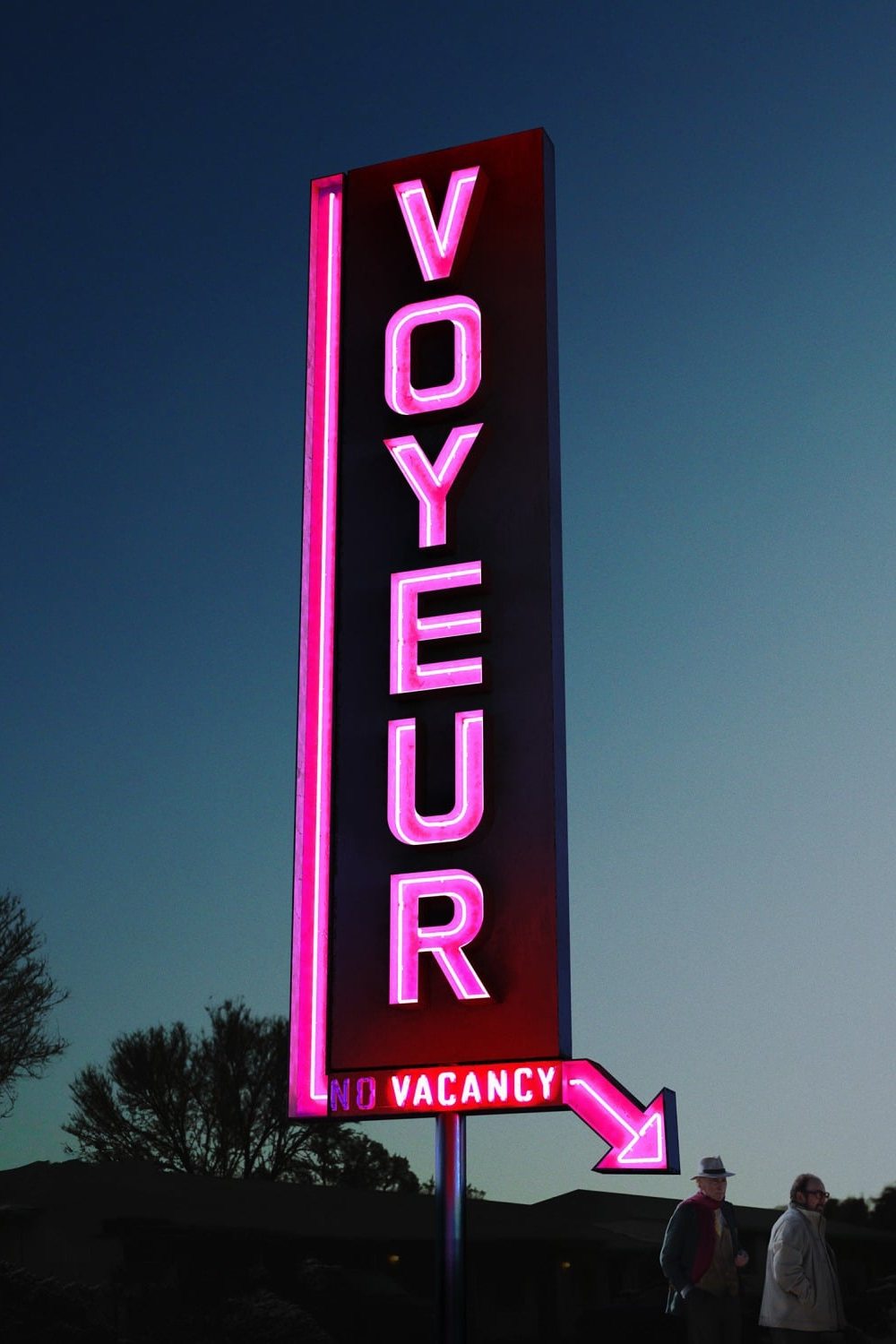
Legendary journalist Gay Talese unmasks a motel owner who spied on his guests for decades. But his bombshell story soon becomes a scandal of its own.
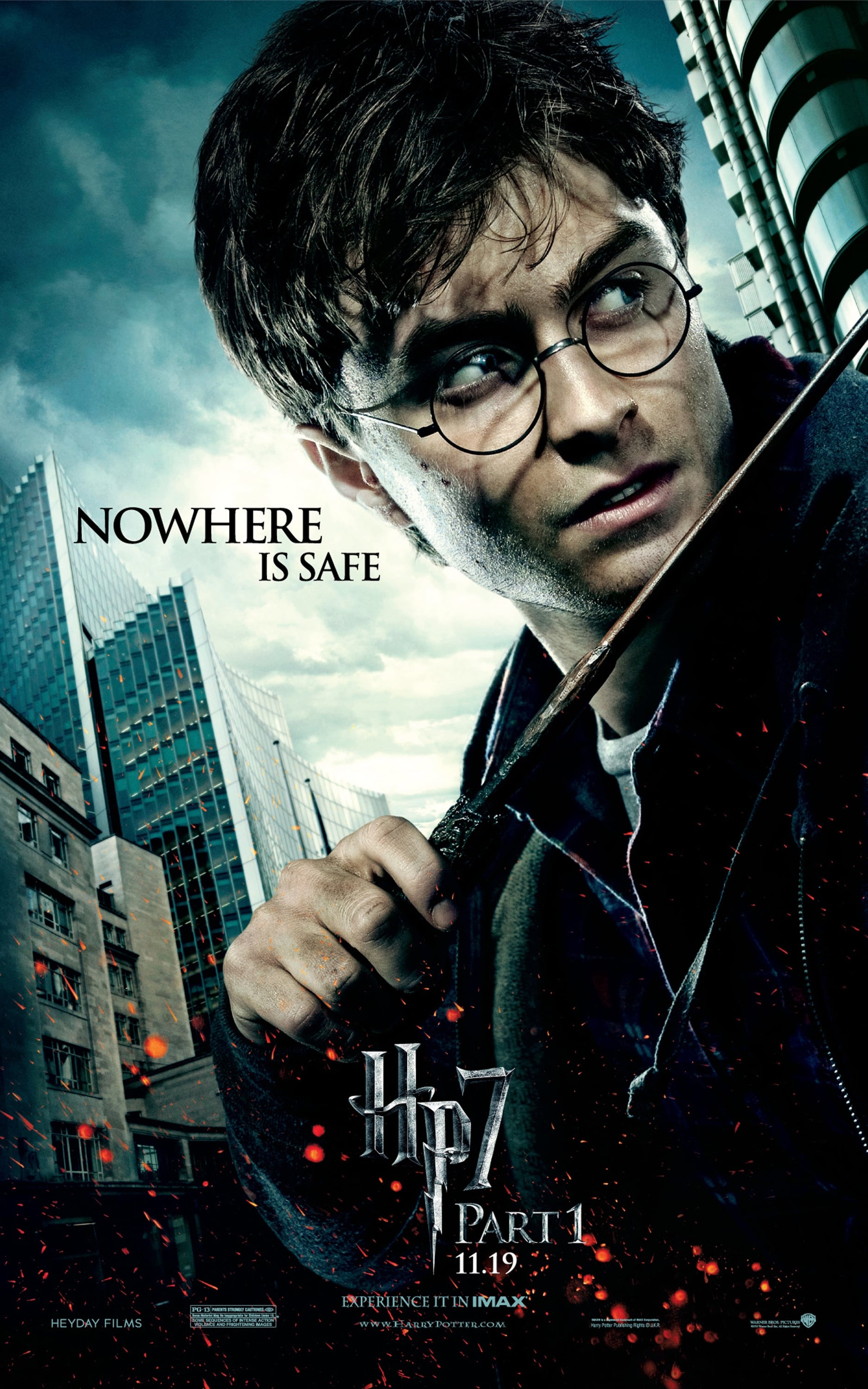
To mark the release two weeks ago of the eighth and final movie in the series, Robbie Coltrane narrates a countdown of the movie franchise's best moments. From Harry's first meeting with Ron and Hermione aboard the Hogwarts Express through to magical mysteries.
Ranjit, a farmer in India, takes on the fight of his life when he demands justice for his 13-year-old daughter, the victim of a brutal gang rape. His decision to support his daughter is virtually unheard of, and his journey unprecedented.
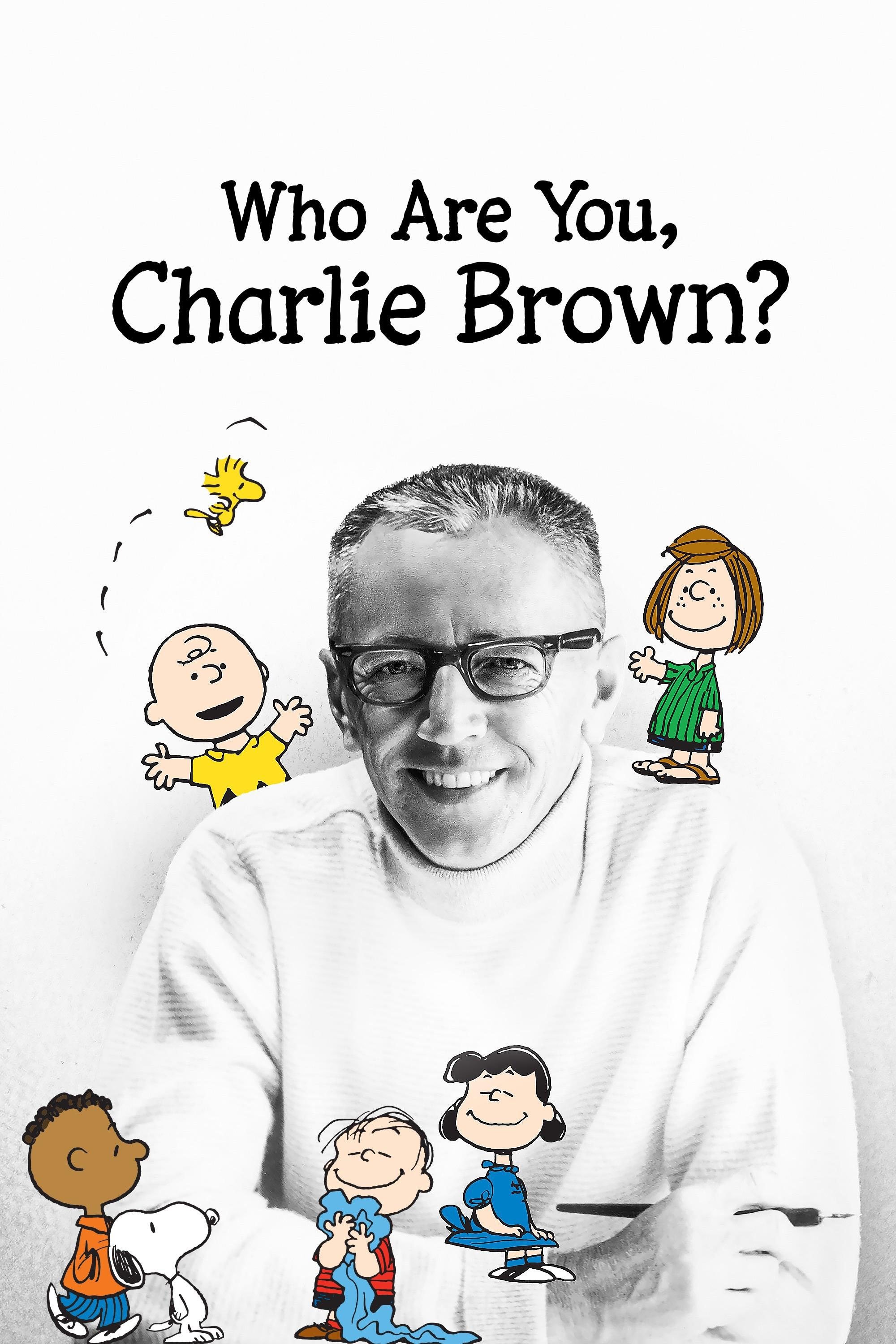
Lupita Nyong'o narrates a documentary about Peanuts and its creator, Charles M. Schulz. Famous fans—including Drew Barrymore, Kevin Smith, and Al Roker—share its influence on them, and a new animated story finds Charlie Brown on a quest.
Live Aid was held on 13 July 1985, simultaneously in Wembley Stadium in London, England, and the John F. Kennedy Stadium in Philadelphia, United States. It was one of the largest scale satellite link-ups and television broadcasts of all time: watched live by an estimated global audience of 1.9 billion, across 150 nations. "It's twelve noon in London, seven AM in Philadelphia, and around the world it's time for Live Aid...!"
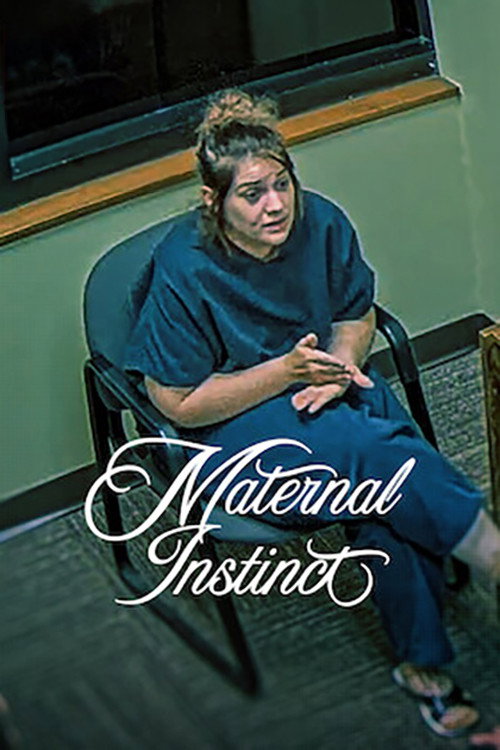
Police pull over a woman who claims she just gave birth. But the baby — and the blood — aren't hers. Twisted lies unravel in this true-crime documentary.
SEDUCED AND ABANDONED combines acting legend Alec Baldwin with director James Toback as they lead us on a troublesome and often hilarious journey of raising financing for their next feature film. Moving from director to financier to star actor, the two players provide us with a unique look behind the curtain at the world's biggest and most glamourous film festival, shining a light on the bitter-sweet relationship filmmakers have with Cannes and the film business. Featuring insights from directors Martin Scorsese, 'Bernando Bertolucci' and Roman Polanski; actors Ryan Gosling and Jessica Chastain and a host of film distribution luminaries.
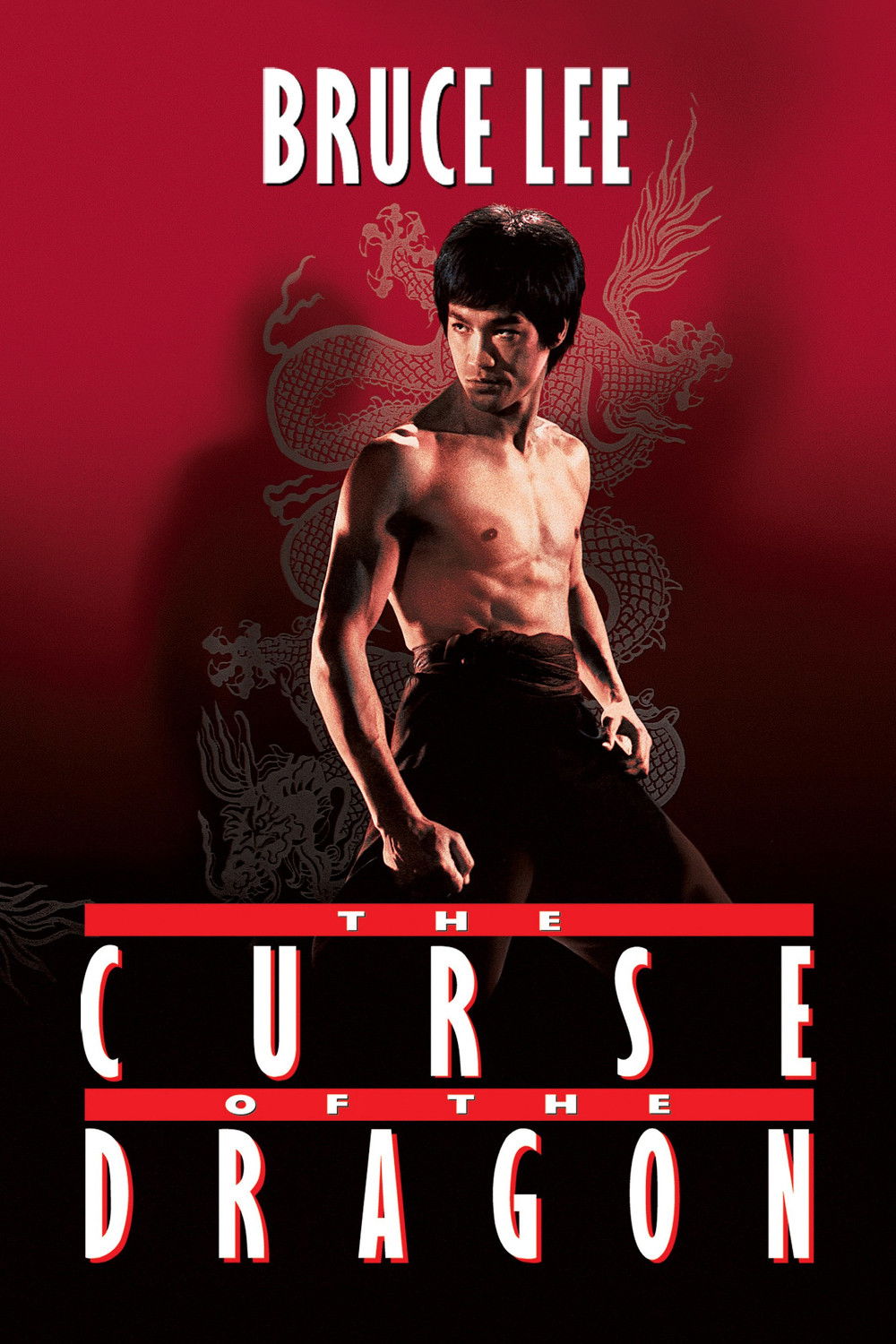
A 1993 documentary film about Bruce Lee. The film includes interviews from some of his fellow students and opponents who worked alongside him in his movies.
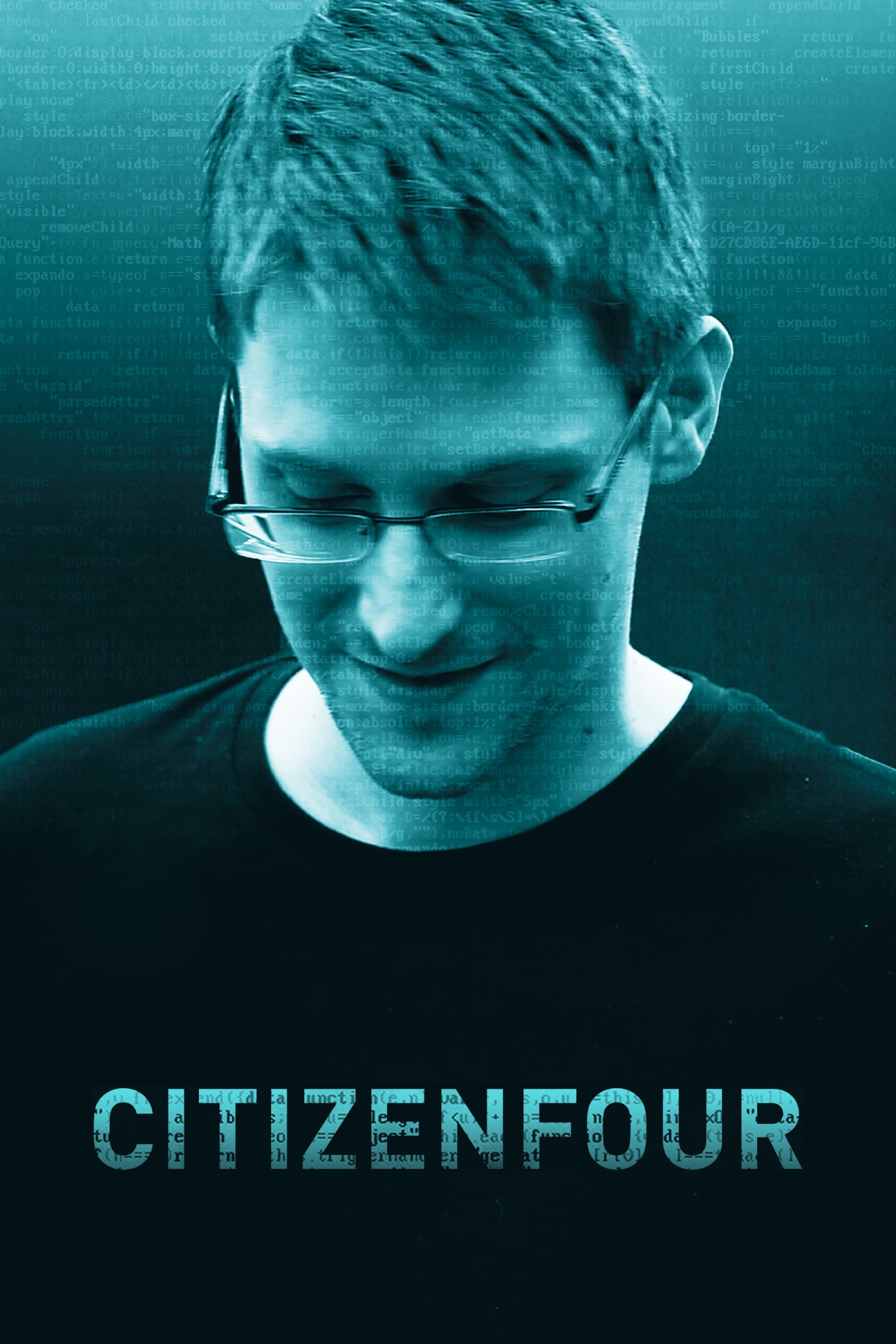
In June 2013, Laura Poitras and reporter Glenn Greenwald flew to Hong Kong for the first of many meetings with Edward Snowden. She brought her camera with her.
A documentary about the making of David Fincher's 2008 film THE CURIOUS CASE OF BENJAMIN BUTTON. Virtually every element in the evolution of the Fincher's film is documented here, from the project's attachment to numerous other directors during the 1990s, to its shoot in 2006 and 2007 in New Orleans, to its complex, CGI-intensive postproduction process.