Social & External
The people behind it
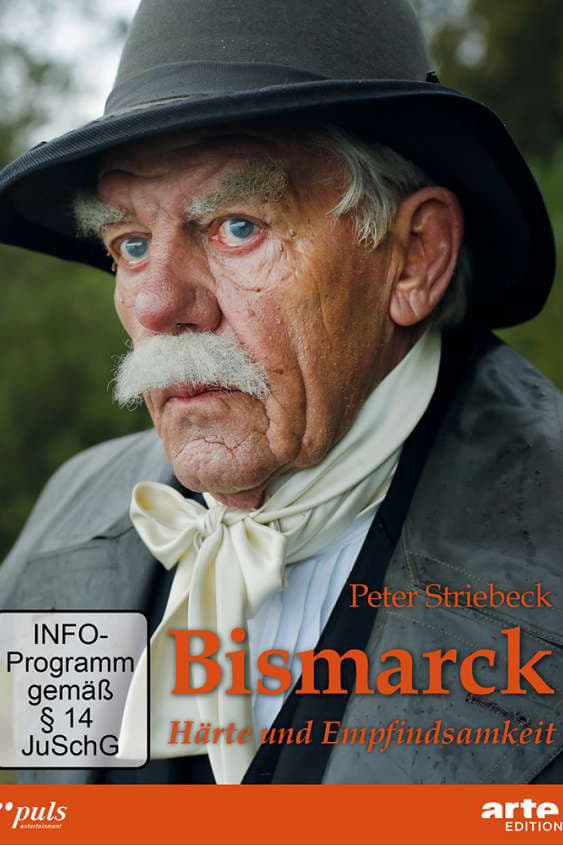
Peter Striebeck
Otto von Bismarck
Steffen Scheumann
Lothar Bucher
Stephan Schad
Theodor Wangemann
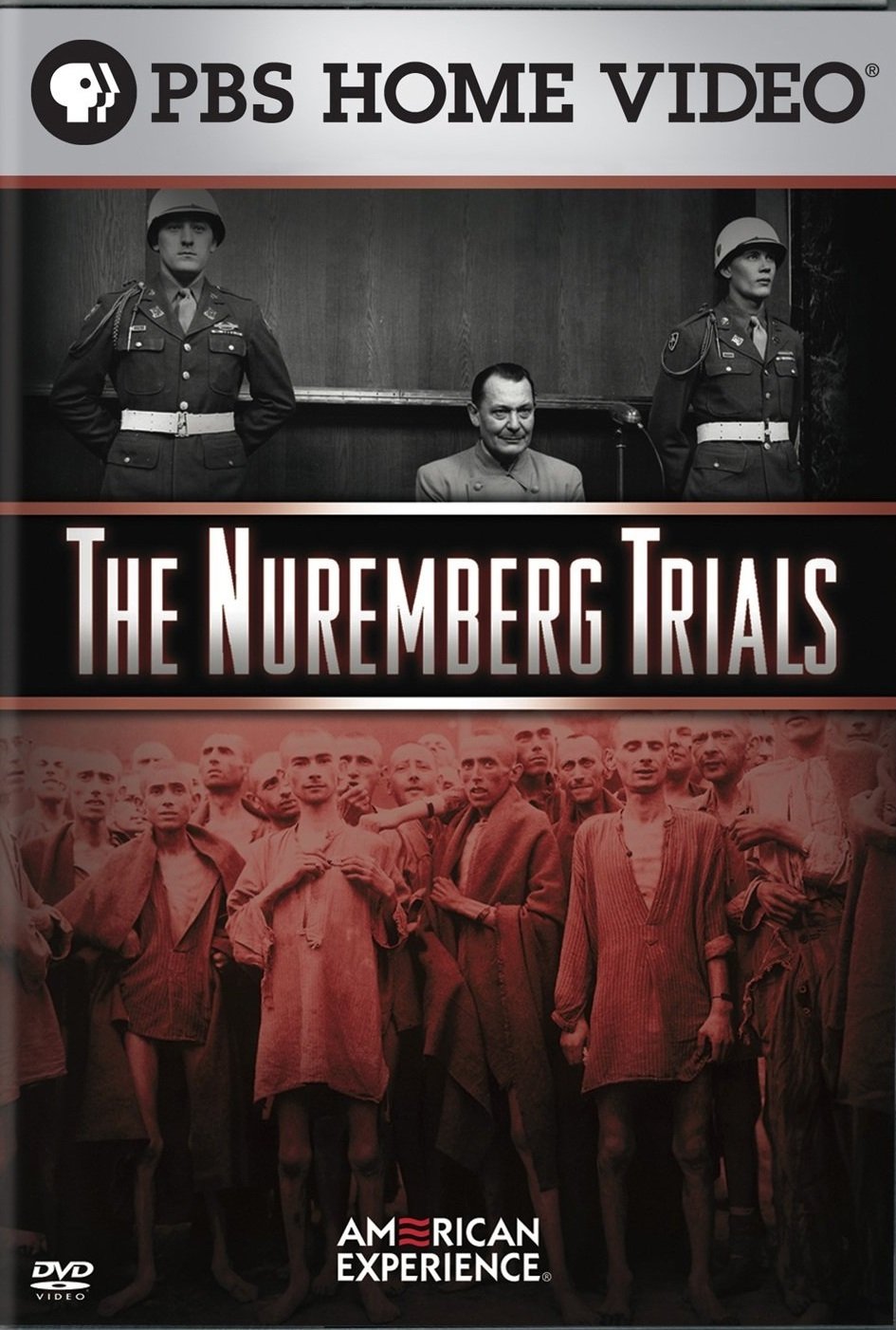
One journalist described it as a chance "to see justice catch up with evil." On November 20, 1945, the twenty-two surviving representatives of the Nazi elite stood before an international military tribunal at the Palace of Justice in Nuremberg, Germany; they were charged with the systematic murder of millions of people. The ensuing trial pitted U.S. chief prosecutor and Supreme Court judge Robert Jackson against Hermann Göring, the former head of the Nazi air force, whom Adolf Hitler had once named to be his successor. Jackson hoped that the trial would make a statement that crimes against humanity would never again go unpunished. Proving the guilt of the defendants, however, was more difficult than Jackson anticipated. This American Experience production draws upon rare archival material and eyewitness accounts to recreate the dramatic tribunal that defines trial procedure for state criminals to this day.
In the months and years following the end of the World War Two, Allied forces faced a series of bombings and attacks in occupied Germany. Nazi loyalists attempted to derail the rebuilding process by killing any Germans collaborating with the enemy. And the mysterious SS-Werewolves underground organization boasted of the coming rebirth of the Party.
Short Documentary on a political art performance in Berlin 2015 to fight against the "Bill for the Protection of Sexworkers" introduced by the German government that year.
This documentary explores the creation of the Holocaust Memorial in Berlin as designed by architect Peter Eisenman. Reaction of the German public to the completed memorial is also shown.
Four documentary scenes with subtitles document the year 1917 as the beginning of a new era. In addition to the military situation and the supply situation in Germany, the intervention of the USA and the events in Russia are shown in particular.
Documentary about women without papers, living in Germany and working as maids.
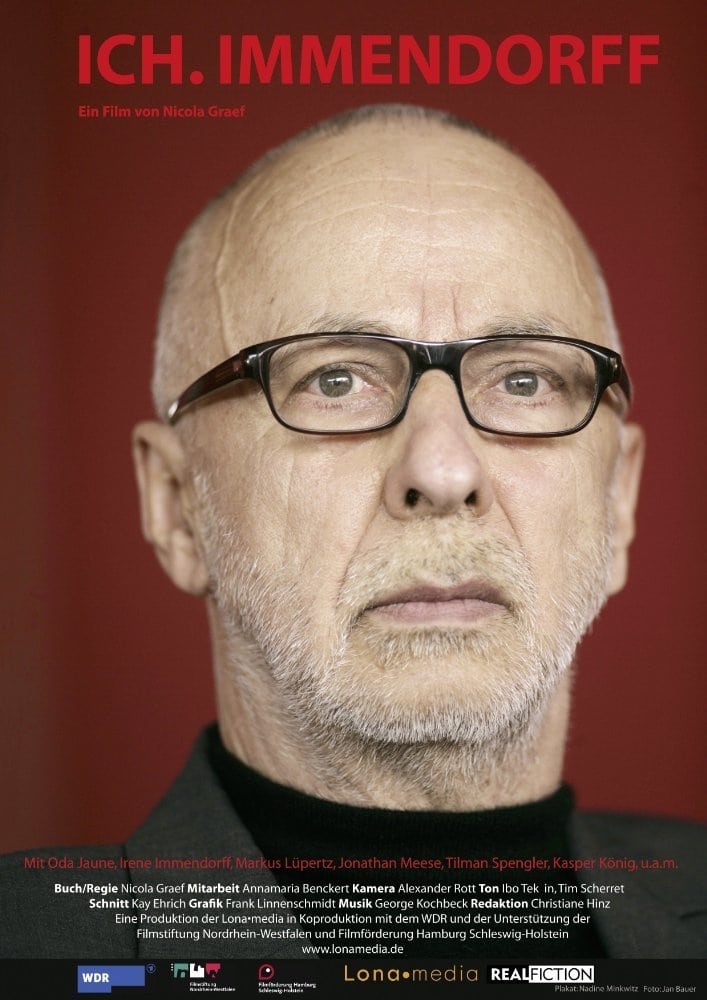
Documentary film about the painter and sculptor Jörg Immendorff who ranks among the most important German artists. The filmmakers accompanied Immendorff over a period of two years – until his death in May 2007. The artist had been living for nine years knowing that he was terminally ill with ALS. The film shows how Immendorff continued to work with unabated energy and how he tried not to let himself be restrained by his deteriorating health.
A documentary of the German national soccer team’s 2006 World Cup experience that changed the face of modern Germany.
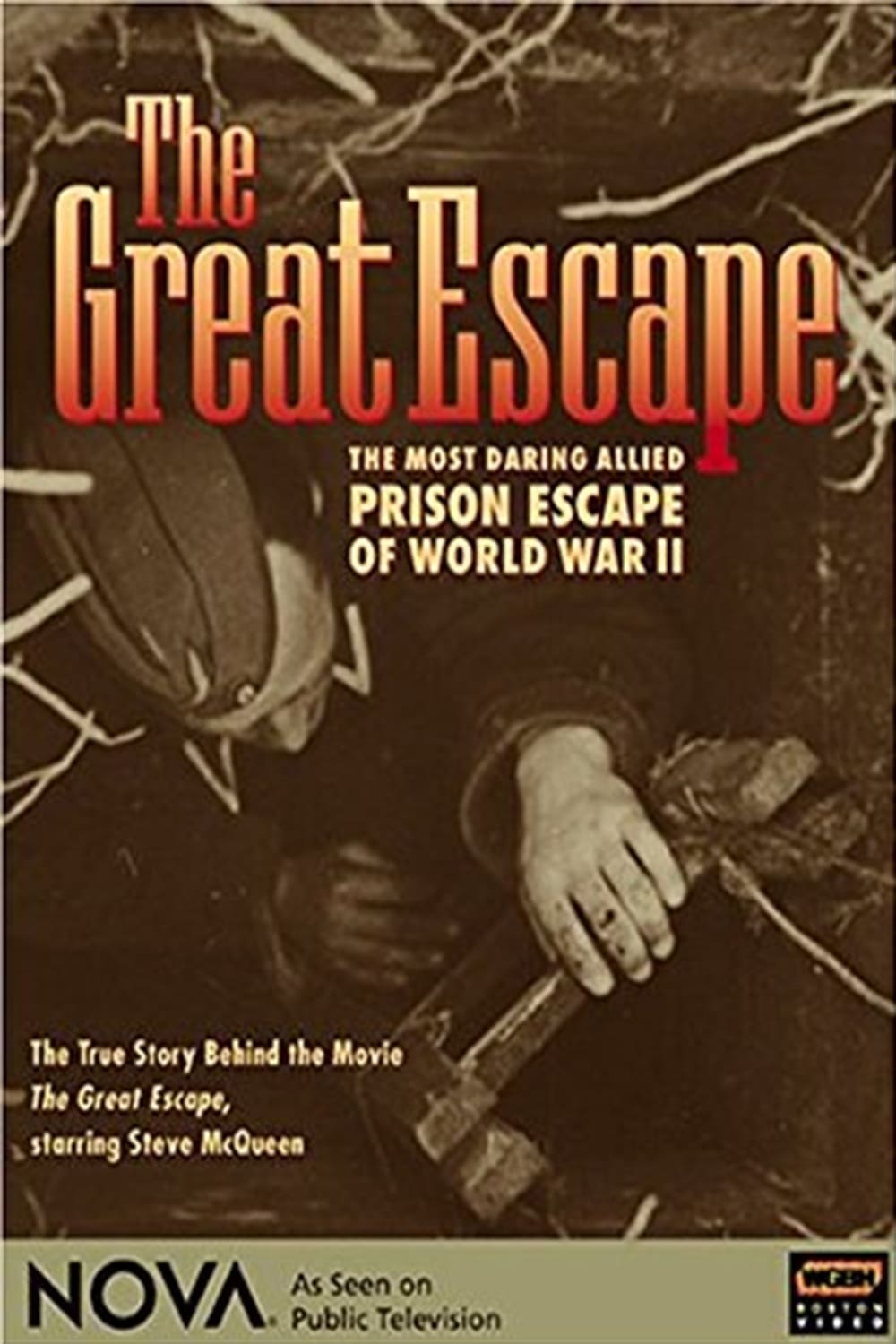
The real Great Escape didn't feature Steve McQueen racing through the Third Reich on a motorcycle like in the 1963 movie, but the big breakout was still thrilling in every way. This program sheds new light on the audacious escape of 76 Allied airmen from a Nazi POW camp during World War II.
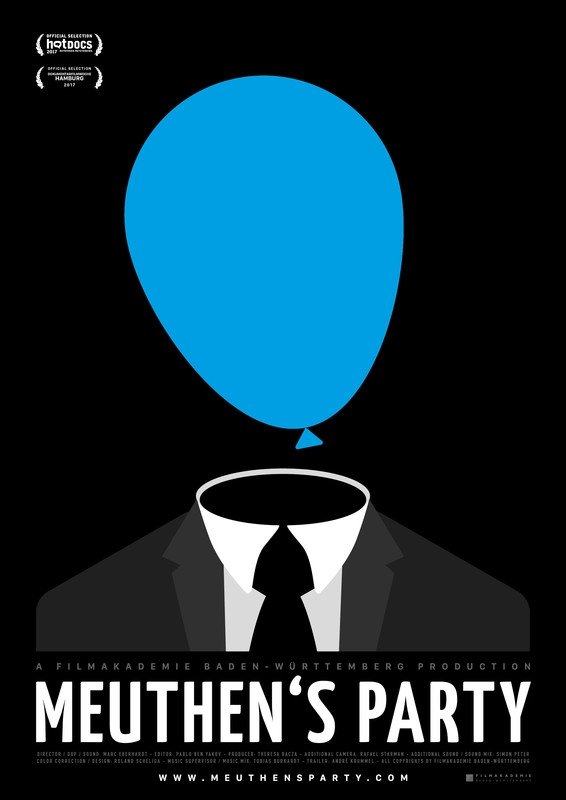
MEUTHEN'S PARTY unmasks the rise of the provincial politician Dr. Jörg Meuthen who doesn't shy away from spreading racist sentiments with a smile on his face.
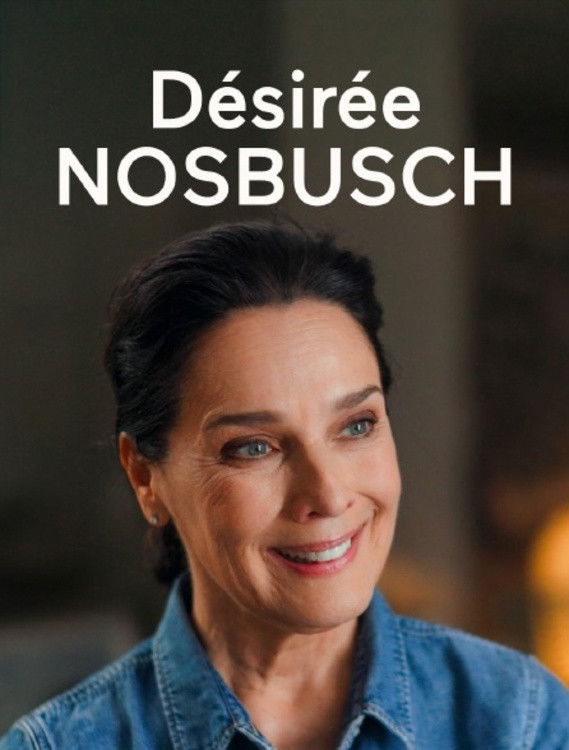
Luxembourgish presenter, director, producer, and actress Désirée Nosbusch, born in 1965, is a woman of many talents. After starting out in radio at the age of 12, she landed her first role on the big screen four years later, then presented the Eurovision Song Contest in five languages at the age of just 19. Over the years, she has hosted popular TV shows and starred in more than 30 films and TV dramas, establishing herself as a major figure in European cinema.
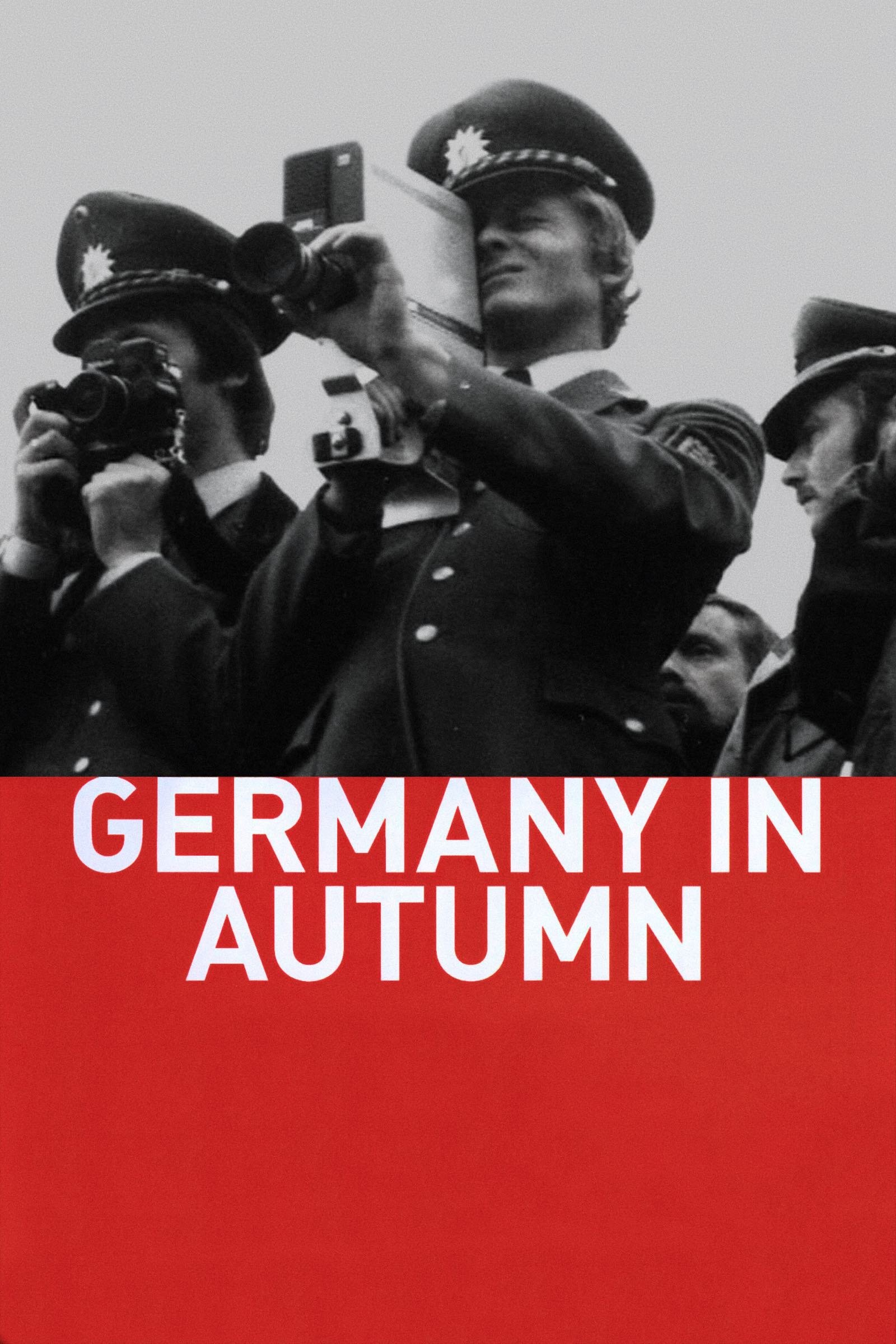
Nine fictitious documentaries and films reflect the mood of late 1970s Germany, particularly the two-month period in 1977 when a businessman was kidnapped by the RAF (Red Army Faction). The kidnap had been made to orchestrate the release of the original leaders of the RAF, aka the Baader-Meinhof.
The rut of Dalmatian hinterland changes with the arrival of returning guest workers, and things they bring along: cars, radios and new way of life.
Born in 1960 in Hagen, North Rhine-Westphalia, Nena, whose real name is Gabriele Susanne Kerner, grew up under the influence of a father who encouraged her from childhood to follow her instincts. As a teenager, she tried her hand at music. It wasn't long before a band was formed, The Stripes. 99 Luftballons, their second single, launched Nenamania in Germany and around the world.
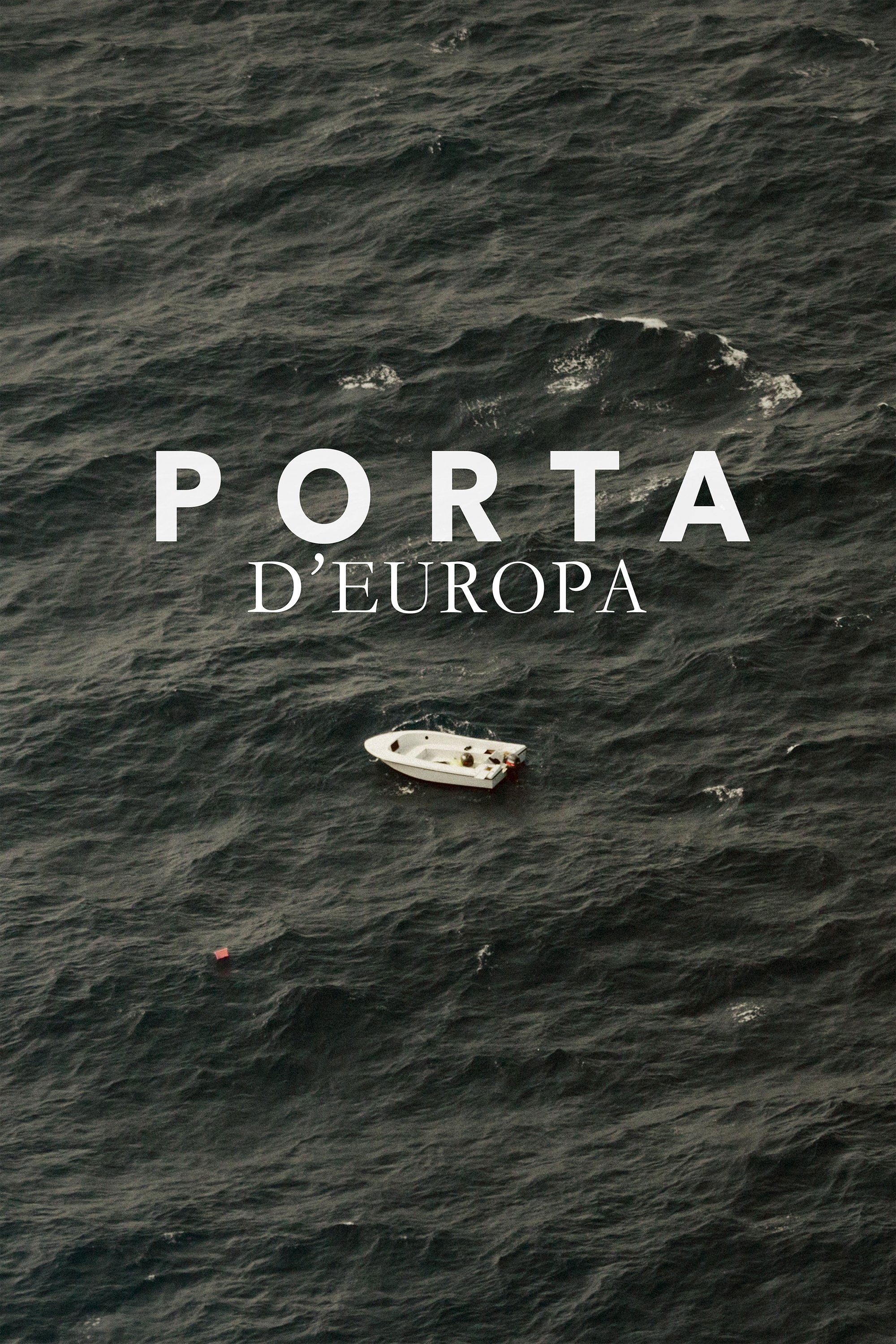
A migrant boat has been stranded in the Mediterranean Sea for 30 hours. As authorities ignore calls for help, the Sea-Watch Crew, an NGO, launches an urgent search.
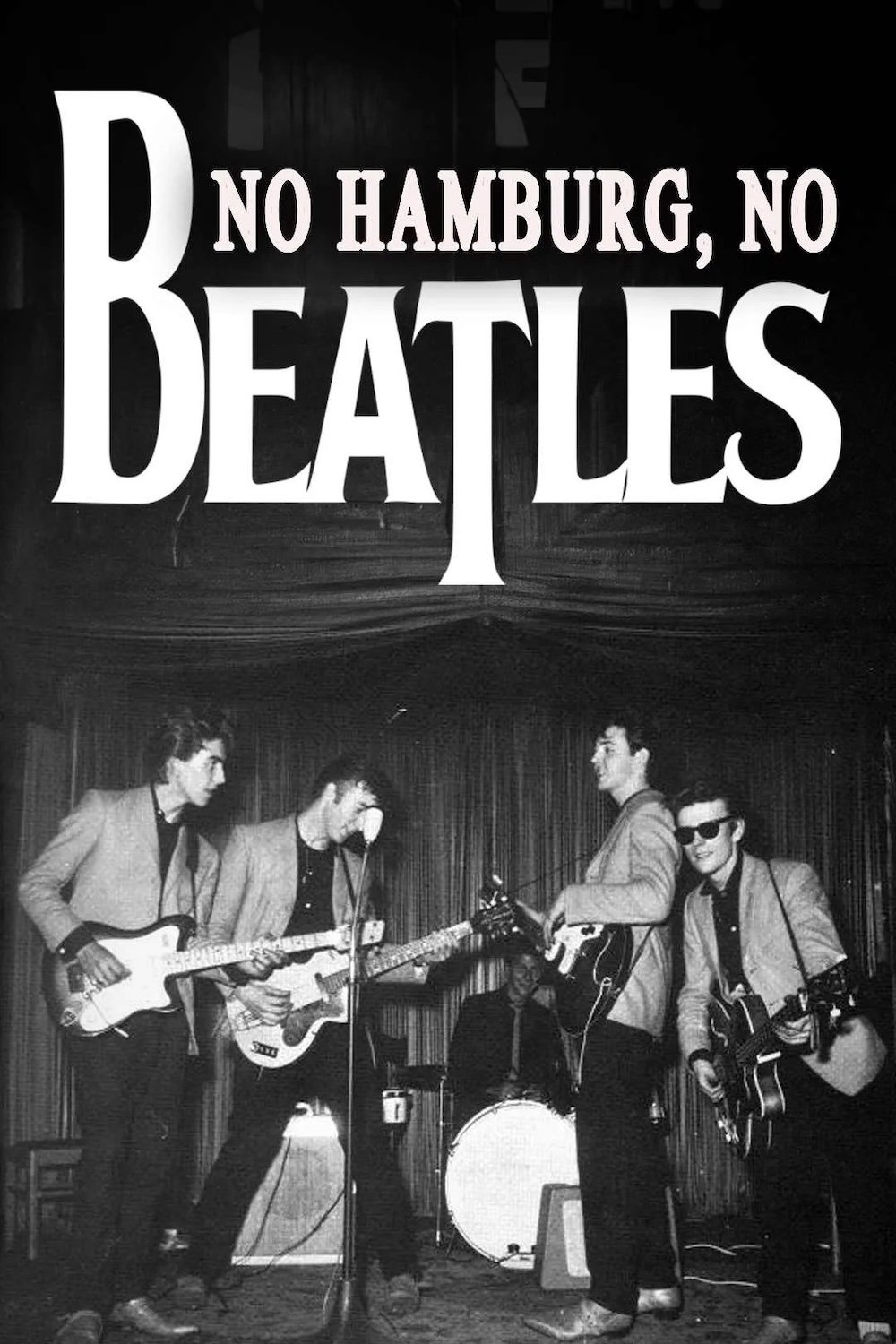
“We were born in Liverpool but grew up in Hamburg”, John Lennon once said. This feature documentary seeks to find the truth in those words. The long and winding road that the Beatles took to worldwide fame passed through Hamburg, Germany in the early 1960s. Only a couple of years before they became household names, the former Quarrymen were cutting their musical teeth on nightclub stages in the city. Hamburg had become the vice capital of Europe after World War Two, its neon-lit streets home to sailors, sex workers, drug dealers, gangs and low life. Meanwhile, the English band was still developing, still young and virtually unknown. By the time of their last German visit in 1966, the Beatles were an international phenomenon. 'No Hamburg, No Beatles' explains how learning their trade in this fascinating city helped propel them to global stardom.
An inside look at one of the most anticipated movie sequels ever with James Cameron and cast.
Join the likes of Jeremy Renner, Hailee Steinfeld, Florence Pugh, and Vincent D’Onofrio as they reveal how Marvel Studios’ “Hawkeye” was conceived and created. Witness firsthand what it took to pull off the show’s pulse-pounding action set pieces, and discover how iconic characters from the pages of Marvel Comics such as Kate Bishop were adapted and brought to life for the six-episode series.
Through deeply personal interviews with her siblings and an examination of the photographs, letters, and belongings left behind, Mariska assembles a new portrait of her mother Jayne Mansfield, an extraordinary and complex woman.
“Showrunners” is the first ever feature length documentary film to explore the fascinating world of US television showrunners and the creative forces aligned around them. These are the people responsible for creating, writing and overseeing every element of production on one of the United State’s biggest exports – television drama and comedy series. Often described as the most complex job in the entertainment business, a showrunner is the chief writer / producer on a TV series and, in most instances, the show’s creator. Battling daily between art and commerce, showrunners manage every aspect of a TV show’s development and production: creative, financial and logistical.
Daniel Craig candidly reflects on his 15 year adventure as James Bond. Including never-before-seen archival footage from Casino Royale to the upcoming 25th film No Time To Die, Craig shares his personal memories in conversation with 007 producers, Michael G Wilson and Barbara Broccoli.
A purely observational non-fiction film that takes viewers into the ethically murky world of end-of-life decision making in a public hospital.
A detailing of the rise to prominence and global sporting superstardom of six supremely talented young Manchester United football players (David Beckham, Nicky Butt, Ryan Giggs, Paul Scholes, Phil and Gary Neville). The film covers the period 1992-1999, culminating in Manchester United's European Cup triumph.
Musician and performance artist Laurie Anderson reflects on the deaths of her husband Lou Reed, her mother and her beloved dog.
A documentary chronicling Queen and Lambert's incredible journey since they first shared the stage together on "American Idol" in 2009.
Those who knew iconic funnyman John Candy best share his story, in their own words, through never-before-seen archival footage, imagery, and interviews.
Examines the life and career of singer Whitney Houston. Features never-before-seen archival footage, exclusive recordings, rare performances and interviews with the people who knew her best.
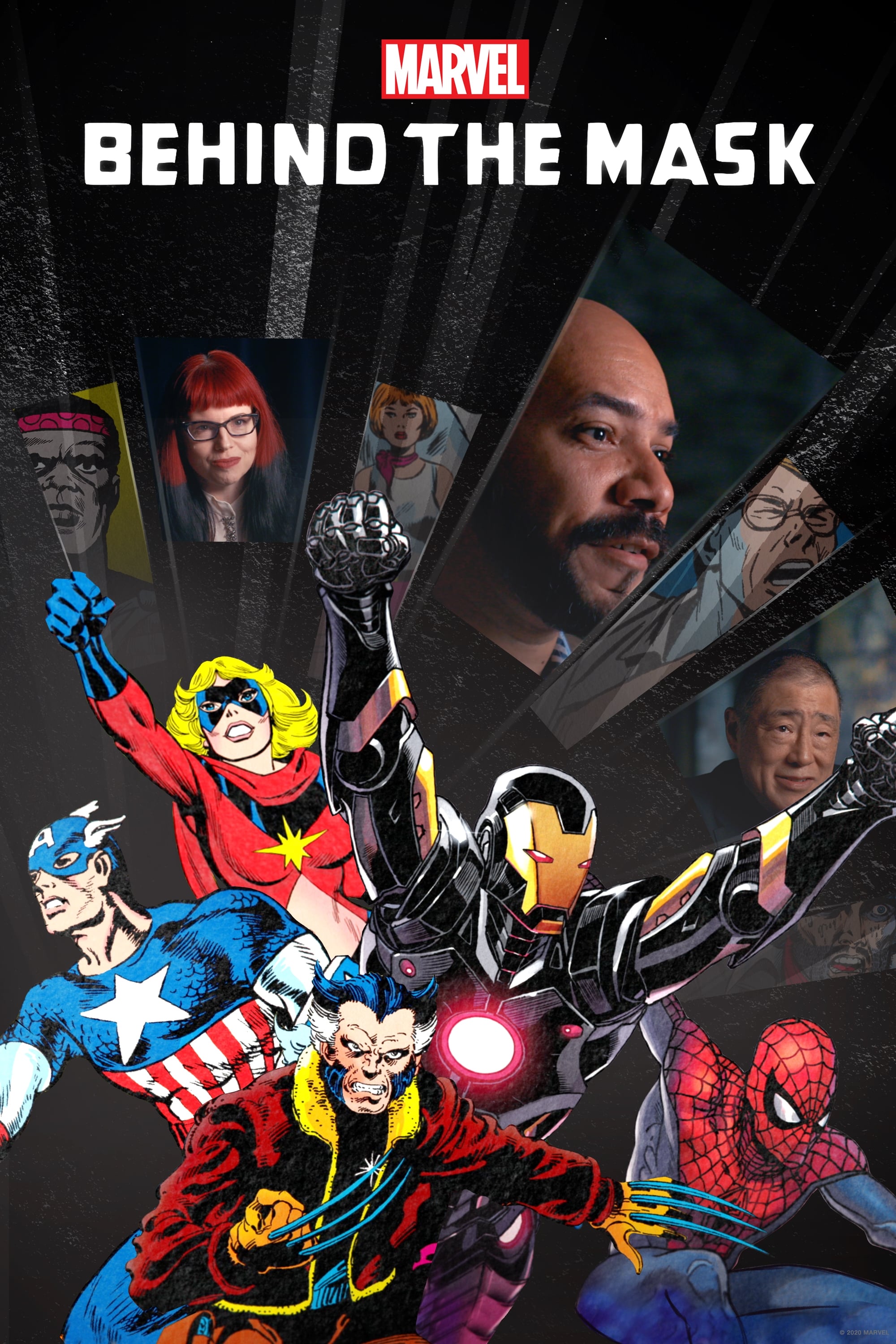
A documentary special that explores the power of identity behind the iconic superheroes we know and love today. These legendary Marvel creations and stories have not only reflected the world outside our window – they have become a reflection of our own identities and who we truly are.
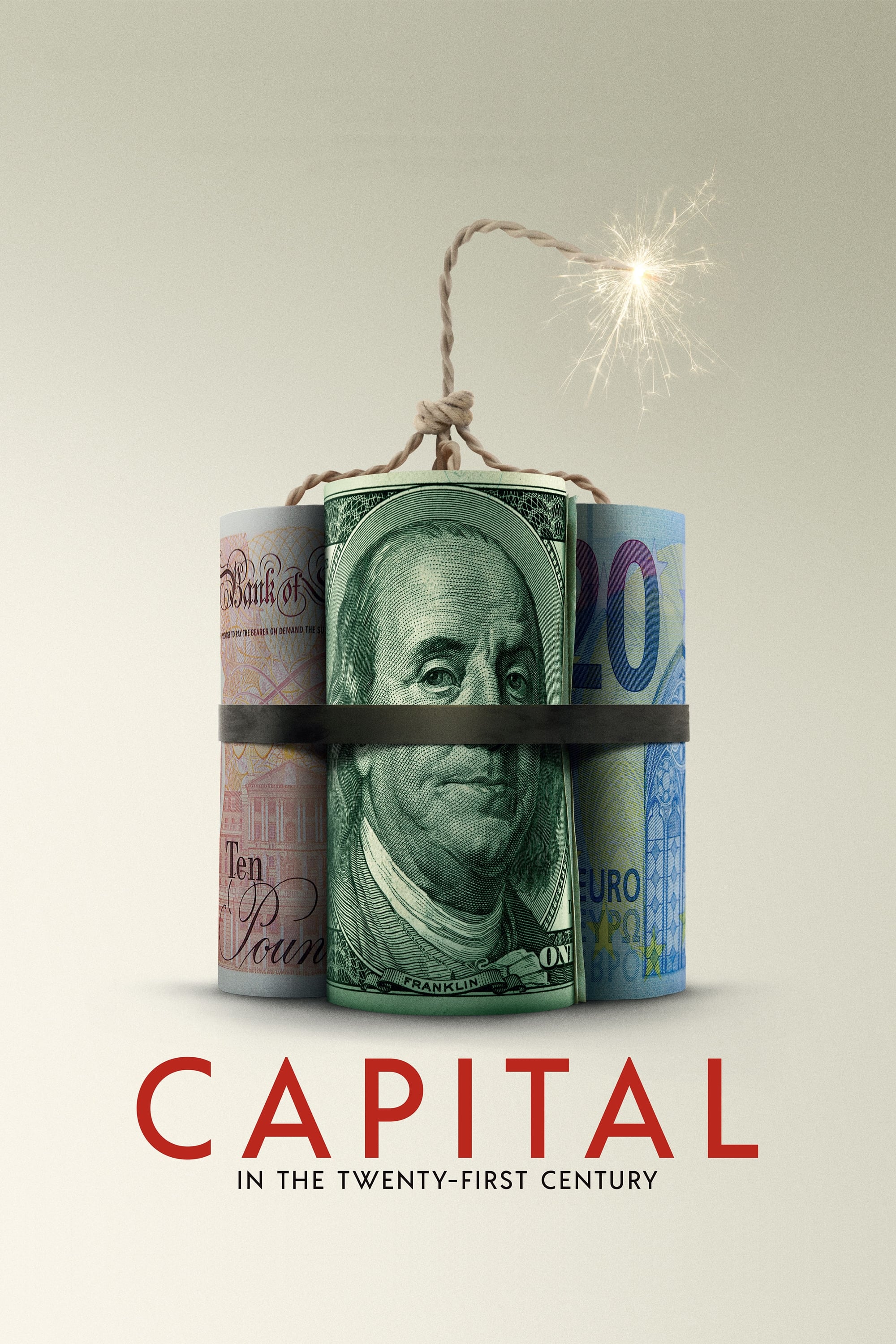
Film adaptation of French economist Thomas Piketty's ground-breaking global bestseller of the same name: an eye-opening journey through wealth and power.
SEDUCED AND ABANDONED combines acting legend Alec Baldwin with director James Toback as they lead us on a troublesome and often hilarious journey of raising financing for their next feature film. Moving from director to financier to star actor, the two players provide us with a unique look behind the curtain at the world's biggest and most glamourous film festival, shining a light on the bitter-sweet relationship filmmakers have with Cannes and the film business. Featuring insights from directors Martin Scorsese, 'Bernando Bertolucci' and Roman Polanski; actors Ryan Gosling and Jessica Chastain and a host of film distribution luminaries.
This revealing documentary honors the legendary Sidney Poitier—iconic actor, filmmaker, and civil rights activist. Featuring interviews with Denzel Washington, Spike Lee, Halle Berry, and more.
A documentary chronicling Vogue editor-in-chief Anna Wintour's preparations for the 2007 fall-fashion issue.
A deliciously scandalous portrait of unsung Hollywood legend Scotty Bowers, whose bestselling memoir chronicled his decades spent as sexual procurer to the stars.
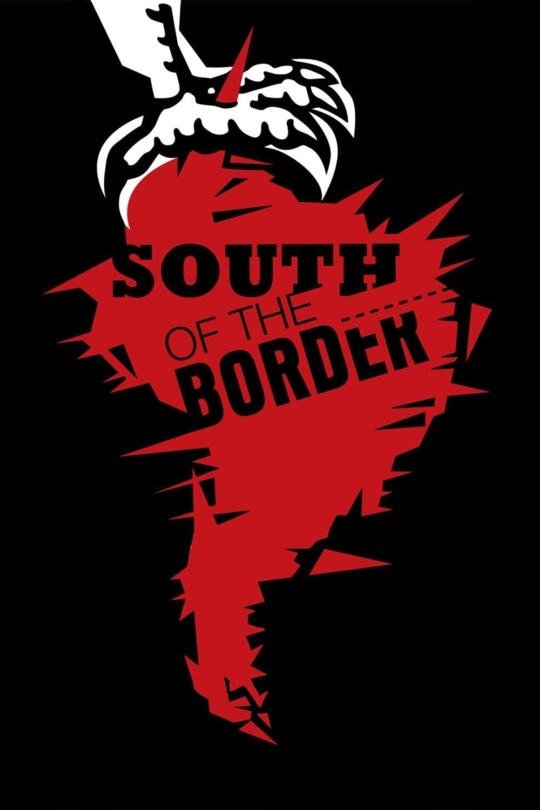
A road trip across five countries to explore the social and political movements as well as the mainstream media's misperception of South America while interviewing seven of its elected presidents.
Interviews with leading authors, philosophers and scientists, with an in-depth discussion of the Law of Attraction. The audience is shown how they can learn and use 'The Secret' in their everyday lives.
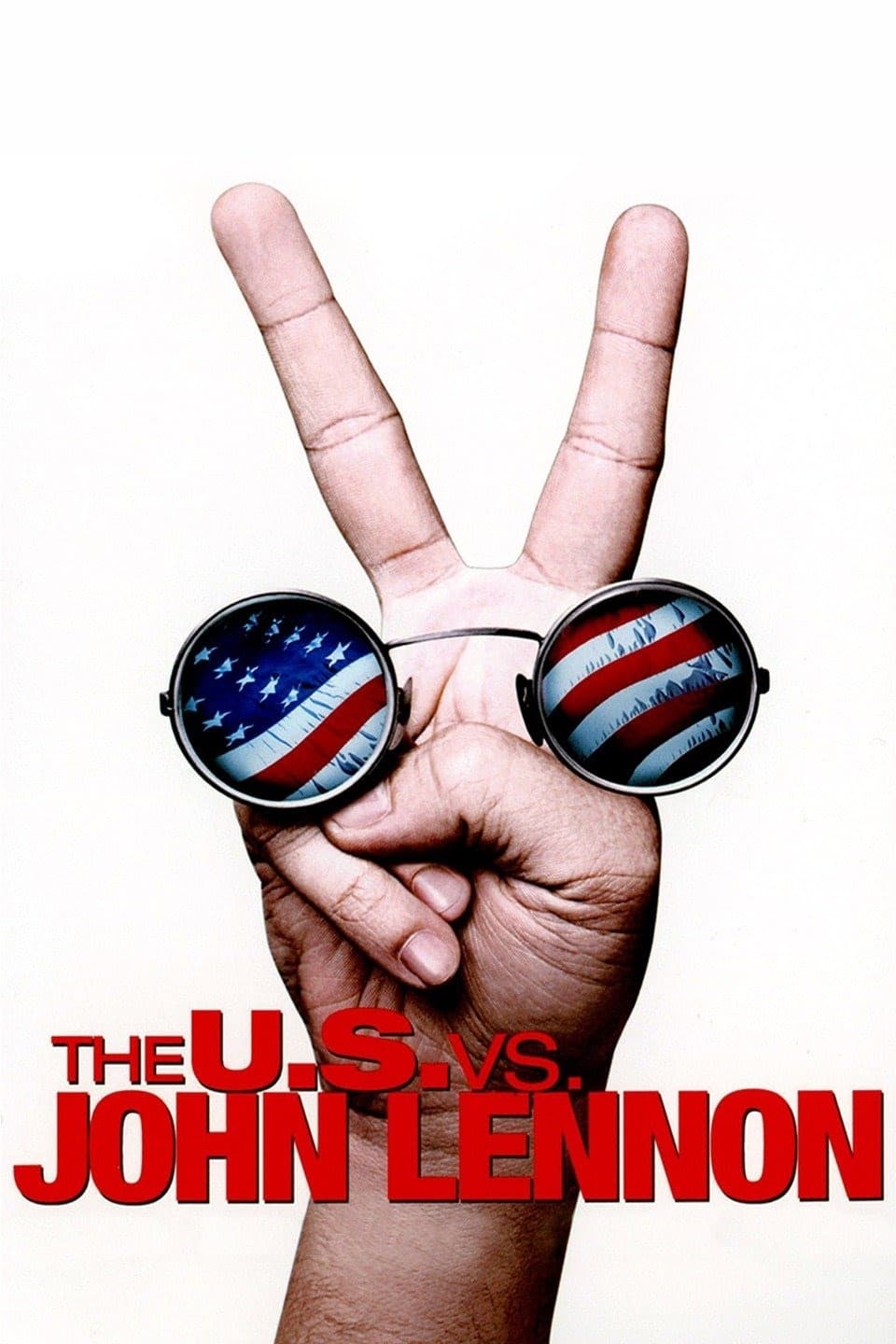
A documentary on the life of John Lennon, with a focus on the time in his life when he transformed from a musician into an antiwar activist.