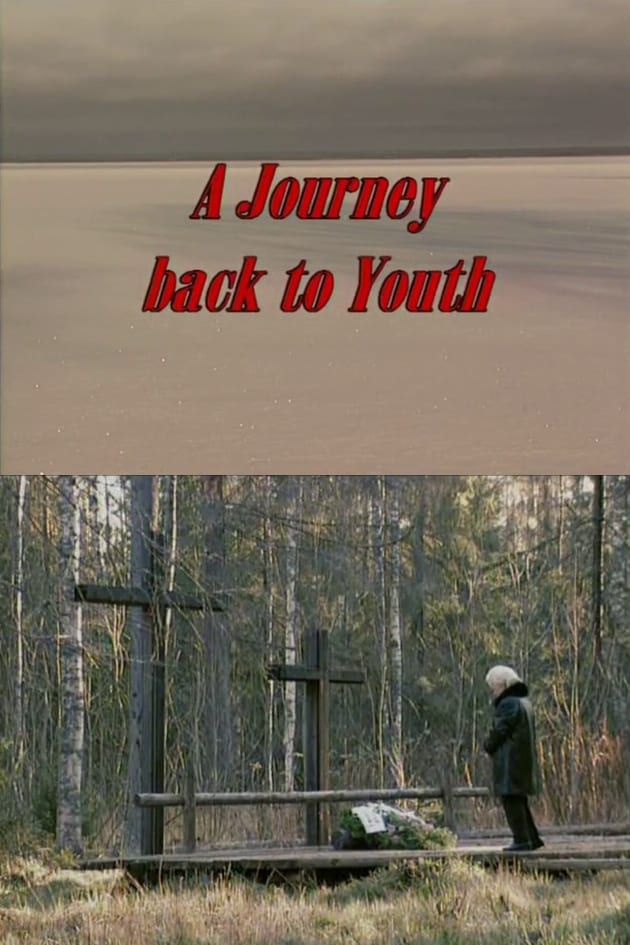
Based around the testimonies of four German women, this documentary details the abuse women suffered during after WWII at the hands of the Soviet forces, particularly during their forced labour.

Social & External
Herself
Made famous by the 1957 Hollywood movie, the bridges of the River Kwai emblematize one of the most misunderstood events in history. Contrary to the romanticized film version, the structures represent a period of terror, desperation, and death for over 16,000 POWs and 100,00 local slaves. The Thailand - Burma Railway was the vision of the Japanese Imperial Army: a 250-mile track cut through dense jungle that would connect Bangkok and Rangoon. To accomplish this nearly impossible feat, the fanatical and ruthless Japanese engineers used POWs and local slaves as manpower. Candid interviews with men who lived through the atrocity - including Dutch, Australian, British, and American POWs - illuminate the violence and horror of their three-and-a-half-year internment. From Britain's surrender of Singapore the enduring force of friendship, The True Story Of The Bridge On The River Kwai narrates a moving and unforgettable account of a period in history that must be remembered.
Filmmaker Alain Resnais documents the atrocities behind the walls of Hitler's concentration camps.
Stories of 12 gay and lesbian survivors of Nazism and the Holocaust.
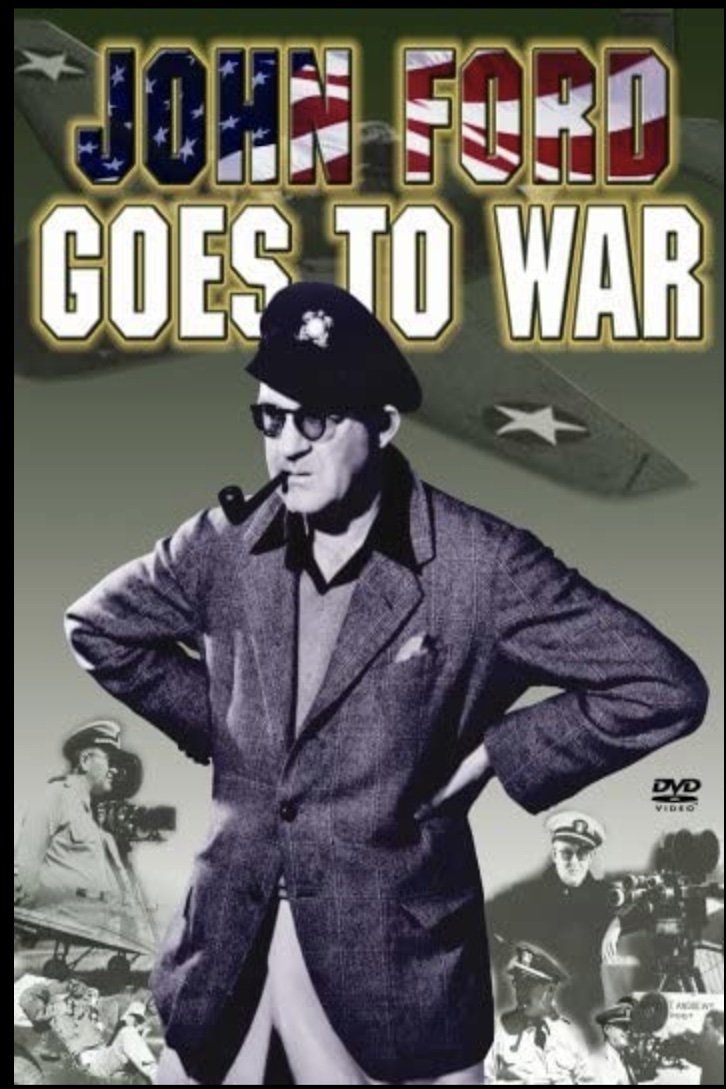
When World War II broke out, John Ford, in his forties, commissioned in the Naval Reserve, was put in charge of the Field Photographic Unit by Bill Donavan, director of the soon-to-be-OSS. During the war, Field Photo made at least 87 documentaries, many with Ford's signature attention to heroism and loss, and many from the point of view of the fighting soldier and sailor. Talking heads discuss Ford's life and personality, the ways that the war gave him fulfillment, and the ways that his war films embodied the same values and conflicts that his Hollywood films did. Among the films profiled are "Battle of Midway," "Torpedo Squadron," "Sexual Hygiene," and "December 7."
In autumn 1944, during the Liberation of Brittany, writer Louis Guilloux worked as an interpreter for the American army. He was a privileged witness to some little-known dramatic aspects of the Liberation: the rapes and murders committed by GIs on French civilians. He also discovered the racism of American military justice. This experience haunted the novelist for thirty years. In 1976, he recounted it in a short novel, "Ok, Joe", which went unnoticed. This film compares his account with the memories of the last witnesses to these forgotten crimes and their punishments.
To commemorate the 75th anniversary of D-Day, this special presents the key events of the Allied invasion of Nazi-held Europe and the subsequent battles that captured the control of the Normandy coast. Some of the last surviving veterans recall in detail the terror, patriotism and drama from the frontlines of war. This special also honors the diverse backgrounds of all who served.
An Oscar nominated documentary about a middle-class American family who is torn apart when the father Arnold and son Jesse are accused of sexually abusing numerous children. Director Jarecki interviews people from different sides of this tragic story and raises the question of whether they were rightfully tried when they claim they were innocent and there was never any evidence against them.
Nazi troops massacre 30,000 Jews over a three-day period in September 1941. Babyn Yar ravine in Kyiv, Ukraine.
J. Robert Oppenheimer and other key figures involved in the decision to drop the first atomic bomb discuss their motivations in this NBC News documentary. Originally produced and televised in 1965, two decades after the bombings of Hiroshima and Nagasaki, it was re-released in 2023 with an epilogue by Michael Beschloss, NBC News Presidential Historian.
A remarkable film that takes a special look at the first war to be truly reported and recorded by one of the more unsung heroes of World War II: the combat photographer. Through the unflinching eye of their camera's lenses, these courageous soldiers continually risked their lives in their brave attempts to capture history.
In this documentary, Joachim Hellwig uses partly unpublished footage to shed light on a dark chapter of German history and shows the entanglements between the politicians' claims to power and the interests of industry and business in Germany from the beginning of the First World War to the end of the Second World War (1914 to 1945). The Nuremberg War Crimes and Industrial Trials served as the basis for this documentary.
On Dec. 5, 1944, American soldiers, led by Harry Stuts, put their guns down for one day and organized a party celebrating the town's centuries-old Saint Nick tradition. Soldiers made hot chocolate from their D-rations, company cooks made donuts and cookies for the children, and 22-year-old corporal Richard Brookins from Rochester, NY played the role of Saint Nick. An emotional and heartfelt story, THE AMERICAN SAINT NICK illustrates how American soldiers and residents of the hamlet were able to bond over a moment in time, creating a tradition that continues to this day.
In 1935, German scientists dug for bones; in 1943, they murdered to get them. How the German scientific community supported Nazism, distorted history to legitimize a hideous system and was an accomplice to its unspeakable crimes. The story of the Ahnenerbe, a sinister organization created to rewrite the obscure origins of a nation.
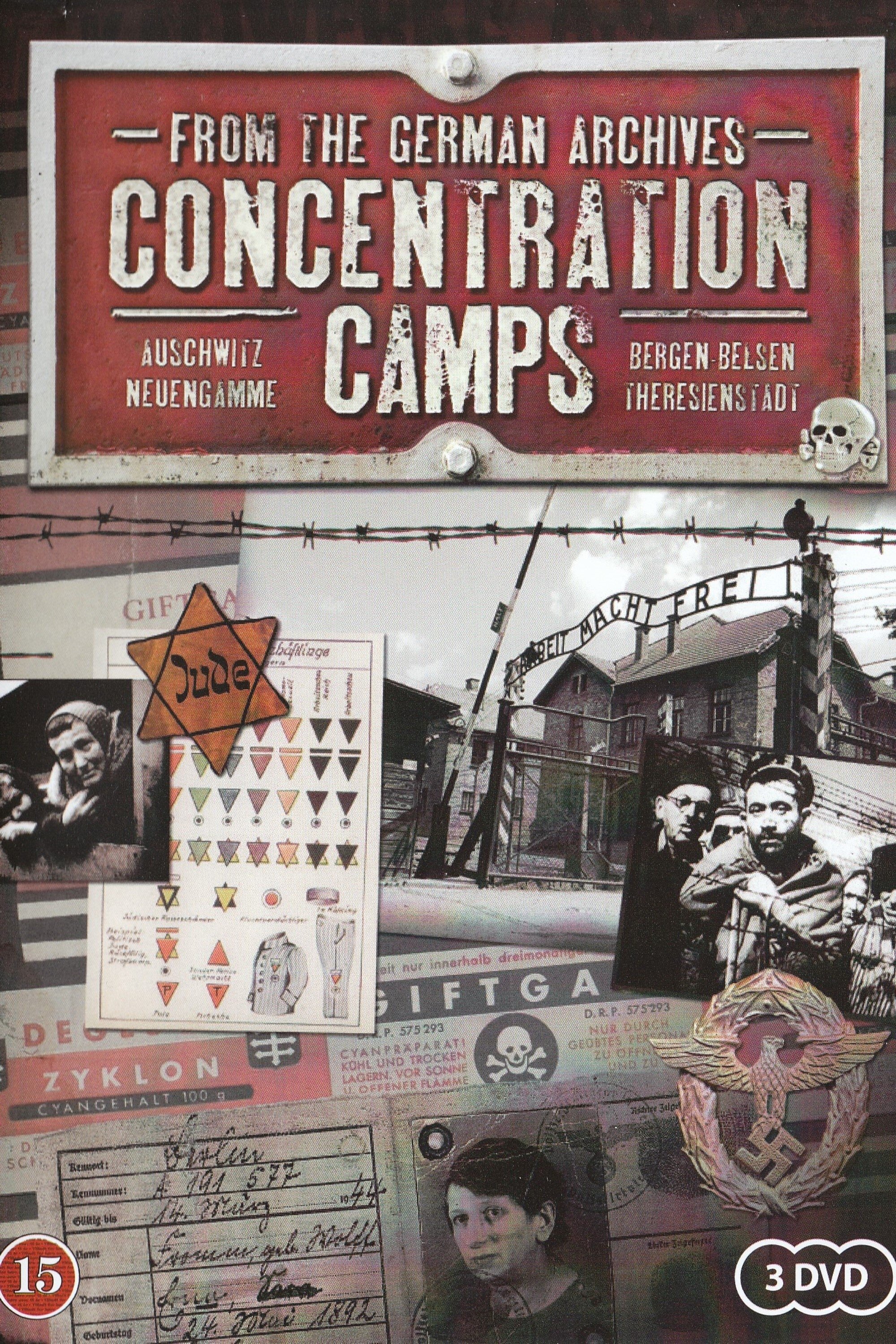
On the 29th September 1945, the incomplete rough cut of a brilliant documentary about concentration camps was viewed at the MOI in London. For five months, Sidney Bernstein had led a small team – which included Stewart McAllister, Richard Crossman and Alfred Hitchcock – to complete the film from hours of shocking footage. Unfortunately, this ambitious Allied project to create a feature-length visual report that would damn the Nazi regime and shame the German people into acceptance of Allied occupation had missed its moment. Even in its incomplete form (available since 1984) the film was immensely powerful, generating an awed hush among audiences. But now, complete to six reels, this faithfully restored and definitive version produced by IWM, is being compared with Alain Resnais’ Night and Fog (1955).
Kherson, Ukraine's embattled city, has endured invasion, occupation, and liberation. On February 24, 2022, Russian tanks entered Kherson, leading to brutal occupation marked by violence. Despite being outnumbered, local defense forces resisted, and citizens protested under the slogan "Kherson is Ukraine!" An underground resistance formed, led by brave individuals like journalist Valentyna and others who risked arrest and torture to support the cause. After nine months, Ukrainian forces liberated Kherson, but Russian destruction left the city in chaos. Shelling and drone attacks became relentless, and in June 2023, a dam explosion flooded the city, causing further devastation. Despite these challenges, Kherson's spirit remained unbroken, with citizens embracing arts and resilience. By August 2024, drone attacks specifically targeted civilians, yet the city resisted, determined to rebuild and reclaim its identity, refusing to succumb to ruin.
In 1945, two young American soldiers, brothers Budd and Stuart Schulberg, are commissioned to collect filmed and recorded evidence of the horrors committed by the infamous Third Reich in order to prove Nazi war crimes during the Nuremberg trials (1945-46). The story of the making of Nuremberg: Its Lesson for Today, a paramount historic documentary, released in 1948.
The extraordinary story of how Hollywood changed World War II – and how World War II changed Hollywood, through the interwoven experiences of five legendary filmmakers who went to war to serve their country and bring the truth to the American people: John Ford, William Wyler, John Huston, Frank Capra, and George Stevens. Based on Mark Harris’ best-selling book, “Five Came Back: A Story of Hollywood and the Second World War.”
When Allied forces liberated the Nazi concentration camps in 1944-45, their terrible discoveries were recorded by army and newsreel cameramen, revealing for the first time the full horror of what had happened. Making use of British, Soviet and American footage, the Ministry of Information’s Sidney Bernstein (later founder of Granada Television) aimed to create a documentary that would provide lasting, undeniable evidence of the Nazis’ unspeakable crimes. He commissioned a wealth of British talent, including editor Stewart McAllister, writer and future cabinet minister Richard Crossman – and, as treatment advisor, his friend Alfred Hitchcock. Yet, despite initial support from the British and US Governments, the film was shelved, and only now, 70 years on, has it been restored and completed by Imperial War Museums under its original title "German Concentration Camps Factual Survey".
WWII is entering its last phase: Germany is in ruins, but does not yield. The US army lacks crucial knowledge about the German units operating on the opposite side of the Rhine, and decides to send two German prisoners to gather information. The scheme is risky: the Gestapo retains a terribly efficient network to identify and capture spies and deserters. Moreover, it is not clear that "Tiger", who does not mind any dirty work as long as the price is right, and war-weary "Happy", who might be easily betrayed by his feelings, are dependable agents. After Tiger and another American agent are successfully infiltrated, Happy is parachuted in Bavaria. His duty: find out the whereabouts of a powerful German armored unit moving towards the western front.
A World War II veteran hunts down the Nazi collaborators who killed his wife.
Prelude to War was the first film of Frank Capra's Why We Fight propaganda film series, commissioned by the Pentagon and George C. Marshall. It was made to convince American troops of the necessity of combating the Axis Powers during World War II. This film examines the differences between democratic and fascist states.
Unprecedented access to Muhammad Ali's personal archive of "audio journals" as well as interviews and testimonials from his inner circle of family and friends are used to tell the legend's life story.
Soon after a veteran returns from war, his cheating wife is found dead. He evades police in an attempt to find the real murderer.
Produced and presented as evidence at the Nuremberg war crimes trial of Hermann Göring and twenty other Nazi leaders, this film consists primarily of dead and surviving prisoners and of facilities used to kill and torture during the World War II.
During WW 2, a Basque shepherd is approached by the underground, who wants him to lead a scientist and his family across the Pyrenees. While being pursued by a sadistic German.
Through deeply personal interviews with her siblings and an examination of the photographs, letters, and belongings left behind, Mariska assembles a new portrait of her mother Jayne Mansfield, an extraordinary and complex woman.
An investigative and powerfully emotional documentary about the epidemic of rape of soldiers within the US military, the institutions that perpetuate and cover up its existence, and its profound personal and social consequences.
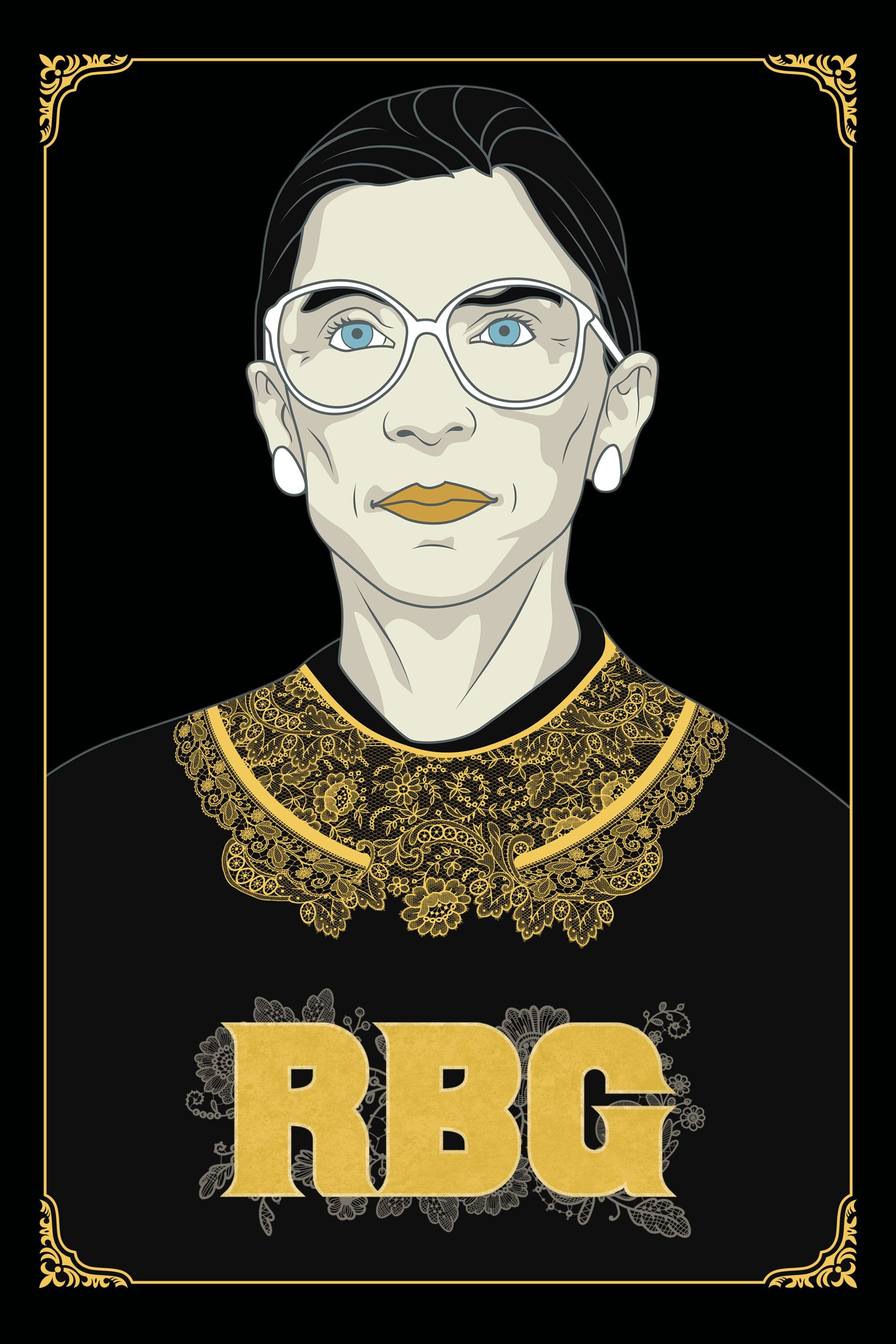
Justice Ruth Bader Ginsburg now 84, and still inspired by the lawyers who defended free speech during the Red Scare, Ginsburg refuses to relinquish her passionate duty, steadily fighting for equal rights for all citizens under the law. Through intimate interviews and unprecedented access to Ginsburg’s life outside the court, RBG tells the electric story of Ginsburg’s consuming love affairs with both the Constitution and her beloved husband Marty—and of a life’s work that led her to become an icon of justice in the highest court in the land.
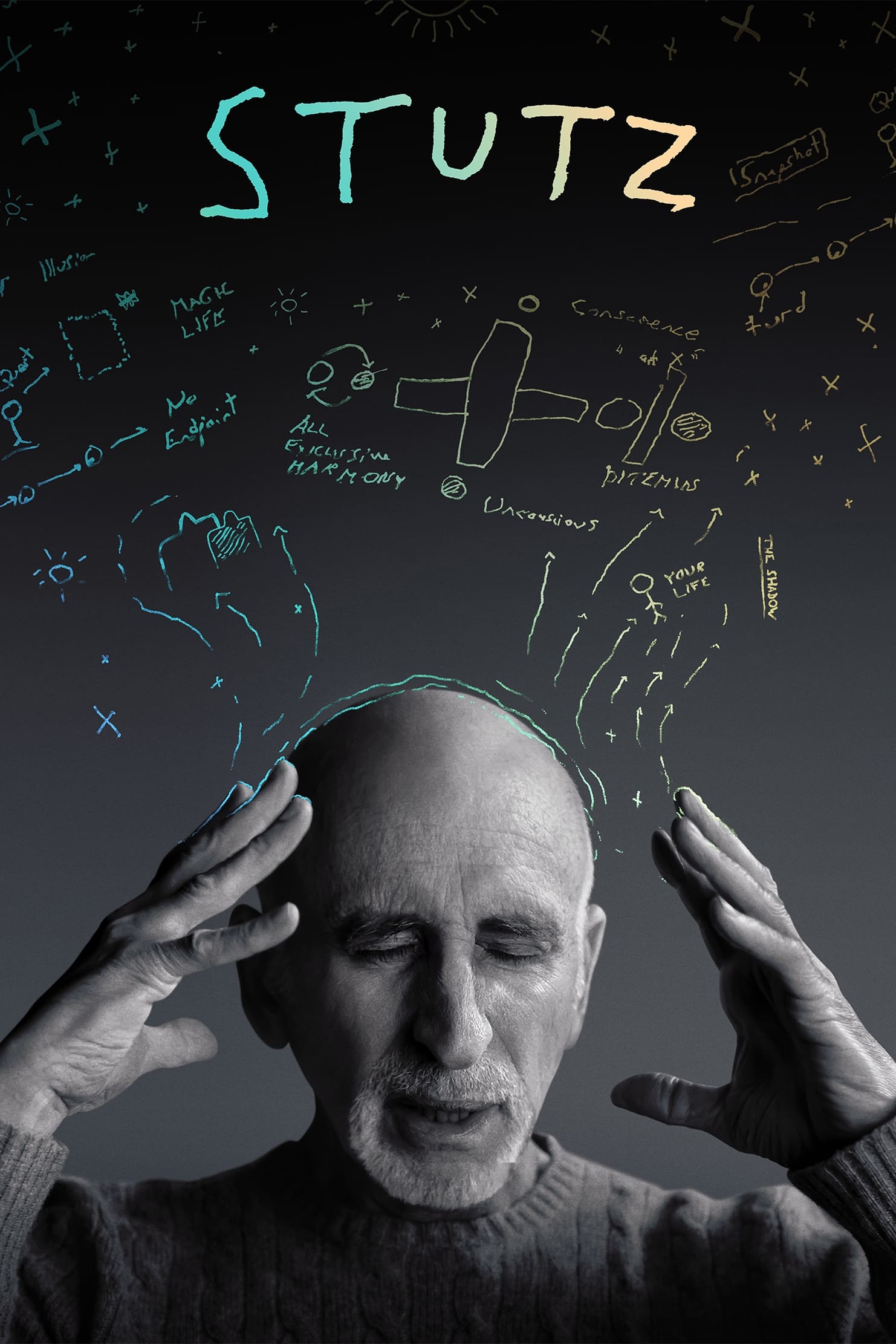
In candid conversations with actor Jonah Hill, leading psychiatrist Phil Stutz explores his early life experiences and unique, visual model of therapy.
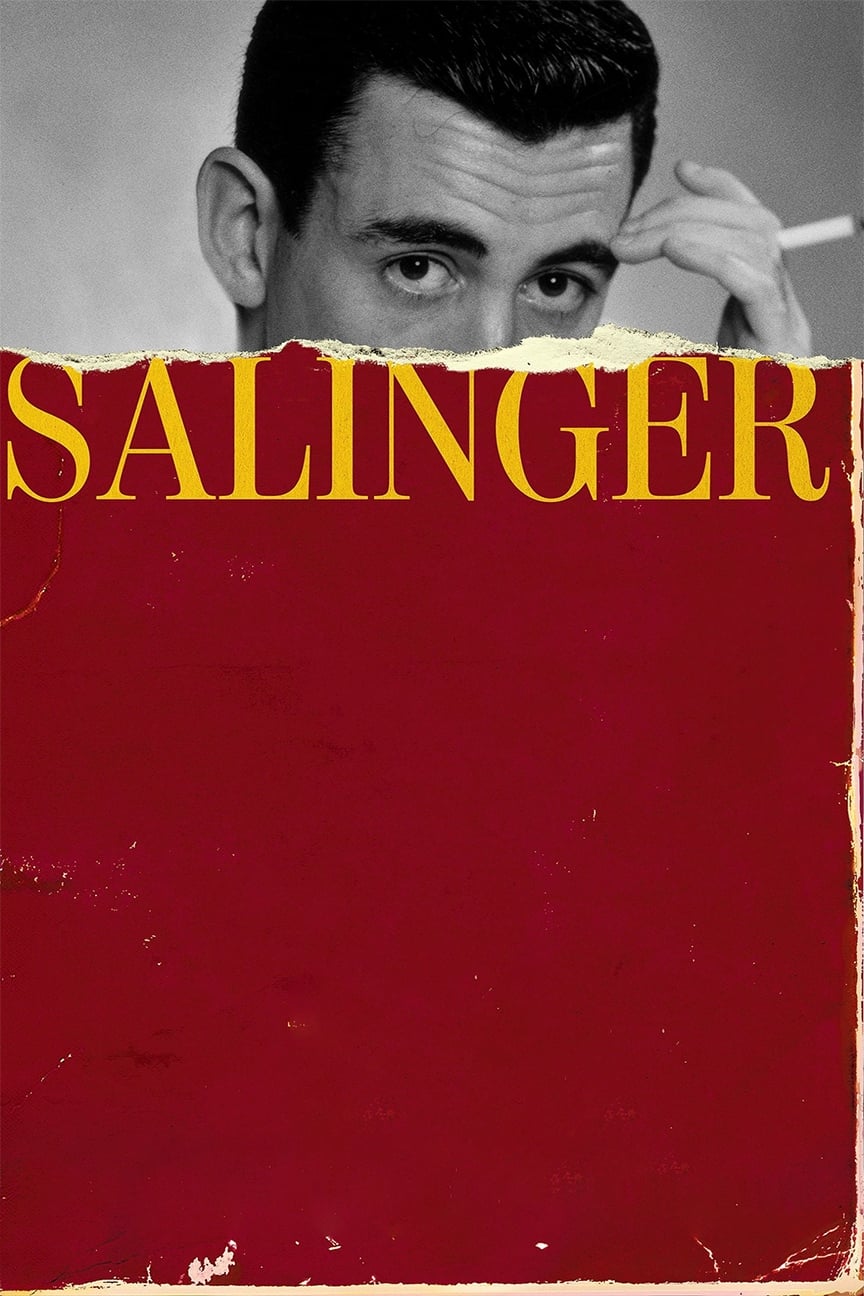
An in-depth investigation into the private world of the American writer J. D. Salinger (1919-2010), who lived most of his life behind the impenetrable wall of a self-imposed seclusion: how his dramatic experiences during World War II influenced his life and work, his relationships with very young women, his obsessive writing methods, his many literary secrets.
Unravel the case of Utah therapist Jodi Hildebrandt, whose child abuse arrest with parenting YouTuber Ruby Franke exposed a twisted tale of manipulation.
Battle-scarred and disillusioned by the war, Corporal Chris Merrimette is put in charge of a unit whose next mission is to resupply a remote outpost on the edge of Taliban-controlled territory. While driving through the hostile Helmand province, a Navy SEAL flags down their convoy and enlists the unit on an operation of international importance: they must help an Afghan woman famous for her defiance of the Taliban escape the country. Without tanks or air support, Merrimette and his team will need all the courage and firepower they can muster to fight their way across the war-torn country and shepherd the woman to safety.
A German spy is passing on information about the location of Allied ships in the neutral harbor of Goa, India, with catastrophic results. Unable to undertake a full military operation in the Portuguese stronghold, English intelligence brings out of retirement a crew of geriatric ex-soldiers, veterans from World War I, using their age as cover. These old soldiers are asked to take to the seas and pull off an unlikely undercover mission.
GOING CLEAR intimately profiles eight former members of the Church of Scientology, shining a light on how they attract true believers and the things they do in the name of religion.
The life and career of one of comedy's most inimitable modern voices, Mr. Gilbert Gottfried.
This documentary movie is about the battle of San Pietro, a small village in Italy. Over 1,100 US soldiers were killed while trying to take this location, that blocked the way for the Allied forces from the Germans. Preserved by the Academy Film Archive in 2005.