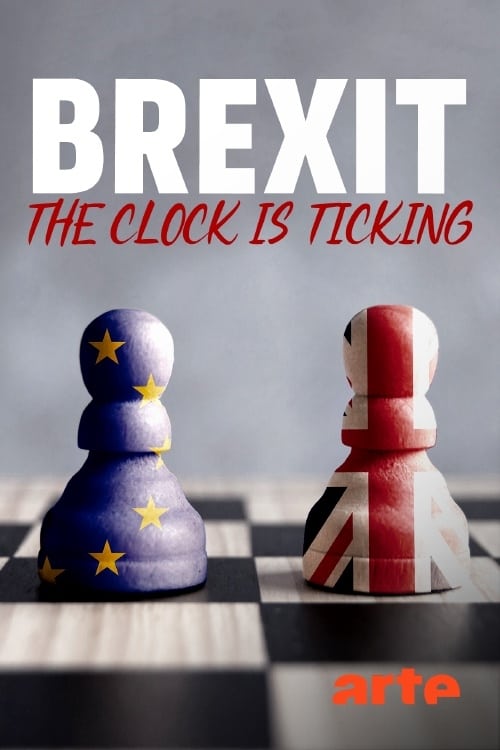
Laura Kuenssberg tells the inside story of how David Cameron's referendum plan backfired, and Vote Leave won. How will this political revolution reshape Britain's politics?
Social & External
The people behind it
Laura Kuenssberg
Narrator
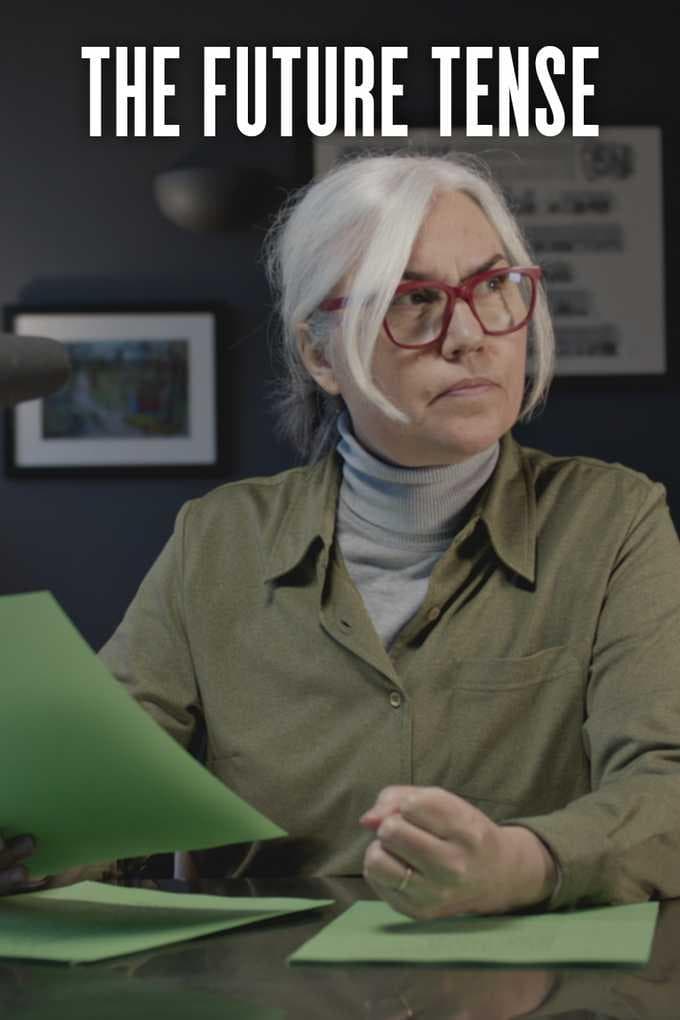
Staged as a series of voiceover sessions, written with gloriously off-balanced precision and dipped in the color green, THE FUTURE TENSE unfolds as a poignant tale of tales, exploring the filmmakers’ own experiences in aging, parenting, mental illness, along with the brutal history that lies submerged beneath Ireland’s heavy, moist earth.
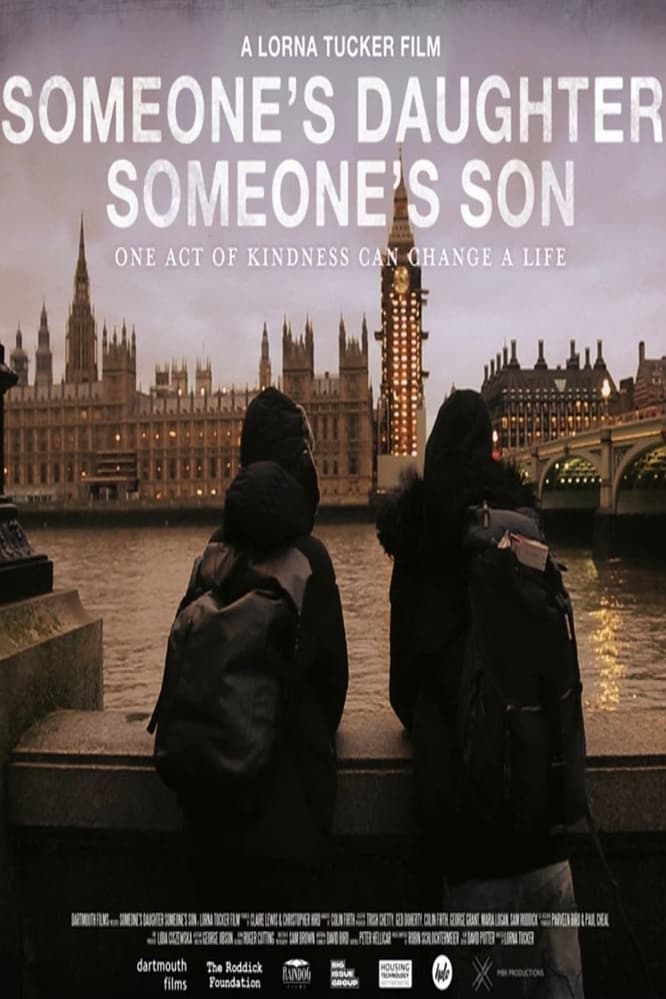
Now a successful filmmaker, Lorna Tucker was once a teenage runaway sleeping rough on the streets of London. For this frank, forceful and inspiring documentary, she returns to her former haunts and speaks to current and former homeless people about why, twenty-five years later, record numbers of people are still reduced to living on Britain's streets.
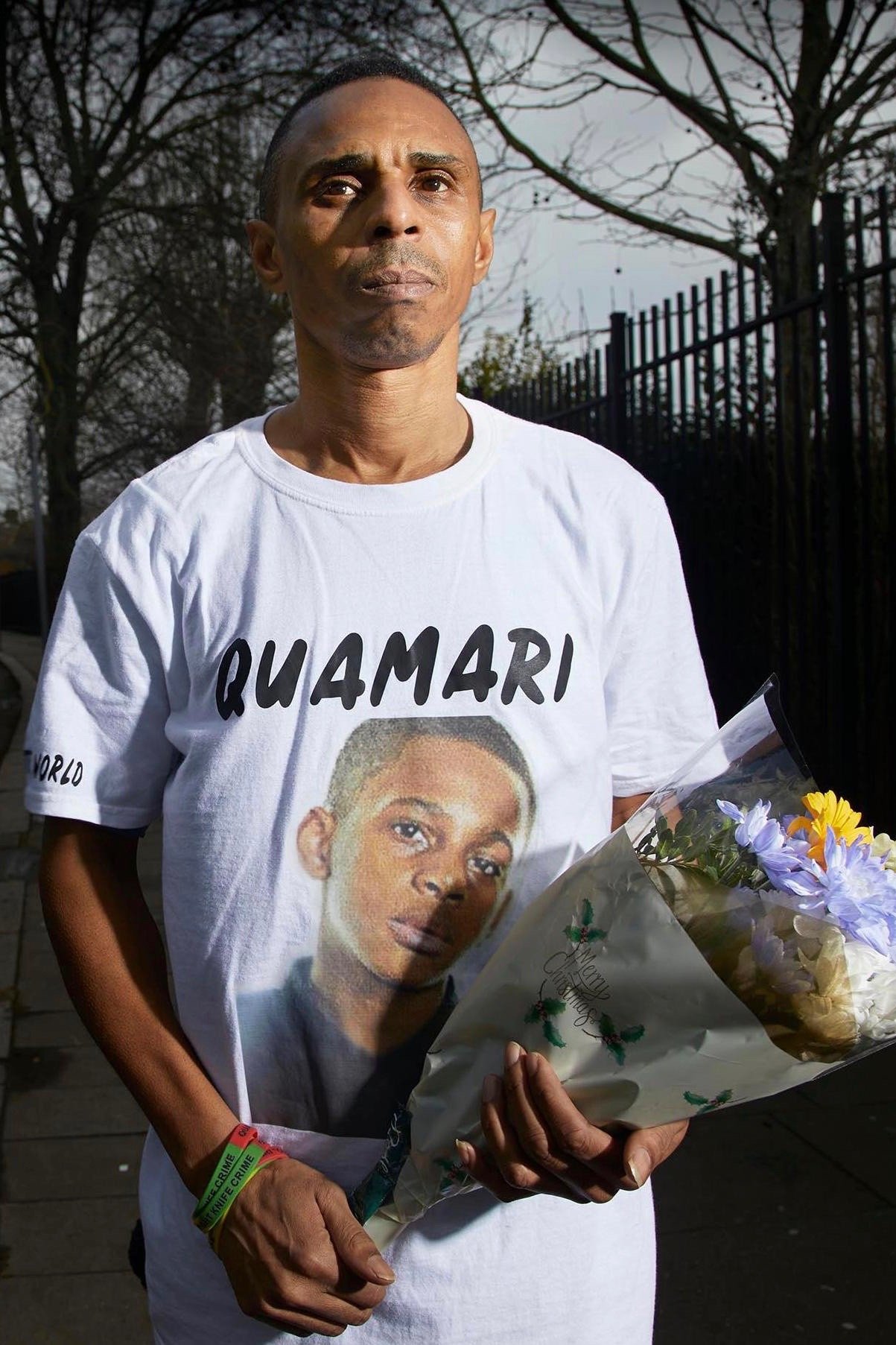
Between January 1st and 31 December 2017, 768 people died as a result of murder or manslaughter in Britain - approximately 14 people a week. This powerful and original film tells the stories of some of those cases, exploring the human cost of murder - the ordinary people whose lives are changed forever and the communities left to wrestle with the consequences. Filmed over 12 months, it follows families and friends from the immediate aftermath of the crime, through the court process, and as they try to rebuild their lives. These stories are shown alongside statistical analysis of homicide figures for Britain since the Millennium, which reveal that so far this century, the pattern of homicides has remained strikingly similar in terms of the profiles of victims and the circumstances of the killing. This urgent, unflinching and intimate film goes beyond individual incidents to ask what the patterns of murder in our time say about the state of Britain.
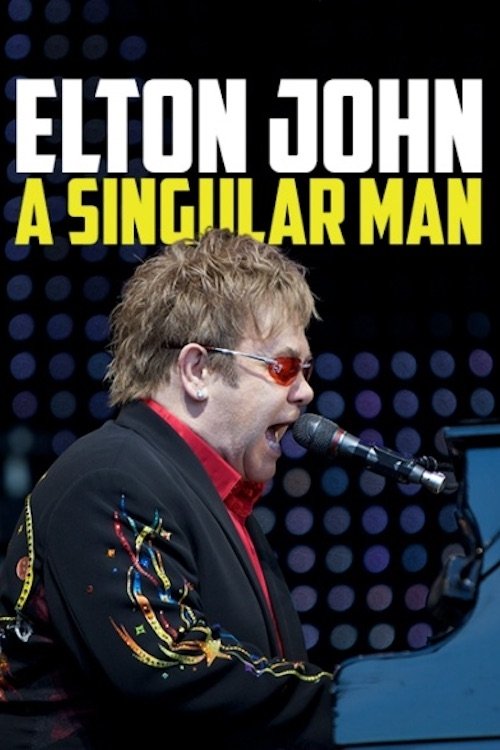
An in-depth portrait of British composer, pianist and singer Elton John, pop star and myth of modern culture.
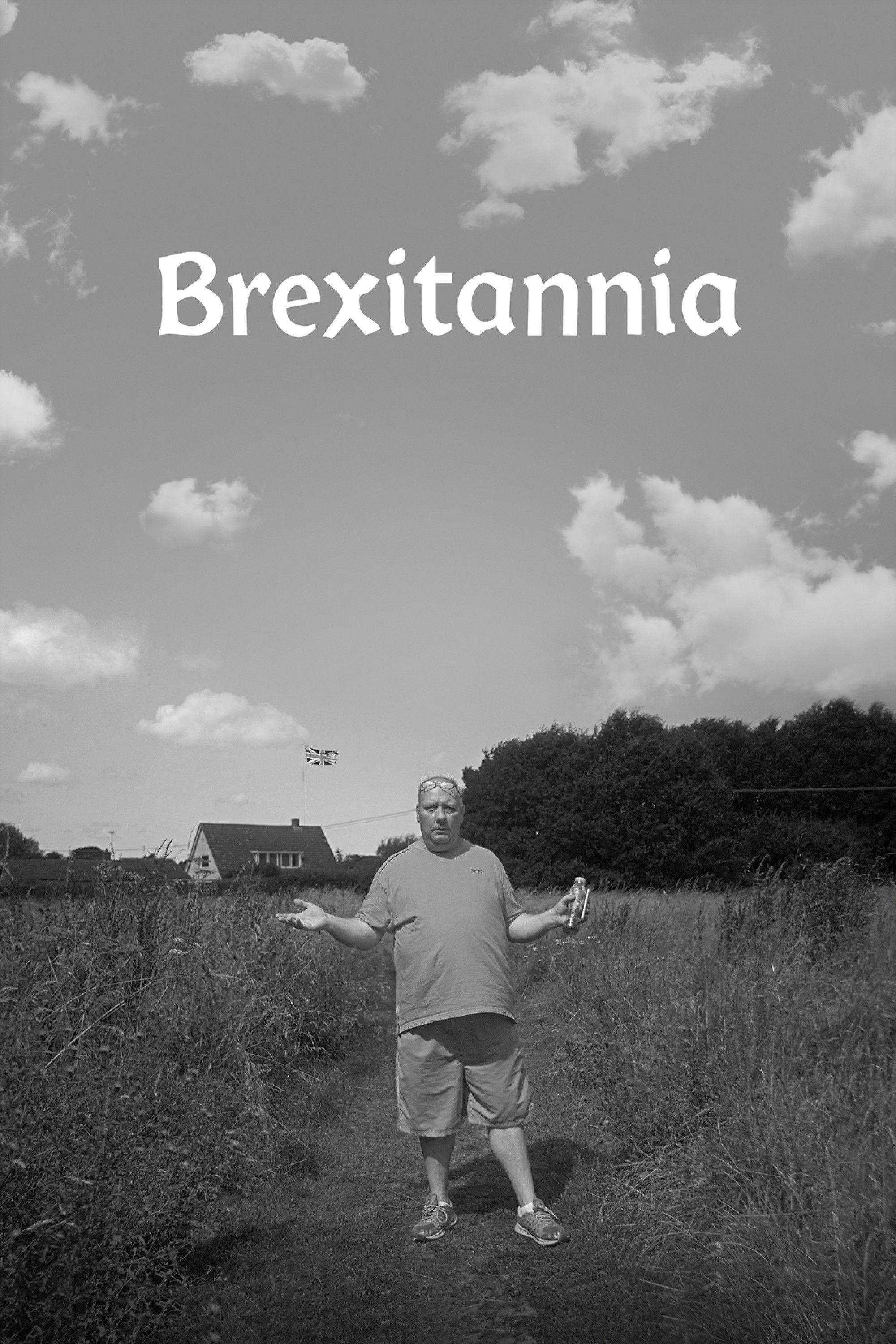
A sociological portrait of the United Kingdom after the historic Brexit vote of 2016. A funny, sometimes terrifying and non-judgemental look at the new populist politics sweeping western democracies.
2025, the year of the intensification of a total and deadly war, which nothing and no one seems able to stop, targeting military personnel and civilians, and which has now claimed more than 1.5 million lives or left that many wounded on both sides. But 2025 is also the year of our break with Donald Trump's America, an America with violent and unpredictable reactions, which risks abandoning the old continent, its most loyal ally for 80 years, for Vladimir Putin. How can we stop this bloodshed on our doorstep? How can we contain the master of the Kremlin, a dictator whose predatory logic threatens to spread beyond Ukraine? Sabotage, ghost ships, interference operations, and drone flights: he is already waging a hybrid war against the rest of Europe. Is armed conflict between Europe and Russia now a possibility?
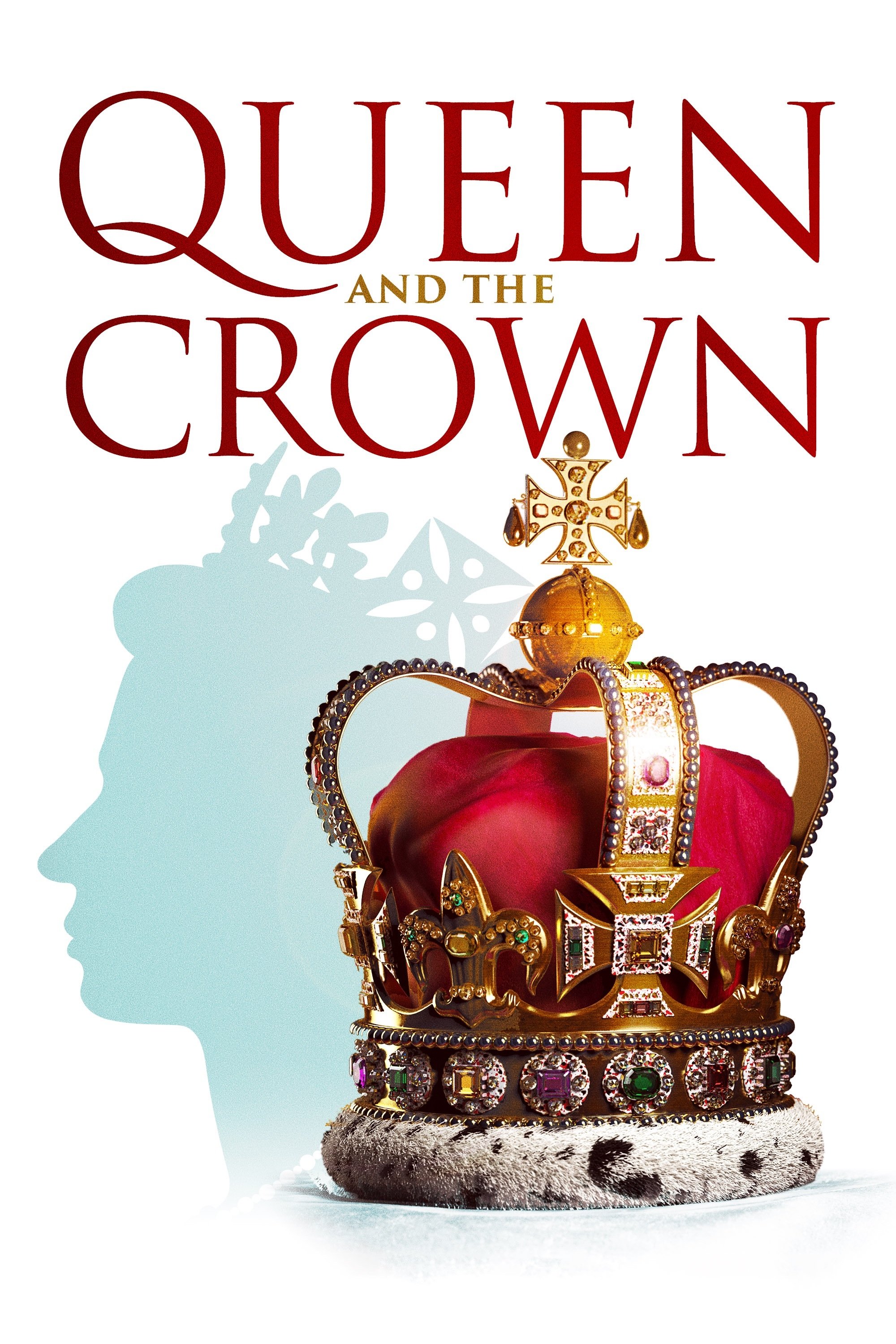
The Queen And The Crown a tribute: A feature length tribute to Her Majesty Queen Elizabeth II, the UK’s longest reigning monarch, from her birth in London on April 21st 1926 to the nationwide outpouring of gratitude and thanks to Her Majesty in June 2022 marking the Platinum Jubilee, and then the sorrow just weeks later and her historic and epic funeral. Following the course of her life as the shock of the abdication in 1936 catapulted her father unexpectedly onto the throne, suddenly making the young princess heir to the crown, we see the way she pledged to give herself entirely to serving the nation.
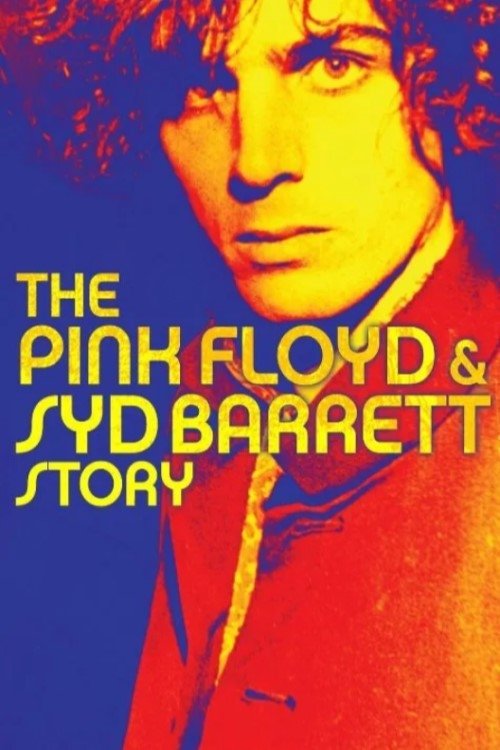
The full bizarre, tragic but celebratory story of Syd Barrett, the co-founder of Pink Floyd.
With the Brexit deadline pushed back and the prospect of a "no deal" looming large, here's a look back at eighteen months of tensions in the footsteps of European negotiator Michel Barnier, at the heart of the negotiations and twists and turns of the biggest divorce in history.
Commissioned by the Festival of Britain to show the similarities and contrasts between 1851 and 1951, by means of the Great Exhibition and the Festival.
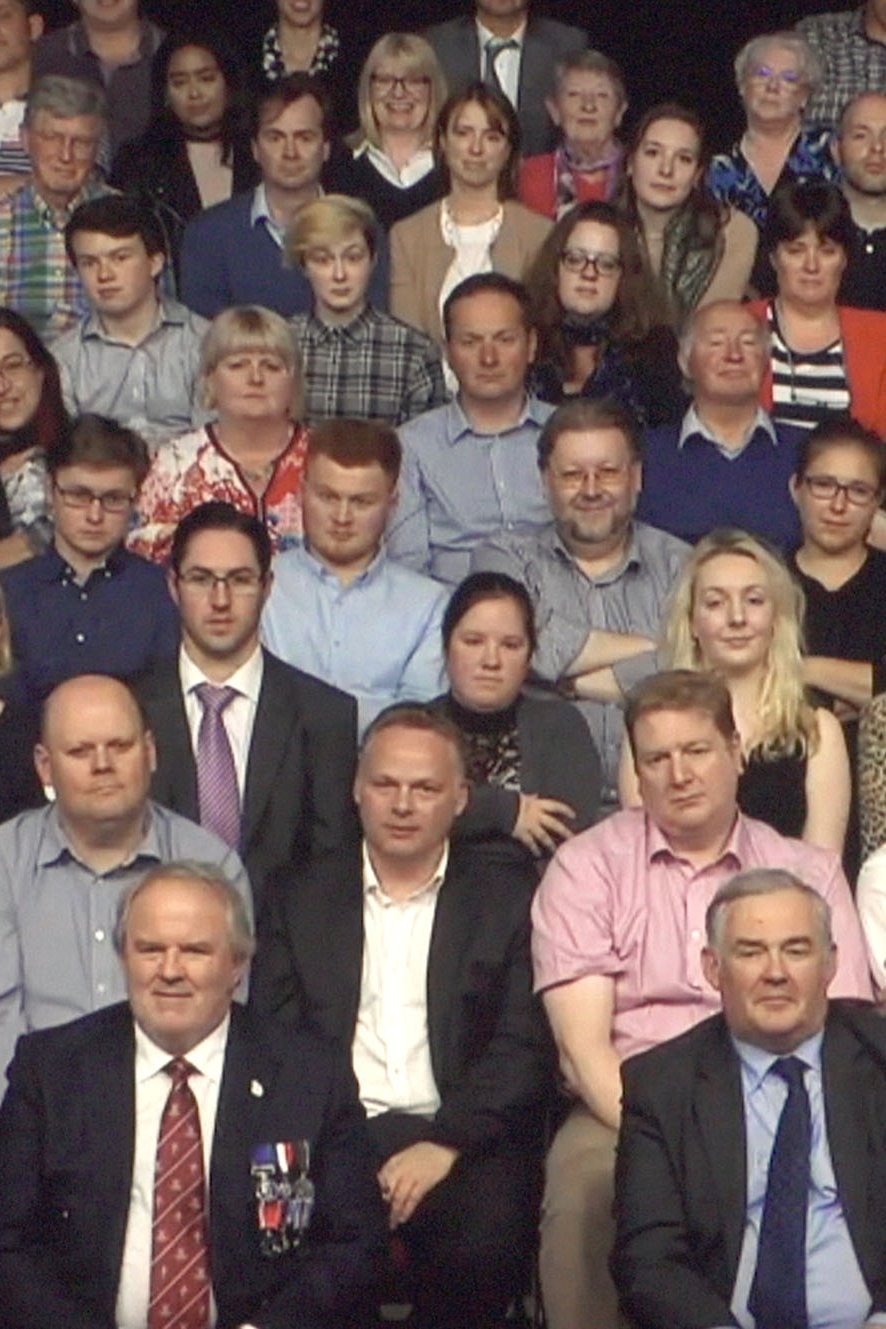
On the 23rd of June 2016 Britain voted to leave the European Union. Who Are We? is a re-working of material from a BBC television debate transmitted a few weeks earlier.”The most provocative of the bunch is John Smith’s Who Are We?. Leading up to the Brexit vote, BBC’s Question Time became ever more vicious and confrontational. Who Are We? is a manipulation of one of those broadcasts, with David Dimbleby prompting “you, sir, up there on the far right” repeatedly.“Get our identity back – vote leave!” one audience member shouts, while another declares himself a veteran, followed by a swift manipulated cut to rapturous applause. It’s a heavily edited and remixed edition of Question Time, but by highlighting those in the audience with attitudes ranging from nationalistic to xenophobic, Smith’s short film shows the now normalised extremism within our society and our political discourse.” Scott Wilson, Common Space magazine, April 2017
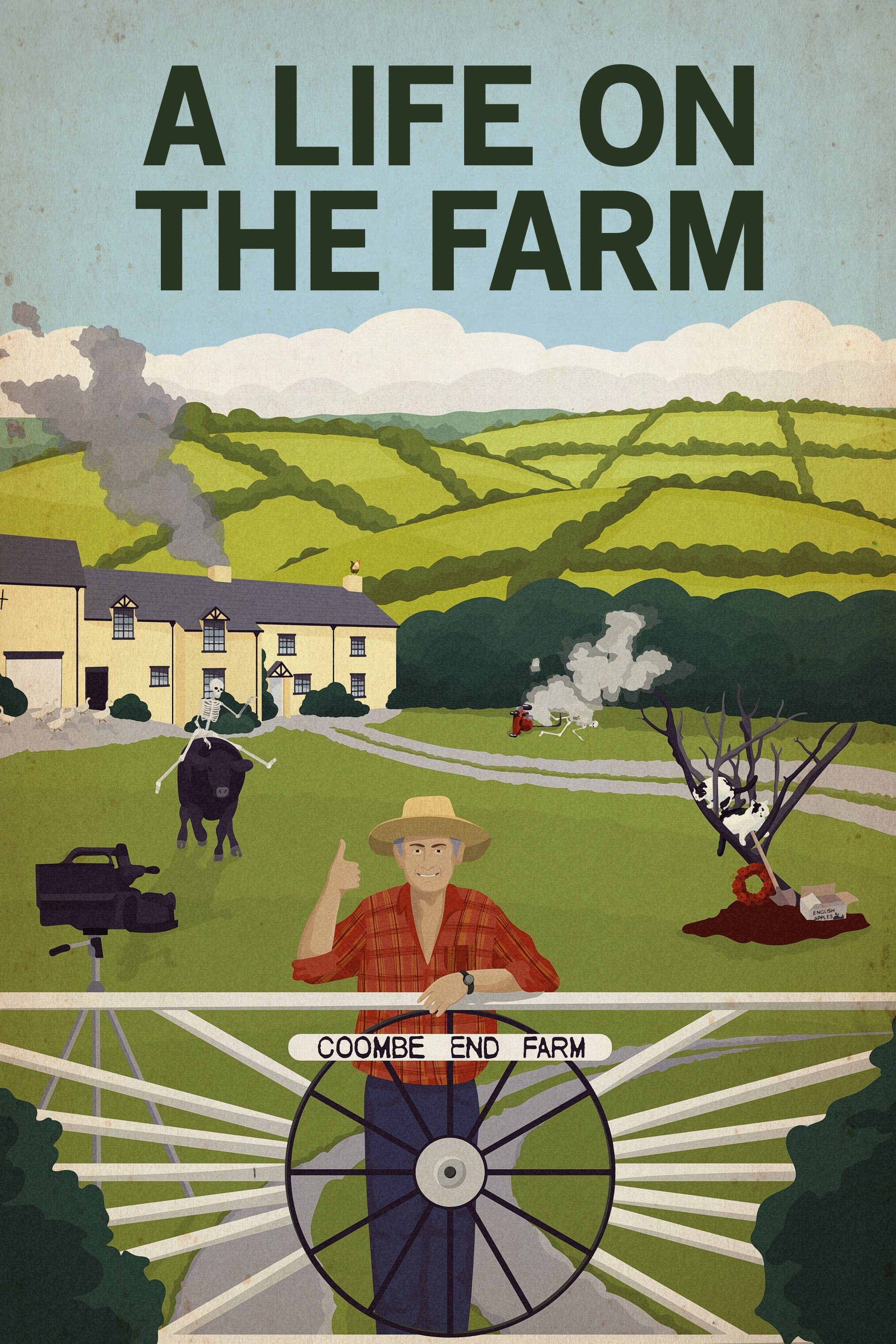
A strange story from Somerset, England about a filmmaking farmer and the inspiring legacy of his long-lost home movies.
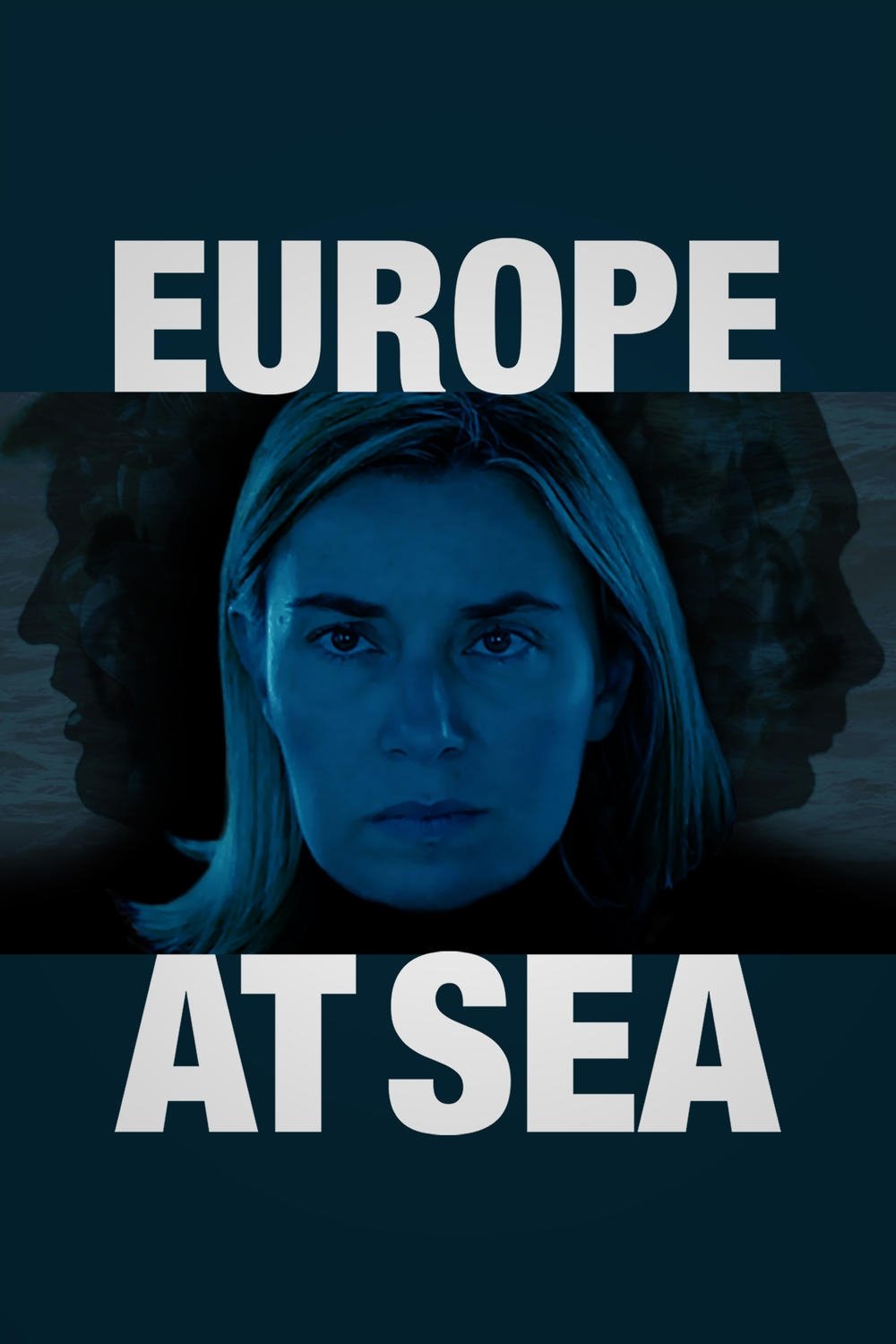
Exclusive access to chief diplomat of the EU Federica Mogherini as Europe faces a crumbling world order.
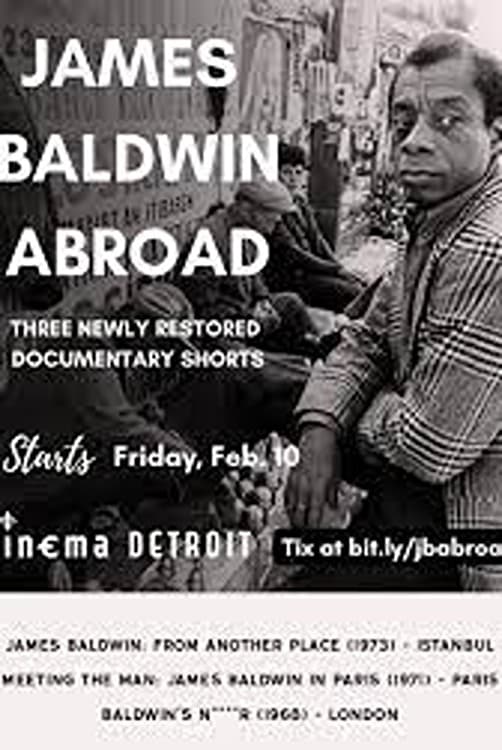
Showcasing three short films by American writer James Baldwin, wherein he muses about race, sexuality and civil rights, among other topics, in Istanbul, Paris and Great Britain.
We are surrounded by types, the words on signs, buses, shops and documents which guide us through our lives. Two types in particular are regarded as the faces of Britain - Johnston and Gill Sans. Their story is told by typeface expert Mark Ovenden.
A look at Britain's beloved canal network via a fact-filled cruise along the first superhighways of the Industrial Revolution. In the age before mechanisation, a frenzy of canal-building saw a new army of workers carve out the British landscape, digging out hundreds of miles of waterways using picks, shovels and muscle.
An American couple tour Britain with a teenage girl, visiting London, Canterbury, Cambridge, the West Country, Caernarvon, etc.
This is a film made by the some of the 48% who voted Remain. The film is of the 48% and for the 48%. It is their story, feelings and reasons for remain, made totally from their perspective.
A fascinating compilation tracing the development of British trains throughout the 20th century. This program provides a record of the greatest days of steam; the magnificent express engines developed by the 'Big Four' - the GWR, SR, LNER, and LMS; many famous named trains like the Golden Arrow and the Brighton Belle, the War and Nationalism; and the amazing variety of elder locos from the 1950's.
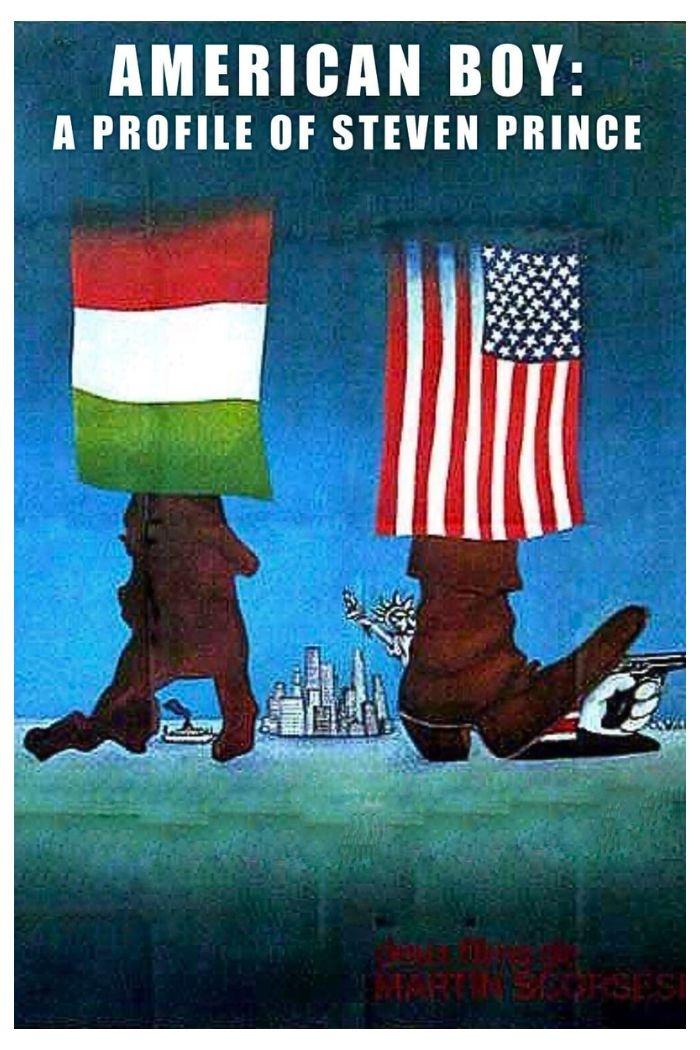
Martin Scorsese spends an evening with larger-than-life raconteur Steven Prince—a former drug addict, road manager for Neil Diamond, and actor—as he recounts stories from his colorful life.
An inside look at one of the most anticipated movie sequels ever with James Cameron and cast.
A road trip across five countries to explore the social and political movements as well as the mainstream media's misperception of South America while interviewing seven of its elected presidents.
In an intimate and joyful story of love in the face of loss, celebrated poets Andrea Gibson and Megan Falley find strength—and unexpected hilarity—in what might be their final year together.
A documentary about the life and films of director John Ford.
Martin Scorsese’s portrait of writer and social commentator Fran Lebowitz, celebrated for her sharp wit and observations on modern life. Filmed at New York’s Waverly Inn and intercut with archival footage and interviews, the documentary captures Lebowitz’s distinctive worldview through her spontaneous monologues and public appearances.
Data—arguably the world’s most valuable asset—is being weaponized to wage cultural and political wars. The dark world of data exploitation is uncovered through the unpredictable, personal journeys of players on different sides of the explosive Cambridge Analytica/Facebook data story.
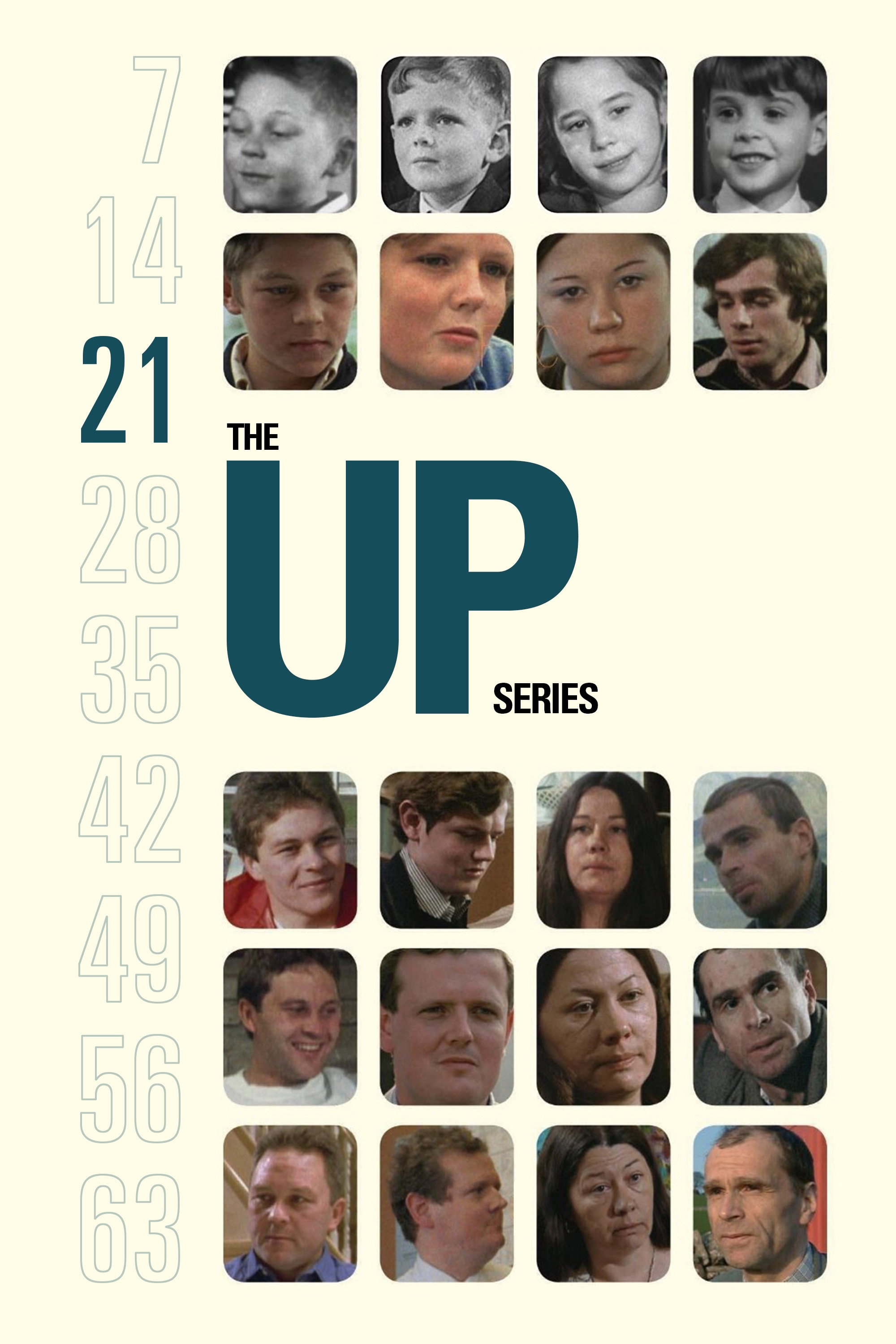
Director Michael Apted revisits the same group of British-born adults after a 7 year wait. The subjects are interviewed as to the changes that have occurred in their lives during the last seven years.
Through deeply personal interviews with her siblings and an examination of the photographs, letters, and belongings left behind, Mariska assembles a new portrait of her mother Jayne Mansfield, an extraordinary and complex woman.
After another 7 year wait, director Michael Apted revisits the same group of British-born children from Seven Up! and 7 Plus Seven. The subjects are interviewed as to the changes that have occurred in their lives during the last seven years.
The Captains is a feature-length documentary film written and directed by William Shatner. The film follows Shatner as he interviews the other actors who have portrayed starship captains in the Star Trek franchise.
Ranjit, a farmer in India, takes on the fight of his life when he demands justice for his 13-year-old daughter, the victim of a brutal gang rape. His decision to support his daughter is virtually unheard of, and his journey unprecedented.
Daniel Craig candidly reflects on his 15 year adventure as James Bond. Including never-before-seen archival footage from Casino Royale to the upcoming 25th film No Time To Die, Craig shares his personal memories in conversation with 007 producers, Michael G Wilson and Barbara Broccoli.
Using the book 'Fragments', which collects Marilyn Monroe's poems, notes and letters, and with participation from the Arthur Miller and Truman Capote estates who have contributed more material, each of the actresses will embody the legend at various stages in her life.
A compilation of over 30 years of private home movie footage shot by Lithuanian-American avant-garde director Jonas Mekas, assembled by Mekas "purely by chance", without concern for chronological order.
A documentary about the making of David Fincher's 2008 film THE CURIOUS CASE OF BENJAMIN BUTTON. Virtually every element in the evolution of the Fincher's film is documented here, from the project's attachment to numerous other directors during the 1990s, to its shoot in 2006 and 2007 in New Orleans, to its complex, CGI-intensive postproduction process.
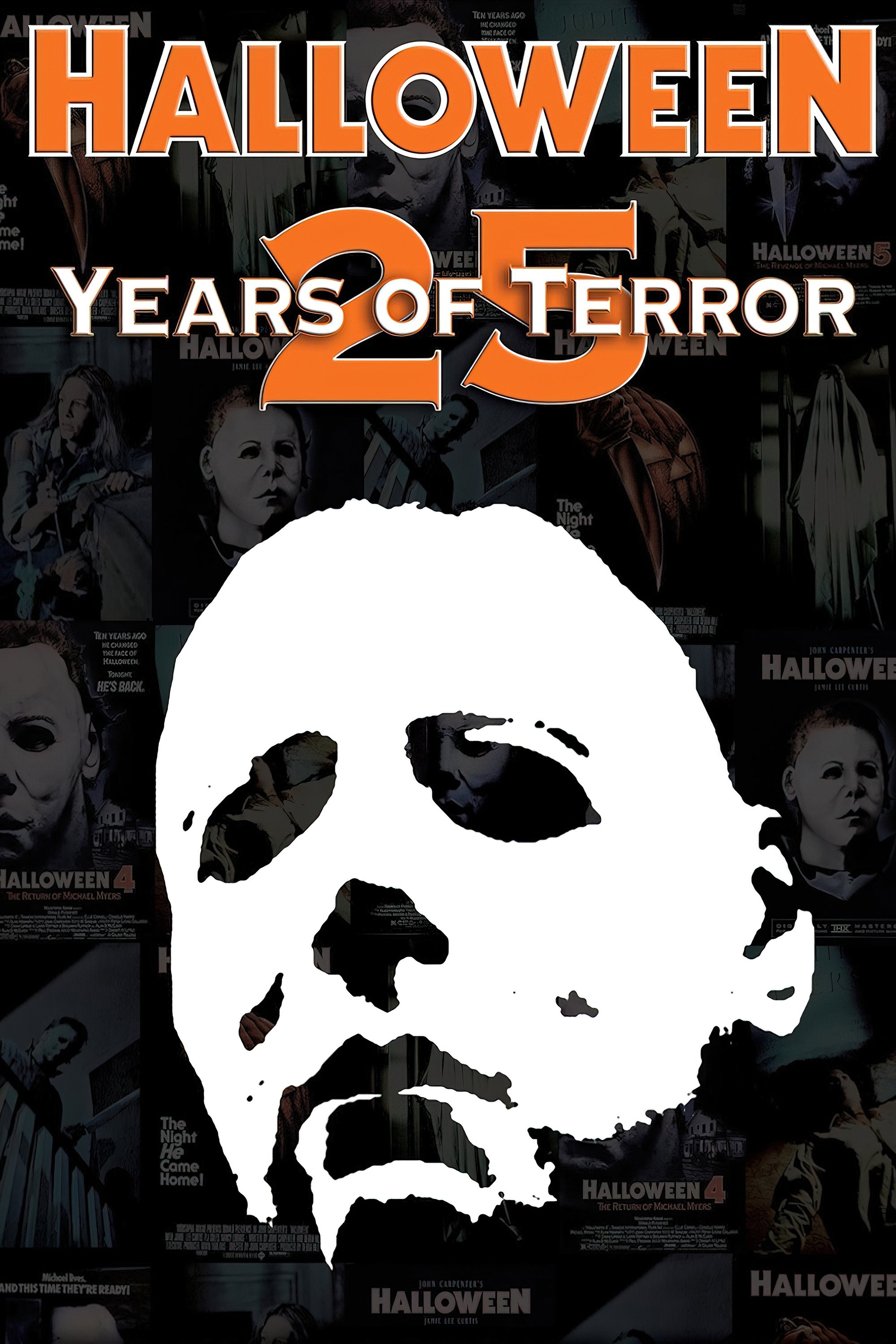
Follow the evolution of the 'Halloween' movies over the past twenty-five years. It examines why the films are so popular and revisits many of the original locations used in the films - seeing the effects on the local community. For the first time, cast, crew, critics and fans join together in the ultimate 'Halloween' retrospective.
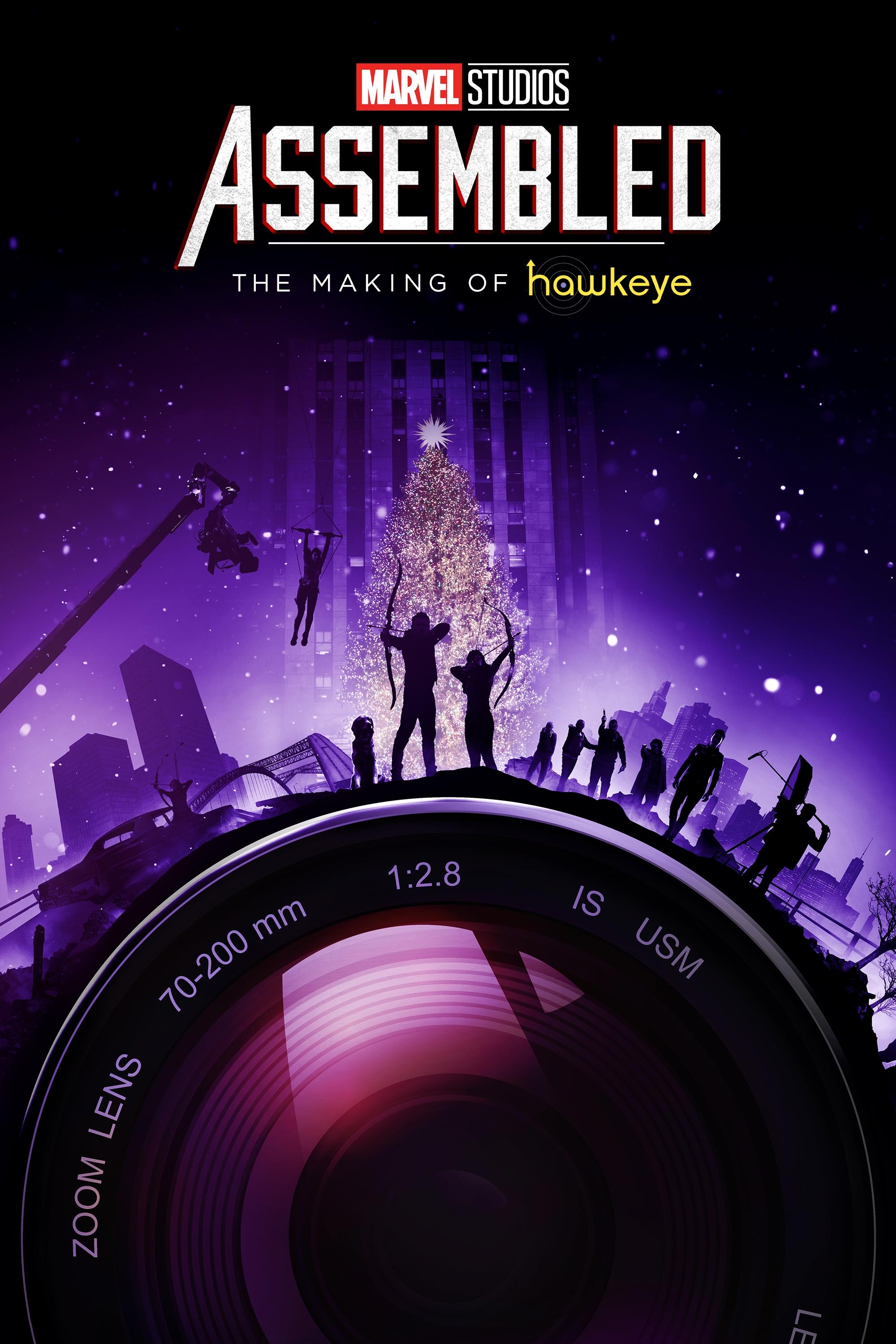
Join the likes of Jeremy Renner, Hailee Steinfeld, Florence Pugh, and Vincent D’Onofrio as they reveal how Marvel Studios’ “Hawkeye” was conceived and created. Witness firsthand what it took to pull off the show’s pulse-pounding action set pieces, and discover how iconic characters from the pages of Marvel Comics such as Kate Bishop were adapted and brought to life for the six-episode series.
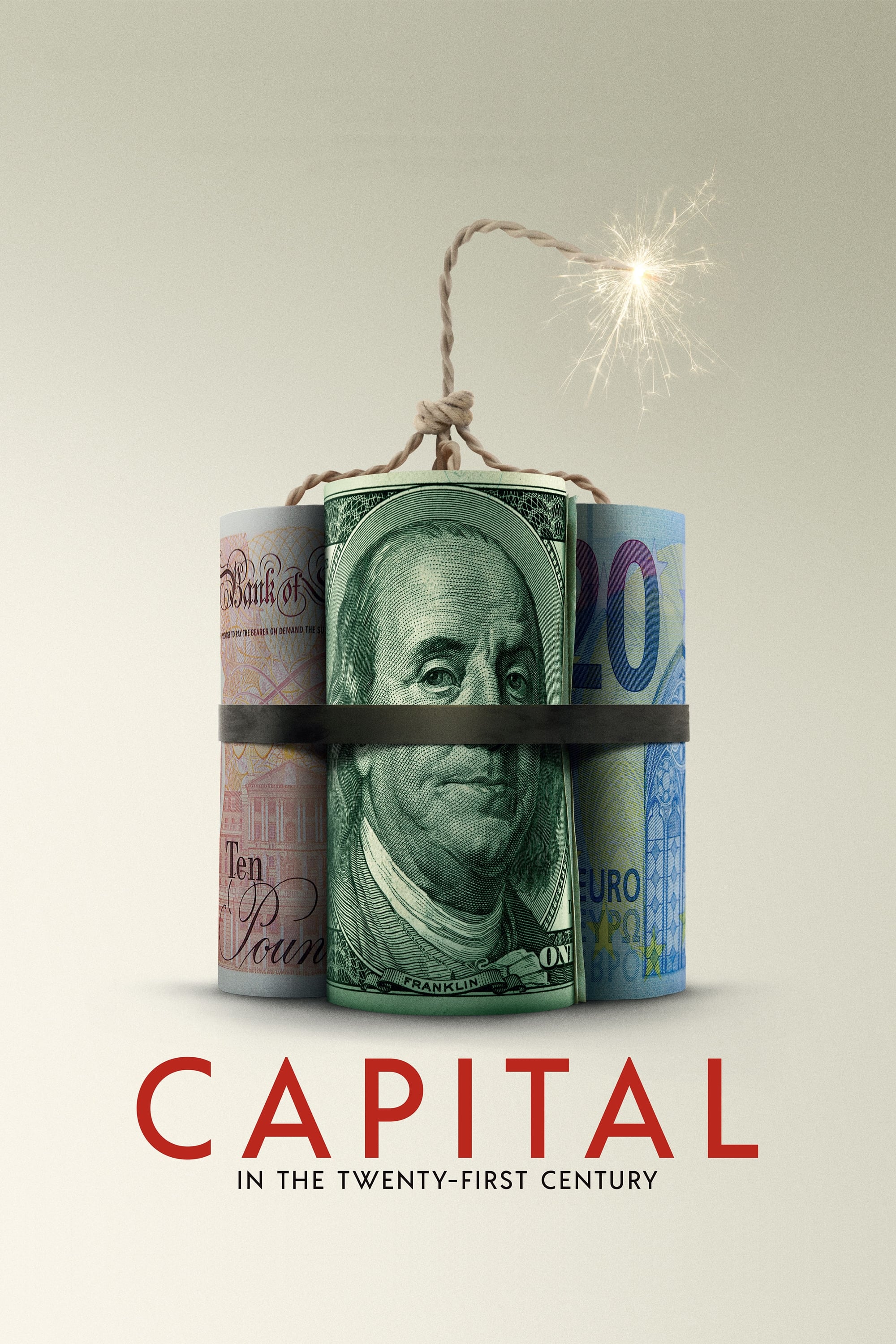
Film adaptation of French economist Thomas Piketty's ground-breaking global bestseller of the same name: an eye-opening journey through wealth and power.
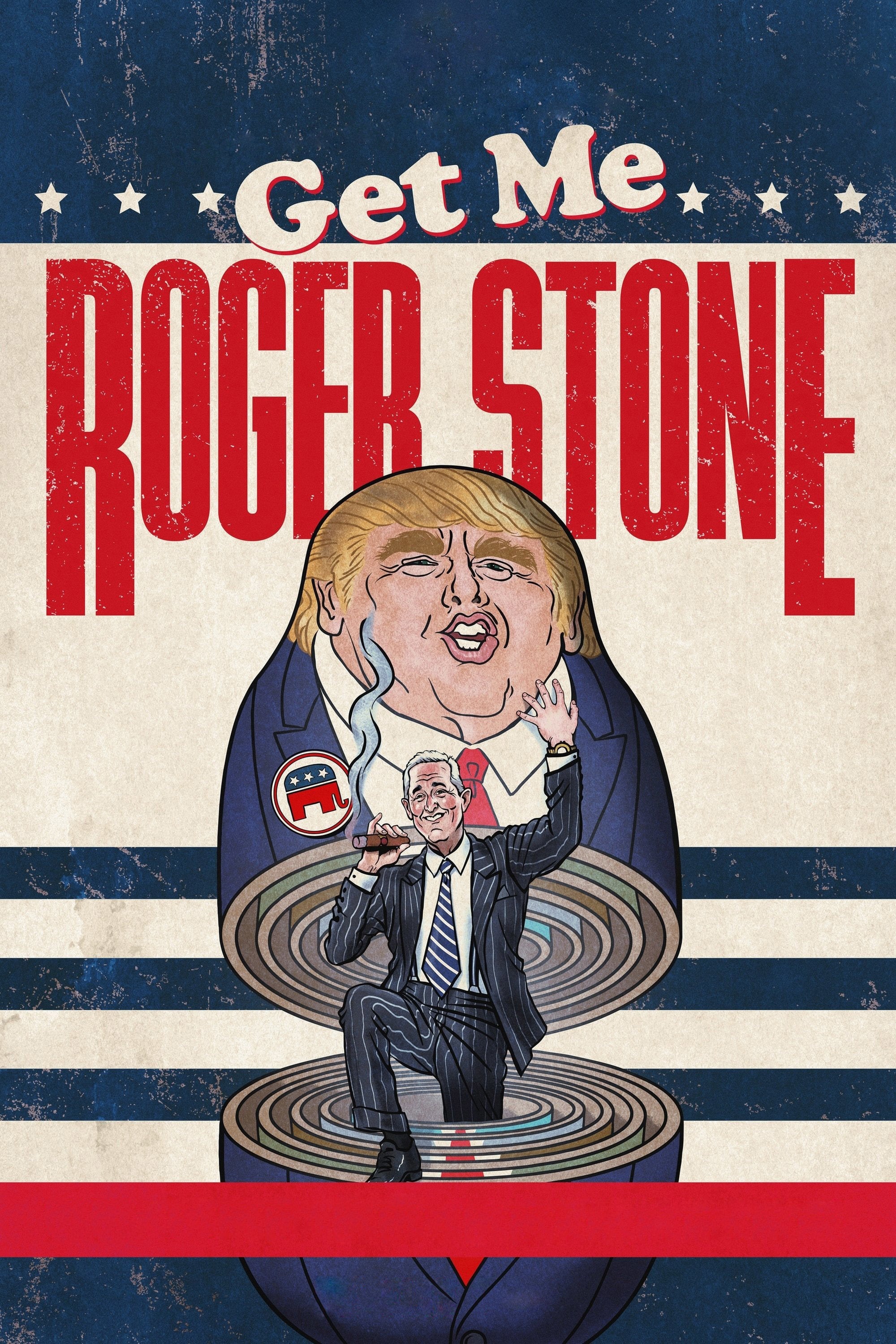
From his days of testifying at the Watergate hearings to advising recent presidential candidate Donald Trump, Roger Stone has long offended people on both sides of the political fence as a force in conservative America. Outspoken author, pundit, ahead of his time election strategist, this is his story.