Social & External
The people behind it
A year has passed since the attacks on the Nord Stream gas pipelines, and it is still unclear what actually happened at the bottom of the Baltic Sea at that time. ARD, Süddeutsche Zeitung, and DIE ZEIT have joined forces for a large-scale investigation and set out to find the alleged perpetrators. An investigation into one of the most spectacular criminal cases of our time, an attack of historic proportions.
Sicilian photojournalist Letizia Battaglia began a long battle against the ruthless Cosa Nostra when she first photographed the sinister scene of a brutal murder. Documenting the barbaric rule of the Italian Mafia, she was an unwavering witness to its crimes. Her art and courage helped end the horrific and bloody reign of the Corleonesi clan.
Data—arguably the world’s most valuable asset—is being weaponized to wage cultural and political wars. The dark world of data exploitation is uncovered through the unpredictable, personal journeys of players on different sides of the explosive Cambridge Analytica/Facebook data story.
In December 1967, a Cuban film crew led by Santiago Alvarez, the veteran polemicist, travelled to Hanoi. They shot the footage which constitutes this short documentary all in one day - Tuesday 13. The film is the story of that day and what happened to the North Vietnamese people in the course of it.
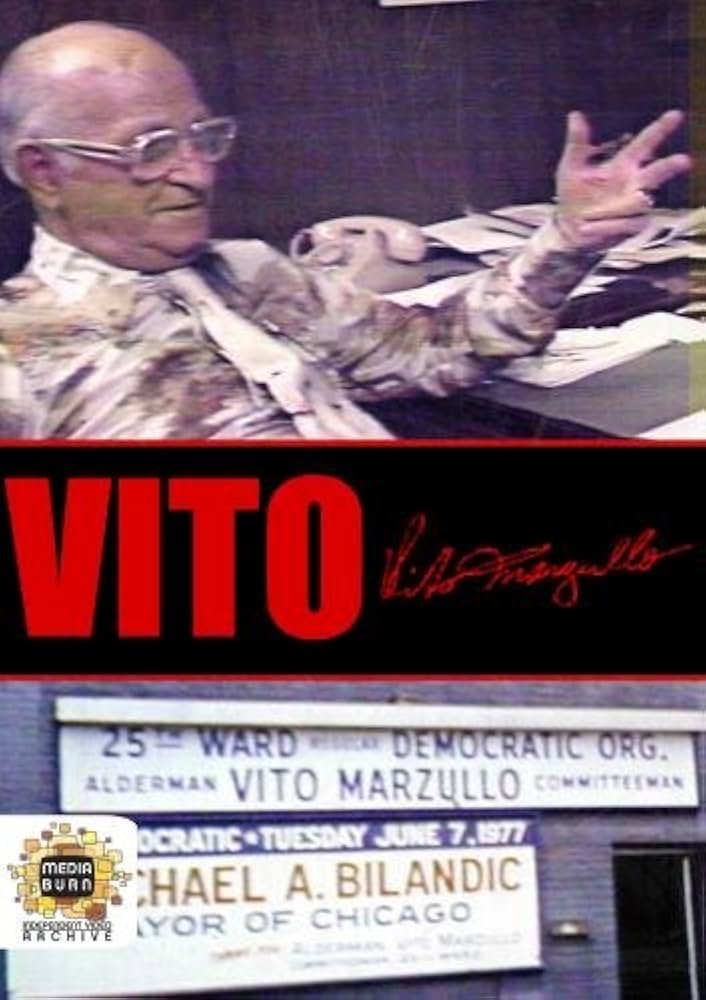
This 1978 documentary classic is an inside look at the old-style Chicago Machine politics of the Richard J. Daley era, where Alderman Vito Marzullo ran his West Side 25th Ward virtually unchallenged from 1953-1985.
A look inside one of the most brutal campaigns of state repression in modern history - told by those who endured it and those who enforced it.
In 2025, a young artist reckons with his past right-wing views and attempts to chart a new path through organizing a charity concert for Palestine.
The film is dedicated to the achievements of the Ukrainian SSR for the eleventh anniversary of the October Revolution.
Satirist Munya Chawawa immerses himself in US wrestling and MAGA politics, uncovering the links between Donald Trump and the world of body slams, spandex and the power of kayfabe.
In the second film, the author tells about the struggle of blacks for the right to feel equal with all US citizens. Commentary of the mayor of Cairo, one of the cities in the American South, about the suppression of the rebels, about the most brutal methods of fighting African American protesters. Jesse Jackson's speech. Jesse Jackson's commentary on the Black Rights Organization. Comments by female residents of Jackson, the capital of Mississippi, on the degree of mental development of whites and blacks. A story about the Ku Klux Klan, about Robert Shelton - the head of the Ku Klux Klan. Speech by American singer and dramatic actor Paul Robson, his commentary. Shots of the Olympics, victories in the competition of black athletes. About reprisals against Negro organizations. The widow of the American writer Ernest Hemingway Mary and the American scientist Henry Winston speak out about support for African Americans and the fight against racism.
Americans are alarmed... What they have witnessed - a group of journalists from Soviet television, having appeared on American soil in the summer of 1982, America has not yet seen. To whom it would seem in our time to surprise with mass processions, demonstrations of many thousands. They are constantly reported in newspapers, their shots are now and then flashed in television news releases, and nevertheless, the events of this summer are something completely new in the political life of the United States...
Professor Valentin Zorin, political observer of the USSR State Television and Radio Broadcasting, talks about Joseph McCarthy, an American politician, a senator from Wisconsin, who held an extremely anti-communist position, who advocated an intensification of the Cold War with the USSR. The name of McCarthy is associated with a reactionary trend in the political life of the United States of the early 1950s, dubbed "McCarthyism" and consisted in the persecution of people only suspected of sympathizing with communism and not committing any crimes.
People You May Know follows Charles Kriel, specialist advisor to UK Parliament on disinformation, when he discovers Cambridge Analytica collaborating with a software company creating a microtargeting platform for US churches, targeting vulnerable people - the poor, the grieving, the addicted - to radicalise them for far-right politics. With US 2020 elections coming, Kriel gathers a team of whistleblowers and journalists, and journeys across America with his young family, where he discovers a powerful organisation with ties to the heart of the White House. The man who commissioned CA is a member of the most powerful secret political organisation in the United States, with an agenda to rewrite the Constitution according to Christian law. Going undercover, he risks everything to gain access where no outsider has ever set foot.
A documentary that chronicles the political trajectory of former president Michel Temer (MDB) during the 963 days he was in charge of the Planalto Palace.
The Pharmacratic Inquisition isn’t a documentary—it’s conspiracy pseudoscholarship masquerading as revelation. This Gnostic Media film by Jan Irvin claims Jesus’ story, Christian symbols, and traditions are just recycled astrology (12 disciples = zodiac) and shamanic drug rituals, not historical truth or divine revelation. It cherry-picks ancient myths, mushroom theories (à la John Allegro), and fertility symbols to “prove” Christianity is pagan sun worship with hidden entheogens. No balance—just a sensational sales pitch for their book Astrotheology & Shamanism, covering ~25% of its content with flashy images but zero rigorous sources. The problem? It ignores centuries of textual criticism, archaeology, and historiography affirming Jesus’ historicity while reducing faith to tripped-out paganism. It’s not eye-opening; it’s agenda-driven myth-making for the “ancient aliens” crowd, shaming believers as dupes. Watch if you must, but know it’s propaganda, not scholarship.
Under the leadership of Xi Jinping, China is on its way to becoming the leading world power of the 21st century. What goals is the mysterious autocrat, who was deeply influenced by Maoism in his youth, pursuing? What drives him? In terms of domestic policy, Xi is striving for the "perfect dictatorship"; in terms of foreign policy, he wants to rewrite the international rules.
The film is based on interviews with 2,000 women from 50 countries, and covers the status of women all over the world. The topics covered include forced marriages, sexual assault, female genital mutilation, acid attacks, motherhood, sexuality, menstruation, education and the professional success of women.
A non-narrated documentary following the lovesome lives of four infants from birth to their first birthday. The babies featured are two from rural areas: Ponijao from Opuwo, Namibia, and Bayar from Bayanchandmani, Mongolia, as well as two from urban areas: Mari from Tokyo, Japan, and Hattie from San Francisco, USA.
Al Pacino's deeply-felt rumination on Shakespeare's significance and relevance to the modern world through interviews and an in-depth analysis of "Richard III."
Those who knew iconic funnyman John Candy best share his story, in their own words, through never-before-seen archival footage, imagery, and interviews.
The film follows adventurer Jeff Johnson as he retraces the epic 1968 journey of his heroes Yvon Chouinard and Doug Tompkins to Patagonia.
A purely observational non-fiction film that takes viewers into the ethically murky world of end-of-life decision making in a public hospital.
Long-lost footage from Elvis Presley's legendary Las Vegas residency in the 1970s woven together with rare 16mm footage from Elvis on Tour, and 8mm from the Graceland archive, plus recordings of Elvis telling "his side of the story" rediscovered during Baz Luhrmann's research for his 2022 film, Elvis.
A night of drunken chaos rocks a quiet Dutch town in this shocking documentary about a teen's birthday invite that accidentally went viral on Facebook.
SEDUCED AND ABANDONED combines acting legend Alec Baldwin with director James Toback as they lead us on a troublesome and often hilarious journey of raising financing for their next feature film. Moving from director to financier to star actor, the two players provide us with a unique look behind the curtain at the world's biggest and most glamourous film festival, shining a light on the bitter-sweet relationship filmmakers have with Cannes and the film business. Featuring insights from directors Martin Scorsese, 'Bernando Bertolucci' and Roman Polanski; actors Ryan Gosling and Jessica Chastain and a host of film distribution luminaries.
Behind-the-scenes documentary about how Lionel Messi succeeded in lifting the World Cup – the only trophy to have eluded him in an incredible career.
The life and career of an actor, artist, and icon. His own journey through his own camera.
While in San Francisco for the promotion of her last film in October 1967, Agnès Varda, tipped by her friend Tom Luddy, gets to know a relative she had never heard of before, Jean Varda, nicknamed "Yanco". This hitherto unknown uncle lives on a boat in Sausalito, is a painter, has adopted a hippie lifestyle and loves life. The meeting is a very happy one.
A homemade flying saucer lifts off, and a 6-year-old boy might be inside. National panic ensues — but what truly happened? This documentary investigates.
World War II. Not all warriors wore uniforms. Not all warriors were men. Meet ninety-year-old Colette Catherine who, as a young girl, fought the Nazis as a member of the French Resistance. Now she’s about to re-open old wounds, re-visting the terrors of that time. Some nightmares are too terrible to remember. But also, too dangerous to forget.
The life of Mr. Spock, as well as that of Leonard Nimoy, the actor who played him for almost fifty years, written and directed by his son: Adam.
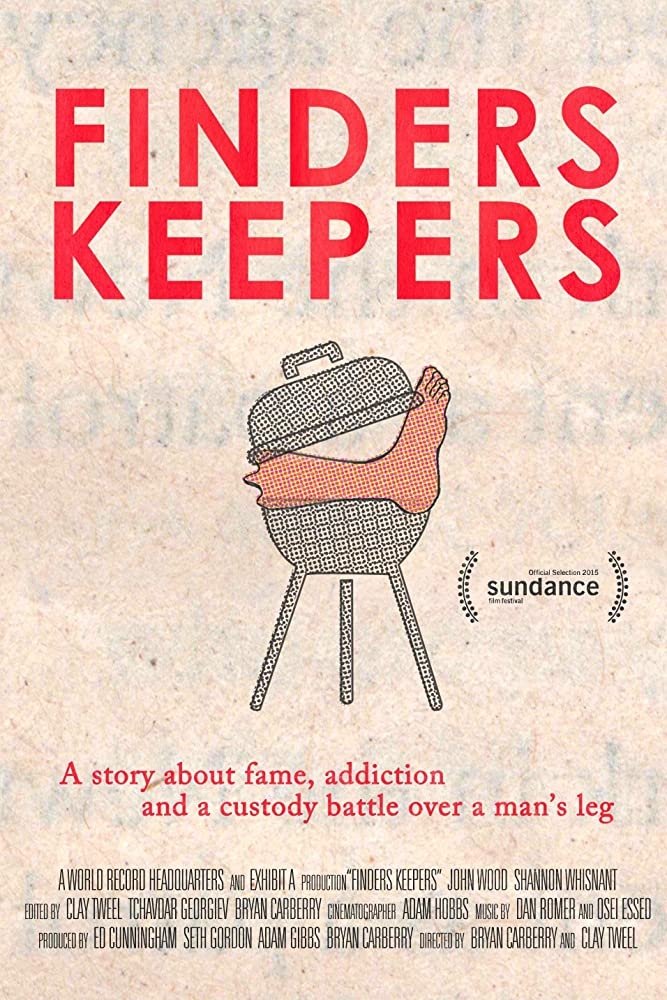
In this documentary, recovering addict and amputee John Wood finds himself in a stranger-than-fiction battle to reclaim his mummified leg from Southern entrepreneur Shannon Whisnant, who found it in a grill he bought at an auction and believes it therefore to be his rightful property.
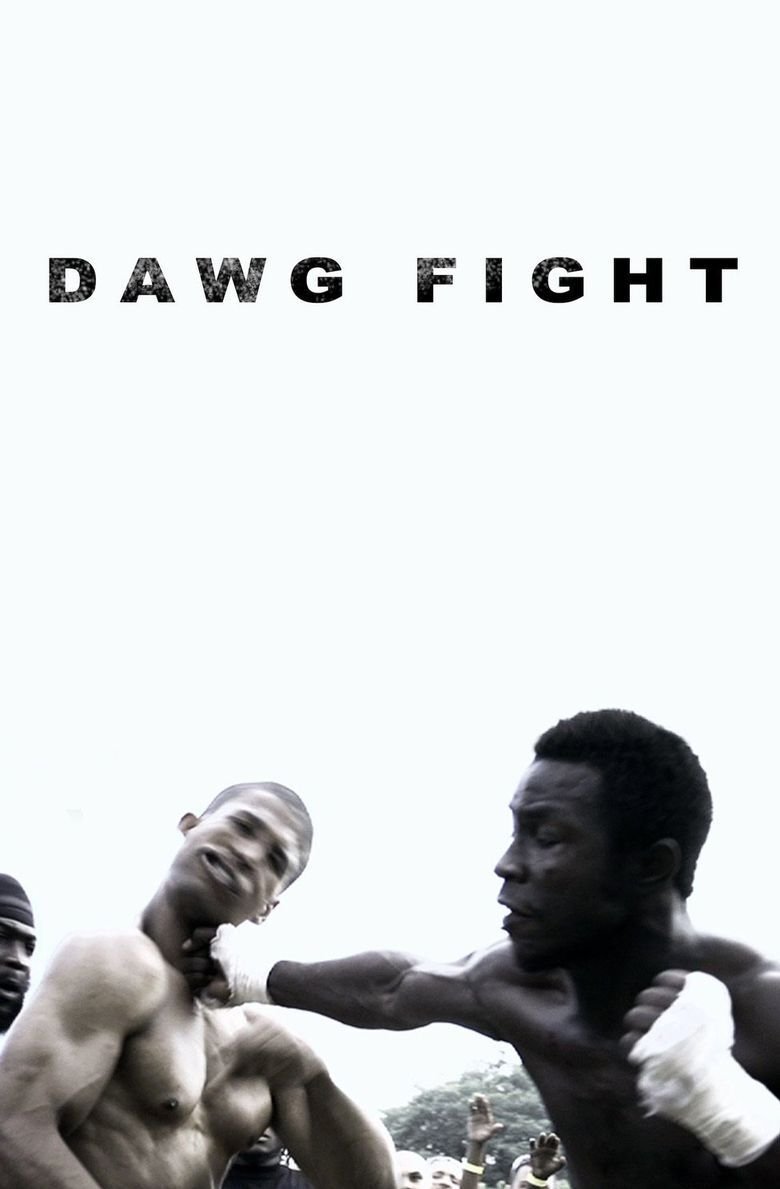
In a crime-plagued neighborhood near Miami, brutal, bare-knuckled backyard fights give young men a chance to earn money -- and self-respect.
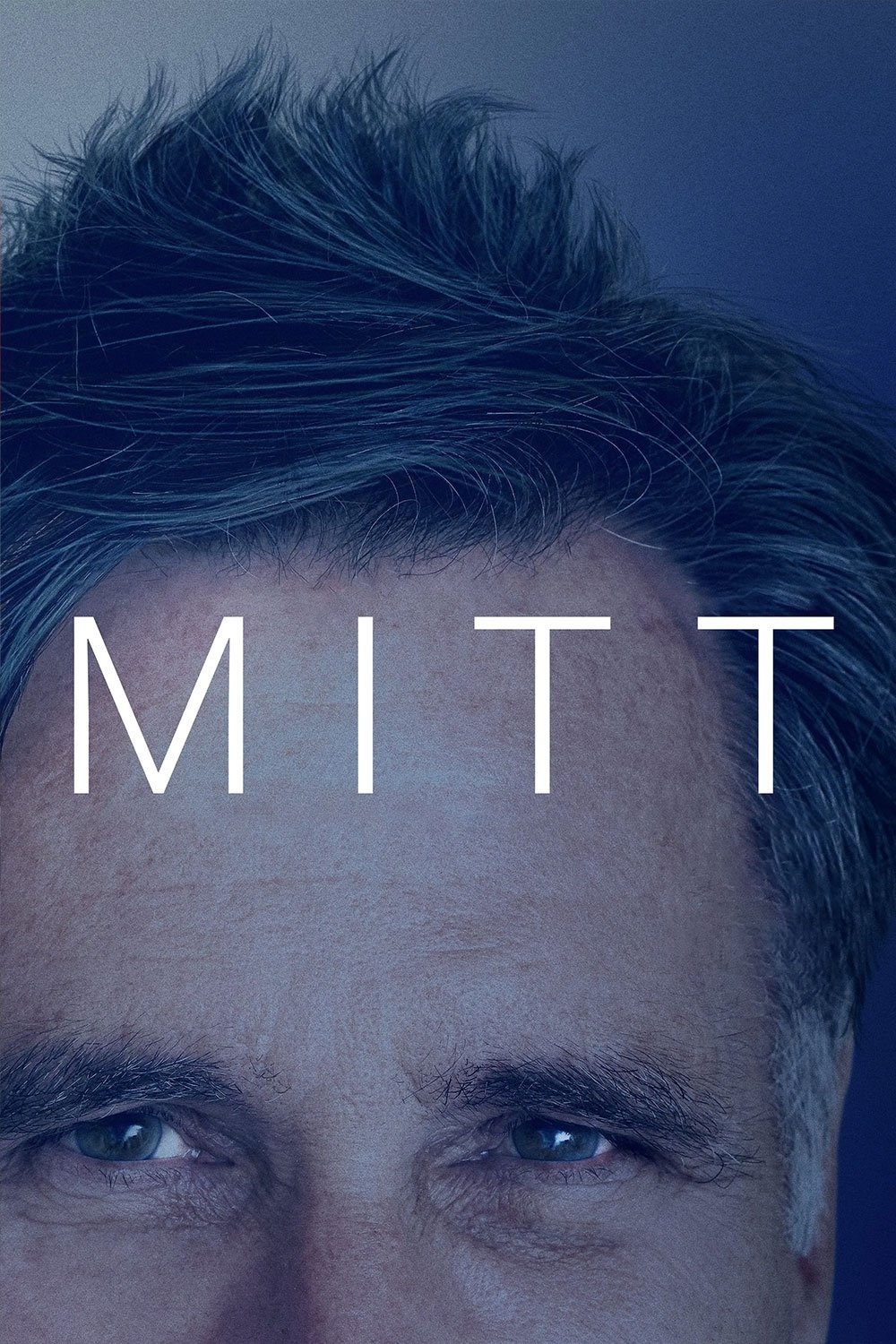
A filmmaker is granted unprecedented access to a political candidate and his family as he runs for President.
With unprecedented access to the official archives and intimate recollections from the band, both current and past, Iron Maiden: Burning Ambition invites fans to experience one of the most iconic journeys in music history. Spanning five decades, this electrifying documentary charts the band’s rise from the pubs of East London to the world’s biggest stadiums. Featuring exclusive interviews with band members and contributors such as Javier Bardem, Lars Ulrich and Chuck D, as well as all-new animated sequences of the band's legendary mascot, Eddie, the film offers a rare and intimate look at Iron Maiden’s uncompromising vision and unwavering connection with their truly global army of fans.
In the Realms of the Unreal is a documentary about the reclusive Chicago-based artist Henry Darger. Henry Darger was so reclusive that when he died his neighbors were surprised to find a 15,145-page manuscript along with hundreds of paintings depicting The Story of the Vivian Girls, in What is Known as the Realms of the Unreal, of the Glodeco-Angelinnian War Storm, Cased by the Child Slave Rebellion.