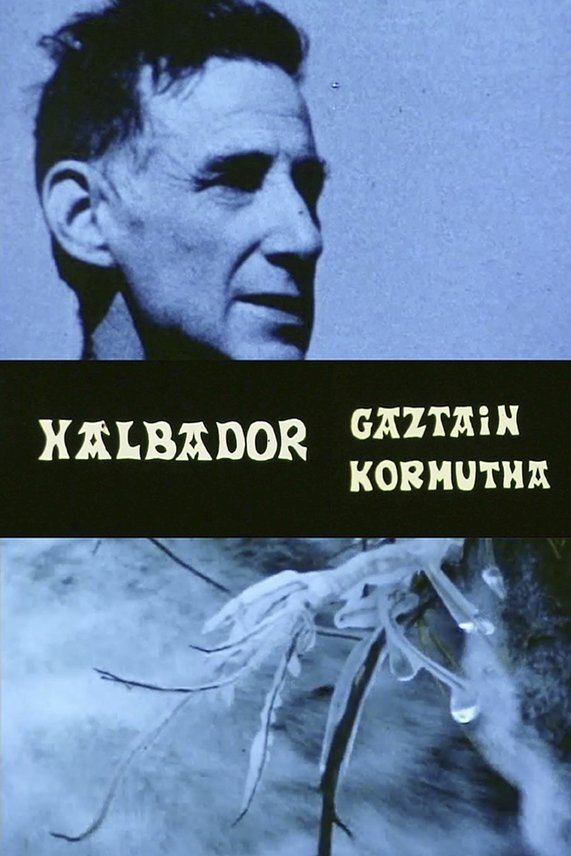
Documentary on the life of the Basque shepherd and oral improviser (or 'bertsolari') Fernando Aire (1920-1976), known as 'Xalbador'.
Social & External
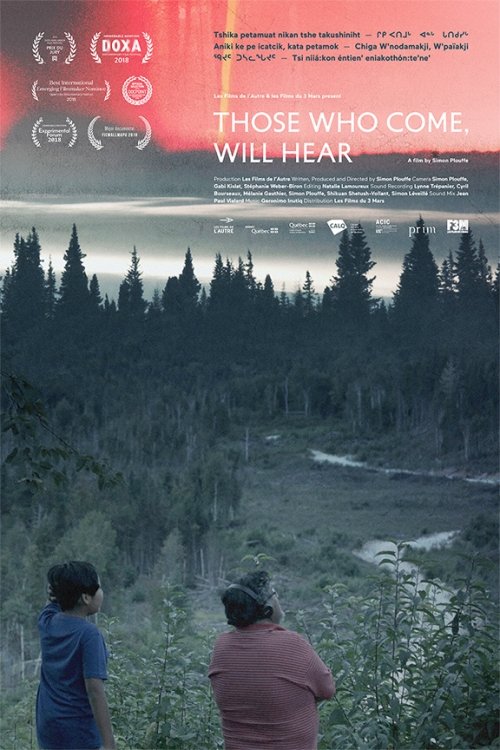
The documentary proposes a unique meeting with the speakers of several indigenous and inuit languages of Quebec – all threatened with extinction. The film starts with the discovery of these unsung tongues through listening to the daily life of those who still speak them today. Buttressed by an exploration and creation of archives, the film allows us to better understand the musicality of these languages and reveals the cultural and human importance of these venerable oral traditions by nourishing a collective reflection on the consequences of their disappearance.
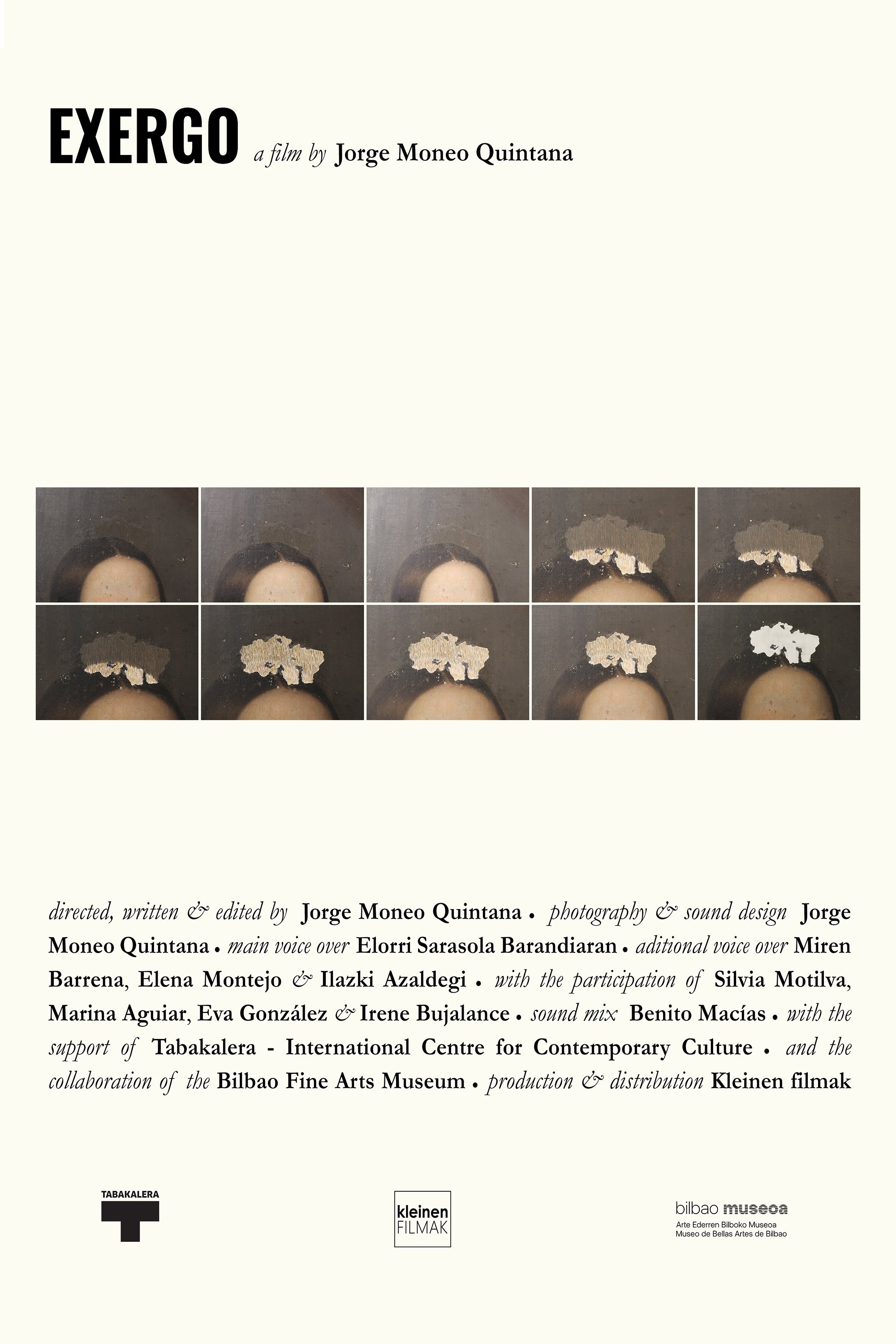
Departing from peripheral details of some paintings of the Bilbao Fine Arts Museum, a female narrator unravels several stories related to the economic, social and psychological conditions of past and current artists.
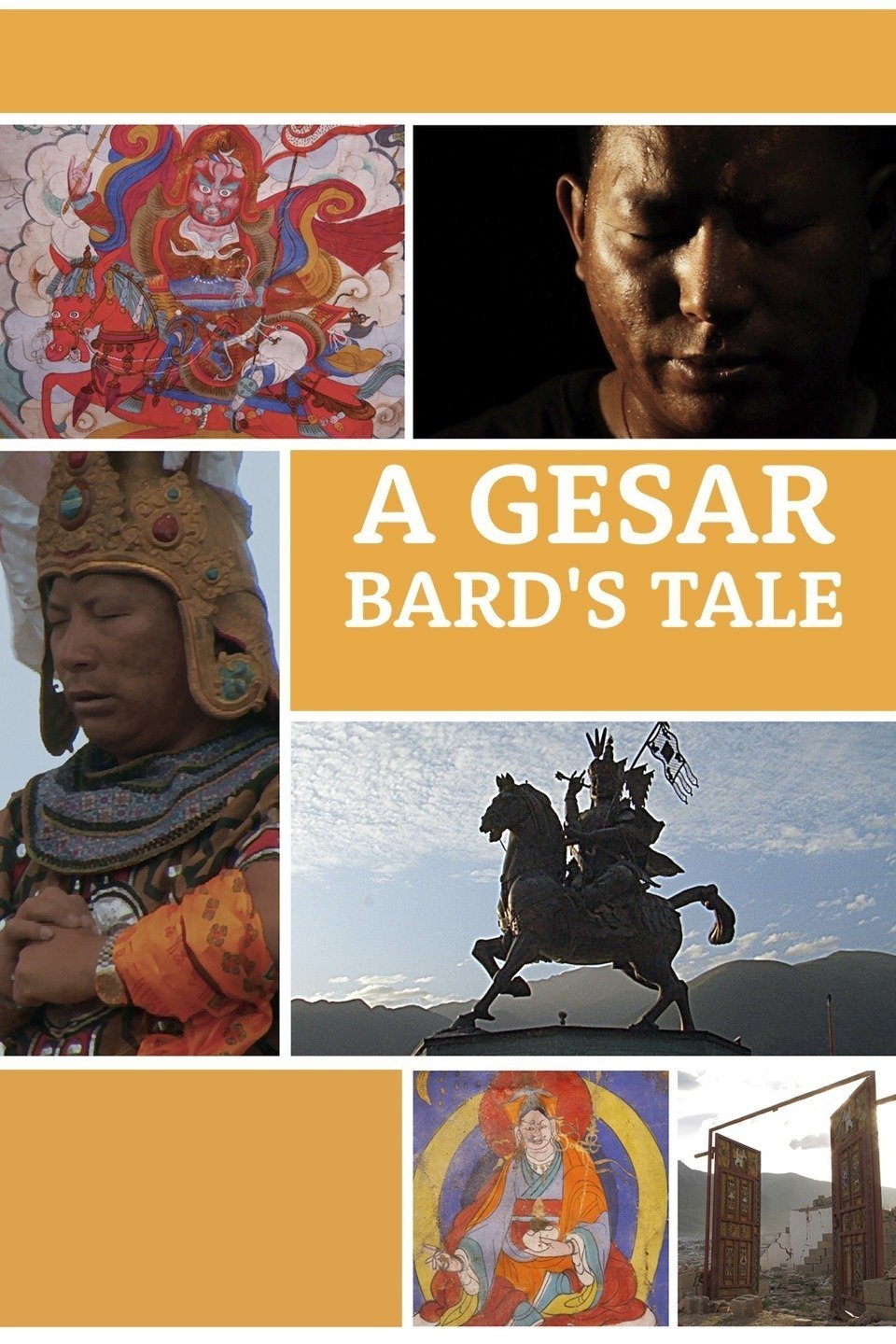
As a boy, Dawa was an illiterate Tibetan nomad whose life revolved around herding yaks. At 13, his life changed: through a series of visions, Dawa acquired the gift of telling the epic story of Tibet’s King Gesar. Now, at 35, Dawa receives a salary from the government as a guardian of national cultural heritage and is regarded as a holy man by his community. When an earthquake reduces his hometown to rubble, redevelopment of the region takes a giant leap forward. In the midst of such seismic shifts, Dawa seeks healing from King Gesar and other divine protectors of the land.


84-year-old Maura is the guardian of a very particular tradition in danger of extinction. She is a singer of amorfinos, verses full of humor that will disappear forever with her departure.

Donostia-San Sebastián, Basque Country, Spain, 2011. Maider, a filmmaker, moves to the very same flat where pedadogist Elbira Zipitria Irastorza (1906-1982) clandestinely established the first ikastola, a Basque school, under the harsh regime of dictator Francisco Franco. Despite of her pioneering work, developed throughout thirty years, her story is not well known, so Maider, intrigued, begins to research…
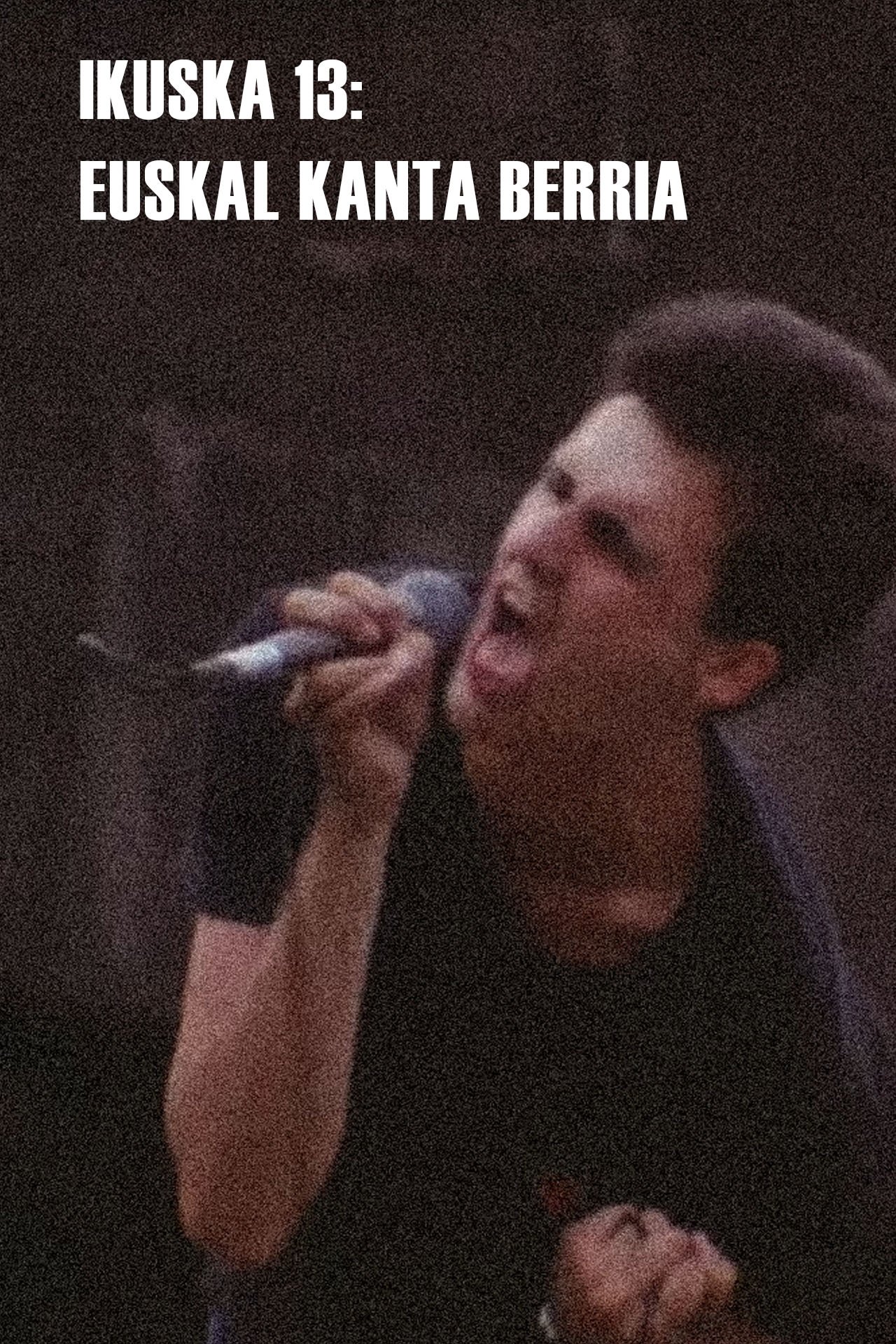
Documentary dedicated to the new Basque music.
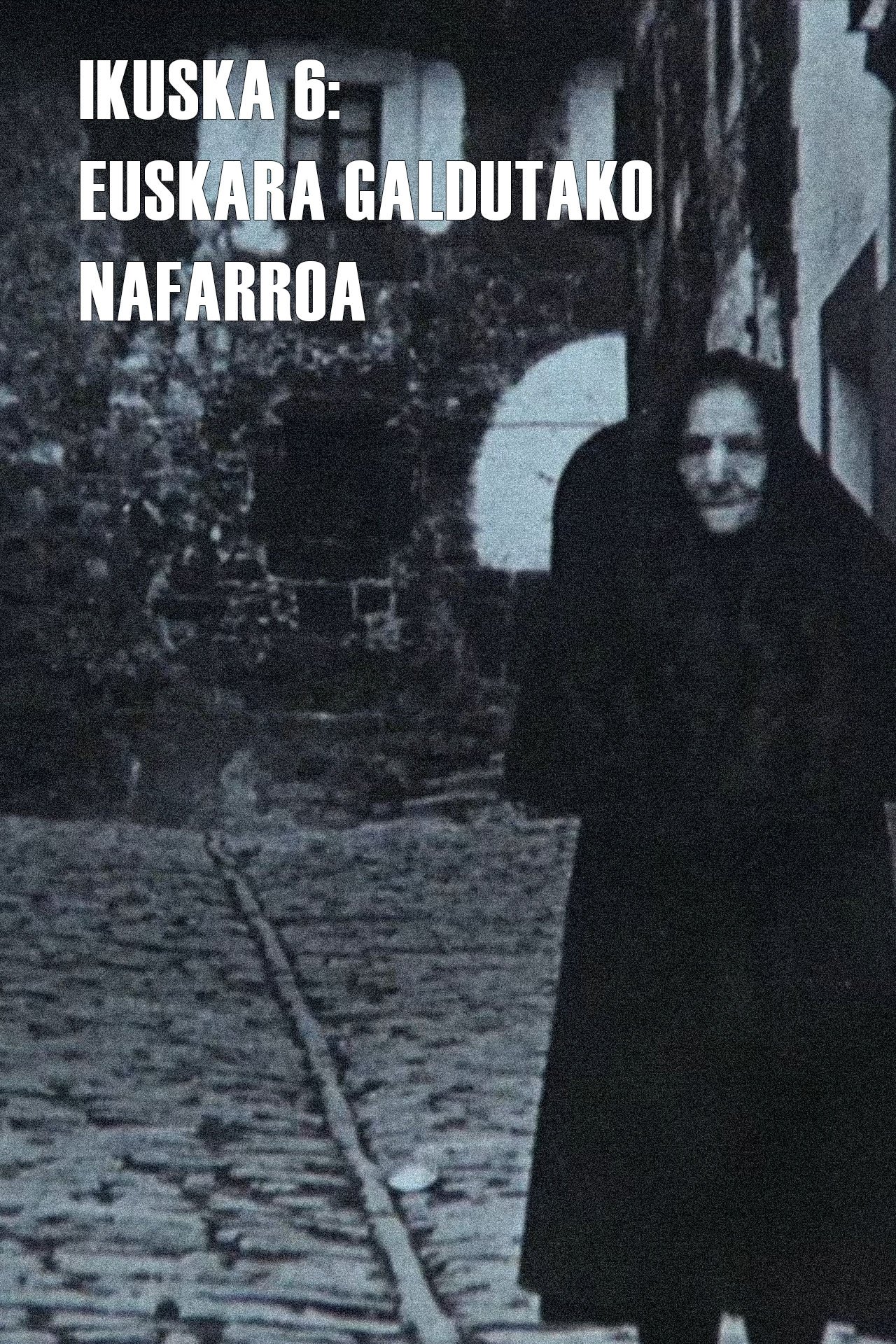
The troubles of learning Basque in adults.
A memory to the victims and a tribute to the survivors of one of the most tragic episodes of the Spanish Civil War: the bombings suffered by the population of Gernika.
Interview and tribute to Jose Migel Barandiaran, researcher on Basque culture.
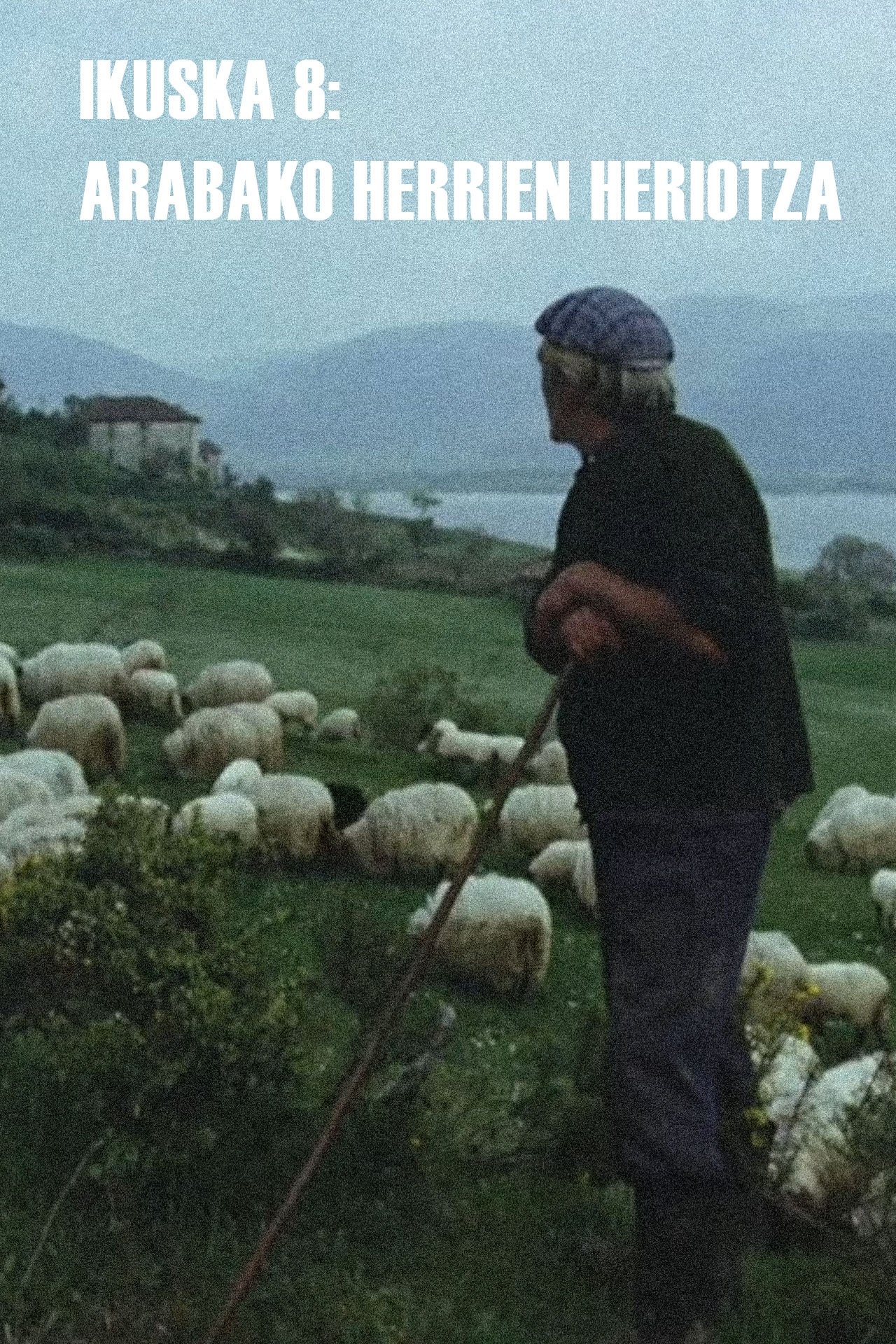
Analysis of the problems facing the rural world of Araba, a region of the Basque Country.
In this short documentary film about Basque pelota, in addition to showing the different modalities (basket ball, handball, paddle, ratchet...), well-known pelota players of the time take part.
Day after day, an elderly woman recalls the Spanish Basque country of her youth — while forgetting she is consigned to a retirement home in Chile.
A documentary view of the Basque ball-game in which a small hard leather ball is hit against a wall. The film gives an impression of the game itself and of those who play it, not only the star performers (and the myths that surround them), but also those who just play in the streets and alleyways. The film sees the game it its cultural context and conveys the emotions and stories that are peculiar to the Basque country.
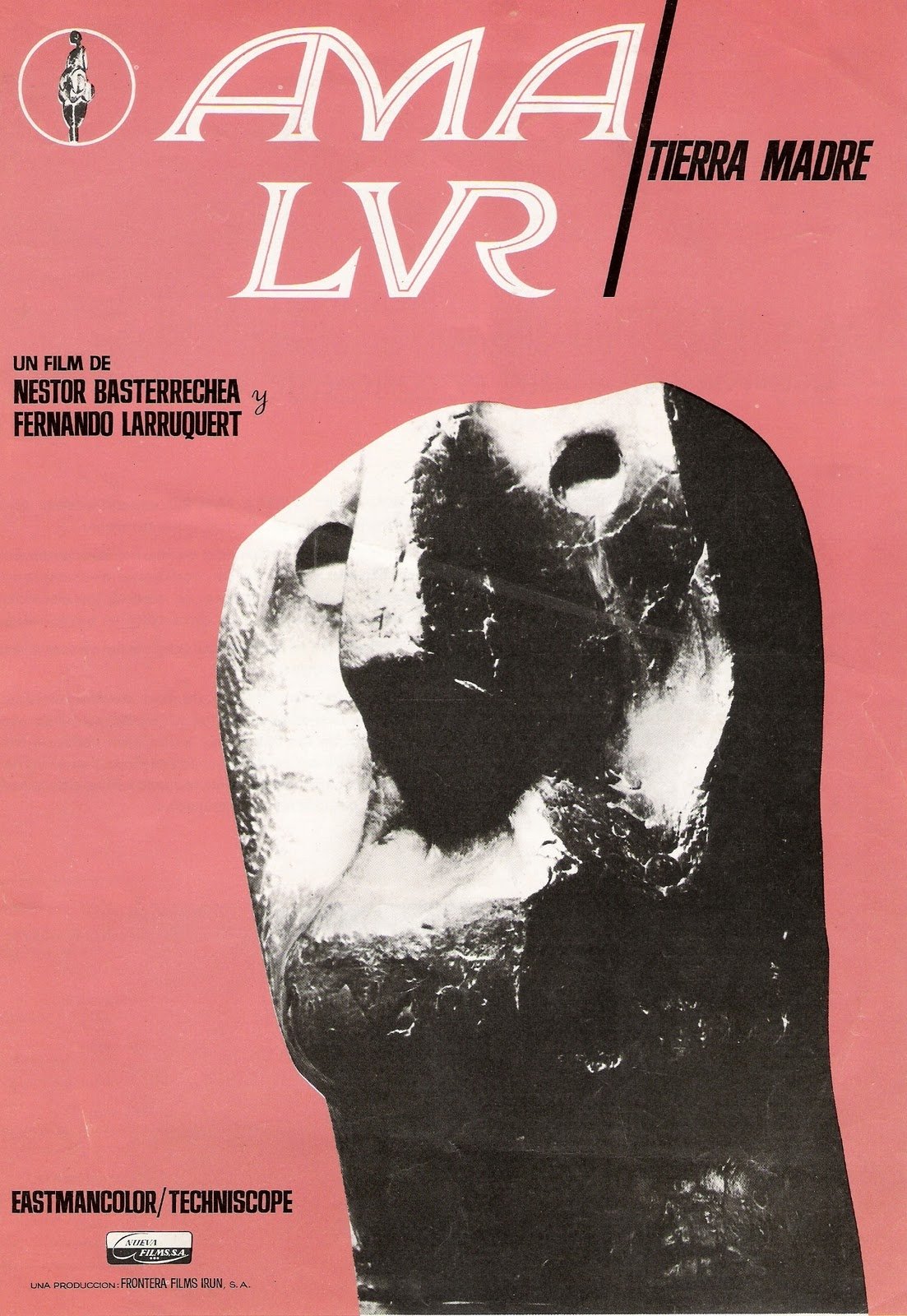
'Ama Lur' is a documentary, directed by Nestor Basterretxea and Fernando Larruquert, that premiered in San Sebastián in 1968, and it is considered the foundation of Basque cinema.
An ethnographic documentary which looks at the relationship between music and work in predominantly rural cultures. It depicts the lives of fisherman, shepherds and farmers and their relationship with music. The film also describes Basque ancestral instruments, with special emphasis on the origin and history of ‘bertsolarism’ (Basque verse singing) as a form of oral communication.
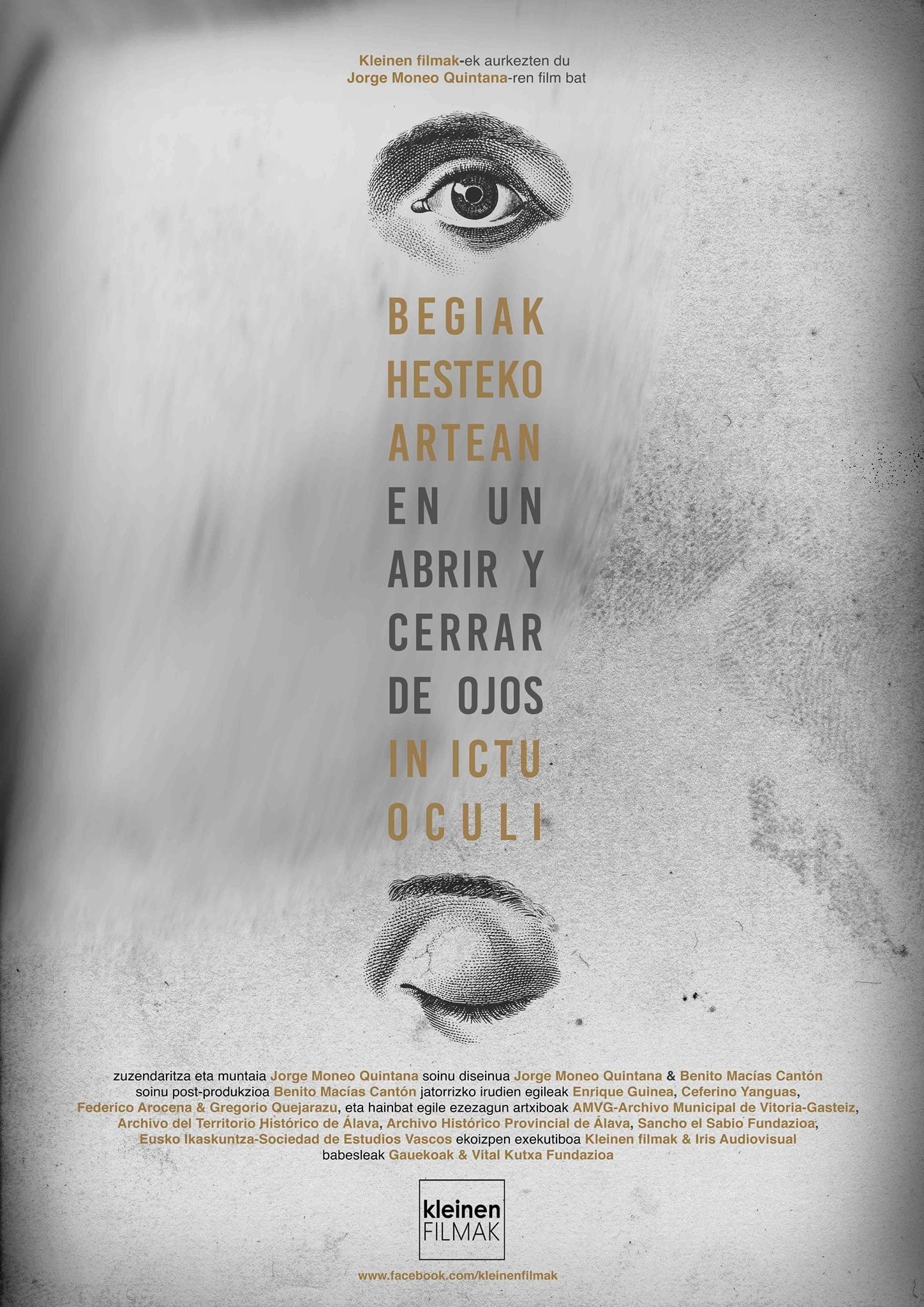
The six-decade transformation of a block of houses, shown by means of artfully featured archival shots, highlights the beauty and sadness of human-made decay. In the blink of an eye 66 years pass by and a savings bank replaces a church.
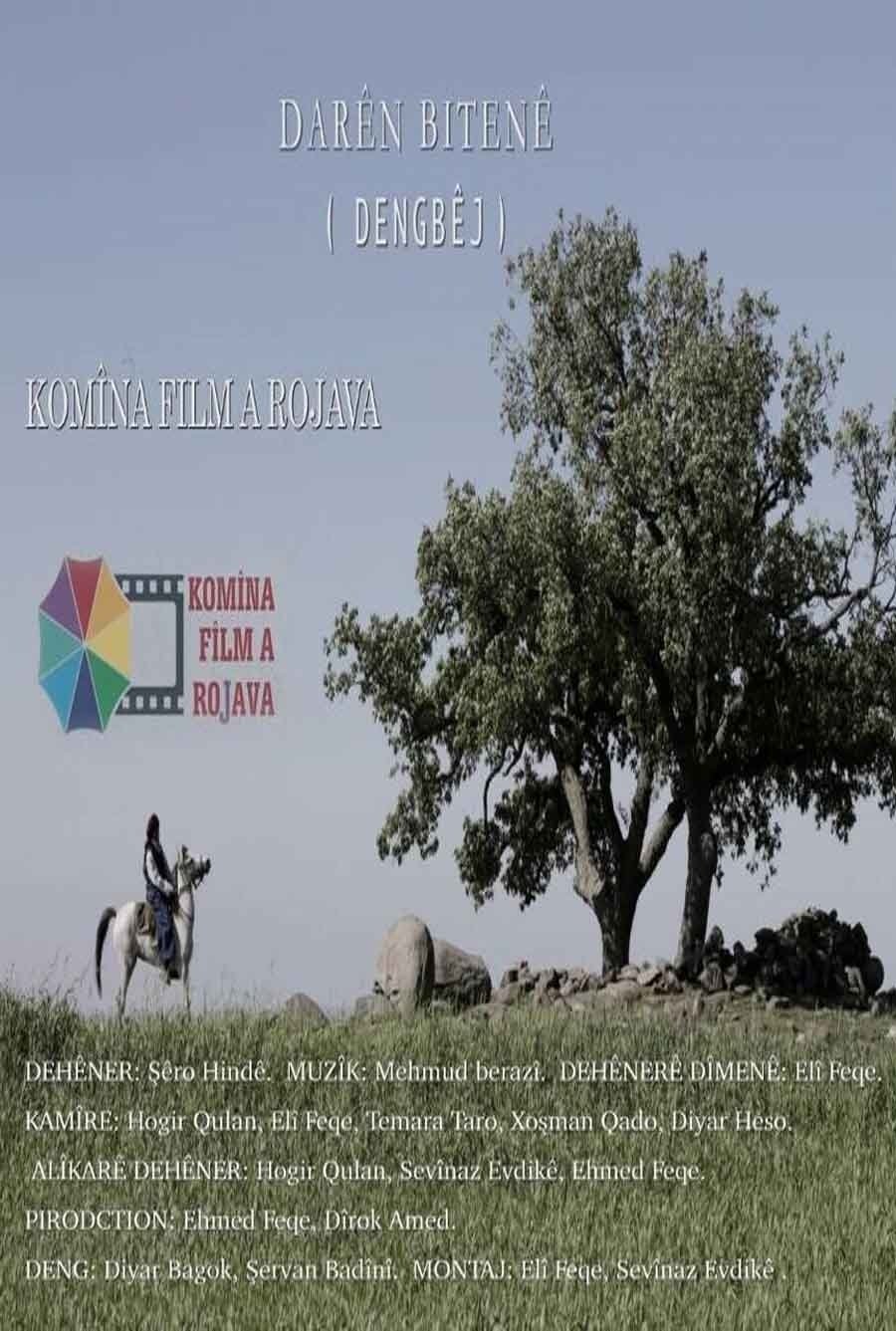
Darên bitenê is a fascinating documentary exploring the “dengbej” musical heritage of the singers, poets and storytellers from Northern Syria’s region. Featuring a stunning scenery of poetic landscapes, the film is interlaced with stories of Kurdish and Assyrian songs that narrate the long history of love and suffering of this semi-autonomous region.
Debate on the launch of Basque television (ETB, Euskal Telebista).
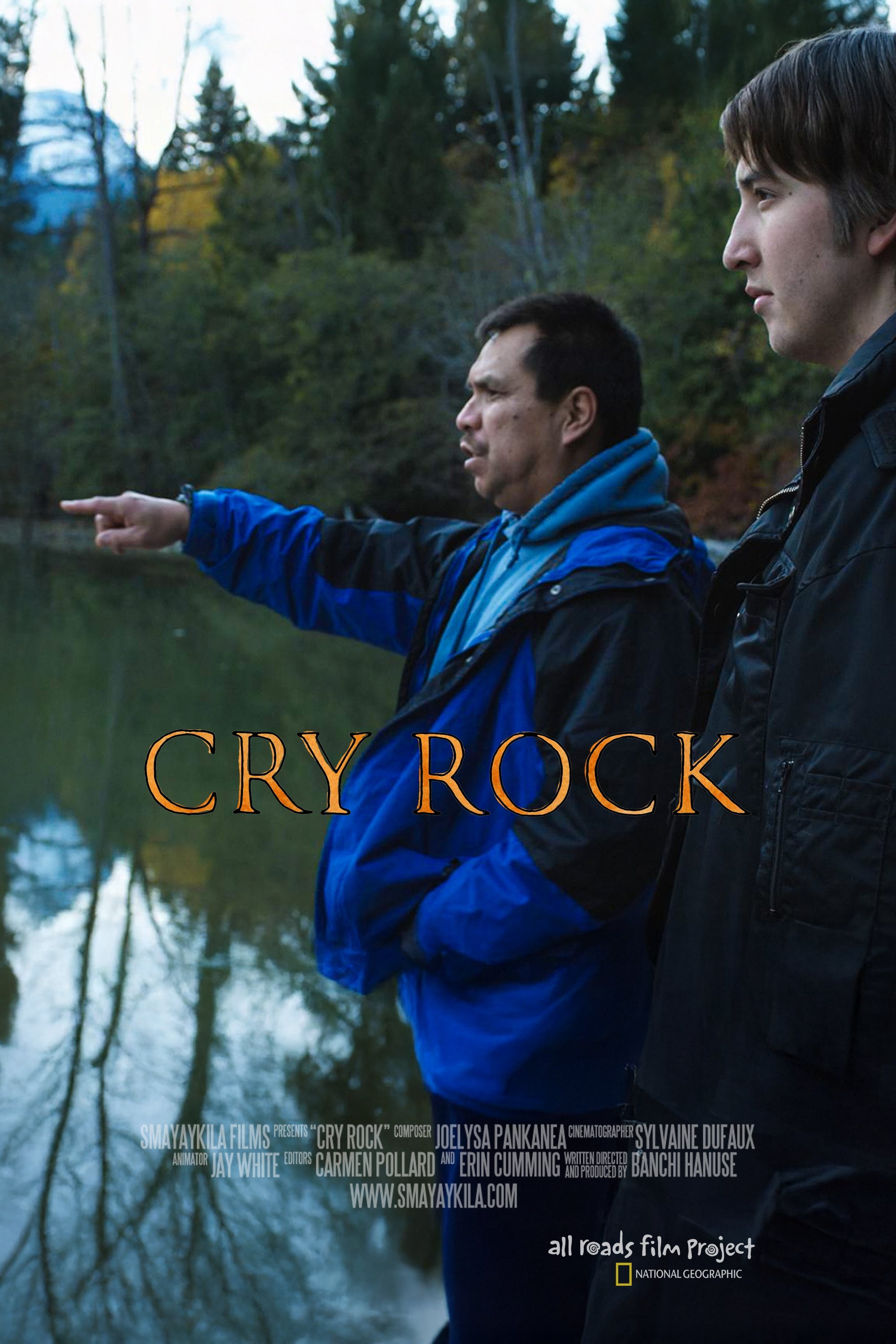
In the Bella Coola Valley, a haunting legend endures through generations as a filmmaker reckons with whether the stories of her ancestors can survive being held or if they were never meant to be captured.
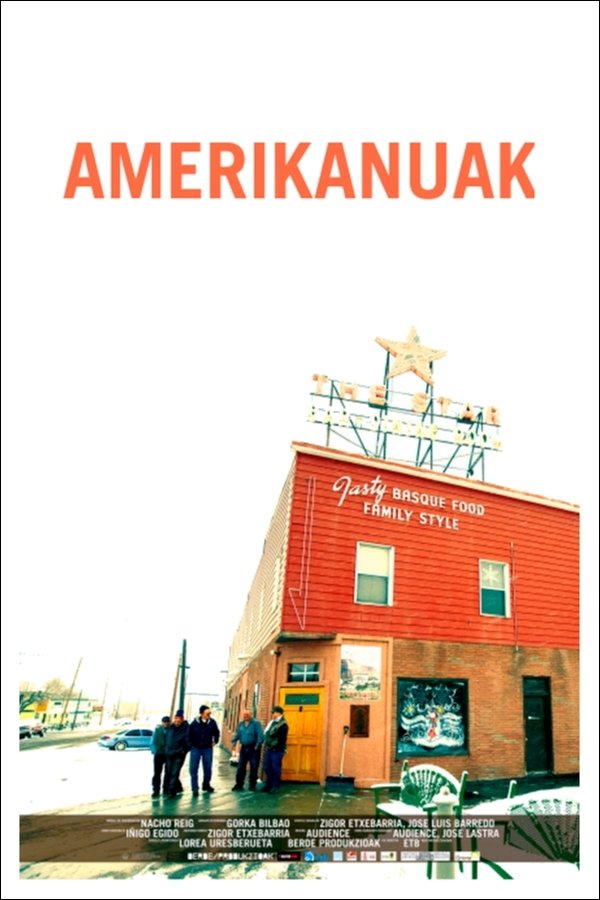
A documentary about Basque inmigrants who went to USA looking for work and a better future. Basically, Amerikanuak talks about feeling homesick, about struggling in a different country to make a decent living and about being part of a comunity.