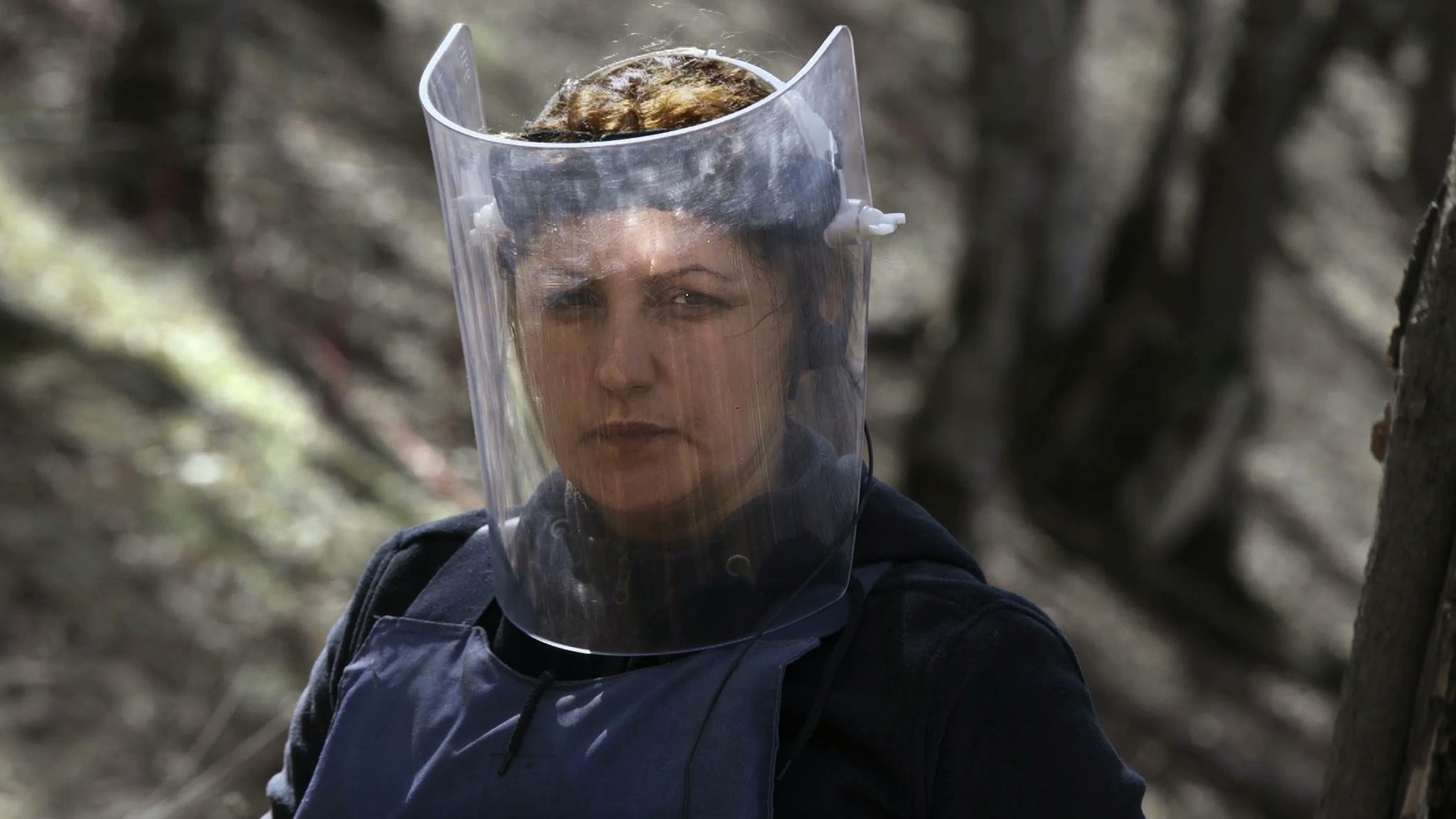
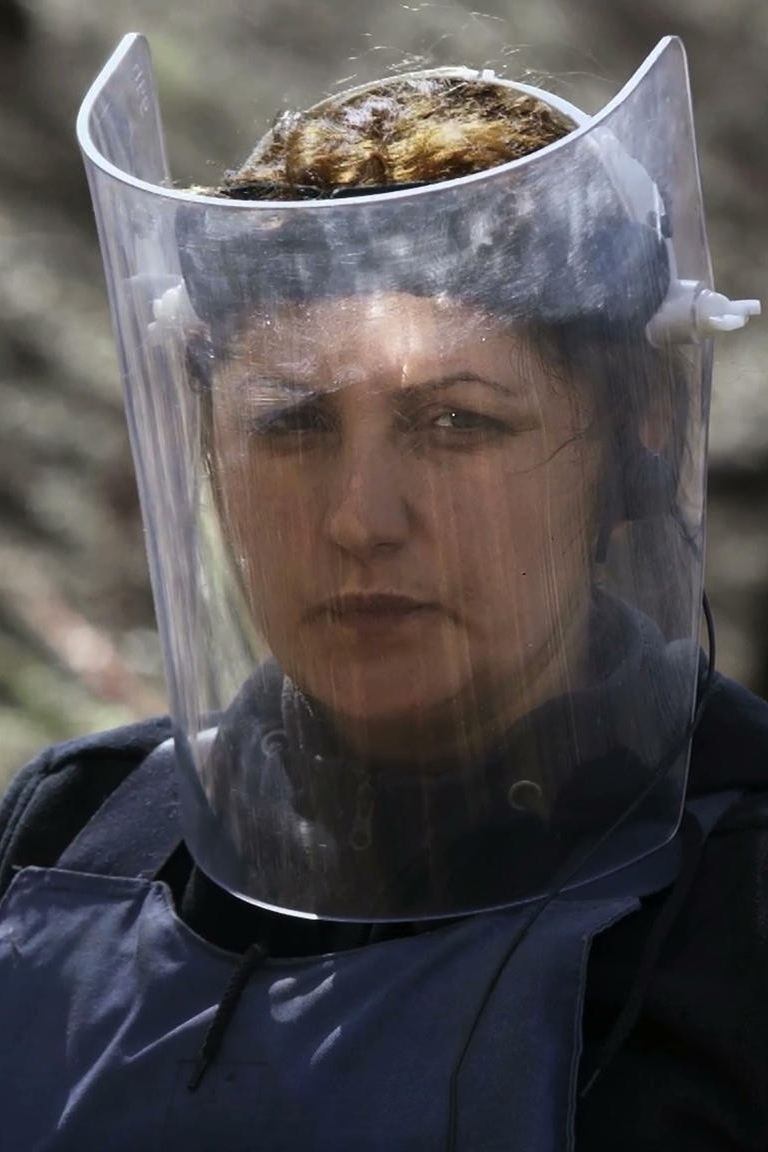
Ever since the war in Nagorno-Karabakh, the still disputed territory is contaminated by landmines. This documentary follows five female de-miners on their risky job.
Social & External
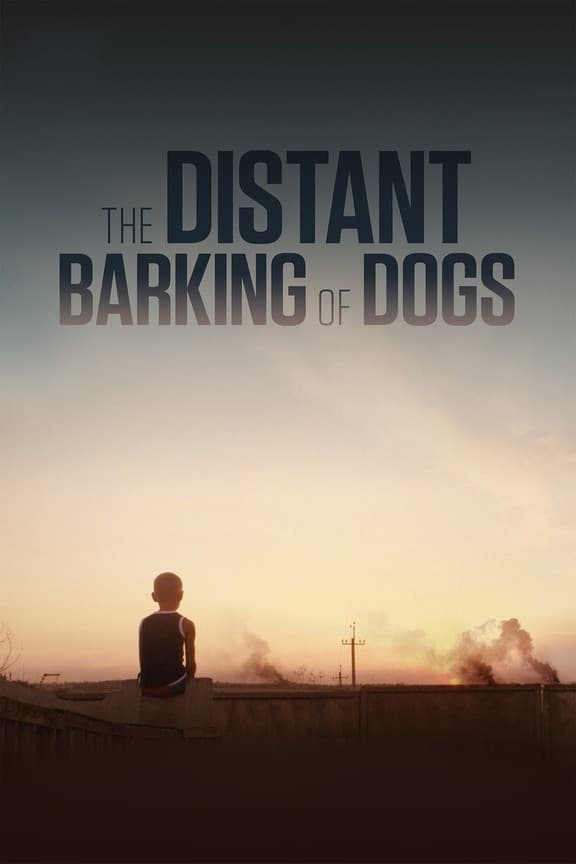
Hnutove, Donbass, eastern Ukraine, 2015. Young Oleg lives in a war zone where anti-aircraft gunshots and missile attacks often resonate dangerously near. Although many inhabitants have already left this dangerous area, he remains with his grandmother, who has cared for him since his mother's death, because they have nowhere to go. They are just waiting for the war to end.
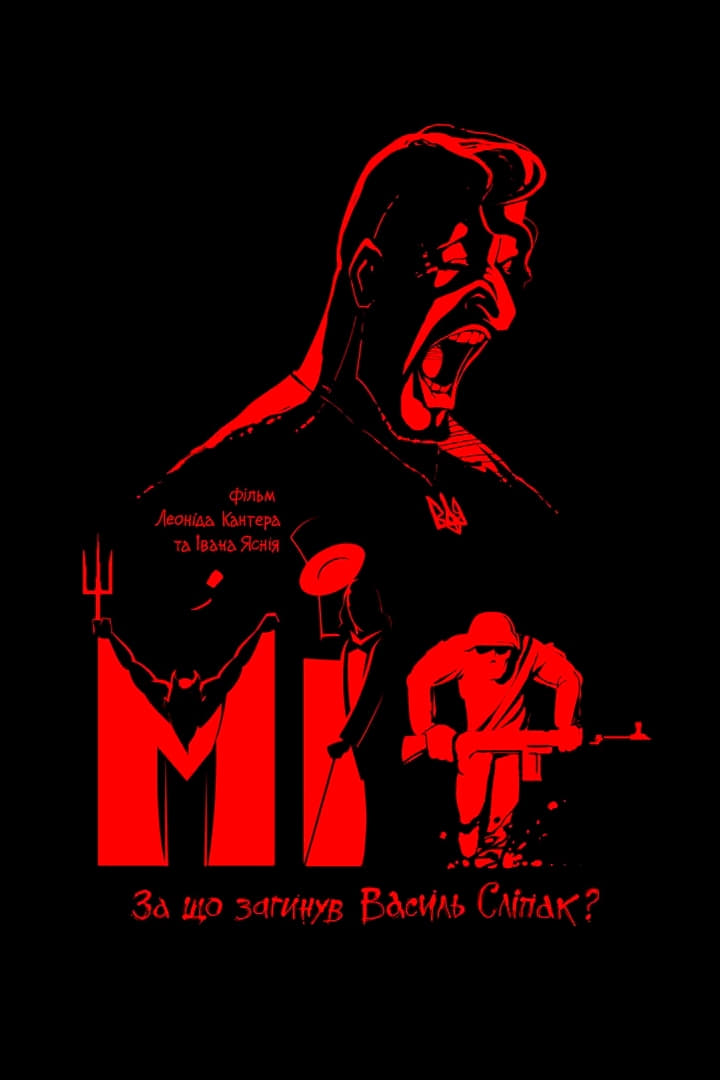
"Myth" was the callsign of Vasyl Slipak, the world-famous Ukrainian opera singer, a soloist of the Parisian National Opera, who left the big stage to become a volunteer, a warrior fighting in the East of Ukraine. The Hero of Ukraine, the Knight of the Order "Golden Star" and the Order "For Courage", Vasyl Slipak gave his life, defending Ukraine. This documentary is a real story of heroism and self-sacrifice, which makes us think over our own lives.
An elaborate ceremony marks the opening of the first Armenian church in England.
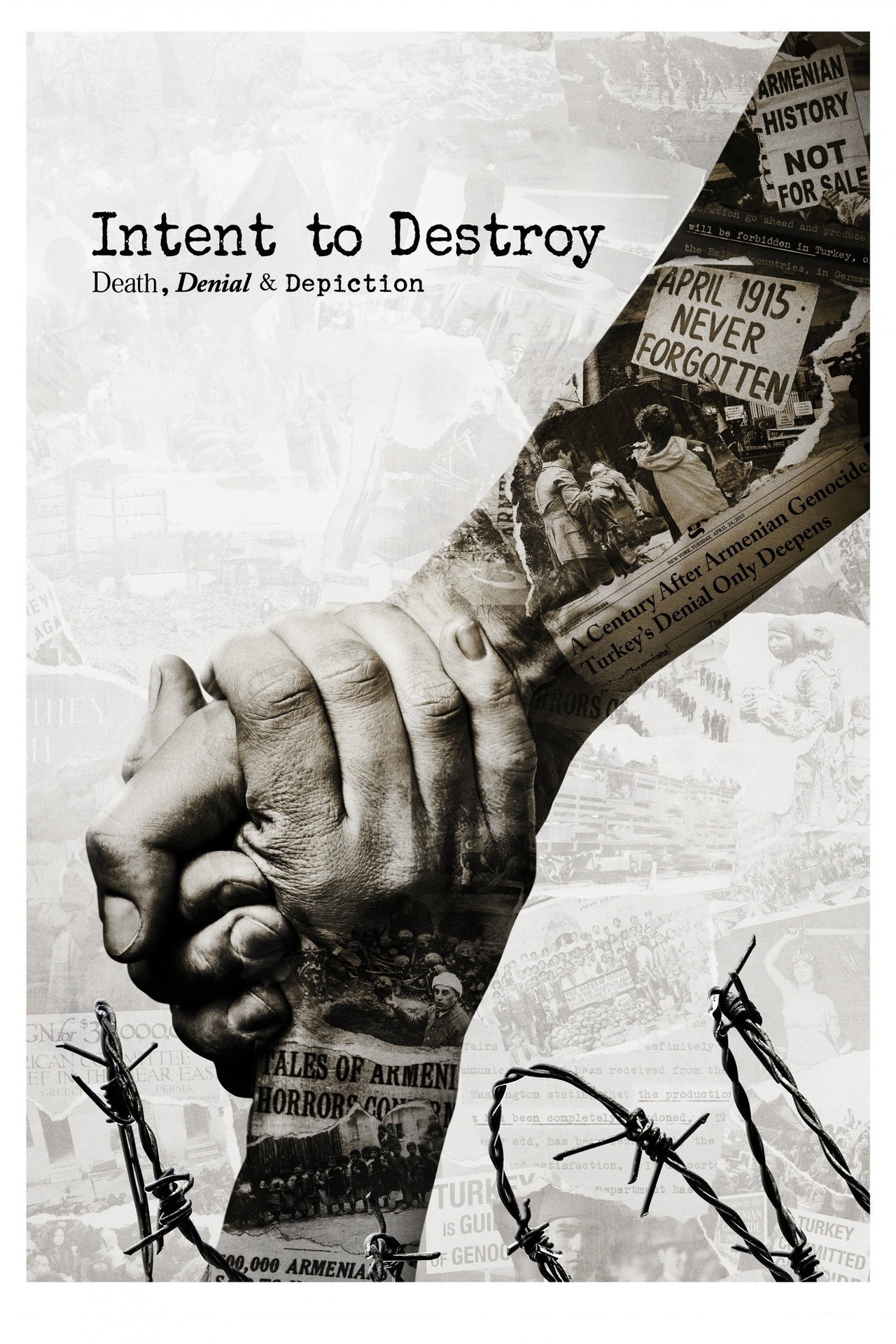
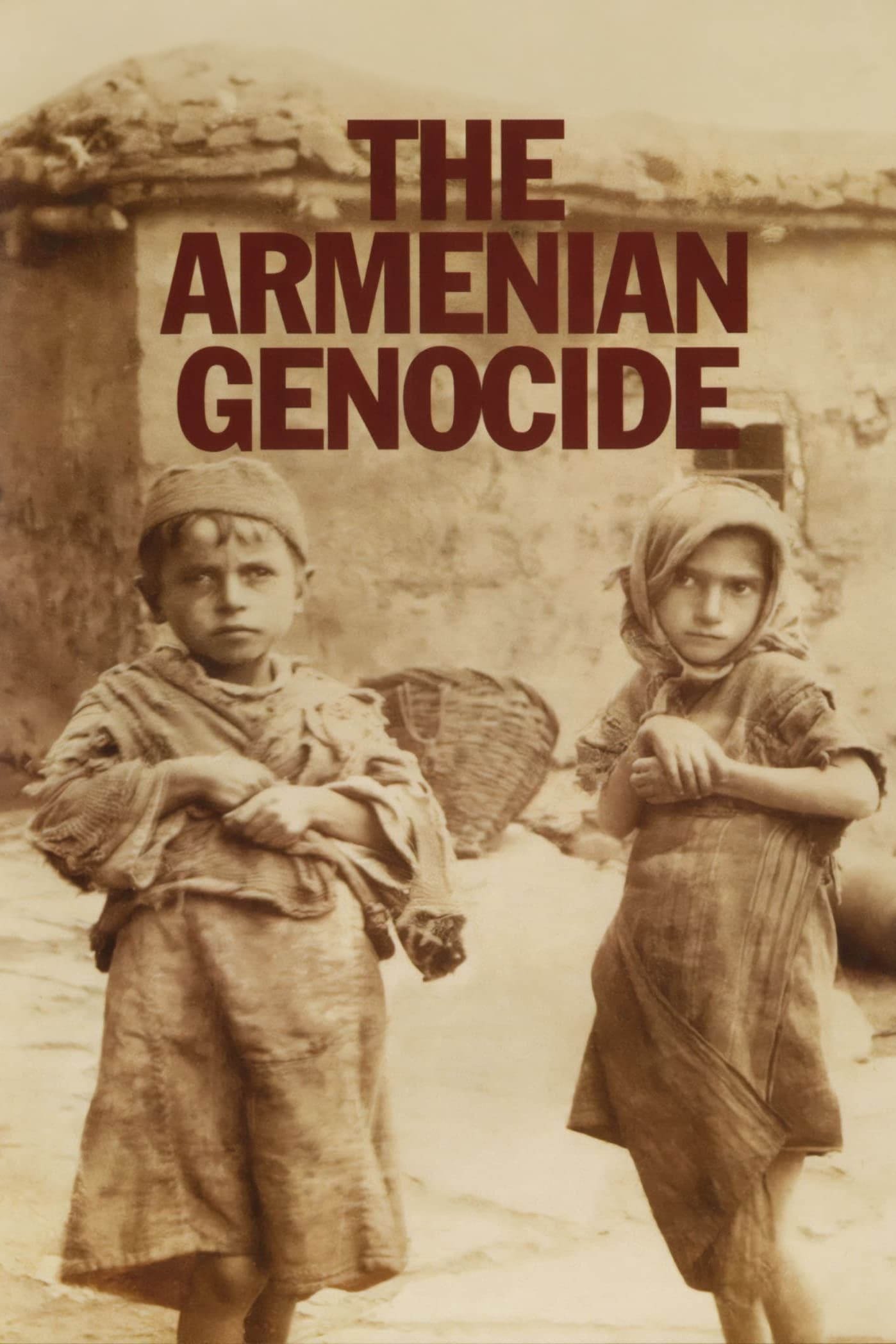
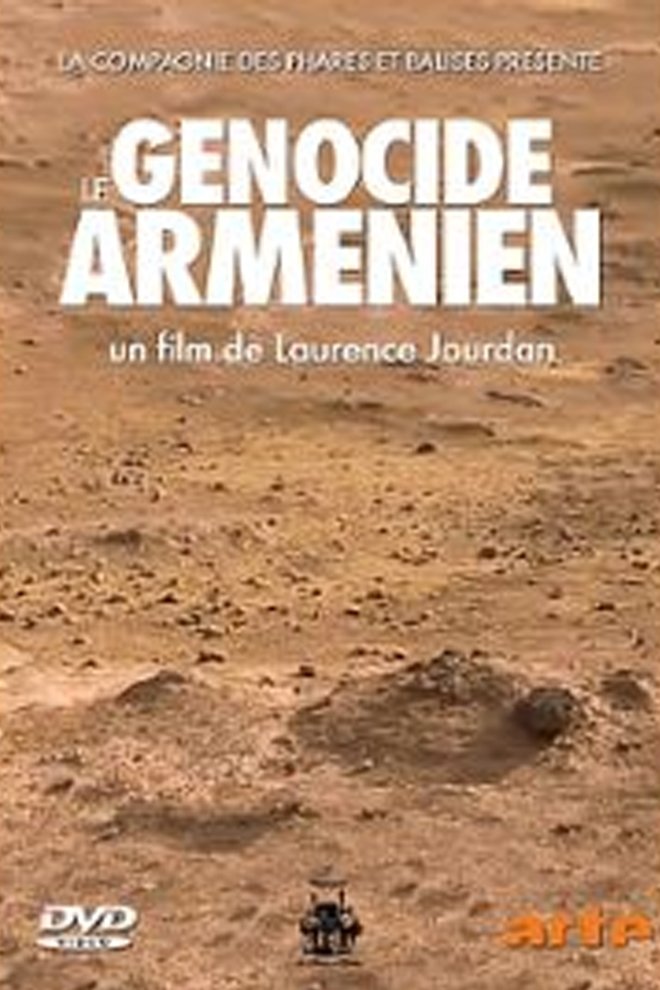
More than one million Armenians perished between 1915 and 1916 in massacres or brutal deportation programs. Turkey still denies it ever happened. Laurence Jourdan examines massacres of Armenians in the decades leading up to the mass murder, and the geopolitical situation both before and after the genocide. Contemporaneous reports and documents written by Western diplomats stationed in the Ottoman Empire describe the methods used and the deportation routes. These accounts are mixed with personal stories from the living survivors and archive footage from Ottoman authorities.


Explores the Ottoman Empire killings of more than one million Armenians during World War I. The film describes not only what happened before, during and since World War I, but also takes a direct look at the genocide denial maintained by Turkey to the present day.


A feature documentary presented and directed by former Royal Marines Commando Emile Ghessen. The documentary tells the story of the 2020 war between Armenia and Azerbaijan over the disputed region of Nagorno Karabakh. In the fall of 2020, Armenia and Azerbaijan fought a brutal bloody war. Azerbaijan won, decisively. The feature documentary 45 Days: The Fight for a Nation tells the story of this conflict, from the Armenian perspective, focusing on the human cost of war and its impact on the large Armenian diaspora.
In a decaying Soviet-era retirement home, a vibrant group of elders cling to life by staging Shakespeare. Yet loneliness lingers beyond the theater’s doors, until drama begins to blur with reality.
Mothers and fathers of gay, lesbian, and trans children from Georgia, Moldova, Russia, and Ukraine travel to Berlin to walk together in the Pride parade. Living under one roof, they prepare for the march — painting signs, cooking borscht, and reflecting on how their relationships with their queer children have evolved over the years.
The last collaboration of Artavazd Peleshian and cinematographer Mikhail Vartanov is a film-essay about Armenia's shepherds, about the contradiction and the harmony between man and nature, scored to Vivaldi's Four Seasons.
The war zone of a dystopian multiplayer shooting game is used to embark some urban explorers on a winter walk, avoiding the combats whenever possible, as peaceful observers, inhabitants of a digital world, which is a detailed replica of Midtown Manhattan.
Stepanakert's only airport has been operational for 8 years, employing over 50 people. Something is not quite right, however...airplanes and passengers are nowhere to be seen.
The dramatic history of the Kyiv-Kostyantynivka train, with its passengers` unique fates, pain, memories, secrets, hopes, is a history of today Ukraine. Only 12.5 hours away from peaceful Kyiv is Kostyantynivka, a small industrial city in the eastern part of the country, immediately after which the front begins. This entire time people with different characters, social status, political views, and beliefs are traveling on the train side by side. They talk, debate, even quarrel, but speak to each other and go in a common direction. And what`s important, they all want to get to peace. This film is the voice of ordinary people, the search for dialogue and the path to a common future, where everyone’s voice will be heard.
In the competitive world of tourism, there are very few experiences that are out of bounds. “Danger Zone” explores the world of war tourism, catering to a growing market for ever more rare and extreme experiences.
A man paves his own way to his own soul through an intellectual quest, tragedies of nations and personal drama. The road moving through the cosmic distances is a flight into one's internal world. This flight and this drama are revealed in this philosophical film-poem.
Poetic film about the struggle of man's will and muscles against nature, about the rock-climbers who prevent landslides and eliminate their consequences.
On Easter 2018, a man put on a backpack and began to walk across Armenia. His mission: to inspire a velvet revolution and topple the corrupt regime that enjoys absolute power in his former Soviet nation. With total access to all key players, this documentary tells the story of what happened in the next 40 days.
In his own way, Anatoli Ljutuk is a legend of Tallinn's Old Town - a man from Western Ukraine who has built a unique world on Laboratory Street, the main core of which is the Ukrainian Cultural Center and Church. There, he engages in calligraphy, makes paper in a medieval way, carves traditional wooden toys in his workshop and makes books in the spirit of old monasteries. According to the oath taken a quarter of a century ago, he has promised to create something good every day. His daily commitment is challenged by the war that broke out in Ukraine, which Anatoly cannot passively ignore.
Only women, children and old people live in this Armenian village, while the men work in Russia. A life with a rhythm of its own, an independent daily life marked nonetheless by exile.
Turkey's history has been shaped by two major political figures: Mustafa Kemal (1881-1934), known as Atatürk, the Father of the Turks, founder of the modern state, and the current president Recep Tayyıp Erdoğan, who apparently wants Turkey to regain the political and military pre-eminence it had as an empire under the Ottoman dynasty.
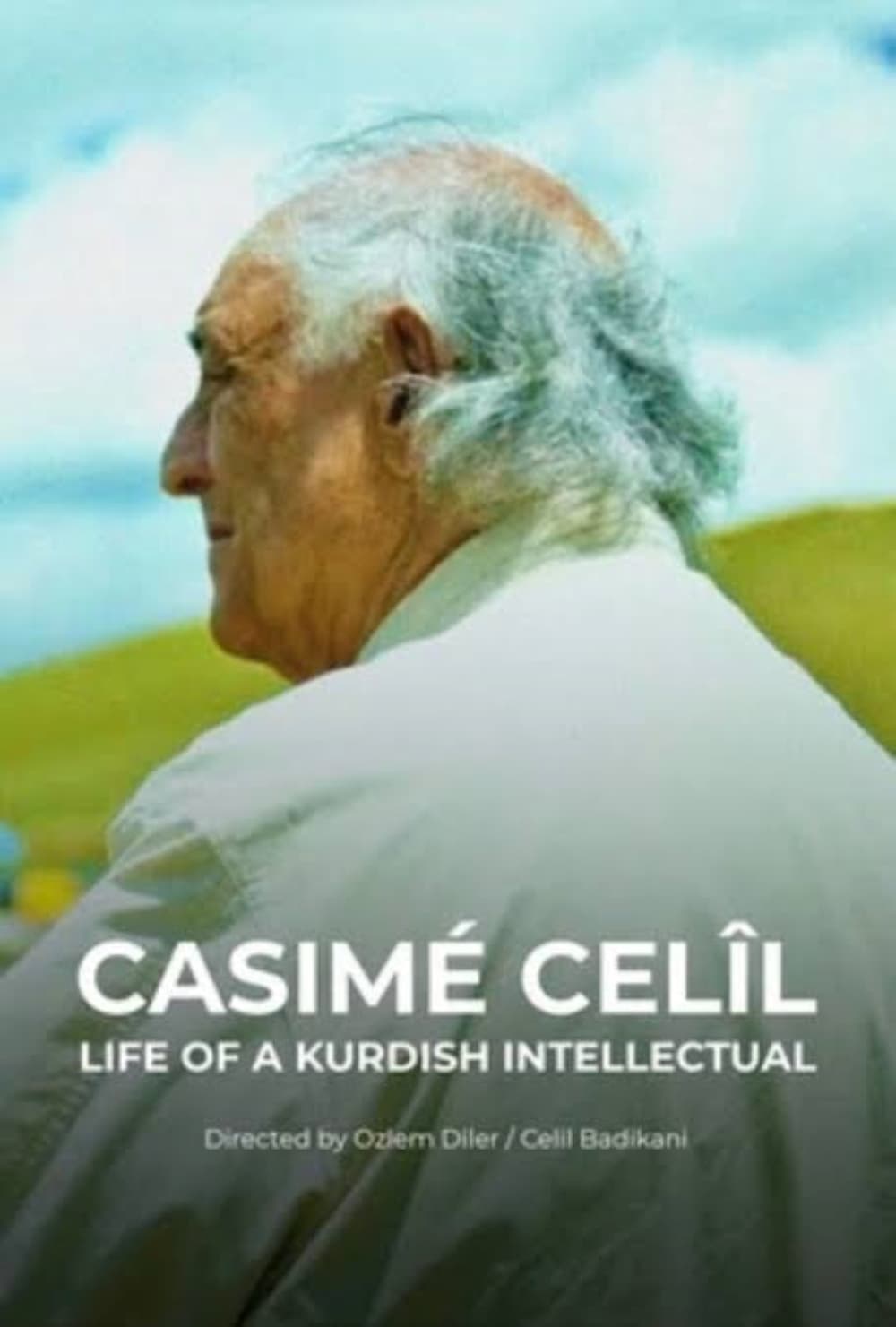
Casimê Celîl was born into a Yezidi Kurdish family in 1908, in a village called Kızılkule, located in Digor, Kars. The village and family life, which he longed to remember throughout his life, ends with the massacre they endured in 1918. During his long road to Erivan, Armenia, he lost all his family members. Left all alone, Casim was placed into an orphanage and was forced to change his name. To remember who he was and where he came from, every morning he repeated the mantra “Navê min Casim e, Ez kurê Celîlim, Ez ji gundê Qizilquleyê Dîgorê me, Ez Kurdim, Kurdê Êzîdî me”, which translates to: “My name is Casim, I am the son of Celîl, I come from the village of Kızılkule in Digor, I am a Kurd, and I am Yezidi”. He clings to every piece of his culture he can find, reads, and saves whatever Kurdish literature or art he comes across. As the year’s pass, Casim finds himself with an impressive collection of Kurdish culture and history.