An analysis of the critical themes in Dario Argento's 70s Giallo "Deep Red".
Social & External
The people behind it
Michael Mackenzie
narrator
A feature about philosophy, perception and imprisonment in Aldo Lado's Giallo "Short Night of Glass Dolls".
An interview with Italian actress Silvia Collatina about her role in Lucio Fulci's "Murderock".
A visual essay about the 5 classic Giallo films by Italian director Sergio Martino.
An interview with Nicoletta Elmi about her days as a child actress.
Italian director Enzo Milioni reminisces about his career and his 1978 giallo "The Sister of Ursula".
Author Stephen Thrower analyzing the themes and characters of Mario Bava's proto-slasher "A Bay of Blood".
Documentary about Mario Bava's film "The Girl Who Knew Too Much" and its impact on the Giallo genre.
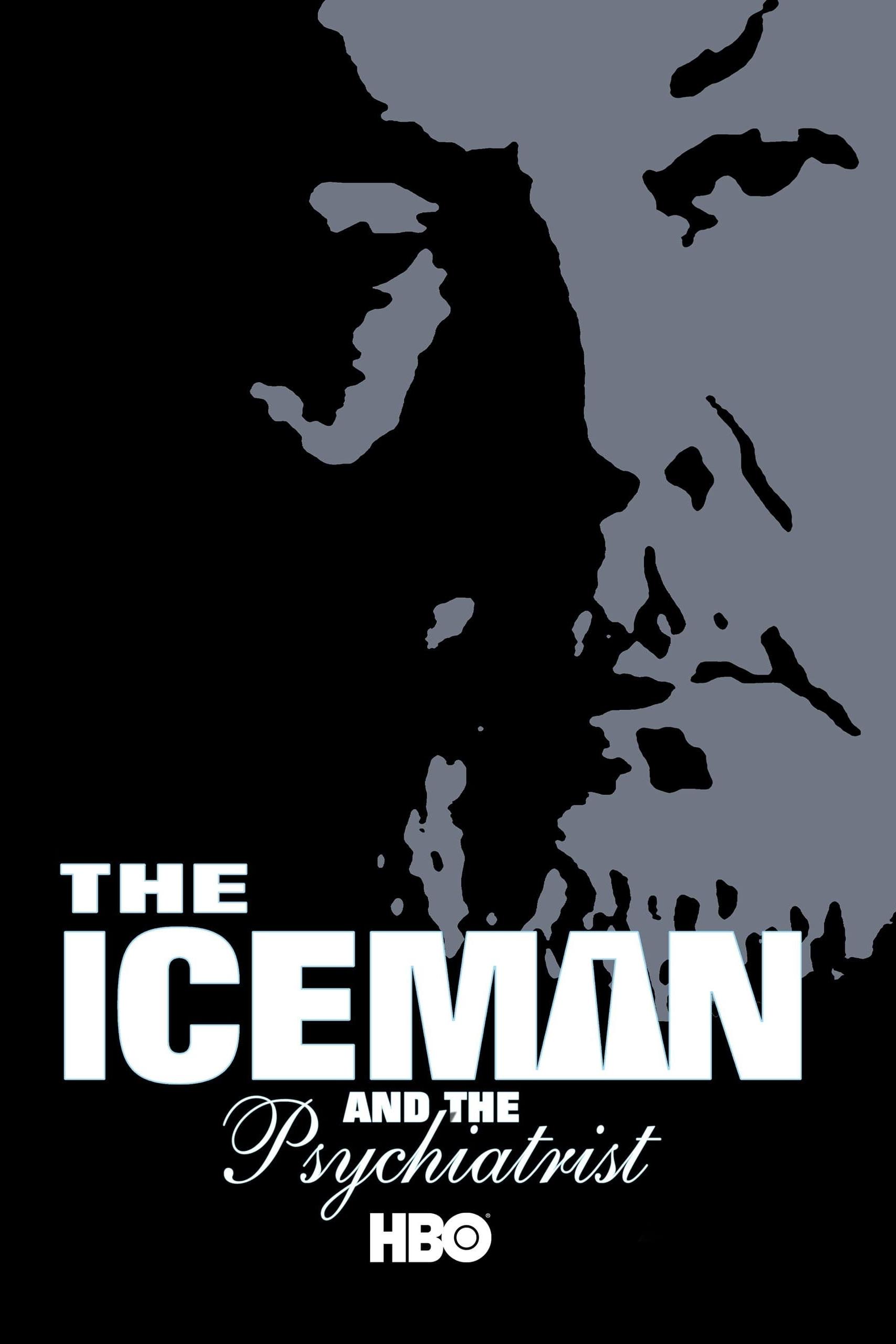
For the third time, HBO cameras go inside Trenton State Maximum Security Prison--and inside the mind of one of the most prolific killers in U.S. history--in this gripping documentary. Mafia hit man Richard Kuklinski freely admits to killing more than 100 people, but in this special, he speaks with top psychiatrist Dr. Park Dietz in an effort to face the truth about his condition. Filled with more never-before-revealed confessions, it's the most chillingly candid Iceman special yet as it combines often-confrontational interview footage between Kuklinski and Dietz with photos, crime reenactments and home movies that add new layers to this evolving and fascinating story.
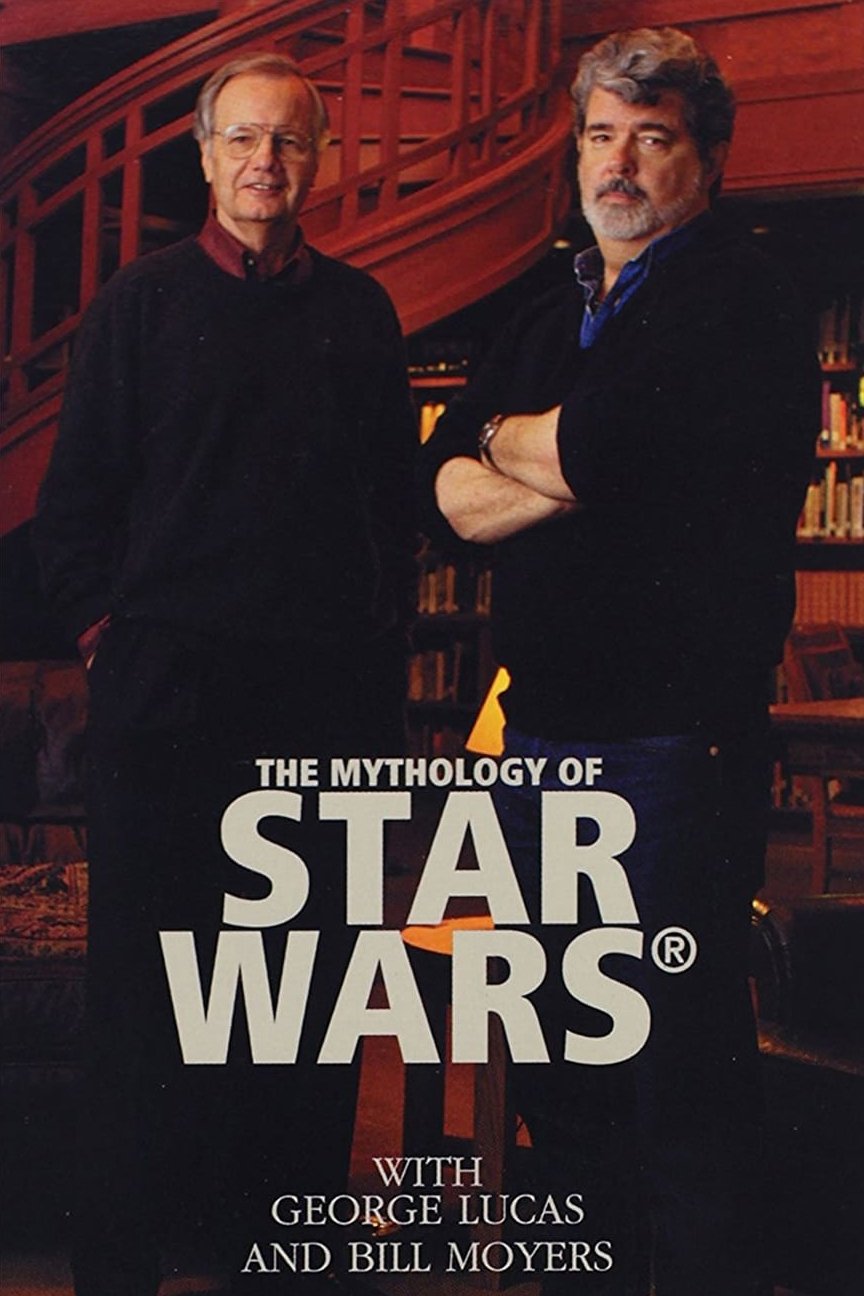
George Lucas discusses how Joseph Campbell and his concept of the Monomyth (aka the Hero's Journey) and other concepts from mythology and religion shaped the Star Wars saga.
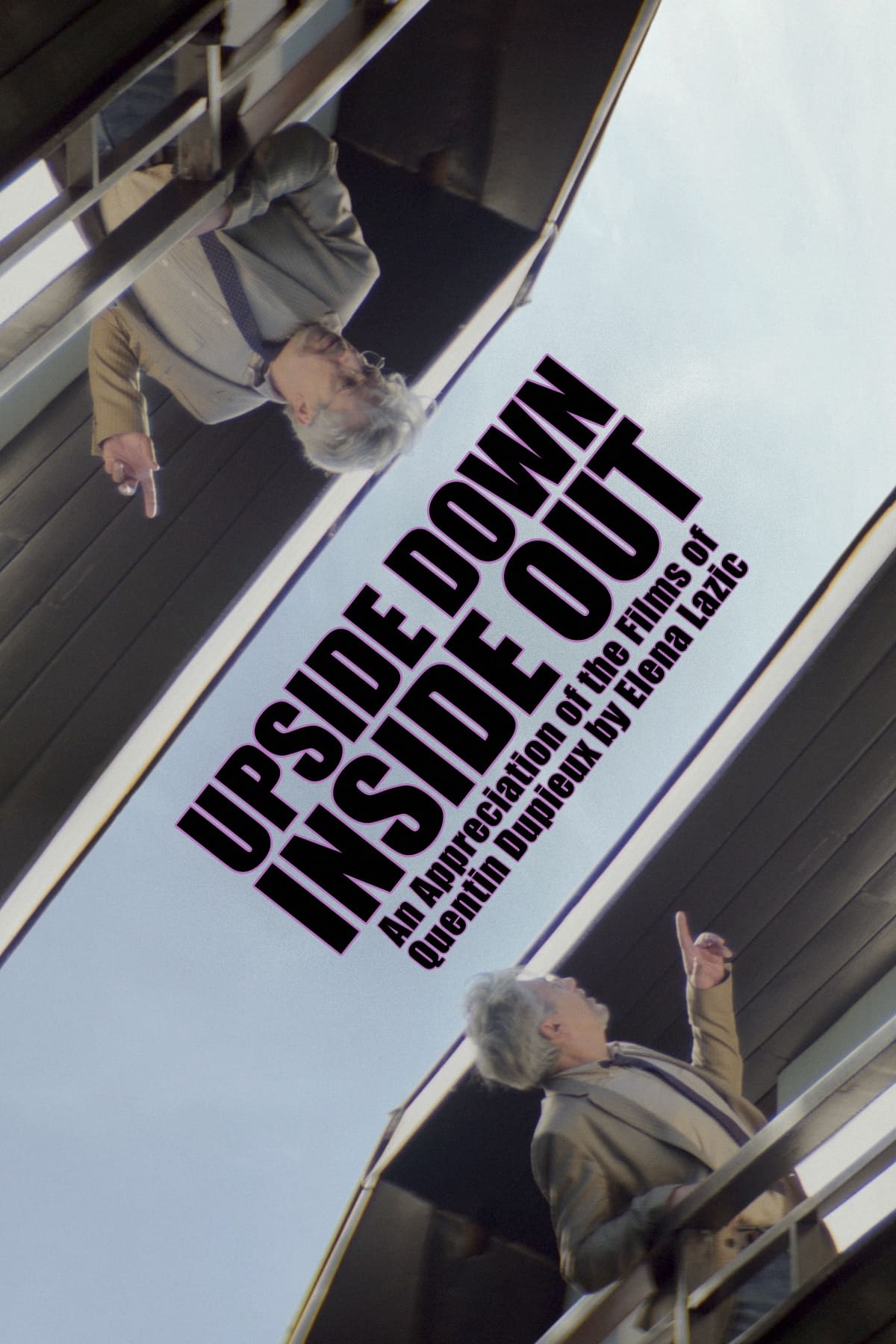
An analysis of Quentin Dupieux's film "Incredible But True" by film critic Elena Lazic.
An interview with actress Florinda Bolkan about her performances in the films "Don't Torture a Duckling" and "Lizard in a Woman's Skin".
An interview with film critic Kat Ellinger who discusses the themes of Dario Argento's giallo "The Bird with the Crystal Plumage" and its relations to Fredric Brown's novel "The Screaming Mimi."
In this visual essay, author Alexandra Heller-Nicholas reflects on the recurring theme or perception in Dario Argento's filmography.
A video discussion about Lucio Fulci's classic Giallo "Don't Torture a Duckling".
A video essay about 1972 Giallo "Don't Torture a Duckling", focusing on accusations of misogyny against director Lucio Fulci.
An interview portrait of the three Italian actresses Stefania Casini, Silvia Collatina & Barbara Magnolfi.
A look at the career of Italian writer/director Maurizio Pradeaux.
A featurette on the career of Italian director Armando Crispino.
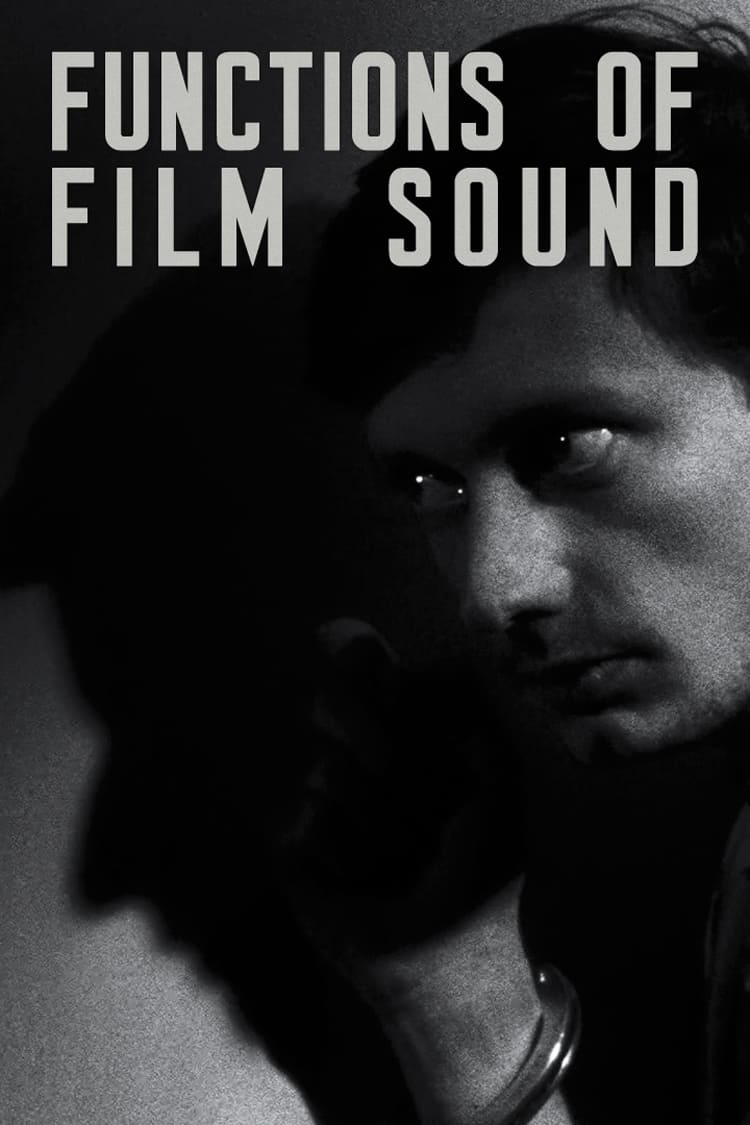
This visual essay sets clips from Robert Bresson's "A Man Escaped" to a reading of "Functions of Film Sound," a chapter from David Bordwell and Kristin Thompson's book "Film Art." The chapter analyzes the sound design of Bresson's masterpiece as a means of discussing the use of sound in film.
Visual essay exploring the themes of Massimo Dallamano's Giallo "What Have You Done to Solange?" and its two semi-sequels.
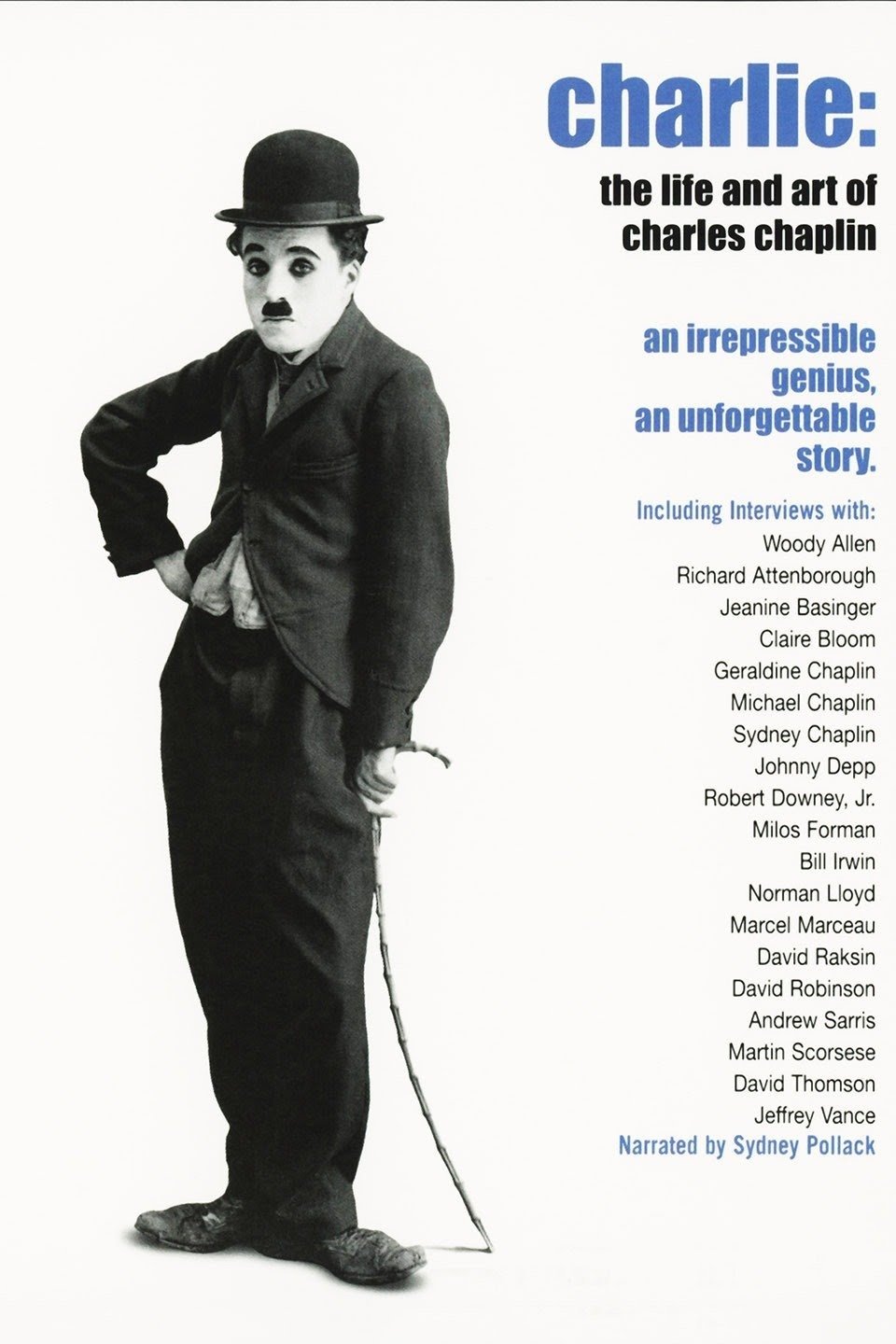
Brilliant, long in-the-works story of the life and art of the world's greatest comedian and the cinema's first genius, Charlie Chaplin. Produced, written and directed by renowned film critic Richard Schickel.
An inside look at one of the most anticipated movie sequels ever with James Cameron and cast.
In an intimate and joyful story of love in the face of loss, celebrated poets Andrea Gibson and Megan Falley find strength—and unexpected hilarity—in what might be their final year together.
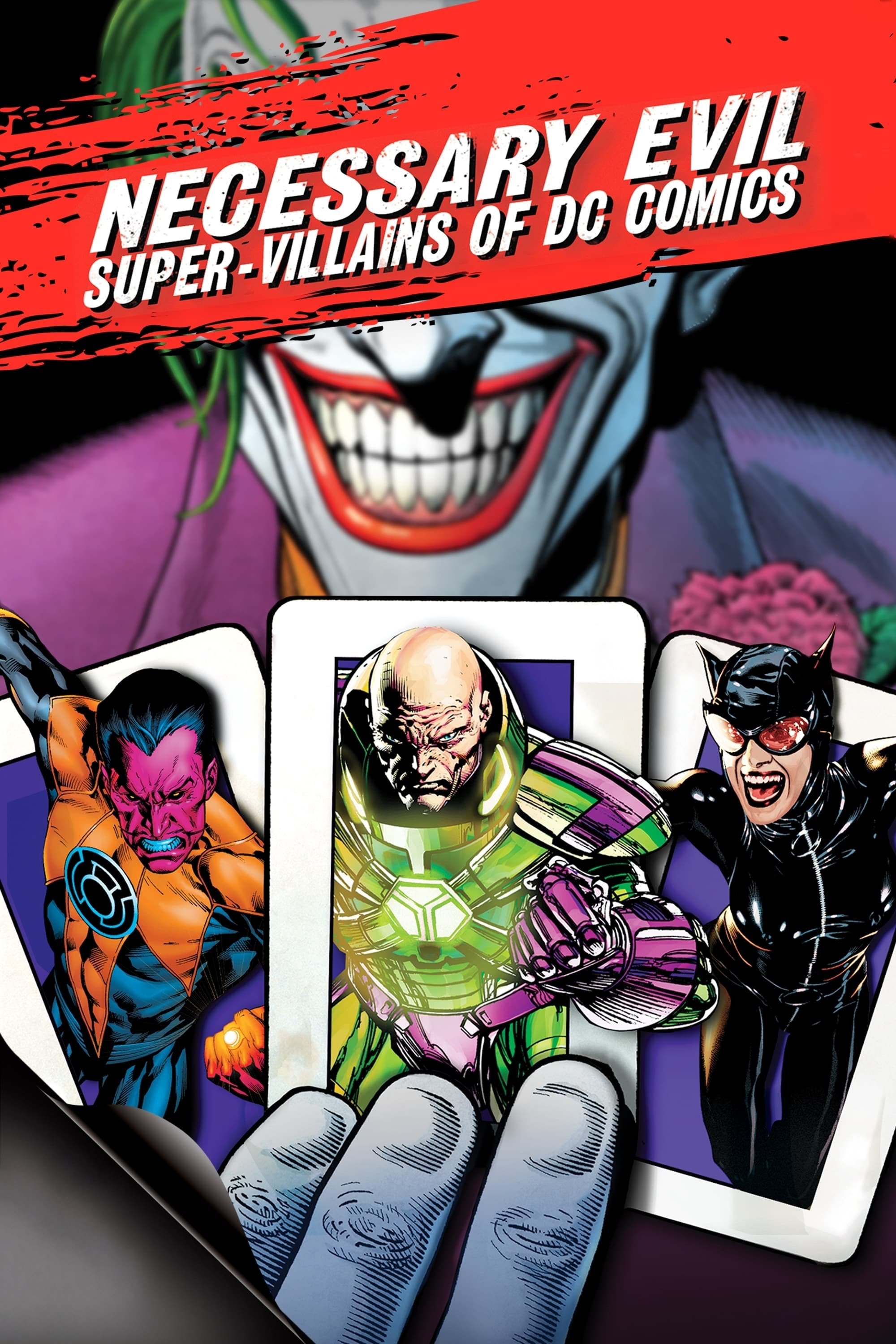
A documentary detailing the epic Rogues' Gallery of DC Comics from The Joker and Lex Luthor, Sinestro, Darkseid and more, this documentary will explore the Super Villains of DC Comics.
Al Pacino's deeply-felt rumination on Shakespeare's significance and relevance to the modern world through interviews and an in-depth analysis of "Richard III."
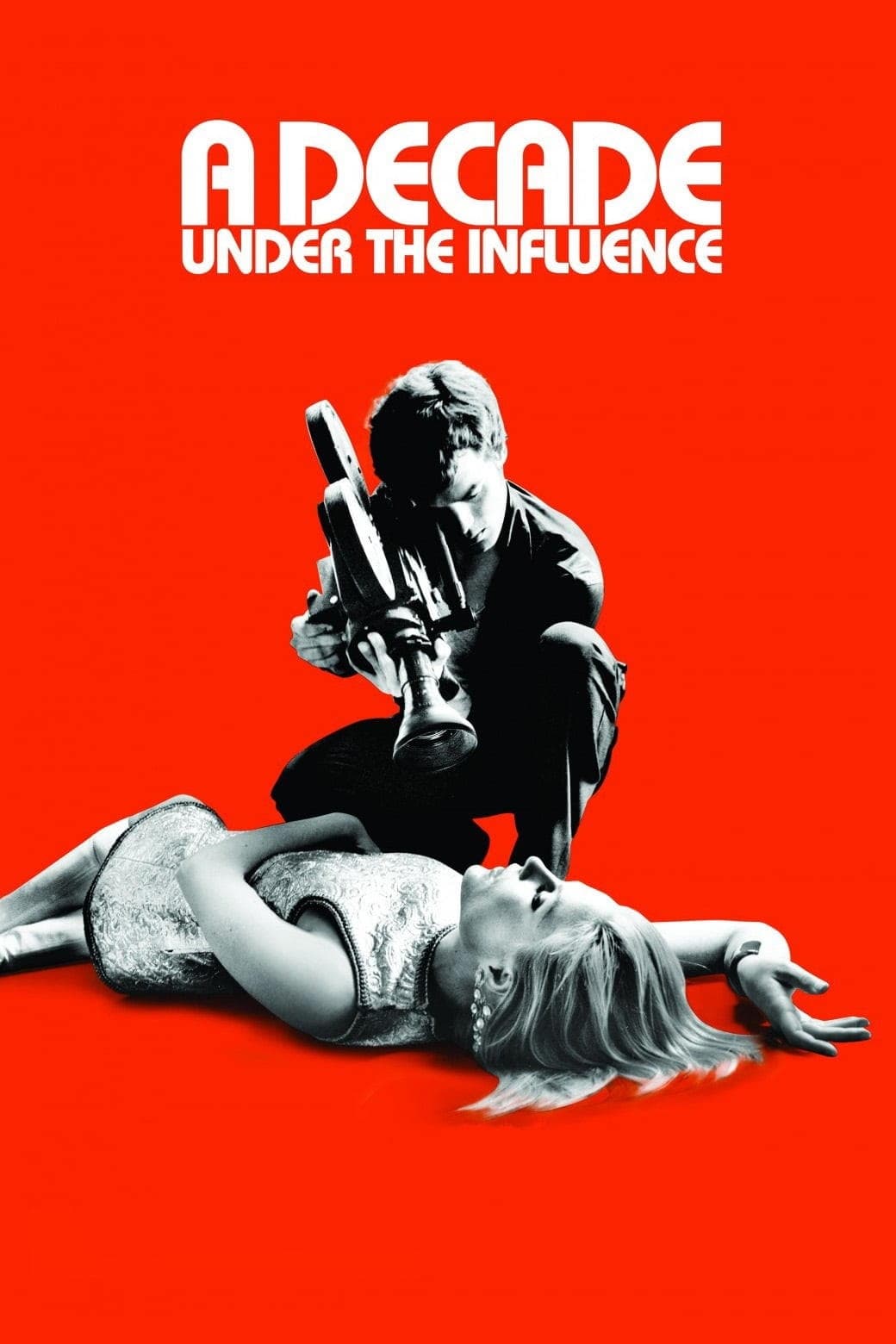
A documentary examining the decade of the 1970s as a turning point in American cinema. Some of today's best filmmakers interview the influential directors of that time.
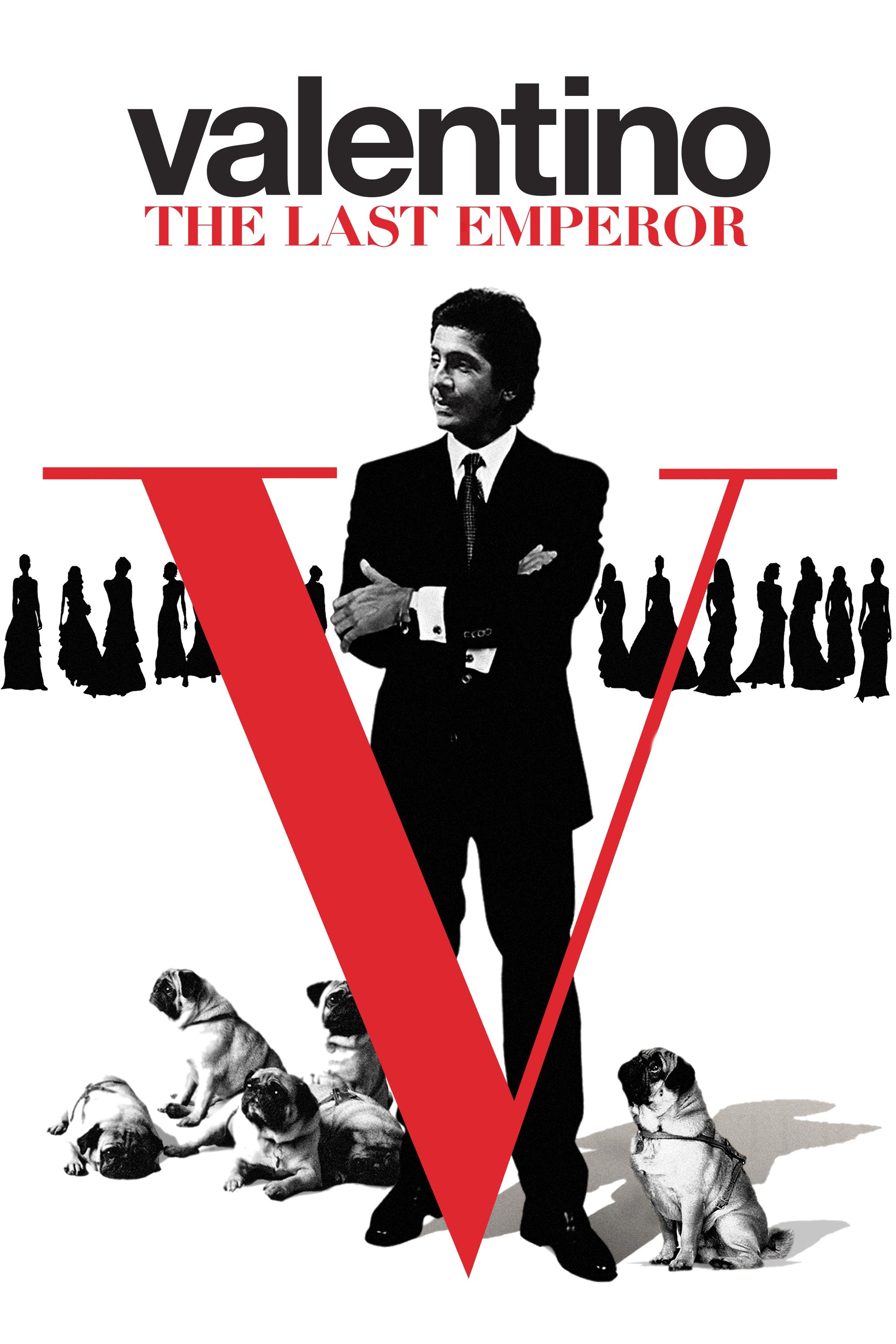
Film which travels inside the singular world of one of Italy's most famous fashion designers, Valentino Garavani, documenting the colourful and dramatic closing act of his celebrated career and capturing the end of an era in global fashion. However, at the heart of the film is a love story - the unique relationship between Valentino and his business partner and companion of 50 years, Giancarlo Giammetti. Capturing intimate moments in the lives of two of Italy's richest and most famous men, the film lifts the curtain on the final act of a nearly 50-year reign at the top of the glamorous and fiercely competitive world of fashion. (Storyville)
This revealing documentary honors the legendary Sidney Poitier—iconic actor, filmmaker, and civil rights activist. Featuring interviews with Denzel Washington, Spike Lee, Halle Berry, and more.
A string of threatening emails escalates into a revenge plot involving a newly married US marshal and his ex-girlfriend.
Director Michael Apted revisits the same group of British-born adults after a 7 year wait. The subjects are interviewed as to the changes that have occurred in their lives during the last seven years.
Artists in LA discover the work of forgotten Polish sculptor Stanislav Szukalski, a mad genius whose true story unfolds chapter by astounding chapter.
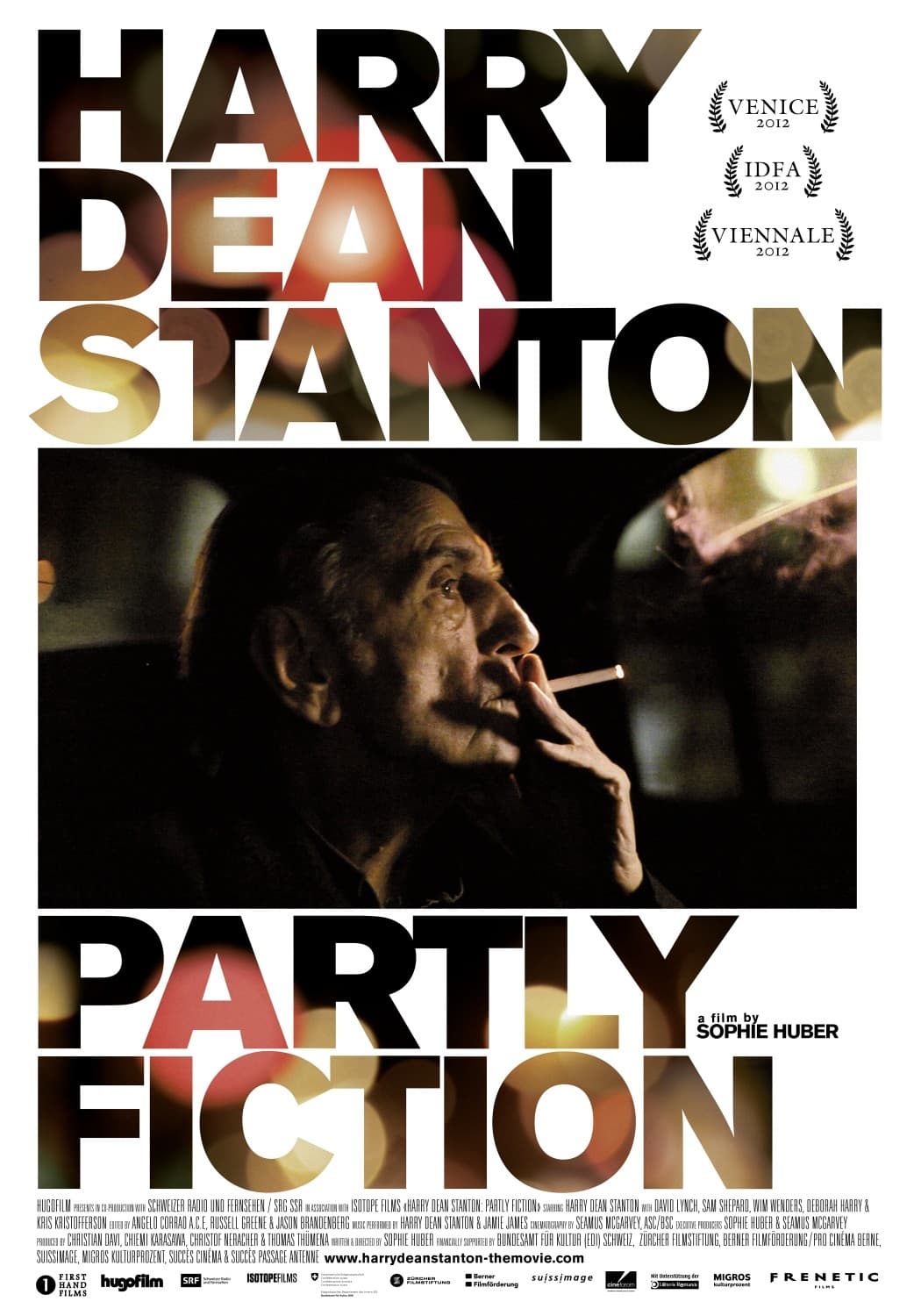
An impressionistic portrait of the iconic actor Harry Dean Stanton comprised of intimate moments, film clips from some of his 250 films and his renditions of American folk songs.
Cast members of the hit Netflix show join the hosts to unpack the drama of Season 1, and Cristela Alonzo offers tips for being the new kid at school.
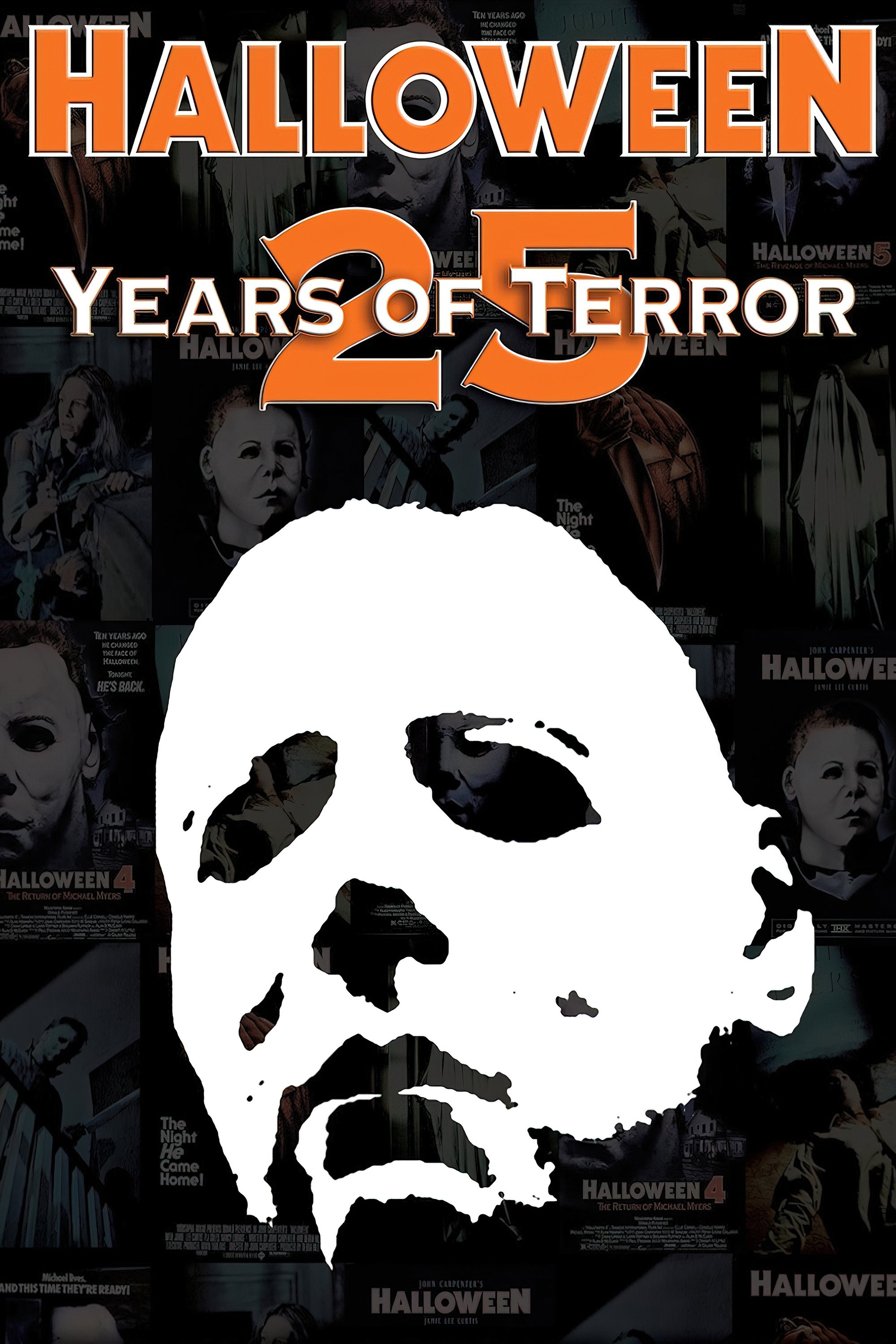
Follow the evolution of the 'Halloween' movies over the past twenty-five years. It examines why the films are so popular and revisits many of the original locations used in the films - seeing the effects on the local community. For the first time, cast, crew, critics and fans join together in the ultimate 'Halloween' retrospective.
The life and career of one of comedy's most inimitable modern voices, Mr. Gilbert Gottfried.
Through deeply personal interviews with her siblings and an examination of the photographs, letters, and belongings left behind, Mariska assembles a new portrait of her mother Jayne Mansfield, an extraordinary and complex woman.
The life and career of an actor, artist, and icon. His own journey through his own camera.
SEDUCED AND ABANDONED combines acting legend Alec Baldwin with director James Toback as they lead us on a troublesome and often hilarious journey of raising financing for their next feature film. Moving from director to financier to star actor, the two players provide us with a unique look behind the curtain at the world's biggest and most glamourous film festival, shining a light on the bitter-sweet relationship filmmakers have with Cannes and the film business. Featuring insights from directors Martin Scorsese, 'Bernando Bertolucci' and Roman Polanski; actors Ryan Gosling and Jessica Chastain and a host of film distribution luminaries.
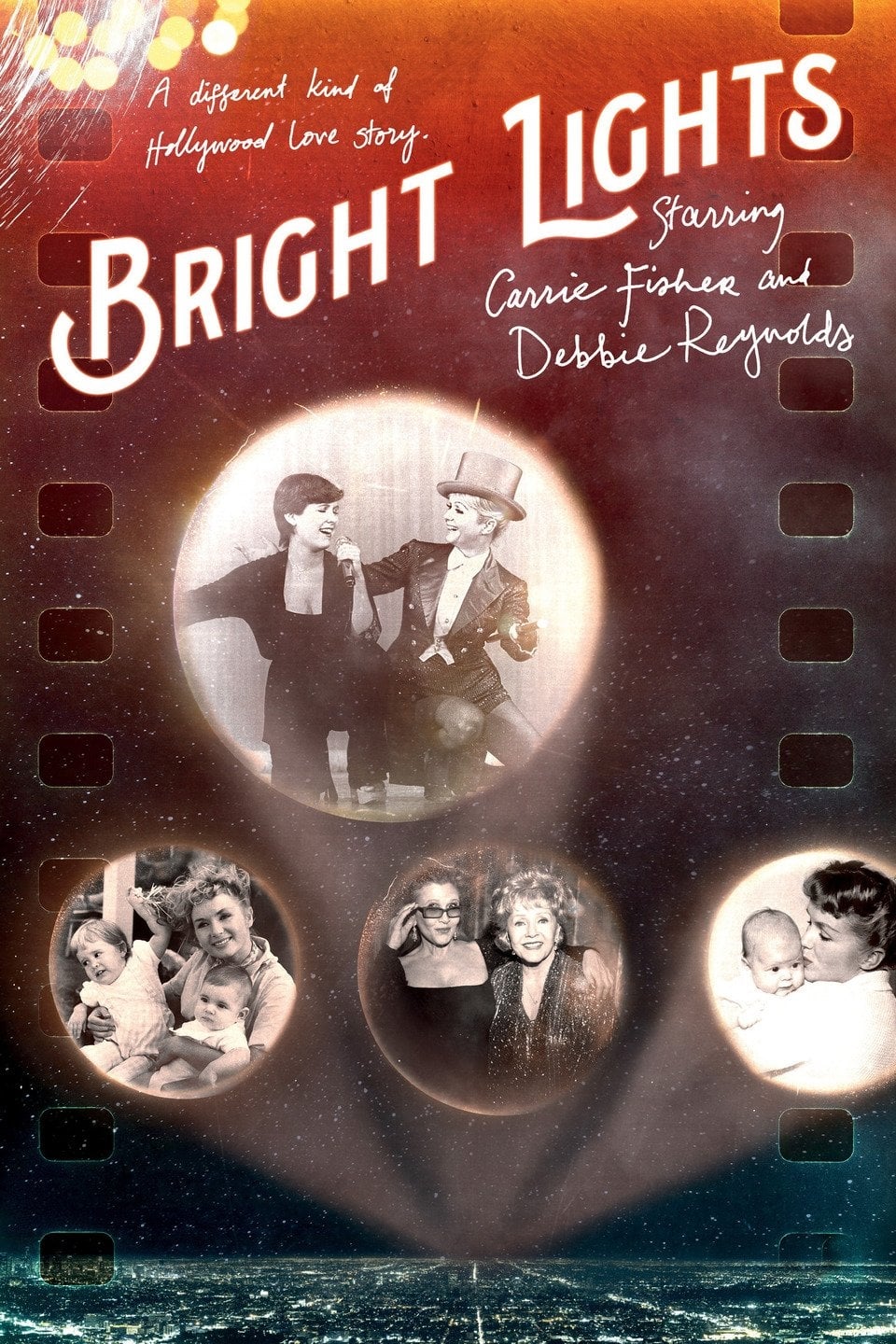
An intimate portrait of Hollywood royalty featuring Debbie Reynolds, Todd Fisher, and Carrie Fisher.