Social & External
In the United States, there is an active shooter incident every 12 days. In Memoriam shows the wrenching perspective of wounded survivors, grieving relatives, and heroes of the horrific attacks at the Las Vegas Route 91 Harvest Music Festival, the Sutherland Springs Baptist Church in Texas, and the Marjory Stoneman Douglas High School in Parkland, Florida.
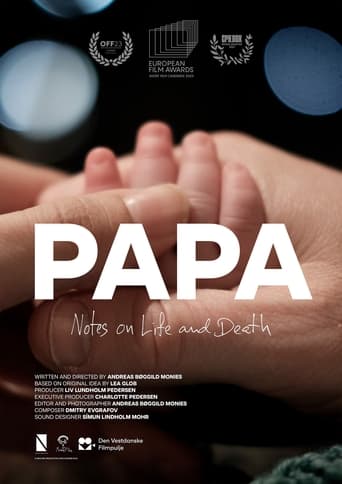
A short film that navigates the filmmaker's intimate journey with death and other fears. Through the filmmaker’s inner monologue, the film explores the universal struggle with mortality.
Four experts in different areas such as religion, philosophy and thanatology, share their wisdom when it comes to death.
Hollywood is a hot spot for celebrities, and tour guide Scott Michaels (E!'s "20 Most Horrifying Hollywood Murders," FindADeath.com) knows their, well, haunts. DEARLY DEPARTED is an all-access tour of the "backlots" of L.A. - locations where the most infamous murders, suicides and bizarre crimes involving A-listers have taken place. The Viper Room, the site where "The Black Dahlia" was discovered, and dozens more legendary spots are explored in this funny and equally shocking ride into L.A.'s seedy underground.
Like a visual elegy, My Memory Is Full of Ghosts explores a reality caught between past, present and future in Homs, Syria. Behind the self-portrait of an exsanguinated population in search of normality emerge memories of the city, haunted by destruction, disfigurement and loss. A deeply moving film, a painful echo of the absurdity of war and the strength of human beings.
A group of artists settle in a swamp on the banks of the Indre River. Meanwhile, a voice describes a utopian world.
What is the purpose of our existence ? What is the soul ? Which are the power of mind, of conscience ? What is our link to nature ? Pondering these existential questions, this movie invites us to find out an universal wisdom, meeting shamans, healers, yogis, but also philosophers and doctors. From Mongolia plains to the Amazonian forest, it leads us far than we expected at first.
Kurnia, a 37-year-old woman, returns to face her past memories through projected images that bring both emotion and sorrow. On this journey, she recounts the stories of love, acceptance, separation, and regret that shaped who she is today. Remininsing her memories, Kurnia slowly finds the strength to let go of her attachment to the past and attain a sense of acceptance.
Following the death of her brother, filmmaker Robie Flores returns to her hometown Eagle Pass on the Texas/Mexico border, wanting to turn back time. She collides with unruly experiences of adolescence – quinceañeras, Rio Grande river excursions, teen makeovers and beyond – that invite her to soak up the details of the home her brother adored and she ignored. What emerges is a playful dance between a personal and collective coming-of-age portrait of kids on the border and Robie herself as she rediscovers the possibilities of joy in the aftermath of grief.
My Flesh and Blood is a 2003 documentary film by Jonathan Karsh chronicling a year in the life of the Tom family. The Tom family is notable as the mother, Susan, adopted eleven children, most of whom had serious disabilities or diseases. The film itself is notable for handling the sensitive subject matter in an unsentimental way that is more uplifting than one might expect.
Every morning, Marcel confides in his tape recorder. It is from his reflections on life that this film takes us into the wake of his story.
The story of Hitler’s final hours told by people who were there. This special features exclusive forgotten interviews, believed lost for 65 years, with members of Hitler’s inner circle who were trapped with him in his bunker as the Russians fought to take Berlin. These unique interviews from figures such as the leader of the Hitler Youth Artur Axmann and Hitler’s secretary Traudl Junge, have never before been seen outside Germany. Using rarely seen archive footage and dramatic reconstruction, this special tells the story of Adolf Hitler’s final days in his Berlin bunker.
The story of Tasmanian-born actor Errol Flynn whose short & flamboyant life, full of scandals, adventures, loves and excess was largely played out in front of the camera - either making movies or filling the newsreels and gossip magazines. Tragically he was dead from the effects of drugs and alcohol by the time he was only 50 & the myths live on. But there is another side of Flynn that is less well known - his ambitions to be a serious writer and newspaper correspondent, his documentary films and his interest in the Spanish Civil War and Castro's Cuba
In a quiet village in southern China, Fang Xiuying is sixty-seven years old. Having suffered from Alzheimer's for several years, with advanced symptoms and ineffective treatment, she was sent back home. Now, bedridden, she is surrounded by her relatives and neighbors, as they witness and accompany her through her last days.
A documentary film exploring humanity's relationship with technology and with the natural world. Shot over a 5-year period in more than 30 countries, the film pioneers new timelapse, time-dilation, underwater, and aerial cinematography techniques to give audiences new eyes with which to see our world.
The film discusses the emotional aftermath of disasters, emphasizing the importance of expressing feelings and seeking help. It highlights personal experiences of individuals affected by hurricanes and earthquakes, focusing on their feelings of guilt, anxiety, and the need for support. The discussion underscores that sharing experiences can alleviate emotional pain and that professional help should be sought for those struggling to cope with trauma.
The film examines the death of the anarchist Giuseppe Pinelli, who fell from the fourth floor of the police headquarters in Milan December 15, 1969, after being stopped following the Piazza Fontana bombing.
An experimental look at the origin of the death myth of the Chinookan people in the Pacific Northwest, following two people as they navigate their own relationships to the spirit world and a place in between life and death.
In 1609, Henry IV sent Inquisition judge Pierre de Lancre to the French Basque Country to investigate witchcraft. In the trials, 80 people were sentenced to death at the stake. Between the 15th and 17th centuries, a total of between 40,000 and 60,000 people fell victim to such waves of persecution in Europe. How can this phenomenon be explained?