Social & External
The people behind it
Jean-Marc Lancelot
Narrator
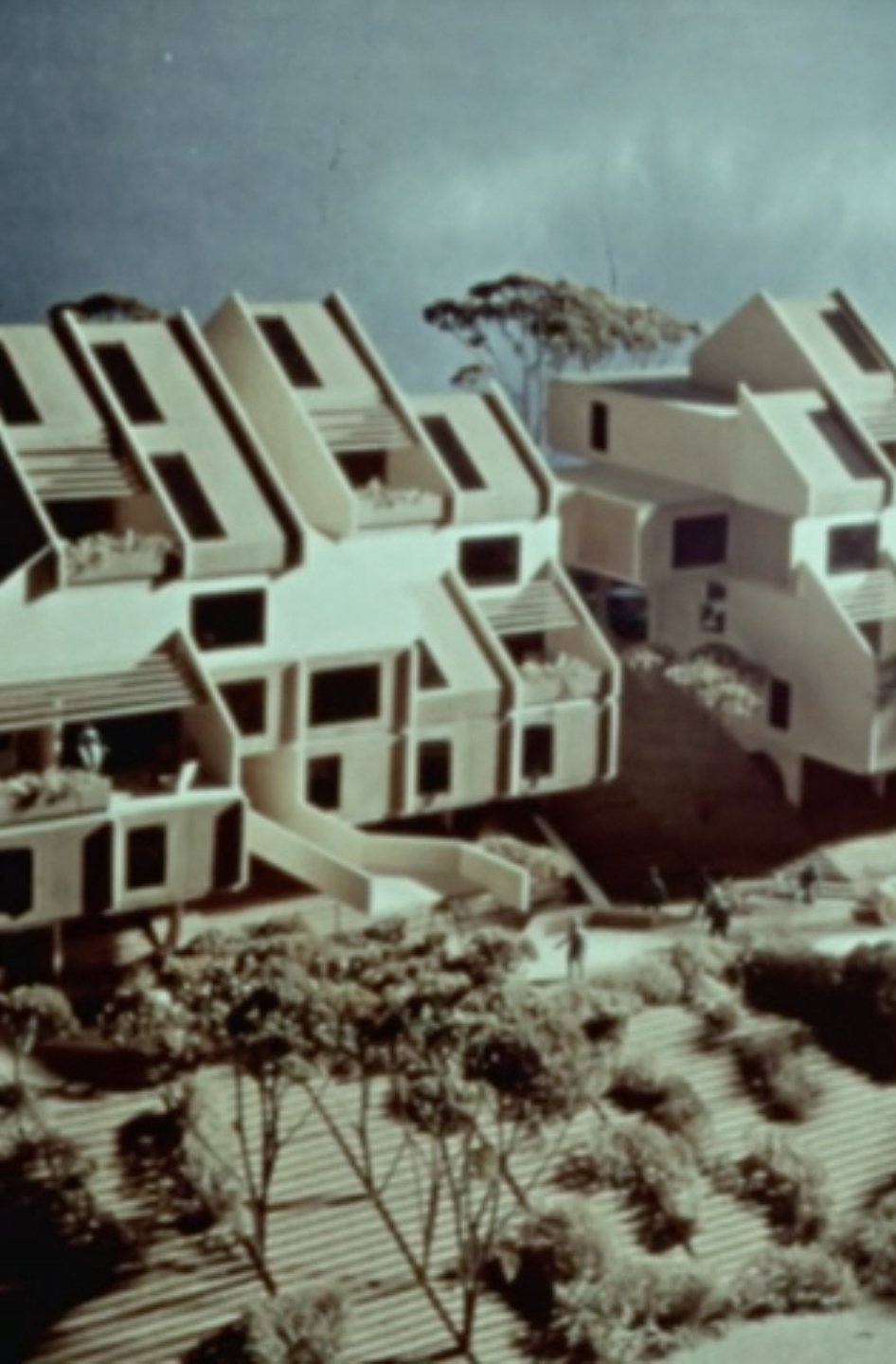
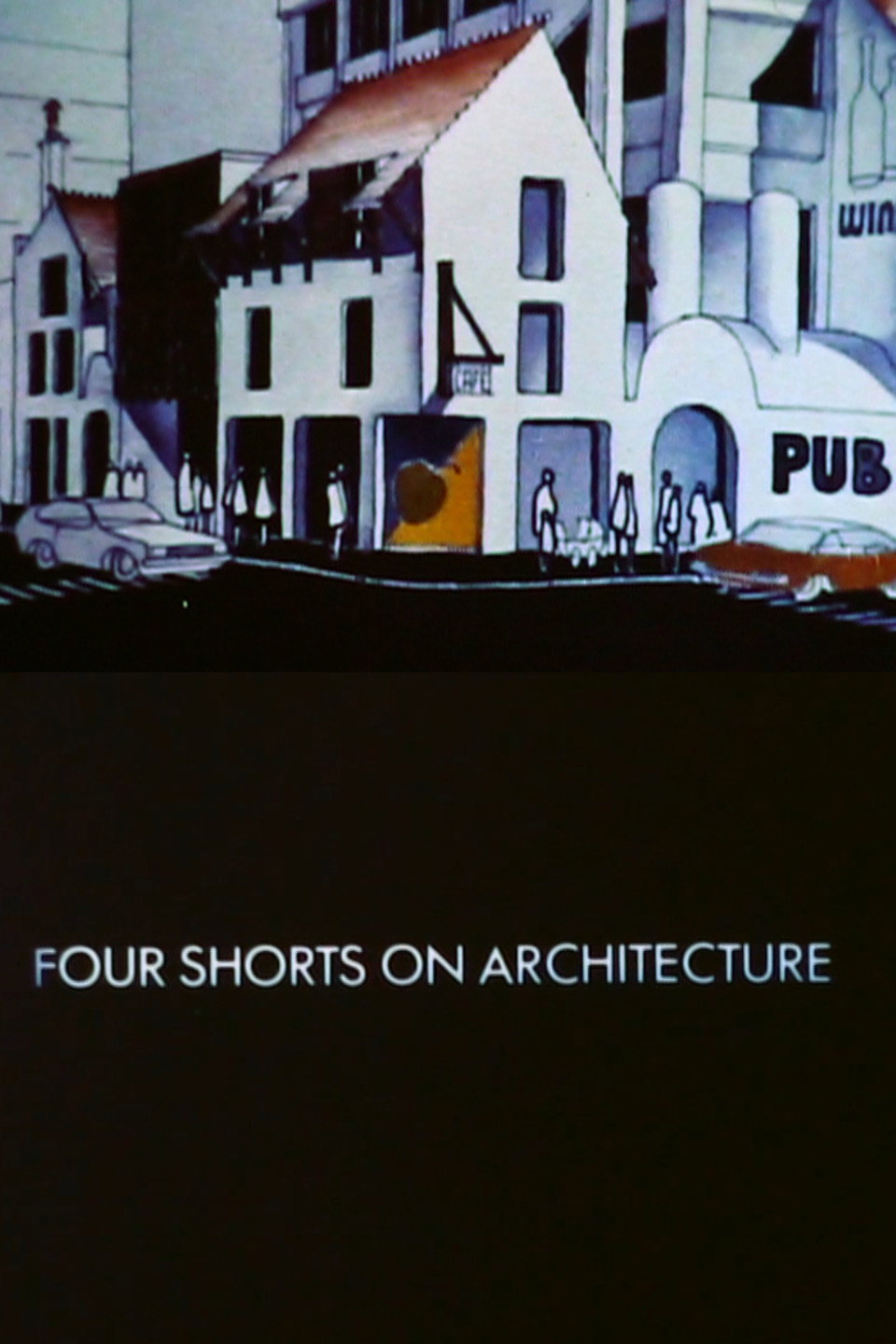
The human side of town planning, as exemplified in Baltimore, Maryland. The Coldspring Project concerned a proposed housing development for lower and upper income levels on a three hundred-acre site adjoining a wildlife sanctuary. The film records the differences aired in meetings of various interest groups that tried to modify the plan according to their views, and the compromise reached, based on plans drawn up by Montréal architect Moshe Safdie.
Founded in 1919 by Walter Gropius, Bauhaus was supposed to unite sculpture, painting, design and architecture into a single combined constructive discipline. It is a synthesis of liberated imagination and stringent structure; cross-medial concepts that embellish and enrich our existence, illumination and clarity, order and playfulness. But Bauhaus was never just an artistic experiment. Confronted with the social conditions of that particular time, as well as the experience of WWI, the movement concerned itself with the political and social connotations of design from the very outset. Hence, Bauhaus history is not just the history of art, but also the history of an era that stretches from the early 20th century to the modern day.
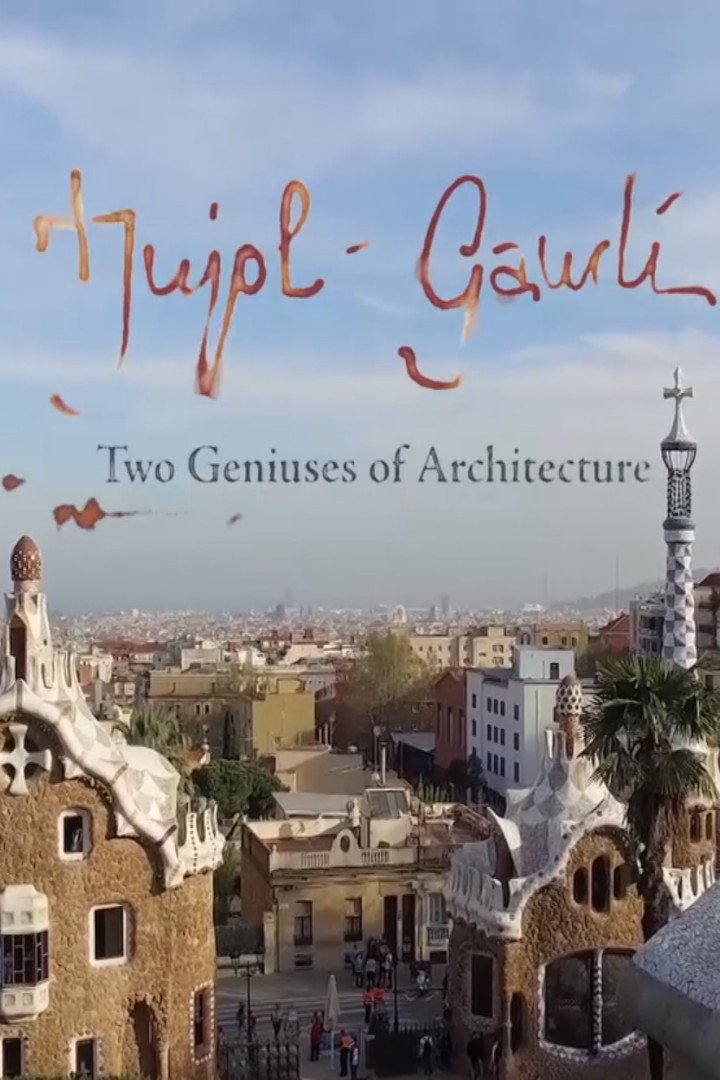
Thousands of tourists come to Barcelona from far and wide to admire the work of the great architect, Antoni Gaudí. What they don't know is that many of the photographs they take home with them are of works by Josep Mª Jujol, a forgotten architect and the other great genius of Catalan Modernisme.
On a small island in the middle of the Irish sea, a giant derelict pier juts out into the rough sea. Closed for decades, now the town is getting a new lease of life thanks to a defiant elderly population building something for the next generation.
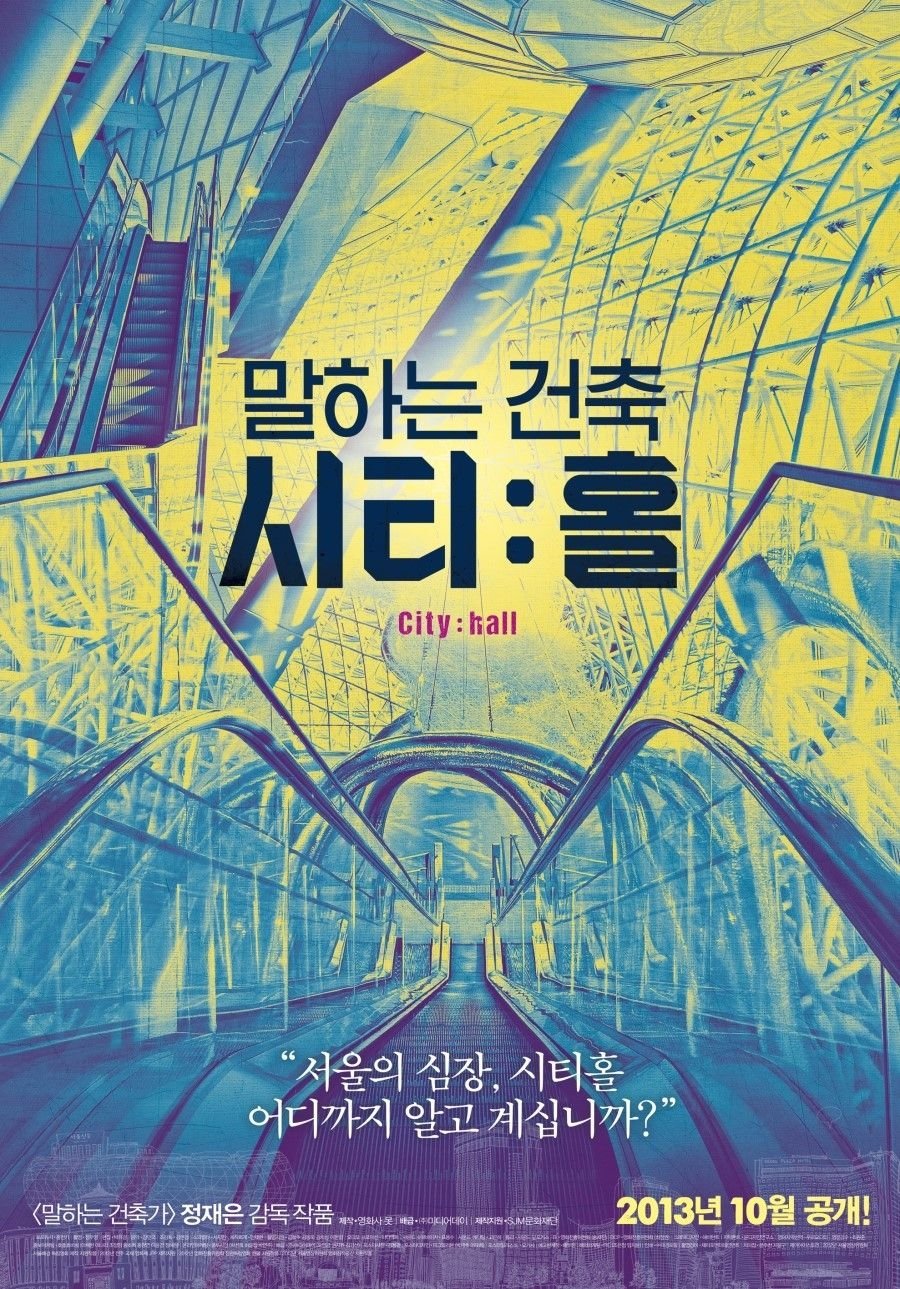
A documentary film about Seoul City Hall Construction. The construction project has a hard going in every way. A city plan, excessive administrative notions, a design and all got mingled up. Can the project sail, yes?
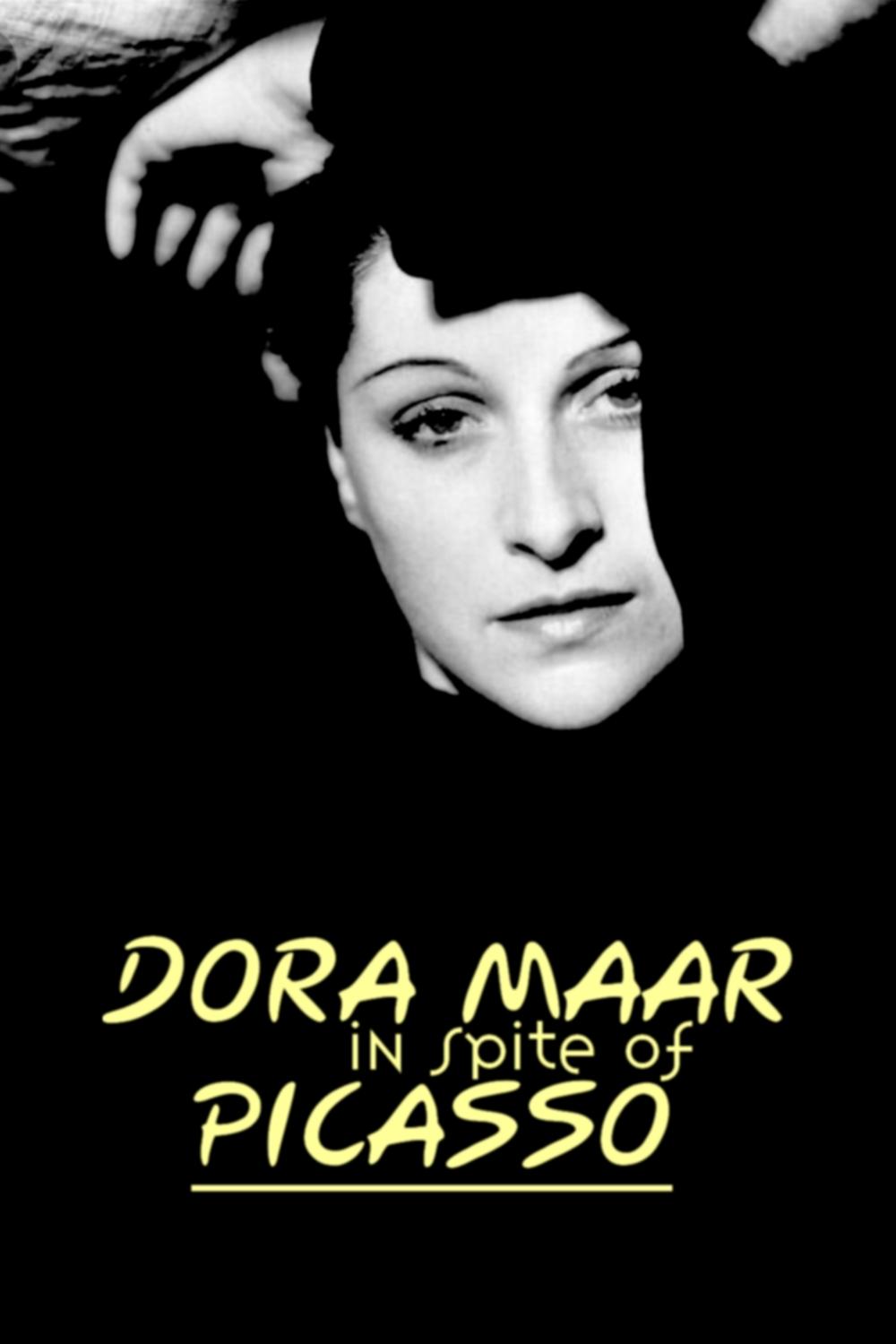
Dora Maar, a world-class photographer who began her artistic career in the French Surrealist scene of the 30s, lived in the shadow of Spanish painter Pablo Picasso, her lover between 1935 and 1943, with whom she maintained a chaotic, even violent, relationship. Fortunately, she survived Picasso's abusive behavior and its sequels to find a new path, the best one, the one that is worth to be told, in spite of Picasso.
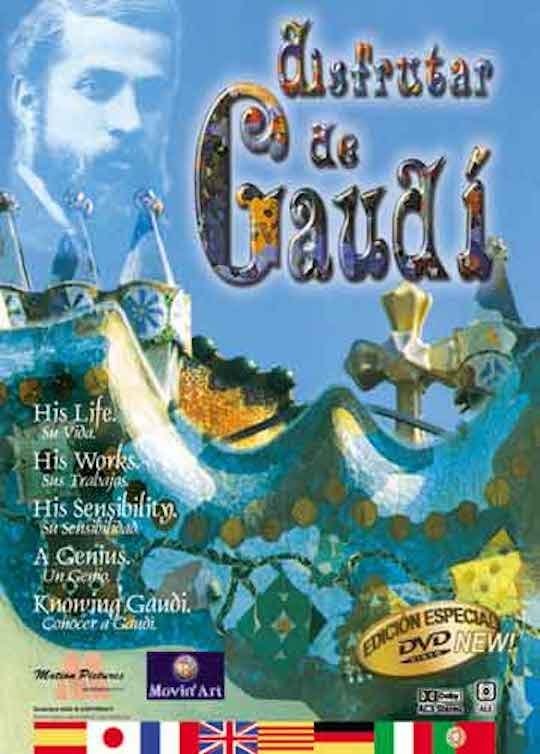
Presented in the guise of an autobiography, this program describes the life and work of Antoni Gaudí. It highlights his personality, his sensitivity and the images of his art.
Dresden is famous for its attempt to meticulously reconstruct its once bombed-out historical center and bring the colorful baroque settings of the 18th century back to life. It’s infamous for the right-wing-surge that has since 2015 swept the city and made it a center of far-right activity in Germany and Europe. This film is an exploration of where the two intersect.
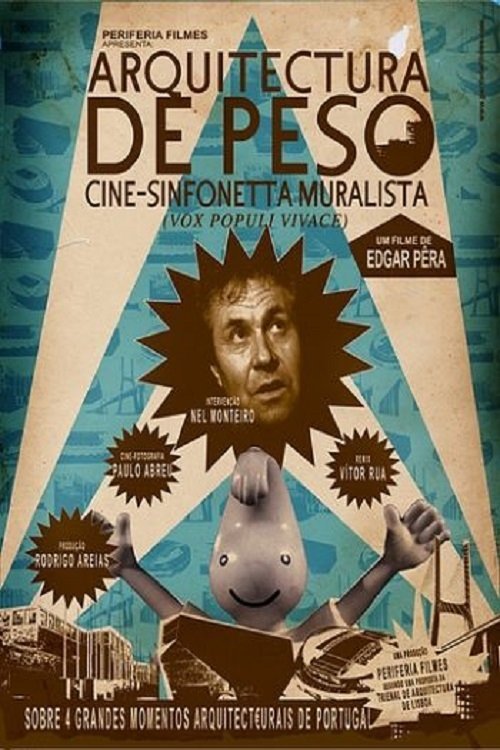
Documentary about 4 large architectural landmarks that projected Portugal abroad.
A visual essay on contemporary Kiwi architecture.
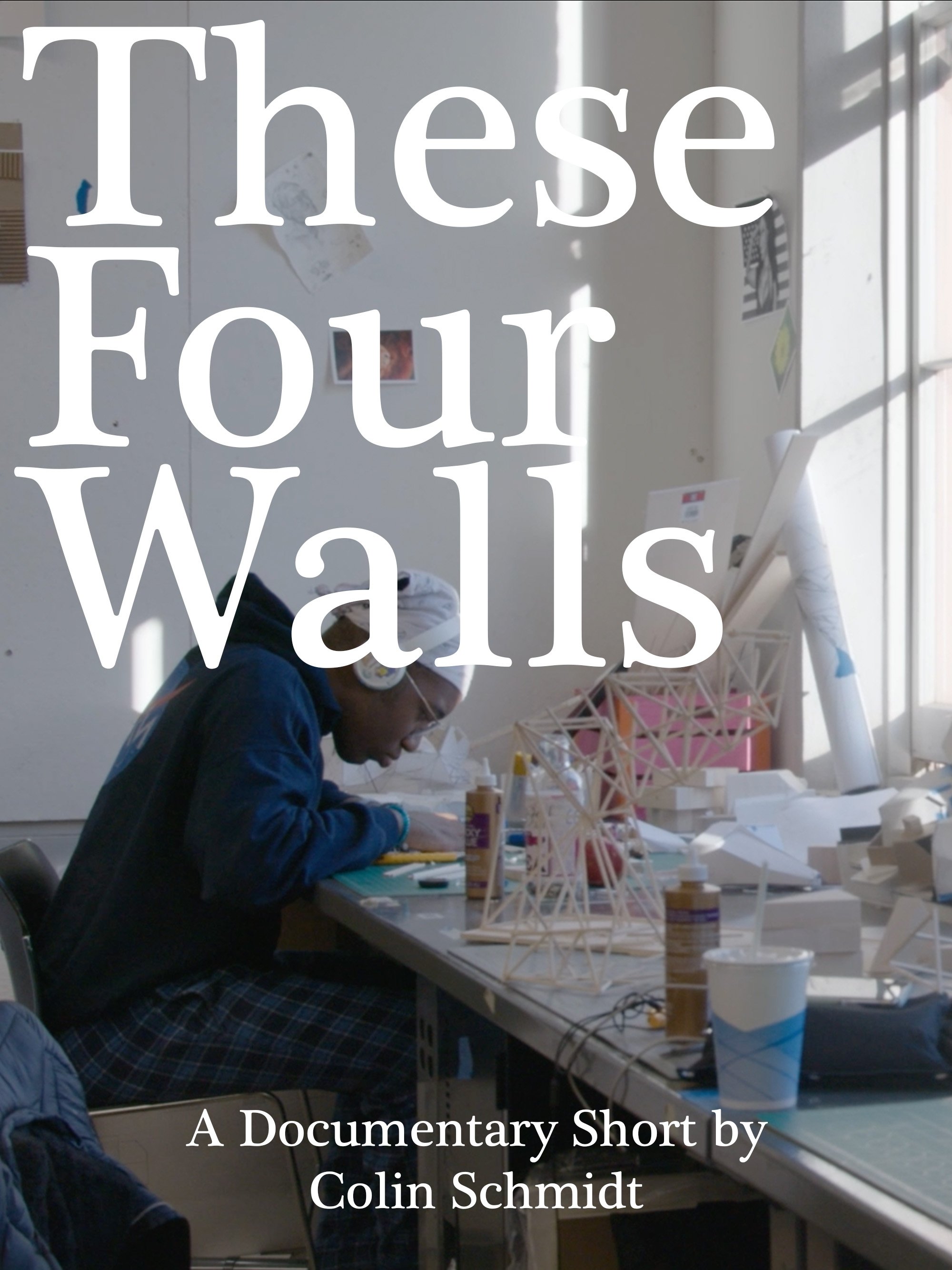
A short documentary that takes a look at Pratt Institute's Architecture program and how the first years handle the rigorous workload.
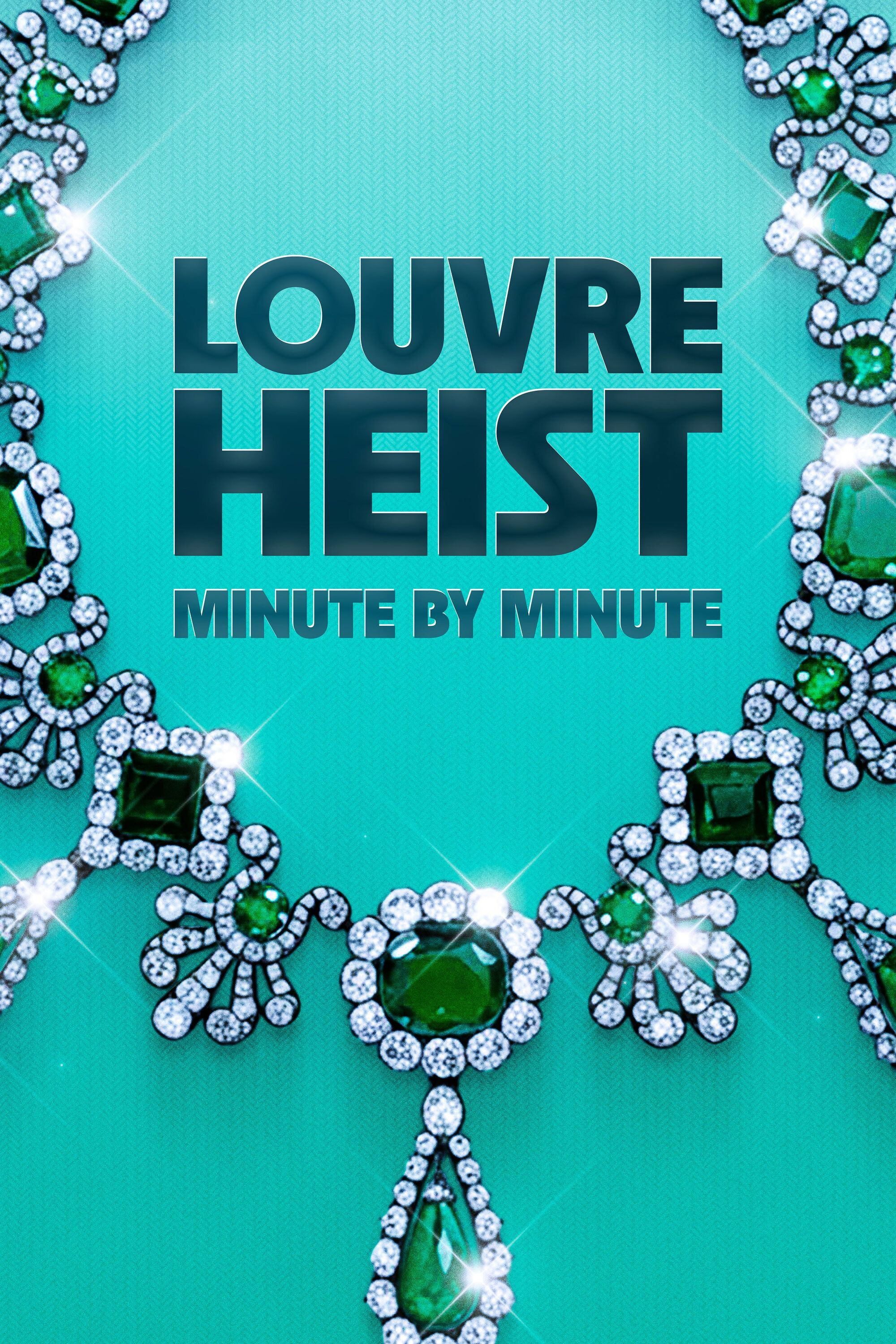
Dive into a real-time investigation of the shocking daylight robbery at Paris' Louvre Museum. Former thieves, security staff, eyewitnesses and investigators piece together the crime and ongoing chase to recover France's crown jewels before it's too late.
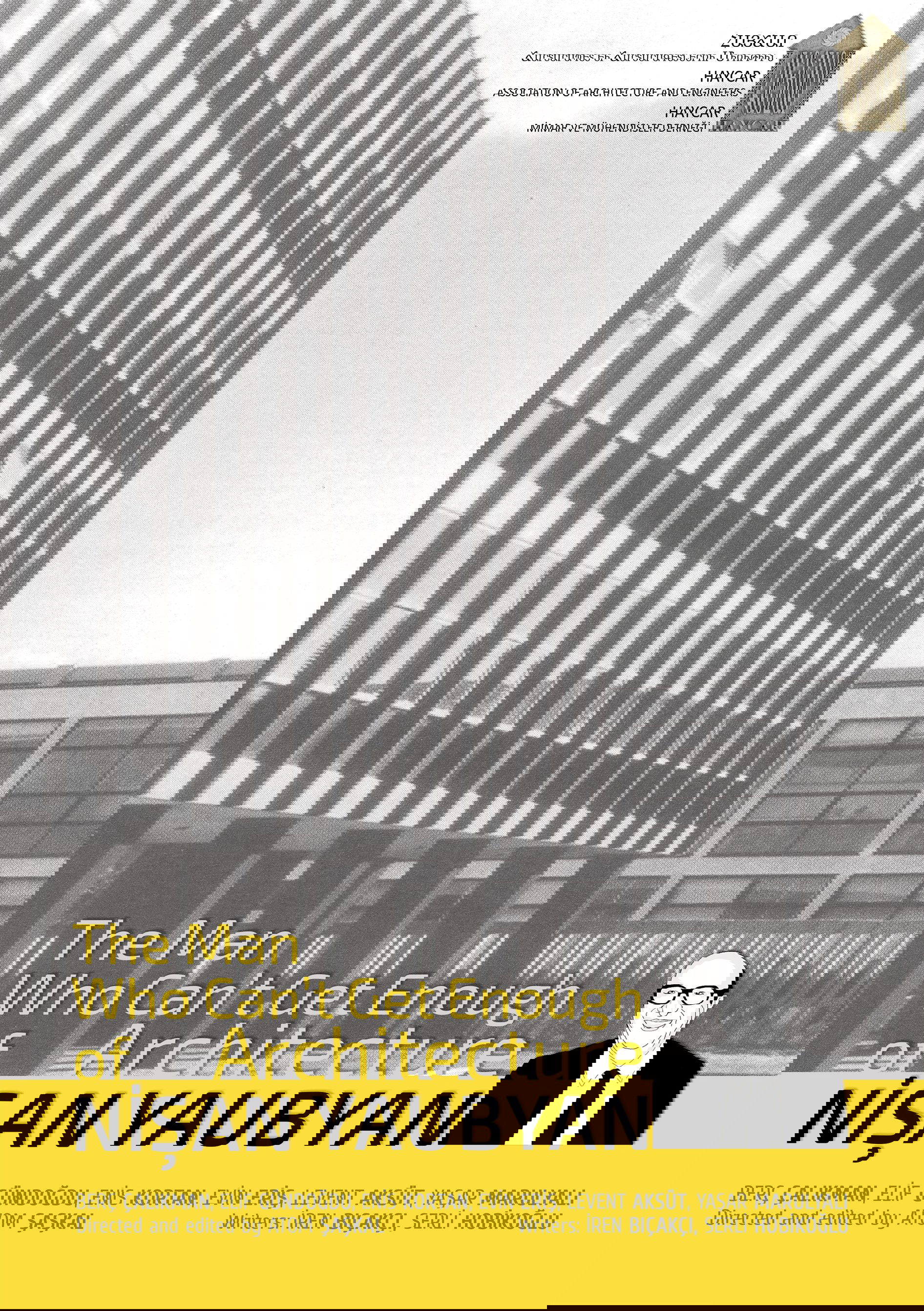
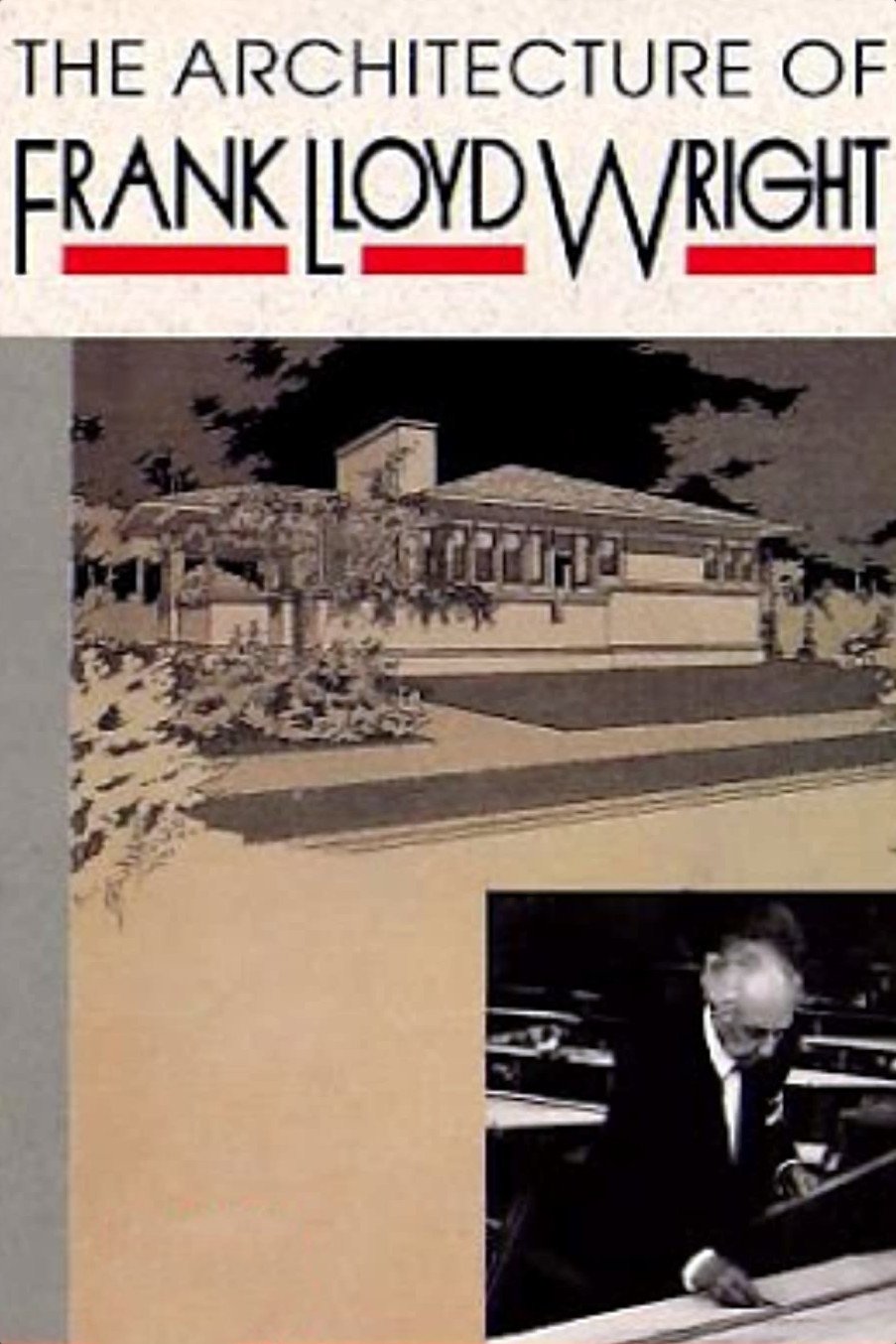
Documentary on the work of Frank Lloyd Wright's architecture.
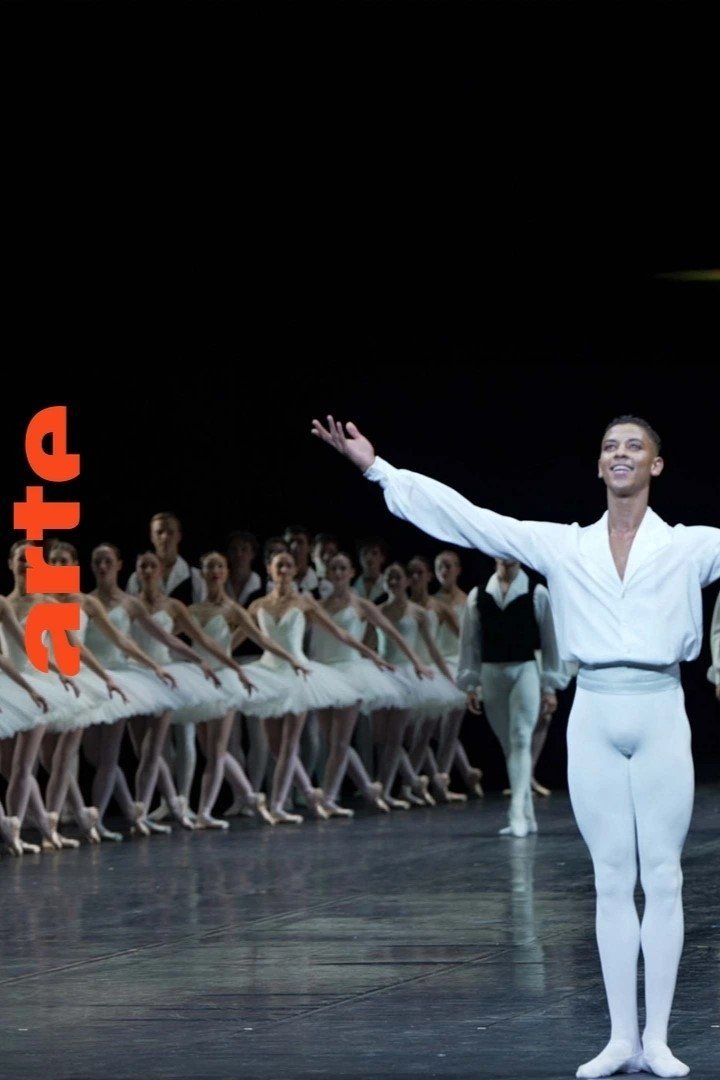
At age 20, Guillaume Diop risked his career to sign a manifesto against racism at the Paris Opera. But just three years later, he was named a Danseur Étoile — a star dancer — in the Paris Opera Ballet, one of the world’s most prestigious companies. As the first Black Danseur Étoile, Guillaume is thrust into becoming a role model and a national symbol for diversity. But, as YOUNG, BLACK AND GIFTED shows us, in intimate conversations with family and friends, he sometimes questions whether he is ready for this responsibility.
Documentary about the iconic building Het Schip.
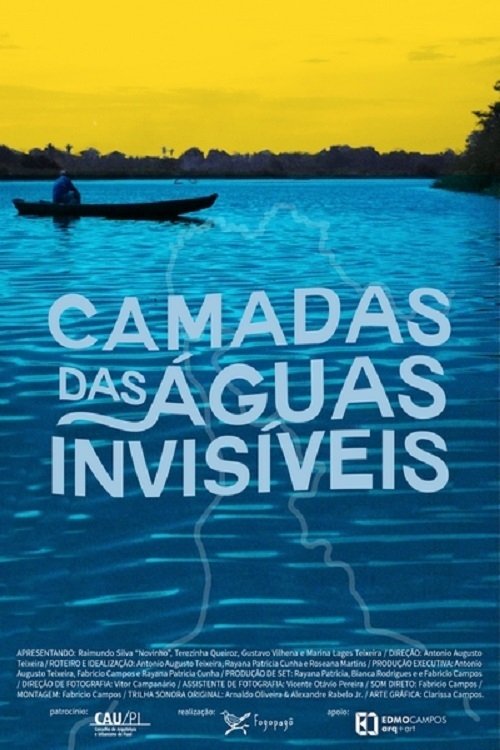
Invisible Water Layers discusses and questions the origins of Teresina and its urbanization over the years. The film deals with the move from the capital of Piauí to Oeiras in 1852, the ideas of modernity at the time and the problems that resulted from this process in people and in the city. Along with the idea of progress of the railway, factories and steamboats, many families and workers were relocated from the central areas of the city to more distant parts. The traditional ways of life of these people coexisted, not free from conflict, with the will of civility of the local elites. With 4 interviewees, including architects, historians and researchers, the film also brings a rich set of images from different places in the city, such as the Center, the Parnaíba riverbank and the Poty Velho neighborhood.
In an intimate and joyful story of love in the face of loss, celebrated poets Andrea Gibson and Megan Falley find strength—and unexpected hilarity—in what might be their final year together.
A visual montage portrait of our contemporary world dominated by globalized technology and violence.
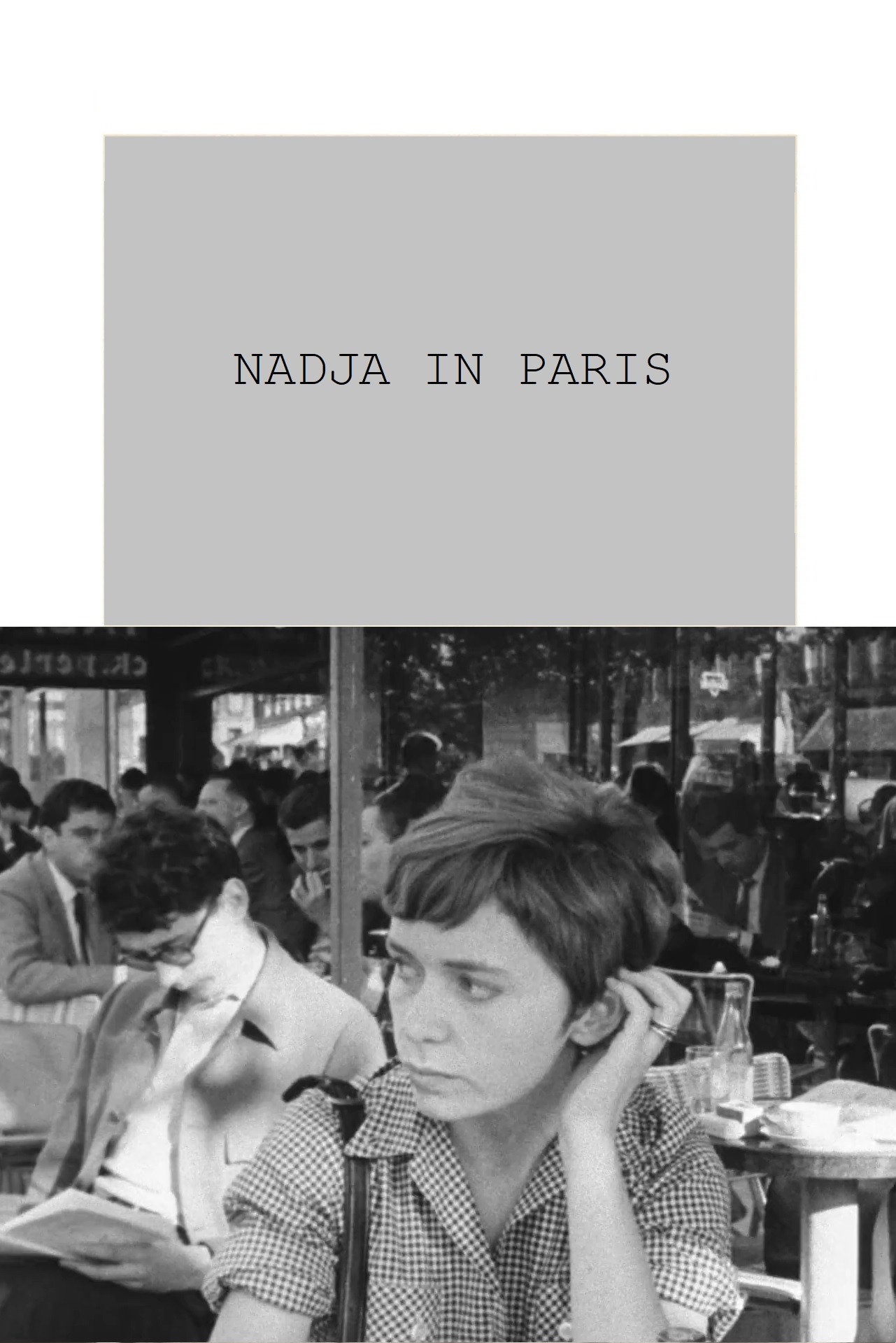
Nadja is a guest student, who stays at Cité Universitaire and visits the Sorbonne, while preparing a thesis on Proust; she also likes to stroll about Paris.
A string of threatening emails escalates into a revenge plot involving a newly married US marshal and his ex-girlfriend.
An inside look at one of the most anticipated movie sequels ever with James Cameron and cast.
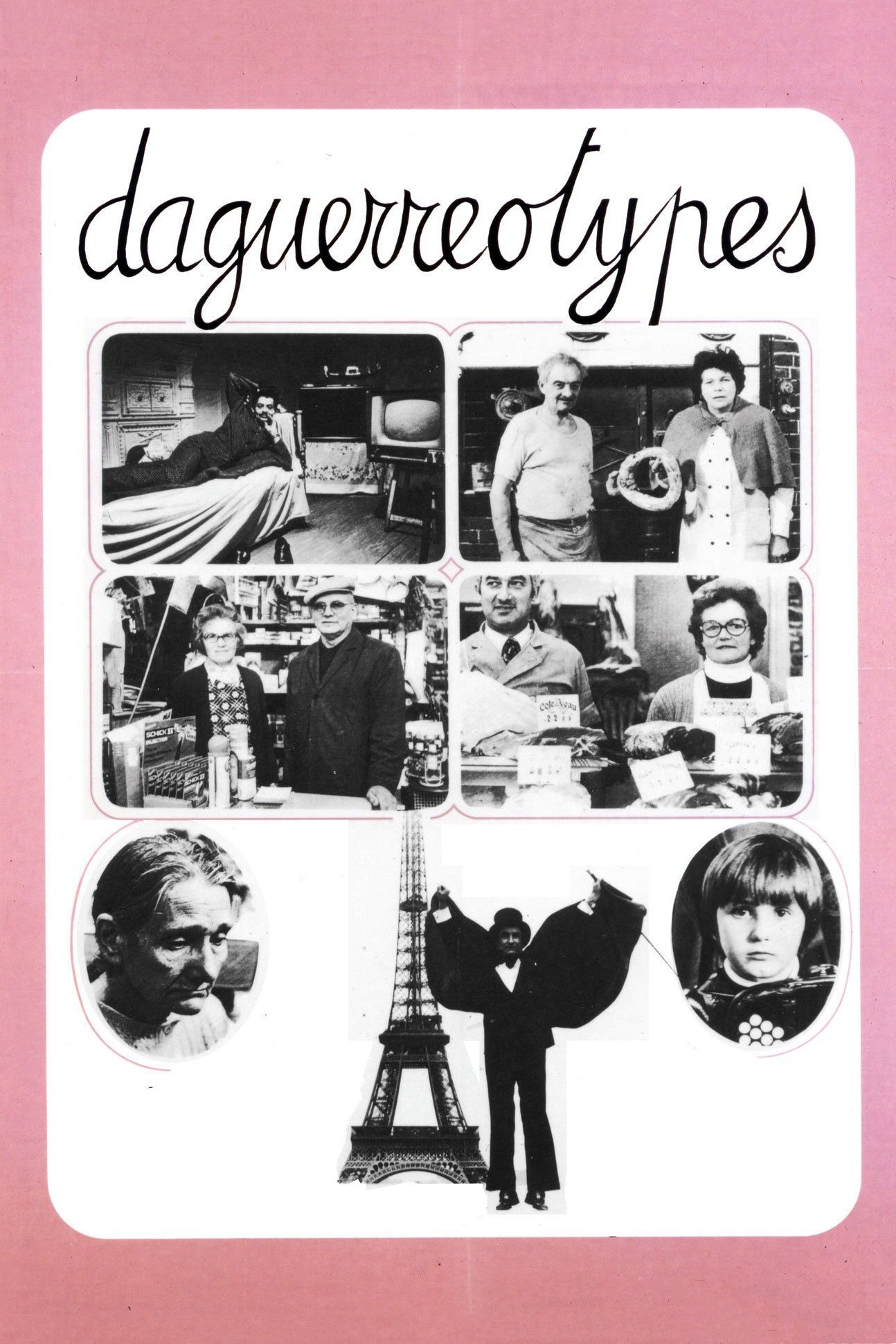
An intimate portrait of the small shops and shopkeepers of the Rue Daguerre in Paris, a picturesque street that has been the filmmaker’s home for more than 50 years.
Join the likes of Jeremy Renner, Hailee Steinfeld, Florence Pugh, and Vincent D’Onofrio as they reveal how Marvel Studios’ “Hawkeye” was conceived and created. Witness firsthand what it took to pull off the show’s pulse-pounding action set pieces, and discover how iconic characters from the pages of Marvel Comics such as Kate Bishop were adapted and brought to life for the six-episode series.
Al Pacino's deeply-felt rumination on Shakespeare's significance and relevance to the modern world through interviews and an in-depth analysis of "Richard III."
A documentary about the life and films of director John Ford.
The film follows adventurer Jeff Johnson as he retraces the epic 1968 journey of his heroes Yvon Chouinard and Doug Tompkins to Patagonia.
Through deeply personal interviews with her siblings and an examination of the photographs, letters, and belongings left behind, Mariska assembles a new portrait of her mother Jayne Mansfield, an extraordinary and complex woman.
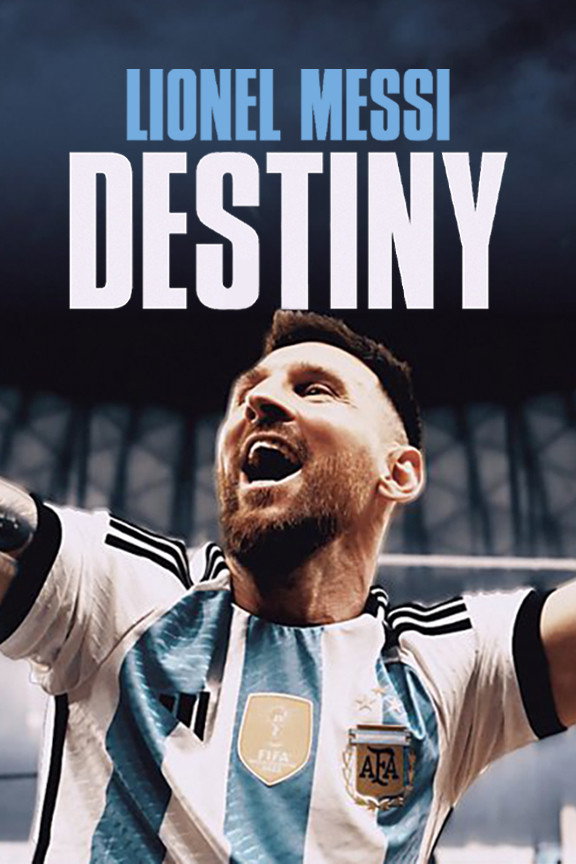
Behind-the-scenes documentary about how Lionel Messi succeeded in lifting the World Cup – the only trophy to have eluded him in an incredible career.
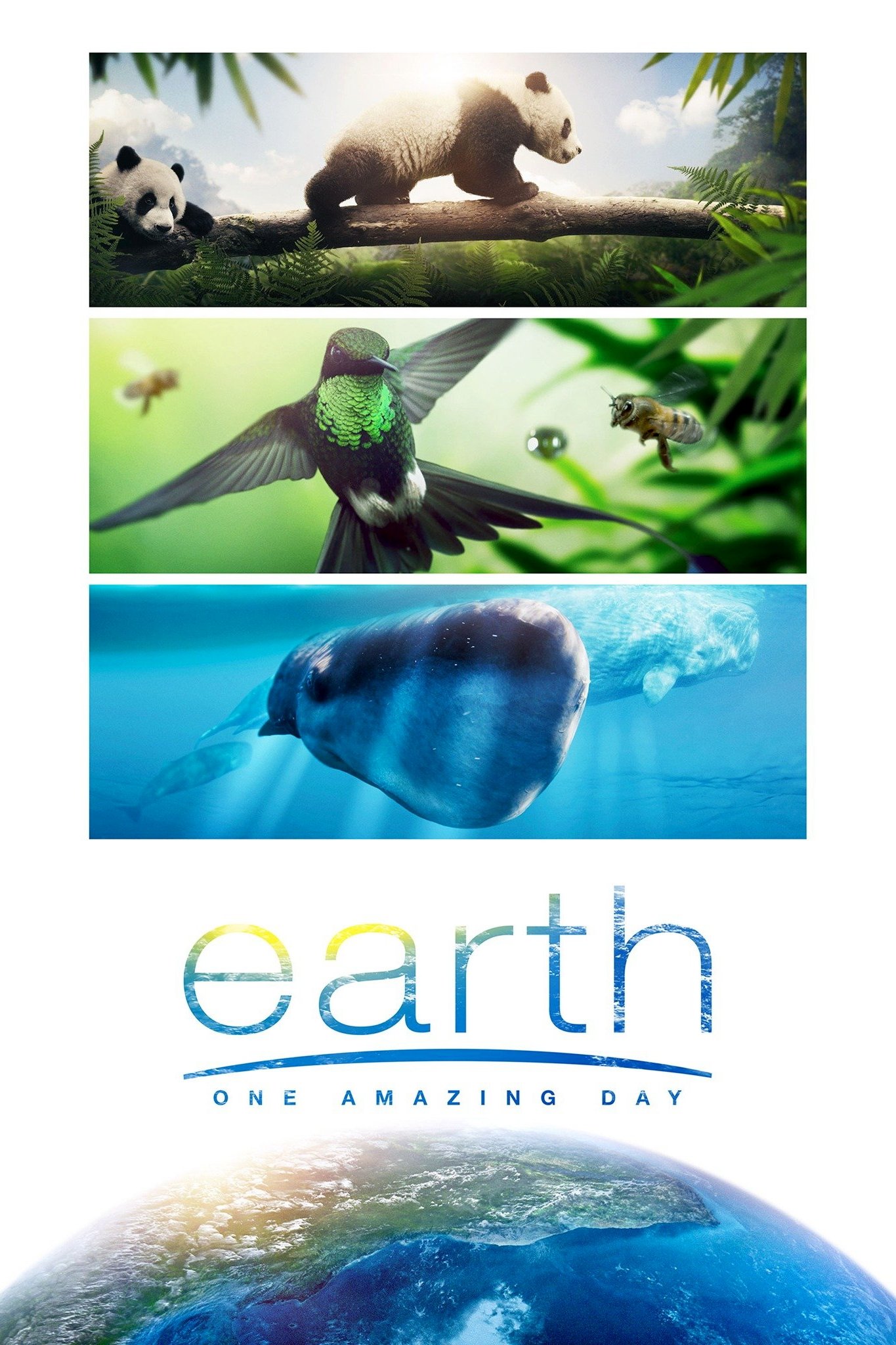
An astonishing journey revealing the awesome power of the natural world. Over the course of one single day, we track the sun from the highest mountains to the remotest islands to exotic jungles.
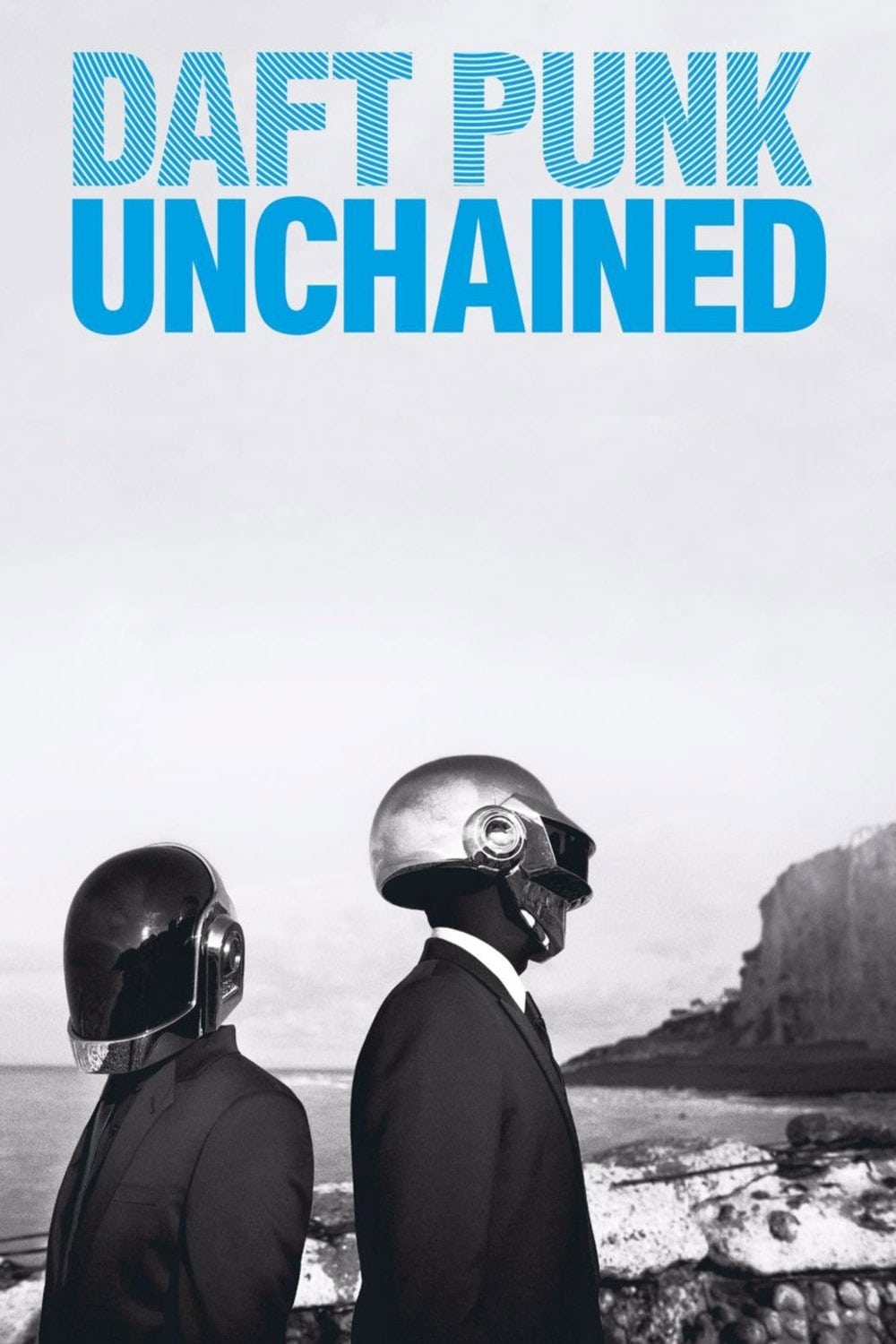
Daft Punk Unchained is the first film about the pop culture phenomenon that is Daft Punk, the duo with 12 million albums sold worldwide and seven Grammy Awards. Throughout their career Thomas Bangalter and Guy-Manuel de Homem-Christo have always resisted compromise and the established codes of show business. They have remained determined to maintain control of every link in the chain of their creative process. In the era of globalisation and social networks, they rarely speak in public and neither do they show their faces on TV. This documentary explores this unprecedented cultural revolution revealing a duo of artists on a permanent quest for creativity, independence and freedom.
Alexander McQueen's rags-to-riches story is a modern-day fairy tale, laced with the gothic. Mirroring the savage beauty, boldness and vivacity of his design, this documentary is an intimate revelation of McQueen's own world, both tortured and inspired, which celebrates a radical and mesmerizing genius of profound influence.
This revealing documentary honors the legendary Sidney Poitier—iconic actor, filmmaker, and civil rights activist. Featuring interviews with Denzel Washington, Spike Lee, Halle Berry, and more.
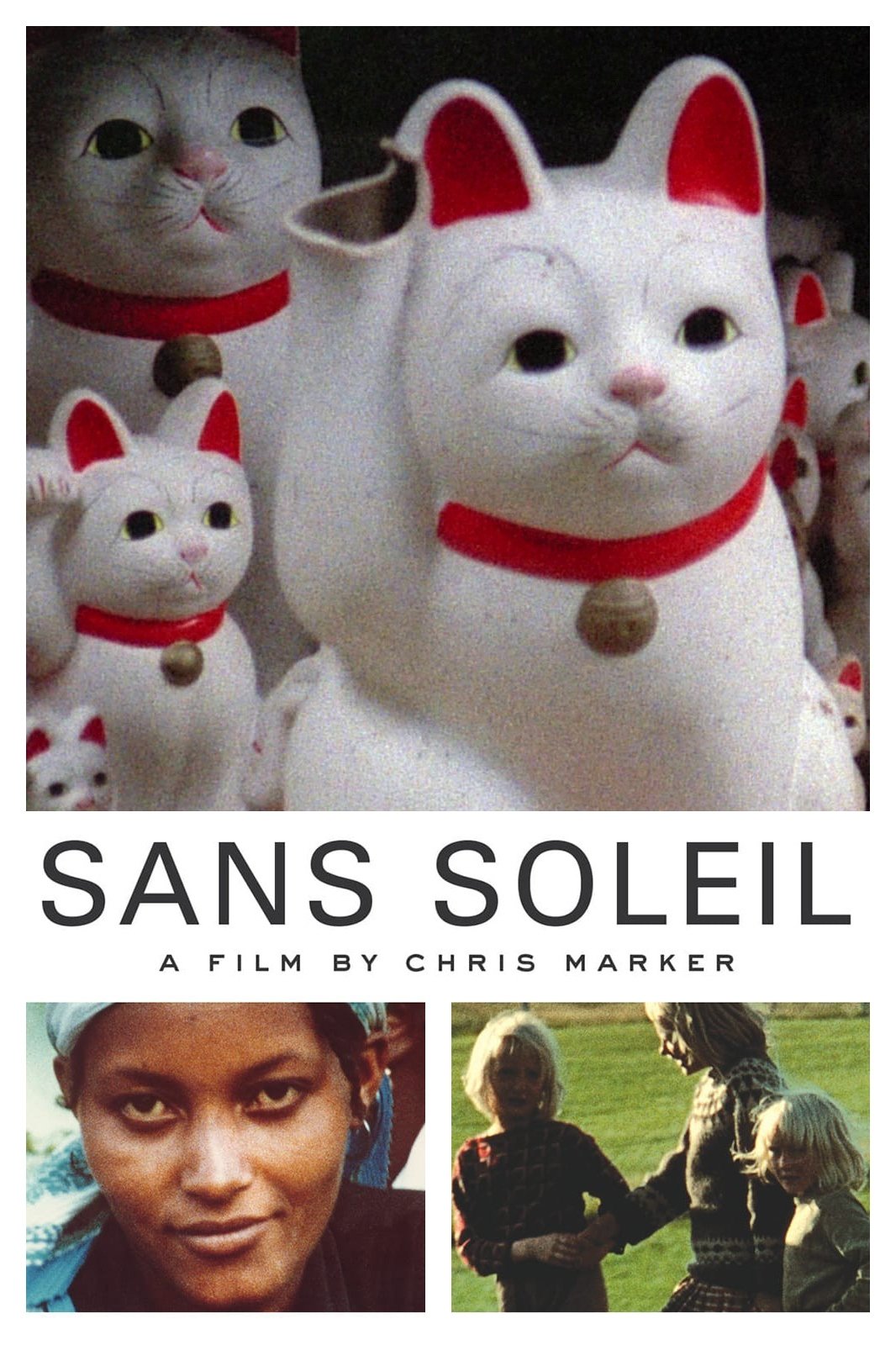
A woman narrates the thoughts of a world traveler, meditations on time and memory expressed in words and images from places as far-flung as Japan, Guinea-Bissau, Iceland, and San Francisco.
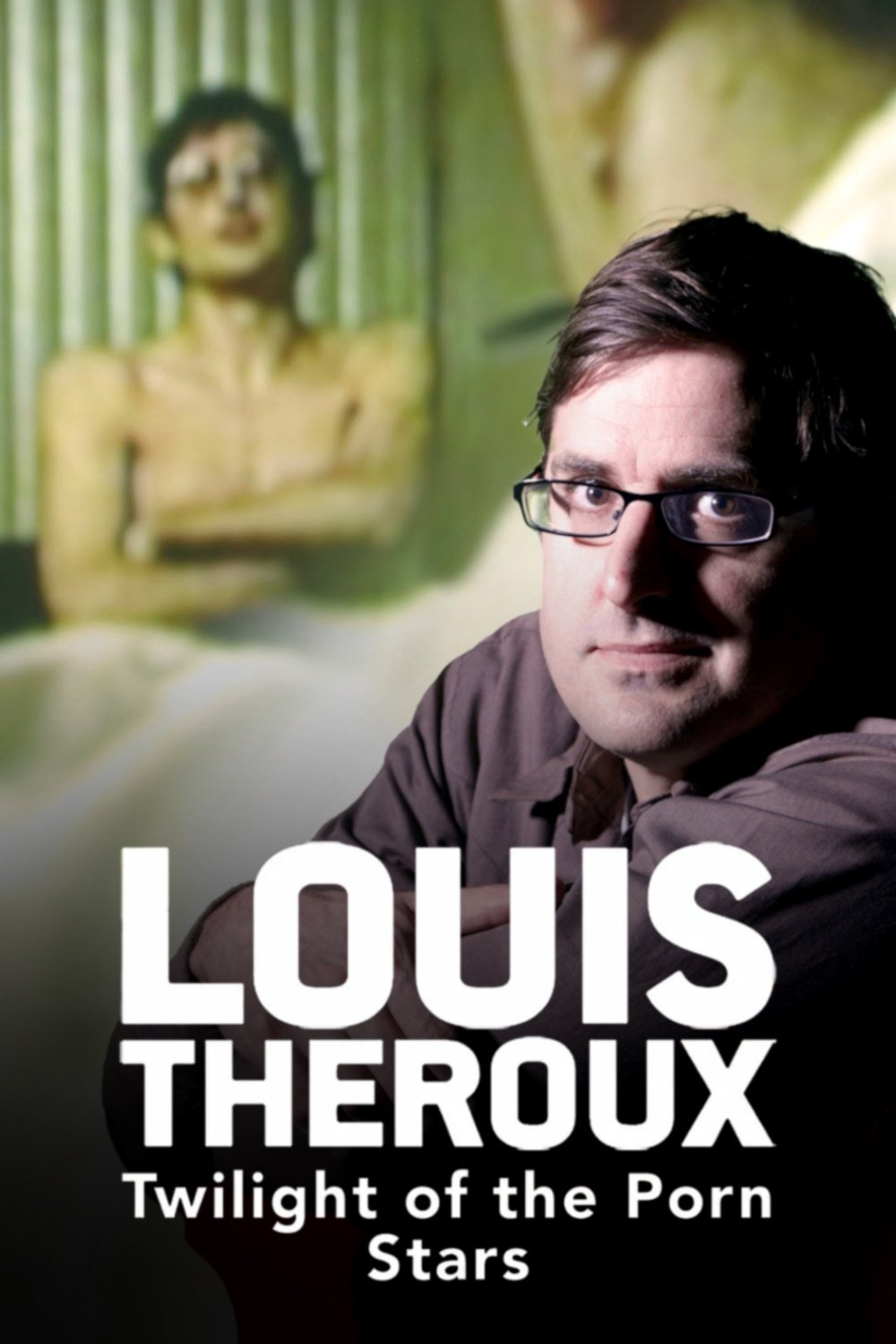
In 1997, Louis Theroux made a documentary about the world of male porn performers in Los Angeles. 15 years later, he returns to find a business struggling with the deluge of free porn on the internet. Louis revisits some of the original programme's contributors as well as meeting the latest crop of porn performers dreaming of porn stardom.
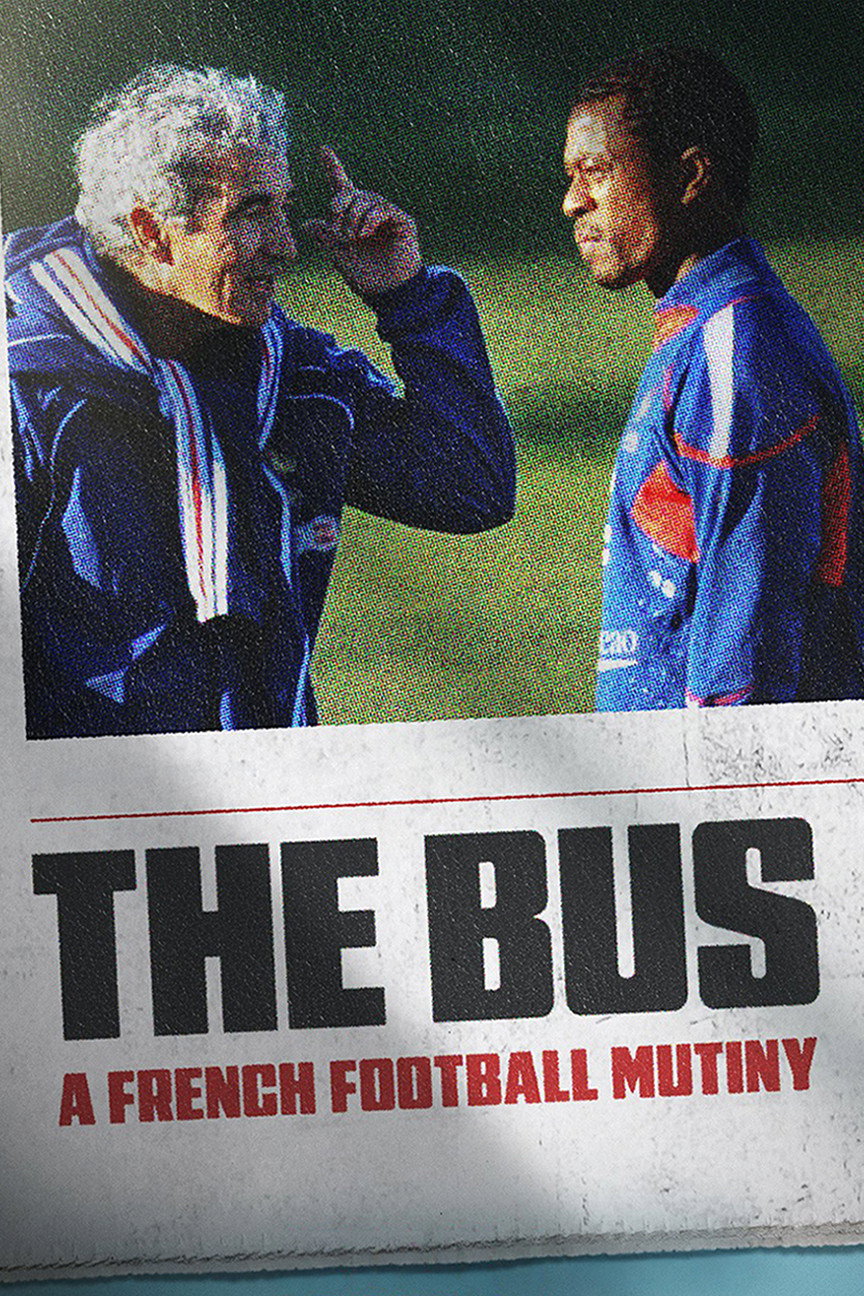
This documentary revisits the French football team's controversial 2010 World Cup and the bus strike that sparked global headlines and national outrage.
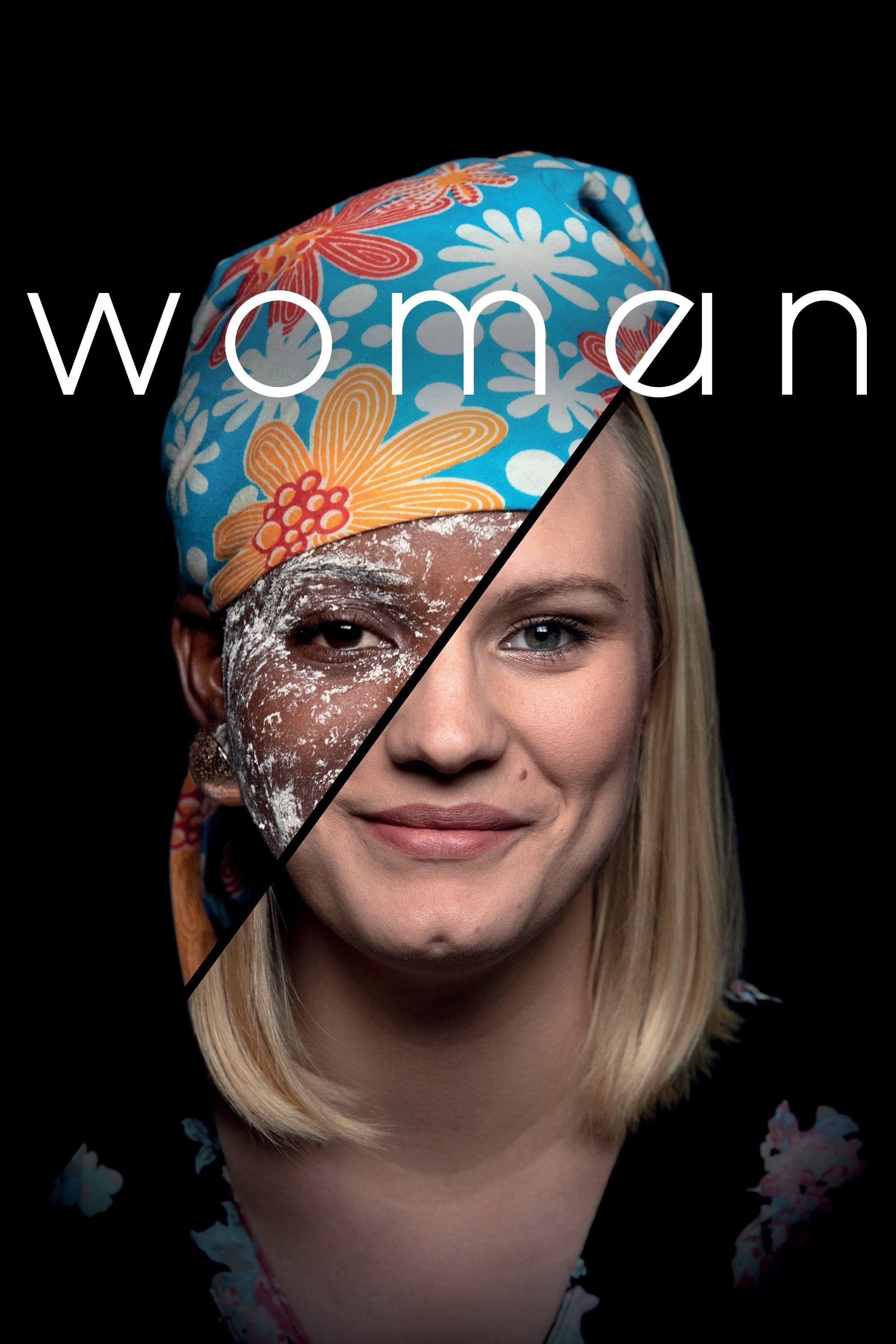
The film is based on interviews with 2,000 women from 50 countries, and covers the status of women all over the world. The topics covered include forced marriages, sexual assault, female genital mutilation, acid attacks, motherhood, sexuality, menstruation, education and the professional success of women.