Third film of Juan José Ponce's trilogy about Federico García Lorca.
Social & External
The people behind it
A meeting between the daughter and the grandmother of the director, Iván Mora Manzano, at a time when the memories of one, the girl’s, were taking shape, and the other’s the grandmother’s, were vanishing. This starting point is used as a pretext to talk about other topics such as the importance of family memories and the search for memory.
A woman's walk through time and search for true freedom. The inner look breaks with the punishment of immobility, and the woman's destiny becomes a symbol of poetry and freedom.
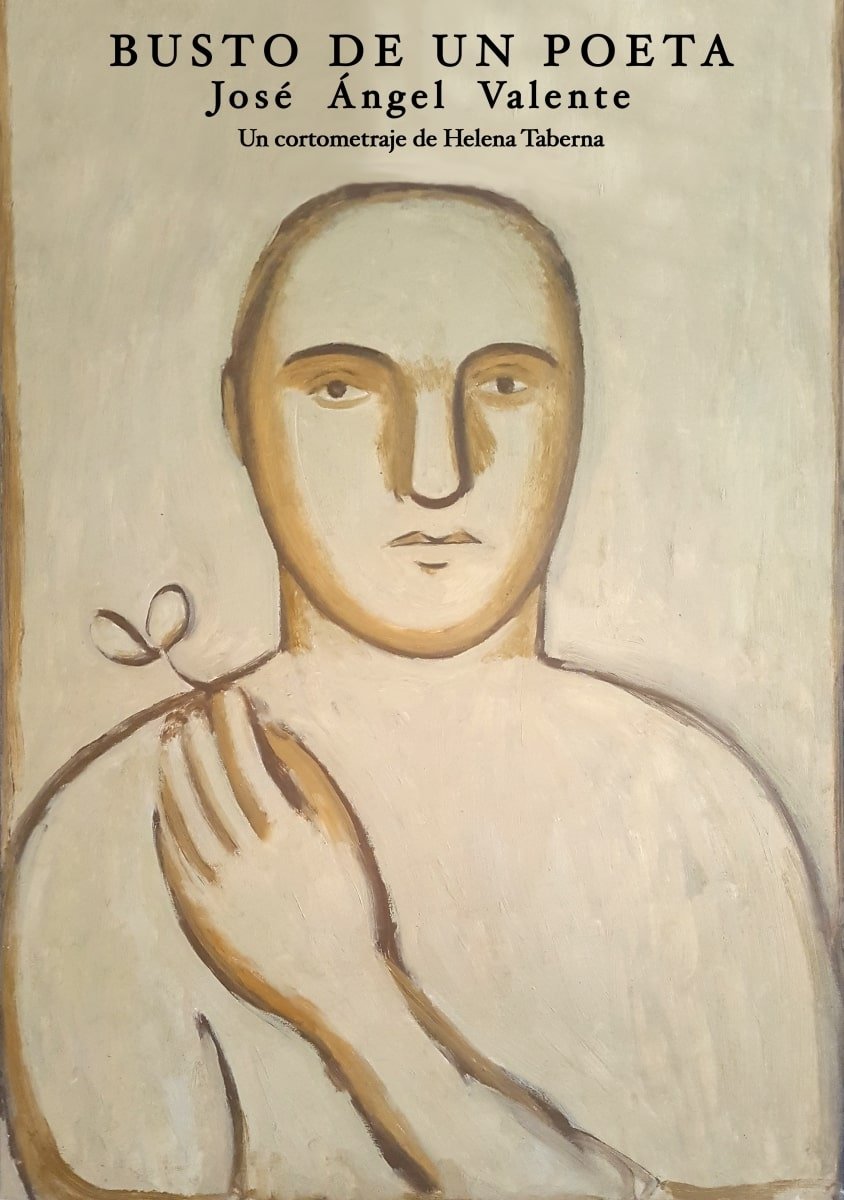
In Busto of a poet, the word is the real protagonist: the verses, reflections and texts of José Ángel Valente take shape through the poet's gaze around the lands, landscapes and monuments of Navarre, in a deep and magical journey. Image, word, music and silence converge and harmonize.
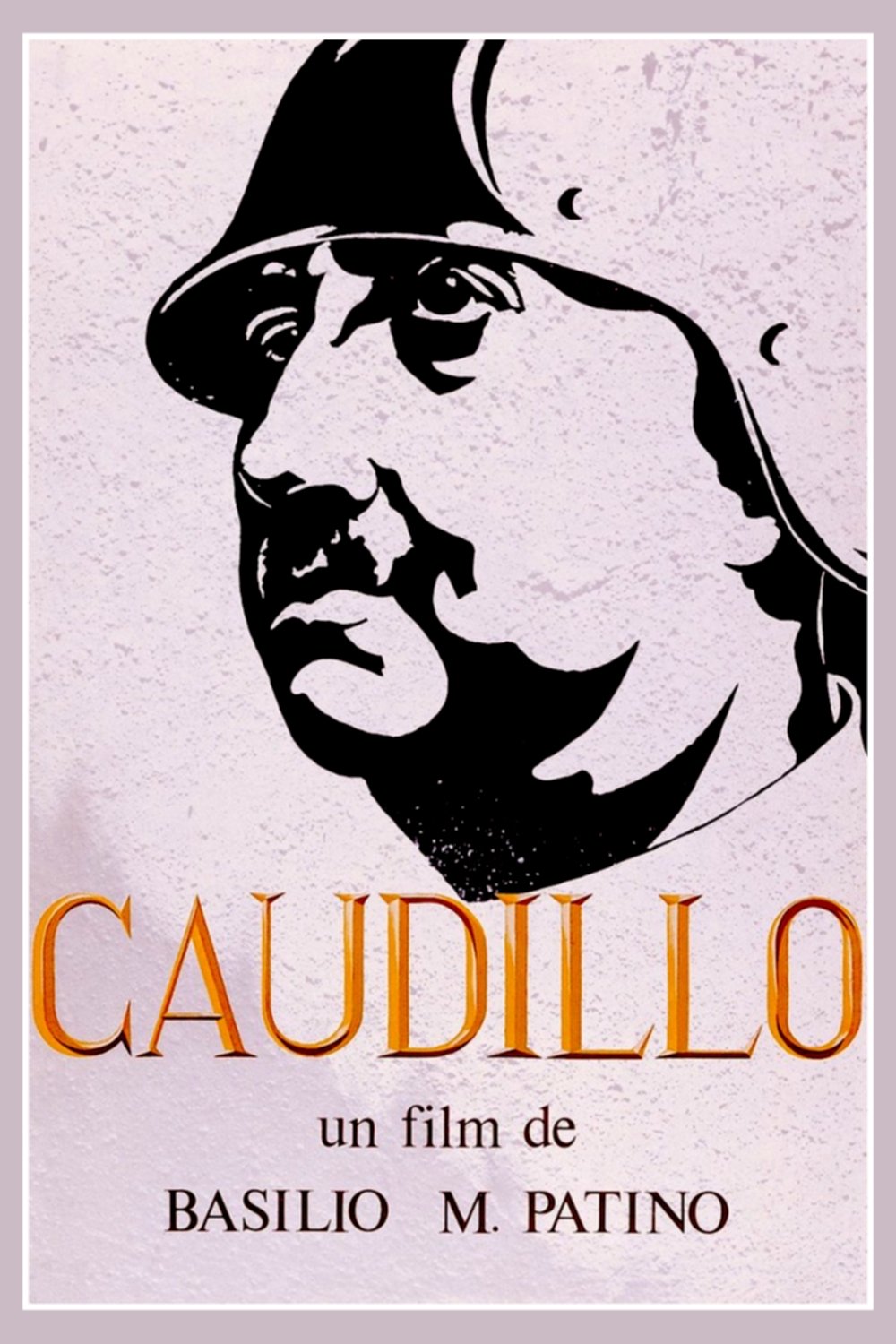
Caudillo is a documentary film by Spanish film director Basilio Martín Patino. It follows the military and political career of Francisco Franco and the most important moments of the Spanish Civil War. It uses footage from both sides of the war, music from the period and voice-over testimonies of various people.
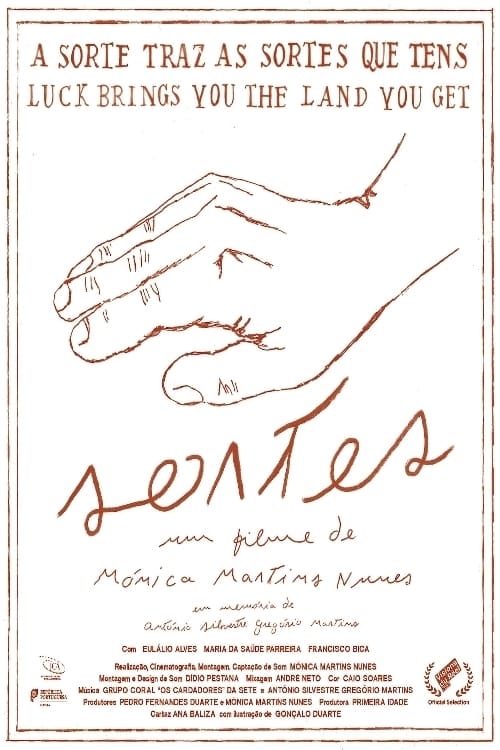
Beneath the harvest sun and the cicada song, Mónica Martins Nunes builds a touching portrait of Serra de Serpa, an arid region in the south of Portugal affected by rural exodus. The poems sung by the shepherds and market traders resonate like the last gesture of a human landscape which resists sinking into oblivion.
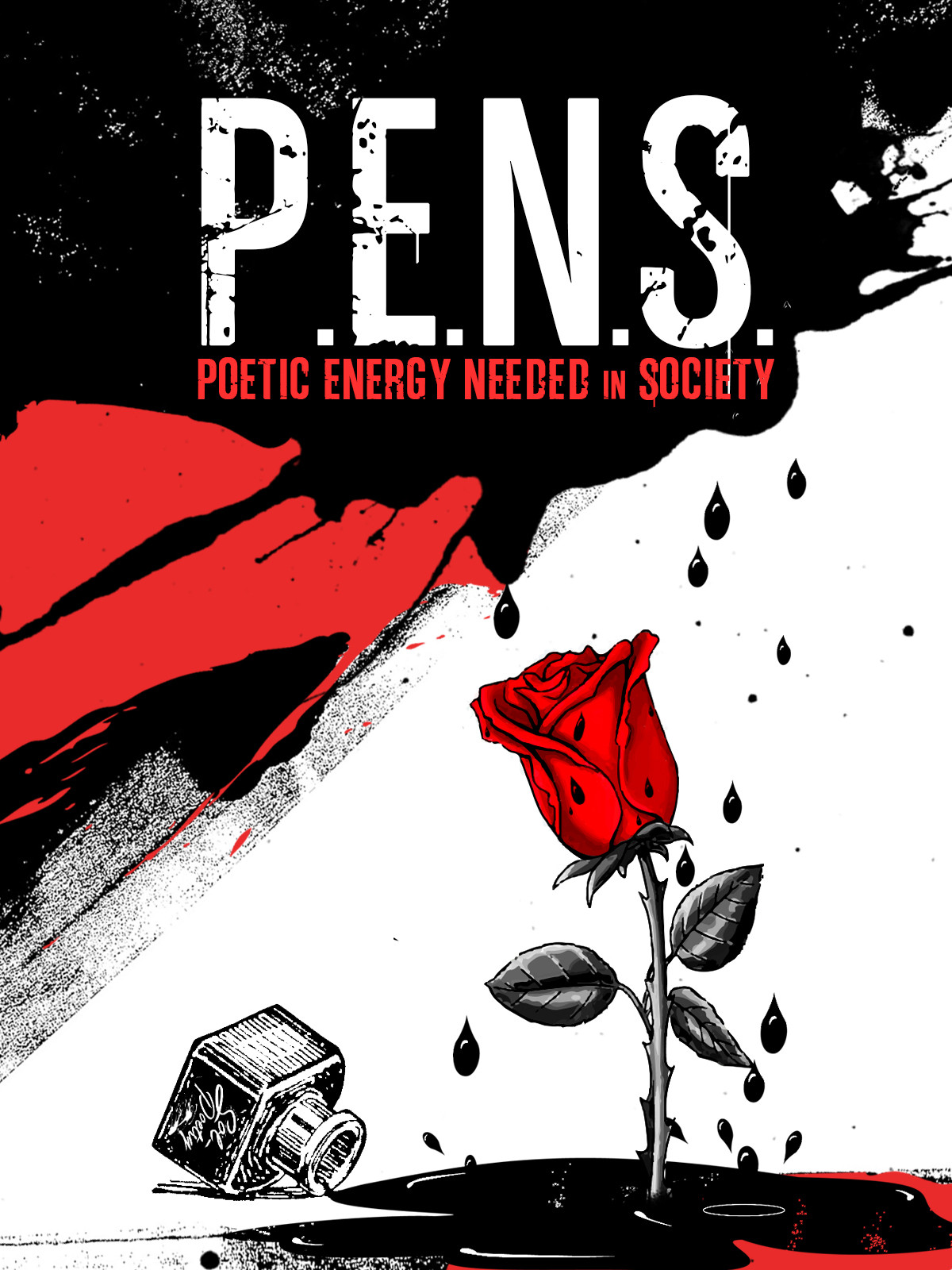
There is a cultural tide rising in Houston. Amid the city's museums, historic landmarks, and vibrant nightlife exists a cache of the nation's most prolific spoken word artists. The community of poets is as diverse as the city it represents. Their words are etched in the very fabric of H-town. Their story, once the city's best-kept secret, will finally be told. The "P.E.N.S. (Poetic Energy Needed in Society)" highlights the poetry scene of Houston, Texas. The film adaptation and powerful message is the brainchild of director Mikell "Fetti" Limbrick and executive producer, Carlos Wallace.
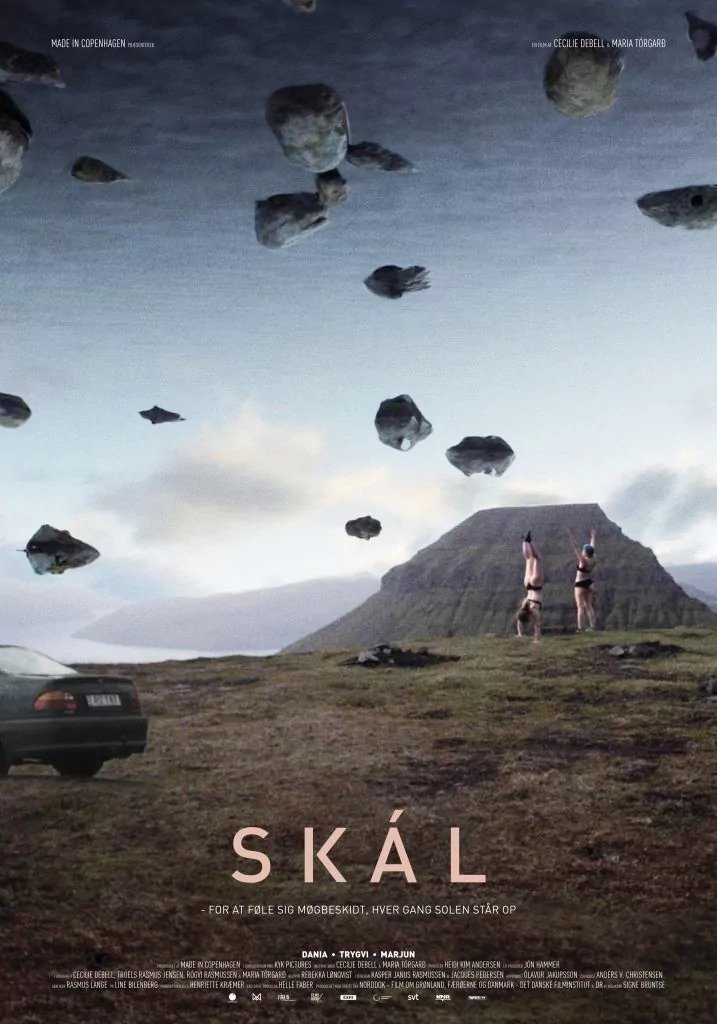
Dania is 21 years old and grew up in a Christian community in the Faroe Islands’ Bible belt. She has just moved to Tórshavn and is seeing Trygvi, a hip-hop artist and poet locally known as Silvurdrongur (Silver Kid). He comes from a secular family and writes poems and texts about the shadow sides of humanity. Dania herself sings in a Christian band but is fascinated by Trygvi’s courage to write brutally honest lyrics. As she tries to find her place in the world and understand herself, she starts to write more personal texts. Her writings develop into a collection of critical poems called ‘Skál’ (‘Cheers’), about the double life that she and other youths must live in the conservative Christian world.
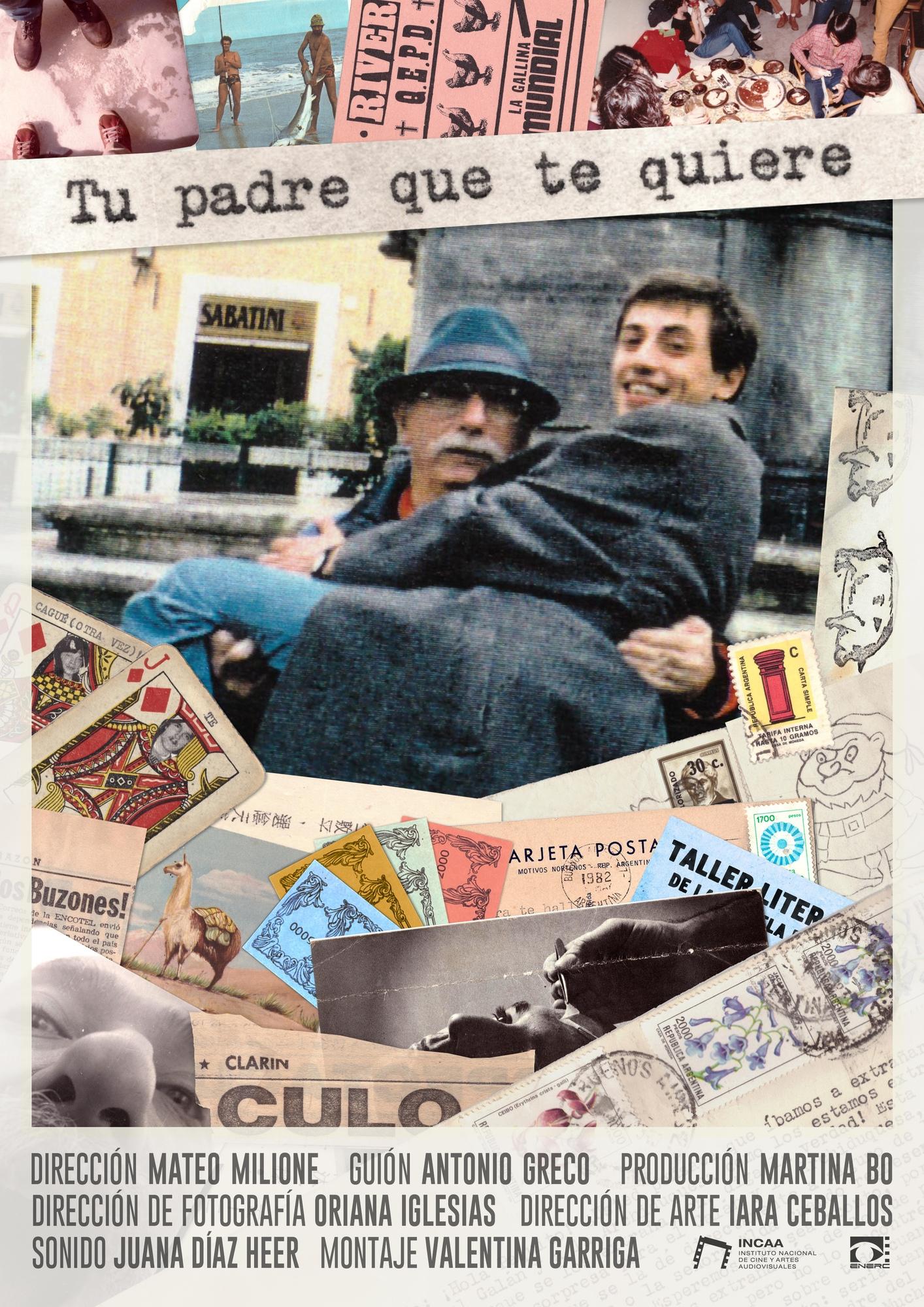
In the late ‘70s, in the midst of the military dictatorship, a surrealist literary work- shop is the oasis of Martín, a tormented young man who seeks to improve his poetry. Caron, a brilliant and eccentric writer, adopts him as a son. Their bond is recorded in short home movies and an unusual correspondence.
‘Death Sounds a Quiet Gong’ was originally screened at Village Works (12 St. Marks Place, New York City, NY) on October 24, 2025. The poem was first published in the inaugural release of biannual literary journal the Tough Poets Review.
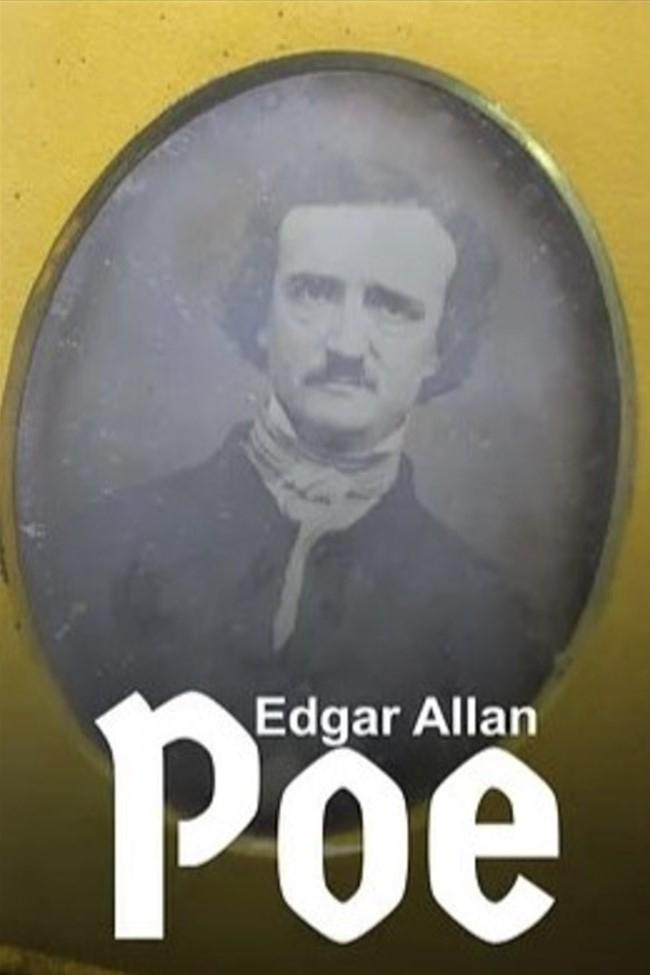
Edgar Allan Poe is one of the most famous American authors. And probably the most abysmal. In his texts, he deals with the dark side of humanity like no other. And was himself scarred by this throughout his life. The writer not only shaped the genres of horror literature and science fiction novels, but today seems more popular than ever.
102 Years in the Heart of Europe: A Portrait of Ernst Jünger (Swedish: 102 år i hjärtat av Europa) is a Swedish documentary film from 1998 directed by Jesper Wachtmeister. It consists of an interview by the journalist Björn Cederberg with the German writer, philosopher and war veteran Ernst Jünger (1895-1998). Jünger talks about his life, his authorship, his interests and ideas. The actor Mikael Persbrandt reads passages from some of Jünger's works, such as Storm of Steel, The Worker, On the Marble Cliffs and The Glass Bees.
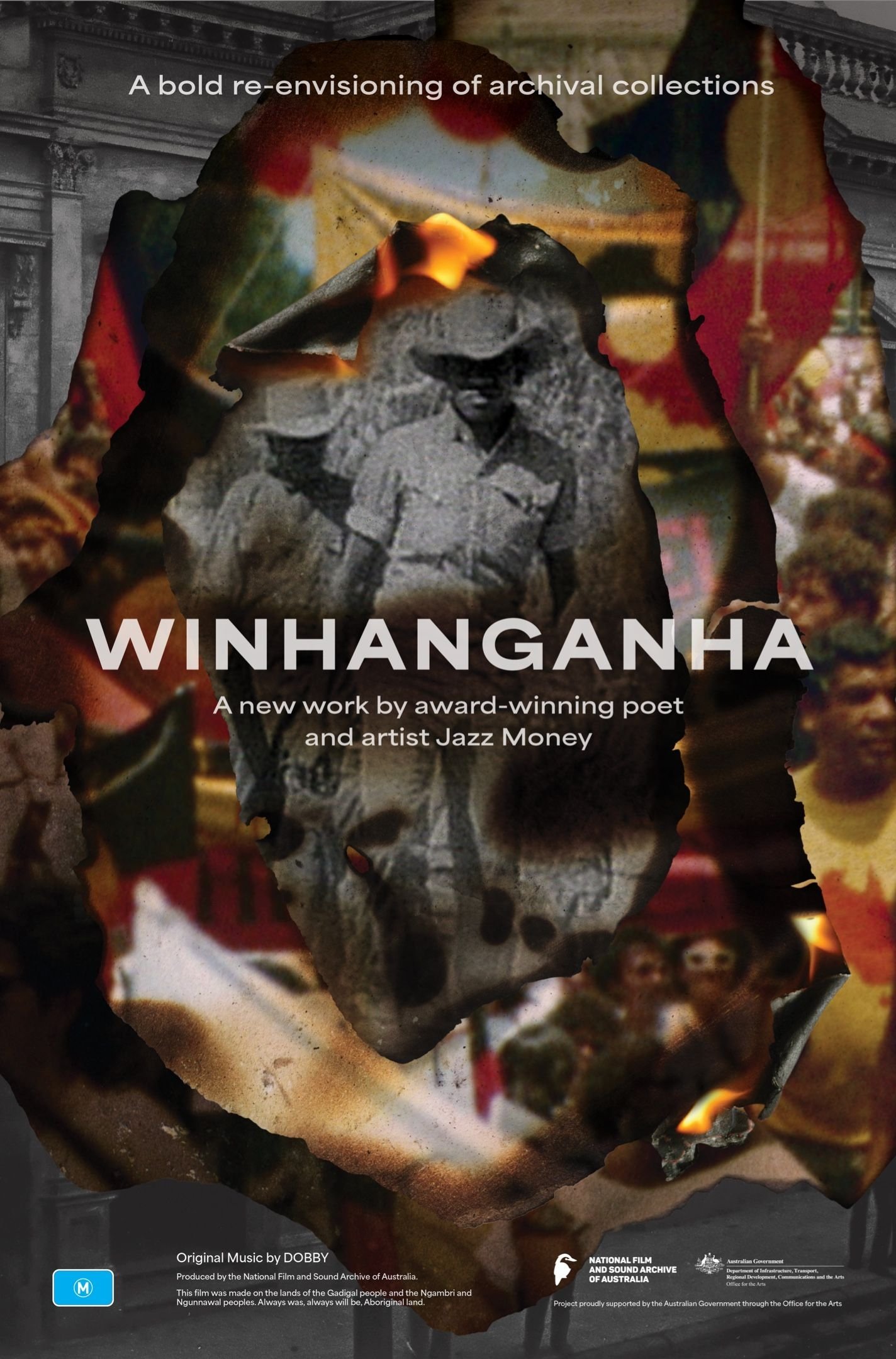
WINHANGANHA (Wiradjuri language: Remember, know, think) - is a lyrical journey of archival footage and sound, poetry and original composition. It is an examination of how archives and the legacies of collection affect First Nations people and wider Australia, told through the lens of acclaimed Wiradjuri artist, Jazz Money.
About the poet C.A.Conrad, an eccentric Elvis worshiping poet and tarot card reader, who confronts his violent past and the suspicious death of his boyfriend, Earth. The film attempts to unravel the mystery of Earth's death, while Conrad wrestles with his inner demons through a series of unconventional rituals and a tour of the deep South.
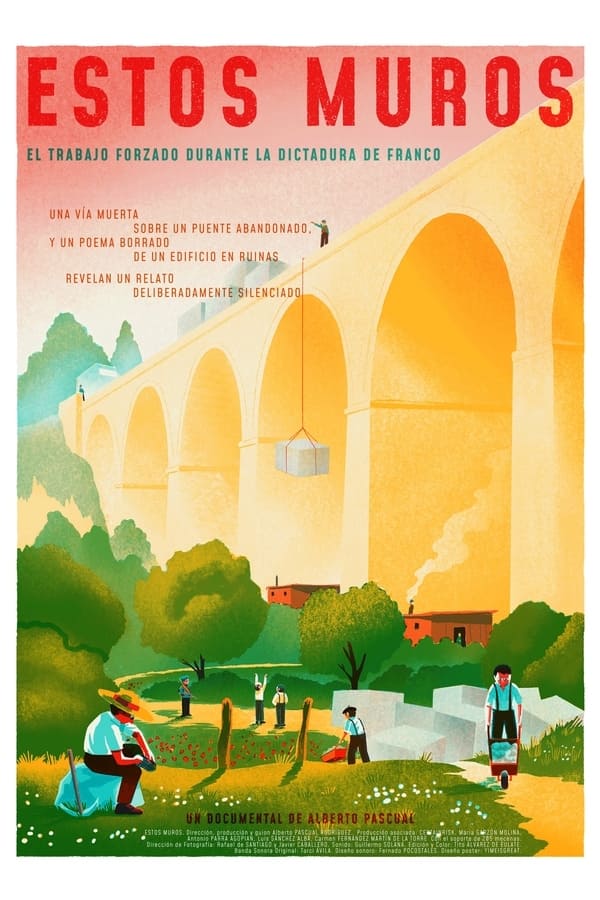
In the mountains of Madrid, Spain, a railway track on an abandoned bridge and a poem erased from the wall of a ruined building reveal a deliberately silenced story: the system established by Franco's dictatorship after the civil war (1936-39) that allowed hundreds of companies to use thousands of convicted Republicans as slave labor.
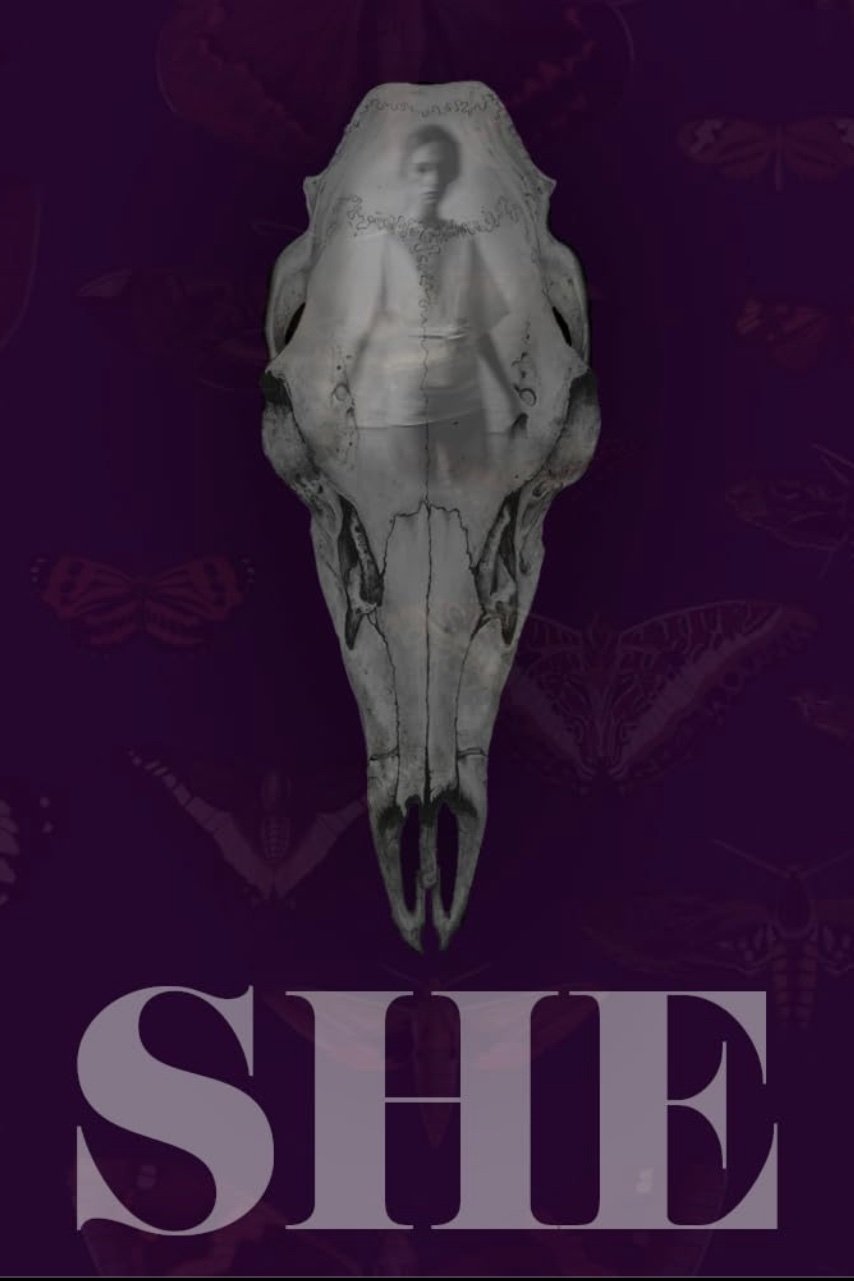
She is a full-length documentary about writer Aimée Baker and her award-winning poetry collection Doe. Doe is her quest to give voice to the missing and unidentified women of the United States.
Ranjit, a farmer in India, takes on the fight of his life when he demands justice for his 13-year-old daughter, the victim of a brutal gang rape. His decision to support his daughter is virtually unheard of, and his journey unprecedented.
This revealing documentary honors the legendary Sidney Poitier—iconic actor, filmmaker, and civil rights activist. Featuring interviews with Denzel Washington, Spike Lee, Halle Berry, and more.
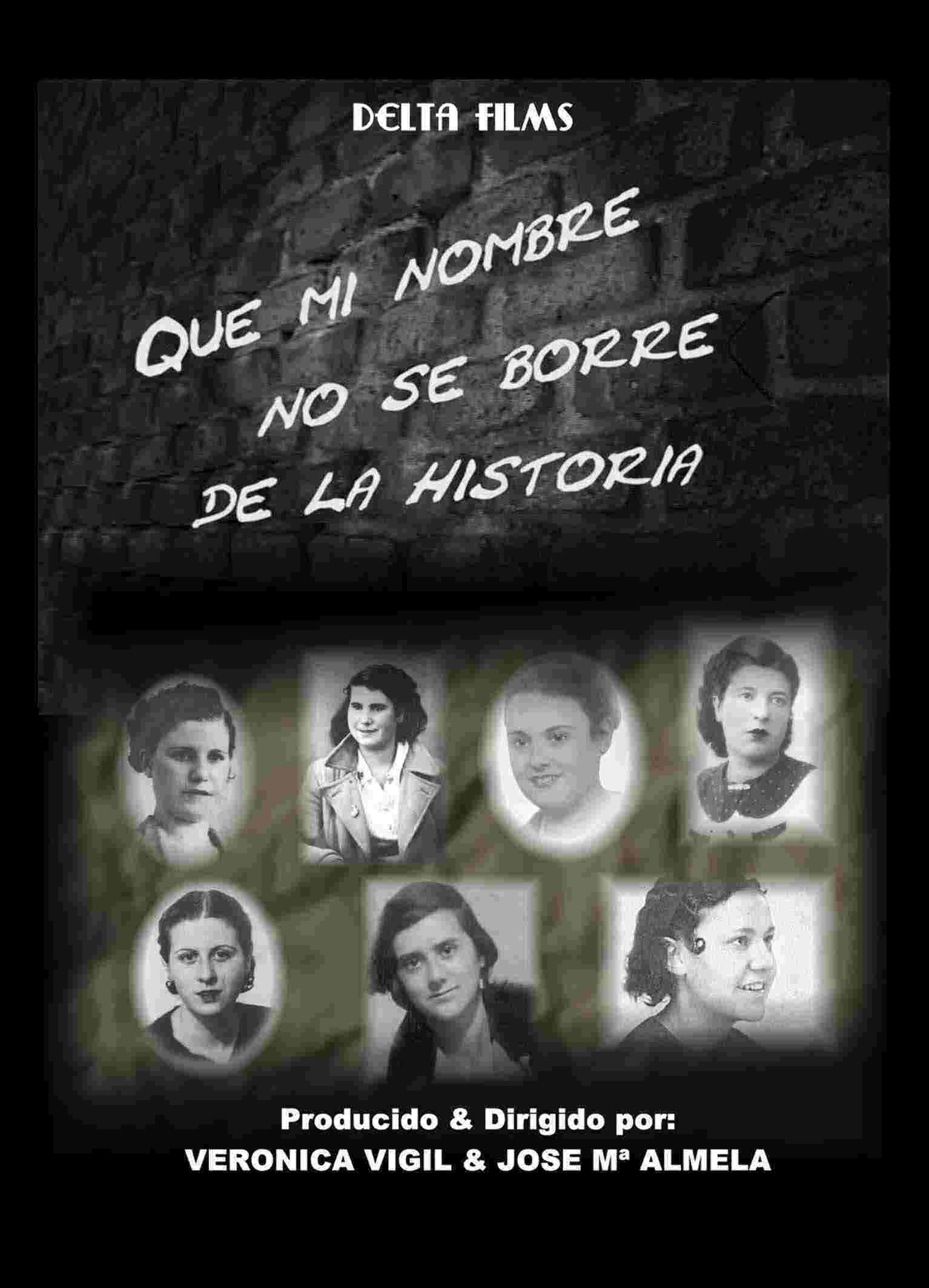
The story of the tortuous struggle against the silence of the victims of the dictatorship imposed by General Franco after the victory of the rebel side in the Spanish Civil War (1936-1975). In a democratic country, but still ideologically divided, the survivors seek justice as they organize the so-called “Argentinian lawsuit” and denounce the legally sanctioned pact of oblivion that intends to hide the crimes they were subjects of.
An inside look at one of the most anticipated movie sequels ever with James Cameron and cast.
Al Pacino's deeply-felt rumination on Shakespeare's significance and relevance to the modern world through interviews and an in-depth analysis of "Richard III."
The life and career of an actor, artist, and icon. His own journey through his own camera.
Through deeply personal interviews with her siblings and an examination of the photographs, letters, and belongings left behind, Mariska assembles a new portrait of her mother Jayne Mansfield, an extraordinary and complex woman.
A visual montage portrait of our contemporary world dominated by globalized technology and violence.
Alexander McQueen's rags-to-riches story is a modern-day fairy tale, laced with the gothic. Mirroring the savage beauty, boldness and vivacity of his design, this documentary is an intimate revelation of McQueen's own world, both tortured and inspired, which celebrates a radical and mesmerizing genius of profound influence.
SEDUCED AND ABANDONED combines acting legend Alec Baldwin with director James Toback as they lead us on a troublesome and often hilarious journey of raising financing for their next feature film. Moving from director to financier to star actor, the two players provide us with a unique look behind the curtain at the world's biggest and most glamourous film festival, shining a light on the bitter-sweet relationship filmmakers have with Cannes and the film business. Featuring insights from directors Martin Scorsese, 'Bernando Bertolucci' and Roman Polanski; actors Ryan Gosling and Jessica Chastain and a host of film distribution luminaries.
Daniel Craig candidly reflects on his 15 year adventure as James Bond. Including never-before-seen archival footage from Casino Royale to the upcoming 25th film No Time To Die, Craig shares his personal memories in conversation with 007 producers, Michael G Wilson and Barbara Broccoli.
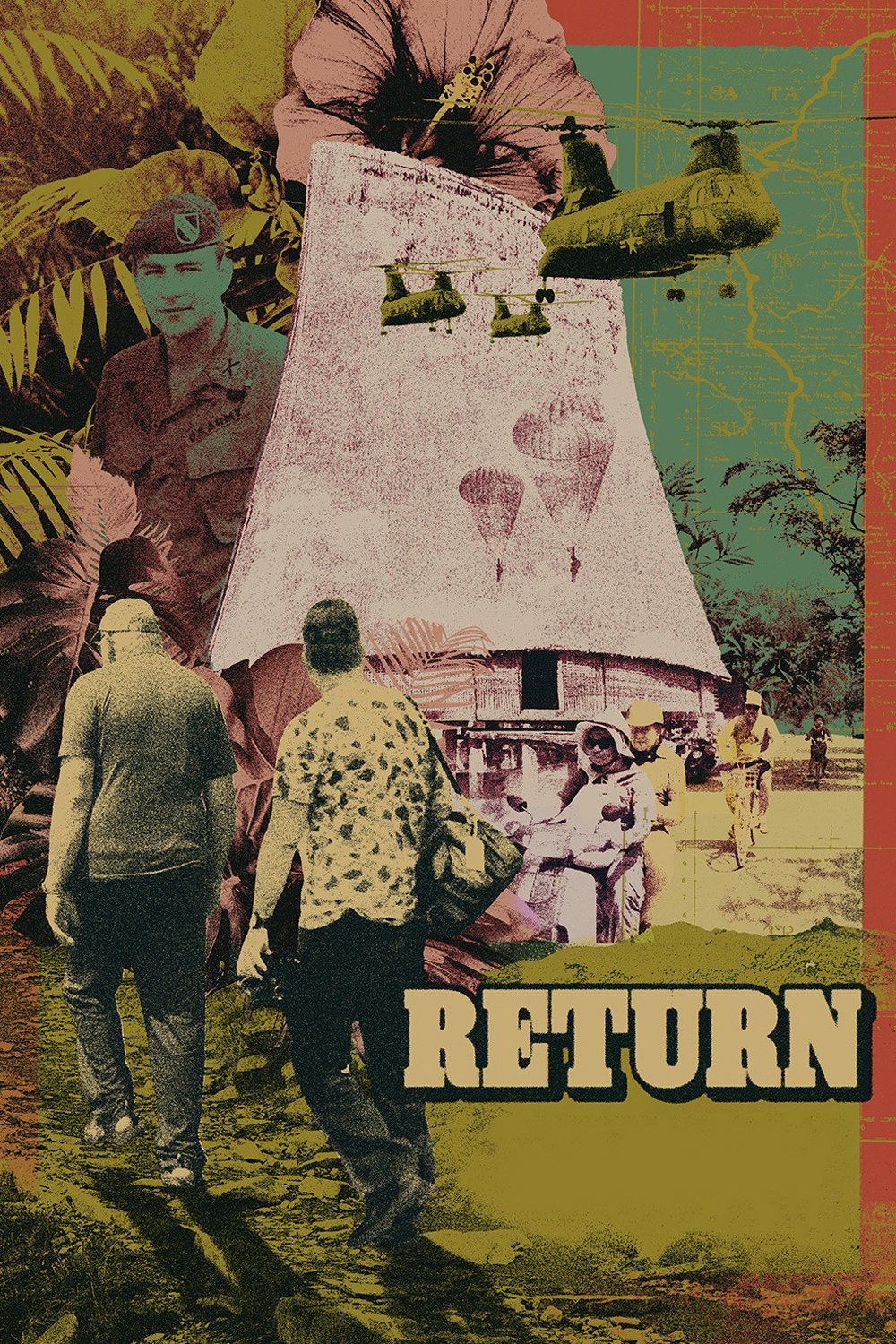
RETURN tells the story of a retired Green Beret who embarks on a healing journey from Montana to Vietnam. There he retraces his steps, shares his wartime experiences with his son, treats his Post-Traumatic Stress Disorder, and seeks out the mountain tribespeople he once lived with and fought alongside as a Special Forces officer.
Brilliant, long in-the-works story of the life and art of the world's greatest comedian and the cinema's first genius, Charlie Chaplin. Produced, written and directed by renowned film critic Richard Schickel.
The Making-of James Cameron's Avatar. It shows interesting parts of the work on the set.
A string of threatening emails escalates into a revenge plot involving a newly married US marshal and his ex-girlfriend.
Over 35 years after Bob Lazar's revelations, this documentary exposes secrets of a facility the government still denies. Featuring Lazar's testimony, recreations, and new evidence, it reopens a case that continues to spark global curiosity
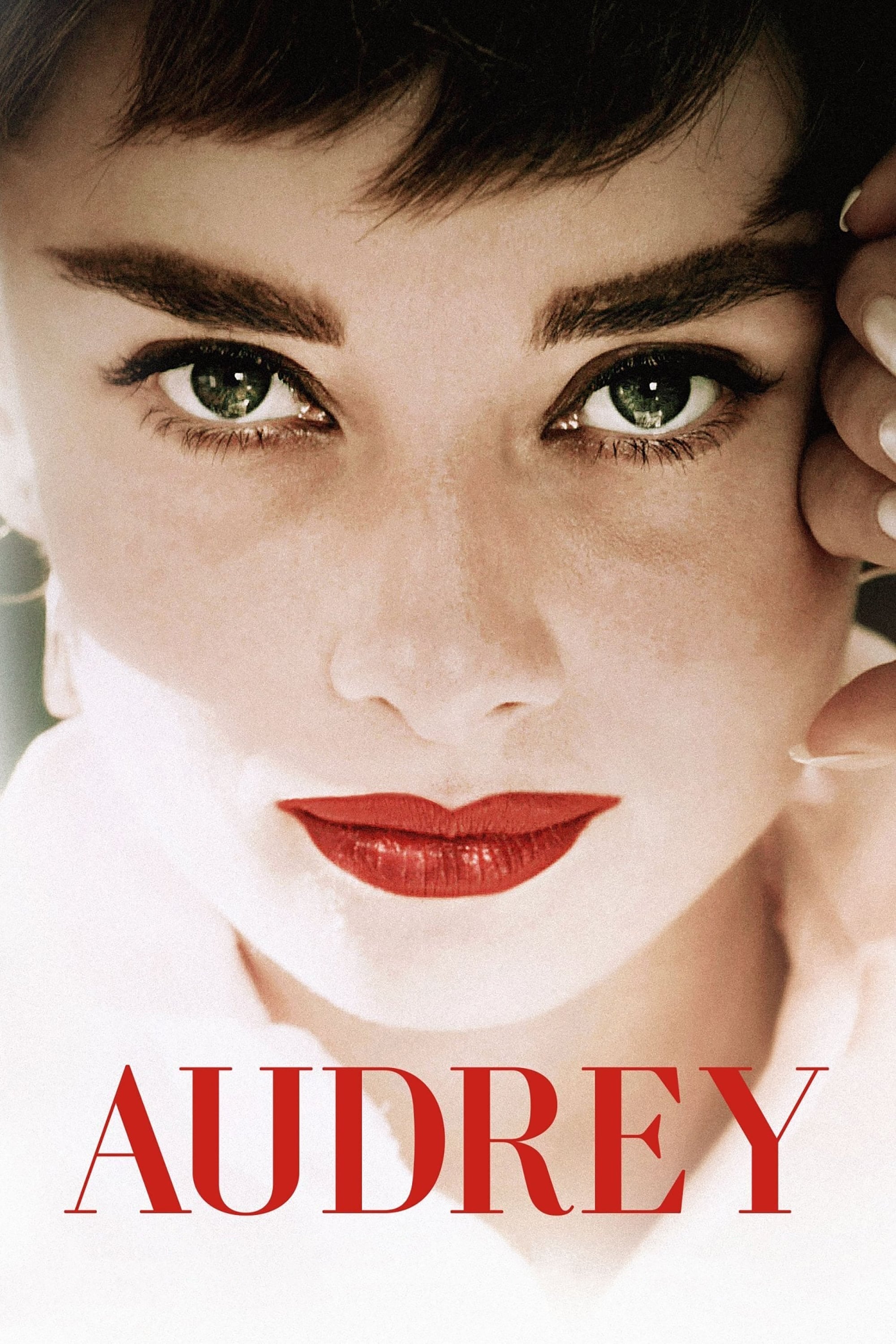
An unprecedented and intimate look at the life, work and enduring legacy of British actress Audrey Hepburn (1929-1993).
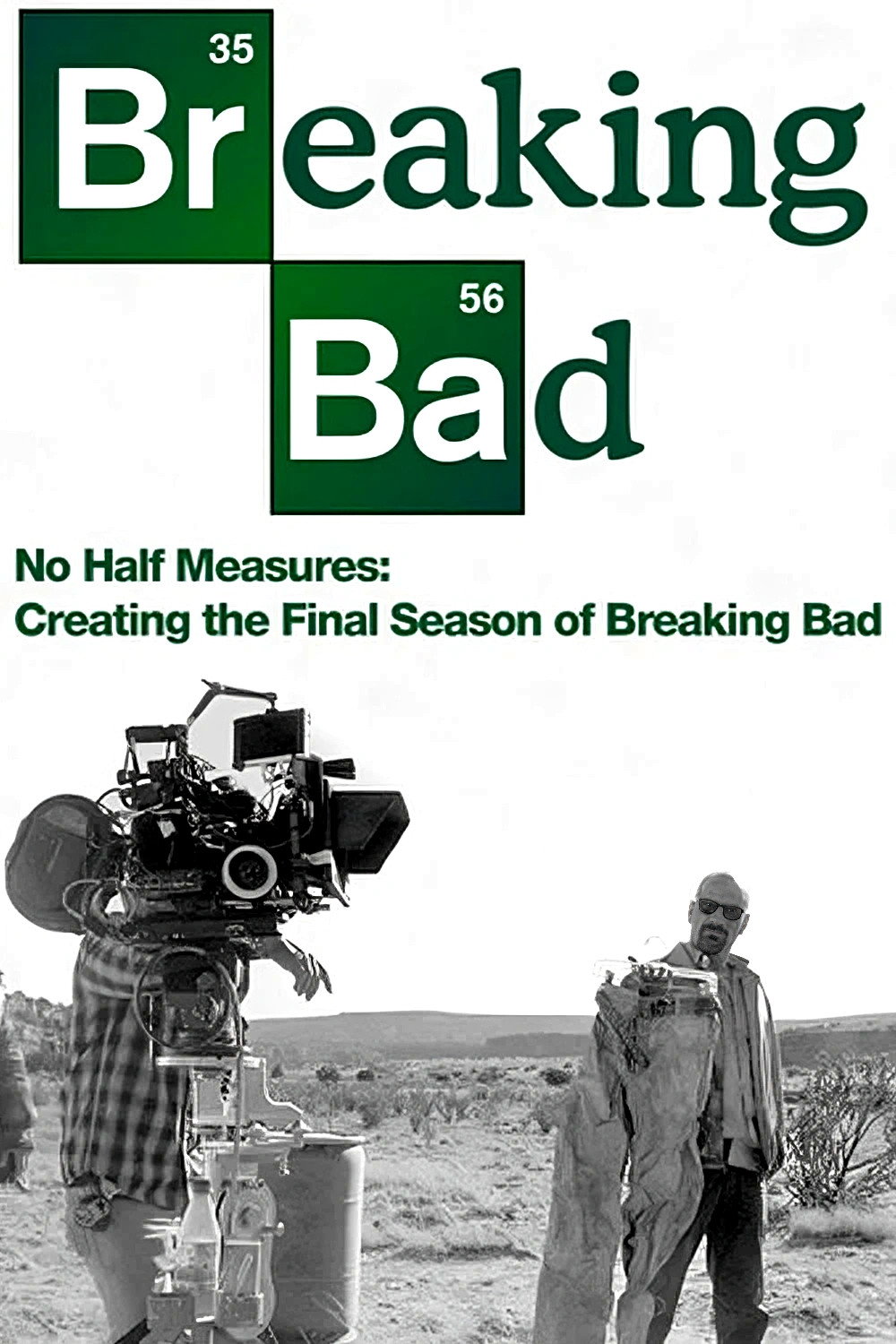
A documentary about the making of season five of the acclaimed AMC series Breaking Bad.
The film follows adventurer Jeff Johnson as he retraces the epic 1968 journey of his heroes Yvon Chouinard and Doug Tompkins to Patagonia.
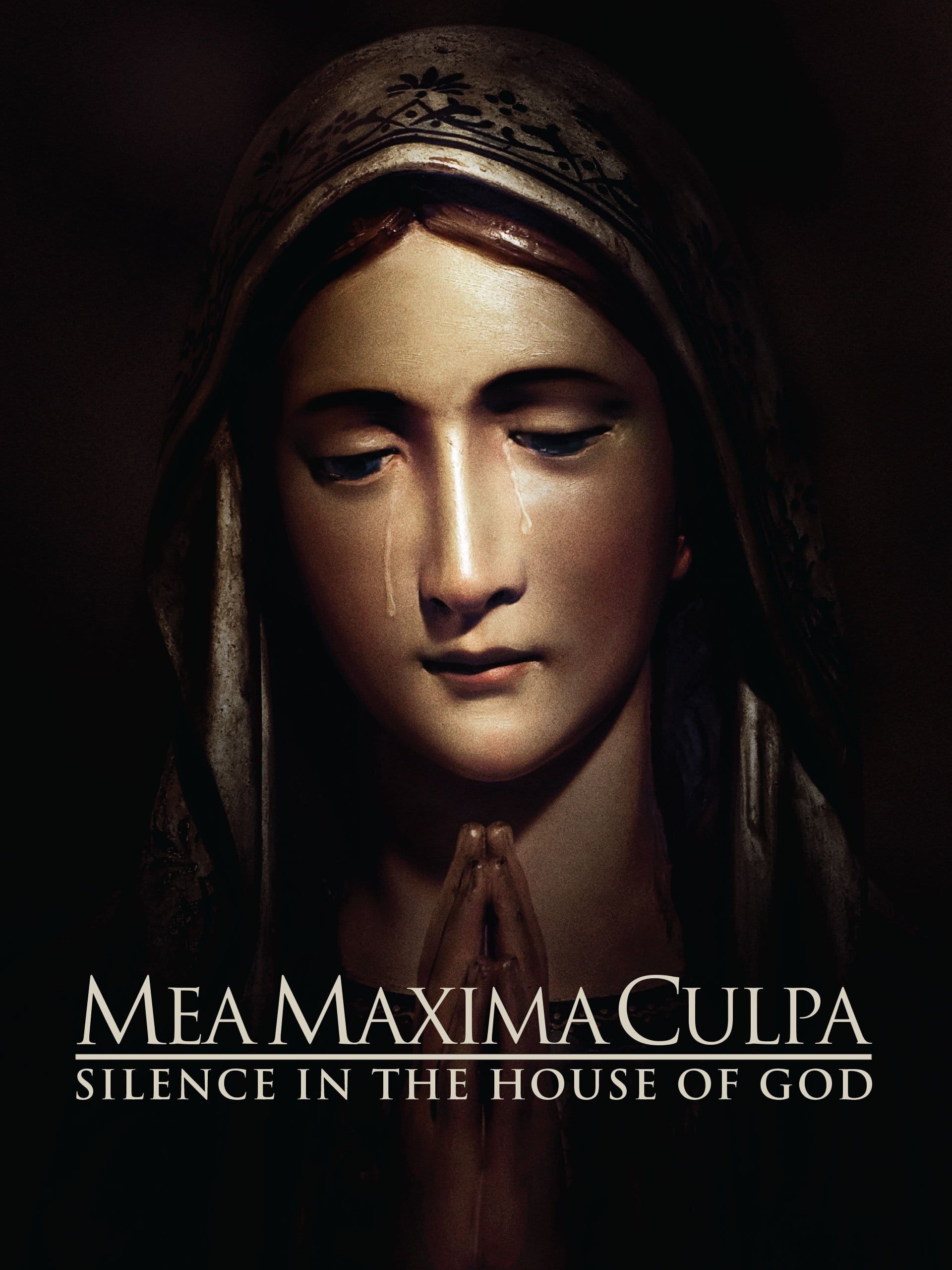
Alex Gibney explores the charged issue of pedophilia in the Catholic Church, following a trail from the first known protest against clerical sexual abuse in the United States and all way to the Vatican.