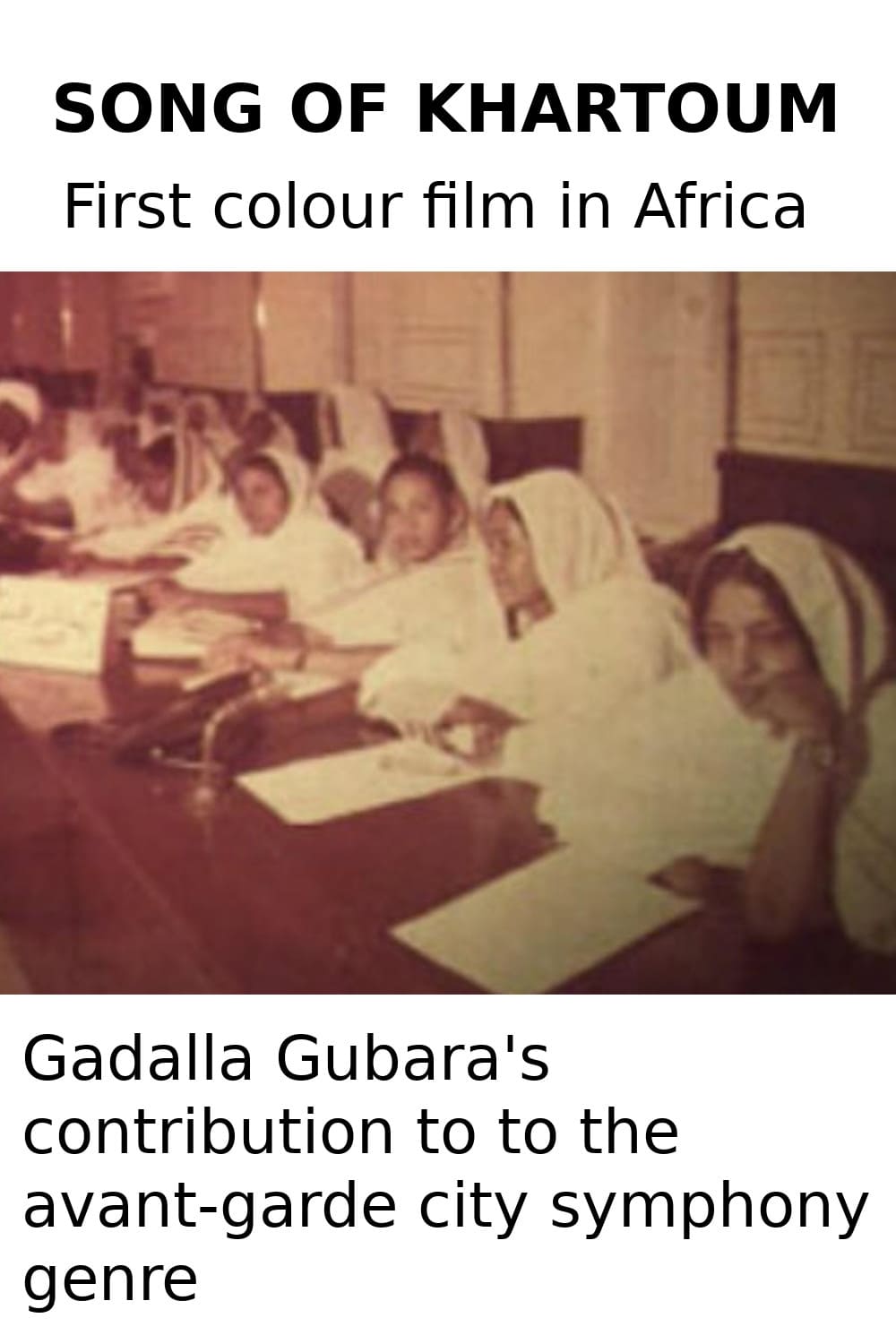
Gubara was proud of the first color film in African cinema, which attempts to give an African response to the city symphony genre by capturing disparate images of daily life in Khartoum and setting it to music, particularly romantic Arabic songs.
Social & External
A day in the city of Berlin, which experienced an industrial boom in the 1920s, and still provides an insight into the living and working conditions at that time. Germany had just recovered a little from the worst consequences of the First World War, the great economic crisis was still a few years away and Hitler was not yet an issue at the time.
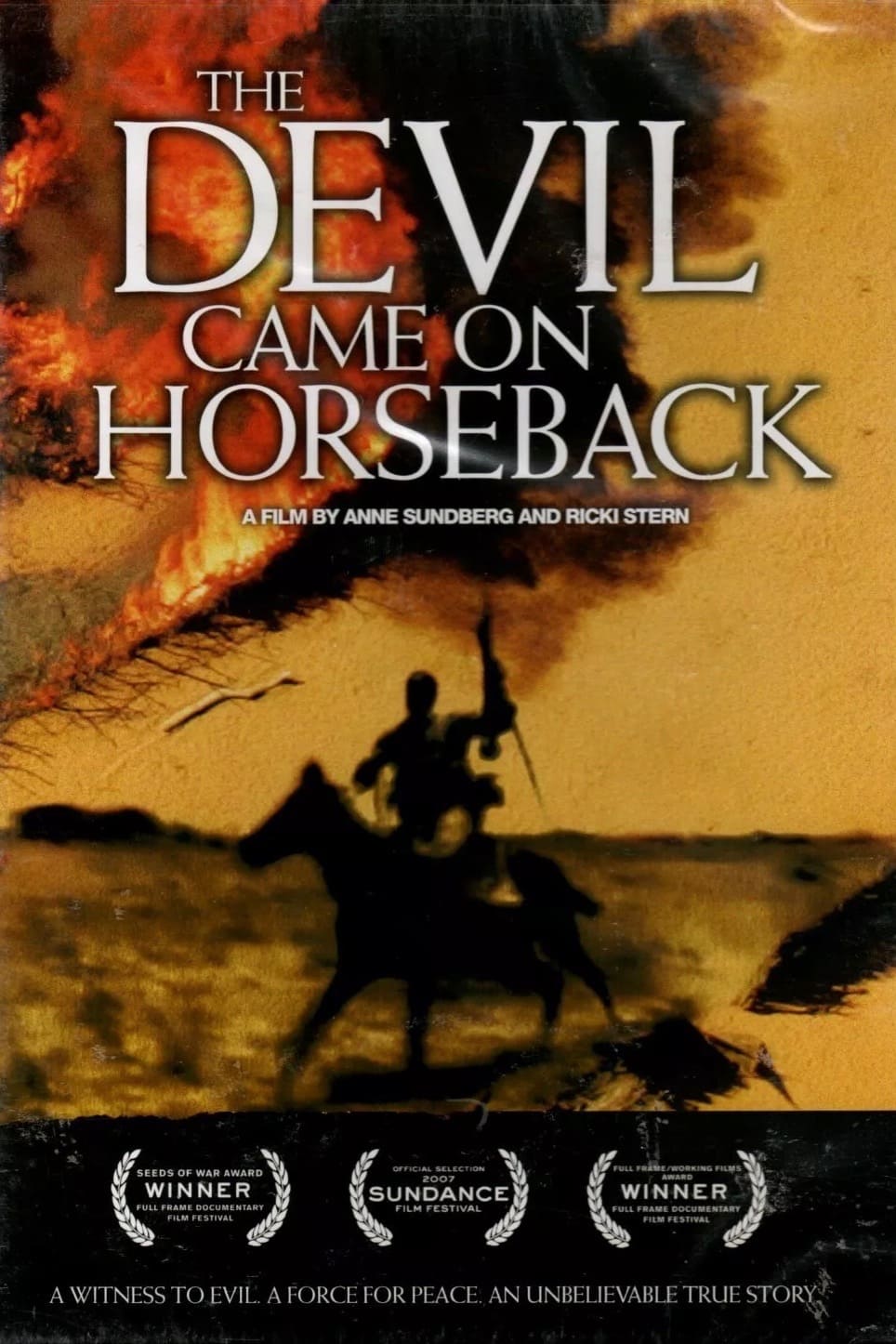
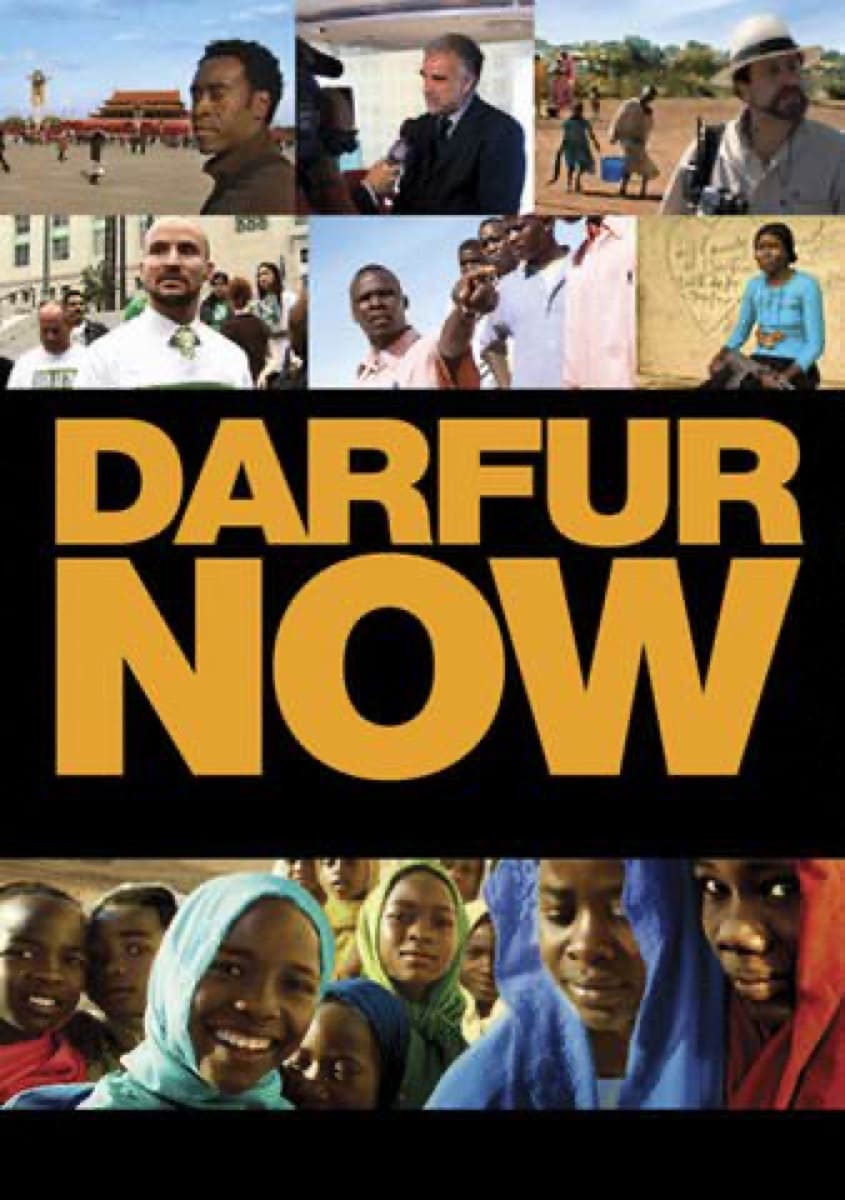
While serving with the African Union, former Marine Capt. Brian Steidle documents the brutal ethnic cleansing occuring in Darfur. Determined that the Western public should know about the atrocities he is witnessing, Steidle contacts New York Times reporter Nicholas Kristof, who publishes some of Steidle's photographic evidence.
Short documentary on a central african tribe called 'The Chillouks'.
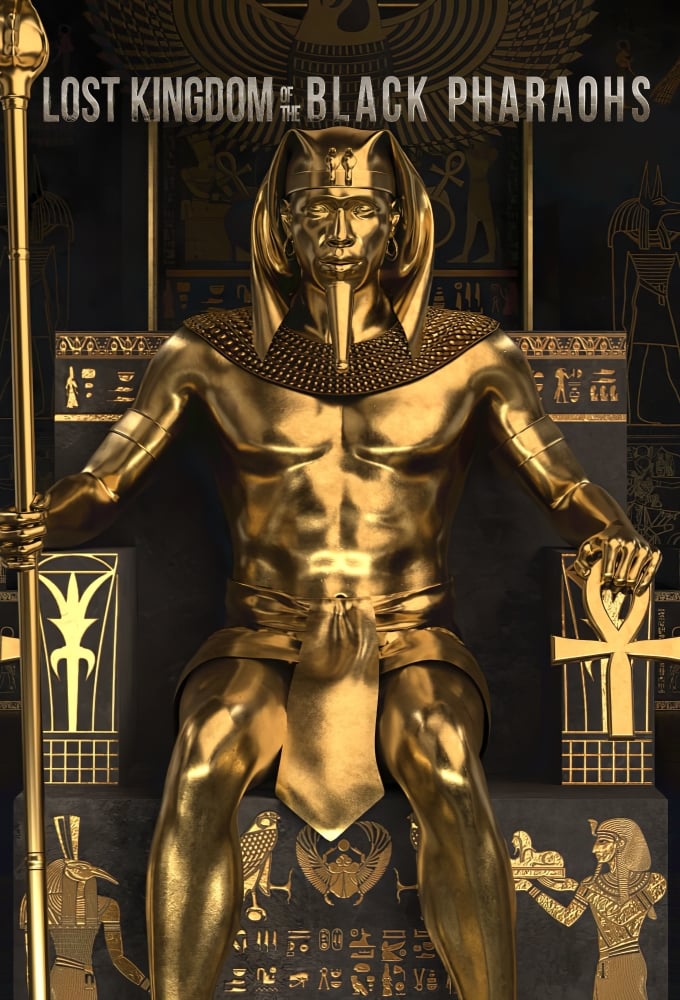
The Kush Empire was an ancient superpower that dominated the Nile Valley and rivaled the Egyptians, and now, a new, cutting-edge investigation at a mysterious tomb could reveal the secrets of this formidable lost kingdom.
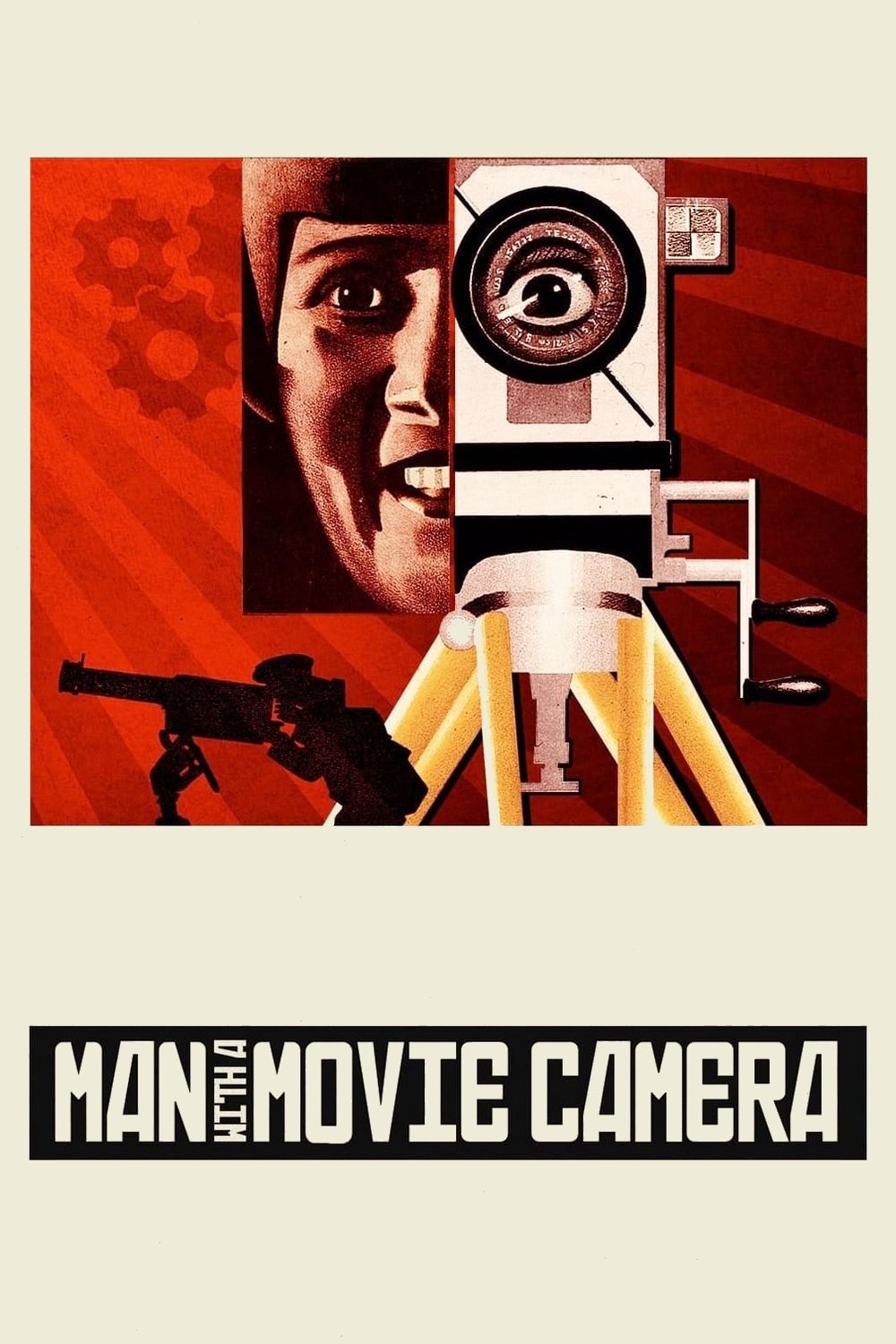
A cameraman wanders around with a camera slung over his shoulder, documenting urban life with dazzling inventiveness.
This acclaimed documentary follows the story of six people who are determined to end the sufferings in Sudan's war-ravaged Darfur. The six - an American activist, an international prosecutor, a Sudanese rebel, a sheikh, a leader of the World Food Program and an internationally known actor - demonstrate the power of how one individual can create extraordinary changes.
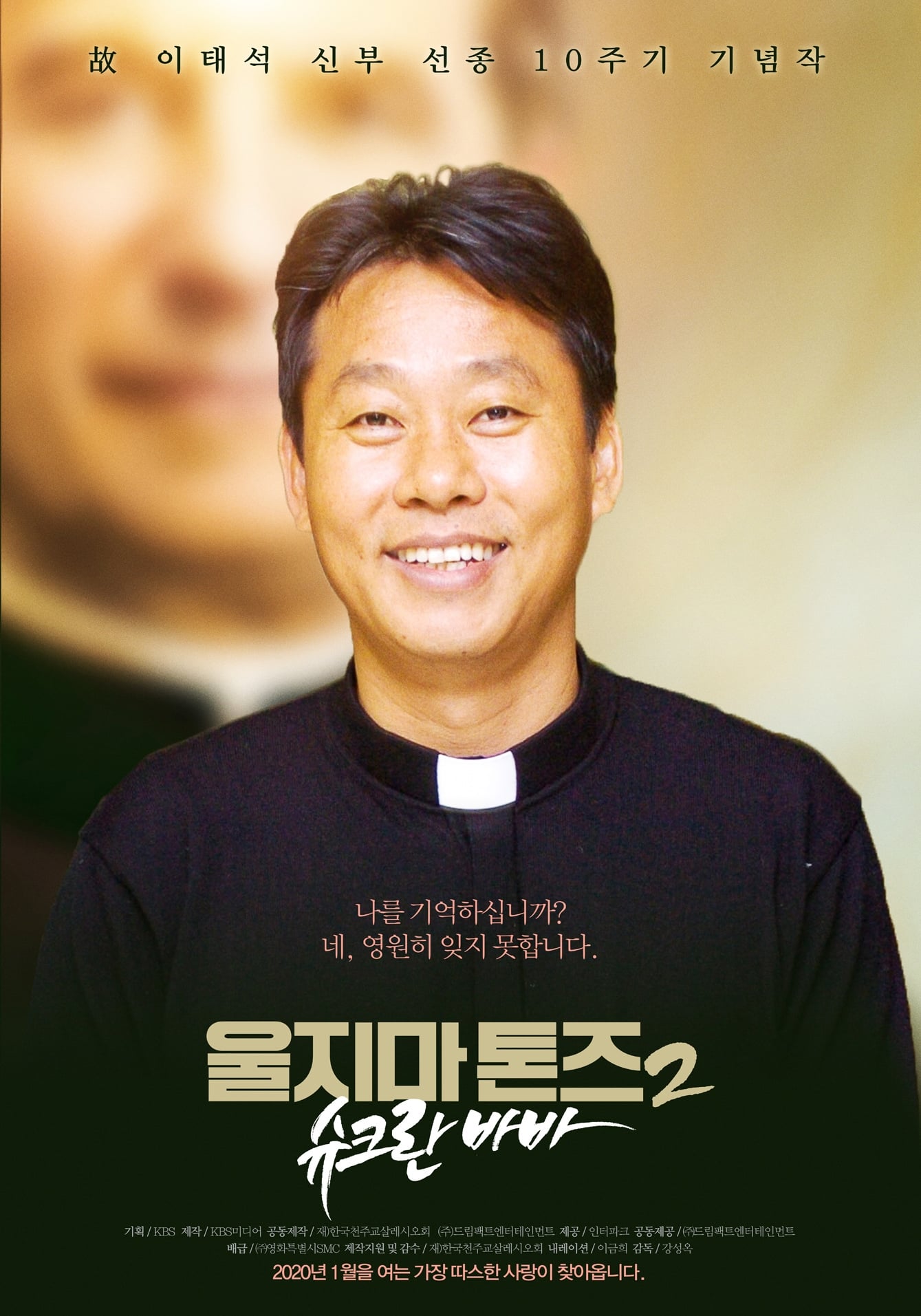
A Schweitzer of Korea Father LEE Tae-seok, devoted his life in Sudan; a remote area of Africa.
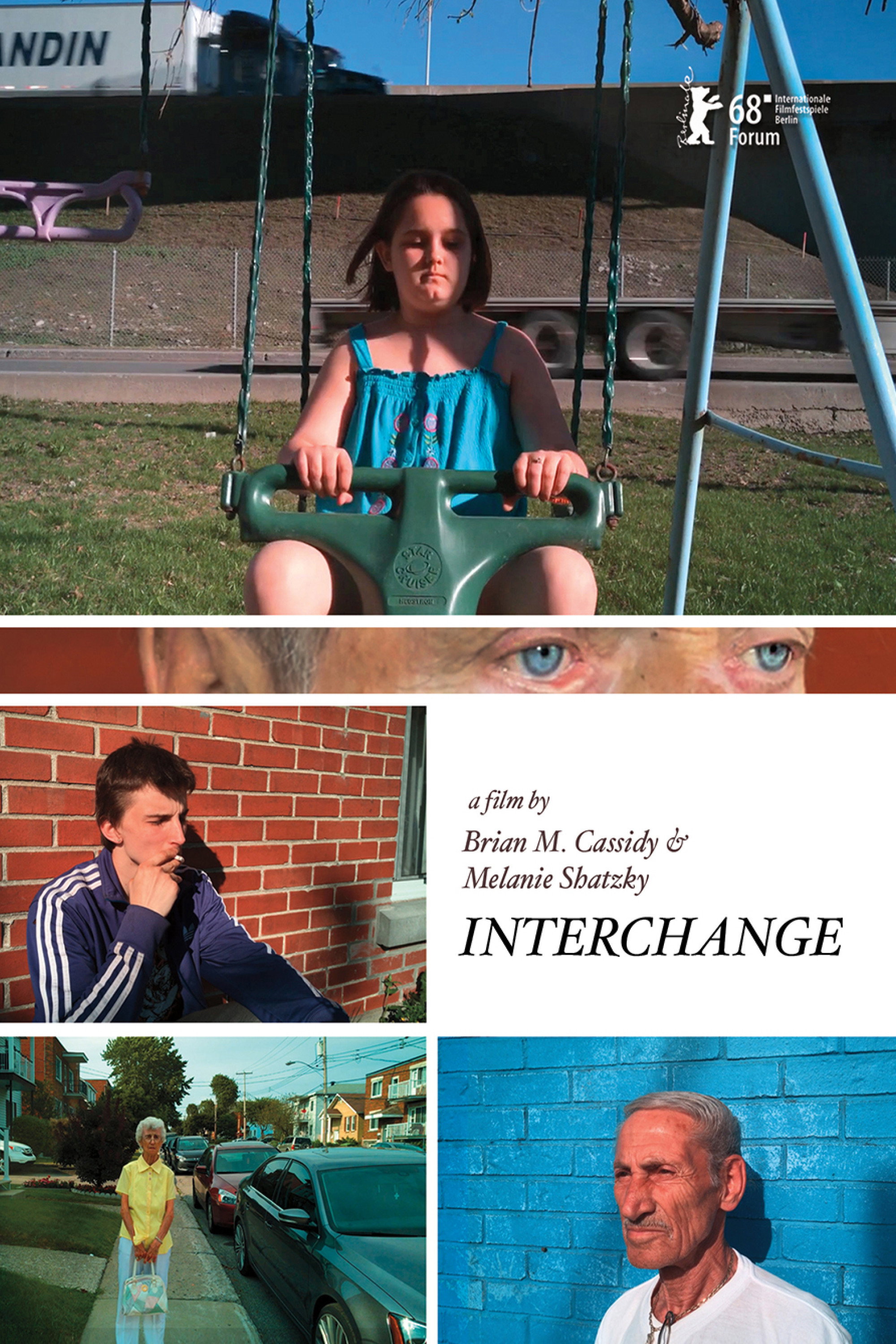
The last days of summer captured on 16mm.
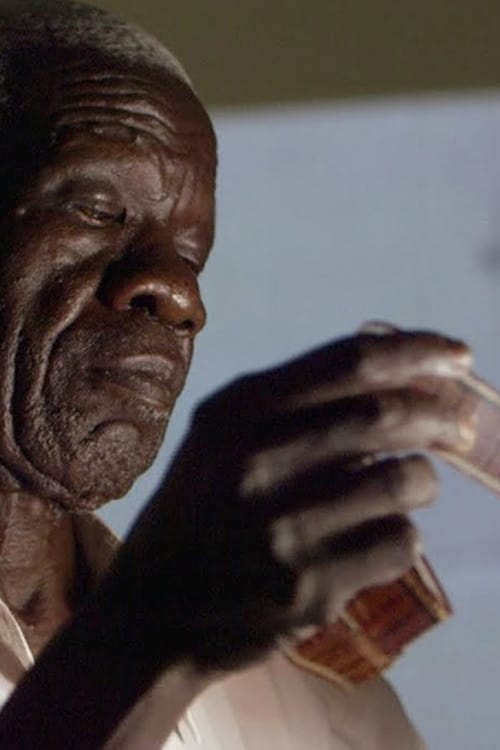
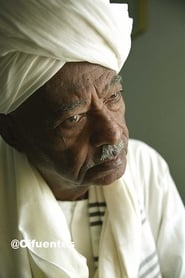
The film builds up a portrait of a great Sudanese film-maker, Gadalla Gubara. At eighty-seven, he is one of the pioneers of cinema in Africa. He has recently lost his sight but still continues to film life in Sudan as no one before him. Through his oeuvre, Gadalla reveals to us a Sudan both mysterious and misunderstood. Despite censorship and lack of financial support over sixty years, he has produced cinema that is independent and unique in a country where freedom of expression is a rare luxury.
As if they were showing their film to a few friends in their home, the Johnsons describe their trip across the world, which begins in the South Pacific islands of Hawaii, Samoa, Australia, the Solomons (where they seek and find cannibals), and New Hebrides. Thence on to Africa via the Indian Ocean, Suez Canal, North Africa, and the Nile River to lion country in Tanganyika. (They are briefly joined in Khartum by George Eastman and Dr. Al Kayser.) Taking a safari in the Congo, the Johnsons see animals and pygmies, and travel back to Uganda, British East Africa, and Kenya.
A poignant documentary exploring the unexpected bond between Malcolm X and Ahmed Osman, a young Sudanese student. Through personal reflections and rare footage, the film traces their friendship, culminating in Osman's emotional return to Harlem, where he revisits the legacy of Malcolm X and his meaningful connection to the Sudanese people.
The true life story and adventures of László Almásy, the 'English patient', who crossed Africa in 1929 with the father of filmmaker Kurt Mayer: These events provide the motivation and outline for a critical journey through 'men's domains' in Cairo, London and Vienna. Navigation in the expanses of the memory - the dream of flying, documents from the war and of an unrequited love...
Although perhaps without foresight, Gubara seemingly set out to capture a historic picture of a city that today has completely vanished. He reveals to us the livelier place that Khartoum was before fateful circumstances turned it into a tough, surviving shell of its former self.
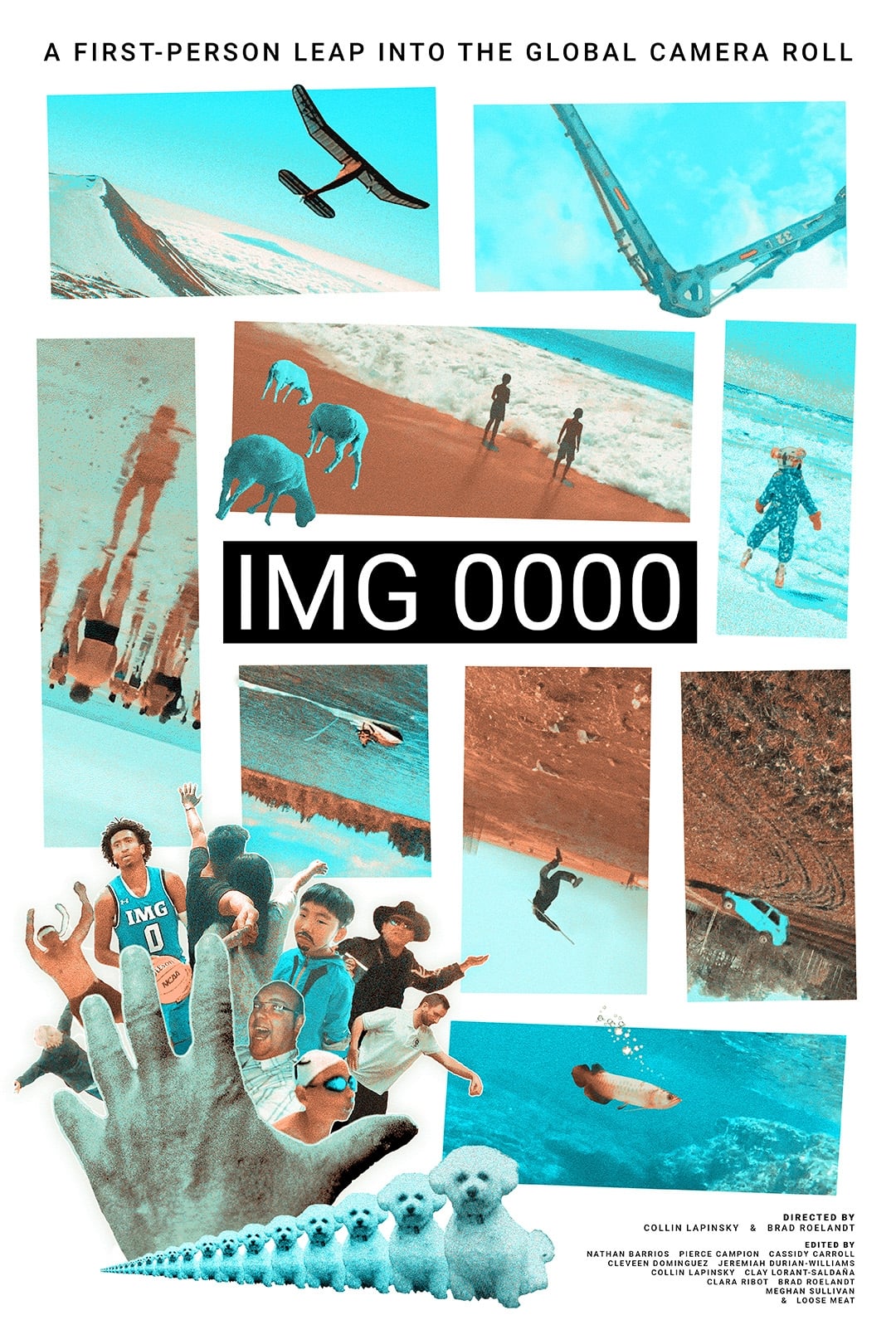
A frenetic found-footage documentary made entirely from “lost” unlabeled media on YouTube - weaving together nearly a thousand raw videos, each mistakenly or mindlessly uploaded under a generic filename (e.g., IMG 1326, IMG 5493…).
"The reason why they kill people is because they do not have any education," a Sudanese boy says about the bloody conflict in his fatherland. Shortly before, we see images of a bombed school. In this film, the youngest and most innocent generation of Sudanese explains how it deals with the war that is tearing the country apart. Will the orphaned children avenge their murdered parents, or will they forgive the killers and start working on a new life? At any rate, these children's dreams for the future are anything but violent. One of them wants to learn English to be able to liberate his country, another wants to study to "be something," a third wants to become president to bring total peace, and yet another simply wants to be like her grandmother. Despite all the atrocities they have witnessed, the children mainly want to rebuild things, to put an end to the destruction.
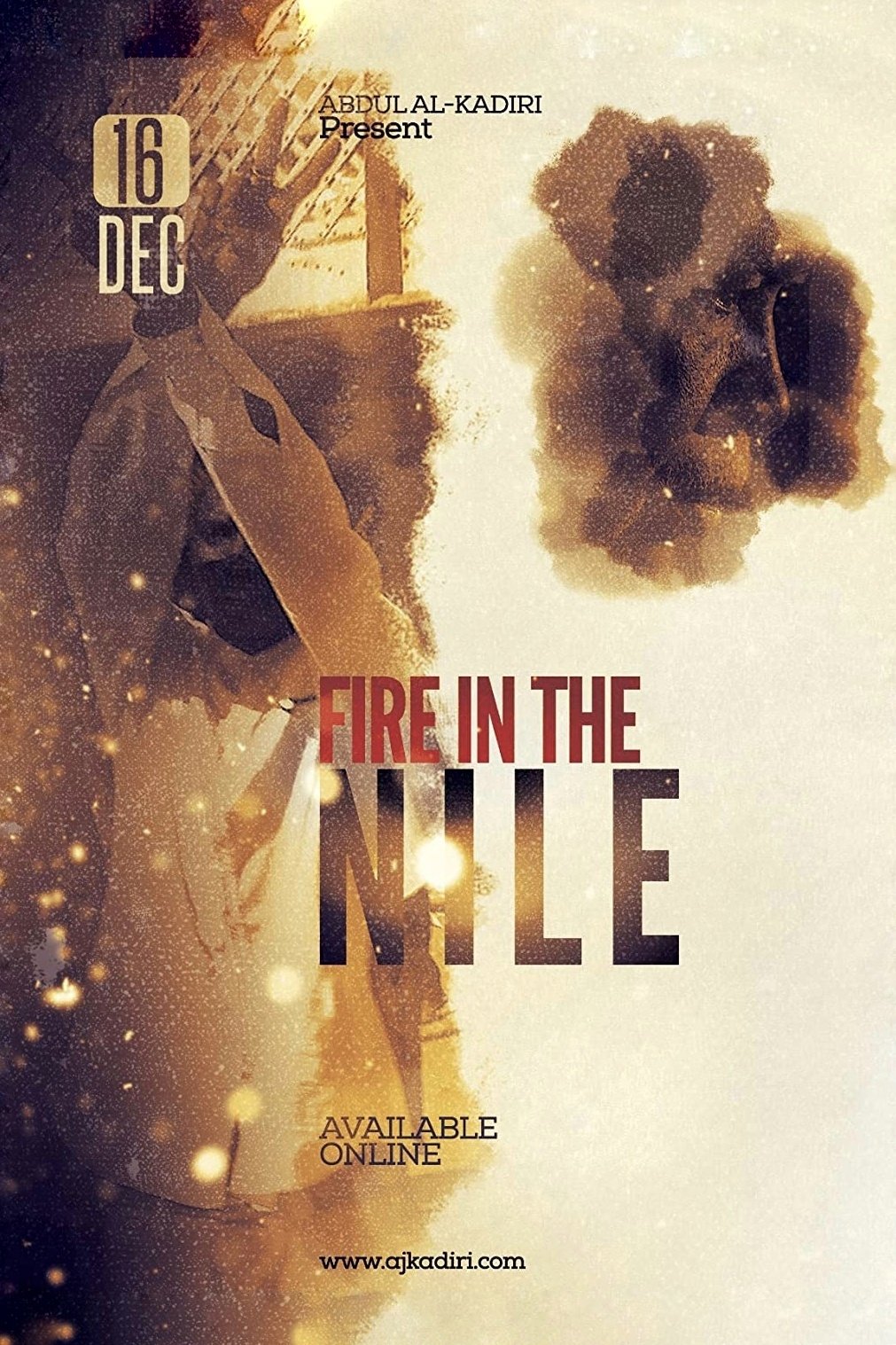
A major shift of political power in Sudan started with street protests throughout Sudan on 16 December 2018 That resulted in the overthrow of the dictator Omar Al-Basheer. The Sudanese Revolution took over 38 weeks to achieve its demands with over 300 casualties and +1200 arrests. Fire in the Nile is a documentary about how the people dealt with the government and how to protest until their demands have been granted.
Award winning short documentary by Ibrahim Snoopy, tracks the journey of the MTC martial arts team, which decides after a civil revolution that occurred in Sudan (2018-2019). Facing of lack of the state support and weak financial means, ambitious athletes found themselves forced to travel by land from Sudan to Kenya through Ethiopia to participate in an international championship "LionHeart 2019 Nairobi Open" in Nairobi, Kenya. A journey filled with determination, resilience, hope, and full of difficulties and challenges in order to raise the name of Sudan high in international sports forums and to solidify the art of Jiu-Jitsu in Africa.
A "city symphony" film, produced to encourage Photographic Society of America members to attend their 1963 conference in Chicago, City to See is a surprising film. It combines footage of Chicago with a deadpan commentary that pokes fun commercial travel films: "Chicago is my town," the narrator says wryly, "and no other town will do." Conneely was awarded a special prize by the Photographic Society of America for this film.
Benjamin and Awad run Sudan's national film archive. The two men, who have worked together for more than 40 years, are devoted to protecting their country's visual memories. Home to some 13,000 films, the archive preserves pivotal moments of Sudan's turbulent history and is one of the largest in Africa. But the archive is in a fragile state. Following years of neglect and poor storage, many film reels are turning to dust in Sudan's unforgiving tropical climate. The two friends are determined to turn it around and embark on a mission to save the old films. Will they succeed in preserving Sudan's visual history for future generations before it's too late?