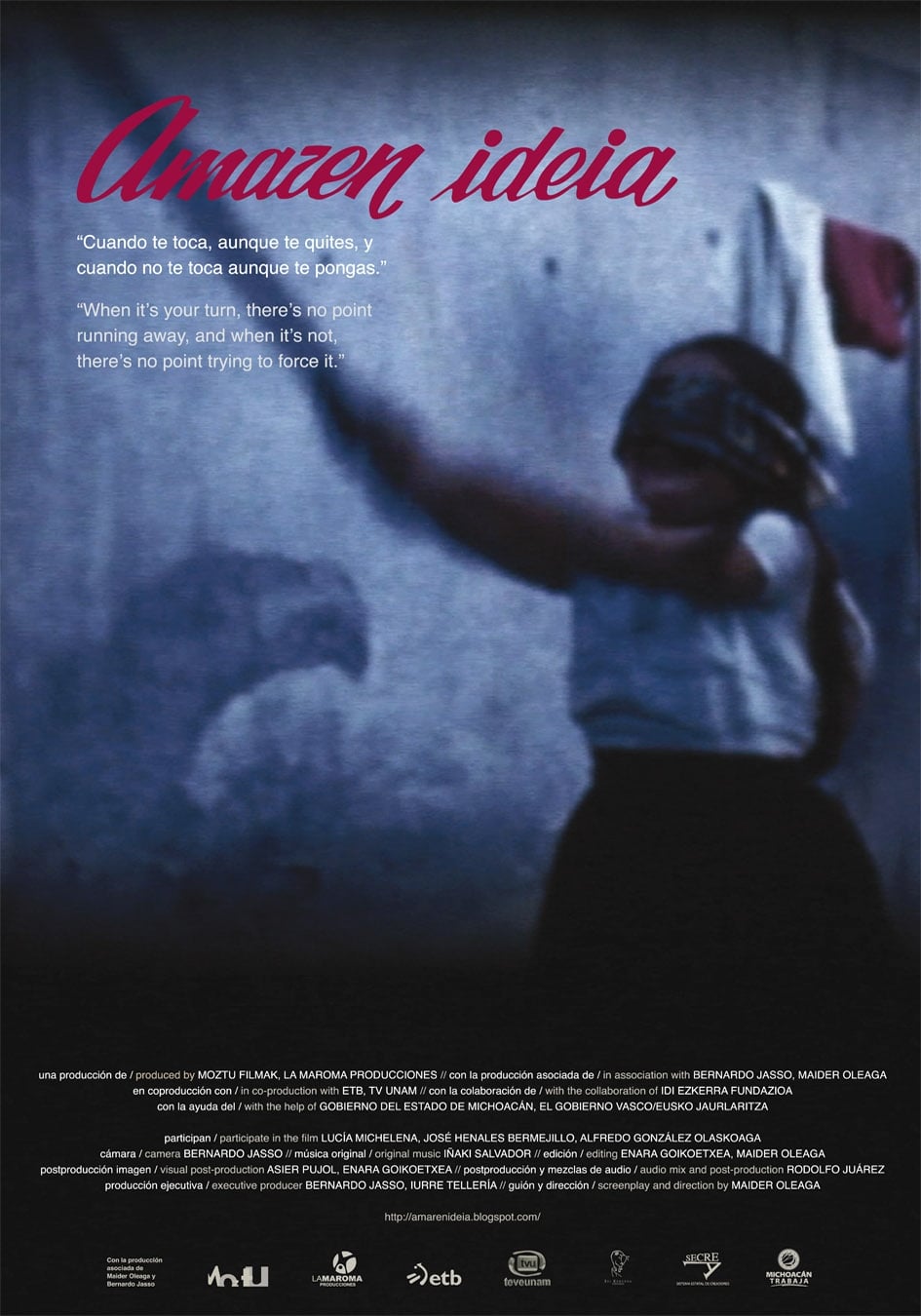
Three elders return to their homeland seventy years after being forced to leave it because of the Spanish Civil War.
Social & External
The people behind it
Lucía Michelena
Herself
José Henales
Himself
Alfredo González Olaskoaga
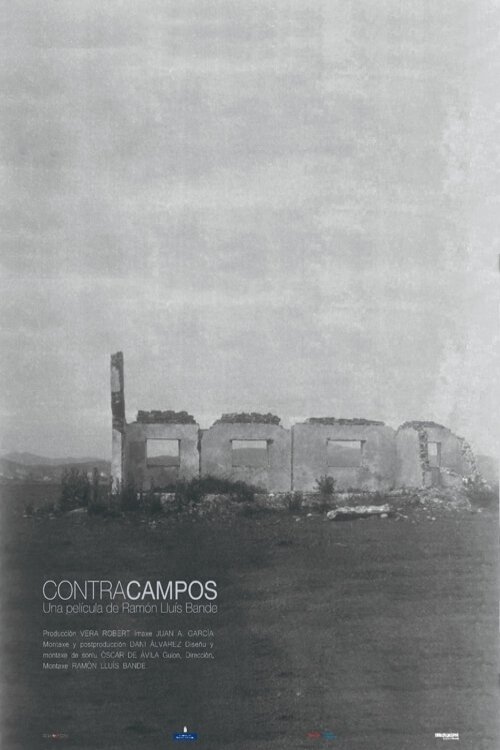
Contracampos is the attempt to (re)build a landscape. A recreational area and a shooting range in the west of Asturies, which, between 1937 and 1943, housed a Francoist concentration camp through which thousands of Republicans passed – firstly militiamen, later guerrillas and their relatives. Sharing a leisurely observation with the viewer, the film intends to resignify that space, giving it back its political meaning. But it is not a question of showing –of filming– the invisible, but rather of showing what is missing in what exists today. What was and is no longer, not even in people's memories.
Félix Costa, an anarchist militant who has lived in exile since the end of the Civil War, discovers that the Administration has left him for dead and decides to return to Spain. As he tours the place where they say he was shot dead, he reflects on the validity of his struggle and the fact that he has fallen into oblivion.
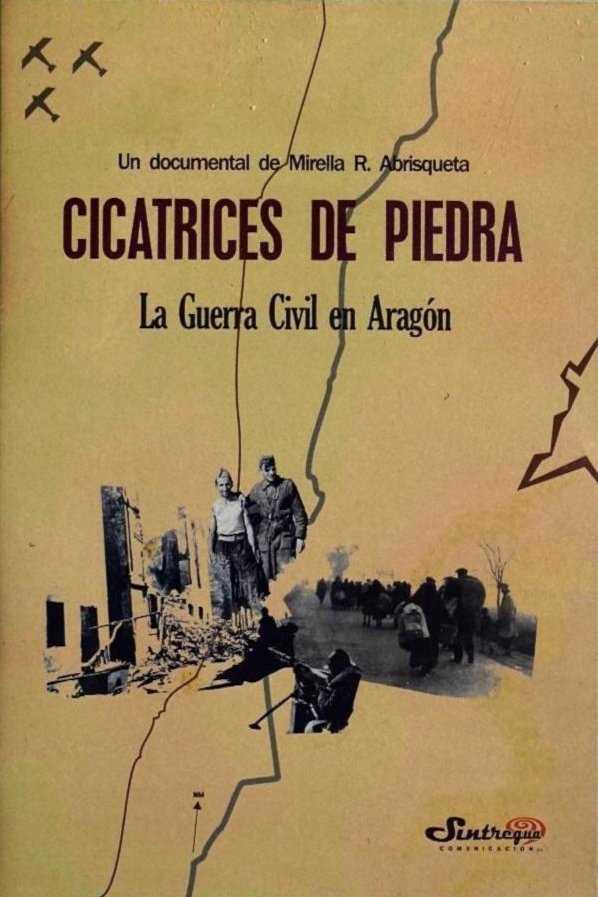
The story is set in six key scenarios of the conflict in the region: Bielsa, Barbastro, Belchite, Caspe, Teruel and Alcañiz. On this tour we find abundant remains of the war in the landscape and numerous testimonies that narrate this journey through our history.
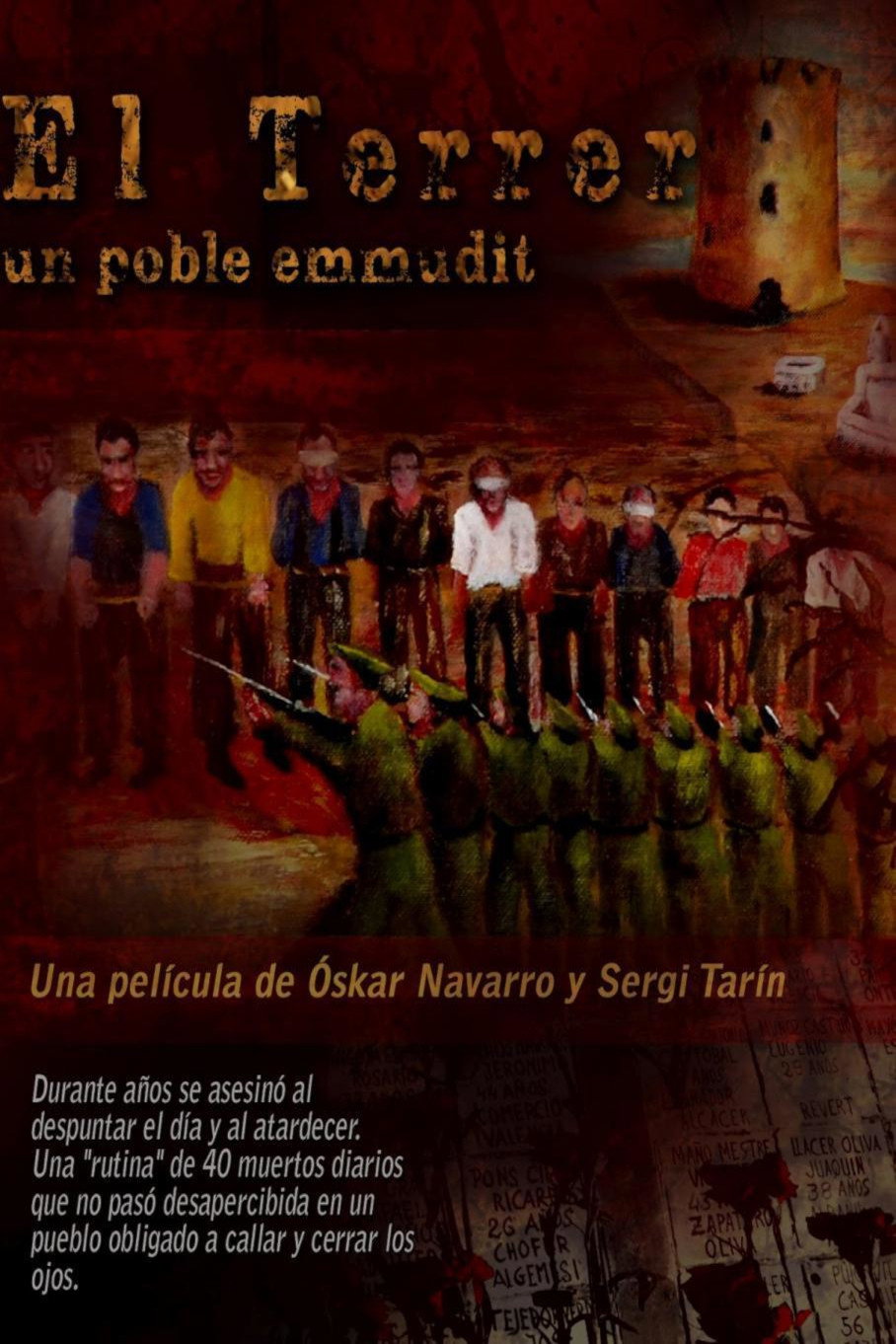
Between 1939 and 1956, the Franco regime shot more than 2,000 republicans in Paterna. They were years of terror, of silence, of arbitrariness, of planned and systematic elimination of any progressive vestige. The documentary portrays the collective effort of the people of Paterna to recover the memory and dignity of those who died defending democracy. Shown through the point of view of those protagonists who were silenced and those voices condemned to oblivion.
The documentary captures one of the most silenced chapters of the Civil War in Malaga. In fact, barely a line appears about this massive exodus in the history books. However, despite the passage and silence of seven decades, that event remained very much alive within numerous Malaga families.
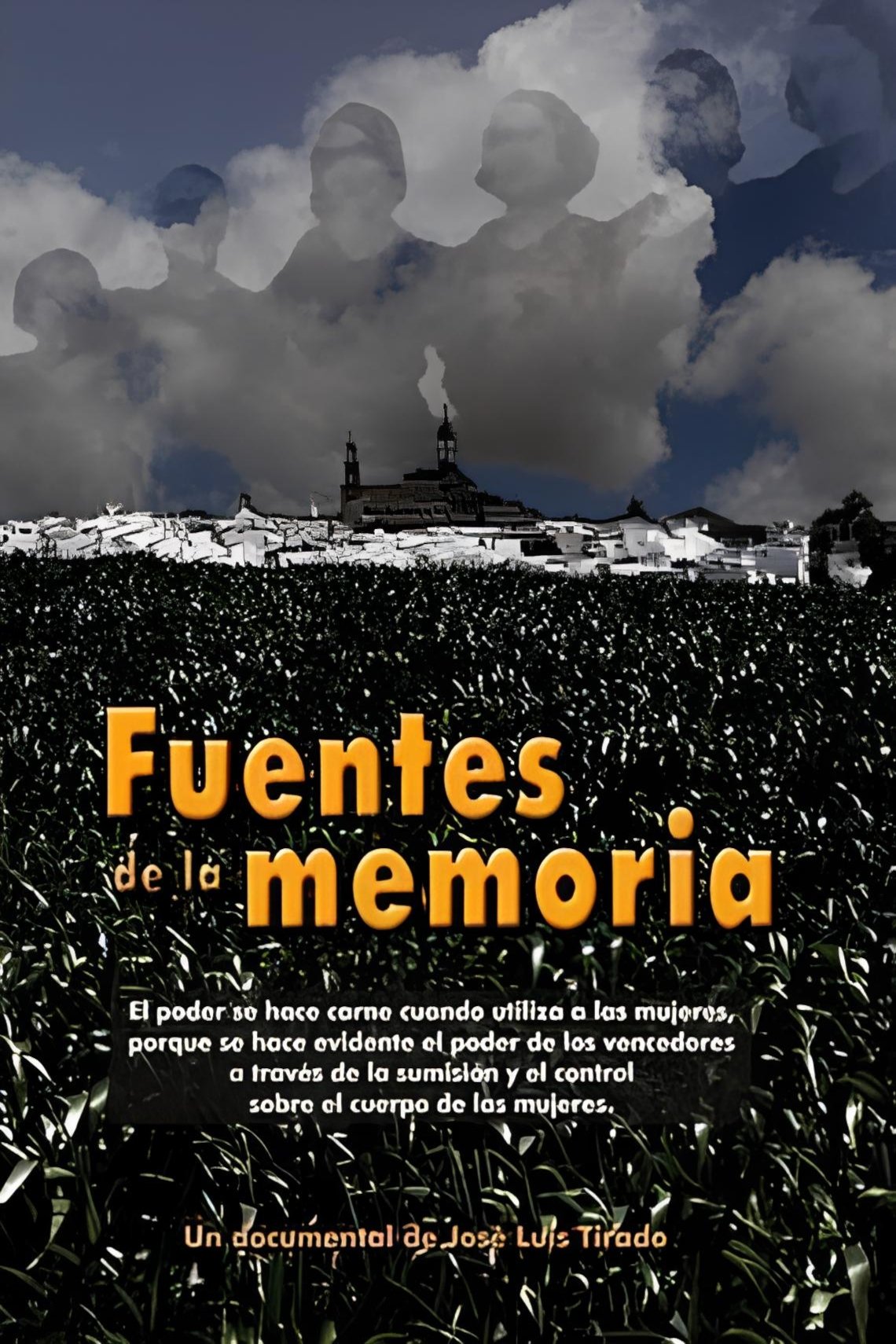
t narrates the repression suffered by the local population of Fuentes de Andalucía after the military coup of 1936.
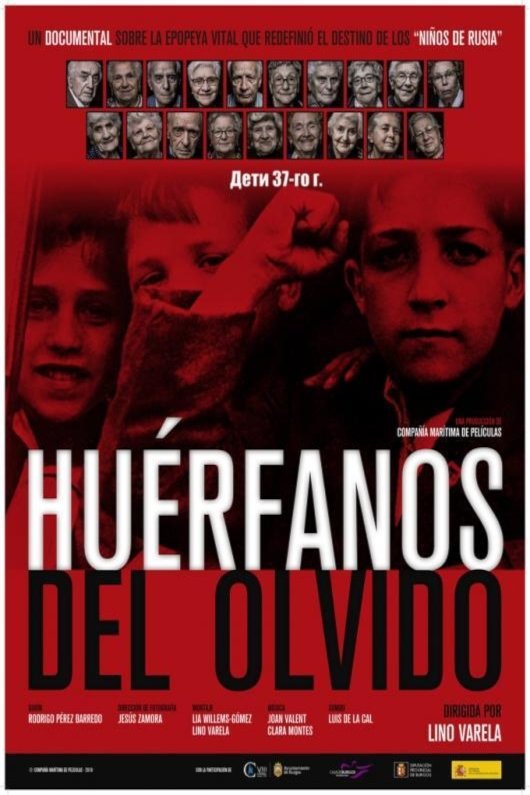
Between 1937 and 1938, during the Spanish Civil War, thousands of minors were evacuated by their own families from the Republican zone to the Soviet Union to prevent them from perishing in the indiscriminate bombings that the rebel army directed against the civilian population. Taking advantage of the 80th anniversary of this epic, a team went to Russia to record the testimonies of some of those “childrens of war.”
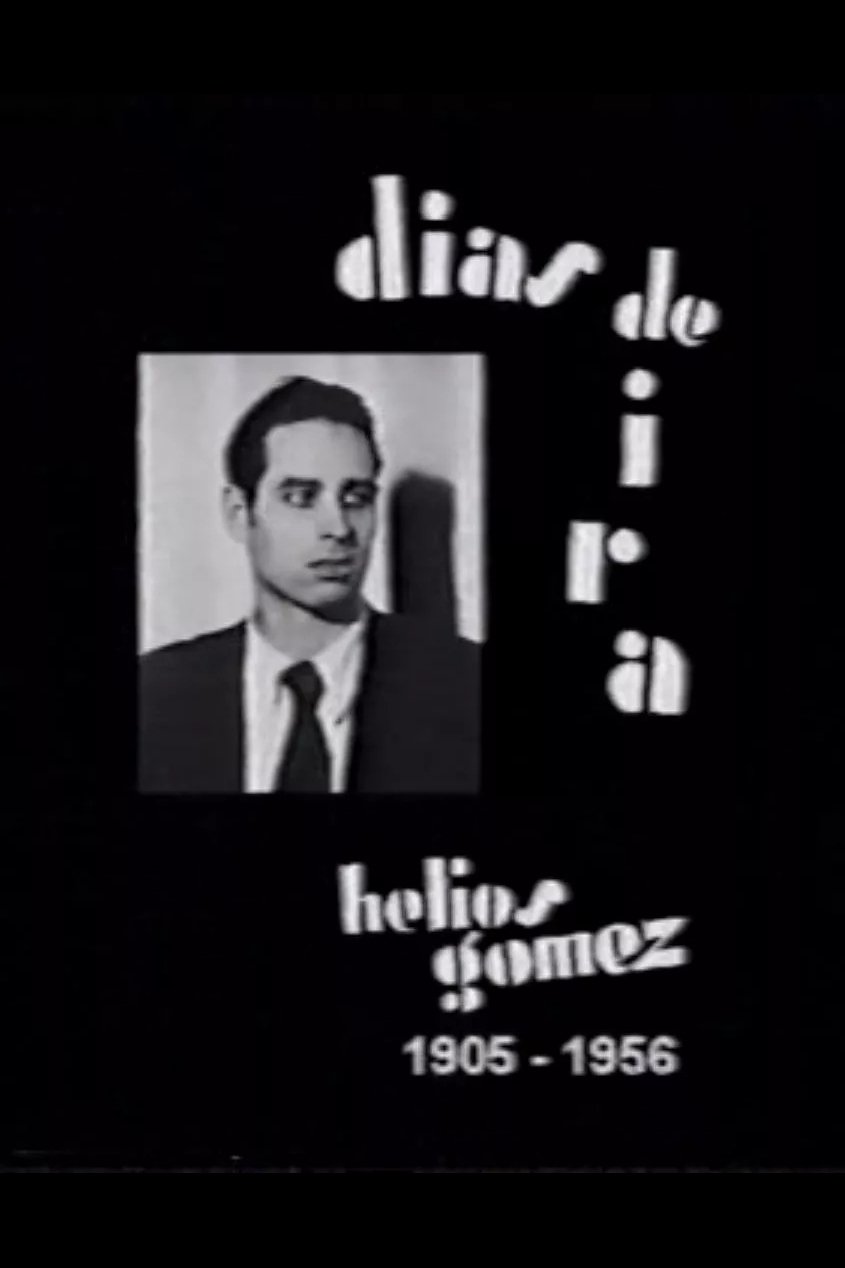
Biography of the comrade Helios Gómez (1905-1956), painter and draftsman, gypsy and Sevillian, anarchist militant first and then communist.
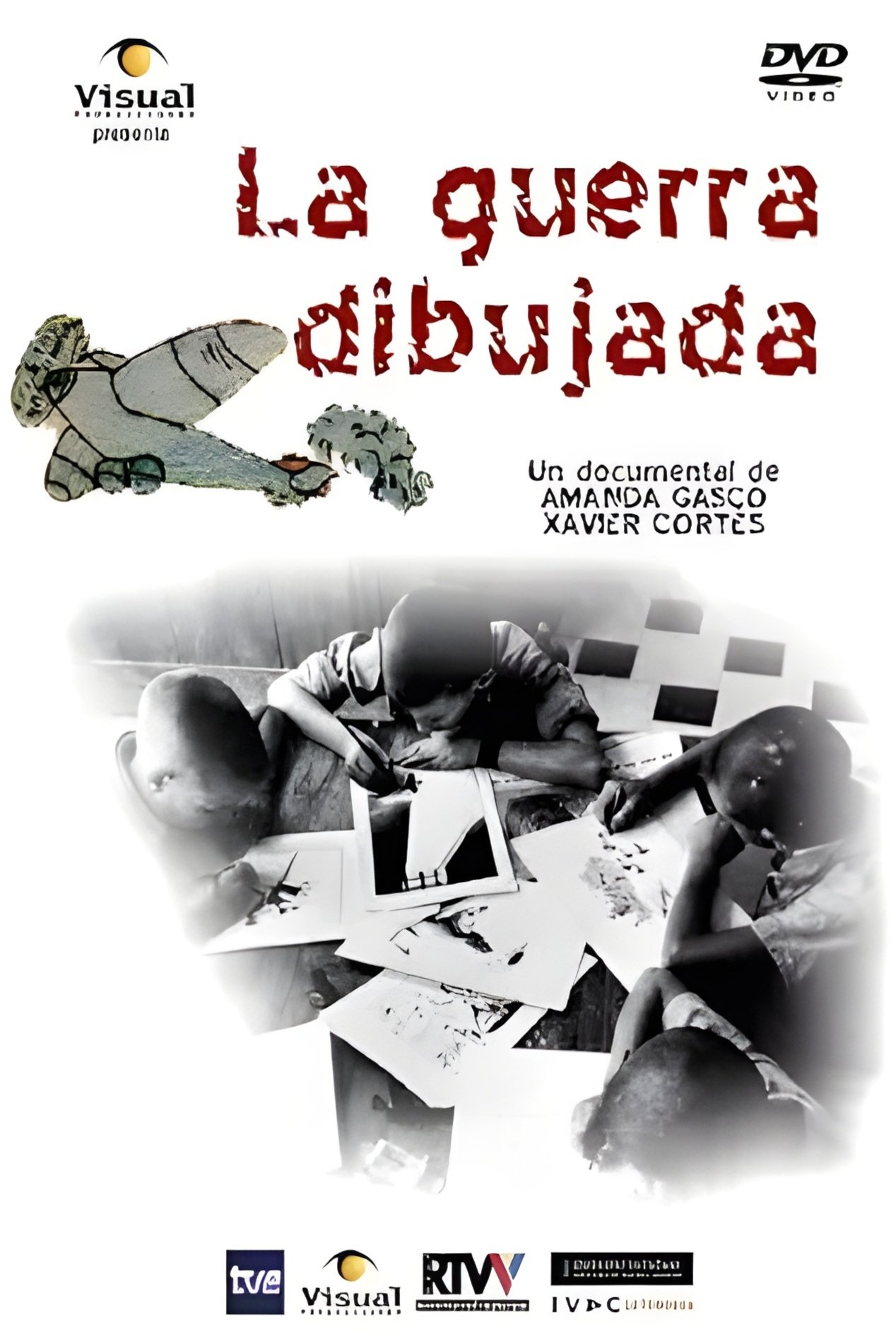
This documentary is a vision of the Spanish civil war seen by the children of that time: sometimes as a game and other times as a dangerous adventure. A mixture of fascination and fear that was captured forever in the form of drawings.
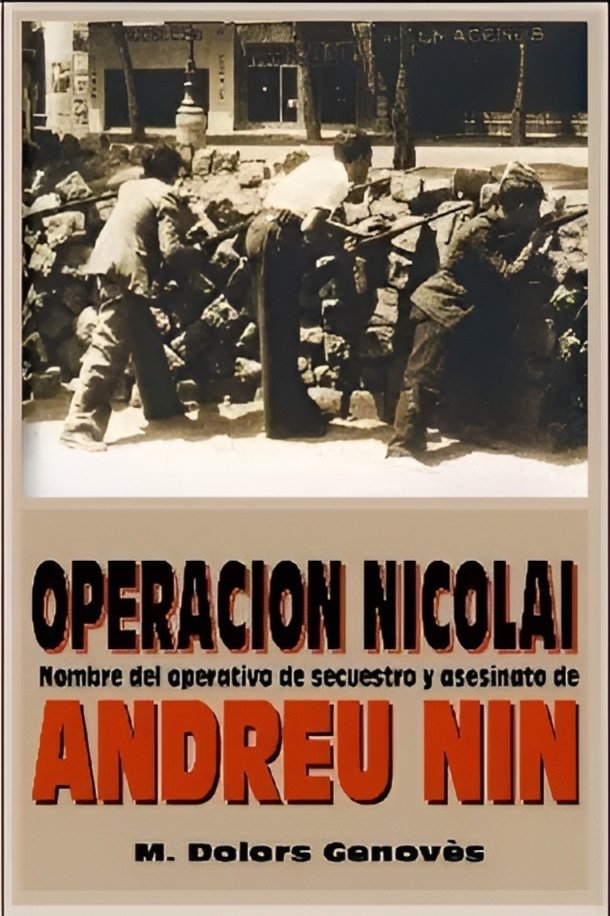
"Operation Nikolai" is a documentary about the kidnapping and murder of Andreu Nin by Stalin's political police during the Spanish Civil War.
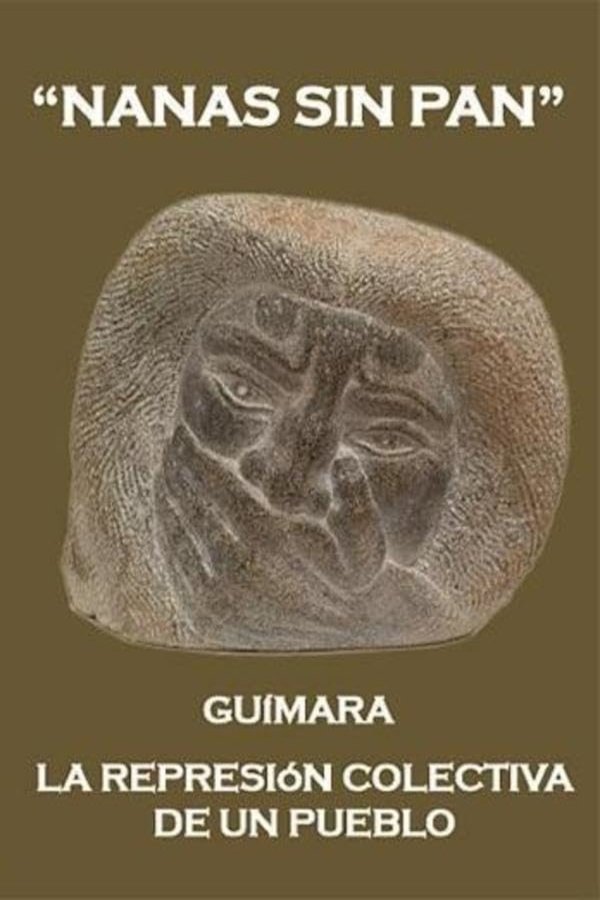
The military uprising of 1936 tried to eradicate all traces of the social transformation that had brought the Republic. There were villages like Guímara, in the Valley of Fornela (León), whose almost unanimous support to the Republic supposed a hard and systematic repression. This isolated village, of about 85 neighbors, suffered one of the most painful forms of punishment: deportation of adults to concentration camps, separating them from their minor children. In this documentary it is told the chronicle of this terrible repression that sought to subdue and subjugate the population through fear, trying to destroy family ties, solidarity networks between the people and personal and collective subsistence economy. The memory of lullabies from their mothers was the echo that reached their children from the forced exile who lived their elders.
Who made the dams of the Ebro, Entrepeñas, Barrios de Luna and many others? Who rebuilt towns and cities like Belchite, Brunete, Oviedo, Teruel... among many other populations? Who built from airports such as Sondica or Labacolla to municipal stadiums like those of Valladolid and Palencia, to prisions like Carabanchel or Cordoba? Republicans who were prisoners condemned to work as slaves, whose only "crime" had been to defend the democratically elected legality. This documentary tries to recover the memory of these events focusing on the battalion of Republican prisoners of Fabero del Bierzo. It investigates the mechanisms of social construction of silence, fear and forgetfulness that even today can be felt where the events occurred and where the descendants of many of those prisoners still live.
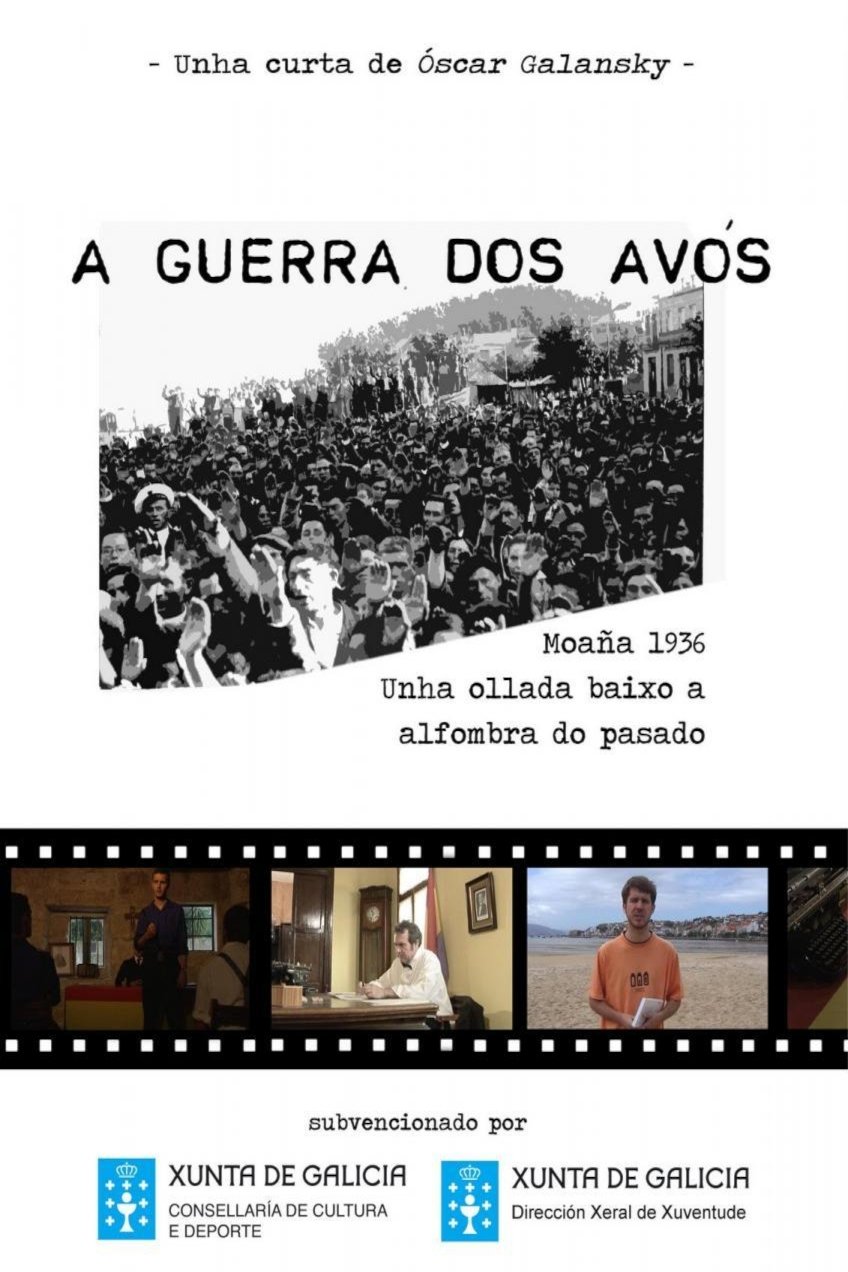
A guy invites us to join him in his investigation about what happened in his town, Moaña, during the Spanish Civil War. In an imaginary journey in time, he moves to the town as it should be in July 18 of 1936.
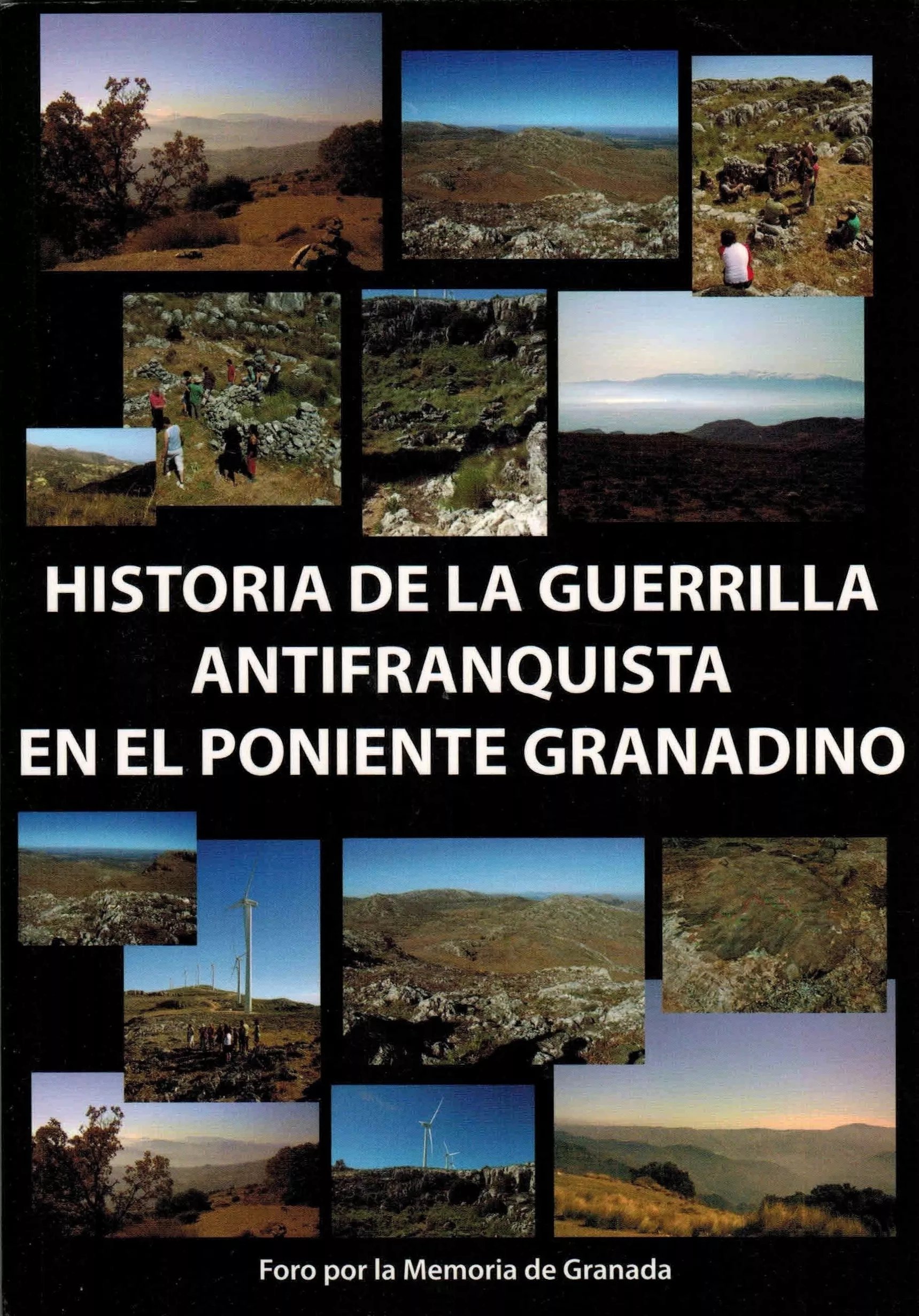
History of the anti-fascist guerrilla resistance in Granada.
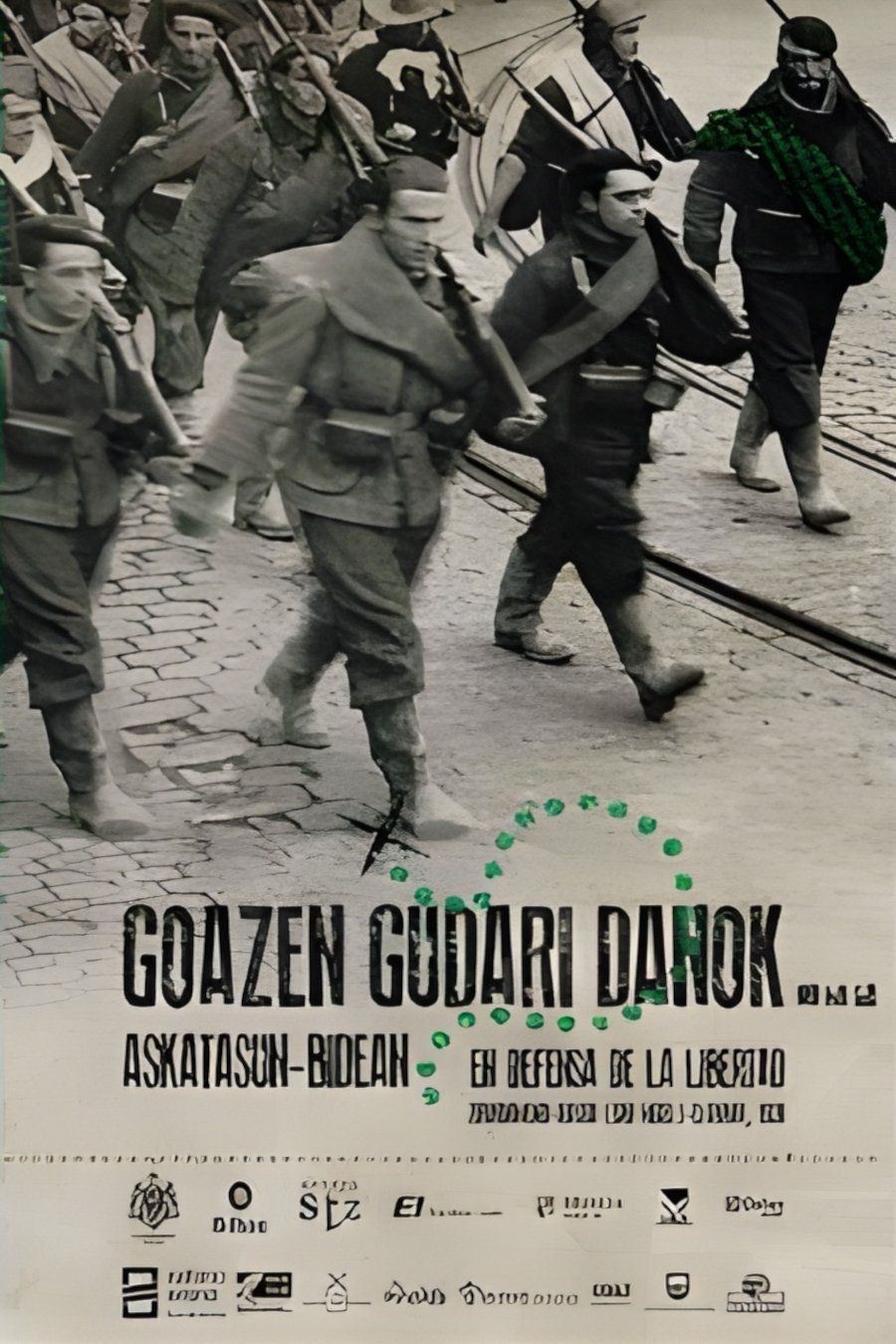
Goazen gudari danok is a documentary that recounts the battle of San Miguel and its importance for the creation of the Basque Government.
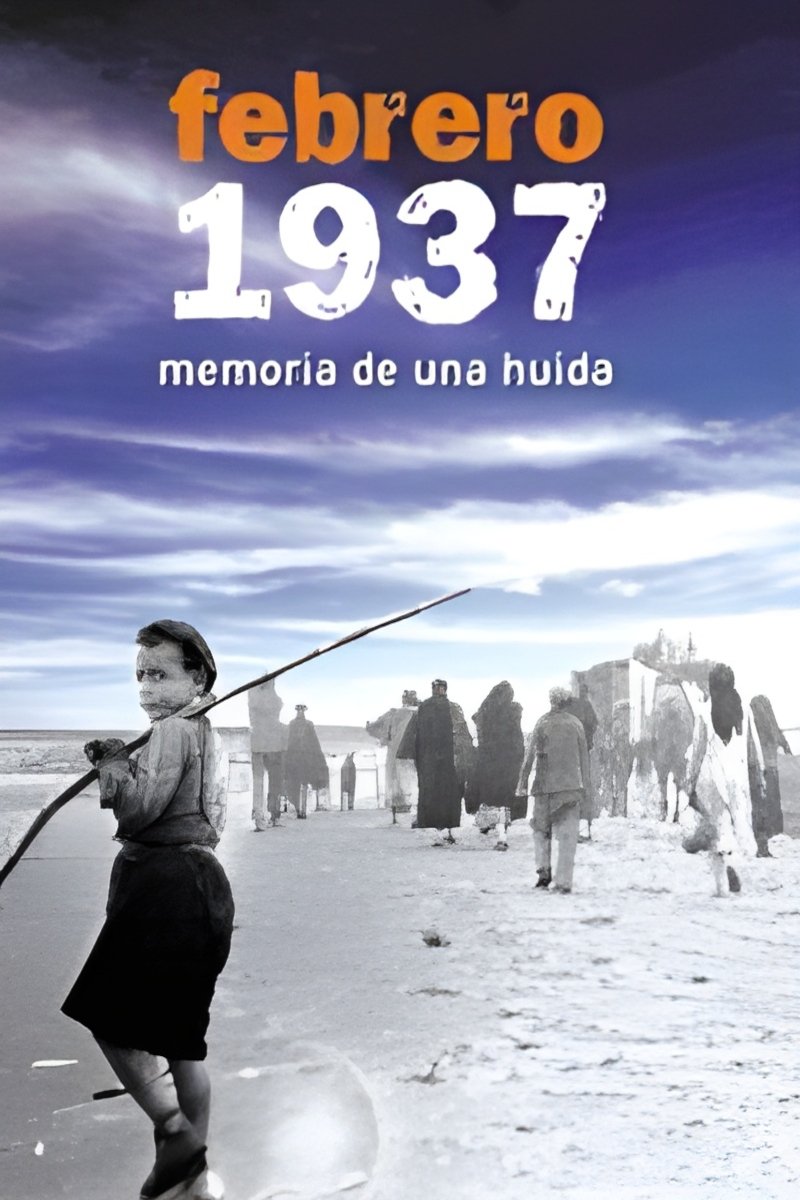
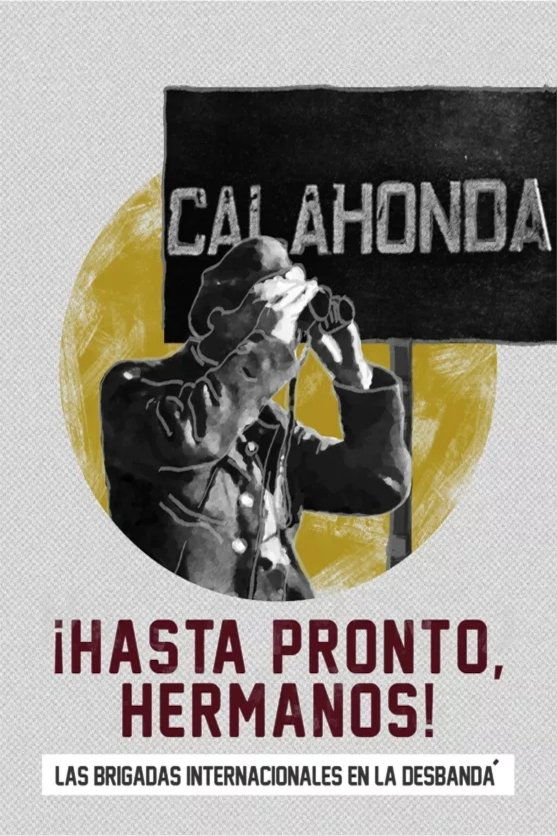
Documentary about the participation of the International Brigades in February 1937 in containing the advance of the rebel troops after the fall of Malaga.
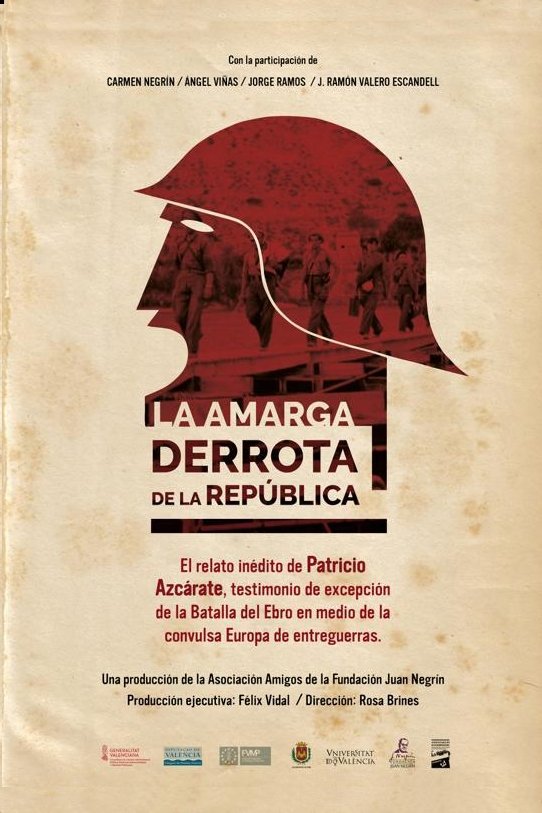
The film, which shows the Battle of the Ebro and the last days of the Spanish Civil War, is an unpublished story by Patricio Azcárate (London, 1920- Alicante, 2018), son of the ambassador of the Second Republic in London, Pablo de Azcárate. Patricio Azcárate participated as a volunteer in the Ebro where, due to his knowledge of languages, he was assigned to the General Staff and served as a translator with the brigade members.
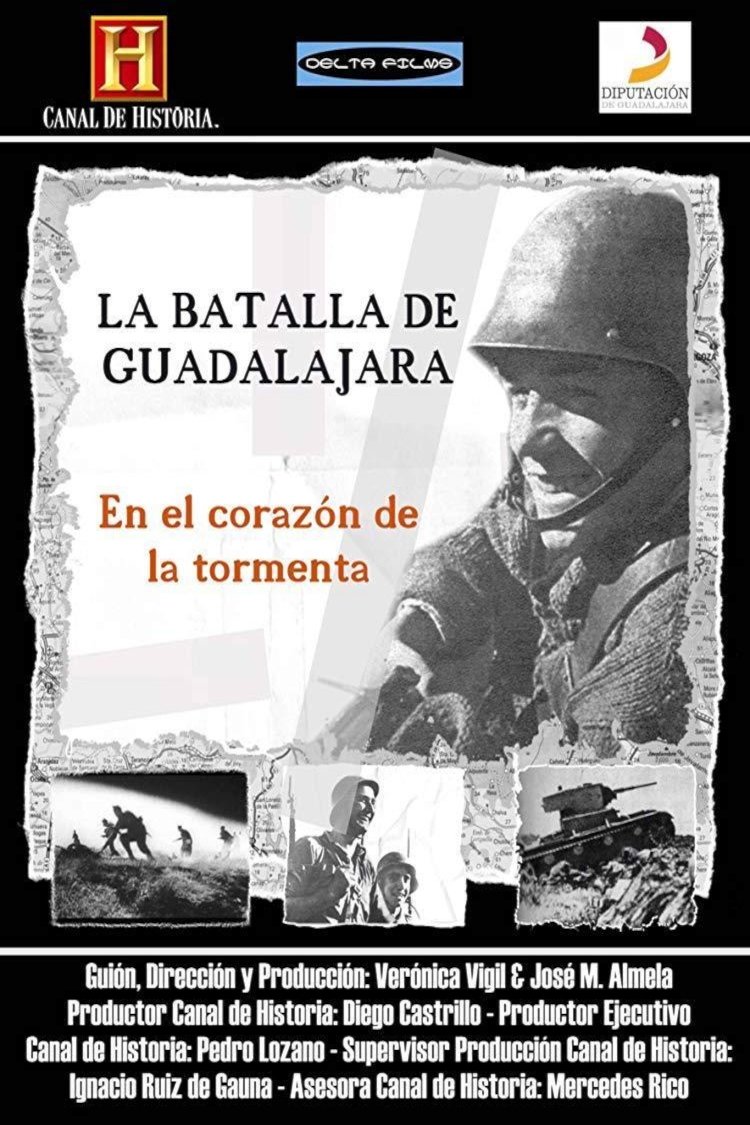
Documentary about the battle of Guadalajara which took place in March 1937 during the Spanish Civil War and was the last major victory of the Republican Army.
Documentary about the last days, death and subsequent search for the remains of Federico García Lorca.
Documentary filmed between September 2012 and March 2013. It tells the story of a valley in the mountains that extends through the north of the provinces of Cádiz and Málaga, the last Republican bastion in the area when Franco's troops already occupied all of them. the nearby regions. La Sauceda was bombed and the town destroyed forever by the air force and four columns of Franco's army. The survivors were locked up in the Marrufo farmhouse, in the municipality of Jerez de la Frontera, where five or six people were shot every day. With the testimonies of the interviewees, everything that happened in those months from the summer of 1936 to the winter of 1937 is reconstructed and the work carried out by the Forum and the Association since 2011 to locate the mass graves is also narrated, in which in the summer of In 2012, the bodies of 28 people were exhumed.
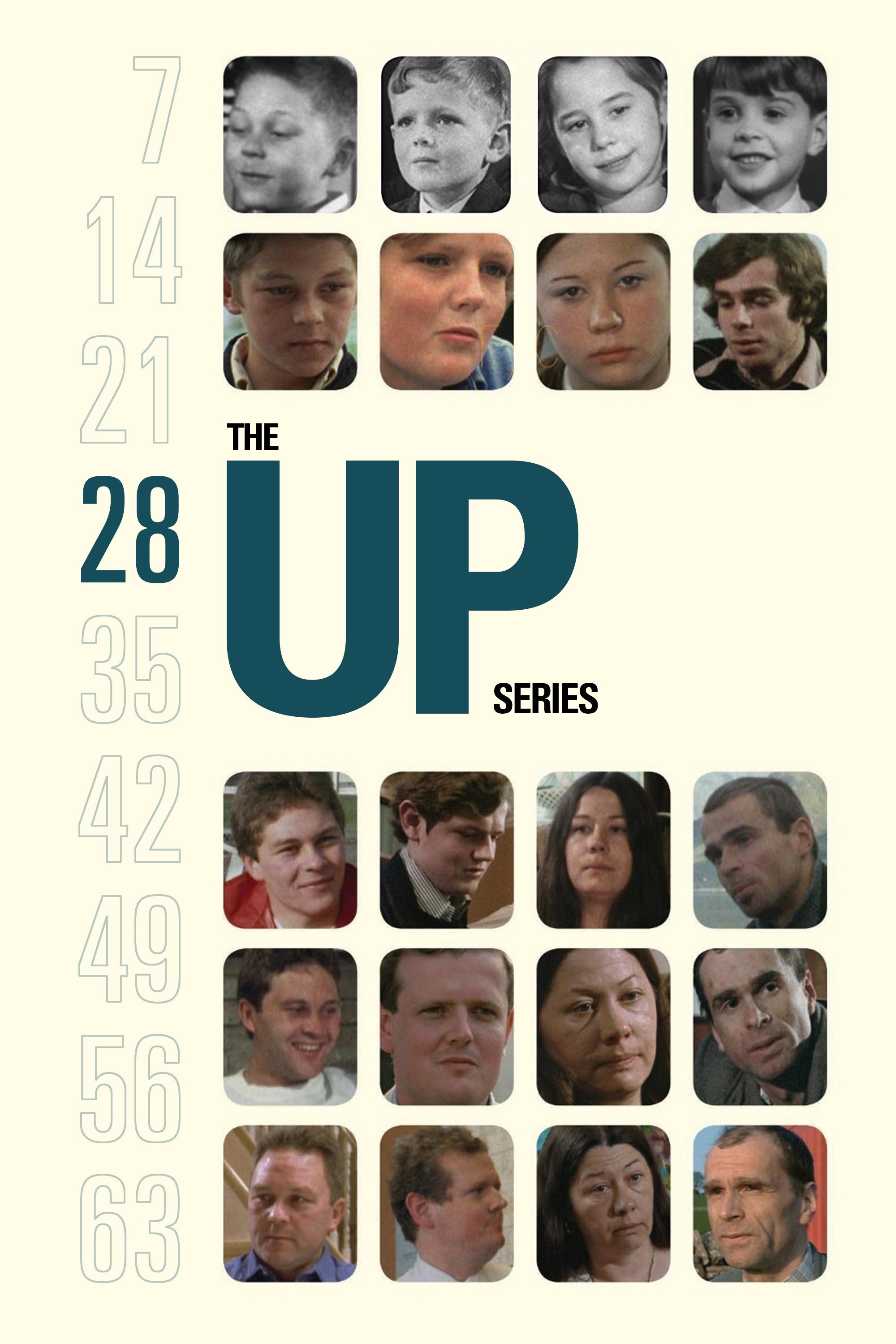
Director Michael Apted revisits the same group of British-born adults after a 7 year wait. The subjects are interviewed as to the changes that have occurred in their lives during the last seven years.
Ranjit, a farmer in India, takes on the fight of his life when he demands justice for his 13-year-old daughter, the victim of a brutal gang rape. His decision to support his daughter is virtually unheard of, and his journey unprecedented.
The film follows adventurer Jeff Johnson as he retraces the epic 1968 journey of his heroes Yvon Chouinard and Doug Tompkins to Patagonia.
A detailing of the rise to prominence and global sporting superstardom of six supremely talented young Manchester United football players (David Beckham, Nicky Butt, Ryan Giggs, Paul Scholes, Phil and Gary Neville). The film covers the period 1992-1999, culminating in Manchester United's European Cup triumph.
From the heights of her modeling fame to her tragic death, this documentary reveals Anna Nicole Smith through the eyes of the people closest to her.
A documentary on the expletive's origin, why it offends some people so deeply, and what can be gained from its use.
Through deeply personal interviews with her siblings and an examination of the photographs, letters, and belongings left behind, Mariska assembles a new portrait of her mother Jayne Mansfield, an extraordinary and complex woman.
In an intimate and joyful story of love in the face of loss, celebrated poets Andrea Gibson and Megan Falley find strength—and unexpected hilarity—in what might be their final year together.
An exploration —manipulated and staged— of life in Las Hurdes, in the province of Cáceres, in Extremadura, Spain, as it was in 1932. Insalubrity, misery and lack of opportunities provoke the emigration of young people and the solitude of those who remain in the desolation of one of the poorest and least developed Spanish regions at that time.
A string of threatening emails escalates into a revenge plot involving a newly married US marshal and his ex-girlfriend.
When Allied forces liberated the Nazi concentration camps in 1944-45, their terrible discoveries were recorded by army and newsreel cameramen, revealing for the first time the full horror of what had happened. Making use of British, Soviet and American footage, the Ministry of Information’s Sidney Bernstein (later founder of Granada Television) aimed to create a documentary that would provide lasting, undeniable evidence of the Nazis’ unspeakable crimes. He commissioned a wealth of British talent, including editor Stewart McAllister, writer and future cabinet minister Richard Crossman – and, as treatment advisor, his friend Alfred Hitchcock. Yet, despite initial support from the British and US Governments, the film was shelved, and only now, 70 years on, has it been restored and completed by Imperial War Museums under its original title "German Concentration Camps Factual Survey".
This revealing documentary honors the legendary Sidney Poitier—iconic actor, filmmaker, and civil rights activist. Featuring interviews with Denzel Washington, Spike Lee, Halle Berry, and more.
After another 7 year wait, director Michael Apted revisits the same group of British-born children from Seven Up! and 7 Plus Seven. The subjects are interviewed as to the changes that have occurred in their lives during the last seven years.
Just two years away from turning 30, participants in Michael Apted's documentary series are facing serious questions of identity and purpose, wondering whether they've found their place in the world.
A documentary on why 'Money Heist' sparked a wave of enthusiasm around the world for a lovable group of thieves and their professor.
BBC Arena's documentary on the Dames of British Theatre and film featuring Maggie Smith, Eileen Atkins, Judi Dench and Joan Plowright on screen together for the first time as they reminisce over a long summer weekend in a house Joan once shared with Sir Laurence Olivier.
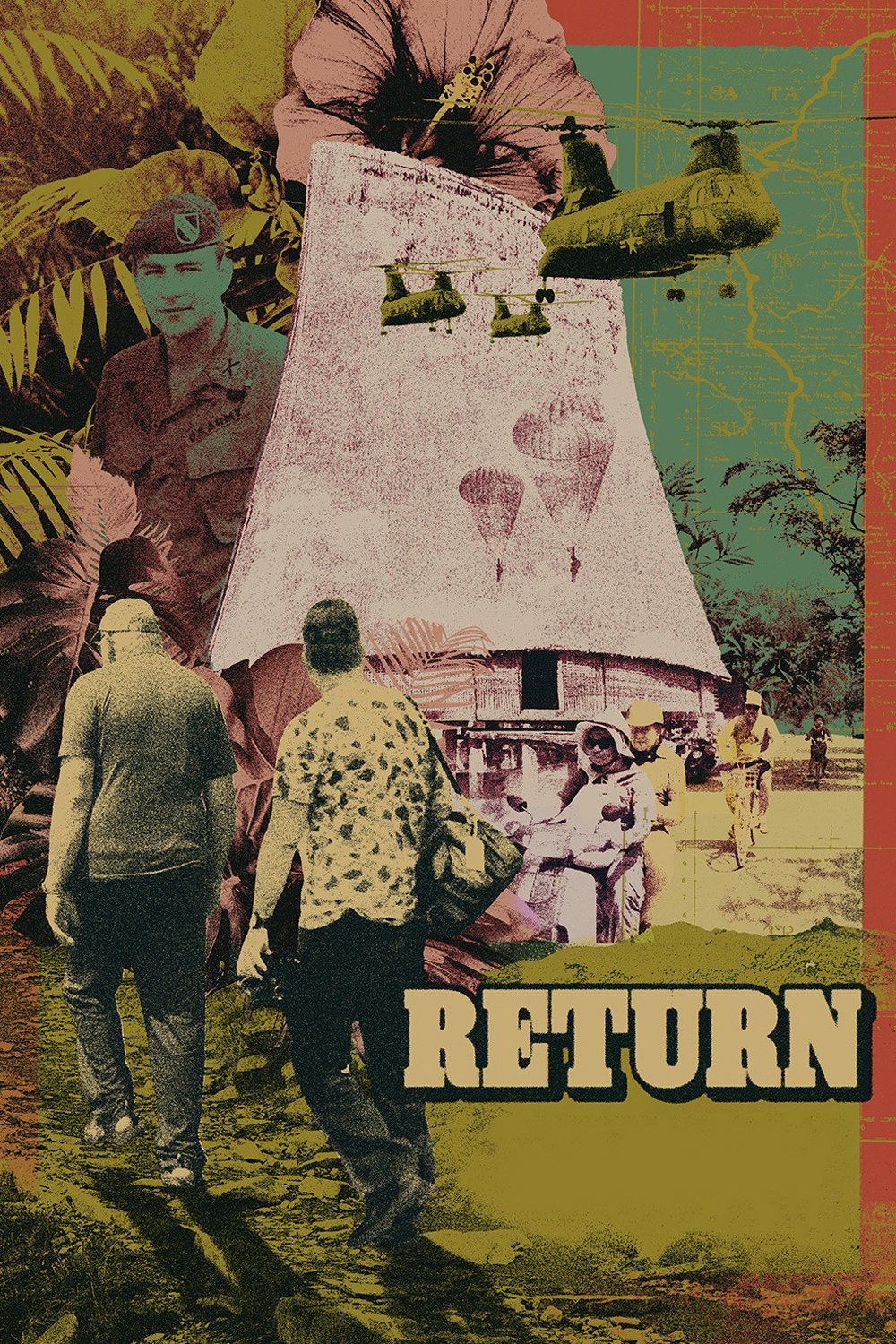
RETURN tells the story of a retired Green Beret who embarks on a healing journey from Montana to Vietnam. There he retraces his steps, shares his wartime experiences with his son, treats his Post-Traumatic Stress Disorder, and seeks out the mountain tribespeople he once lived with and fought alongside as a Special Forces officer.
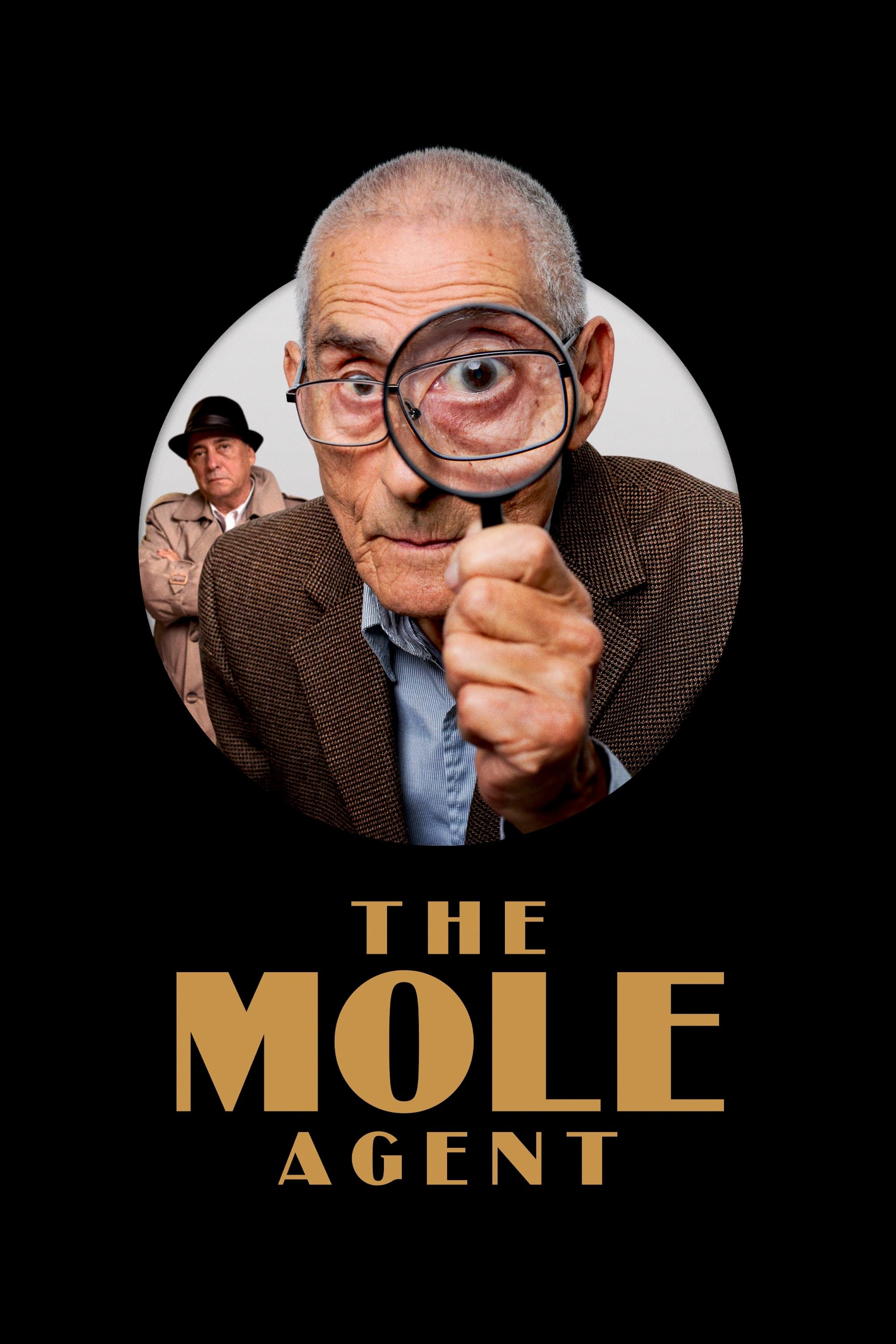
When a daughter becomes concerned about her mother's well-being in a retirement home, private investigator Romulo hires Sergio, an 83-year-old man who becomes a new resident—and a mole inside the home, who struggles to balance his assignment with becoming increasingly involved in the lives of several residents.
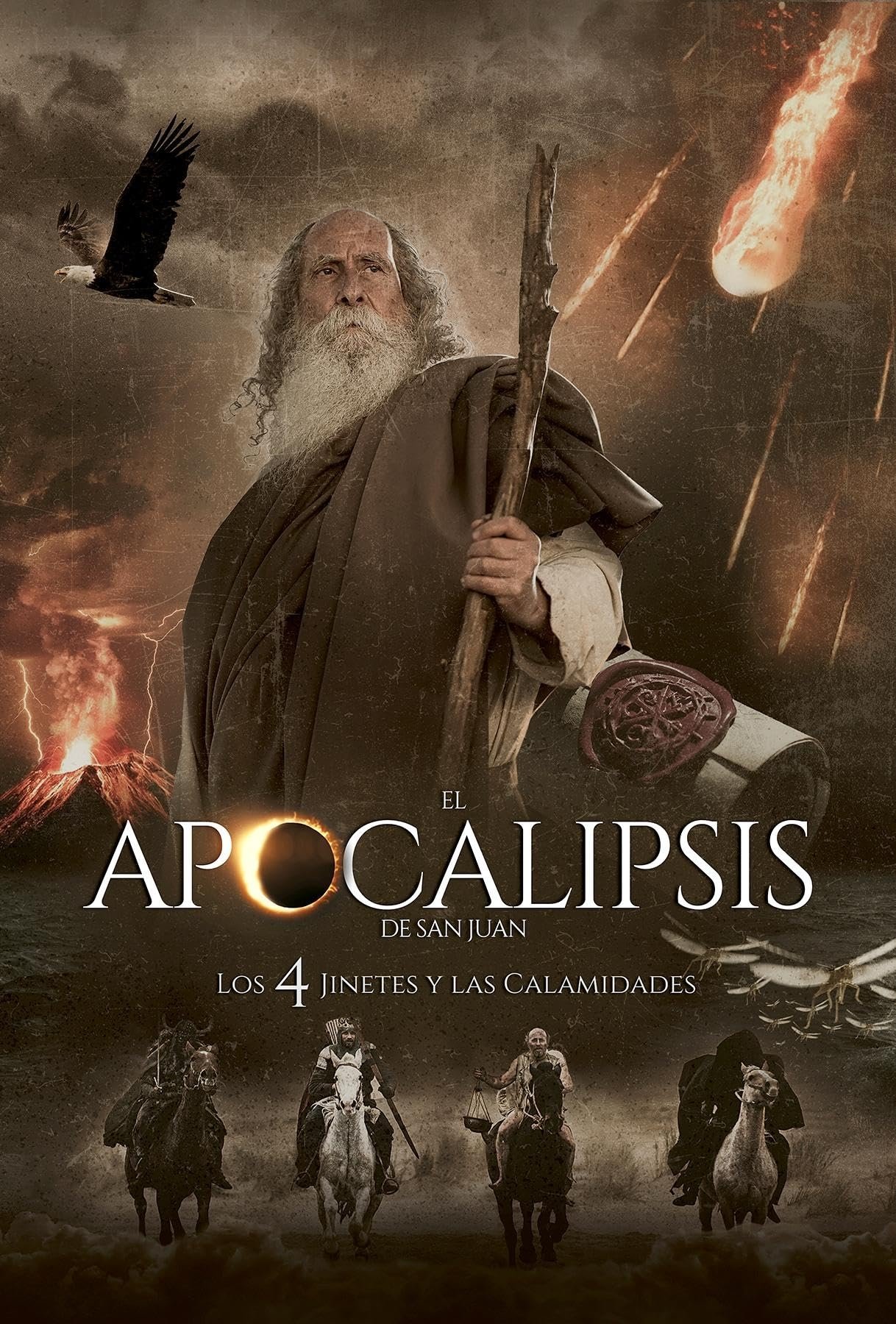
Embark on an epic journey through time and faith with 'The Apocalypse of Saint John.' Join the Apostle John in a stunning visual narrative that unravels the visions of the End Times. Experience each vision like never before, with striking visual effects and epic scenes that immerse you in the apocalyptic narrative.