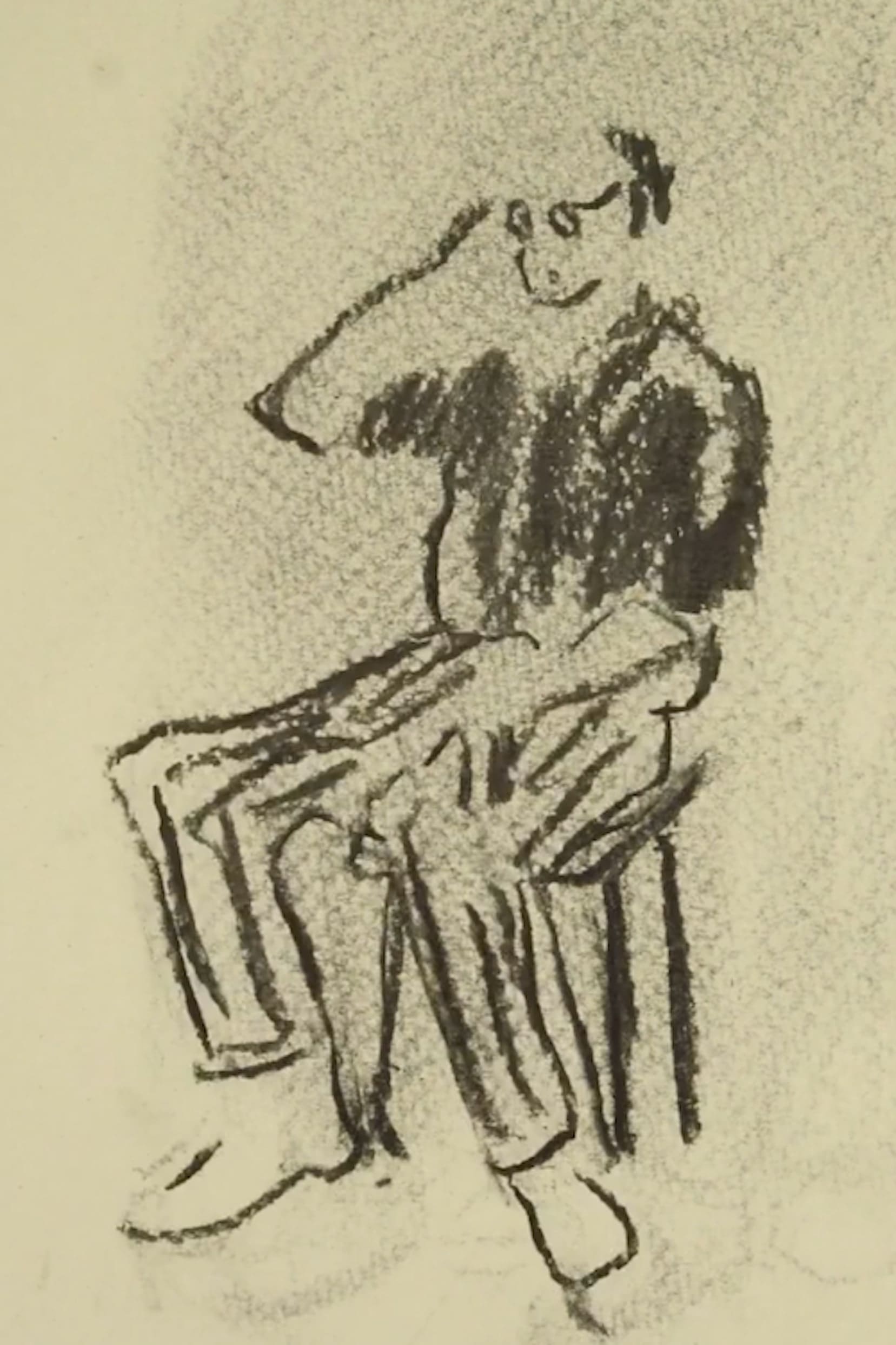
The life of Martha and what she thinks about life. The camera follows Martha Stelloo's day and night and listens to her positive and negative remarks, living the last days of her life.
Social & External
The people behind it
Martha Stelloo
self
Adults reflect on the experience of losing a parent at a young age.
A collage of five people from different cultures living in Switzerland. They reflect on life by looking at their origins. The liveliness and diversity of life can be divined.
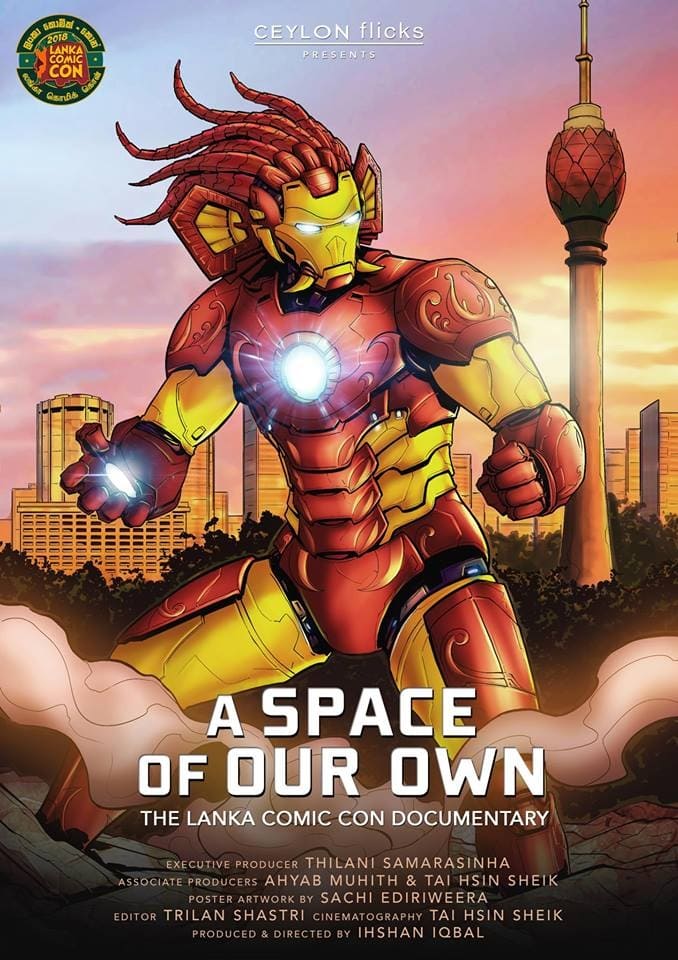
A Documentary about the Lanka Comic Con, history of how it started, and its community.
A trip to the Valley of Salazar, in the Navarrese Pyrenees. People united for the love of the earth. A story full of hope. People transformed by an encounter.
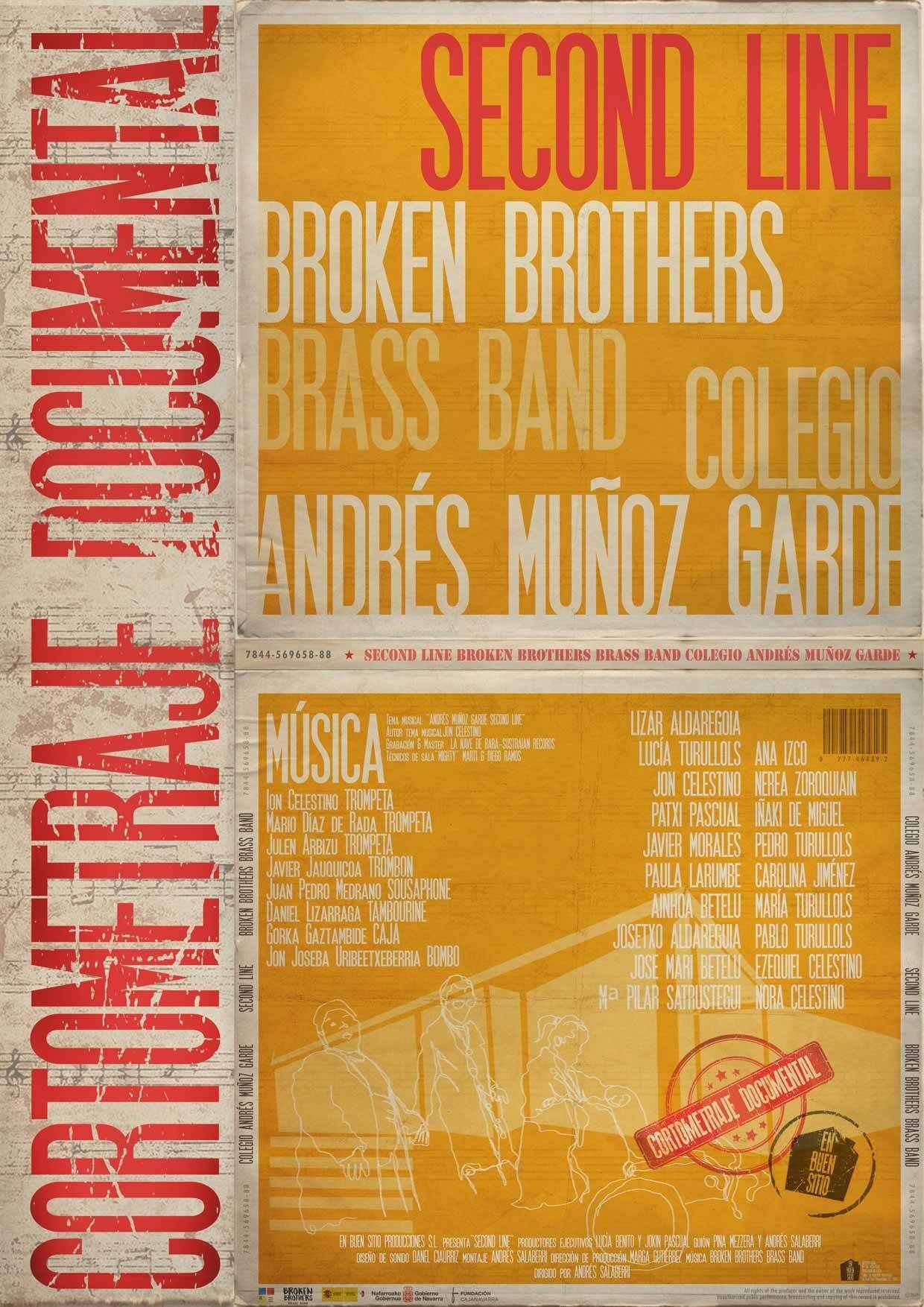
The Broken Brothers Brass Band visits the Andrés Muñoz Garde public special education school in Pamplona. And through their interaction with the workers, the volunteers and even the beneficiaries, the work that is done there is revealed, the universe that is hidden there.
Good Grief is a short stop motion animated documentary that explores the lessons we learn from dealing with grief and loss. Five real people share their true stories of losing something precious and what it has taught them about living.
Documentary about four Chinese lesbian women who seek contract marriages with gay men, and form of their lesbian and gay community and fulfill their desires.
This short film portrays people that live near a highway
Short film about the transformations a village experiences in the course of 40 years.
Short film about Berlin
Short film directed by Wolfgang Kiepenheuer
People tell what difficulties you might encounter when you want to renovate an apartment in Berlin.
Documentary short about people living in the city
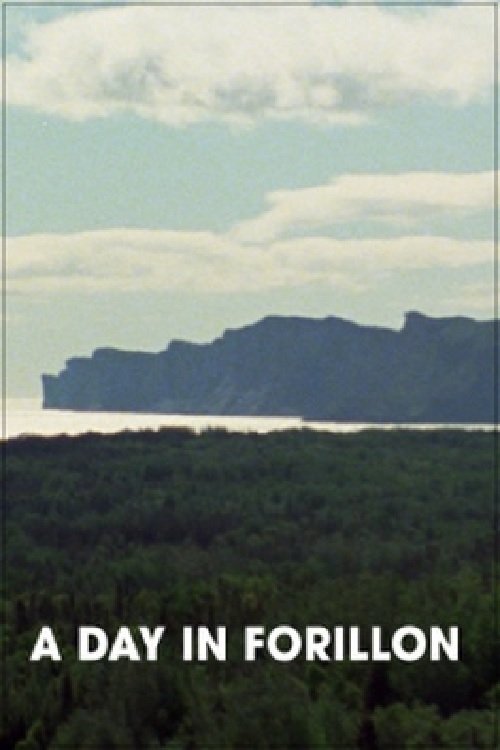
This short film illustrates a day in the life at Forillon National Park. Situated on the Gaspé peninsula in Quebec, the park offers spectacular views of sea, mountain and forest. A monumental landscape not to be missed. A film without words.
JEWS excavates a lost world of manners and ritual in home movies shot by several Chicago families from the 1920s through the 1940s. Much as in similar found footage soliloquies by Péter Forgács, Jay Rosenblatt and Ken Jacobs, director Roger Deutsch wrings unexpected pathos from mundane traces of the past. Children mug for the camera with dances of the day, upright mothers march their strollers up the avenue, men smoke, the family gathers around the table to light the candles. The bare title cannot help but raise the specter of contemporaneous events in Europe, lending an extra degree of urgency to the film's meditation on disappearance. - Max Goldberg
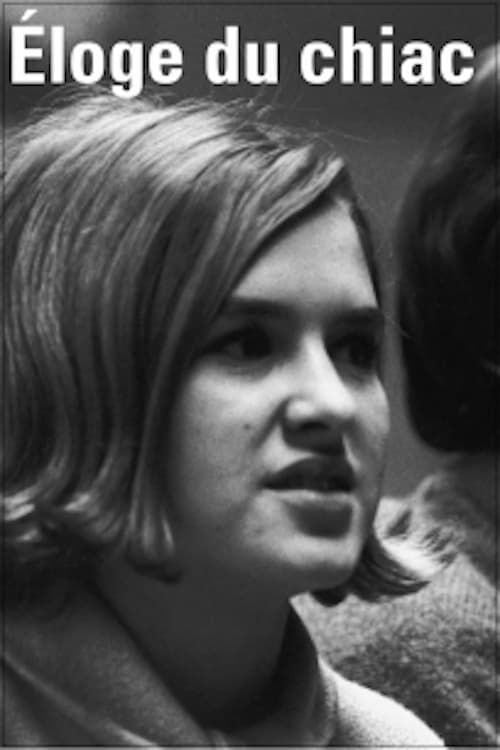
Set in New Brunswick, "Éloge du chiac" takes the form of an open discussion between a young French-language teacher and her students in Moncton. Through their exchanges, Michel Brault examines the challenges of preserving French in a bilingual region where English predominates, and explores the contested status of Chiac, a local French dialect shaped by centuries of linguistic contact.
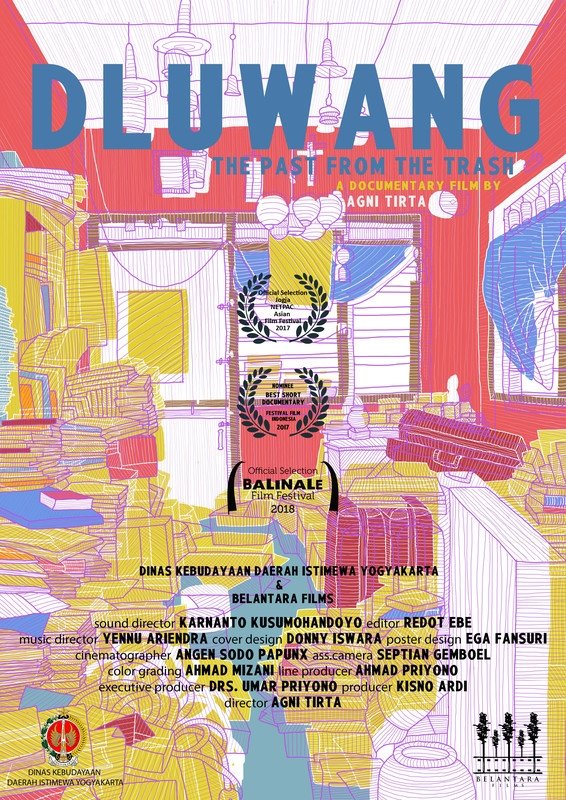
Toni is one of the figures who works in Klithikan flea market every day, either as a merchant or customer. His secondhand goods are those that are closely related to old papers. He often found historical documents or evidence out of the market. The klithikan’s goods are known as abandoned goods or trash. And the film talks about historical goods from trashes.
Live Aid was held on 13 July 1985, simultaneously in Wembley Stadium in London, England, and the John F. Kennedy Stadium in Philadelphia, United States. It was one of the largest scale satellite link-ups and television broadcasts of all time: watched live by an estimated global audience of 1.9 billion, across 150 nations. "It's twelve noon in London, seven AM in Philadelphia, and around the world it's time for Live Aid...!"
Oliver Stone charts the history of the United States from the Second World War to the present.