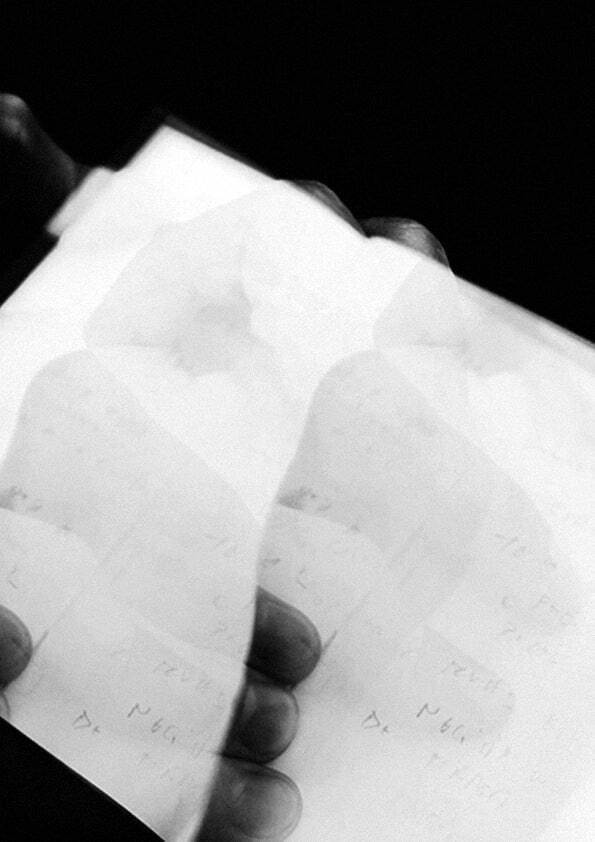
A meditation on time and its effect on memory. About the rocks the sea tries to drag away from the shore, towards the ocean, with every wave.
Social & External
This experimental nature documentary by Minna Rainio and Mark Roberts depicts climate change and the wave of extinction from the point of view of our near future. Actually, it depicts the age we live in now, or rather its fateful consequences.
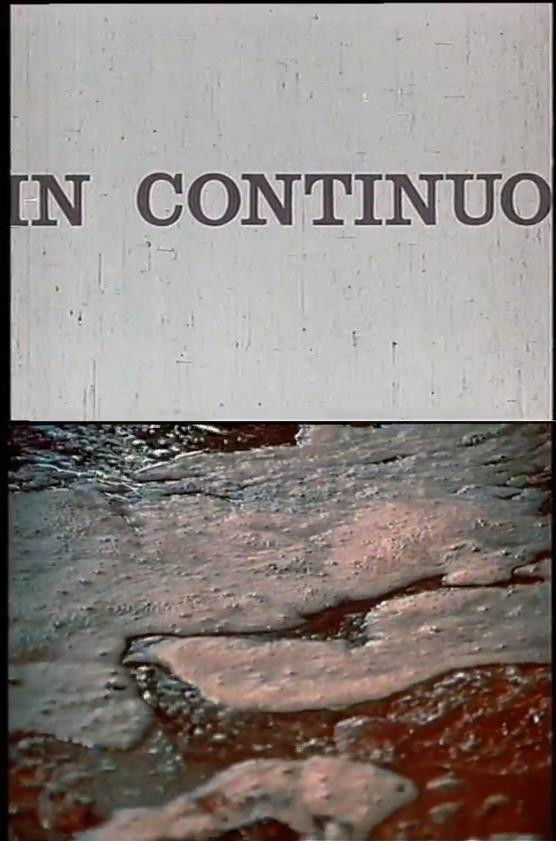
"In continuo" uses slaughterhouse imagery to present the warlike nature of man, first depicting the cleaning and mechanical preparations for the slaughterhouse and then the killing, however, the animal slaughter itself isn’t shown.
A look at the various modes of transportation made for the Expo '86 World Fair in Vancouver, Canada.
This film is depicts early lesbian sexuality, using reenacted scenes from the experience of a 12-year old girl as the platform for a meditation on forbidden desire, transgression, and Lacanian psychoanalytic concepts of identity formation. Raw adolescent memories counterpoint staged scenes, exploring mechanisms of power and submission.
"Adrift" is shot on the arctic island of Spitzbergen and in Norway. It combines time-lapse photography with stop-motion animation of the landscape. Through camera-angles and framing the film gradually dislocates the viewer from a stable base where one loses the sense of scale and grounding.
An anthology of one-minute films created by 51 international filmmakers on the theme of the death of cinema. Intended as an ode to 35mm, the film was screened one time only on a purpose-built 20x12 meter public cinema screen in the Port of Tallinn, Estonia, on 22 December 2011. A special projector was constructed for the event which allowed the actual filmstrip to be burnt at the same time as the film was shown.
This film describes a psychological state "kin to moonstruck, its images emblems (not quite symbols) of suspension-of-self within consciousness and then that feeling of falling away from conscious thought. The film can only be said to describe or be emblematic of this state because I cannot imagine symbolizing or otherwise representing an equivalent of thoughtlessness itself. Thus the actors in the film, Jane Brakhage, Tom and Gloria Bartek, Williams Burroughs, Allen Ginsberg, Peter Olovsky and Phillip Whalen are figments of this 'Thought-Fallen Process', as are their images in the film to find themselves being photographed."
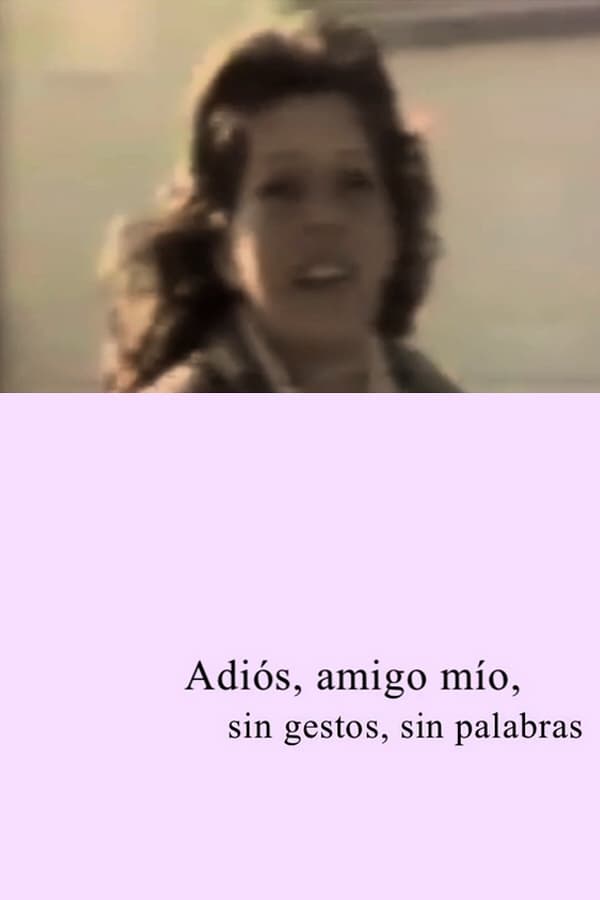
The title comes from Sergei Yesenin's last poem before comiting suicide. Using Virginia Woolf's last letters as a base, this film is meditation on the power of the word and its undertsanding and the the last moments before saying "goodbye".
An experience of a camera swinging in different gestures facing the optical distortion of the Sun. The last appearance of the smudge.
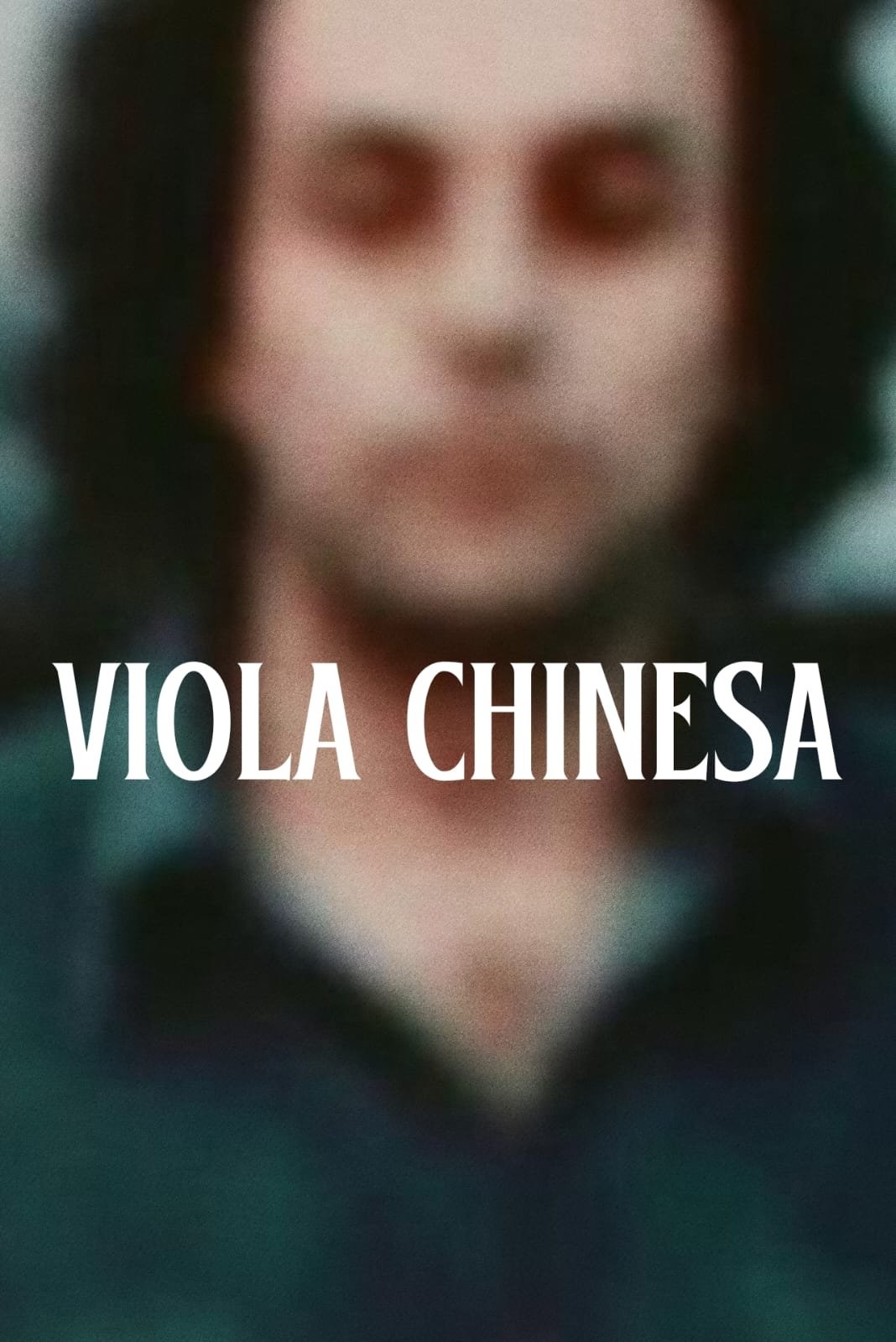
The rare short film presents a curious dialogue between filmmaker Julio Bressane and actor Grande Otelo, where, in a mixture of decorated and improvised text, we discover a little manifesto to the Brazilian experimental cinema. Also called "Belair's last film," Chinese Viola reveals the first partnership between photographer Walter Carvalho and Bressane.
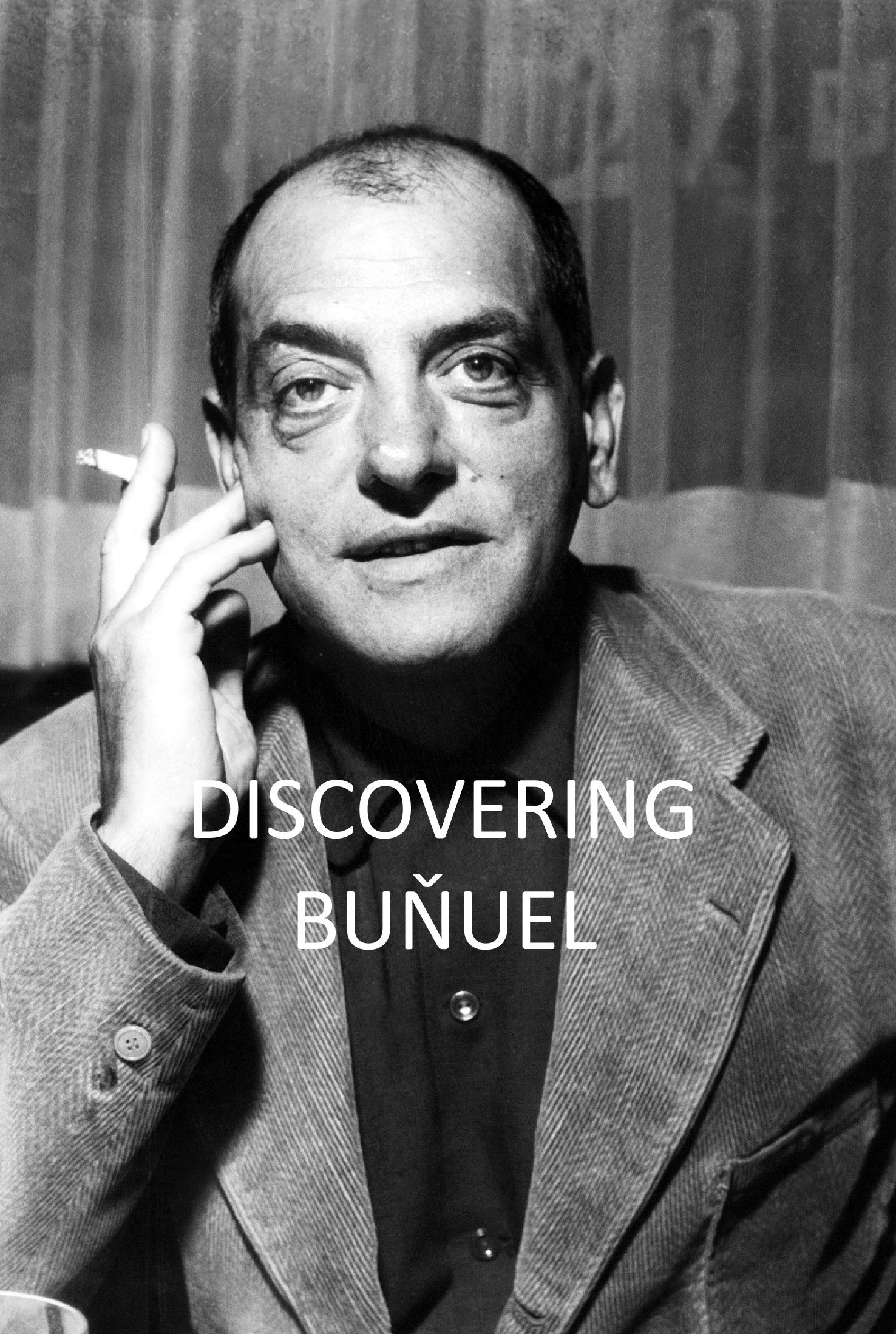
Luis Bunuel, the father of cinematic Surrealism, made his film debut with 'Un Chien Andalou' in 1929 working closely with Salvador Dali. Considered one of the finest and controversial filmmakers with, 'L’Age d’Or' (1930), attacking the church and the middle classes. He won many awards including Best Director at Cannes for 'Los Olvidados' (1950), and the coveted Palme d’Or for 'Viridiana' (1961), which had been banned in his native Spain. His career moved to France with 'The Diary of a Chambermaid' with major stars such as Jeanne Moreau and Catherine Deneuve.
Combining high definition and Super 8 footage, Lampedusa is composed of interwoven narratives based on a series of real events. In 1831, a volcanic island suddenly erupted from the sea a few kilometers off the southern coast of Sicily. An international dispute ensued, as a number of European powers laid claim to this newfound “land”. The island receded below sea level six months later, leaving only a rocky ledge under the sea…
The Greek island of Syros is visited by a series of unexpected guests. Immutable forms, outside of time, aloof observants to human conditions.
"This film explores how freedom of speech — including dissent — is afforded to all Americans, and shows freedom of expression in art, music, dance, architecture, and science. The film also emphasizes the importance of the individual’s contribution to the whole of society and demonstrates how a productive and creative society is formed by the open and respectful exchange of ideas. The film was written, produced, and directed by William Greaves" (National Archives).
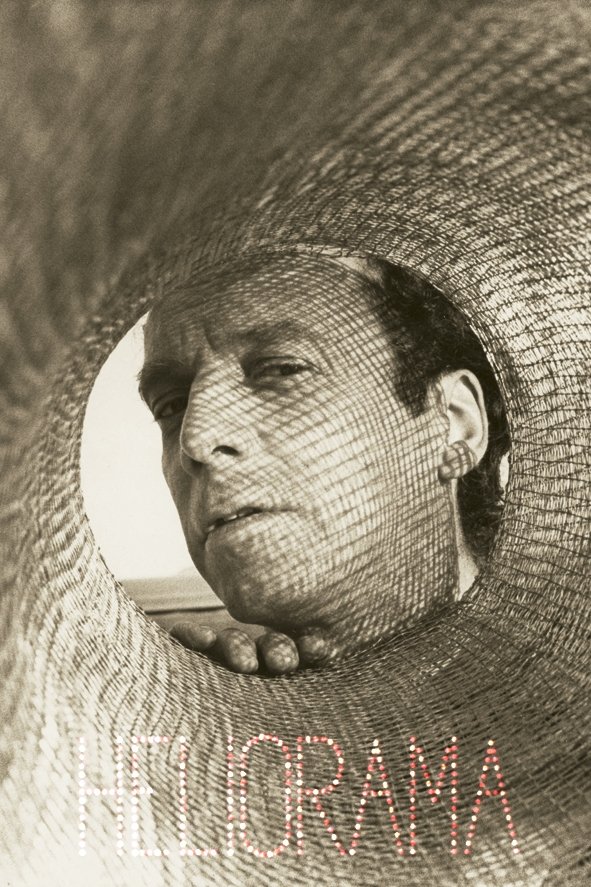
A collage of newsreels, trailers, clips and other visionary and unseen fragments of sight and sound regarding the late plastic artist Helio Oititica.
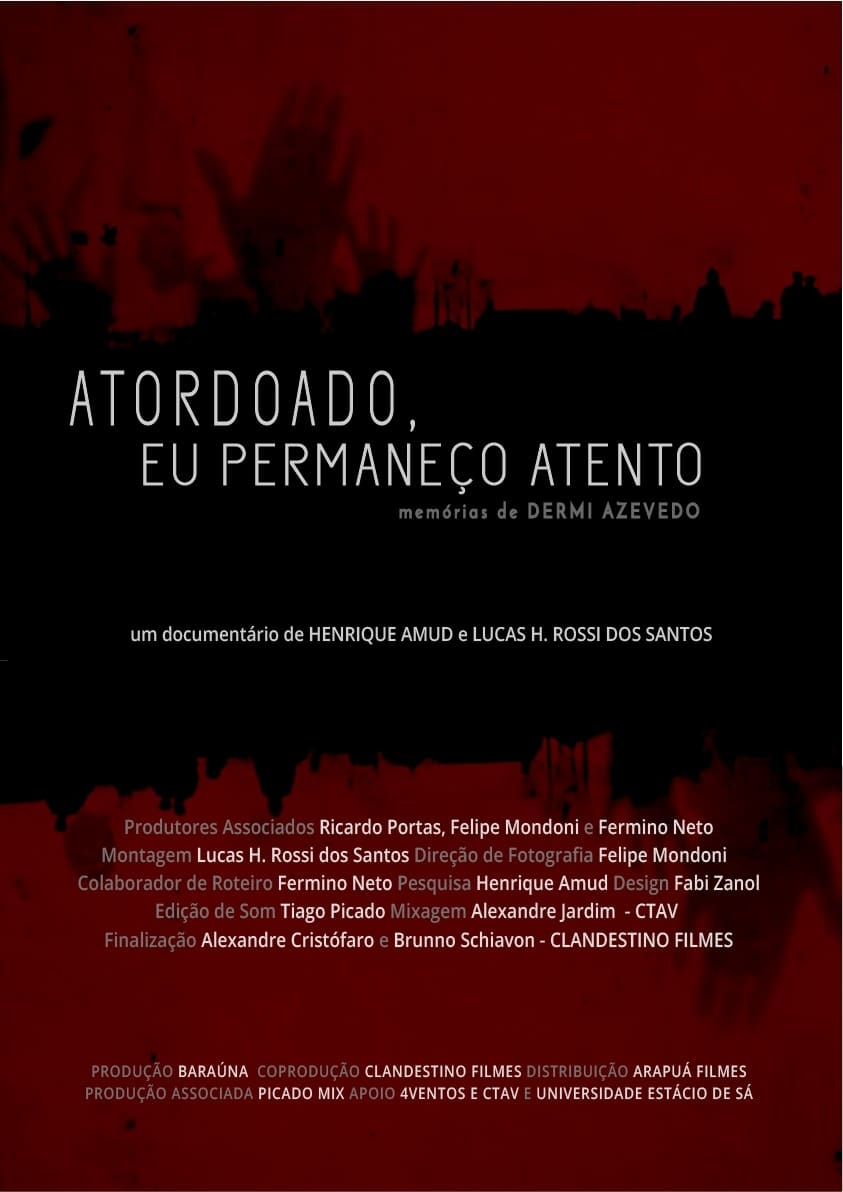
Journalist Dermi Azevedo has never stopped fighting for human rights and now, three decades after the end of the military dictatorship in Brazil, he's witnessing the return of those same practices.
Anne Bean, John McKeon, Stuart Brisley, Rita Donagh, Jamie Reid and Jimmy Boyle are interviewed about their artistic practice and the legacy of Surrealism on their work.
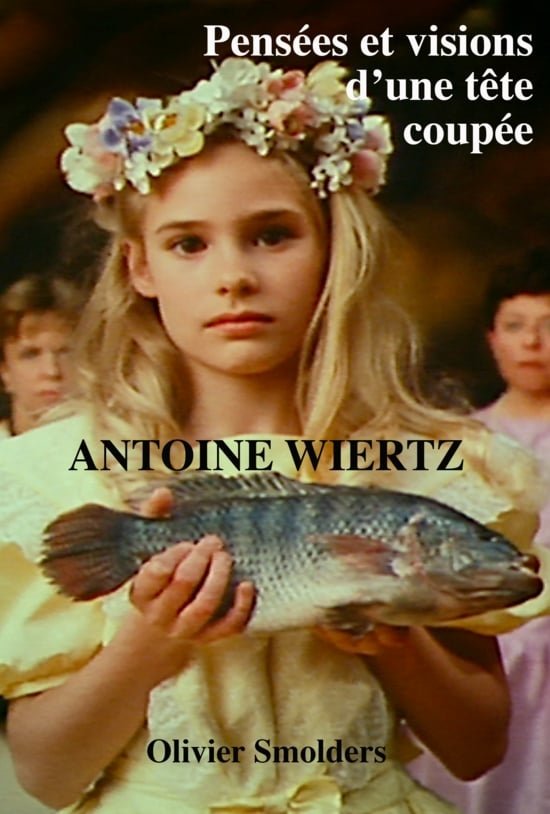
The theme of death is heavily interwoven in Smolder’s surreal salute to Belgian painter Antoine Wiertz, a Hieronymus Bosch-type artist whose work centered on humans in various stages in torment, as depicted in expansive canvases with gore galore. Smolders has basically taken a standard documentary and chopped it up, using quotes from the long-dead artist, and periodic statements by a historian (Smolders) filling in a few bits of Wiertz’ life.
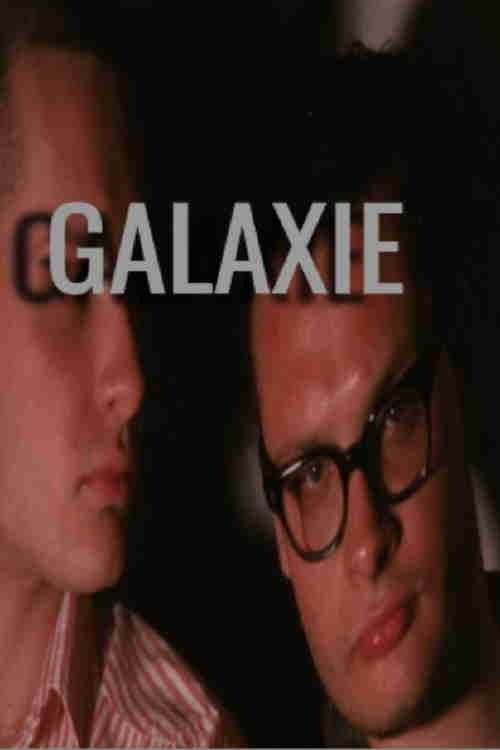
In March and April of 1966, Markopoulos created this filmic portrait of writers and artists from his New York circle, including Parker Tyler, W. H. Auden, Jasper Johns, Susan Sontag, Storm De Hirsch, Jonas Mekas, Allen Ginsberg, and George and Mike Kuchar, most observed in their homes or studios. Filmed in vibrant color, Galaxie pulses with life. It is a masterpiece of in-camera composition and editing, and stands as a vibrant response to Andy Warhol's contemporary Screen Tests. Preserved by the Academy Film Archive in 2001.
A portrait of a recently vacated home, the film evokes both memory and the lingering presence of past inhabitants. Through precise, enigmatic sound–image construction, Beavers crafts an intimate meditation on art, existence, and the search for meaning.