Social & External
The people behind it
Hans Gustafsson
Himself
The film looks at men and women of color in the U.S. Merchant Marine from 1938-1975. Through chronicling the lives of these men and women who, with a median age of 82, are beset with a host of life-threatening illnesses, the movie tells how they navigated issues of racism, disparities in the workplace, gender and familial relations.
Based on A Few Days Full of Trouble by Reverend Wheeler Parker, Jr. and Christopher Benson, the feature doc will explore two parallel tracks of the Till story. One set in motion by the last four years of an FBI investigation with details never before revealed, including significant new revelations of the case and its discoveries. The traumatic memory of Parker Jr., last surviving witness to the crime and Till’s cousin, drives that investigation. The second track is a deep immersion into the latest, proprietary findings, as high schoolers prepare for a reenactment of the murder trial of two of Till’s killers, Roy Bryant and J.W. Milam.
The brilliant self-taught pianist Erroll Garner left his mark on jazz forever. His song Misty, which he allegedly composed between two concerts on an aeroplane, immediately became one of the great jazz standards and is still one of the most covered ballads in the world today. Who was the man behind the ever-friendly smile from the ghettos of Pittsburgh, whose talent brought him to the biggest international stages?
A roller-coaster ride through the history of American exploitation films, ranging from Roger Corman's sci-fi and horror monster movies, 1960s beach movies, H.G. Lewis' gore-fests, William Castle's schlocky theatrical gimmicks, to 1970s blaxploitation, pre-"Deep Throat" sex tease films, Russ Meyer's bosom-heavy masterpieces, etc, etc. Over 25 interviews of the greatest purveyors of weird films of all kind from 1940 to 1975. Illustrated with dozens of films clips, trailers, extra footage, etc. This documentary as a shorter companion piece focusing on exploitation king David F. Friedman.
Tehran, Iran, August 19, 1953. A group of Iranian conspirators who, with the approval of the deposed tyrant Mohammad Reza Pahlavi, have conspired with agents of the British MI6 and the US CIA, manage to put an end to the democratic government led by Mohammad Mosaddegh, a dramatic event that will begin the tragic era of coups d'état that, orchestrated by the CIA, will take place, over the following decades, in dozens of countries around the world.
Stop-motion animation on the arranging of marriages in 1950/60s set in the Eastern-Polish borderland. The script is based on a part of Mikołaj Smyk's diary, the director's grandfather. The biographical objects used in the animation, such as an authentic headscarf, Polish and Russian books, the copy of Mikołaj Smyk's diary and photographs help situate the story in its original environment.
Historical film covering the British Vanwall Grand Prix team behind the scenes and at the 1957 Monaco Grand Prix and British Grand Prix at Aintree.
On February 28, 1958, the community of Floyd County, Kentucky experienced one of the greatest tragedies imaginable when a school bus carrying 48 students careened over an embankment and plunged into the Big Sandy River. Miraculously, 22 children survived by swimming to shore; the rest of the students, and their driver, weren't so fortunate. Over 50 years later, filmmaker Michael Crisp reflects on the accident that broke America's heart by speaking with crash survivor Martha Burchett Marsh and numerous other locals whose lives were forever affected by this heartbreaking catastrophe.
Demonstration of shoplifting methods. With the Cooperation and Assistance of Berkeley, California Police Department and Berkeley Police Reserve; Addison H. Fording, Chief of Police; J.F. Hink & Son Department Store, L.W. Hink, President. Technical Assistance: Wm. P. Beall, Lieutenant; E.A. Skells, Sergeant, Berkeley Police DepartmentGeorge Jelten, Director of Visual Merchandising, J.F. Hink and Son. Director of Photography: John L. Siegle. Sound: Walter D. Porep. Narration: John E. Pedersen.
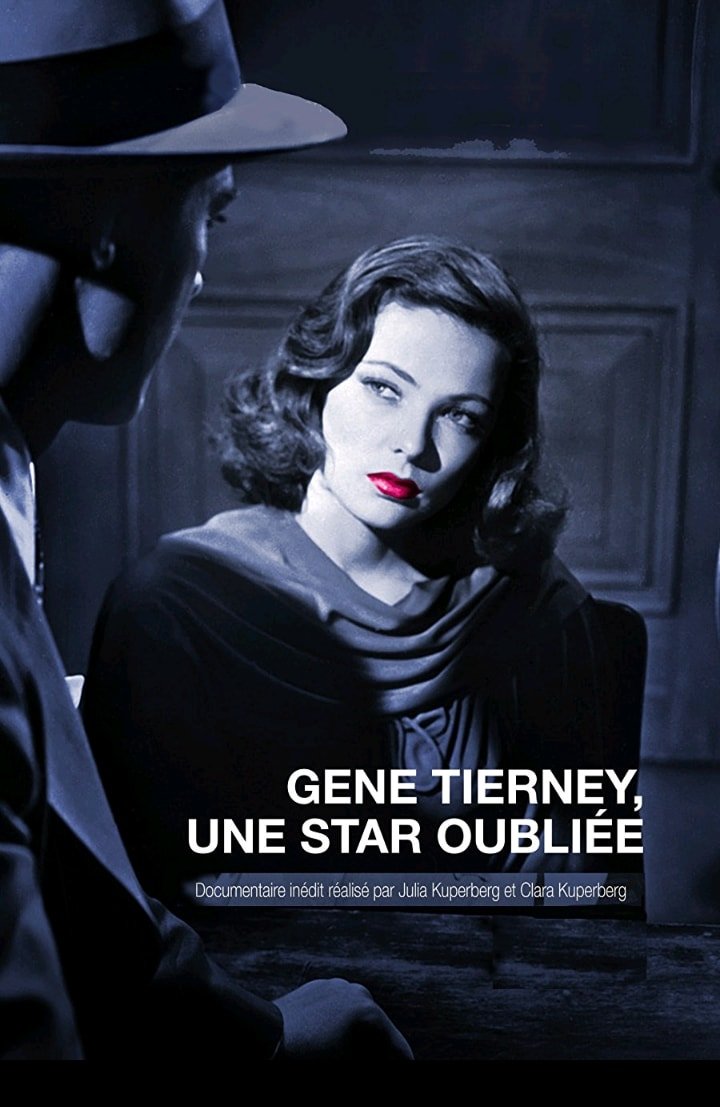
Martin Scorsese is among those paying tribute to Gene Tierney, the Academy Award-nominated American actress who was a leading lady in Hollywood throughout the 1940s and '50s.
Germán Cipriano Gómez Valdés Castillo, a young radio announcer from Cuidad Juárez, succeeds in drawing attention to the pachuco movement through his character Tin Tan, laying the groundwork for a new form of binational and mass linguistic expression: Spanglish. He soon became a leading figure in theater and film on the American Continent. Singled out by critics as a destroyer of the language, he quickly won the approval of the public. His ability to improvise revolutionized the film industry. His talent as an actor, singer, dancer and comedian contributed to the Golden Age of Mexican Cinema. From El Hijo Desobediente to Capitán Mantarraya, from Cuidad Juárez to Havana, from mambo to rock, the legacy of Tin Tan makes him one of the great icons of Mexico today. This film tells his story as it has never been told before.
Mento was the first national music of Jamaica and it begat Ska, Rocksteady, Reggae and the Dancehall music of today. No film has been made wholly about the subject and it is a little known genre around the world.
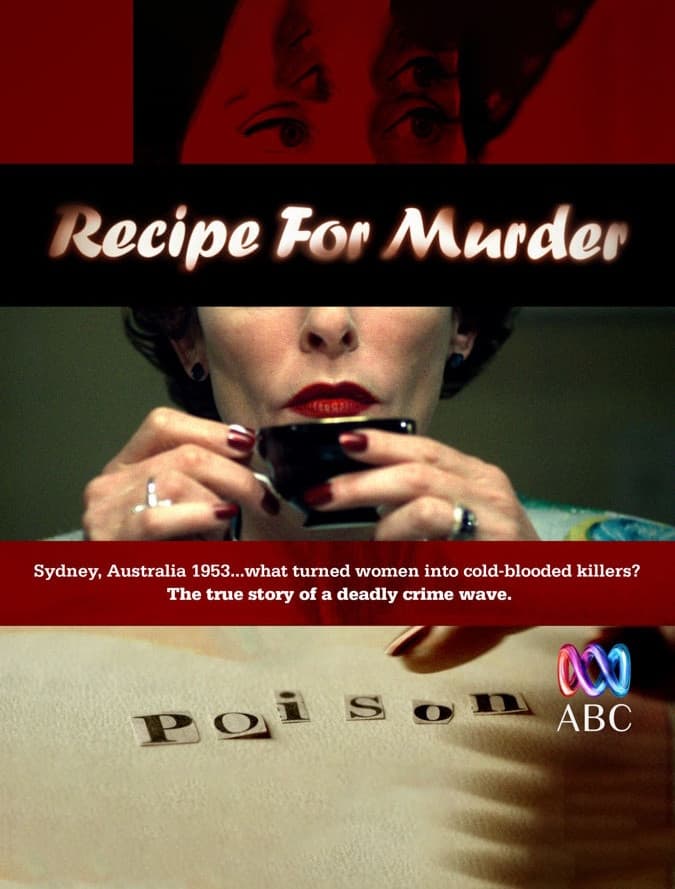
Sydney, the early 1950's... a city in the grip of a deadly crime wave. In just over a year more than one hundred people were poisoned. Most of the killers were women. Recipe For Murder tells the true story of three notorious poisoners; Yvonne Fletcher, Caroline Grills and Veronica Monty. The 52 minute film combines gritty archive with stunning film noir re-enactments and interviews with witnesses. Narrated by Dan Wyllie in classic pulp crime style, the film dramatically reveals the unique ingredients that created a Recipe For Murder.
In the fifties, when the future Democratic Republic of Congo was still a Belgian colony, an entire generation of musicians fused traditional African tunes with Afro-Cuban music to create the electrifying Congolese rumba, a style that conquered the entire continent thanks to an infectious rhythm, captivating guitar sounds and smooth vocals.
The career of French comic author René Goscinny was a living blend of cultures and an expression of the great importance this artist attached to the production and dissemination of sophisticated popular culture. Goscinny left behind an extremely extensive body of work: "Asterix", "Lucky Luke", "Isnogud", "Little Nick" and many more.
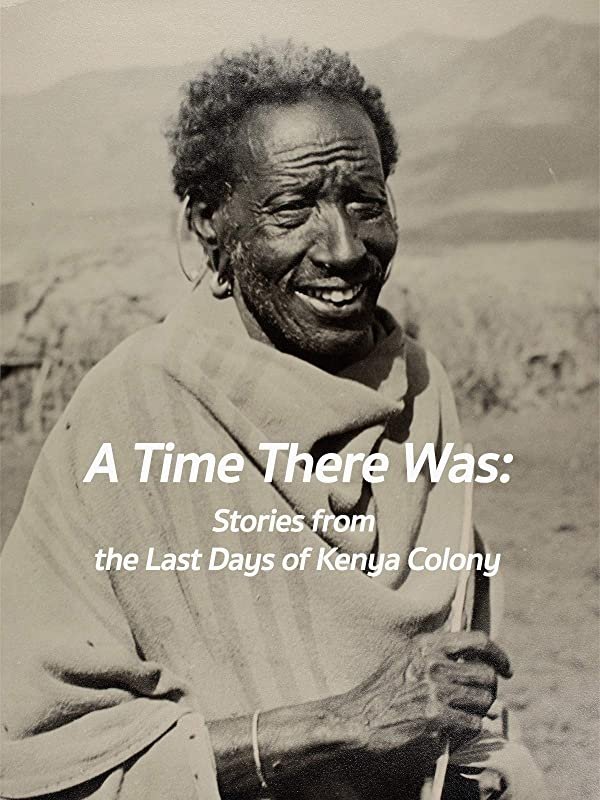
A look at the Mau Mau Rebellion of the 1950s as experienced by filmmaker Donald McWilliams.
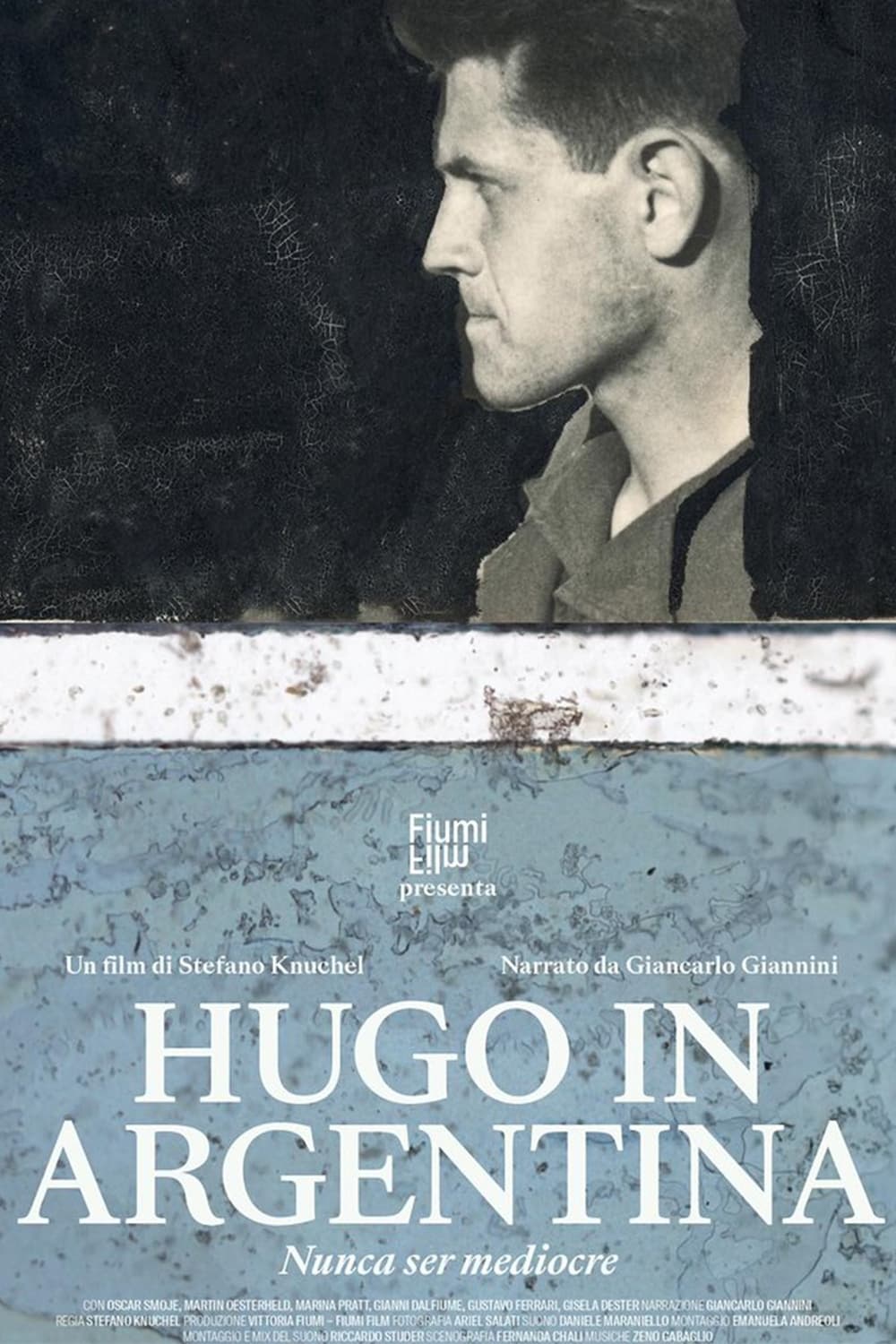
A promising Italian cartoonist lands in Buenos Aires in 1950, with the dream of reaching the United States, to discover that, for him, America will be Argentina. The country immediately overwhelms him with its massive economic boom and a cultural scene among the most vibrant in the world. We are at the dawn of Argentina's most delirious decade, and the young immigrant feels that the vast promise of this country is within his grasp. His name will indeed make itself known: Hugo Pratt.
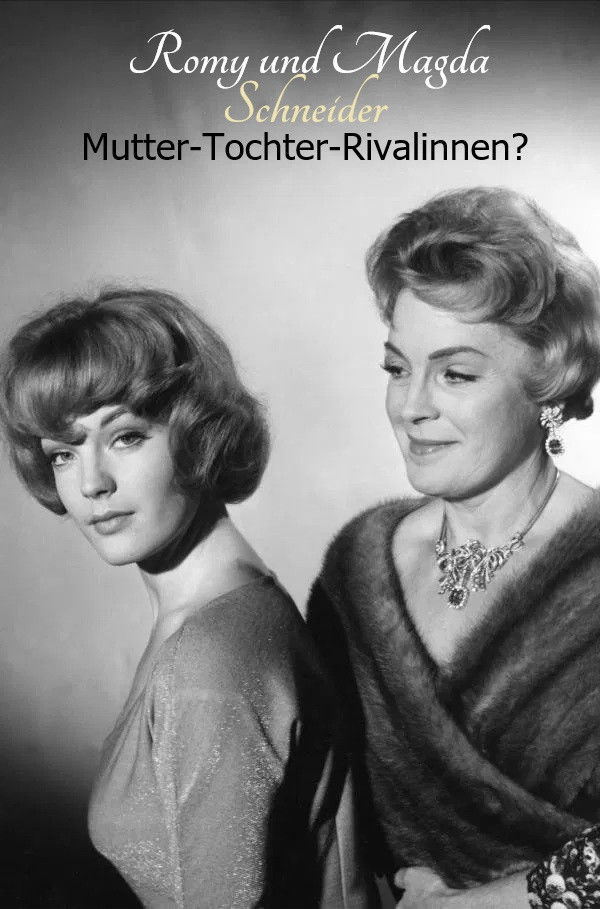
New light is shed on the complex relationship between Romy Schneider and her mother Magda, a German film star of the 1930s admired by Hitler - who welcomed her and her daughter to his chalet in Berchtesgaden.
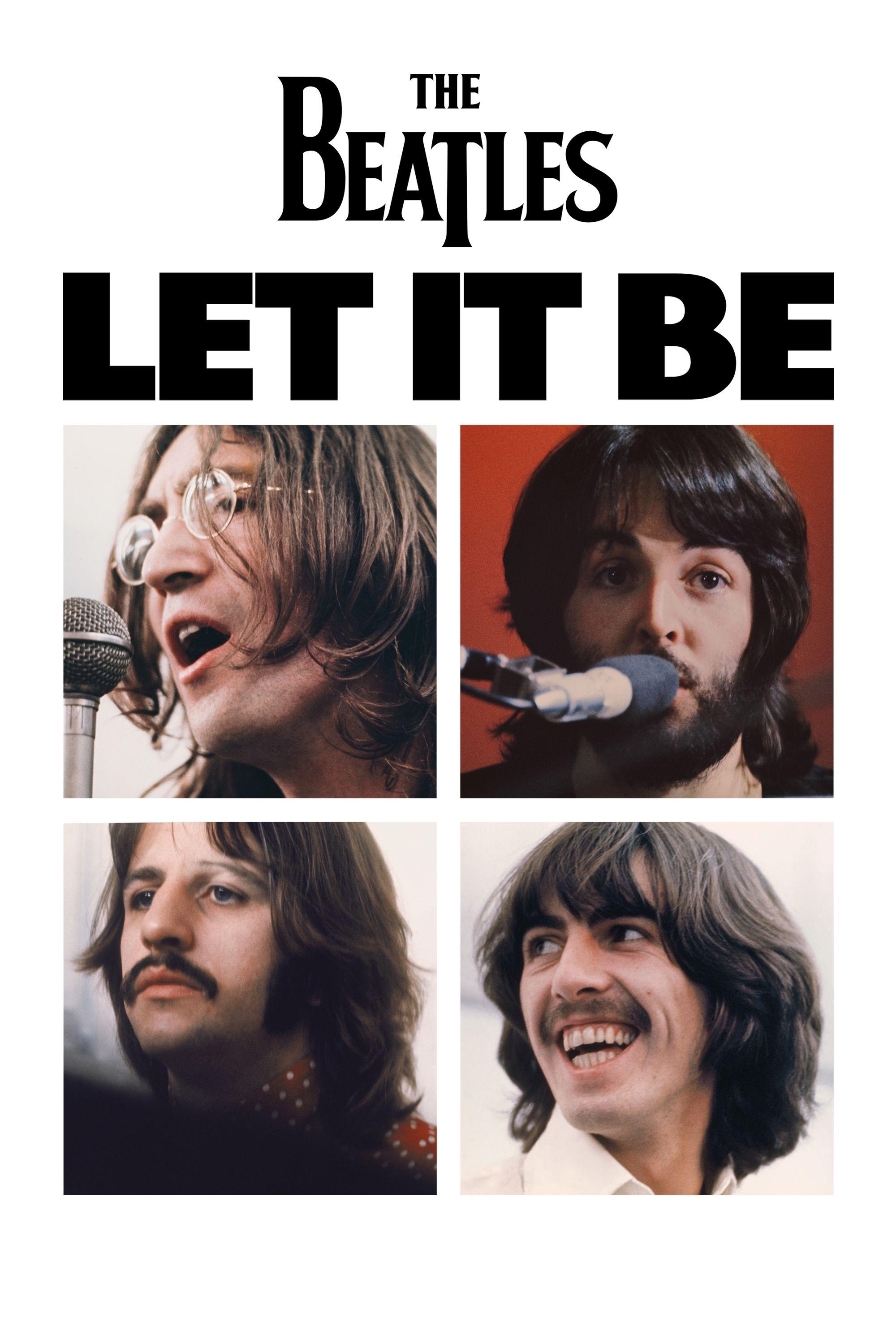
A documentary chronicling the Beatles' rehearsal sessions in January 1969 for their proposed "back to basics" album, "Get Back," later re-envisioned and released as "Let It Be."
A celebration of the musical work of a group of session musicians known as "The Wrecking Crew." a band that provided back-up instrumentals to such legendary recording artists as Frank Sinatra, The Beach Boys, and Bing Crosby.
A string of threatening emails escalates into a revenge plot involving a newly married US marshal and his ex-girlfriend.
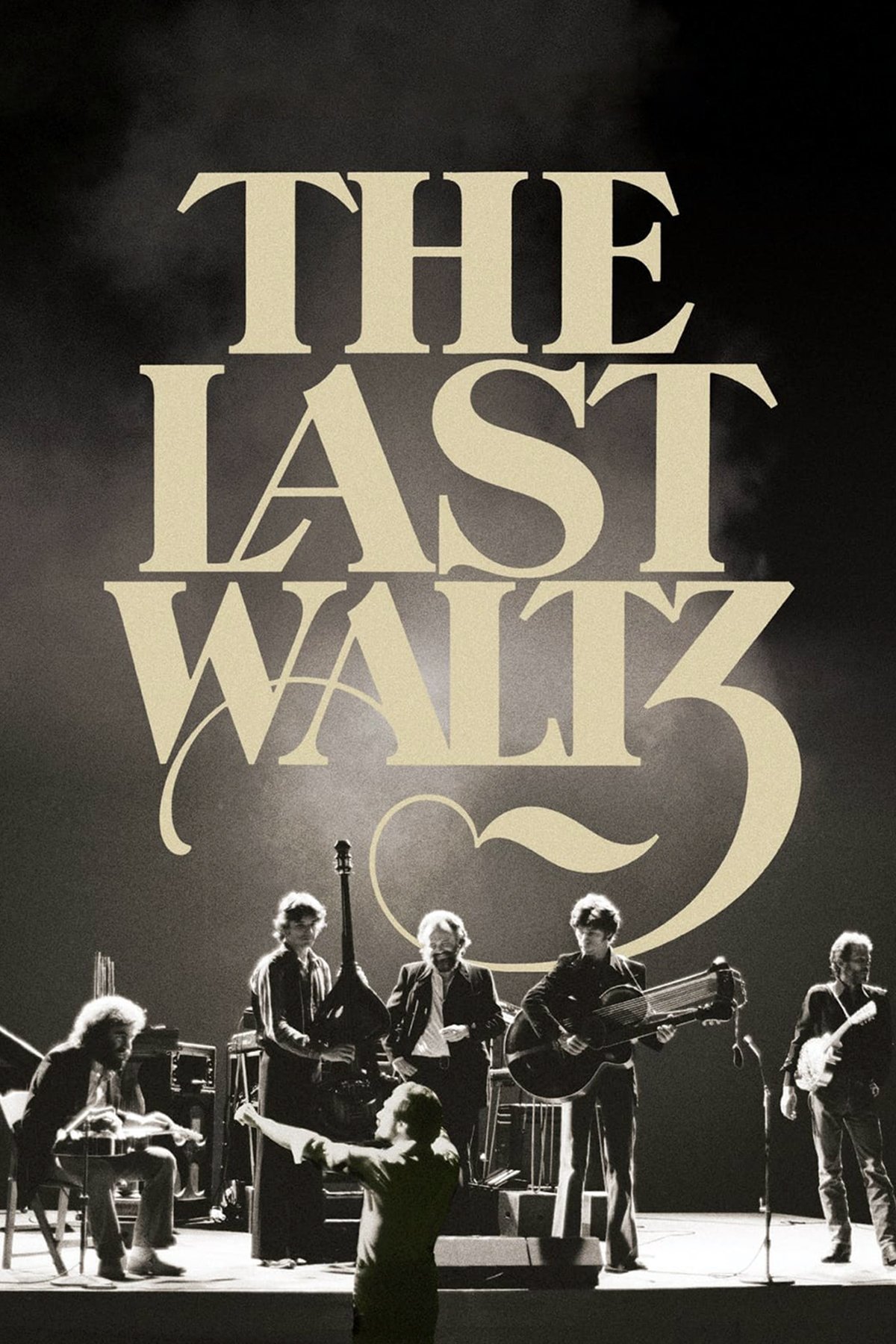
Martin Scorsese's documentary intertwines footage from The Band's incredible farewell tour with probing backstage interviews and featured performances by Eric Clapton, Bob Dylan, Joni Mitchell, Van Morrison, and other rock legends.
This revealing documentary honors the legendary Sidney Poitier—iconic actor, filmmaker, and civil rights activist. Featuring interviews with Denzel Washington, Spike Lee, Halle Berry, and more.
Examines the life and career of singer Whitney Houston. Features never-before-seen archival footage, exclusive recordings, rare performances and interviews with the people who knew her best.
The life and career of one of comedy's most inimitable modern voices, Mr. Gilbert Gottfried.
Through deeply personal interviews with her siblings and an examination of the photographs, letters, and belongings left behind, Mariska assembles a new portrait of her mother Jayne Mansfield, an extraordinary and complex woman.
Alexander McQueen's rags-to-riches story is a modern-day fairy tale, laced with the gothic. Mirroring the savage beauty, boldness and vivacity of his design, this documentary is an intimate revelation of McQueen's own world, both tortured and inspired, which celebrates a radical and mesmerizing genius of profound influence.
A night of drunken chaos rocks a quiet Dutch town in this shocking documentary about a teen's birthday invite that accidentally went viral on Facebook.
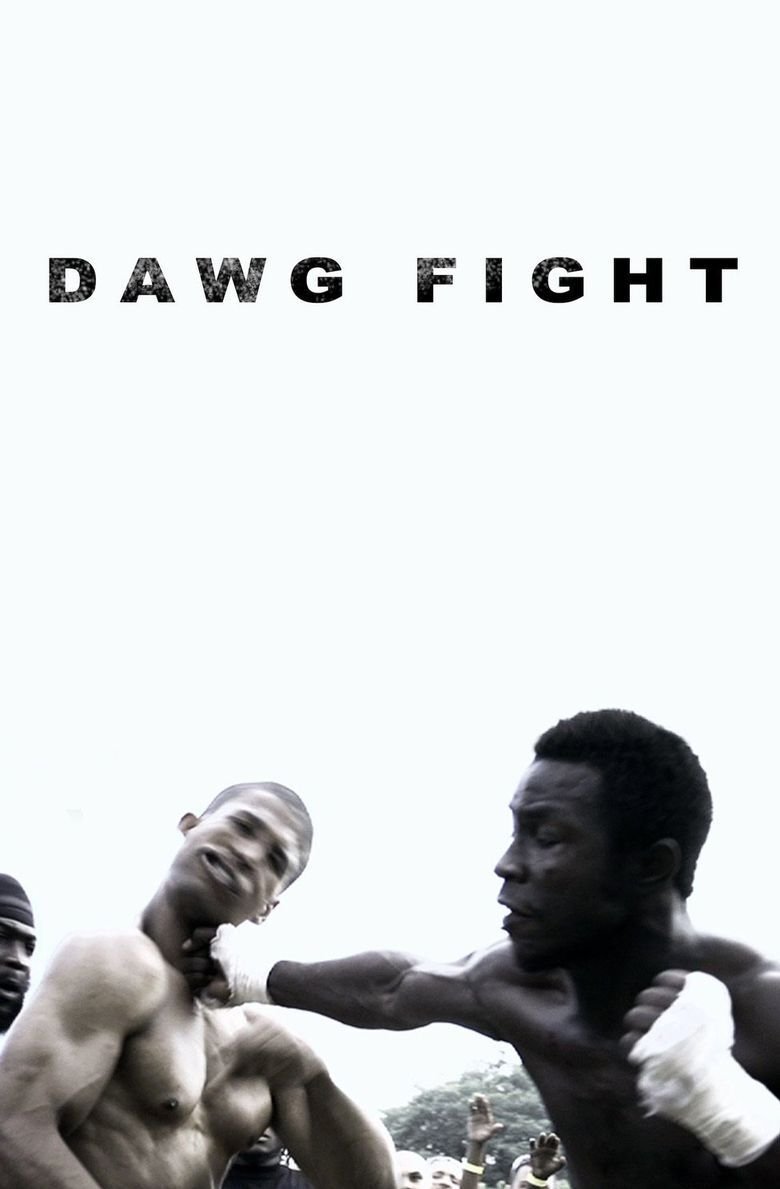
In a crime-plagued neighborhood near Miami, brutal, bare-knuckled backyard fights give young men a chance to earn money -- and self-respect.
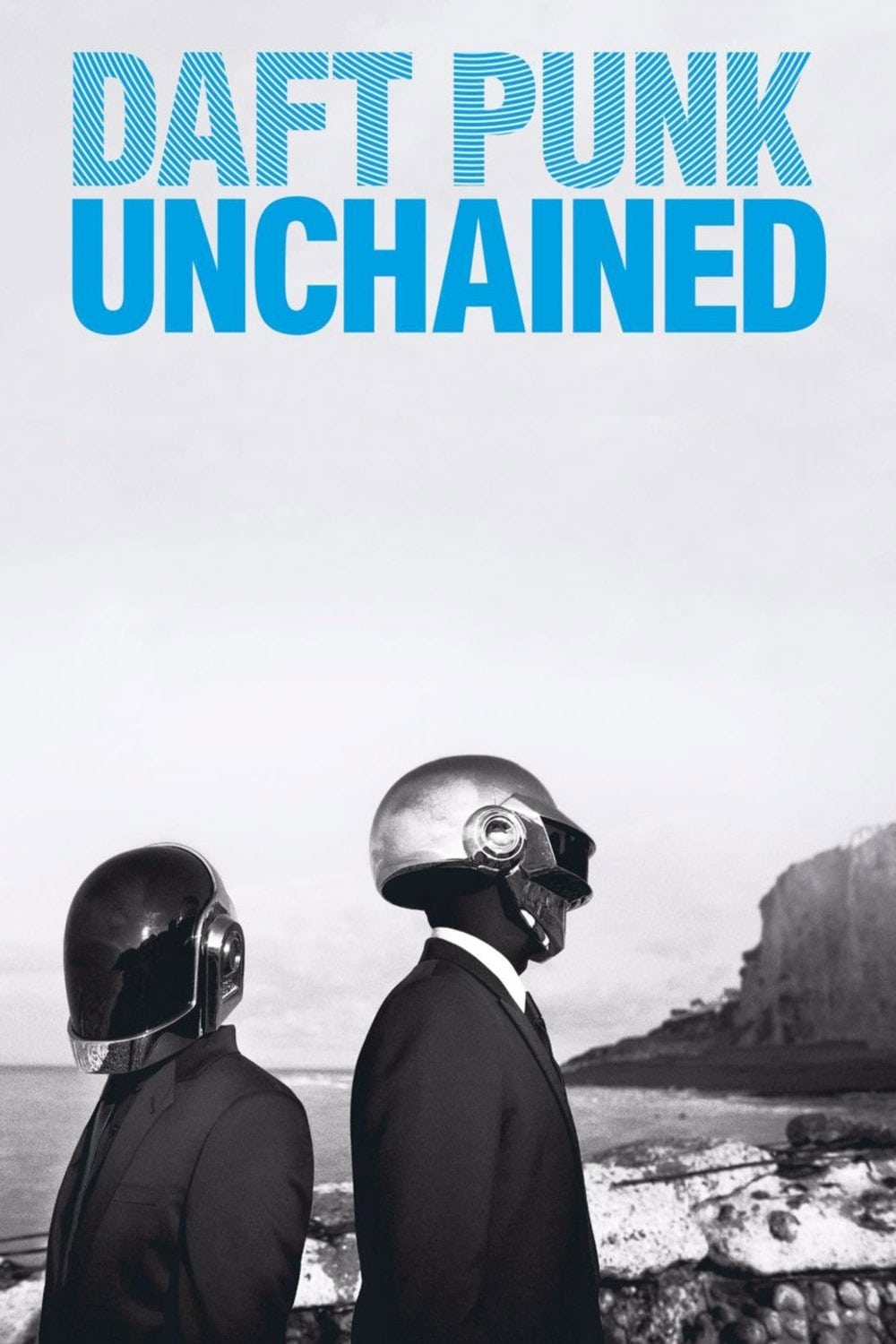
Daft Punk Unchained is the first film about the pop culture phenomenon that is Daft Punk, the duo with 12 million albums sold worldwide and seven Grammy Awards. Throughout their career Thomas Bangalter and Guy-Manuel de Homem-Christo have always resisted compromise and the established codes of show business. They have remained determined to maintain control of every link in the chain of their creative process. In the era of globalisation and social networks, they rarely speak in public and neither do they show their faces on TV. This documentary explores this unprecedented cultural revolution revealing a duo of artists on a permanent quest for creativity, independence and freedom.
Over 35 years after Bob Lazar's revelations, this documentary exposes secrets of a facility the government still denies. Featuring Lazar's testimony, recreations, and new evidence, it reopens a case that continues to spark global curiosity
SEDUCED AND ABANDONED combines acting legend Alec Baldwin with director James Toback as they lead us on a troublesome and often hilarious journey of raising financing for their next feature film. Moving from director to financier to star actor, the two players provide us with a unique look behind the curtain at the world's biggest and most glamourous film festival, shining a light on the bitter-sweet relationship filmmakers have with Cannes and the film business. Featuring insights from directors Martin Scorsese, 'Bernando Bertolucci' and Roman Polanski; actors Ryan Gosling and Jessica Chastain and a host of film distribution luminaries.
In this concert film, 'Hannah Montana' star Miley Cyrus performs a slew of hit songs, including 'Just Like You' and 'Life's What You Make It.'
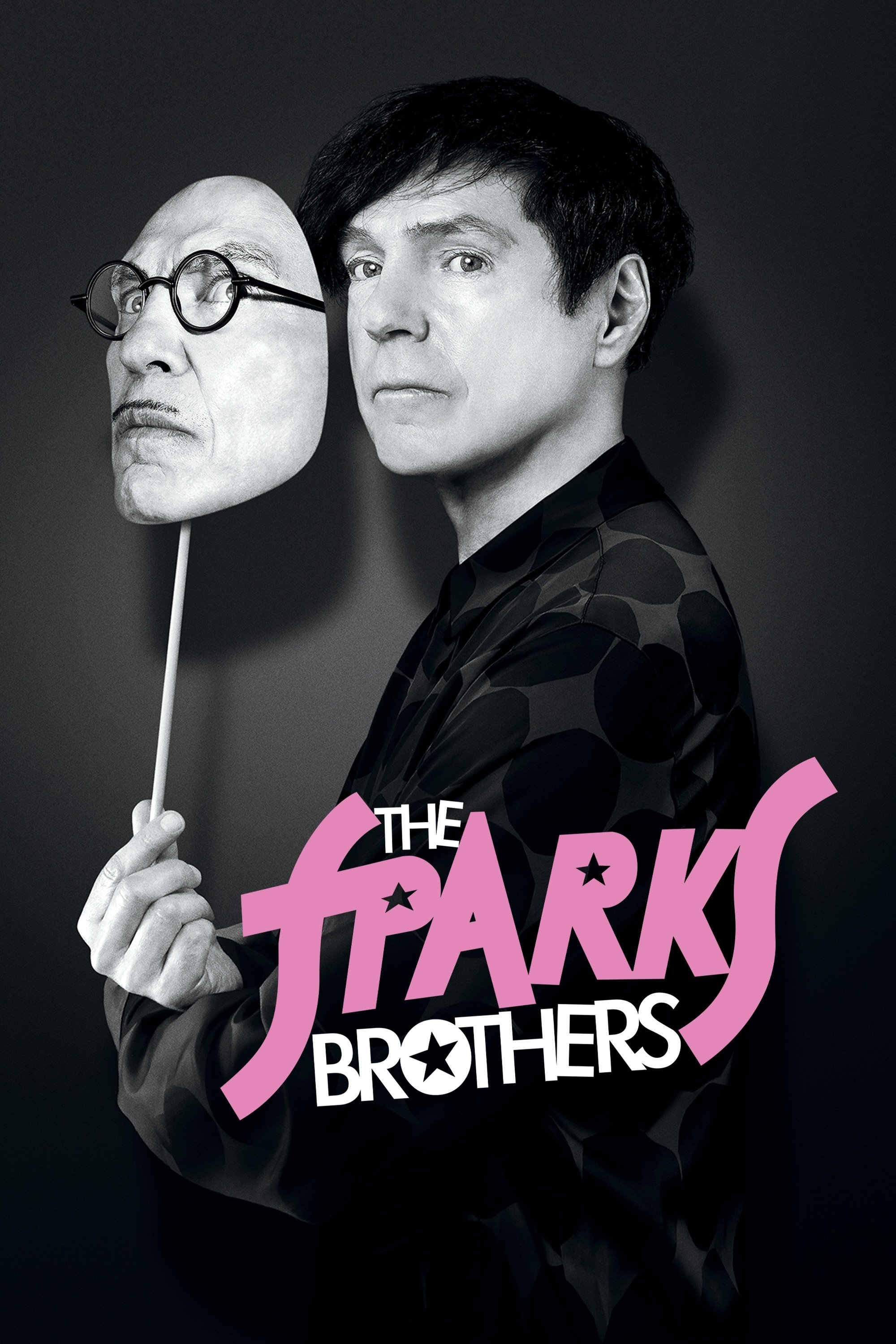
Take a musical odyssey through five weird and wonderful decades with brothers Ron & Russell Mael, celebrating the inspiring legacy of Sparks: your favorite band’s favorite band.
In the Realms of the Unreal is a documentary about the reclusive Chicago-based artist Henry Darger. Henry Darger was so reclusive that when he died his neighbors were surprised to find a 15,145-page manuscript along with hundreds of paintings depicting The Story of the Vivian Girls, in What is Known as the Realms of the Unreal, of the Glodeco-Angelinnian War Storm, Cased by the Child Slave Rebellion.
A purely observational non-fiction film that takes viewers into the ethically murky world of end-of-life decision making in a public hospital.
Long-lost footage from Elvis Presley's legendary Las Vegas residency in the 1970s woven together with rare 16mm footage from Elvis on Tour, and 8mm from the Graceland archive, plus recordings of Elvis telling "his side of the story" rediscovered during Baz Luhrmann's research for his 2022 film, Elvis.
An inside look at one of the most anticipated movie sequels ever with James Cameron and cast.