Excessive speed is the number one killer on the roads: one-thrid of all road deaths are caused by it. By excessive speeding drivers risk their own lives and those of others.
Social & External
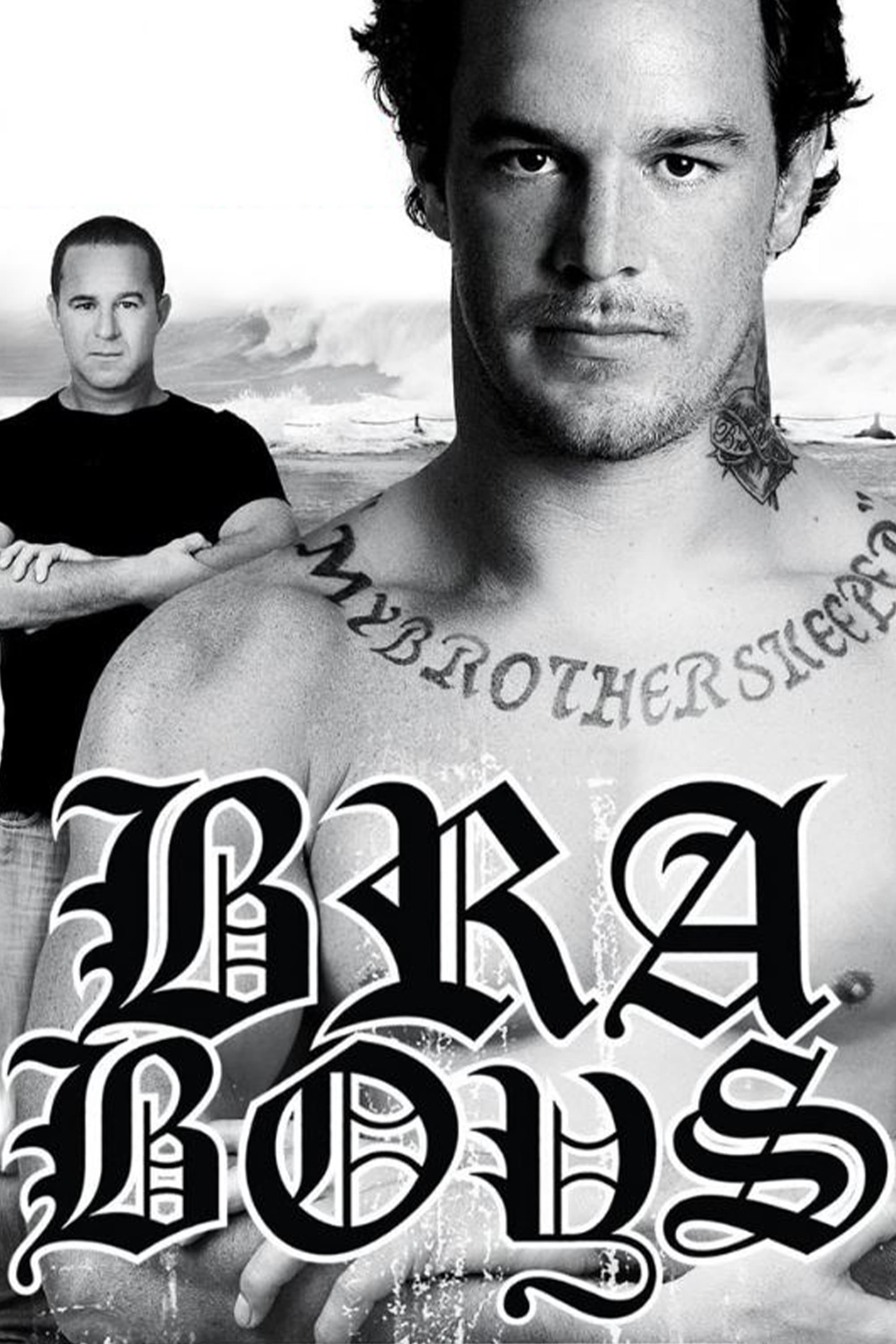
A film about the cultural evolution of the Sydney beach side suburb of Maroubra and the social struggle faced by it's youth - the notorious surf gang known as the Bra Boys.
A docu-drama shot in 1970, but not completed until 1973, the film sought to encapsulate in an experimental form issues that were under discussion within the Women’s Liberation Movement at this time and to thus contribute to action for change. In its numerous community screenings, active debate was encouraged as part of the viewing experience.
Something in the Water explores the rock phenomenon that is music in WA. How can the most isolated city in the world have exploded with so many successful bands over the years? Across decades and genres, Something in the Water asks "what is responsible for the sparkling talent pool?"
The Ripple Effect is a powerful documentary primarily centred around St Kilda legend and proud Noongar Nicky Winmar's generation-defining stand against racism at Victoria Park in 1993.
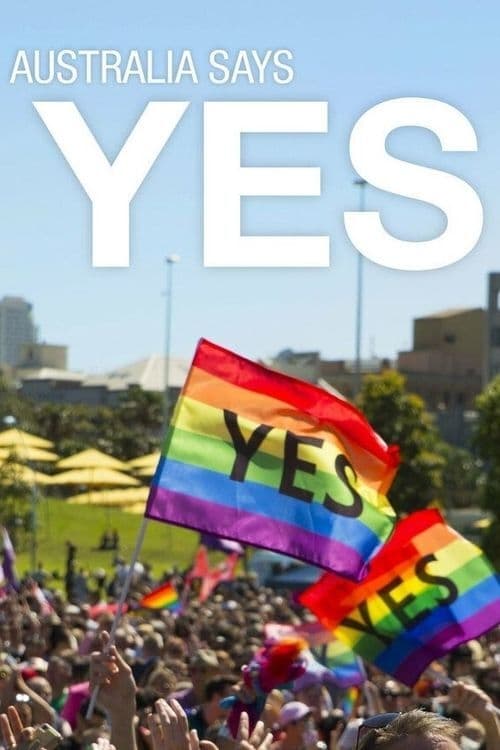
Packed with drama, high emotions and cliff-hanger moments, Australia Says Yes is the intimate and personal history of struggle and perseverance that propelled Australia to say Yes to marriage equality. The film shows how a group of determined individuals fought tirelessly against unjust laws that treated LGBTIQ people as second-class citizens, creating a movement that saw them go from criminals to legally equal over the course of five decades.
Green Valley was a housing commission estate in western Sydney, much maligned by the media of the day. The residents were hurt by the criticism but lacked access to the media to respond. Supplied with equipment by Film Australia, they used this film to present a different image of themselves and their daily lives. In so doing, they answered the question of "Whatever happened to Green Valley?" The core of this film is the work of half a dozen residents, co-ordinated by acclaimed filmmaker Peter Weir in one of his earliest film projects. Weir also acts as the moderator at a public forum that is included in the film.
In Australia, sharks have recently been recorded with unusual prey-including other sharks. In order to figure out what has caused this shift in diet, Dr. Charlie Huvaneers and team head to shark infested waters to find out what's in the stomach of a great white - and why.
In the early ‘70s, founding member of Australian surf magazine Tracks, Albert Falzon, began filming off the North Coast of New South Wales, Hawaii, and Indonesia. He set out to make a film “that was a reflection of the spirit of surfing at the time” and the end result, Morning of the Earth, proved its worth as a vital document of surf culture and a powerful nature film.
The real story of wellness campaigner Belle Gibson's massive worldwide fraud and the famous interview that brought the con artist down.
Documentary using archival footage, newsreels and contemporary interviews with women of the WW2 Australian Women's Land Army.
Eight men escape from the most isolated prison on earth. Only one man survives and the story he recounts shocks the British establishment to the core. This story is the last confession of Alexander Pearce.
A documentary covering the 2000 Olympic Games in Sydney.
Quiet towns across rural Australia are in the grip of an Ice epidemic. Major international drug cartels are working with local outlawed motorcycle gangs to push crystal meth to a captive market of children.
To cool the heat on the asylum debate - the biggest 'hot potato' in Australian politics, we took a hot potato food van around the country in the lead up to the 2013 Federal Election. The mission? To see what Australia really thinks asylum seekers. This is an account of this journey.
In her second film, MY LIFE AS I LIVE IT (1993), Essie Coffey returns to her home in Dodge City where she and the A-Team are running in the shire elections. Inter-cutting between 1993 and 1978, the film presents the fascinating contrasts of a society in transition. Some of the kids we met in the earlier film now have families of their own and are involved in education, art and sports. Others are drifting, trying to cope with alcohol and depression. Most significantly, community programs offer the possibility of dignity and self-determination. In this film, Essie shows us the Community Development Employment Program (CDEP) making a real difference. Although the CDEP has now come under attack from the Federal government, MY LIFE AS I LIVE IT portrays the CDEP as providing meaningful work and services to an impoverished remote community.

Follows the deadly Australian bushfires of 2019-2020, known as ‘Black Summer’. Burning is an exploration of what happened as told from the perspective of victims of the fires, activists and scientists.

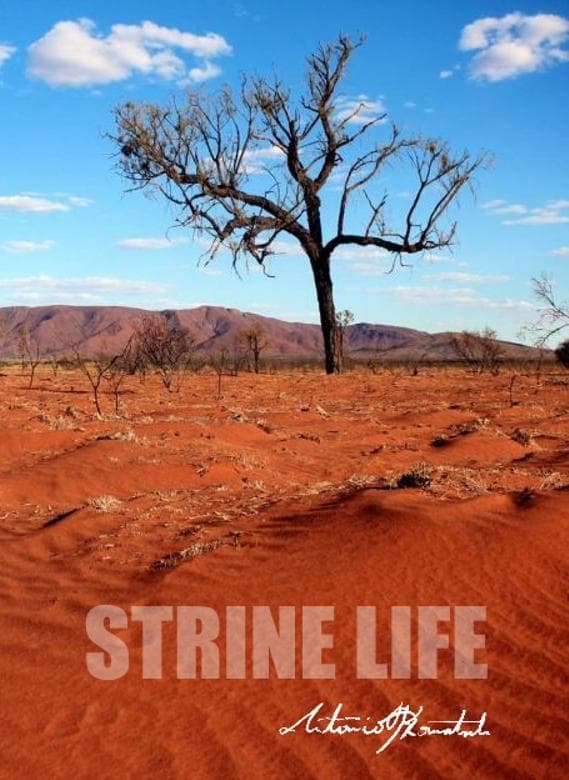
Follows amateur botanist Antonius Moscal's raft journey down the Franklin River (Tasmania, Australia).