
A samurai thief fights a gang of ghostly thieves using scorpions for treasure in the unexplored Shinano region, which is guarded by a descendant of the Heike clan.
Social & External
Unknown Role

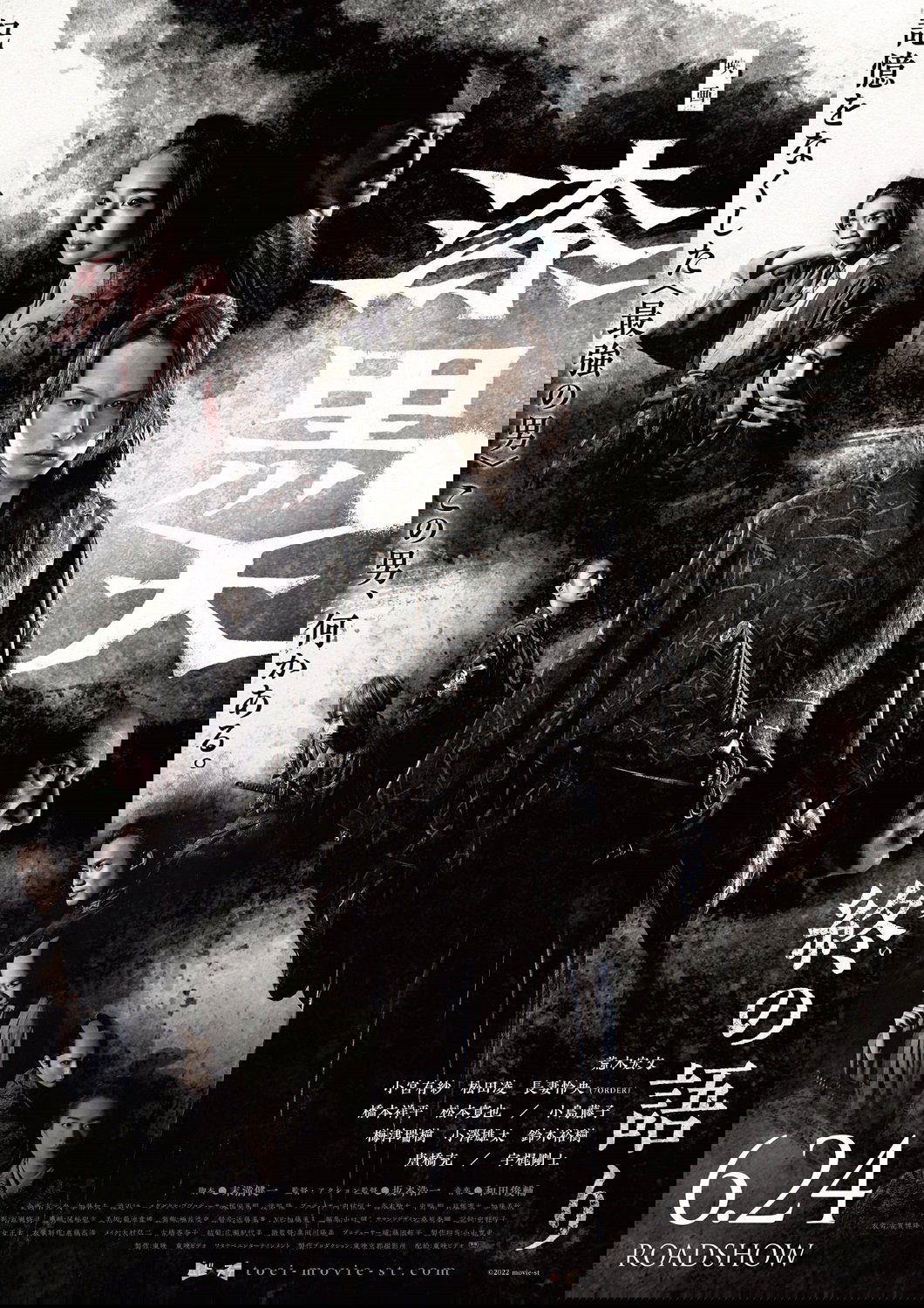
GOZEN is a jidageki (period piece) dramas. The word “gozen” refers to a feudal game held in the presence of a Daimyo, described as a match “one must not lose”.
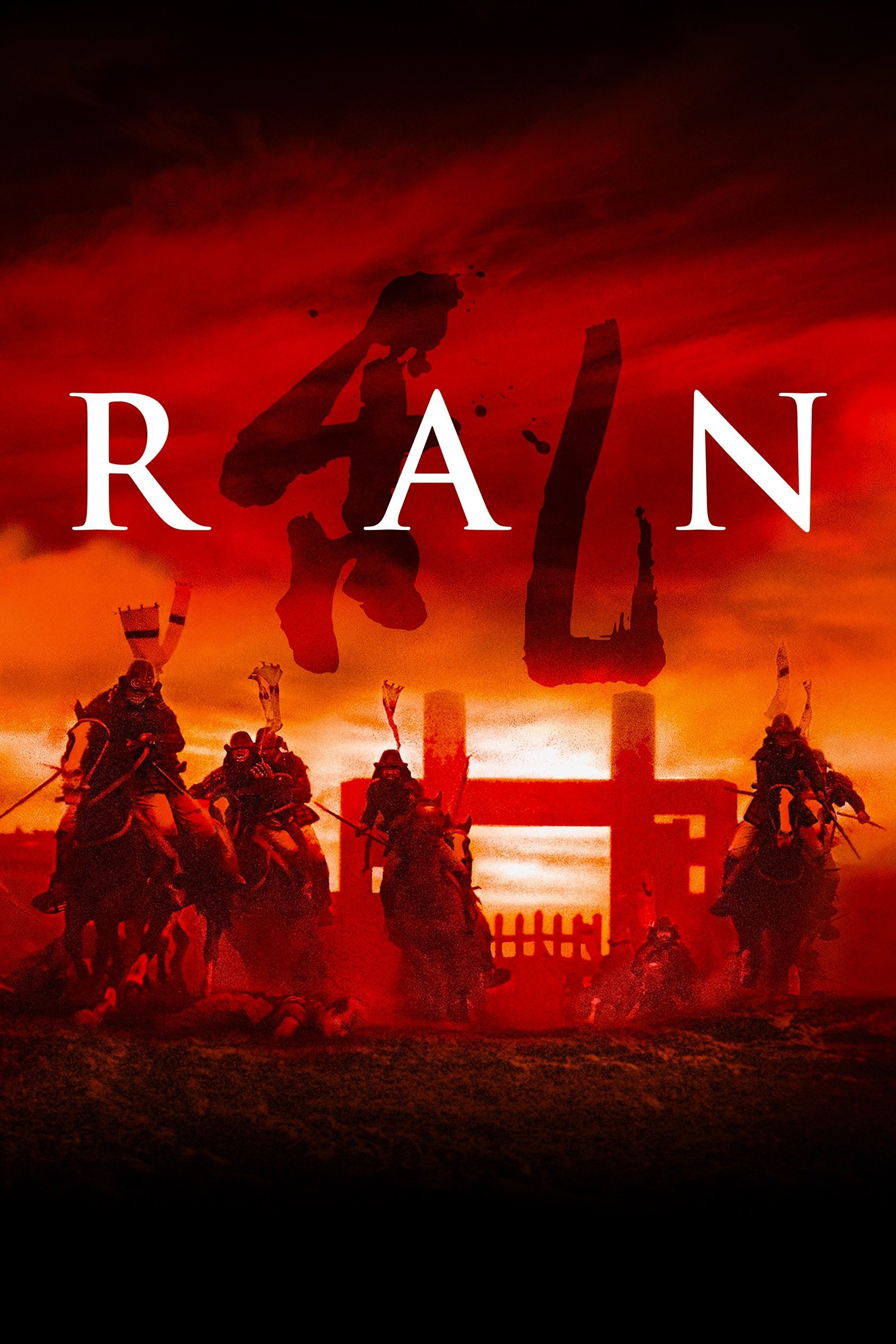
During the ultra-violent era of the downfall of the Tokugawa Shogunate one man rose above the rest with his ideas of how to overthrow the corrupt government and end the bloodshed between the Choshu and Satsuma clans which would ultimately lead to the alliance of these 2 clans and restoration of the emperor to full power. Based on the play that made Sawada Shojiro famous, this is the story of Tsukigata Hanpeita, a forward looking samurai from Choshu, who along with Katsura Kogoro and Sakamoto Ryoma of Tosa worked to bring their dream of a new era in Japan.
A samurai answers a village's request for protection after he falls on hard times. The town needs protection from bandits, so the samurai gathers six others to help him teach the people how to defend themselves, and the villagers provide the soldiers with food.

Heizo's cousin Senemon Misawa and his son Katsuzo visited Heizo's home. Heizo learns that Senemon has fallen in love with Katsutoshi, a woman who works at the Yamabukiya Tea House, and has asked her to marry him. Heizo decided to visit Yamabukiya, saying "I will try to find out if this woman is a bodhisattva or a demon." After meeting Katsutoshi Heizo, felt embarrassed and ordered Gorozo to inquire about her just in case. Gorozo, in turn, sends secret detective Rihachi to Yamabukiya with the task of keeping an eye on Katsutoshi...
Heizo "The Demon" investigates the shop of Toshimaya the swordsmith, where 280 ryo was stolen and twelve people murdered. This particular group of theives are most dangerous because of the willingness to kill for money, but what about this mysterious unibrow, who is he? What is he up to?
Edo town thief called "Acrobatics boy" has been rampant in town, just that time, spy, Goro of Otaki will see a woman who had been an inside contact of the Yataro by chance. Also, Heizo is worried about the child of Inoue Tatsuizumi, who decided to ask for help for Gen'an.
Heizo "The Demon" deals with an arson thief gang known as "Bungoro" the fire thief who leaves a calling card as evidence. As a street notice, showing the thief of Ohno shop, but it is not Bungoro, it's the quick work of a solo member. Heizo Hasegawa with his hands full may have caught a break, it may be a falling out among the thieves.
An old thief, Kuhei Sagiwara, used to visit his hometown at the foot of the Kurikara Pass in Kaga Province. Hiding from the rain, he overheard a secret conversation between three men, just like him, hiding from the rain. These three conspired to kill Heizo Hasegawa, the head of the arson and robbery police squad, and the head of these three is the outrageous villain, thief and murderer Jingoro Amikiri...
Four people recount different versions of the story of a man's murder and the rape of his wife.
A humble page fathers a child by the daughter of a clan official and is banished. Years later, the child, now a stable boy, is reunited with his father, but feudal codes threaten their happiness. Uchida’s poignant masterpiece condemns the inflexible class system and launches an indictment of values that favor symbolic objects over human life. The film’s focus is on character rather than swordplay, and charged performances - especially child actor Motoharu Ueki - add to the emotional power.
Returning to their lord's castle, samurai warriors Washizu and Miki are waylaid by a spirit who predicts their futures. When the first part of the spirit's prophecy comes true, Washizu's scheming wife, Asaji, presses him to speed up the rest of the spirit's prophecy by murdering his lord and usurping his place. Director Akira Kurosawa's resetting of William Shakespeare's "Macbeth" in feudal Japan is one of his most acclaimed films.
Aspiring to an easy job as personal physician to a wealthy family, Noboru Yasumoto is disappointed when his first post after medical school takes him to a small country clinic under the gruff doctor Red Beard. Yasumoto rebels in numerous ways, but Red Beard proves a wise and patient teacher. He gradually introduces his student to the unglamorous side of the profession, ultimately assigning him to care for a prostitute rescued from a local brothel.
In 16th century Japan, peasants Genjuro and Tobei sell their earthenware pots to a group of soldiers in a nearby village, in defiance of a local sage's warning against seeking to profit from warfare. Genjuro's pursuit of both riches and the mysterious Lady Wakasa, as well as Tobei's desire to become a samurai, run the risk of destroying both themselves and their wives, Miyagi and Ohama.
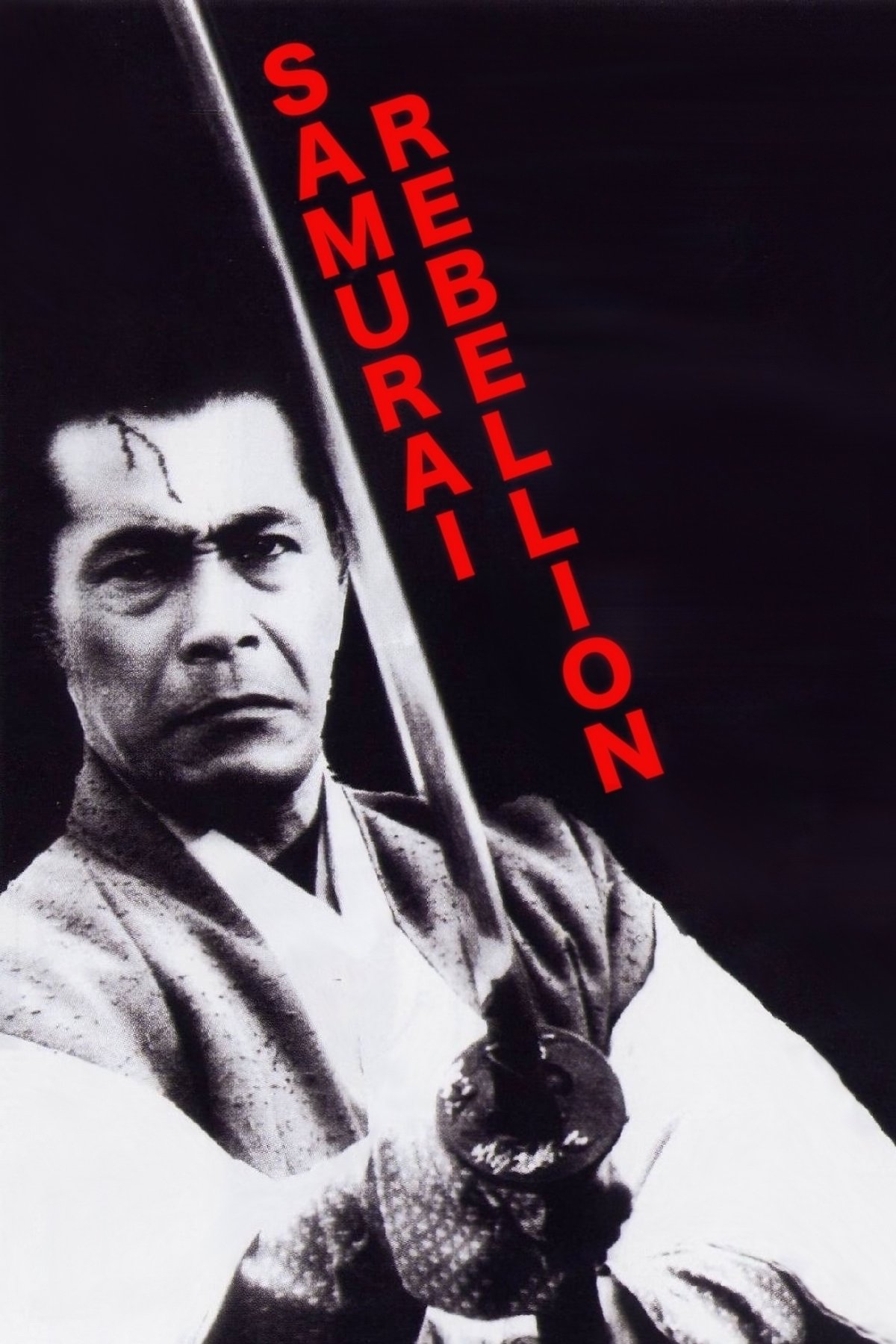
Down-on-his-luck veteran Tsugumo Hanshirō enters the courtyard of the prosperous House of Iyi. Unemployed, and with no family, he hopes to find a place to commit seppuku—and a worthy second to deliver the coup de grâce in his suicide ritual. The senior counselor for the Iyi clan questions the ronin’s resolve and integrity, suspecting Hanshirō of seeking charity rather than an honorable end. What follows is a pair of interlocking stories which lay bare the difference between honor and respect, and promises to examine the legendary foundations of the Samurai code.
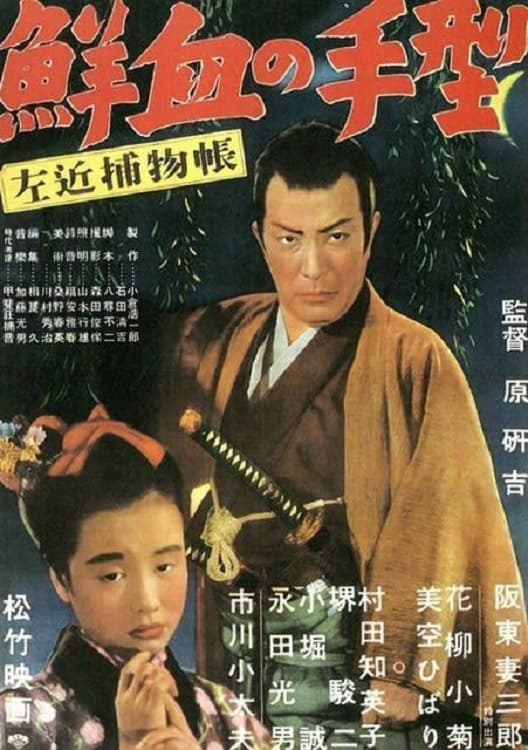
The hairpin murdered a young girl. Detective Zenigata Heiji begin to investigate. Suddenly a murder case turns into a case of smuggling.
The classic tale of the shogun's illegitimate son Aoi Shingo is told in three parts as he strives to become the greatest fencer in Japan, while his father Shogun Tokugawa Yoshimune seeks to reunite with his lost son. Part 1 sets up the story and introduces the characters. When the secrets of Shingo's birth are revealed to him, it sets off a series of events that bring him to cross swords with members of the shogun's inner circle.
This is an ensemble period drama adapted from Shotaro Ikenami's popular novel, featuring the famous Kabuki actor brothers Kinnosuke Manya and Katsuo Nakamura, who made the transition from the Kabuki world to the film industry, and a cast of gorgeous and diverse faces. The Edo period. Nagato Abe, a Hatamoto (a feudal lord), is annoyed by his son's bad behavior, and when it becomes a hindrance to his own career, he asks Otowaya Hanemon, a black marketeer, to assassinate his son. The target is then taken care of by the assassin, Umeyasu. In order to keep his mouth shut, Nagatomon no Mamoru also attempts to take Otowaya's life. Nagato's brother-in-law, Omiya Sahei, a corrupt merchant from the Kamigata region, also plans to replace Otowaya as the head of Edo's black market business, so Umebayashi and his fellow trapper Hikojiro set out to eliminate them.
Nagasaki at the end of the Edo period had the taste of a criminal paradise, where, despite the exotic, dangerous work was always in demand. Here, three wandering samurai who earn their living by killing get to know each other. Soon they learn that government officials will be transporting a large cargo of gold and decide to steal it.
The mother of a feudal lord's only heir is kidnapped by the lord. Her husband and his samurai father must decide whether to accept the unjust decision, or risk death to rescue her.
A rebellious ninja in 17th century Japan takes refuge with a fisherman and his family.
A group of travelers is stranded in a small country inn when the river floods during heavy rains. As the bad weather continues, tensions rise amongst the trapped travelers.
A fugitive lord and his six retainers disguise themselves as monks to bluff their way through a hostile checkpoint.
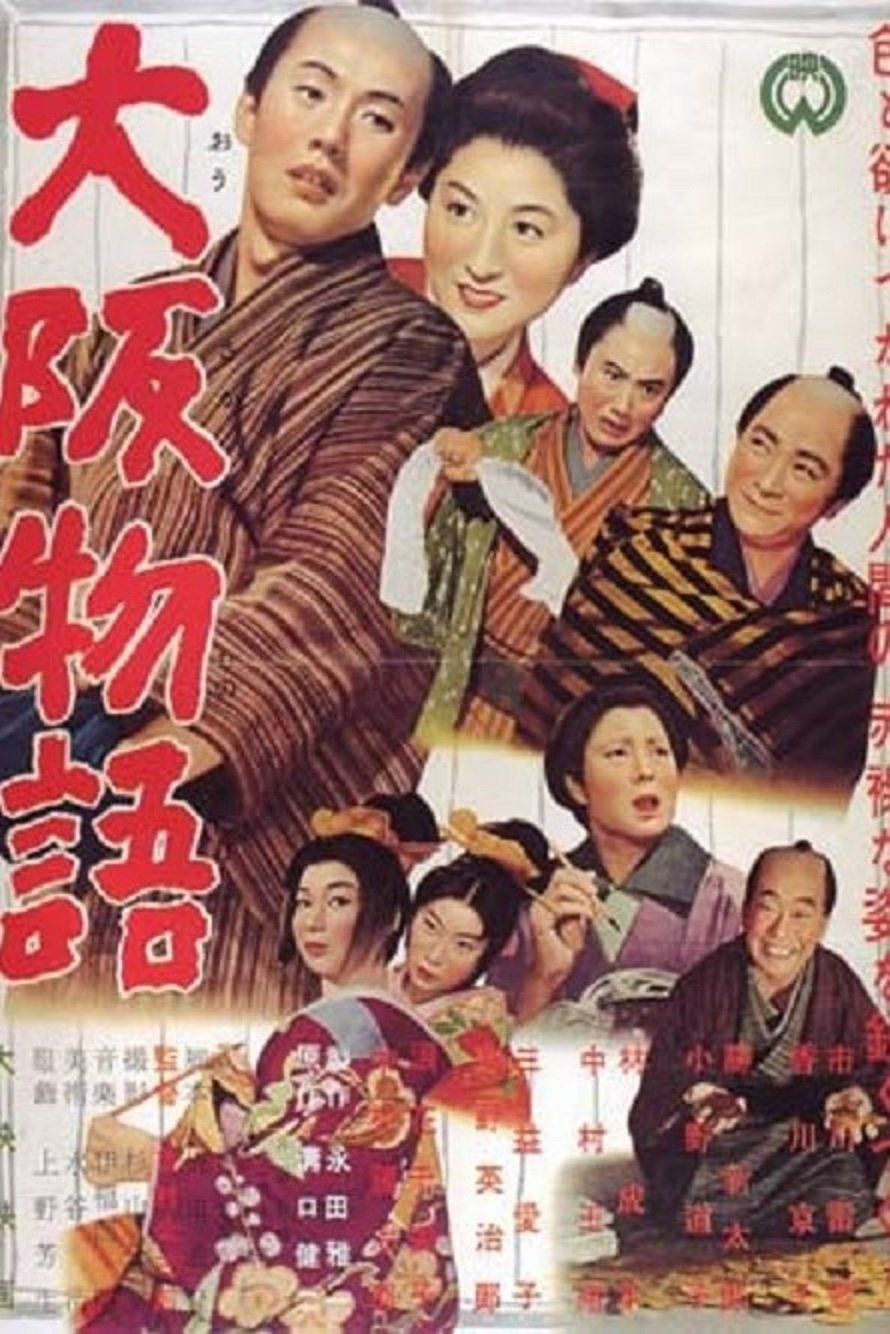
In 1923, teenager Kim Shun-Pei moves from Cheju Island, in South Korea, to Osaka, in Japan. Along the years, he becomes a cruel, greedy and violent man and builds a factory of kamaboko, processed seafood products, in his poor Korean-Japanese community exploiting his employees.
Older, wiser but still a wandering loner, the blind, peace-loving masseur Ichi seeks a peaceful life in a rural village. When he's caught in the middle of a power struggle between two rival Yakuza clans, his reputation as a deadly defender of the innocent is put to the ultimate test in a series of sword-slashing showdowns.
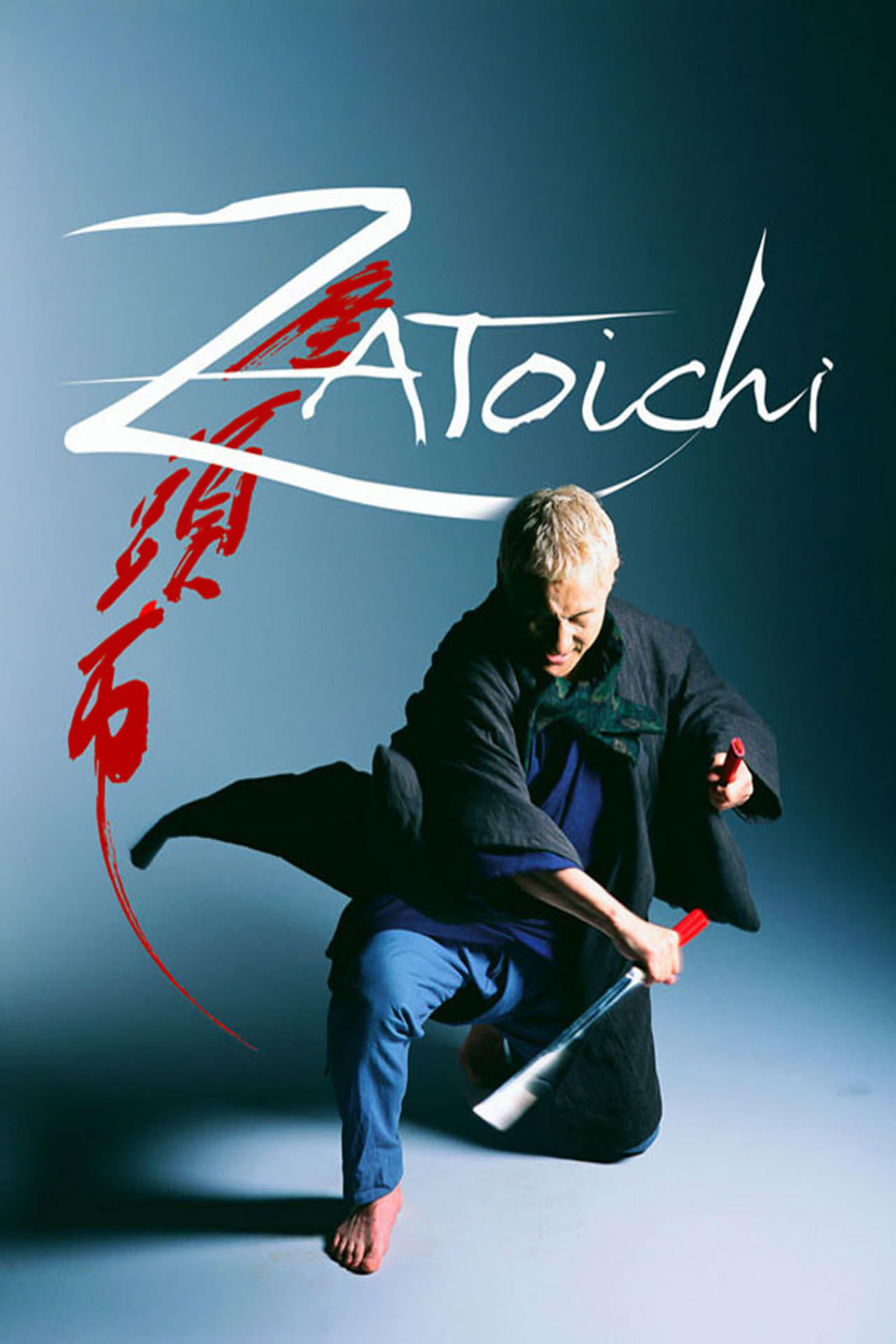
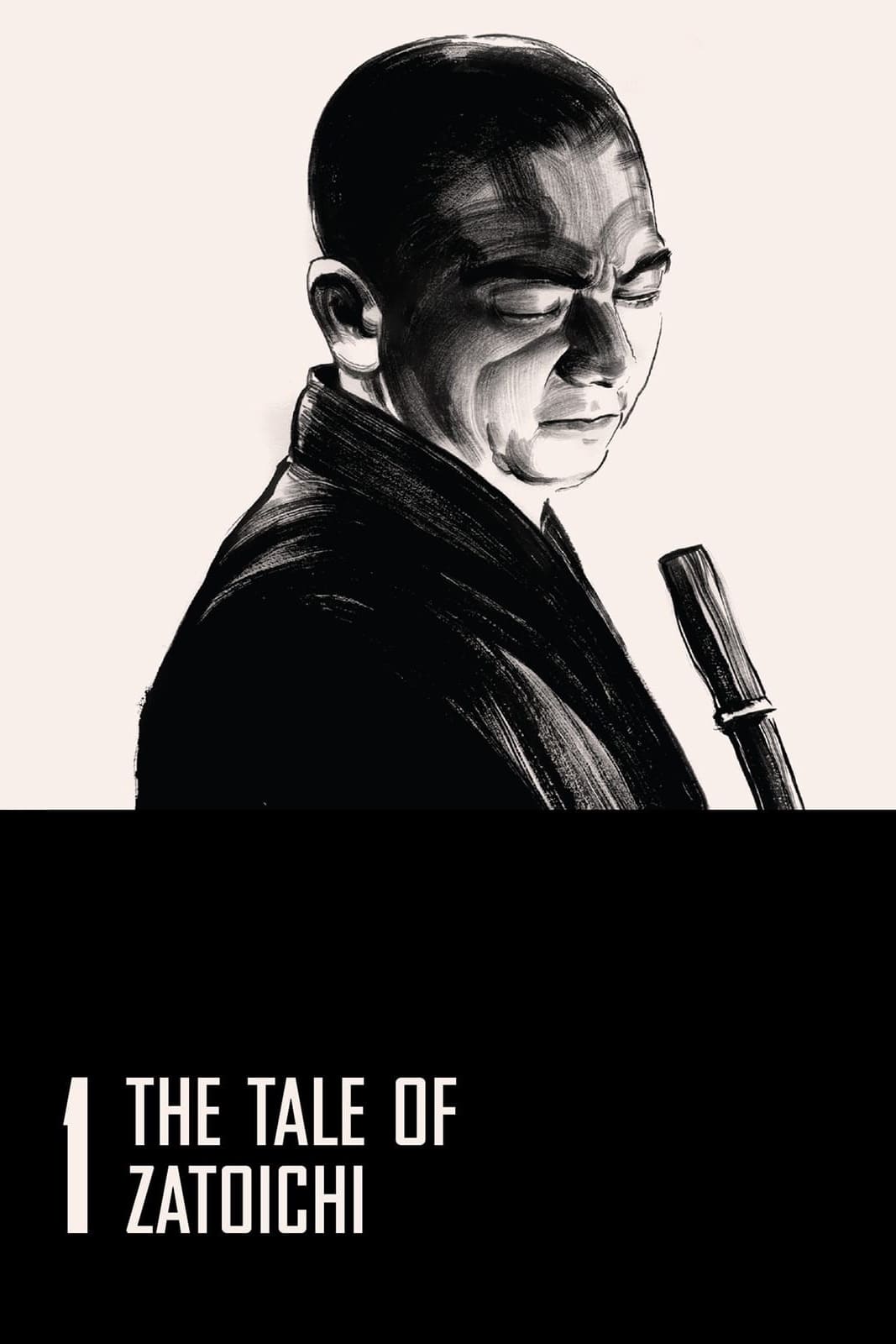
Blind traveler Zatoichi is a master swordsman and a masseur with a fondness for gambling on dice games. When he arrives in a village torn apart by warring gangs, he sets out to protect the townspeople.
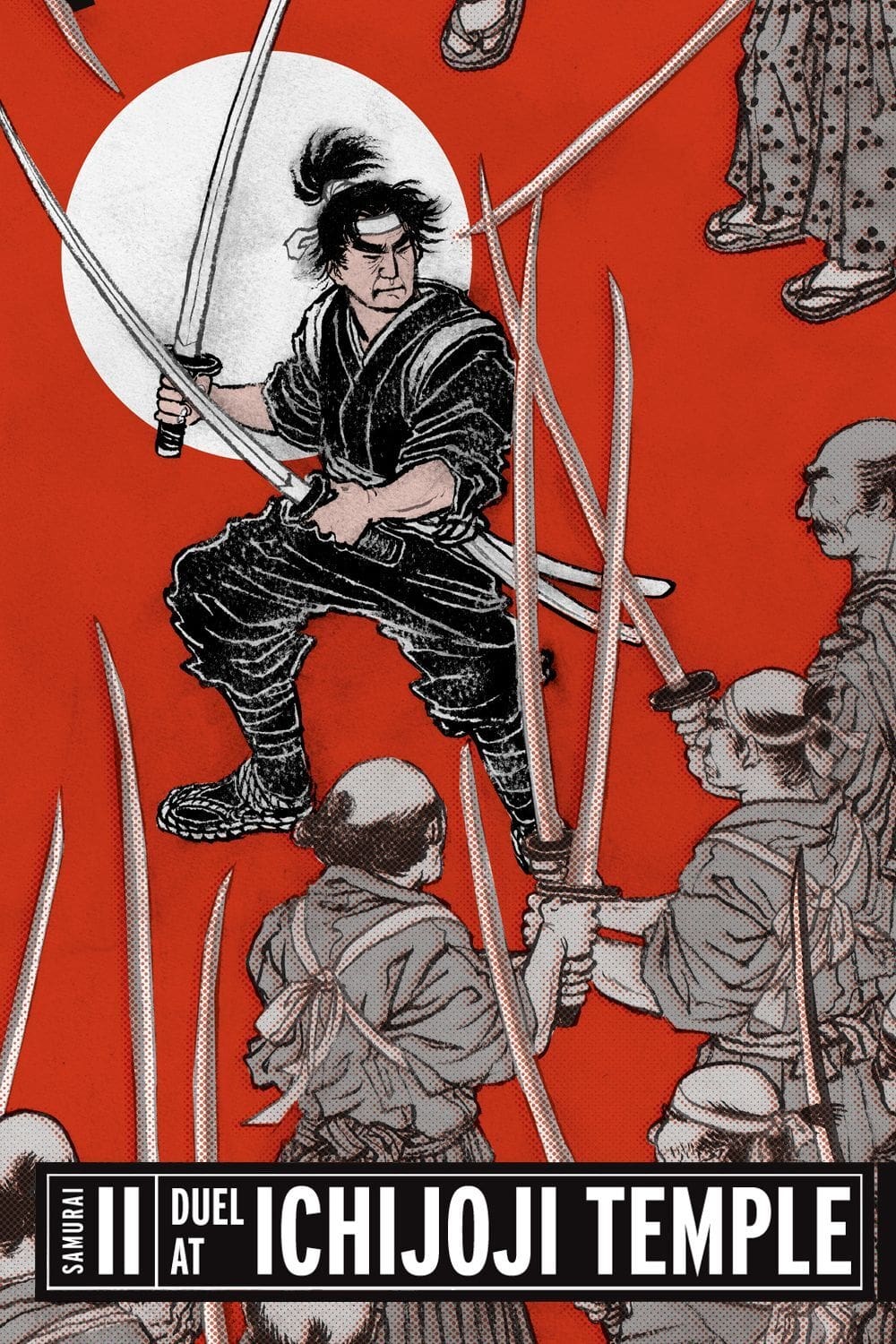
After years on the road establishing his reputation as Japan's greatest fencer, Takezo returns to Kyoto. Otsu waits for him, yet he has come not for her but to challenge the leader of the region's finest school of fencing. To prove his valor and skill, he walks deliberately into ambushes set up by the school's followers.
Set during Japan's Shogun era, this film looks at life in a samurai compound where young warriors are trained in swordfighting. A number of interpersonal conflicts are brewing in the training room, all centering around a handsome young samurai named Sozaburo Kano. The school's stern master can choose to intervene, or to let Kano decide his own path.
The Aso family live in the old town of Nara. One Day, Kei, one of the Aso's twin boys suddenly disappears. Five years later seventeen-year old Shun, the remaining twin, is an art student. He now has to move forward with his life, together with his childhood friend, Yu.
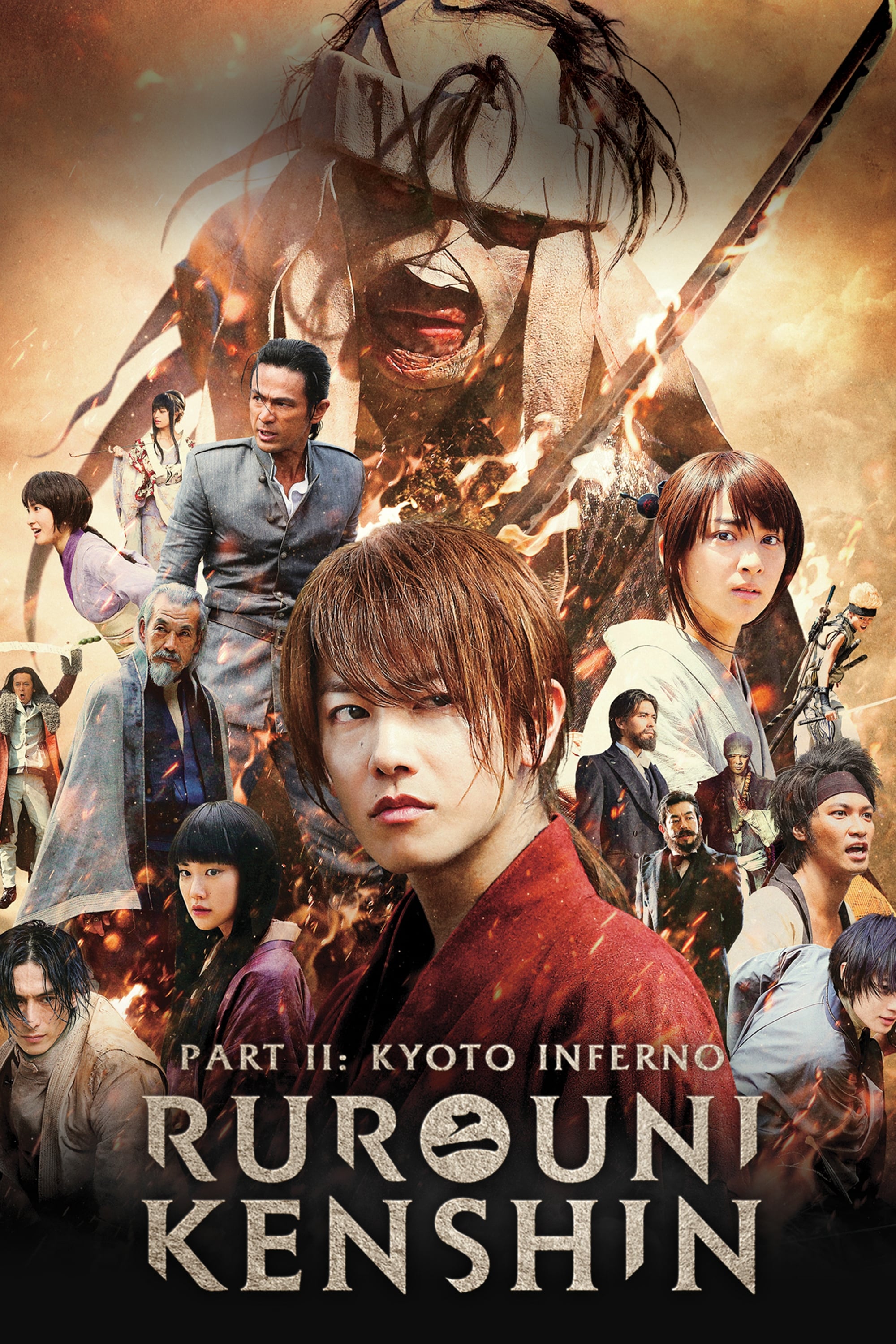
Kenshin has settled into his new life with Kaoru and his other friends when he is approached with a request from the Meiji government. Makoto Shishio, a former assassin like Kenshin, was betrayed, set on fire and left for dead. He survived, and is now in Kyoto, plotting with his gathered warriors to overthrow the new government. Against Kaoru's wishes, Kenshin reluctantly agrees to go to Kyoto and help keep his country from falling back into civil war.
Before he was a protector, Kenshin was a fearsome assassin known as Battosai. But when he meets gentle Tomoe Yukishiro, a beautiful young woman who carries a huge burden in her heart, his life will change forever.
A sadistic Daimyo (feudal lord) rapes a woman and murders both her and her husband, but even when one of his own vassals commits suicide to bring attention to the crime, the matter is quickly hushed up. Not only will there be no punishment, but because the Daimyo is the Shogun's younger brother, he will soon be appointed to a high political position from which he could wreak even more havoc. Convinced that the fate of the Shogunate hangs in the balance, a plot is hatched to assassinate the Daimyo. The two most brilliant strategic minds of their generation find themselves pitted against each other; one is tasked to defend a man he despises, and has a small army at his disposal. The other is given a suicide mission, and has 12 brave men. They are the 13 Assassins.
With most of his family already dead at Ogami Itto's hands, Retsudo launches one final plot to destroy him, and when that fails, unleashes the fury of every remaining member of the Yagyu clan.
Kaitou Kid dares to challenge the police once more, setting his sights on the Russian Imperial Easter Egg. With the date, time, and place, the Osaka police force scrambles to stop him. But this time, Kid may have bitten off more than he can chew—Conan Edogawa, Heiji Hattori, and numerous others are also trying to get their hands on the jeweled egg.
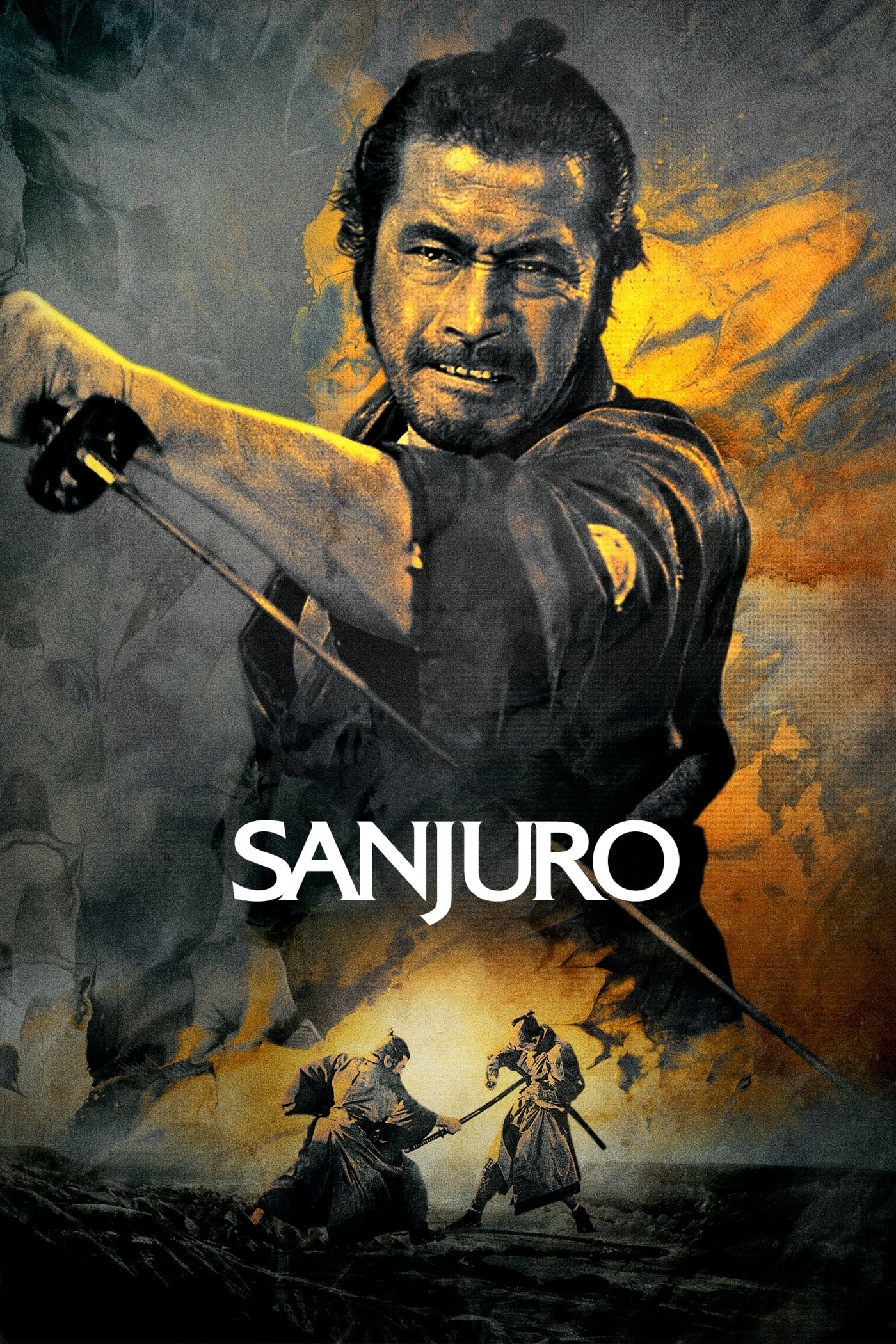
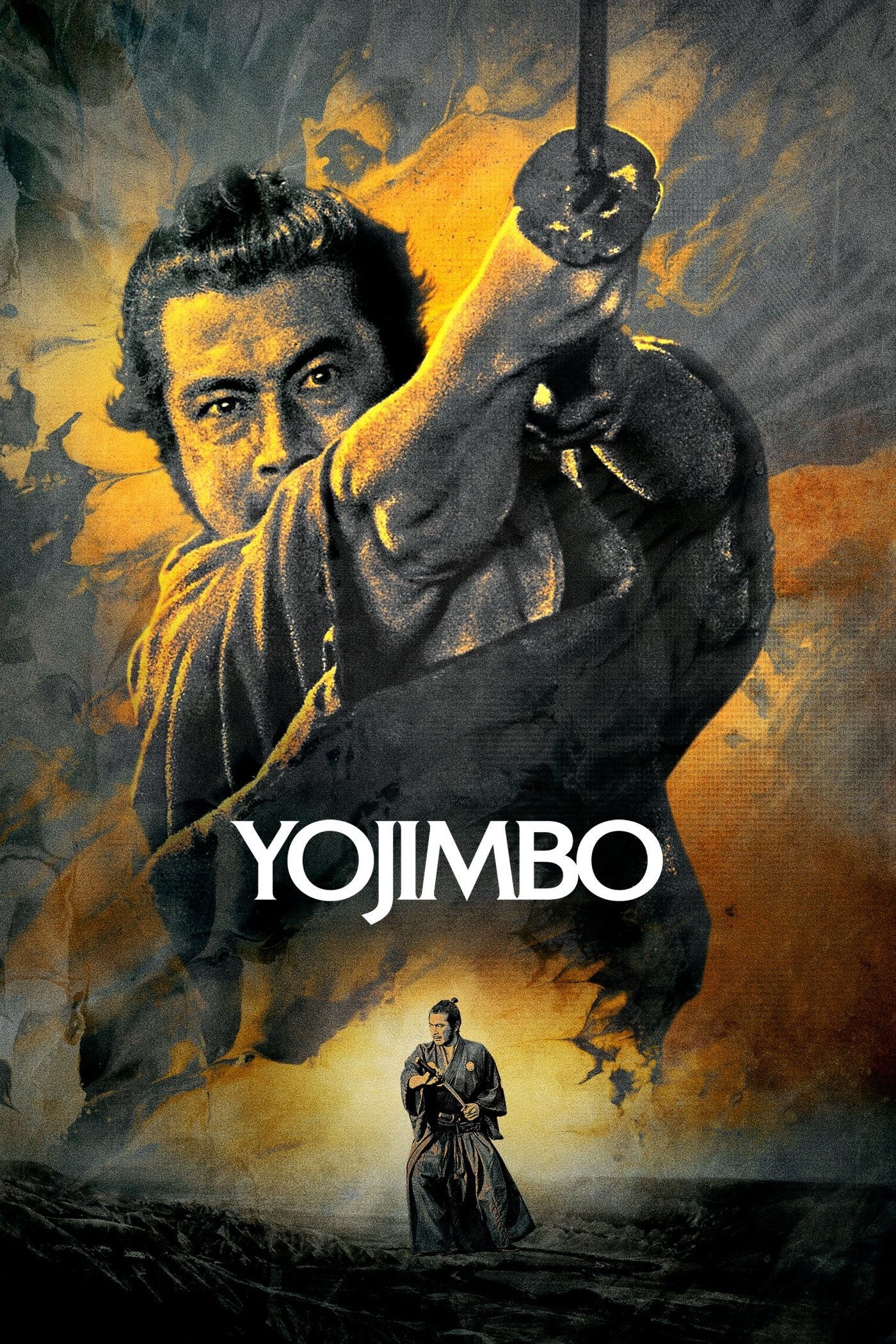
Toshiro Mifune swaggers and snarls to brilliant comic effect in Kurosawa's tightly paced, beautifully composed "Sanjuro." In this companion piece and sequel to "Yojimbo," jaded samurai Sanjuro helps an idealistic group of young warriors weed out their clan's evil influences, and in the process turns their image of a proper samurai on its ear.
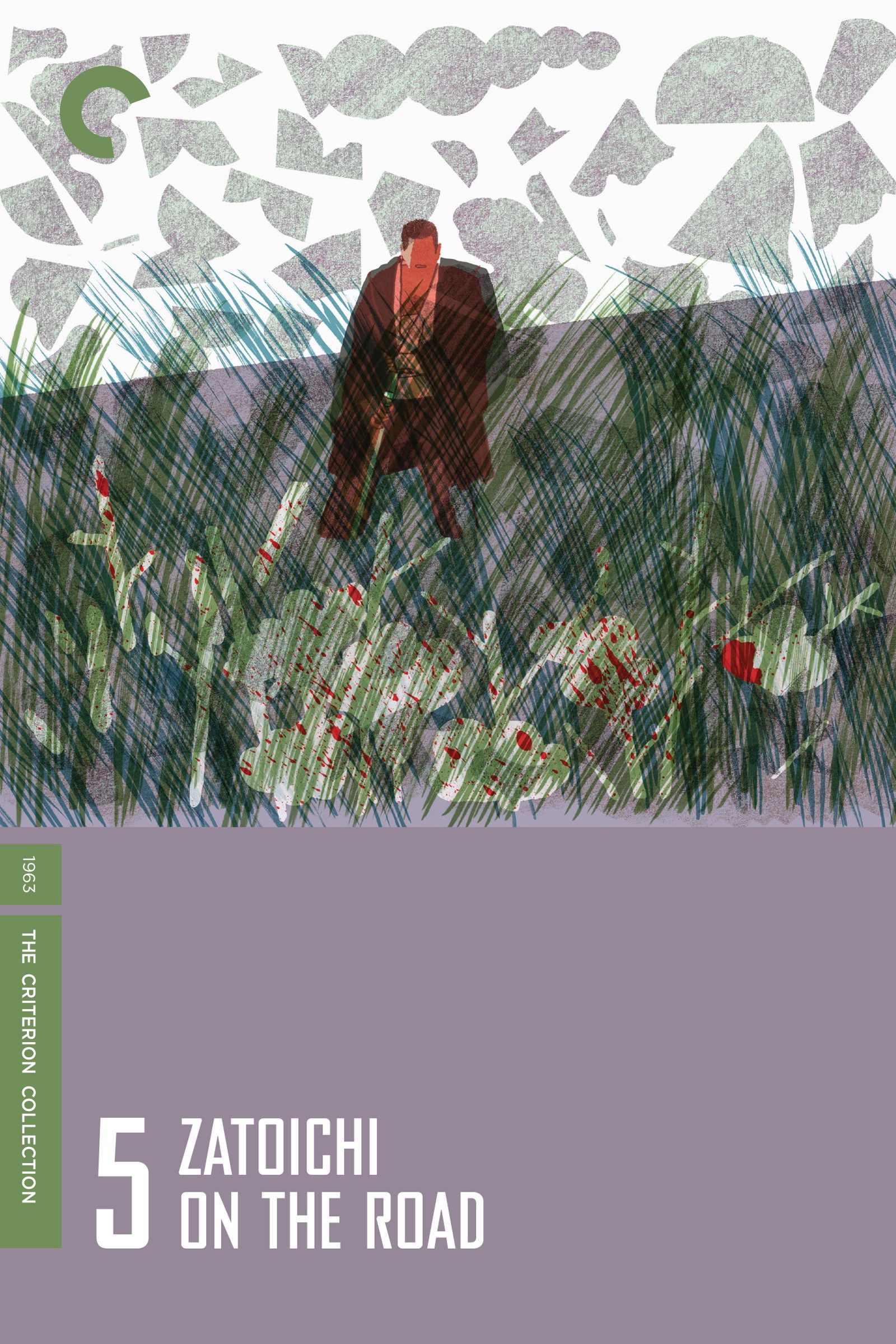
Zatoichi comes upon the town of Tonda, overrun by gangsters. Using one of his favorite techniques, Zatoichi proceeds to win 8 ryo in a rigged gambling game. Of course, the local gangsters attempt to kill him, and the adventure begins. It turns out a blacksmith named Senzo examines Zatoichi's cane sword, and discovers it to be forged by his old mentor. Senzo discovers the sword is at the end of its usefulness and will break when it is used next.
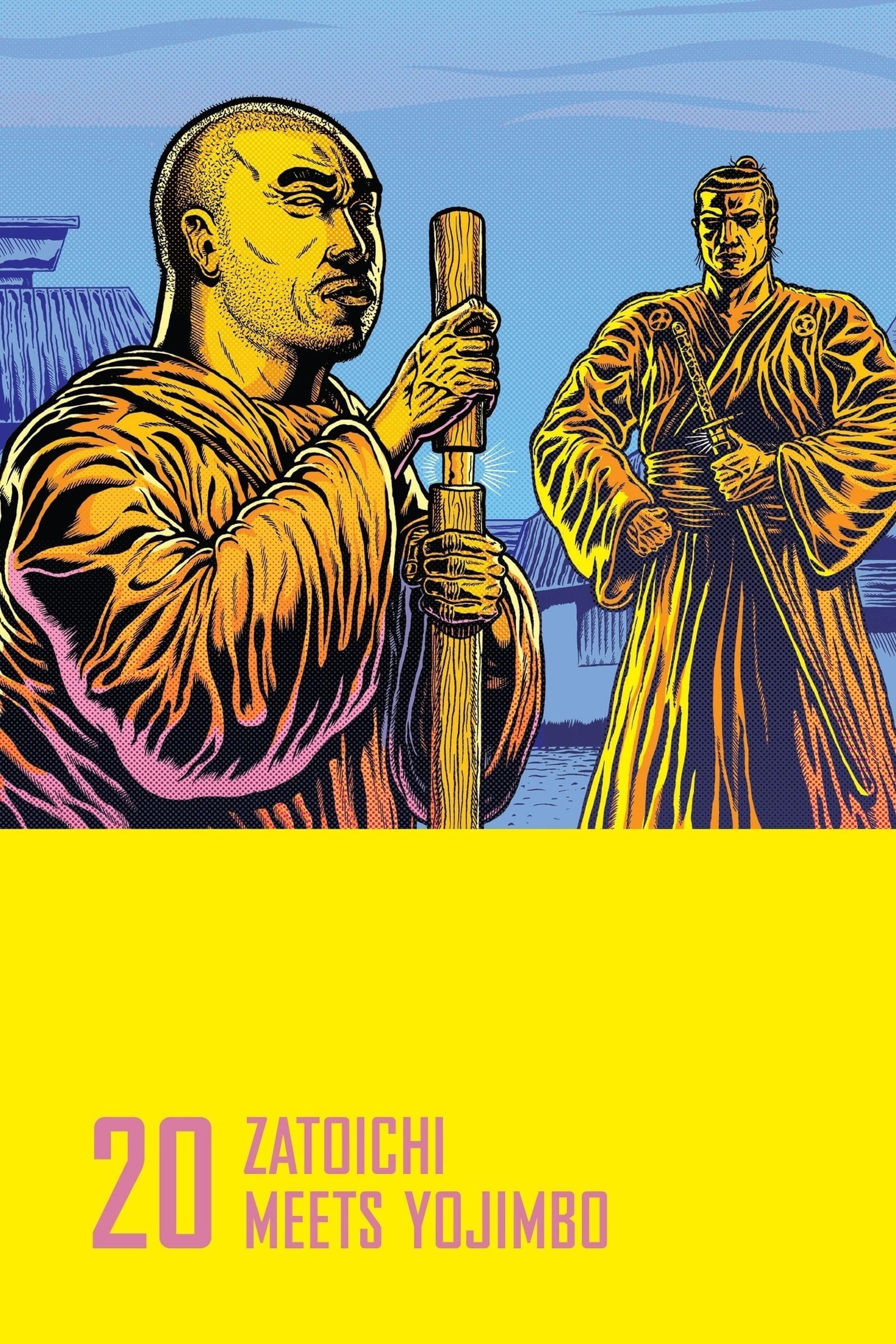
Zatoichi treks to a village that has always been a favorite spot of his, only to discover that it’s become a living hell, plagued by feuding father and son yakuza as well as the younger crime boss’s bodyguard, scruffy, smart-mouthed, cash-hungry Yojimbo of legend.
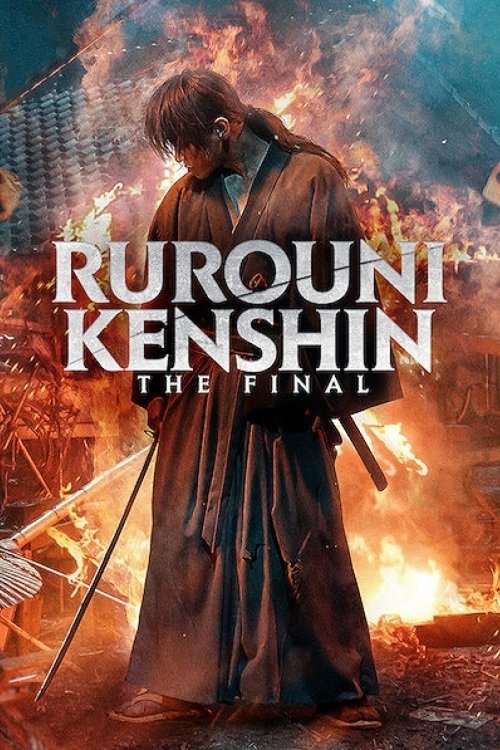
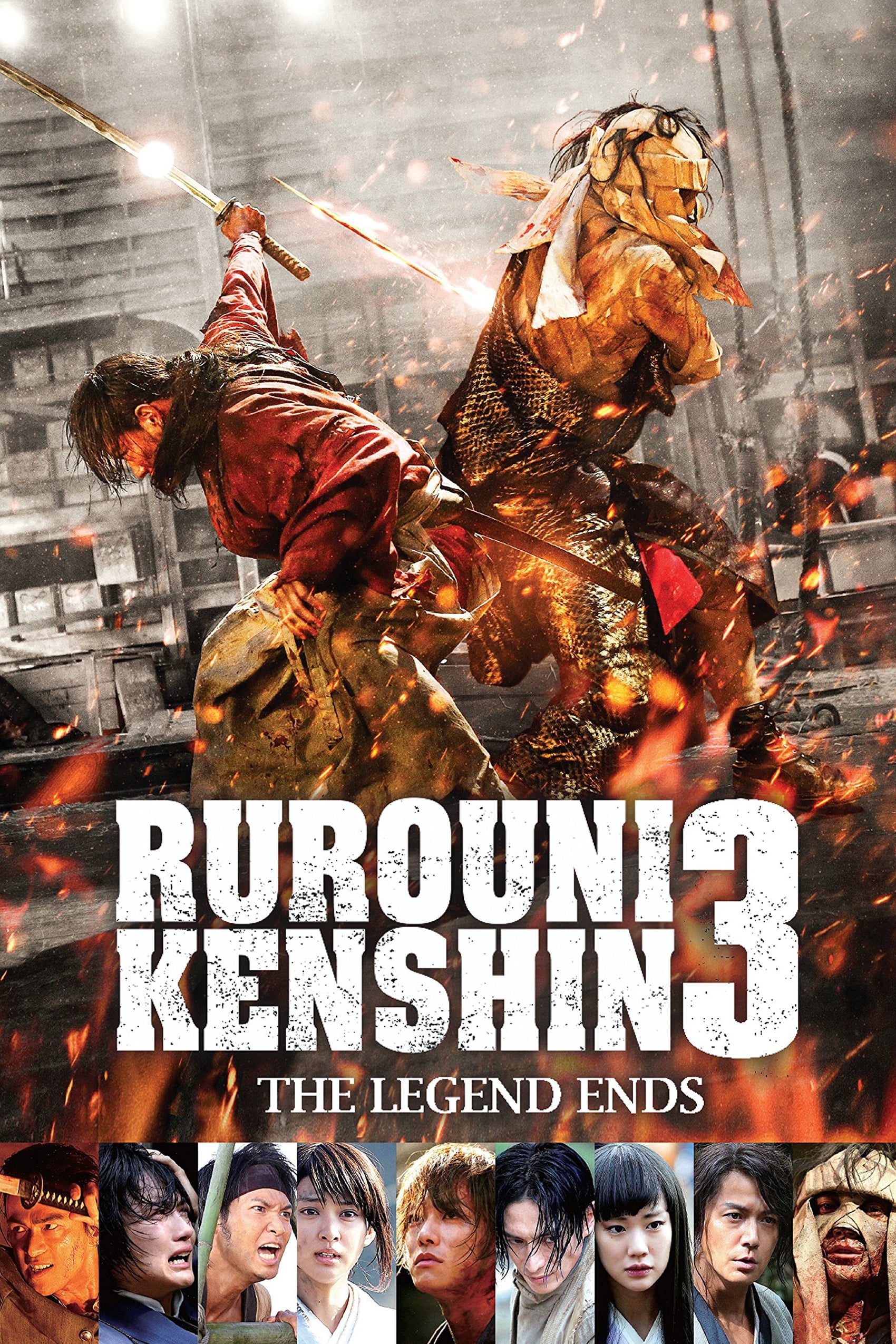
In 1879, Kenshin and his allies face their strongest enemy yet: his former brother-in-law Enishi Yukishiro and his minions, who've vowed their revenge.
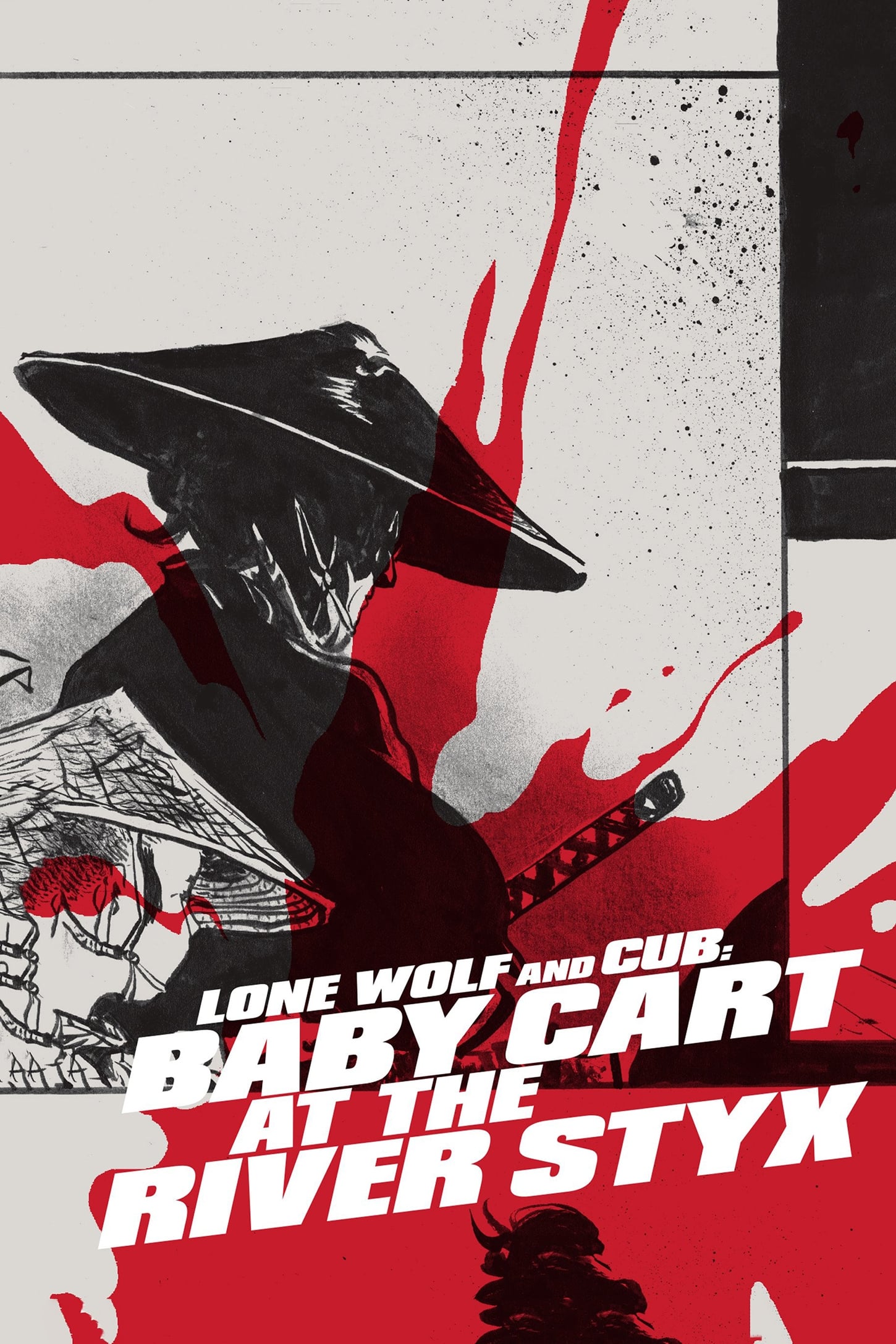
Official Shogunate executioner Ogami Itto has been framed for disloyalty to the Shogunate by the Yagyu clan, against whom he now is waging a one-man war, along with his infant son, Daigoro.