Social & External
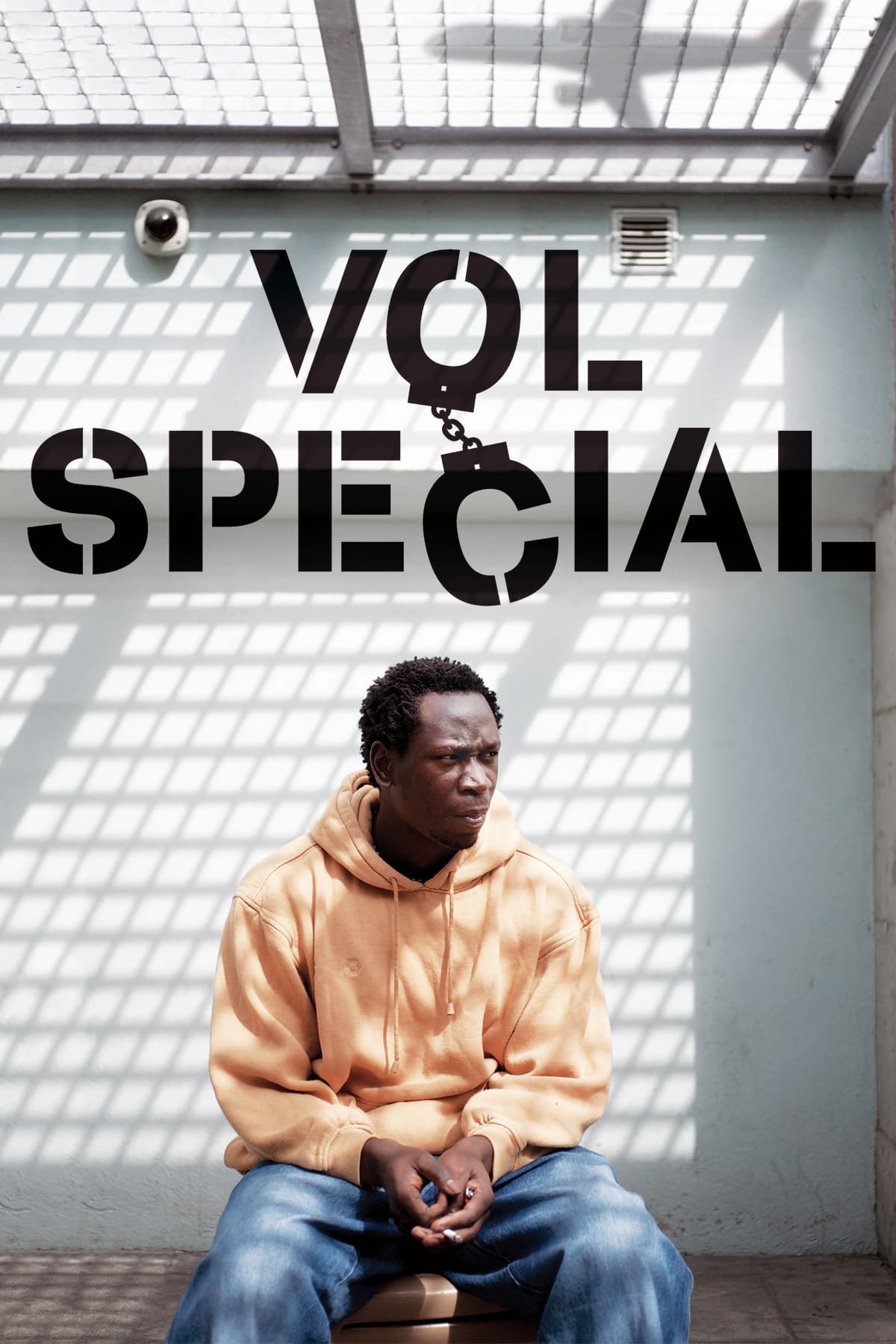
Switzerland still carries out special flights, where passengers, dressed in diapers and helmets, are chained to their seats for 40 hours at worst. They are accompanied by police officers and immigration officials. The passengers are flown to their native countries, where they haven't set foot in in up to twenty years, and where their lives might be in danger. Children, wives and work are left behind in Switzerland. Near Geneva, in Frambois prison, live 25 illegal immigrants waiting for deportation. They are offered an opportunity to say goodbye to their families and return to their native countries on a regular flight, escorted by plain-clothes police officers. If they refuse this offer, the special flight is arranged fast and unexpectedly. The stories behind the locked cells are truly heartbreaking.
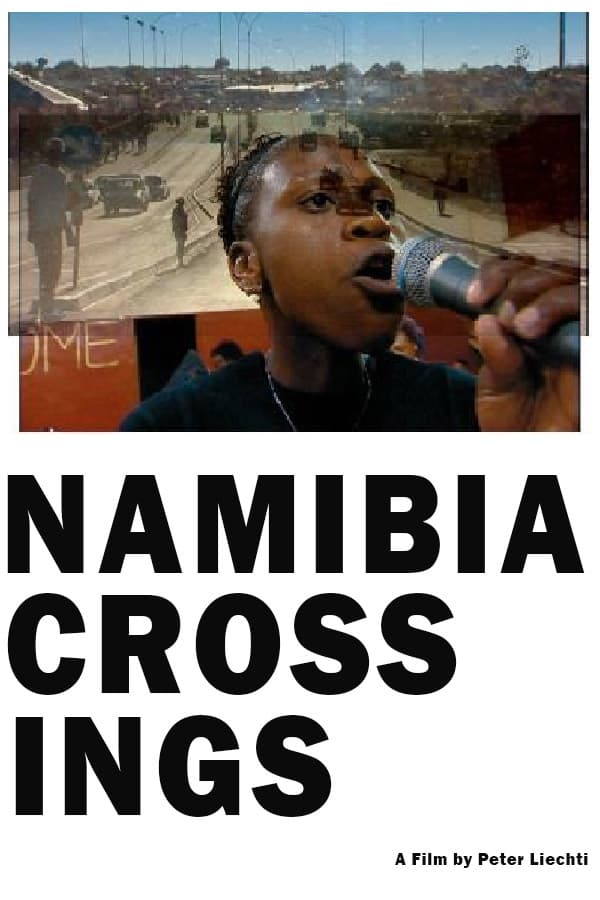
“Namibia Crossings” takes a trip through a country of archaic beauty and bizarre contradictions. The film creates polyphonies of soulful landscapes made up of each individual's highs and lows.
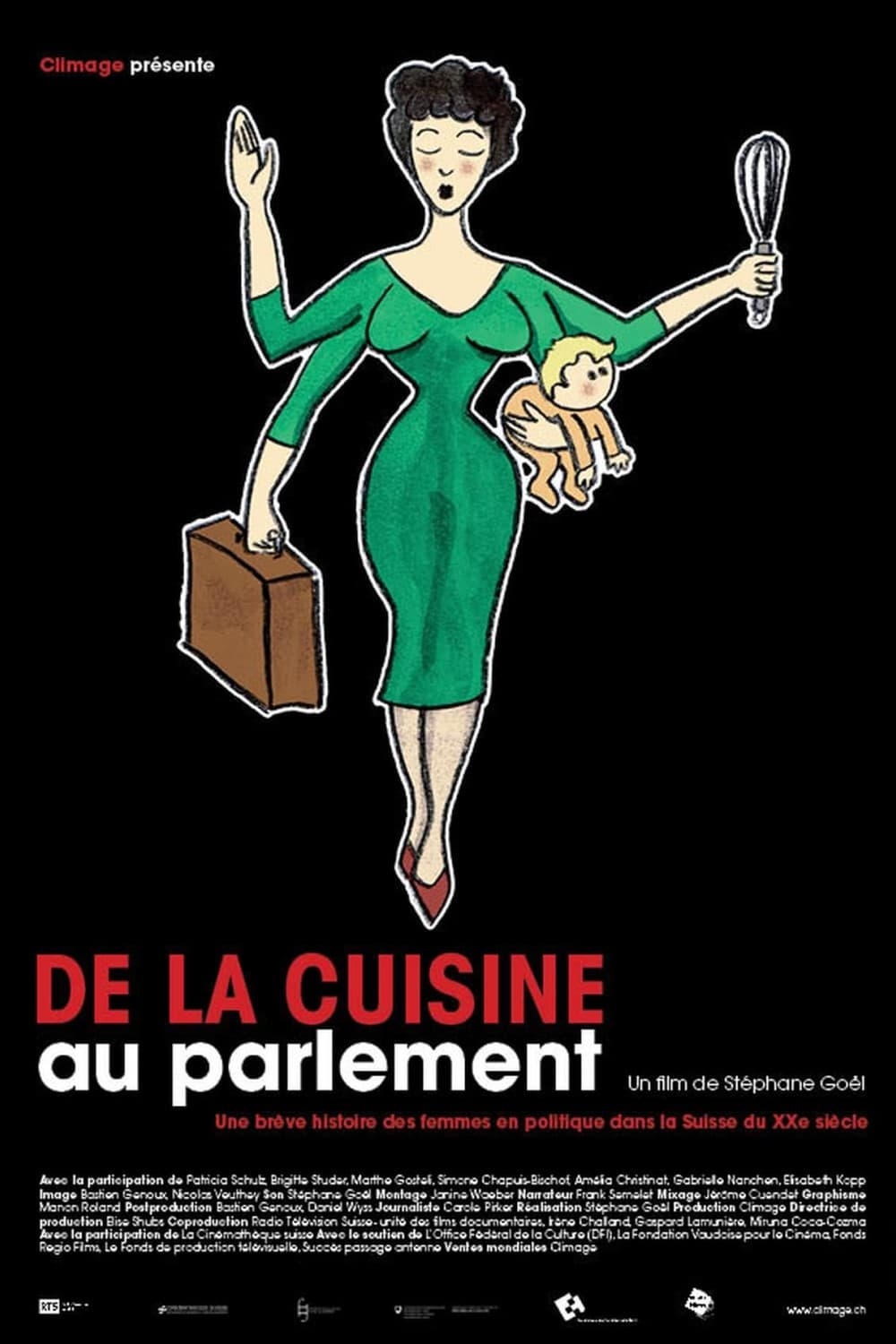
Switzerland was one of the last countries in the world to grant women the right to vote. This film guides us through a century of Swiss history, tracing the imprint left by the women who fought for the right to leave hearth and home – and by the men who did everything they could to send them back – until they gained legal equality, whose implementation seems to be in question still today.
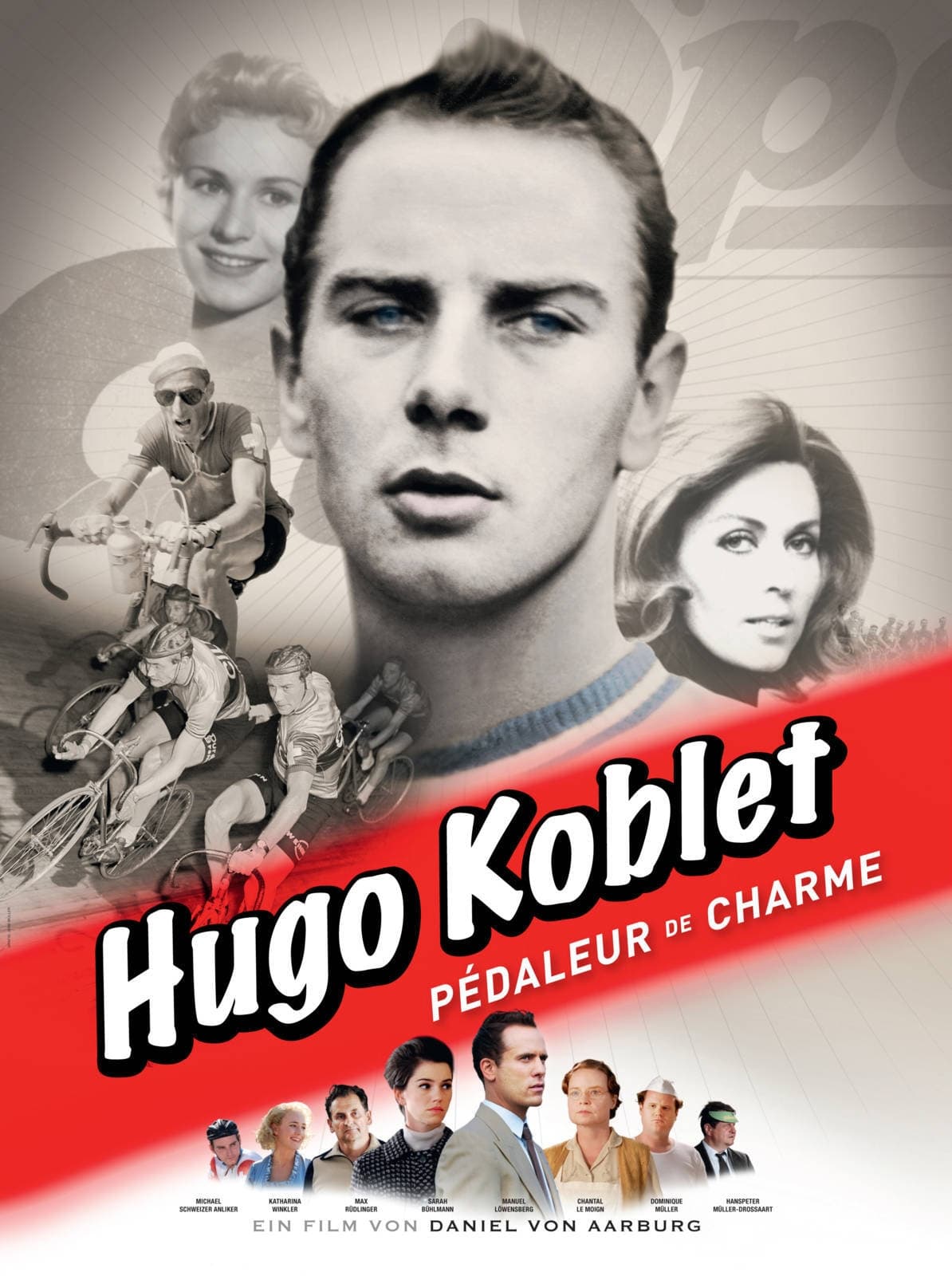
Zurich-born Hugo Koblet was the first international cycling star of the post-war period. He was a stylist on the bicycle and in life, and a huge heartthrob. Koblet had a meteoric rise and won the Giro d'Italia in 1950. Once he had reached the zenith of his career, Koblet was put under pressure by overly ambitious officials and ended up ruining his health with drugs. In 1954, he married a well-known model and they became a celebrity dream couple. After his athletic career ended, Koblet began to lose his footing. Threatened by bankruptcy, he crashed his Alfa into a tree.
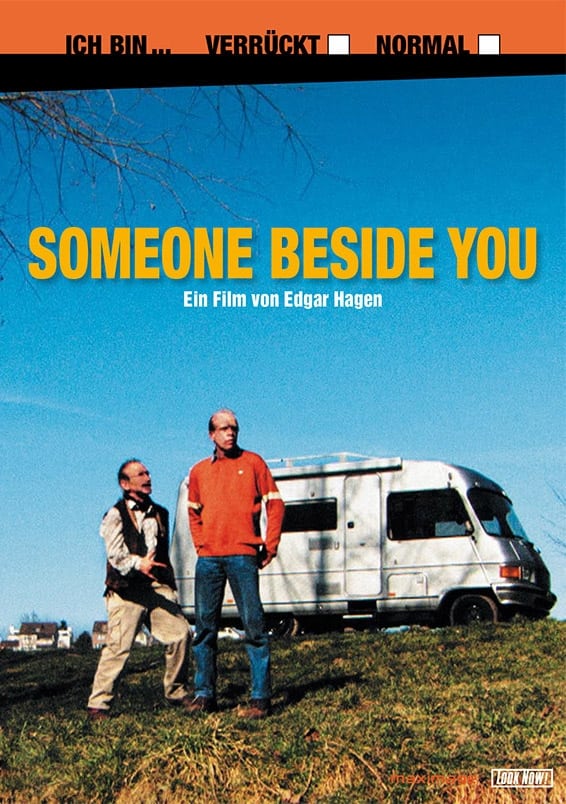
Along with several courageous psychiatrists and their clients, the author sets out to film a documentary road movie that takes him to Switzerland, Europe, and the U.S. On their travels in mobile homes, they explore the depths of the human psyche in search of answers to the question: What is the human mind and how does it behave in psychotic extreme situations?
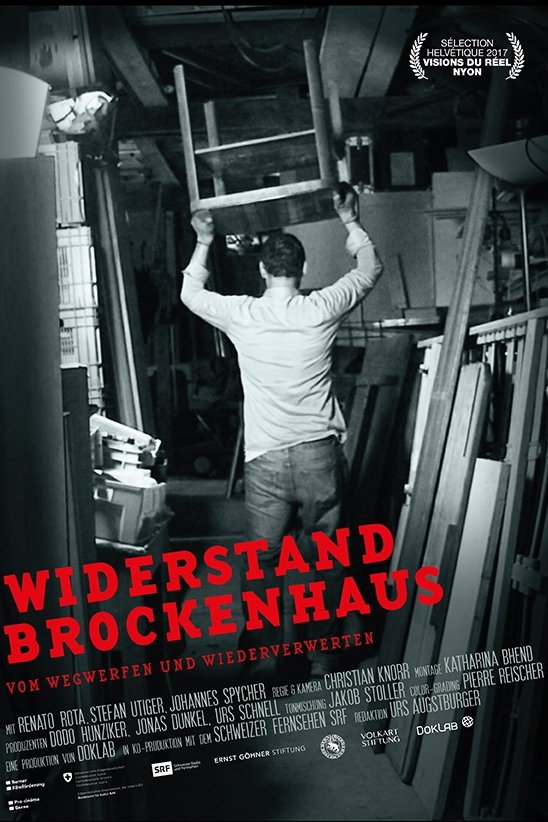
Documentary about thrift shops in Berne, Switzerland and how they want people to recycle and re-use instead of throw away.
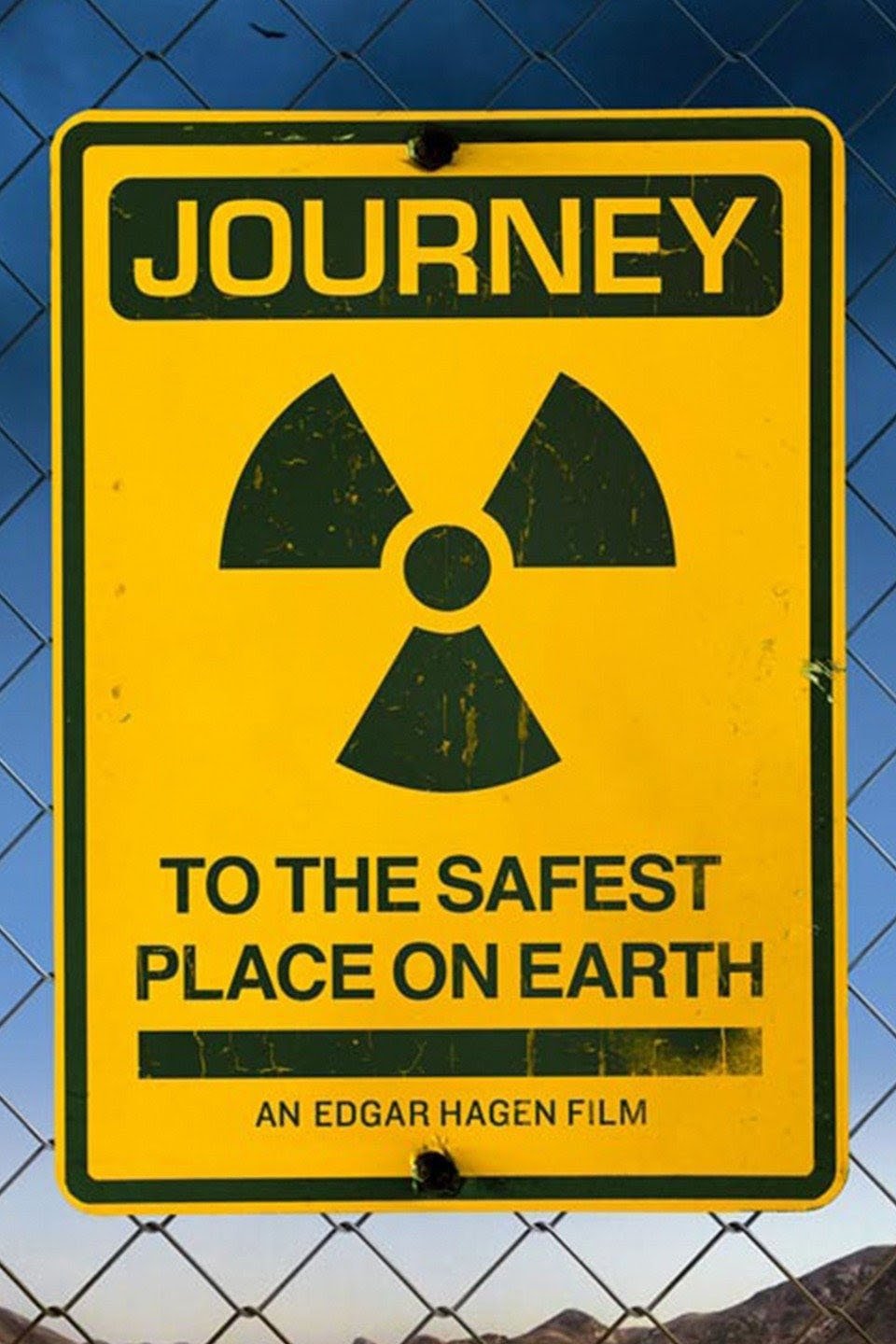
Over 350,000 tons of highly radioactive waste and spent fuel rods are in temporary storage on site at nuclear power complexes and at intermediate storage sites all over the world. More than 10,000 additional tons join them every year. It is the most dangerous waste man has ever produced. Waste that requires storage in a safe final repository for hundreds of thousands of years. Out of reach of humanity and other living creatures. The question is, where? Together with Swiss-British nuclear physicist Charles McCombie, who has been searching for a safe final storage site for highly radioactive nuclear waste for thirty-five years, director Edgar Hagen investigates the limitations and contradictions involved in this project of global significance. Supporters and opponents of nuclear energy struggle for solutions whilst dogmatic worldviews are assailed by doubt
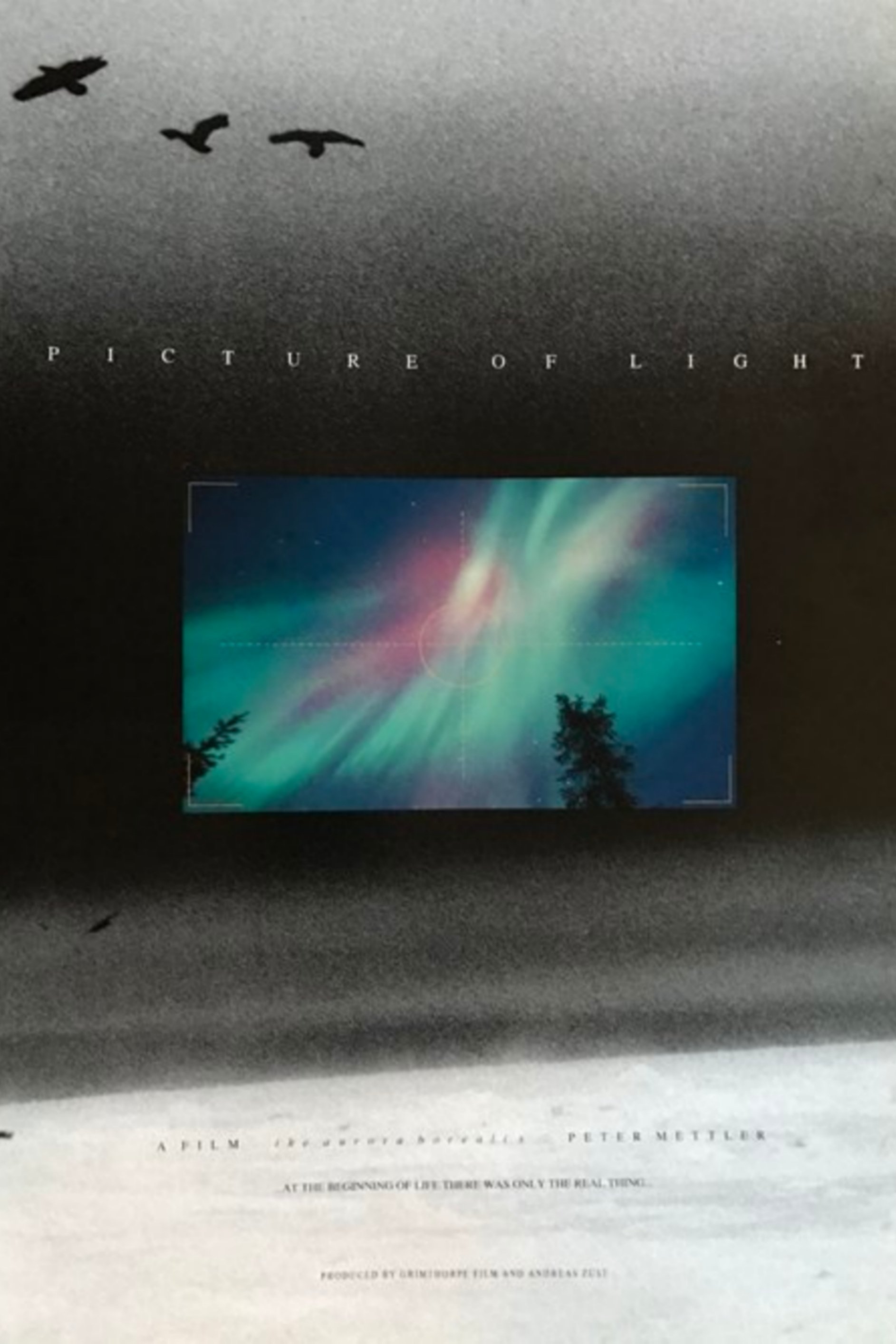
A documentary of an expedition to Churchill, Manitoba to film the Northern Lights.
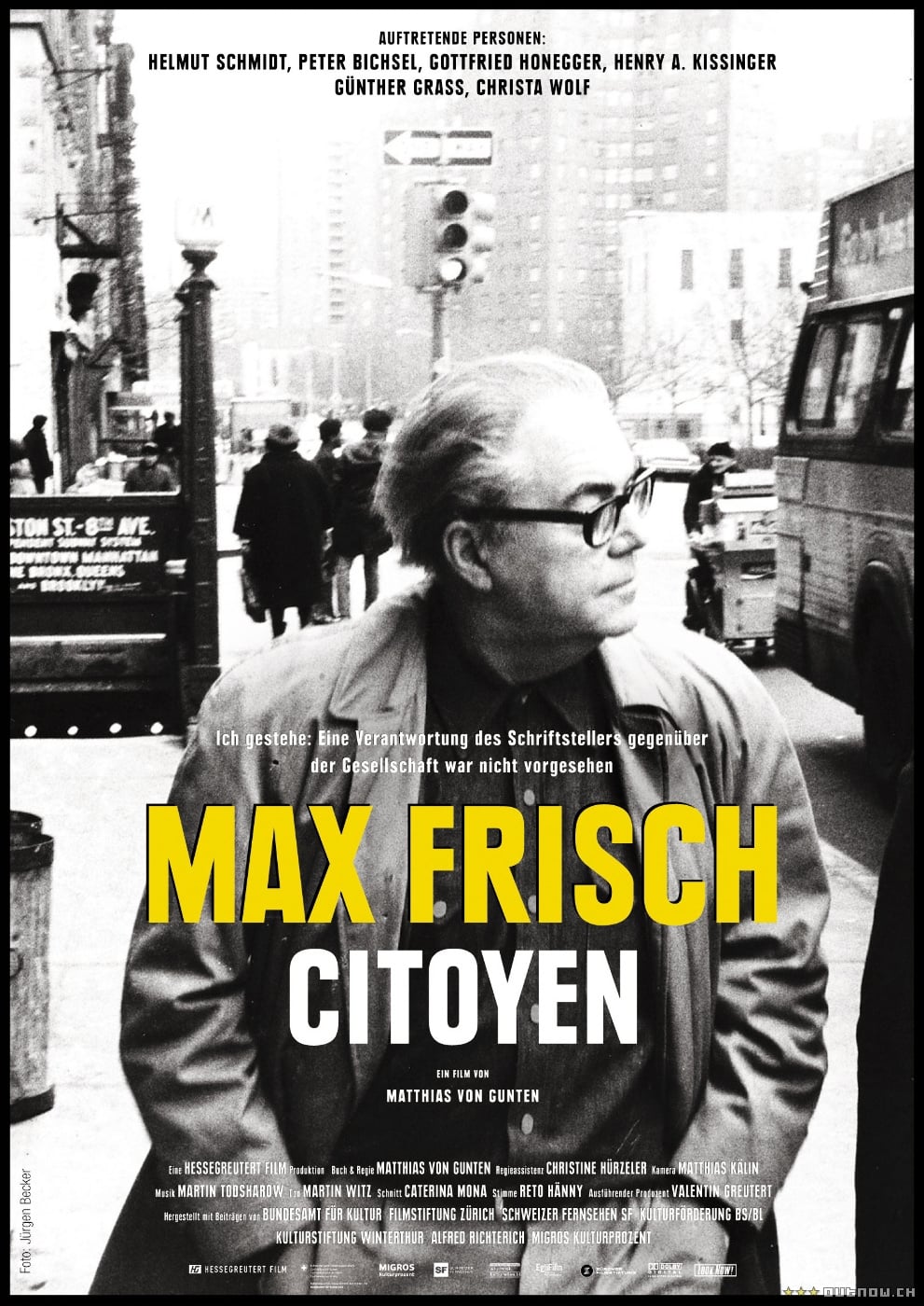
Max Frisch was the last big Swiss intellectual widely respected as a “voice” in its own right – a character hardly found today. The film retells Frisch’s story as a witness of the unfolding 20th century, wondering if such “voices” are needed at all, or if we could do without them.
Modern Amazons are fierce heroines. They are ready to fight for what is important to them. Without explaining, without compromising, always persisting. They fight for victory in the ring for acceptance, and too, for fellow sufferers and humanity.
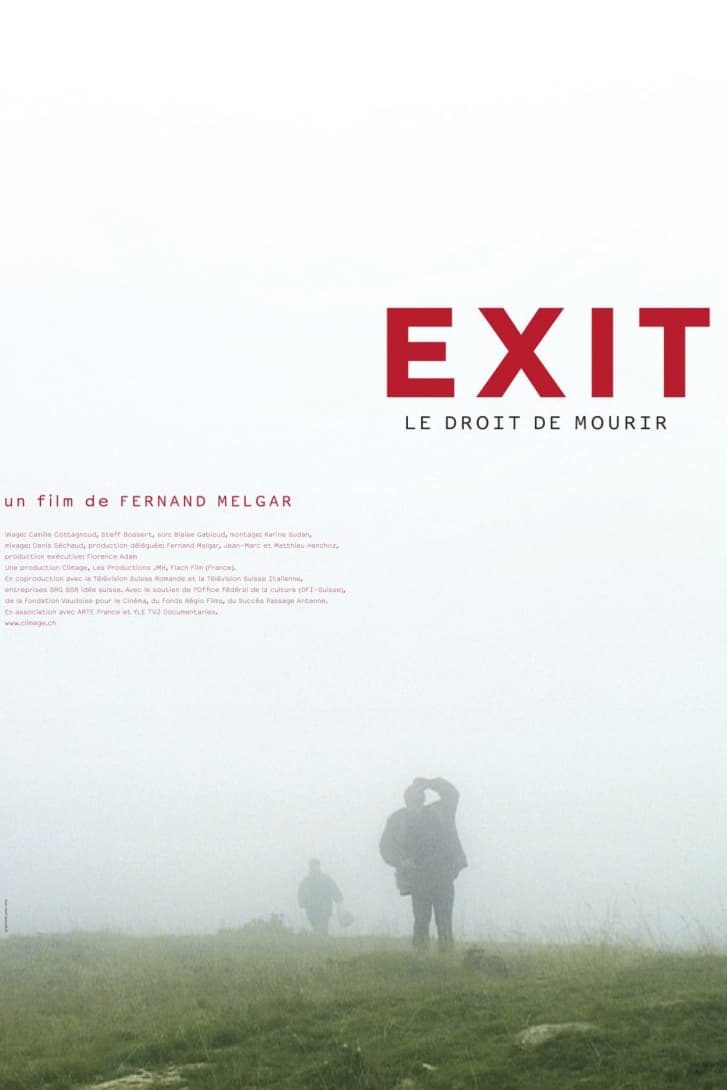
Switzerland is presently the only country in the world where suicide assistance is legal. Exit: The Right to Die profiles that nation's EXIT organization, which for over twenty years has provided volunteers who counsel and accompany the terminally-ill and severely handicapped towards a death of their choice.
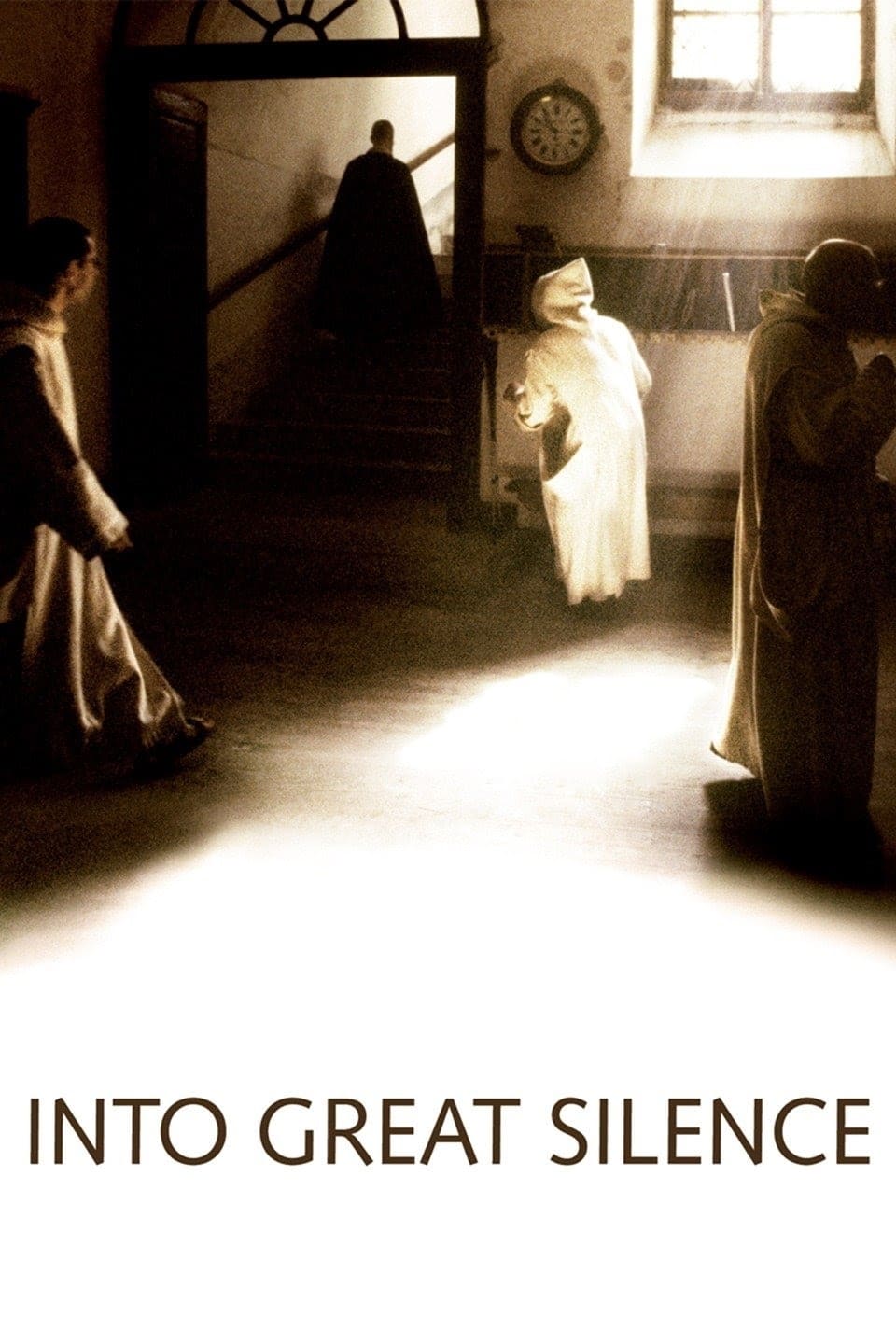
An intimate portrayal of the everyday lives of Carthusian monks of the Grande Chartreuse, high in the French Alps (Chartreuse Mountains). The idea for the film was proposed to the monks in 1984, but the Carthusians said they wanted time to think about it. The Carthusians finally contacted Gröning 16 years later to say they were now willing to permit Gröning to shoot the movie, if he was still interested.
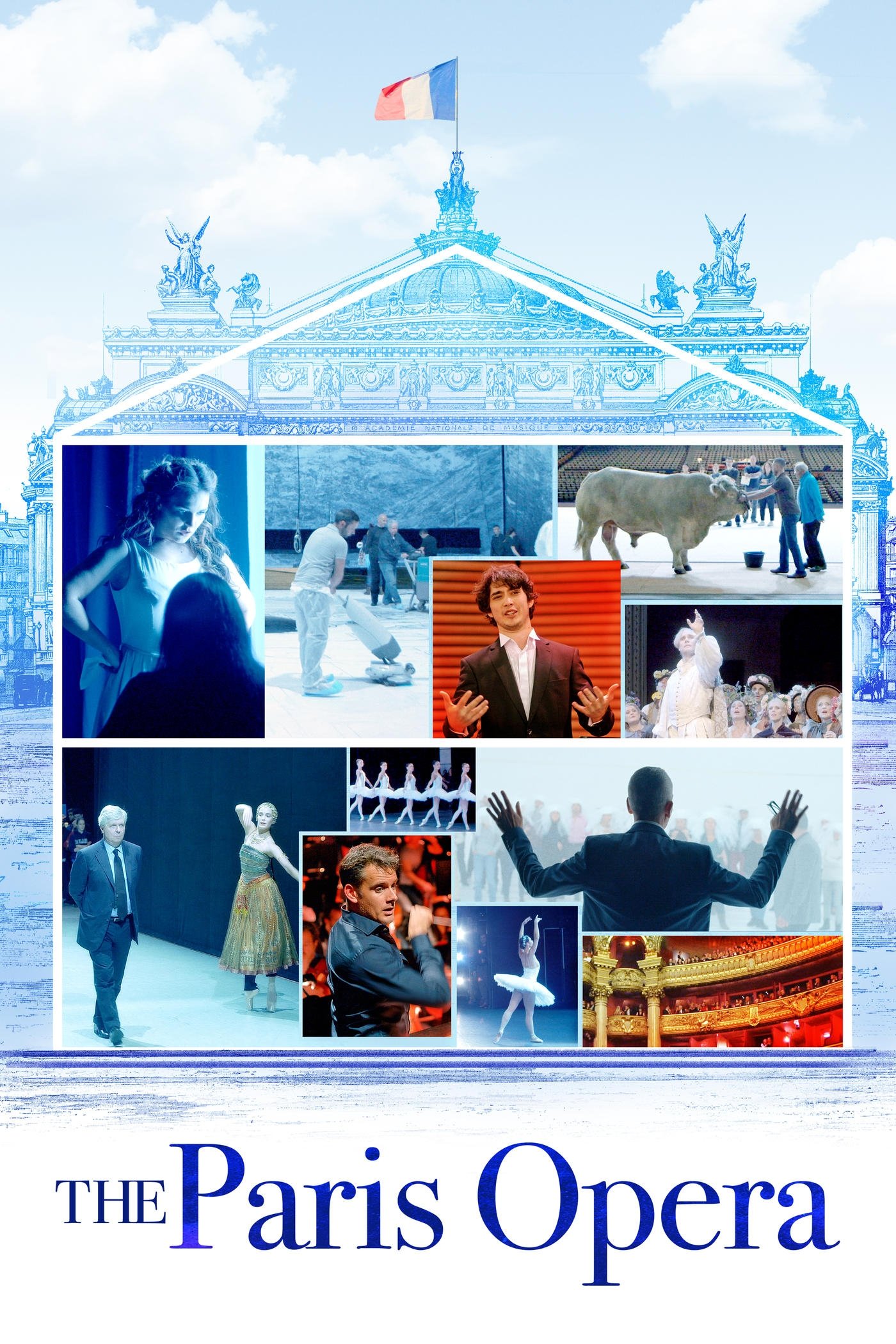
A behind-the-scenes look at the of how the Paris Opera is run under the direction of Stephane Lissner.
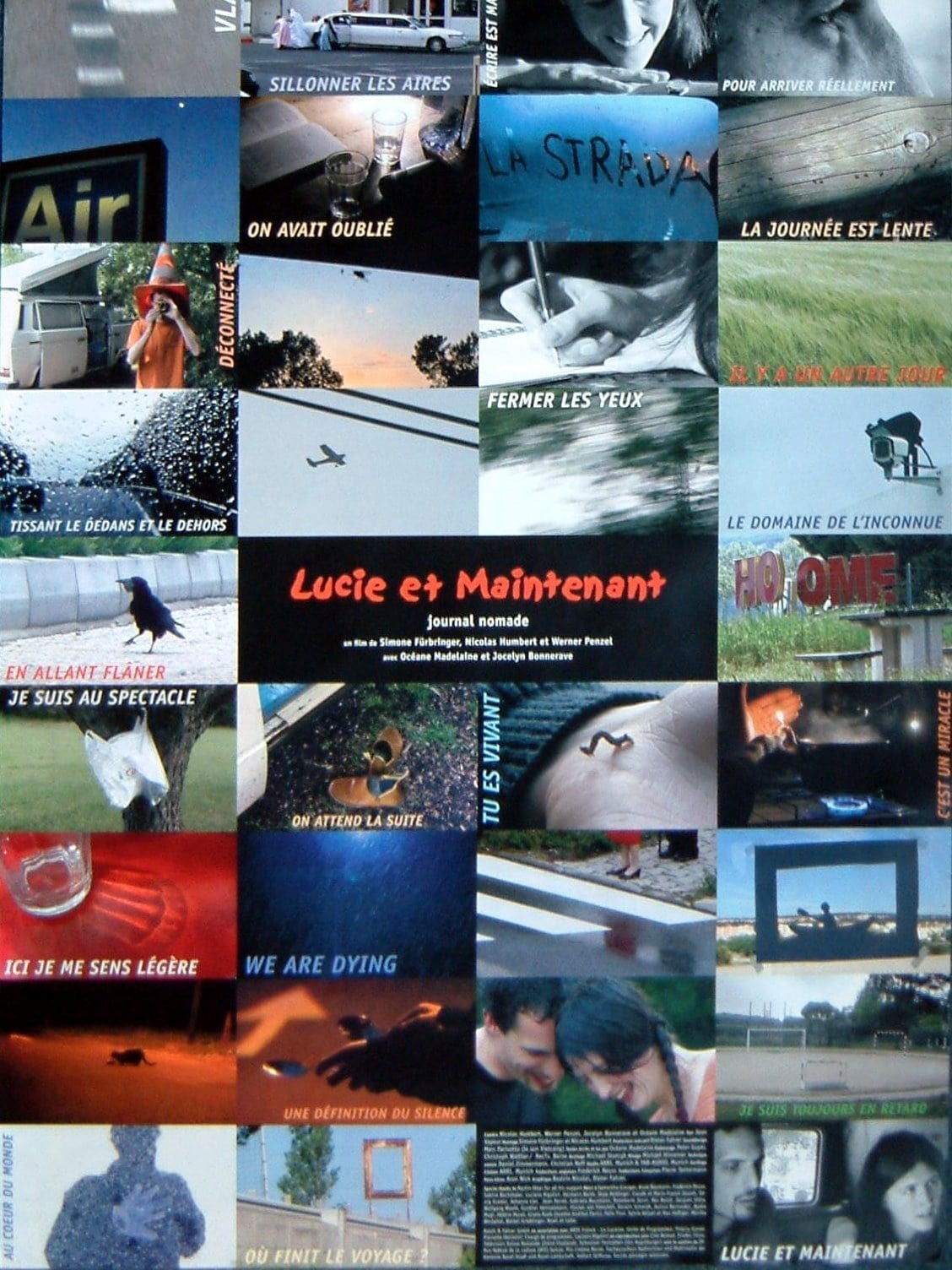
In May of 1982 Julio Cortázar, the Argentinean writer and his companion in life, Carol Dunlop set out in their VW bus on a journey along the highway from Paris to Marseille that, for each of them, was to be their final one. Twenty-five years later, Océane Madelaine and Jocelyn Bonnerave set out to undertake the journey again.
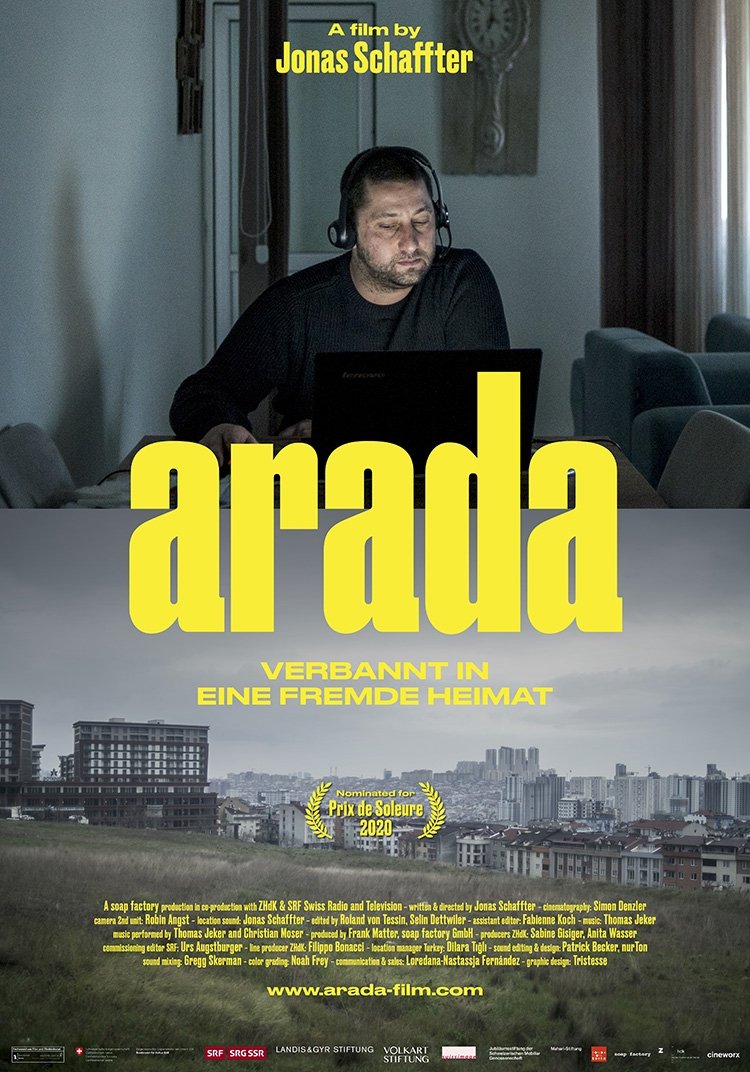
The story of three Turkish men. They all grew up in Switzerland and all got deported after various criminal offenses.
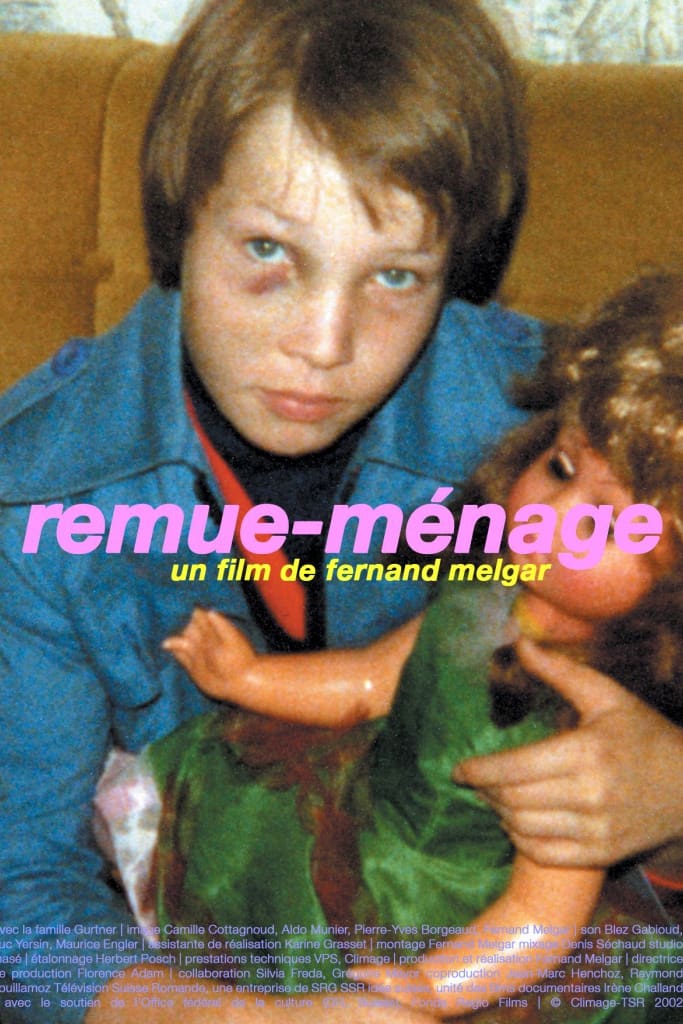
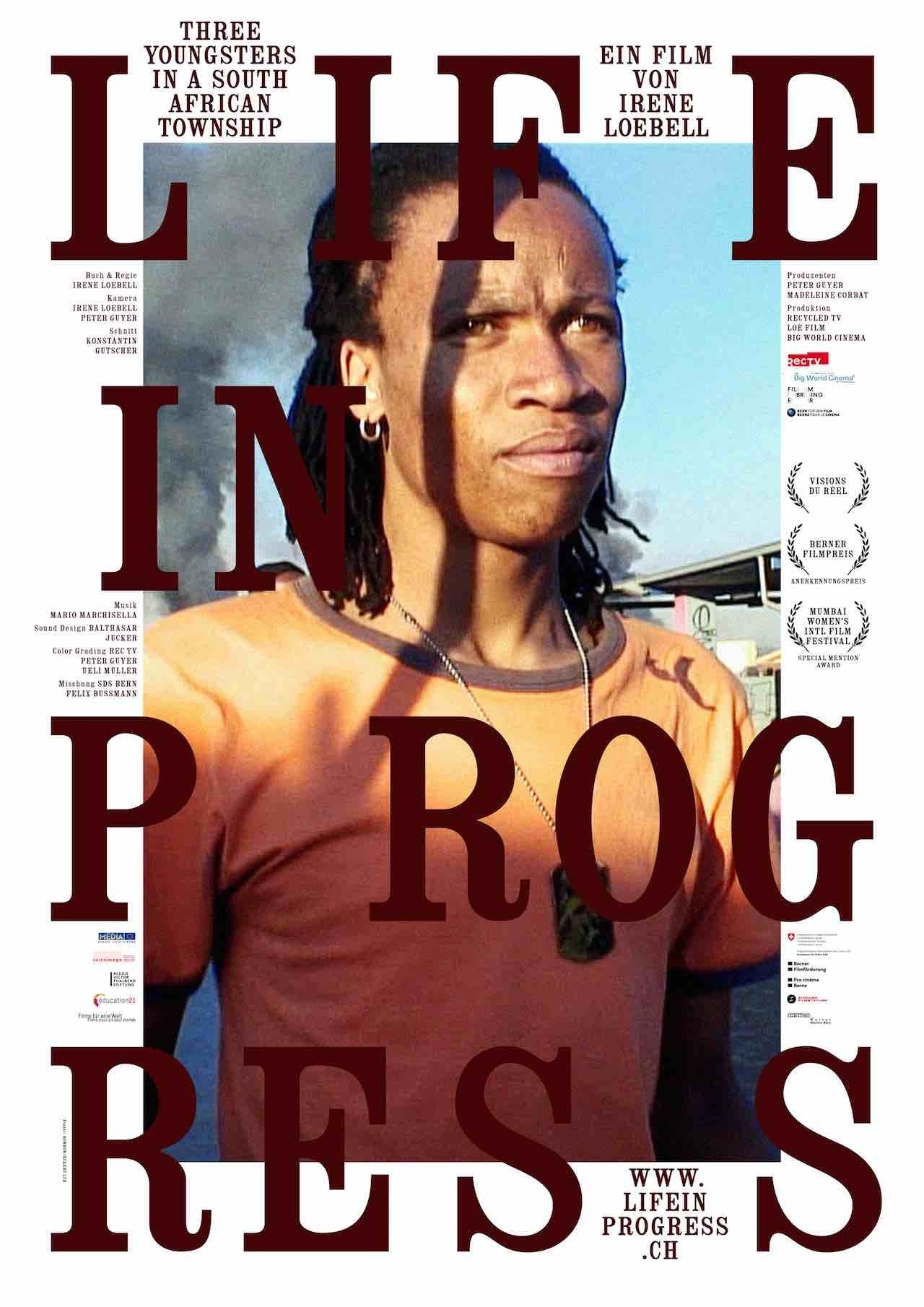
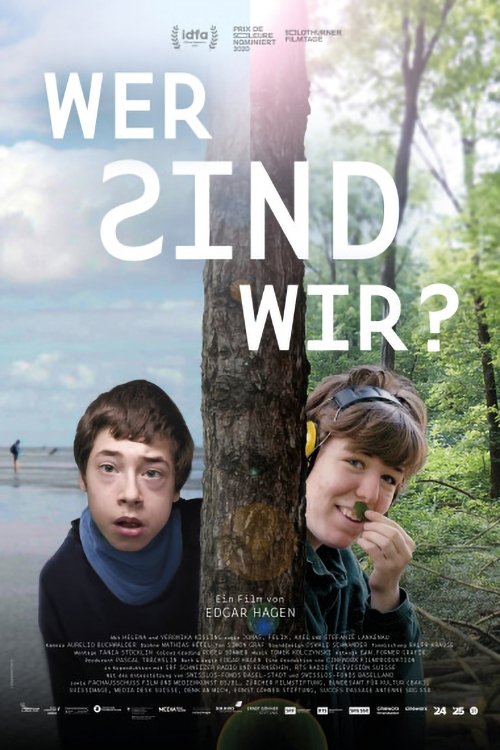
How do you cope if things turn out differently than you'd imagined? Helena (19) and Jonas (11) are people in great need of support, putting their parents, families, schools and society to the test. The film breaks down the wall that separates them from our world, shows how language and community develop - and asks the question of who we are.
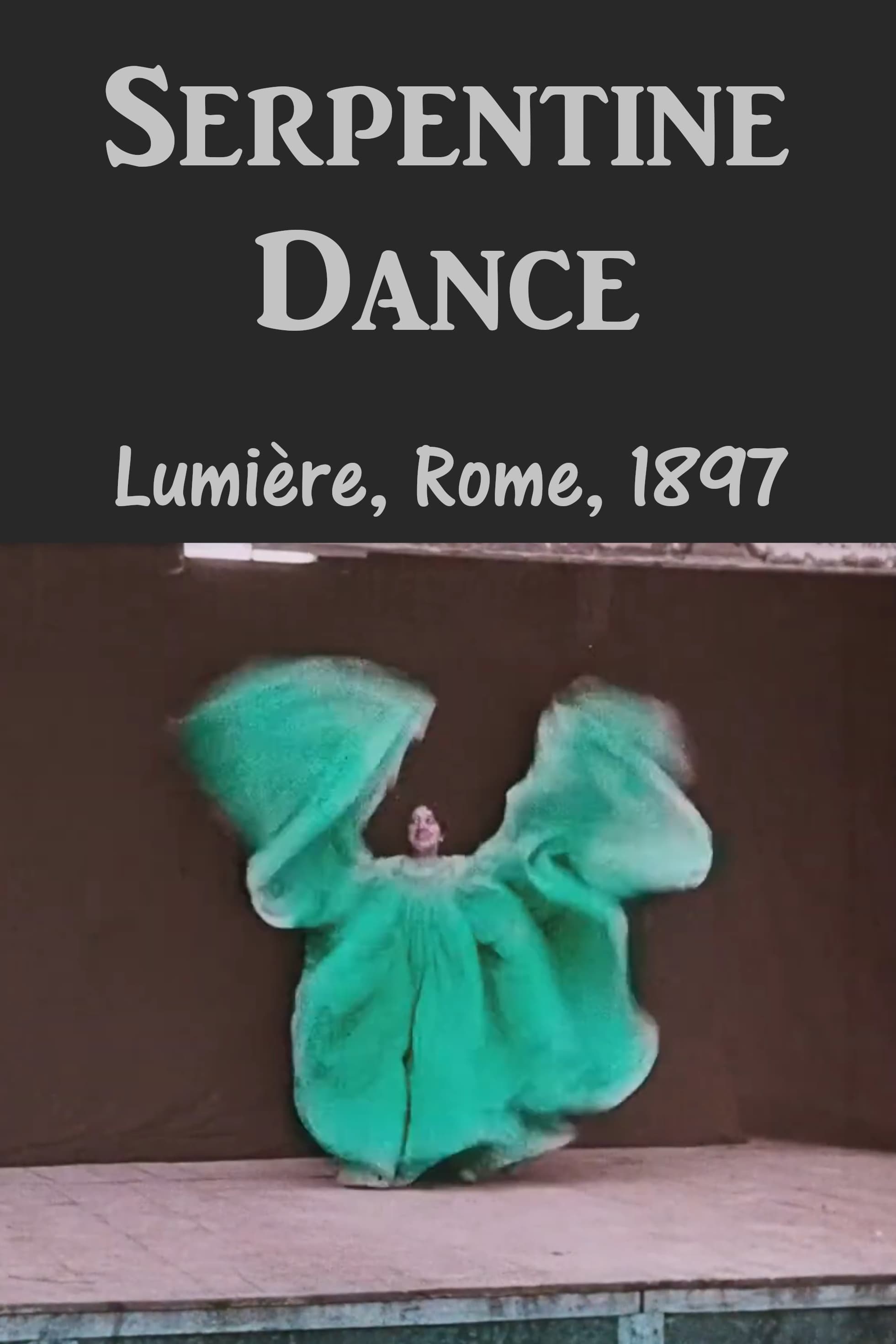
Angelic and demonic serpentine dance from dawn of cinema. Hand-colored frame by frame. Lumière no. 765 or 765.1 (colorized, different dancer?).
JB Smoove and Martin Starr host a celebration of 20 years of "Spider-Man" movies, from the Sam Raimi trilogy to Marc Webb's movies and the trio from Jon Watts.
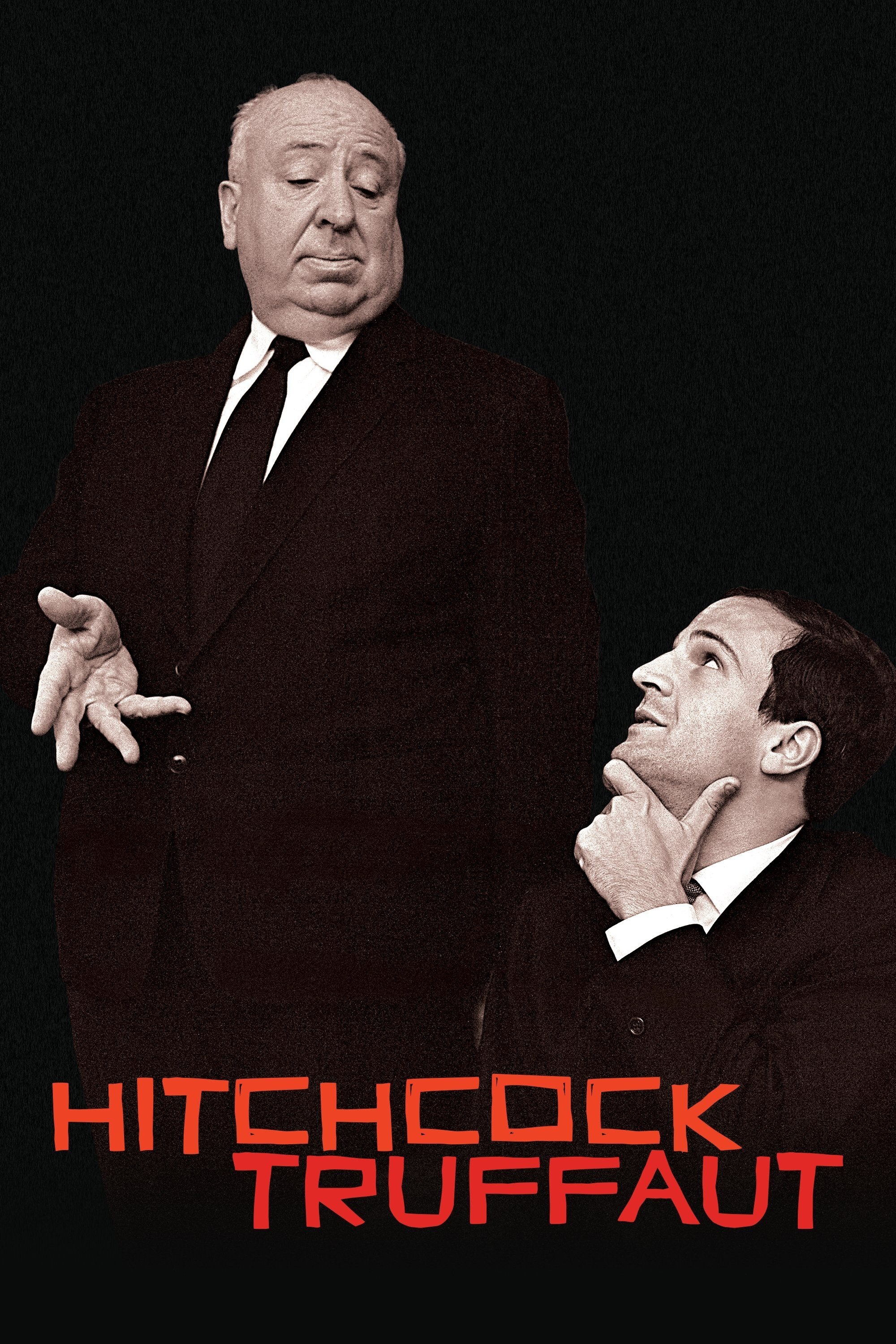
Filmmakers discuss the legacy of Alfred Hitchcock and the book “Hitchcock/Truffaut” (“Le cinéma selon Hitchcock”), written by François Truffaut and published in 1966.
SEDUCED AND ABANDONED combines acting legend Alec Baldwin with director James Toback as they lead us on a troublesome and often hilarious journey of raising financing for their next feature film. Moving from director to financier to star actor, the two players provide us with a unique look behind the curtain at the world's biggest and most glamourous film festival, shining a light on the bitter-sweet relationship filmmakers have with Cannes and the film business. Featuring insights from directors Martin Scorsese, 'Bernando Bertolucci' and Roman Polanski; actors Ryan Gosling and Jessica Chastain and a host of film distribution luminaries.
A documentary about the life and films of director John Ford.
Ross McElwee sets out to make a documentary about the lingering effects of General Sherman's march of destruction through the South during the Civil War, but is continually sidetracked by women who come and go in his life, his recurring dreams of nuclear holocaust, and Burt Reynolds.
Al Pacino's deeply-felt rumination on Shakespeare's significance and relevance to the modern world through interviews and an in-depth analysis of "Richard III."
Those who knew iconic funnyman John Candy best share his story, in their own words, through never-before-seen archival footage, imagery, and interviews.
With unprecedented access to the official archives and intimate recollections from the band, both current and past, Iron Maiden: Burning Ambition invites fans to experience one of the most iconic journeys in music history. Spanning five decades, this electrifying documentary charts the band’s rise from the pubs of East London to the world’s biggest stadiums. Featuring exclusive interviews with band members and contributors such as Javier Bardem, Lars Ulrich and Chuck D, as well as all-new animated sequences of the band's legendary mascot, Eddie, the film offers a rare and intimate look at Iron Maiden’s uncompromising vision and unwavering connection with their truly global army of fans.
A detailing of the rise to prominence and global sporting superstardom of six supremely talented young Manchester United football players (David Beckham, Nicky Butt, Ryan Giggs, Paul Scholes, Phil and Gary Neville). The film covers the period 1992-1999, culminating in Manchester United's European Cup triumph.
The film follows adventurer Jeff Johnson as he retraces the epic 1968 journey of his heroes Yvon Chouinard and Doug Tompkins to Patagonia.
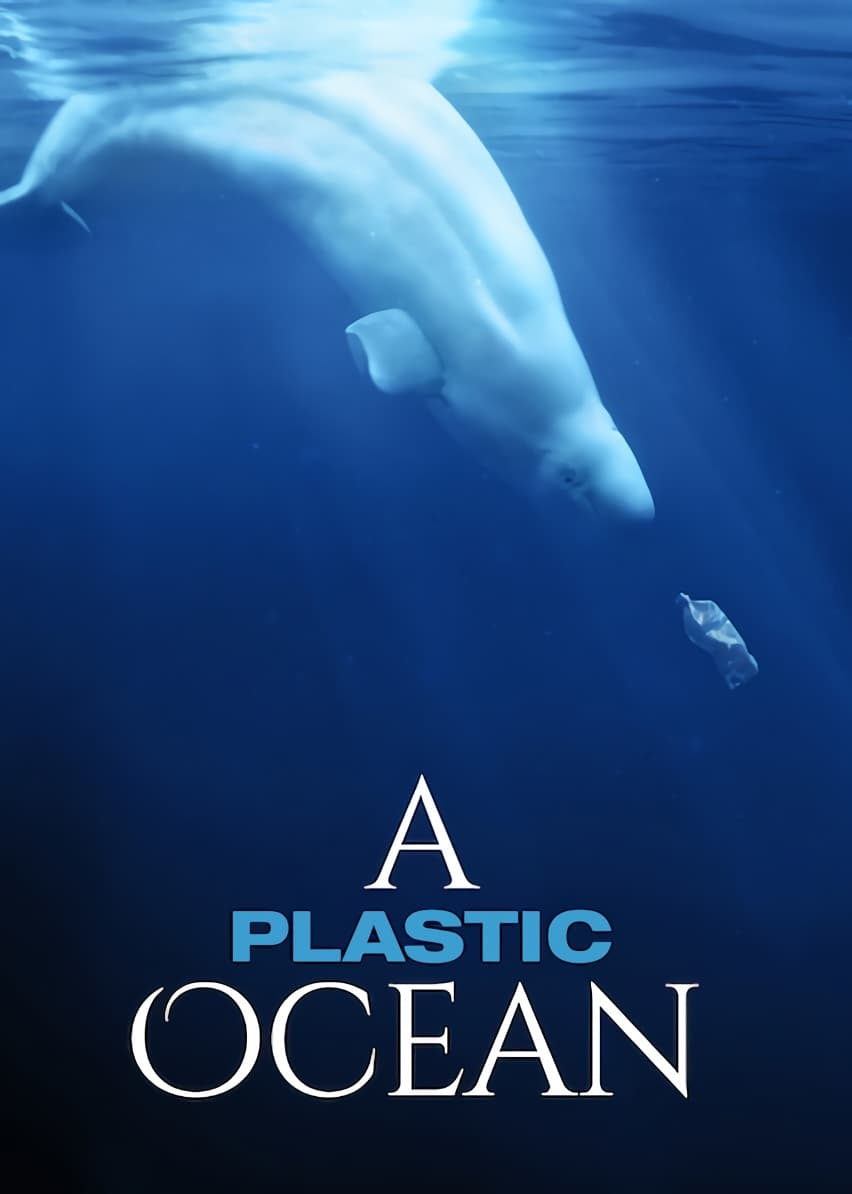
A documentary focused on plastic pollution in the world's oceans.
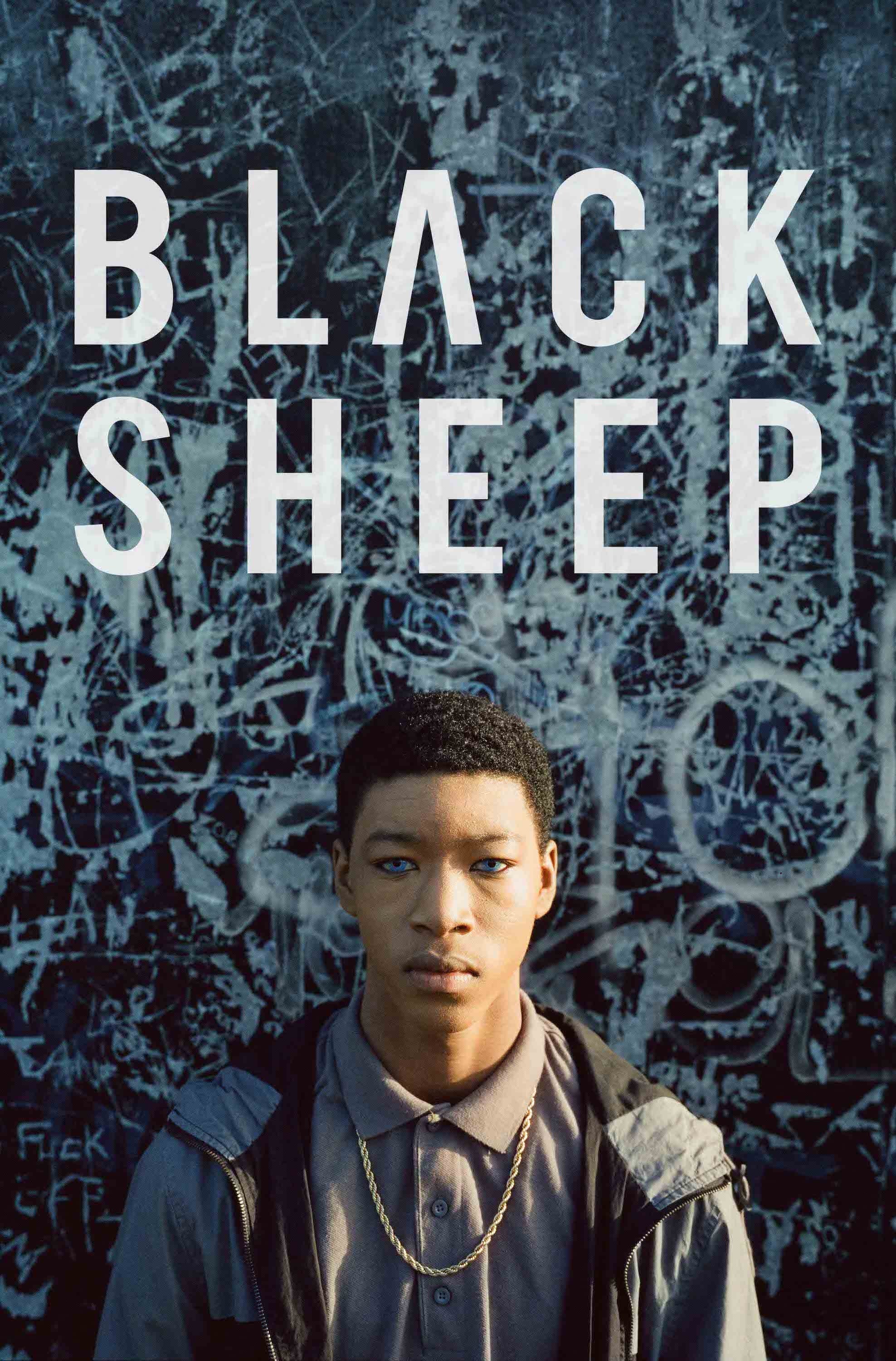
After the high-profile killing of Damilola Taylor, Cornelius' family move out of London. But when they discover their new town is run by racists, Cornelius takes a drastic step to survive.
What does being a woman really mean? How do women live the status society reserves for them? A group of women, beautiful or not, young or not, gifted with motherly instinct or not, answer before Agnès Varda's camera.
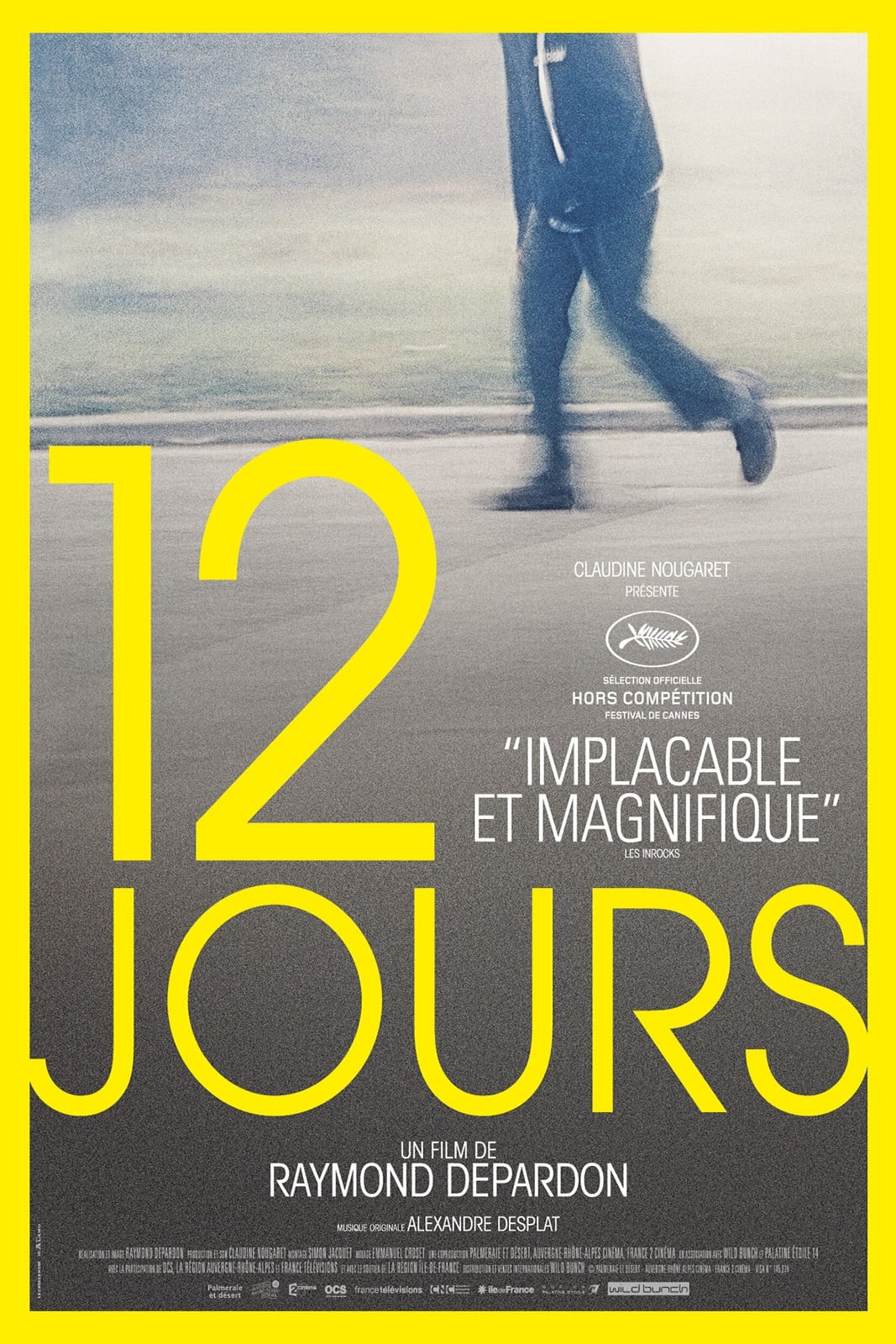
A new documentary by filmmaker-photographer Raymond Depardon – where justice and psychiatry meet.
Daniel Craig candidly reflects on his 15 year adventure as James Bond. Including never-before-seen archival footage from Casino Royale to the upcoming 25th film No Time To Die, Craig shares his personal memories in conversation with 007 producers, Michael G Wilson and Barbara Broccoli.
This character-driven film considers the evolving sex trafficking landscape as seen by the main players: the exploited, the pimps, the johns that fuel the business, and the cops who fight to stop it.
In the Realms of the Unreal is a documentary about the reclusive Chicago-based artist Henry Darger. Henry Darger was so reclusive that when he died his neighbors were surprised to find a 15,145-page manuscript along with hundreds of paintings depicting The Story of the Vivian Girls, in What is Known as the Realms of the Unreal, of the Glodeco-Angelinnian War Storm, Cased by the Child Slave Rebellion.
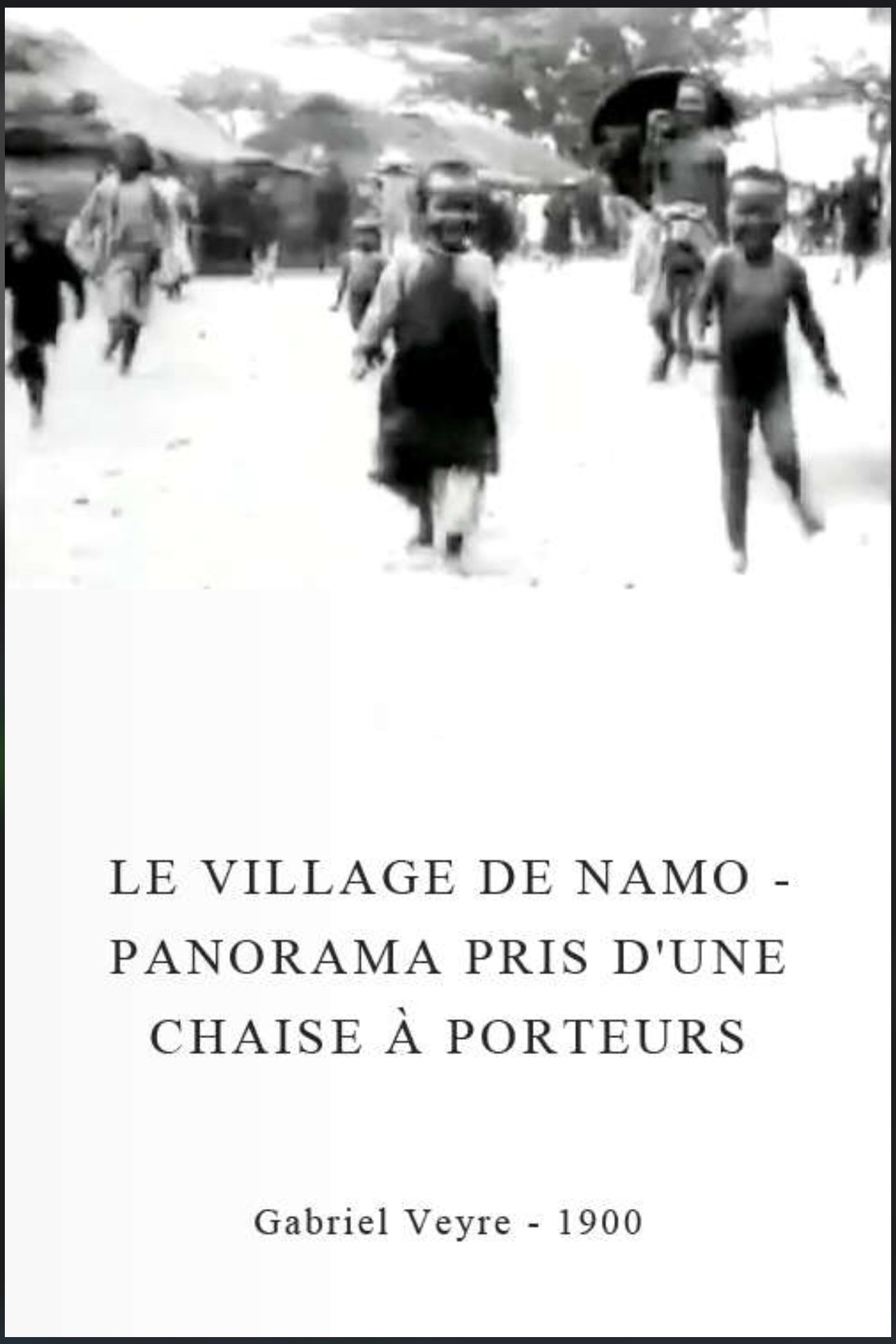
The film is a panorama shot-scene lasting just under a minute. The panorama film, as coined by Lumière, is a moving-camera shot--usually accomplished by placing the camera on a moving transport, such as a boat or train.
Alexander McQueen's rags-to-riches story is a modern-day fairy tale, laced with the gothic. Mirroring the savage beauty, boldness and vivacity of his design, this documentary is an intimate revelation of McQueen's own world, both tortured and inspired, which celebrates a radical and mesmerizing genius of profound influence.