Did you sleep well? For how long? Have you had breakfast today? What did you have? Now ask a Deaf person that.
Social & External
The people behind it
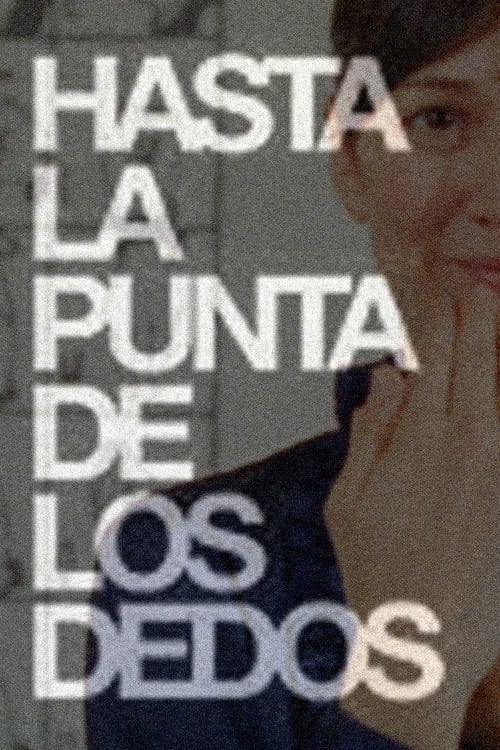
Naomy Romo
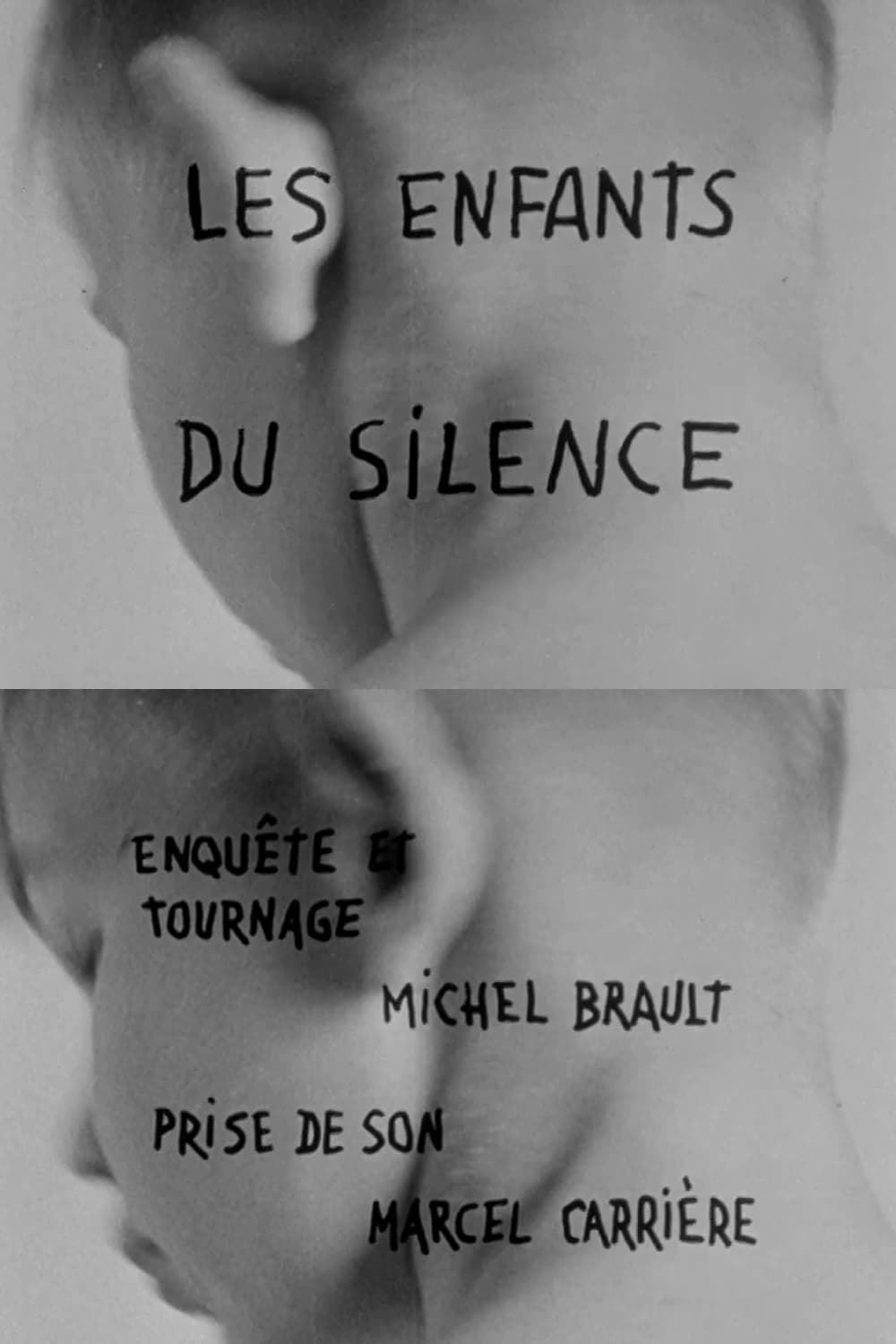
This film looks at the world of children with hearing loss and the importance of early diagnosis. With its straightforward, rigorous cinematic style and intimate approach to the subject, the film focuses on the human rather than the technical side of the problem of hearing impairment.
Actress and Strictly Come Dancing 2021 winner Rose Ayling-Ellis reveals the daily challenges, discrimination, and barriers which are faced by deaf individuals.
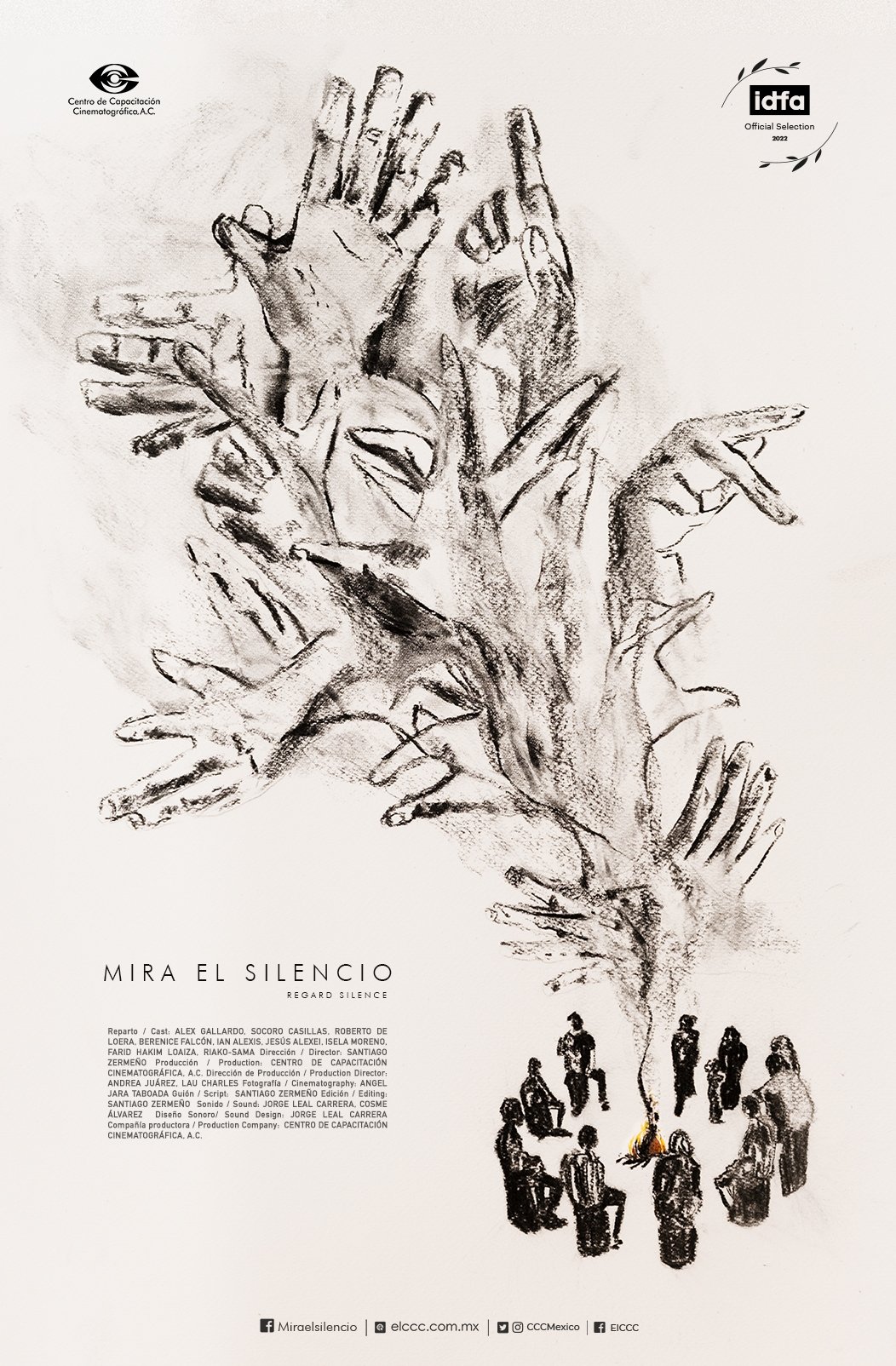
“I love poetry because it makes me feel like my mind expands.” In Regard Silence, that's the very first sentence expressed—in sign language of course. Watching the poems signed by deaf people in this film has a similarly mind-expanding effect. That’s because sign language—the Mexican version in this case—is a very different means of communication than written or spoken language.
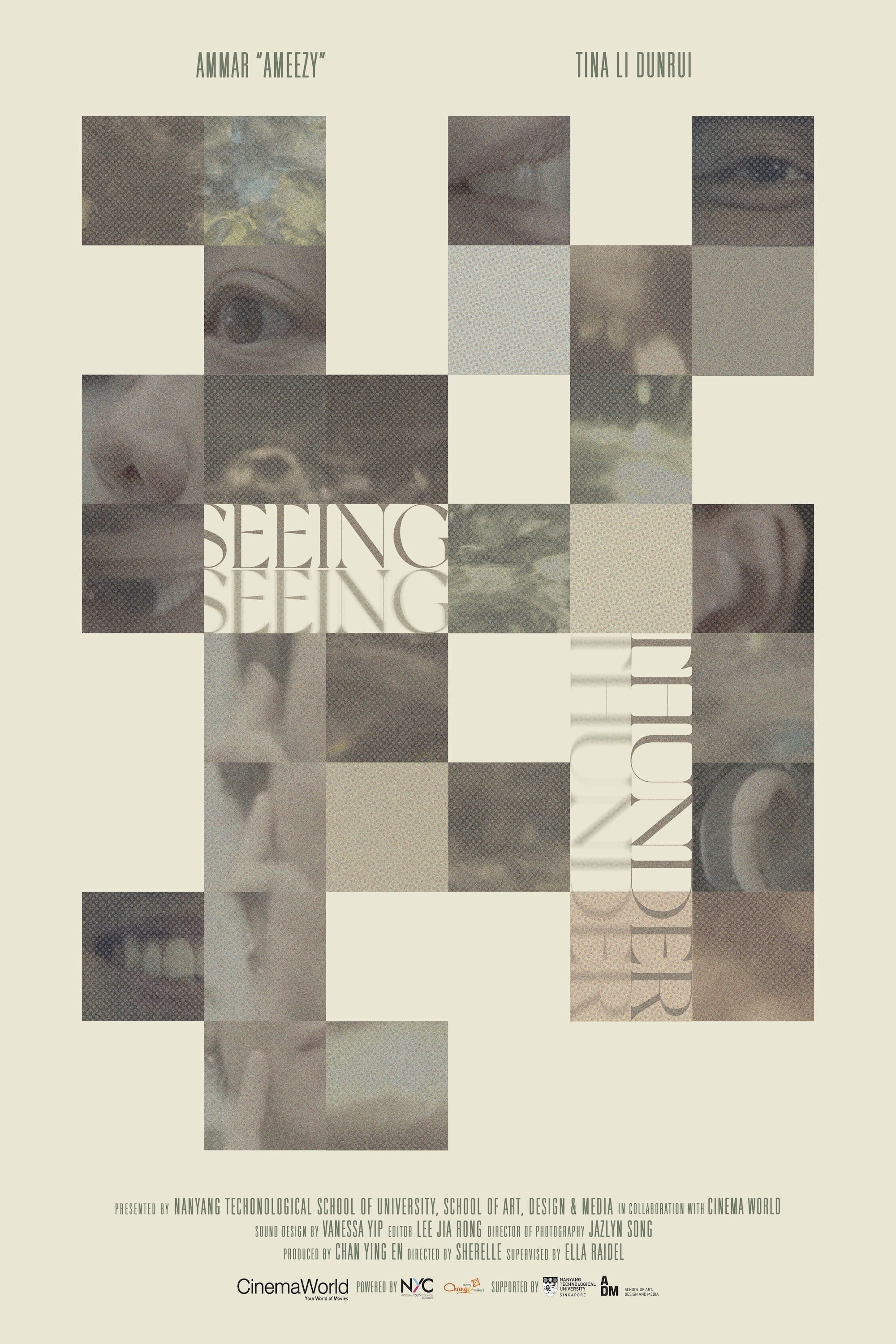
A documentary that threads on the hidden conundrums in the deaf world. Within the deaf and the hearing world is a fine line - so what's it like to live within as an in-betweener?
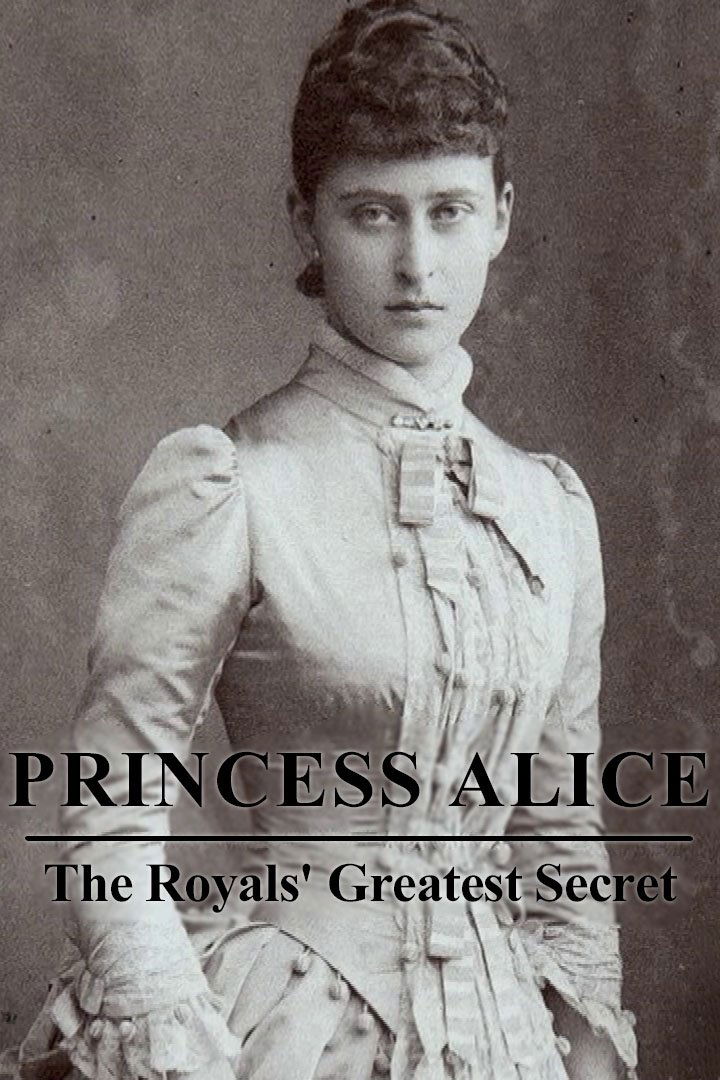
The life of Princess Alice of Battenberg, Queen Victoria's great-granddaughter, Prince Andrew of Greece's wife and Queen Elizabeth II's mother-in-law. Born deaf, she faced tremendous hardships but found solace in faith and charity work.
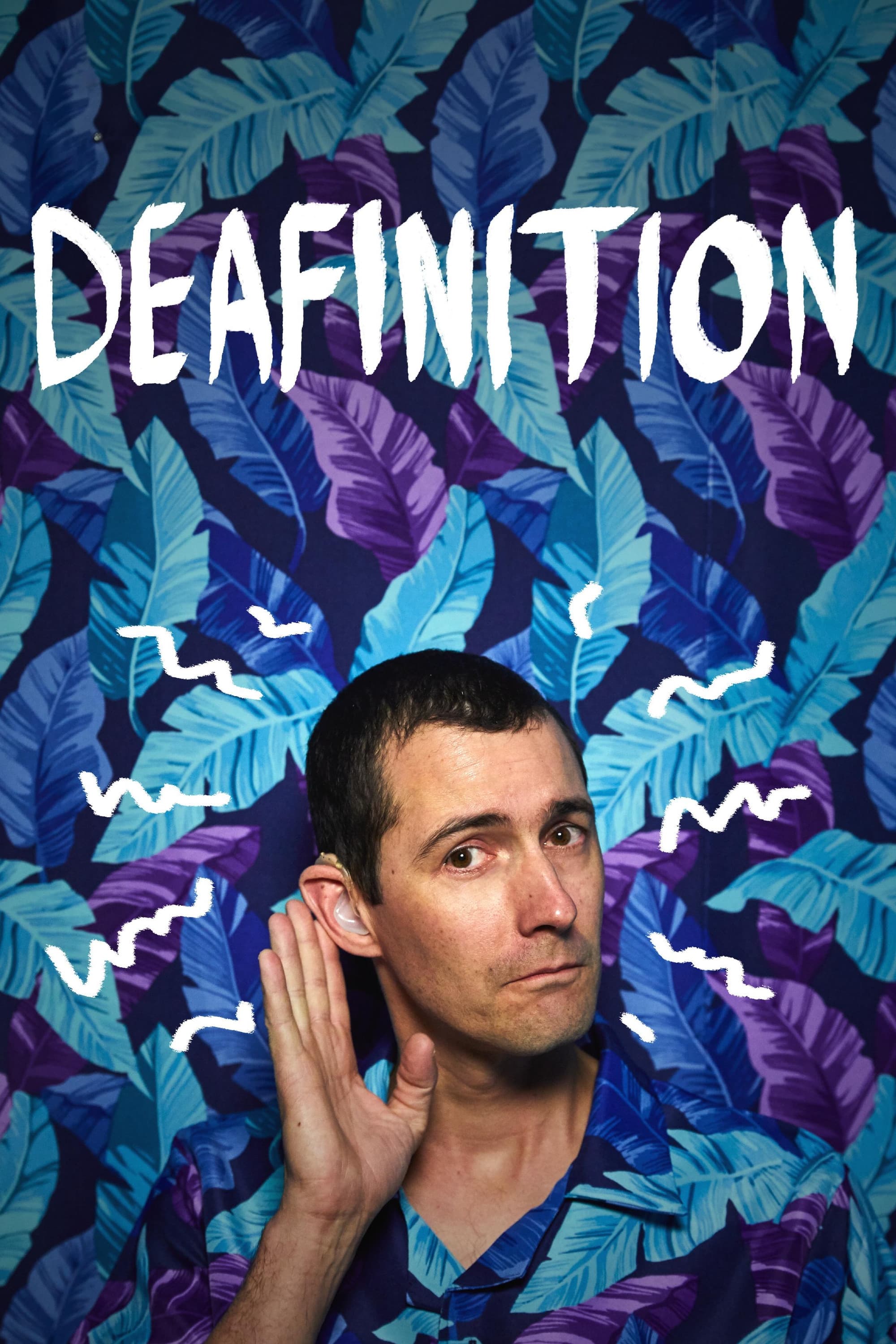
With honesty, humour and heart, Deafinition presents the first-hand narrative of Paul and his experiences being deaf. From the physical day-to-day, social interactions, the intricacies of communication and language, the frustrations and challenges we see it all unfold through the inner world of Paul.
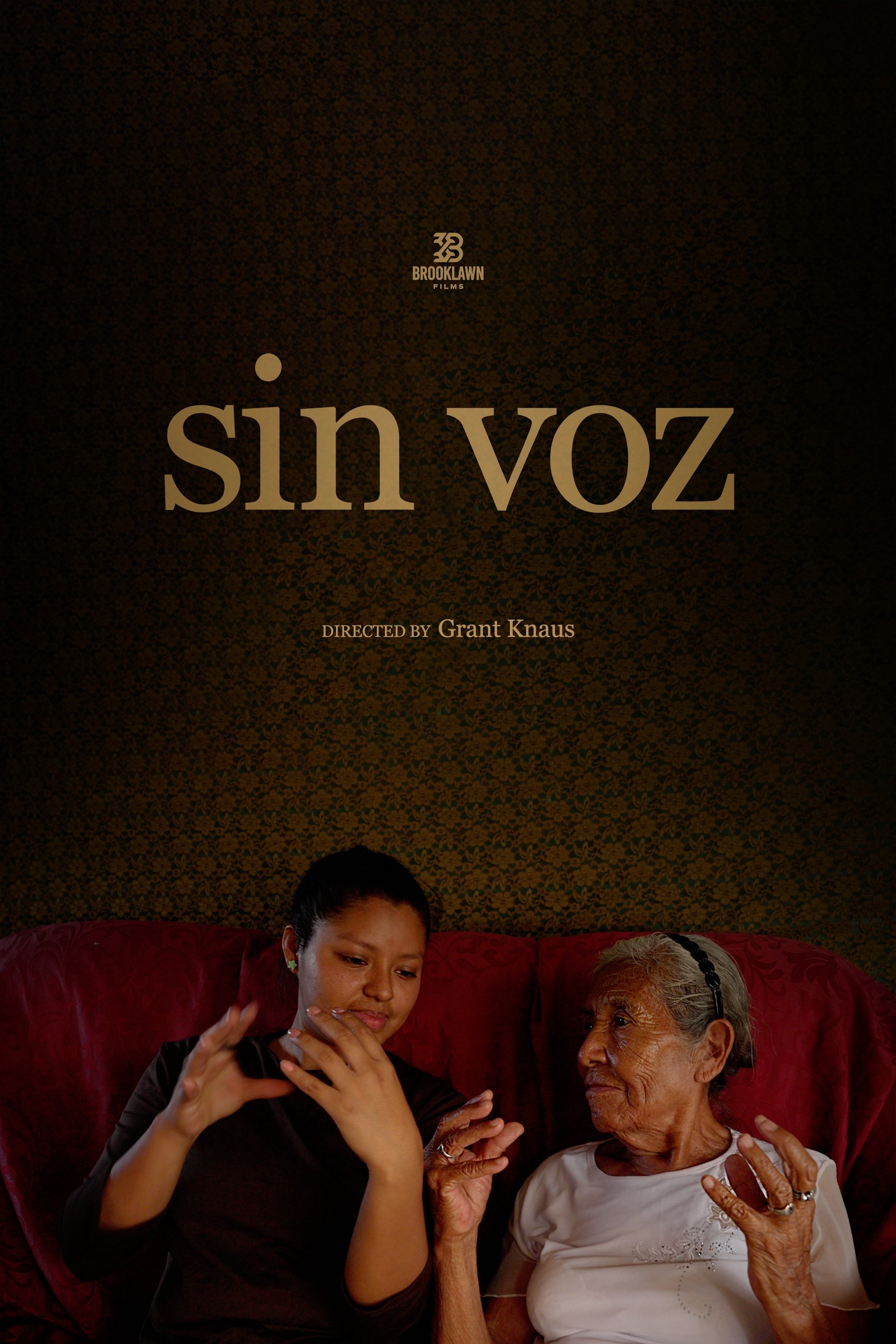
Told almost entirely without spoken words, this film unfolds in the language of its subjects: Guatemalan Sign Language. In a country where more than 850,000 Deaf people receive little institutional support, silence becomes both a barrier and a form of connection. Through classrooms, homes, and everyday life, the film observes a community building its own means of understanding and belonging. Among those leading the way are Melkin, Dairy, and Jonathan, the teachers, students, and leaders within Guatemalan Deaf Ministries, where the language of hands has become the language of hope.
Experimental Short Film Documentary made during the social outbreak, follows 2 Deaf people walking through the outbreak in Plaza Dignidad.
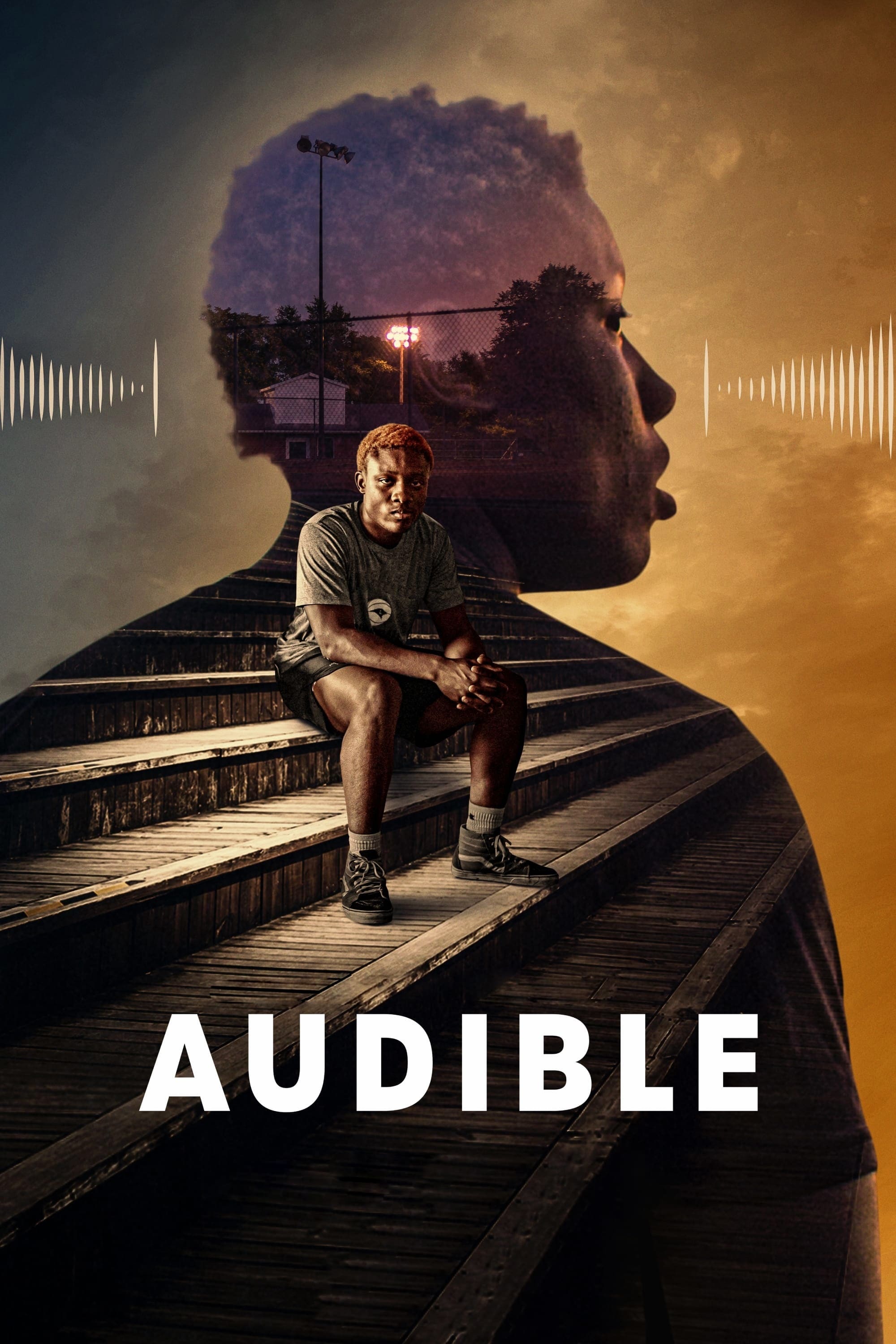
Football player Amaree McKenstry-Hall and his Maryland School for the Deaf teammates attempt to defend their winning streak while coming to terms with the tragic loss of a close friend.
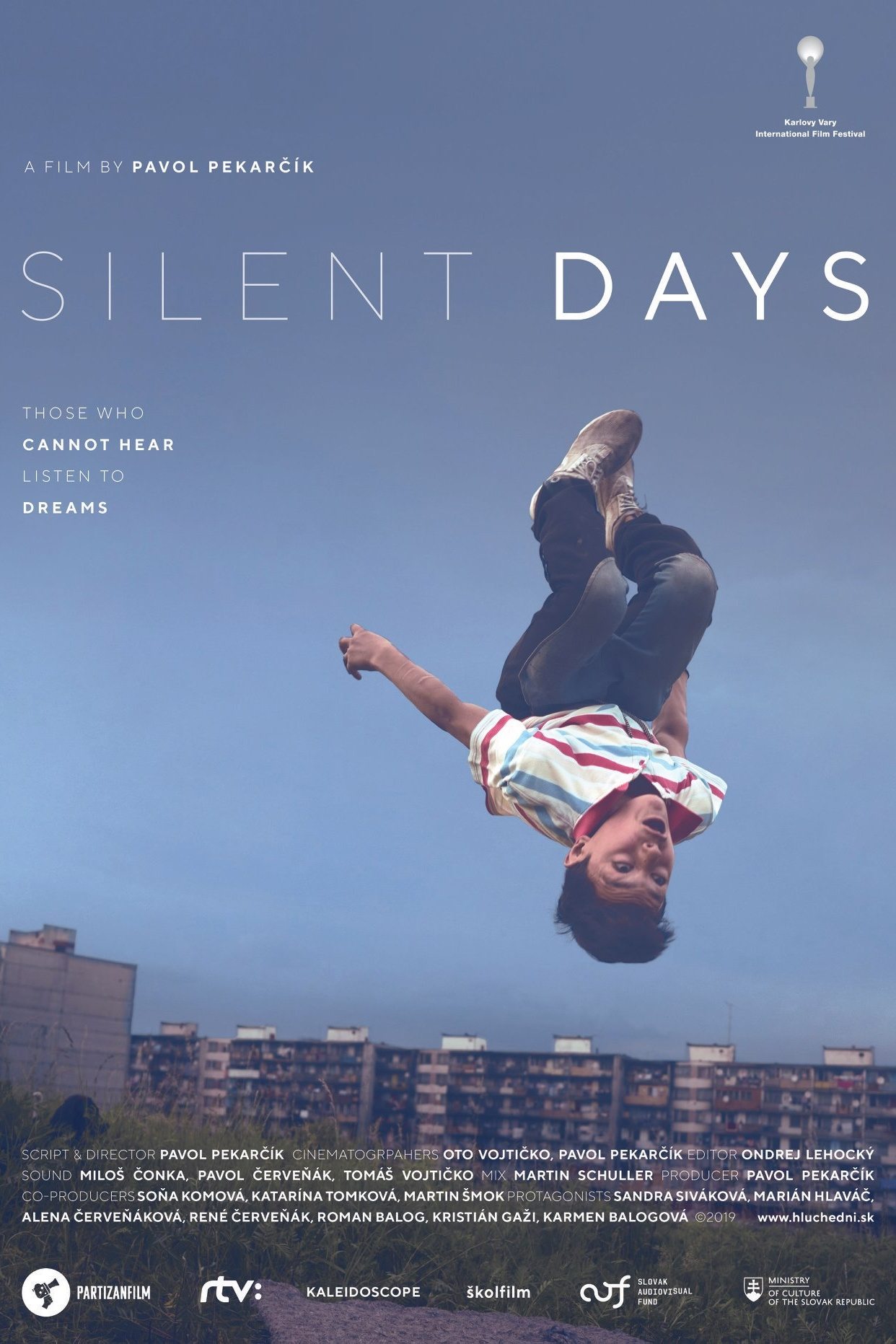
The film is separated into four chapters, each tracking a different group of protagonists who all have one thing in common – they were born deaf. Little Sandra likes to play football and admires Ronaldinho. Marián worships trains and wants to be an engine driver. Teenagers Alena and René are expecting a baby and long for it to be born healthy. The trio of Roman, Kristián and Karmen help their parents by collecting junk to be sold and dream of one day having a house with a flush toilet.
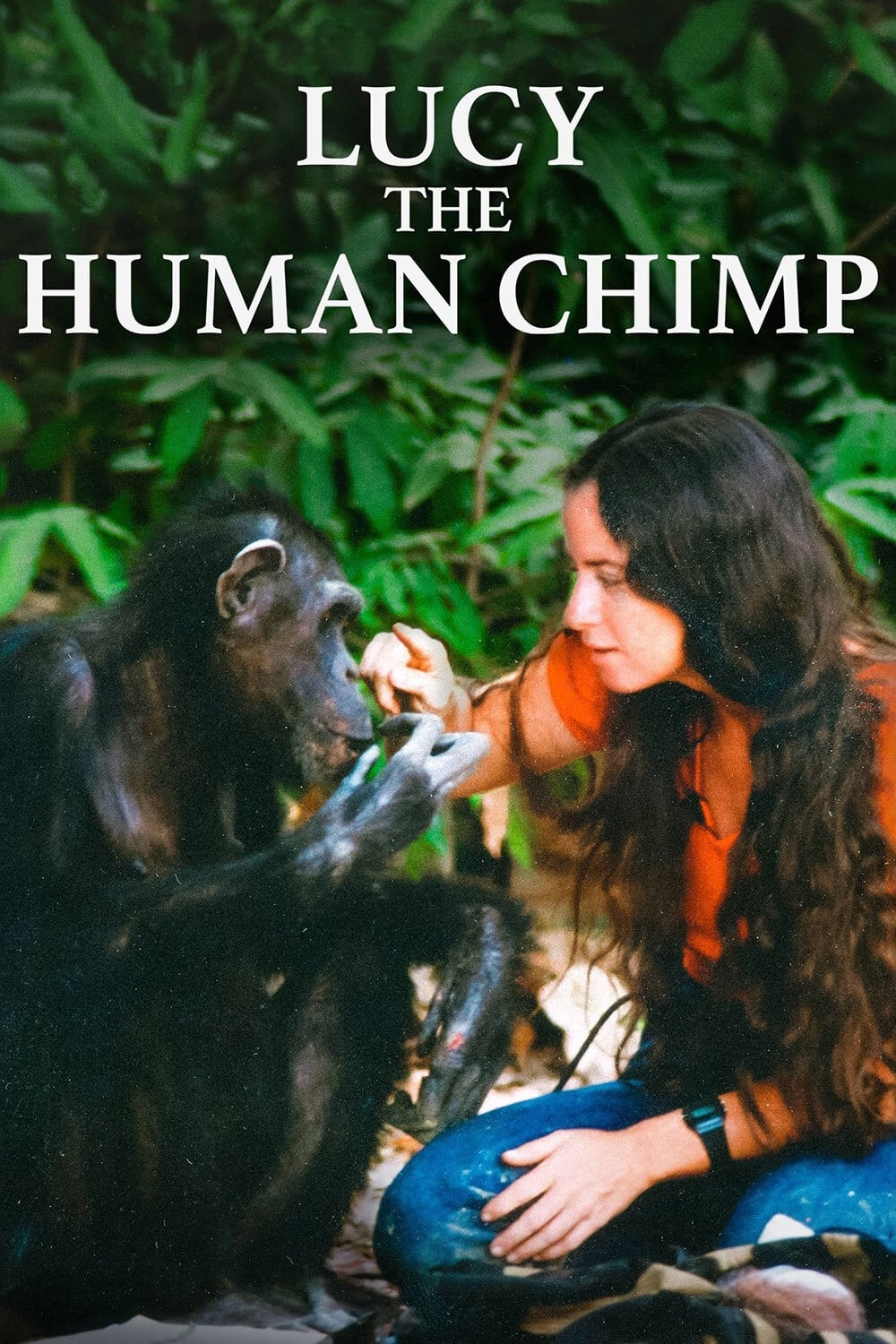
The profound story of Lucy Temerlin, a female chimpanzee raised as human from birth in a domestic environment, and Janis Carter, the woman who took on the seemingly impossible task of giving her a new life in the wild.
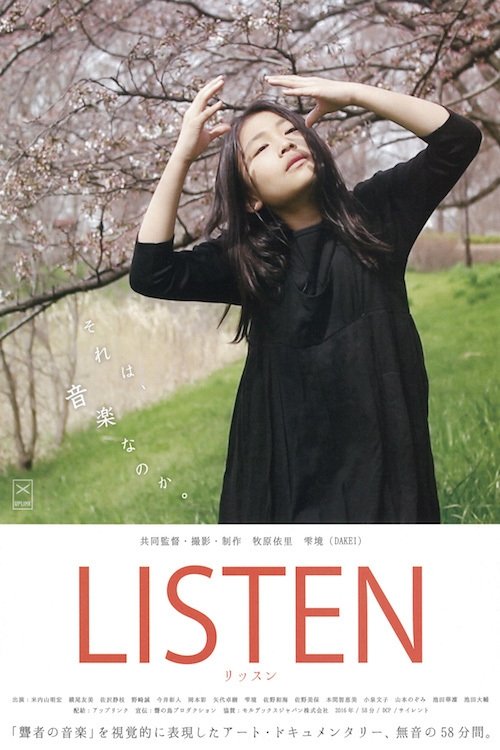
Documentary without audio produced by deaf people. Music is depicted visually with the complete absence of musical instruments or voices. Directed by Makihara Eri and choreographer Dakei. With a diverse lineup including ordinary deaf people with zero acting experience and a choreographer who performs in Japan and abroad, this film pulls out all the tops to give visual expression to music through the physical body. An aging man uses multiple sign language poems to convey the four seasons, and a girl expresses the wind amidst the rustling trees.
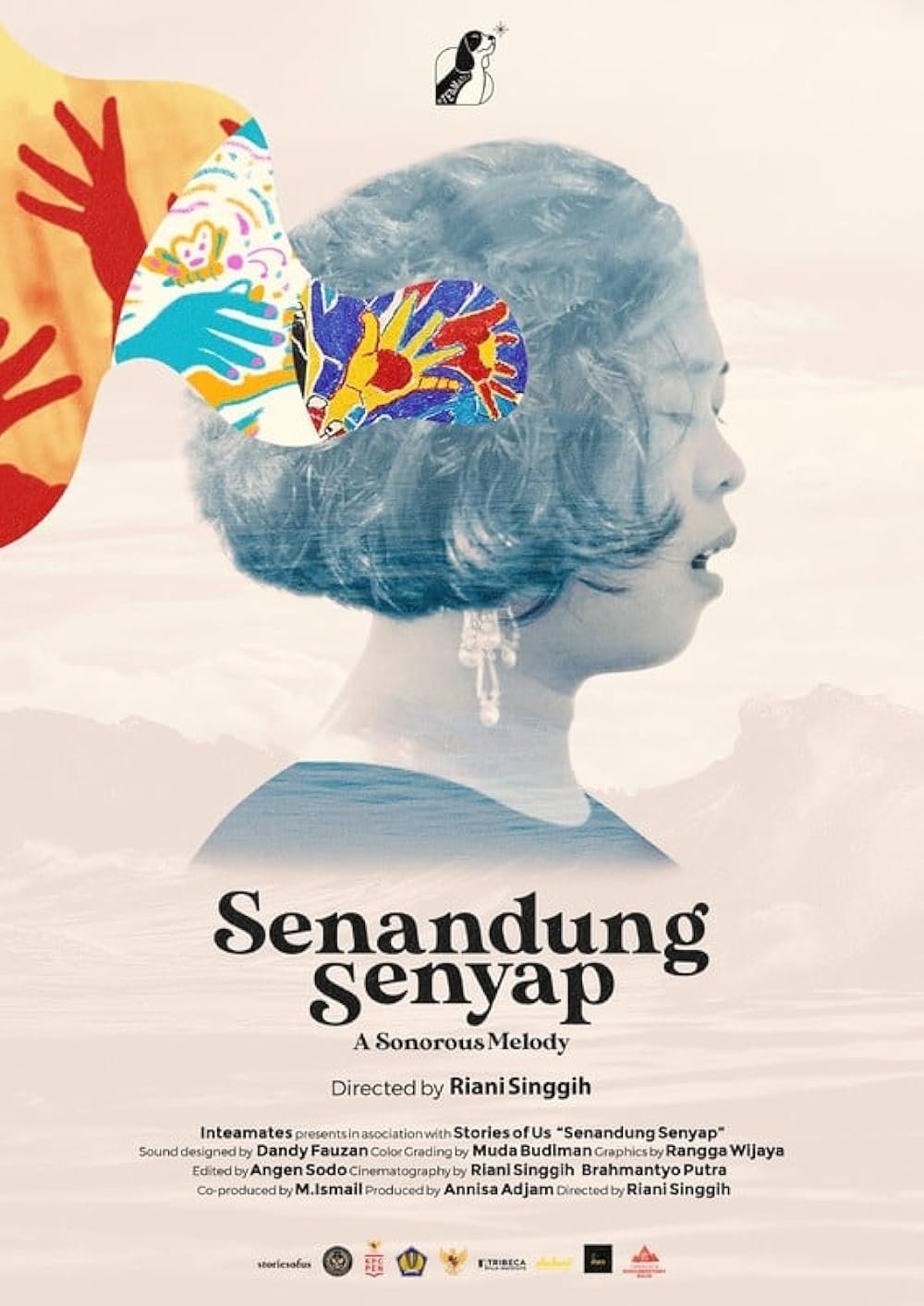
Growing up as a Deaf individual in Indonesia, Mufi was taught to speak instead of sign. As an adult, now she carves her music career to inspire others to express themselves through sign language.
Join us on a revealing journey behind-the-scenes of Maya Lopez’s own groundbreaking series. Witness how the production took unprecedented steps to portray the deaf experience, and Native American culture truthfully. Spend time with powerhouse actor Vincent D’Onofrio as he brings the Kingpin to monstrous life once again. All this and more waits to be discovered in "Assembled: The Making of Echo."
Discover the story of the greatest civil rights movement most people have never heard about. During eight tumultuous days in 1988 at the world's only Deaf university, four students must find a way to lead a revolution—and change the course of history.
A spate of robberies in Southern California schools had an oddly specific target: tubas. In this work of creative nonfiction, d/Deaf first-time feature director Alison O’Daniel presents the impact of these crimes from an unexpected angle. The film unfolds mimicking a game of telephone, where sound’s feeble transmissibility is proven as the story bends and weaves to human interpretation and miscommunication. The result is a stunning contribution to cinematic language. O’Daniel has developed a syntax of deafness that offers a complex, overlaid, surprising new texture, which offers a dimensional experience of deafness and reorients the audience auditorily in an unfamiliar and exhilarating way.
A group of deaf friends that attend a public school, where they have been classmates since the age of two, live their final year together. As the school year advances they get prepared to confront their biggest fear: attending a school of hearers.
This film is a letter to my friend Vincent who died ten years ago. Vincent was Deaf. He introduced me to his language, his culture, his world. Through Vincent ‘s life, the film will examine the roots of the distress that plagues the Deaf, and also explore a rich and fascinating world, a people that struggles to preserve its Sign Language and Culture.
Down the road from Woodstock in the early 1970s, a revolution blossomed in a ramshackle summer camp for disabled teenagers, transforming their young lives and igniting a landmark movement.
Through examining Fini Straubinger, an old woman who has been deaf and blind since her teens, and her work on behalf of other deaf-blind people, this film shows how the deaf-blind struggle to understand and accept a world from which they are almost wholly isolated.
This documentary focuses on the actors and their journey over two summers to create the remake to the original IT, by Stephen King. The documentary originally released as bonus material, bundled with IT: Chapter Two.
SEDUCED AND ABANDONED combines acting legend Alec Baldwin with director James Toback as they lead us on a troublesome and often hilarious journey of raising financing for their next feature film. Moving from director to financier to star actor, the two players provide us with a unique look behind the curtain at the world's biggest and most glamourous film festival, shining a light on the bitter-sweet relationship filmmakers have with Cannes and the film business. Featuring insights from directors Martin Scorsese, 'Bernando Bertolucci' and Roman Polanski; actors Ryan Gosling and Jessica Chastain and a host of film distribution luminaries.
The Making-of James Cameron's Avatar. It shows interesting parts of the work on the set.
A documentary about how a dominant cultural and demographic institution both sustains their traditional activities and adapts to the digital revolution.
A string of threatening emails escalates into a revenge plot involving a newly married US marshal and his ex-girlfriend.
RETURN tells the story of a retired Green Beret who embarks on a healing journey from Montana to Vietnam. There he retraces his steps, shares his wartime experiences with his son, treats his Post-Traumatic Stress Disorder, and seeks out the mountain tribespeople he once lived with and fought alongside as a Special Forces officer.
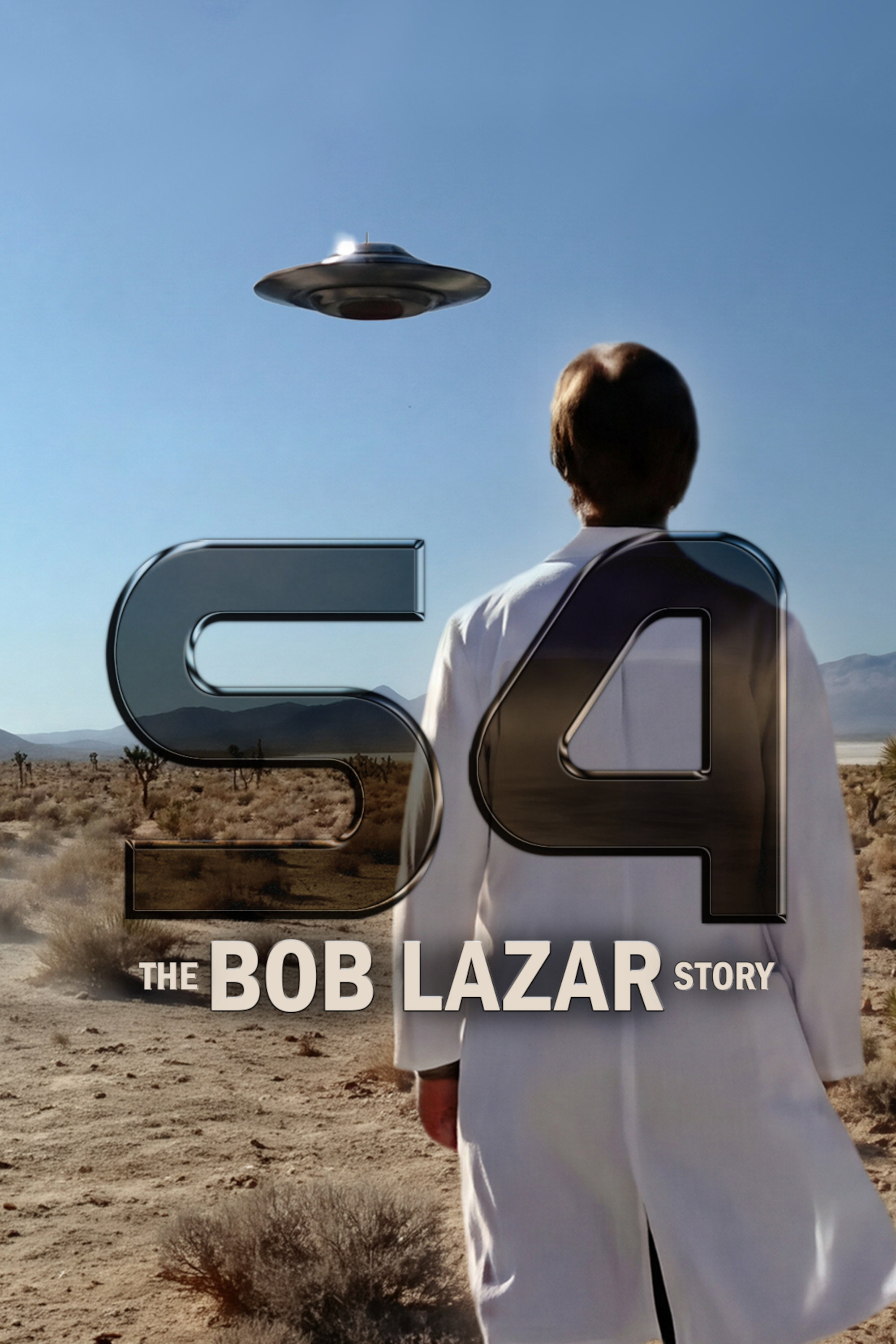
Over 35 years after Bob Lazar's revelations, this documentary exposes secrets of a facility the government still denies. Featuring Lazar's testimony, recreations, and new evidence, it reopens a case that continues to spark global curiosity
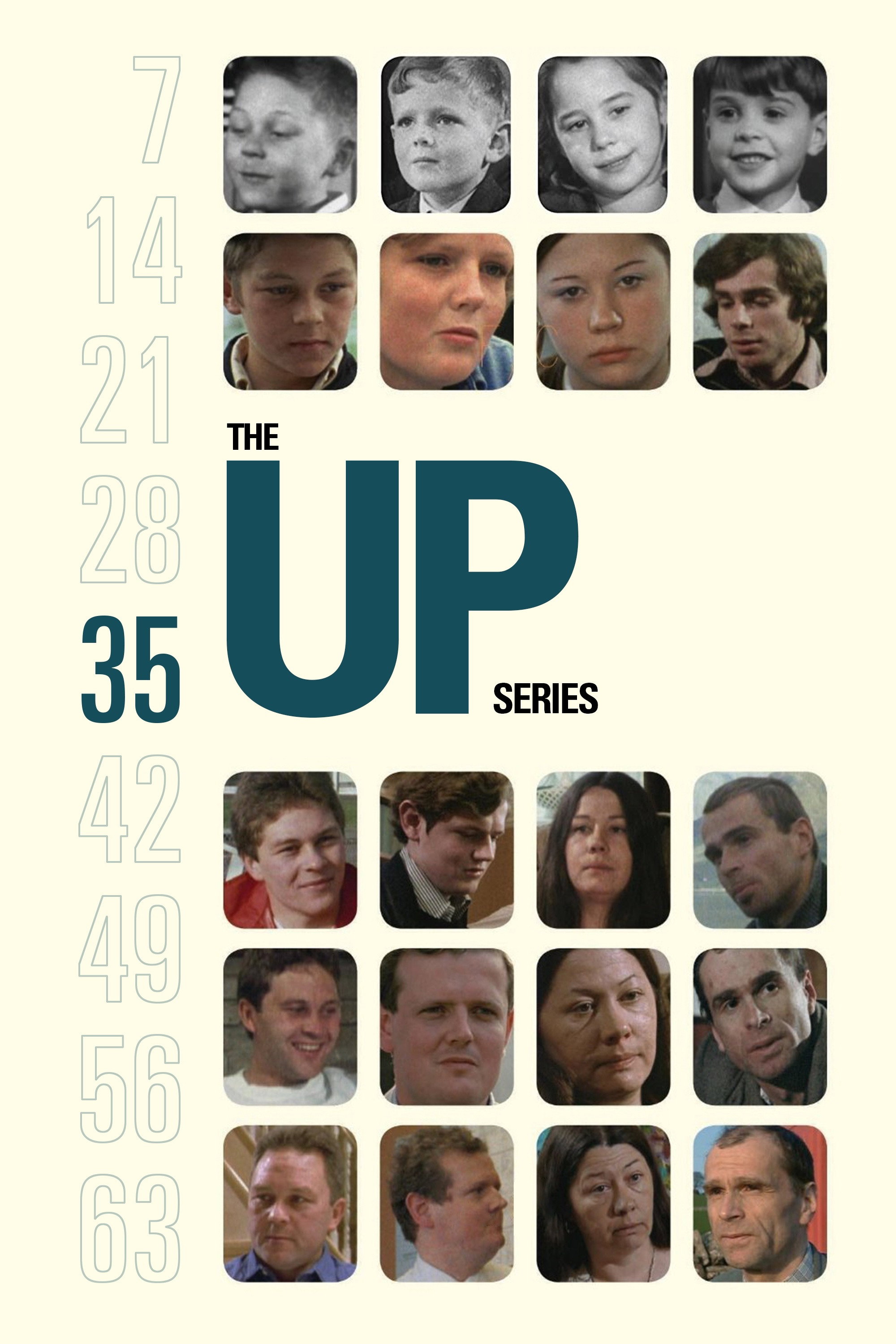
Director Michael Apted revisits the same group of British-born adults after a 7 year wait. The subjects are interviewed as to the changes that have occurred in their lives during the last seven years.
Al Pacino's deeply-felt rumination on Shakespeare's significance and relevance to the modern world through interviews and an in-depth analysis of "Richard III."
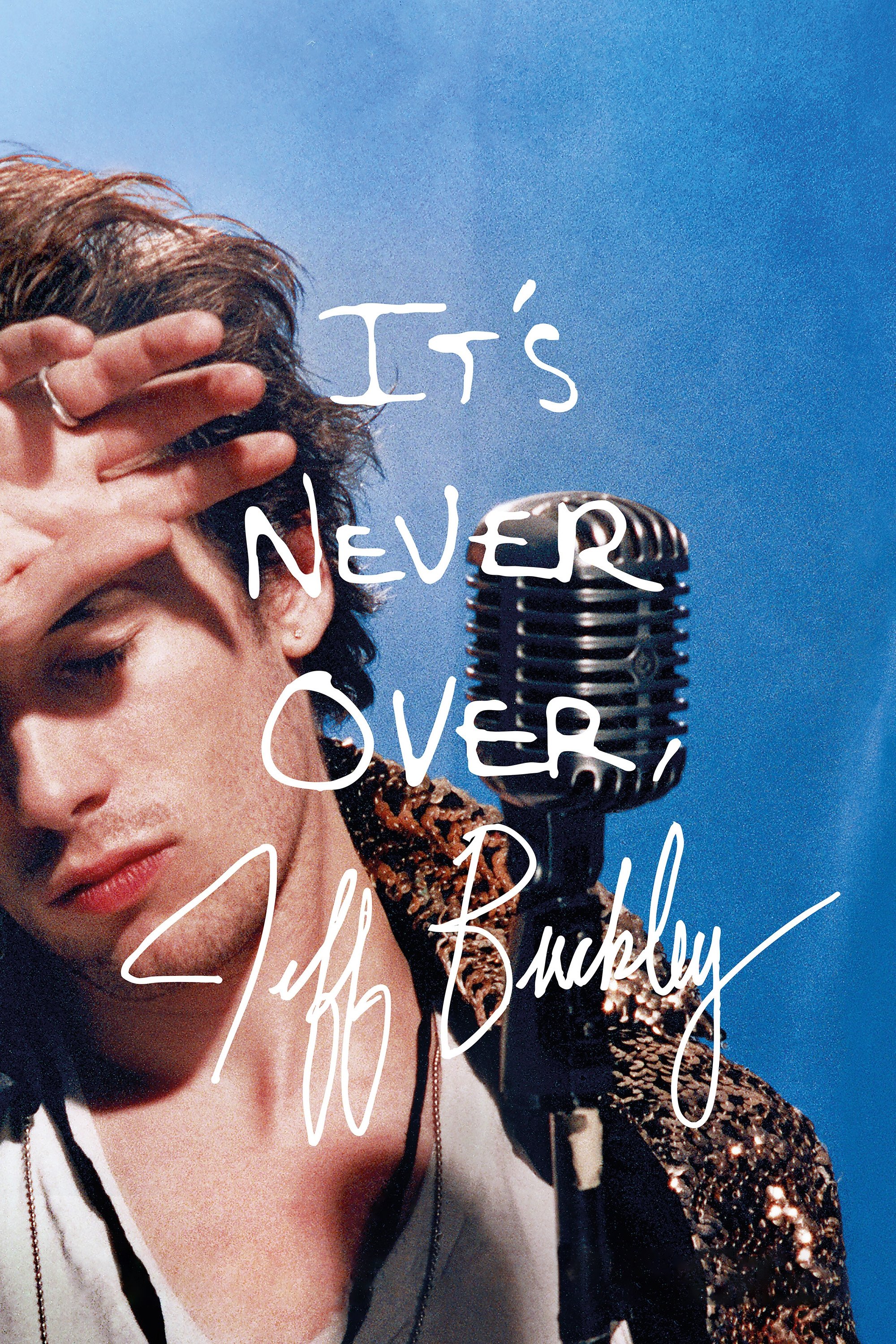
Rising musician Jeff Buckley had only released one album when he died suddenly in 1997. Now, never-before-seen footage, exclusive voice messages, and accounts from those closest to him offer a portrait of the captivating singer.
A documentary about the life and films of director John Ford.
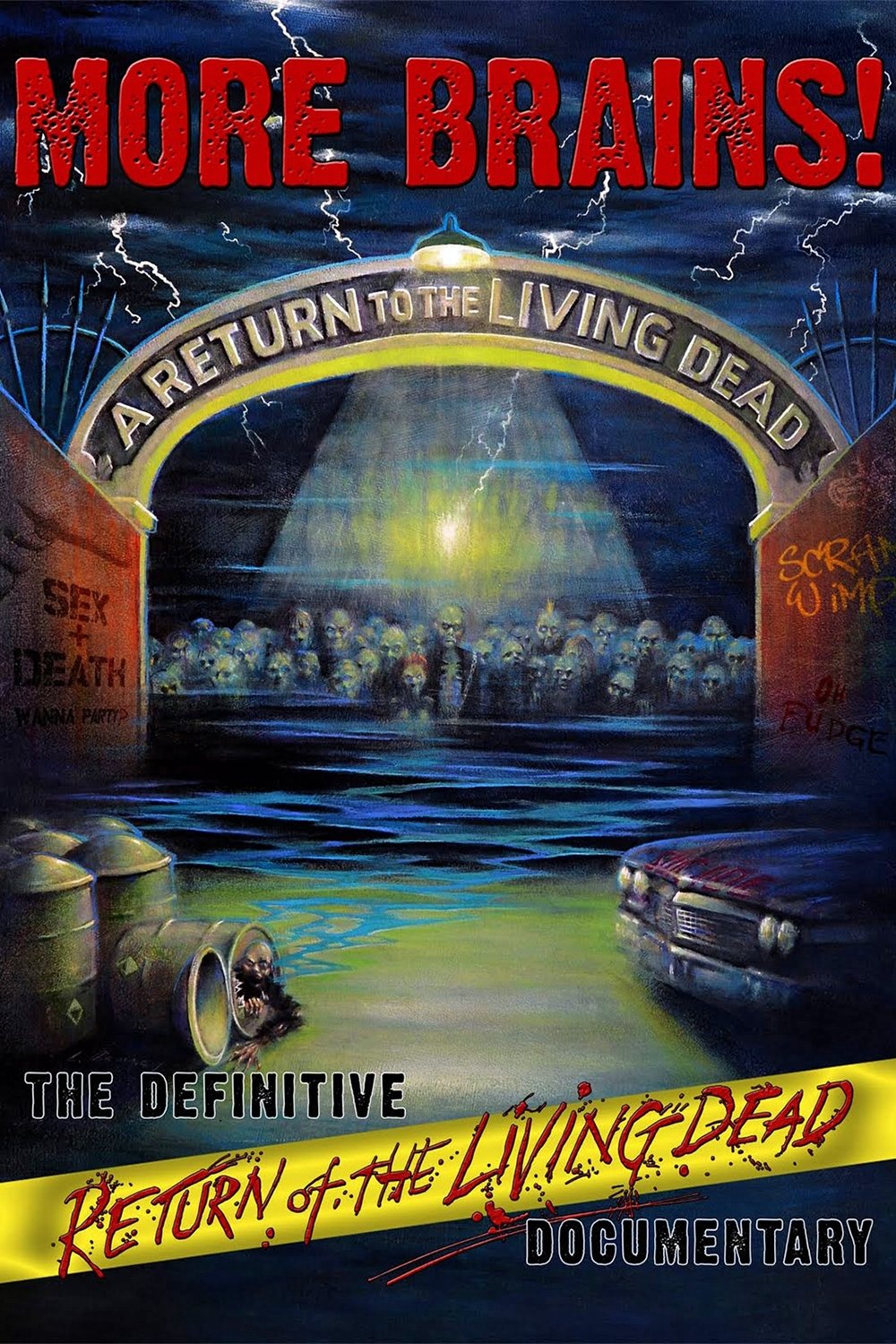
Retrospective documentary about the making of the horror cult classic "The Return of the Living Dead."
Brilliant, long in-the-works story of the life and art of the world's greatest comedian and the cinema's first genius, Charlie Chaplin. Produced, written and directed by renowned film critic Richard Schickel.
This revealing documentary honors the legendary Sidney Poitier—iconic actor, filmmaker, and civil rights activist. Featuring interviews with Denzel Washington, Spike Lee, Halle Berry, and more.
A detailing of the rise to prominence and global sporting superstardom of six supremely talented young Manchester United football players (David Beckham, Nicky Butt, Ryan Giggs, Paul Scholes, Phil and Gary Neville). The film covers the period 1992-1999, culminating in Manchester United's European Cup triumph.
Ranjit, a farmer in India, takes on the fight of his life when he demands justice for his 13-year-old daughter, the victim of a brutal gang rape. His decision to support his daughter is virtually unheard of, and his journey unprecedented.
The film follows adventurer Jeff Johnson as he retraces the epic 1968 journey of his heroes Yvon Chouinard and Doug Tompkins to Patagonia.
An inside look at one of the most anticipated movie sequels ever with James Cameron and cast.
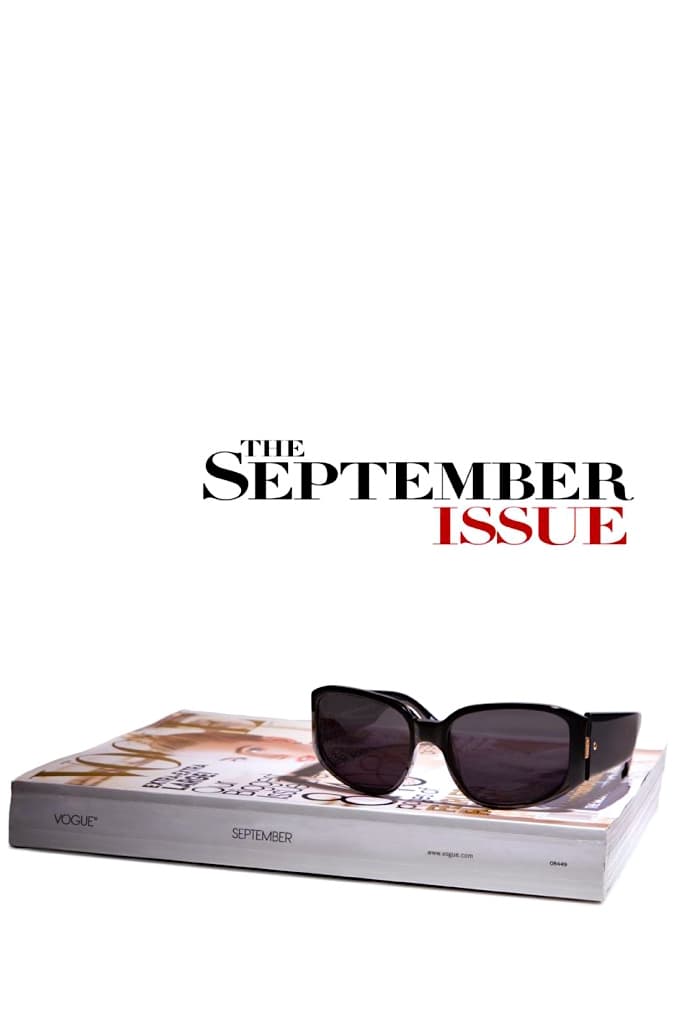
A documentary chronicling Vogue editor-in-chief Anna Wintour's preparations for the 2007 fall-fashion issue.