Social & External
The people behind it
Obinagụ is not human. They are a spirit who walks among us, taking the form of a worker each day, only to return each evening to the forest they call home, a place where they feel whole and free, where they don’t have to perform or hide.
A woman on the run from the mob is reluctantly accepted in a small Colorado community in exchange for labor, but when a search visits the town, she learns that their support has a price.
Begotten is the creation myth brought to life, the story of no less than the violent death of God and the (re)birth of nature on a barren earth.
Fifteen images of a camera running in a park and in obscurity searching the space of light through distorsion and the sensory of rapid motion.
Ordinary people of both sexes, and of varying ages, races and ethnicities, tell stories that sound familiar. But each is a construct to plumb reality in a considered, theoretical, and, ultimately, playful fashion, as Delson continues the filmic experimentation begun during her collaboration with Jill Godmilow an the genre-bending Far from Poland.
Proximities focuses on the trope of the Malay Boy found in the works of Singaporean artist Cheong Soo Pieng (b. 1917-1983). It attempts to locate the Malay male in art history while unpacking underlying systems of power that have shaped and naturalised the understanding of difference.
Holding Space explores the lived experiences of Burmese immigrants in Singapore under the gaze of neighbours in public flats. With a focus on spatial arrangements and housing exteriors, the experimental film challenges the ways architects visualise and instrumentalise their ways of seeing, seeking to hold space for subjective experiences and the subtle yet persistent influences on our domestic interiors.
state. is an exploration of liminal spaces, physical and emotional, from the perspective of a teenager. Unravelling through a desktop screen, the film navigates between different states: physical and digital, reality and whimsicality, and childhood and adulthood.
TAMAN HUTAN Chapter Four: The Wound Response focuses on the rubber craze of the 20th century through both archival documentation of wages and an interview with Cek Anuan on his grandfather Rasimin who worked with English naturalist Henry Nicholas Ridley. Focusing on the Singapore Botanic Gardens as the site of interaction between colonists and labourers, the film reveals the wounds of those erased from colonial records but who remain inscribed within nature itself.
A short experimental film about the human race taking over nature.
Vintage pornography reels from the archives of Italy’s National Film Museum display over an AI recitation of Dante's The Divine Comedy.
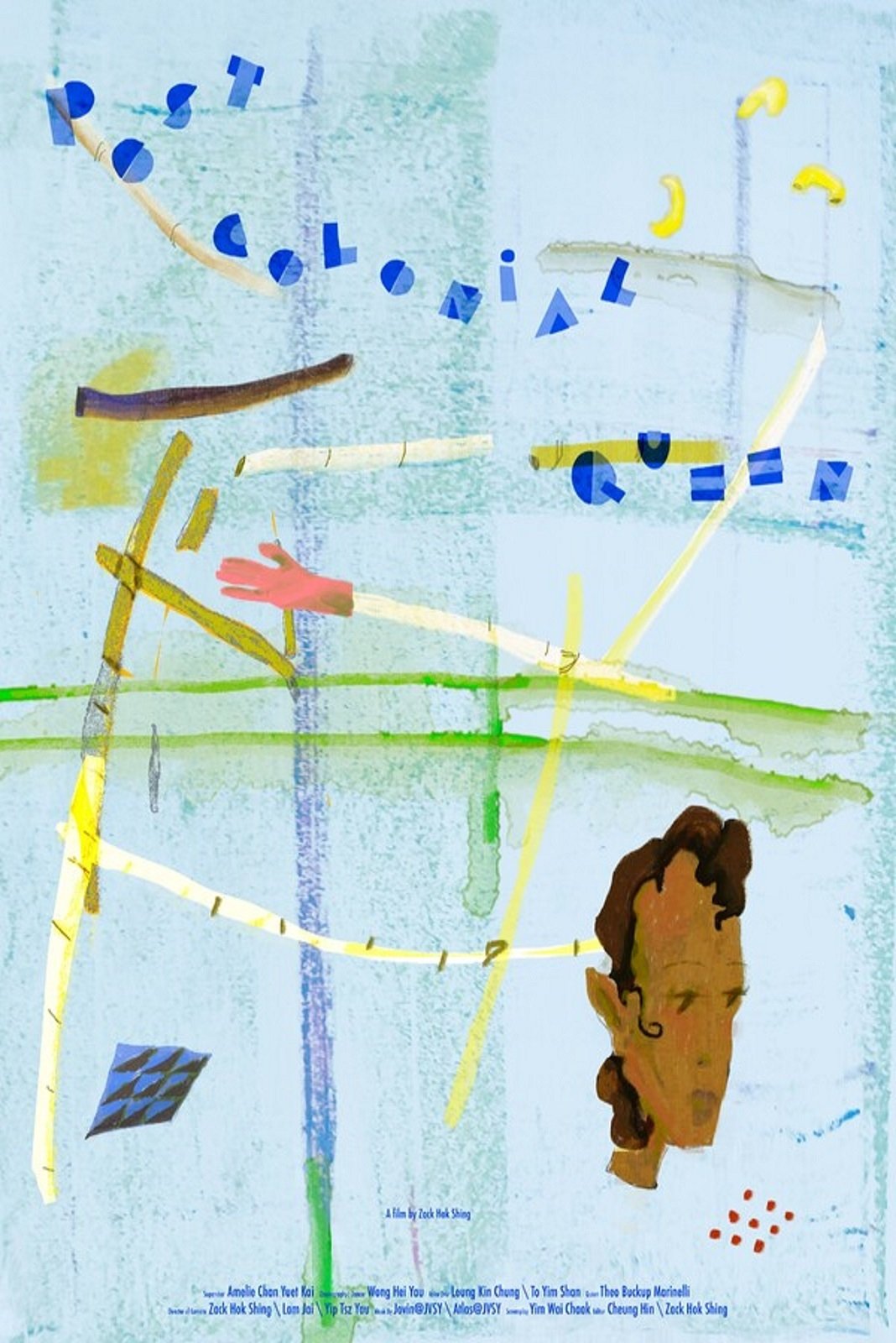
"Postcolonial Queen" is a video poem and collage film that satirizes Hong Kong's complex identity through dance, city visuals, and a reenactment of Queen Elizabeth II's visit. It captures nostalgic memories shaped by colonial history, using bamboo scaffolding to represent societal changes and mirrors to reflect surface-level modernity, hinting at deeper identity questions. The narrative weaves together collective memories and personal stories, contrasting the historical event of the queen's visit with a young woman's reflections on her past relationship. This intermingling of narratives invites viewers to explore the fluidity of identity and the evolving essence of Hong Kong amid tensions between progress and tradition.
A comic study of 20th-century history, reconstructing the life of writer, creator and professional prisoner Tulse Luper. Born in 1911 Newport and last heard of in 1989, Luper’s life is pieced together from the evidence found in 92 suitcases scattered across the globe. In the first of three parts, we follow Luper through three distinct episodes: as a child during the First World War; as an explorer in Mormon Utah; and as a writer in Belgium during the rise of fascism.
An intimate stream of memories reaching out across time and space, taking on a uniquely experimental form that cuts the viewer adrift in a weave of old footage rising to the surface of consciousness like a dream.
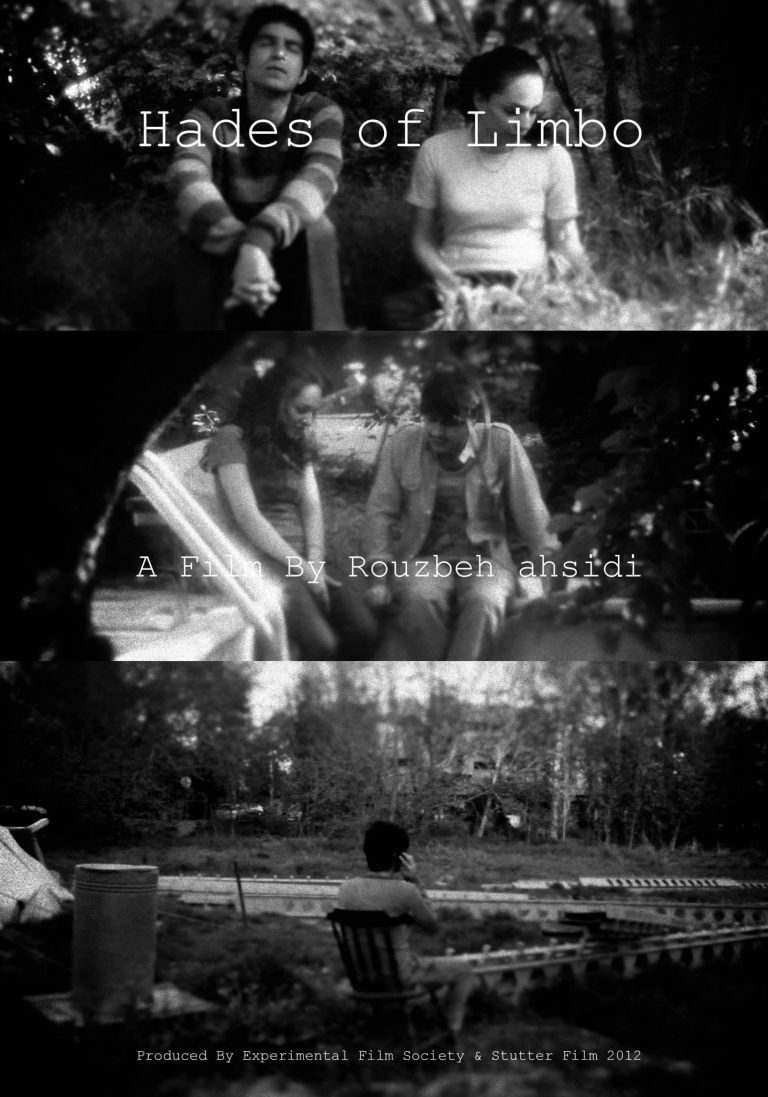
A bleak, cryptic vision of life in contemporary Iran that eschews overt social commentary in favour of a very personal vision of stifled lives. Directed remotely by Rashidi from Ireland over Skype, the making of this unique film reflects the alienation it so compellingly portrays.
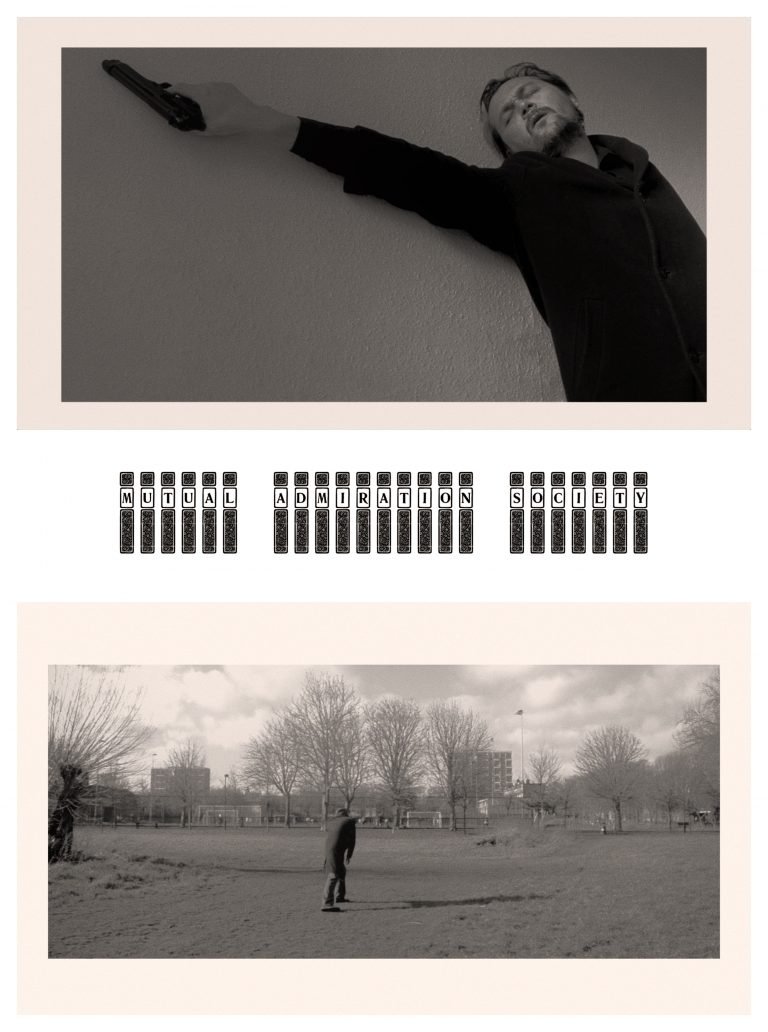
Surreal and mysterious, in equal parts absurd and intense, Mutual Admiration Society is part of the noted multi-film collaboration between actor James Devereaux and experimental filmmaker Rouzbeh Rashidi. Based entirely around a silent, tour-de-force one-man performance by Devereaux as a man who appears to be haunting and threatening himself, Mutual Admiration Society uses startling visual techniques and editing rhythms to create a claustrophobic hall of mirrors with Devereaux’s tormented protagonist at its centre.
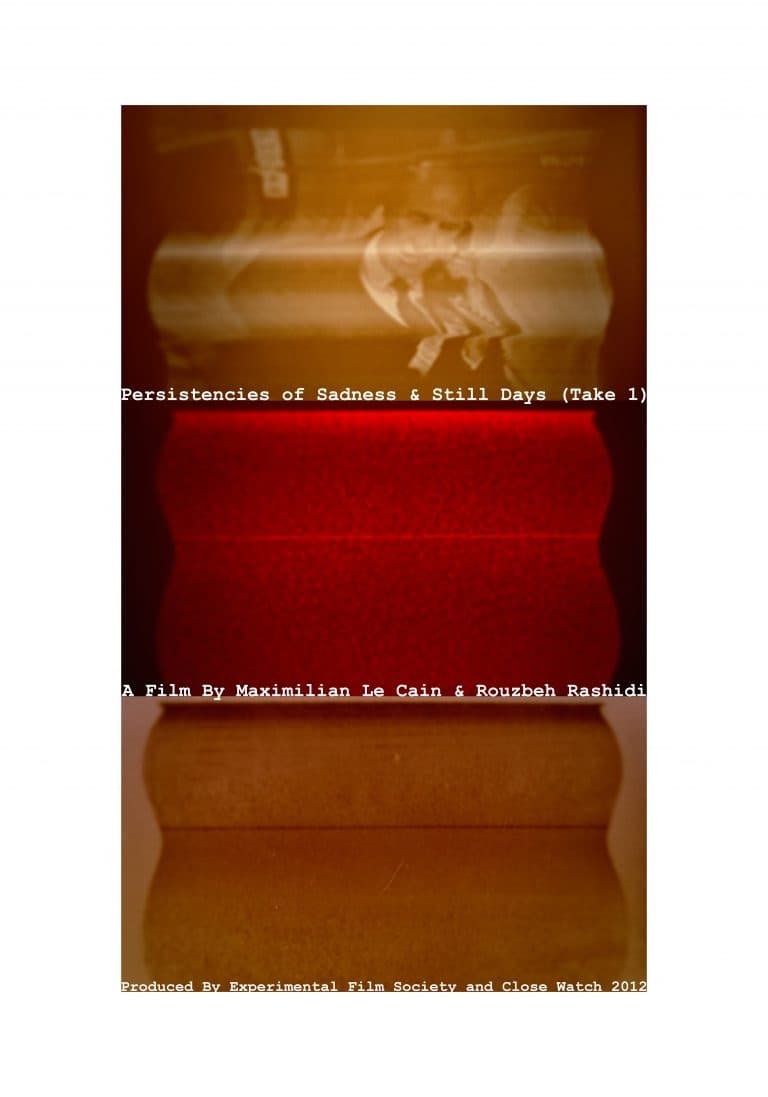
“Persistencies of Sadness & Still Days”, is a four hour feature film by Maximilian Le Cain and Rouzbeh Rashidi. Structured in two sections or ‘takes’ of two hours each, this dream-like, experimental project offers two complementary explorations of cinematic form that skirt around possible narratives, ducking through a series of fluctuating audio-visual categories and intensities.
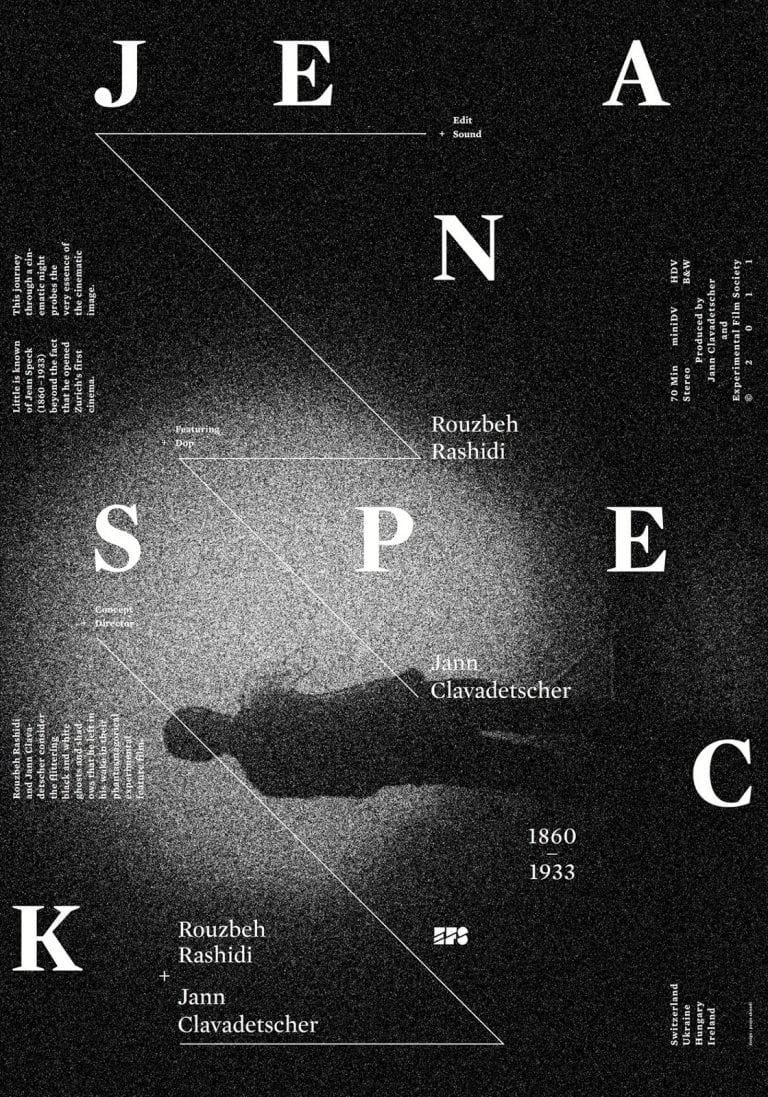
Little is known of Jean Speck (1860-1933) beyond the fact that he opened Zurich’s first cinema. Rouzbeh Rashidi and Jann Clavadetscher consider the flittering black and white ghosts and shadows that he left in his wake in their phantasmagorical experimental feature film. This journey through a cinematic night probes the very essence of the cinematic image.
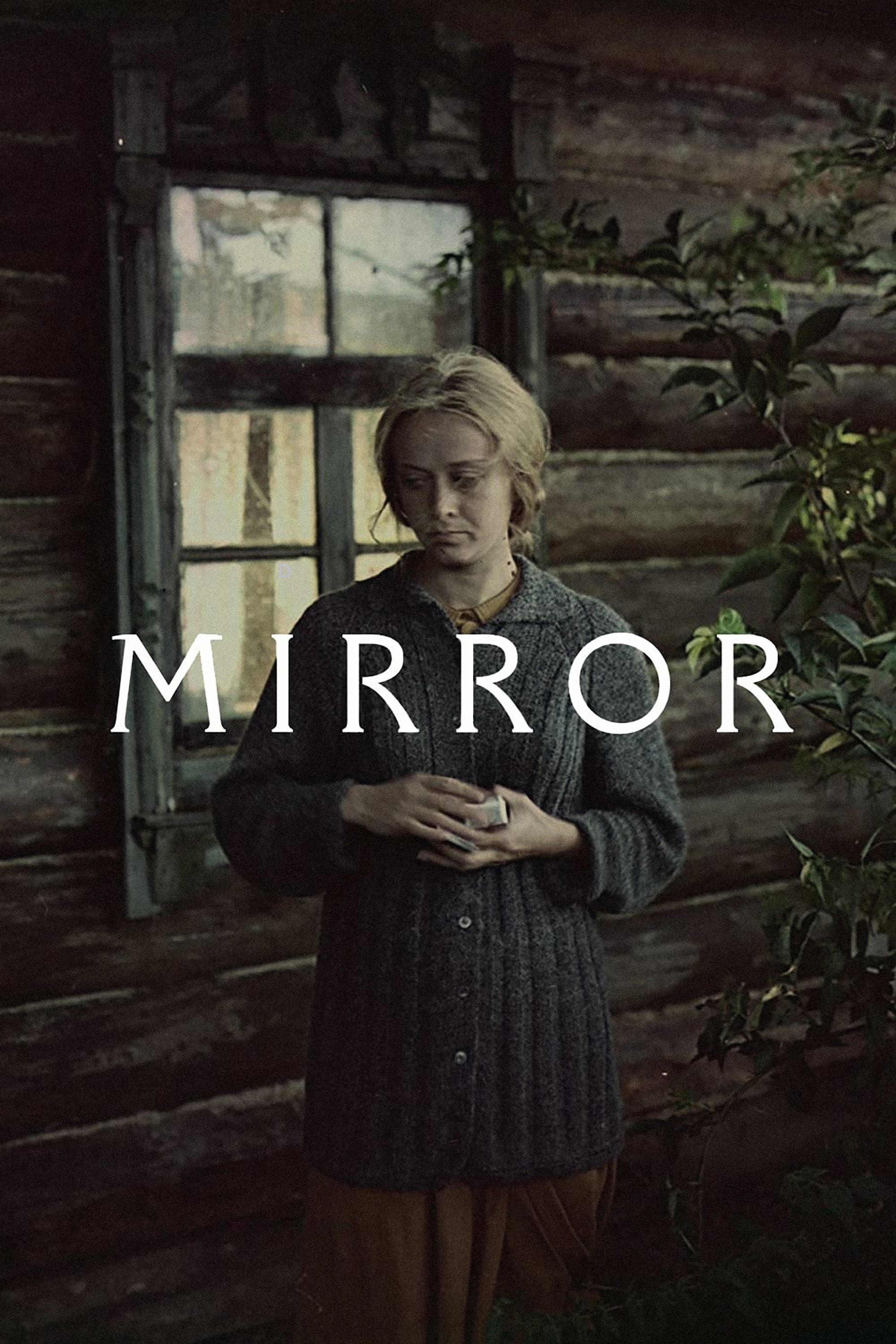
A dying man in his forties recalls his childhood, his mother, the war and personal moments that tell of and juxtapose pivotal moments in Soviet history with daily life.
Homo Sapiens Project (200) was completed in 2020 as part of the 20th anniversary of Experimental Film Society. This eight-hour experimental feature is constituted from short film experiments made between 2000 to 2010. These films have already undergone many metamorphoses over the years. They were always restless wandering spirits seeking a permanent place of rest but so far without success. Each section of Homo Sapiens Project (200) was made under the unique condition of living out a form of subtle therapeutic practice. Collectively they reflect major life-changing events, formalistic mutations and thematic shifts within Rouzbeh Rashidi’s filmography. In spite of this, they could not find the peace of a satisfactory final shape. Indeed, they are about peace, something that rarely (if ever) exists within Rashidi’s work. But now, after twenty years of roaming the subconscious, they have come to rest in a permanent retirement in one world, one very personal floating planet.
A feature length documentary about the all-women team at the helm of Pixar's original feature, Turning Red. With unprecedented behind-the-scenes access to Director Domee Shi and her core leadership crew, this story shines a light on the powerful professional and personal journeys that brought this incredibly comical, utterly relatable, and deeply heartfelt story to the screen.
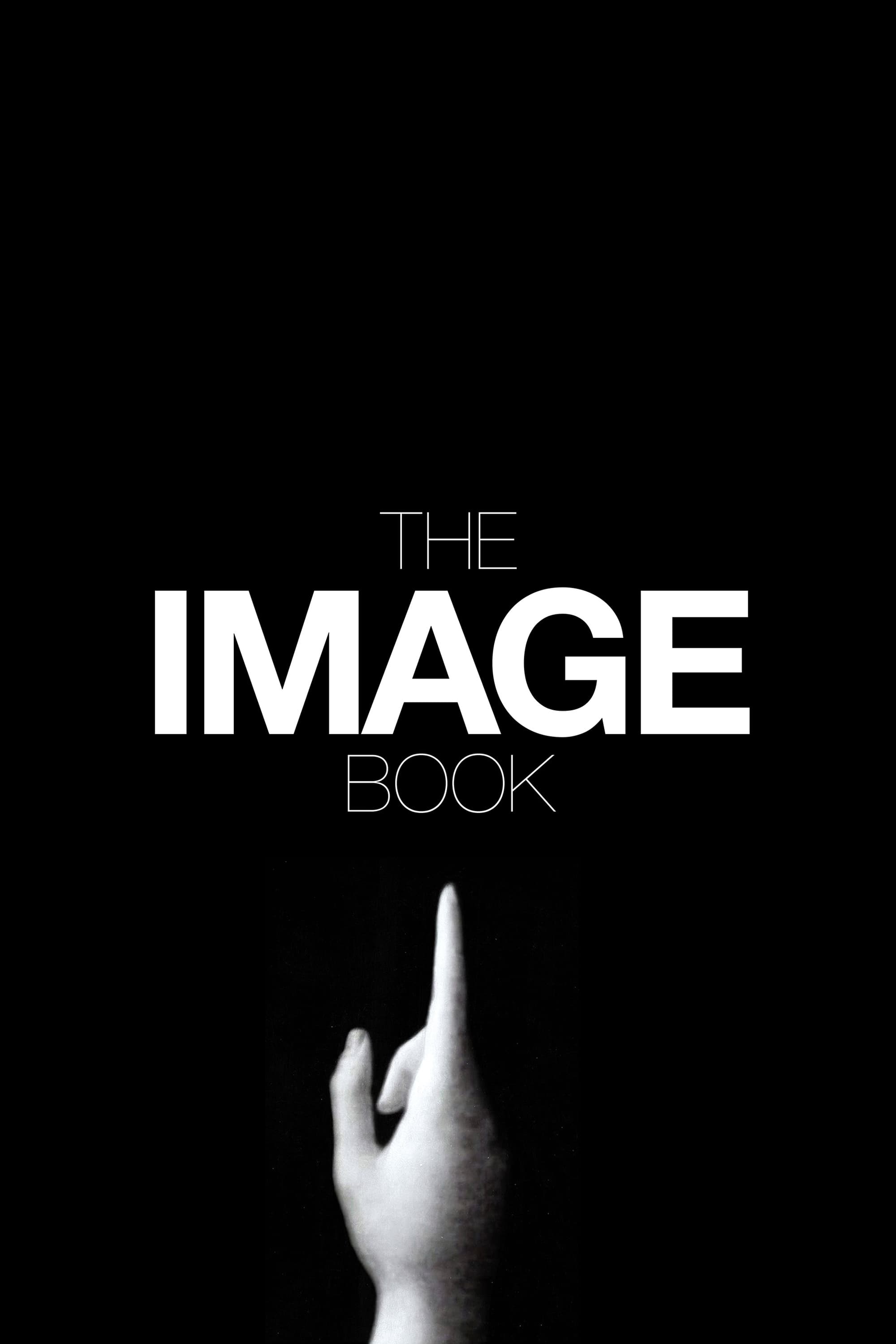
In Le Livre d’Image, Jean-Luc Godard recycles existing images (films, documentaries, paintings, television archives, etc.), quotes excerpts from books, uses fragments of music. The driving force is poetic rhyme, the association or opposition of ideas, the aesthetic spark through editing, the keystone. The author performs the work of a sculptor. The hand, for this, is essential. He praises it at the start. “There are the five fingers. The five senses. The five parts of the world (…). The true condition of man is to think with his hands. Jean-Luc Godard composes a dazzling syncopation of sequences, the surge of which evokes the violence of the flows of our contemporary screens, taken to a level of incandescence rarely achieved. Crowned at Cannes, the last Godard is a shock film, with twilight beauty.
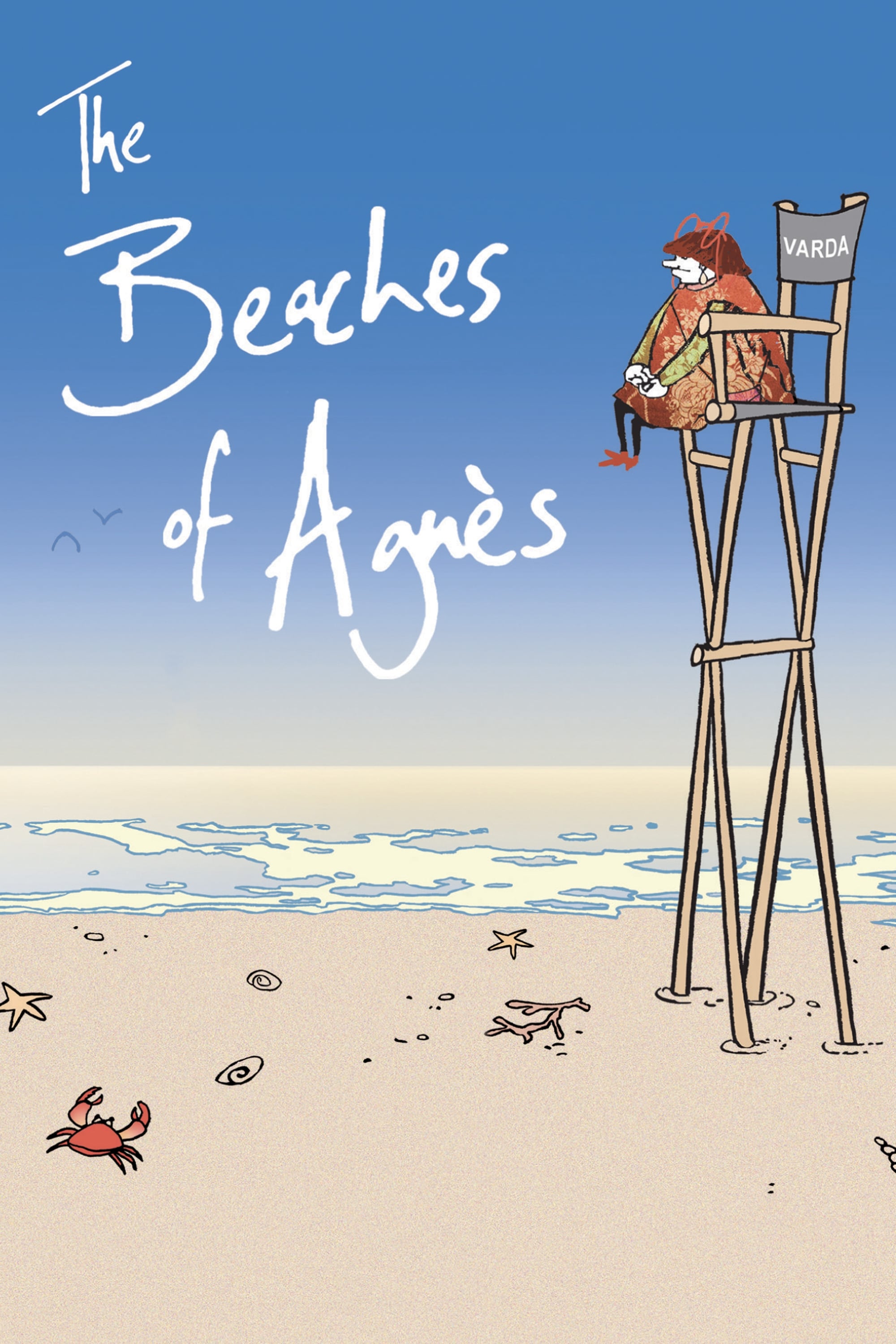
Filmmaking icon Agnès Varda, the award-winning director regarded by many as the grandmother of the French new wave, turns the camera on herself with this unique autobiographical documentary. Composed of film excerpts and elaborate dramatic re-creations, Varda's self-portrait recounts the highs and lows of her professional career, the many friendships that affected her life and her longtime marriage to cinematic giant Jacques Demy.
SEDUCED AND ABANDONED combines acting legend Alec Baldwin with director James Toback as they lead us on a troublesome and often hilarious journey of raising financing for their next feature film. Moving from director to financier to star actor, the two players provide us with a unique look behind the curtain at the world's biggest and most glamourous film festival, shining a light on the bitter-sweet relationship filmmakers have with Cannes and the film business. Featuring insights from directors Martin Scorsese, 'Bernando Bertolucci' and Roman Polanski; actors Ryan Gosling and Jessica Chastain and a host of film distribution luminaries.
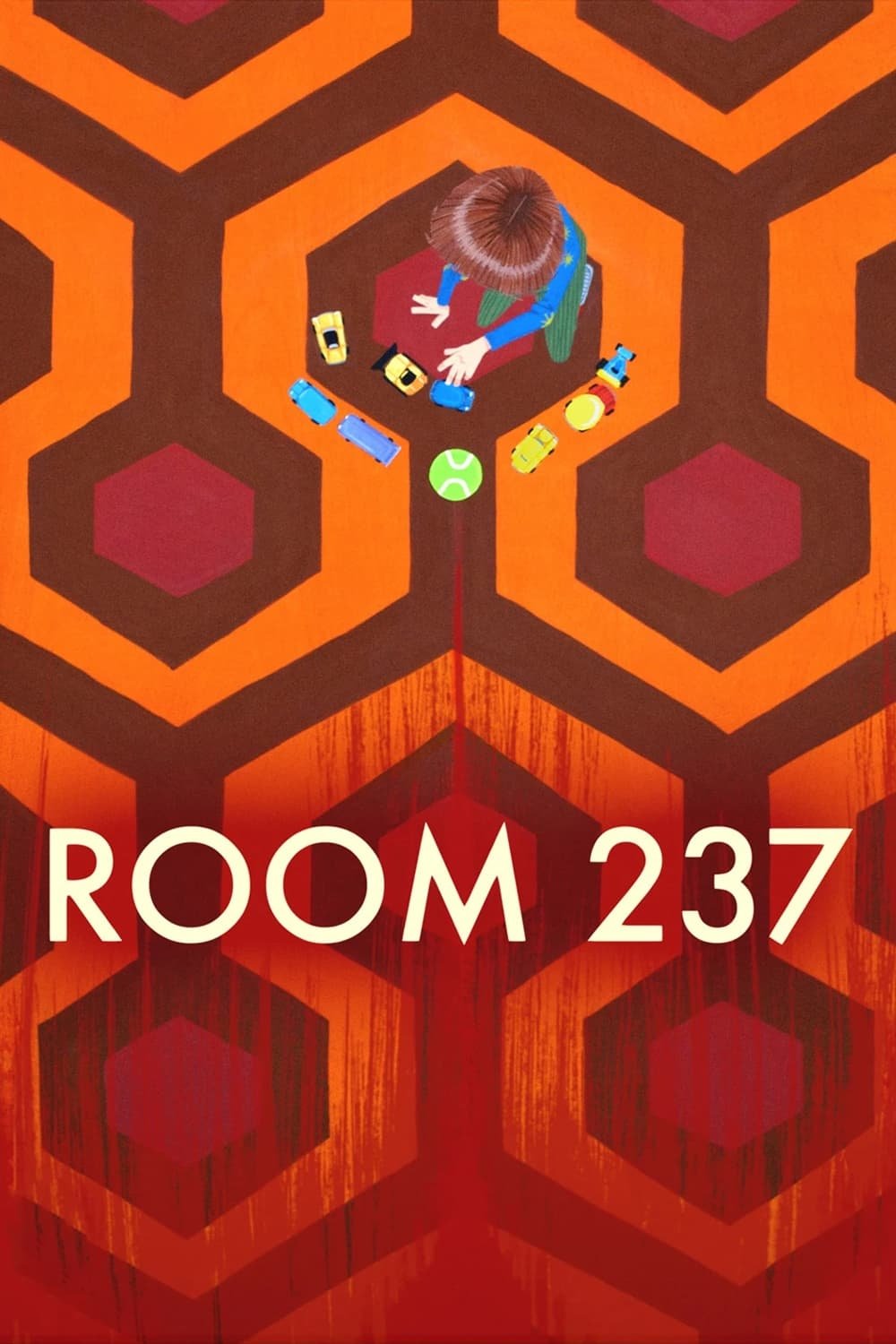
A subjective documentary that explores various theories about hidden meanings in Stanley Kubrick's classic film The Shining. Five very different points of view are illuminated through voice over, film clips, animation and dramatic reenactments.
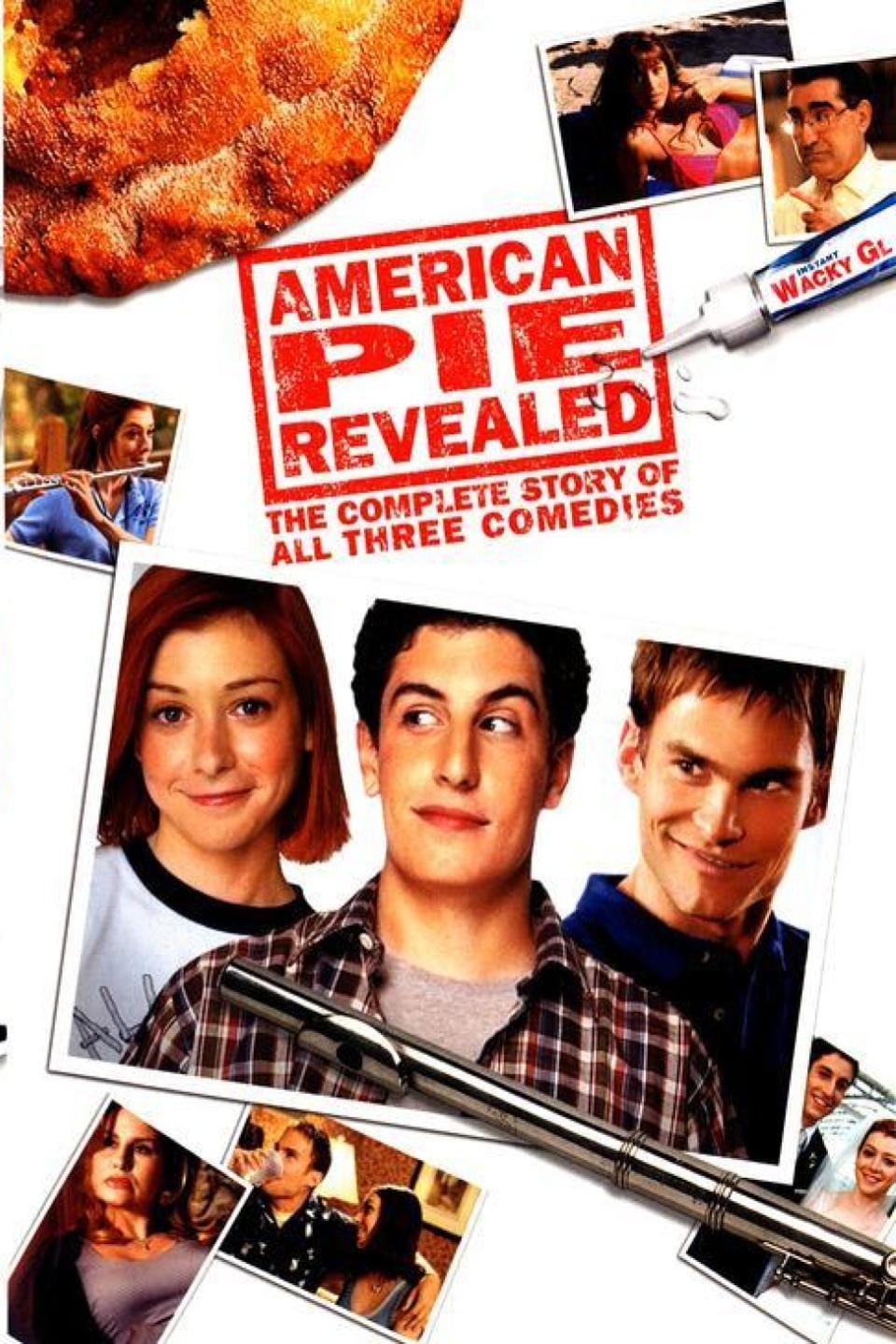
Documentary about the making of American Pie (1999), American Pie 2 (2001) and American Wedding (2003).
Featuring interviews with filmmakers and industry legends, discover the origins and evolution of The Joker, and learn why The Clown Prince of Crime is universally hailed as the greatest comic-book supervillain of all time.
This special explores the return of Obi-Wan Kenobi and Anakin Skywalker to the screen, as well as Ewan McGregor and Hayden Christensen to their classic roles. Director Deborah Chow leads the cast and crew as they create new heroes and villains that live alongside new incarnations of beloved Star Wars characters, and an epic story that dramatically bridges the saga films.
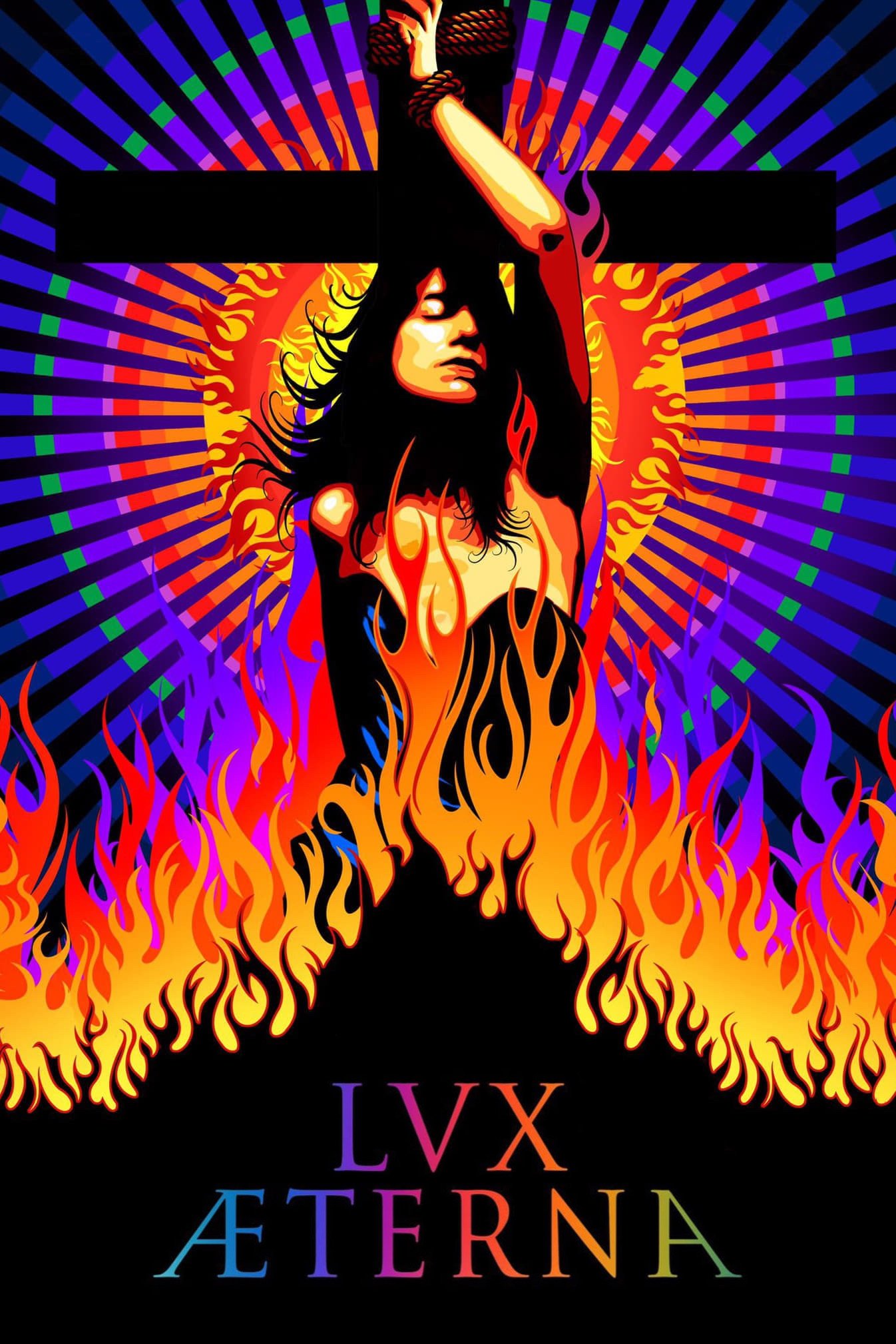
Charlotte Gainsbourg agrees to play a witch condemned to be burned at the stake in the first film directed by Béatrice Dalle. But the chaotic production, technical problems, and psychotic breakdowns gradually plunge the shoot into a chaos of pure light.
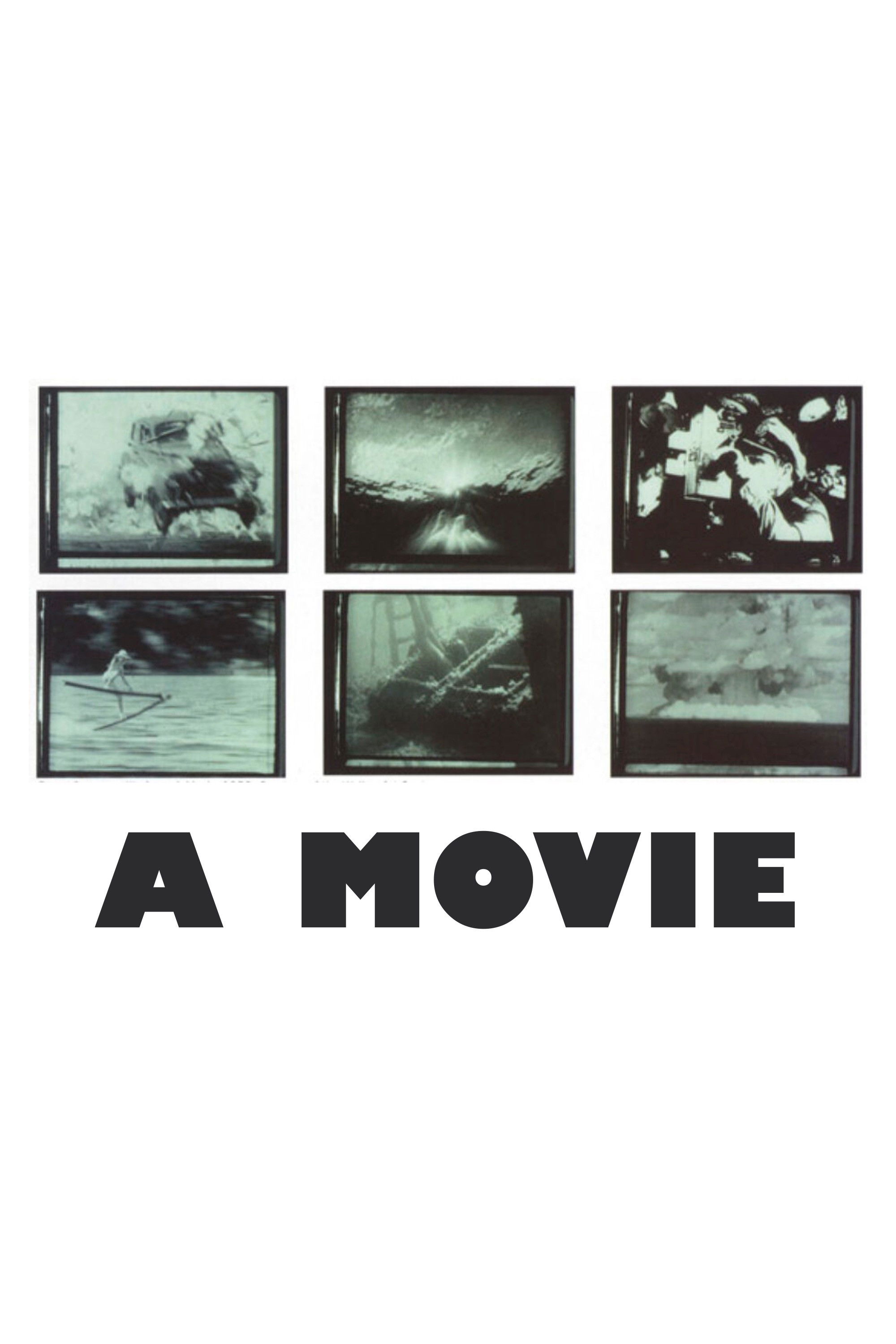
Bruce Conner's landmark experimental film consisting entirely of found footage edited to a new score.
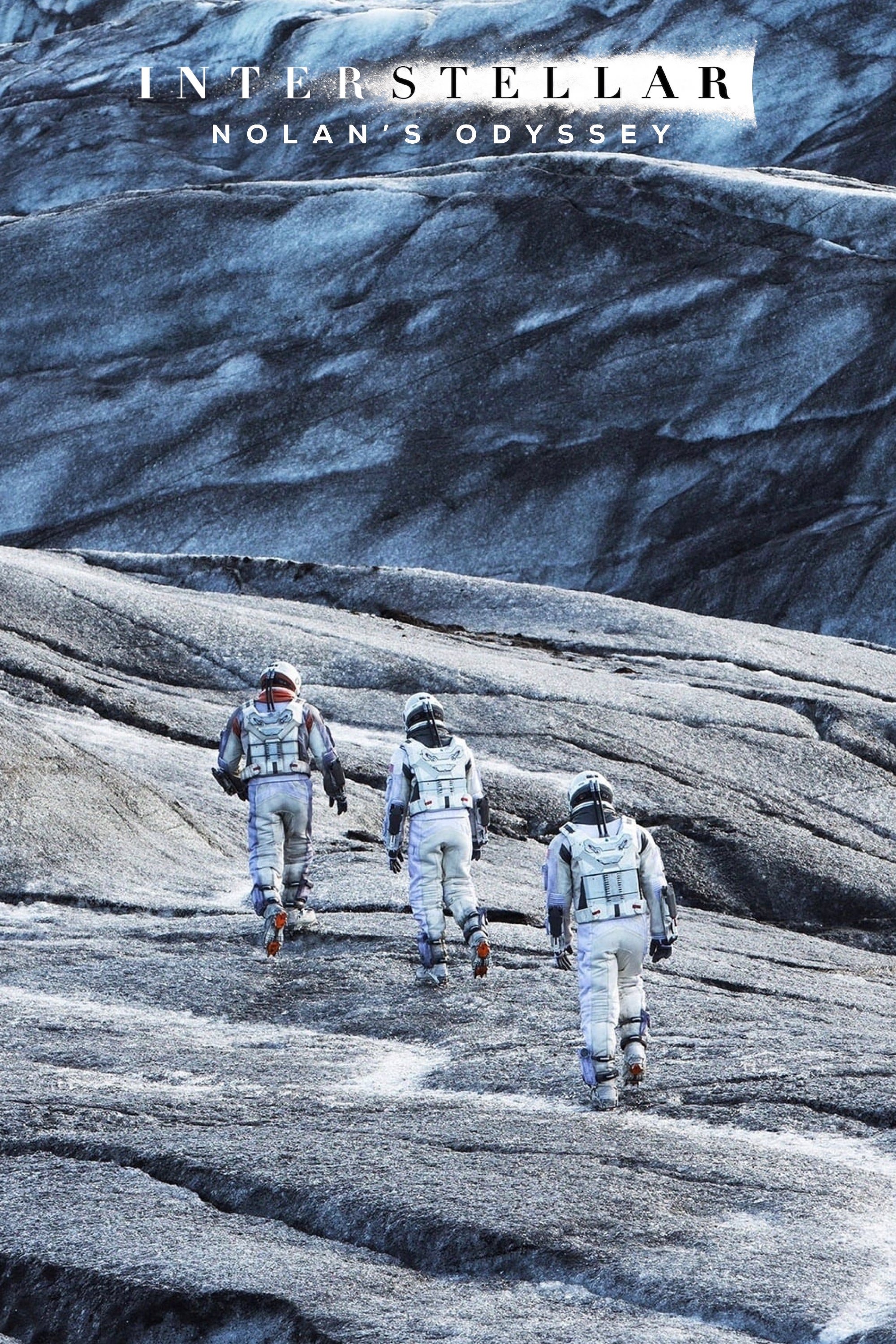
A look behind the lens of Christopher Nolan's space epic.
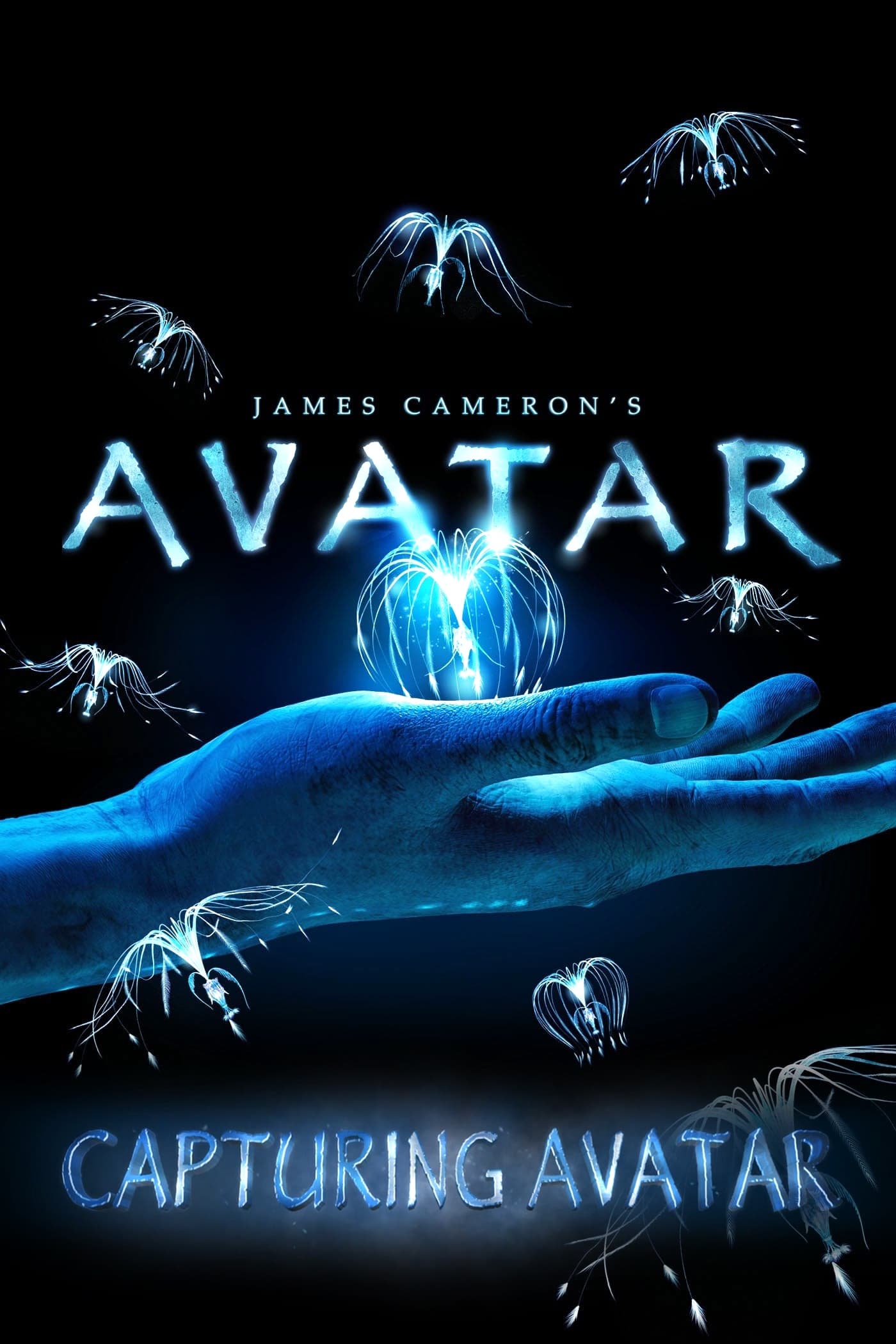
Capturing Avatar is a feature length behind-the-scenes documentary about the making of Avatar. It uses footage from the film's development, as well as stock footage from as far back as the production of Titanic in 1995. Also included are numerous interviews with cast, artists, and other crew members. The documentary was released as a bonus feature on the extended collector's edition of Avatar.
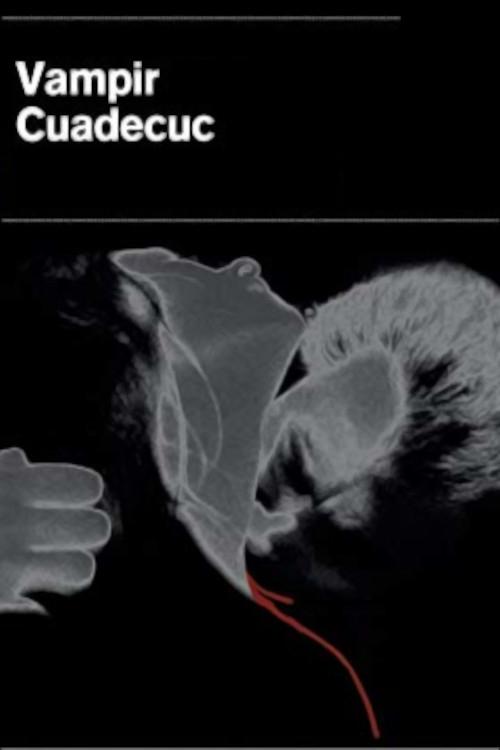
An atmospheric essay, which is an alternative version of Count Dracula, a film directed by Jess Franco in 1970; a ghostly narration between fiction and reality.
A purely observational non-fiction film that takes viewers into the ethically murky world of end-of-life decision making in a public hospital.
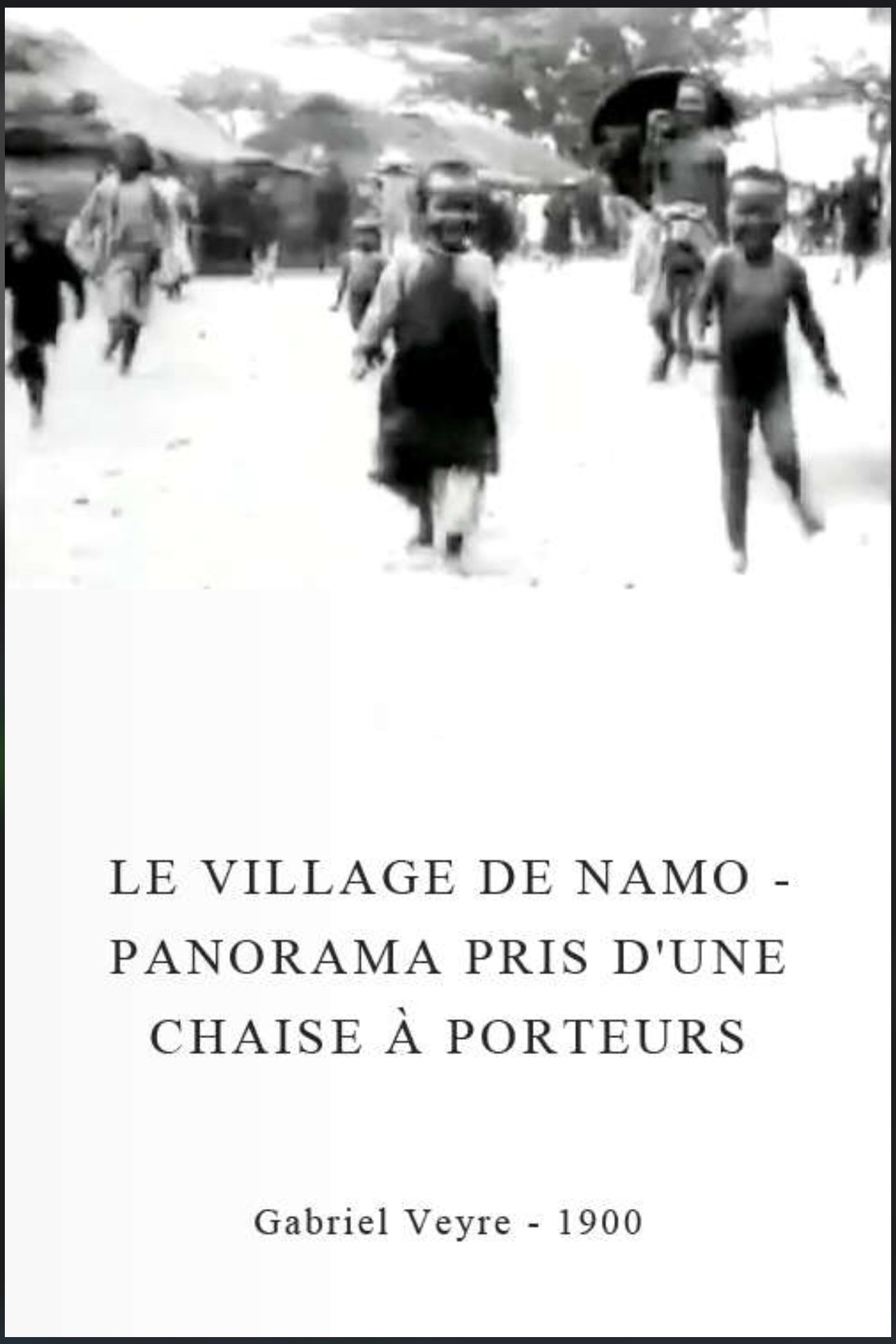
The film is a panorama shot-scene lasting just under a minute. The panorama film, as coined by Lumière, is a moving-camera shot--usually accomplished by placing the camera on a moving transport, such as a boat or train.
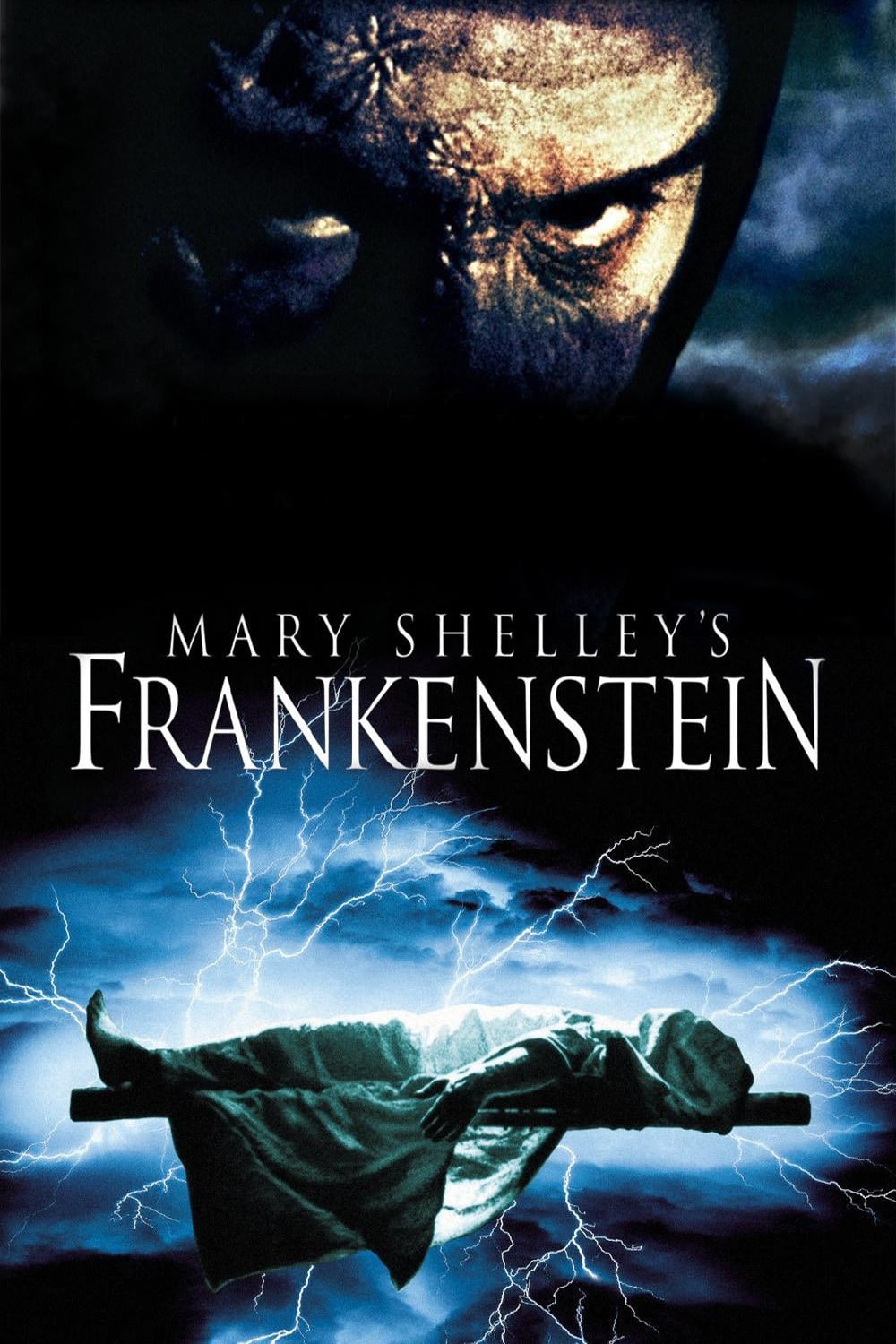
Victor Frankenstein is a promising young doctor who, devastated by the death of his mother during childbirth, becomes obsessed with bringing the dead back to life. His experiments lead to the creation of a monster, which Frankenstein has put together with the remains of corpses. It's not long before Frankenstein regrets his actions.
Daniel Craig candidly reflects on his 15 year adventure as James Bond. Including never-before-seen archival footage from Casino Royale to the upcoming 25th film No Time To Die, Craig shares his personal memories in conversation with 007 producers, Michael G Wilson and Barbara Broccoli.
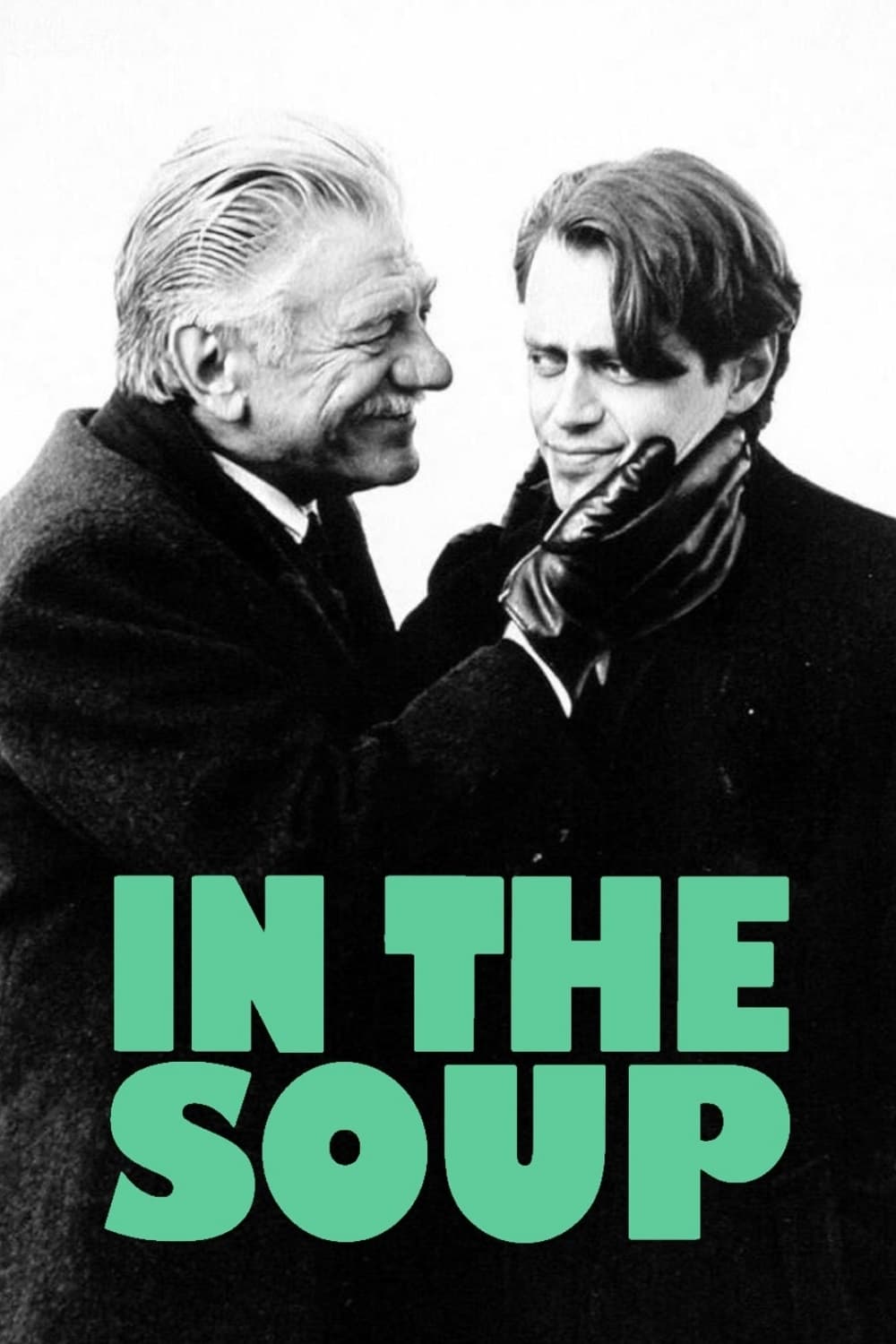
An aspiring young filmmaker gets involved with an eccentric gangster for the financing of his first film.
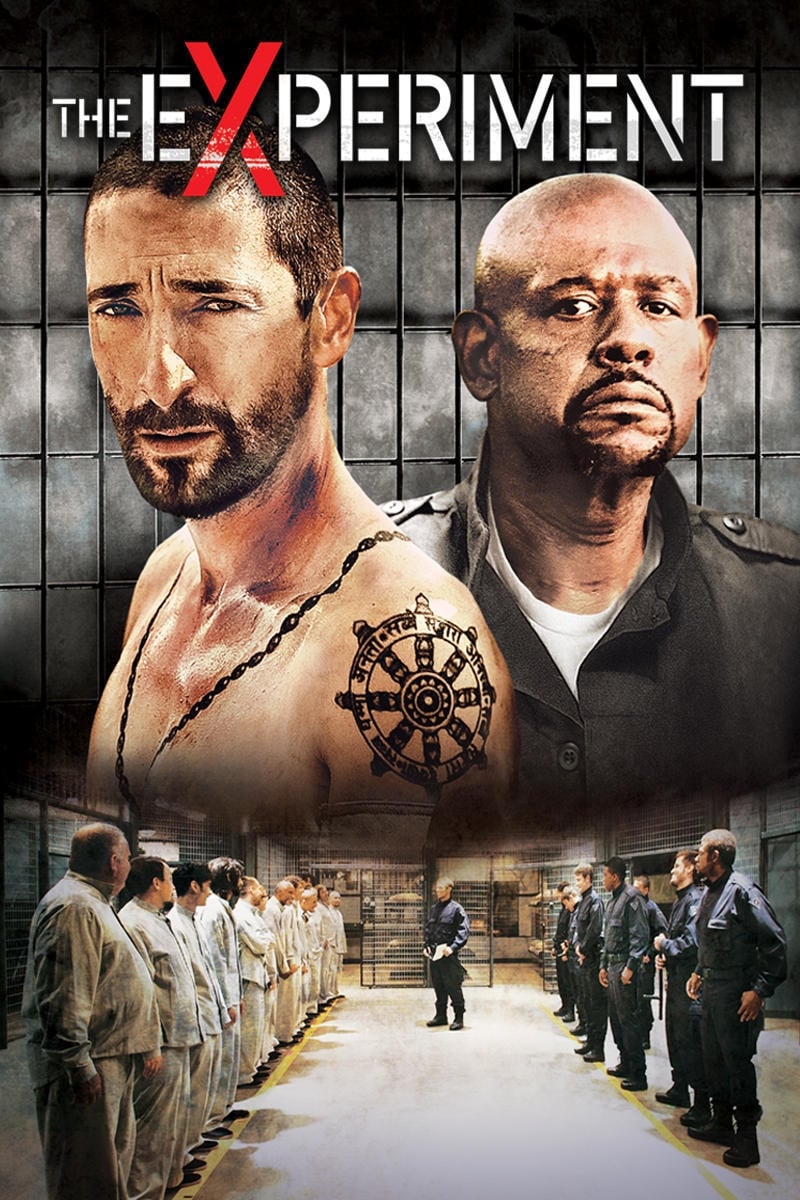
20 men are chosen to participate in the roles of guards and prisoners in a psychological study that ultimately spirals out of control.
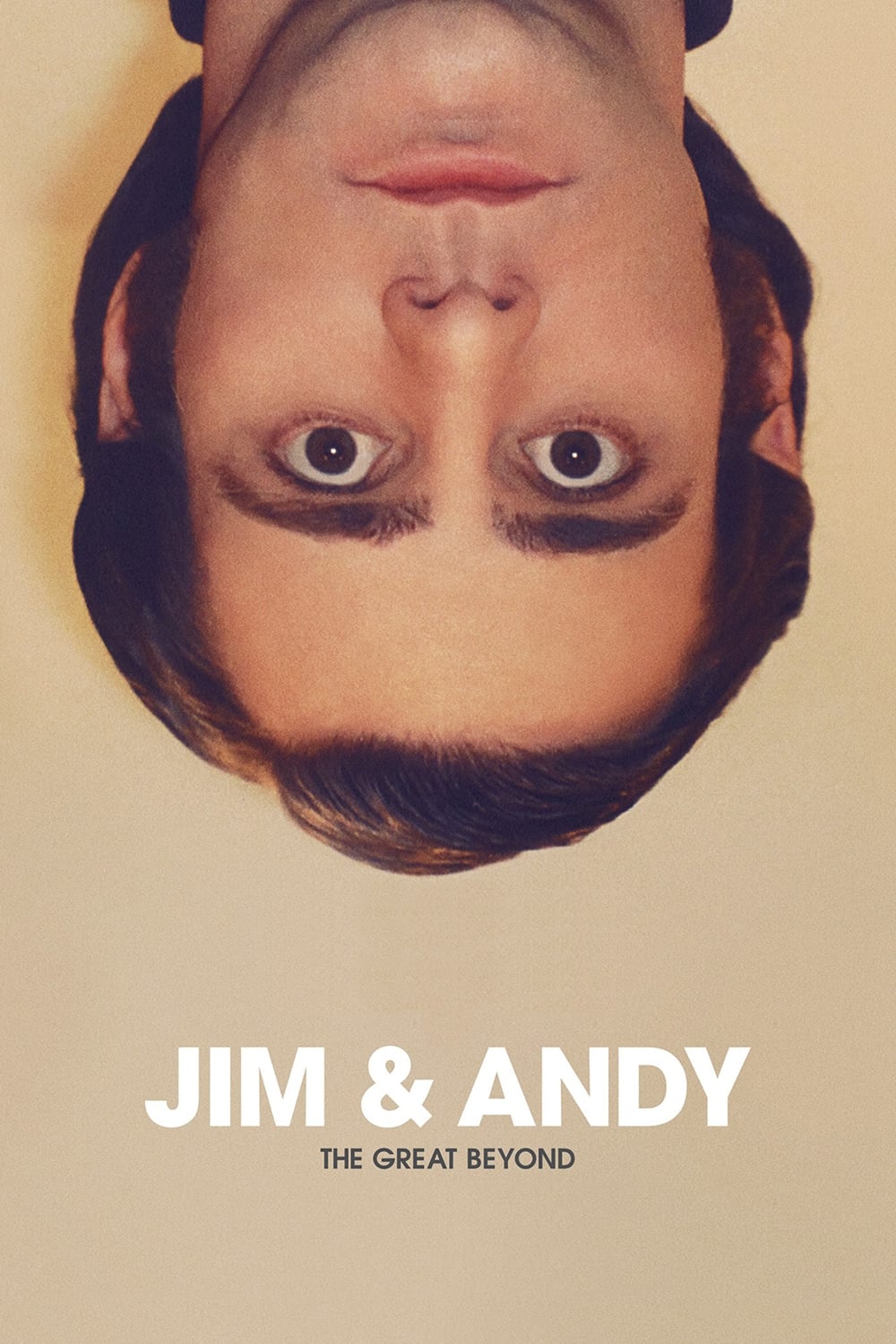
Offbeat documentarian Chris Smith provides a behind-the-scenes look at how Jim Carrey adopted the persona of idiosyncratic comedian Andy Kaufman on the set of Man on the Moon.