Social & External
The people behind it
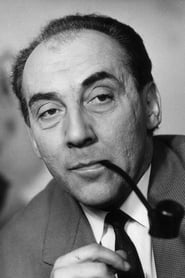
Miloš Kopecký
Commentary (voice)
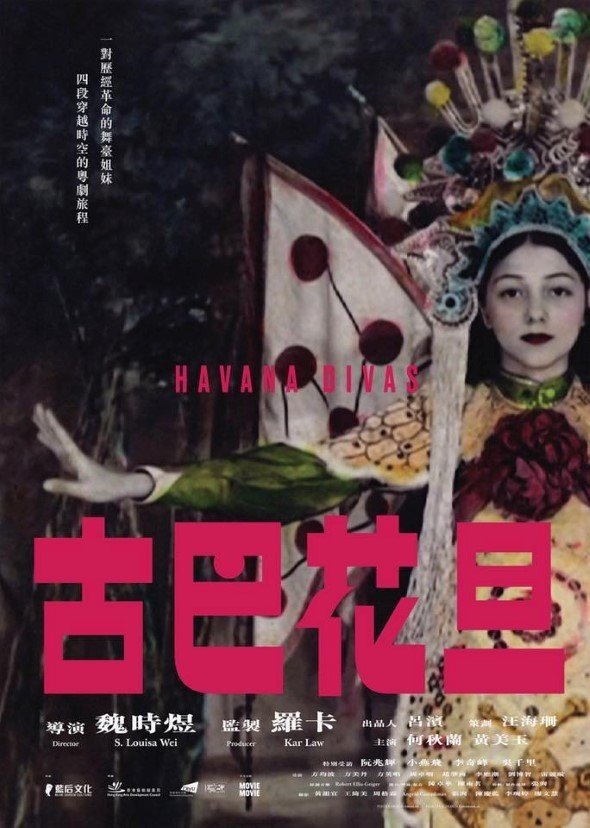
The story focus on Caridad and Georgina, who had learned the art of Cantonese Opera in Havana as a young age and performed as divas for over a decade before their lives were changed by Fidel Castro's revolution.
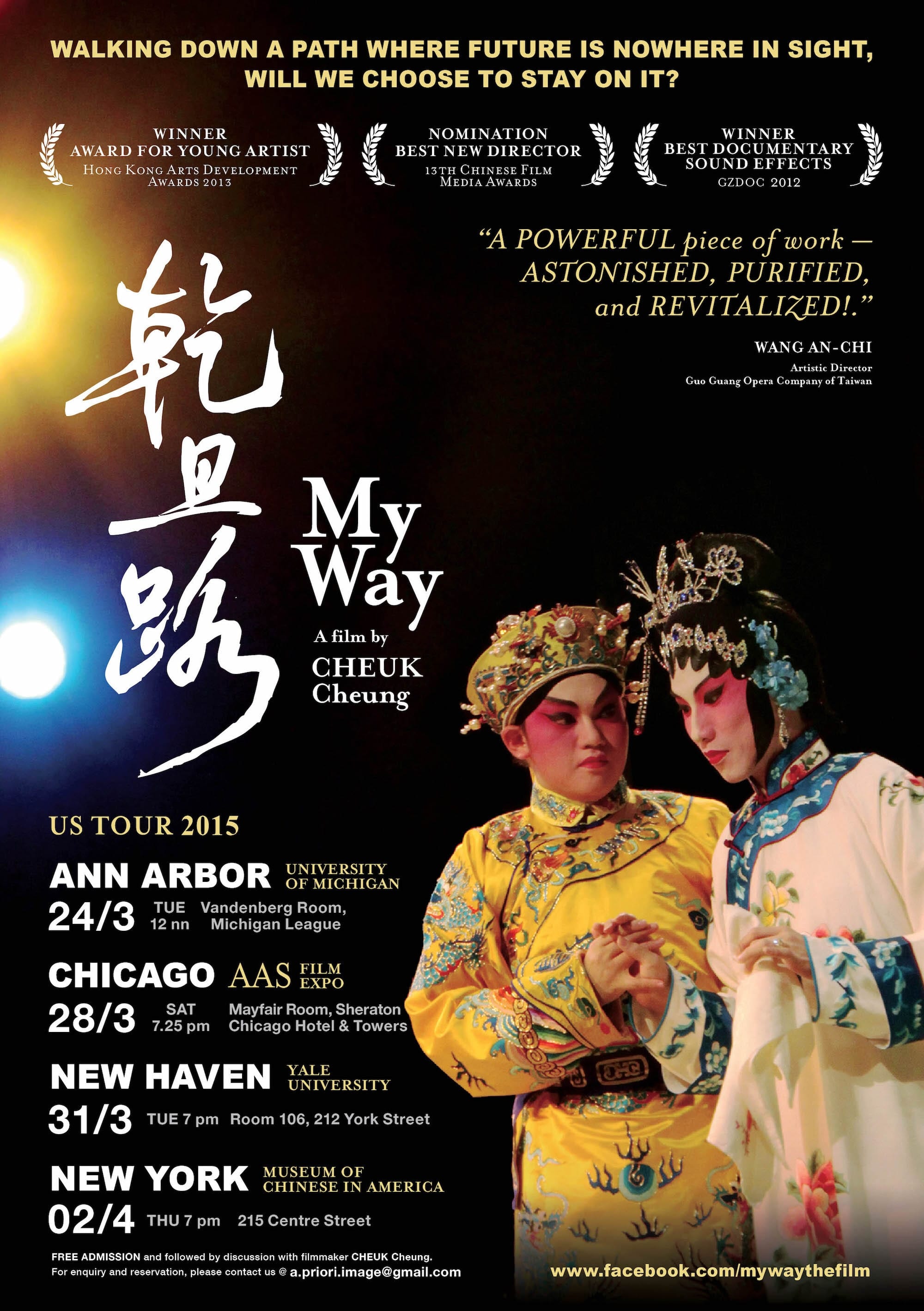
When facing a path with no future or precedent success, will we ever choose to stay? Cheuk Cheung’s My Way explores the Cantonese Opera tradition of male Dan performers, men who play female roles, against the backdrop of a Hong Kong society increasingly putting less value on art. Although female performers have long been part of the mainstream of Cantonese Opera, the film follows the stories of two young men who are still fascinated by the art of the male Dan, striving to find their own way to carry on the practice. A moving and searching look at the struggle for identity, My Way is a colourful, musical and moving film which offers a unique and highly personal look at perseverance in the face of a changing society.
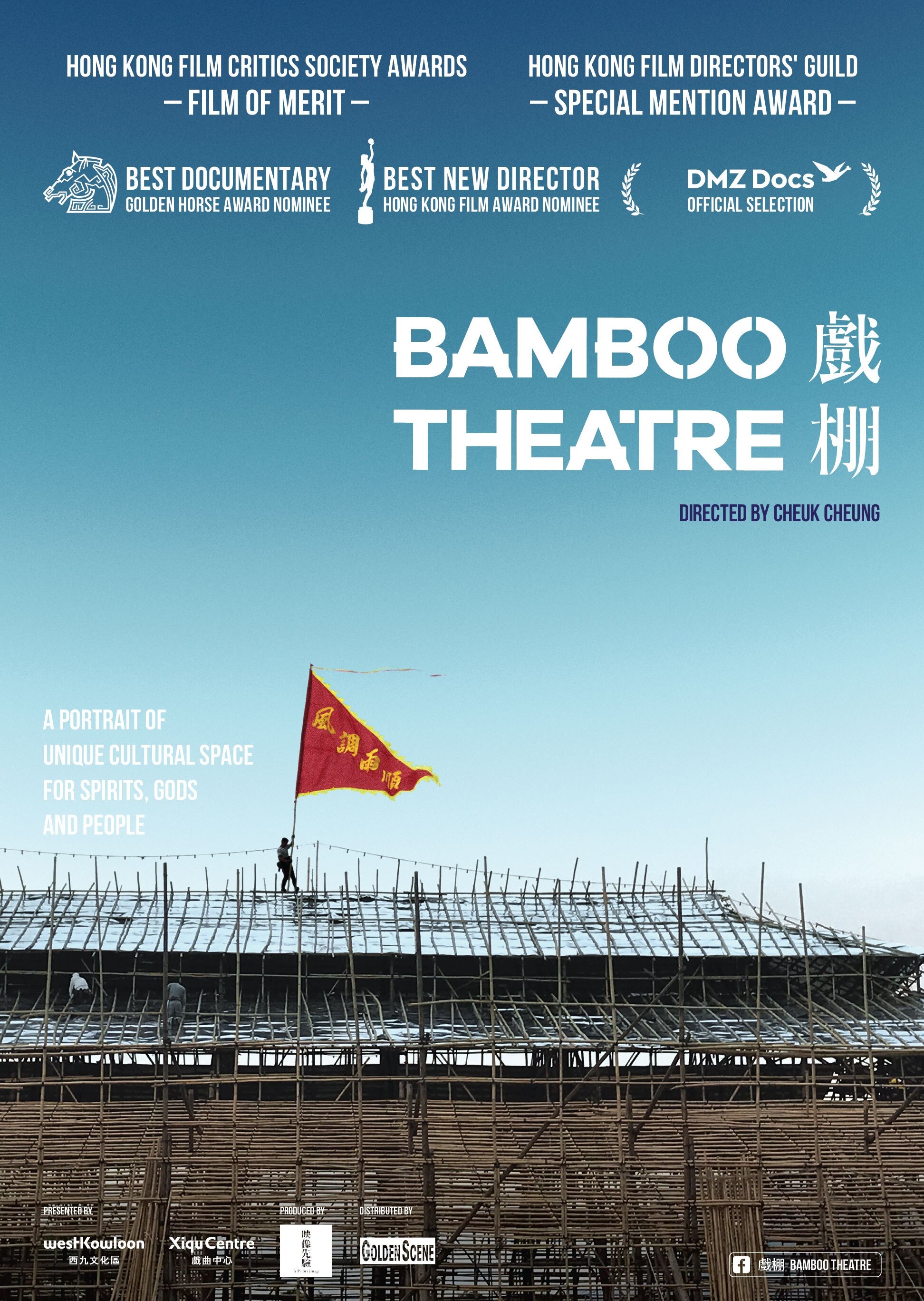
This film is a portrait of unique cultural space for Spirits, Gods and People. While permanent theatres are commonly built in most cosmopolitan modern cities, Hong Kong preserves a unique theatrical architecture, a Chinese tradition that has lasted more than a century - Bamboo Theatre.
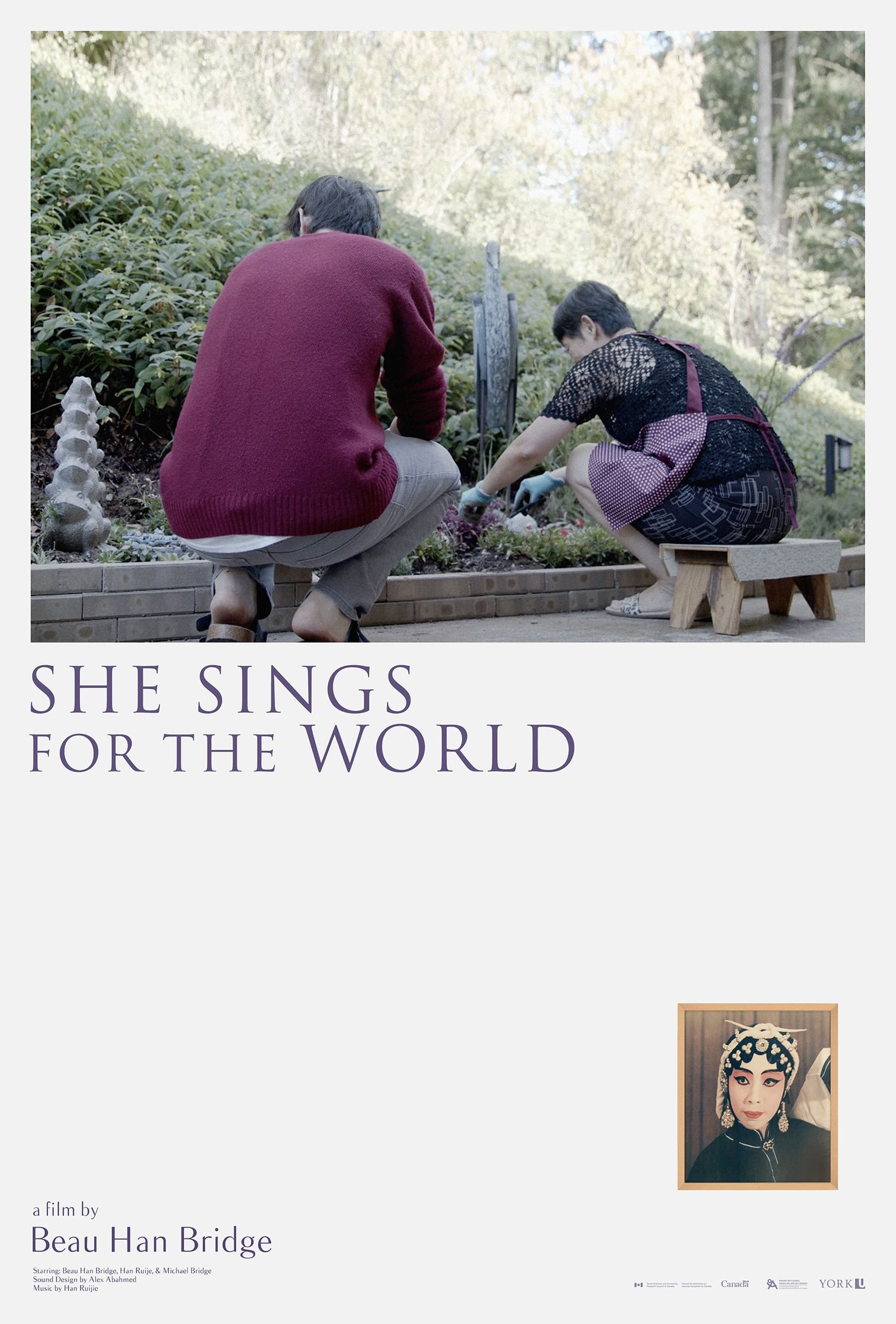
A Chinese Canadian son sets out to make a film on his mother, who was once known as the first ever Chinese Opera Singer to have performed Pingju Opera in English in late 1980's China.
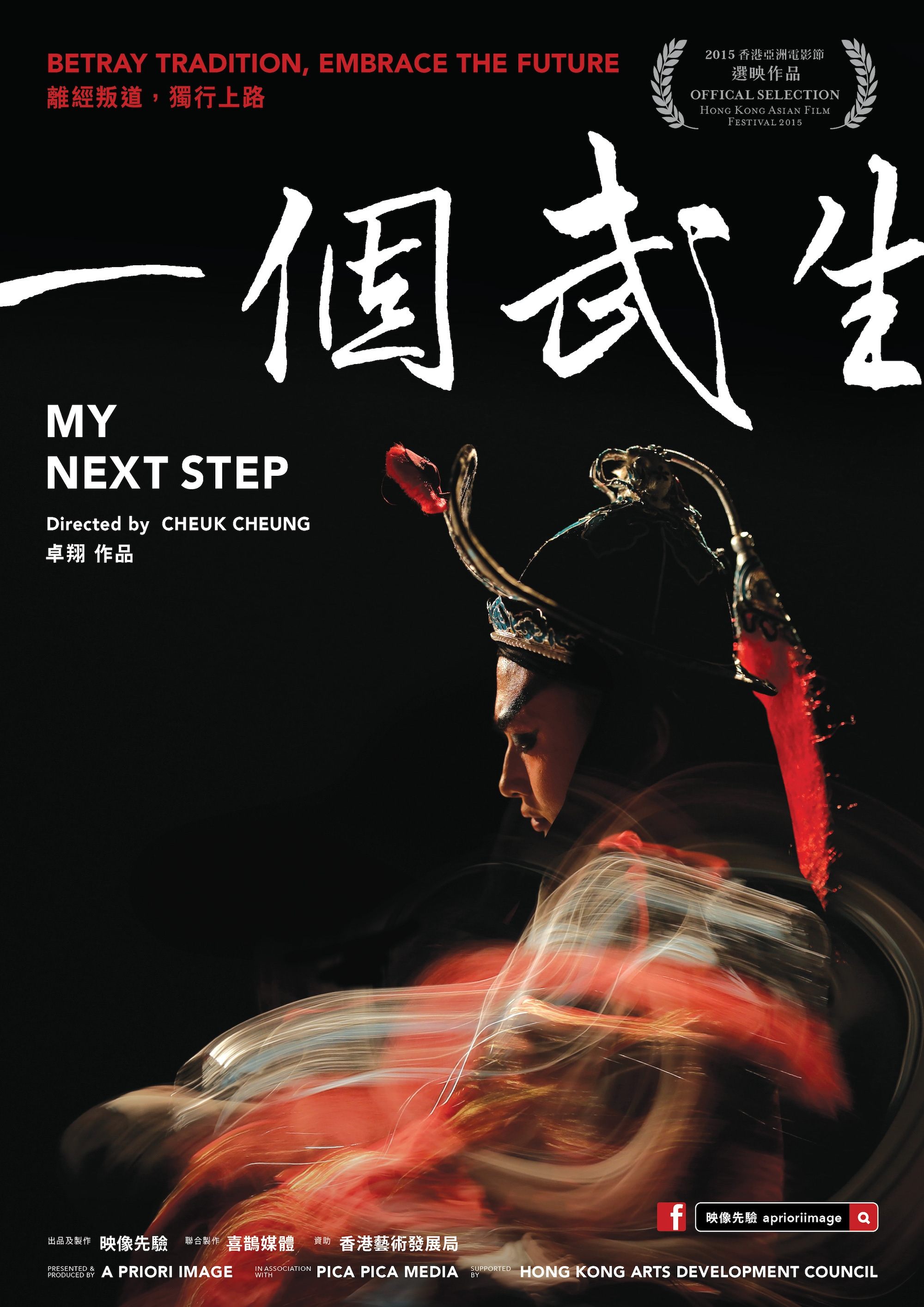
MY NEXT STEP follows a young Kunqu Opera artist YANG Yang(28 year-old) over the course of several years. It offers its audience a glimpse into the world of Kunqu, and a magnifying look into the ambivalence of a young man struggling to find a way out for a fading art.
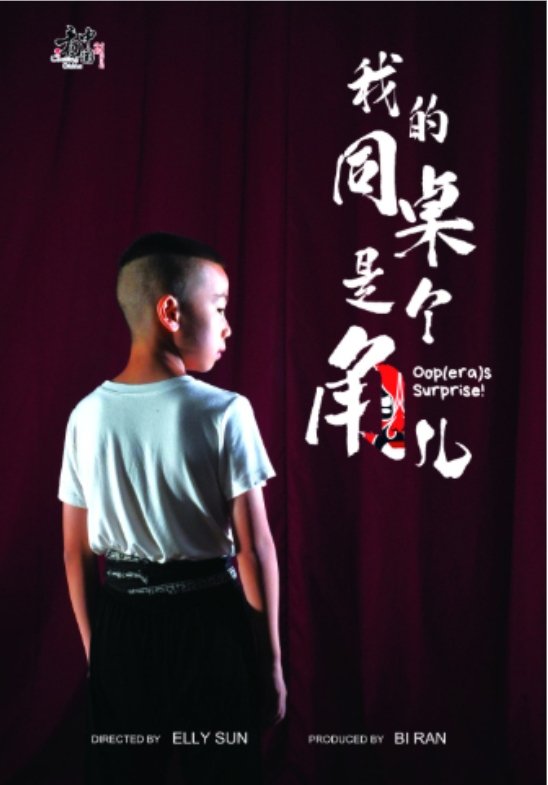
This short film delves into the Peking Opera club of the Fourth Primary School of Donggaodi in Fengtai District, Beijing, to explore what Peking Opera is like in the eyes of children. When sweat flows over the oil paint and the tender voices sing in the old tunes, what we witness is not only the inheritance of national treasures, but also the unique journey of a little soul growing between its role and itself.
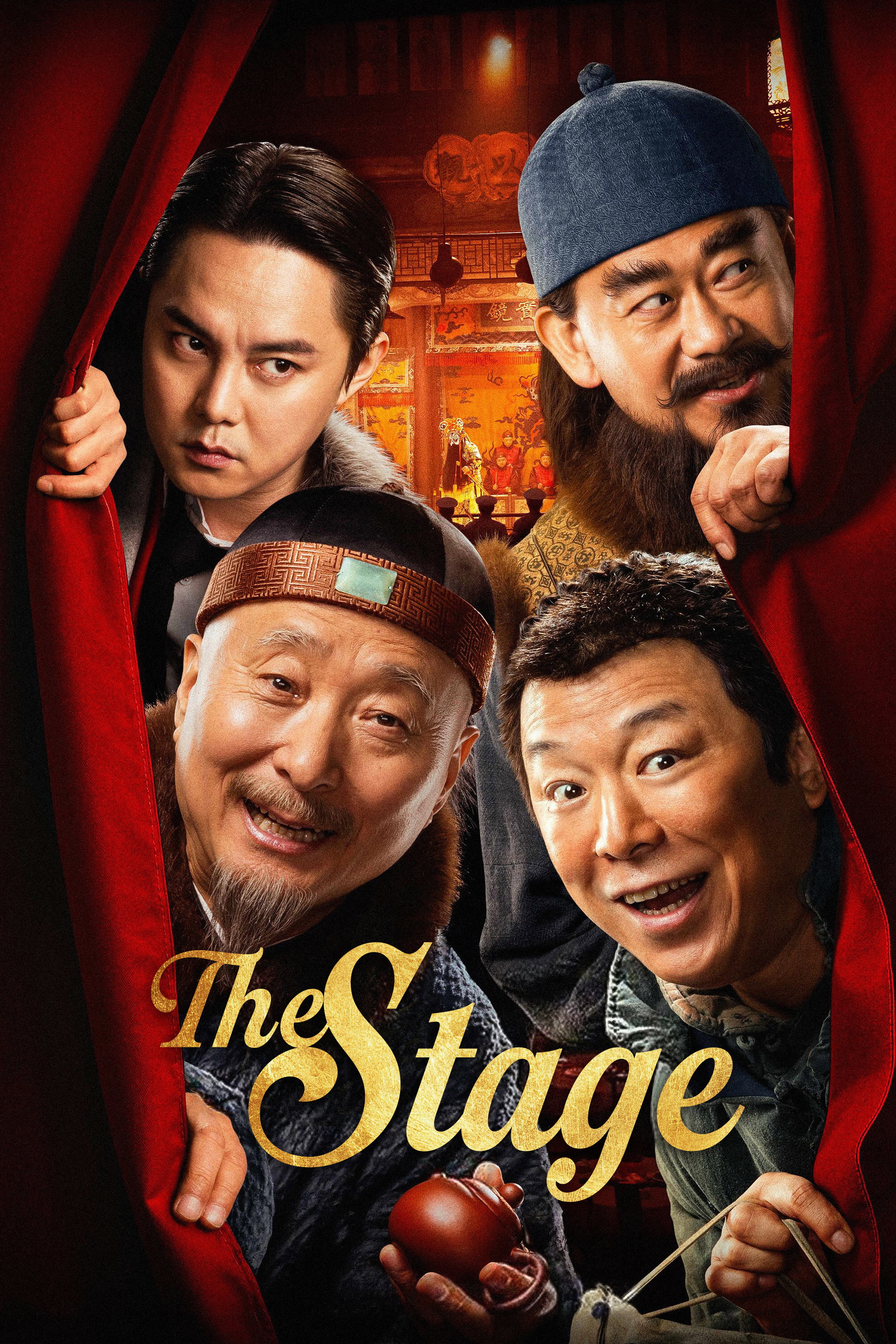
During the Republican era, wars and conflicts were frequent. On stage, the "Overlord" sings with resounding passion, while below, the absurd spectacle of life unfolds. They must both secure the opera troupe's livelihood and appease the audience in their seats. Once the curtain rises, how should this play be performed?
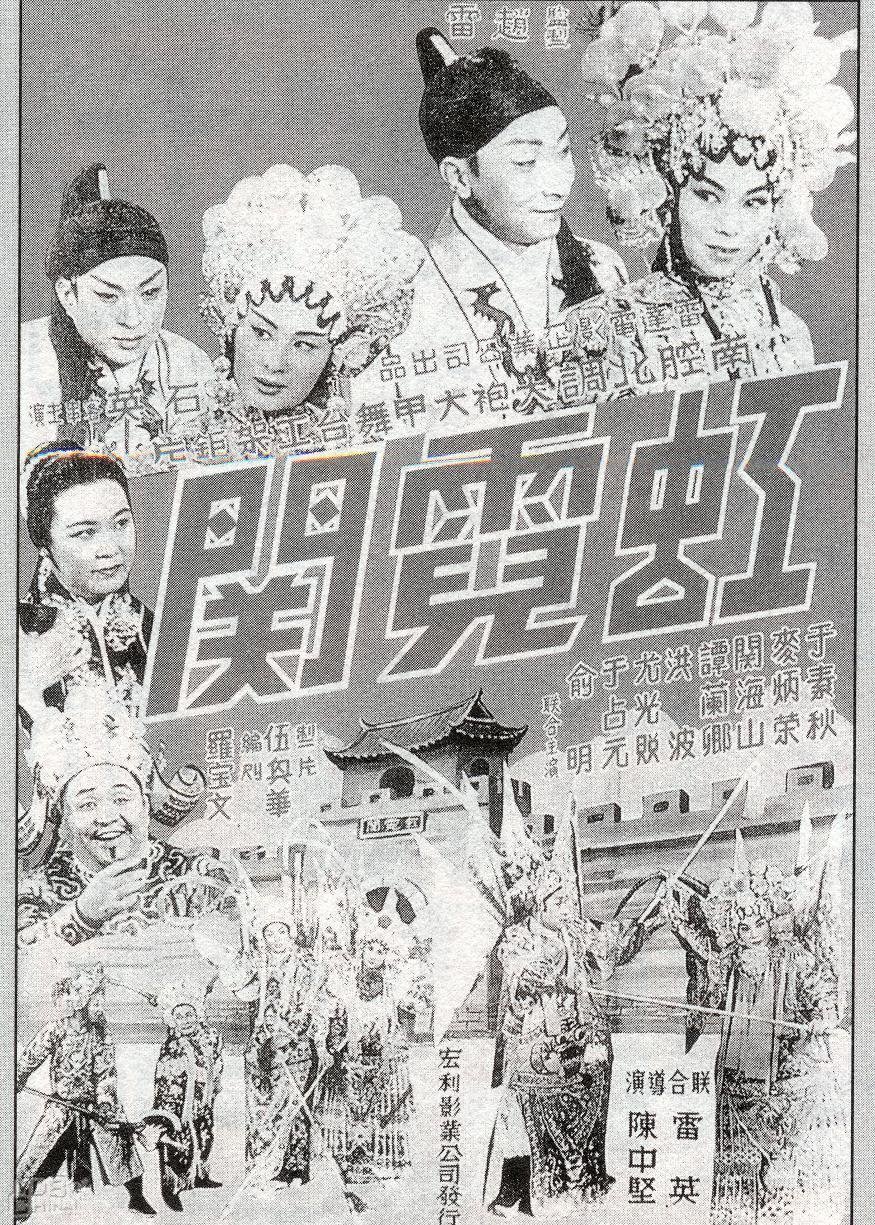
The Rainbow Pass is a Chinese Opera starring Sammo Hung in a child role
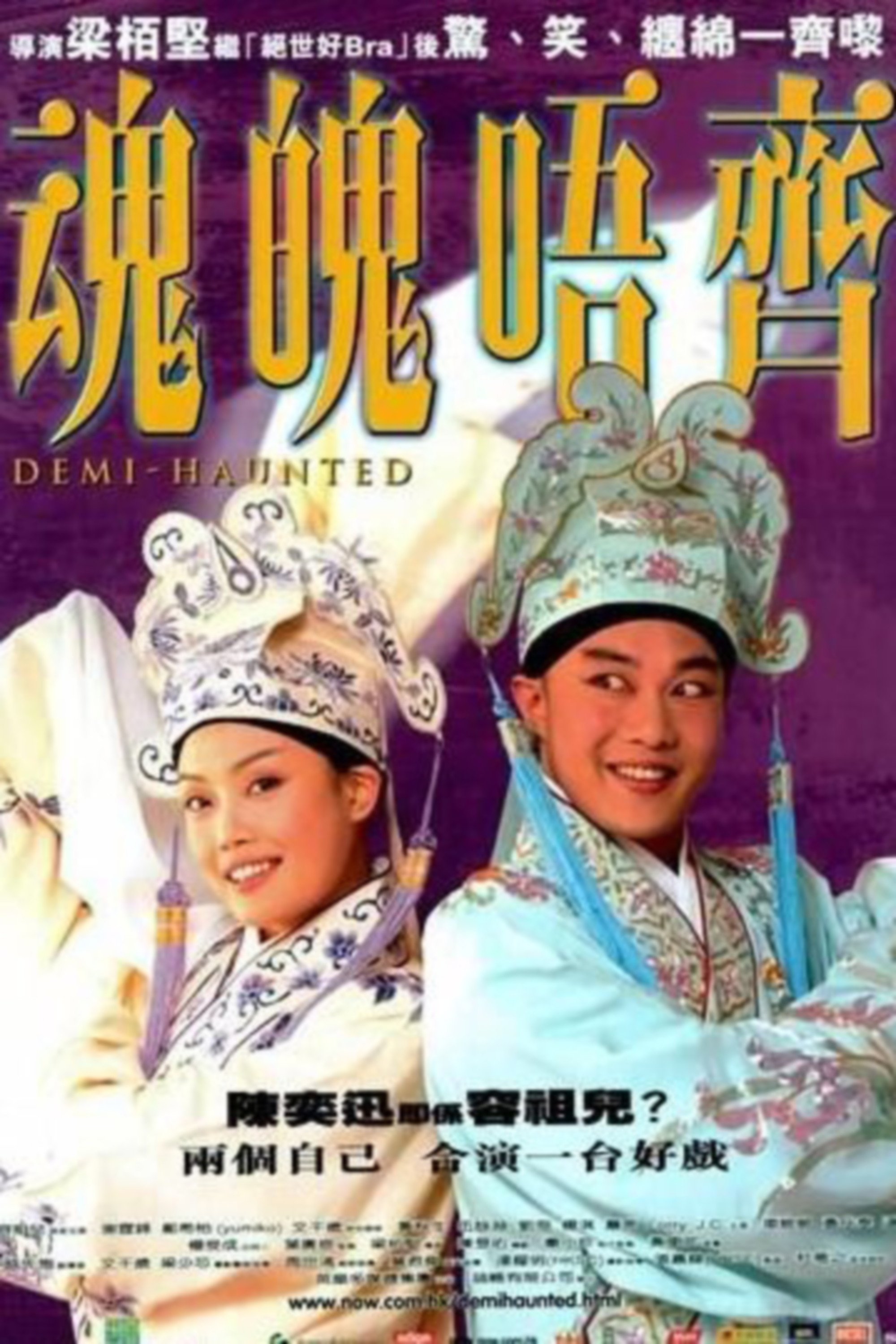
Wan Fei (Joey Yung) is a promising Chinese Opera singer who is secretly in love with Ho Fung (Nicholas Tse). She plans to sing for him from the stage, but, in a tragic accident, dies mid-song. Years later, Wan Fei's ghost returns, and finds that part of her spirit has been reincarnated in the form of Chor-bat (Eason Chan). Wan Fei still longs to sing her song for her lover, and, after much humorous confusion, her dream is fulfilled.
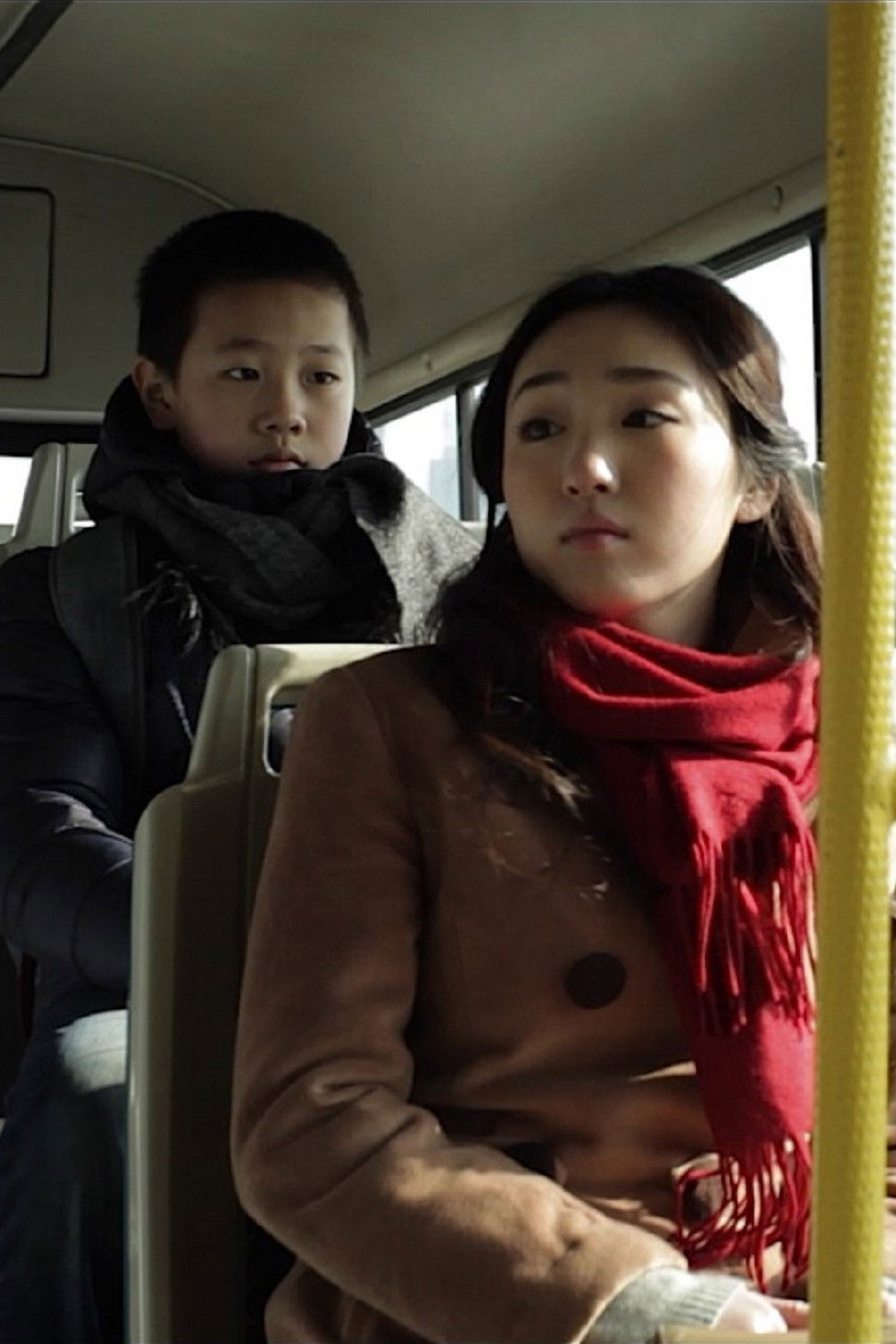
Shenyang, in deep winter snow. Two promising 12-year-old Beijing opera students, Dong (‘winter’ in Chinese) and Nuannuan (literally meaning ‘warmth’) are practising their stage moves diligently and fervently in order to secure their place in an upcoming performance in the capital. Nuannuan has a crush on Dong but Dong is lost in a daze – of a muted longing for his dead mother and a nameless affection for the girl’s young aunt – which unfolds in the juxtaposing scenes of a lone balloon drifting away and a colourful kite soaring into the sky. The train is soon to leave for Beijing, a fond farewell has been bided. Dong has to make his journey, with or without Nuannuan.
In an epic tale of theater, gender, love and class, two Beijing opera actors navigate political turmoil as their friendship evolves over decades.
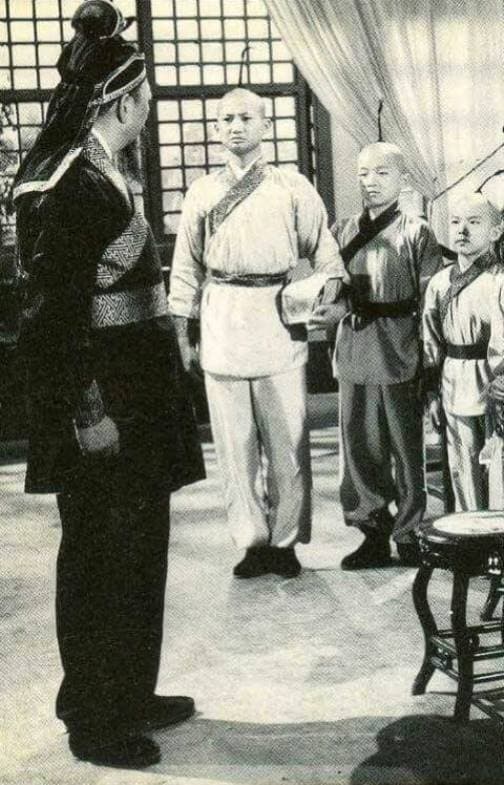
The Eighteen Darts (Part 1) is a Chinese Opera Musical starring Jackie Chan, Sammo Hung and Yuen Biao in child roles.
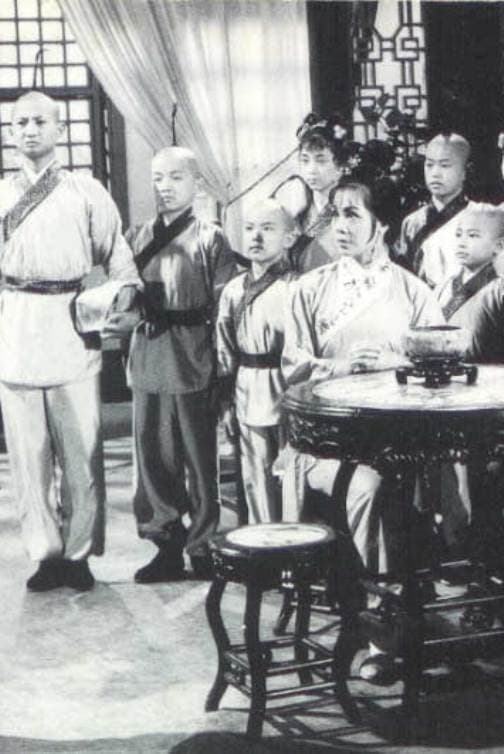
The Eighteen Darts (Part 2) is a Chinese Opera Musical starring Jackie Chan, Sammo Hung and Yuen Biao in child roles.
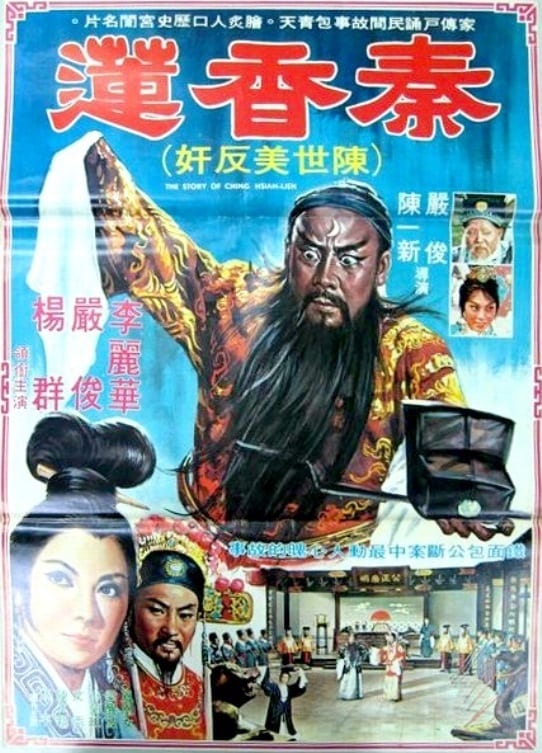
The Story of Qin Xiang-Lian is a Hong Kong Chinese Opera musical starring Jackie Chan in a child role.
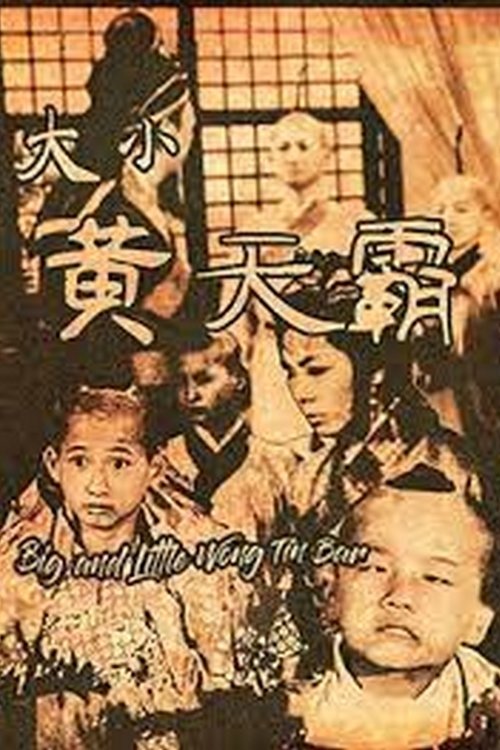
A child learns martial arts in order to become a Kung Fu warrior. Features the Seven Little Fortunes, and is the debut film of Jackie Chan.
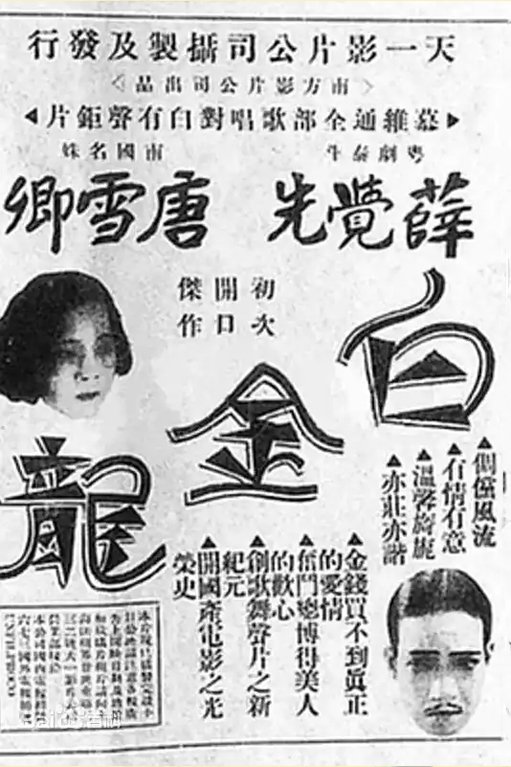
A wealthy man's son, who has a sinecure as a hotel owner, poses as a bellhop to win the affections of a woman guest with whom he has fallen madly in love, but who seeks a common man who is earning his own way. This first Cantonese-language talkie was based on a successful 1930 stage musical written by and starring Xue JueXian (Sit KokSin), the plot of which was in turn inspired by a 1929 silent Hollywood romance called "The Grand Duchess And The Waiter" which Xue admired. The film was produced not in Shanghai, by the Tianyi studio, headed by the eldest of the Shaw Brothers, Shao Zuiweng (RunJe Shaw), and was so successful in the Cantonese-speaking parts of China that Shaw moved the Tianyi company to British-administered, Cantonese-speaking Hong Kong to make more Cantonese films in the face of the right-wing Chinese Nationalist government's ban on Cantonese language in favor of Mandarin. A sequel to Baijin Long was made in 1937, and the film itself was remade in 1947.
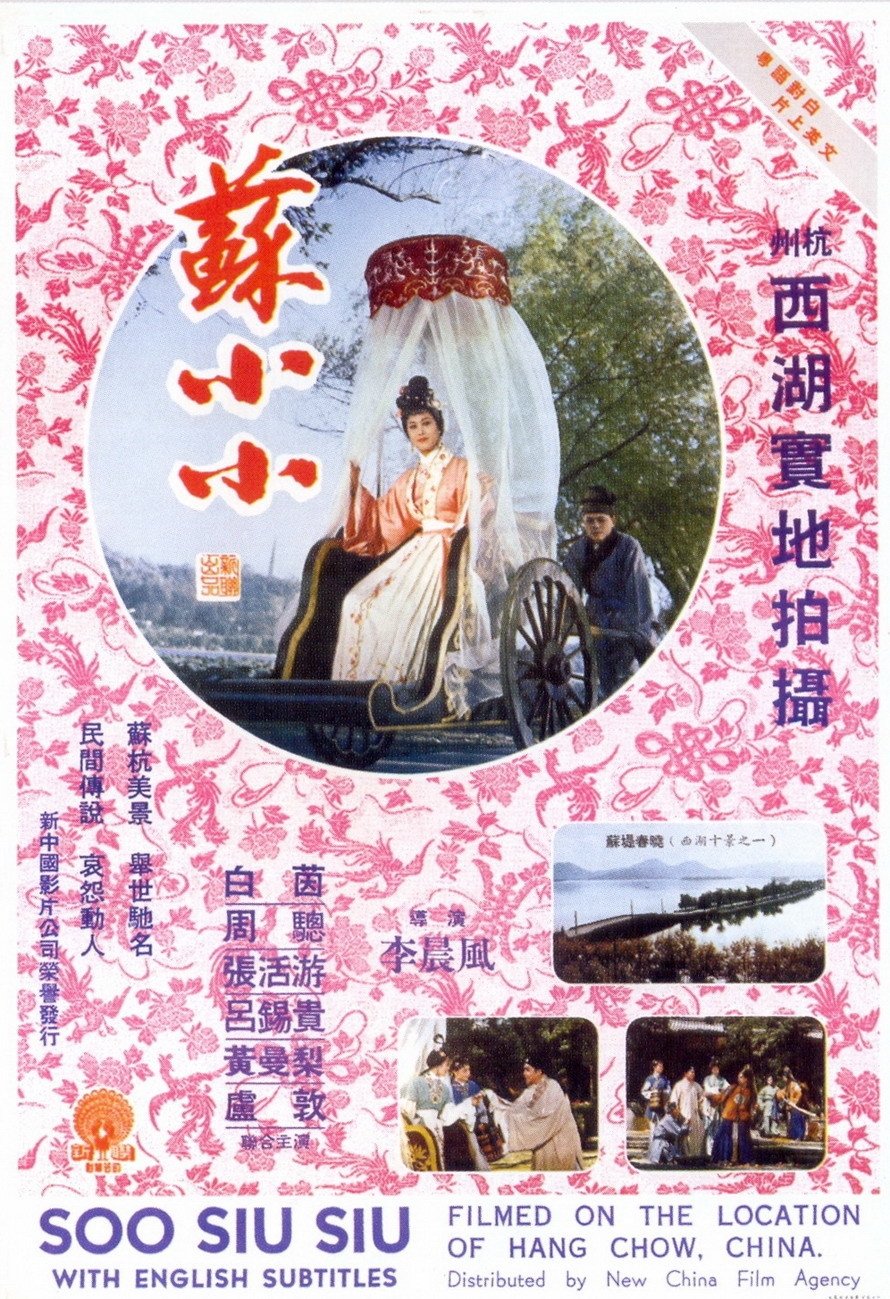
The film opens with a travelogue, showcasing West Lake and the real Mainland Chinese locations used by the film to which only the Left Wing of Hong Kong Cinema had access to at the time. The title character is a young woman raised by her courtesan aunt in the West Lake scenic resort area in Hangzhou. Siu Siu is perused by a local Official, but falls in love with the son of the Prime Minister. They marry, but are separated by the Prime Minister who arranges another marriage for the son. Siu Siu remains at West Lake, where she regretfully uses the desire of the earlier Official to help another of the girls find happiness.
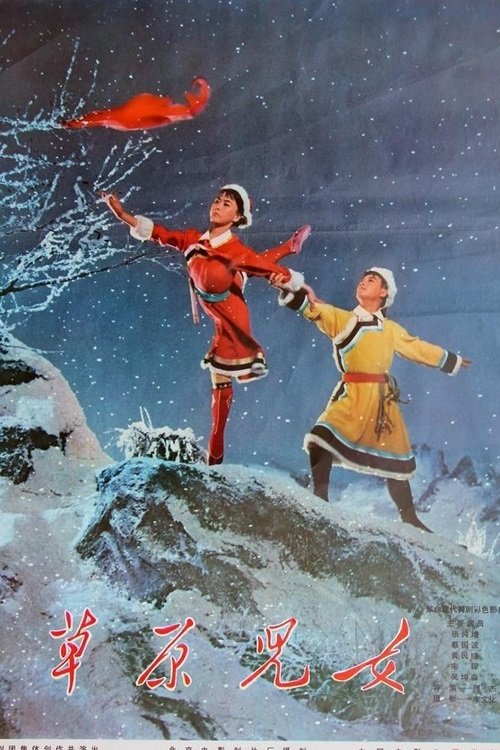
The main characters are two youngsters of China's Mongolian nationality, Temur and his younger sister Schin, whose fine revolutionary qualities - courage, tenacity and wholehearted devotion to the public interests - are highlighted in the dance-drama.
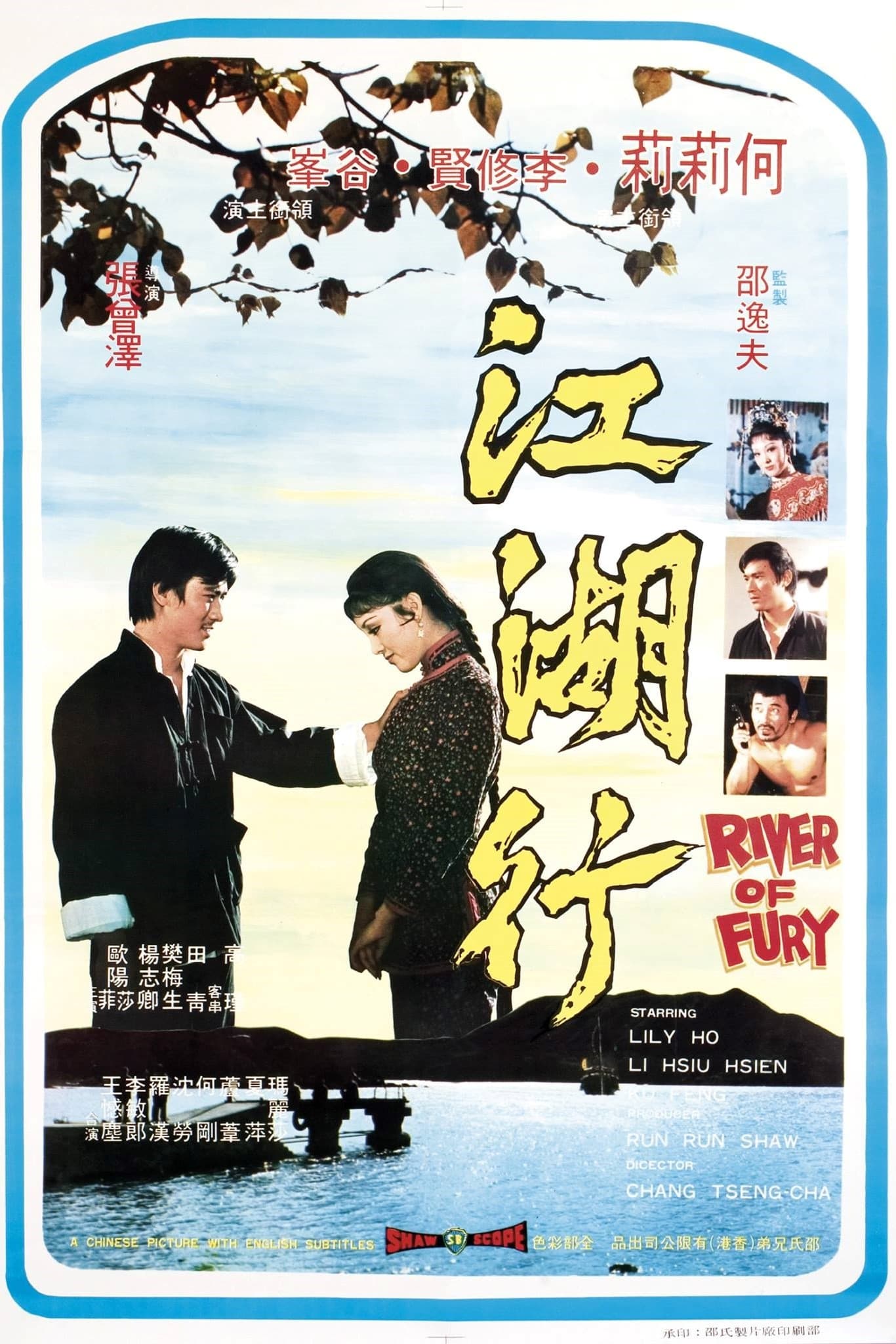
River Of Fury presents the self-discovery and awakening of a young man (Danny Lee), who has been exposed and fallen for the lucrative powers of wealth. Lily Ho played a role in sharp contrast with Lee, which has helplessly fallen prey to the irresistible temptations of wealth under the influence of her mother. Once again, Ho demonstrates her remarkable talent in Chinese opera following her Beijing-opera showcase in The Warlord (co-starring Michael Hui Kwun-man).
In an intimate and joyful story of love in the face of loss, celebrated poets Andrea Gibson and Megan Falley find strength—and unexpected hilarity—in what might be their final year together.
Through deeply personal interviews with her siblings and an examination of the photographs, letters, and belongings left behind, Mariska assembles a new portrait of her mother Jayne Mansfield, an extraordinary and complex woman.
Al Pacino's deeply-felt rumination on Shakespeare's significance and relevance to the modern world through interviews and an in-depth analysis of "Richard III."
A purely observational non-fiction film that takes viewers into the ethically murky world of end-of-life decision making in a public hospital.
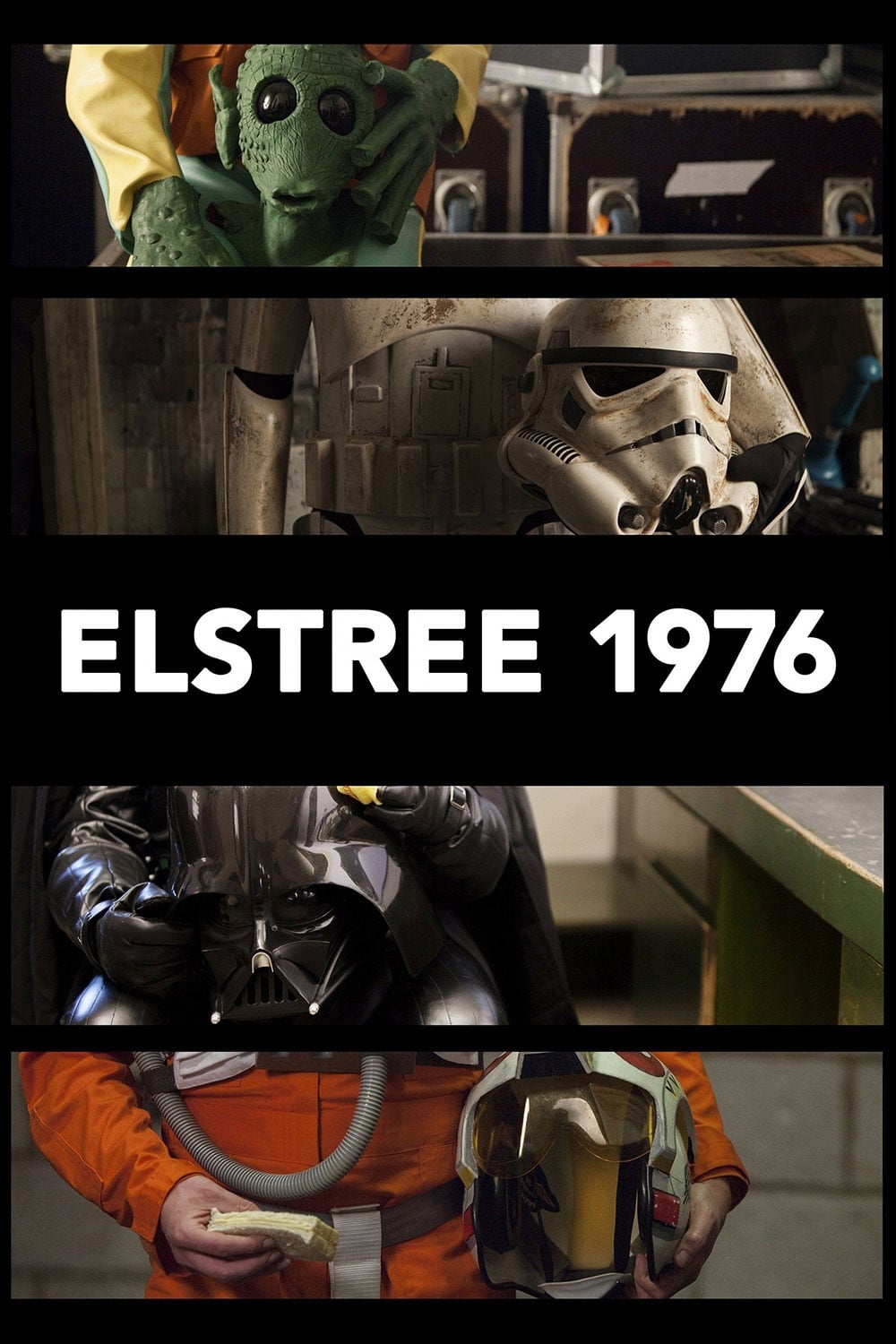
A documentary about ten very different lives connected by having appeared onscreen wearing masks or helmets in Star Wars.
An inside look at one of the most anticipated movie sequels ever with James Cameron and cast.
A string of threatening emails escalates into a revenge plot involving a newly married US marshal and his ex-girlfriend.
Alexander McQueen's rags-to-riches story is a modern-day fairy tale, laced with the gothic. Mirroring the savage beauty, boldness and vivacity of his design, this documentary is an intimate revelation of McQueen's own world, both tortured and inspired, which celebrates a radical and mesmerizing genius of profound influence.
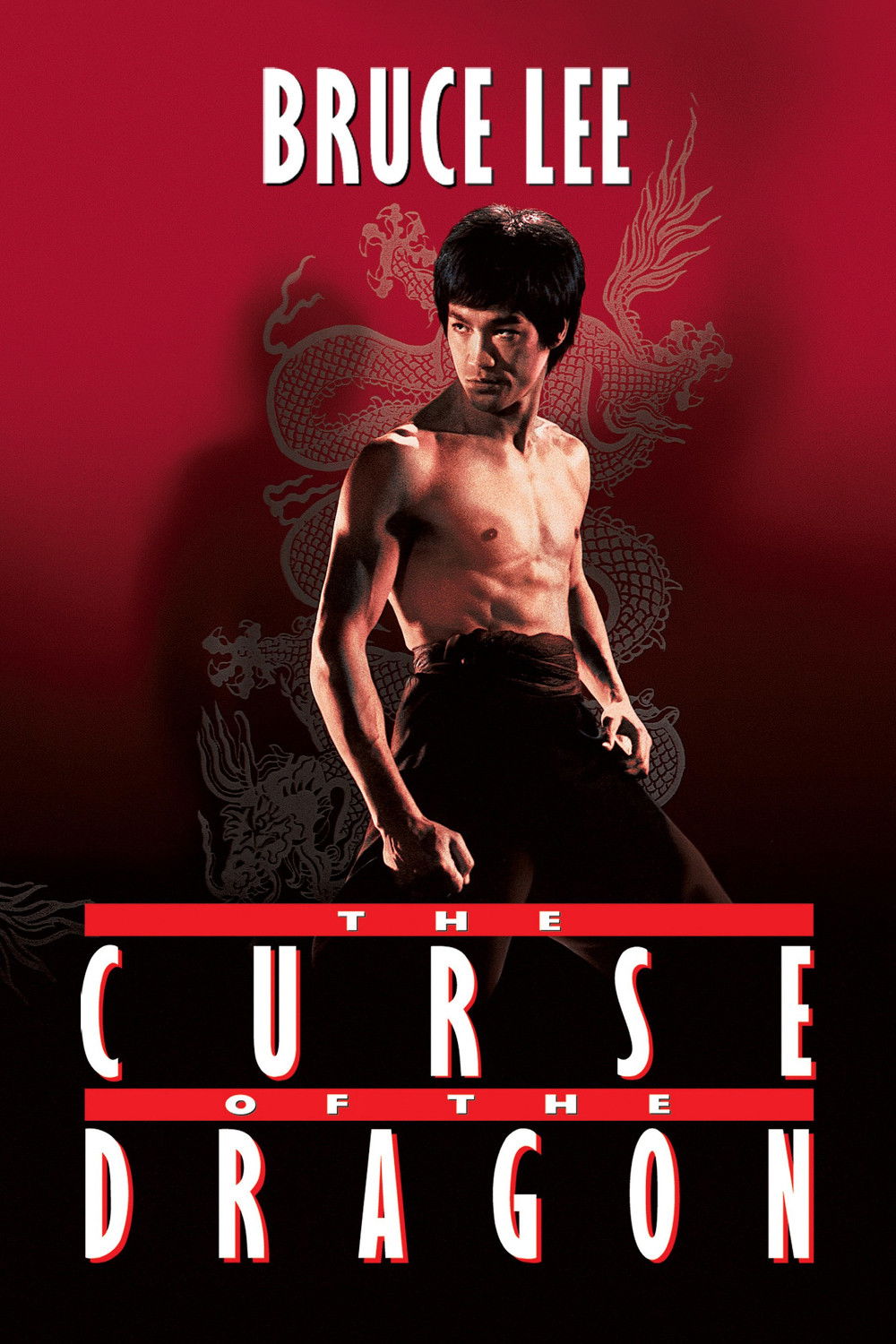
A 1993 documentary film about Bruce Lee. The film includes interviews from some of his fellow students and opponents who worked alongside him in his movies.
A documentary about the making of season five of the acclaimed AMC series Breaking Bad.
Follow the evolution of the 'Halloween' movies over the past twenty-five years. It examines why the films are so popular and revisits many of the original locations used in the films - seeing the effects on the local community. For the first time, cast, crew, critics and fans join together in the ultimate 'Halloween' retrospective.
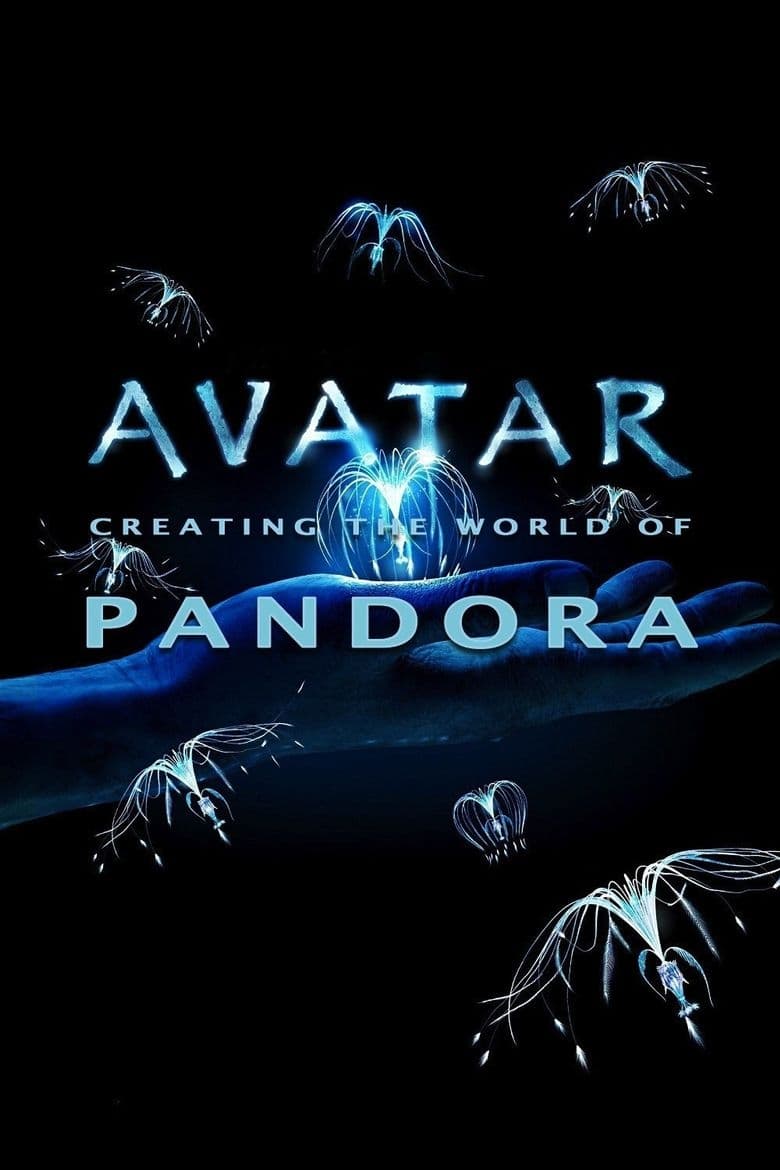
The Making-of James Cameron's Avatar. It shows interesting parts of the work on the set.
Behind the scenes look at fight choreography and action training.
The life and career of one of comedy's most inimitable modern voices, Mr. Gilbert Gottfried.
A documentary about how a dominant cultural and demographic institution both sustains their traditional activities and adapts to the digital revolution.
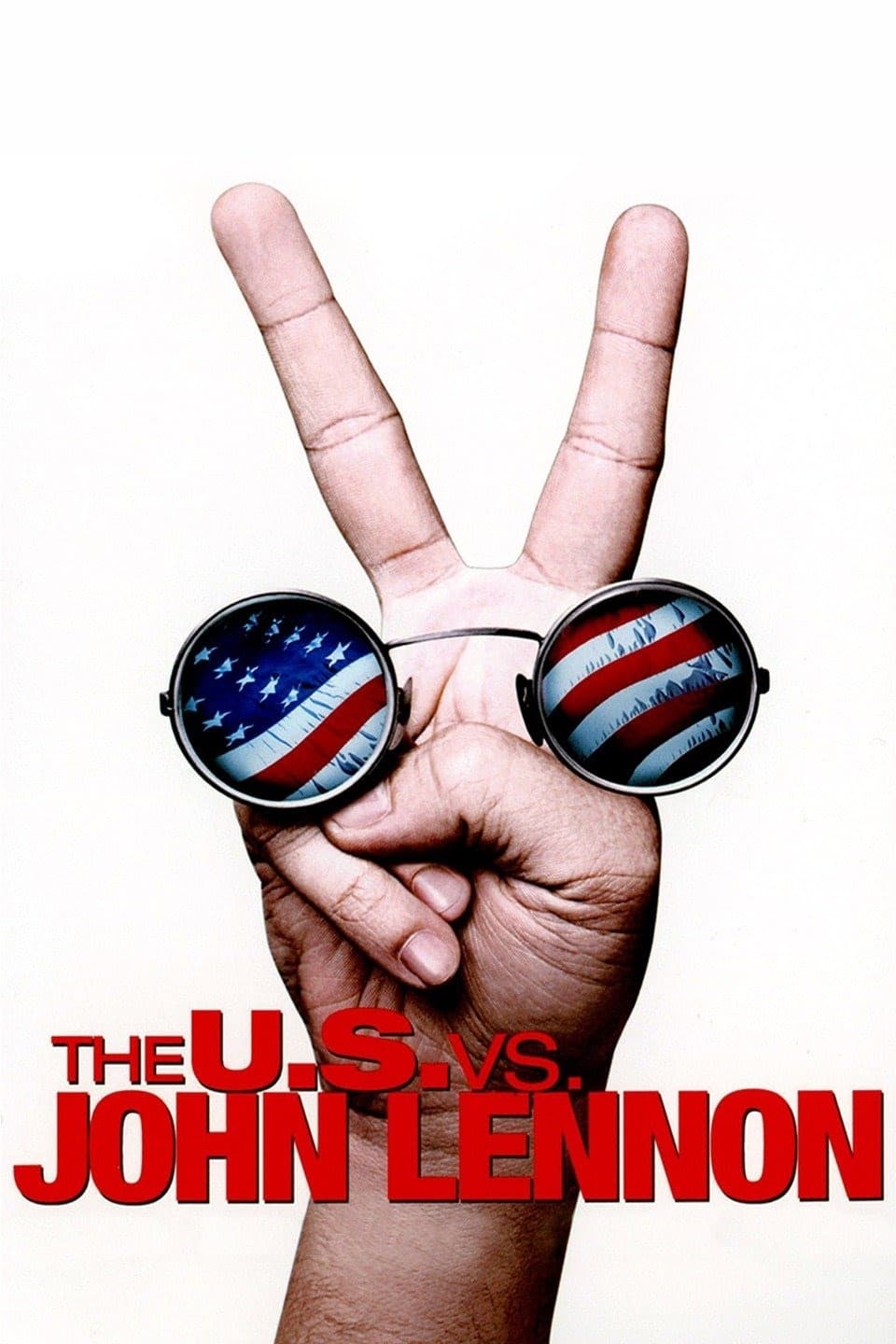
A documentary on the life of John Lennon, with a focus on the time in his life when he transformed from a musician into an antiwar activist.
Brilliant, long in-the-works story of the life and art of the world's greatest comedian and the cinema's first genius, Charlie Chaplin. Produced, written and directed by renowned film critic Richard Schickel.
A visual montage portrait of our contemporary world dominated by globalized technology and violence.
Ranjit, a farmer in India, takes on the fight of his life when he demands justice for his 13-year-old daughter, the victim of a brutal gang rape. His decision to support his daughter is virtually unheard of, and his journey unprecedented.
Director Michael Apted revisits the same group of British-born adults after a 7 year wait. The subjects are interviewed as to the changes that have occurred in their lives during the last seven years.