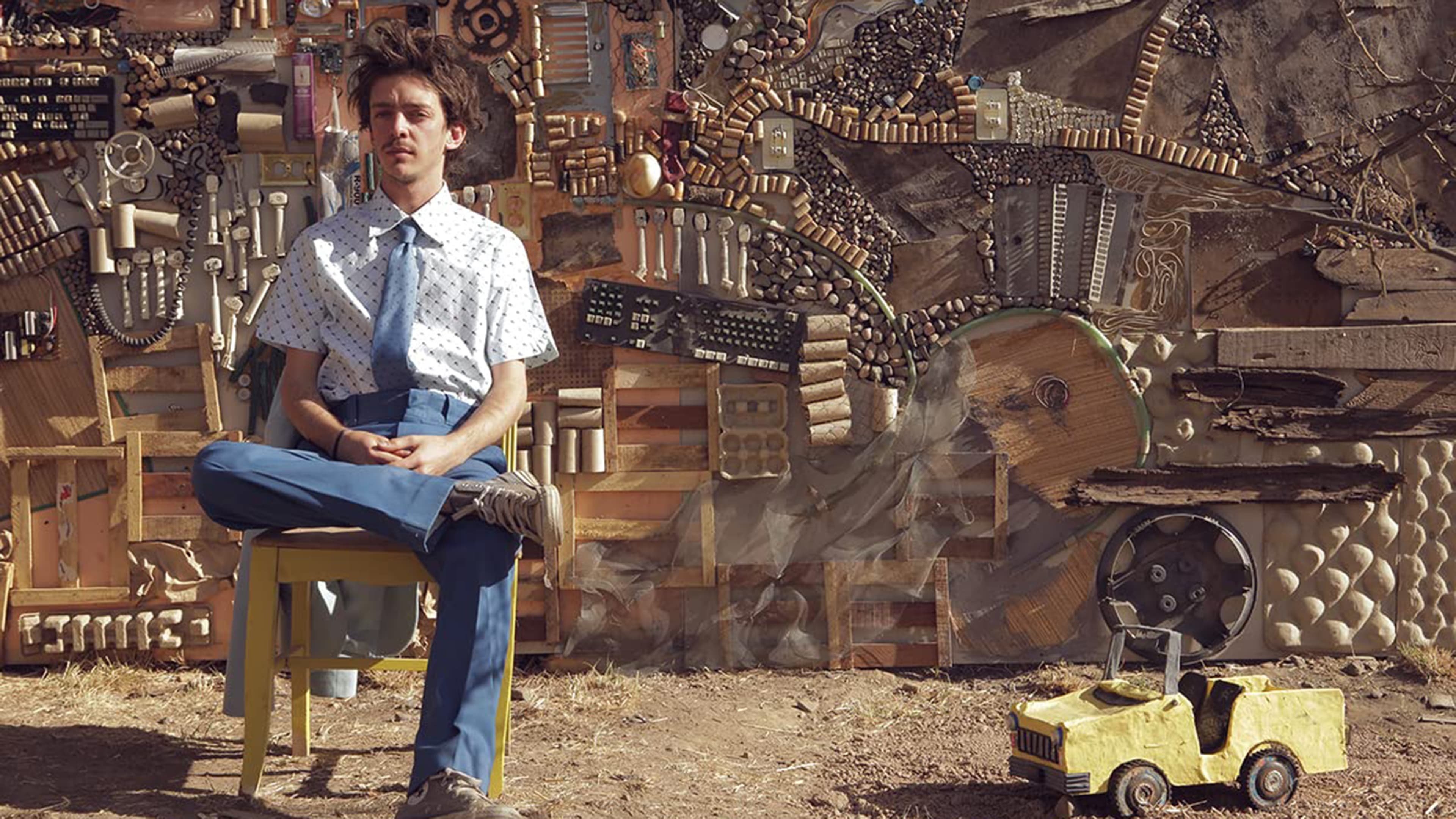
"I made this trip to meet you again."
How are biographies charted? How is identity constructed? Can we relive our past, reinvent it, rearrange or recycle it? Can we really know who we are if we ignore where do we come from?
Social & External
Ezequiel
Himself
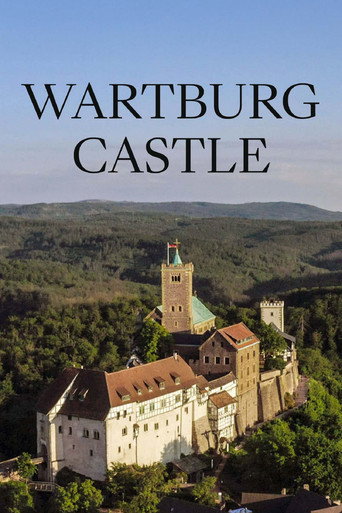
A new reading of the historical period that began with the reign of the Catholic Monarchs (1479-1516) and the discovery of America (1492), as well as an analysis of its undeniable influence on the subsequent evolution of the history of Spain and the world.
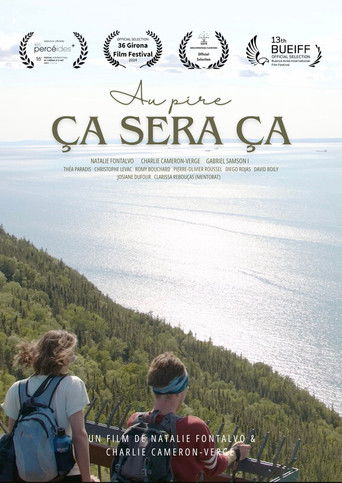
7-year-old Sasha has always known that she is a girl. Sasha’s family has recently accepted her gender identity, embracing their daughter for who she truly is while working to confront outdated norms and find affirmation in a small community of rural France.
Spontaneous portrait of an endearing and cheerful teenager living in balance between traditionalism and modernity. She presents her regalia to us and we share her pride in being Innu.
The story of three Turkish men. They all grew up in Switzerland and all got deported after various criminal offenses.
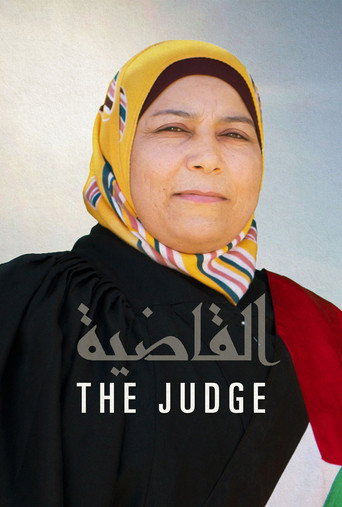
A verité legal drama about Judge Kholoud Al-Faqih, the first woman appointed to a Shari'a court in the Middle East, whose career provides rare insights into both Islamic law and gendered justice.
Shelley is a timid elderly lady who is competing in the Miss Senior USA pageant. Immersion in an extravagant world that also touches on the universal need for visibility, beauty and being included.
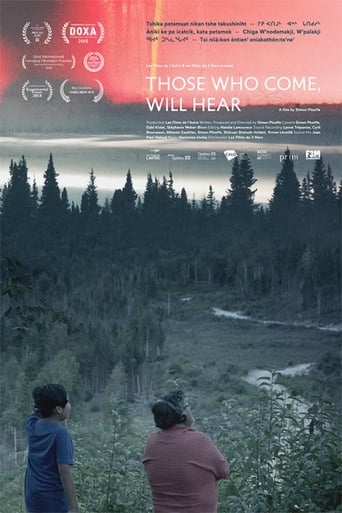
The documentary proposes a unique meeting with the speakers of several indigenous and inuit languages of Quebec – all threatened with extinction. The film starts with the discovery of these unsung tongues through listening to the daily life of those who still speak them today. Buttressed by an exploration and creation of archives, the film allows us to better understand the musicality of these languages and reveals the cultural and human importance of these venerable oral traditions by nourishing a collective reflection on the consequences of their disappearance.
What kind of power is accessible through the discovery of a voice? Morgan Quaintance interlinks two anti-racist and anti-authoritarian liberation movements in South London and Chicago’s South Side with his own biography to explore what happens when speech is ignored, and the voice fades.
I was about seven years old the first time someone called me \"black\" on the street. I turned around to see who they were talking to, until I realized they were talking to me.
“An Untitled Film” by George Alshevskij-Jones is a short documentary/visual essay about the struggles of moving to seek a better future in a different country. The research for the film was done by observing and talking to people who have left their home country. It doesn’t matter what country a person has left and in which country he has found himself, the general experiences and emotions stay the same. The most important message that I want the film to convey is that everything is possible and home is not a place on a map, but a place in the soul of each person that I spoke to. The unconventional way of showing many people as one is not just a way of making the film more convenient to create, but a way to fit a much information into one consistent image, that the audience is more likely to understand and perceive as the author intended it. My own experience blended in with the experiences of others.
"Africa Light" - as white local citizens call Namibia. The name suggests romance, the beauty of nature and promises a life without any problems in a country where the difference between rich and poor could hardly be greater. Namibia does not give that impression of it. If you look at its surface it seems like Africa in its most innocent and civilized form. It is a country that is so inviting to dream by its spectacular landscape, stunning scenery and fascinating wildlife. It has a very strong tourism structure and the government gets a lot of money with its magical attraction. But despite its grandiose splendor it is an endless gray zone as well. It oscillates between tradition and modernity, between the cattle in the country and the slums in the city. It shuttles from colonial times, land property reform to minimum wage for everyone. It fluctuates between socialism and cold calculated market economy.
When one thinks of the American Deep South, the image of veiled Muslim students strolling the University of Alabama campus is the last thing that comes to mind. VOICES OF MUSLIM WOMEN FROM THE US SOUTH is a documentary that explores the Muslim culture through the lens of five University of Alabama Muslim students. The film tackles how Muslim women carve a space for self-expression in the Deep South and how they negotiate their identities in a predominantly Christian society that often has unflattering views about Islam and Muslims. Through interviews with students and faculty at Alabama, this film examines representations and issues of agency by asking: How do Muslim female students carve a space in a culture that thinks of Muslims as terrorists and Muslim women as backward?
Serena is drawing the portrait of Enzo. In a cozy and intimate atmosphere, he tells us his story. This life is extraordinary, because it is a life of a Female-To-Man (FTM) transgender.
Bryan Wilmoth is the oldest of eight children who grew up in a very strict household. Eventually, all the siblings became estranged from their parents. At StoryCorps, Bryan told his brother mike about the day their father discovered that Bryan was gay.
Rachel Dolezal became infamous when she was unmasked as a white woman passing for black so thoroughly that she had become the head of her local N.A.A.C.P. chapter. This portrait cuts through the very public controversy to reveal Dolezal’s motivations.
Set against the vibrant spectacle of the jaripeo, a symbol of Mexican cowboy tradition and machismo, this story unveils a hidden world of queer desire and quiet rebellion. As glances and gestures disrupt the rigid norms of masculinity, the rodeo becomes a stage for our protagonists to navigate identity, community, and the search for belonging in an oppressively traditional space.
In late eighties, in Ceausescu's Romania, a black market VHS bootlegger and a courageous female translator brought the magic of Western films to the Romanian people and sowed the seeds of a revolution.
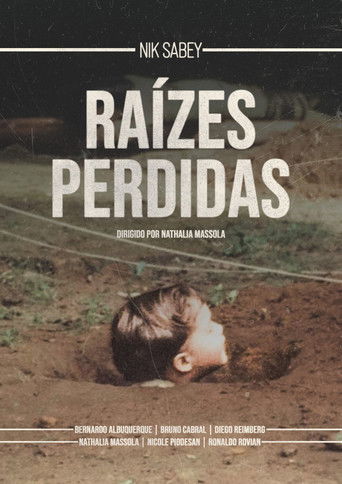
Darío follows in the footsteps of his famous ancestor to uncover a hidden chapter in his family's history. With the help of previously unknown relatives, he questions his own origins and discovers other truths. A personal exploration of identity and colonialism.
A look at the world of webcam workers who find economic freedom, empowerment, intimacy and creative self expression from the comfort of their own homes.