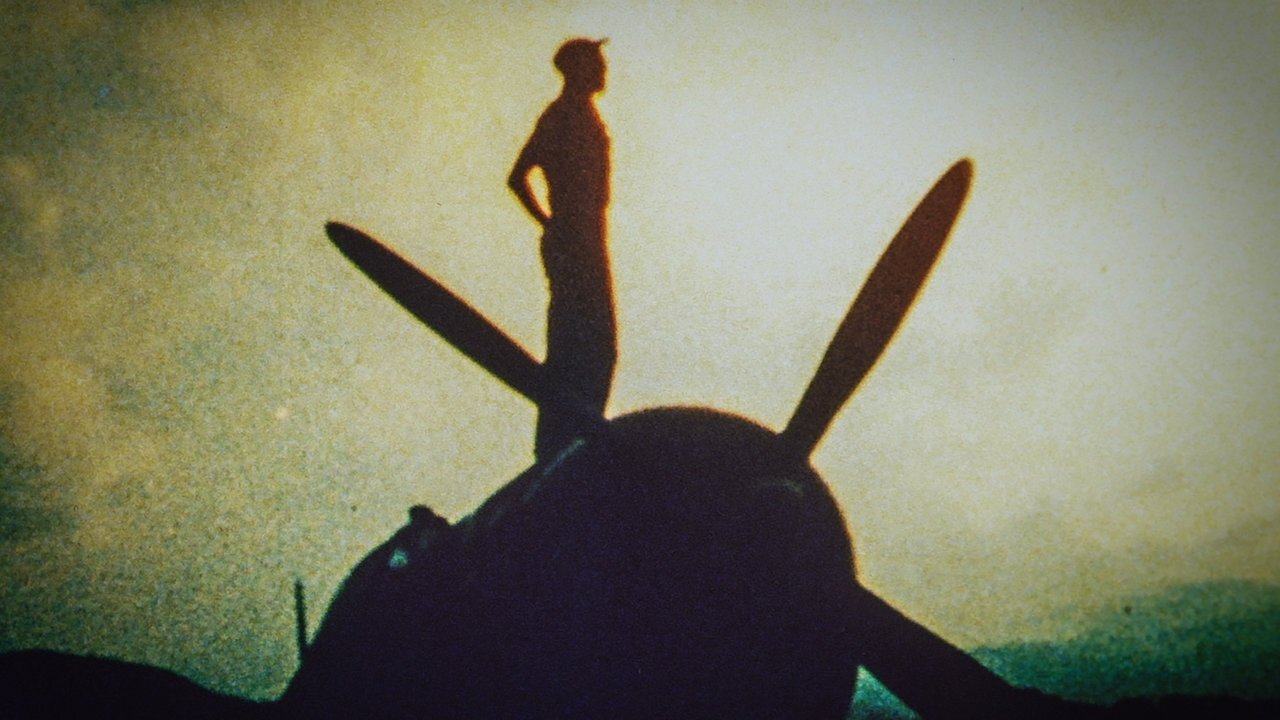
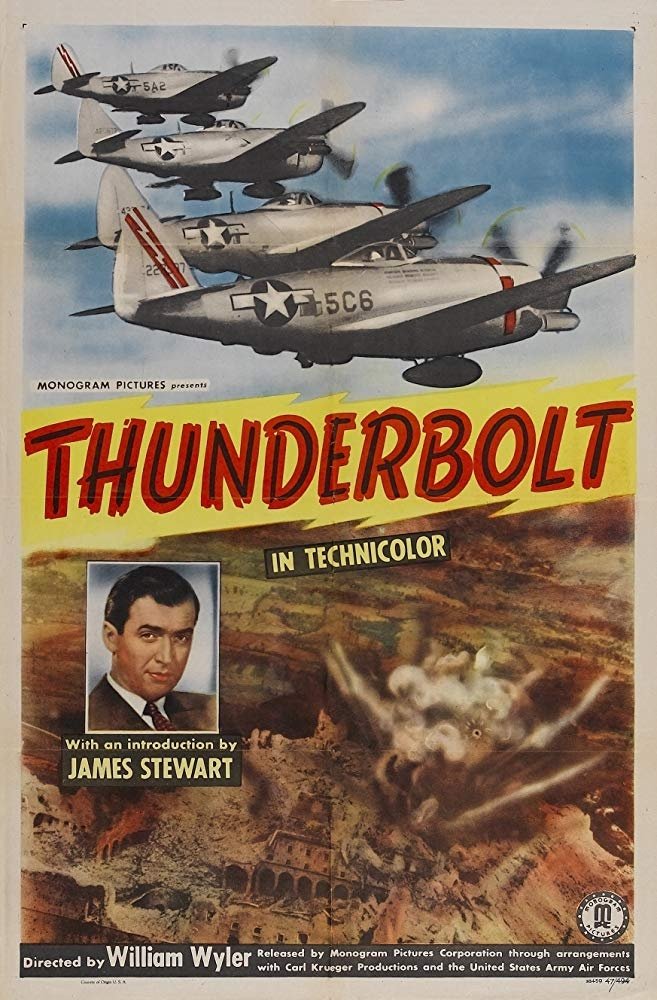

Documentary about the U.S. Air Force's P-47 Thunderbolt bomber's role in the Italian Campaign during WW2.
Social & External
Himself, Introduction
Narrator (voice)
Pilot (voice)
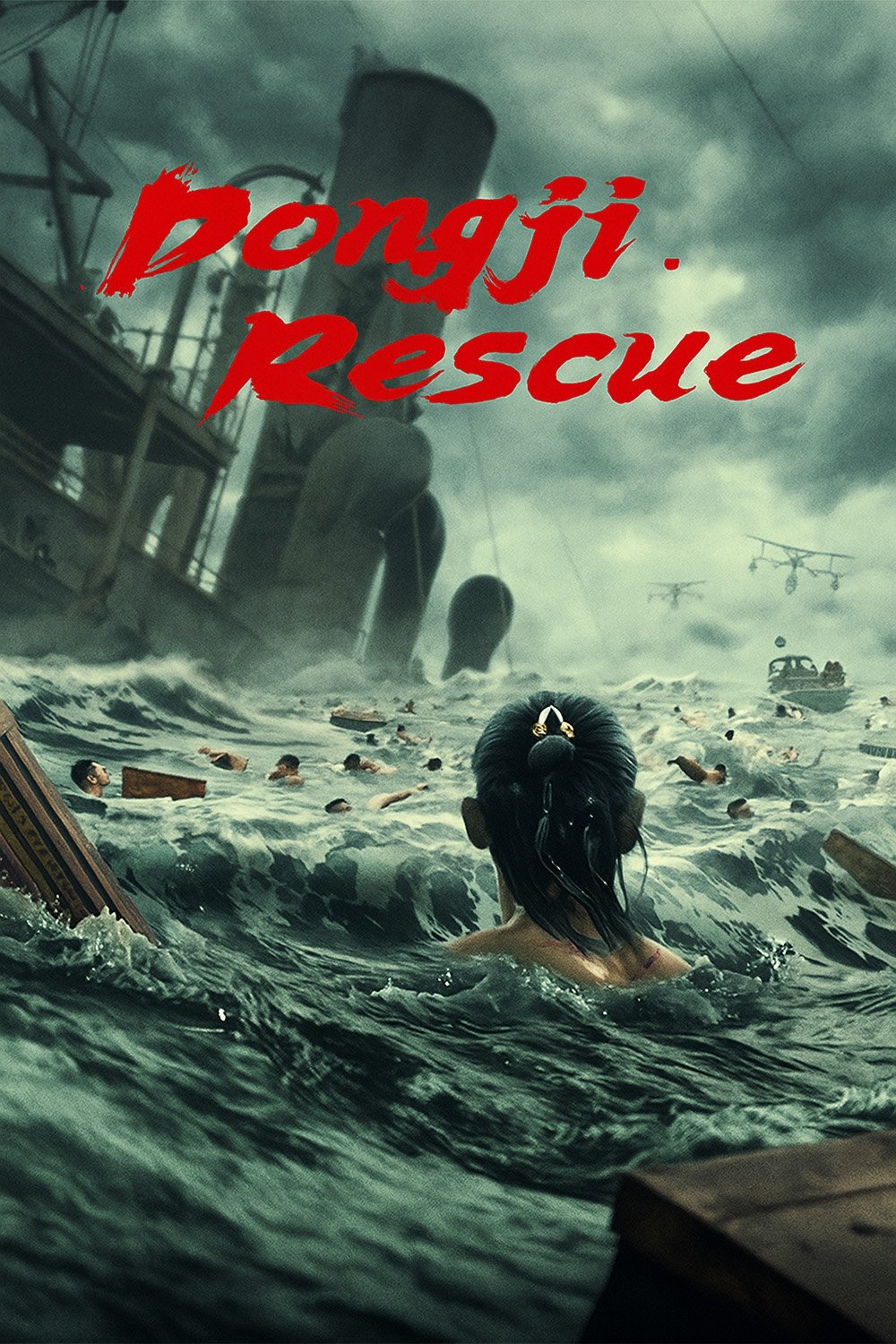
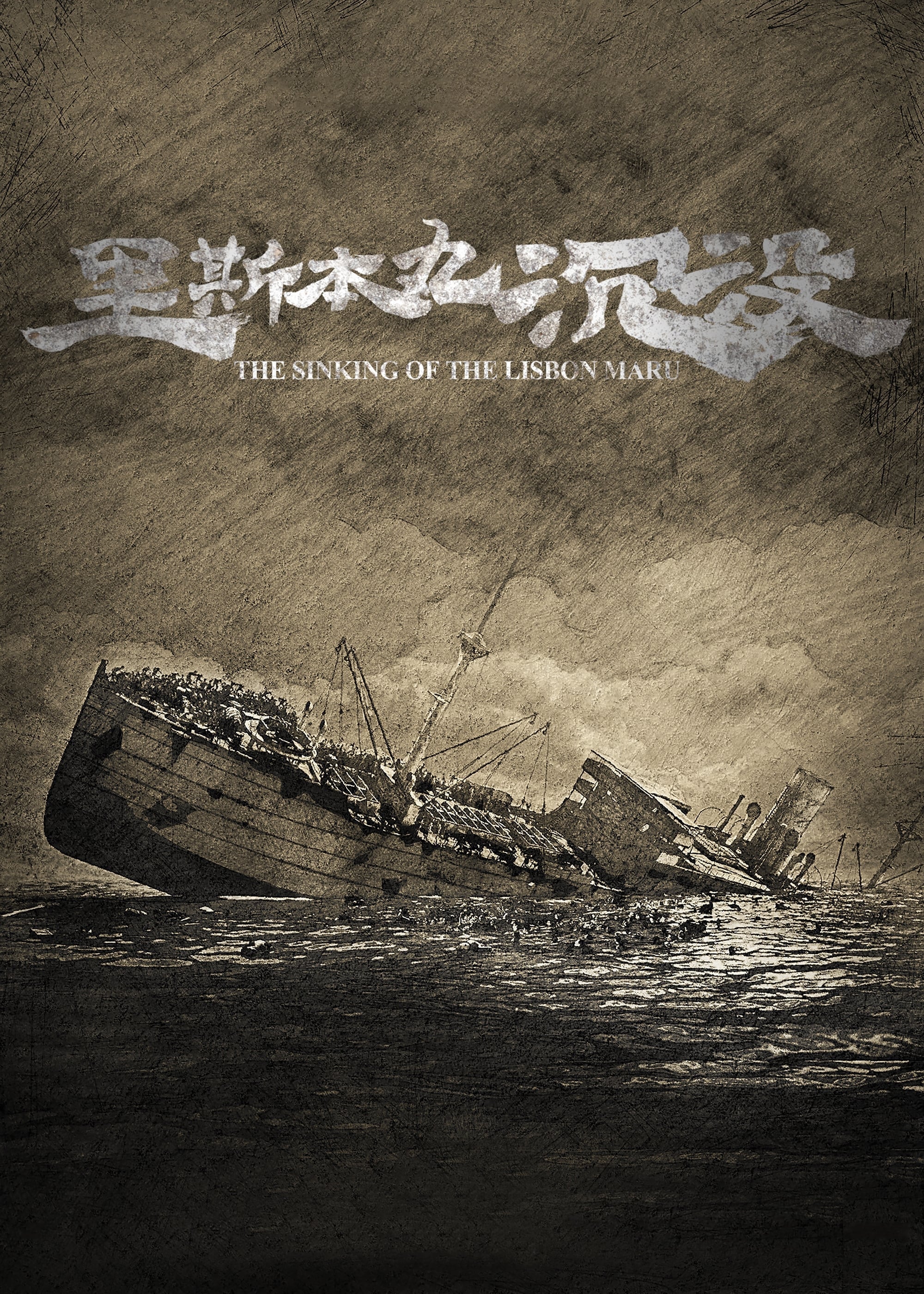
Inspired by the real life rescue of over 300 British soldiers in 1942, Dongji Rescue is a rousing, action-packed story of heroism on the high seas. When the Japanese warship Lisbon Maru is torpedoed off the coast of Dongji Island, the lives of over 300 British POWs on board are at risk of being claimed by the sea. Their only hope is a small group of defiant Chinese fisherman who will do anything to rescue and protect them from their captors.
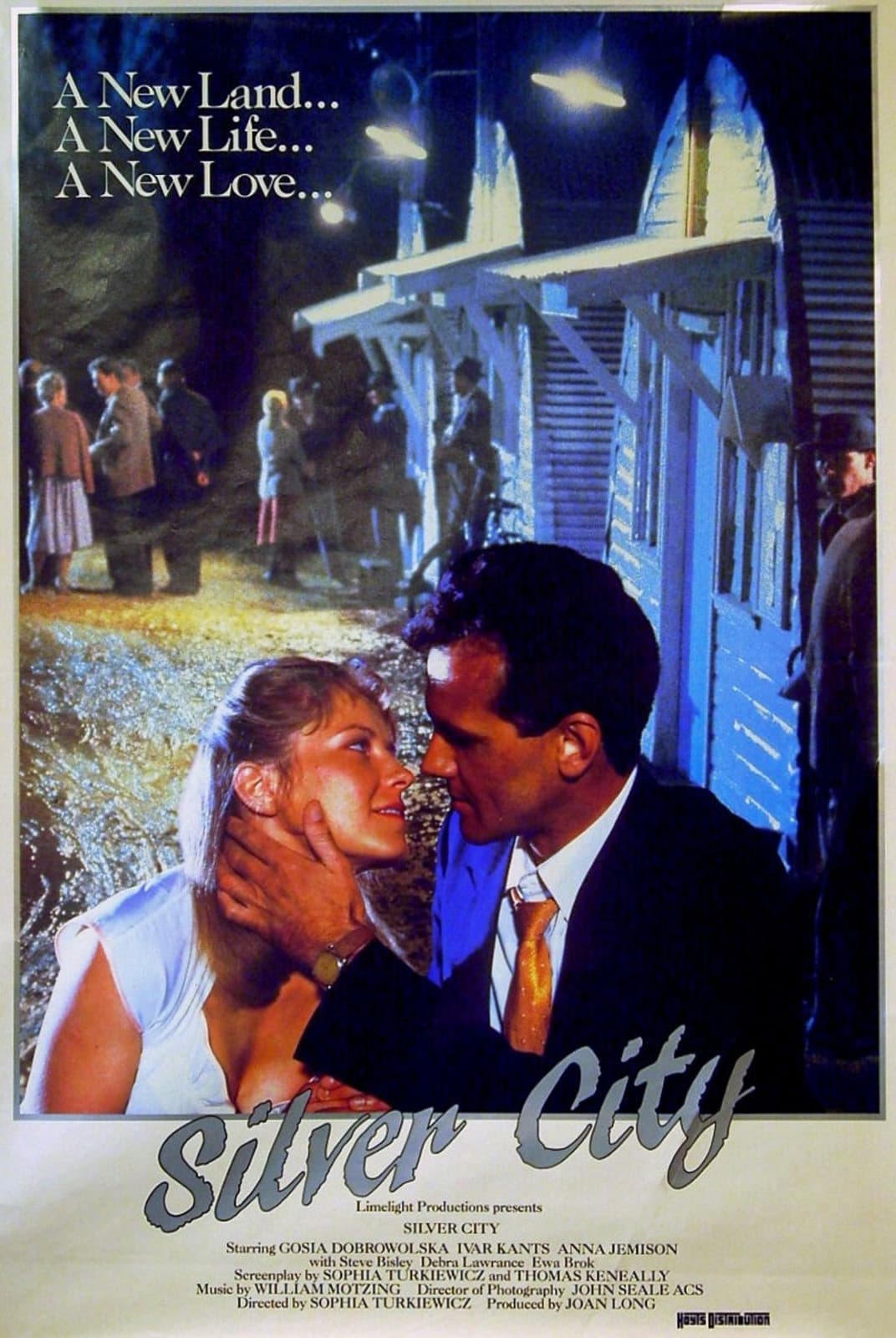
After World War II, 4,000 Polish families came to Australia. They were Jews, Fascists, anti-Communists, and others dispossessed. In a large hostel, where even married men and women were housed in separate barracks, the adults lived for two years while they worked off the government's payment of their passage. Even though he is married to Anna and has a son, Julian falls in love with Nina and she with him. As they and others face the new situations and prejudices that await immigrants and as they take on aspects of Australian culture, old-country values reassert themselves. Julian decides what to do about love and family, and Nina must find a way to move on.
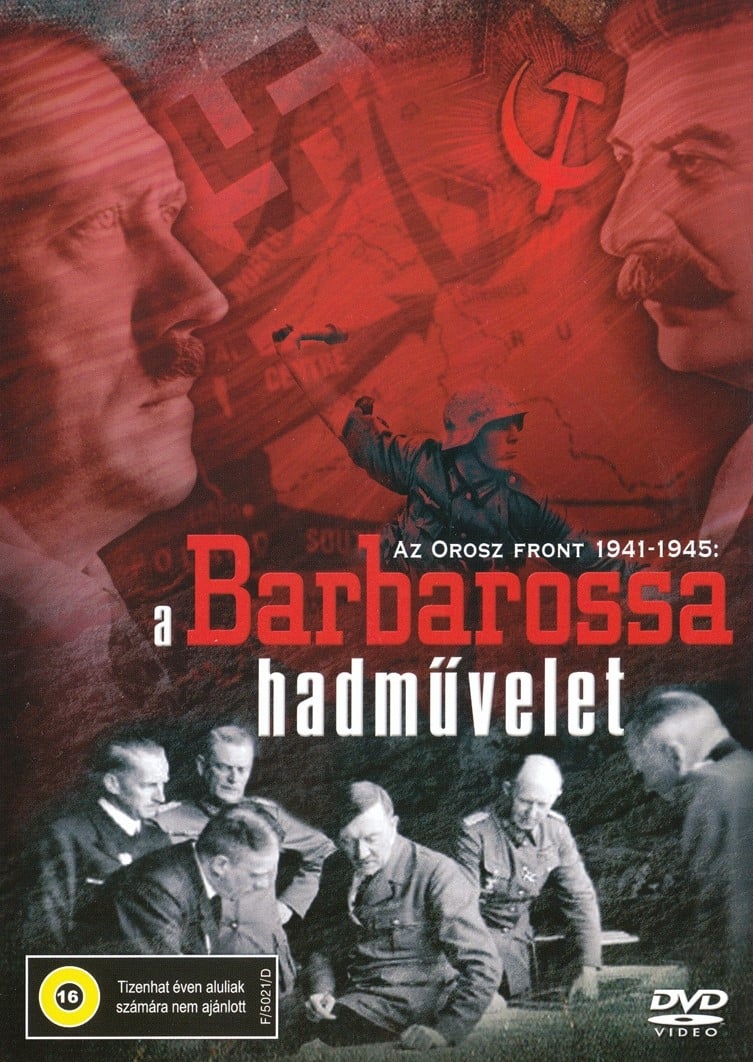
Hitler's invasion of Russia was one of the landmark events of World War II. This documentary reveals the lead-up to the offensive, its impact on the war and the brinksmanship that resulted from the battle for Moscow. Rare footage from both German and Russian archives and detailed maps illustrate the conflict, while award-winning historian and author John Erickson provides insight into the pivotal maneuvers on the eastern front.
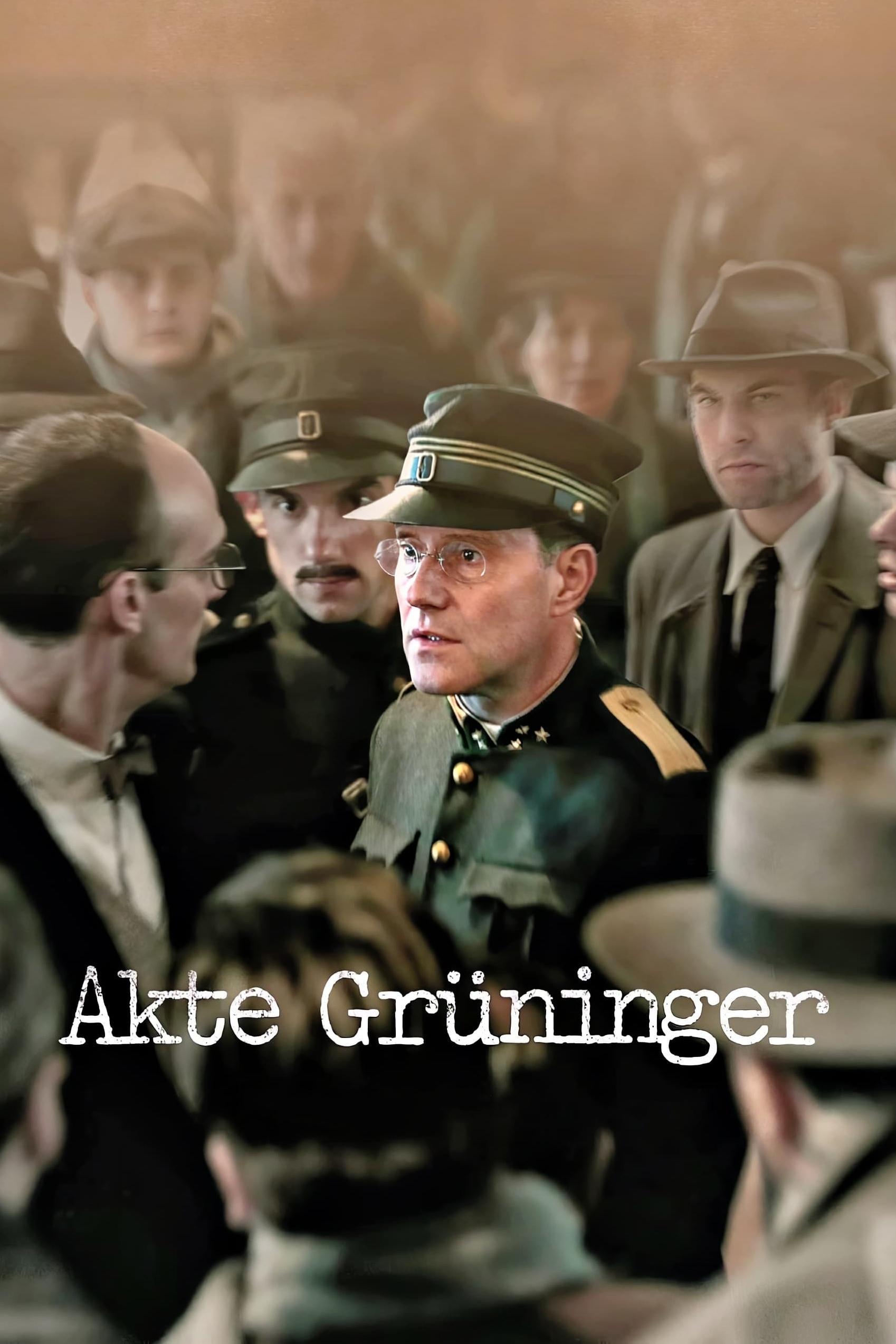
1938. Austria has been annexed by Nazi Germany, and Switzerland has closed its borders for Jewish refugees - a death sentence for thousands. But not all Swiss officials observe this inhuman order.
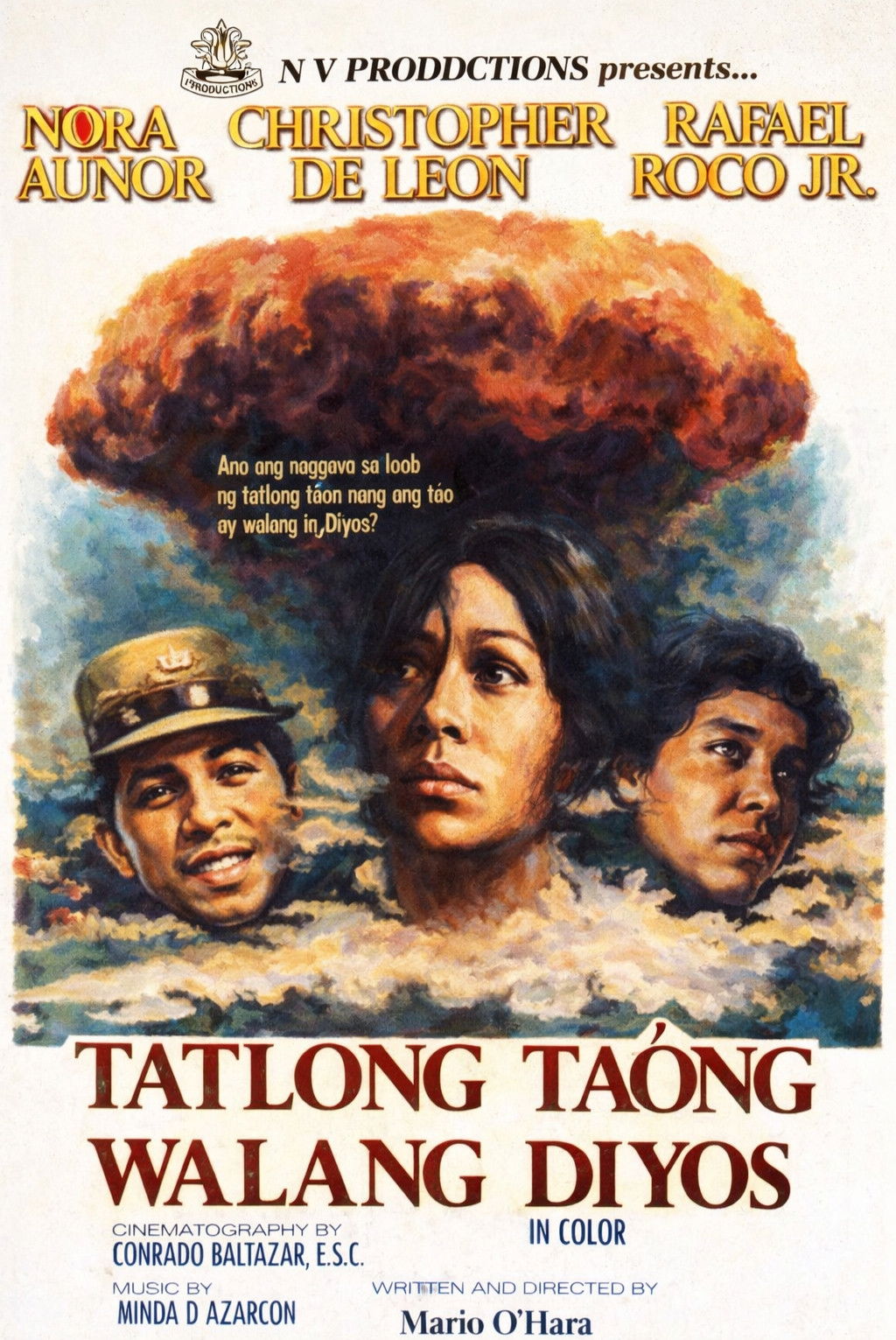
Set during World War II, Rosario, a school teacher, enters a forbidden relationship with a Japanese soldier, Masugi.
12 American military prisoners in World War II are ordered to infiltrate a well-guarded enemy château and kill the Nazi officers vacationing there. The soldiers, most of whom are facing death sentences for a variety of violent crimes, agree to the mission and the possible commuting of their sentences.
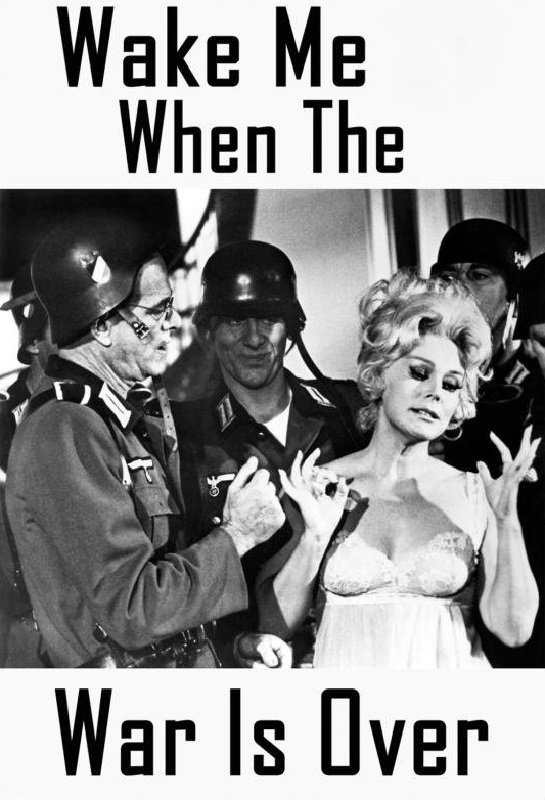
During the latter days of WWII an American Lieutenant accidentally falls out of an airplane into German territory. He is taken in by a Baroness who becomes smitten with him and doesn't want him to leave, so she doesn't tell him that the war has ended...for five years!
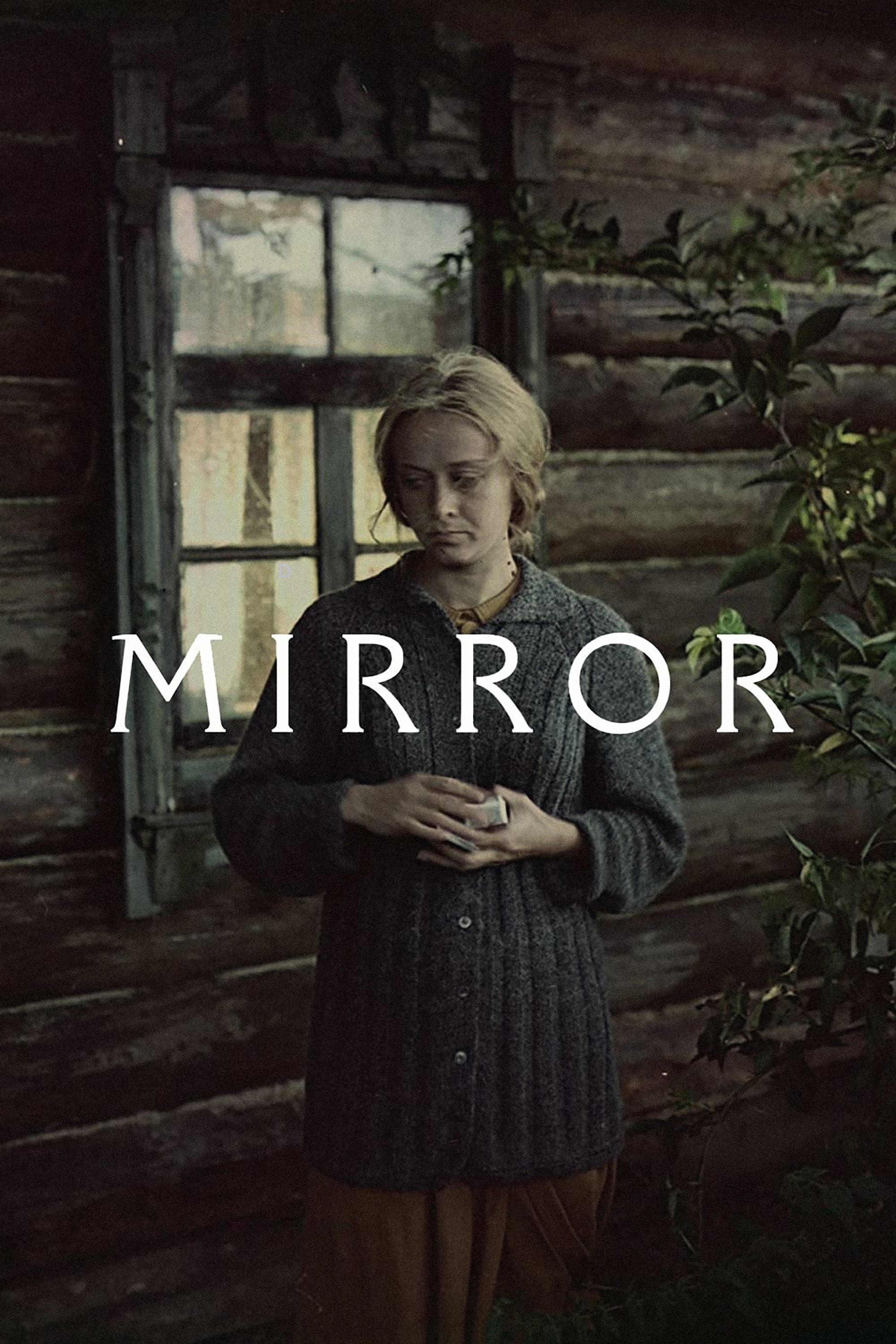
A dying man in his forties recalls his childhood, his mother, the war and personal moments that tell of and juxtapose pivotal moments in Soviet history with daily life.
Filmmaker Fang Li and his crew explore exhaustive historical investigation, as far as possible to find the core of the British, American, Japanese and Chinese parties and descendants, trying to infinitely close to the truth of the World War II "Death Ship" — "Lisbon Maru", which is 30 meters under the sea off the East Polar Island in Zhoushan, China.
Made in 1940 and sponsored by the Ministry of Information this film shows the food contributions supplied to Britain by various colonies and dominions. 'Food from the Empire highlights the severity of the food issue, by discussing food production as a battle (...) and offers insights into British attitudes towards its colonies and dominions. The commentary notes that the ‘free people’ of these countries are ‘anxious to send every ounce they can to the United Kingdom for they know that upon the ability of Great Britain to hold out depends their own freedom’. Britain is depicted as a dominant power, fighting to protect those within the Empire, while the colonies are loyal and ‘anxious’ to help.' - Tom Rice, on the film from colonialfilm.org.
Based on a real-life story, this drama focuses on a small group of Allied soldiers in Burma who are held captive by the Japanese. Capt. Ernest Gordon, Lt. Jim Reardon and Maj. Ian Campbell are among the military officers kept imprisoned and routinely beaten and deprived of food. While Campbell wants to rebel and attempt an escape, Gordon tries to take a more stoic approach, an attitude that proves to be surprisingly resonant.
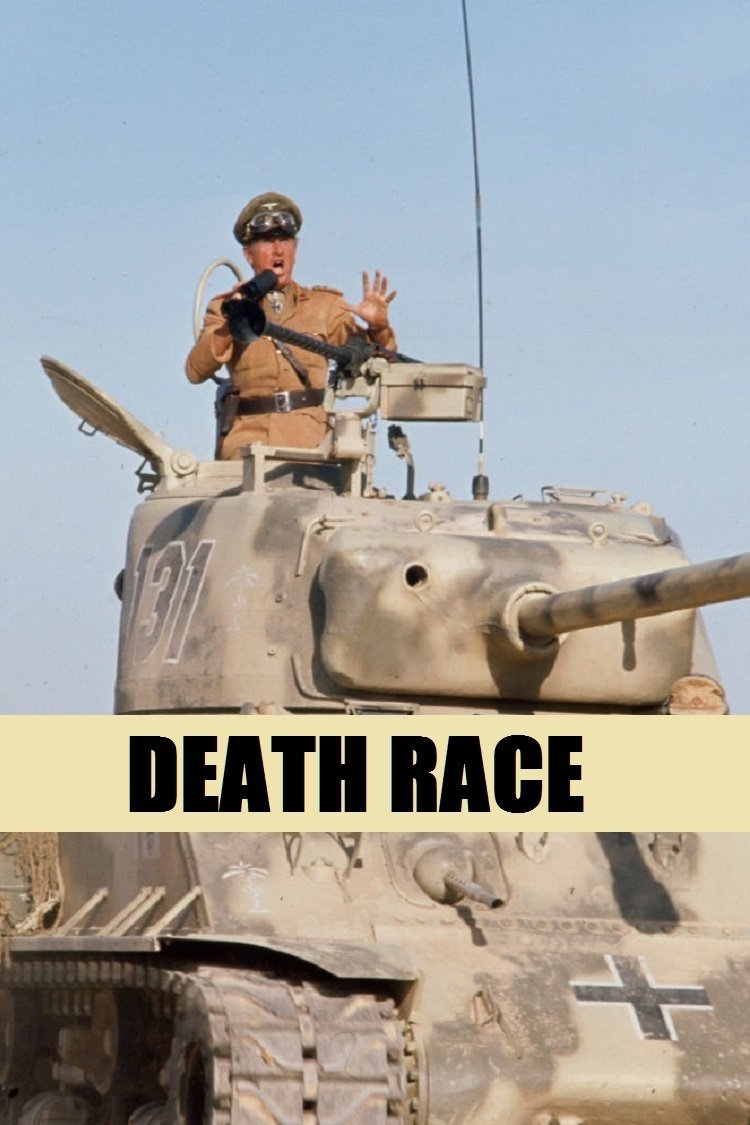
In the North African desert in World War II, a crippled American fighter plane that is unable to take off tries to evade and destroy a pursuing Nazi tank.
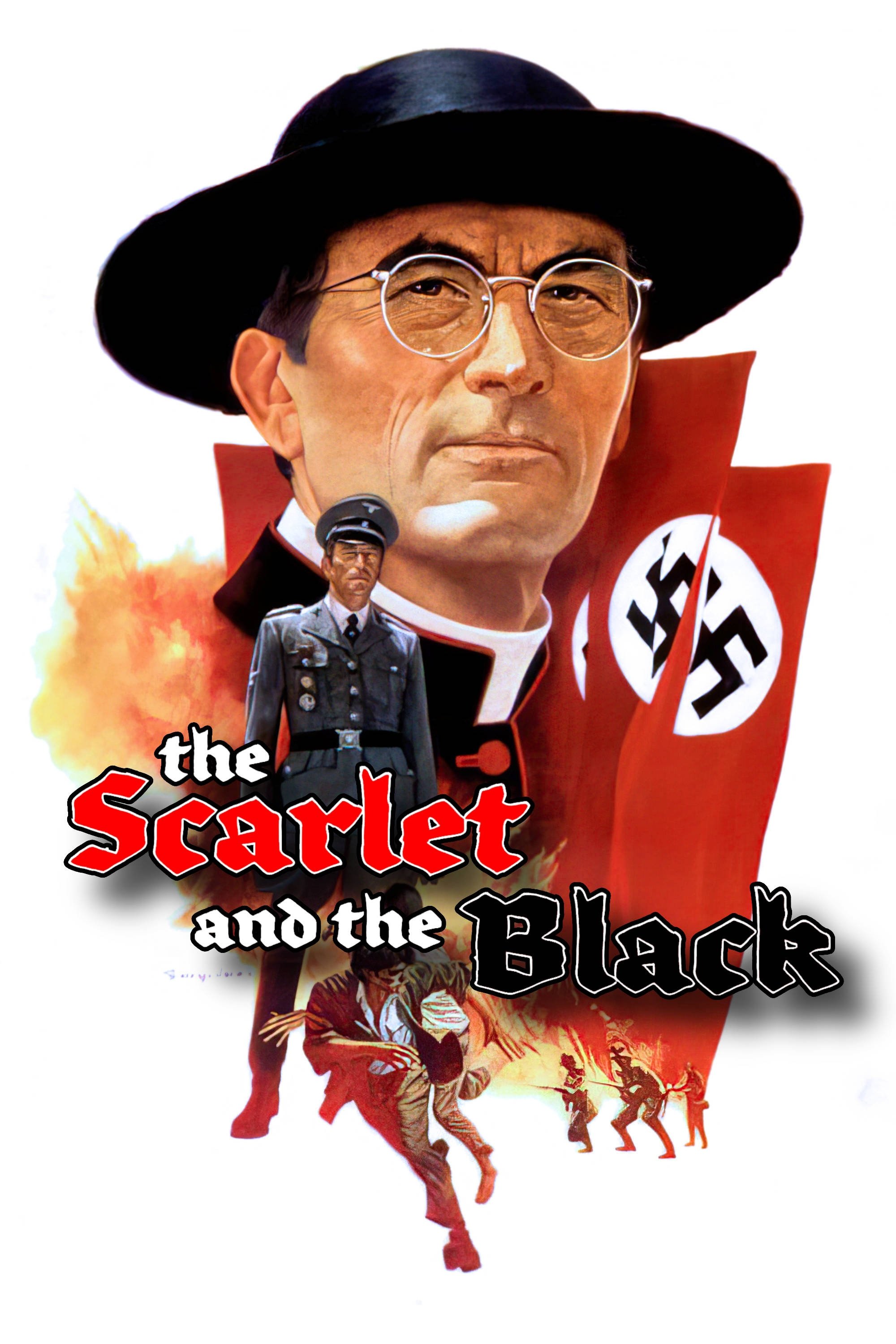
As World War II looms, Pope Pius XI calls on a humble American priest to help him challenge the evils of Nazism and anti-Semitism. But death intervenes, and Pope Pius XII now carries out a very different response to Hitler and the Holocaust.
During the Nazi occupation of Poland, an acting troupe becomes embroiled in a Polish soldier's efforts to track down a German spy.
This documentary is the story of two Mennonite brothers from Manitoba who were forced to make a decision in 1939, as Canada joined World War II. In the face of 400 years of pacifist tradition, should they now go to war? Ted became a conscientious objector while his brother went into military service. Fifty years later, the town of Winkler dedicates its first war memorial and John begins to share his war experiences with Ted.
A peek into the true coming-of-age story of Robert Mutz, a Jewish teenager who escaped Vienna in the 1930s and traveled to Houston, America as a refugee from the Holocaust. Becoming the lone survivor of his village.
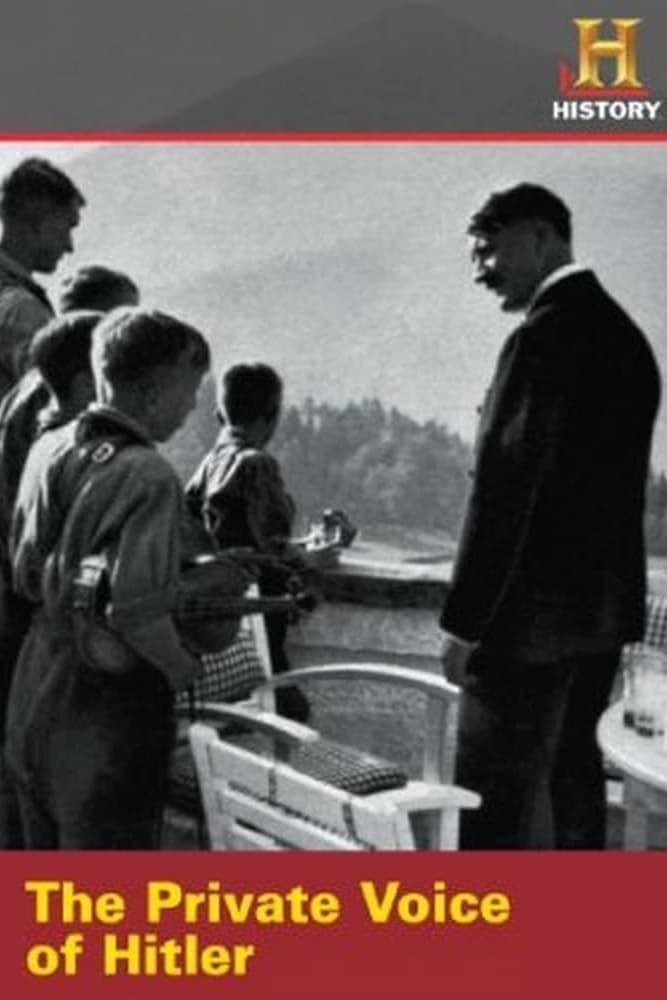
Everyone knows the public archive footage of Hitler. But most of it is silent. What was he saying? Special computer technology enables us for the first time to lip-read the silent film.
In 1944, group of rebellious American soldiers known as "The Filthy Thirteen" parachute into Normandy to carry out a deadly mission.
Canada: A People's History - Episode 14: 1940 to 1946 CE. Canada comes of age in the anguish of World War II, with soldiers on the beaches at Dieppe and women in the industrial work force back home. The country's military role, and the domestic, social and political consequences of the war are traced through poignant stories of Canadians on both sides of the Atlantic. The horrific global conflict steals the innocence of a generation... but brings hope for a new future.
In the 1943 invasion of Italy, one American platoon lands, digs in, then makes its way inland to attempt to take a fortified farmhouse, as tension and casualties mount.
This documentary movie is about the battle of San Pietro, a small village in Italy. Over 1,100 US soldiers were killed while trying to take this location, that blocked the way for the Allied forces from the Germans. Preserved by the Academy Film Archive in 2005.
Prelude to War was the first film of Frank Capra's Why We Fight propaganda film series, commissioned by the Pentagon and George C. Marshall. It was made to convince American troops of the necessity of combating the Axis Powers during World War II. This film examines the differences between democratic and fascist states.
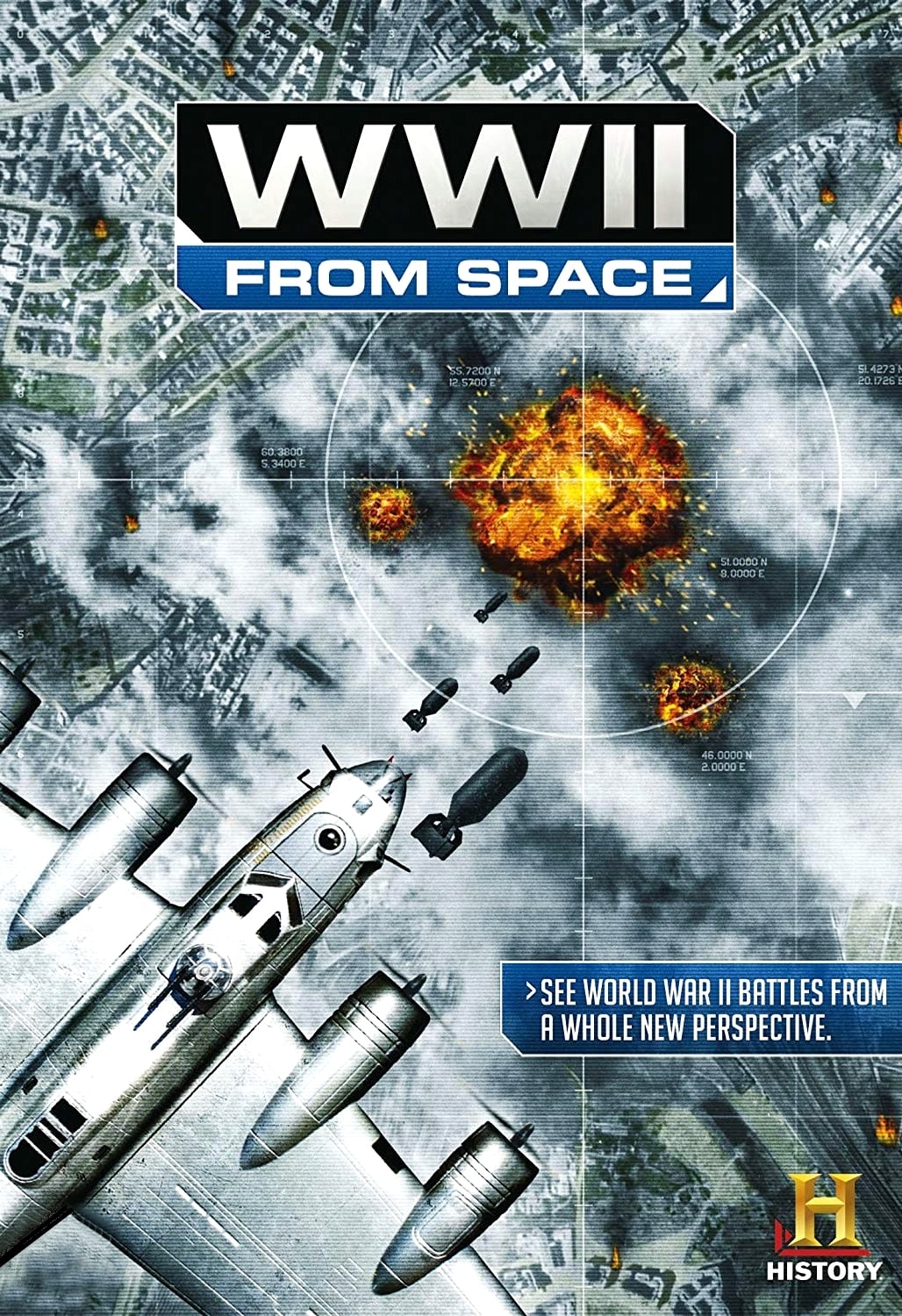
WWII from Space delivers World War II in a way you've never experienced it before. This HISTORY special uses an all-seeing CGI eye that offers a satellite view of the conflict, allowing you to experience it in a way that puts key events and tipping points in a global perspective. By re-creating groundbreaking moments that could never have been captured on camera, and by illustrating the importance of simultaneity and the hidden effects of crucial incidents, HISTORY presents the war's monumental moments in a never-before-seen context. And with new information brought to the forefront, you'll better understand how a nation ranked 19th in the world's militaries in 1939 emerged six years later as the planet's only atomic superpower.
Meet the real-life airmen who inspired Masters of the Air as they share the harrowing and transformative events of the 100th Bomb Group.
Fr. Hugh O'Flaherty is a Vatican official in 1943-45 who has been hiding downed pilots, escaped prisoners of war, and Italian resistance families. His activities become so large that the Nazis decide to assassinate him the next time he leaves the Vatican.
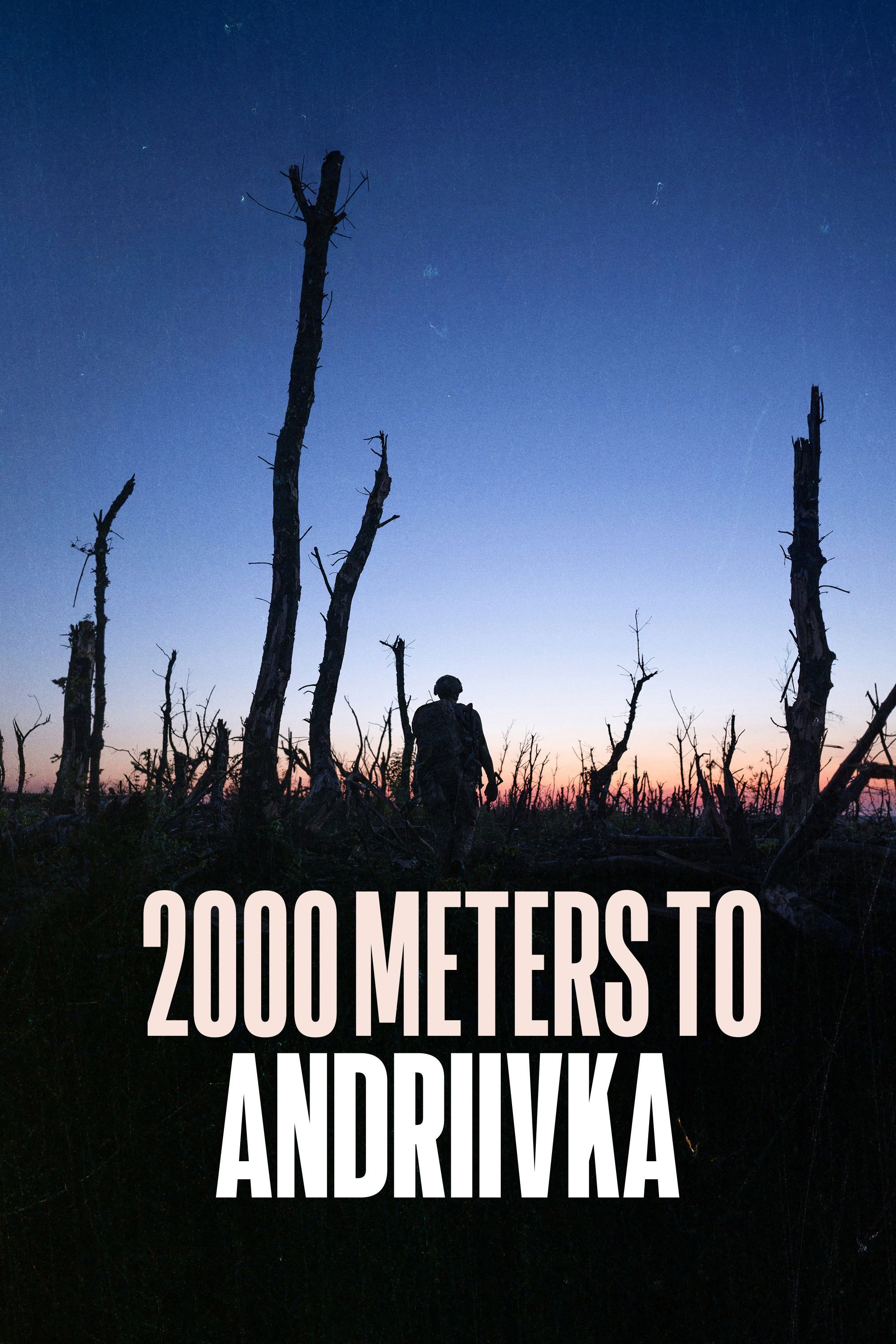
Amid the failing counteroffensive, a journalist follows a Ukrainian platoon on their mission to traverse one mile of heavily fortified forest and liberate a strategic village from Russian occupation. But the farther they advance through their destroyed homeland, the more they realize that this war may never end.
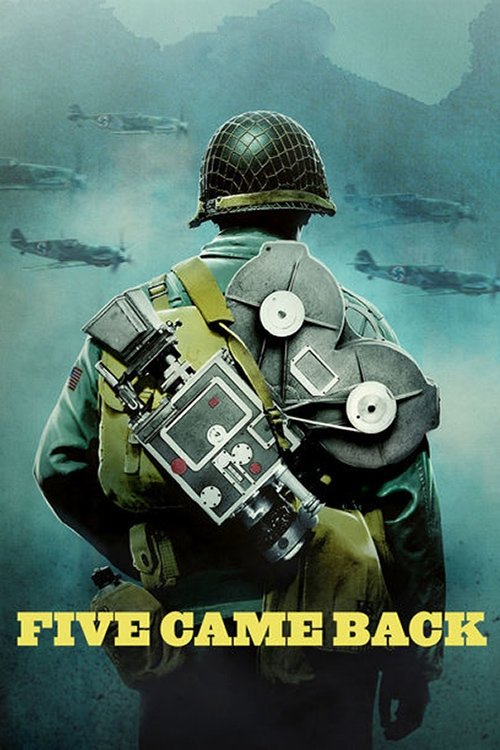
The extraordinary story of how Hollywood changed World War II – and how World War II changed Hollywood, through the interwoven experiences of five legendary filmmakers who went to war to serve their country and bring the truth to the American people: John Ford, William Wyler, John Huston, Frank Capra, and George Stevens. Based on Mark Harris’ best-selling book, “Five Came Back: A Story of Hollywood and the Second World War.”
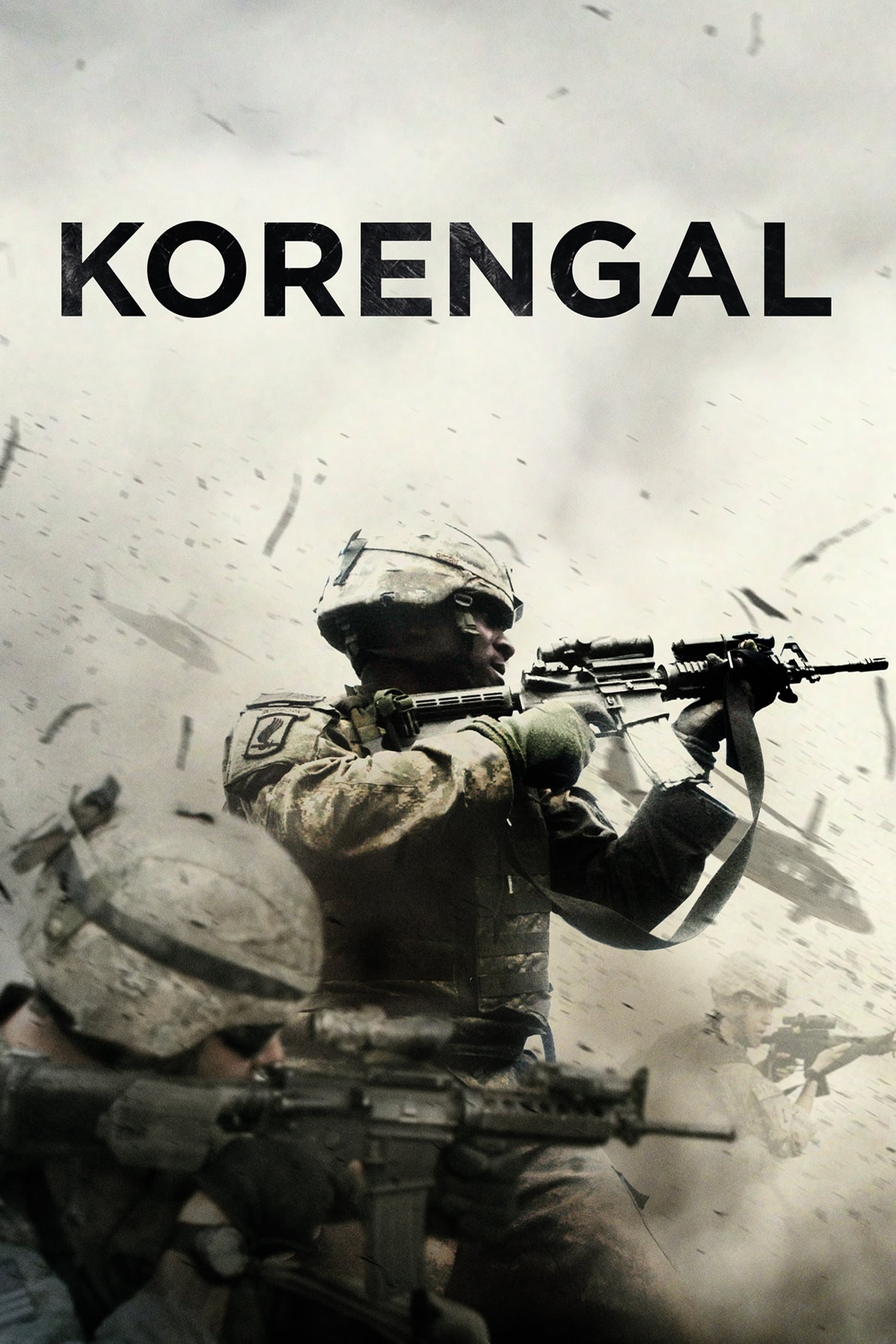
Korengal picks up where Restrepo left off; the same men, the same valley, the same commanders, but a very different look at the experience of war.
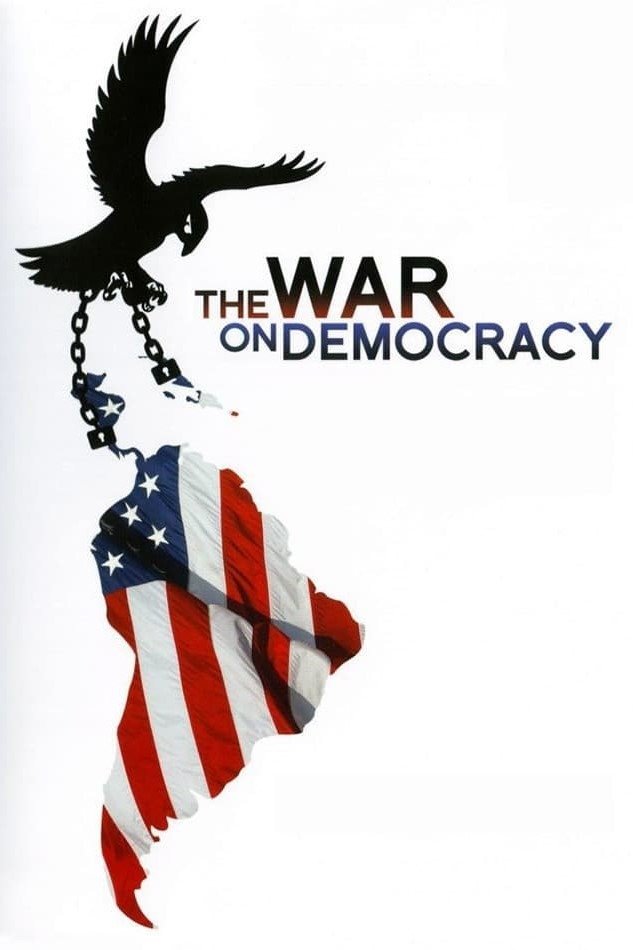
Set both in Latin America and the United States, the film explores the historic and current relationship of Washington with countries such as Venezuela, Bolivia and Chile. Pilger says that the film "...tells a universal story... analysing and revealing, through vivid testimony, the story of great power behind its venerable myths. It allows us to understand the true nature of the so-called "war on terror". According to Pilger, the film’s message is that the greed and power of empire is not invincible and that people power is always the "seed beneath the snow".
In the winter of 1944, the Allied Armies stand ready to invade Germany at the coming of a New Year. To prevent it, Hitler orders an all-out offensive to re-take French territory and capture the major port city of Antwerp.
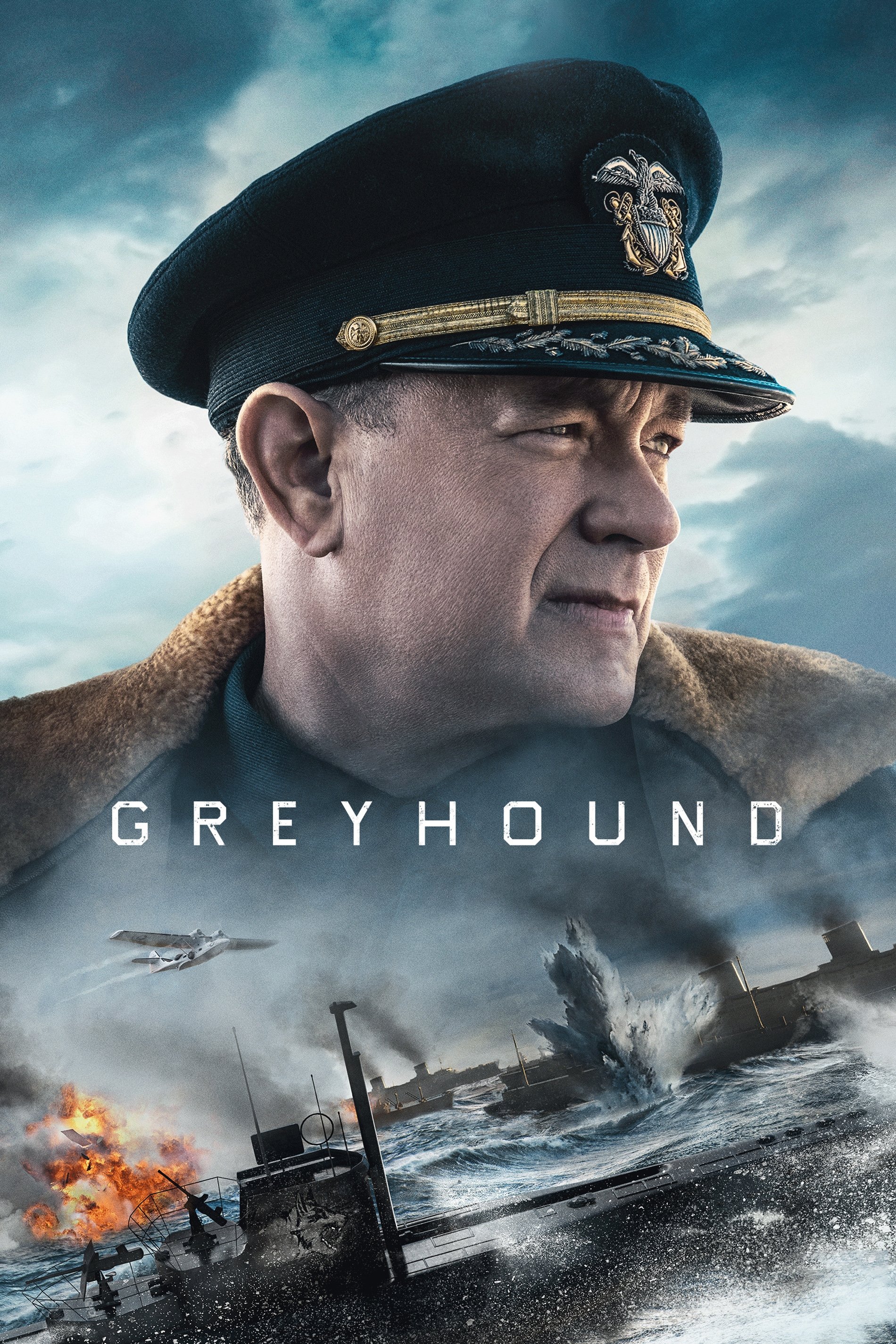
A first-time captain leads a convoy of allied ships carrying thousands of soldiers across the treacherous waters of the "Black Pit" to the front lines of WWII. With no air cover protection for 5 days, the captain and his convoy must battle the surrounding enemy Nazi U-boats in order to give the allies a chance to win the war.
With unprecedented access, this documentary follows the extraordinary journey of “Raqqa is Being Slaughtered Silently”—a group of anonymous citizen journalists who banded together after their homeland was overtaken by ISIS—as they risk their lives to stand up against one of the greatest evils in the world today.
The documentary recounts the world's first nuclear attack and examines the alarming repercussions. Covering a three-week period from the Trinity test to the atomic bombing of Hiroshima, the program chronicles America's political gamble and the planning for the momentous event. Archival film, dramatizations, and special effects feature what occurred aboard the Enola Gay (the aircraft that dropped the bomb) and inside the exploding bomb.
"Trinity and Beyond" is an unsettling yet visually fascinating documentary presenting the history of nuclear weapons development and testing between 1945-1963. Narrated by William Shatner and featuring an original score performed by the Moscow Symphony Orchestra, this award-winning documentary reveals previously unreleased and classified government footage from several countries.
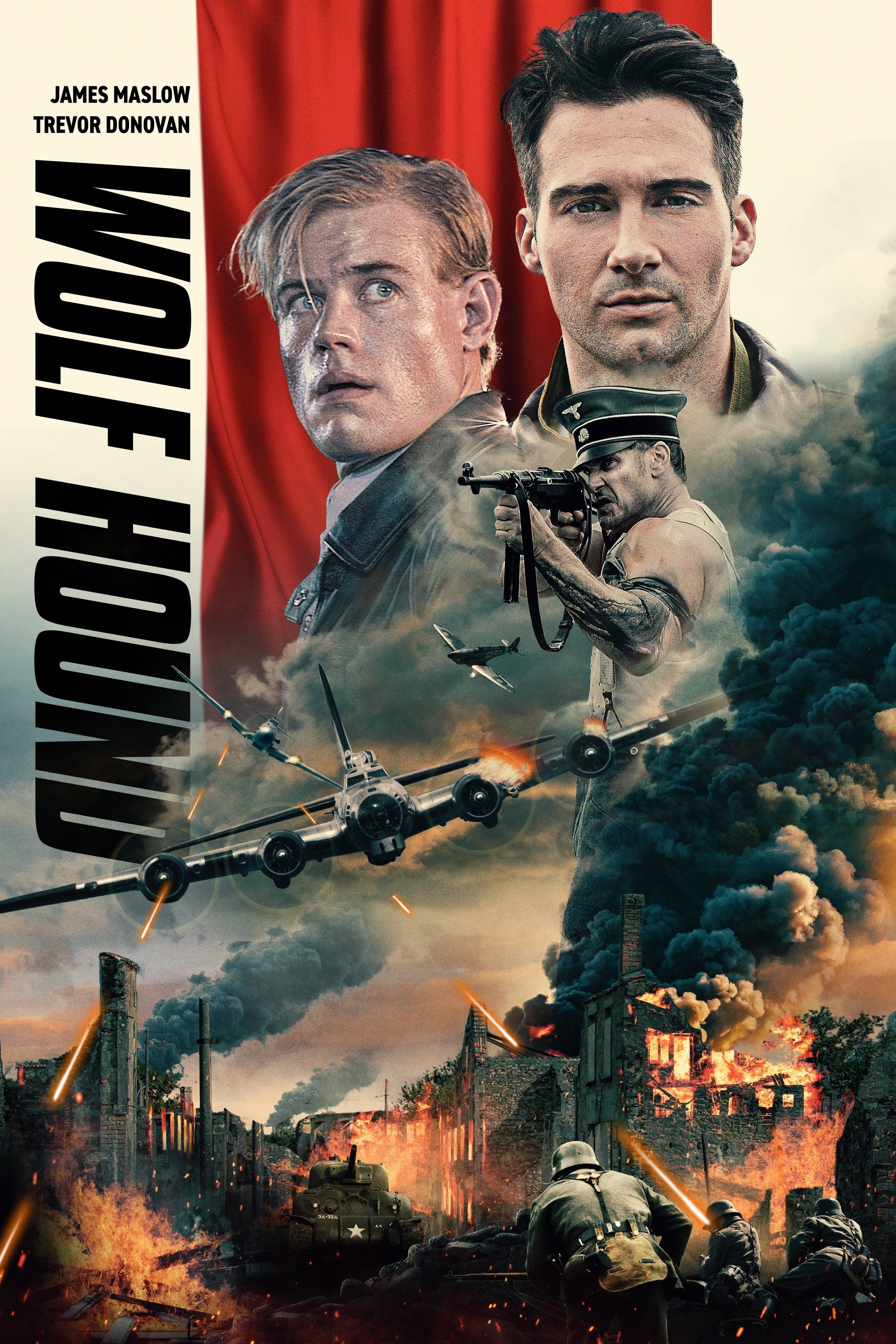
Inspired by the real-life German special operations unit KG 200 that shot down, repaired, and flew Allied aircraft as Trojan horses, "Wolf Hound" takes place in 1944 German-occupied France and follows the daring exploits of Jewish-American fighter pilot Captain David Holden. Ambushed behind enemy lines, Holden must rescue a captured B-17 Flying Fortress crew, evade a ruthless enemy stalking him at every turn, and foil a plot that could completely alter the outcome of World War II.
At the start of World War II, Cmdr. Ericson is assigned to convoy escort HMS Compass Rose with inexperienced officers and men just out of training. The winter seas make life miserable enough, but the men must also harden themselves to rescuing survivors of U-Boat attacks, while seldom able to strike back. Traumatic events afloat and ashore create a warm bond between the skipper and his first officer
War correspondent Ernie Pyle joins Company C, 18th Infantry as this American army unit fights its way across North Africa in World War II. He comes to know the soldiers and finds much human interest material for his readers back in the States. Preserved by the Academy Film Archive in partnership with The Film Foundation in 2000.
In September 1942, the German Afrika Korps under Rommel have successfully pushed the Allies back into Egypt. A counter-attack is planned, for which the fuel dumps at Tobruk are a critical impediment. In order to aid the attack, a group of British commandos and German Jews make their way undercover through 800 miles of desert, to destroy the fuel dumps starving the Germans of fuel.
After leaving his family's sheep farm in the Australian outback, a young man joins his countrymen on the western front of World War I with hopes of helping expedite an end to the bloody conflict. But as war rages on, he is forced to grapple with the brutal realities of trench warfare, including a near-constant battle to keep himself alive—without leaving another man behind. Inspired by the real-life diary entries of local ANZACs, the feature film details the untold story of some of Australia’s greatest military victories.