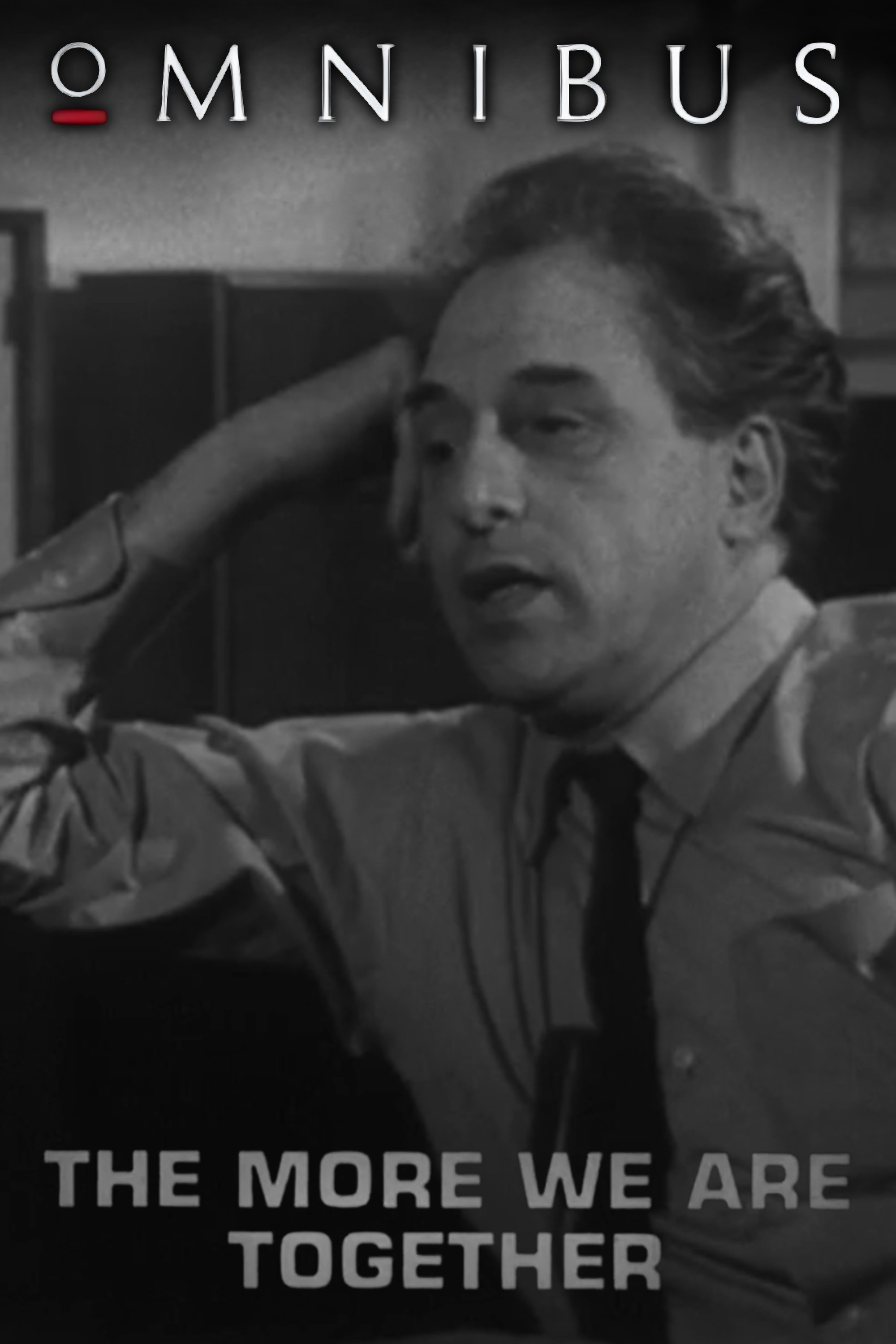
A portrait of Eric Lyons and Span, under the scrutiny of Ian Nairn, as well as the residents of their estates.
Social & External
The people behind it
Robert Cushman
Self - Narrator (voice)
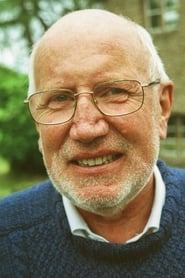
Eric Lyons
Self
Ian Nairn
Self - Locations Commentator
A young Dutch girl (my mother, filmed by my father in-love). A little redhead (me, filmed by my father). Boys (my brothers). And through the images of flowers, animals and rallies (super 8s that were found): A chalet (Switzerland), dikes (the Netherlands). And my memories, childhood, teenage years mixed up with the history of women (of my family).
From the series "The Modern World: Ten Great Writers", this playful documentary introduces James Joyce's most famous work "Ulysses". It includes fantastic adaptations to film from passages of the novel. It also includes excerpts from a book written by Joyce's friend, the artist Frank Budgen, entitled "James Joyce and the making of Ulysses". Amongst those interviewed is author Anthony Burgess.
BBC documentary about Franz Kafka played by GREEK TV in 1990. This documentary is one of the ten films of “The Modern World: Ten Great Writers (1988)”.
Latest installment from the on-going collaboration between filmmaker Paul Clipson & musician Jefre Cantu-Ledesma. Paul's Super8 films, shot entirely in New York City, channel the blissed out states of color drenched psychadellia explored by Brakage as well as lovely black and white still life's that reminisce on Ozu's 'pillow shots' & Chantel Akermans monumental portrait of Pre-Giuliani New York 'Letters Home'. Jefre's music is culled from the same sessions that launched his 2007 release on Students Of Decay 'Shinning Skull Breath', (the two share a track in common). Billowy clouds of distorted guitar expand out into long passages of muffled static and fuzzed out melody.
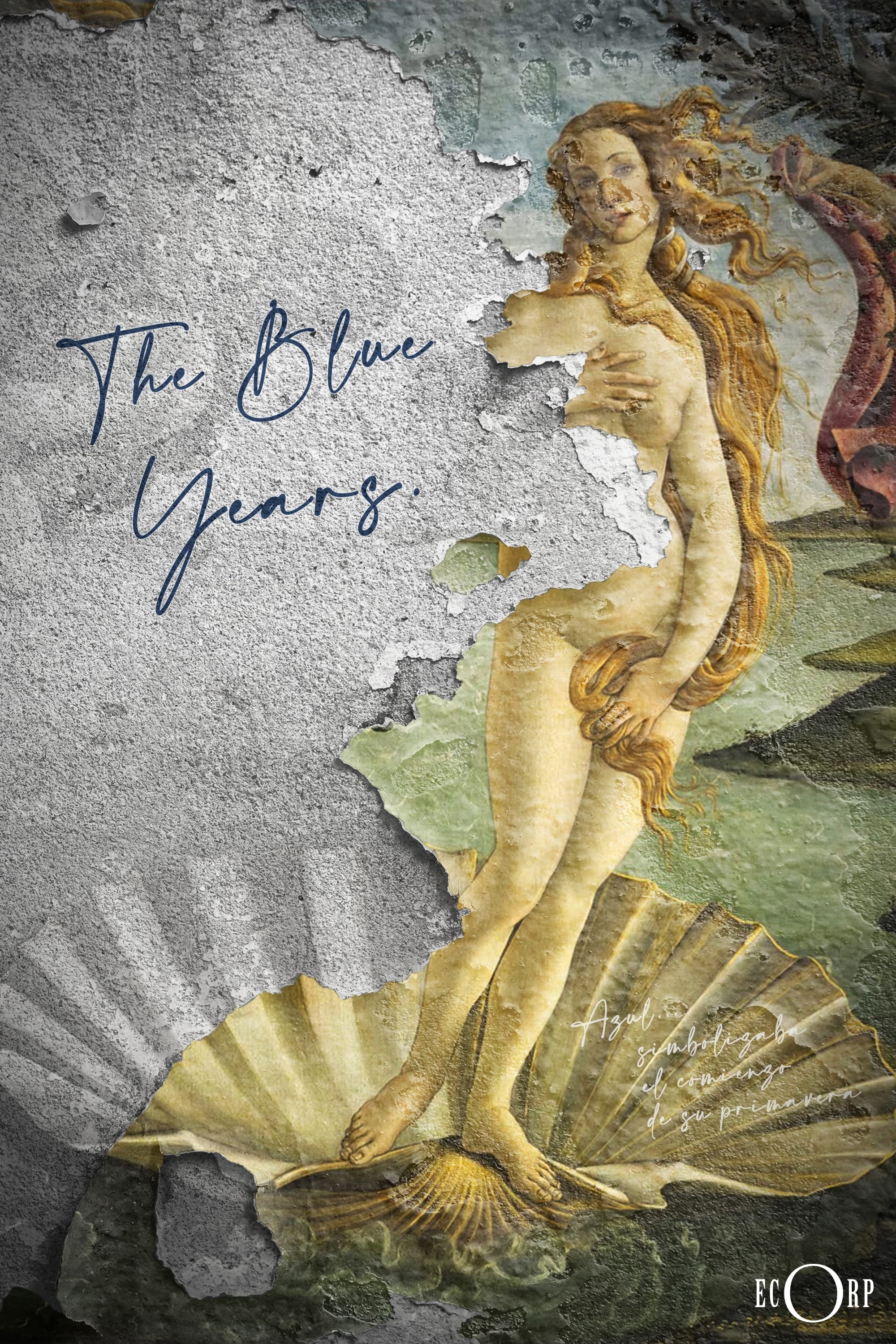
Rubén tries to describe the color blue as "The color of dreams, of art, of the ocean and of the firmament", thereby unleashing half a century of poetry.
Considerations on collage as a cognitive act in artists’ cinema. A pedagogical film adrift: 35mm photographs and other materials collected over the last fifteen years by artist Stefano Miraglia meet a text written by Baptiste Jopeck and the voice of Margaux Guillemard.
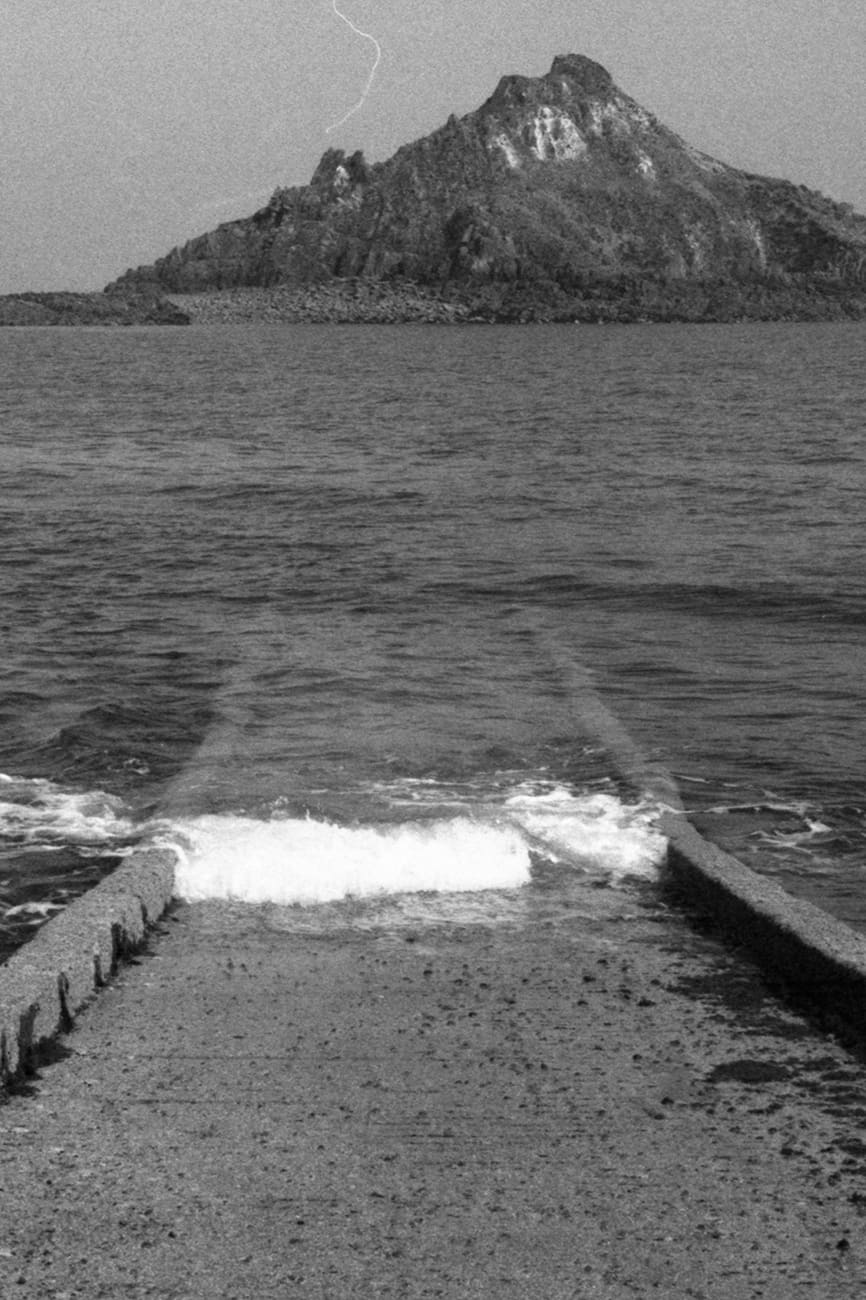
Footage of Devil's Gate Dam insterspersed with text occultist text by Jack Parsons, co-founder of the Jet Propulsion Laboratory, who some believe opened a portal for dark energy nearby.
White Sands is a 3 screen projection 16mm film installation which reflects on the visible and invisible manifestations of the nuclear fuel chain on the land, air, water and people of New Mexico.
The town Minot is home to a U.S. Air Force base that guards 150 nuclear missiles buried in northern North Dakota. The weapons of mass destruction placed there 50 years ago are still targeted at Russia. Minot, North Dakota portrays an American landscape where people live with nuclear bombs in their backyard.
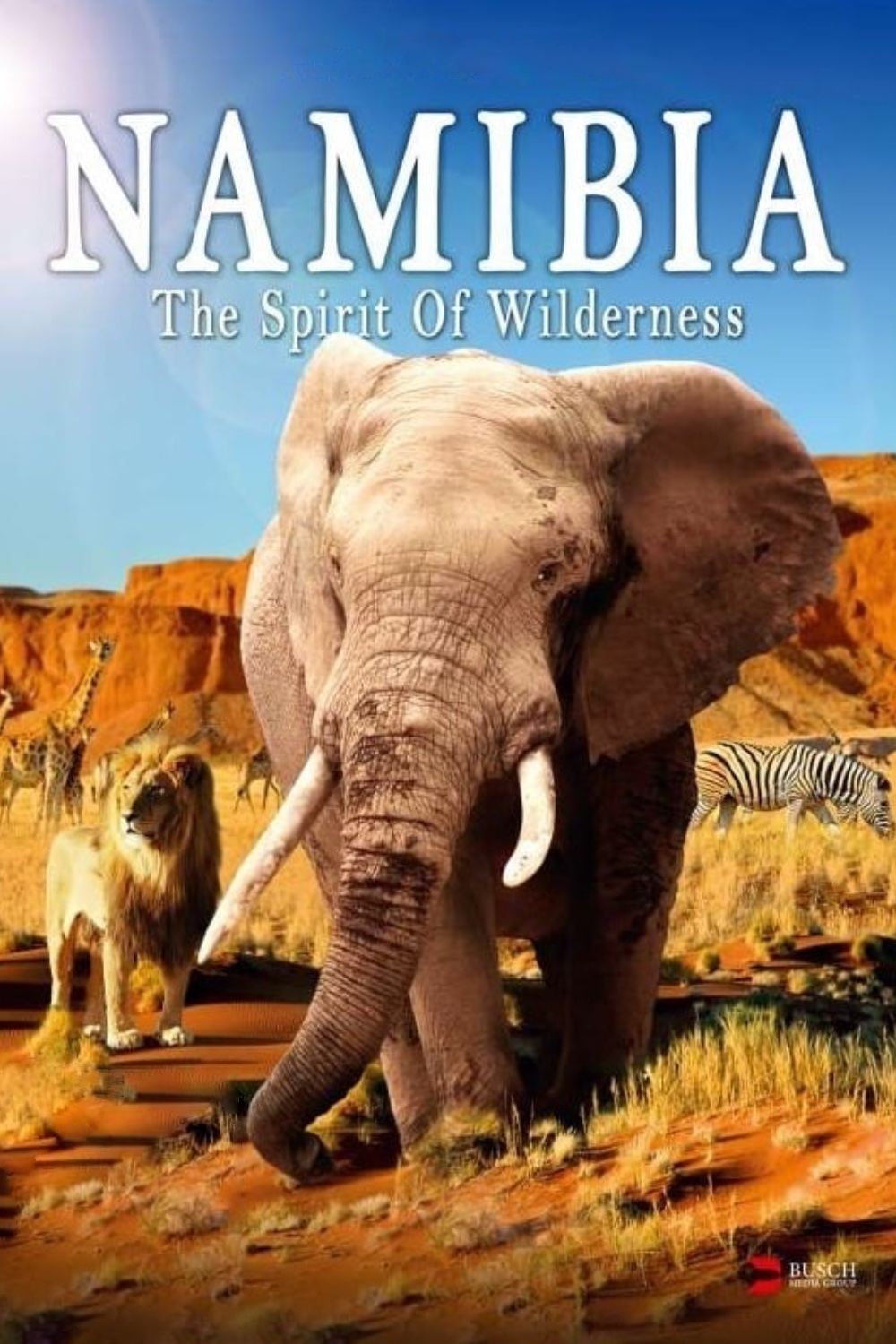
With more than 300 days a year, the sun dominates this country so much that it’s even shining from their flag. It’s a barren land, sometimes it’s like it’s from another planet but still familiar. It is land of contrasts and colours with wide landscapes and fascinating deserts. Influenced by various cultures during colonization and now reborn from the shadows of Apartheid in 1990, Namibia gives a beautiful collage of culture, language, art, music and food. Everyone who loves an adventure should travel to Namibia, the precious corner of our world full of incredible natural wonders. The experience of endless landscapes and an unparalleled blaze of colour make Namibia unforgettable. NAMIBIA – THE SPIRIT OF WILDERNESS invites you on a trip whose fascination will never let you go: From the Namib Desert over the breath-taking Fish River Canyon to the spectacular Etosha National Park where you will see wild elephants, antelopes, giraffes, zebras and lions.
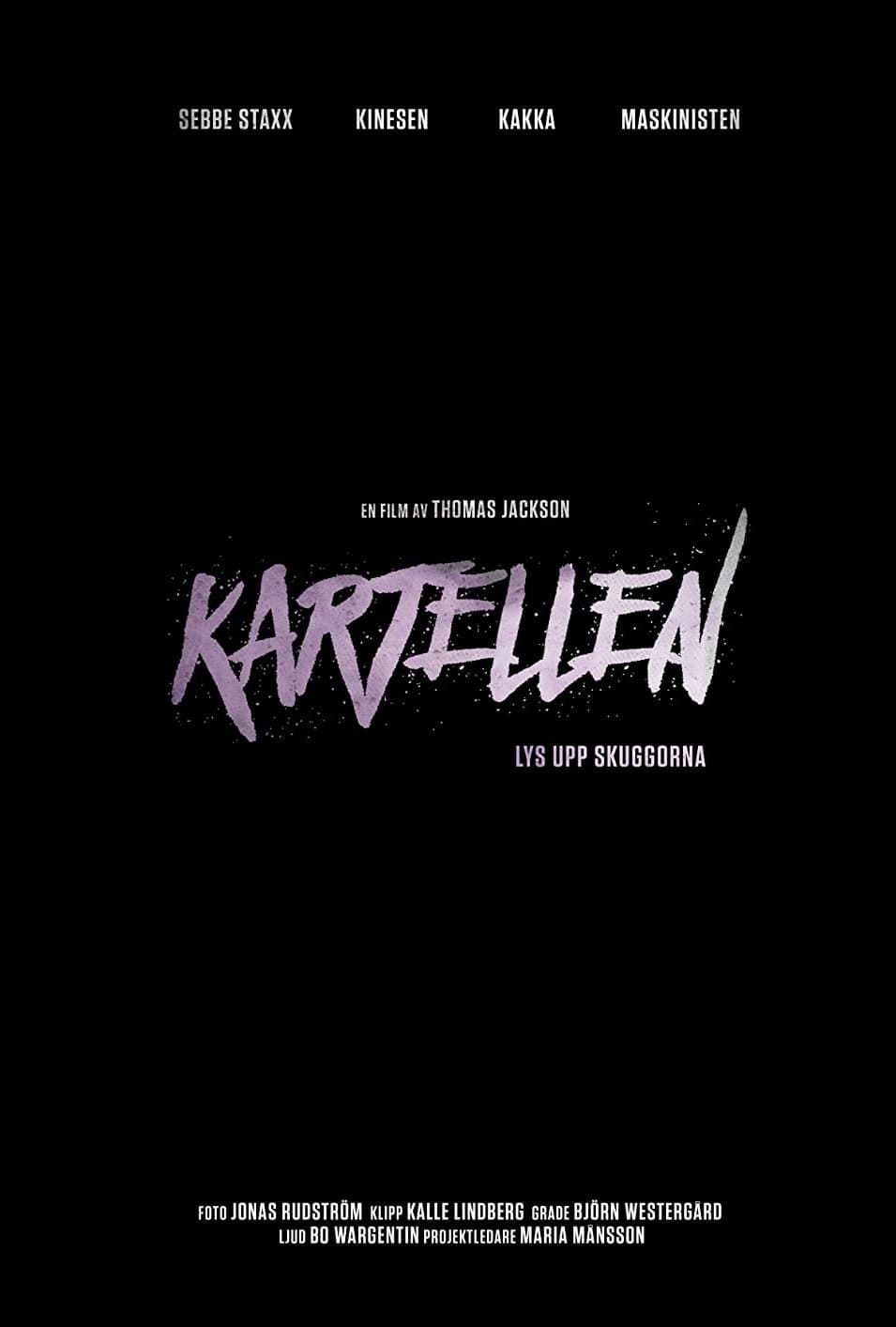
The Hip hop group Kartellen is one of Sweden's most controversial bands. Here, the members present their chaotic history of musical success, substance abuse, crime and political controversy.
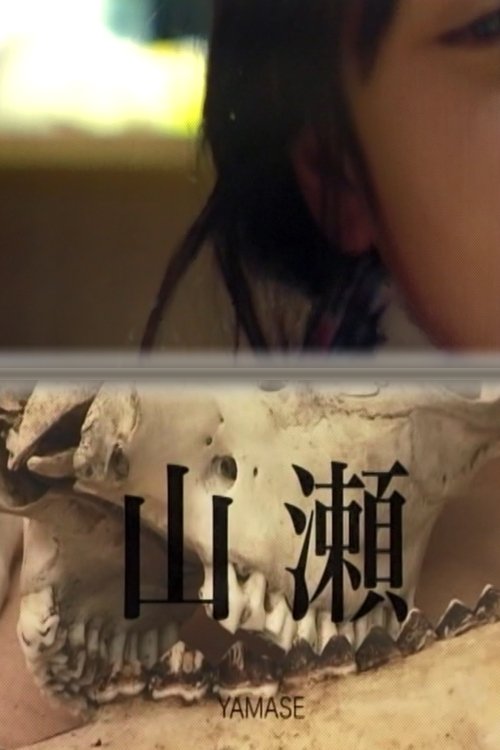
Film by Kenji Onishi. With friends. Mr. Yamase as main character, Sasakubo and Shinojima. And the girls having a good time. The camera is all you need. Looking still at the Mt. Buko which is disappearing.
A short study on our relationship with natural landscapes, the evolution of spaces and the memories they hold
Here, where even monsters are political, the topography has its own memory. It has the mythological blues. Meanwhile, old gods are upset with us, and I am upset with my father.
In 2015, in Damascus, the Basateen al-Razi district and its orchards were razed to the ground as punishment for the population's uprising against the regime. Having lost everything, two former residents recall their neighborhood.
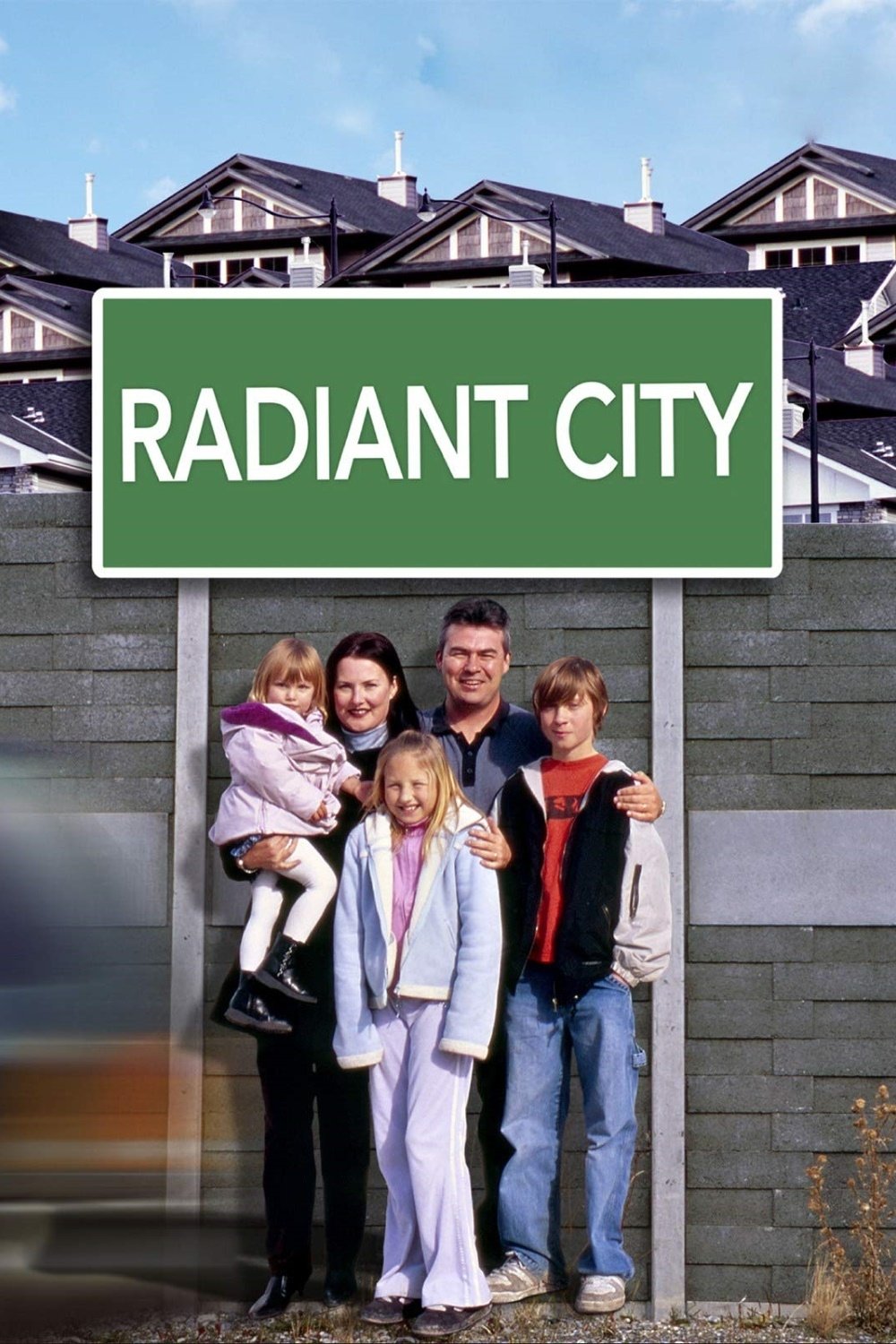
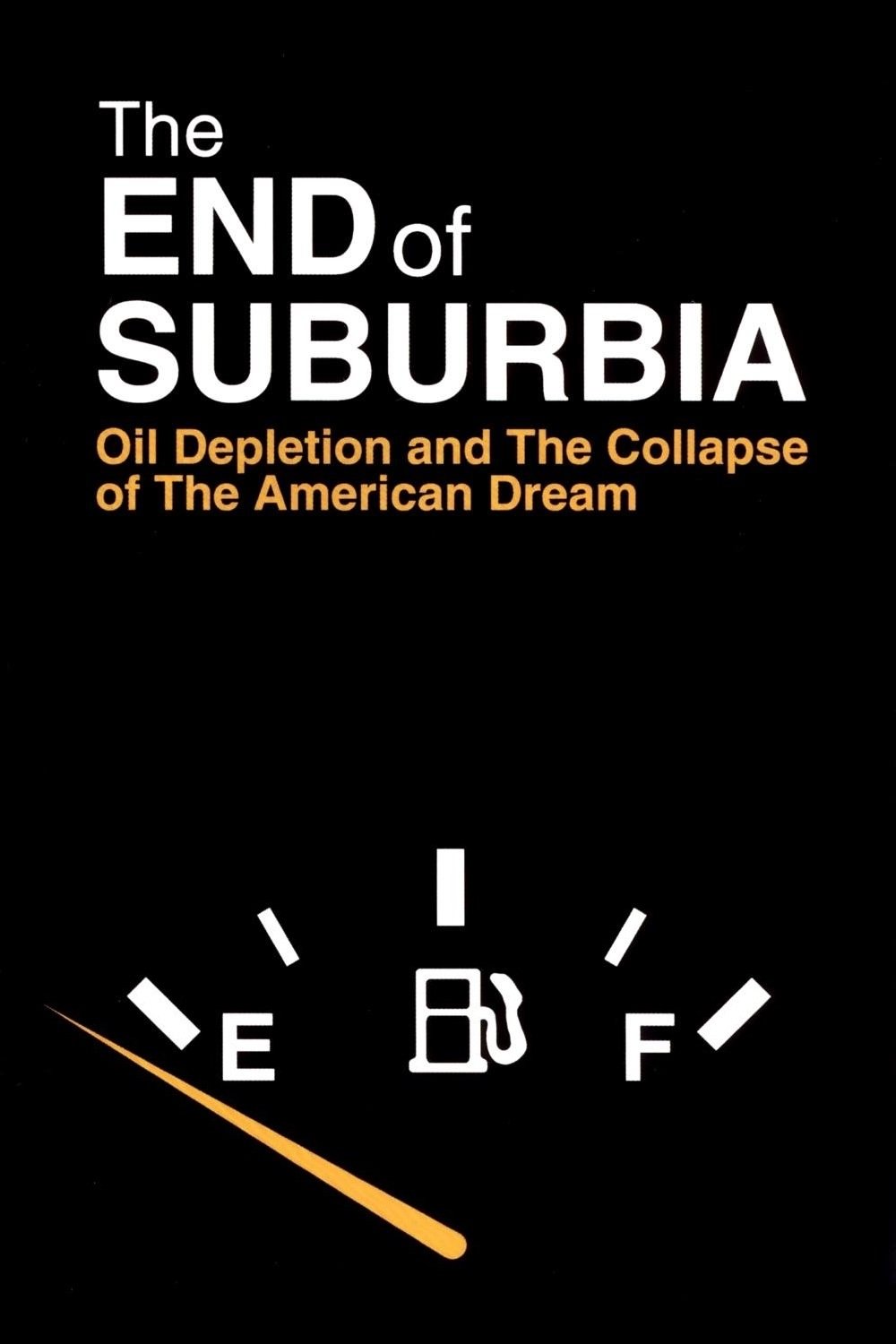
Since the end of World War II, one of kind of urban residential development has dominate how cities in North America have grown, the suburbs. In these artificial neighborhoods, there is a sense of careless sprawl in an car dominated culture that ineffectually tries to create the more organically grown older communities. Interspersed with the comments of various experts about the nature of suburbia
The meeting point between two comunication media: A letter written in 1929 -hidden inside the adobe walls of an old country house - and the shooting of the coutryside along the highway that connects two Chilean cities un 2018.
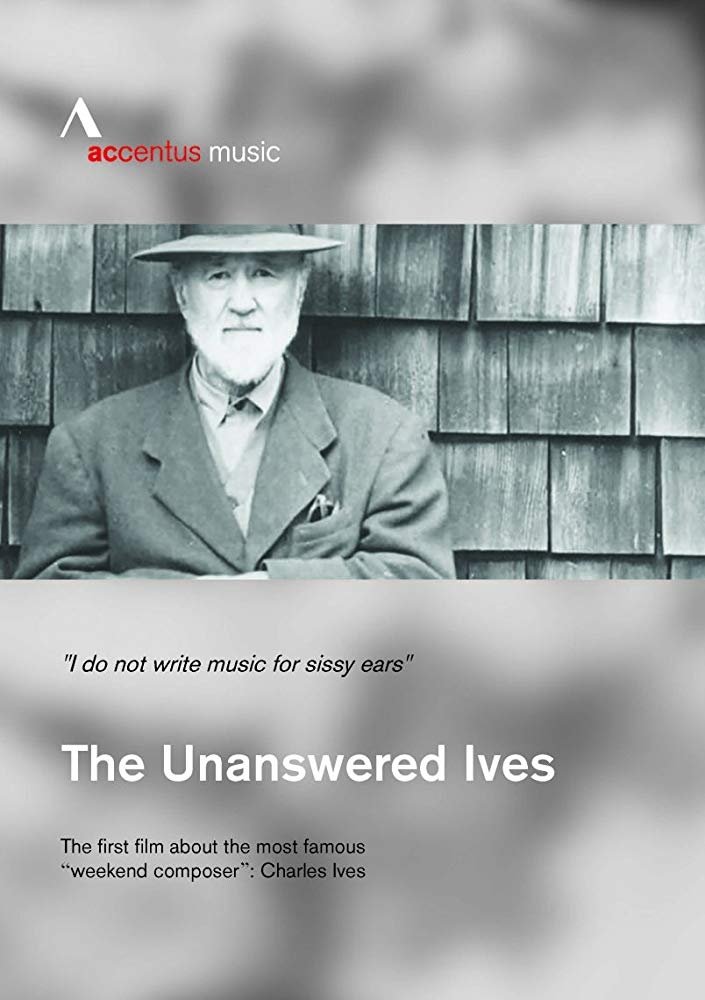
The Unanswered Ives is the first film about Charles Ives (1874-1954), an American modernist composer, one of the first American composers of international renown. The 60-minute documentary sheds light on Ives' life and work in all its facets and inconsistencies. American singer and composer Frank Zappa included Charles Ives in a list of influences that he presented in the liner notes of his debut album Freak Out! (1966). Ives continues to influence contemporary composers, arrangers and musicians. Planet Arts Records released Mists: Charles Ives for Jazz Orchestra. Ives befriended and encouraged a young Elliott Carter. In addition, Phil Lesh, bassist of the Grateful Dead, has described Ives as one of his two musical heroes.
Since World War II North Americans have invested much of their newfound wealth in suburbia. It has promised a sense of space, affordability, family life and upward mobility. As the population of suburban sprawl has exploded in the past 50 years Suburbia, and all it promises, has become the American Dream. But as we enter the 21st century, serious questions are beginning to emerge...
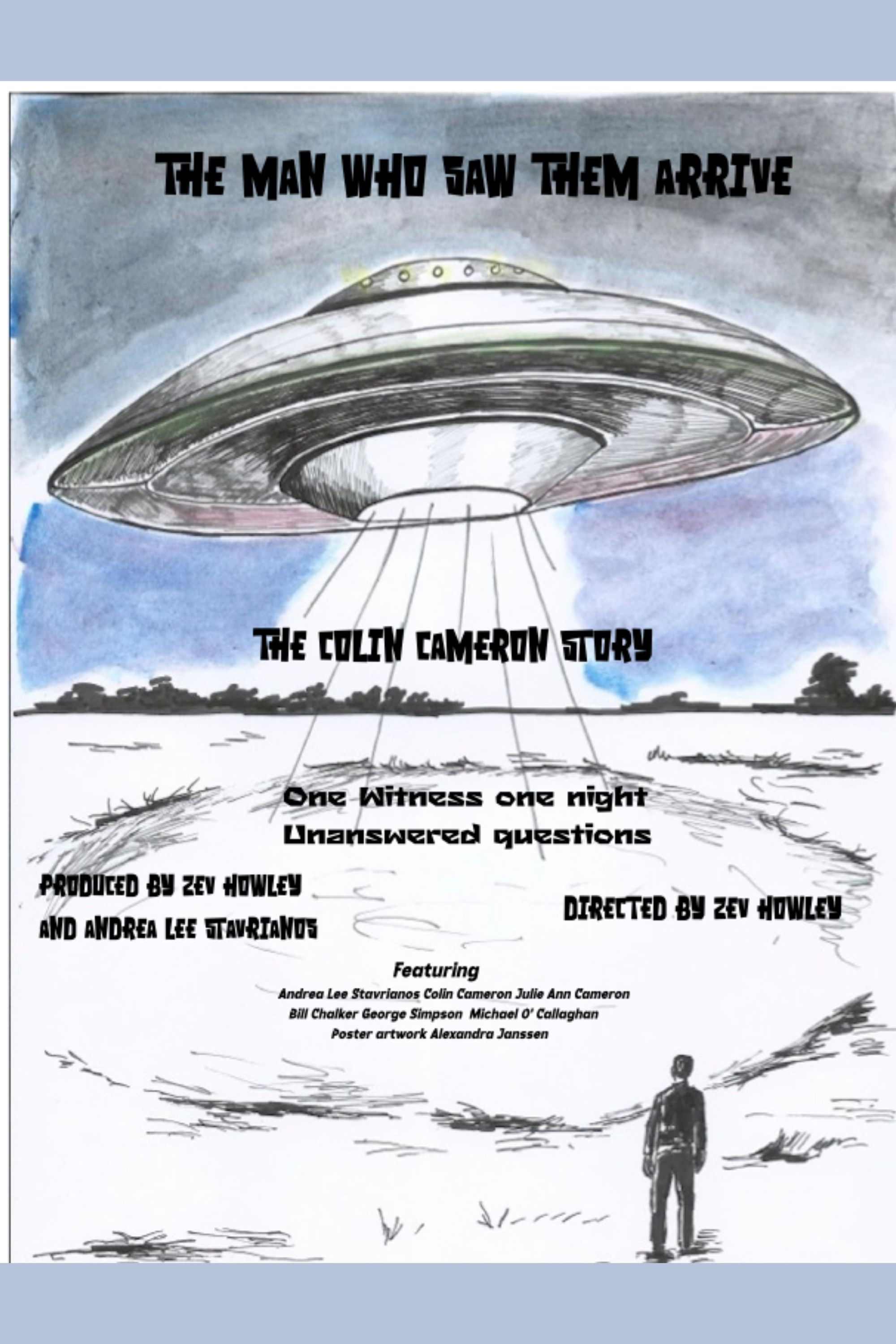
In January 1968, the quiet life of Melbourne resident Colin Cameron was shattered following a mysterious encounter on Kew Boulevard. Obsessed with uncovering the truth, Colin documented strange phenomena and shared his experiences with those closest to him as the events grew increasingly intense and dangerous. Told through the eyes of those honouring a promise to share his story, THE MAN WHO SAW THEM ARRIVE recounts Colin’s journey, presents first-hand accounts of Australia’s most famous UFO sightings—including Westall 1966—and provides insights from leading UFO researchers. A haunting exploration of mystery, memory, and unanswered questions hidden in Melbourne’s backstreets.
The life and career of an actor, artist, and icon. His own journey through his own camera.
In an intimate and joyful story of love in the face of loss, celebrated poets Andrea Gibson and Megan Falley find strength—and unexpected hilarity—in what might be their final year together.
A visual montage portrait of our contemporary world dominated by globalized technology and violence.
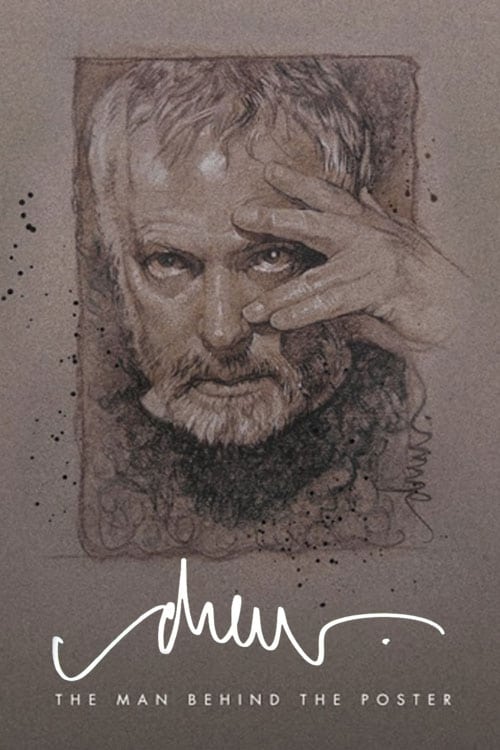
A documentary on legendary movie-poster artist Drew Struzan.
Through deeply personal interviews with her siblings and an examination of the photographs, letters, and belongings left behind, Mariska assembles a new portrait of her mother Jayne Mansfield, an extraordinary and complex woman.
An inside look at one of the most anticipated movie sequels ever with James Cameron and cast.
A string of threatening emails escalates into a revenge plot involving a newly married US marshal and his ex-girlfriend.
A detailing of the rise to prominence and global sporting superstardom of six supremely talented young Manchester United football players (David Beckham, Nicky Butt, Ryan Giggs, Paul Scholes, Phil and Gary Neville). The film covers the period 1992-1999, culminating in Manchester United's European Cup triumph.
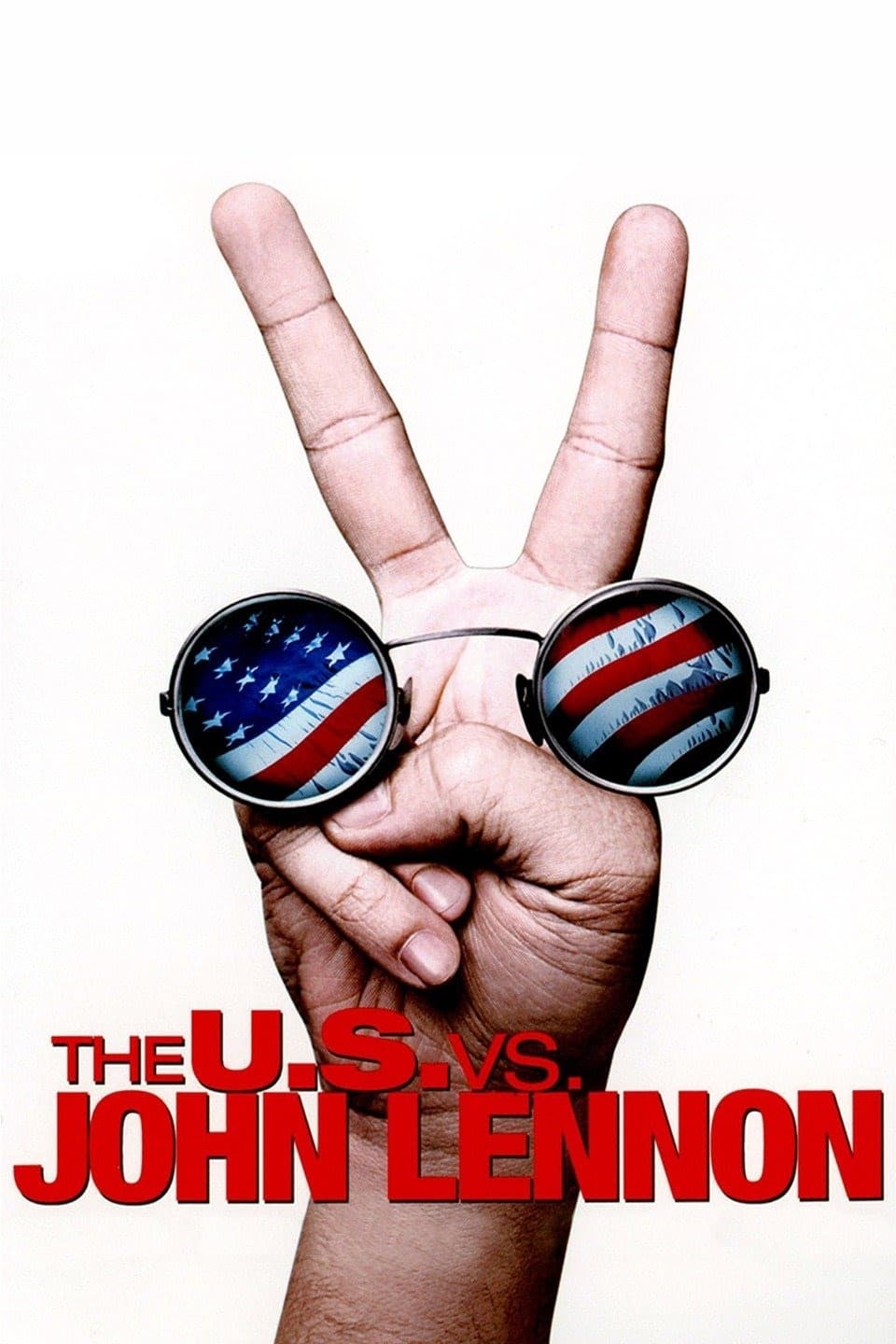
A documentary on the life of John Lennon, with a focus on the time in his life when he transformed from a musician into an antiwar activist.
Director Michael Apted revisits the same group of British-born adults after a 7 year wait. The subjects are interviewed as to the changes that have occurred in their lives during the last seven years.
A compilation of over 30 years of private home movie footage shot by Lithuanian-American avant-garde director Jonas Mekas, assembled by Mekas "purely by chance", without concern for chronological order.
The life and career of one of comedy's most inimitable modern voices, Mr. Gilbert Gottfried.
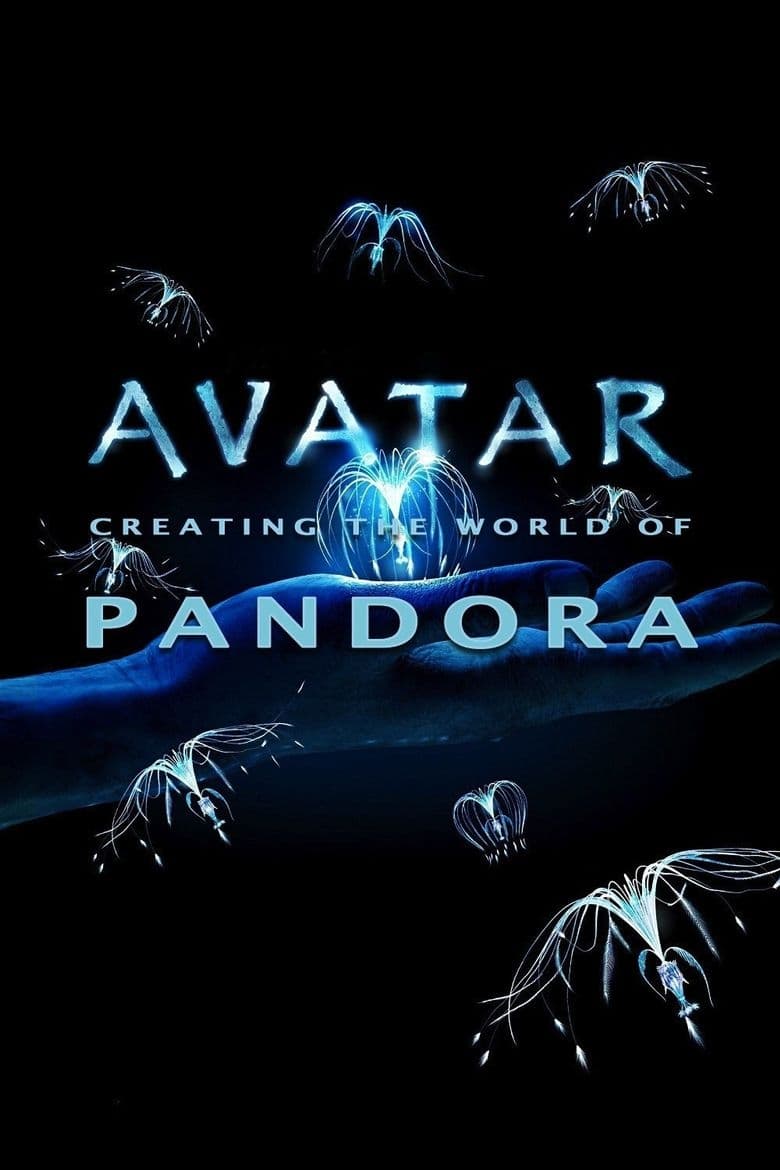
The Making-of James Cameron's Avatar. It shows interesting parts of the work on the set.
Follow the evolution of the 'Halloween' movies over the past twenty-five years. It examines why the films are so popular and revisits many of the original locations used in the films - seeing the effects on the local community. For the first time, cast, crew, critics and fans join together in the ultimate 'Halloween' retrospective.
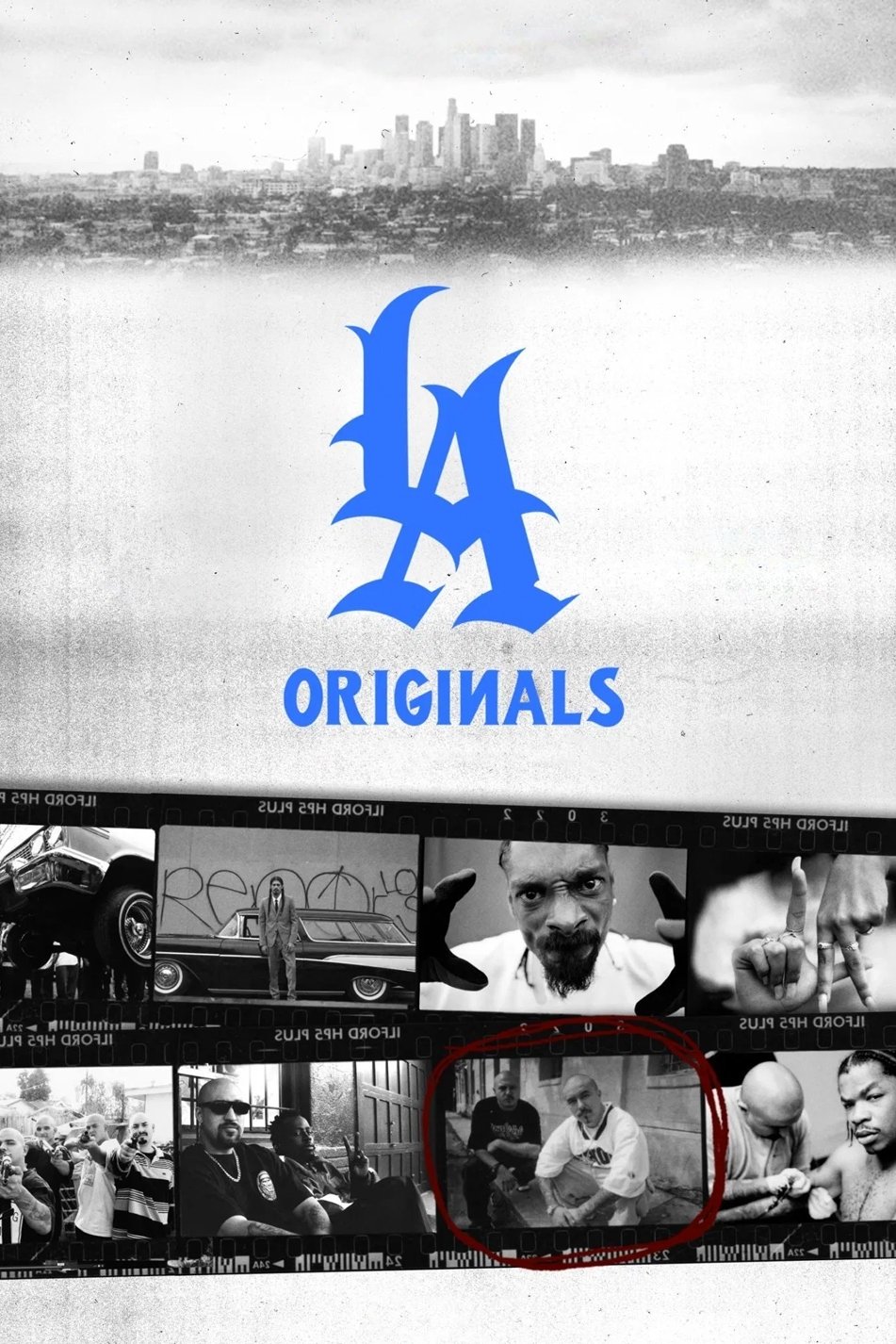
Photographer Estevan Oriol and artist Mister Cartoon turned their Chicano roots into gritty art, impacting street culture, hip hop and beyond.
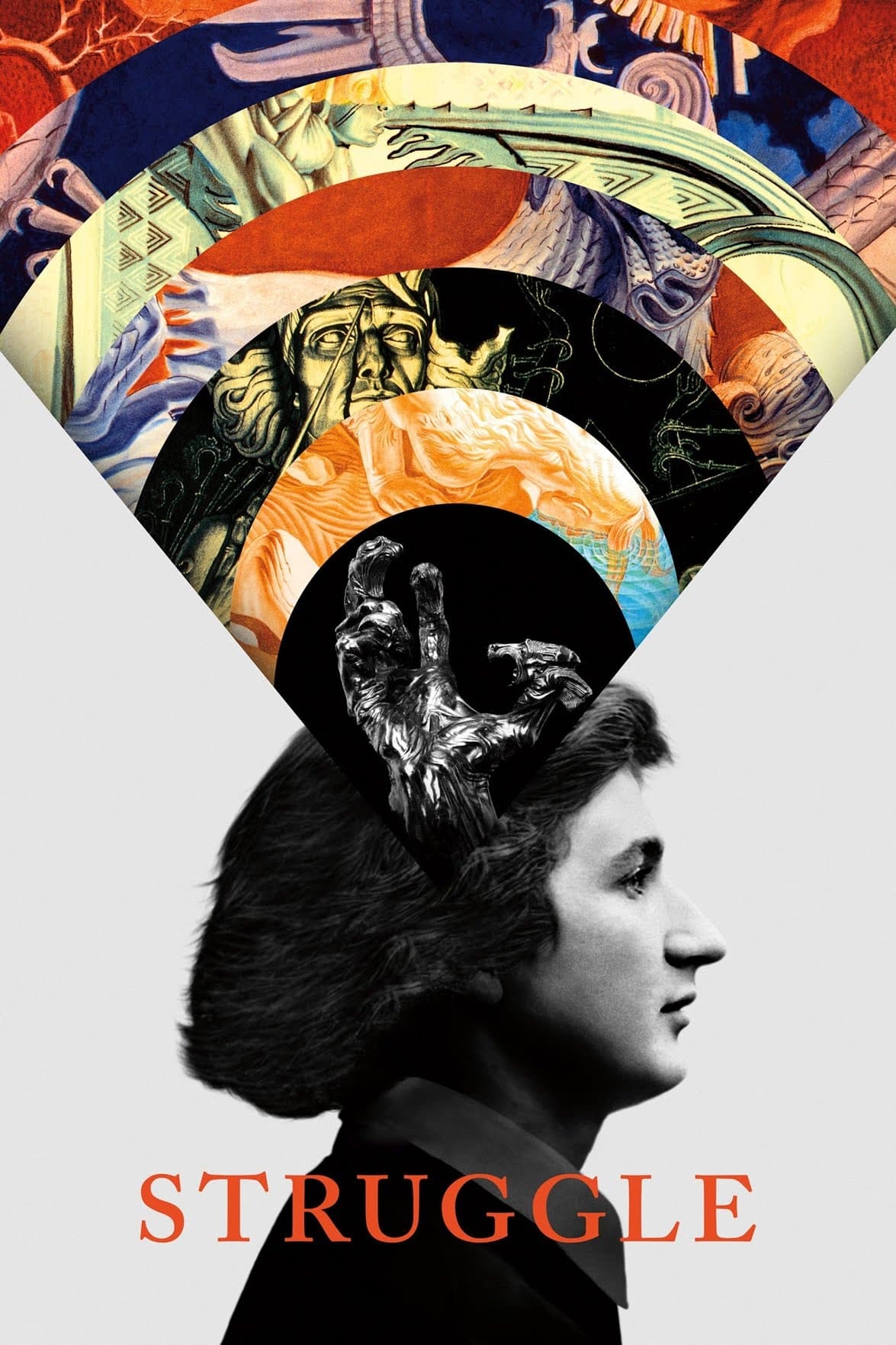
Artists in LA discover the work of forgotten Polish sculptor Stanislav Szukalski, a mad genius whose true story unfolds chapter by astounding chapter.
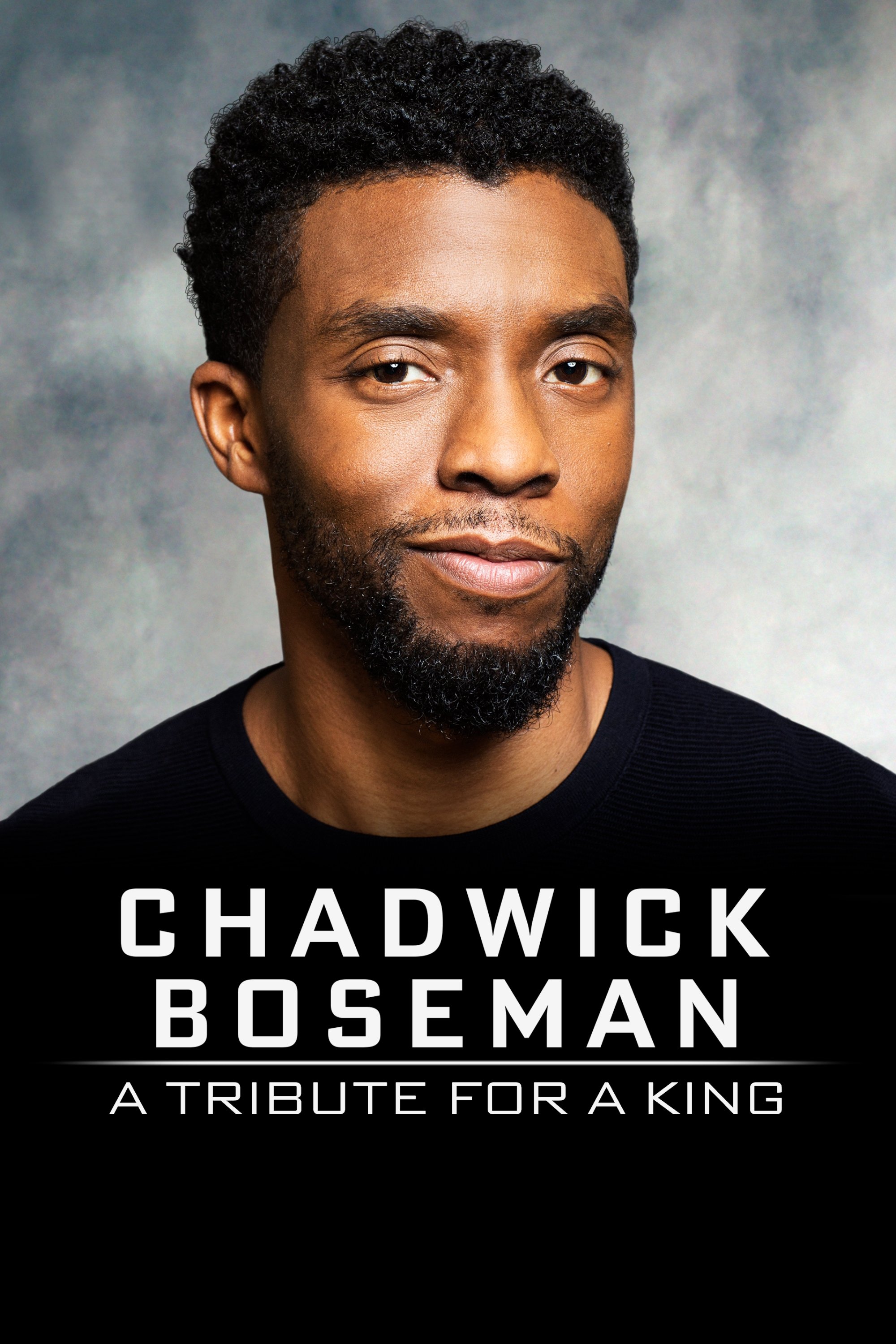
A tribute to Chadwick Boseman, celebrating his life and legacy.
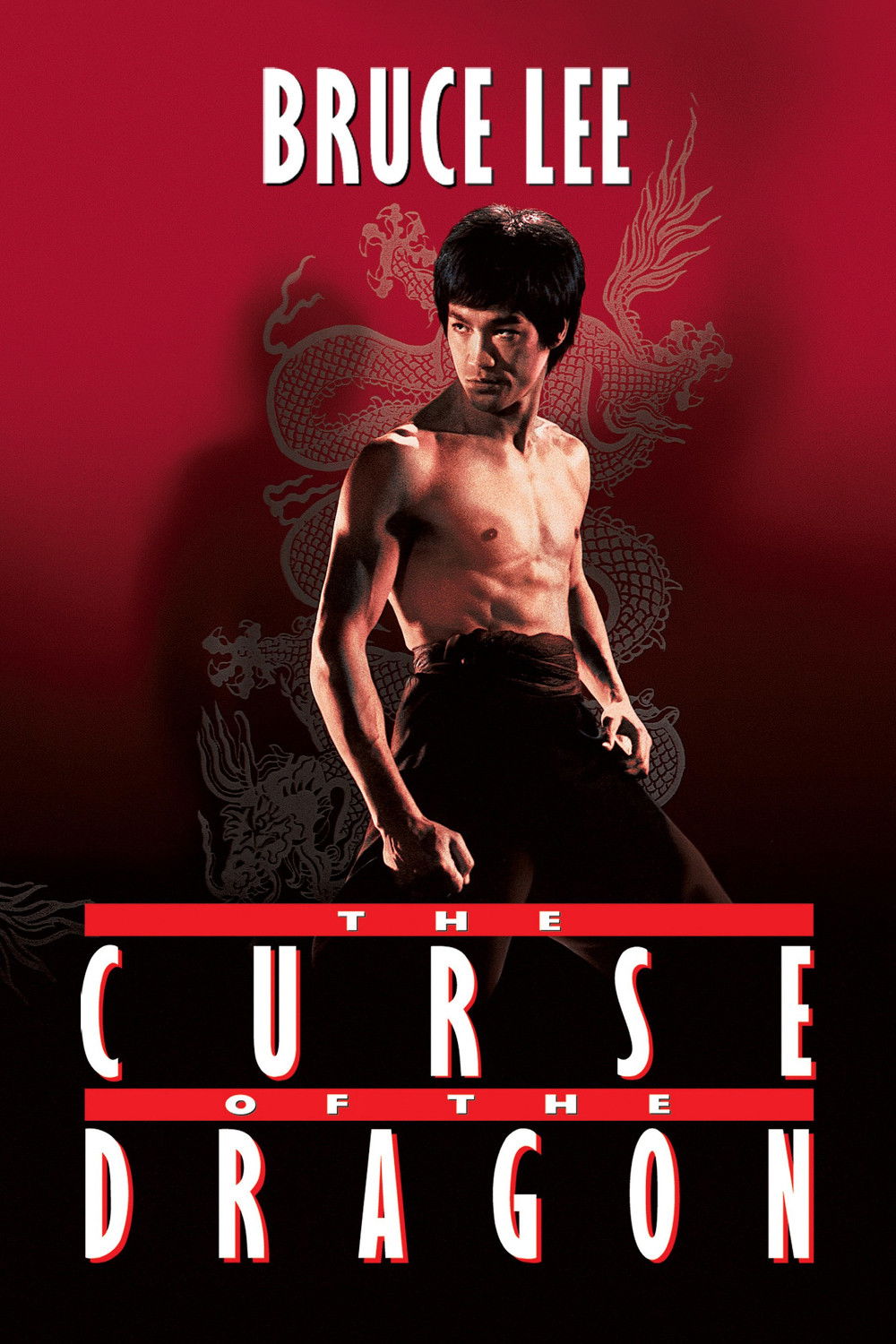
A 1993 documentary film about Bruce Lee. The film includes interviews from some of his fellow students and opponents who worked alongside him in his movies.
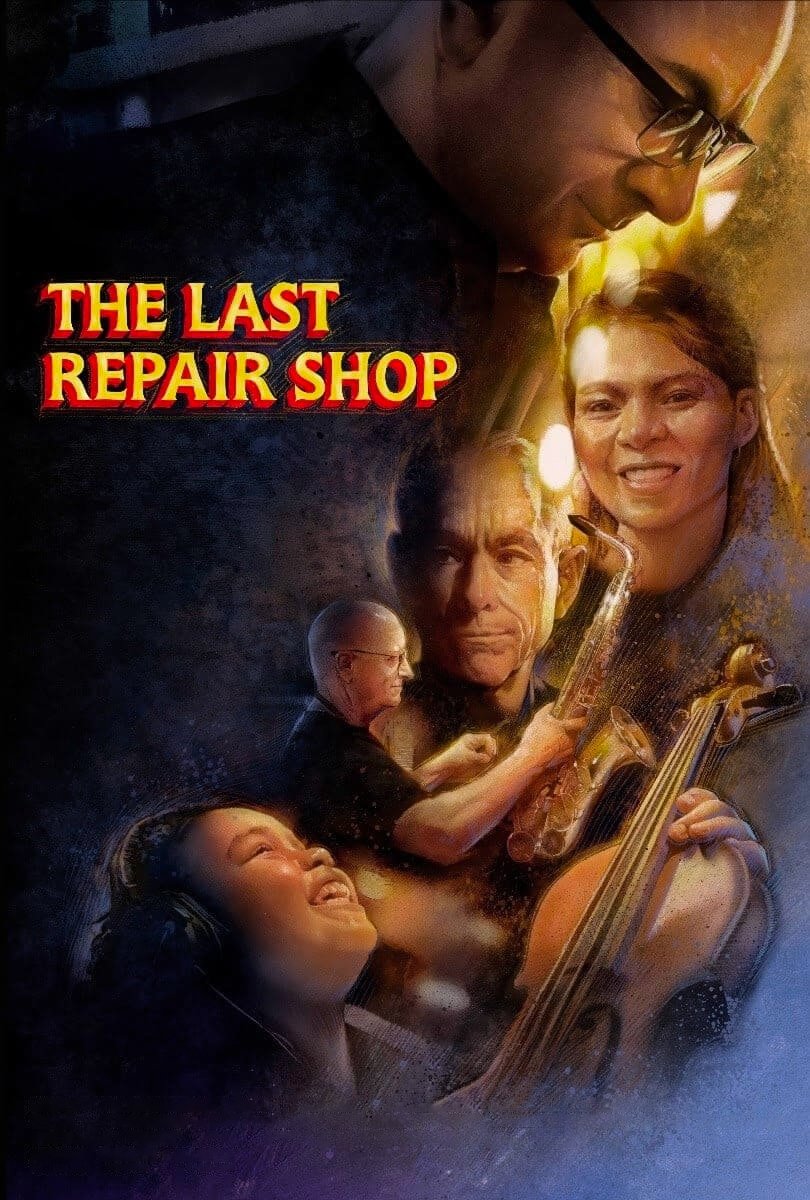
In a warehouse in the heart of Los Angeles, a dwindling handful of devoted craftspeople maintain more than 80,000 student musical instruments, the largest remaining workshop in America of its kind. Meet four unforgettable characters whose broken-and-repaired lives have been dedicated to bringing so much more than music to the schoolchildren of this city.
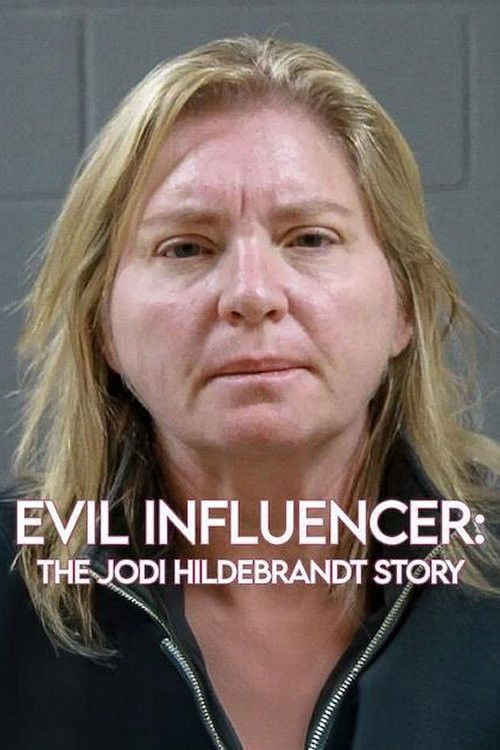
Unravel the case of Utah therapist Jodi Hildebrandt, whose child abuse arrest with parenting YouTuber Ruby Franke exposed a twisted tale of manipulation.




![Sculptures [short]](https://image.tmdb.org/t/p/original/4Ro6uepPWHINvYeSAd5mKZBvceR.jpg)