Social & External
Herself
This animated short is a play on motion set against a background of multi-hued sky. Spheres of translucent pearl float weightlessly in the unlimited panorama of the sky, grouping, regrouping or colliding like the stylized burst of some atomic chain reaction. The dance is set to the musical cadences of Bach, played by pianist Glenn Gould.
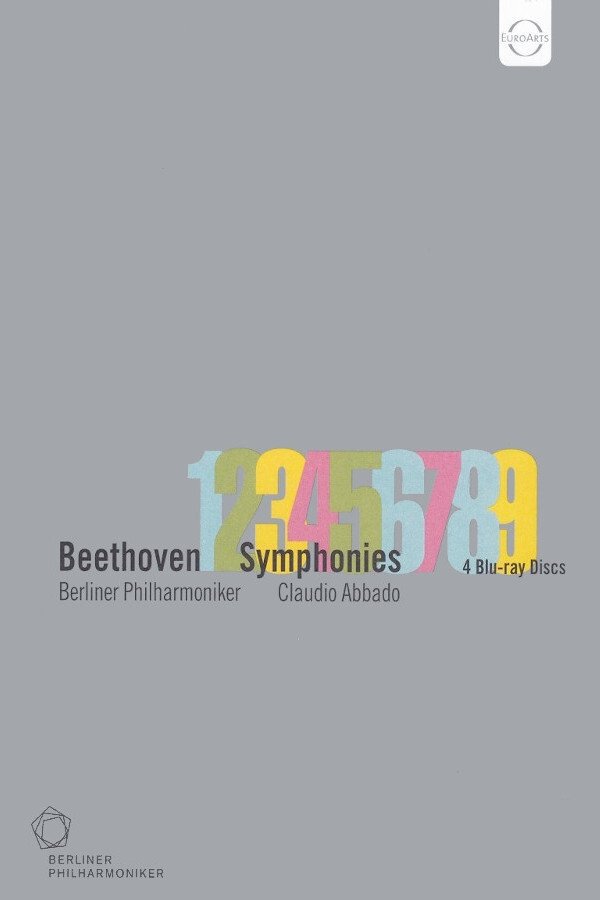
Conductor: Claudio Abbado. Orchestra/Ensemble: Berlin Philharmonic Orchestra. 1.Symphony no 1 in C major, Op. 21 2. Symphony no 2 in D major, Op. 36 3. Symphony no 3 in E flat major, Op. 55 "Eroica" 4. Symphony no 4 in B flat major, Op. 60 5. Symphony no 5 in C minor, Op. 67 6. Symphony no 6 in F major, Op. 68 "Pastoral" 7. Symphony no 7 in A major, Op. 92 8. Symphony no 8 in F major, Op. 93 9. Symphony no 9 in D minor, Op. 125 "Choral"
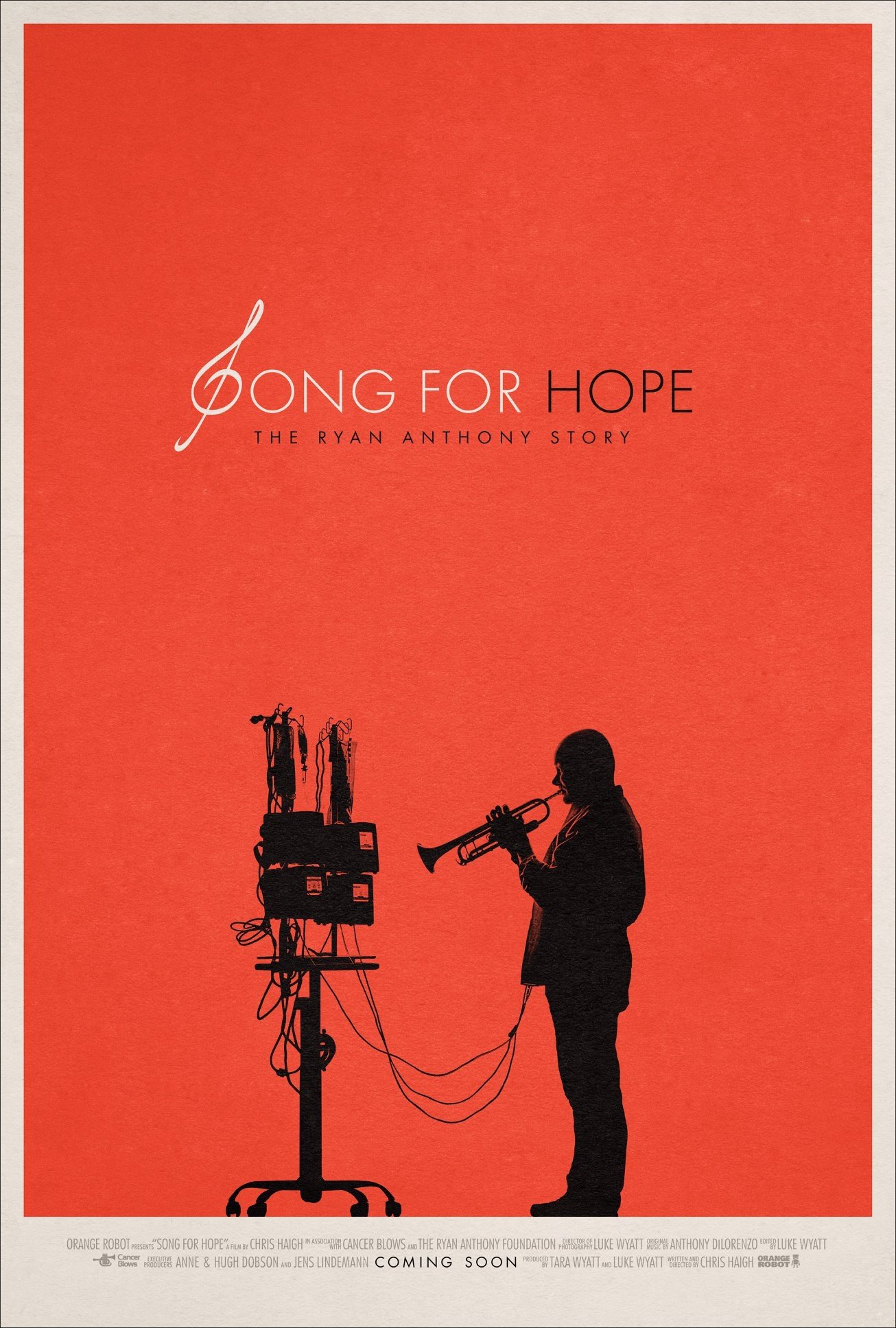
When diagnosed with terminal cancer, a world renowned trumpet player uses music to give hope from concert stages to mountain tops, proving art is essential to survival.
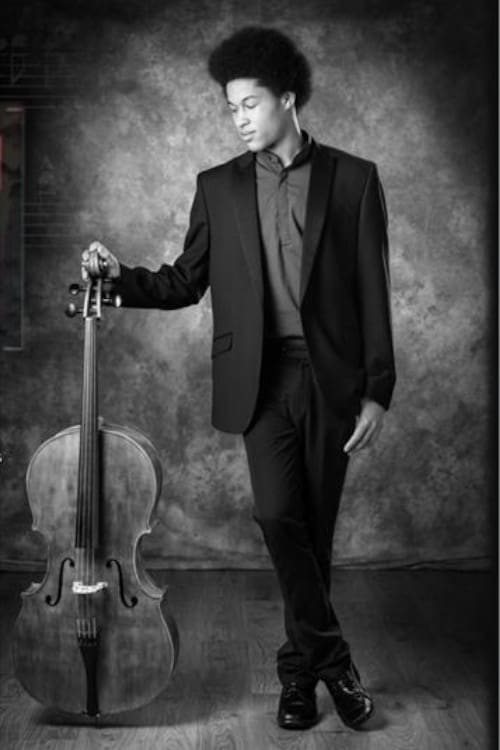
Sheku Kanneh-Mason made history in 2016 when he became the first black winner of the BBC Young Musician competition. Sheku has six musically gifted siblings and this film explores their extraordinary talents and issues of diversity in classical music. We follow Sheku and his brothers and sisters and examine the sacrifices that parents Stuart and Kadie make in order to support their children in pursuing their musical dreams. Told through the prism of family life we get an understanding of what it is that drives this family to be the best musicians they can be. At the heart of the story is 17-year-old Sheku, and we see him coming to terms with his Young Musician win and the pressures and opportunities it brings. His life is changing dramatically as he now has to learn to deal with the challenges of becoming a world-renowned cellist.
This audio-visual tone poem uses the language of filmmaking to offer a first-hand evocation of the turbulent psychological effects one can experience due to prolonged lack of sunlight.
The second part of Sound! Euphonium: The Final Movie.
The evocative music of Claude Debussy has been described as the foundation of modern music. But how did the composer come to develop his unique style? On this video, maestro Francois-Xavier Roth and the London Symphony Orchestra present the UK premiere of a previously lost work by the young Debussy, alongside some of his earliest inspirations. Debussy's newly discovered Premiére Suite gives a rare insight into the mind of a young composer on the cusp of innovation. It's a work filled with Romantic and Eastern influences and glimpses of the unexpected harmonies that came to define Debussy's work. Paired alongside the composer's role models - from Wagner's powerful intertwining motifs, the abundant Spanish influences in Lalo's rarely-heard Cello Concerto performed here by Edgar Moreau, and Massenet's majestic Le Cid - Francois-Xavier Roth gives a fresh perspective on the much-loved composer.
Bluebeard, an opéra bouffe by Jacques Offenbach, premiered in Paris in 1866. Directed by Laurent Pelly, the National Opera in Lyon stages this musical comedy about a man suspected of murdering his wives. Hortense Schneider originally played Boulotka, a village girl who reforms Bluebeard. Yann Beuron and Héloise Mas star, with Christophe Gay as the alchemist Popolani.
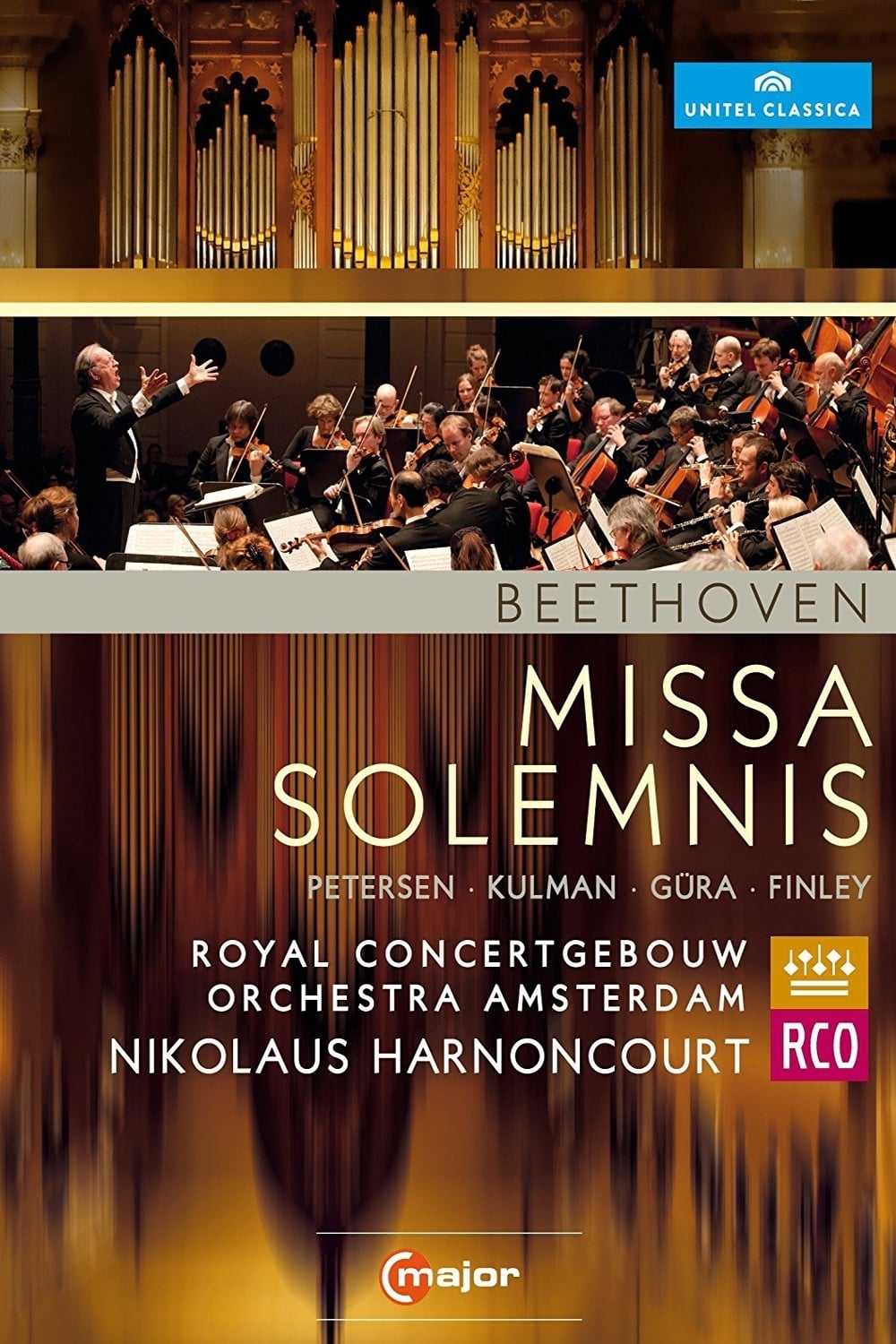
With this performance of the Missa solemnis Nikolaus Harnoncourt, Honorary Guest Conductor of the Royal Concertgebouw Orchestra, once more attained the status of a living legend, due mostly to his wide-ranging expertise of music from the Baroque and Classical era. The highly acclaimed soloists are Marlis Petersen (Soprano), twice the singer of the year by the renowned Opernwelt magazine, Elisabeth Kulman (Alto), Werner Güra (Tenor), winner of the BBC Music Magazine Award for the best vocal performance, and Gerald Finley (Bass), Grammy-Awardwinner for the best opera recording. They are accompanied by the famous Netherlands Radio Choir.
In the spotlight of global media coverage, the first transgender woman ever to perform as Don Giovanni in a professional opera, makes her historic debut in one of the reddest states in the U.S.
The grand scale and magnificent acoustics of the Roman arena in Verona are ideally suited to the pageantry of Verdi's Egyptian opera, presented here in a staging that is true to the original 1913 production, framed by obelisks and sphinxes and filled with chorus and dancers. Chinese soprano Hui He has won international acclaim for her portrayal of the eponymous slave girl whose forbidden love for the war hero Radamés (Marco Berti, the experienced Verdi tenor) brings death to them both.
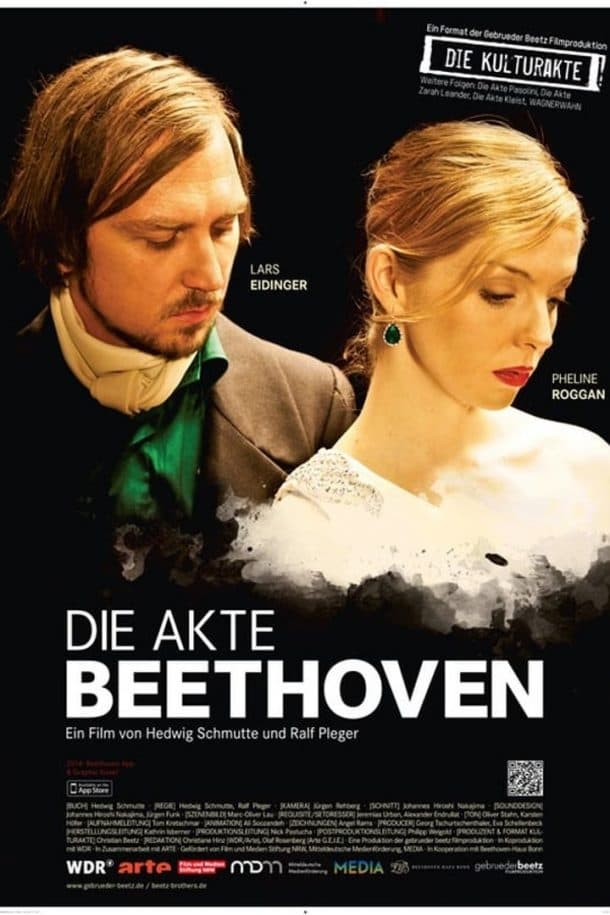
In a mixture of feature film, music documentary and animated comics, historical facts are retold, analyzed and interpreted in modern settings. Ludwig van Beethoven, played by Lars Eidinger, becomes a contemporary of today's audience. Quick-tempered, irascible, curmudgeonly - that is the common image of Ludwig van Beethoven, the composer with the wild lion's mane. But there is also another Beethoven - young, seductive, spirited and, above all, combative.
Documentary with fragments and records about the boundaries between art and counterculture, based on a debate held at the Museum of Modern Art, Rio de Janeiro, in October 1968.
Unconventional portrayal of mining in the Swedish Lapland ore fields, a powerful image and sound symphony that can be experienced both as a documentary and symbolic work.
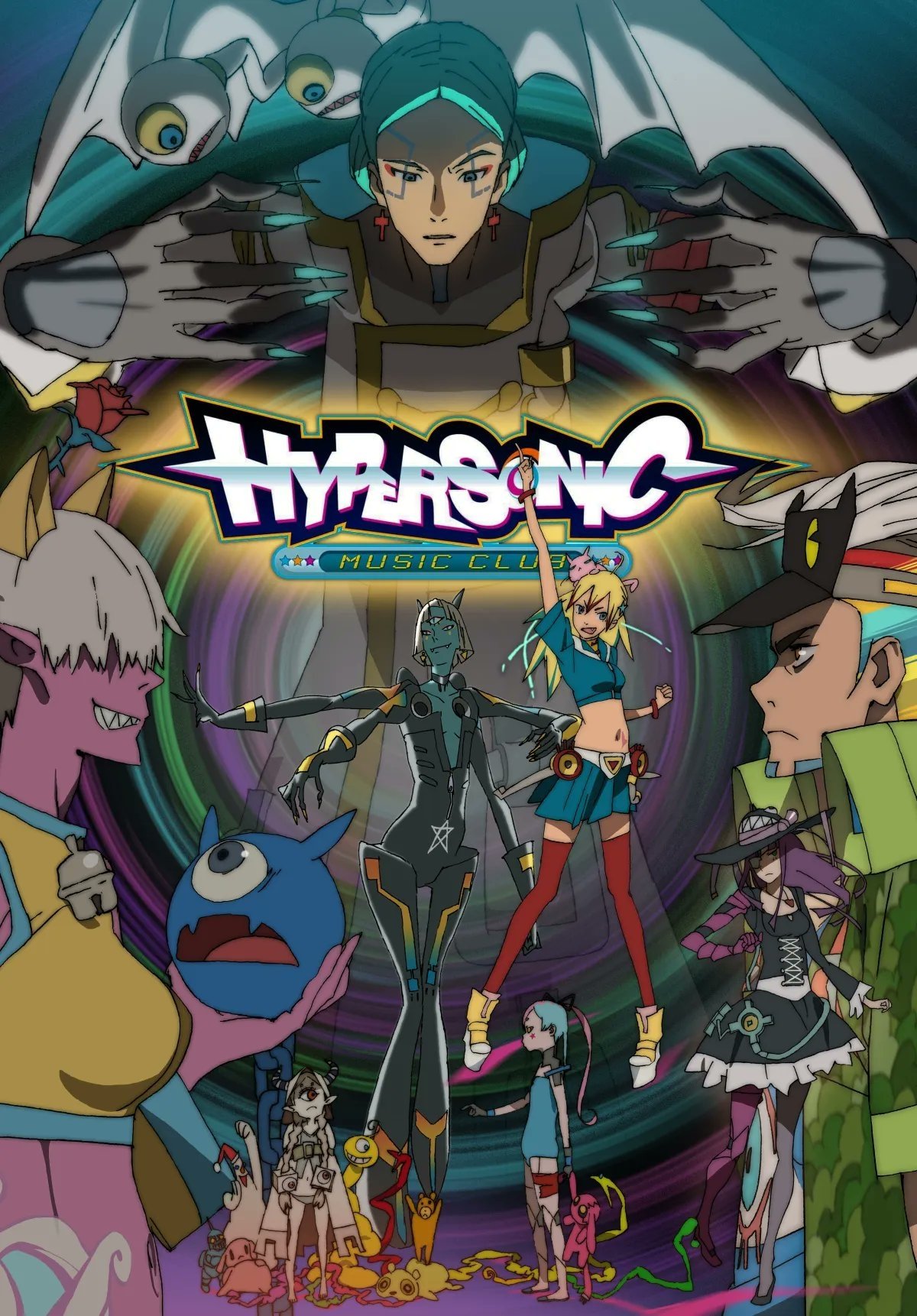
In 2017, a short anime film called Hypersonic Music Club was produced in Japan. It was directed and written by Osamu Kobayashi, a veteran of the industry who passed away in April 2021. For various reasons, this short anime was never released. It was made public on August 1, 2023.
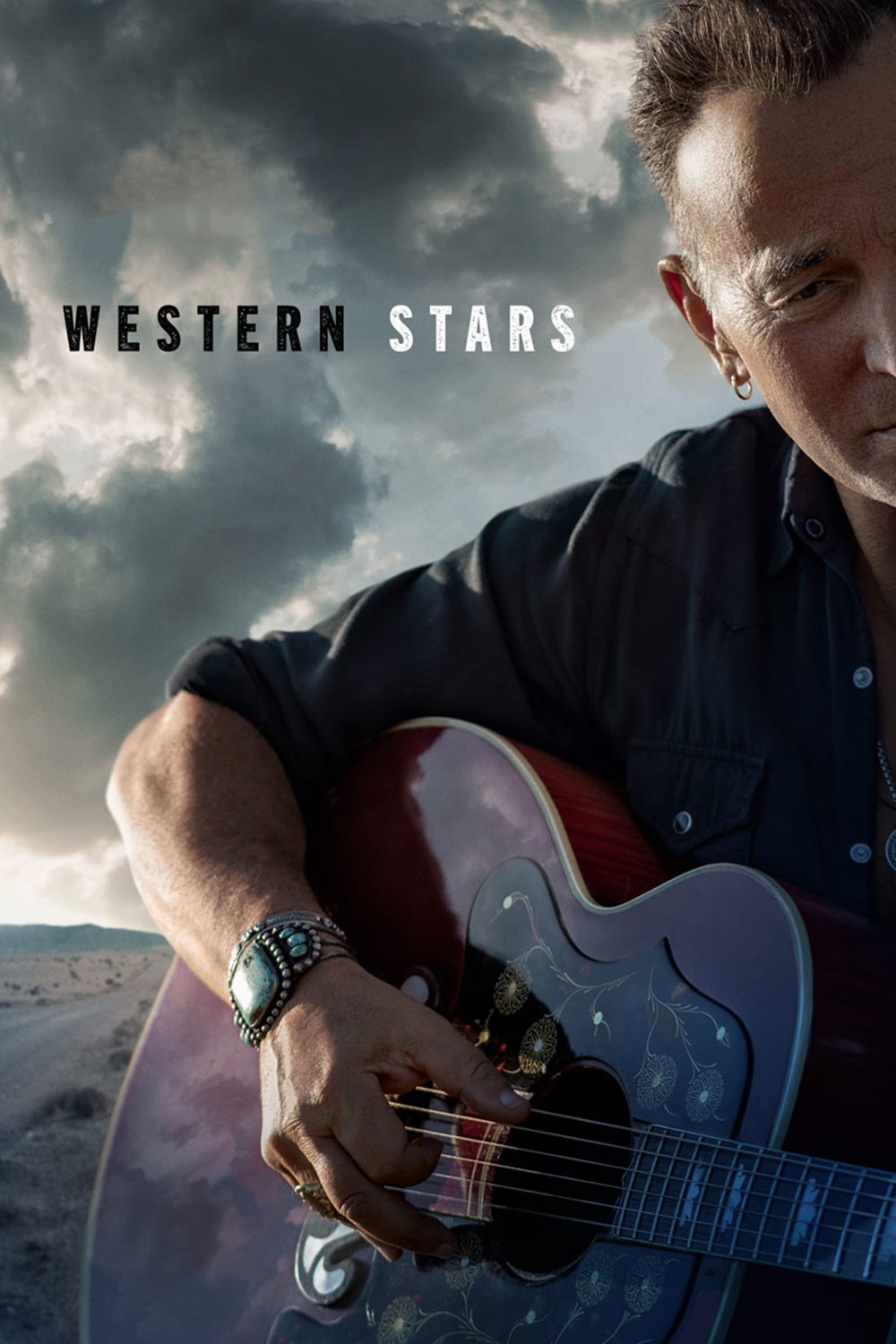
The incomparable Bruce Springsteen performs his critically acclaimed latest album and muses on life, rock, and the American dream, in this intimate and personal concert film co-directed by Thom Zimny and Springsteen himself.
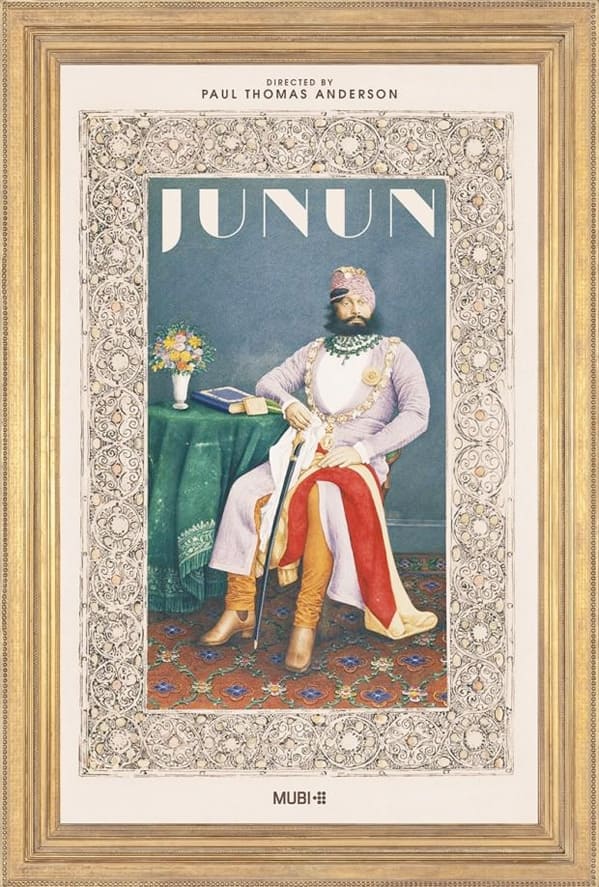
A documentary capturing the creation of the album Junun inside Rajasthan’s 15th-century Mehrangarh Fort. Paul Thomas Anderson follows Jonny Greenwood, Shye Ben Tzur, Nigel Godrich, and the Rajasthan Express as they record a cross-cultural fusion of Indian, Israeli, and Western music.
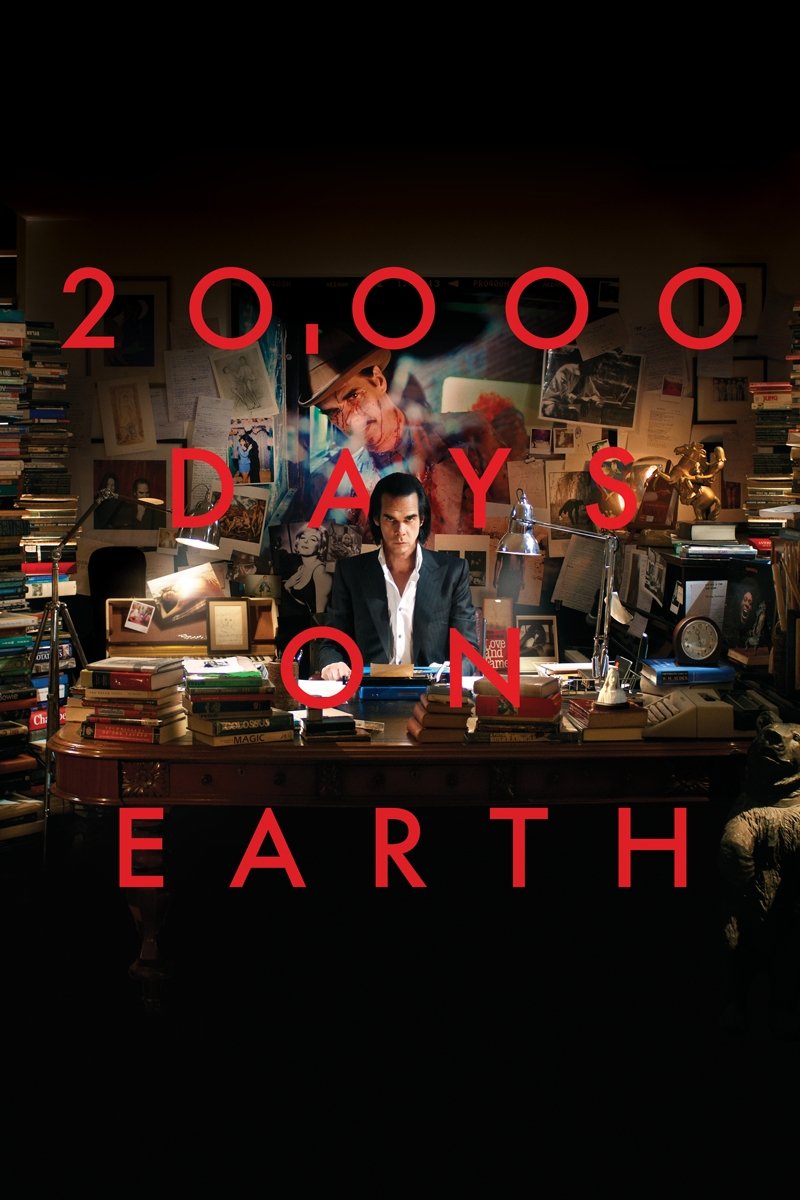
A semi-fictionalized documentary about a day in the life of Australian musician Nick Cave's persona.
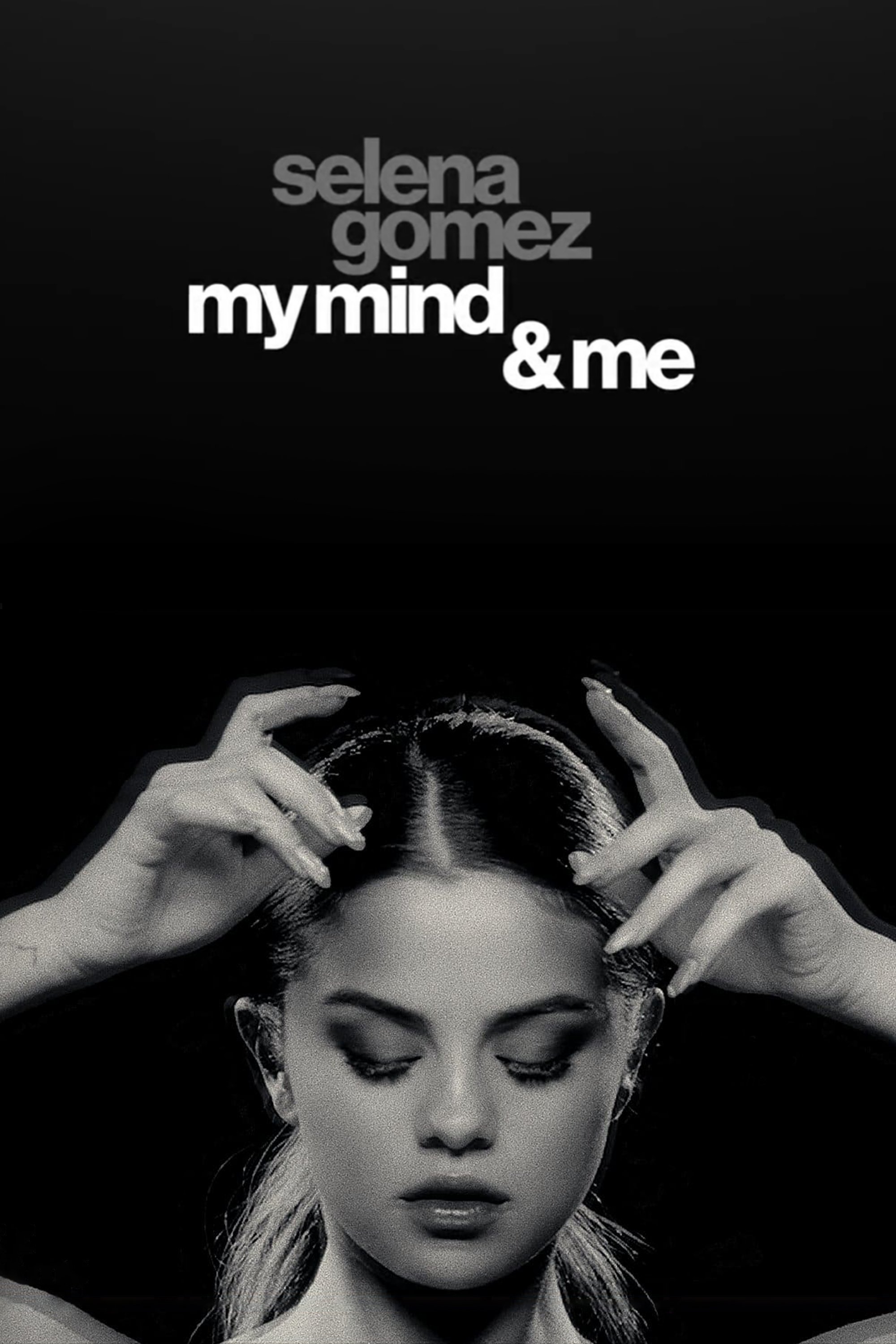
After years in the limelight, Selena Gomez achieves unimaginable stardom. But just as she reaches a new peak, an unexpected turn pulls her into darkness. This uniquely raw and intimate documentary spans her six-year journey into a new light.
Pull back the curtain on the remarkable history of six decades of James Bond music, from Sean Connery’s Dr No through to Daniel Craig’s final outing in No Time to Die.
Live Aid was held on 13 July 1985, simultaneously in Wembley Stadium in London, England, and the John F. Kennedy Stadium in Philadelphia, United States. It was one of the largest scale satellite link-ups and television broadcasts of all time: watched live by an estimated global audience of 1.9 billion, across 150 nations. "It's twelve noon in London, seven AM in Philadelphia, and around the world it's time for Live Aid...!"
A primetime special with performances from the superstar including Adele’s first new material in six years plus her chart-topping hits. The special will also feature an exclusive interview with Adele by Oprah Winfrey from her rose garden, in Adele’s first televised wide-ranging conversation.
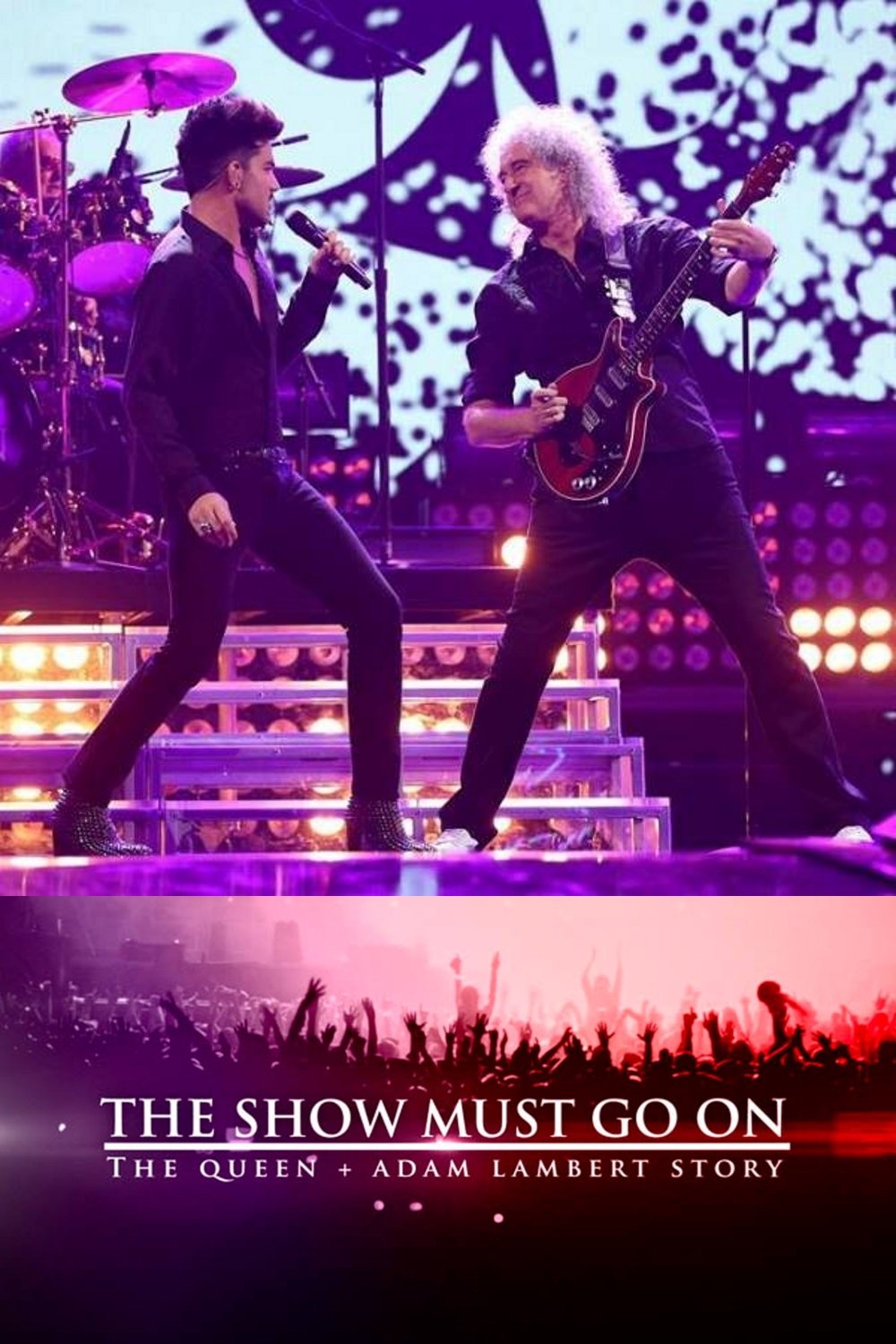
A documentary chronicling Queen and Lambert's incredible journey since they first shared the stage together on "American Idol" in 2009.
A personal and intimate look into Demi Lovato's life as not only a regular 25 year old, but also one of the biggest pop stars in the world.
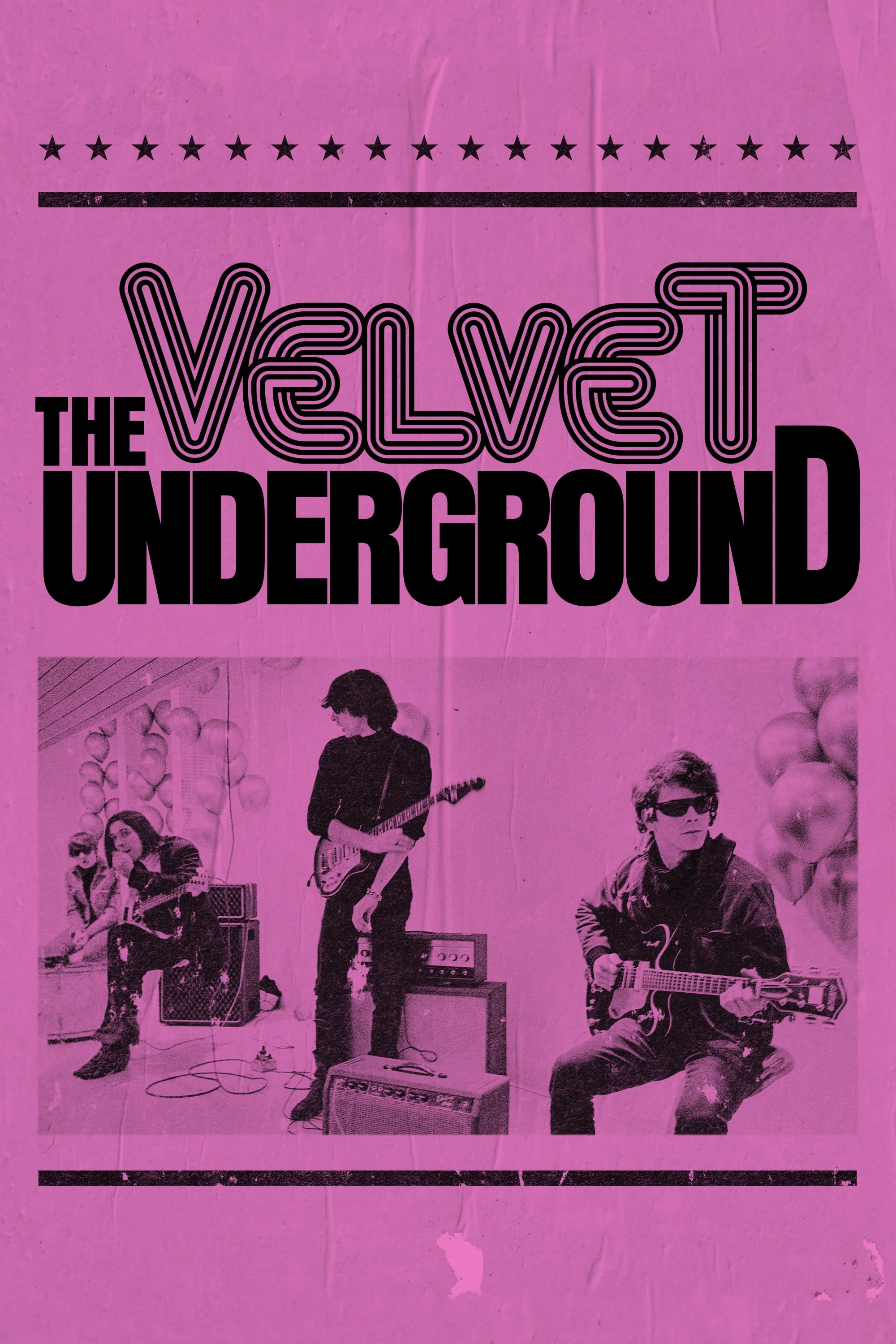
Experience the iconic rock band's legacy in the first major documentary to tell their story. Directed with the era’s avant-garde spirit by Todd Haynes, this kaleidoscopic oral history combines exclusive interviews with dazzling archival footage.
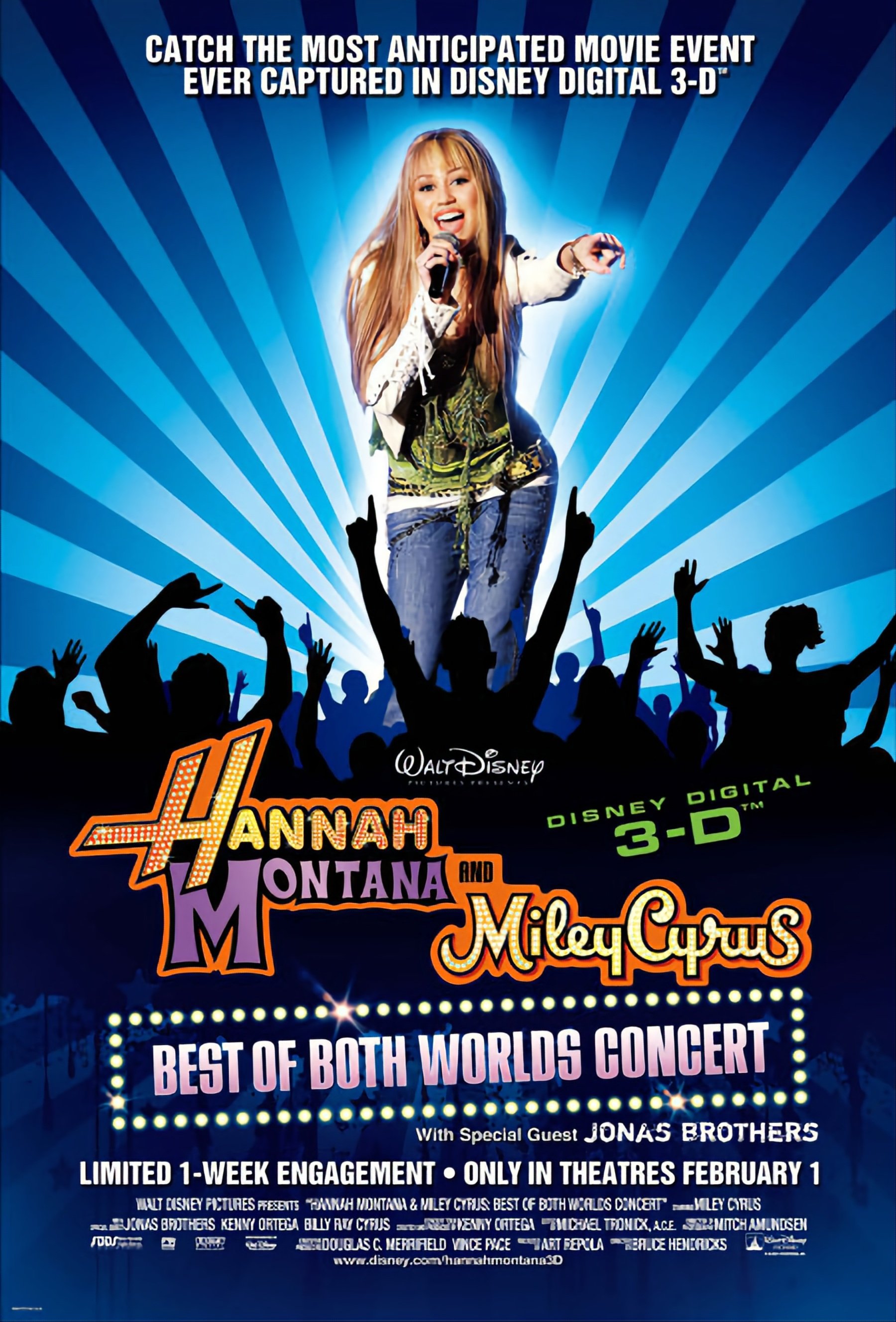
In this concert film, 'Hannah Montana' star Miley Cyrus performs a slew of hit songs, including 'Just Like You' and 'Life's What You Make It.'
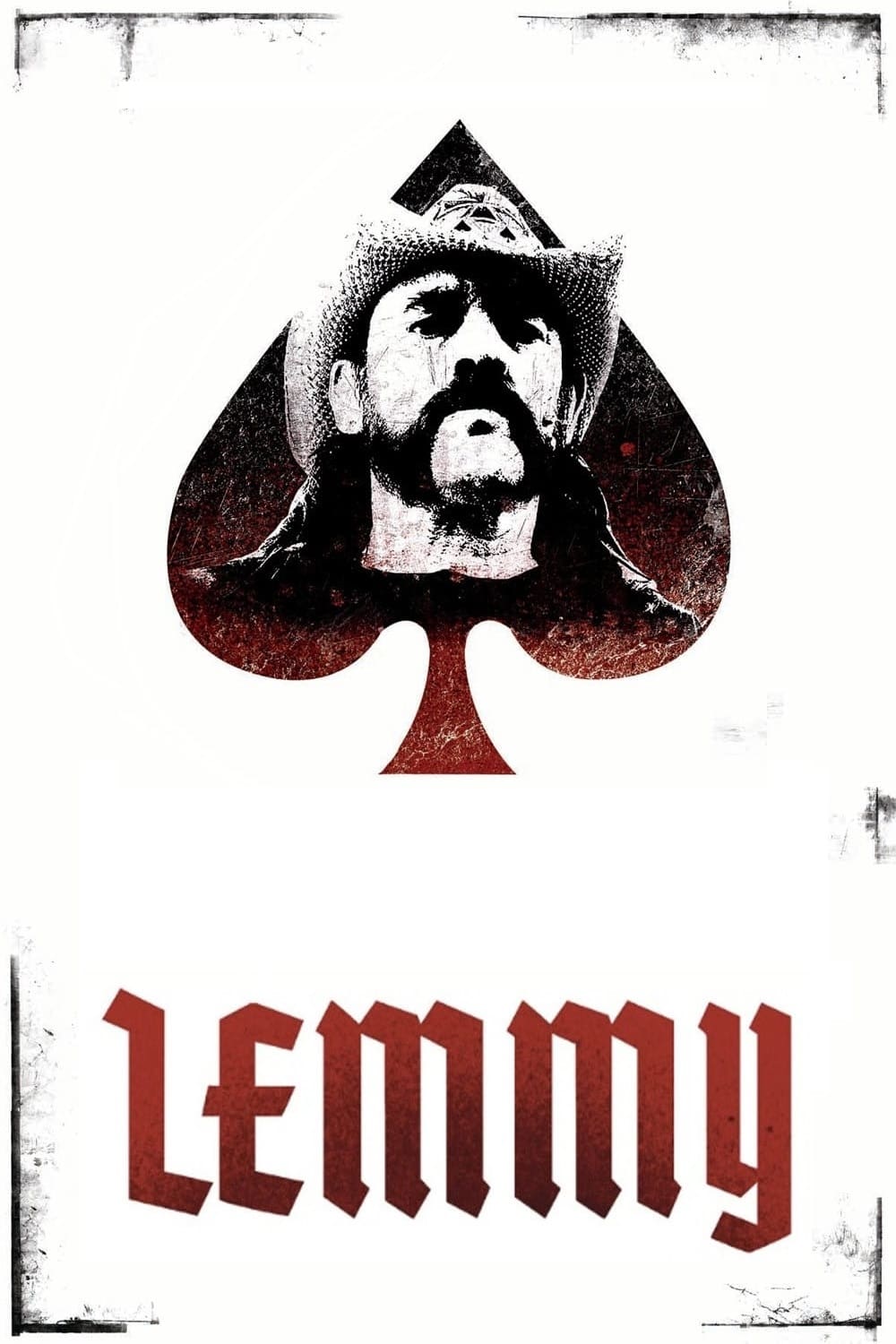
Over four decades, Motorhead frontman Lemmy Kilmister has registered an immeasurable impact on music history. Nearly 65, he remains the living embodiment of the rock and roll lifestyle, and this feature-length documentary tells his story, one of a hard-living rock icon who continues to enjoy the life of a man half his age.
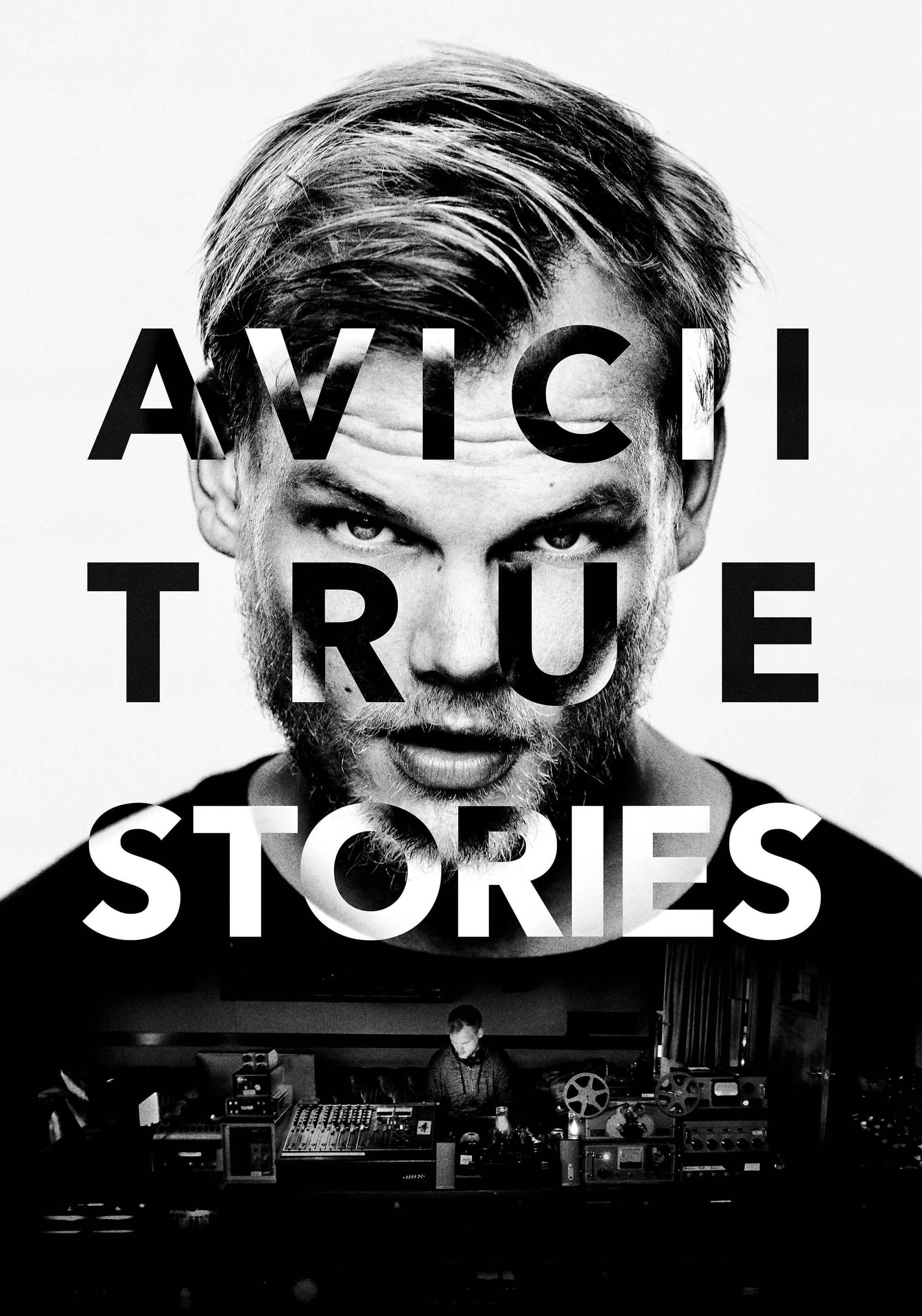
Documentary about the arena-packing Swedish DJ, chronicling his explosive rise to fame and surprising decision to retire from live performances in 2016.
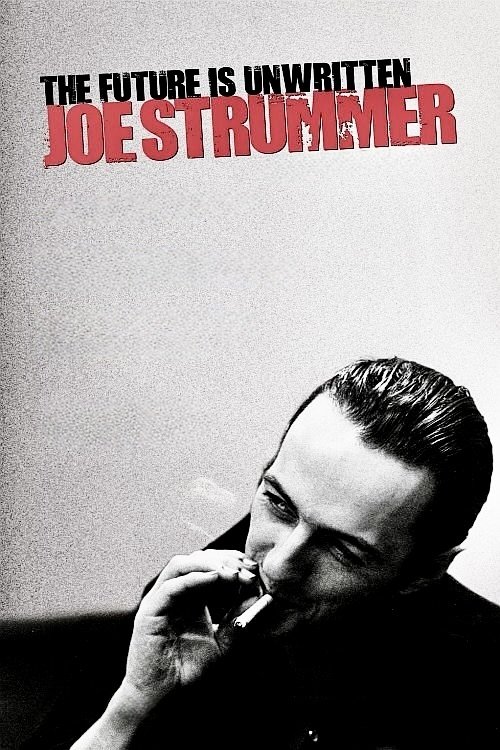
As the front man of the Clash from 1977 onwards, Joe Strummer changed people's lives forever. Four years after his death, his influence reaches out around the world, more strongly now than ever before. In "The Future Is Unwritten", from British film director Julien Temple, Joe Strummer is revealed not just as a legend or musician, but as a true communicator of our times. Drawing on both a shared punk history and the close personal friendship which developed over the last years of Joe's life, Julien Temple's film is a celebration of Joe Strummer - before, during and after the Clash.
A unique cinematic experience that invites audiences on a vibrant journey through the life of cultural icon Pharrell Williams. Told through the lens of LEGO® animation, turn up the volume on your imagination and witness the evolution of one of music's most innovative minds.
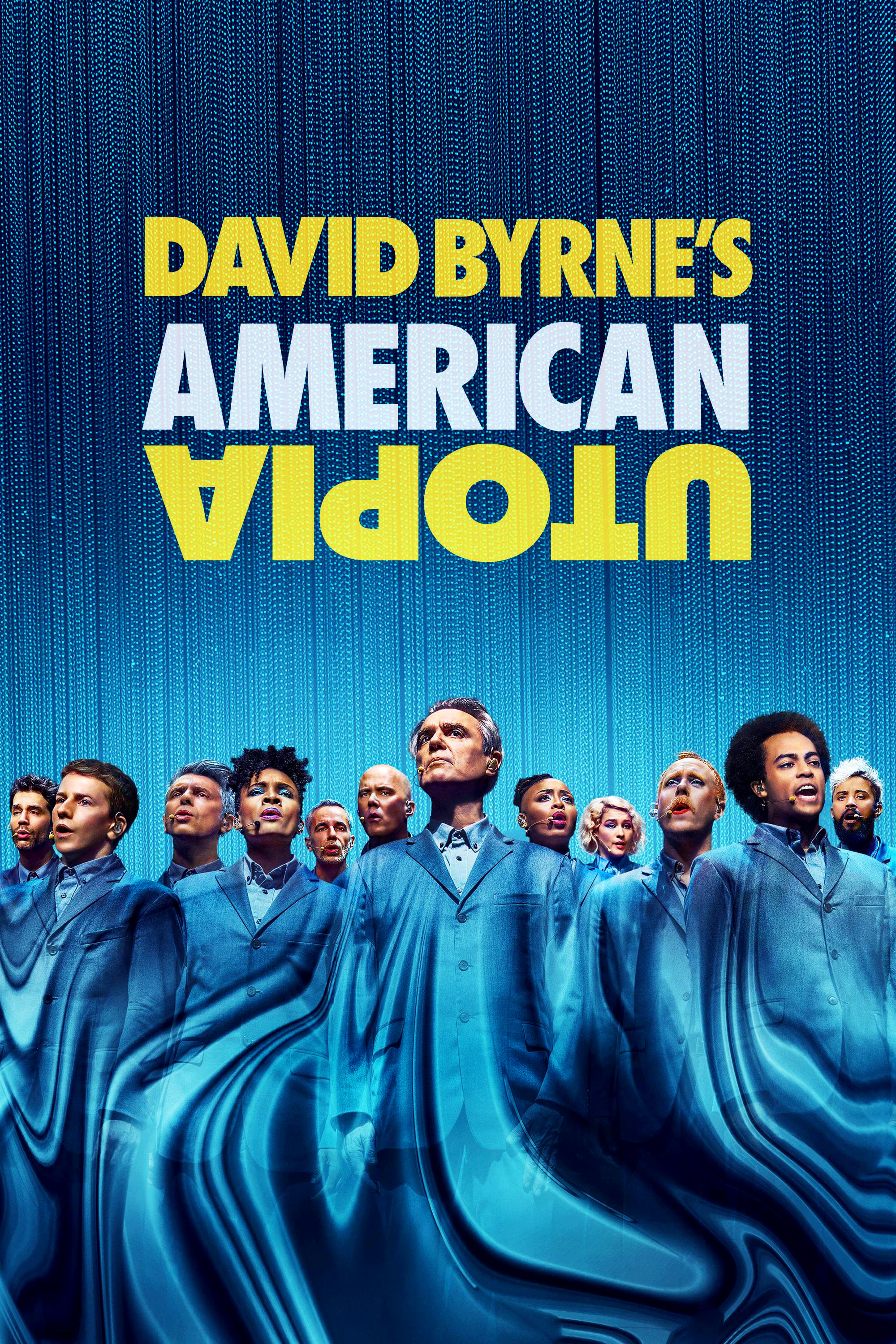
A filmed version of David Byrne's Broadway show, a unifying musical celebration that inspires audiences to connect to each other and to the global community.
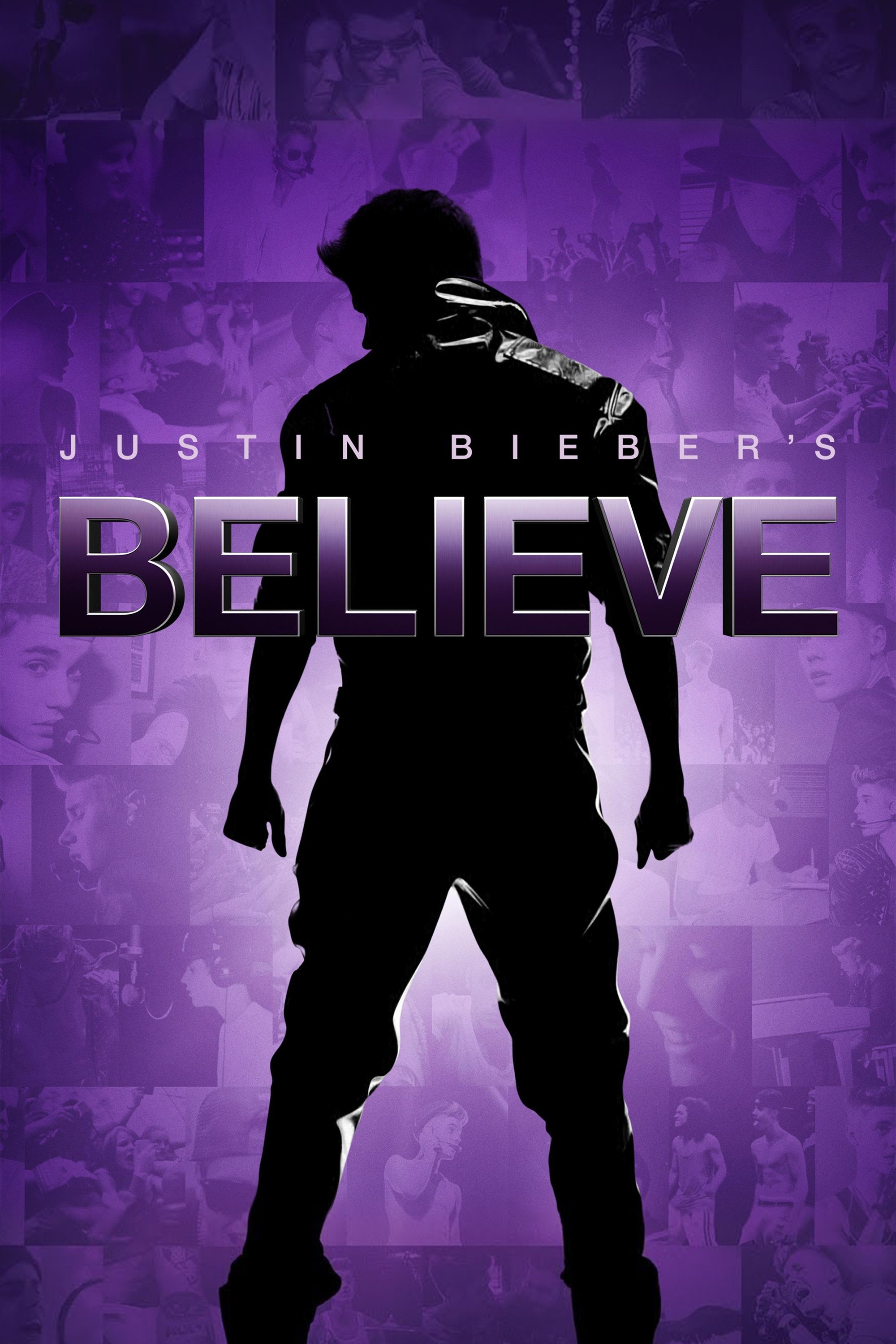
A backstage and on-stage look at Justin Bieber during his rise to super stardom.
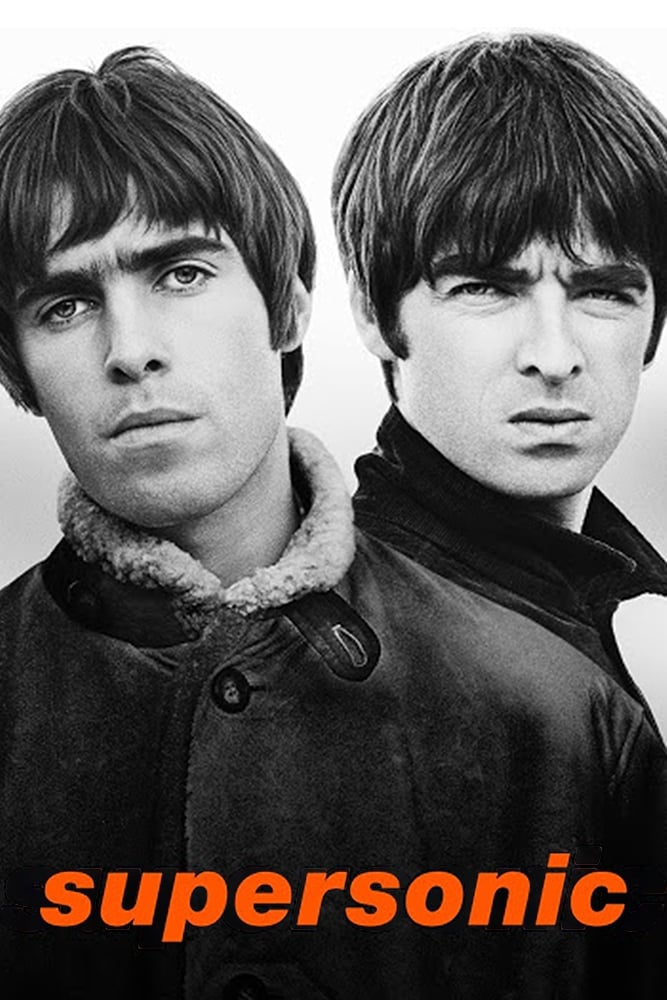
Supersonic charts the meteoric rise of Oasis from the council estates of Manchester to some of the biggest concerts of all time in just three short years. This palpable, raw and moving film shines a light on one of the most genre and generation-defining British bands that has ever existed and features candid new interviews with Noel and Liam Gallagher, their mother, and members of the band and road crew.
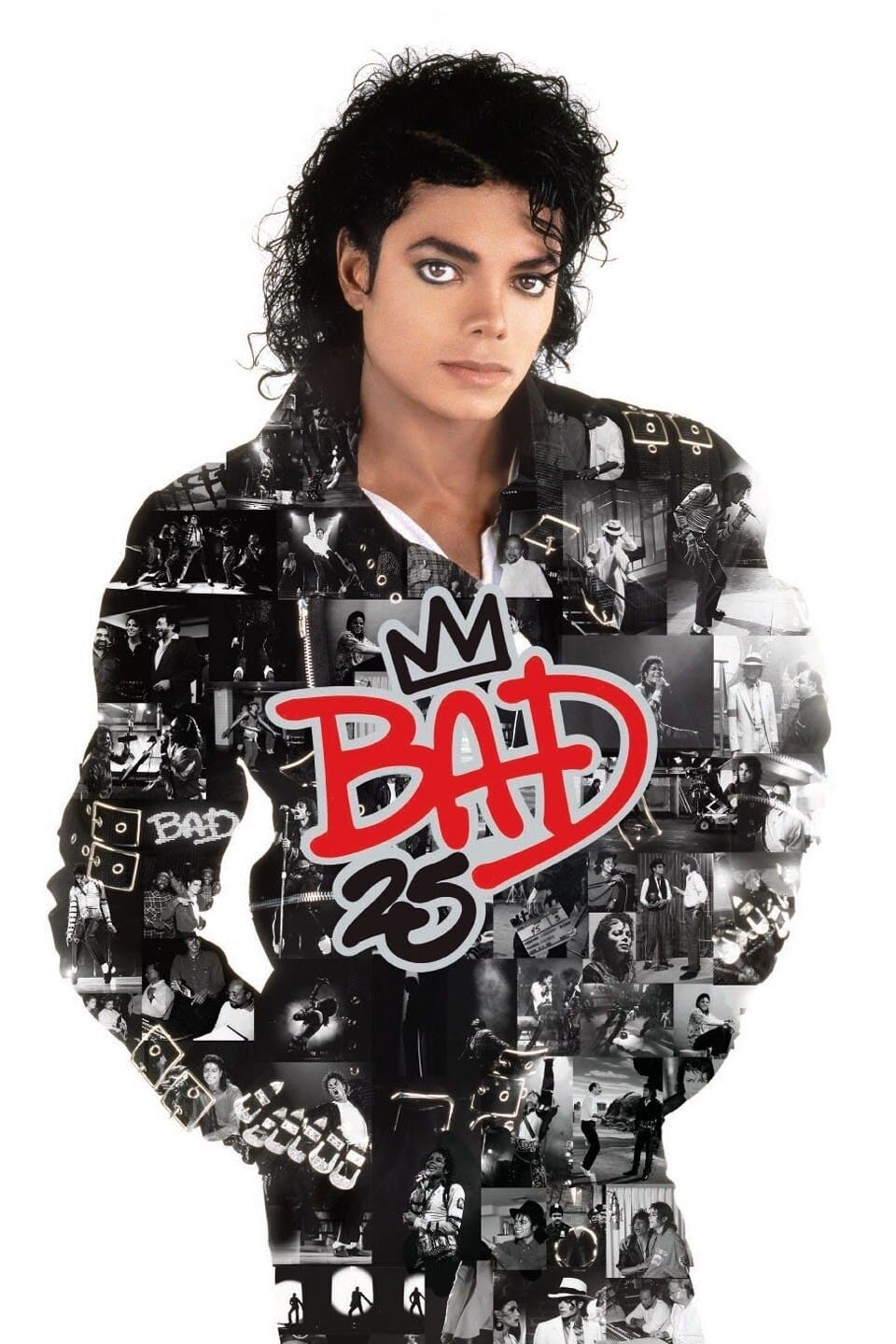
Spike Lee pays tribute to Michael Jackson's Bad on the twenty-fifth anniversary of the epochal album, offering behind-the-scenes footage of Jackson recording the album and interviews with confidants, musicians, choreographers, and such music-world superstars as Kanye West, Sheryl Crow, Cee Lo Green and Mariah Carey.
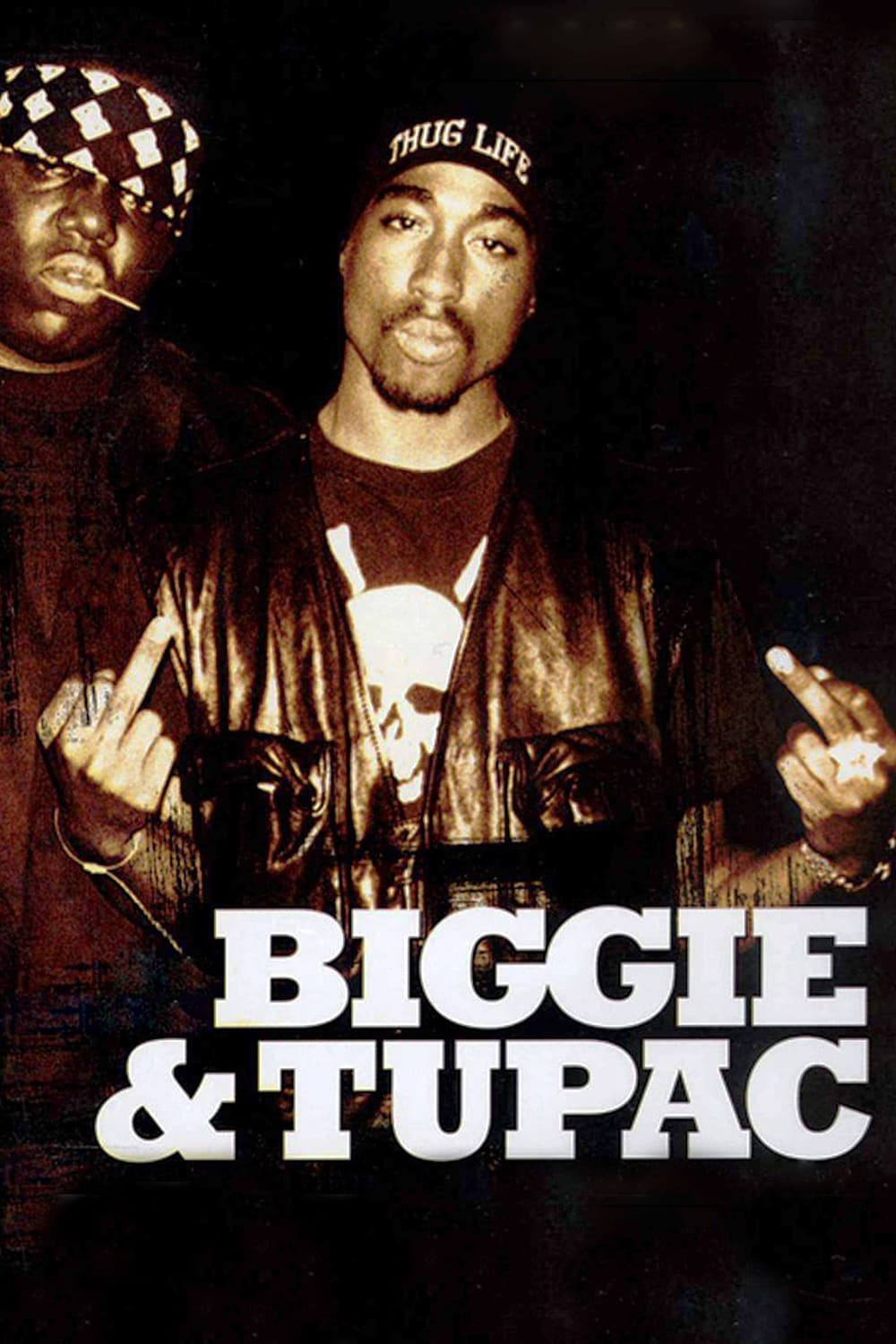
In 1997, rap superstars Tupac Shakur and Christopher Wallace (aka Biggie Smalls, The Notorious B.I.G.) were gunned down in separate incidents, the apparent victims of hip hop's infamous east-west rivalry. Nick Broomfield's film introduces Russell Poole, an ex-cop with damning evidence that suggests the LAPD deliberately fumbled the case to conceal connections between the police, LA gangs and Death Row Records, the label run by feared rap mogul Marion "Suge" Knight.