Social & External
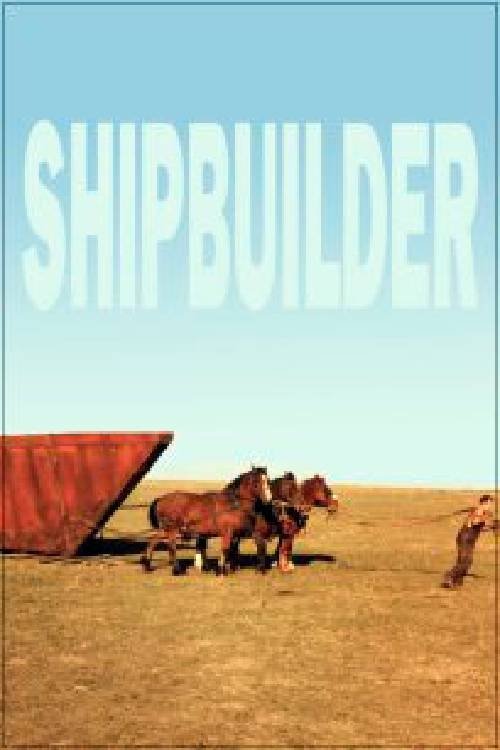
This film recreates the true story of Tom Sukanen, an eccentric Finnish immigrant who homesteaded in Saskatchewan in the 1920s and 1930s. Sukanen spent ten years building and moving overland a huge iron ship that was to carry him back to his native Finland. The ship never reached water.
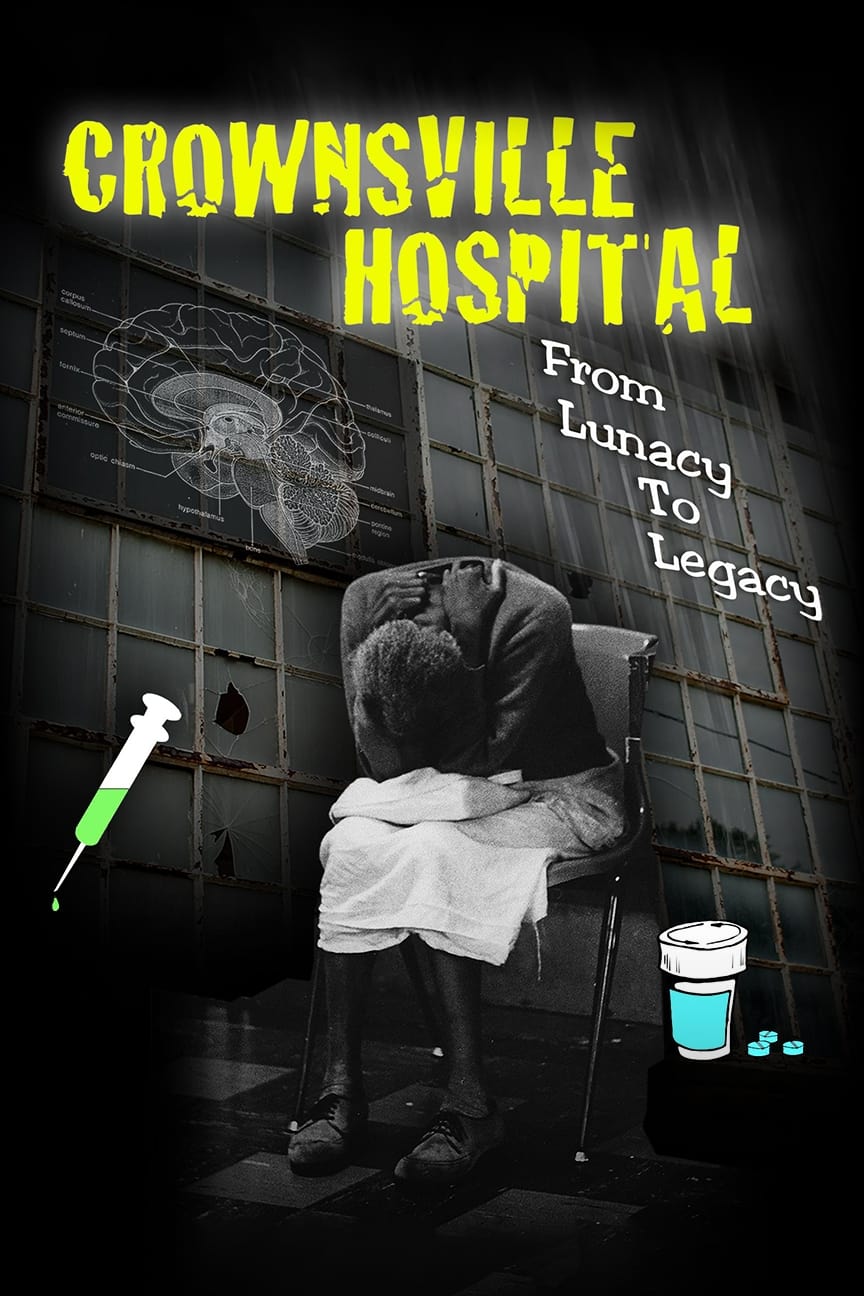
Crownsville Hospital: From Lunacy to Legacy is a feature-length documentary film highlighting the history of the Crownsville State Mental Hospital in Crownsville, MD.
Short subject documentary by Julien Nitzberg about the legendary "psychobilly" musician and infamous wild man Hasil Adkins. Filming takes place in Adkins' own yard, his shack, and at various concerts. Adkins is notable for helping create an entirely new form of rock/rockabilly/country fusion, which he plays entirely by himself (with a guitar and drums simultaneously).
'When' discusses the filmmaker's experience with mental illness and how it has impacted her perception of the world around her. It mainly focuses on Anorexia Nervosa, Anxiety, and Depression. It aims to represent these ideas in an abstract but honest way - using CGI as a medium to create an impactful experience that will make the audience think about mental illness in a way they might not have before.
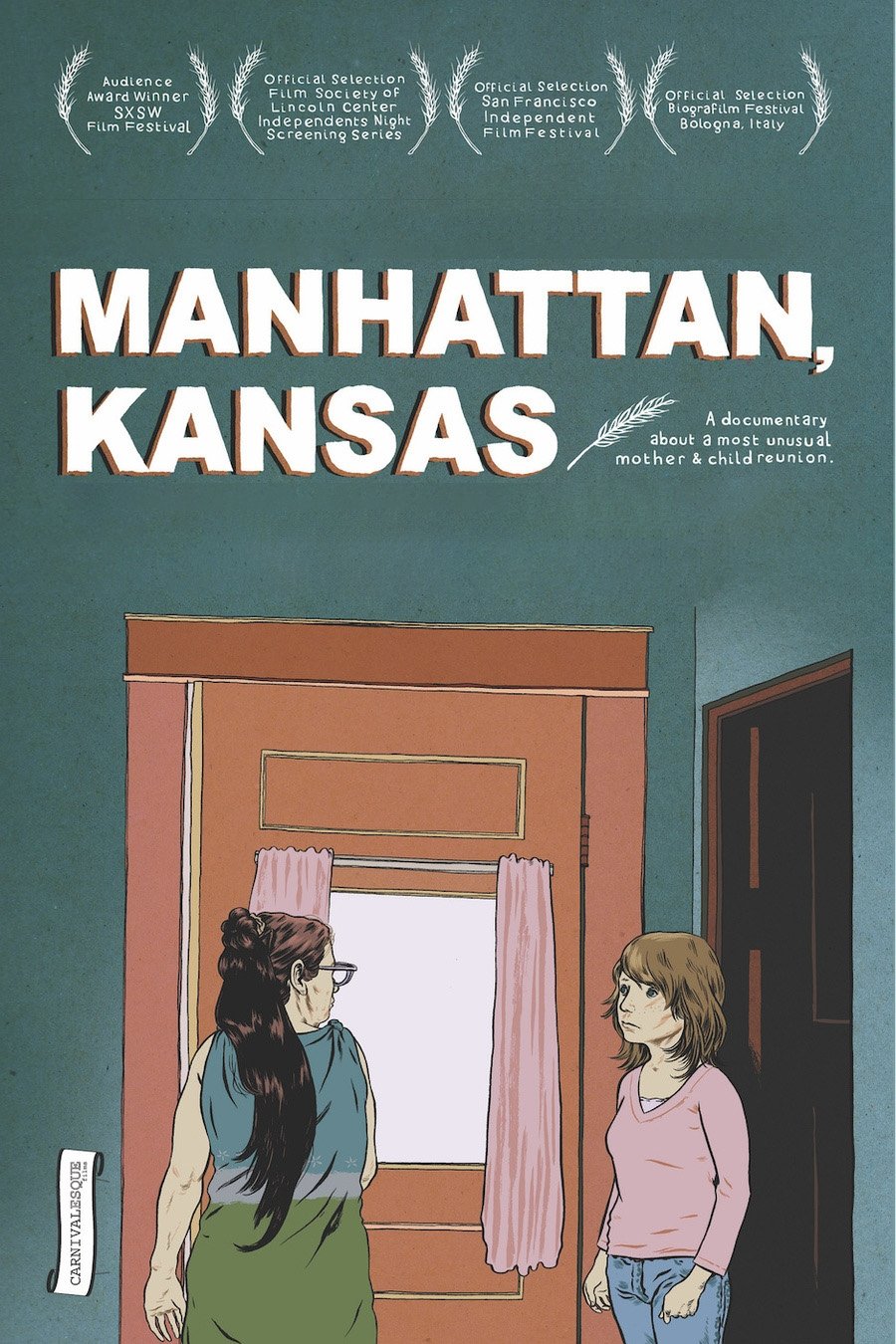
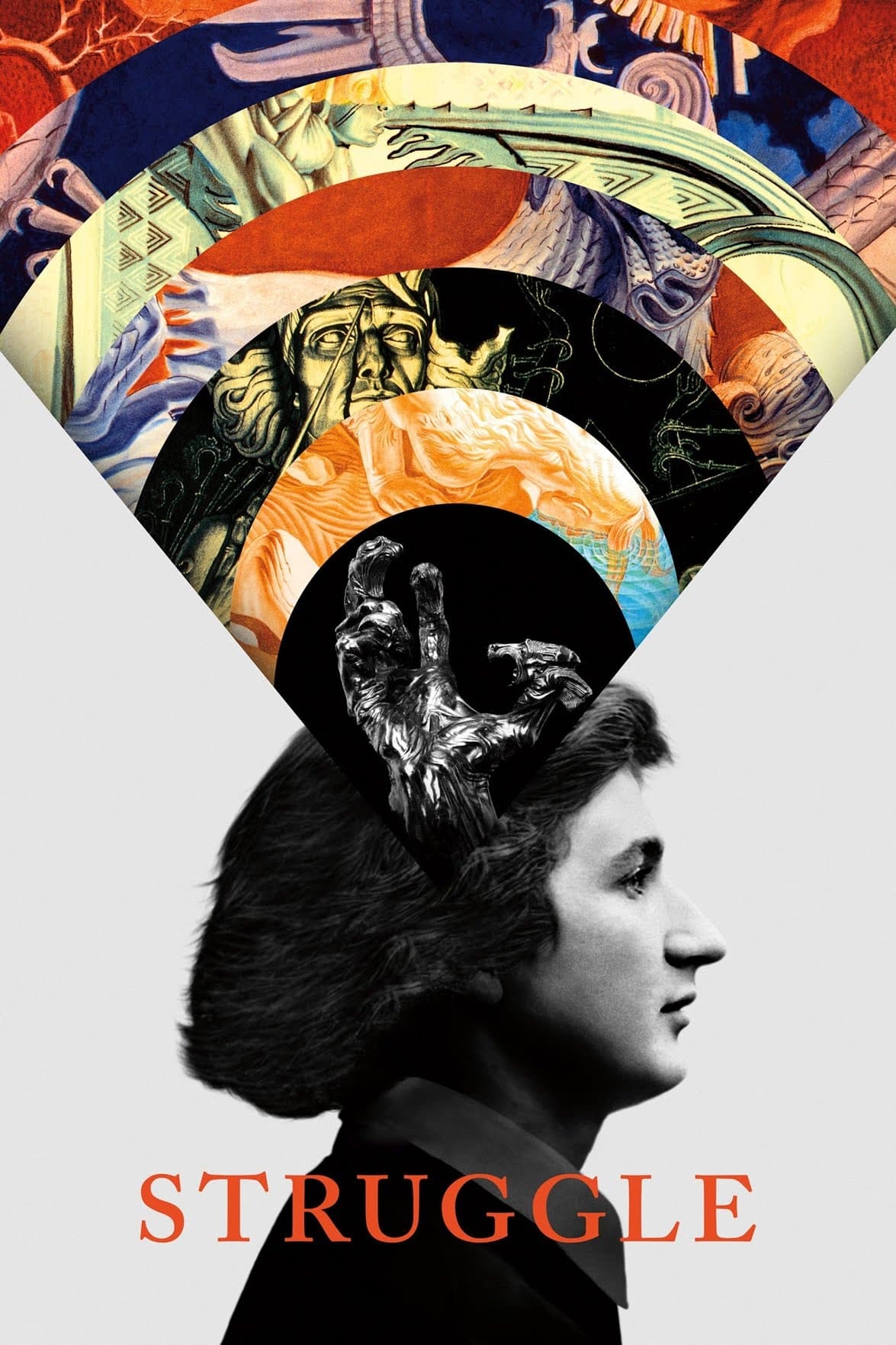
Filmmaker Evie Wray travels to rural Kansas in an attempt to reconnect with her mentally unstable mother, Evie, for the first time since Evie’s psychotic breakdown five years earlier. She finds a parent still chasing her demons, both real and imagined, struggling to make a career for herself as an abstract artist and searching for the Geodetic Center of the United States, the finding of which, Evie says, will bring about world peace.
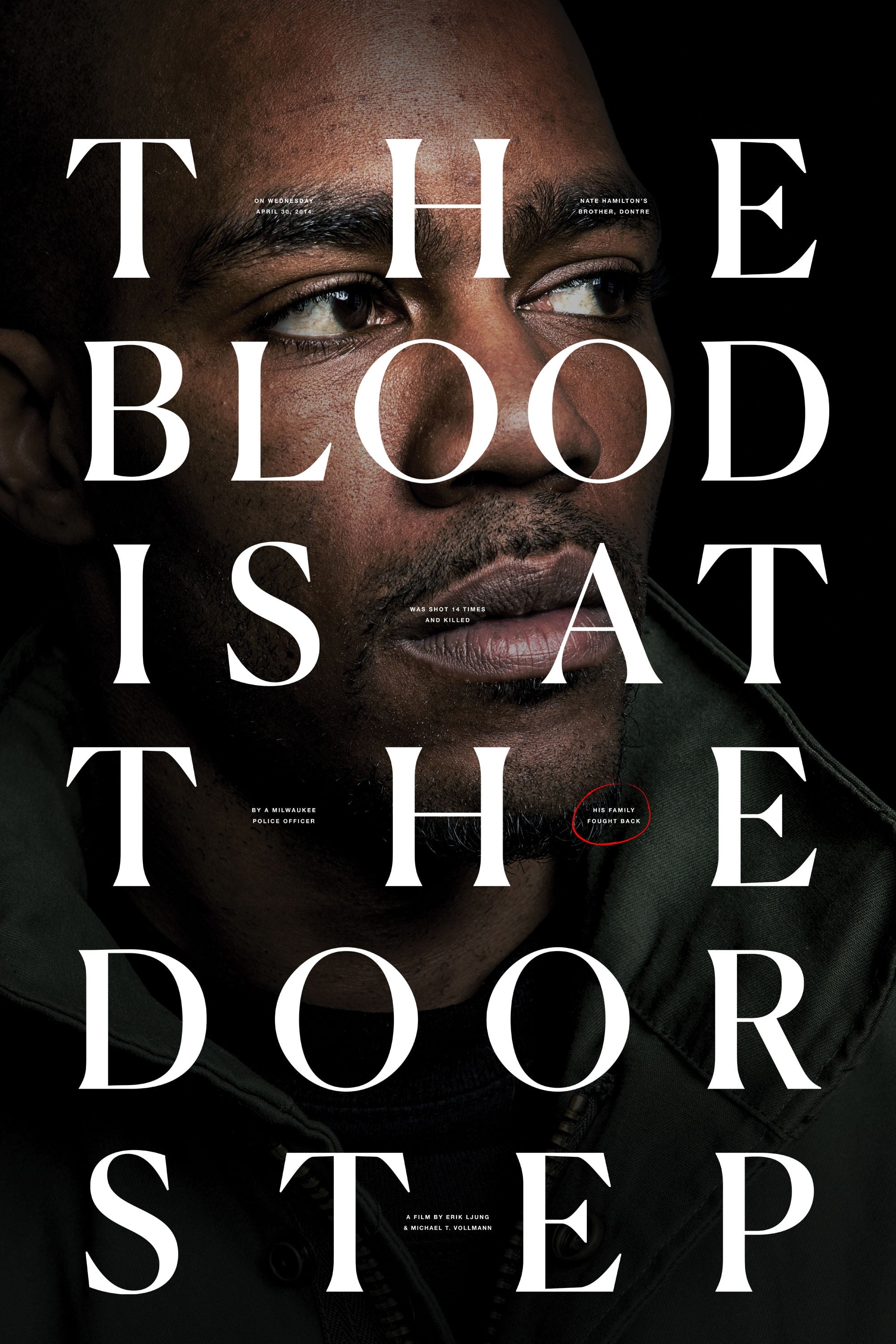
After Dontre Hamilton, a black, unarmed man diagnosed with schizophrenia, was shot 14 times and killed by police in Milwaukee, his family embarks on a quest for answers, justice and reform as the investigation unfolds.
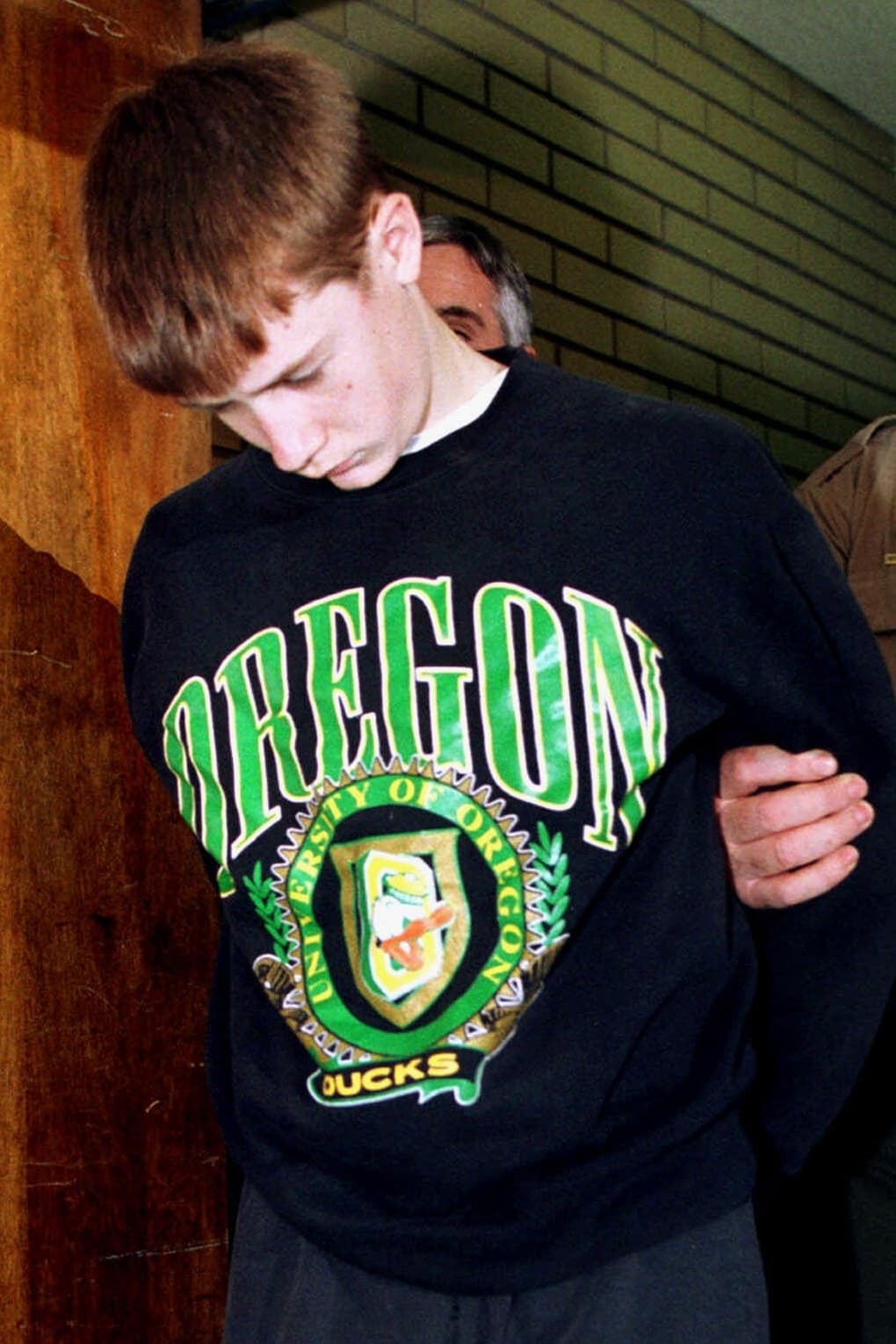
In May 1998, a year before the massacre at Columbine High, 15-year-old Kip Kinkel murdered his mother and father, and then opened fire at Thurston High School in Springfield, Oregon, killing two fellow students and wounding 25 others. In this first in-depth television examination of a school shooter, FRONTLINE reveals the intimate inside story of how the “shy and likeable” Kip Kinkel from a solid middle-class family became the boy police call “a cold-hearted killer.”
In 1983, the director’s 24-year-old sister developed symptoms of schizophrenia. Her parents couldn’t accept it—refusing to seek treatment for their sick child, they confined her to their house, to the point of even fixing a padlock on the front door to lock her in. Her younger brother, suspicious of his parents’ actions, began filming the family in an effort to openly question them. A family conflict that lasted over twenty years.
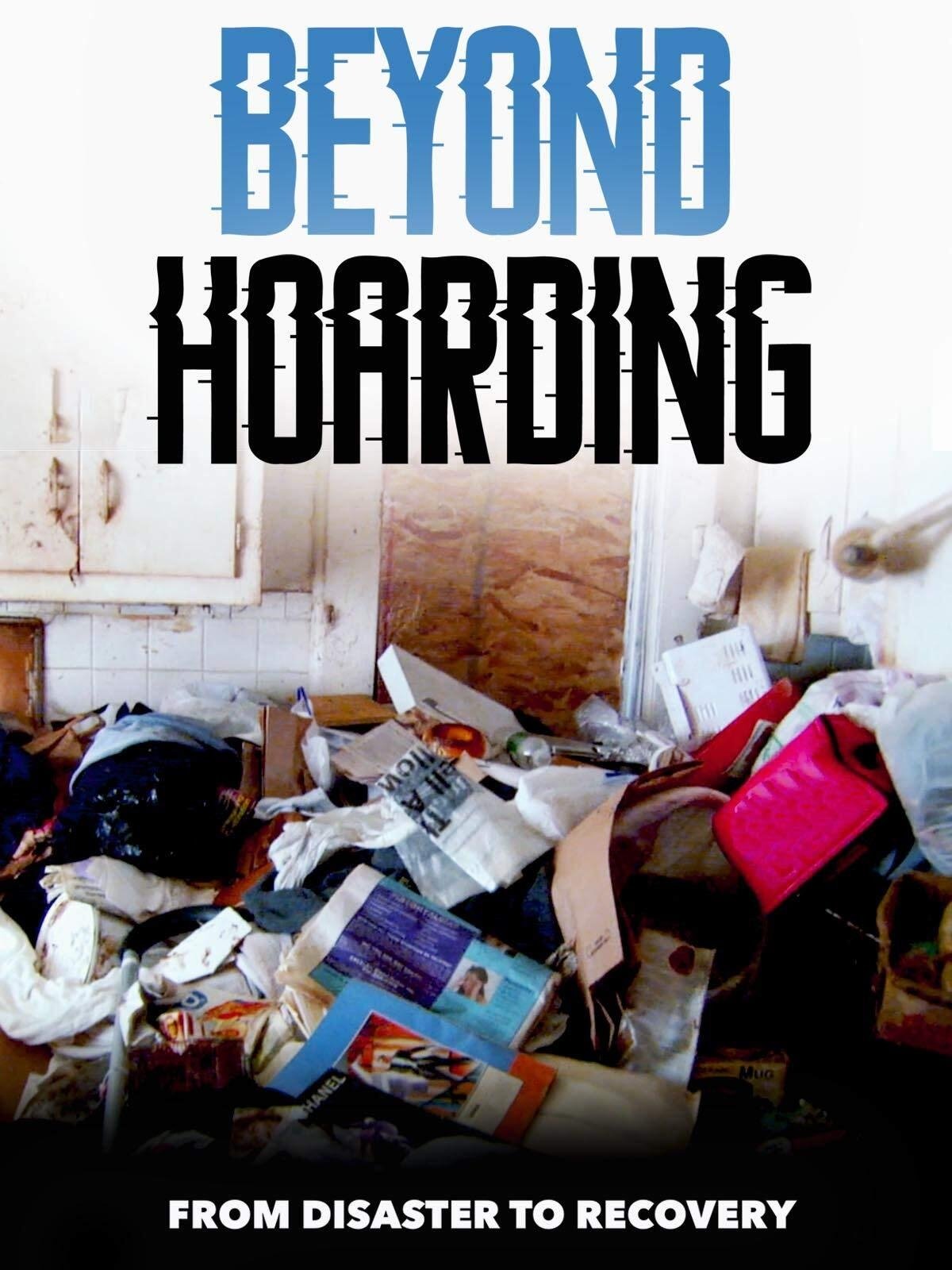
"Beyond Hoarding" takes a fresh look at hoarding through the experiences of people afflicted with this compulsion. Mental health experts shed light on this psychiatric disorder which is treatable.
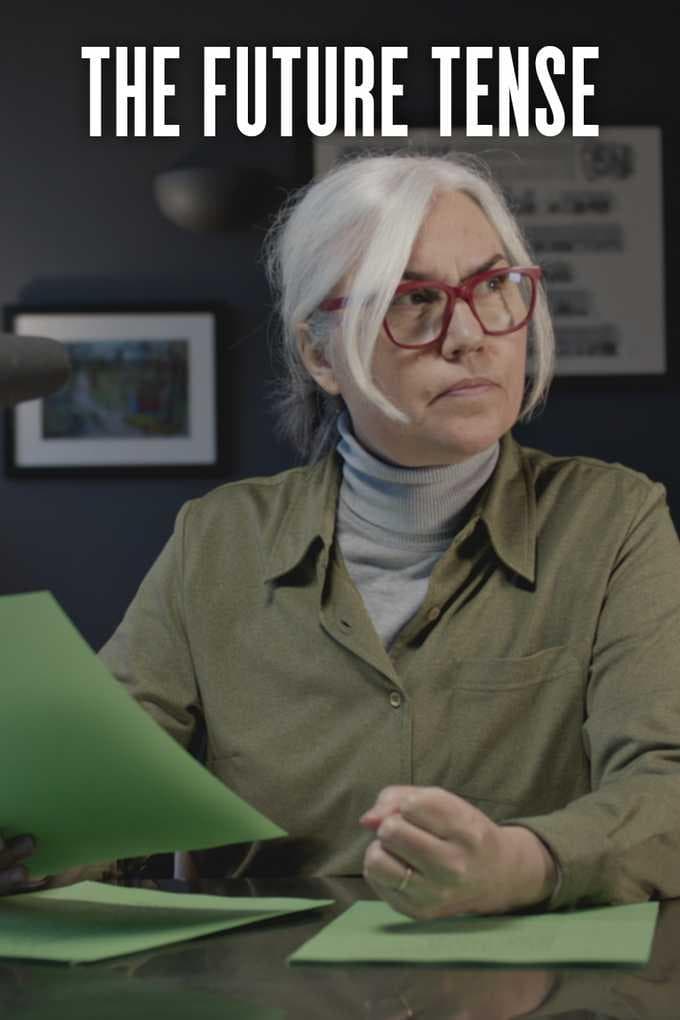
Staged as a series of voiceover sessions, written with gloriously off-balanced precision and dipped in the color green, THE FUTURE TENSE unfolds as a poignant tale of tales, exploring the filmmakers’ own experiences in aging, parenting, mental illness, along with the brutal history that lies submerged beneath Ireland’s heavy, moist earth.
Grave robbing, torture, possessed nuns, and a satanic Sabbath: Benjamin Christensen's legendary film uses a series of dramatic vignettes to explore the scientific hypothesis that the witches of the Middle Ages suffered the same hysteria as turn-of-the-century psychiatric patients. But the film itself is far from serious-- instead it's a witches' brew of the scary, gross, and darkly humorous.
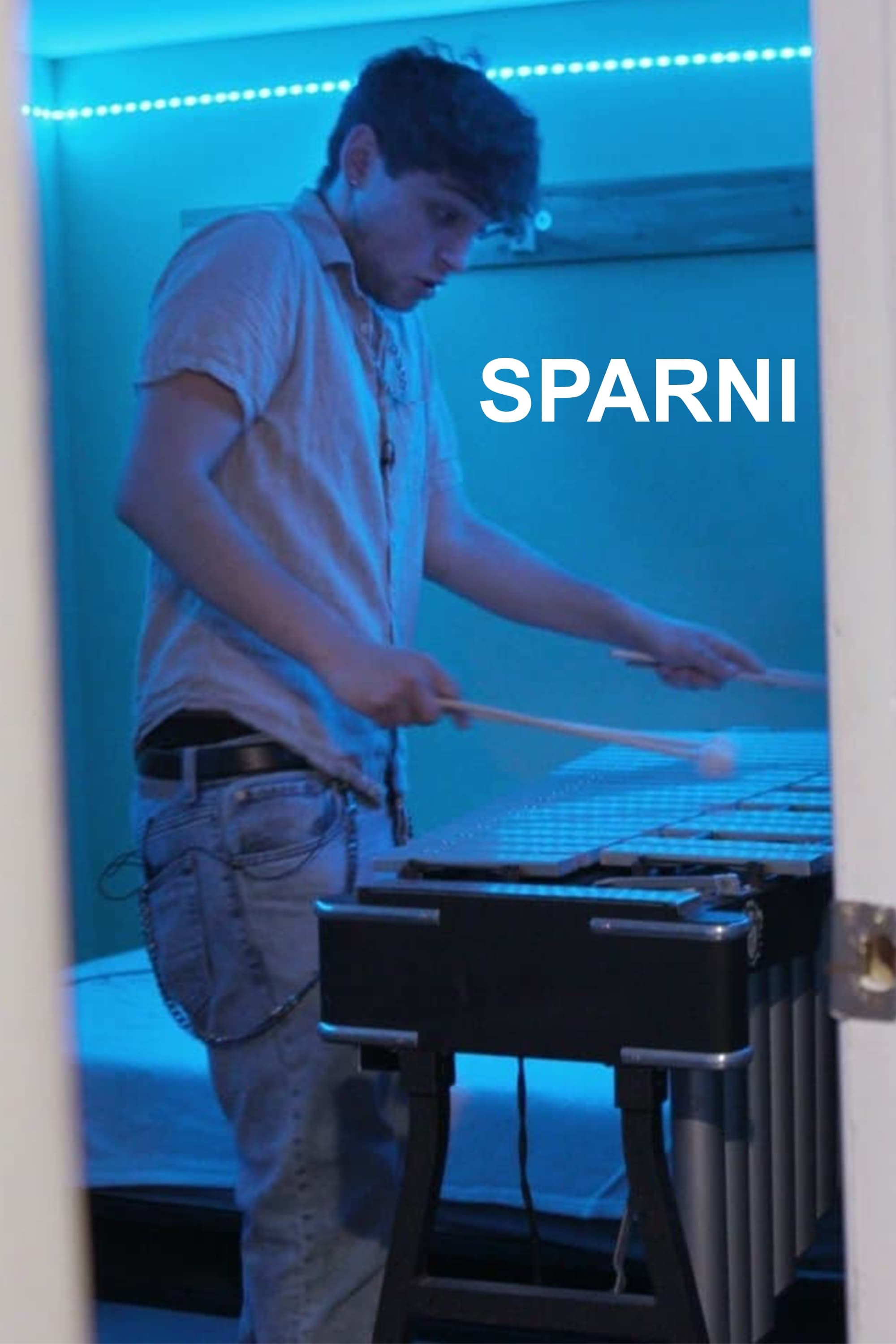
It’s the second semester of junior year for Pierce “Sparni” Sparnroft, a gifted jazz vibraphonist studying at Montclair State University in New Jersey. Sparni’s prospects on the vibes were rejuvenated by their new professor, the world-renowned Steve Nelson, and are to be showcased during a student-driven recital in May 2023. But all the while, Sparni must face a crisis within.
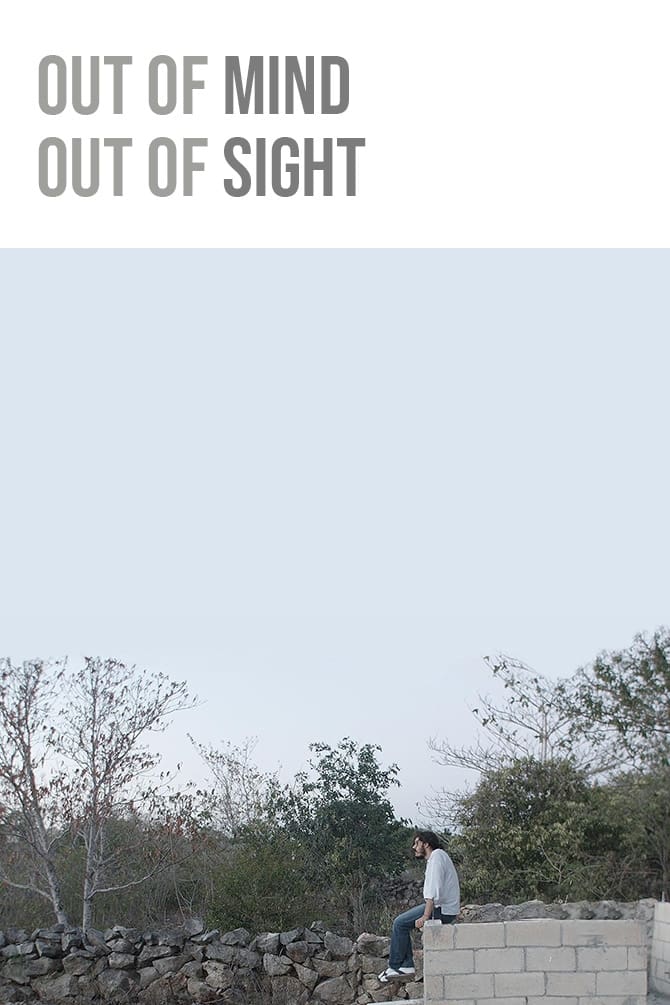
Four-time Emmy winner John Kastner was granted unprecedented access to the Brockville facility for 18 months, allowing 46 patients and 75 staff to share their experiences with stunning frankness. The result is two remarkable documentaries: the first, NCR: Not Criminally Responsible, premiered at Hot Docs in the spring of 2013 and follows the story of a violent patient released into the community. The second film, Out of Mind, Out of Sight, returns to the Brockville Mental Health Centre to profile four patients, two men and two women, as they struggle to gain control over their lives so they can return to a society that often fears and demonizes them.
Initially airing on HBO's "America Undercover" series, this riveting documentary focuses on three families shattered by the psychiatric disorder of schizophrenia. Subjects "Bob," "Missy" and "Steven" have lived for over a decade with schizophrenia. The film documents the difficult day-to-day existence of both those afflicted with this order and the families searching for answers to their loved ones' suffering. This film also shows the varied and variably successful treatment methods for each of the subjects—one is placed in a group home, one is placed in an institution, and one is cared for at home. The documentary was critically acclaimed for its compassionate treatment of mental illness.
The incredible story of Bruno Lüdke (1908-44), the alleged worst mass murderer in German criminal history; or actually, a story of forged files and fake news that takes place during the darkest years of the Third Reich, when the principles of criminal justice, subjected to the yoke of a totalitarian system that is beginning to collapse, mean absolutely nothing.
It's a sensitive, moving doc chronicling the life of Tétrault's brother Philip , a Montreal poet, musician and diagnosed paranoid schizophrenic. A promising athlete as a child, Philip began experiencing mood swings in his early 20s. His extended family, including his daughter, share their conflicted feelings love, guilt, shame, anger with the camera. They want to make sure he's safe, but how much can they take?
With nearly two million people living in miserable conditions in Gaza, the Israeli blockade has taken its toll on mental health there. Against the backdrop of the border clashes earlier in 2018 this film goes deep inside the minds of the people of Gaza to explore the mental health issues affecting many there.
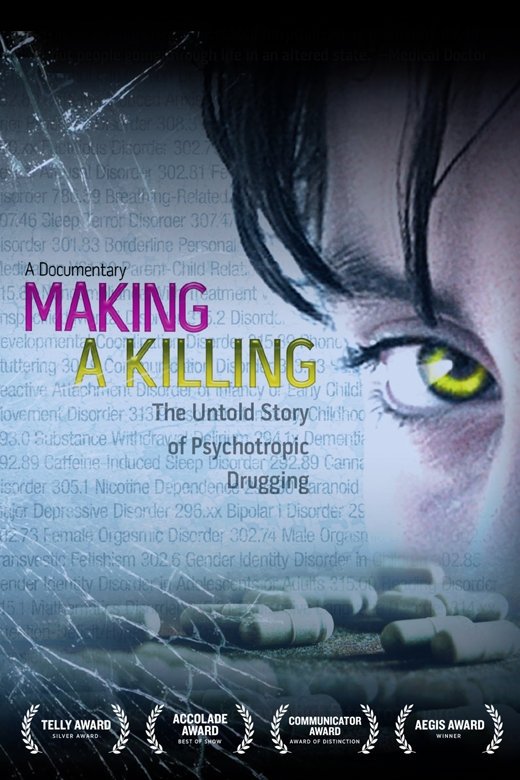
Psychotropic drugs. It’s the story of big money-drugs that fuel a $330 billion psychiatric industry, without a single cure. The cost in human terms is even greater-these drugs now kill an estimated 42,000 people every year. And the death count keeps rising. Containing more than 175 interviews with lawyers, mental health experts, the families of victims and the survivors themselves, this riveting documentary rips the mask off psychotropic drugging and exposes a brutal but well-entrenched money-making machine. Before these drugs were introduced in the market, people who had these conditions would not have been given any drugs at all. So it is the branding of a disease and it is the branding of a drug for a treatment of a disease that did not exist before the industry made the disease.
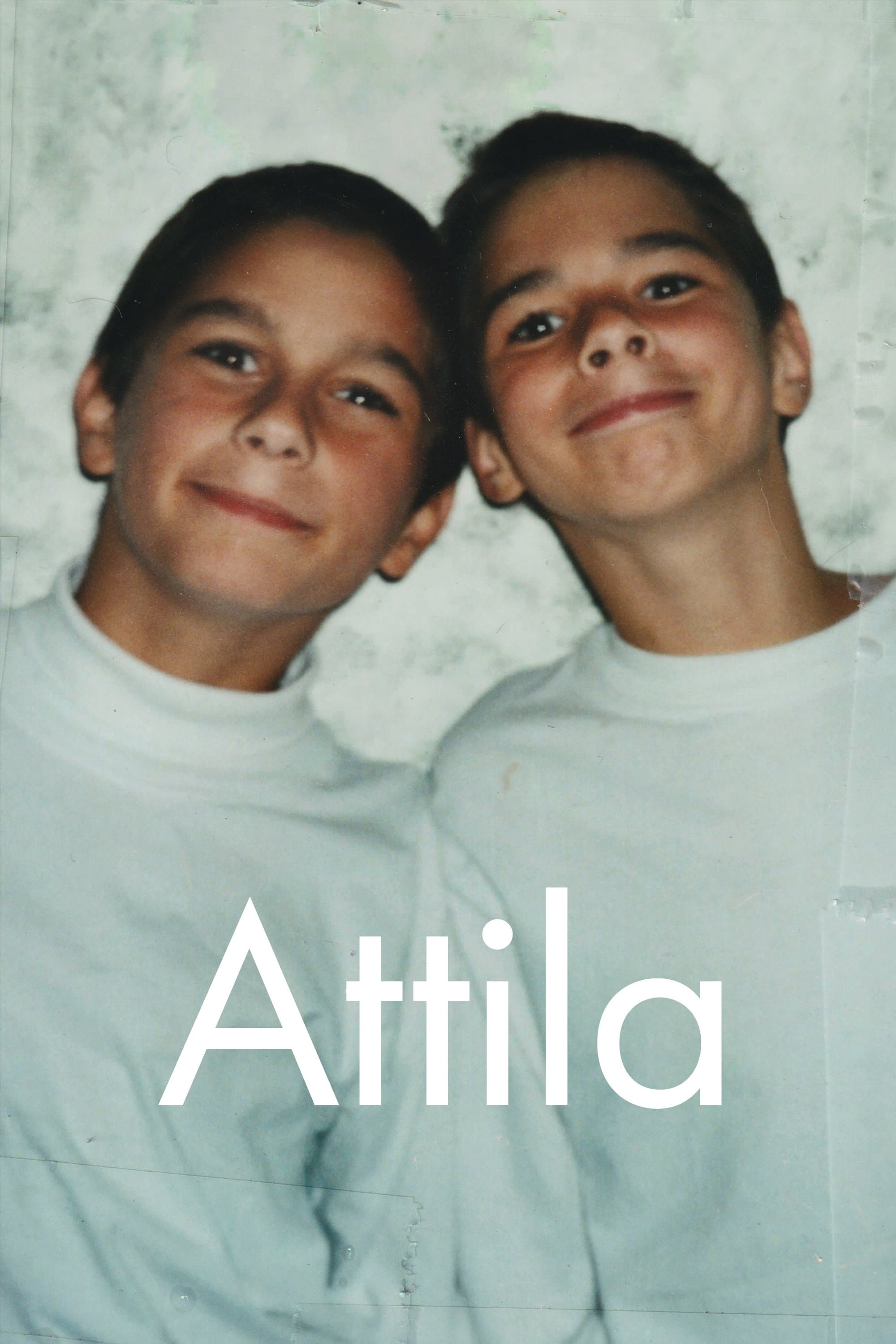
Filmmaker Stephen Hosier takes a journey with Richard Csanyi, his childhood friend, as he investigates the life and death of his twin brother Attila, who was found dead on a rooftop in 2020.
Artists in LA discover the work of forgotten Polish sculptor Stanislav Szukalski, a mad genius whose true story unfolds chapter by astounding chapter.
The life and career of an actor, artist, and icon. His own journey through his own camera.
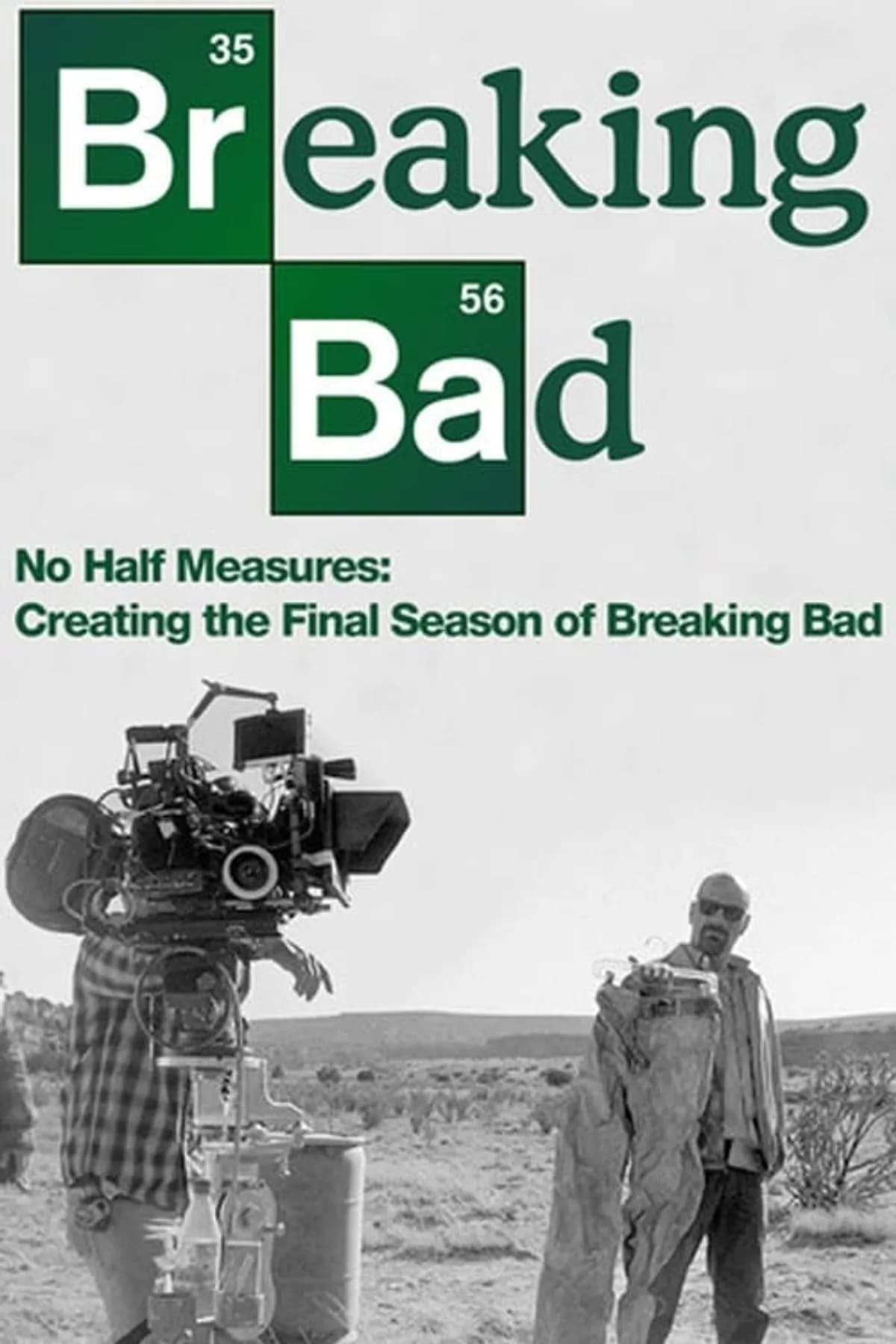
A documentary about the making of season five of the acclaimed AMC series Breaking Bad.
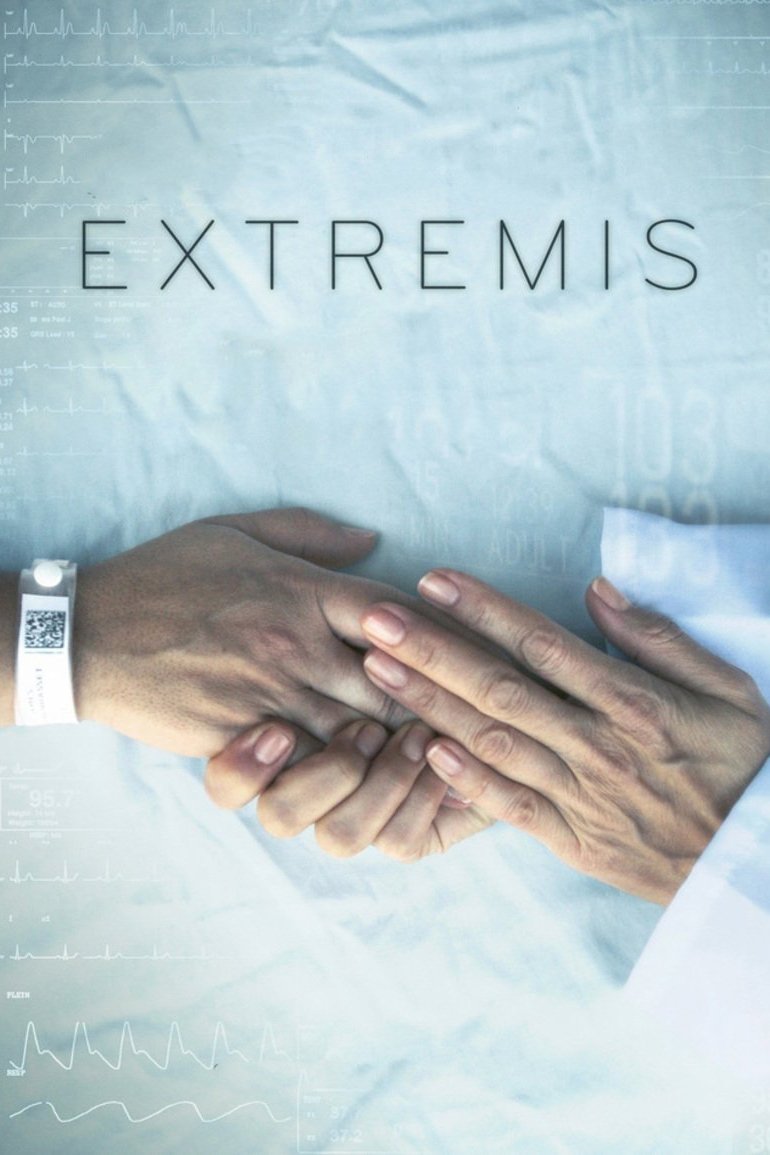
A purely observational non-fiction film that takes viewers into the ethically murky world of end-of-life decision making in a public hospital.
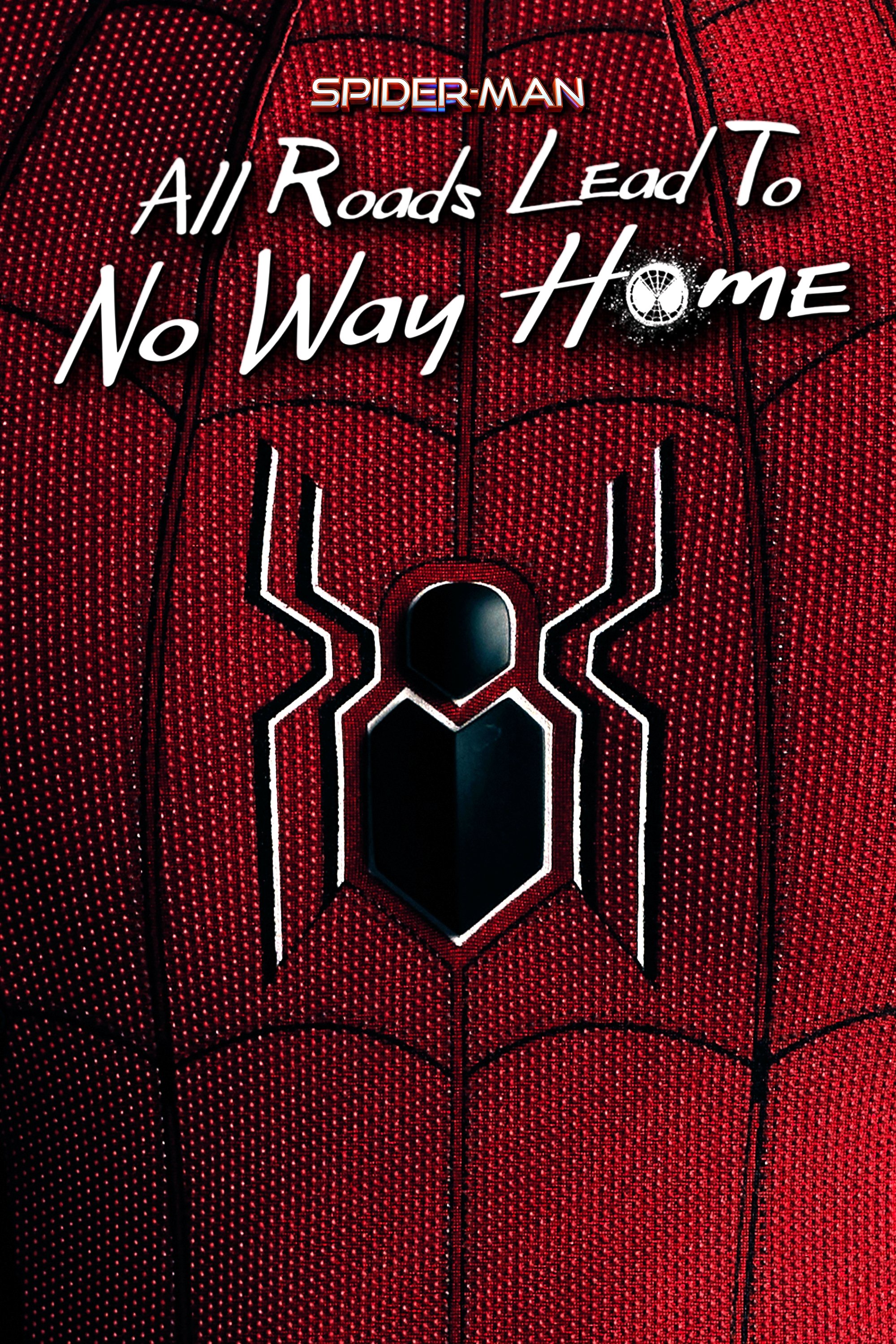
JB Smoove and Martin Starr host a celebration of 20 years of "Spider-Man" movies, from the Sam Raimi trilogy to Marc Webb's movies and the trio from Jon Watts.
The life and career of one of comedy's most inimitable modern voices, Mr. Gilbert Gottfried.
A documentary on the expletive's origin, why it offends some people so deeply, and what can be gained from its use.
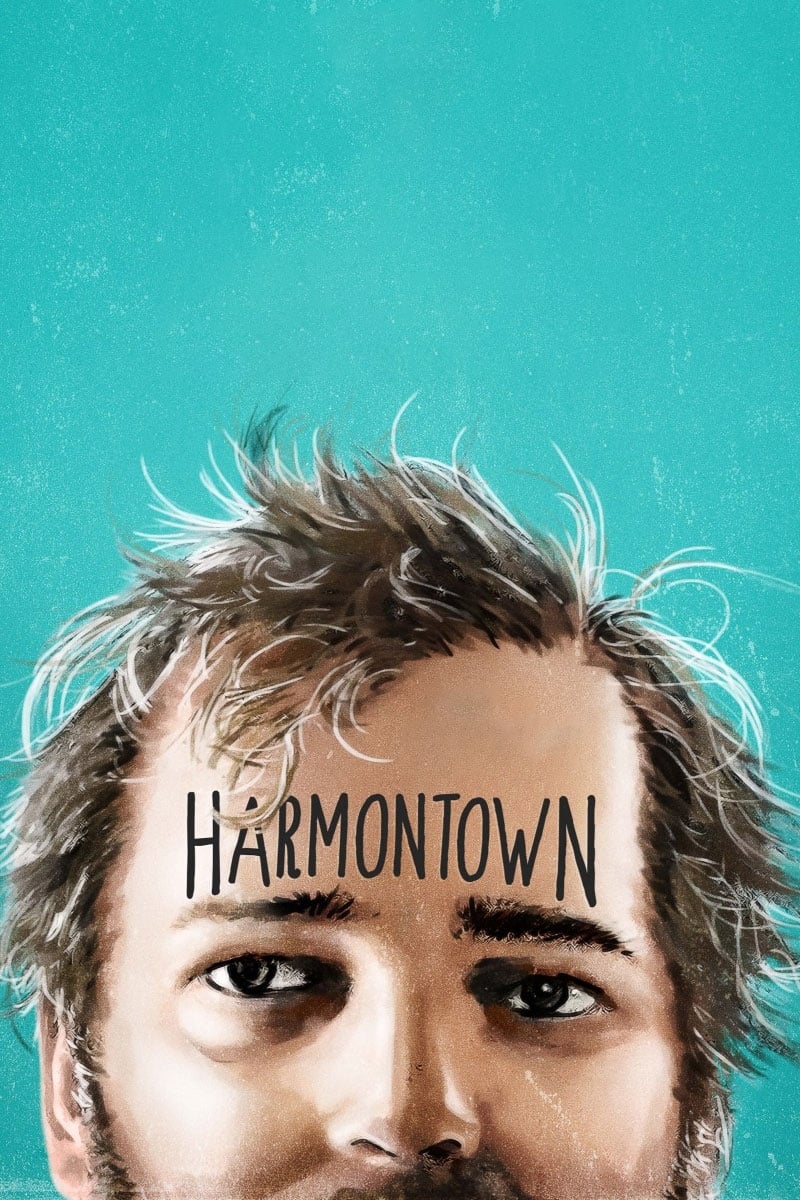
A comedic, brutally honest documentary following self-destructive TV writer Dan Harmon as he takes his live podcast on a national tour.
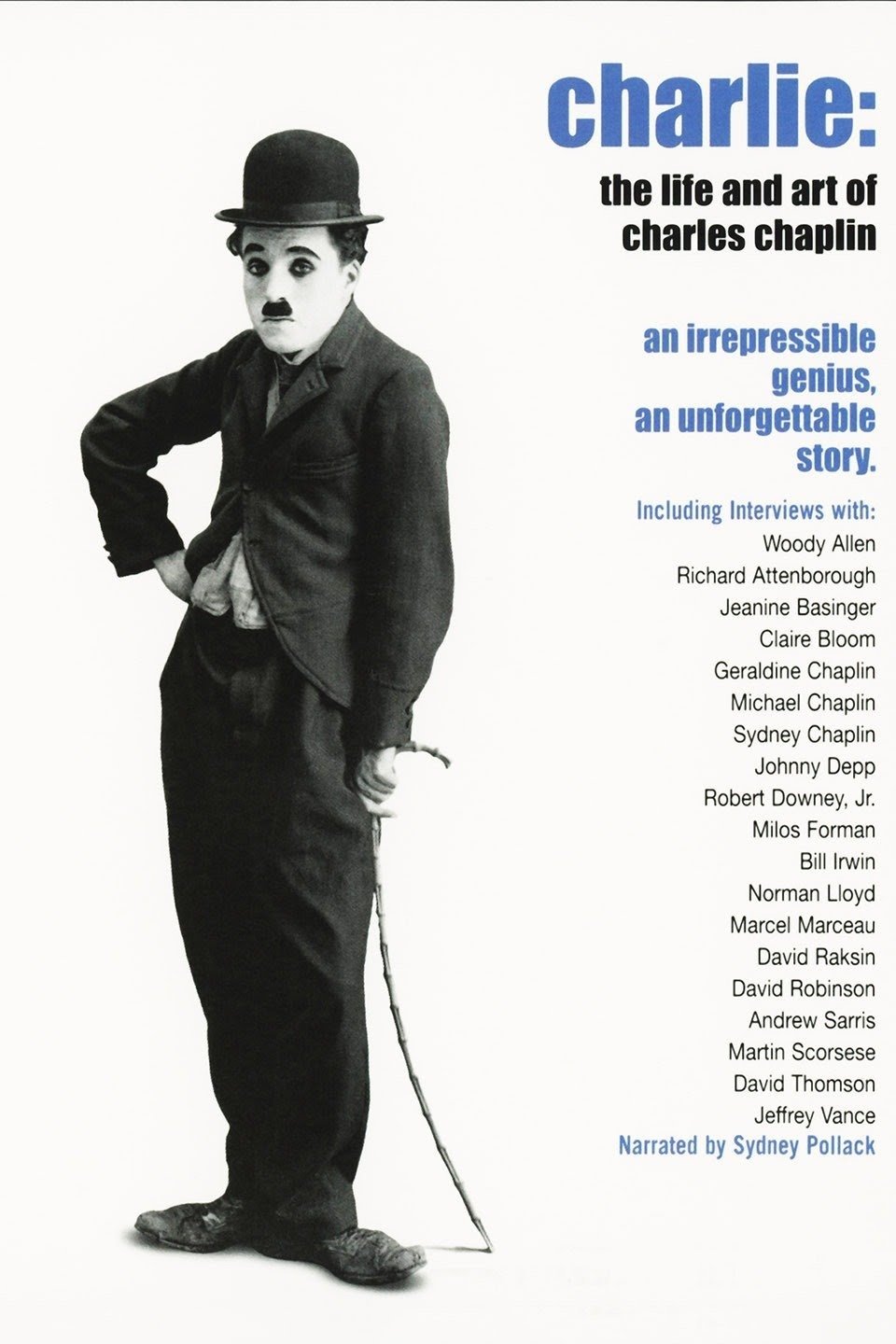
Brilliant, long in-the-works story of the life and art of the world's greatest comedian and the cinema's first genius, Charlie Chaplin. Produced, written and directed by renowned film critic Richard Schickel.
Those who knew iconic funnyman John Candy best share his story, in their own words, through never-before-seen archival footage, imagery, and interviews.
In this genre-bending tale, Errol Morris explores the mysterious death of a U.S. scientist entangled in a secret Cold War program known as MK-Ultra.
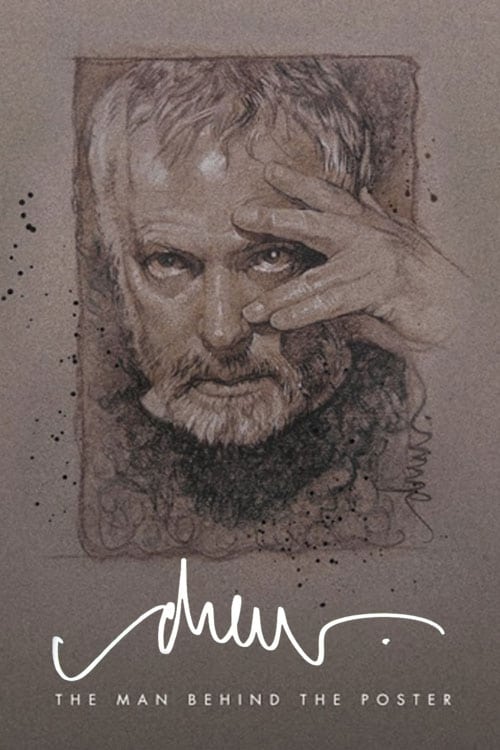
A documentary on legendary movie-poster artist Drew Struzan.
The life of Mr. Spock, as well as that of Leonard Nimoy, the actor who played him for almost fifty years, written and directed by his son: Adam.
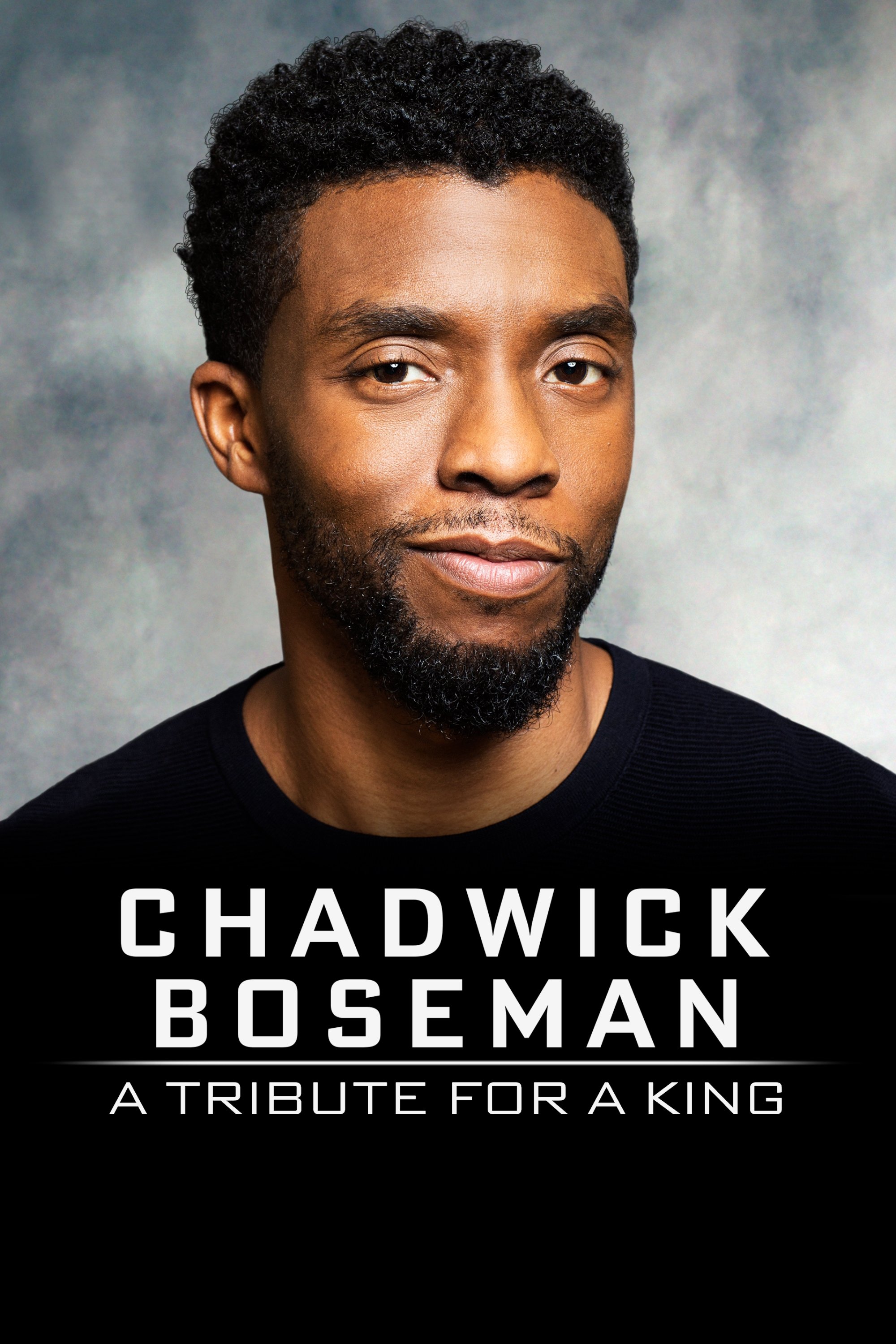
A tribute to Chadwick Boseman, celebrating his life and legacy.
From the heights of her modeling fame to her tragic death, this documentary reveals Anna Nicole Smith through the eyes of the people closest to her.
Behind-the-scenes documentary about how Lionel Messi succeeded in lifting the World Cup – the only trophy to have eluded him in an incredible career.
A candid look at rehearsal footage in support of a focus on pre-viz.
A visual montage portrait of our contemporary world dominated by globalized technology and violence.
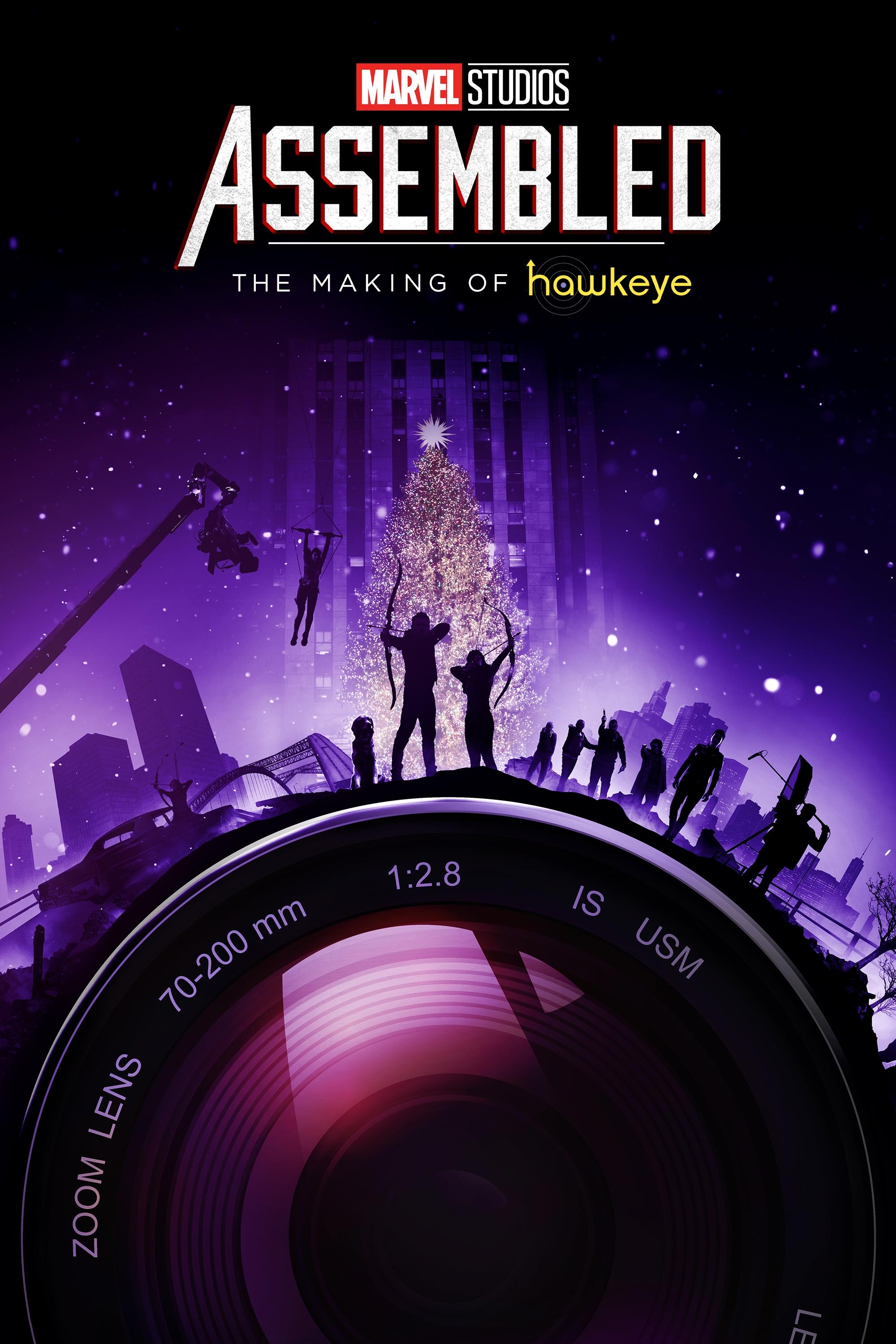
Join the likes of Jeremy Renner, Hailee Steinfeld, Florence Pugh, and Vincent D’Onofrio as they reveal how Marvel Studios’ “Hawkeye” was conceived and created. Witness firsthand what it took to pull off the show’s pulse-pounding action set pieces, and discover how iconic characters from the pages of Marvel Comics such as Kate Bishop were adapted and brought to life for the six-episode series.
Through deeply personal interviews with her siblings and an examination of the photographs, letters, and belongings left behind, Mariska assembles a new portrait of her mother Jayne Mansfield, an extraordinary and complex woman.