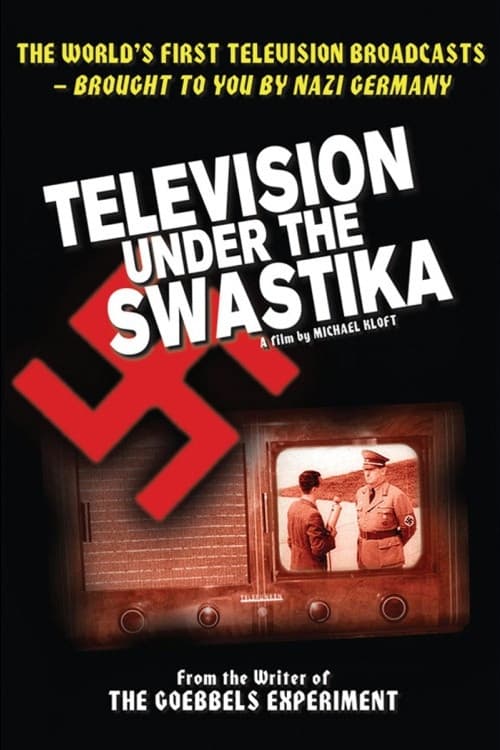
A history of Nazi television programming and technology, from 1935 to 1944.
Social & External
The people behind it
Peter Buchholz
Self - Narrator (voice)
The history and enduring legacy of one of the world's biggest and most influential radio stations.
This Shiver (ITV Studios) documentary reveals what happened behind-the-scenes on some of the most momentous breaking news events in our lifetime - as told by those caught up in the real-life drama, those in the newsrooms and those responsible for delivering these newsflashes into millions of people's homes. News stories covered include the death of Diana, Princess of Wales (1997); the assassination of President Kennedy in Dallas (1963); the coal-tip landslide in Aberfan (1966); the Lockerbie Air Disaster (1988); the terrorist attacks on the World Trade Center in New York (2001); the start of Operation Desert Storm during the Gulf War (1991); the dramatic end of the Iranian Embassy siege in London (1980); and the announcement of the death of the Queen Elizabeth, the Queen Mother (2002).
imagine... follows celebrated British TV writer Russell T Davies as he prepares to return as the showrunner of Doctor Who – with two Doctors and bigger ambitions.
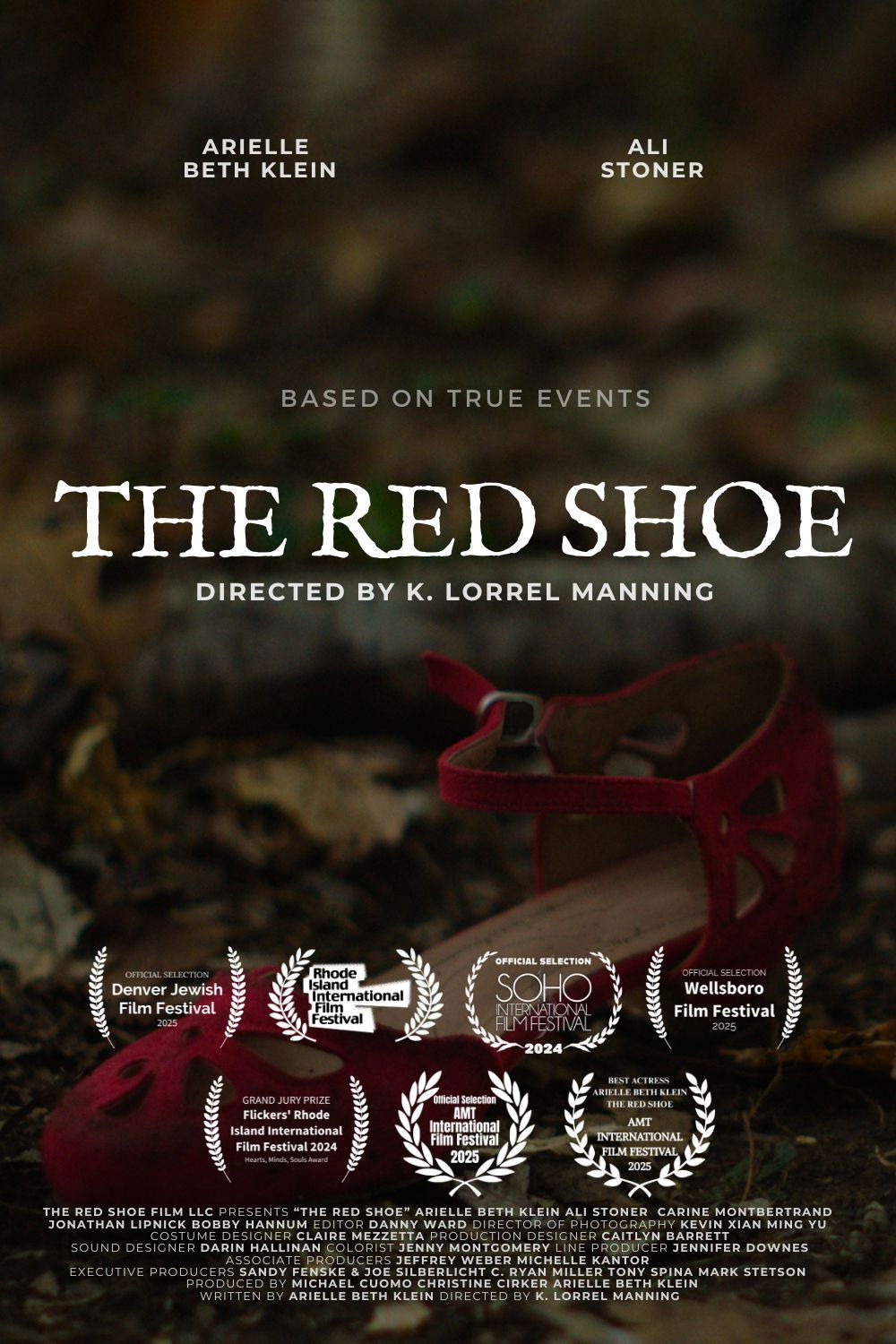
While fleeing their hometown during the Nazi invasion, Jewish teenagers Fanye and Rivkah are chased through the woods by an armed Nazi soldier and are forced to make life-and-death decisions.
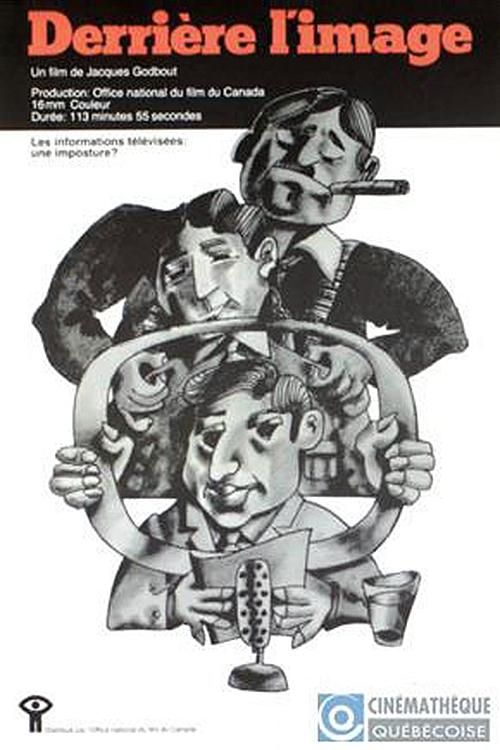
This feature-length documentary analyzes television newscasts and, as a result, takes a look at the news industry as a whole. By tackling five major themes – the script, the stars, the show, the actors and telecracy – it elucidates and demystifies certain aspects of television news, the bearer of daily news and guarantor of a certain image of reality.
Boston's V66 music video station came and went in the mid-1980s but in the 18 months on the air, it was one of the only over-the-air music video channels ever created. But even popular success didn't mean it was going to last...
During the 1972 Munich Olympics, an American sports broadcasting crew finds itself thrust into covering the hostage crisis involving Israeli athletes.
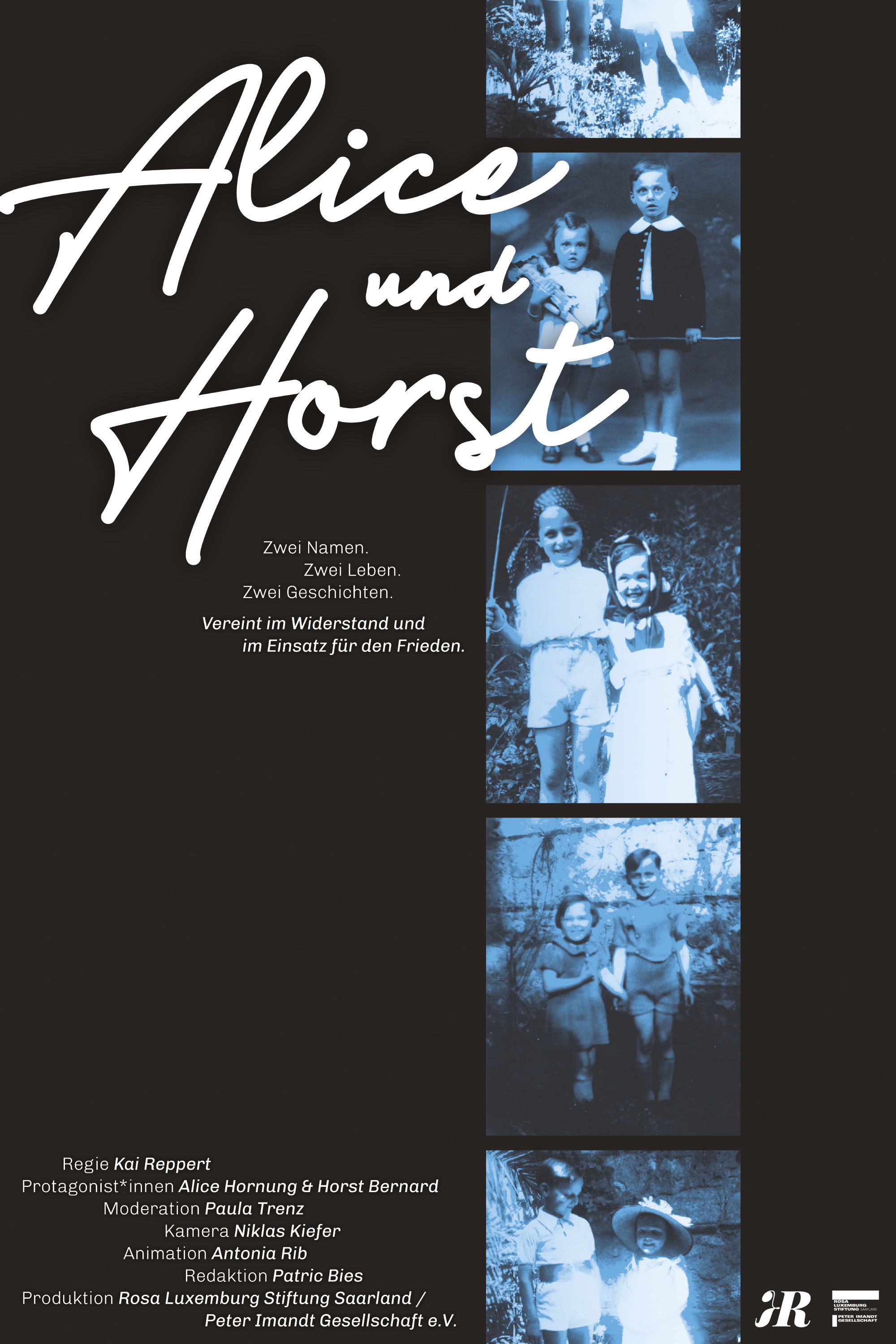
Alice and Horst paints a moving portrait of two siblings from Saarbrücken whose lives were shaped by their family’s antifascist resistance. As children, Alice Hornung and Horst Bernard were forced to flee from the Nazis into exile in France, where, despite constant danger, they also experienced great solidarity. After their return they continued their parents’ political commitment: against fascism, for peace and disarmament. The film combines personal memories with rare archival footage and portrays two individuals who, well into old age, remain unwavering in their commitment to justice and remembrance.
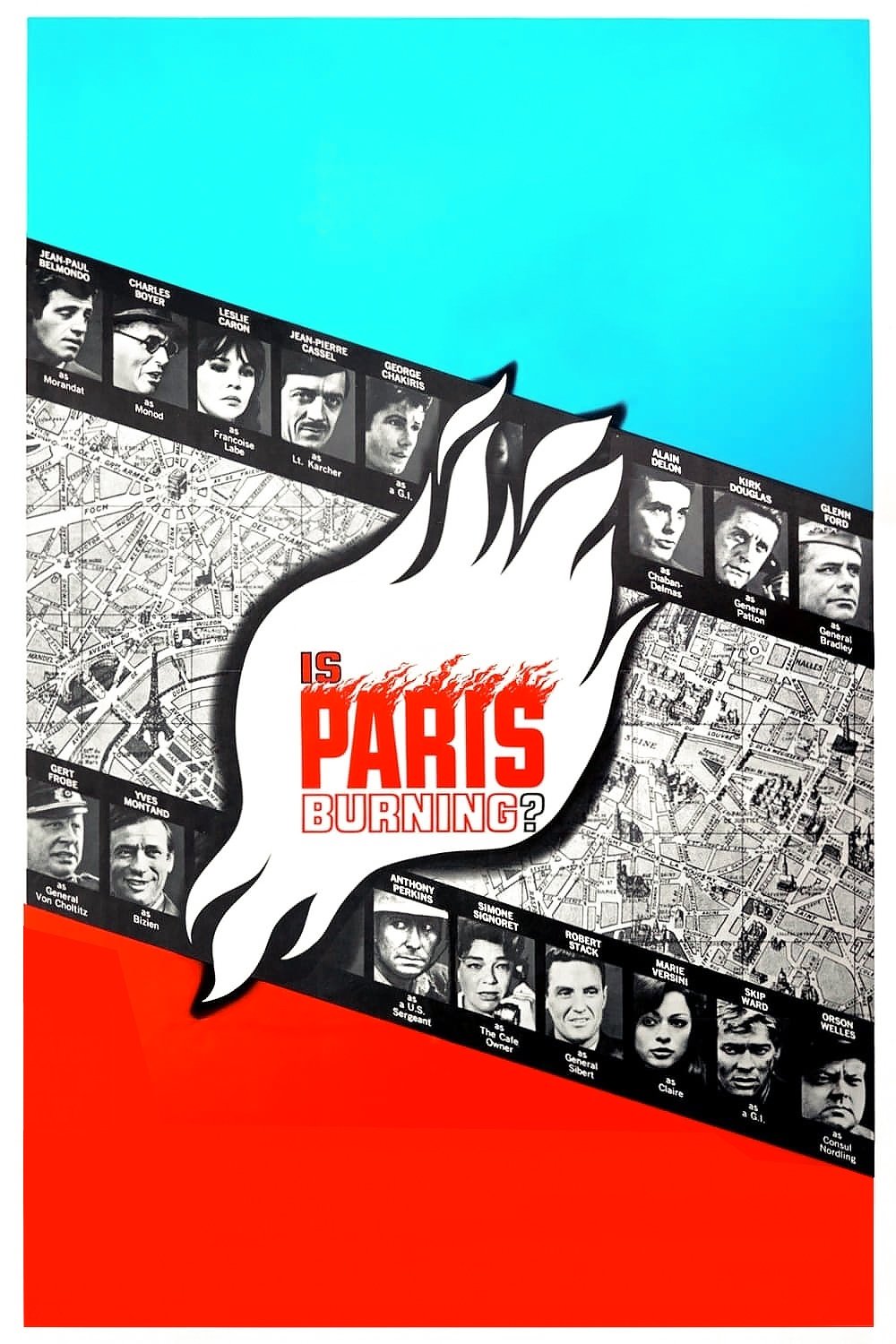
Near the end of World War II, General Dietrich von Choltitz receives orders to burn down Paris if it becomes clear the Allies are going to invade, or if he's unable to maintain control of the city. After much contemplation, Choltitz ignores orders, enraging the Germans and giving hope to various resistance factions that the city will be liberated. Choltitz, alongside Swedish diplomat Raoul Nordling, helps a leader organise his forces.
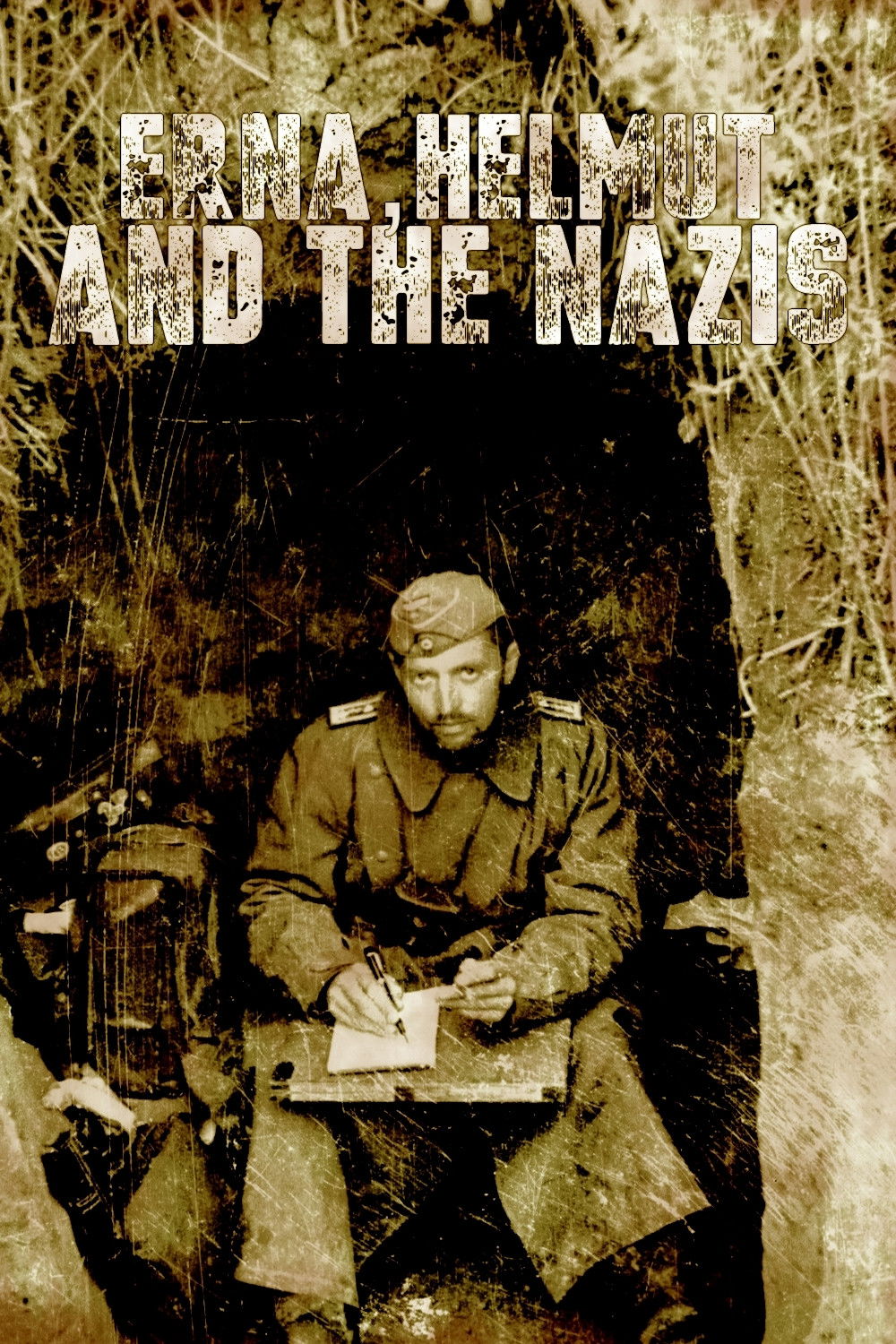
Germany, 1929. Helmut Machemer and Erna Schwalbe fall madly in love and marry in 1932. Everything indicates that a bright future awaits them; but then, in 1933, Adolf Hitler and the Nazi Party rise to power and their lives are suddenly put in danger because of Erna's Jewish ancestry.
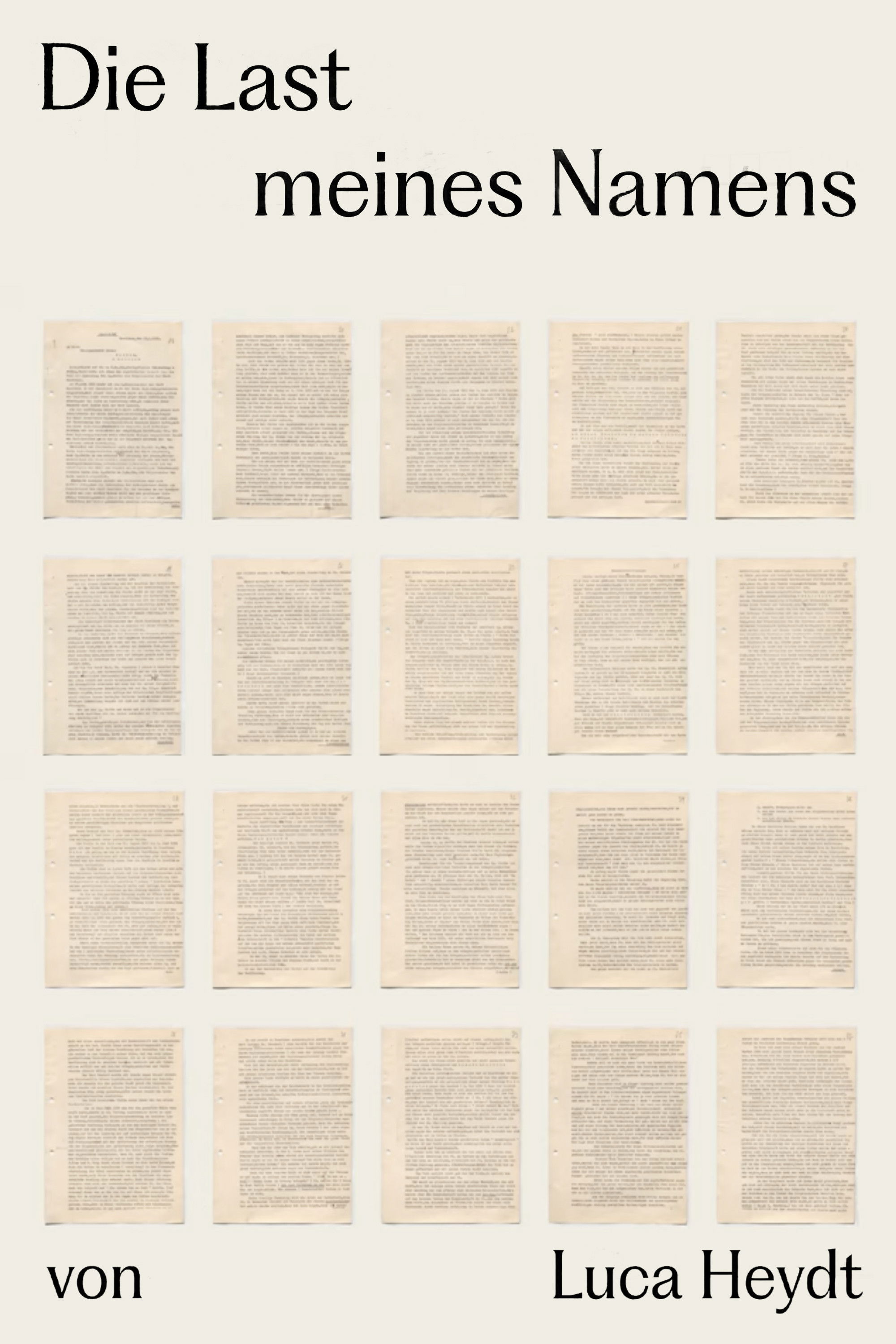
2-channel film installation 'Die Last meines Namens', wherein Heydt deals with an unpleasant part of his own family history. Heydt’s great-grandfather was a member of the NSDAP and mayor of the small town of Haselünne in Emsland for almost 10 years during the Third Reich. Based on interviews with his grandfather and research in various archives, Heydt develops a personal perspective on the subject. The film deals with how we construct identity from oral retellings, how we process family histories, and how we can find current and personal points of access to German remembrance culture. At the heart of the work are two conversations with his grandfather Heinrich Heydt, recorded at different points in the research process. In them, the grandfather describes his memories of his father, the time, and the two reflect on the subject and the results of the research.
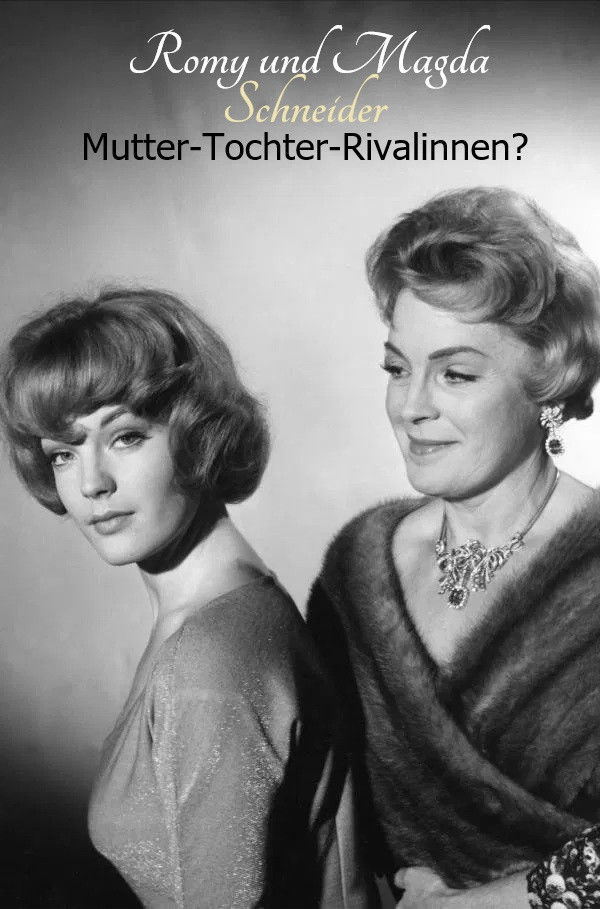
New light is shed on the complex relationship between Romy Schneider and her mother Magda, a German film star of the 1930s admired by Hitler - who welcomed her and her daughter to his chalet in Berchtesgaden.
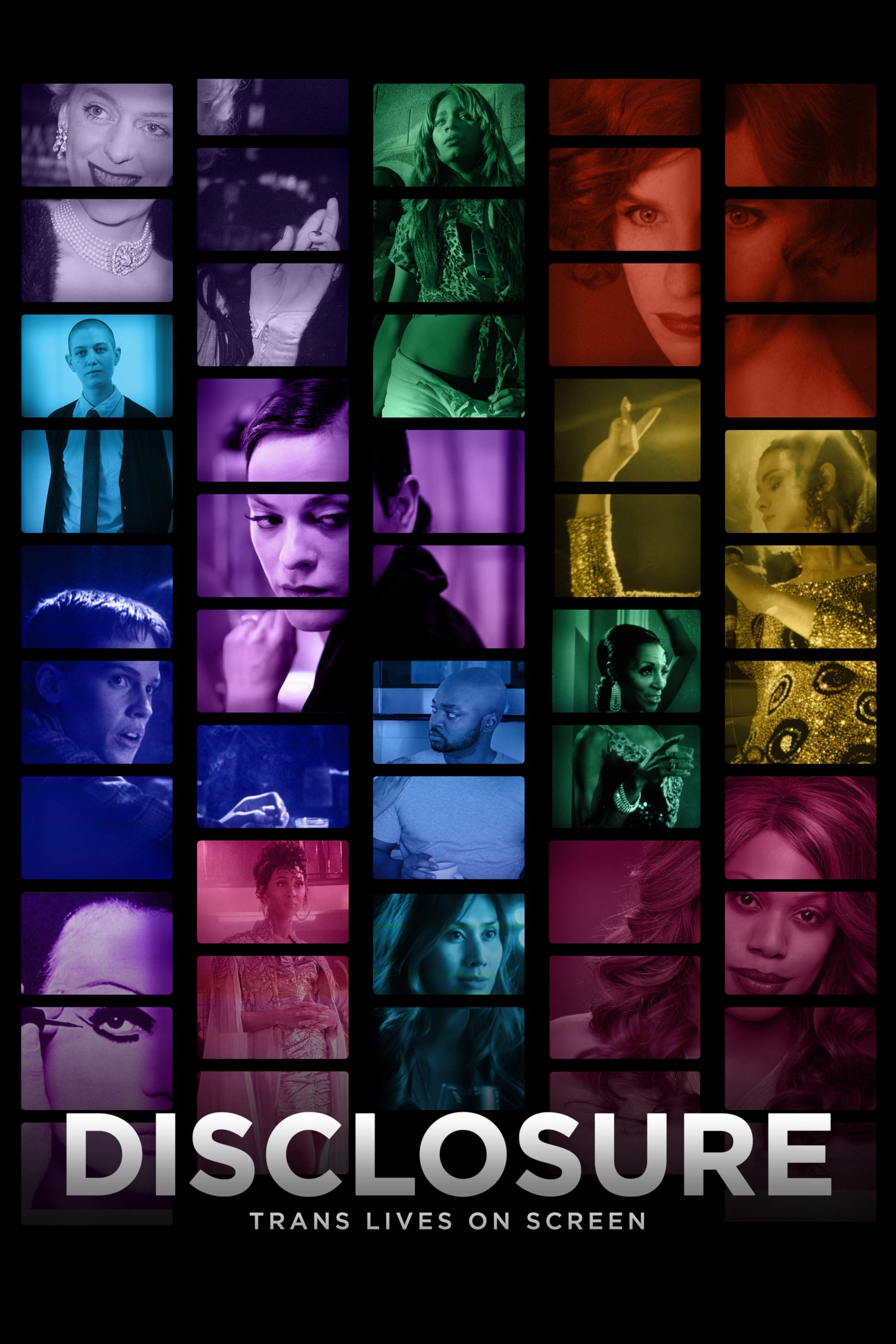
An investigation of how Hollywood's fabled stories have deeply influenced how Americans feel about transgender people, and how transgender people have been taught to feel about themselves.
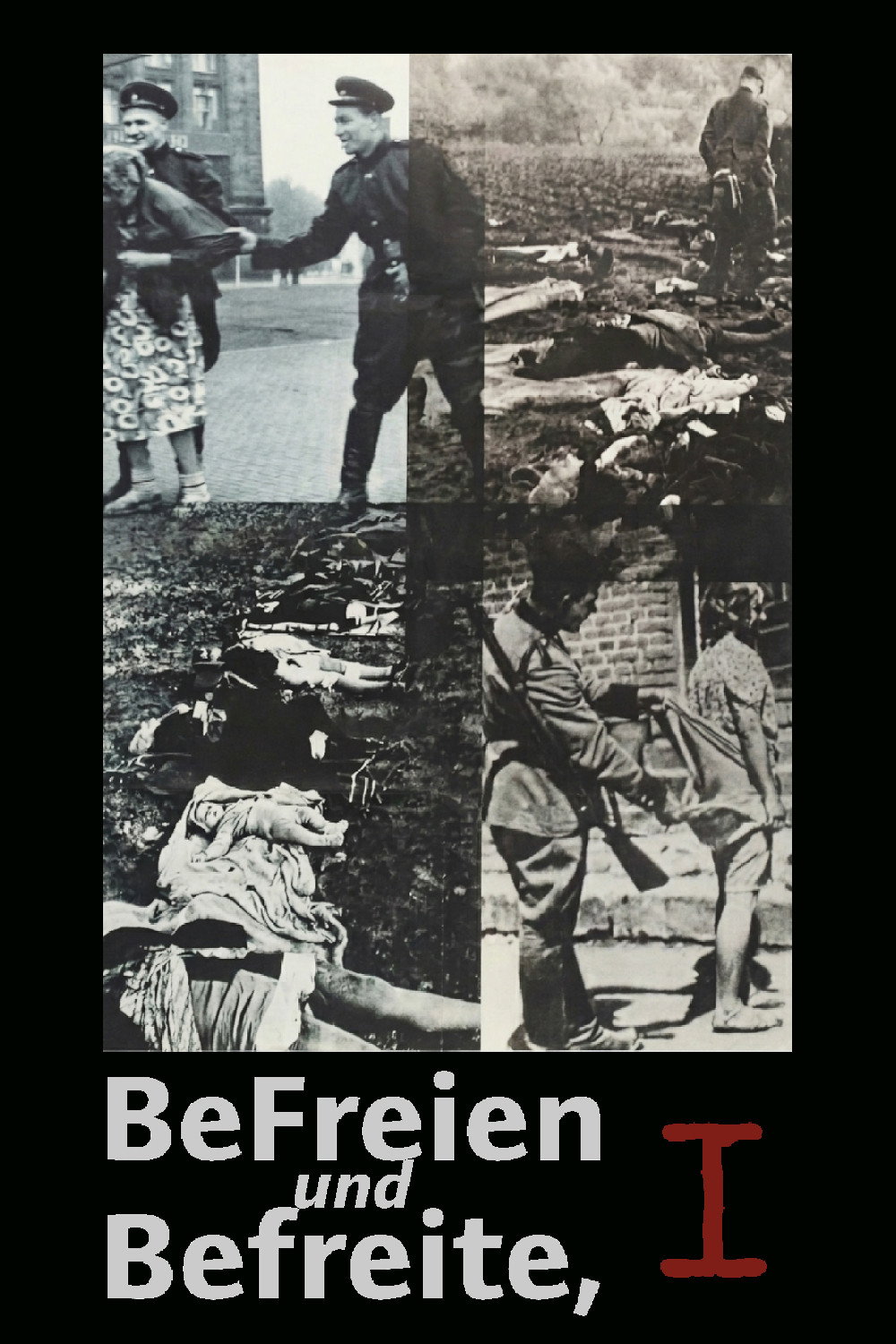
Based on years of research into the mass rapes committed by the Red Army at the end of the Second World War. In the first part of the documentary Helke Sander interviews multiple German women who were raped in Berlin by Soviet soldiers in May 1945. Most women never spoke of their experience to anyone, after 46 years of silence they talk for the first time publicly about their violent experiences that have left such a mark.
One day in the life of television is a documentary that was broadcast on ITV on 1 November 1989. Filmed by over fifty crews exactly one year earlier, it was a huge behind-the-scenes look at a wide range of activities involved in the production, reception and marketing of British television. The project was organised by the British Film Institute and produced and directed for television by Peter Kosminsky. A book by Sean Day-Lewis was published to accompany the documentary. It contained the thoughts of people throughout Britain, including industry professionals, who recorded their feelings and experiences of television viewing on 1 November 1988, the day that the documentary was filmed.
Using testimonies by pioneers and witnesses of the times, delve into the feverish visual culture the media generated – with far-fetched examples of canine television games, seduction manuals, aerobics class while holding a baby, among others.
A keen chronicle of the unlikely rise to power of Adolf Hitler (1889-1945) and a dissection of the Third Reich (1933-1945), but also an analysis of mass psychology and how the desperate crowd can be deceived and shepherded to the slaughterhouse.
Explores Leni Riefenstahl's artistic legacy and her complex ties to the Nazi regime, juxtaposing her self-portrayal with evidence suggesting awareness of the regime's atrocities.
The history of cinematic sound, told by legendary sound designers and visionary filmmakers.
A showcase of German chancellor and Nazi Party leader Adolf Hitler at the 1934 Nuremberg Rally.
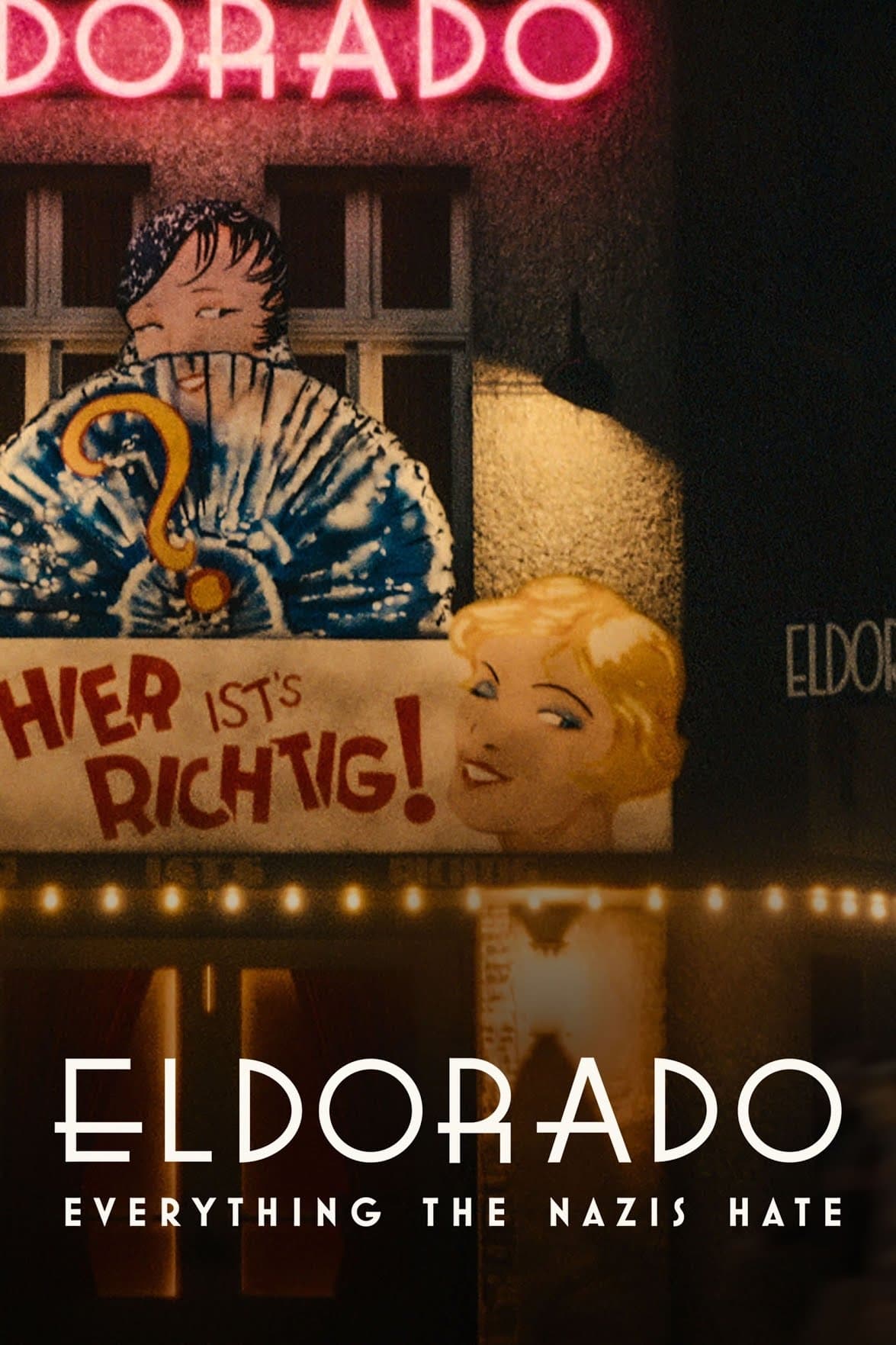
A glittery nightclub in 1920s Berlin becomes a haven for the queer community in this documentary exploring the freedoms lost amid Hitler’s rise to power.
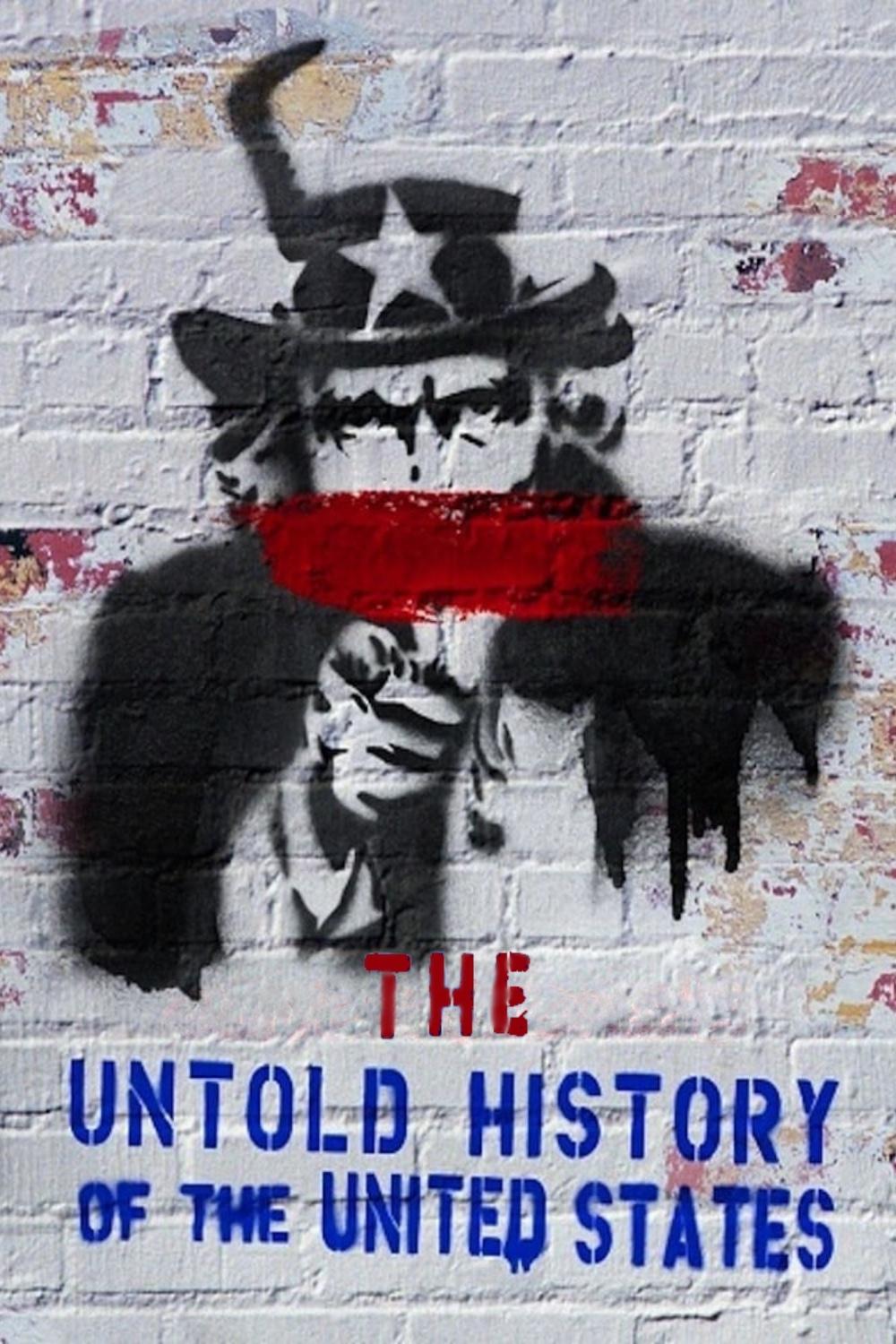
Oliver Stone charts the history of the United States from the Second World War to the present.
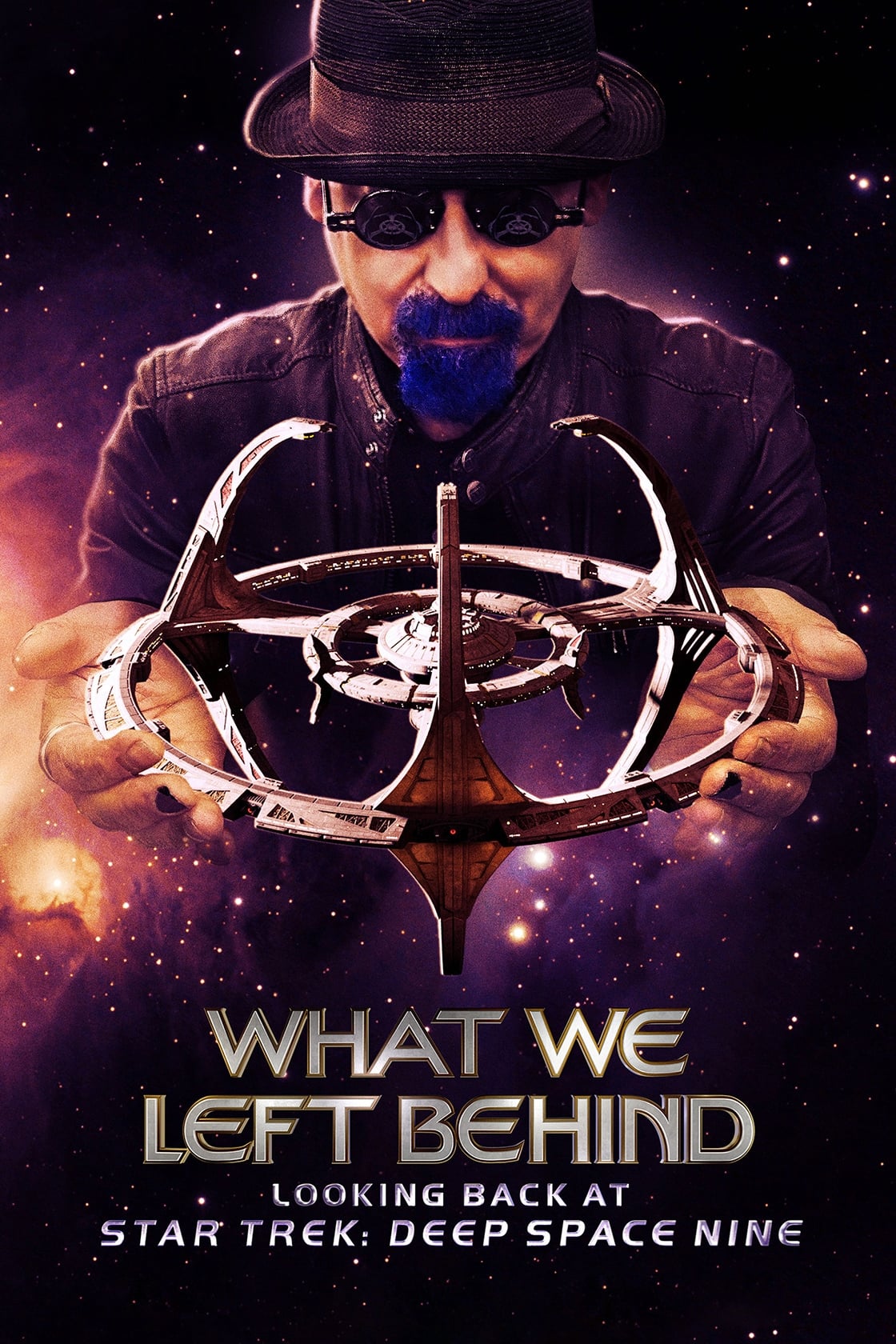
A documentary exploring the legacy of Star Trek: Deep Space Nine, the reasons it went from the black sheep of Star Trek to a beloved mainstay of the franchise, and a brainstorm with the original writers on what a theoretical eighth season of the show could look like.
“The Soviet Story” is a story of an Allied power, which helped the Nazis to fight Jews and which slaughtered its own people on an industrial scale. Assisted by the West, this power triumphed on May 9th, 1945. Its crimes were made taboo, and the complete story of Europe’s most murderous regime has never been told. Until now...
A documentary about the legendary series of nationally televised debates in 1968 between two great public intellectuals, the liberal Gore Vidal and the conservative William F. Buckley Jr. Intended as commentary on the issues of their day, these vitriolic and explosive encounters came to define the modern era of public discourse in the media, marking the big bang moment of our contemporary media landscape when spectacle trumped content and argument replaced substance. Best of Enemies delves into the entangled biographies of these two great thinkers, and luxuriates in the language and the theater of their debates, begging the question, "What has television done to the way we discuss politics in our democracy today?"
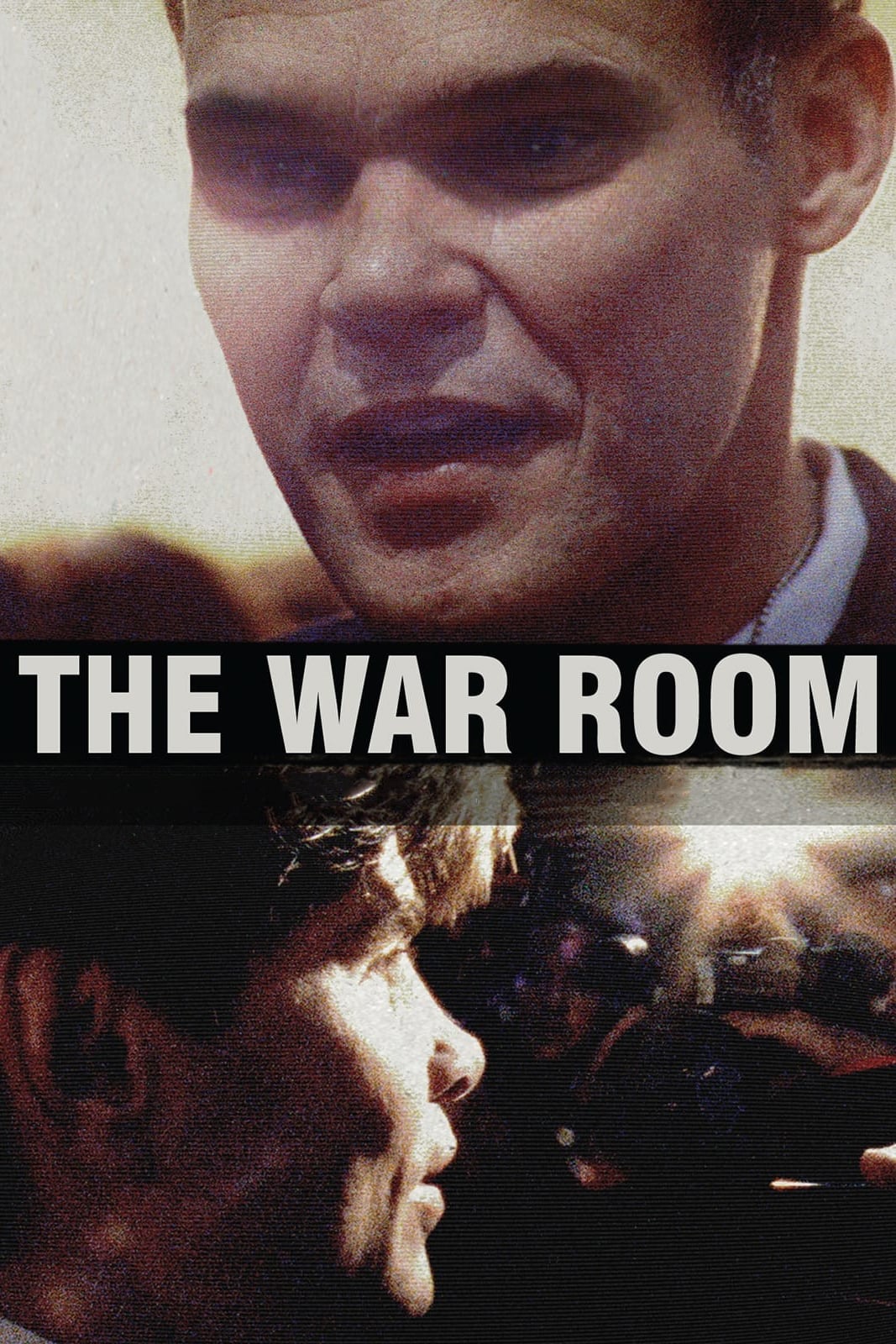
A behind-the-scenes documentary about the Clinton for President campaign, focusing on the adventures of spin doctors James Carville and George Stephanopoulos.
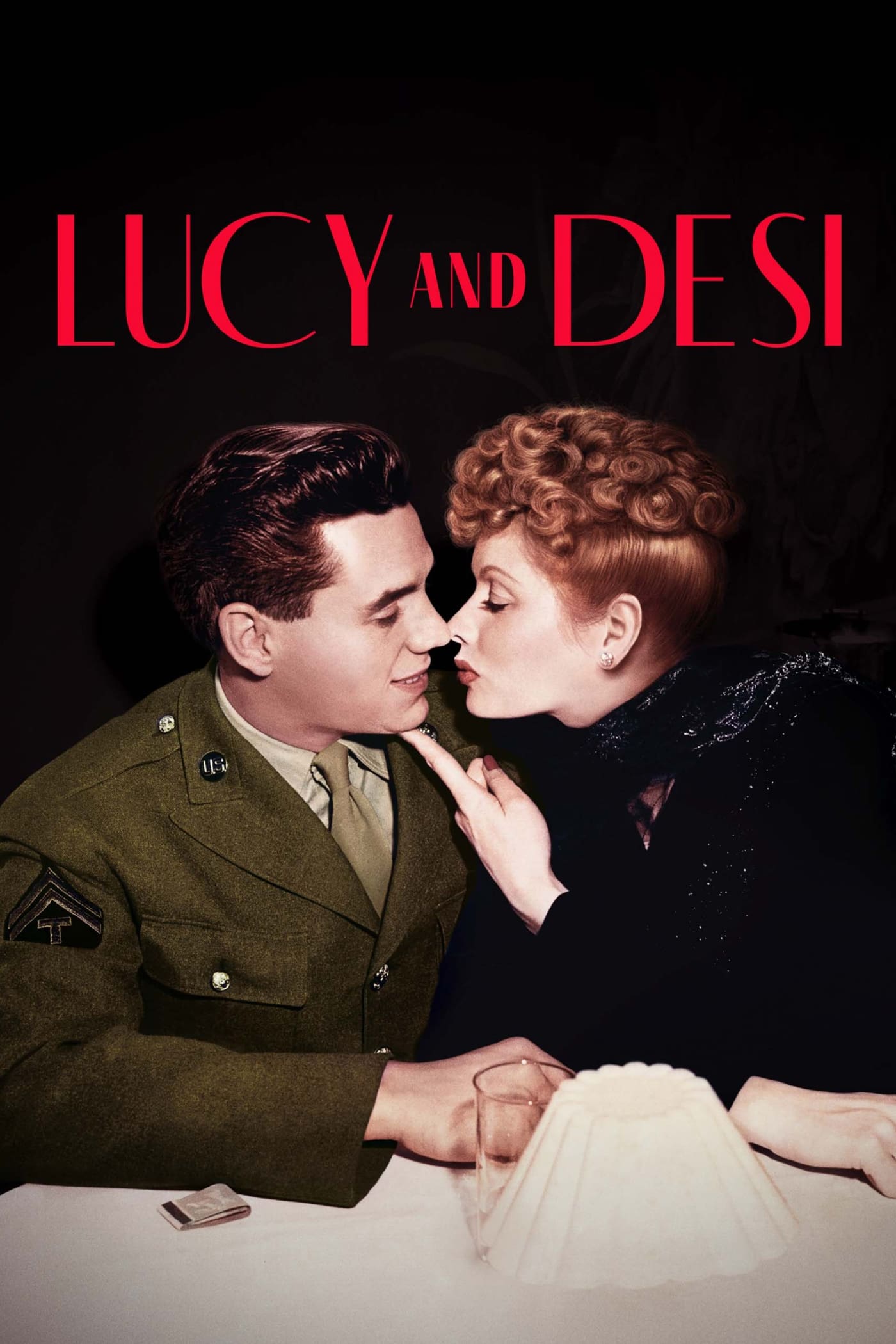
Explore the unlikely partnership and enduring legacy of one of the most prolific power couples in entertainment history. Lucille Ball and Desi Arnaz risked everything to be together.
A documentary examining possible historical and modern conspiracies surrounding Christianity, the 9/11 terrorist attacks, and the Federal Reserve bank.
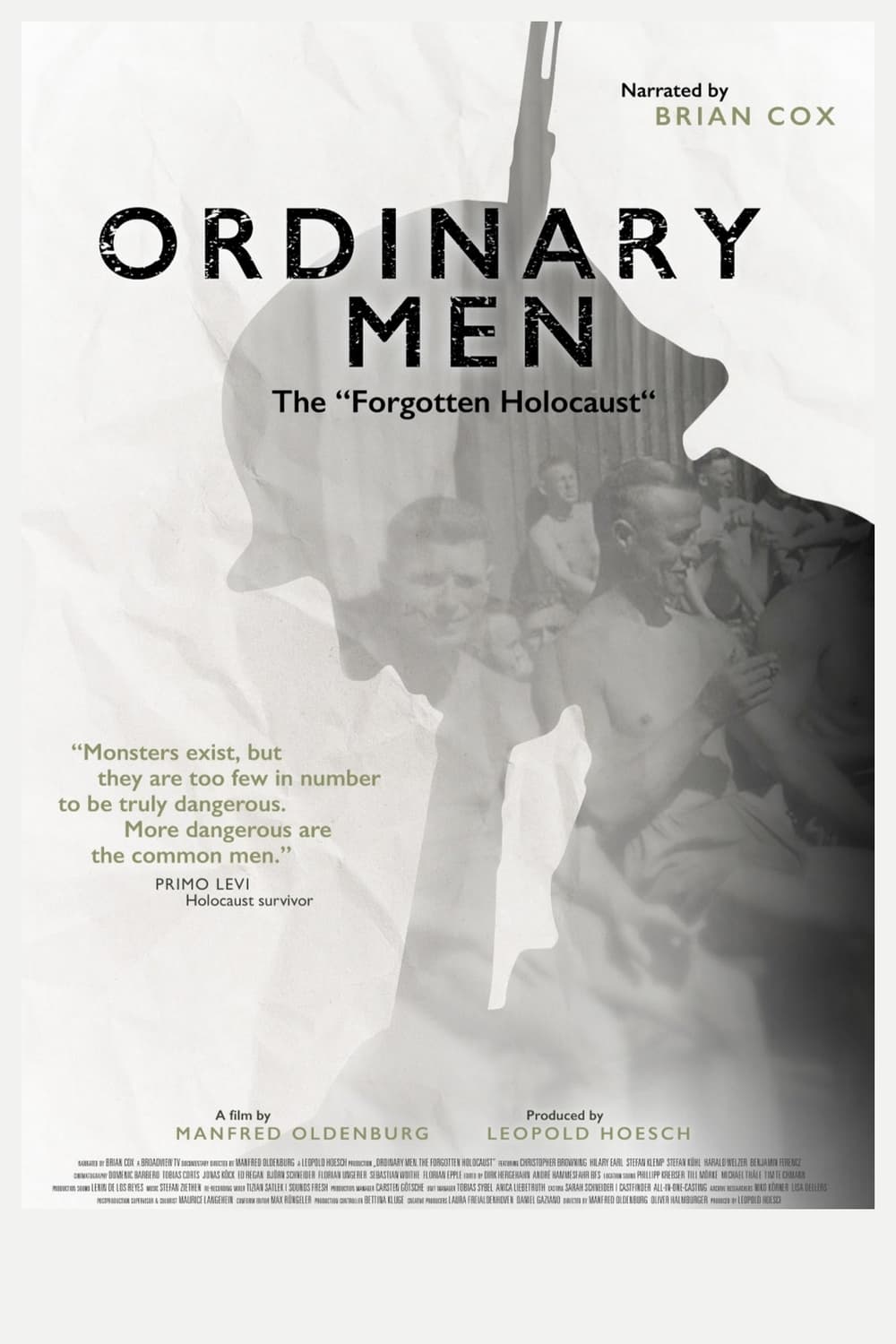
Six million Jews died during World War II, both in the extermination camps and murdered by the mobile commandos of the Einsatzgruppen and police battalions, whose members shot men, women and children, day after day, obediently, as if it were a normal job, a fact that is hardly known today. Who were these men and how could they commit such crimes?
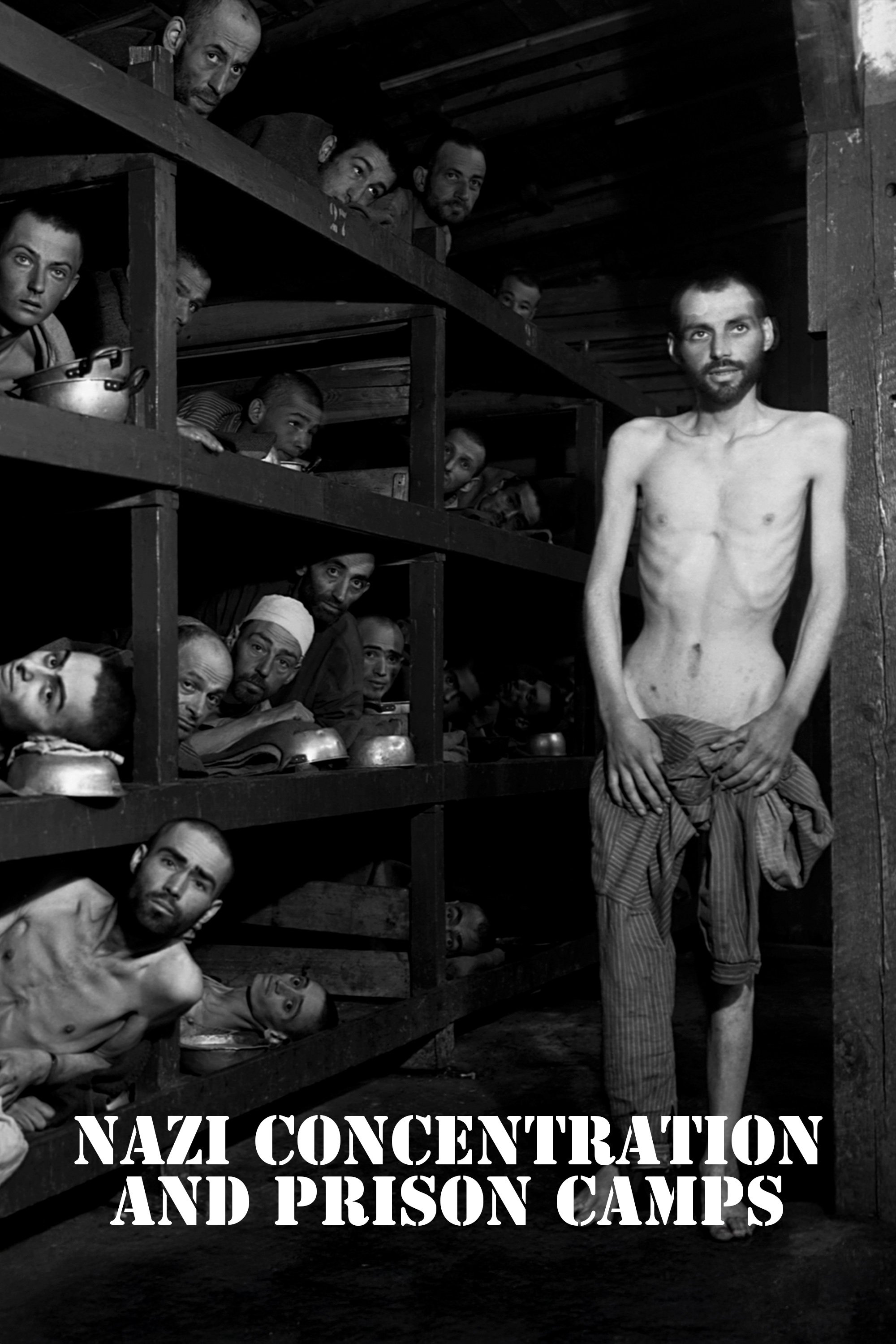
Produced and presented as evidence at the Nuremberg war crimes trial of Hermann Göring and twenty other Nazi leaders, this film consists primarily of dead and surviving prisoners and of facilities used to kill and torture during the World War II.
Alexander McQueen's rags-to-riches story is a modern-day fairy tale, laced with the gothic. Mirroring the savage beauty, boldness and vivacity of his design, this documentary is an intimate revelation of McQueen's own world, both tortured and inspired, which celebrates a radical and mesmerizing genius of profound influence.
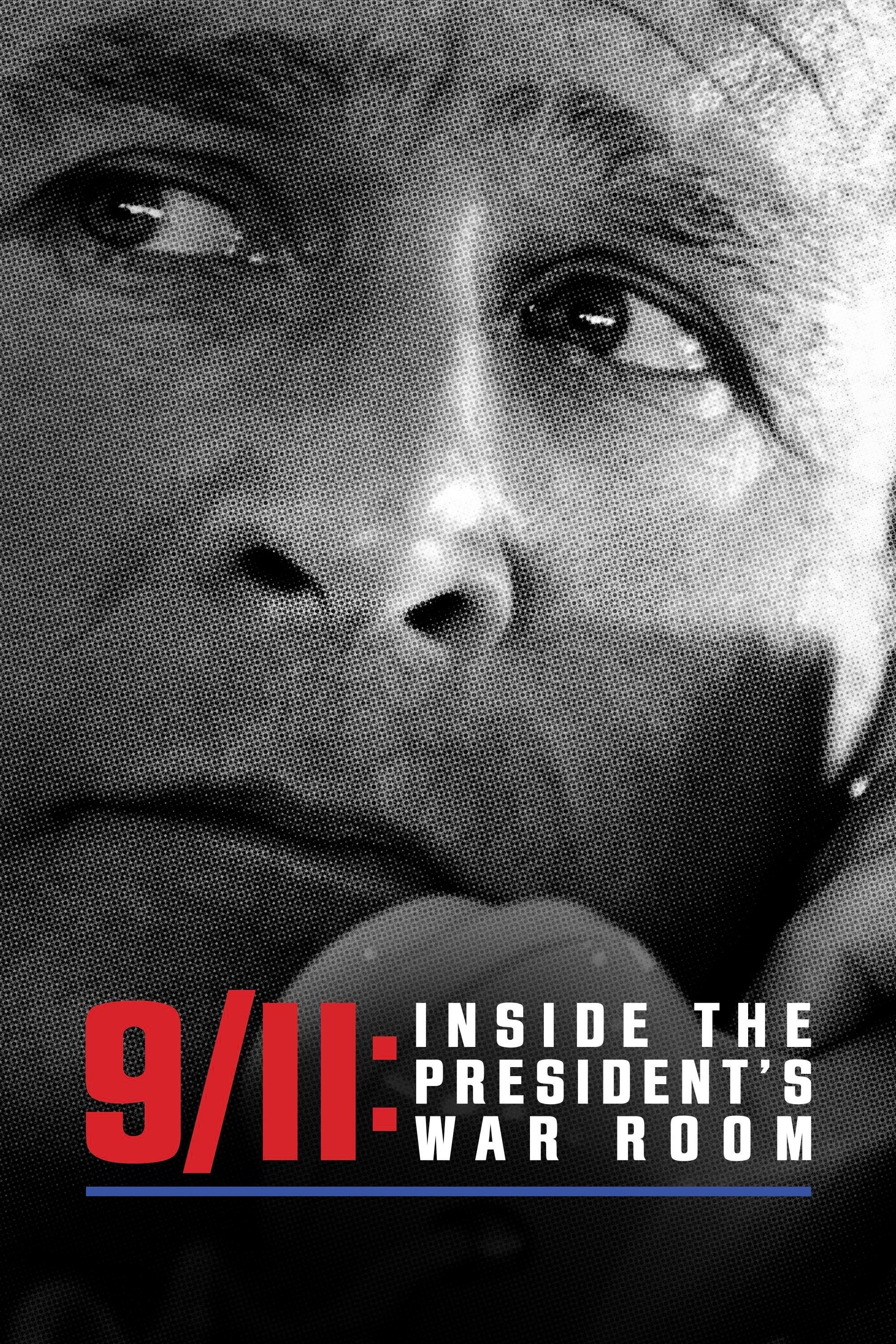
Experience the events of September 11, 2001 through the eyes of President Bush and his closest advisors as they personally detail the crucial hours and key decisions from that historic day.
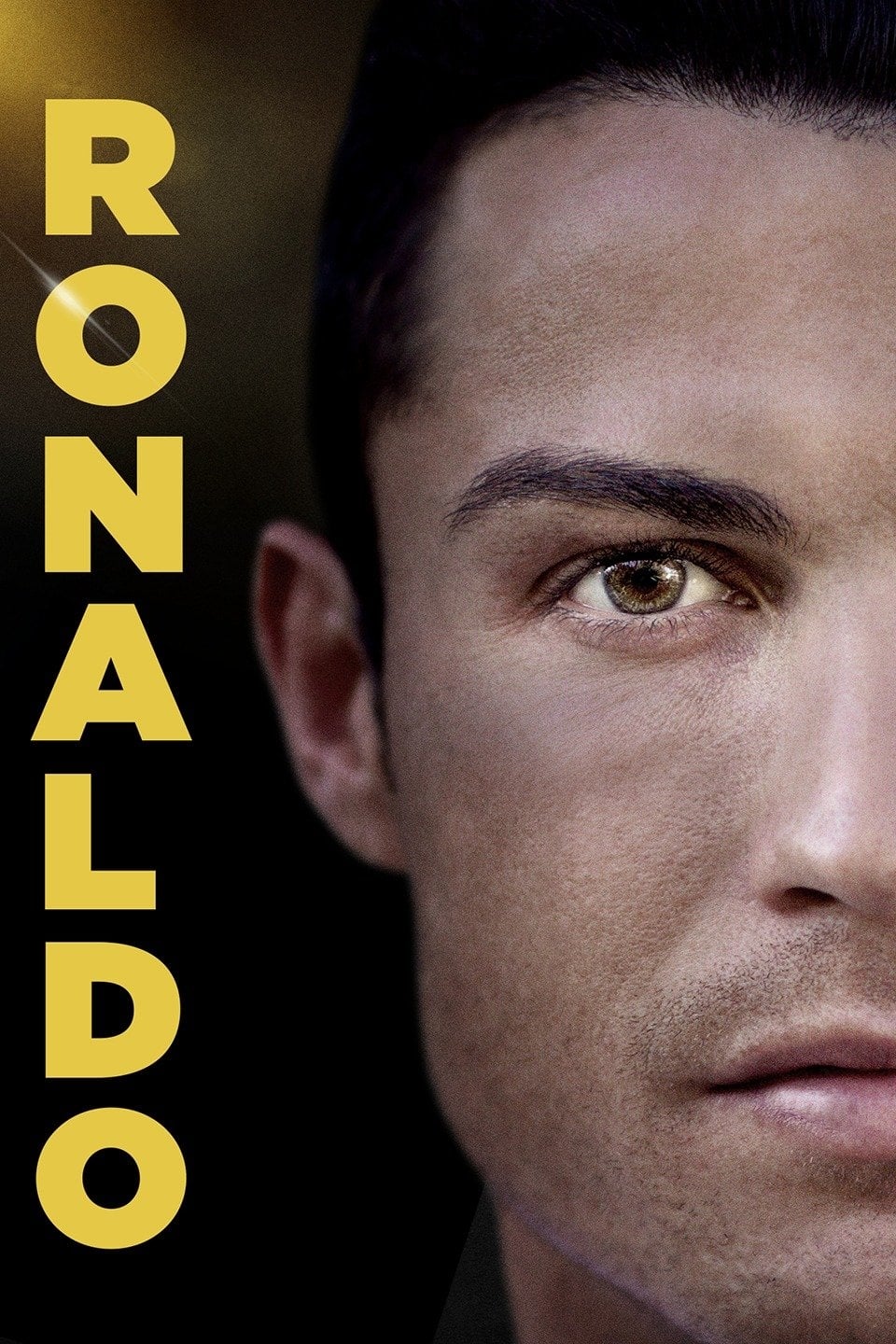
Filmed over 14 months with unprecedented access into the inner circle of the man and the sport, this is the first official and fully authorised film of one of the most celebrated figures in football. For the first time ever, the world gets vividly candid and un-paralleled, behind-closed-doors access to the footballer, father, family-man and friend in this moving & fascinating documentary. Through in-depth conversations, state of the art football footage and never before seen archival footage, the film gives an astonishing insight into the sporting and personal life of triple Ballon D'Or winner Cristiano Ronaldo at the peak of his career. From the makers of ‘Senna’ and ‘Amy’, Ronaldo takes audiences on an intimate and revealing journey of what it’s like to live as an iconic athlete in the eye of the storm.
When Allied forces liberated the Nazi concentration camps in 1944-45, their terrible discoveries were recorded by army and newsreel cameramen, revealing for the first time the full horror of what had happened. Making use of British, Soviet and American footage, the Ministry of Information’s Sidney Bernstein (later founder of Granada Television) aimed to create a documentary that would provide lasting, undeniable evidence of the Nazis’ unspeakable crimes. He commissioned a wealth of British talent, including editor Stewart McAllister, writer and future cabinet minister Richard Crossman – and, as treatment advisor, his friend Alfred Hitchcock. Yet, despite initial support from the British and US Governments, the film was shelved, and only now, 70 years on, has it been restored and completed by Imperial War Museums under its original title "German Concentration Camps Factual Survey".
"Trinity and Beyond" is an unsettling yet visually fascinating documentary presenting the history of nuclear weapons development and testing between 1945-1963. Narrated by William Shatner and featuring an original score performed by the Moscow Symphony Orchestra, this award-winning documentary reveals previously unreleased and classified government footage from several countries.
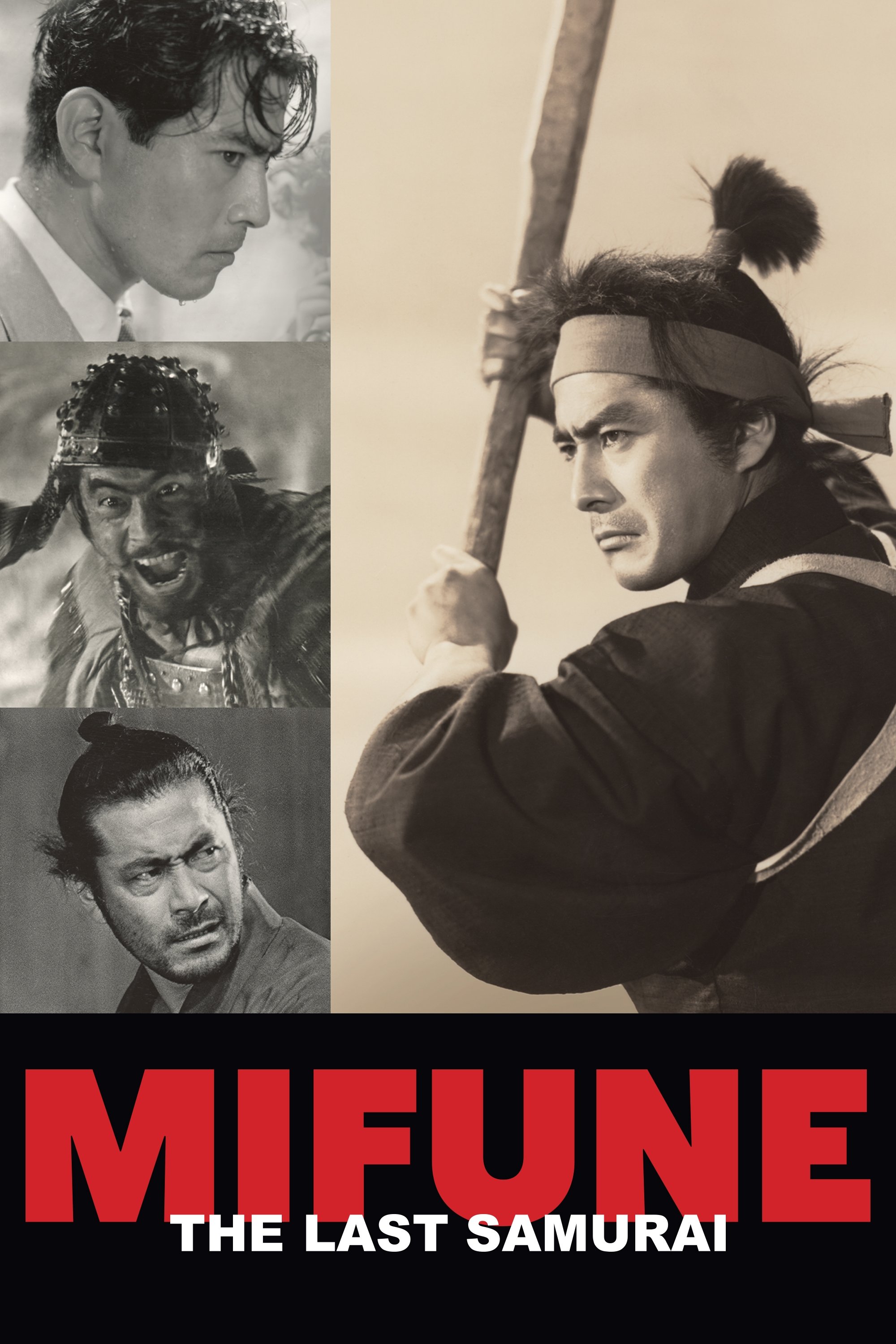
An account of the life and work of legendary Japanese actor Toshirō Mifune (1920-97), the most prominent actor of the Golden Age of Japanese cinema.