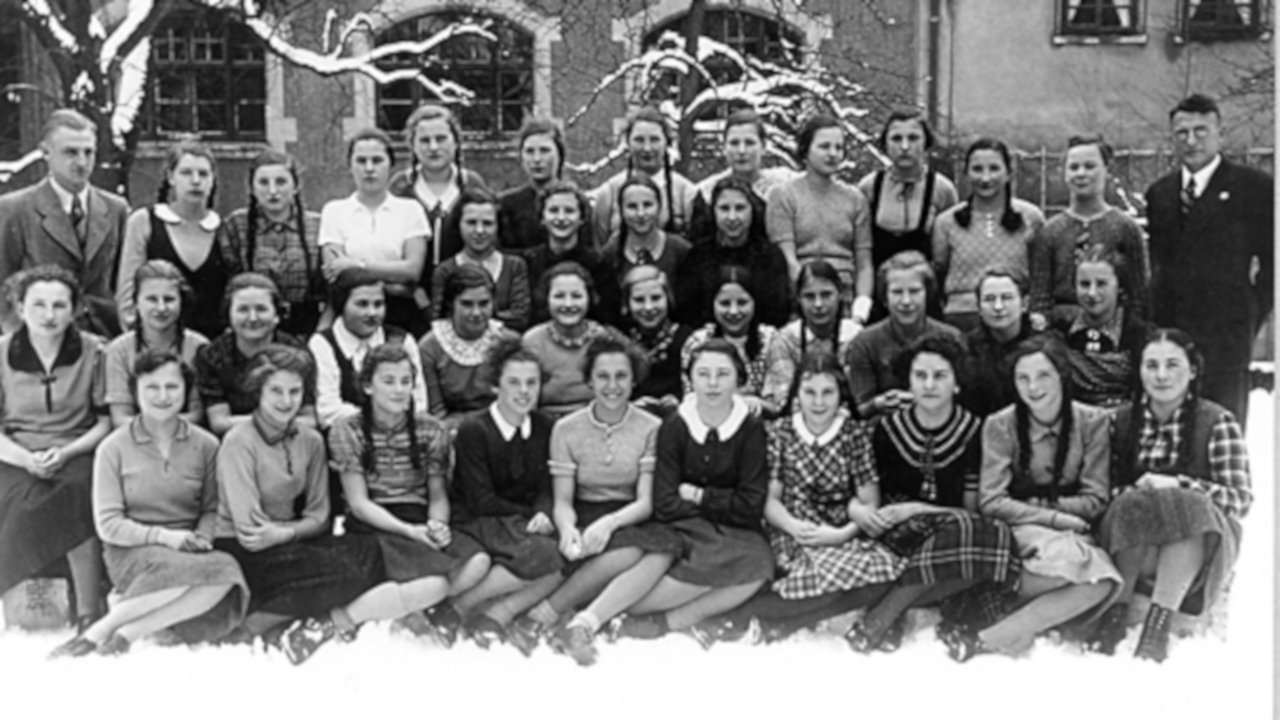
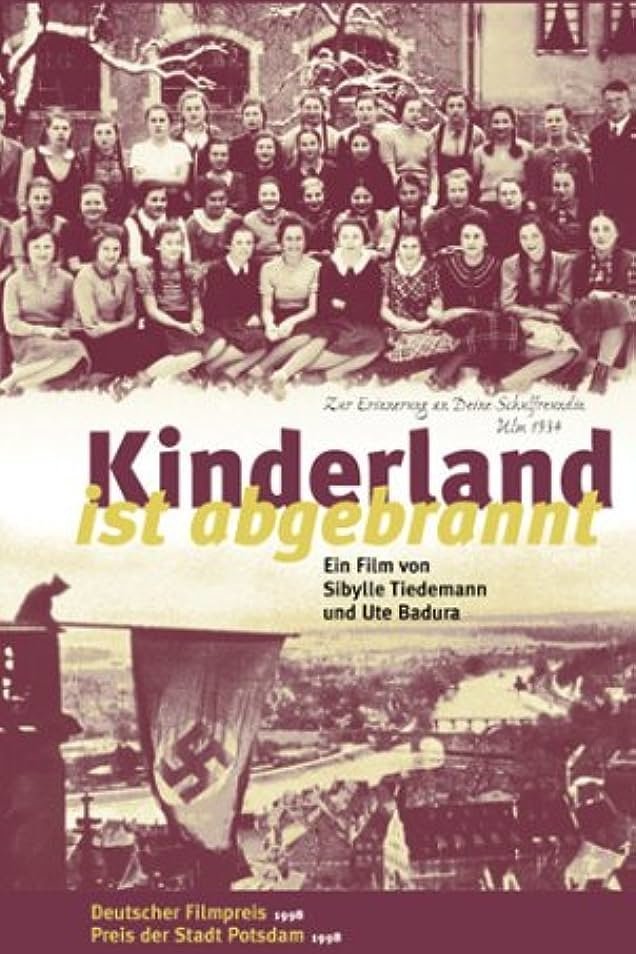
"In remembrance of your school friend, Ulm 1934"
Former classmates at a school in the Southern Germany city of Ulm, Jewish and non-Jewish, recall their childhood in Nazi Germany.

Social & External
This documentary about WW II, composed of clandestine Allied film takes and German Wochenschaubilder, focuses on the French Resistance, especially the heroic but disastrous battle of the Vercors plateau in July 1944, where German troops mercilessly slaughtered the Maquis and the inhabitants.
The filmmaker's father and uncle, Norm and Stan, are third generation Japanese Americans. They are "all American" guys who love bowling, cards and pinball. Placed in the Amache internment camp as children during World War II, they don't think the experience affected them that much. But in the course of navigating the maze of her father's and uncle's pursuits while simultaneously trying to inquire about their past, the filmmaker is able to find connections between their lives now and the history that was left behind.
It was one of the great crimes of the Second World War: from 1941 to 1944, a total of 872 days, the siege and starvation of Leningrad by the German Wehrmacht on Hitler's orders lasted. Over a million people fell victim to the blockade, most of them dying of hunger. Countless of these starving people wrote diaries with the last of their strength, and cameramen filmed in the paralyzed city. Evidence from the hell of the siege, many of the film recordings, but above all the written memories on which this documentary on the occasion of the 80th anniversary of the liberation is based, remained under lock and key after the war. The voices of those who had suffered through this terrible time should not be heard by anyone, because they did not fit the pathos of the Leningrad heroic song that was officially sung. Most of the recordings come from women. The writers feared neither the enemy nor the Communist Party or Stalin, who often proved incompetent in providing for the population.
A documentary short film about the genocide at the Jasenovac concentration camp in Croatia in World War II.
A look at the parallel lives of Charlie Chaplin and Adolf Hitler and how they crossed with the creation of the film “The Great Dictator,” released in 1940.
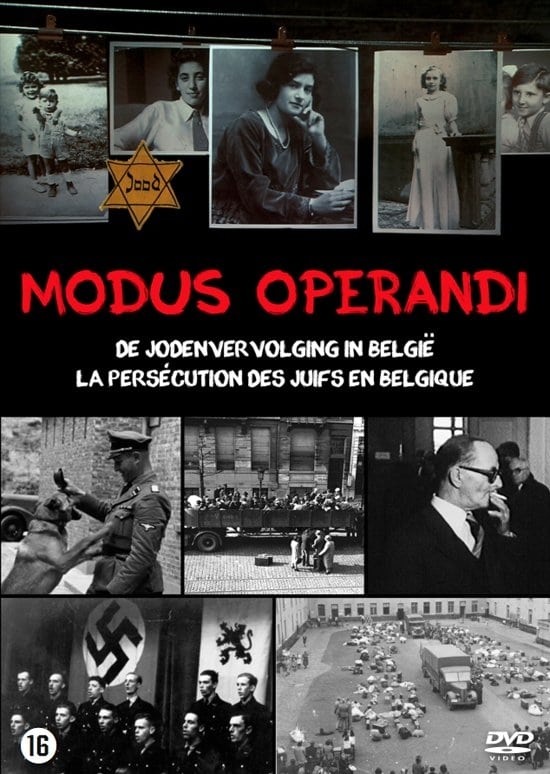
On the night of November 9-10, 1938, the Nazis initiated anti-Jewish violence throughout the German Reich. Hundreds of photographs and films rediscovered in archives provide insight into these pogroms. 30,000 Jews were deported to concentration camps. The November Pogroms mark a deeply disturbing event in German history that remains so to this day.
Parallels are drawn between Abraham Lincoln's presidency and the presidency of Donald Trump. Not since 1860 have the Democrats so fanatically refused to accept the result of a free election. That year, their target was Lincoln. They smeared him. They went to war to defeat him. In the end, they assassinated him.
The film is based solely on footage shot in Warsaw in 1939 by Julien Hequembourg Bryan. This American filmmaker and photographer documented life in Poland, the Soviet Union and Nazi Germany between 1935 and 1939. Following the outbreak of the Second World War, he arrived in Warsaw, where he shot a number of films documenting the city under siege, and is said to be the only foreign correspondent in the Polish capital at the time. Bryan also took the first colour photographs of wartime Warsaw.
A 15 minute documentary utilizing archival Super 8 film footage and original animation about a father fulfilling his dream of reconnecting his 5 small children to the steps of his own father when he fought for the Canadian military in WW2 through a trip to Europe in 1973.
Martha Gellhorn, Ruth Cowan, Dickey Chappelle: Three tenacious journalists who forged legendary reputations as war correspondents during a time when battlefields were considered no place for a woman. Their repeated delegation to the sidelines to cover the “woman’s angle” succeeded in expanding the focus of war coverage to bring home a new kind of story— a personal look at the human cost of war. Featuring an abundance of archival photos and interviews with modern female war correspondents, as well as actresses bringing to life the written words of these remarkable women.
The story of the unjust incarceration of Japanese Americans and the loss of civil rights.
October 24, 1944, the world’s greatest battle at sea begins in the Philippines. Japan’s navy gambles on a decisive victory against the United States to turn the tide of World War II. Instead, Musashi, its top-secret super battleship, ends up at the bottom of the ocean.
In February 1939, more than 20,000 Americans filled Madison Square Garden for an event billed as a “Pro-American Rally.” Images of George Washington hung next to swastikas and speakers railed against the “Jewish controlled media” and called for a return to a racially “pure” America. The keynote speaker was Fritz Kuhn, head of the German American Bund. Nazi Town, USA tells the largely unknown story of the Bund, which had scores of chapters in suburbs and big cities across the country and represented what many believe was a real threat of fascist subversion in the United States. The Bund held joint rallies with the Ku Klux Klan and ran dozens of summer camps for children centered around Nazi ideology and imagery. Its melding of patriotic values with virulent anti-Semitism raised thorny issues that we continue to wrestle with today.
The gruesome story of the Jewish ghettos during the Nazi occupation of Eastern Europe in the dark days of World War II, based on the records written by their inhabitants, who bear witness to the human tragedy of the Shoah; but also to an indomitable will to live.
Guy Martin undertakes a challenge to restore a plane from the Second World War, and recreate a parachute jump into Normandy, as thousands of Allied soldiers did during D-Day.
Poignant postwar appeal for Britain’s Jewry to support orphaned Jewish children rescued from Europe.
In the 1940's American-born Willard MacDonald jumped his troop train heading to WWII. Fearing authorities he lived as a hermit deep in the northern wilderness of Nova Scotia, Canada for more than 60 years inspiring folklore for generations.
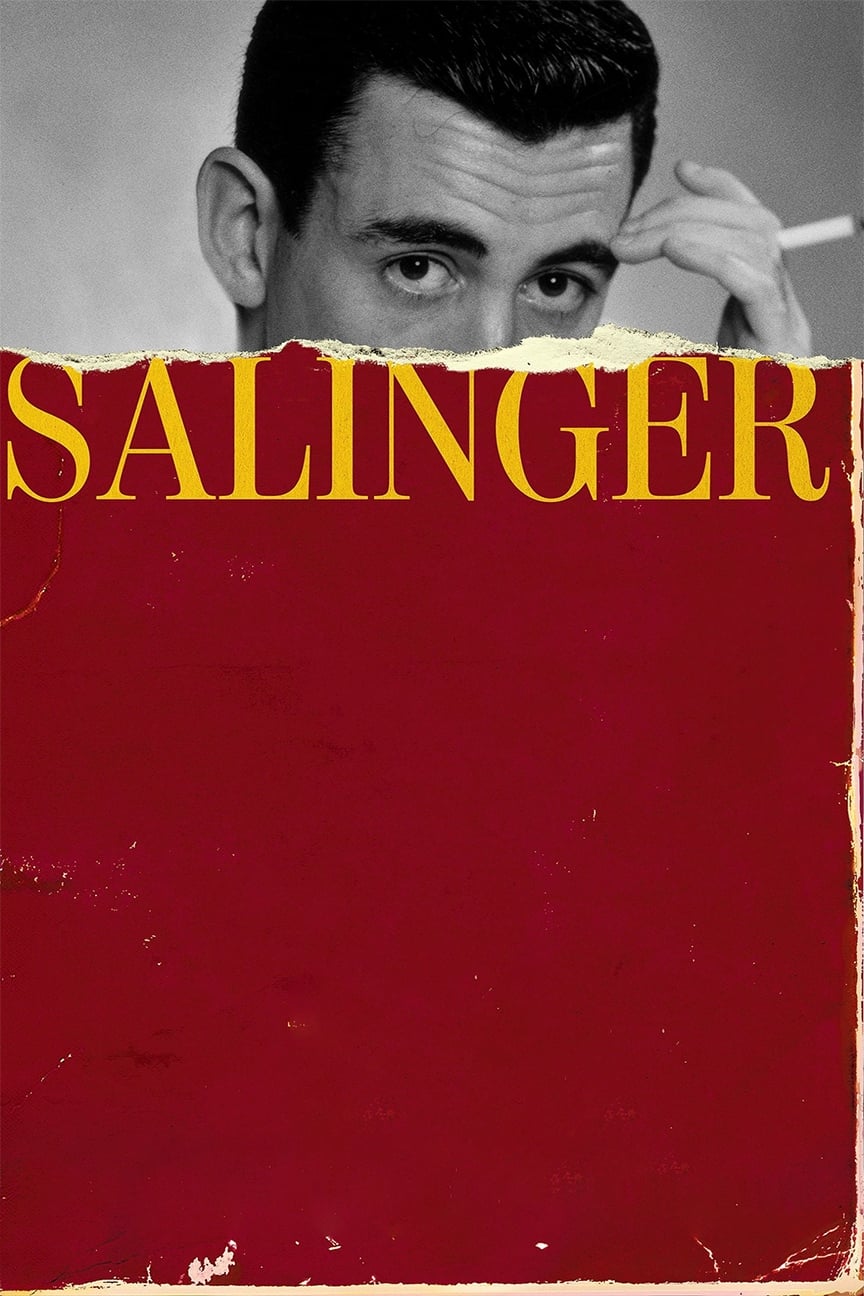
An in-depth investigation into the private world of the American writer J. D. Salinger (1919-2010), who lived most of his life behind the impenetrable wall of a self-imposed seclusion: how his dramatic experiences during World War II influenced his life and work, his relationships with very young women, his obsessive writing methods, his many literary secrets.
A woman’s Holocaust memoir takes the world by storm, but a fallout with her publisher-turned-detective reveals her story as an audacious deception created to hide a darker truth.
In this genre-bending tale, Errol Morris explores the mysterious death of a U.S. scientist entangled in a secret Cold War program known as MK-Ultra.
One single Anne Frank moves us more than the countless others who suffered just as she did but whose faces have remained in the shadows-Primo Levi. The Oscar®-winning Helen Mirren will introduce audiences to Anne Frank's story through the words in her diary. The set will be her room in the secret refuge in Amsterdam, reconstructed in every detail by set designers from the Piccolo Theatre in Milan. Anne Frank this year would have been 90 years old. Anne's story is intertwined with that of five Holocaust survivors, teenage girls just like her, with the same ideals, the same desire to live: Arianna Szörenyi, Sarah Lichtsztejn-Montard, Helga Weiss and sisters Andra and Tatiana Bucci. Their testimonies alternate with those of their children and grandchildren.
A keen chronicle of the unlikely rise to power of Adolf Hitler (1889-1945) and a dissection of the Third Reich (1933-1945), but also an analysis of mass psychology and how the desperate crowd can be deceived and shepherded to the slaughterhouse.
When a cross-section of seven-year-olds were interviewed for 7 Up in 1964 it was immediately evident that their social backgrounds influenced their attitudes towards life. While the upper class children were confident and self-assured, those from middle and working class backgrounds were resigned to a challenging life of hard work. This premise was put to the test every seven years when the same group were interviewed about the progression of their lives. 49 years in the making, the changes that occurred to the original 14 make for fascinating television and are in many ways the stories of all our lives. From success and disappointment, marriage and childbirth, to poverty and illness, nearly every facet of life has been captured on film. Now, at the age of 56, the group are once more brought together and, with the benefit of hindsight, assess whether their lives have been ruled by circumstance or self-determination.
An enchanting making-of story told through all-new in-depth interviews and cast conversations, inviting fans on a magical first-person journey through one of the most beloved film franchises of all time.
This revealing documentary honors the legendary Sidney Poitier—iconic actor, filmmaker, and civil rights activist. Featuring interviews with Denzel Washington, Spike Lee, Halle Berry, and more.
Those who knew iconic funnyman John Candy best share his story, in their own words, through never-before-seen archival footage, imagery, and interviews.
Jerry Seinfeld returns to the club that gave him his start in the 1970s, mixing iconic jokes with stories from his childhood and early days in comedy.
A detailing of the rise to prominence and global sporting superstardom of six supremely talented young Manchester United football players (David Beckham, Nicky Butt, Ryan Giggs, Paul Scholes, Phil and Gary Neville). The film covers the period 1992-1999, culminating in Manchester United's European Cup triumph.
THE SPIRIT MOLECULE weaves an account of Dr. Rick Strassman's groundbreaking DMT research through a multifaceted approach to this intriguing hallucinogen found in the human brain and hundreds of plants, including the sacred Amazonian brew, ayahuasca. Utilizing interviews with a variety of experts to explain their thoughts and experiences with DMT, and ayahuasca, within their respective fields, and discussions with Strassman’s research volunteers, brings to life the awesome effects of this compound, and introduces us to far-reaching theories regarding its role in human consciousness.
BBC Arena's documentary on the Dames of British Theatre and film featuring Maggie Smith, Eileen Atkins, Judi Dench and Joan Plowright on screen together for the first time as they reminisce over a long summer weekend in a house Joan once shared with Sir Laurence Olivier.
The life and career of an actor, artist, and icon. His own journey through his own camera.
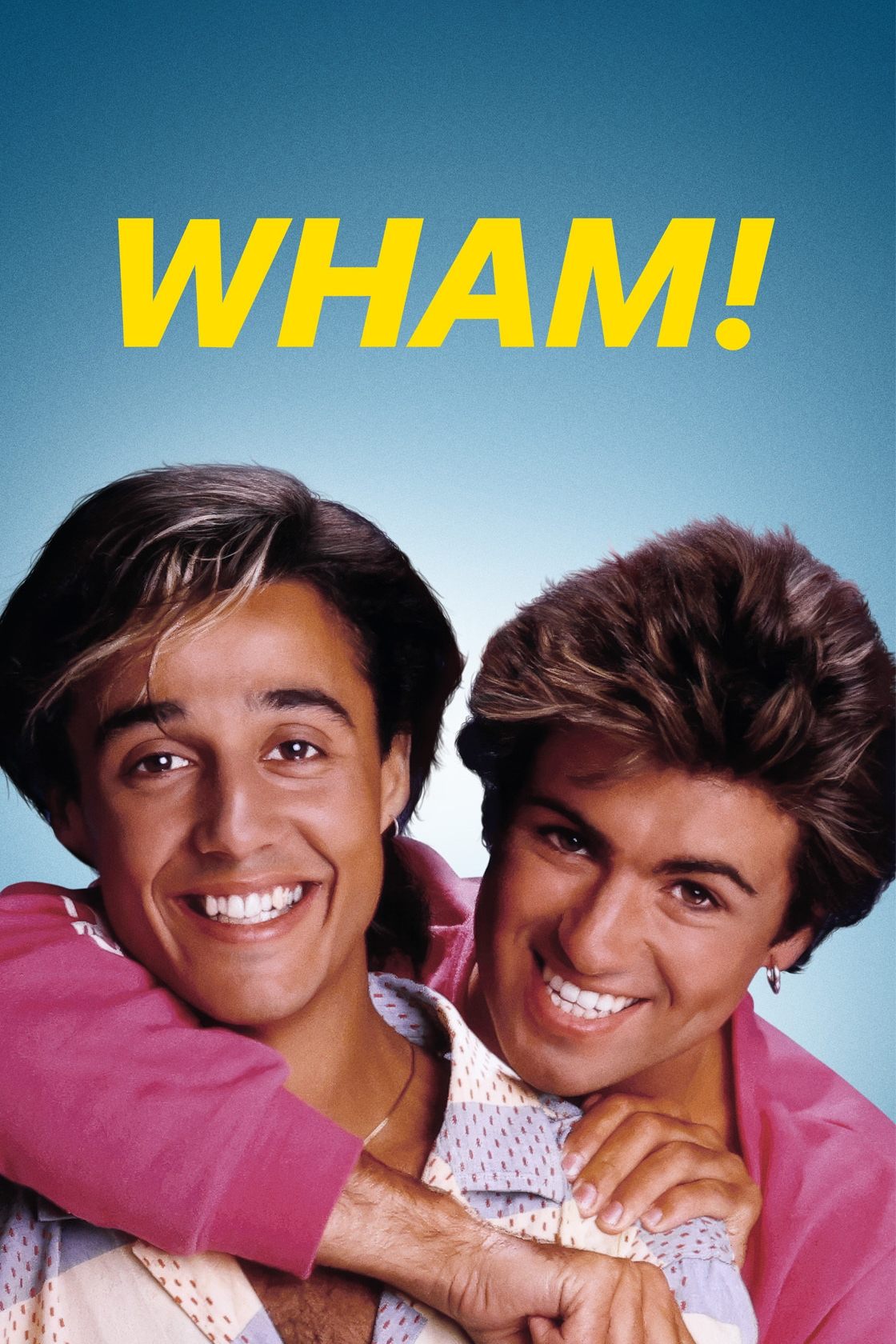
Through archival interviews and footage, George Michael and Andrew Ridgeley relive the arc of their Wham! career, from 70s best buds to 80s pop icons.
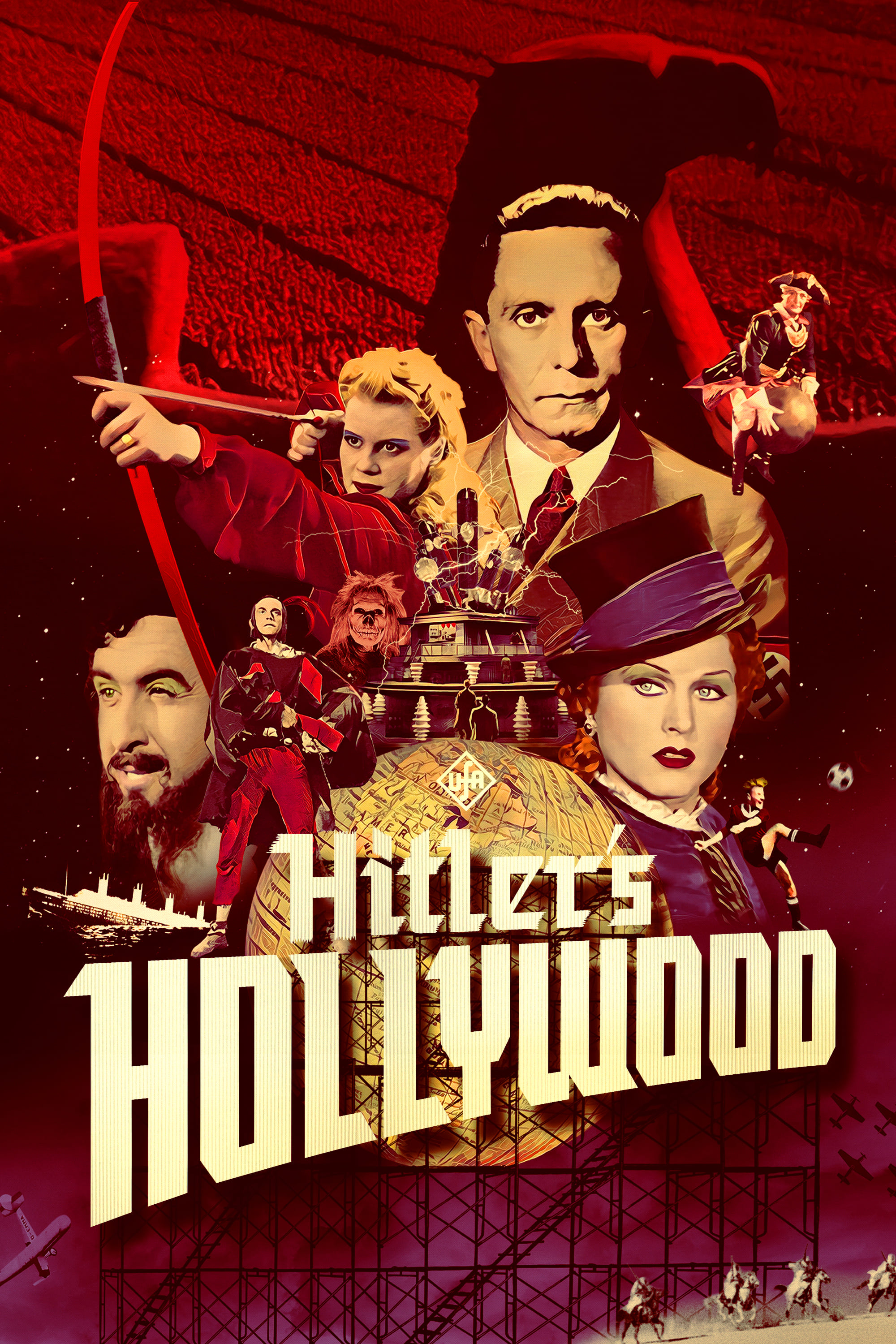
The extraordinary story of how Hollywood changed World War II – and how World War II changed Hollywood, through the interwoven experiences of five legendary filmmakers who went to war to serve their country and bring the truth to the American people: John Ford, William Wyler, John Huston, Frank Capra, and George Stevens. Based on Mark Harris’ best-selling book, “Five Came Back: A Story of Hollywood and the Second World War.”
Martin Scorsese spends an evening with larger-than-life raconteur Steven Prince—a former drug addict, road manager for Neil Diamond, and actor—as he recounts stories from his colorful life.
Stars of "The Walking Dead," Andrew Lincoln and Danai Gurira, walk down memory lane and visit iconic locations where pivotal moments between their characters, Rick and Michonne, were filmed.
Using the book 'Fragments', which collects Marilyn Monroe's poems, notes and letters, and with participation from the Arthur Miller and Truman Capote estates who have contributed more material, each of the actresses will embody the legend at various stages in her life.
Brian Jones, Jimi Hendrix, Janis Joplin and Jim Morrison all died at the age of 27 between 1969 and 1971. At the time, the coincidence gave rise to some comment, but it was not until the death of Kurt Cobain, about two and a half decades later, that the idea of a "27 Club" began to catch on in public perception, reignited with the death of Amy Winehouse in 2011. Through interviews with people who knew them, such as music stars, critics, medical experts and unseen footage, the lives, music, and artistry of those who died at 27 are investigated with a bid to find answers.