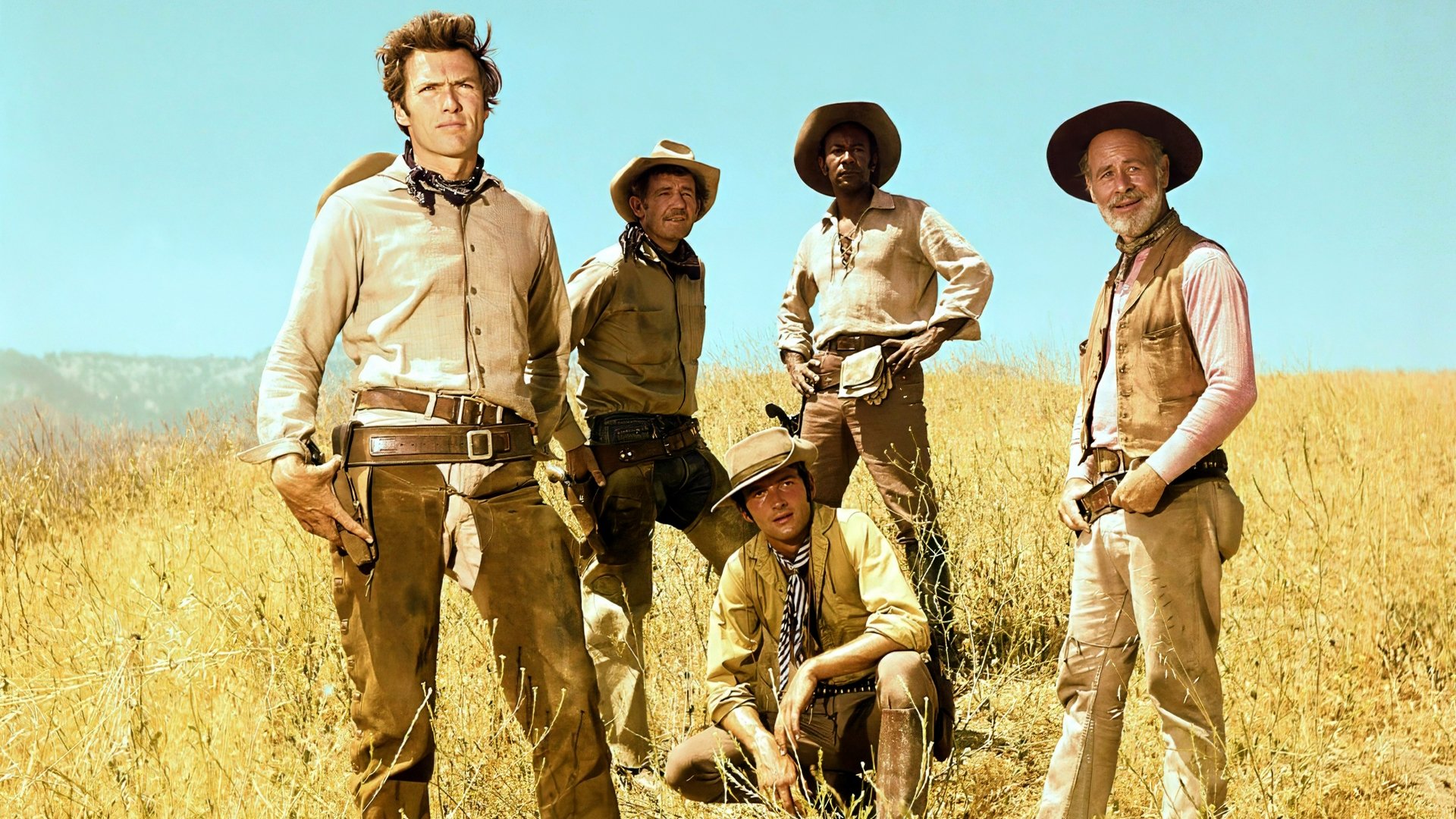
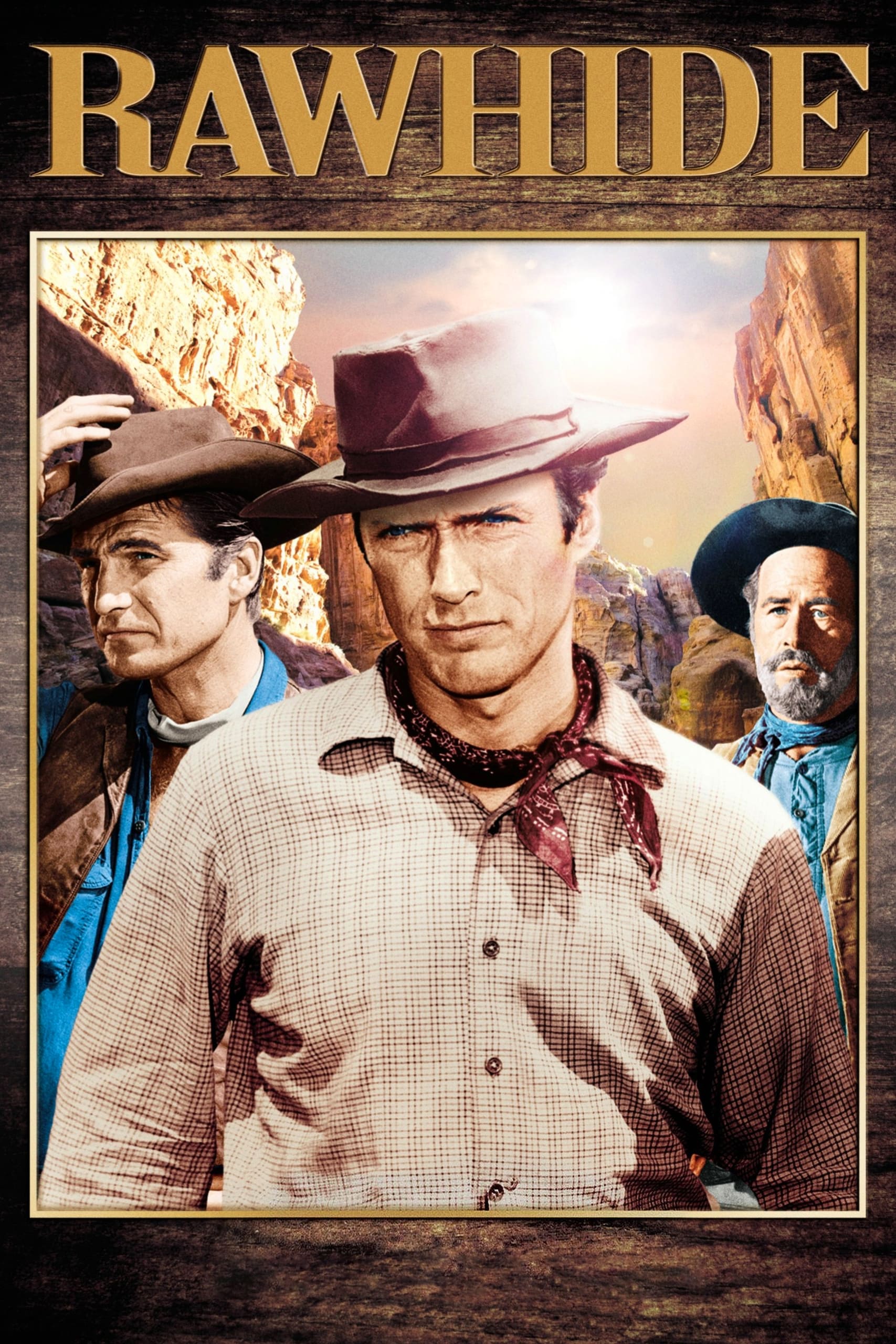

"Rollin', rollin', rollin'"
The tale of trail boss Gil Favor and his trusty foreman Rowdy Yates as they drives cattle across the old west. Along the way they meet up with adventure and drama.

Social & External
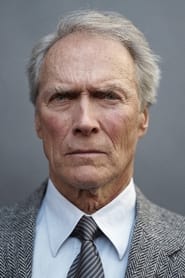
Rowdy Yates
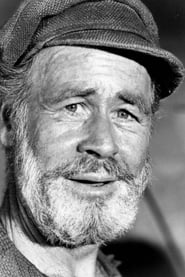
Wishbone
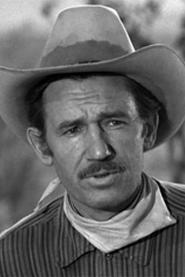
Jim Quince
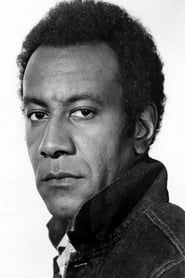
Simon Blake
Jed Colby
An improvised comedy about Sheriff John Henry Hoyle's attempts to bring order to a raucous frontier town.
The lives of two childhood best friends, Bill and Epstein, in the late 1890s as they flock to the gold rush capital in the untamed Yukon Territory. This man-versus-nature tale places our heroes in a land full of undiscovered wealth, but ravaged by harsh conditions, unpredictable weather and desperate, dangerous characters including greedy businessmen, seductive courtesans and native tribes witnessing the destruction of their people and land by opportunistic entrepreneurs.
Set during the 18th century Napoleonic Wars, Horatio Hornblower, a young and shy midshipman, rises through the ranks to become an admiral.
Bordertown is a television western-drama series that aired from 1989 to 1991. It depicts the town formerly known as Pemmican that was later renamed Bordertown when the western border between the United States and Canada was surveyed in 1880, dividing the town.
Based on the life of Empress Myeongseong (1851 - 1895), the first official wife of King Gojong, the 26th king of the Joseon dynasty. She was killed on October 8, 1895 by Japanese assassins.
The Strauss Family is a British seven-part miniseries produced by Associated Television about 19th century Vienna's Strauss family: Johann I and his sons Johann II, Eduard, and Josef.
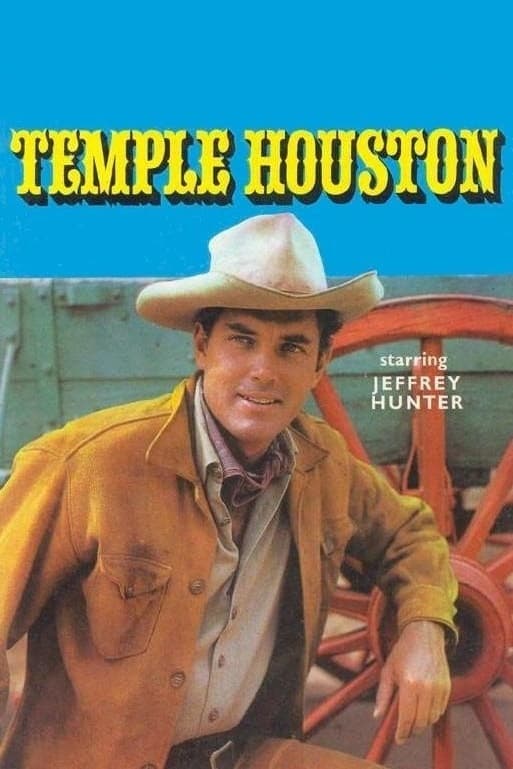
Temple Houston is a 1963–64 NBC television series which has been called "the first attempt . . . to produce an hour-long Western series with the main character being an attorney in the formal sense." It was the only show Jack Webb sold to a network during his ten months as the head of production at Warner Bros. Television. It was also the lone series in which actor Jeffrey Hunter played a regular part.
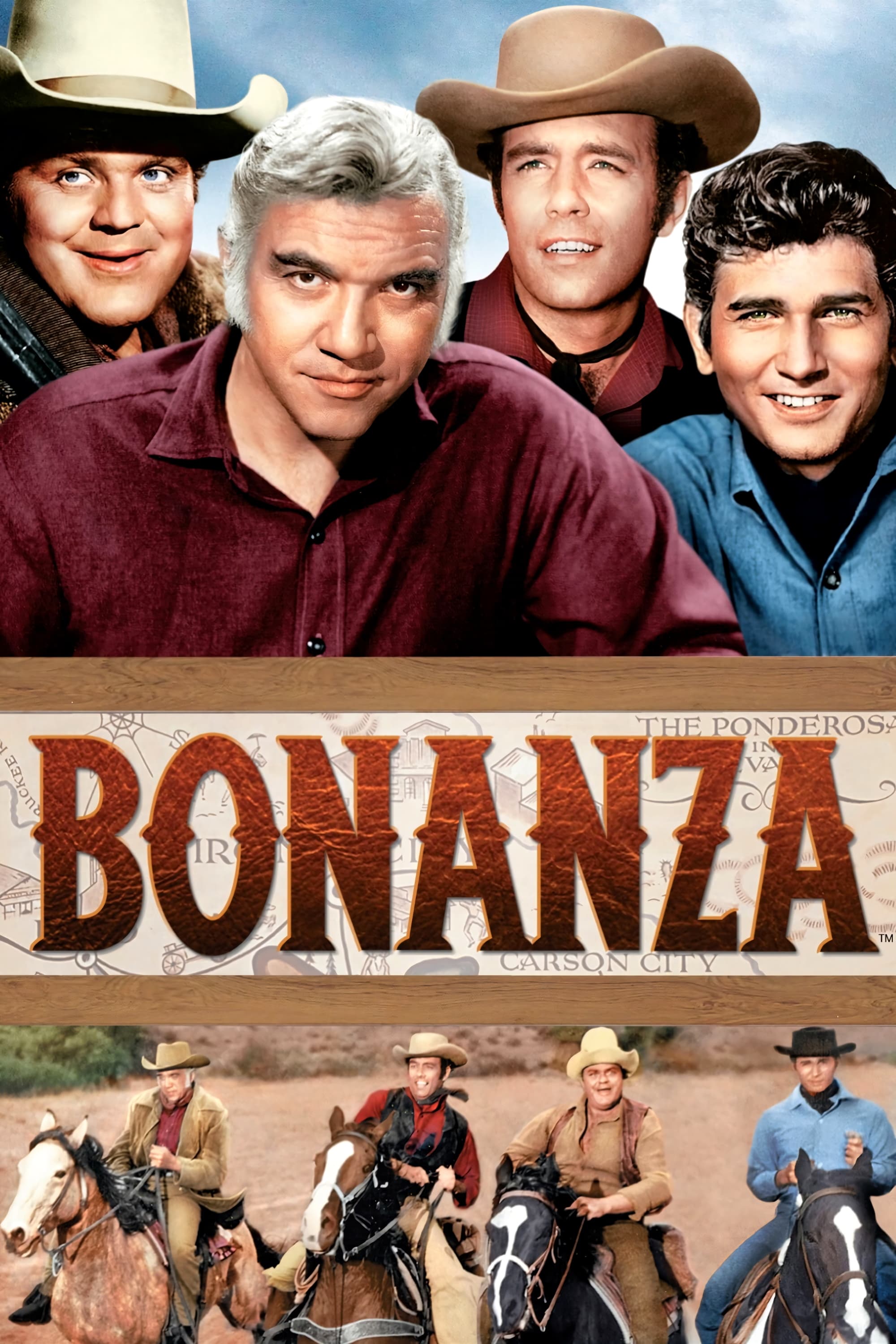
The High-Sierra adventures of Ben Cartwright and his sons as they run and defend their ranch while helping the surrounding community.
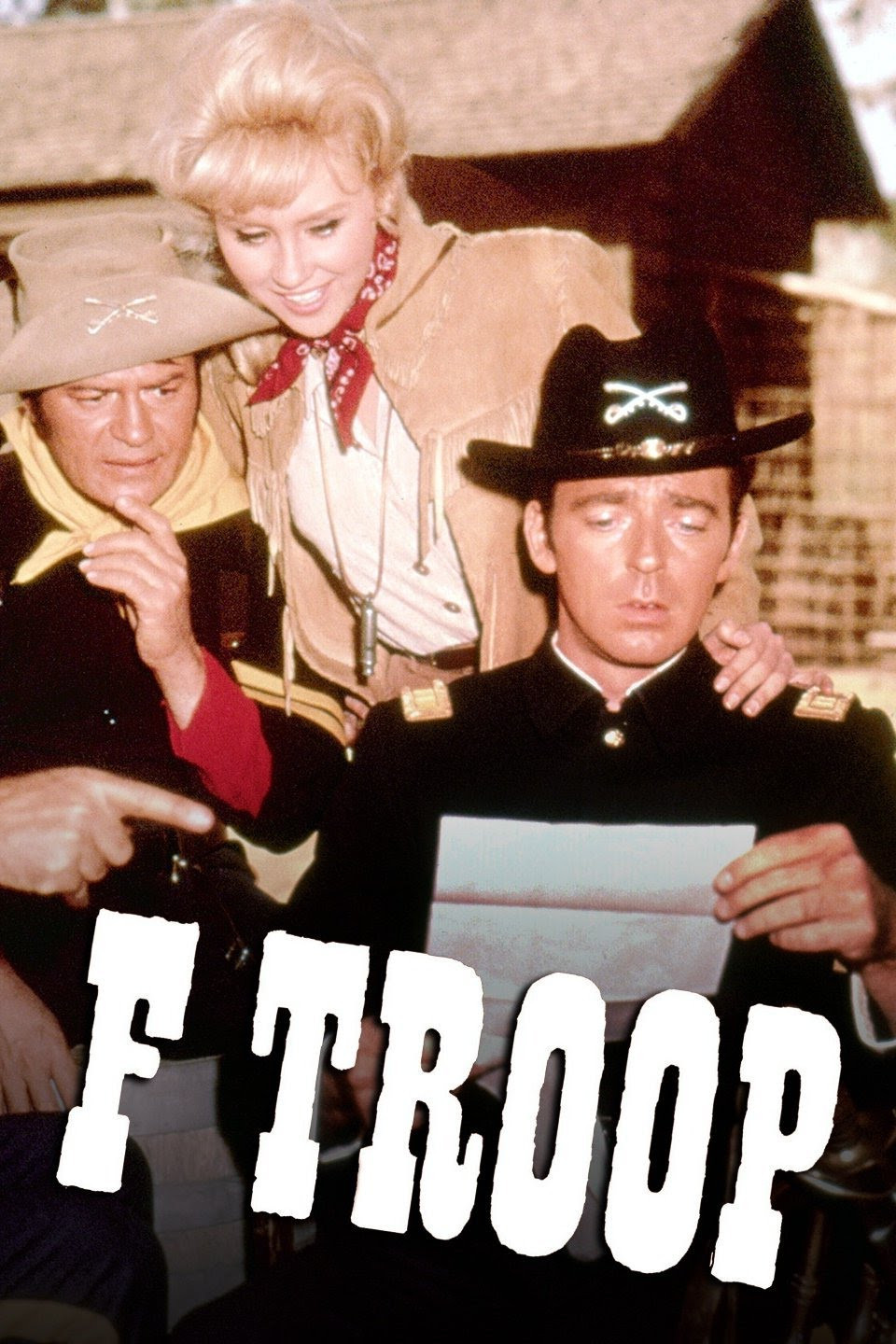
F Troop is a satirical American television sitcom that originally aired for two seasons on ABC-TV. It debuted in the United States on September 14, 1965 and concluded its run on April 6, 1967 with a total of 65 episodes. The first season of 34 episodes was filmed in black-and-white, but the show switched to color for its second season.
It's a tale of reinvention, betrayal, redemption, and love with a twist. Jack Dawkins is The Artful Dodger, whose pickpocketing fingers have become the skilled hands of a surgeon. He is torn between an impossible love and the criminal underworld he secretly craves. This will require Artfulness.
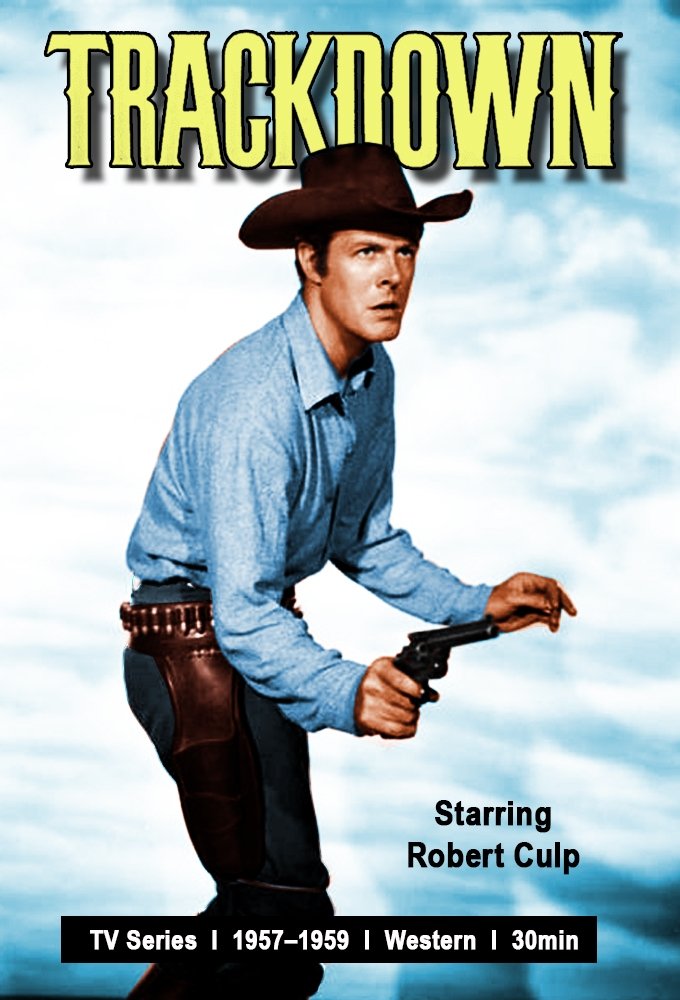
Trackdown is an American Western television series starring Robert Culp that aired on CBS between 1957 and 1959. More than seventy episodes of this series were produced by Dick Powell's Four Star Television and filmed at the Desilu-Culver Studio. The series was itself a spin-off of Powell's anthology series, Dick Powell's Zane Grey Theater.
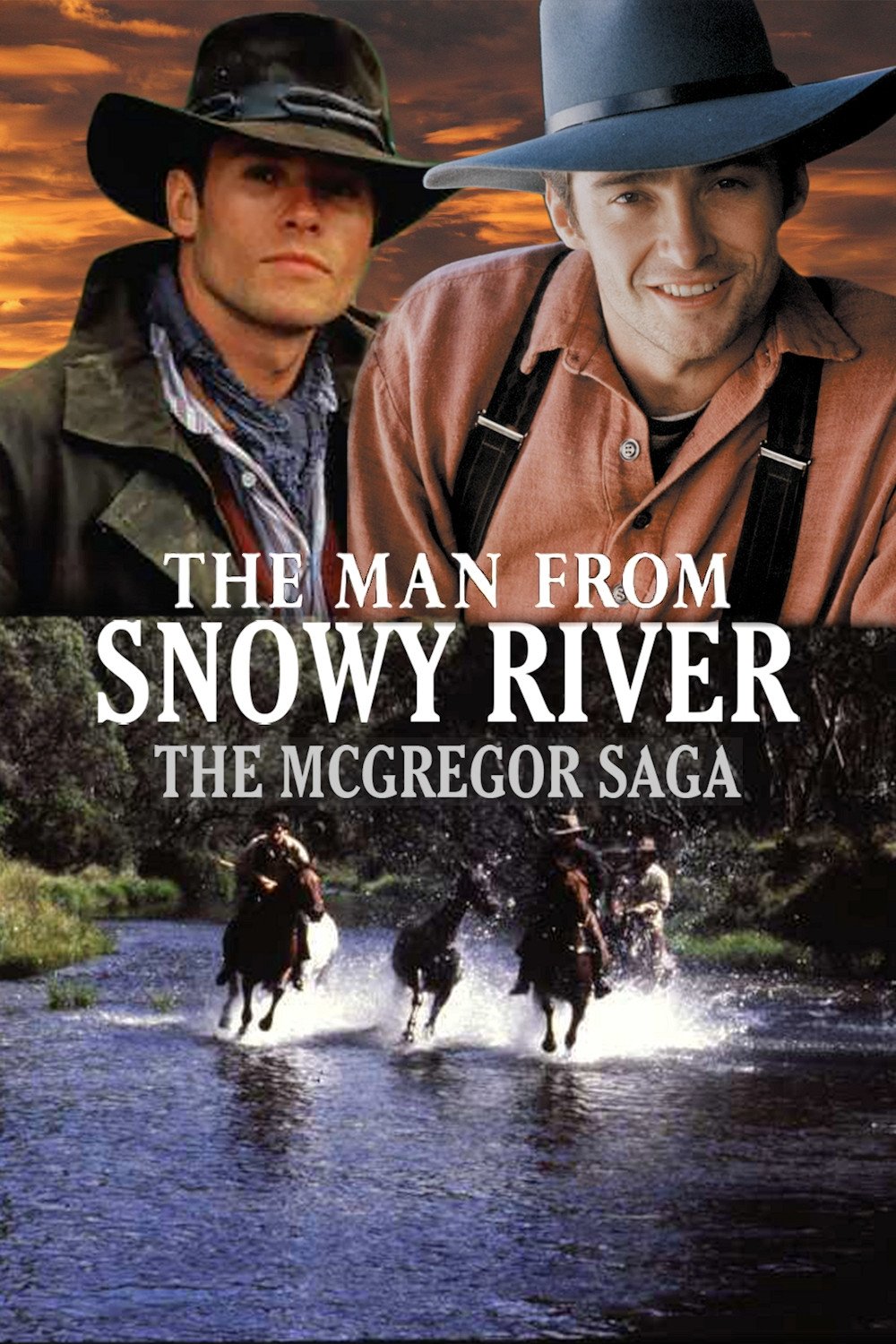
The Man from Snowy River is an Australian television series based on Banjo Paterson's poem "The Man from Snowy River". Released in Australia as Banjo Paterson's The Man from Snowy River, the series was subsequently released in both the United States and the United Kingdom as Snowy River: The McGregor Saga. The television series has no relationship to the 1982 film The Man from Snowy River or the 1988 sequel The Man from Snowy River II. Instead, the series follows the adventures of Matt McGregor, a successful squatter, and his family. Matt is the hero immortalized in Banjo Paterson's poem "The Man from Snowy River", and the series is set 25 years after his famous ride.
Les Belles Histoires des pays d'en haut is a Canadian television drama series, which aired on Radio-Canada from 1956 to 1970. One of the longest-running programs in the history of Canadian television, the series produced 81 episodes during its 14-year run and was one of the first influential téléromans. Written by Claude-Henri Grignon as an adaptation of his 1933 novel Un Homme et son péché and initially set in the 1880s, the series starred Jean-Pierre Masson as Séraphin Poudrier, the wealthy but miserly mayor of the village of Sainte-Adèle, Quebec, and Andrée Champagne as Donalda Laloge-Poudrier, the young daughter of a village resident who is given in marriage to Séraphin as payment for a family debt even though she remains in love with her suitor Alexis Labranche.
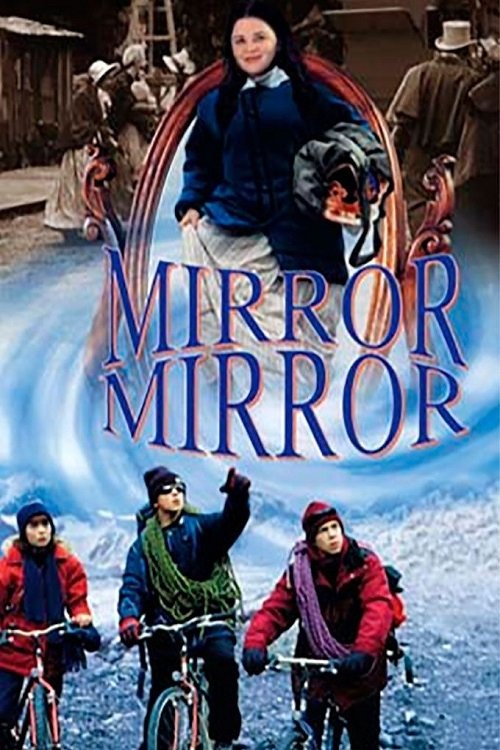
Two families - De Lutrelles and McFarlanes. They both live in the same house, but 130 years apart in time. De Lutrelle's: father Gervaise, mother Violette and daughter Constance. In their age, around the house were goldfields. Family emigrated from France with the remnants of their wealth, and hoping to find gold so they would restore their fortunes. McFarlan's: father Doug, mother Jenny who decided to get in a new business: eco-tourism. Guests will stay with Doug and his family - second wife Jenny, stepson Fergus, daughter Mandy, and sister-in-law Lily, who maked troubles wherever she goes! Doug has also another son, Daniel. When the series begins, Daniel decides he wants to meet the father who left him and his mother Caroline when he was just a baby. He invites himself to stay for the holidays and, with the help of the mirror, he changes everyone's life, his own included.
On the cusp of the 19th century in Delhi, we follow the fortunes of the residents of the titular mansion. The story begins as handsome and soulful former English soldier John Beecham has acquired the house to start a new life for his family and a business as a trader.
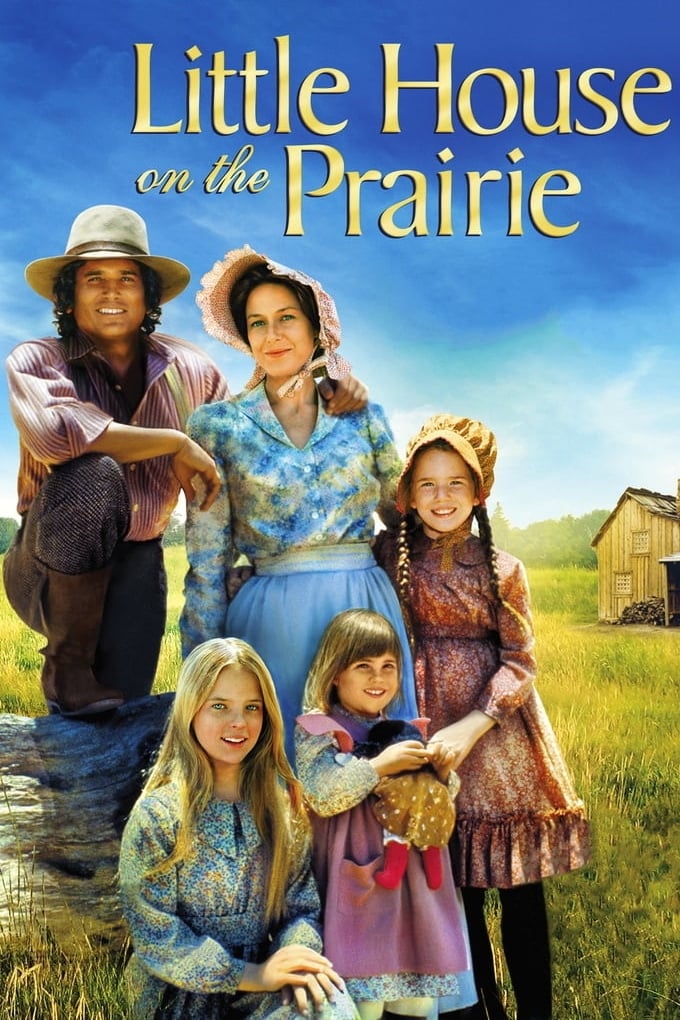
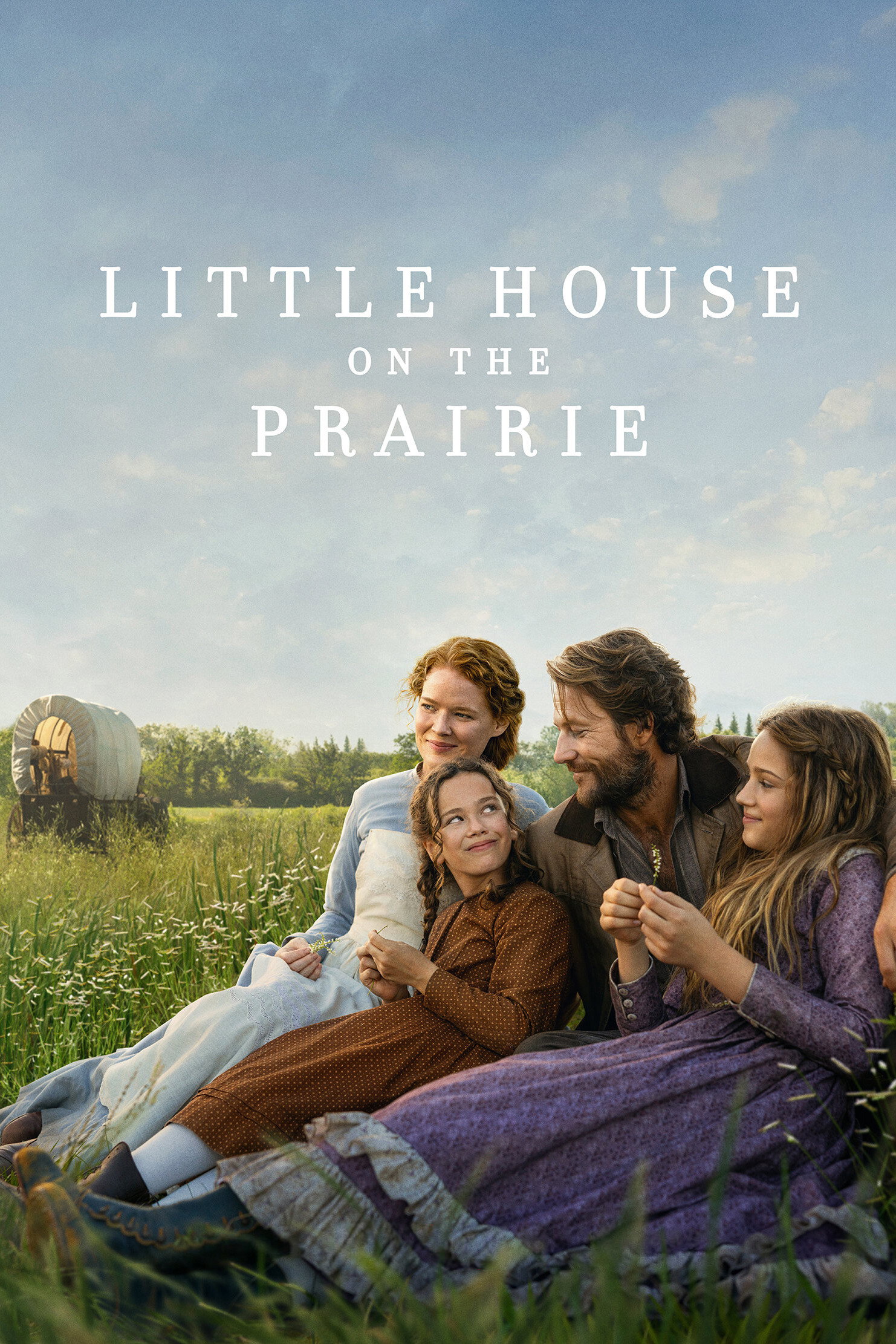
When the big woods of Wisconsin becomes a difficult spot for hunting, Charles Ingalls reluctantly decides to move his family, pioneering west. Their life on the farm in Walnut Grove, Minnesota, in the 1870s and 1880s is full of adventure, tragedy, and triumph. Based on the books of Laura Ingalls Wilder.
Karl and Kristina Nilsson work on a farm in a cold and desolate area of 19th century rural Sweden. Growing privations, combined with increasing social and religious persecution, motivate the Nilssons and many of their neighbors to strike out for the United States. Following a treacherous ocean crossing and an equally grueling land passage, the emigrants find themselves in seemingly idyllic Minnesota.
The High Chaparral is an American Western-themed television series starring Leif Erickson and Cameron Mitchell which aired on NBC from 1967 to 1971. The series, made by Xanadu Productions in association with NBC Productions, was created by David Dortort, who had previously created the hit Bonanza for the network. The theme song was also written and conducted by Bonanza scorer David Rose, who also scored the two-hour pilot.
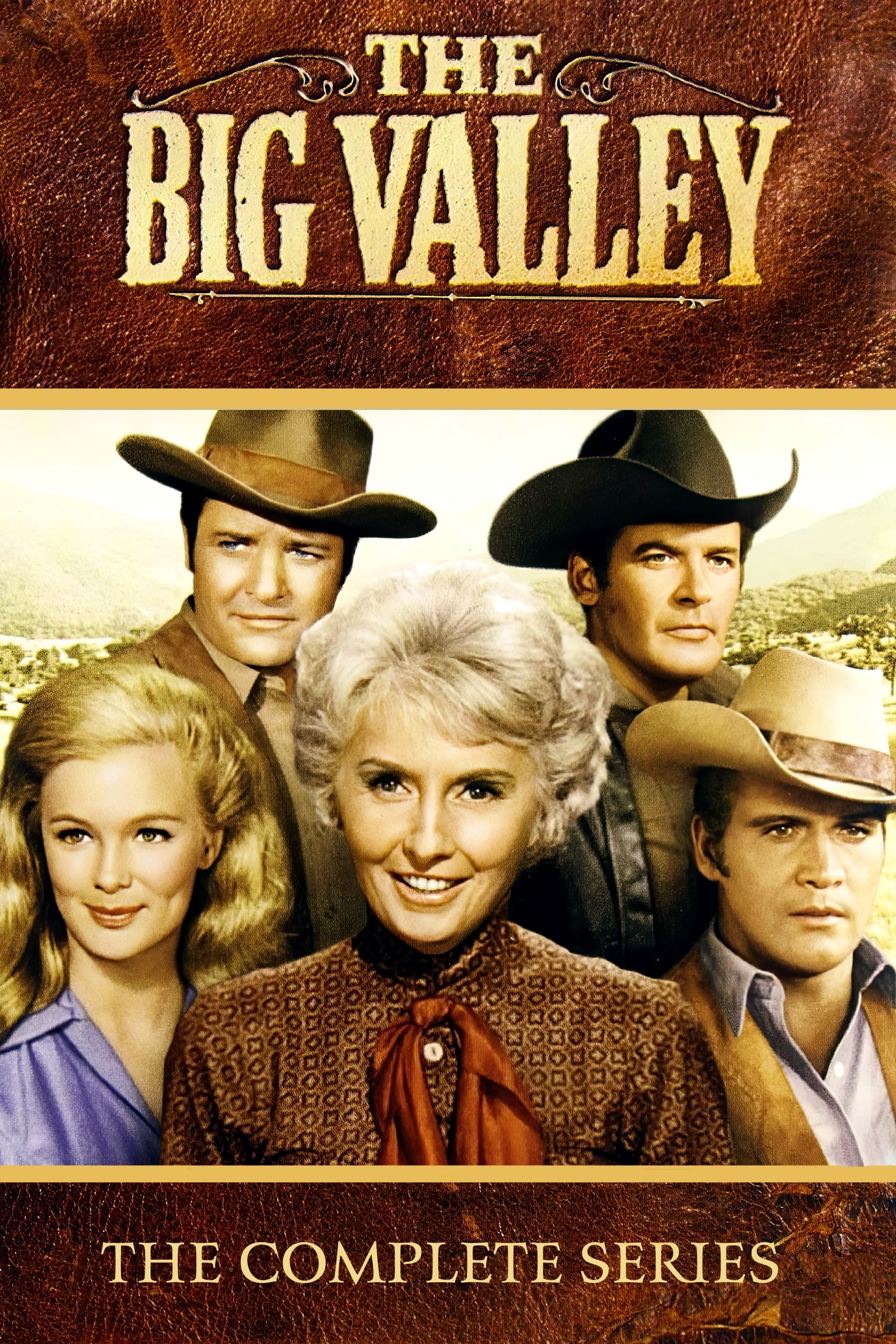
The Big Valley is an American western television series which ran on ABC from September 15, 1965, to May 19, 1969. The show stars Barbara Stanwyck, as the widow of a wealthy nineteenth century California rancher. It was created by A.I. Bezzerides and Louis F. Edelman, and produced by Levy-Gardner-Laven for Four Star Television.
Wanted: Dead or Alive is an American Western television series starring Steve McQueen as the bounty hunter Josh Randall. It aired on CBS for three seasons from 1958–61. The black-and-white program was a spin-off of a March 1958 episode of Trackdown, a 1957–59 western series starring Robert Culp. Both series were produced by Four Star Television in association with CBS Television. The series launched McQueen into becoming the first television star to cross over into comparable status on the big screen.
The Shiloh Ranch in Wyoming Territory of the 1890s is owned in sequence by Judge Henry Garth, the Grainger brothers, and Colonel Alan MacKenzie. It is the setting for a variety of stories, many more based on character and relationships than the usual western.
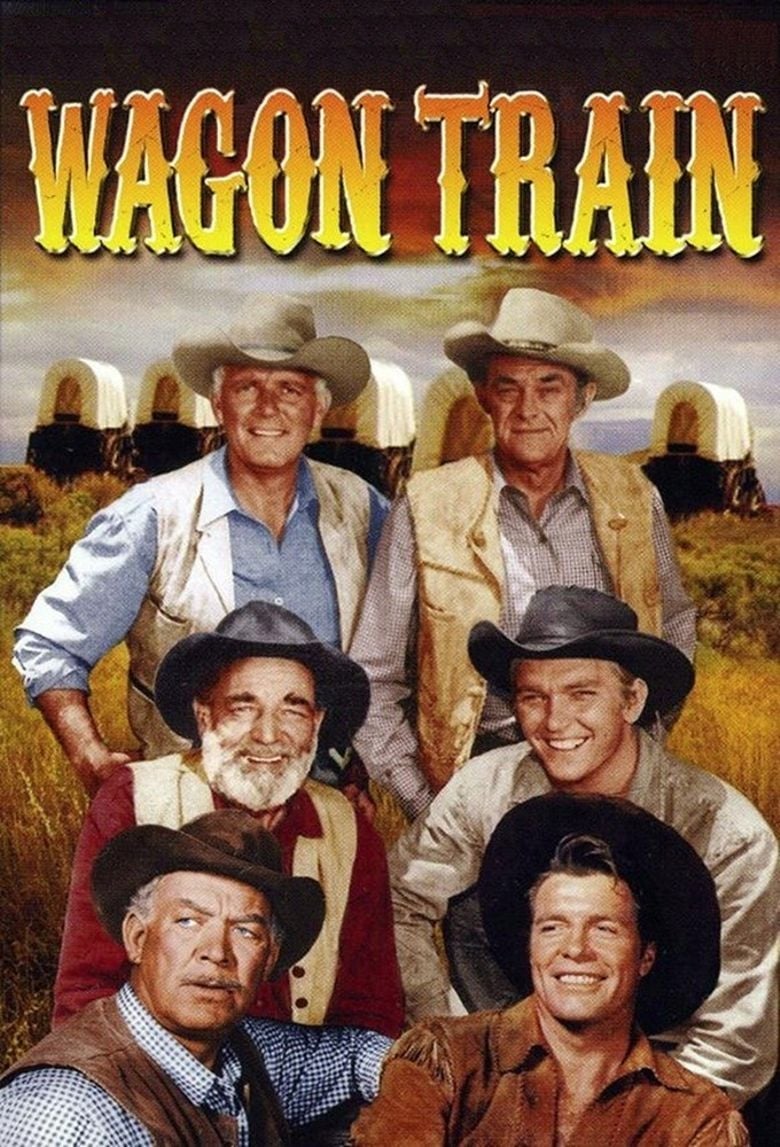
The series initially starred veteran movie supporting actor Ward Bond as the wagon master, later replaced upon his death by John McIntire, and Robert Horton as the scout, subsequently replaced by lookalike Robert Fuller a year after Horton had decided to leave the series. The series was inspired by the 1950 film Wagon Master directed by John Ford and starring Ben Johnson, Harry Carey Jr. and Ward Bond, and harkens back to the early widescreen wagon train epic The Big Trail starring John Wayne and featuring Bond in his first major screen appearance playing a supporting role. Horton's buckskin outfit as the scout in the first season of the television series resembles Wayne's, who also played the wagon train's scout in the earlier film.
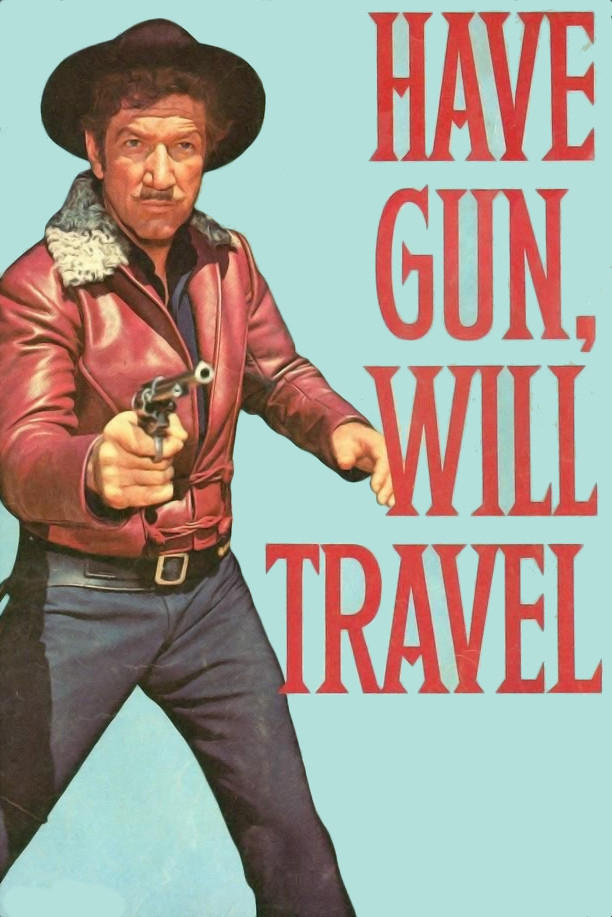
Have Gun – Will Travel is an American Western television series that aired on CBS from 1957 through 1963. It was rated number three or number four in the Nielsen ratings every year of its first four seasons. It was one of the few television shows to spawn a successful radio version. The radio series debuted November 23, 1958. The television show is presently shown on the Encore-Western channel. Have Gun – Will Travel was created by Sam Rolfe and Herb Meadow and produced by Frank Pierson, Don Ingalls, Robert Sparks, and Julian Claman. There were 225 episodes of the TV series, 24 written by Gene Roddenberry. Other contributors included Bruce Geller, Harry Julian Fink, Don Brinkley and Irving Wallace. Andrew McLaglen directed 101 episodes and 19 were directed by series star Richard Boone.
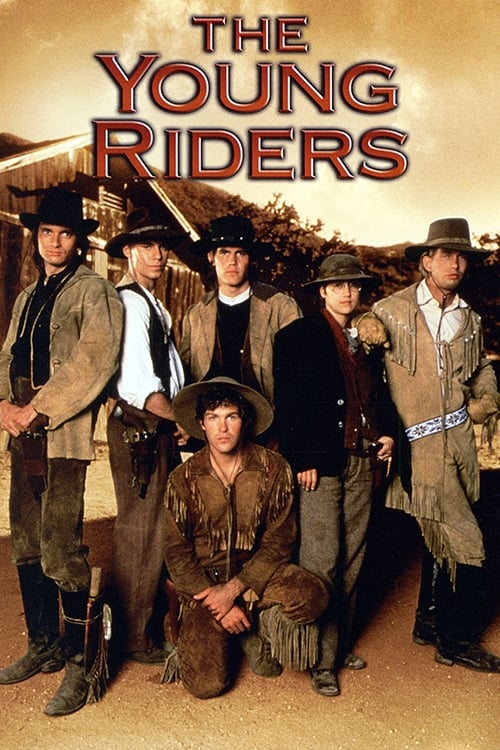
The Young Riders was an American Western television series created by Ed Spielman that presents a fictionalized account of a group of young Pony Express riders based at the Sweetwater Station in the Nebraska Territory during the years leading up to the American Civil War. The series premiered on ABC on September 20, 1989 and ran for three seasons until the final episode aired on July 23, 1992.
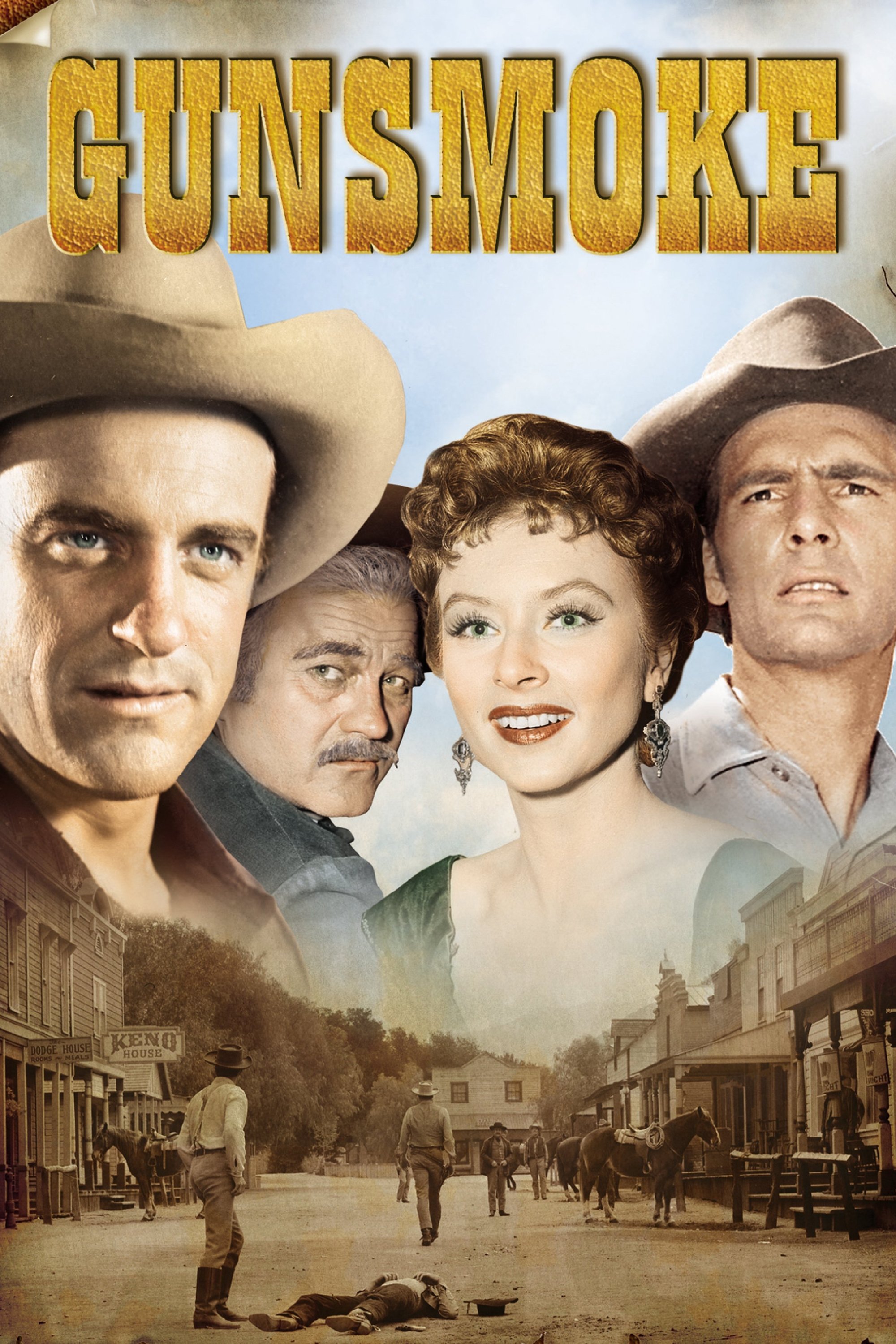
Gunsmoke is an American radio and television Western drama series created by director Norman MacDonnell and writer John Meston. The stories take place in and around Dodge City, Kansas, during the settlement of the American West. The central character is lawman Marshal Matt Dillon, played by William Conrad on radio and James Arness on television.
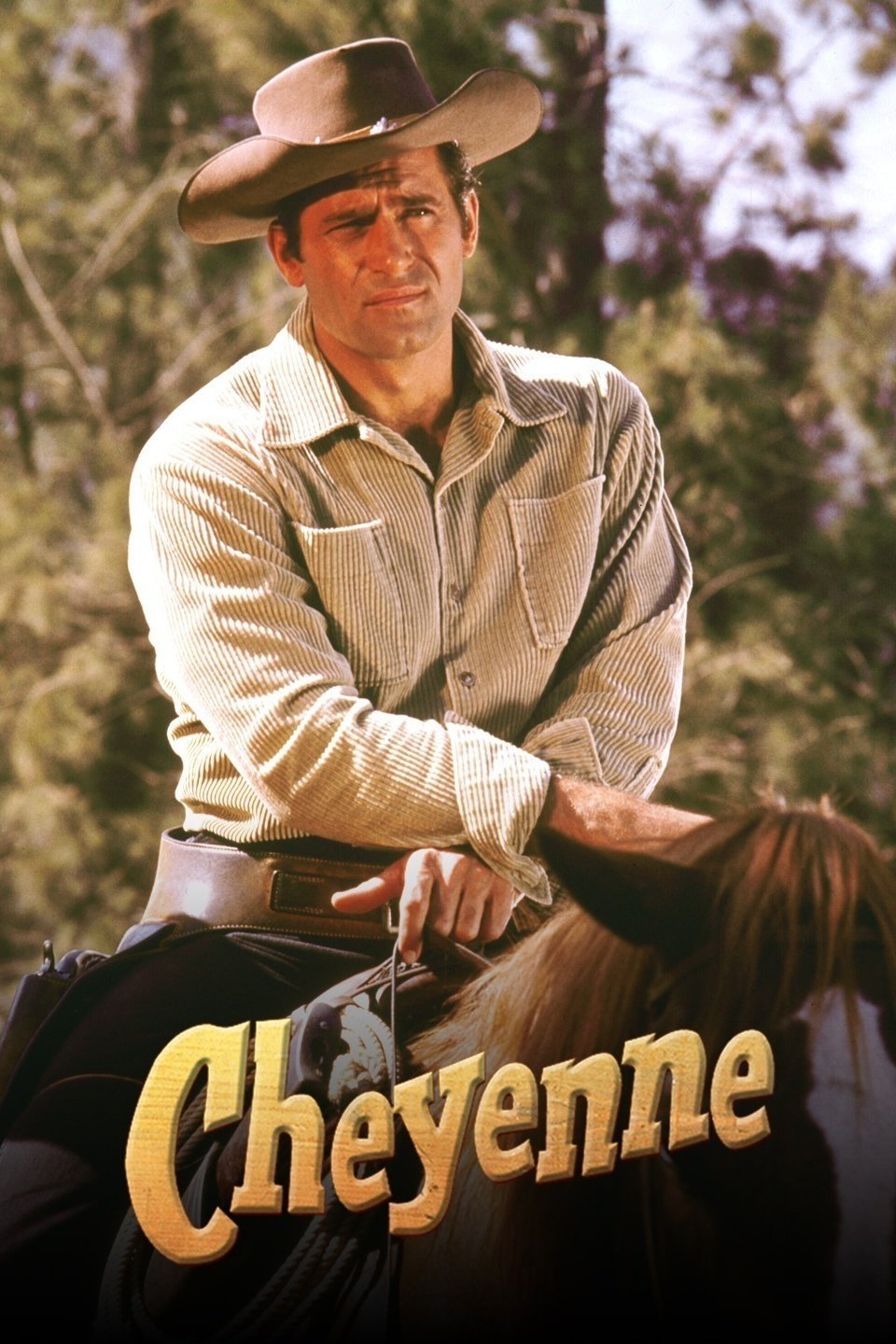
Cheyenne Bodie was a big man, a former army scout who went west after the American Civil War and drifted from job to job, here a cowboy, there a lawman, and always a larger-than-life hero. CHEYENNE is an American western television series of 108 black-and-white episodes broadcast on ABC from 1955 to 1963. The show was the first hour-long western, and in fact the first hour-long dramatic series of any kind, with continuing characters, to last more than one season. It was also the first series to be made by a major Hollywood film studio which did not derive from its established film properties, and the first of a long chain of Warner Brothers original series produced by William T. Orr.
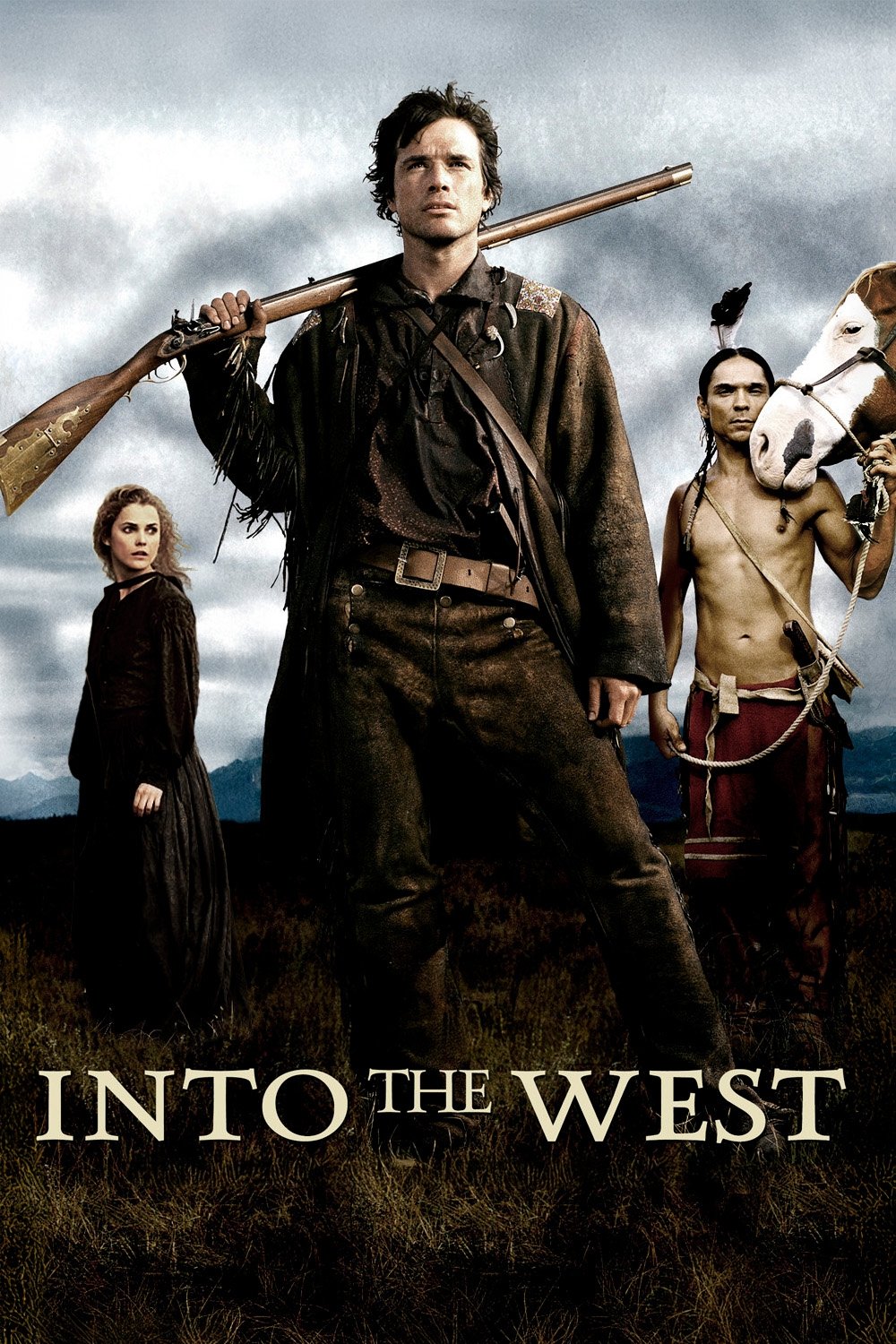
The lives of two families, one white American, one native American, become mingled through the momentous events of American expansion, between 1825 and 1890.
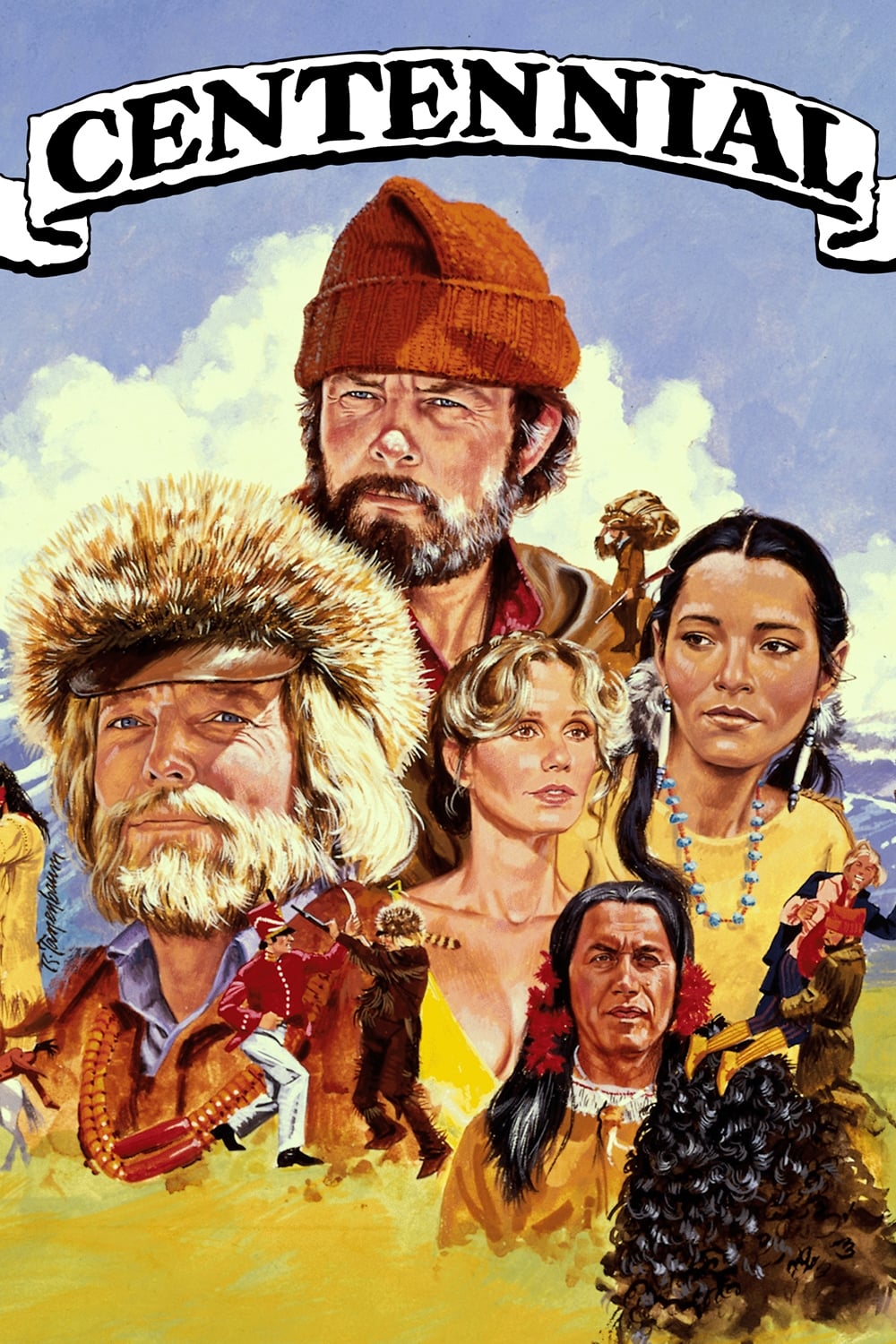
The economic and cultural growth of town of Centennial, Colorado, through the intertwining lives of the brave men and women inhabiting it. Spanning two centuries from the settling of the area in the 1700s, to the late 1970s.
Dr. Michaela Quinn journeys to Colorado Springs to be the town's physician after her father's death in 1868.
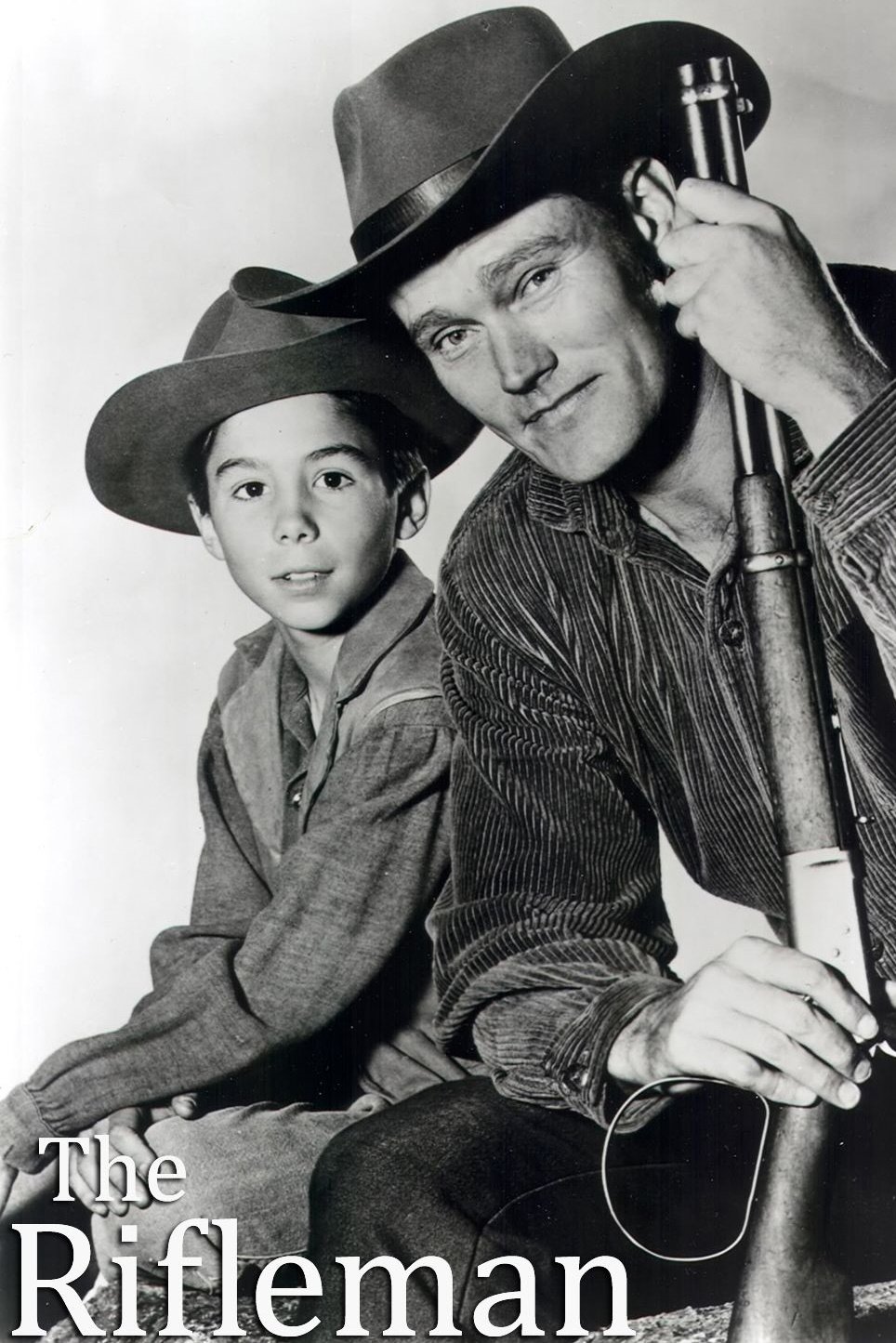
The Rifleman is an American Western television program starring Chuck Connors as rancher Lucas McCain and Johnny Crawford as his son, Mark McCain. It was set in the 1880s in the town of North Fork, New Mexico Territory. The show was filmed in black-and-white, half-hour episodes. "The Rifleman" aired on ABC from September 30, 1958 to April 8, 1963 as a production of Four Star Television. It was one of the first prime time series to have a widowed parent raise a child.
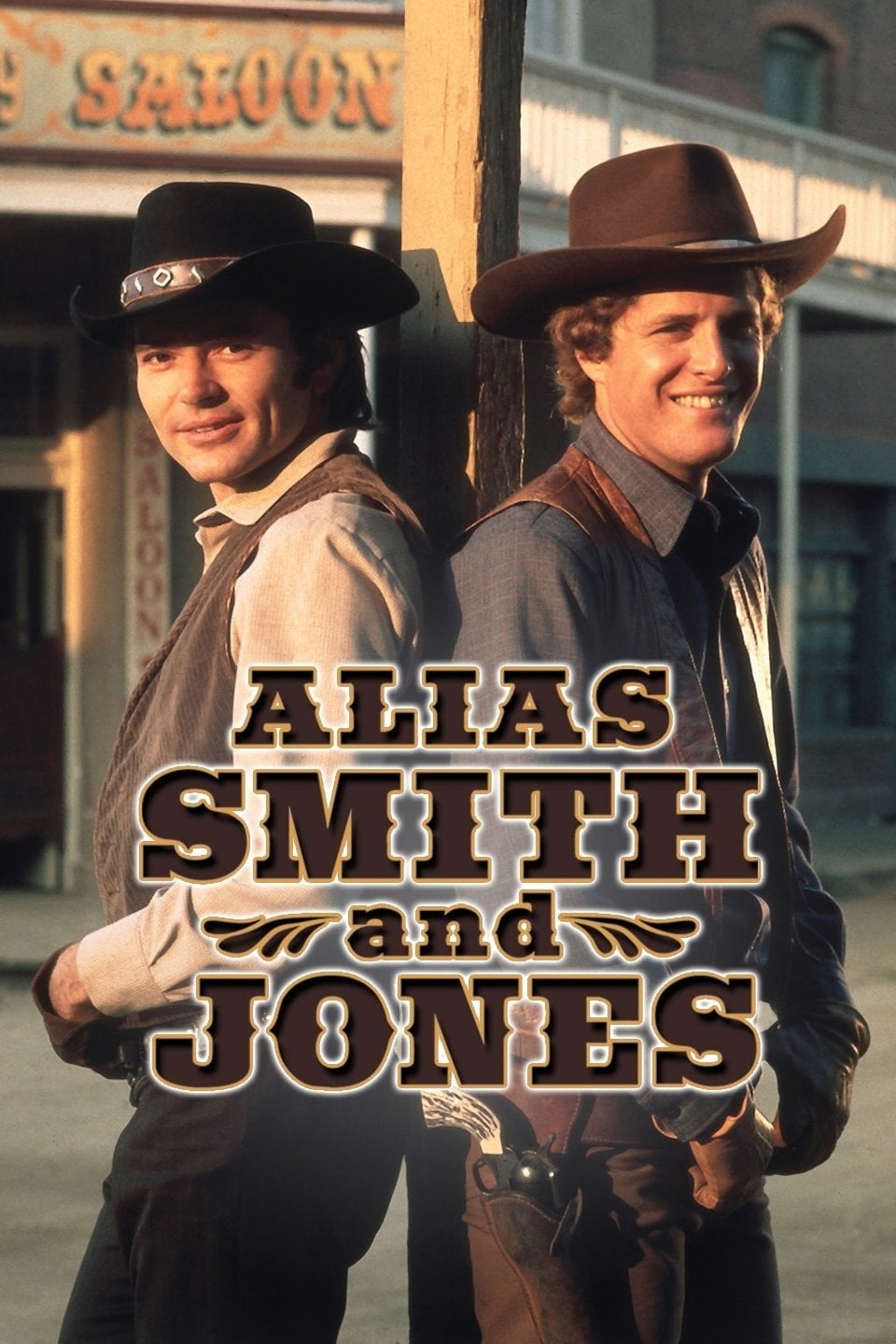
Alias Smith and Jones is an American Western series that originally aired on ABC from 1971 to 1973. It stars Pete Duel as Hannibal Heyes and Ben Murphy as Jedediah "Kid" Curry, a pair of cousin outlaws trying to reform. The governor offers them a conditional amnesty, as he wants to keep the pact under wraps for political reasons. The condition is that they will still be wanted— until the governor can claim they have reformed and warrant clemency.
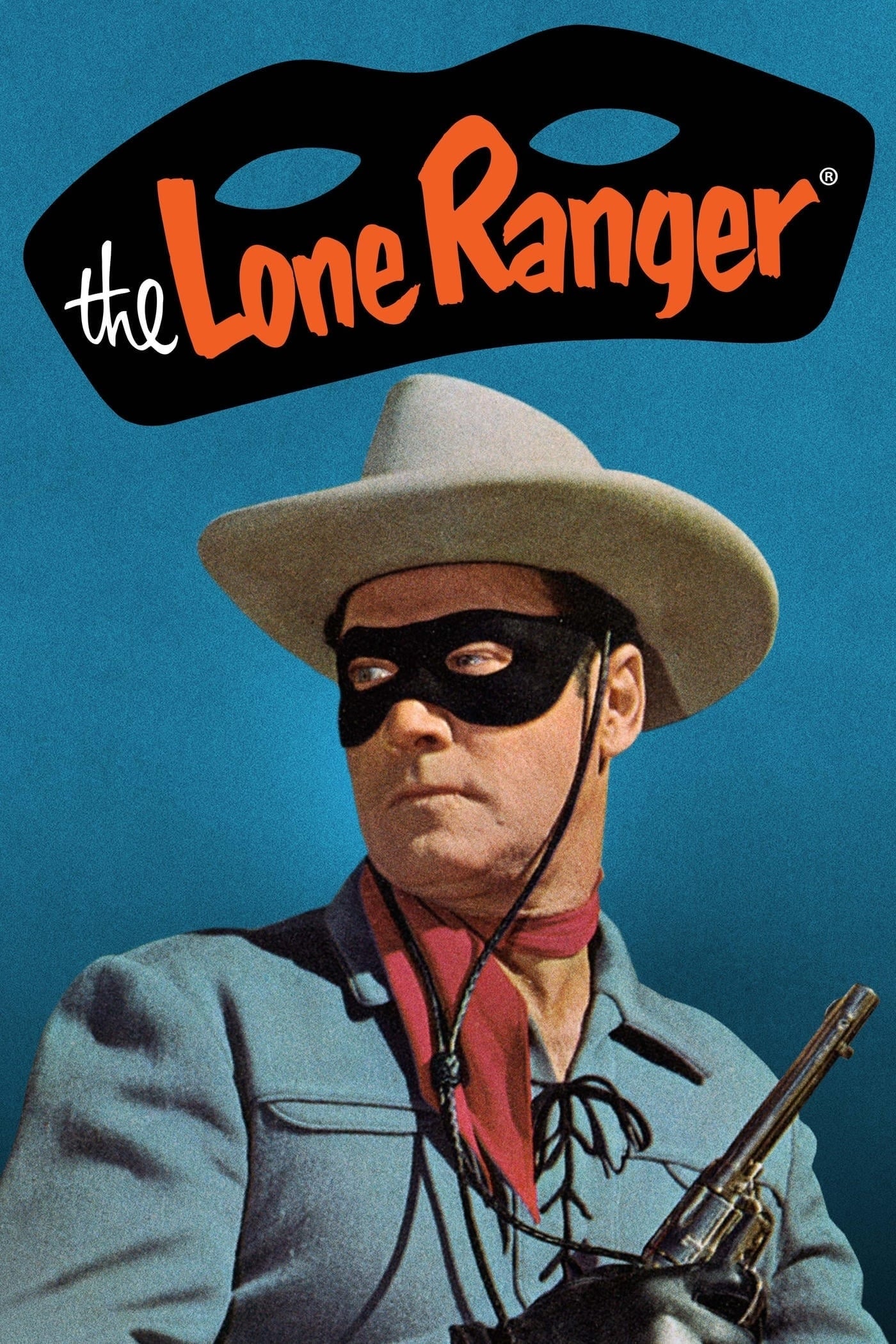
The Lone Ranger is an American western television series that ran from 1949 to 1957, starring Clayton Moore with Jay Silverheels as Tonto. The live-action series initially featured Gerald Mohr as the episode narrator. Fred Foy served as both narrator and announcer of the radio series from 1948 to its finish and became announcer of the television version when story narration was dropped there. This was by far the highest-rated television program on the ABC network in the early 1950s and its first true "hit".
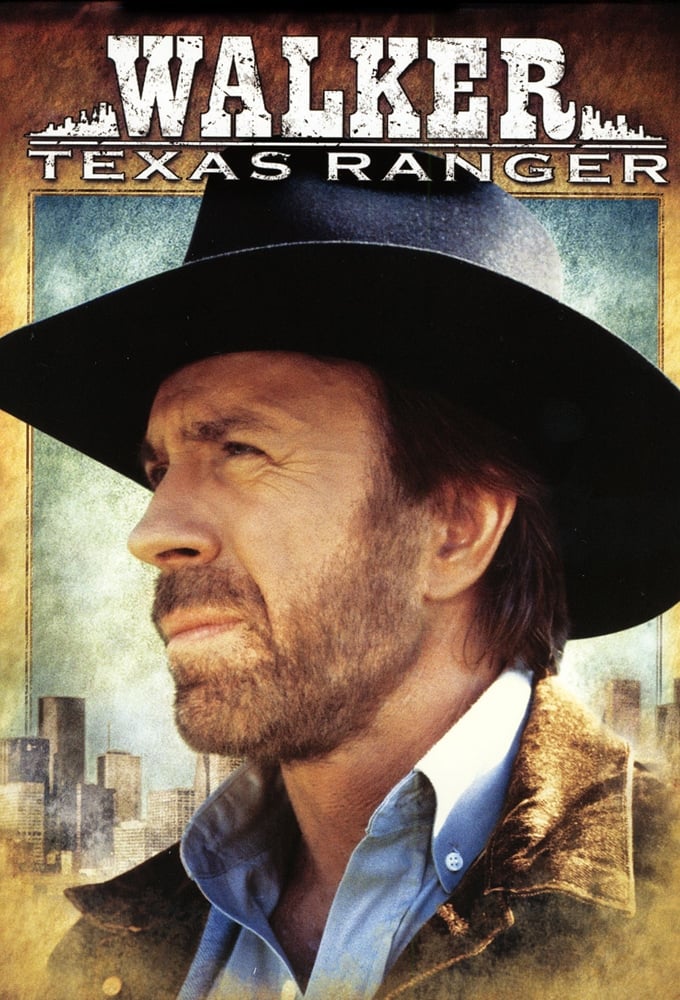
Modern-day Texas Ranger, Cordell Walker's independent crime-solving methods have their roots in the rugged traditions of the Old West. Walker's closest friend is former Ranger, C.D. Parker, who retired after a knee injury, and now owns "C.D.'s," a Country/Western saloon/restaurant. Rookie Ranger, James "Jimmy" Trivette is an ex-football player who bases his crime-solving methods on reason and uses computers and cellular phones. Alex Cahill is the Assistant DA who shares a mutual attraction with Walker, but often disagrees with his unorthodox approach to law enforcement.
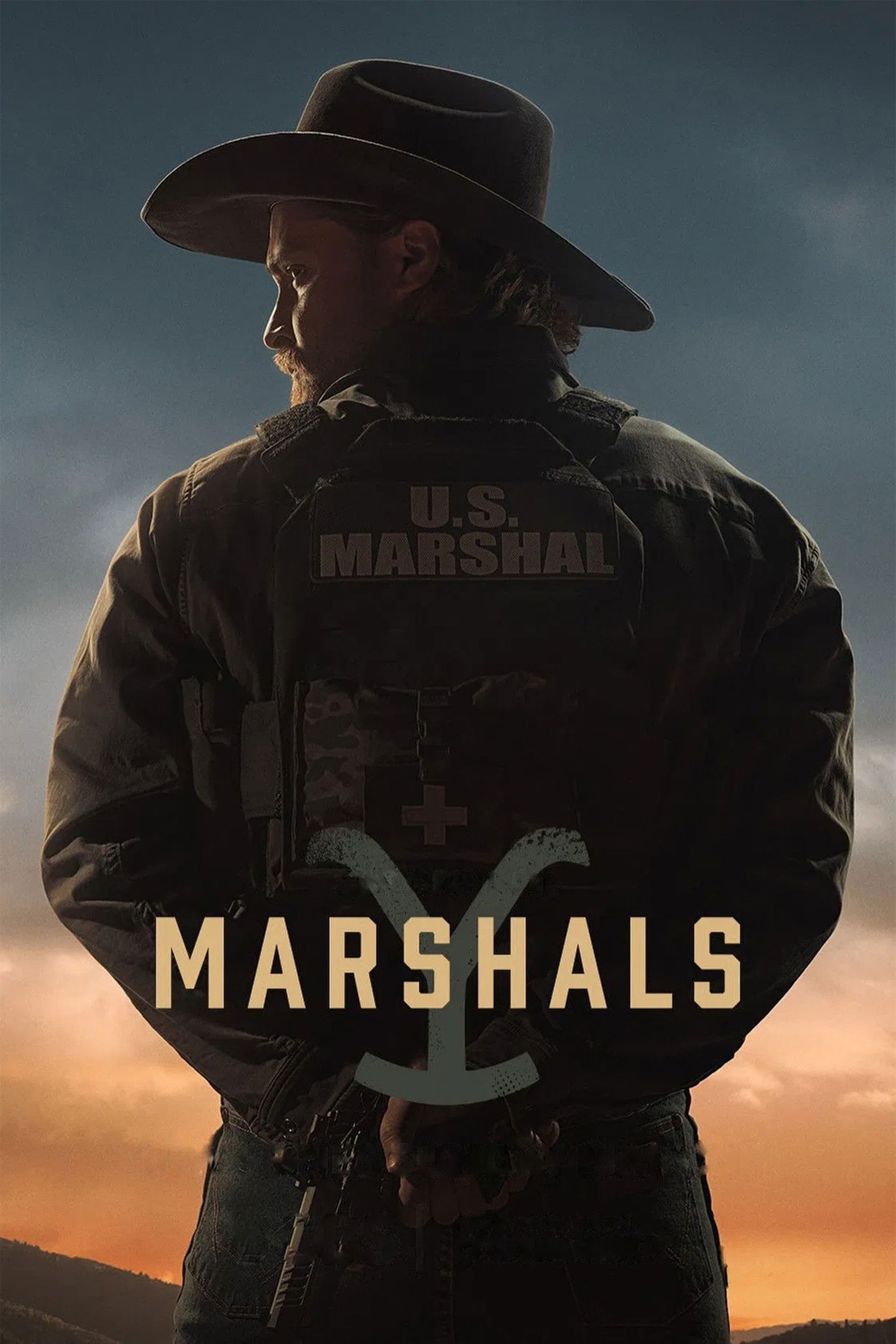
With the Yellowstone Ranch behind him, Kayce Dutton joins an elite unit of U.S. Marshals, combining his skills as a cowboy and Navy SEAL to bring range justice to Montana, where he and his teammates must balance family, duty and the high psychological cost that comes with serving as the last line of defense in the region's war on violence.
In a small Western town, spunky ex-city girl Lucky forms a tight bond with wild horse Spirit while having adventures with best pals Pru and Abigail.