Social & External
Oryu / Kasumi
Unknown Role
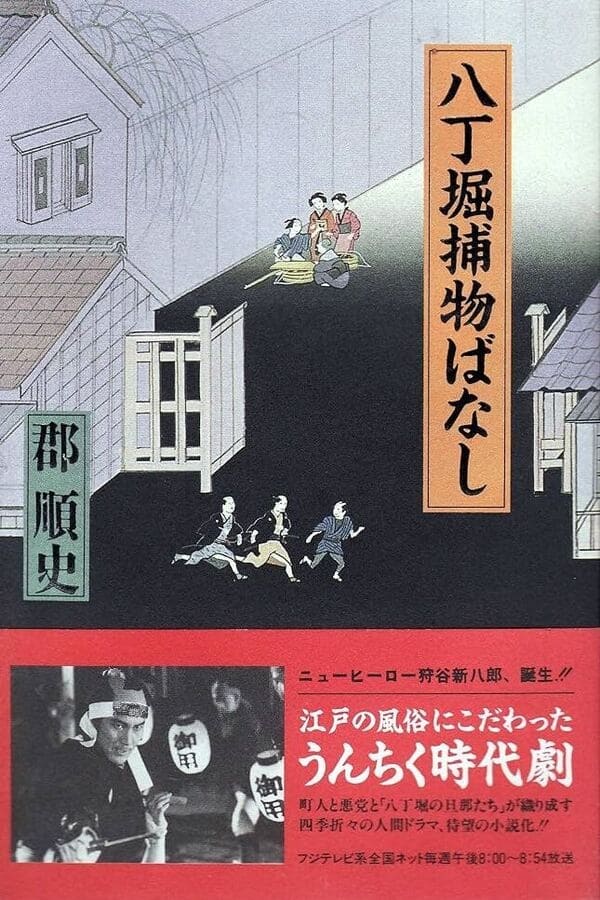
A jidaieki drama where a hard-nosed doshin, Shinpachiro Kariya, takes on difficult cases with exquisite teamwork under the supervision of a young magistrate.
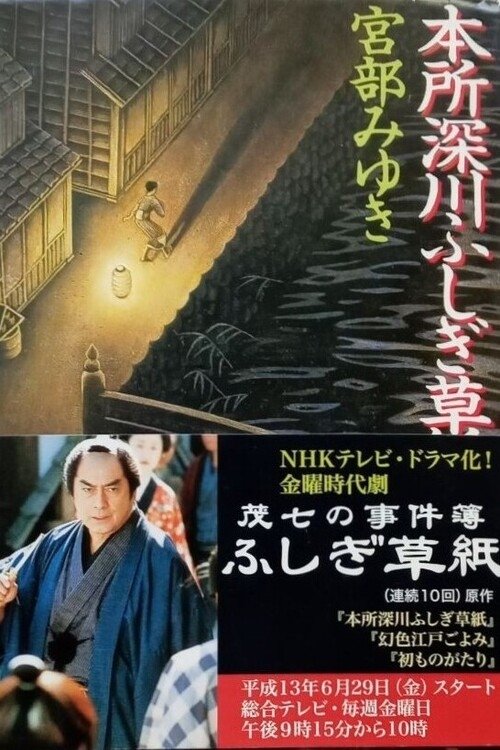
A mysterious humanistic period drama, setting in the Edo Period. As Okappiki, unofficial collaborators who played a marginal role in police functions, Moshichi (Takahashi Hideki) solves a number of mysterious incidents that occur in downtown Edo.
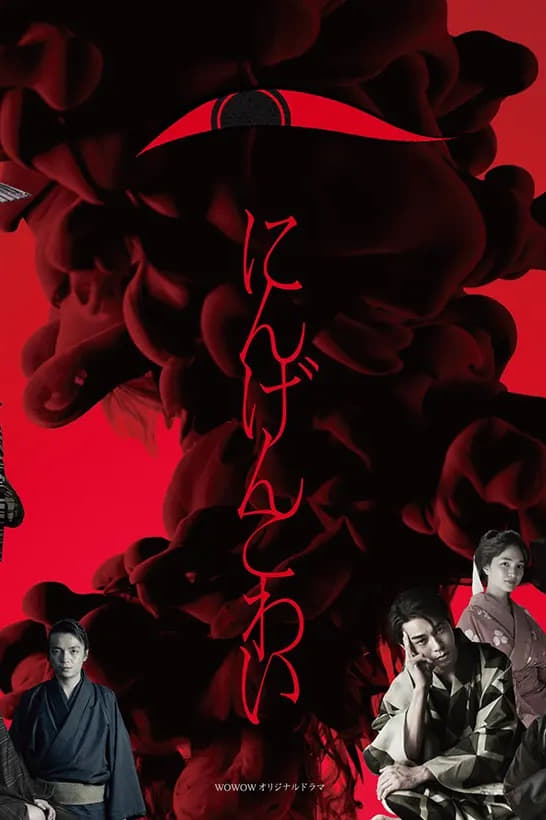
Rakugo has the image of a humorous story, but it is also a treasure trove of “scary stories”. Among them, this work boldly arranges a performance in which "human fear" stands out, and does it in an omnibus format. There are four rakugo plays that will be drawn as a drama this time: "Kokoro", "Tatsumi's Tsuji Zou", "Konya Takao", and "Miyatogawa (upper / lower)".
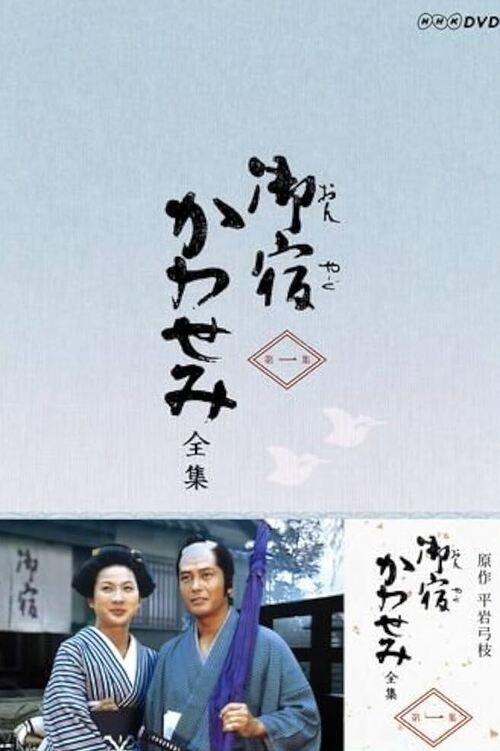
At the end of Edo period, Shoji Rui hands over her birthright to her relatives with the death of her father and begins running an inn "Kawasemi" in Ōkawabata. And she settles the matters in their daily lives with her lover Kamibayashi Tōgo, doshin (a sort of constable) Une Genzaburō, physician Amanō Sotarō, and O-Kichi.
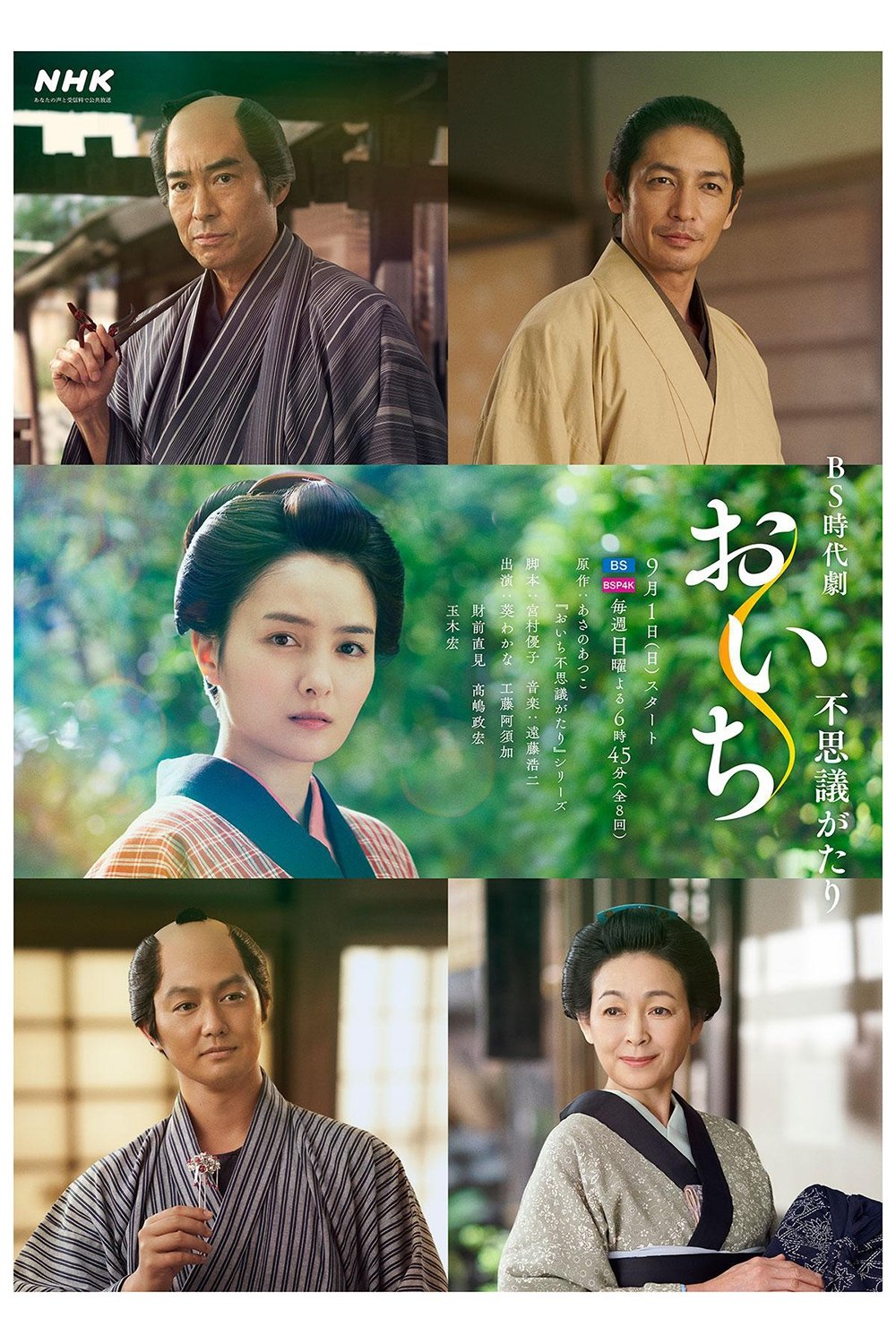
The story is set in Edo's Fukagawa district, where the heroine, Oichi, dreams of becoming a doctor and assists her father, a physician named Shōan. Oichi possesses a special ability: she can hear the "voices" and see the "figures" of those who have passed away with unresolved regrets. With a cheerful and positive outlook, Oichi, together with a local police chief, delves into the darkness of human nature, solving mysteries along the way. While the story offers the thrill of a period mystery with unexpected culprits, it is also a coming-of-age tale of Oichi as she struggles and ultimately carves out her own path using her unique powers.
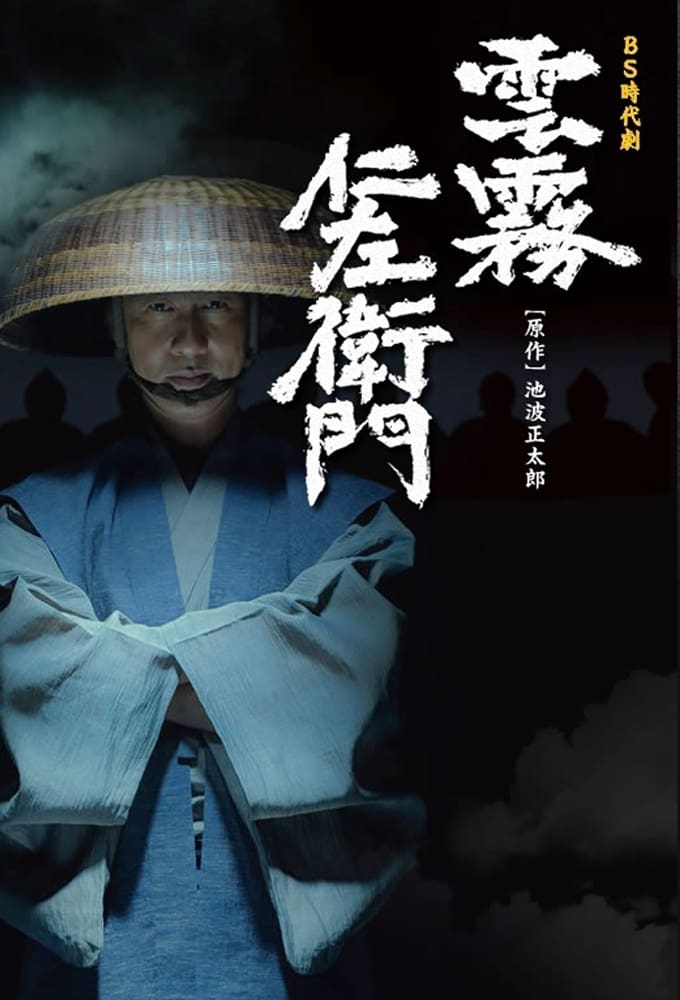
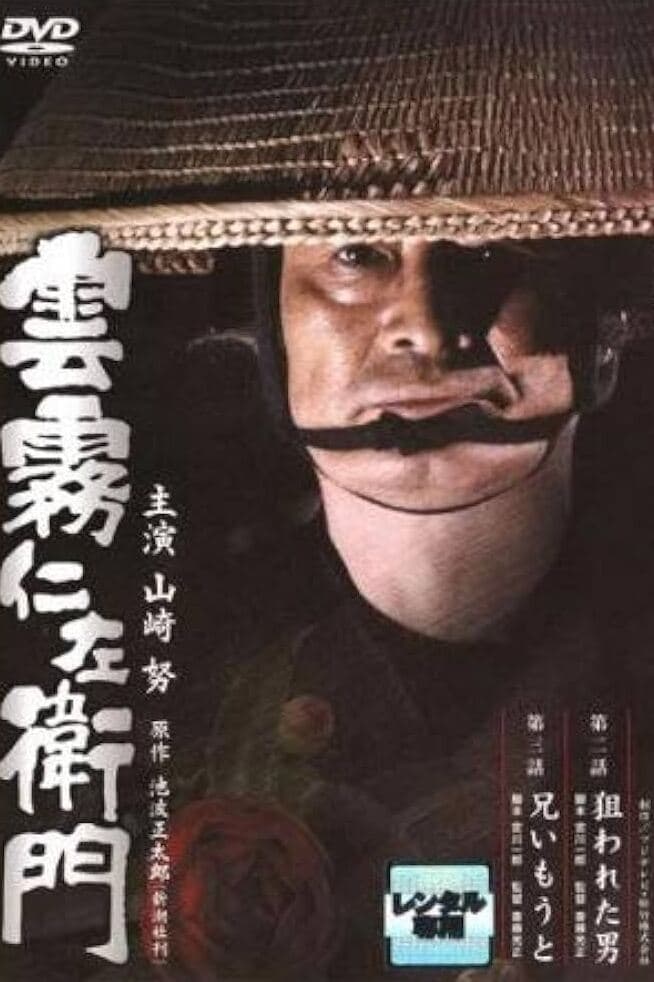
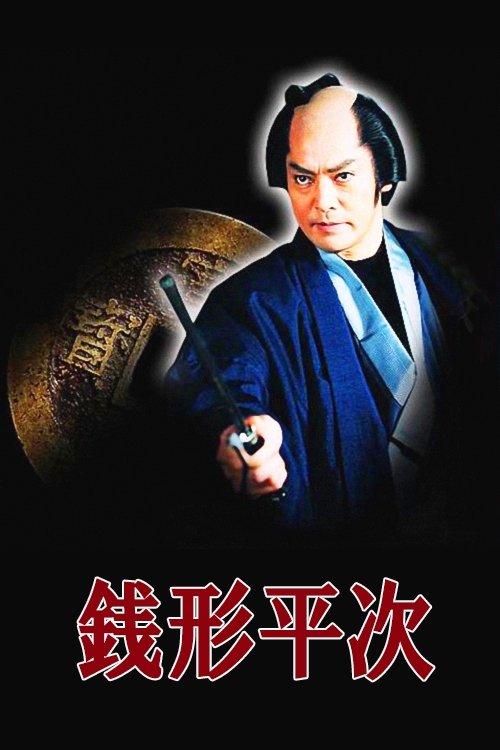
During the Kyoho period in the reign of Tokugawa Yoshimune, there is a gang of thieves active not just in Edo but also the Tokaido and the Nakasendo, and all across the Kansai region, stealing large sums of money with skillful techniques. They only target the very wealthy and never kill or injure people. They appear with the clouds and disappear like the mist. On the night that the beautiful Ochiyo is to become the bride of a dry goods dealer, a large amount of money hidden inside the shop is stolen. The gang disappears without injuring anyone. It was a two-year plan to marry Ochiyo off so that she could bring them in. The leader of this gang is Kumokiri Nizaemon, the greatest bandit of all time. He keeps a rein on his highly-skilled and notorious followers Nanabake no Ochiyo, Kinezumi no Kichigoro, Subashiri no Kumagoro, Ingakozo Rokunosuke and others.
A Japanese television jidaigeki that was broadcast in prime-time in 1995 on Fuji TV. It is based on Shōtarō Ikenami's novel of the same title and stars Tsutomu Yamazaki. In the Kyōhō period, there was a group of bandits called Kumokiri from the people of Edo. Tokugawa shogunate appoints Abe Shikibu a head post of the Hitsuke Tōzoku Aratamegata to arrest Kumokiri clan.
The drama tells the story of the Sanada family. Originally serving the Takeda Clan they ruled the northern district of Shinano. The story begins right after the death of Takeda Shingen, continues through the rise of Tokugawa Ieyasu who founded the Tokugawa shogunate and covers roughly the period 1580-1610.
Lord Sanada along with his deadly ninja assassins Kirigakure Saizo and Sarutobi Sasuke attempt to restore the rule of the Toyotomi during the brutal period just after the rise of the Tokugawa Shogunate.
We're in Shamisen-bori of the bustling city of Edo. The officers of Guardhouse 36 monopolize the popularity in Edo. They're strong against evil, soft in compassion. Even the shogun depends on them. They're called the “Kirisute Bansho”... with a right to kill.
Nezu no Hamakichi used to be a renowned detective. He had lost his job and been banished from Edo after he was arrested for some reasons. Back in Edo for the first time in 5 years, he has just sold toys. This is a story that Hamakichi resolves difficult incidents.
Dobu, an unconventional detective, teams up with Yoriki Samon to solve crimes in Yaoyacho, Edo, showcasing their courage and detective skills.
Botan Dōrō is a Japanese ghost story that is both romantic and horrific; it is one of the most famous kaidan in Japan. The plot involves sex with the dead and the consequences of loving a ghost.
A human drama based on the "Date Riots".
Set at the end of the Edo period, the series depicts Kumo's family with his wife, Kame, their 11-year-old son, Shinnosuke. Kumo is always ignoring work and playing and he is also notorious for womanising.
A dramatization of Ryotaro Shiba's novel of the same title about the life of Kobayashi Sahē, a chivalrous man who actually existed at the end of the Edo period.
Yoshitsune is a Japanese television drama series originally broadcast between 9 January and 11 December 2005, with a three-part special compilation being aired from 24 December to 25 December 2005. The 44th Taiga Drama, the original work is by Miyao Tomiko, screenplay by Kaneko Narito and starring Hideaki Takizawa.
The 38th NHK Taiga Drama is Genroku Ryoran. The "Forty-seven Loyal Samurai" is one of the most enduring and best loved stories of Japan's history. Generations have grown up hearing the stirring tale of Oishi Kuranosuke, chief councillor of the Ako clan who leads his men through suffering and hardship to ultimately avenge their lord after he is unjustly forced to commit harakiri. NHK's 38th Taiga Drama "Genroku Ryoran" is the ambitious remake of this classic epic and boasts a cast that reads like a Who's Who in Japanese entertainment.
The 36th NHK Taiga Drama is Mori Motonari. This series chronicles the life of Mori Motonari, a warlord of the early 1500s who stood at the vanguard of the Warring States era. All Japanese school textbooks contain the Mitsuya no kyokun, Mori's famous lesson to his three sons that teaches that while one arrow is easily broken, three arrows together cannot be broken. In 1997, 500 years after his birth, NHK dramatizes Motonari's rise from a chief of the region of Aki (now Hiroshima) to a daimyo who rules over ten provinces of the Chugoku region. Motonari was 64 years old and already the patriarch of a powerful dynasty about the time Oda Nobunaga and Takeda Shingen appeared on the scene. And even after his death, the Mori family figured prominently in Japanese history. His grandson Terumoto became a loyal Toyotomi vassal. Defeated at the Battle of Sekigahara, Ieyasu confiscated most of his lands, leaving him only with Suwo and Nagato, later known as Choshu. But 260 years later, the Mori got their ultimate revenge, leading the imperial forces against the Tokugawa in the Meiji Restoration.